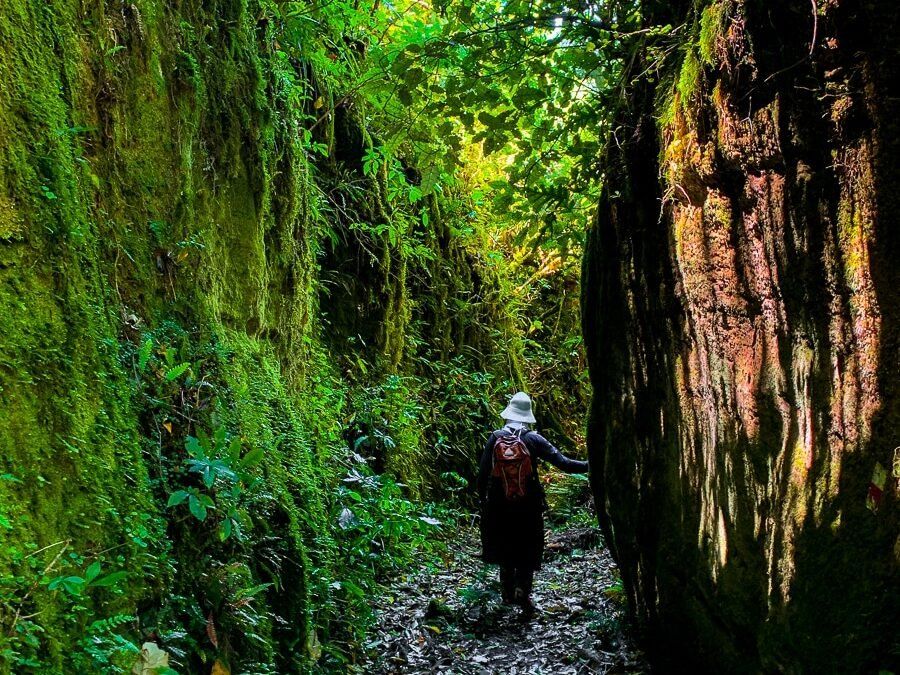
Blowhard Bush on the Taihape-Napier Road
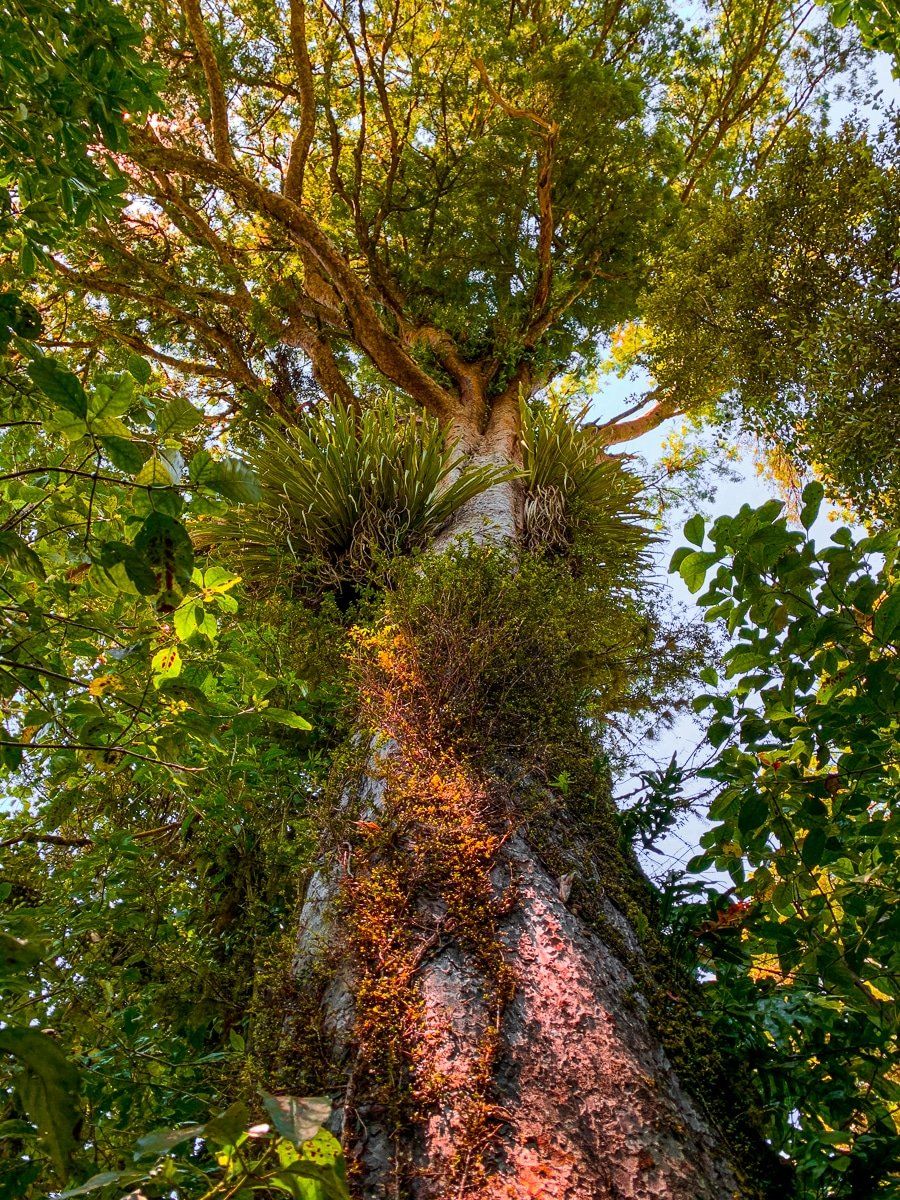
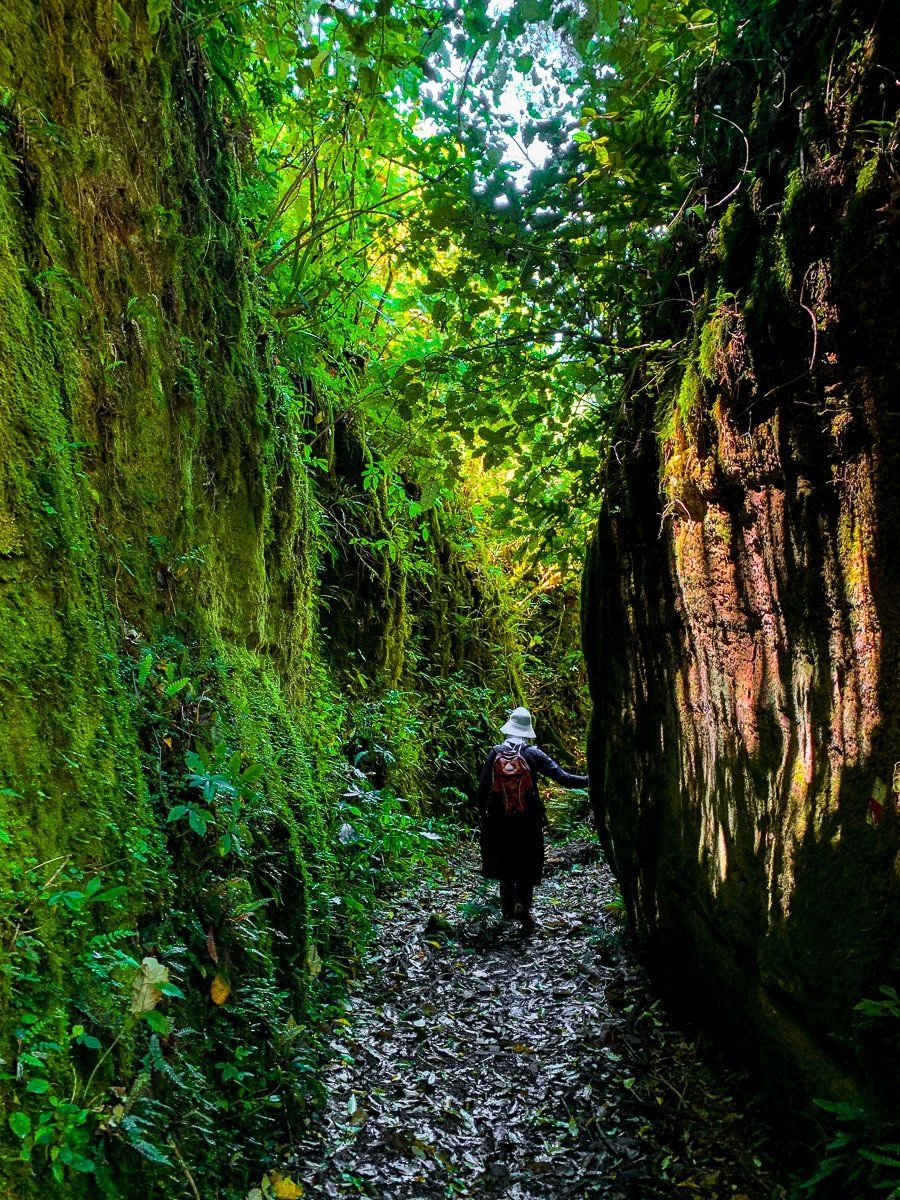
Located about halfway along the remote Taihape-Napier Road, Blowhard Bush is a hidden gem worth discovering. This mature native forest remnant is known for its striking limestone rock formations, caves, towering trees and genuine rainforest atmosphere. It's an ideal spot to pause and explore during the 150 km journey from Fernhill, near Napier, to State Highway 1, south of Waiouru.
Through the Kaweka Forest
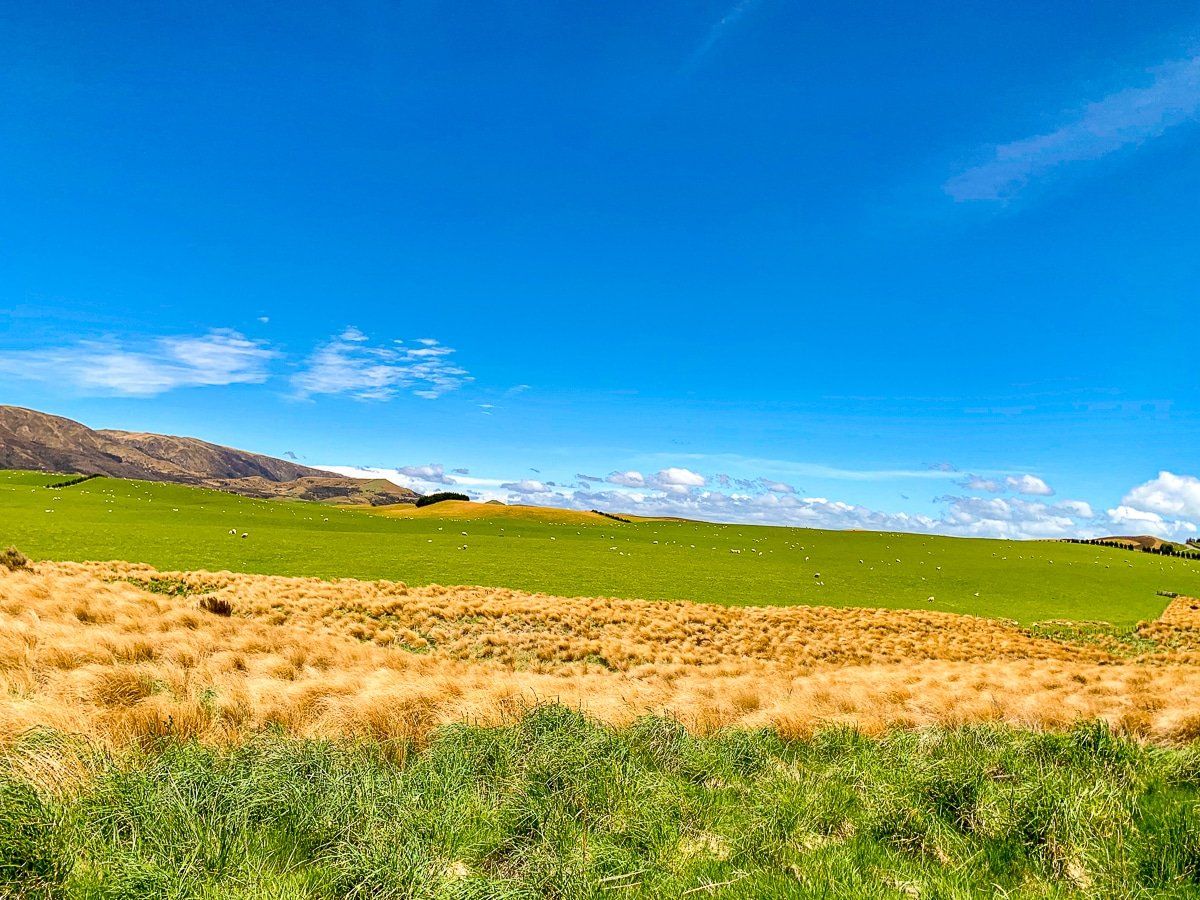
As you travel along the Taihape-Napier Road, you'll first cross farmland before entering the Kaweka Forest, a vast area of exotic pine trees. The road ascends 700 metres to a pass in the Glenross Range. Near this pass, in an area known as the Blowhard, you'll find the entrance to Blowhard Bush. Access is via Lawrence Road, a metal side road about a kilometre from the main route.
Walking the Tracks
Blowhard Bush features a network of short, looped walking tracks nestled in regenerating native forest, each offering a unique blend of natural beauty and geological interest. The walking tracks range from easy 30-minute loops to more immersive routes that can take up to three hours when combined.
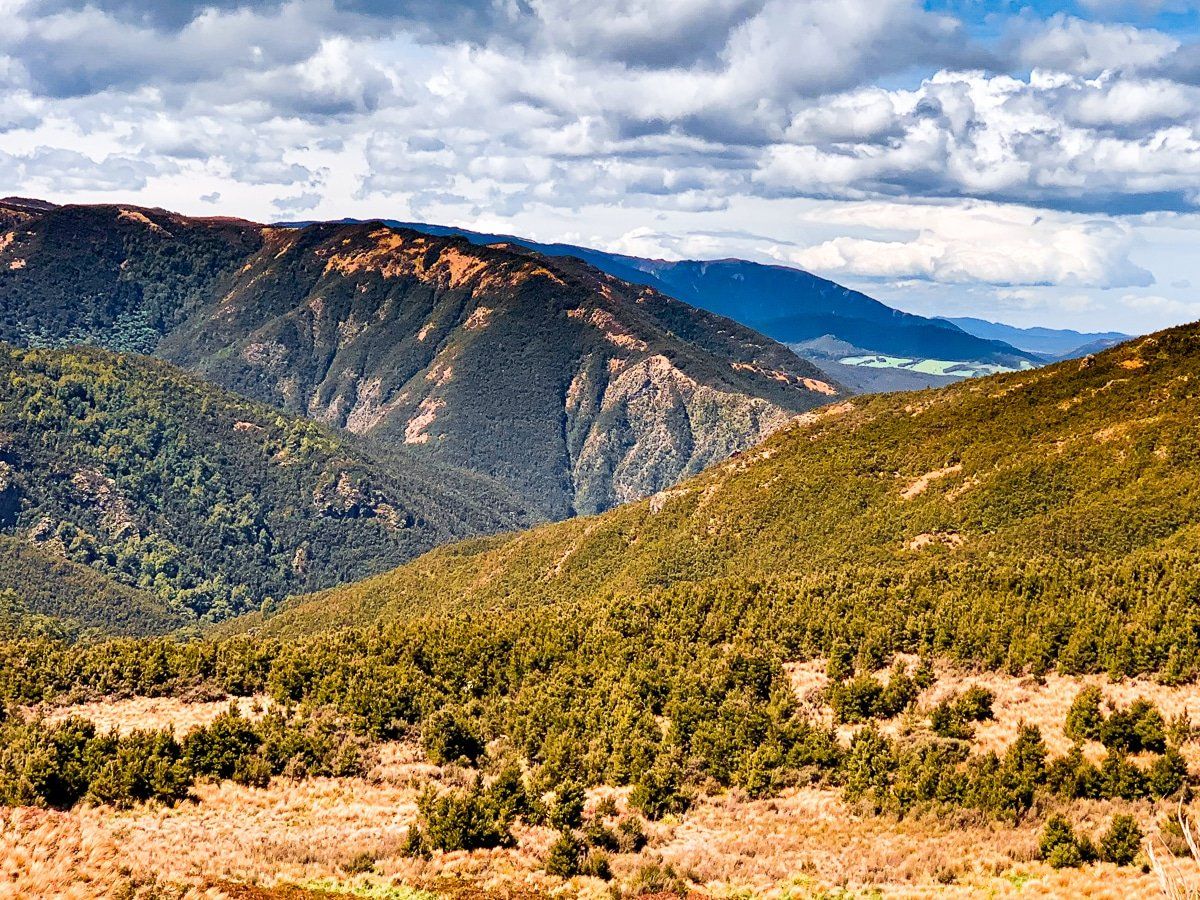
The Tui Track is the longest individual loop at approximately 2.5 hours. It takes walkers through diverse native bush with stands of kānuka and regenerating podocarps. The route winds gently uphill to elevated ridgelines, where you’ll find occasional openings with sweeping views toward the Hawke’s Bay ranges and coastal plains.
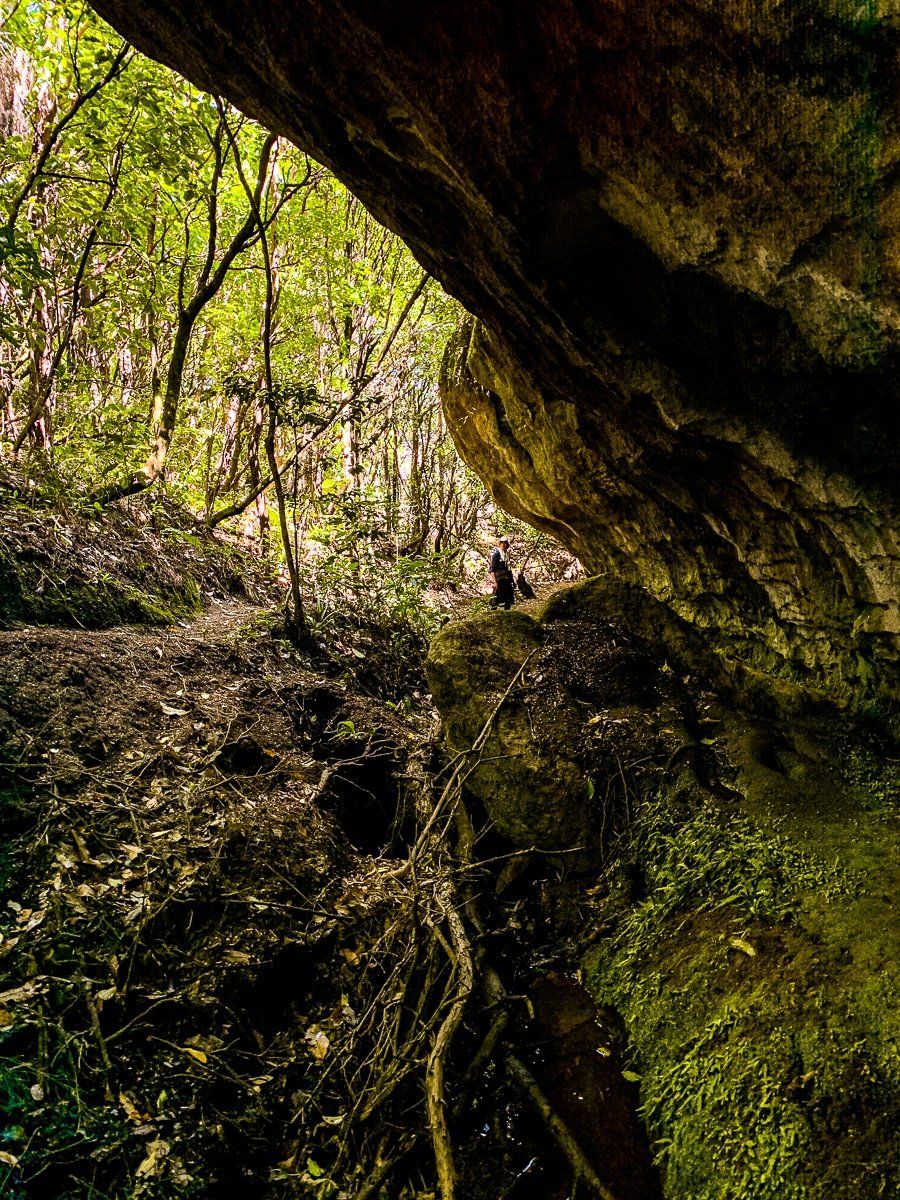
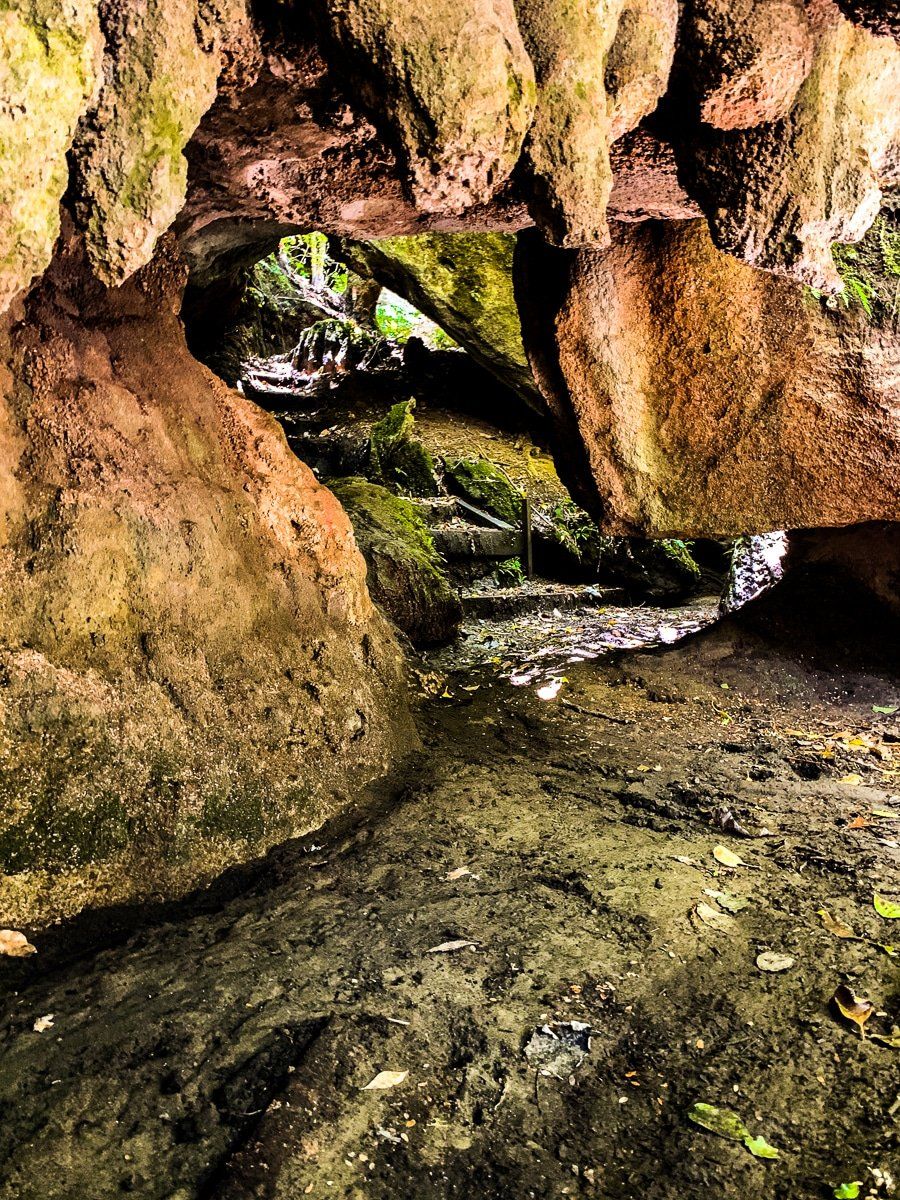
The Troglodyte Track, true to its name, is a fascinating 30–45 minute experience through terrain dotted with limestone outcrops, mossy boulders, and small caves, remnants of the region’s karst landscape. This track is especially popular for its unusual rock formations and the opportunity to explore shallow caverns.
The Rewi Track is a gentle 30-minute loop, perfect for a short stroll or introduction to the reserve’s ecology. It passes through dense regenerating forest and is a good option for birdwatching, with native species such as tūī, pīwakawaka (fantail), and kererū often spotted among the trees.
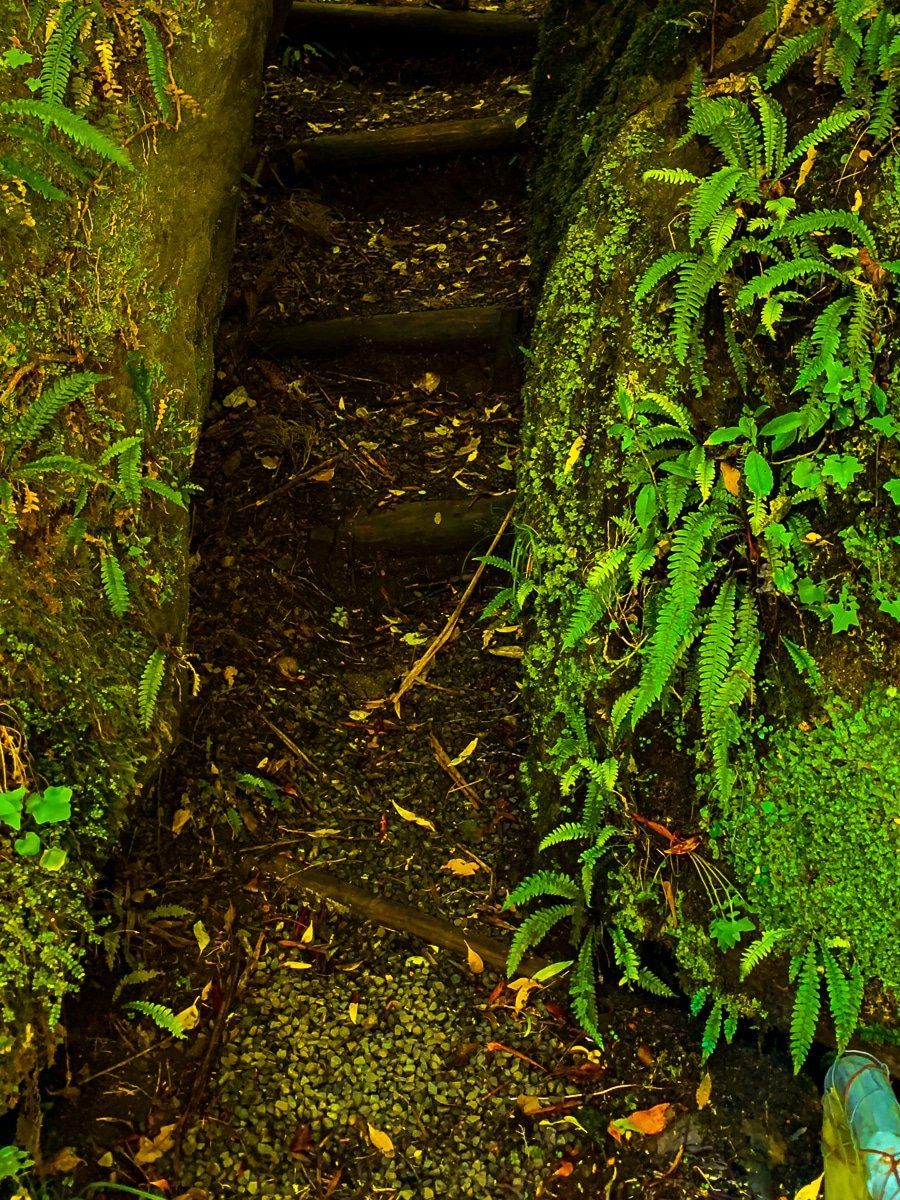
The Rakaunui Track, less frequently walked but equally rewarding, meanders through dense native bush and connects to other loops for those looking to extend their walk. All tracks are clearly marked and well maintained, with interpretive signs providing information on the area’s flora, fauna, and geology.
Forest Recovery in a Limestone Paradise
The limestone features are a defining characteristic of Blowhard Bush. Eroded over millennia, these rocks form shallow caves, alcoves, and overhangs that give the forest a rugged, mysterious character. In some spots, you can even see ancient marine fossils embedded in the stone, a reminder of the area's geological history beneath the sea.
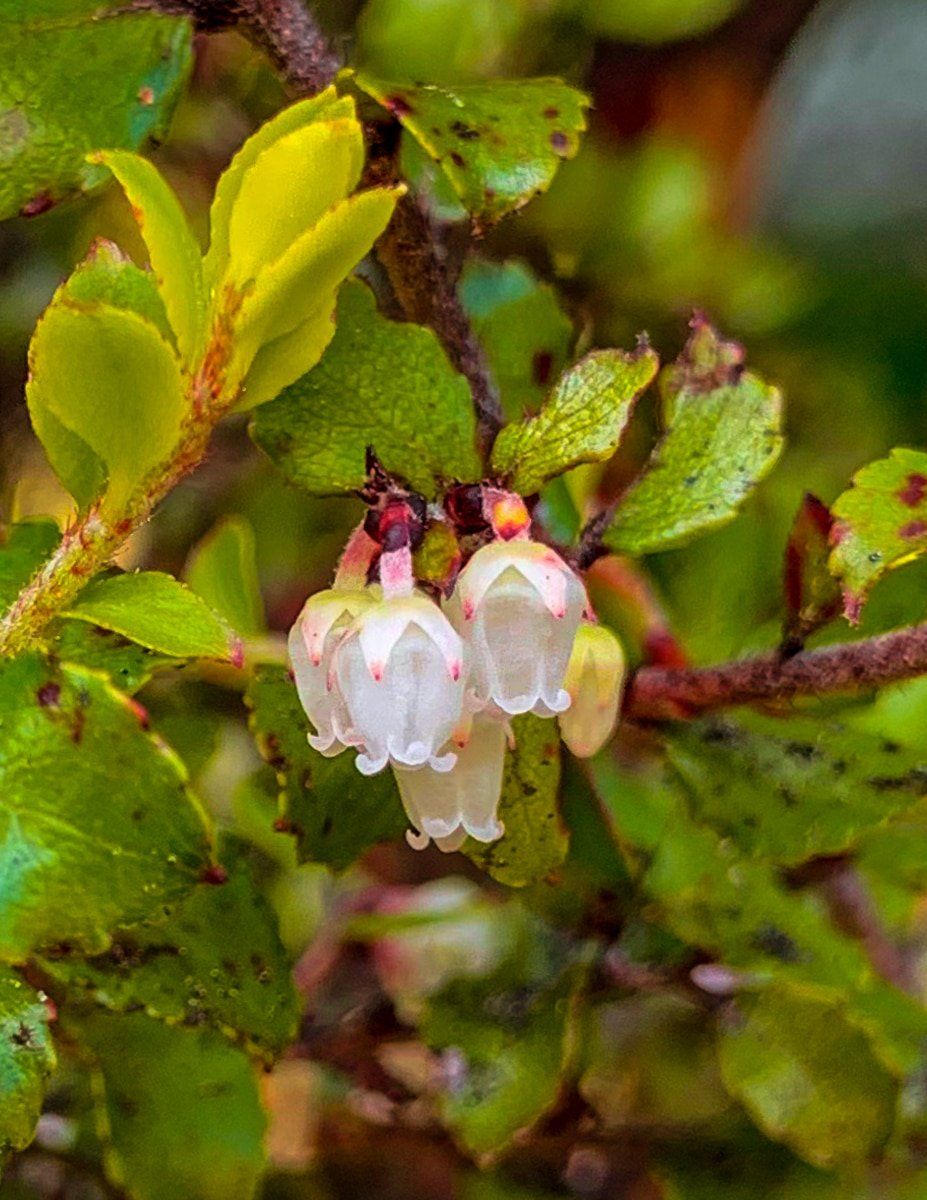
The forest itself is a remarkable example of North Island hill-country regeneration, with a canopy dominated by kānuka, mānuka, and five-finger, while ferns, mosses, and lichens blanket the forest floor. Birdsong echoes throughout the tracks, adding to the immersive bush experience.
Managed by the NZ Forest and Bird Society
Blowhard Bush is managed by the New Zealand Forest and Bird Society, and its relative obscurity makes it feel like a hidden gem. Its location at the edge of the Kaweka foothills and limited signage from main roads mean it’s often missed by casual travellers. However, for those who seek it out, it is a peaceful, uncrowded alternative to more well-known Hawke’s Bay bush walks, ideal for families or anyone looking to experience an authentic slice of New Zealand’s forest and limestone landscape.
Other wonderful reserves managed by NZ Forest and Bird Society include Bushy Park near Whanganui and the Lenz Reserve in the Catlins.
How to Get There
To reach Blowhard Bush, drive along the Taihape-Napier Road until you near the pass in the Glenross Range. Look for the Blowhard area and turn onto Lawrence Road, a metal side road about a kilometre from the main road. This will lead you to the entrance of Blowhard Bush. From Napier, the drive is 1 hour and 64 km.
Nearby, you can visit Kuripapango, the gateway to the Kaweka Forest Park.