Exploring Government Gardens in Rotorua
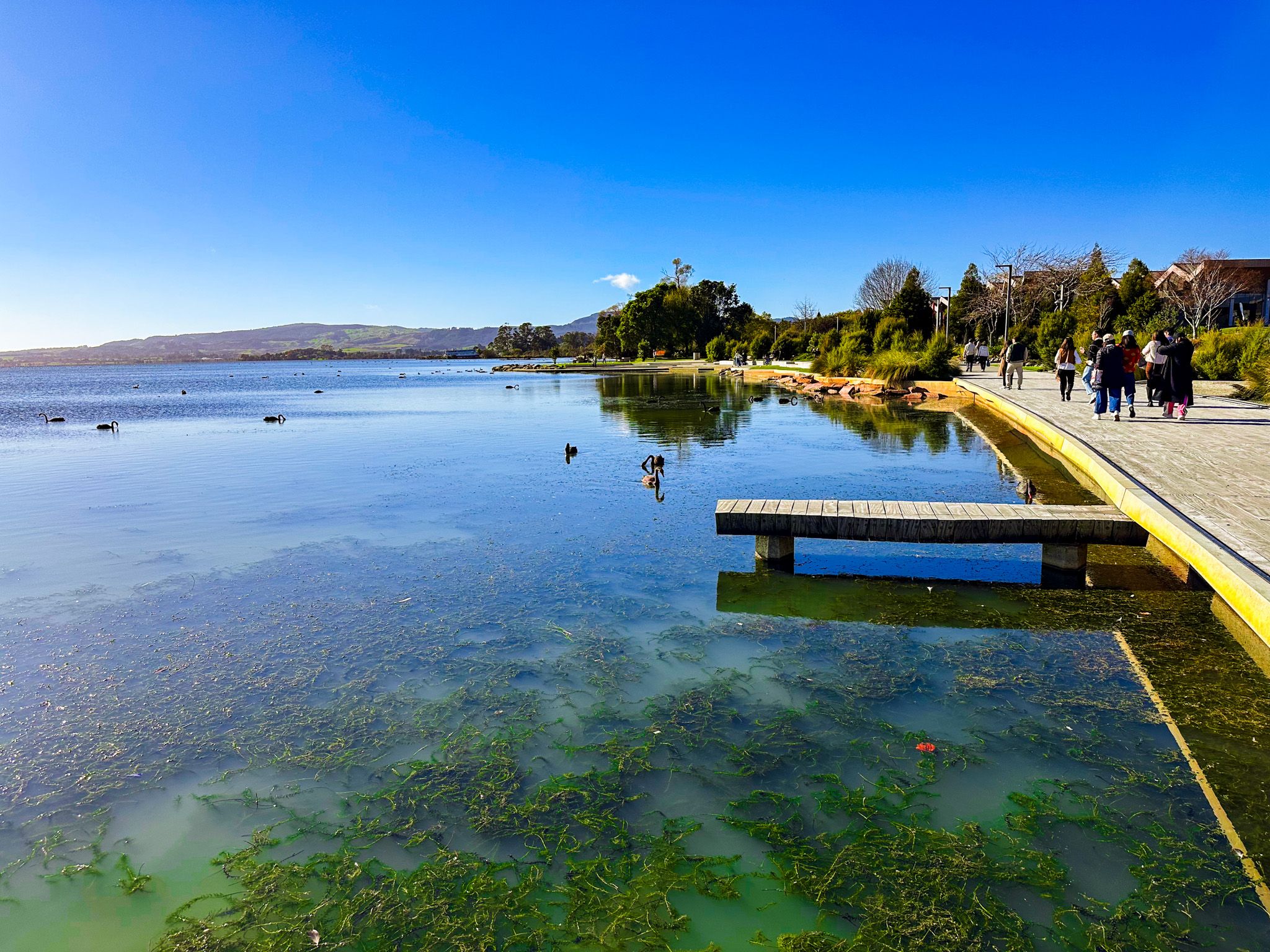
Government Gardens is a significant park located between downtown Rotorua and Lake Rotorua. It is bordered by Hinemaru Street to the west and Hatupatu Drive to the southeast. The park was developed by the New Zealand government in the late 1800s as a tourist attraction, thanks to the generosity of the local Te Arawa Māori, who donated 50 acres for this purpose. The area, known as Paepaehakumanu and Motutara, was used historically for bird snaring and was the site of pre-European battles.
Architectural Highlights
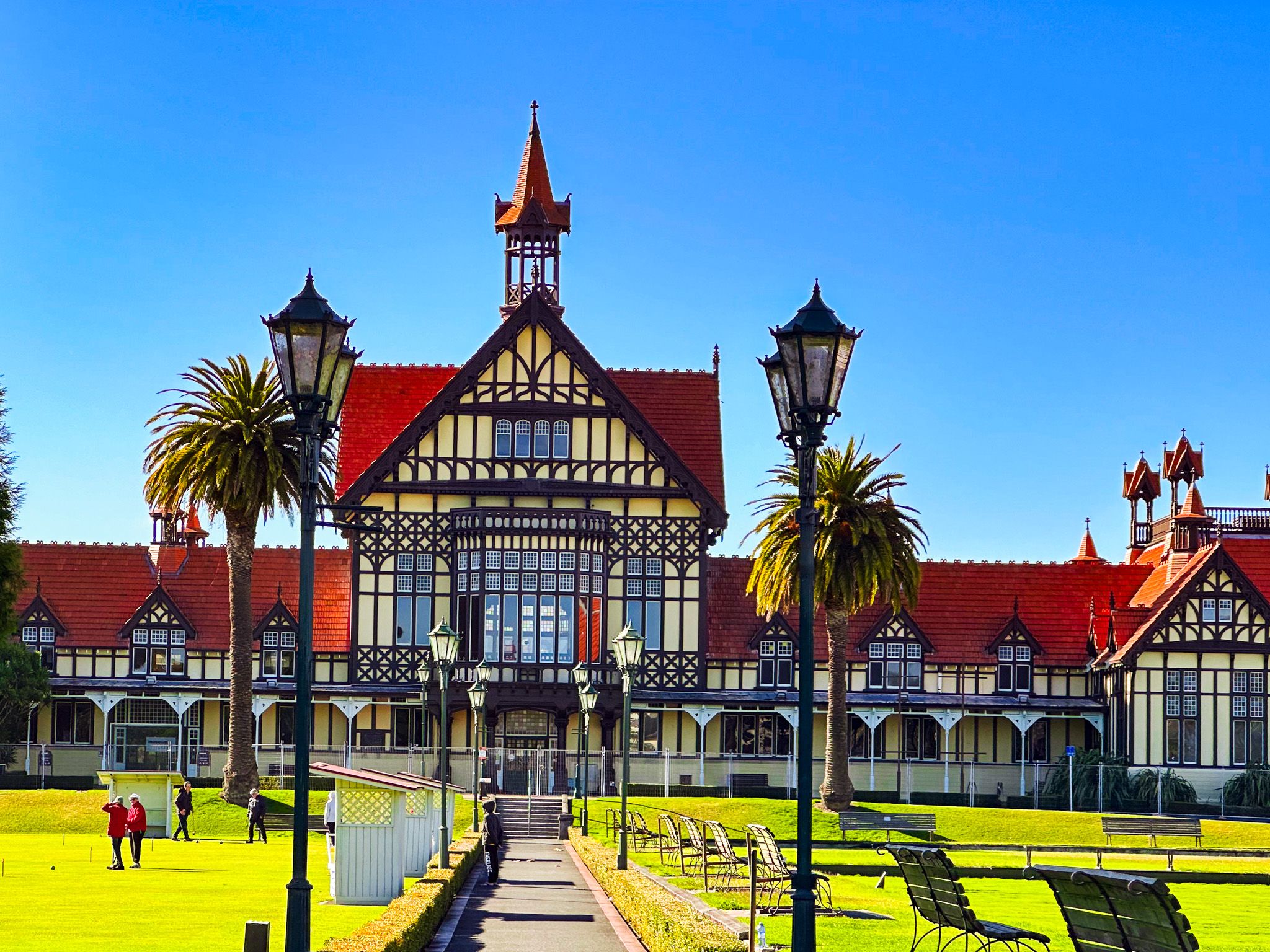
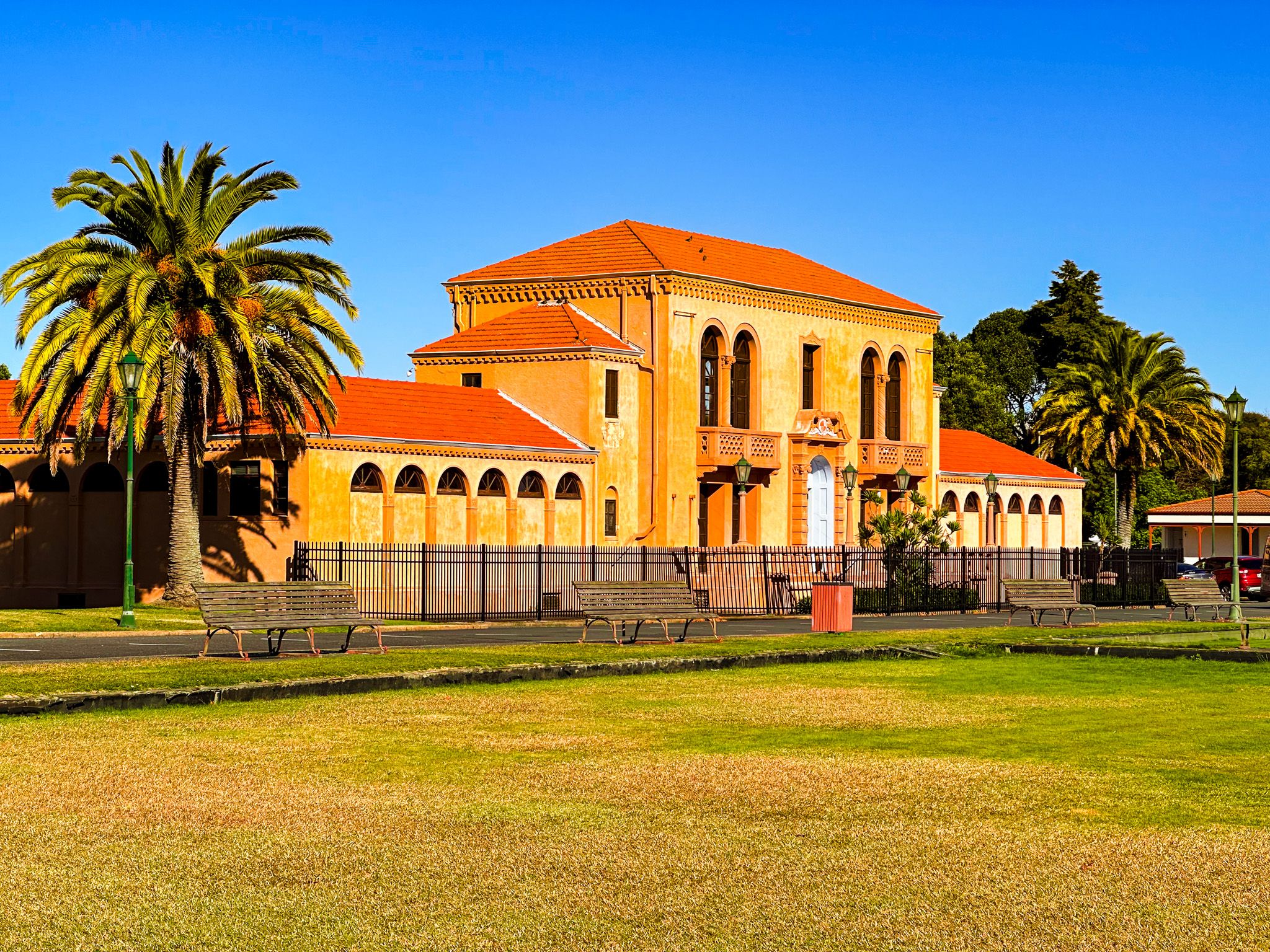
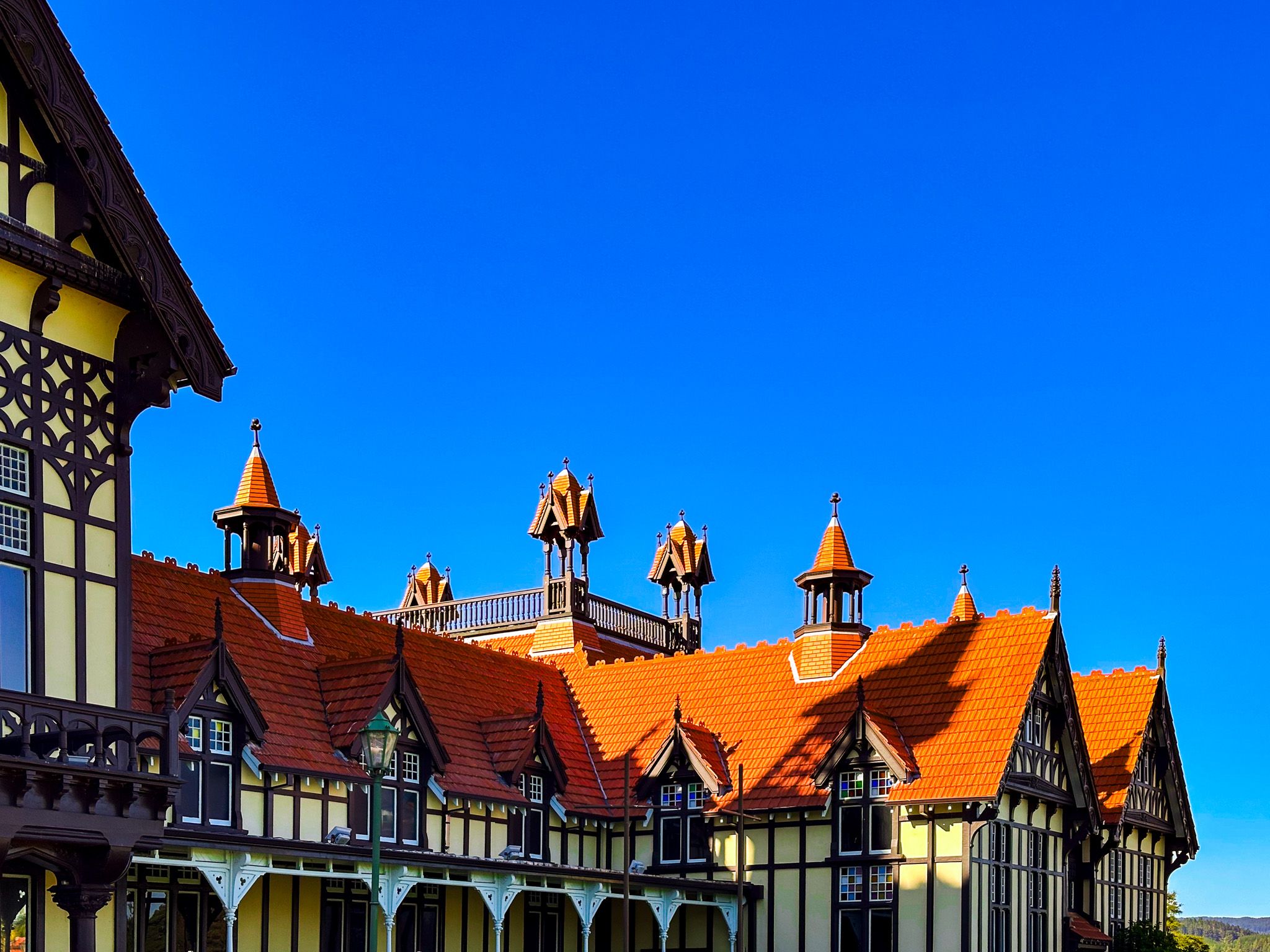
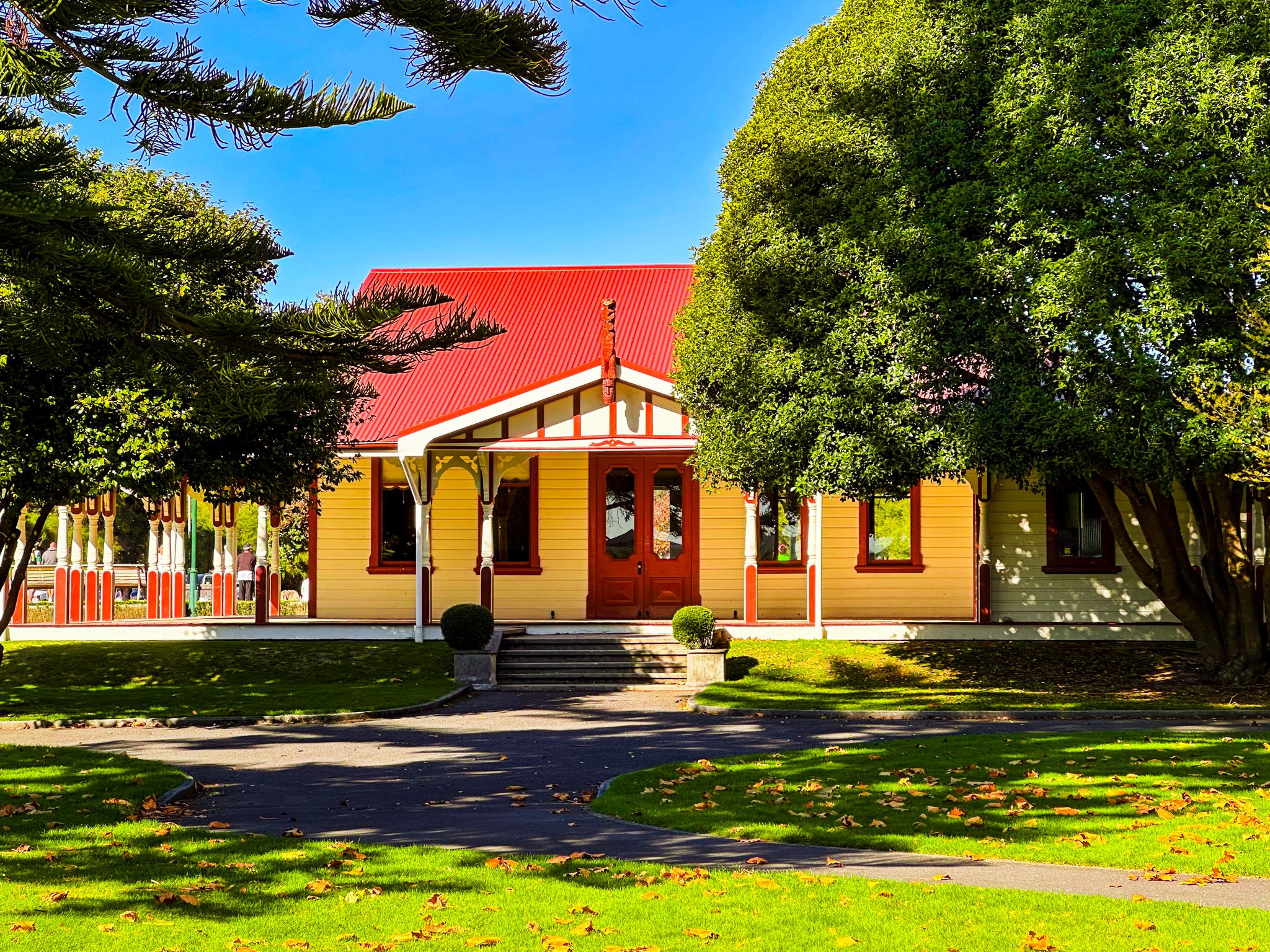
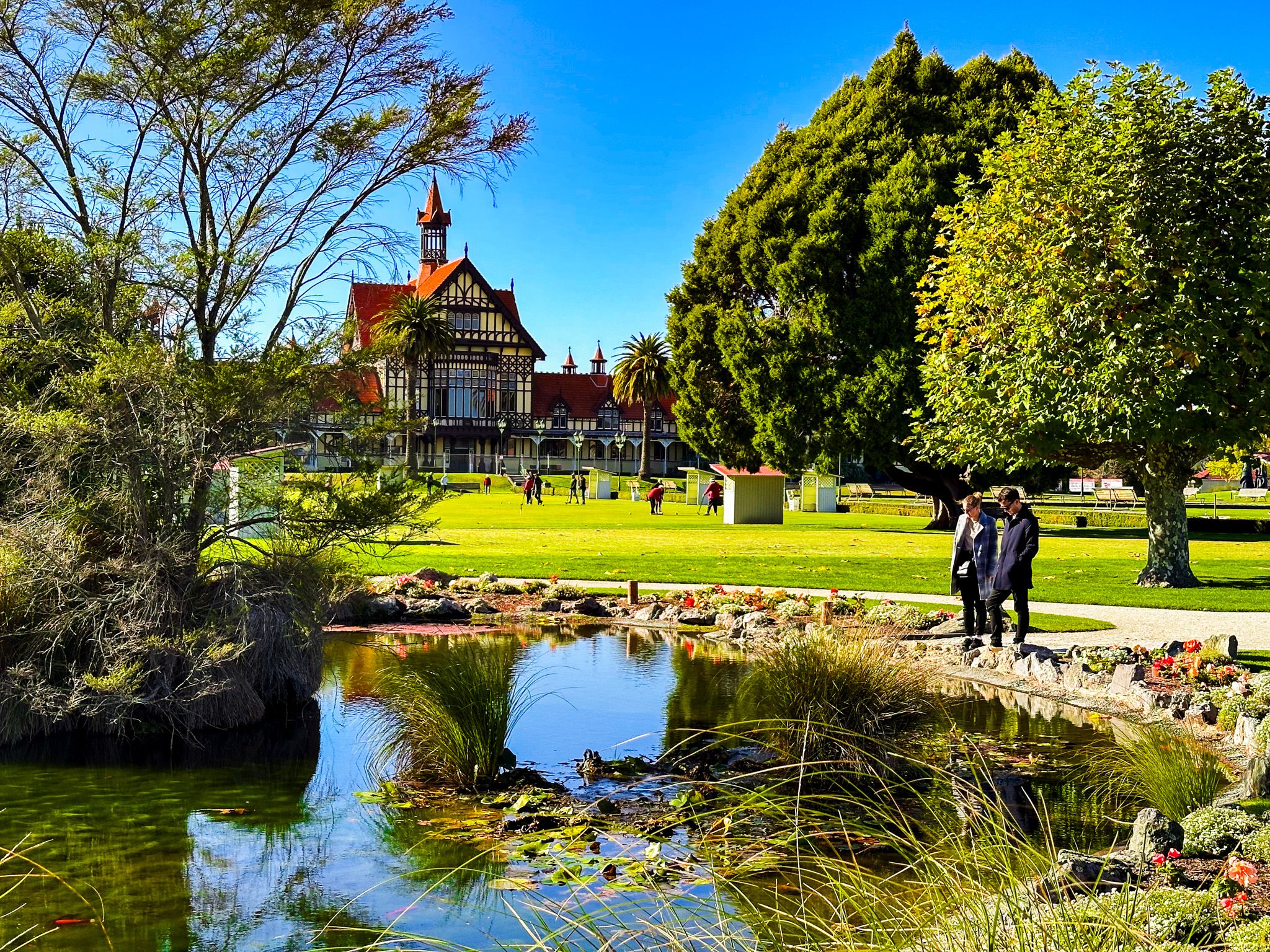
The government's first major investment in New Zealand's tourism industry was the construction of a bathhouse powered by thermal waters, completed in 1908. This impressive Mock Tudor building is located at the park's east end. The Blue Baths, designed in a Spanish Mission style, opened in 1933 and were notable for allowing mixed bathing, which was controversial at the time.
Both buildings have undergone periods of closure and renovation. The Blue Baths were closed in 1982 and reopened for bathing in 2000. The 1908 bathhouse ceased operations in 1966 and was transformed into the Rotorua Museum in 1995. Although currently closed for further renovations, the building remains a striking feature of the gardens.
Park Features and Attractions
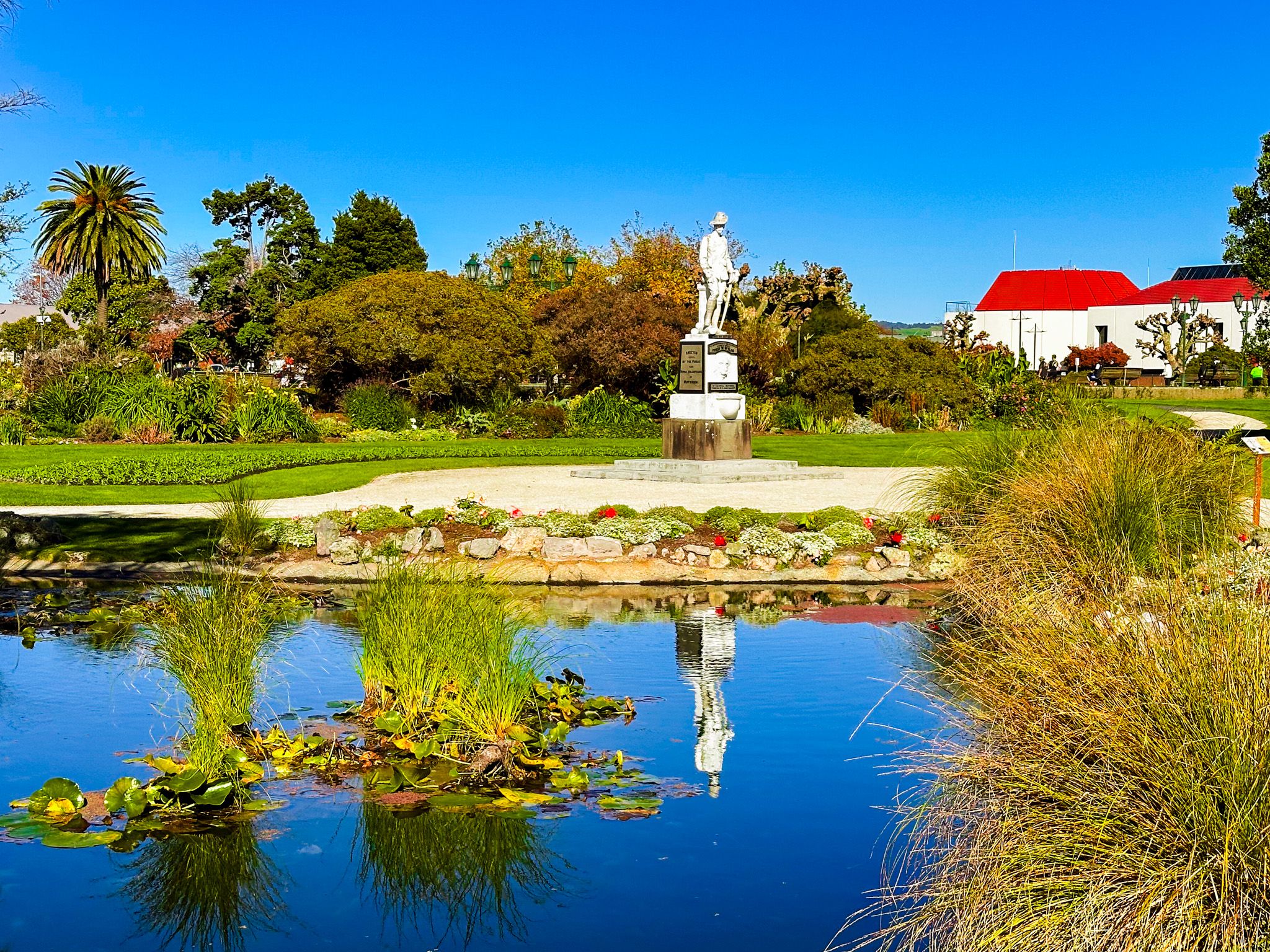
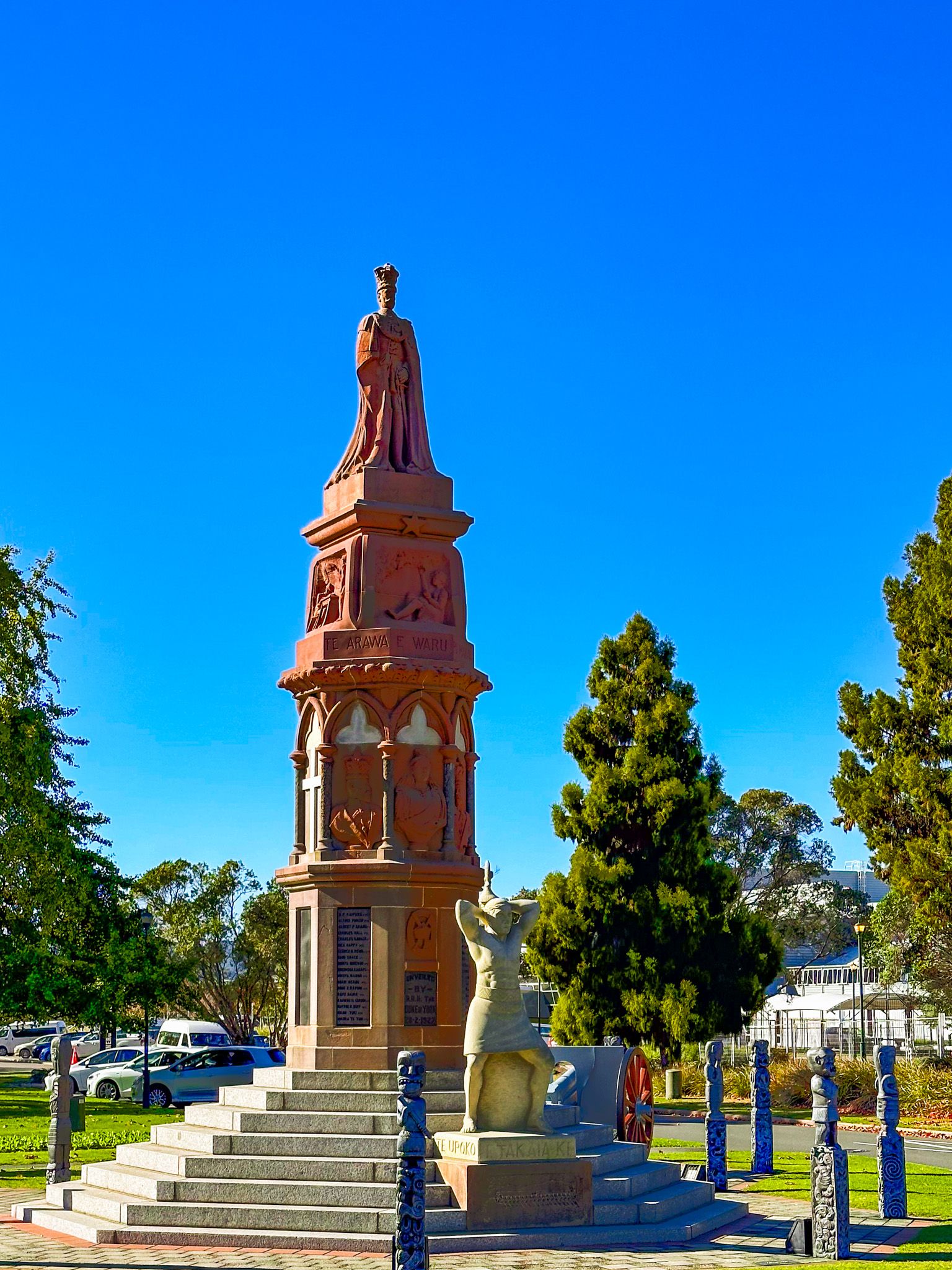
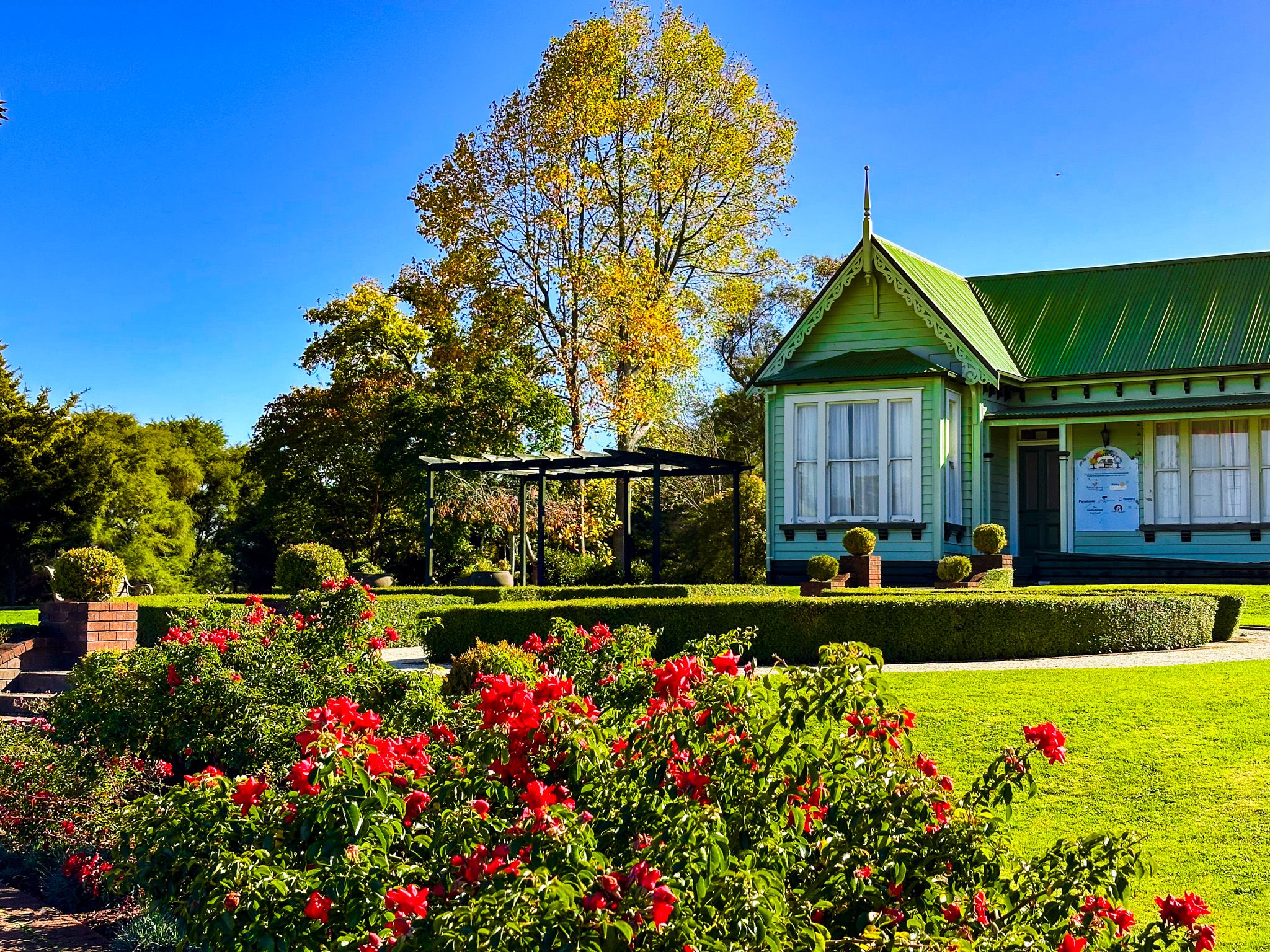
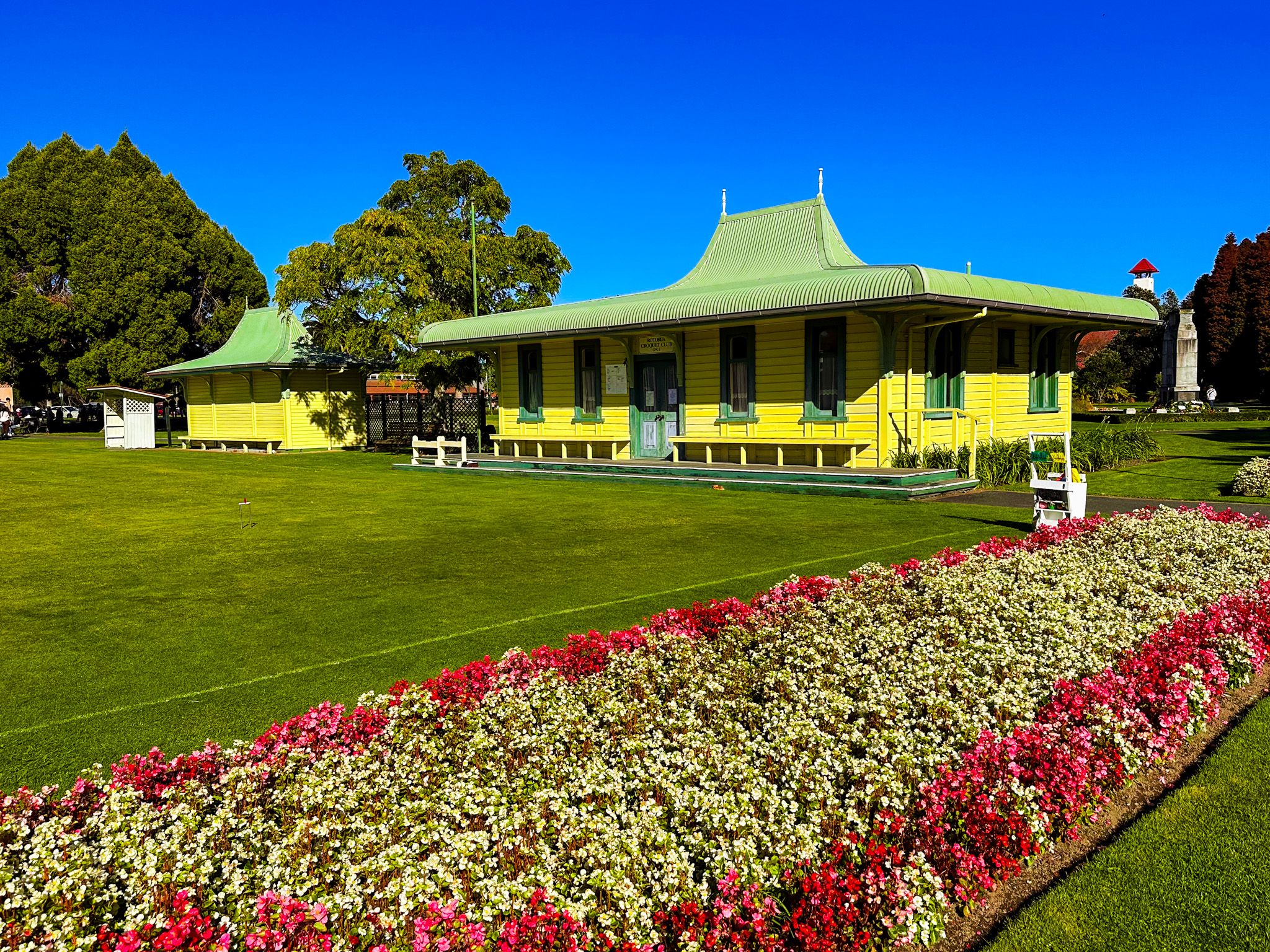
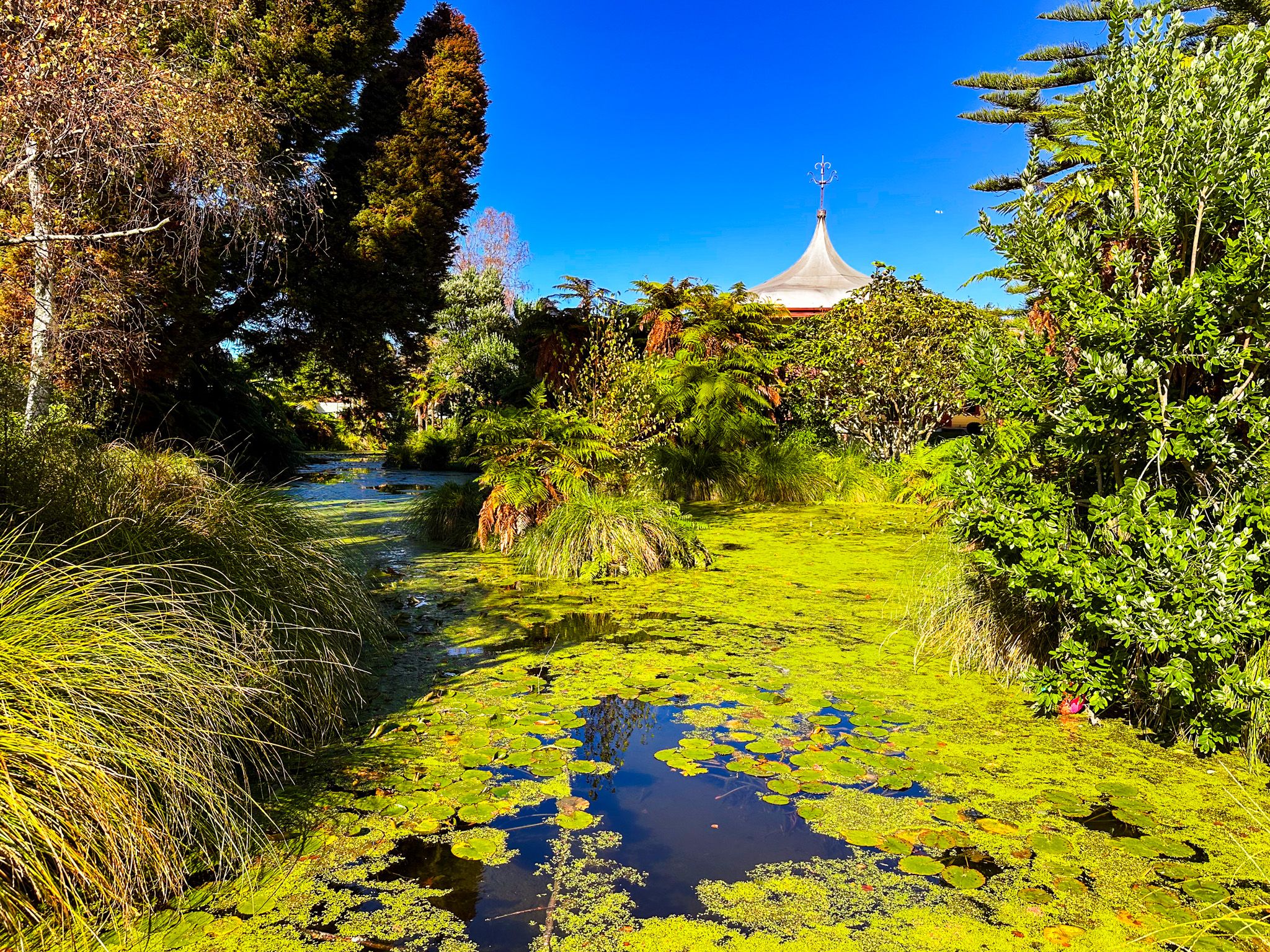
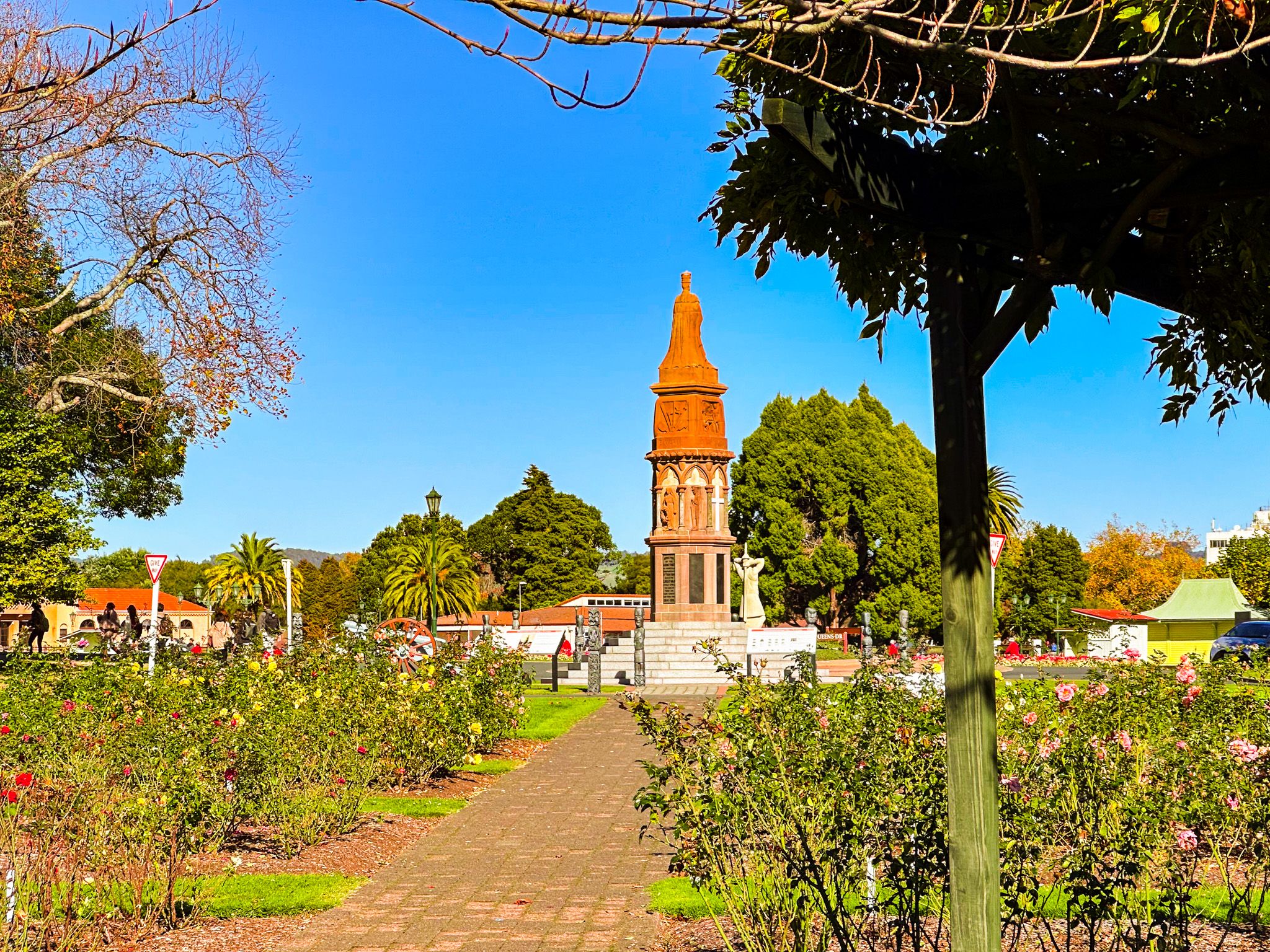
Originally known as Sanatorium Reserve, the park became commonly referred to as Government Gardens as additional facilities were added. These include expansive grassed areas, bowling greens, and a croquet lawn. At the west end, you'll find a bandstand, picturesque ponds, flower gardens, and three war memorials, with the Arawa War Memorial being the most prominent, added after World War I.
The Princes Arch
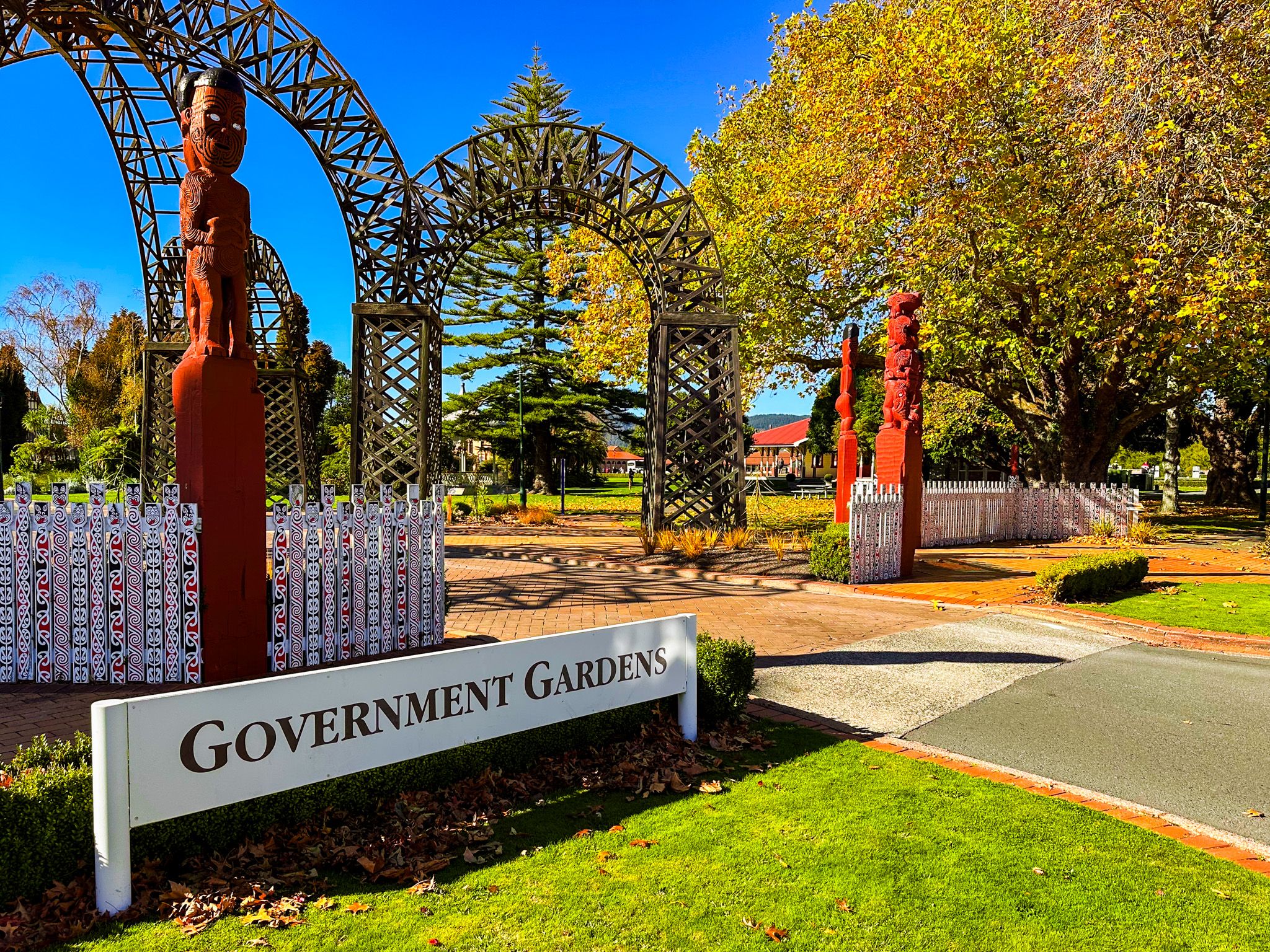
The Princes Arch, located at the west end and main entrance on Arawa Road, is an extraordinary feature of the park. Designed by Captain A.C. Turner and constructed by Alfred Warbrick around 1900, it was created for the visit of the Duke and Duchess of Cornwall and York, who later became King George V and Queen Mary. Despite numerous repairs, the arch remains a testament to its enduring craftsmanship.
Nearby, you will find a dark red pou carved by Tene Waitere in 1907. Waitere was a master carver, renowned internationally during his lifetime.
How to Get There
From downtown Rotorua, the park is easily accessible from Hinemaru Street to the west or Hatupatu Drive to the southeast. Arawa Street, which runs through downtown, becomes Queens Drive within the park, where you will find plenty of parking.
Other places to visit around Rotorua include the Redwoods Memorial Grove, Whakarewarewa Forest and Scion.