Discovering Mission Bay
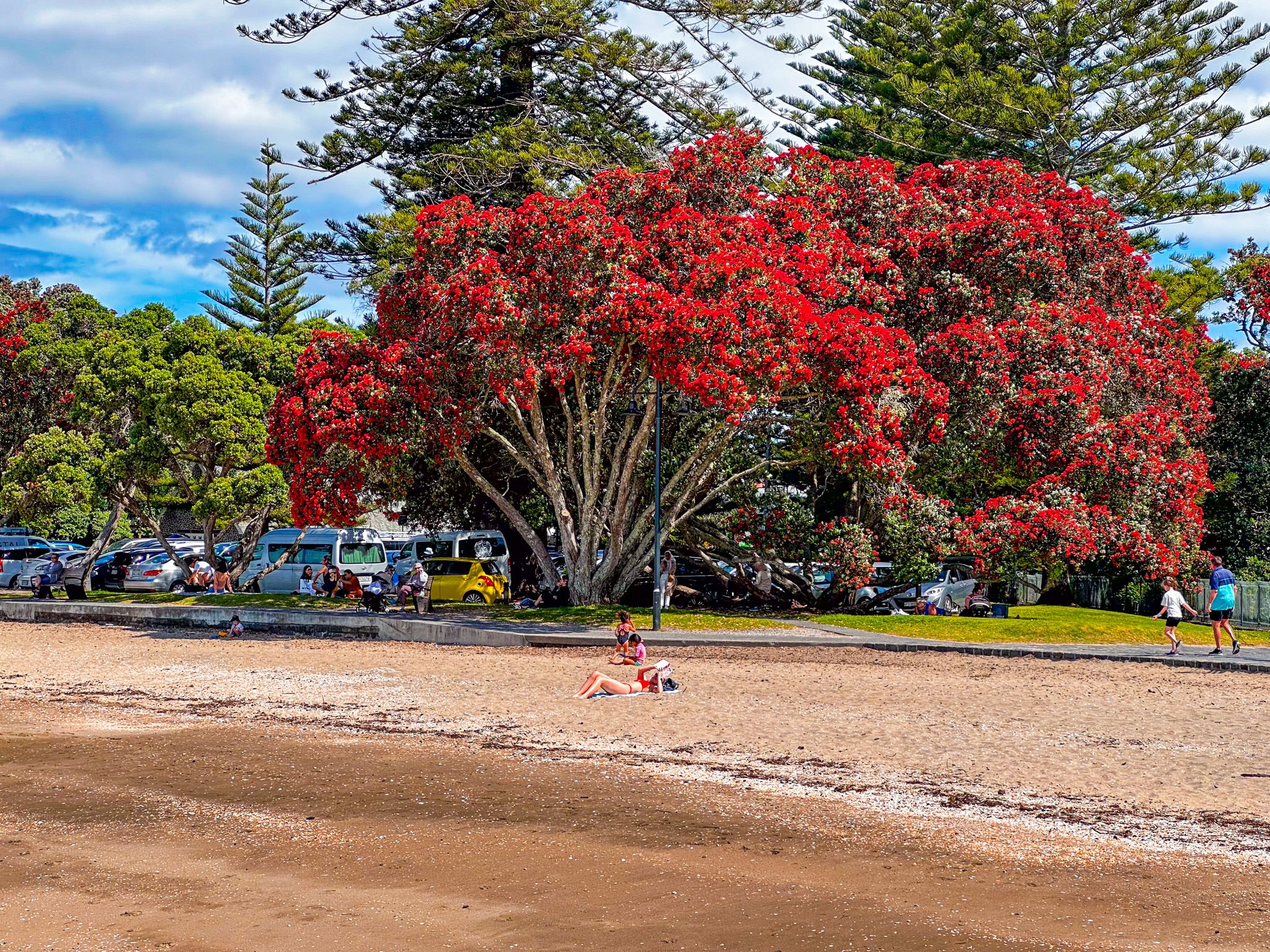
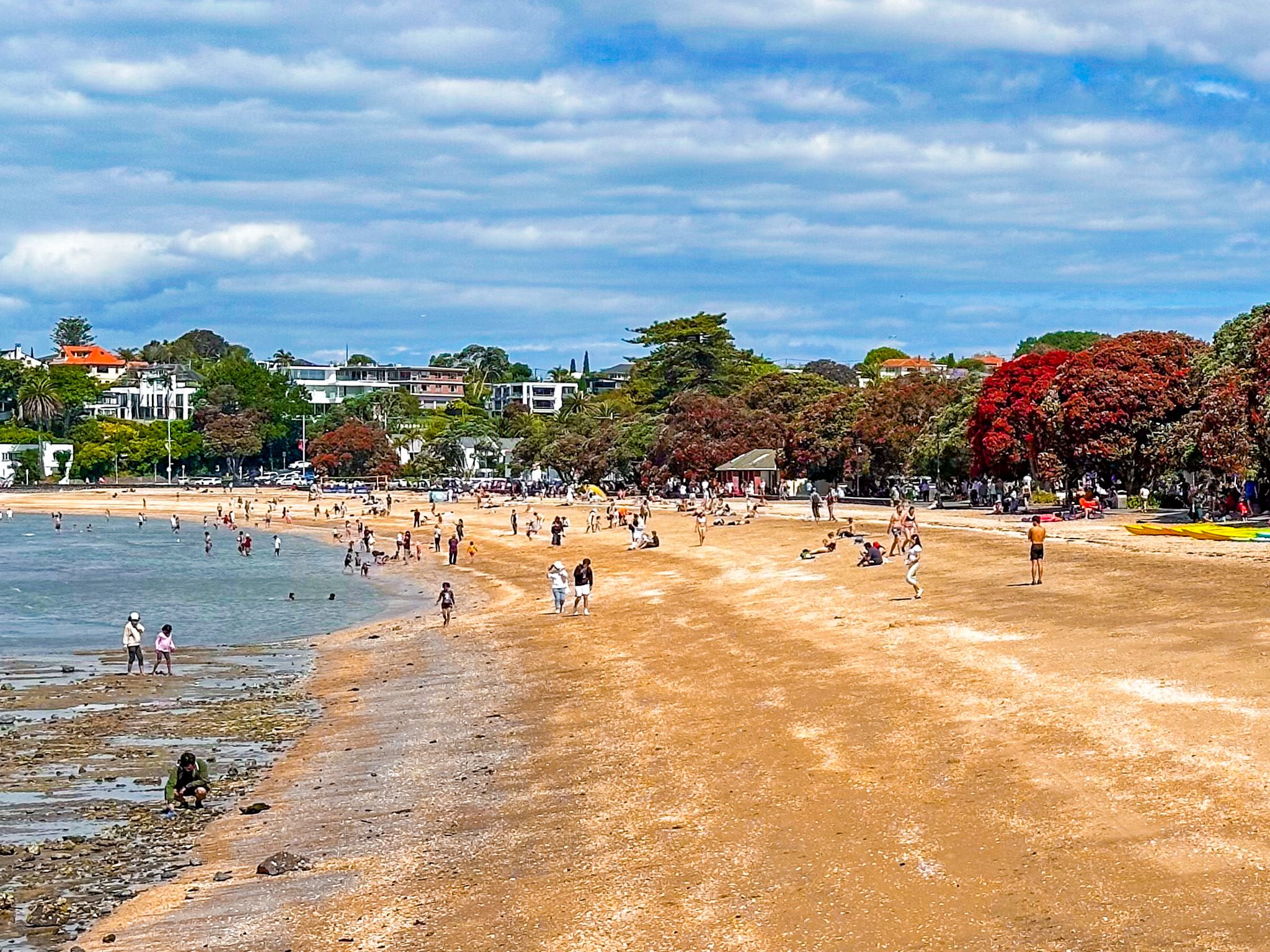
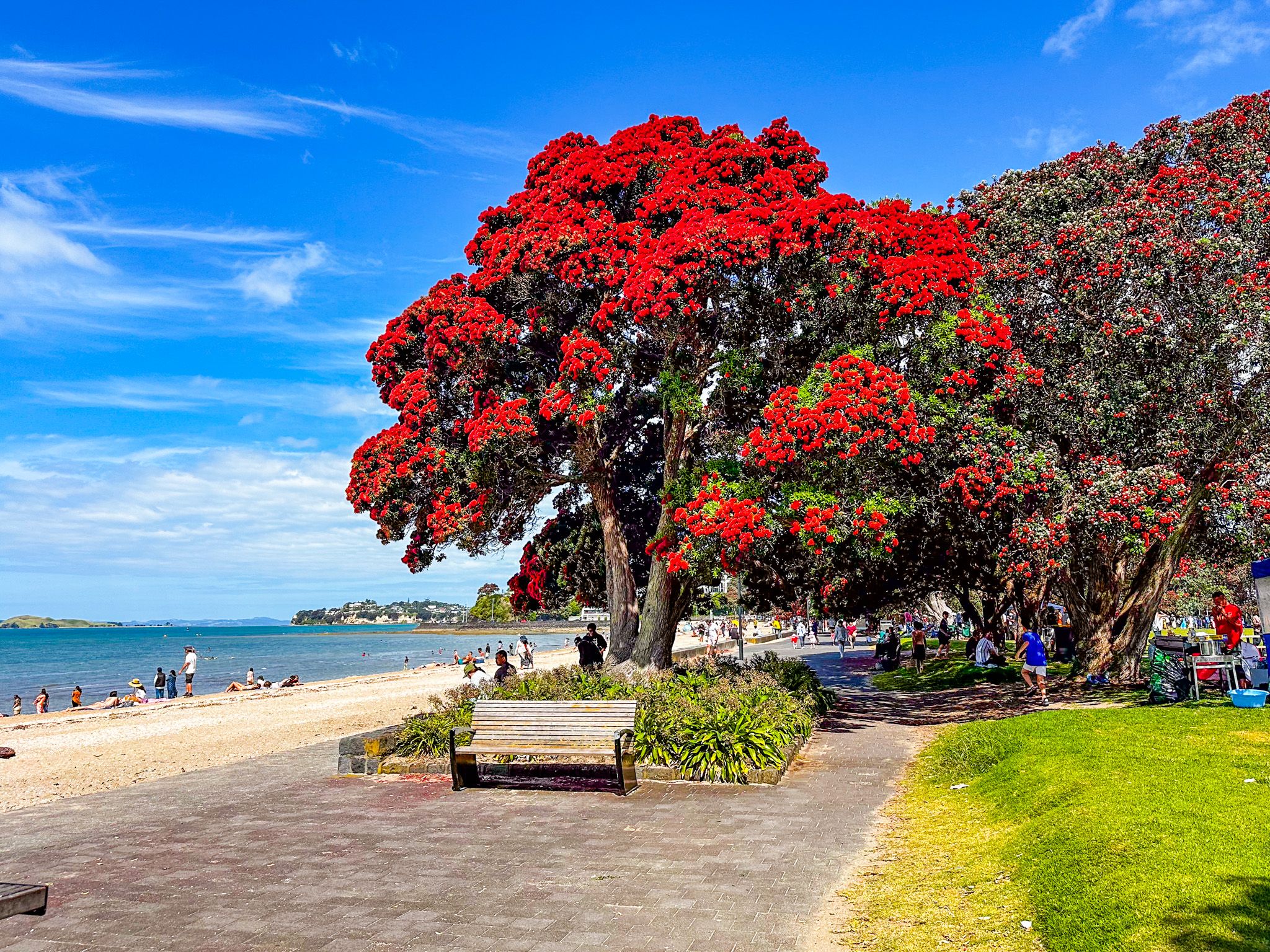
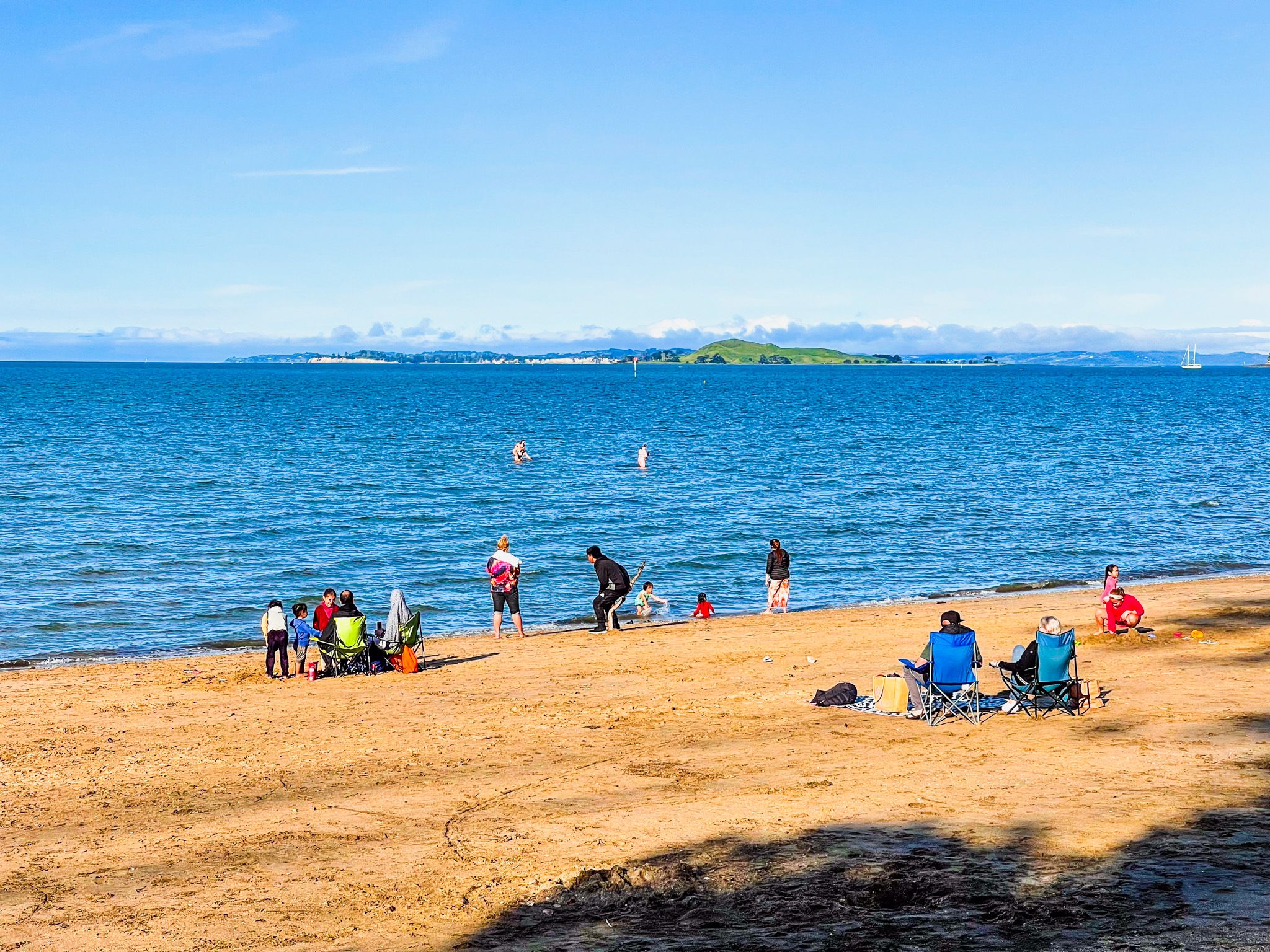
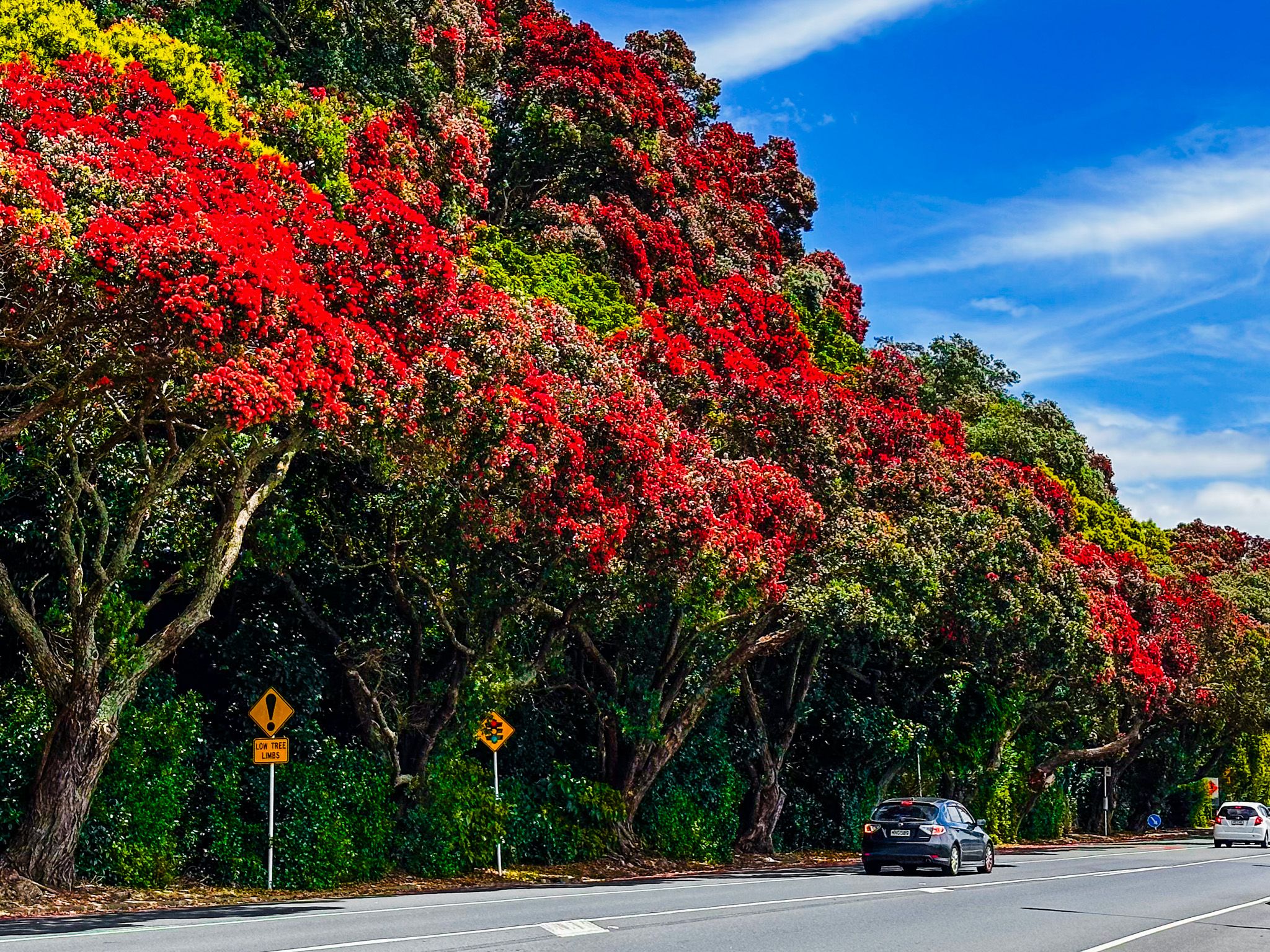
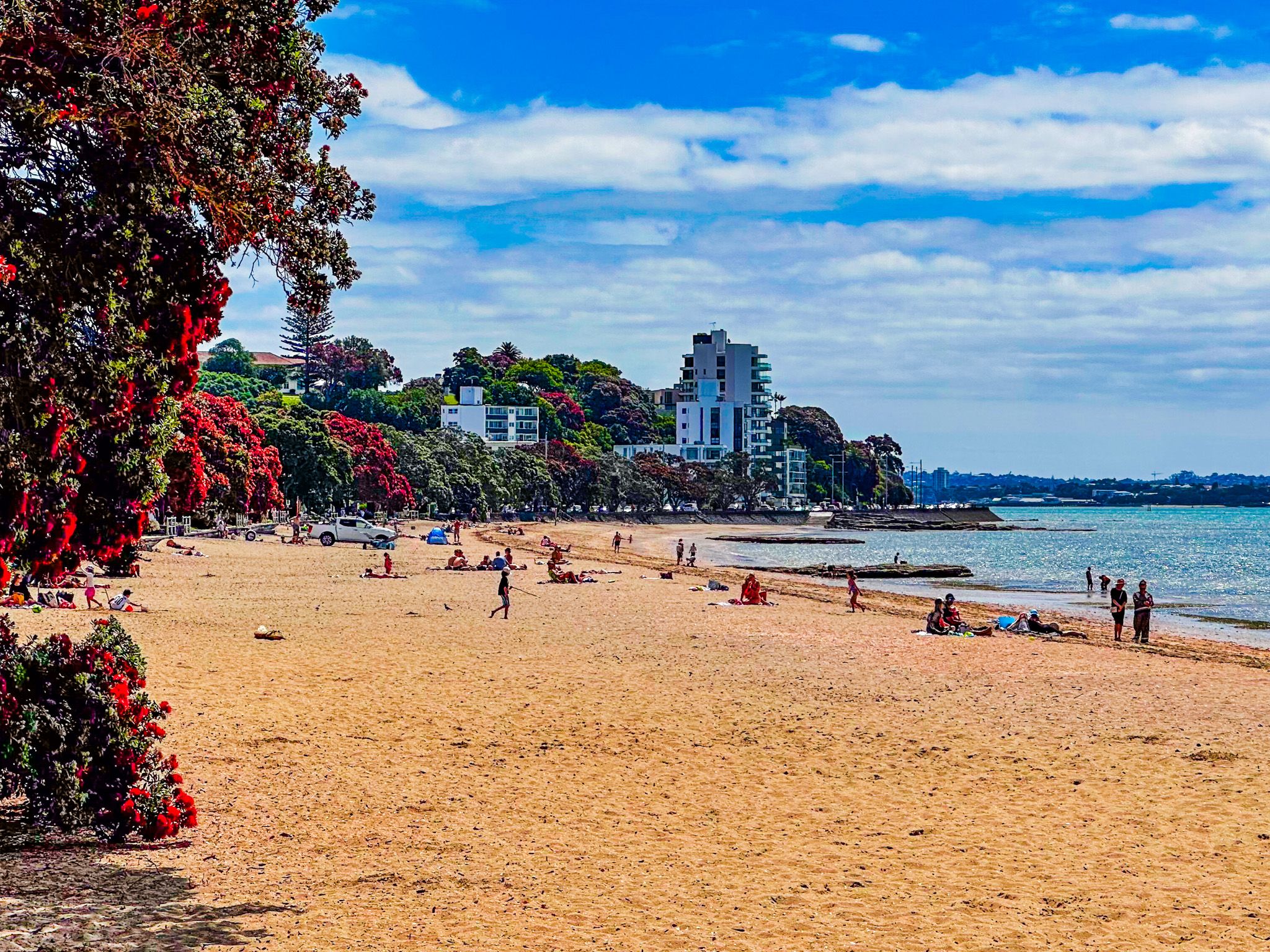
Mission Bay is a vibrant seaside suburb located on the Waitematā Harbour in Auckland's eastern bays. This family-friendly, popular 600-metre stretch of beach is known for its distinctive gold-tinged sand, bordered by pōhutukawa trees. It is also easy to reach from Downtown Auckland on Tamaki Drive and has substantial services in the Mission Bay village, making it a very popular destination.
A Suburban Beach Location
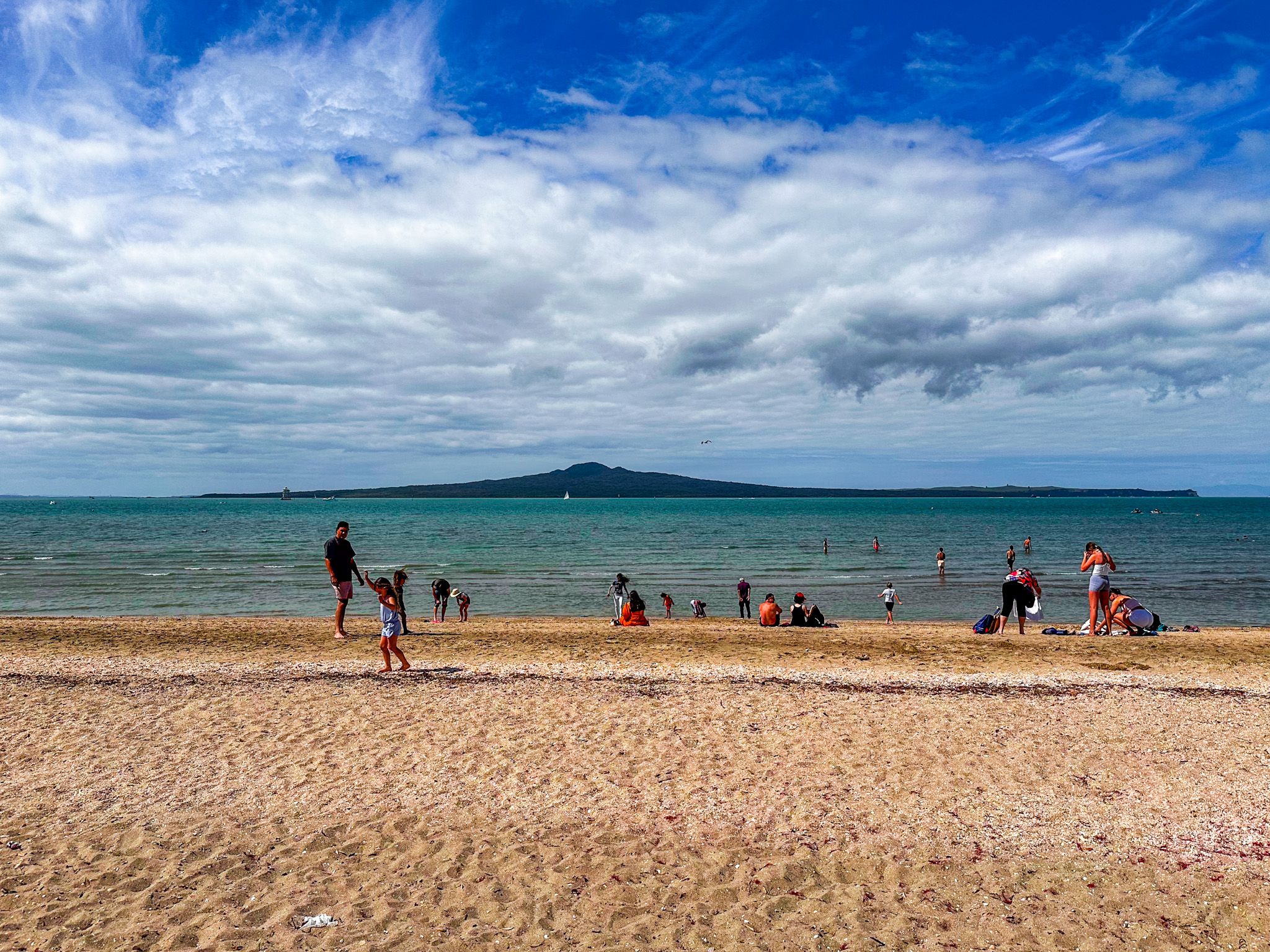
The bay is located on Tamaki Drive, south of Rangitoto Island, with Bastion Point to the west and Pipitea Point to the east. The area is a safe and popular spot for swimming, especially in good weather.
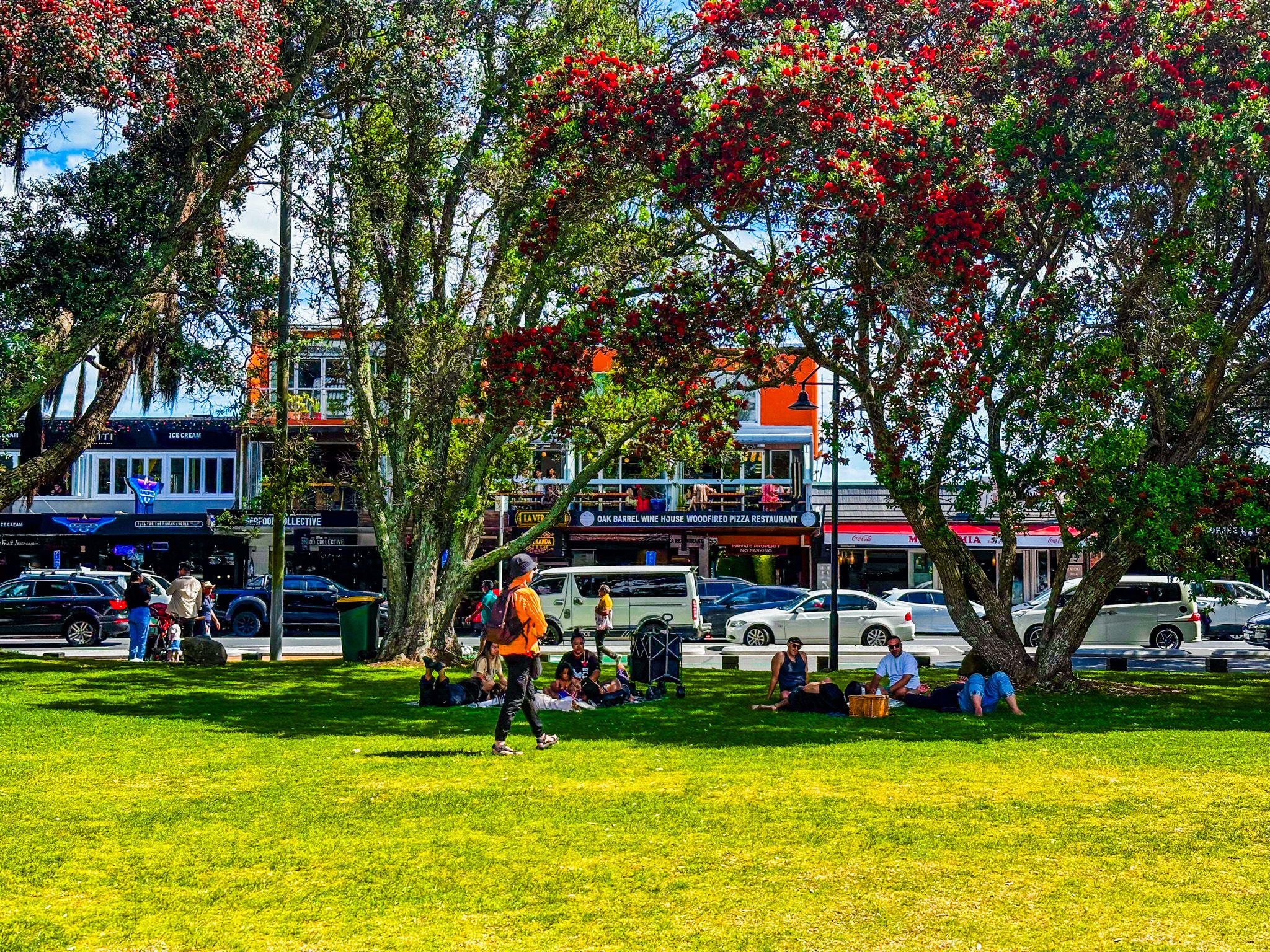
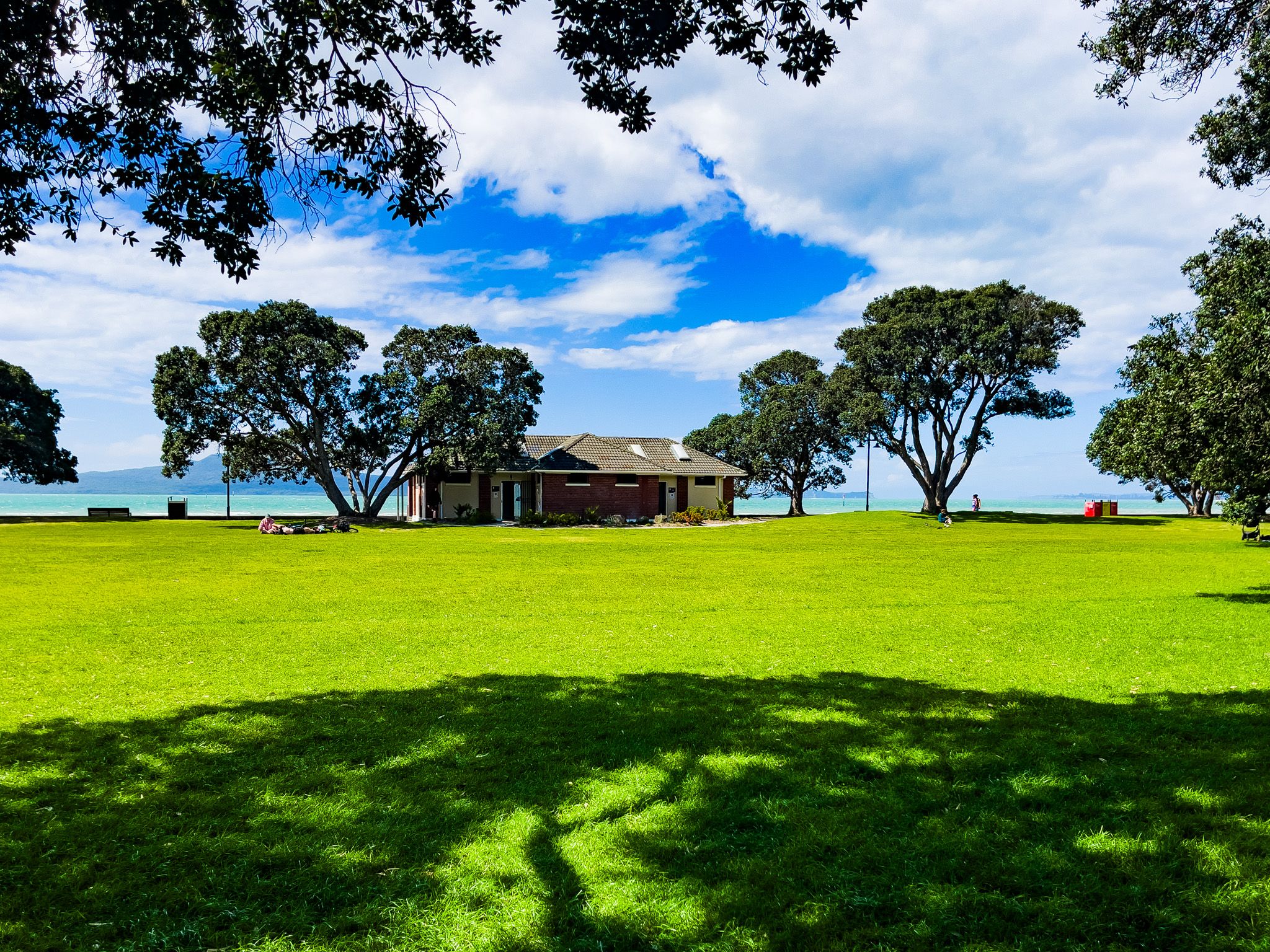
Selwyn Reserve, a large grassy area between the beach and Tamaki Drive, with many big pōhutukawa trees, enhances the beach. The reserve provides ample room for picnics and to spread out. The beach and reserve are easy to reach on foot or by bike, with shared walking and cycling paths running next to the road.
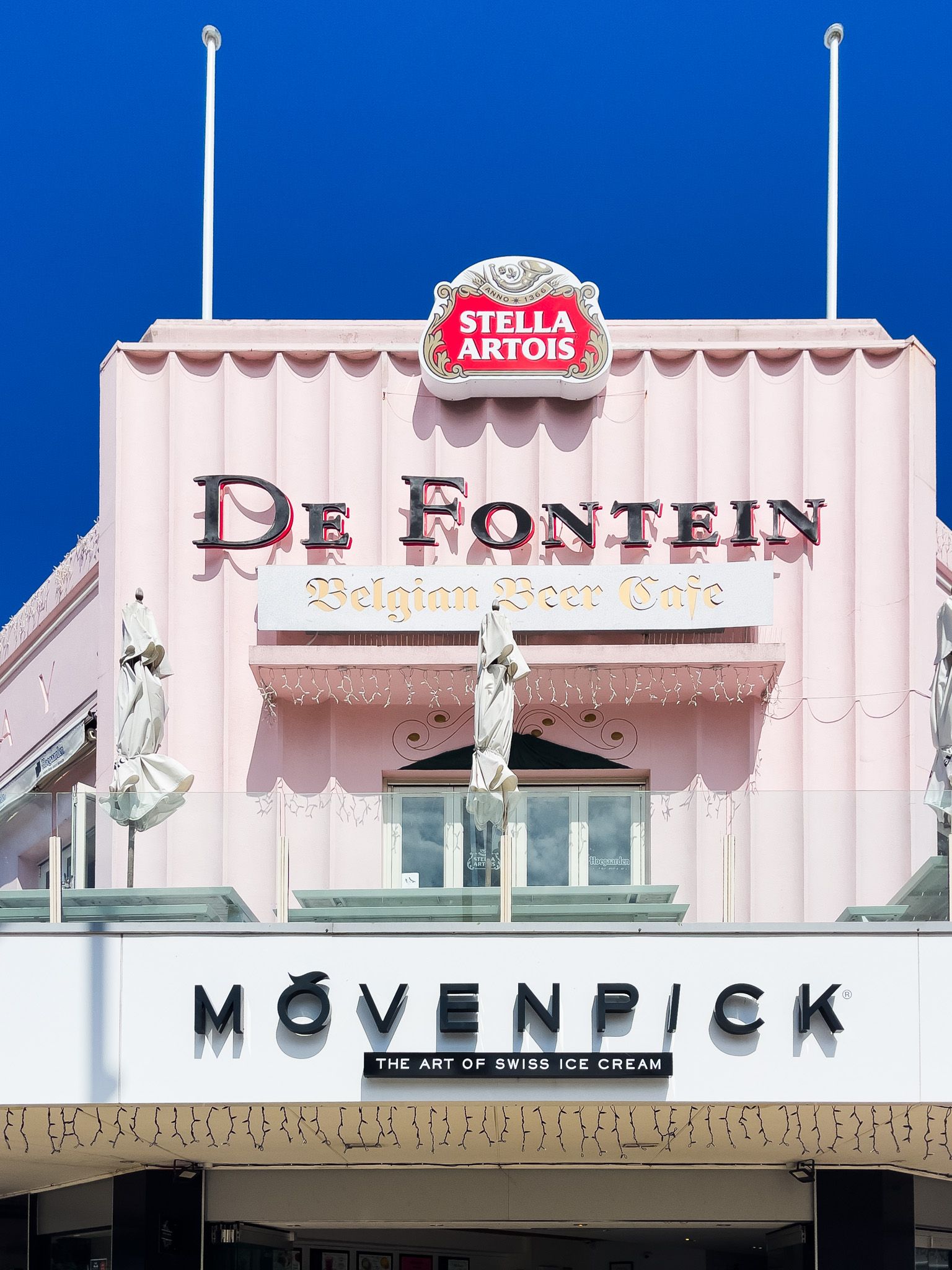
On the south side of the road are the various shops, eateries and bars of Mission Bay village, with the area remaining active well into the evening.
Historical Roots and Development
Mission Bay's history dates back to a significant land purchase by Anglican Bishop George Selwyn, who aimed to establish St Johns College of Auckland. Originally known as Bishops Auckland, the college was developed in the 1840s in what is now the suburb of St Johns. In 1858, Selwyn founded the Melanesian Mission next to the beach, which gave Mission Bay its name.
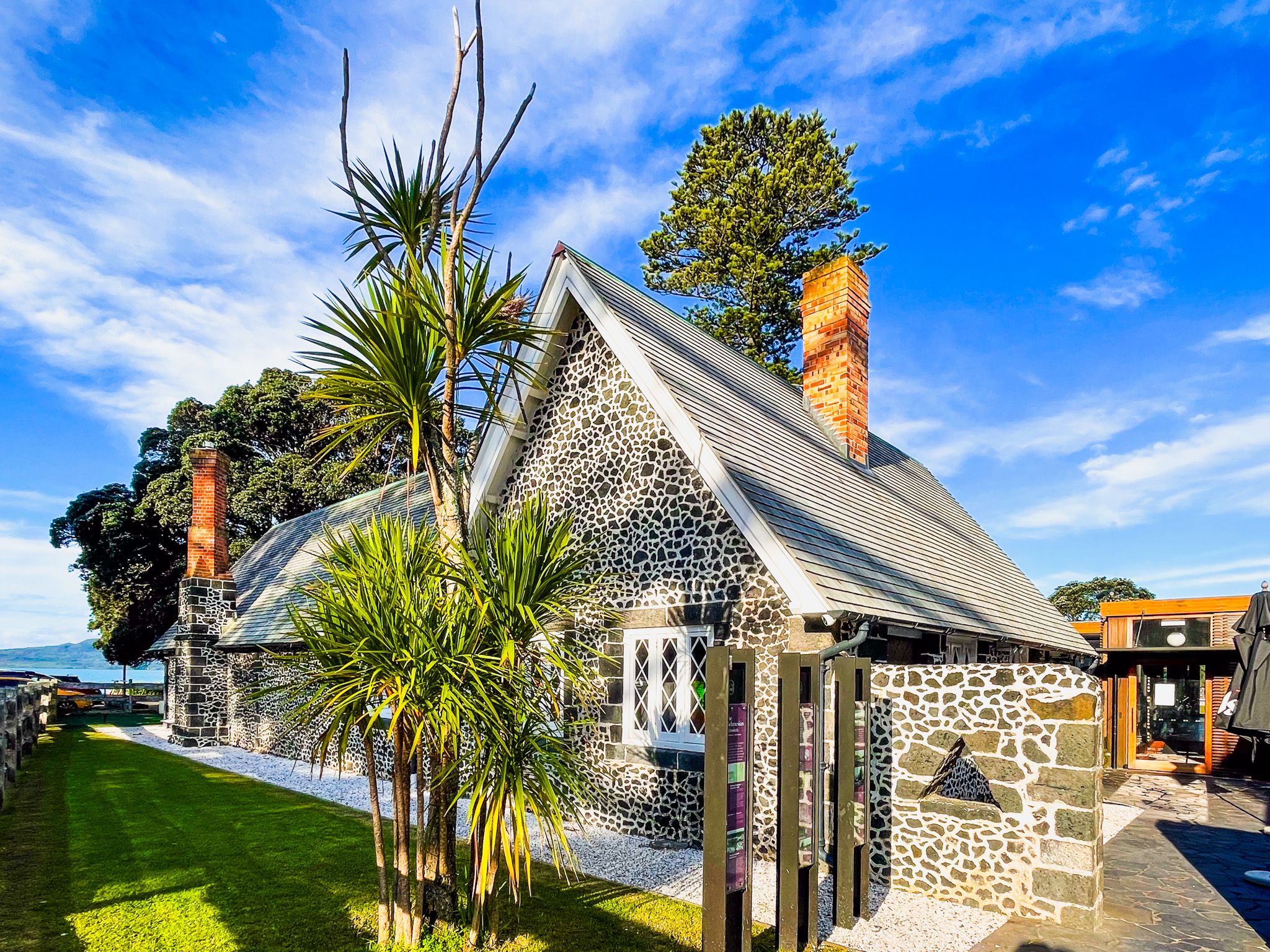
A stone school building, constructed from Rangitoto quarried stone, remains today as a restaurant at the west end of Selwyn Reserve. The building's Tudor Revival architecture features steep-pitched roofs and square-headed windows. The mission operated until the late 1860s before relocating to Melanesia.
The Kohimarama Conference
In 1860, the mission buildings hosted the Kohimarama Conference, led by Governor Colonel Thomas Browne. The conference aimed to persuade 100 rangatira from iwi across New Zealand to reject Kingitanga, the Māori King Movement, and to justify the government's actions in the Taranaki War.
Over a month, Māori and government representatives reaffirmed the Treaty of Waitangi, indicating Māori support for the government over the Māori king. Although it was agreed to hold similar meetings biennially, this never materialised, and the reaffirmation had little lasting impact.
Evolution into a Suburb
Mission Bay remained relatively remote from Auckland until the early 20th century. In 1915, the Walsh Brothers New Zealand Flying School began operating seaplanes from the bay, training over 1,000 pilots until 1924. The area was subdivided around 1919, forming the suburb of Mission Bay and establishing Selwyn Reserve. Tamaki Drive, completed in 1928, connected Mission Bay with Downtown Auckland and other eastern bays.
The Trevor Moss Davis Memorial Fountain
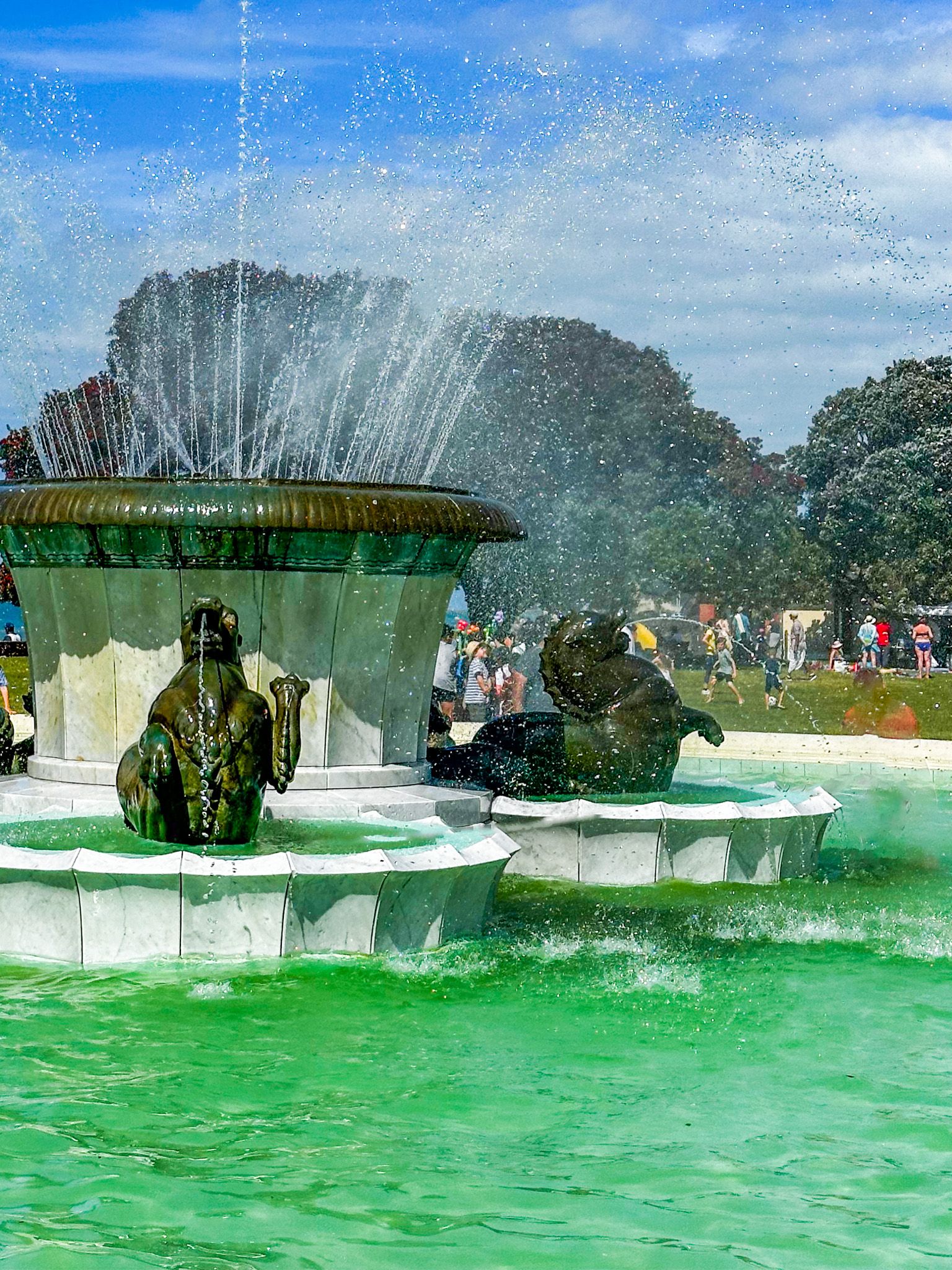
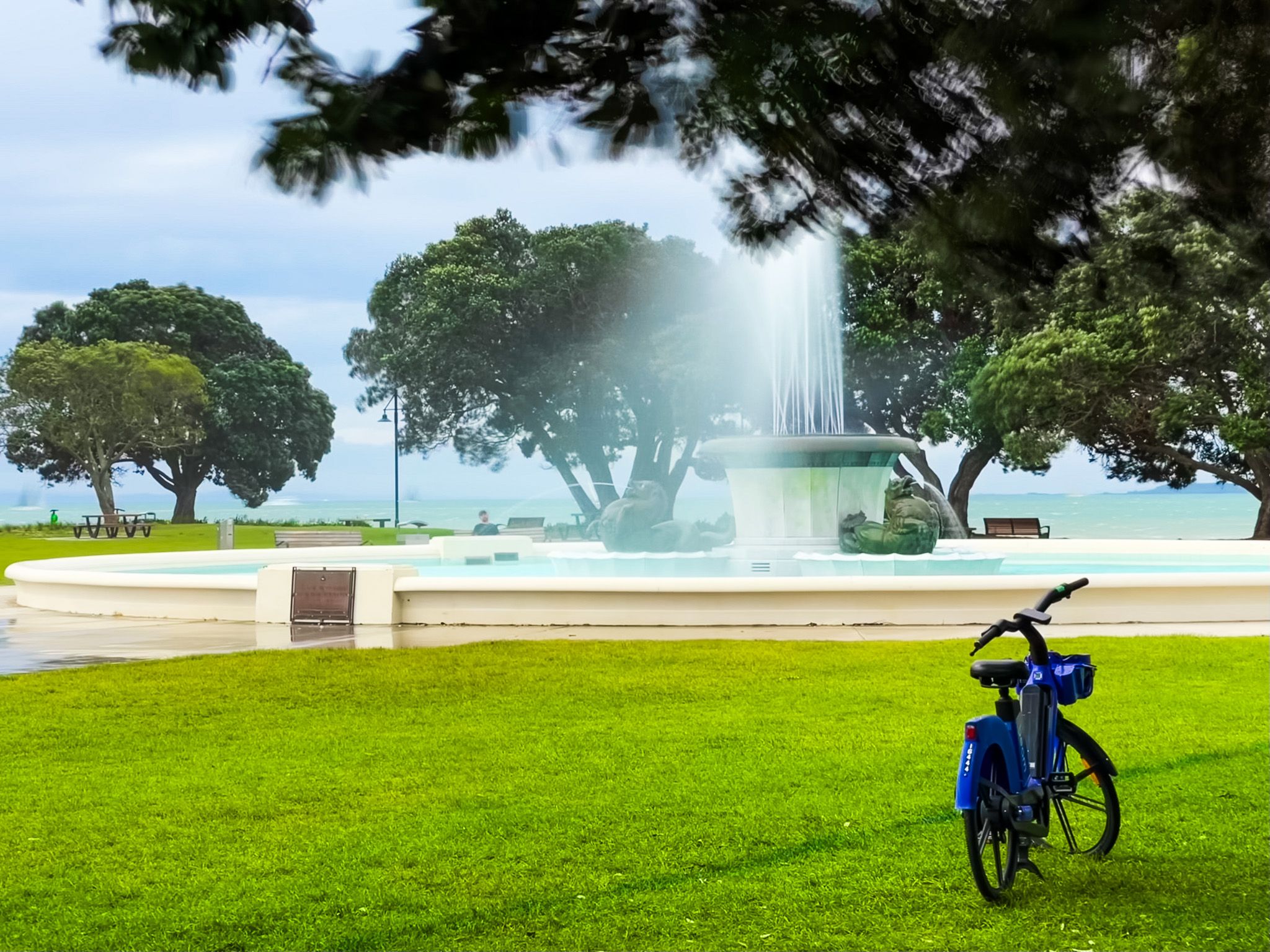
A notable feature of Selwyn Reserve is the Trevor Moss Davis Memorial Fountain. Commissioned by Eliot Davis in memory of his son Trevor, an Auckland businessman who died at 45, the fountain is crafted from Sicilian marble. Its fluted design reflects light, and three bronze sea monsters spout water, with the main jet reaching up to 12 metres high. This extravagant fountain is a popular paddling spot and a distinctive landmark in Auckland.
How to Get There
To reach Mission Bay, head east from Auckland's city centre along Tamaki Drive. The drive is about 7.5 km and takes 14 minutes, with scenic views of the harbour. Alternatively, you can catch a bus, cycle or walk along the waterfront path.
Other nearby places on Tamaki Drive include Ōkahu Bay, Bastion Point, Kohimarama, Saint Heliers, Achilles Point and Ladies Bay.