Tākaka: Gateway to Golden Bay
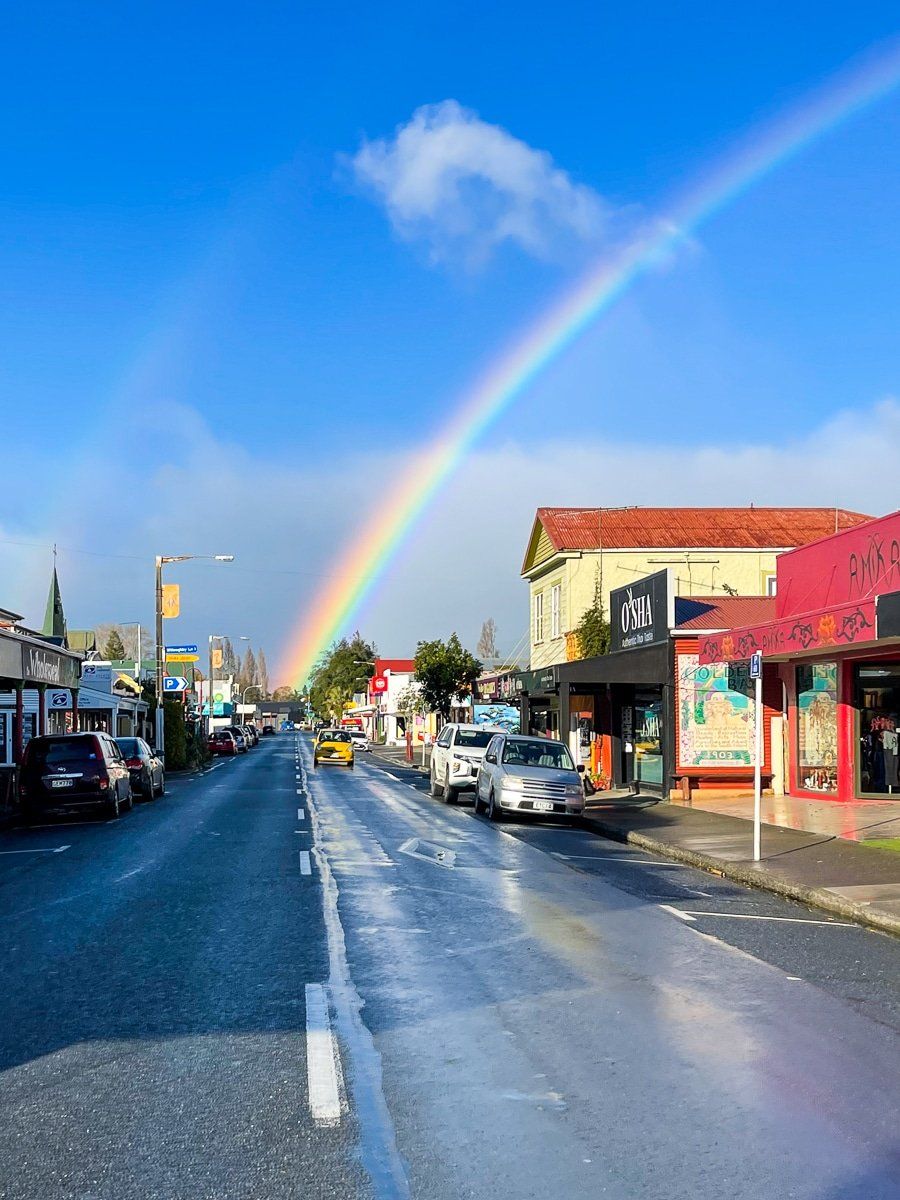
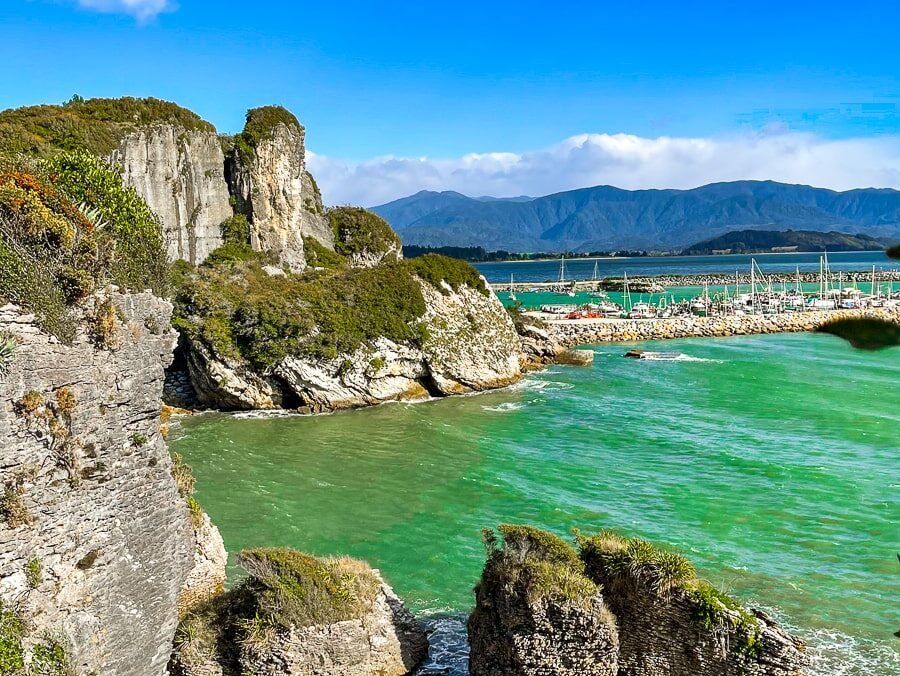
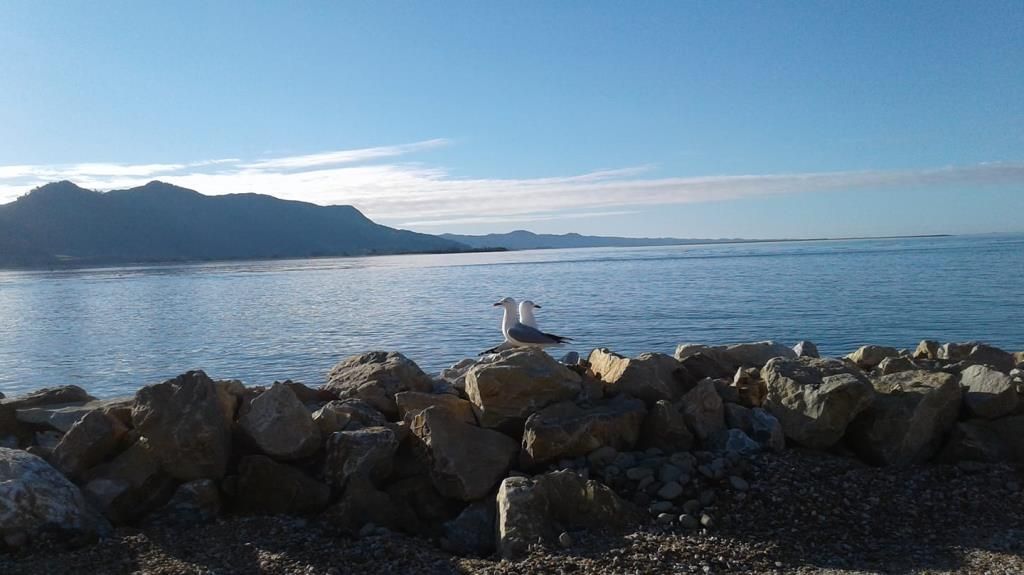
Tākaka, the largest town in Golden Bay, is a vibrant hub located on State Highway 60, just west of Tākaka Hill. This charming town is about an hour's drive from Wharariki on the northwest coast of New Zealand's South Island. Tākaka is an ideal base for exploring the region's stunning landscapes, including the golden beaches of Golden Bay and the western side of Abel Tasman National Park, accessible via Abel Tasman Drive.
A Town Transformed by Tourism
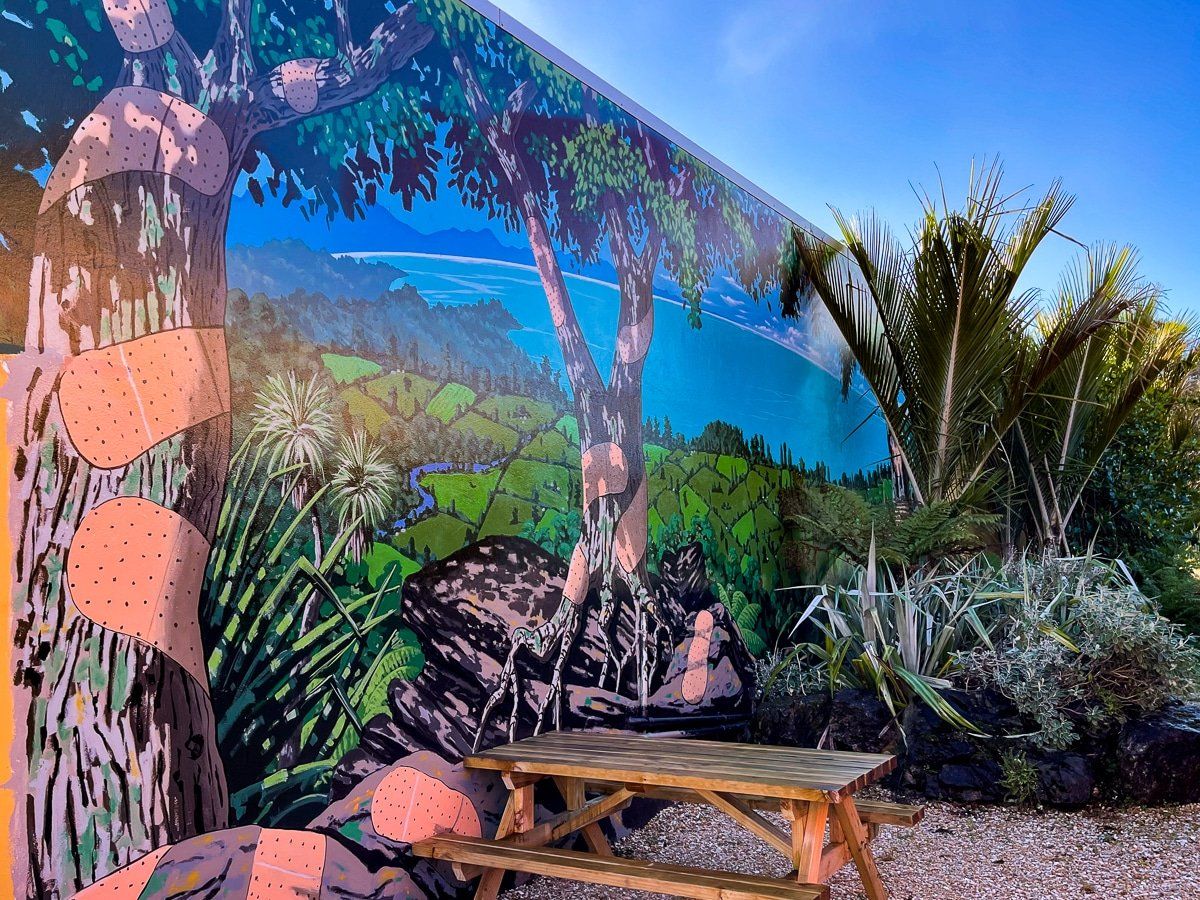
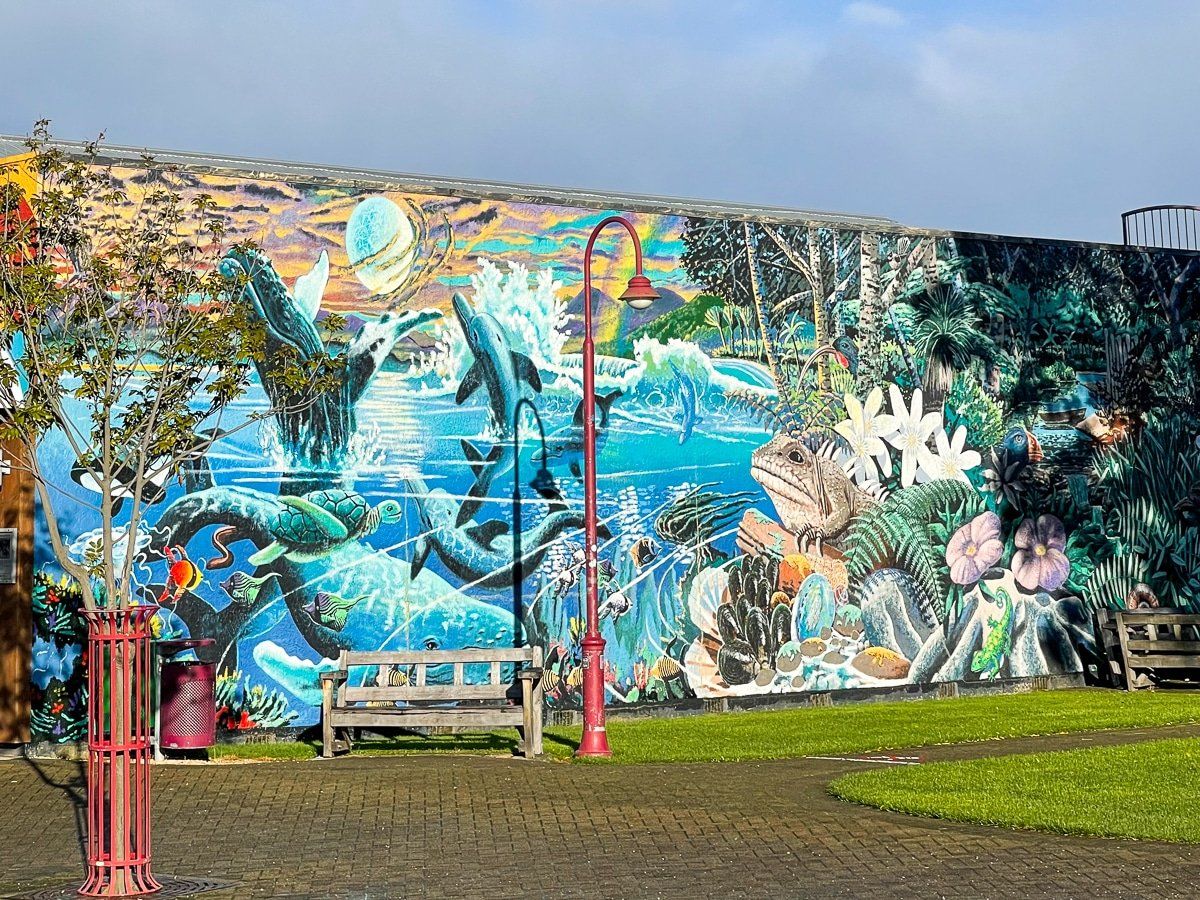
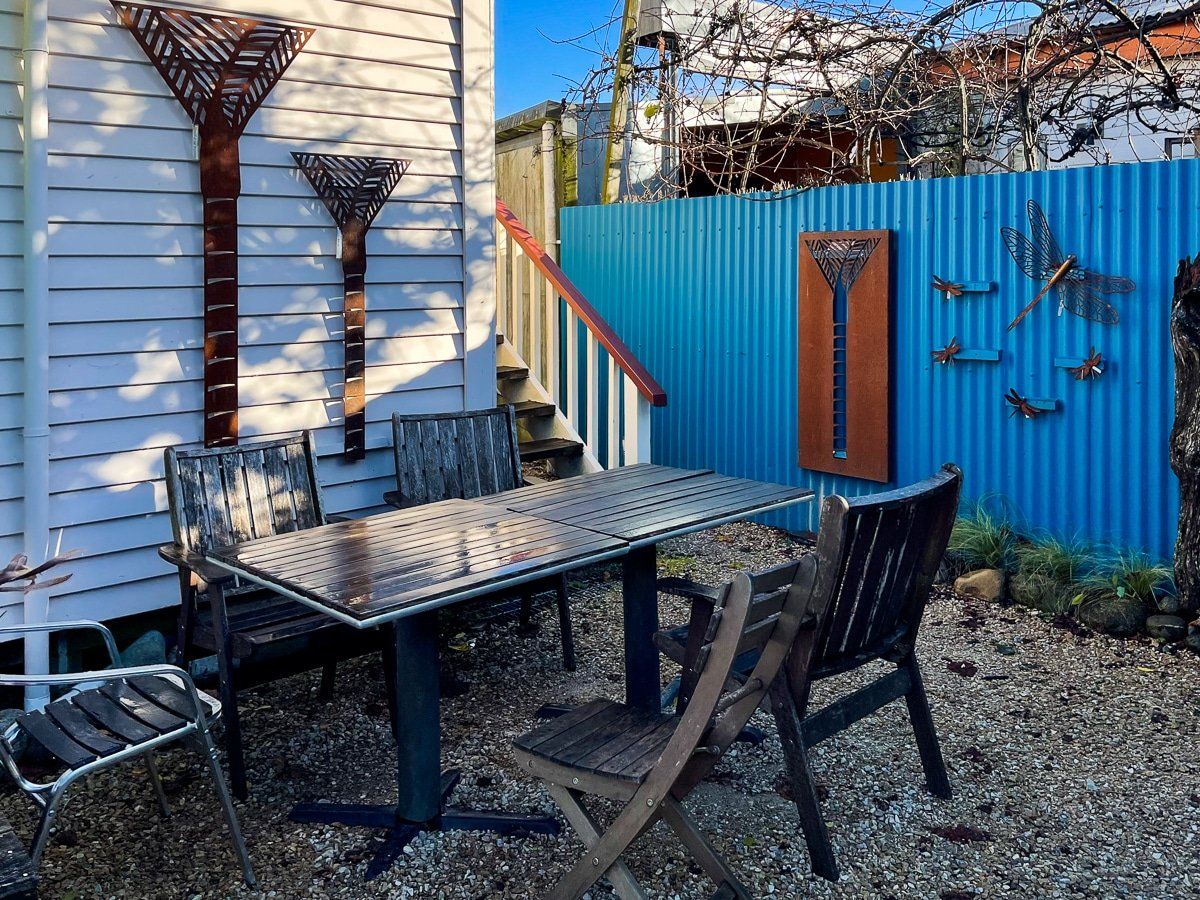
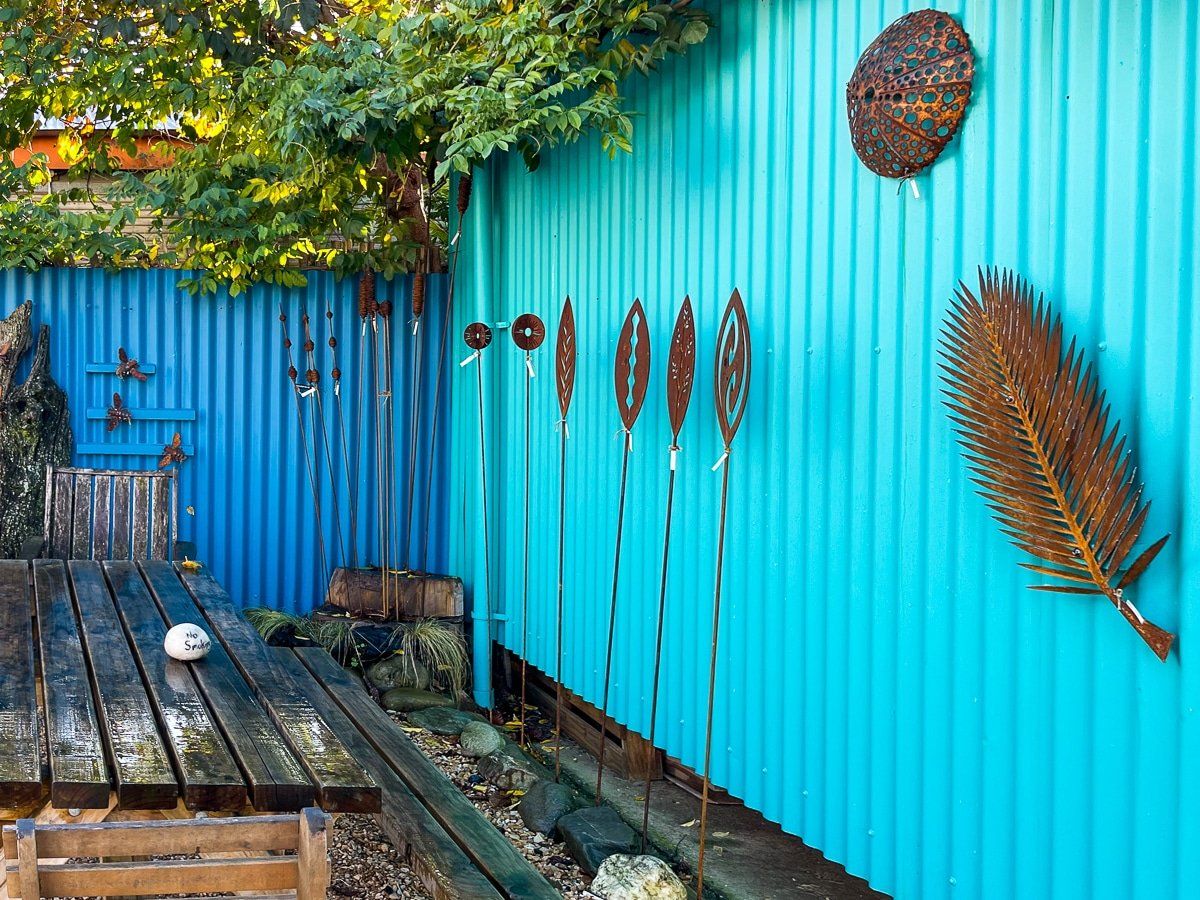
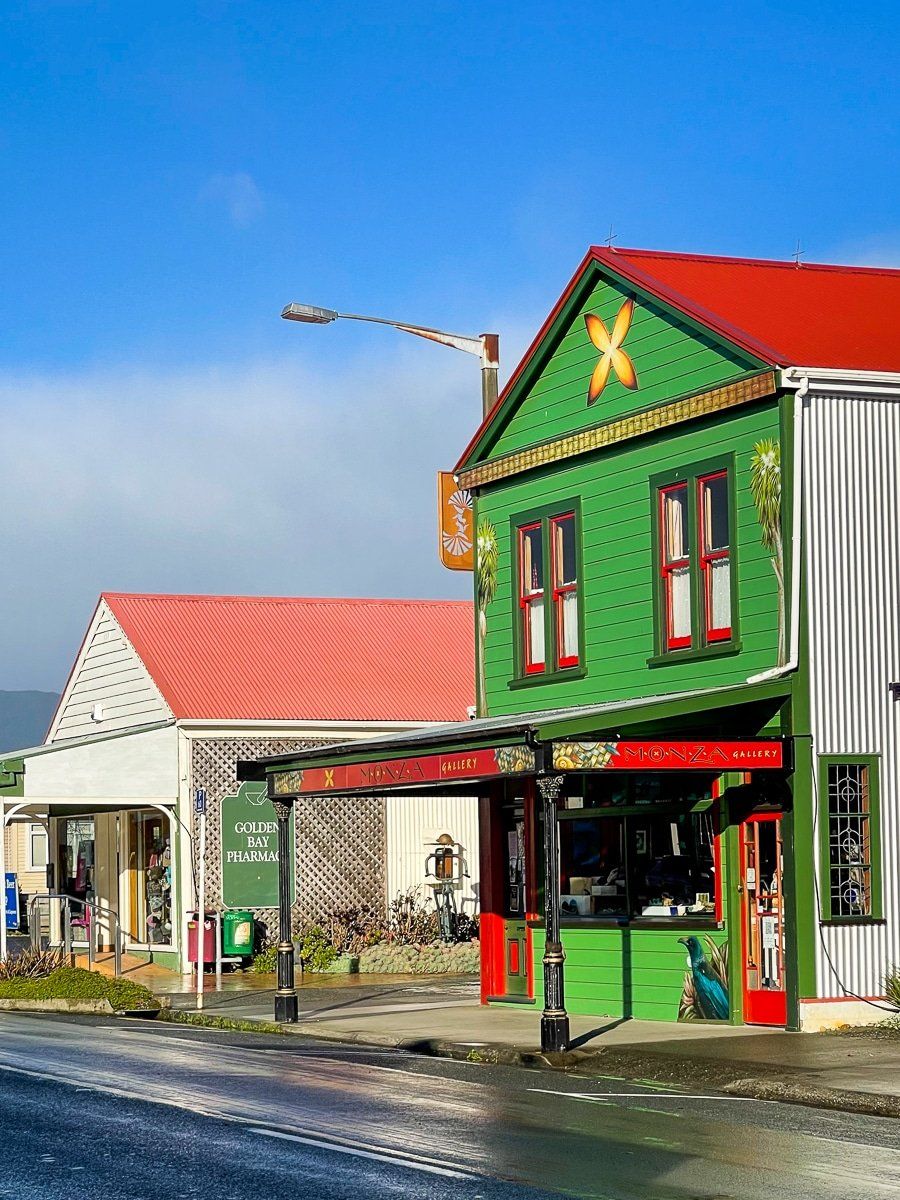
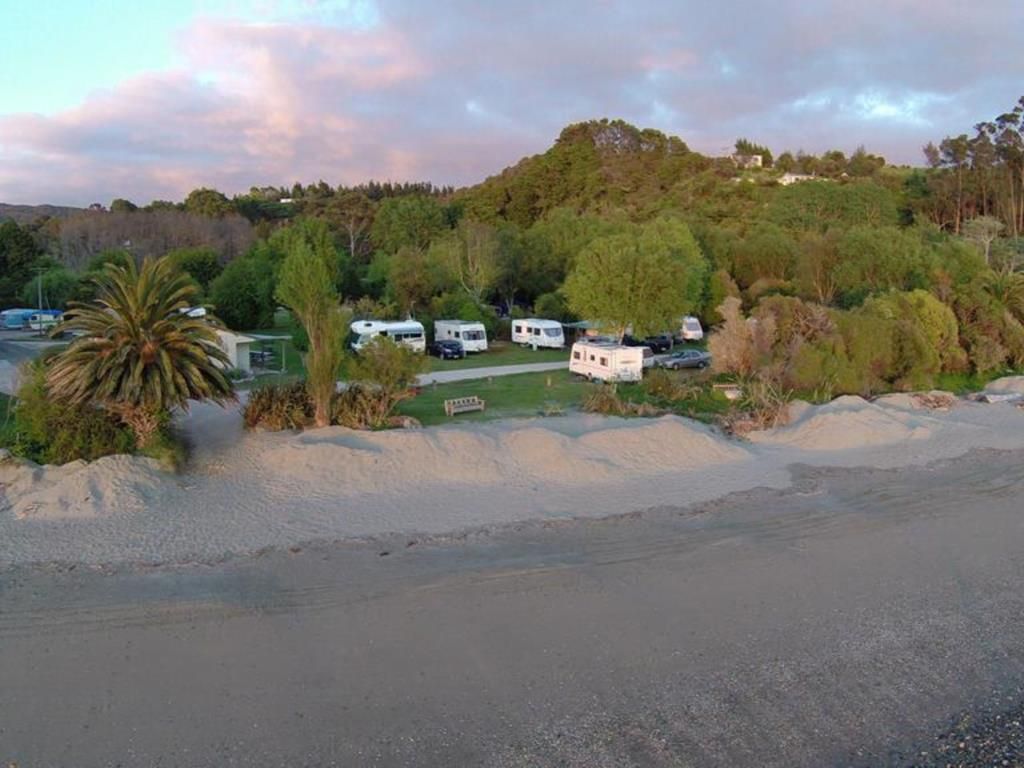
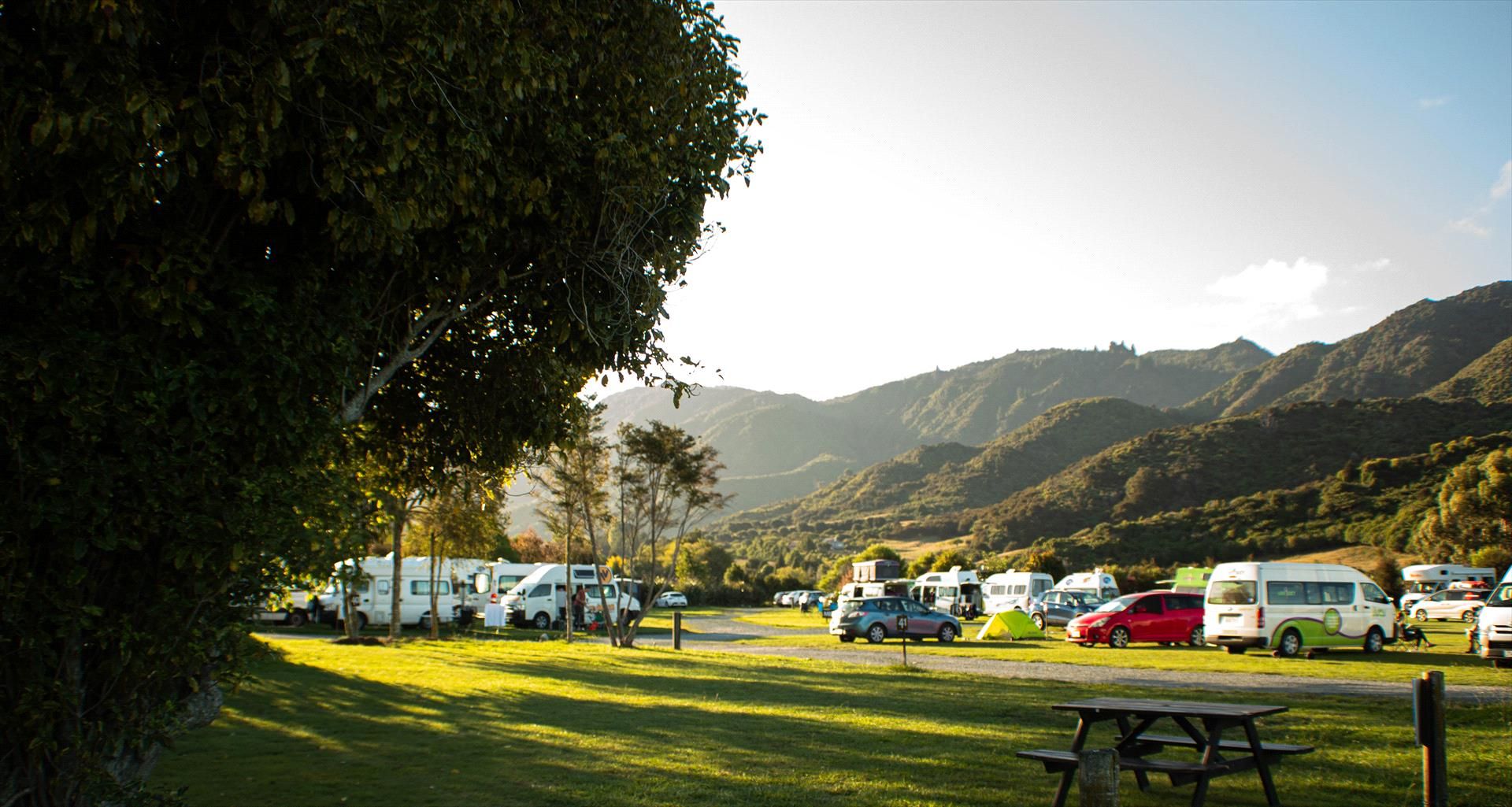
Once a simple farming community, Tākaka has evolved into a bustling centre for tourism in Golden Bay. The town boasts a variety of cafes and restaurants for a taste of local cuisine. Accommodation options cater to different preferences and budgets, ensuring a comfortable stay. Art enthusiasts will appreciate the local galleries, which showcase the region's creative talent.
Nearby Natural Attractions
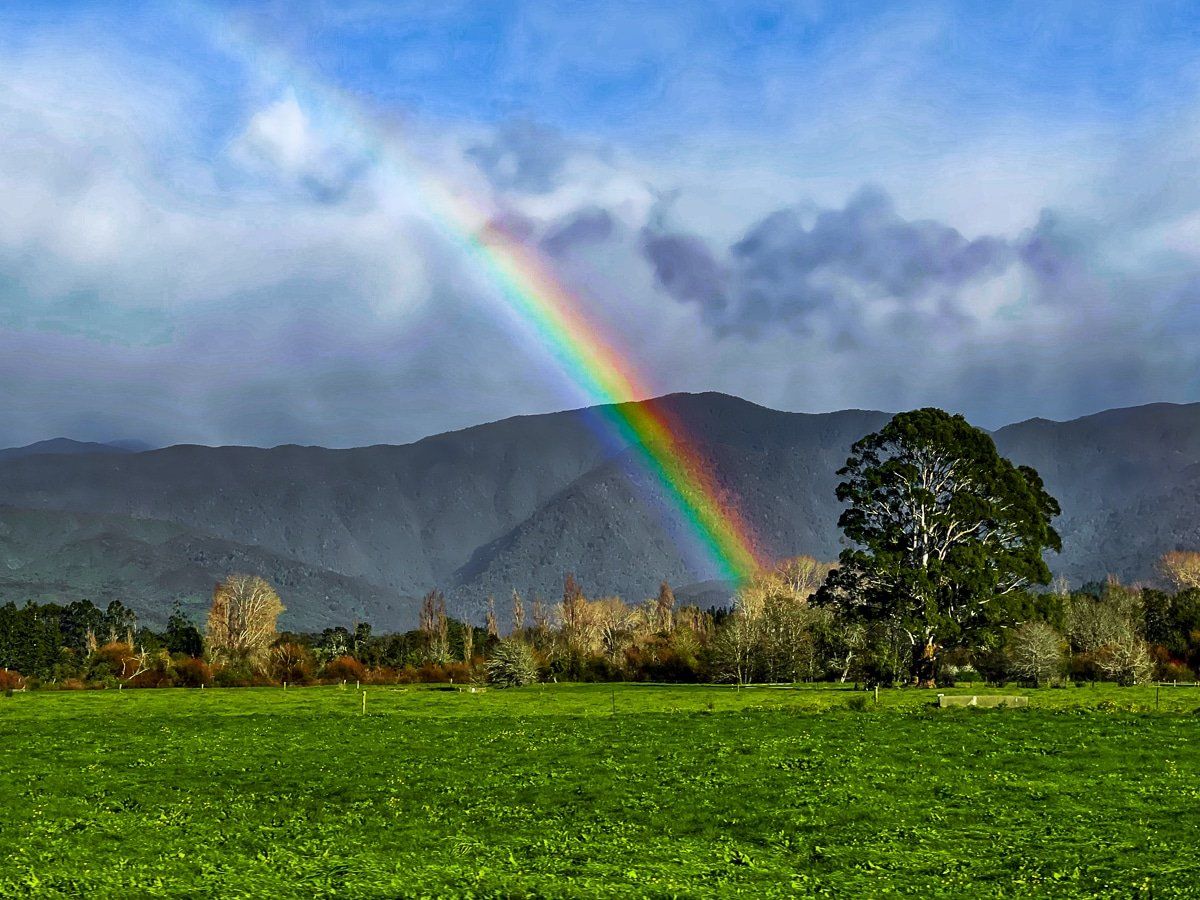
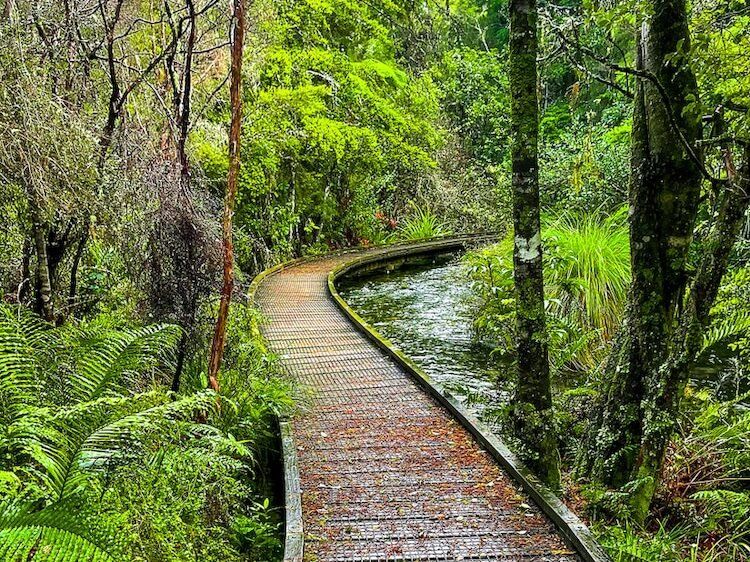
Tākaka is surrounded by natural beauty, with several attractions easily accessible from the town. Te Waikoropupū Springs is famous for its crystal-clear waters and cultural significance to Māori. When you explore the pools and forest, it is hard to believe it was all but destroyed by mining!
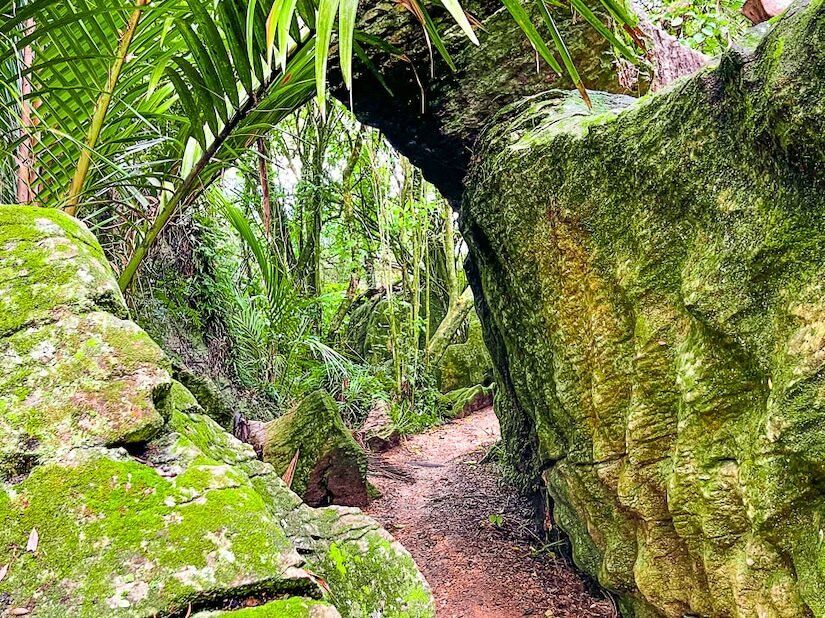
Other features reflect the region’s karst geology. The Grove Track, northeast of the town, is a short yet beautiful walk through unique rock formations and native bush. Lake Killarney, in Tākaka, is a sinkhole filled with groundwater.
Labyrinth Rocks Park is a two-hectare natural rock maze. It’s too small to really get lost, but still lots of family fun, embellished by figurines and toy dinosaurs in rock crevices. It was set up by an English geologist, Dave Whittaker, but is now a free-to-access public reserve east of the town on Labyrinth Road
Paine’s Ford, accessed from State Highway 60 3 km south of Tākaka, includes swimming holes and rock climbing on the Takaka River, accessed by an easy trail from the car park along a historic tramline that hauled timber in the 1880s. There are limestone formations along the route, including bolted climbing spots.
Māori History around Tākaka
Tākaka has long been a place of significance for Māori, prized for its fertile lands, abundant waterways, and coastal access. The area served as a seasonal food-gathering site, and several pā and kāinga existed around the Tākaka River and along the nearby coast. The name Tākaka is believed to mean “to perform ” or recite quickly”, though there are other interpretations.
Local iwi were displaced during the 1820s/30s as a result of the Musket Wars. By the 1830s, migrating northern iwi, including Ngāti Rārua and Te Ātiawa, had established themselves in the region, forming the present-day Manawhenua ki Mohua in Tākaka.
European Arrival and Land Issues
European explorers began visiting Golden Bay in the early 1800s. In the 1850s. Tākaka appeared as a centre for small-scale gold mining, timber milling and then dairying.
Land issues with Māori followed as the town and region developed. Major government purchases in the 1850s were problematic, followed by various tactics to deprive Māori owners of the economic value of their remaining land. This resulted in further sales and left the two main iwi all but landless by 1900. The resulting modern-day Treaty of Waitangi claims were settled in 2015. Of relevance to Tākaka was the provision of Kahukiwi for Te Ātiawa iwi in relation to Te Waikoropupū Springs, acknowledging ts traditional and spiritual significance to the iwi.
How to Get to Tākaka
To reach Tākaka, drive along State Highway 6 from Nelson south to State Highway 60. Follow SH60 northwest over Tākaka Hill to Tākaka. The trip takes about 100 minutes and is 100 km.
There are many other options around Golden Bay. Abel Tasman Drive gets you to the golden sand beaches of Ligar Bay, Tata Beach, and Wainui Bay. Heading northwest takes you to Collingwood, Cape Farewell and sublime Wharariki Beach.