Discovering the Three Sisters in Taranaki
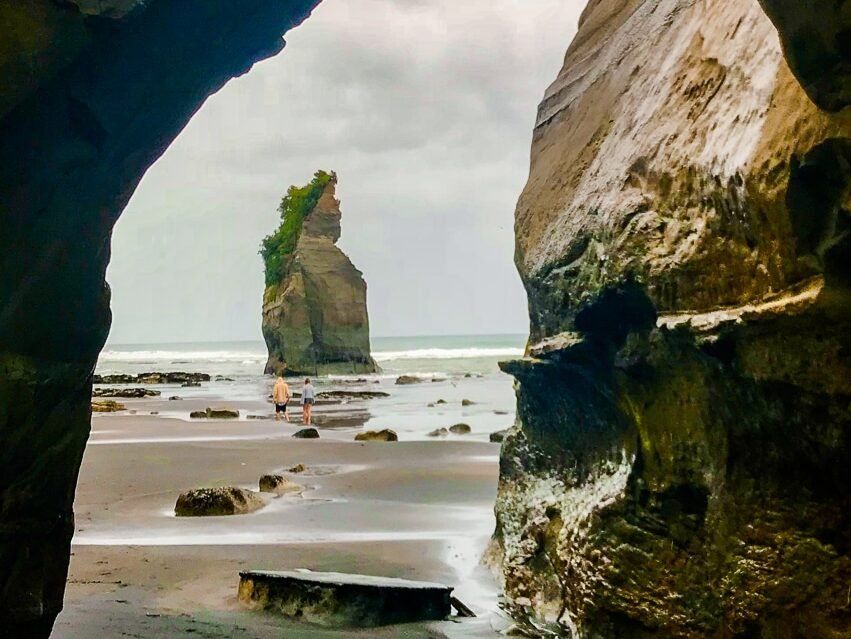
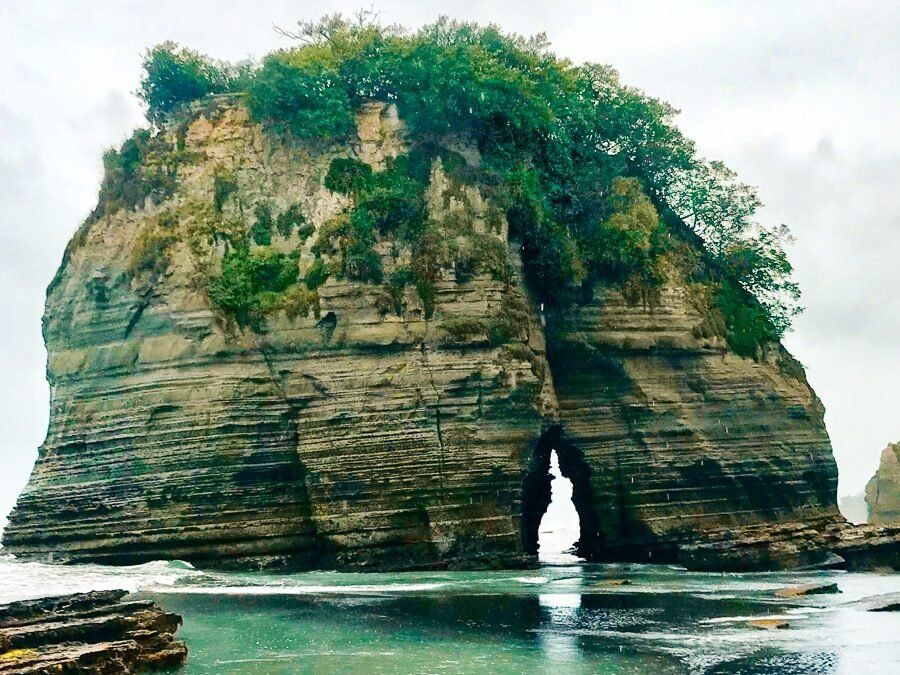
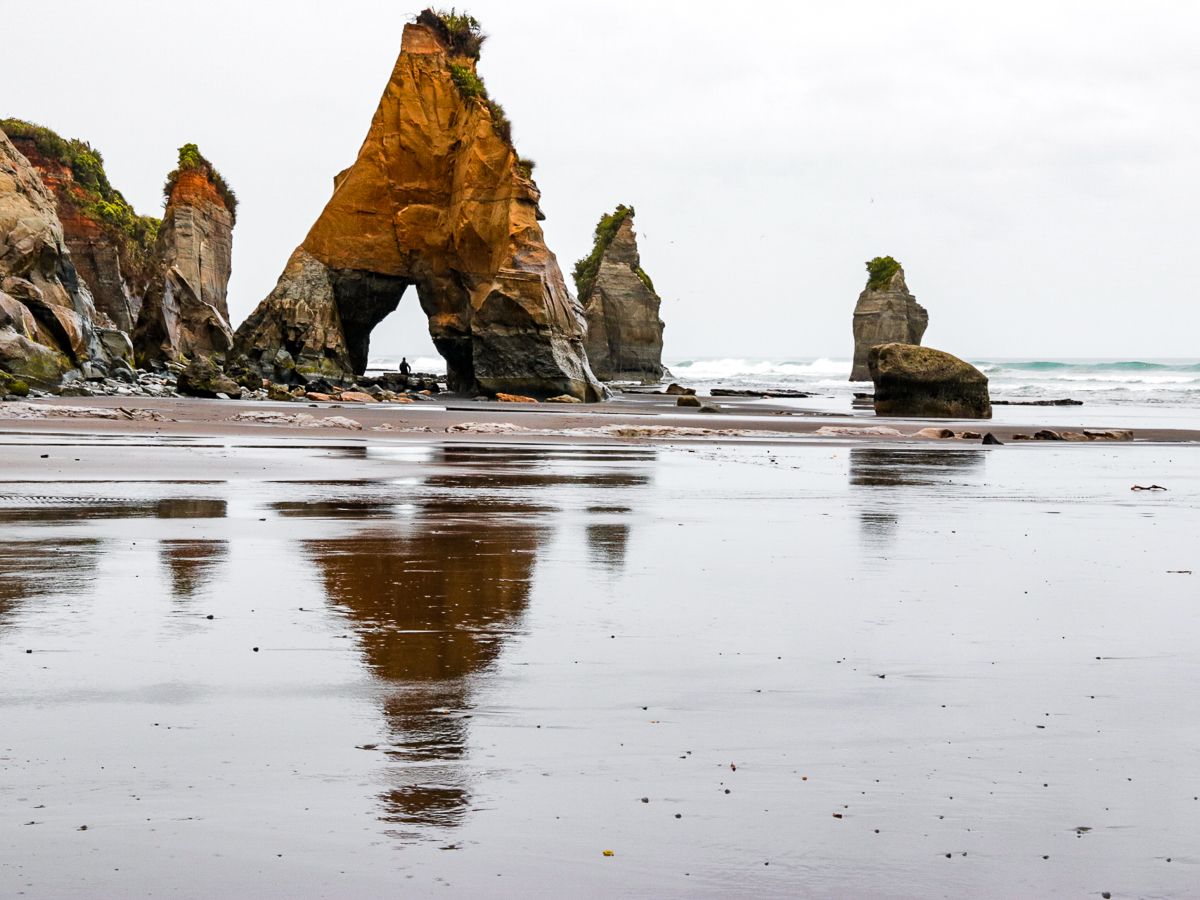
Situated at the mouth of the Tongapōrutu River on Taranaki's west coast, the Three Sisters is a remarkable natural attraction in New Zealand. Known for its dramatic cliffs, sea caves, and natural arches, this site is a testament to the power of oceanic erosion. Although the original Elephant Rock has eroded away, the sea continues to shape new formations, including a new island with natural arches.
Exploring the Natural Wonders
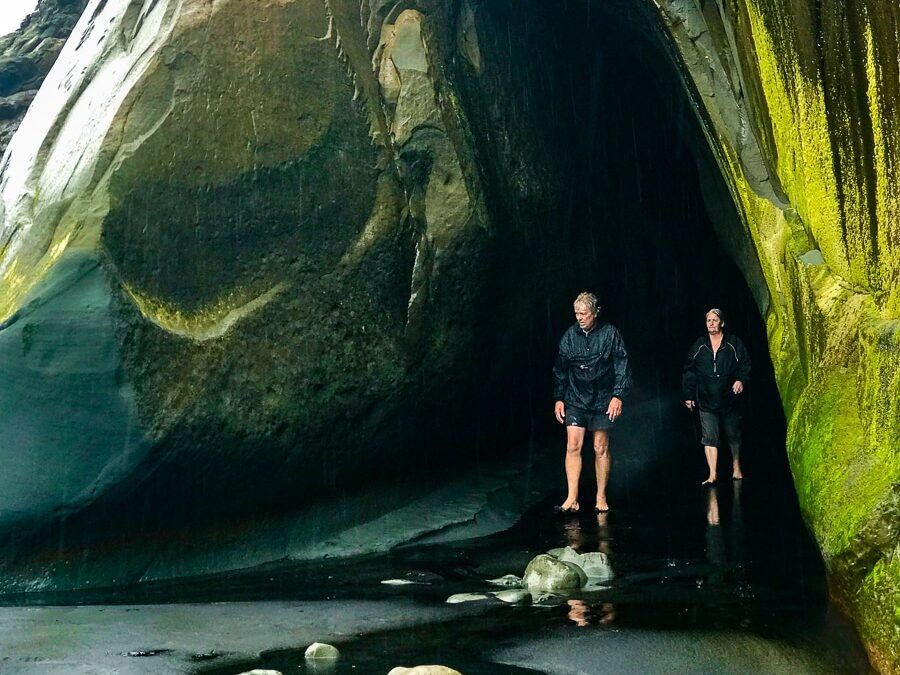
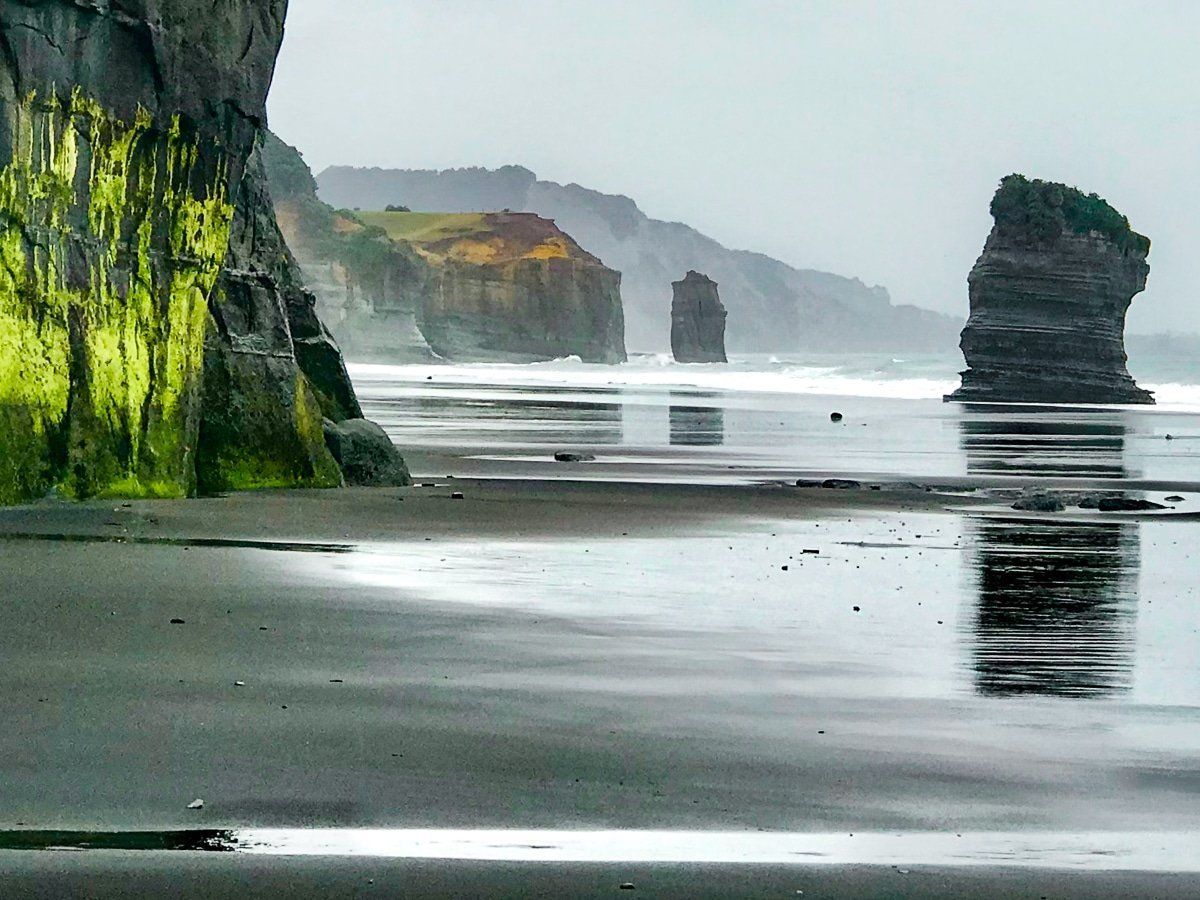
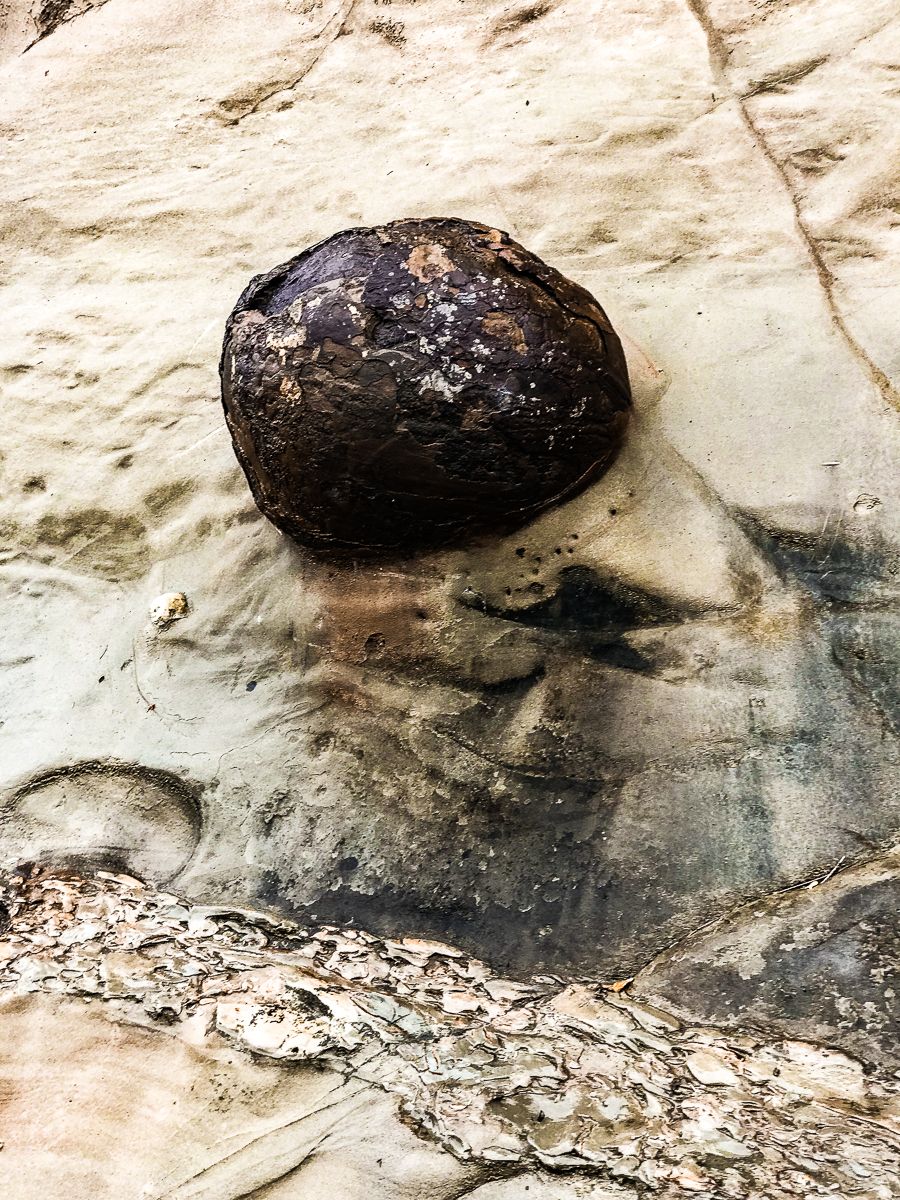
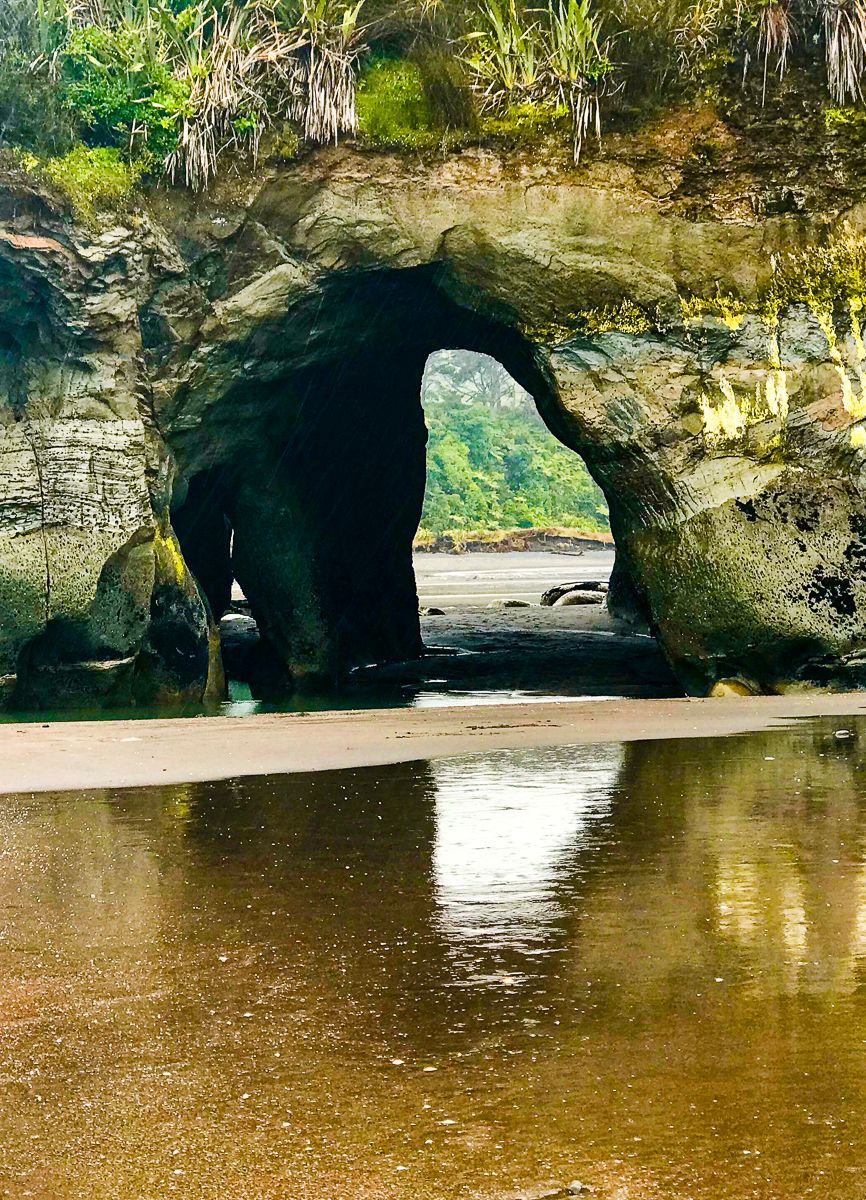
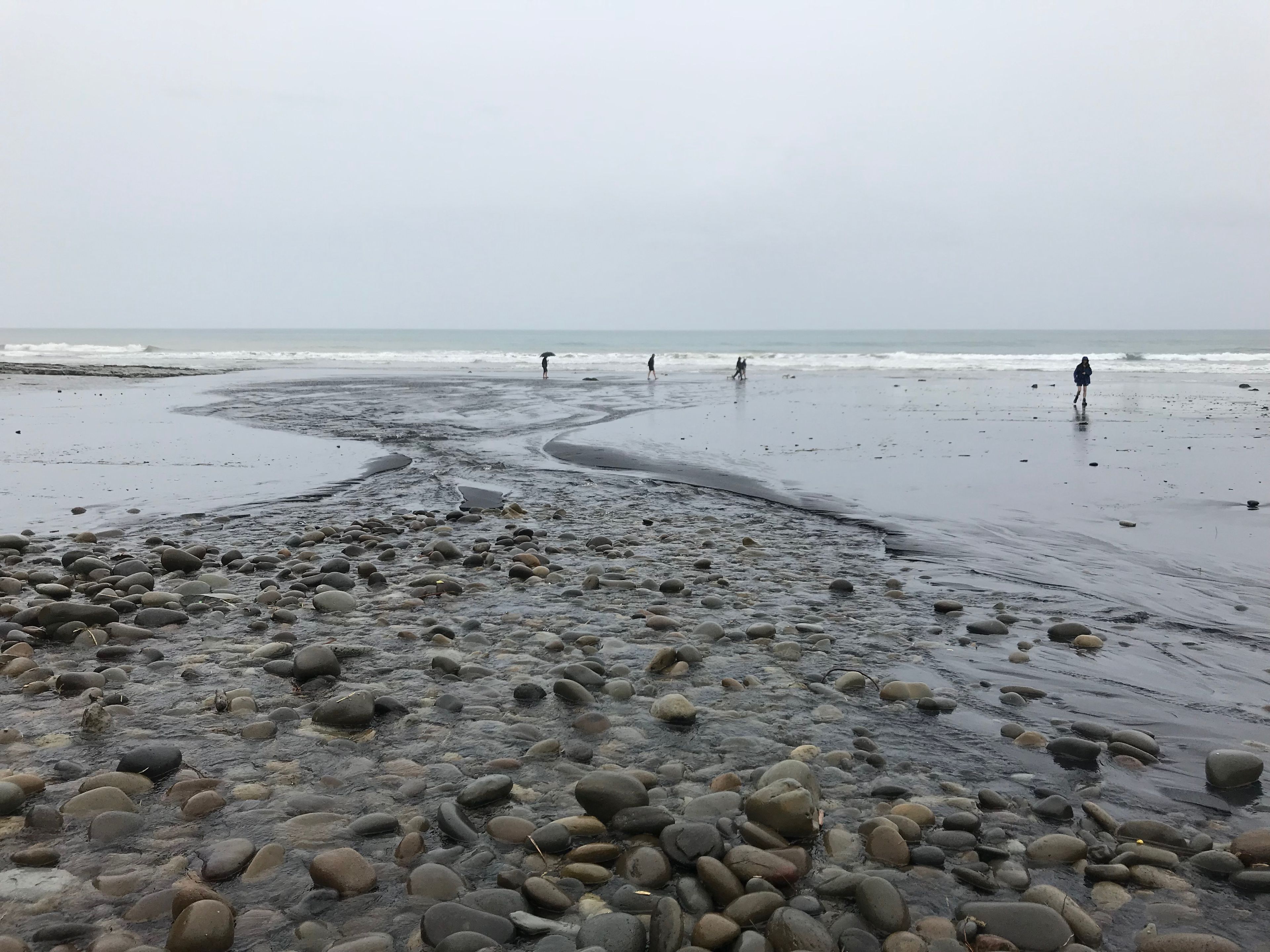
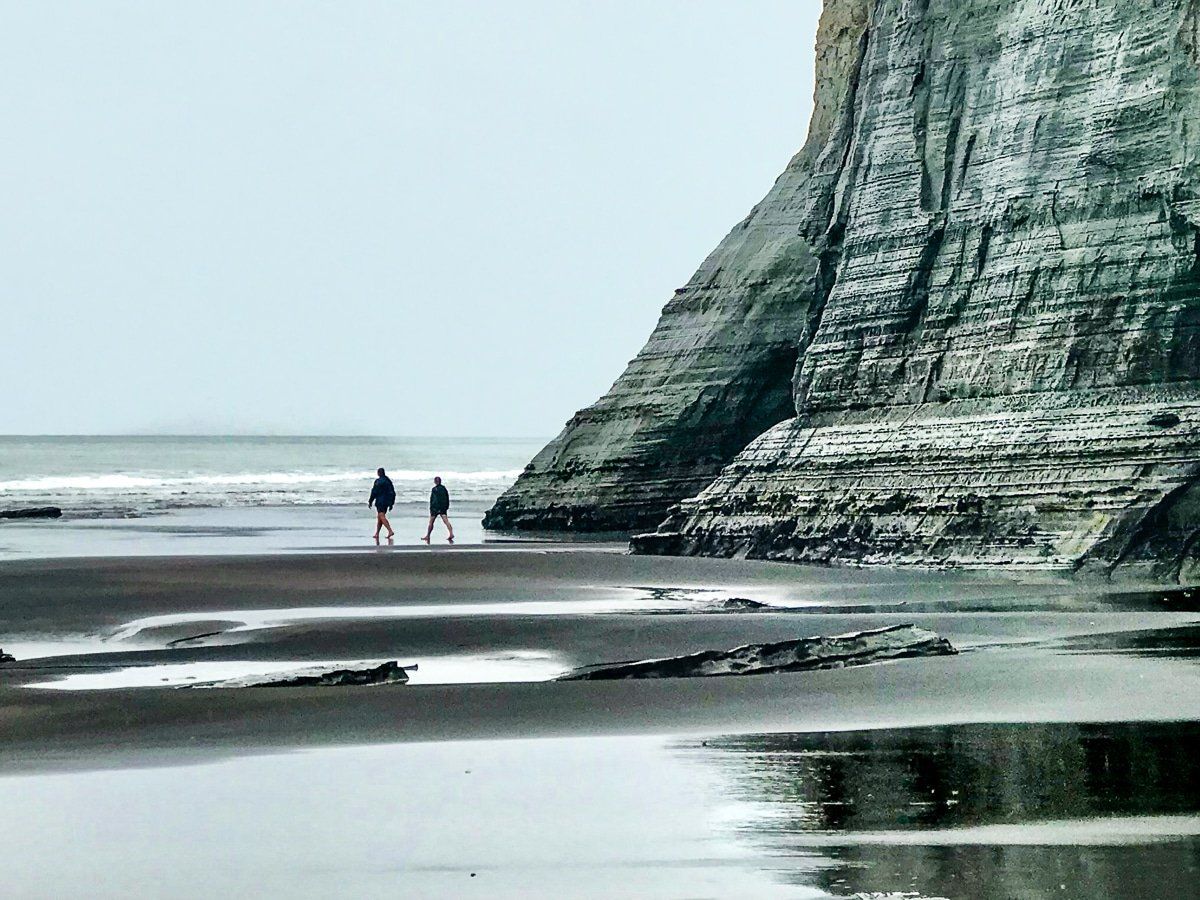
As the tide heads out, you can easily walk along the black sand edge of the Tongaporutu River to the coastal headland. You may notice modest-sized concretions protruding from the cliffs along the way. Even when the weather is less than ideal, you can explore the unique geological features, such as impressive sea stacks, caves and arches.
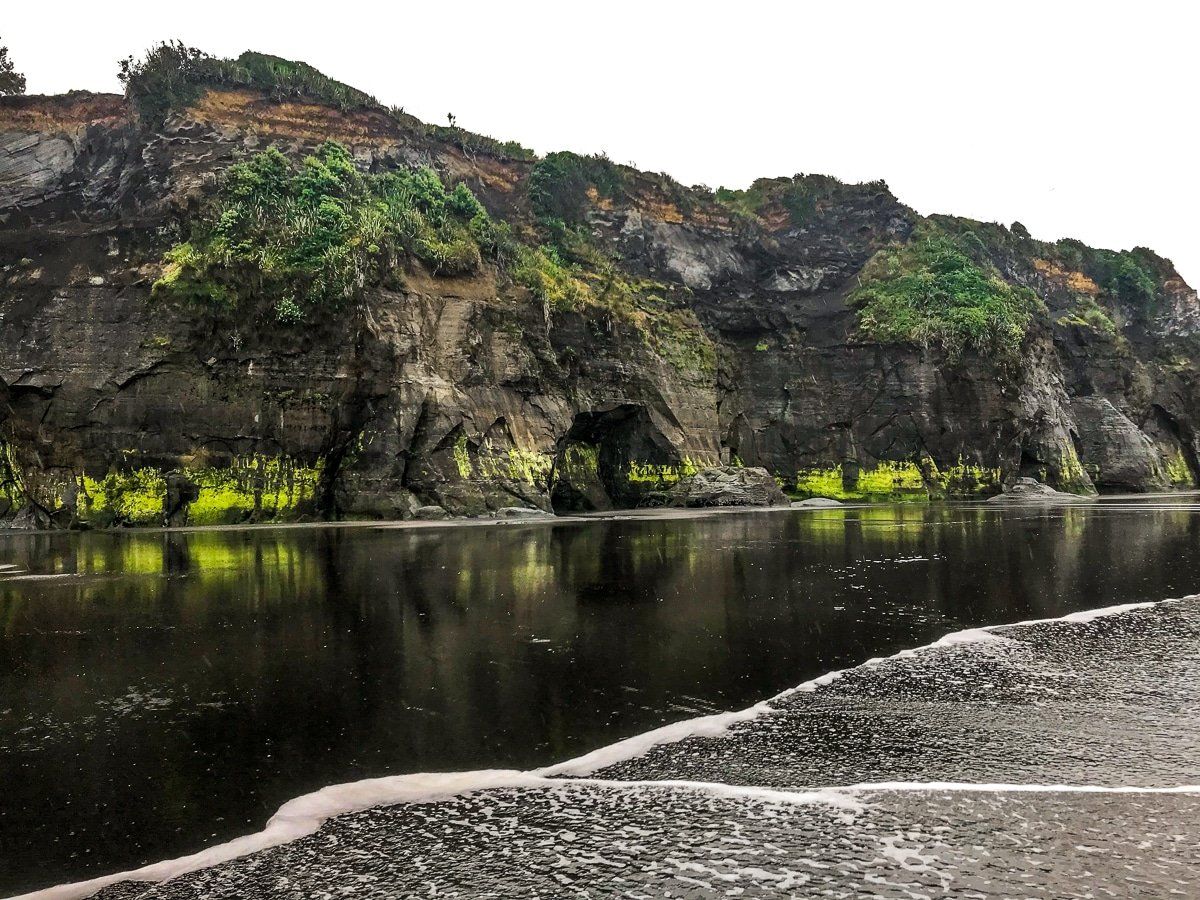
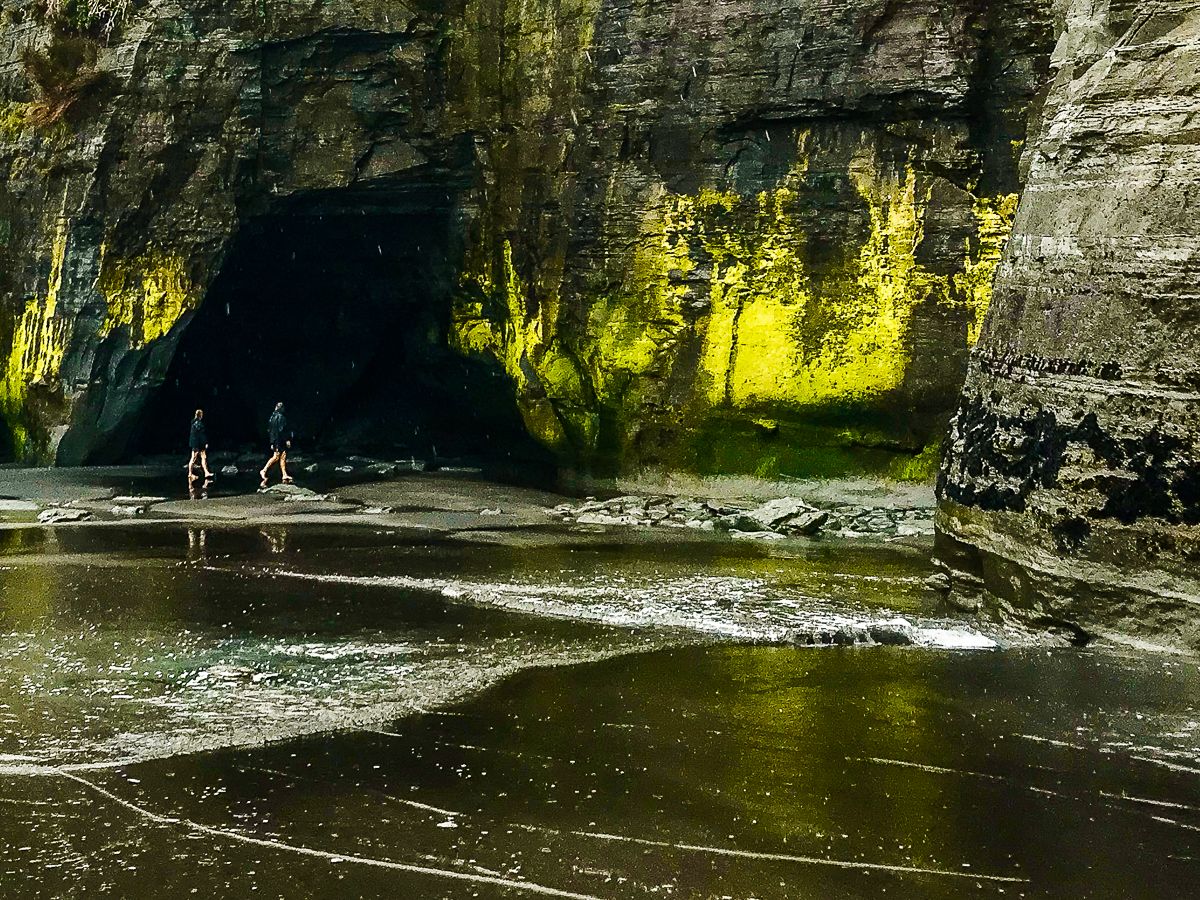
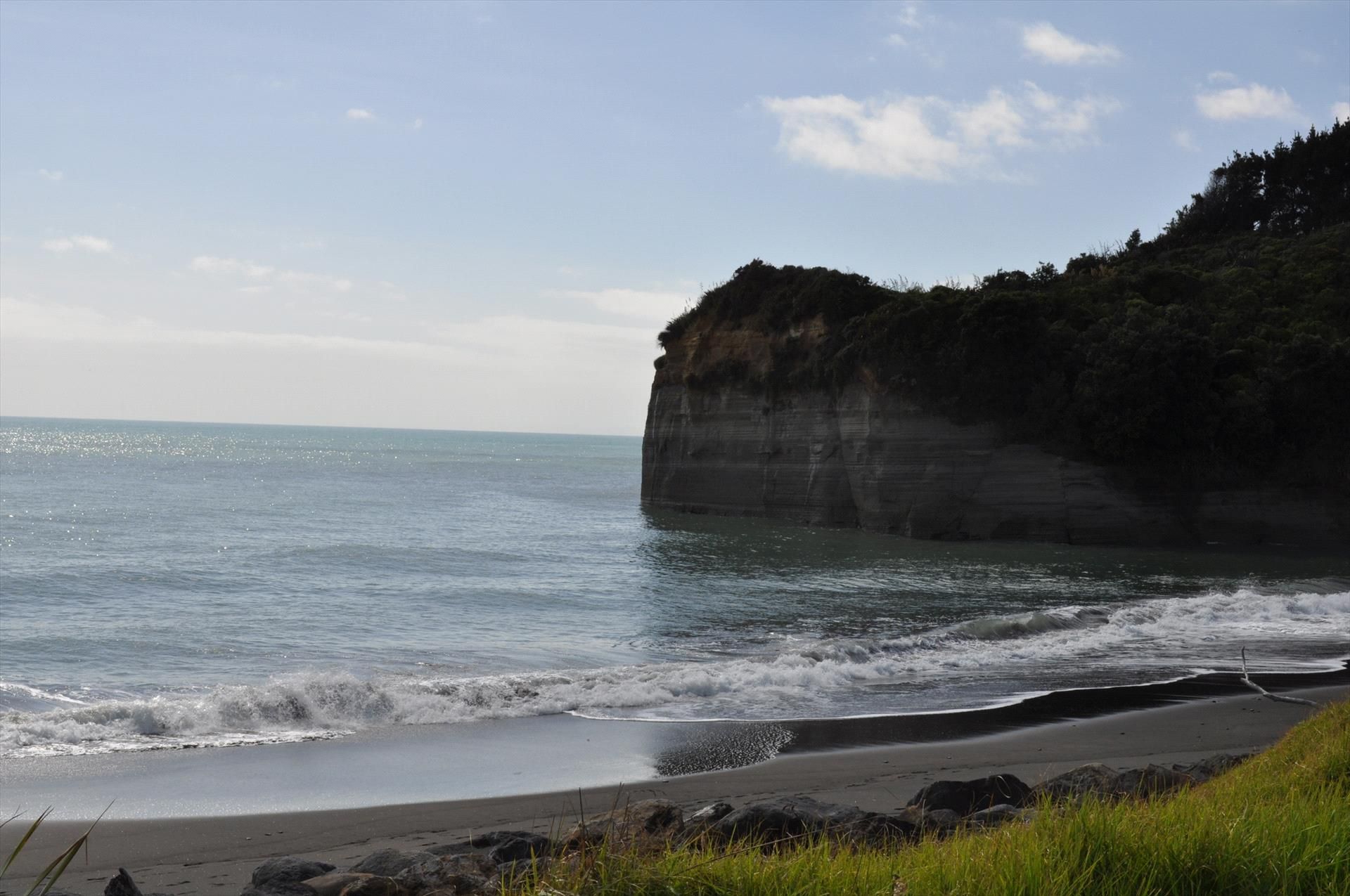
The beach is characterised by steep cliffs and isolated rock stacks, including remnants of arches that have partially collapsed over time. Sea caves are visible at the base of headlands. Offshore and along the shoreline, tall sea stacks rise abruptly from the sand, while rock platforms, cliffs coated with vibrant green seaweed, boulder-strewn beaches, and dark volcanic sands add to the rugged feel.
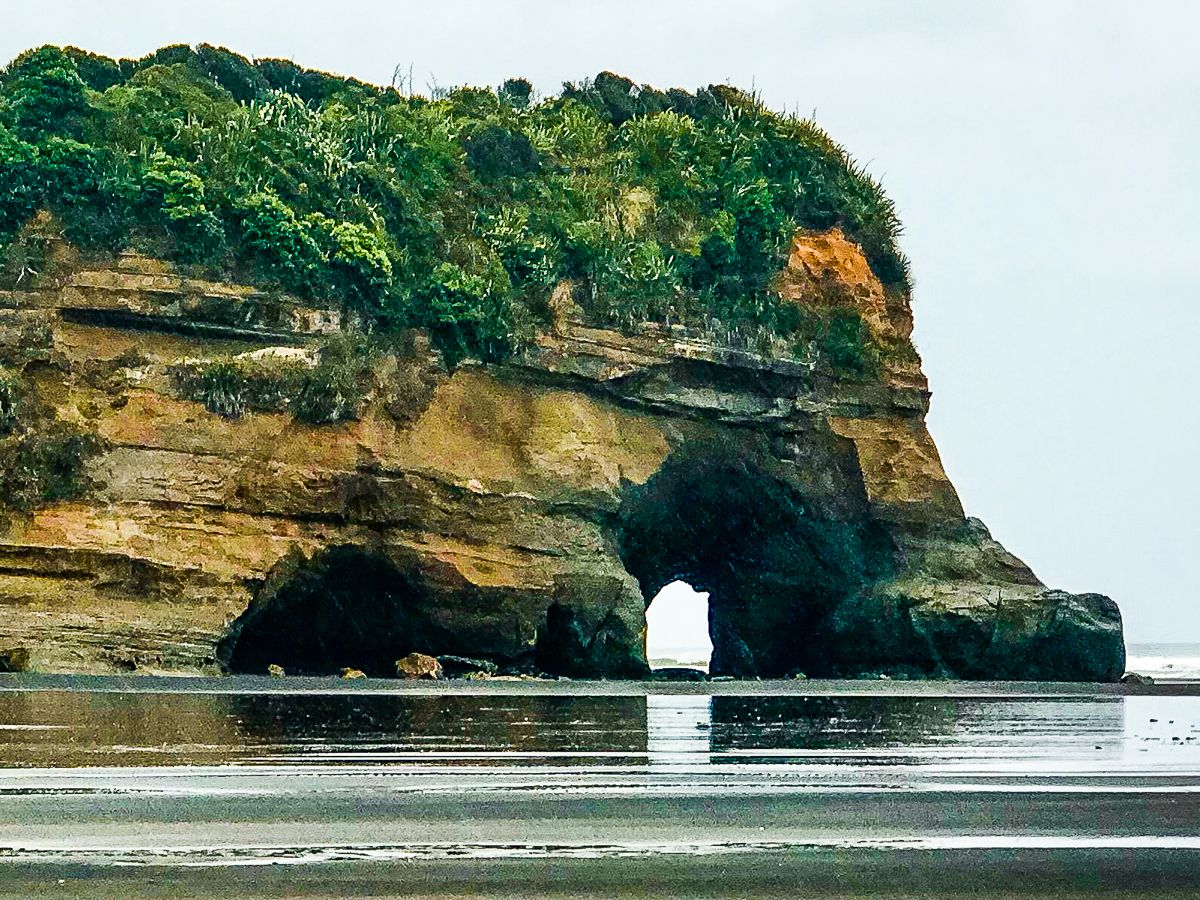
The larger island on the south side of the river mouth is particularly interesting, as it will be the next “Elephant Rock.” The previous one, as shown in a famous photo, collapsed into a single-arch triangle and then completely disappeared several years ago.
Geology of the Three Sisters
The distinctive arches and caves at Tongaporutu result from a combination of soft sedimentary geology and powerful coastal erosion. The area’s cliffs are largely composed of layered mudstone, sandstone, and siltstone that were deposited on an ancient seabed millions of years ago. These rocks vary in hardness, with softer layers eroding more quickly when exposed to relentless Tasman Sea waves, wind, and salt spray.
Over time, waves exploit natural weaknesses such as joints, bedding planes, and small faults, gradually enlarging cracks into caves. Erosion can form dramatic natural arches around headlands until eventual collapse reshapes the coastline again.
Access and Timing
Plan your visit around low tide. This timing allows you to walk to the mouth of the Tongapōrutu River and explore the coastal cliffs extending towards Whitecliffs. Allocate a couple of hours for your visit to avoid rushing and to fully appreciate the site.
There is also freedom camping available in the nearby Tongapōrutu Domain.
Getting There
The Three Sisters is located just off State Highway 3, a 55-minute, 67 km drive north of New Plymouth. The parking area is just off the road, adjacent to the track access. Be sure to check tide times before your visit to make the most of your experience at this remarkable site. If possible, try to visit at sunset for an unforgettable view.
In New Plymouth, you can visit Pukekura Park and drive to Ōakura and Mt Taranaki.