Gore is built around the Mataura River and the kind of stories that make a weekend feel fuller than you expected. It’s an easy town to navigate, with strong visitor amenities, a proud heritage streetscape, and a mix of “only-in-Southland” attractions: a giant trout statue, a moonshine museum with real attitude, and an art gallery that genuinely surprises.
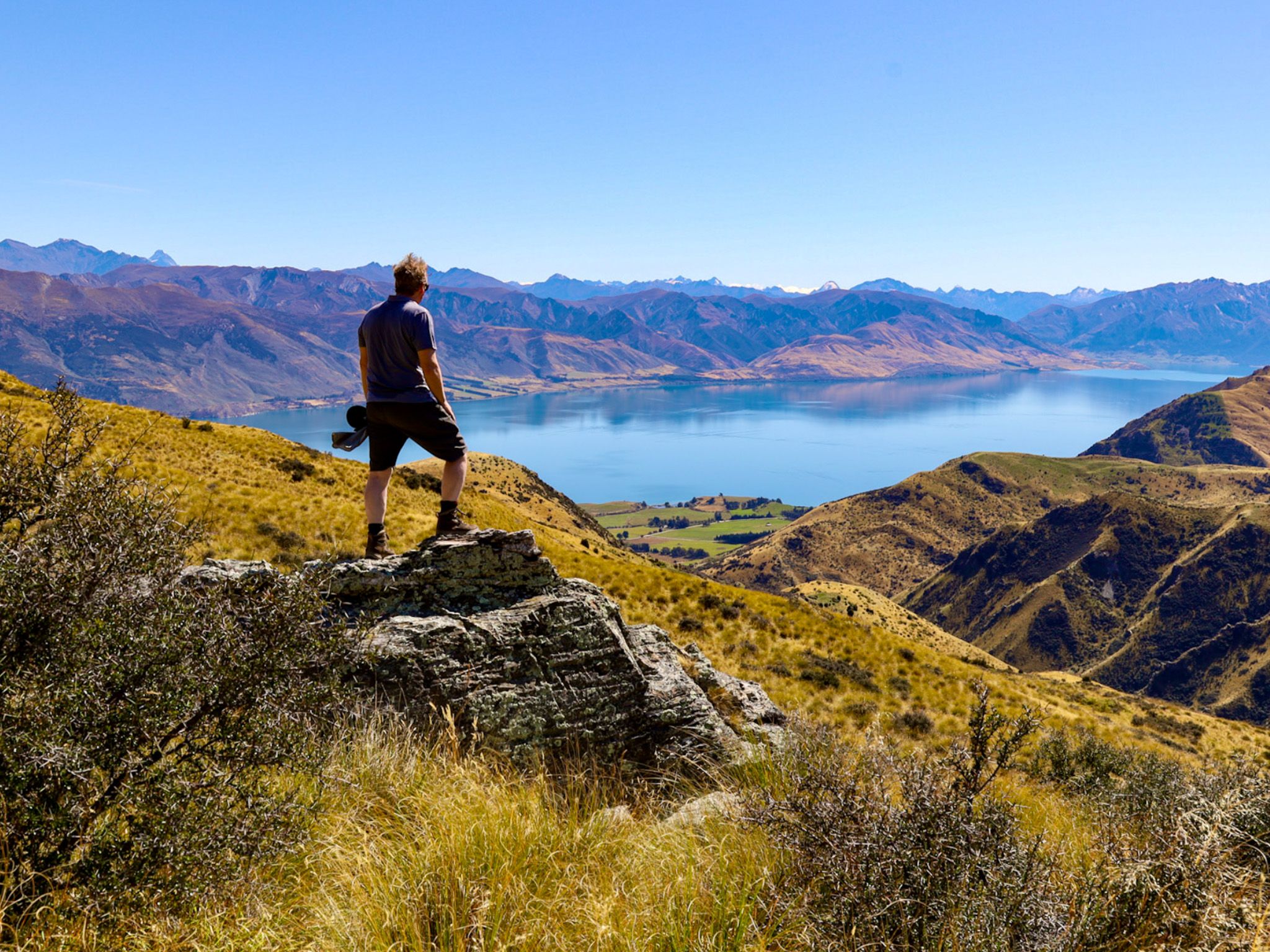
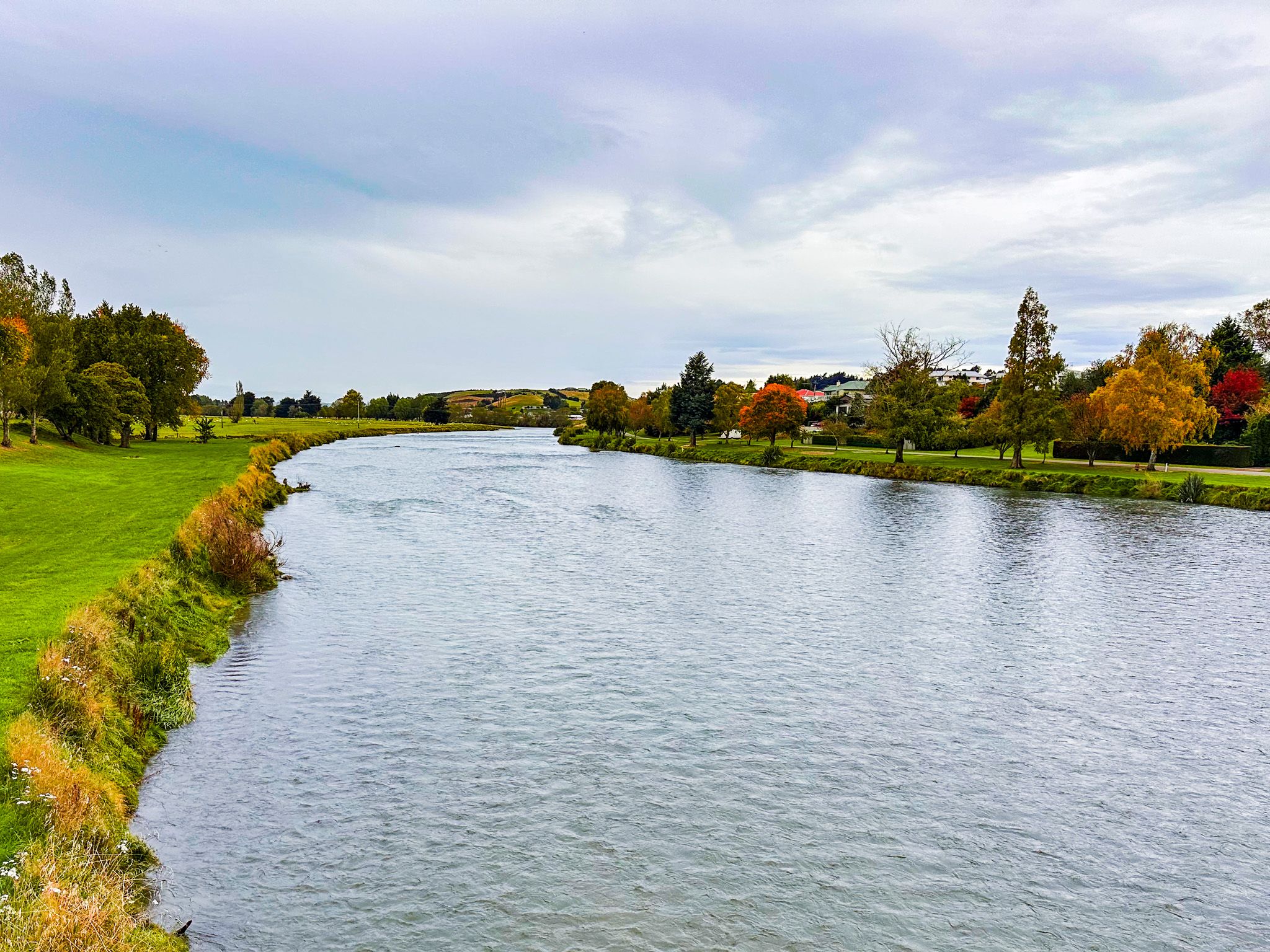
The Mataura is the thread that ties it together. It begins high in the Eyre Mountains, runs for roughly 240 km, and reaches the sea at Toetoes Bay near Fortrose. In town, it’s broad, clear, and closely linked to fly-fishing culture, with riverside areas that suit a relaxed walk or bike ride, even if you’ve never held a rod.
If you’re in Gore for two days, the best rhythm is simple: start with the river, spend your middle hours indoors with the gallery and the moonshine museum, then finish your afternoons outside in parks and gardens, with a forest walk on day two if you want a proper nature reset.
The Mataura River and the giant trout
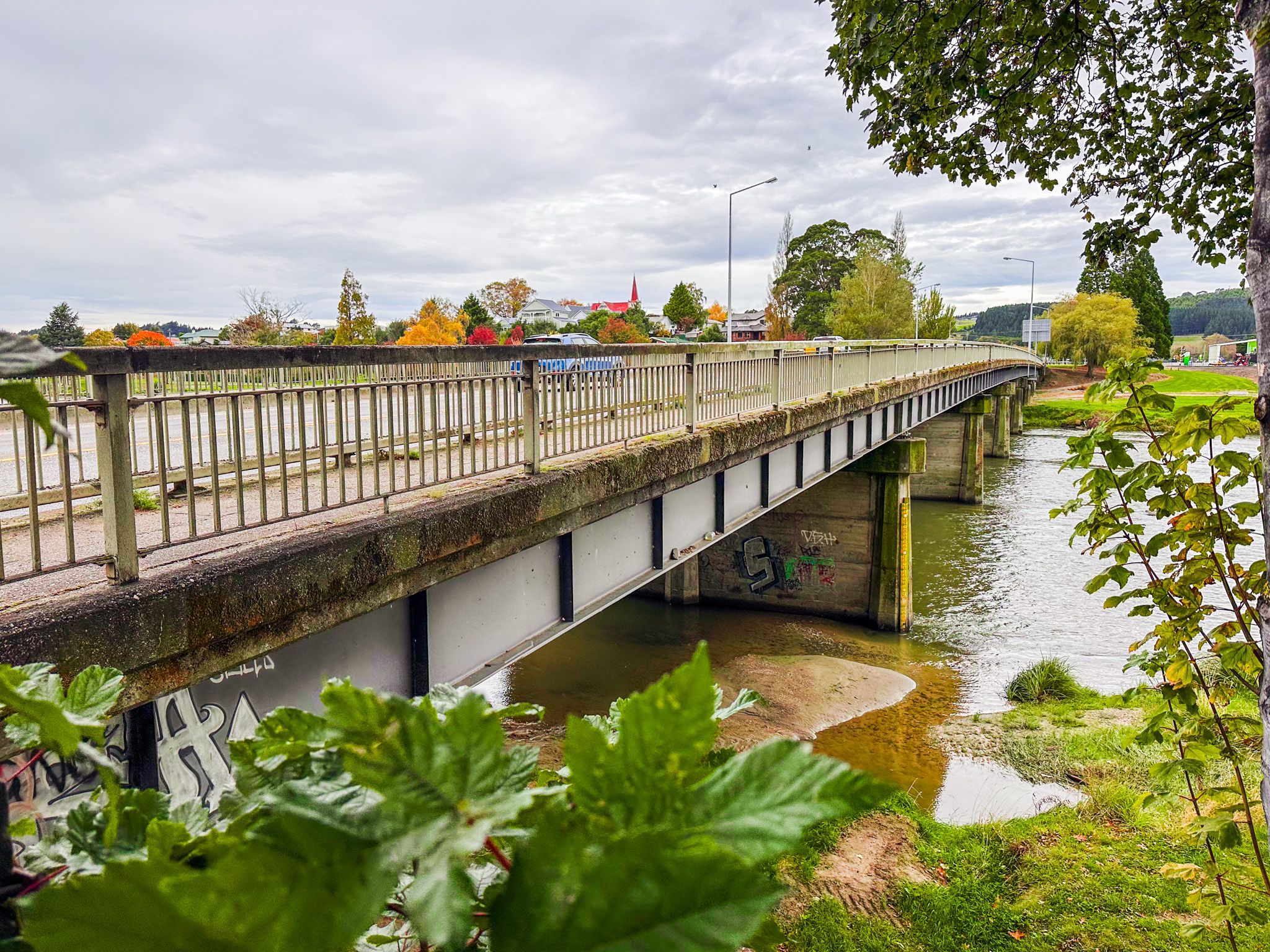
Begin with the river, and you’ll immediately understand why Gore claims trout fame. This is a place where fishing culture isn’t hidden away: it’s part of the town’s identity, and the river is always close enough to pull you back for “one more look” from a bridge or reserve.
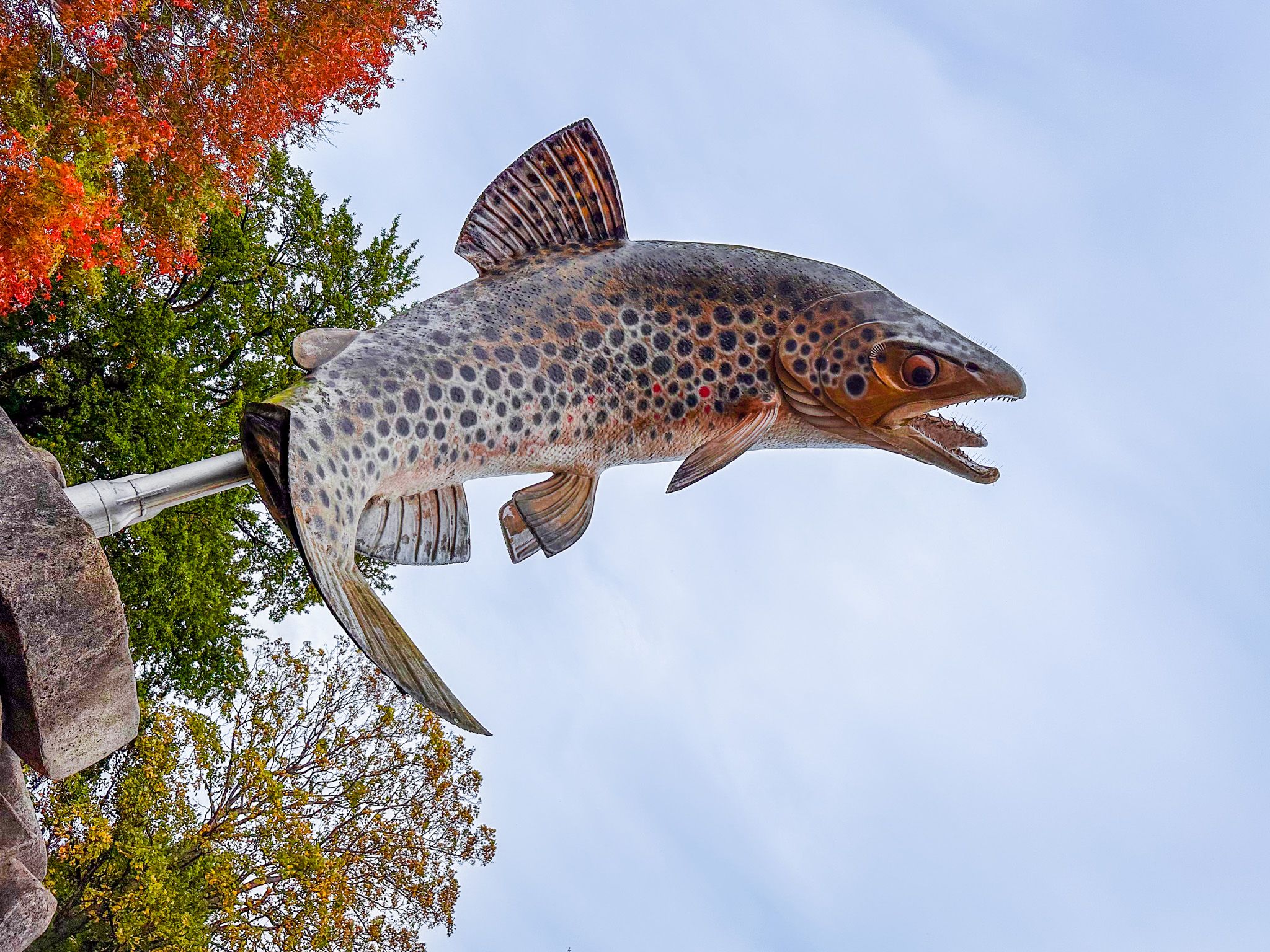
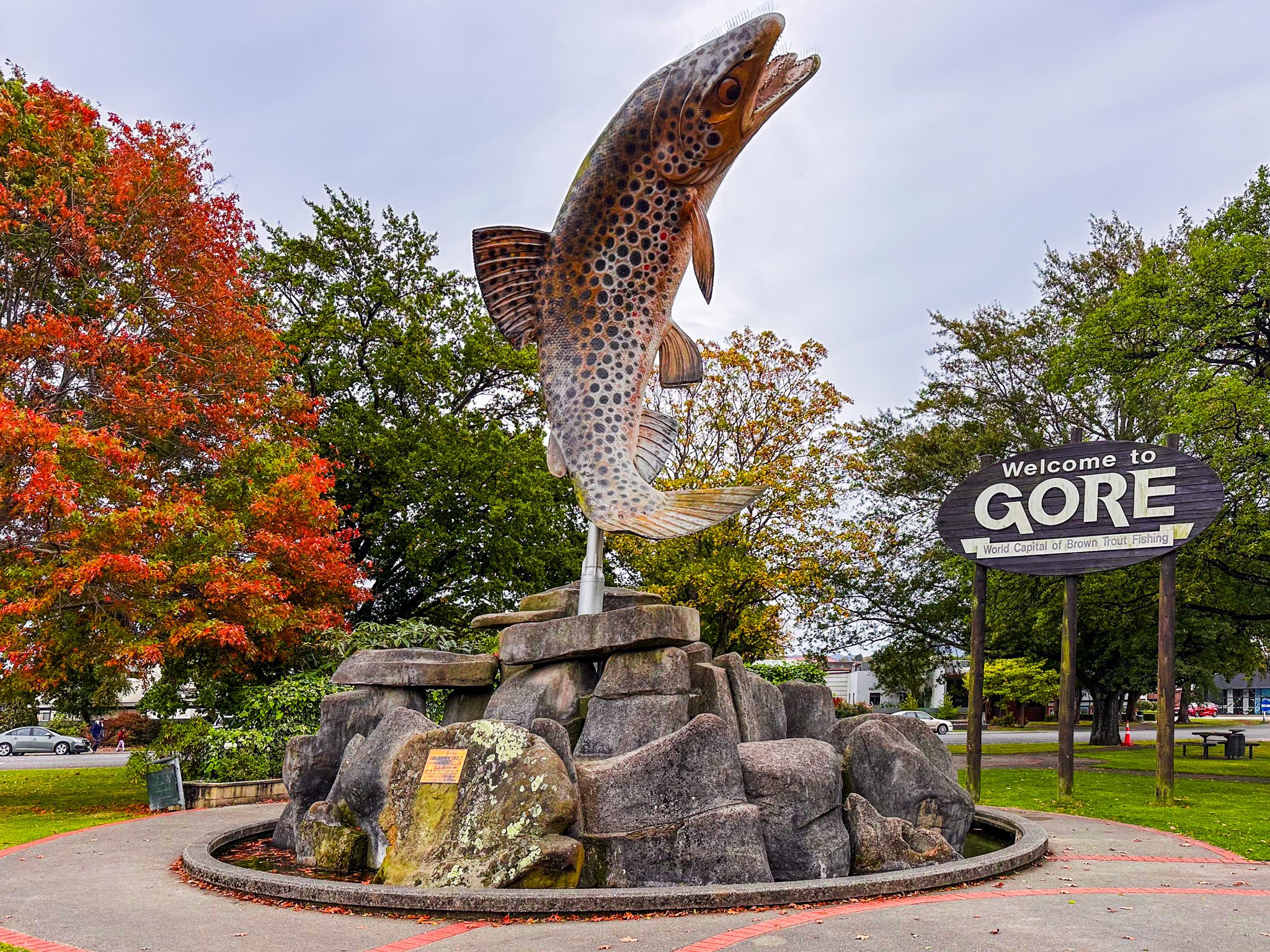
The iconic photo stop is the giant brown trout statue at the main highway intersection on the way into town. It’s big, bold, and deliberately unavoidable, perfect for setting the tone that Gore enjoys its stories and doesn’t mind being a little playful about them.
If you want to make it more than a quick selfie, follow the river for a while on foot or by bike. The Mataura is the kind of town river that rewards slow travel: light shifting on the surface, willows and bridges framing views, and plenty of spots to pause without committing to a long walk.
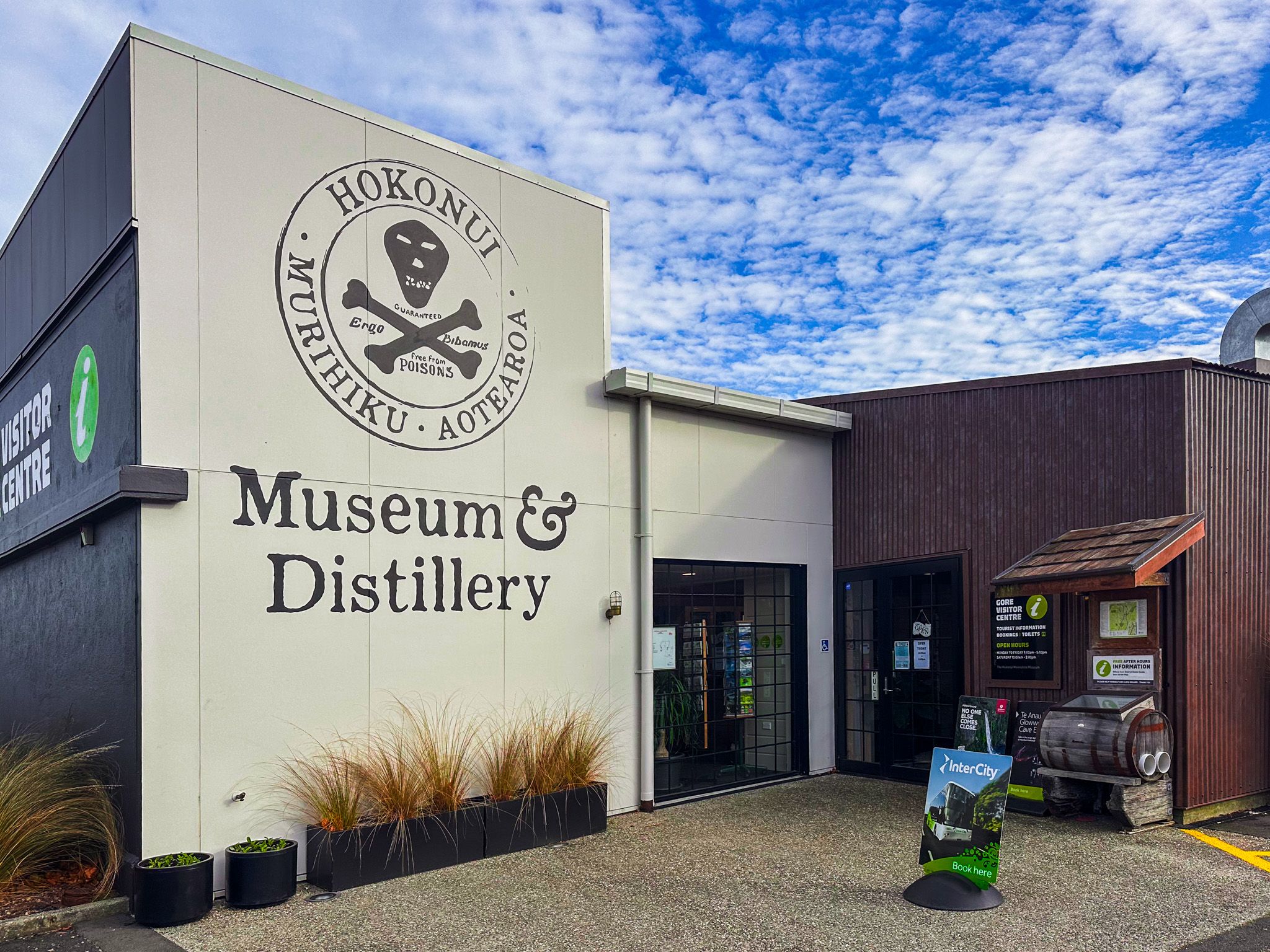
Old Hokonui Moonshine Museum and Distillery
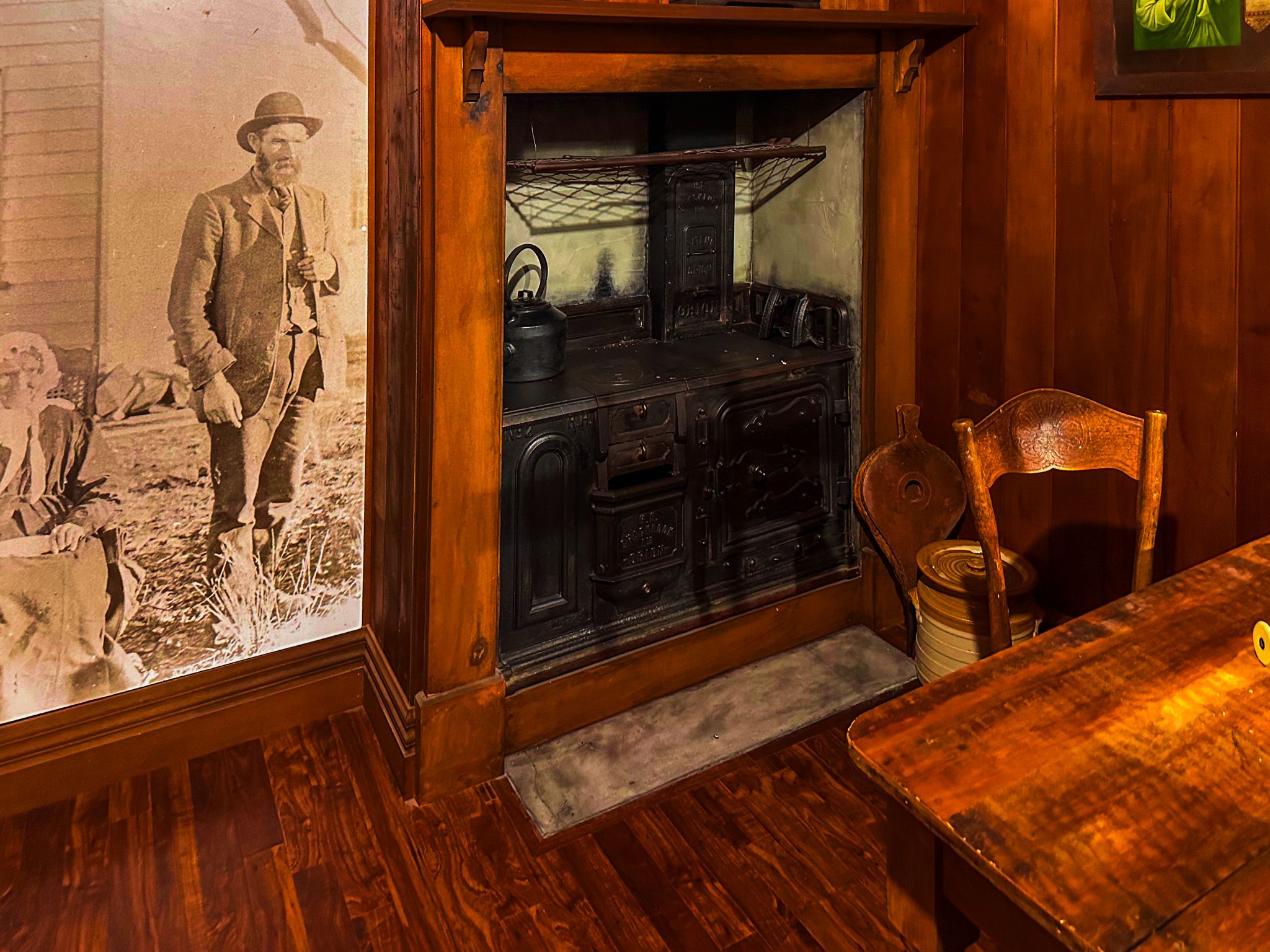
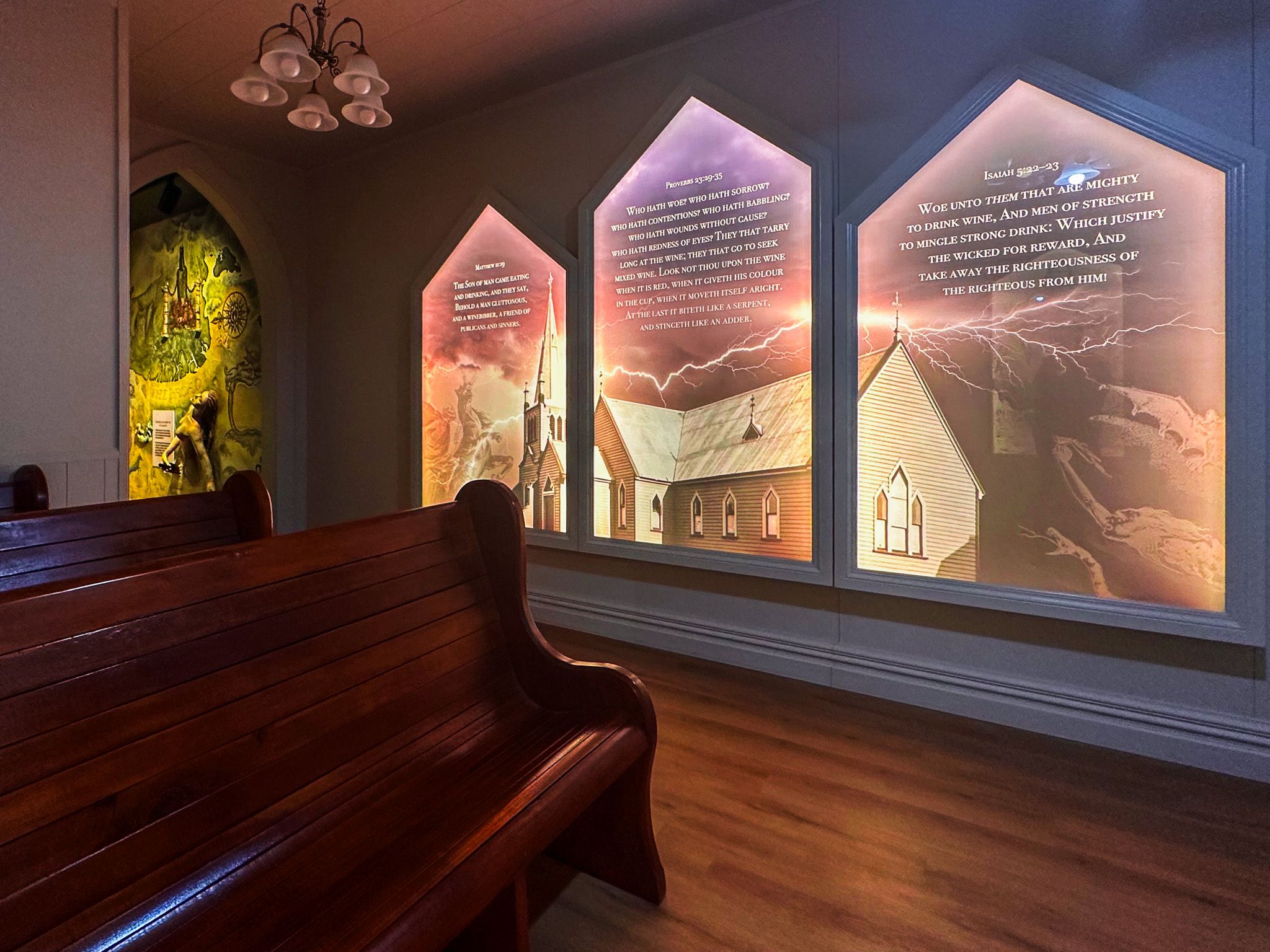
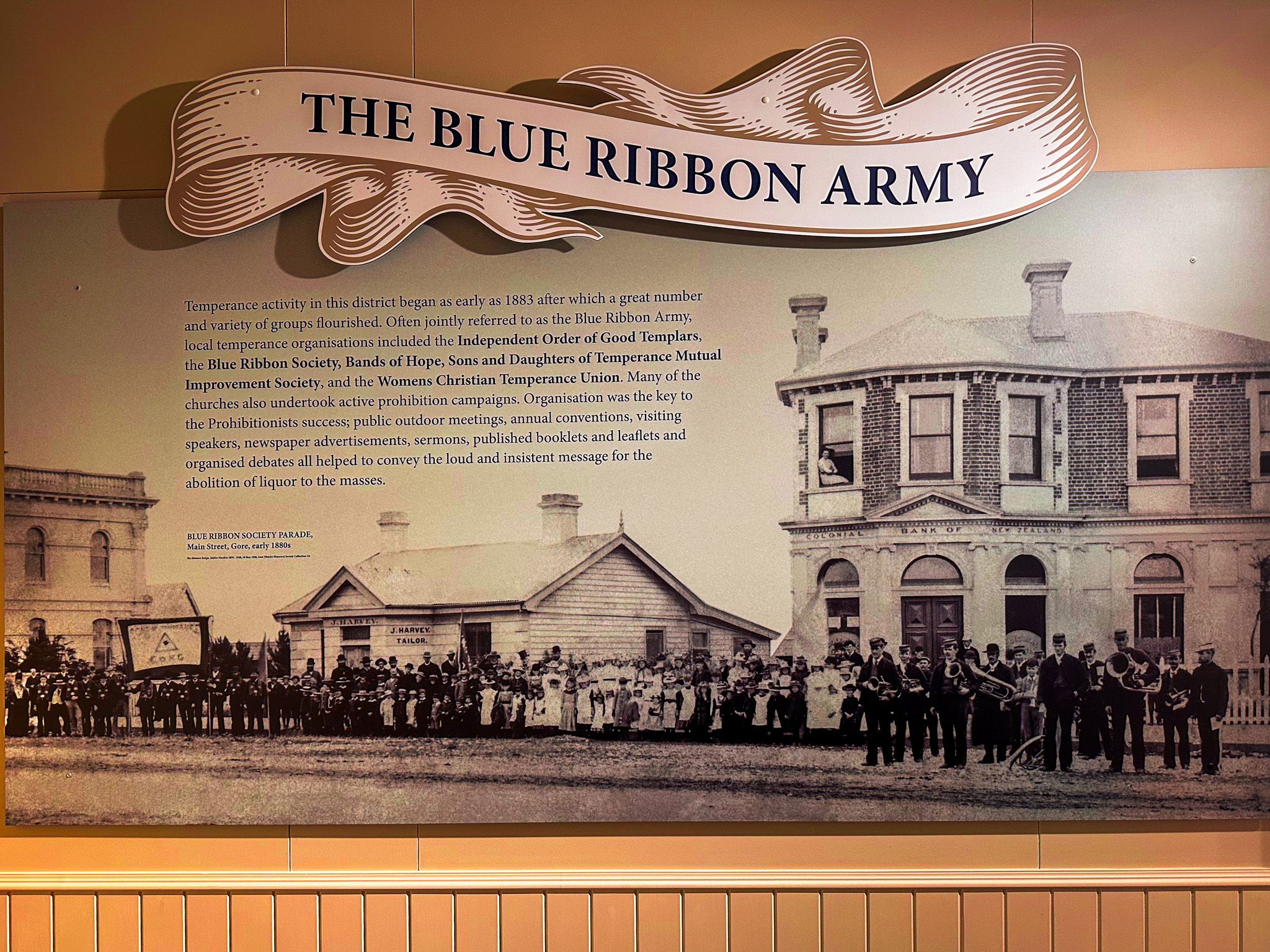
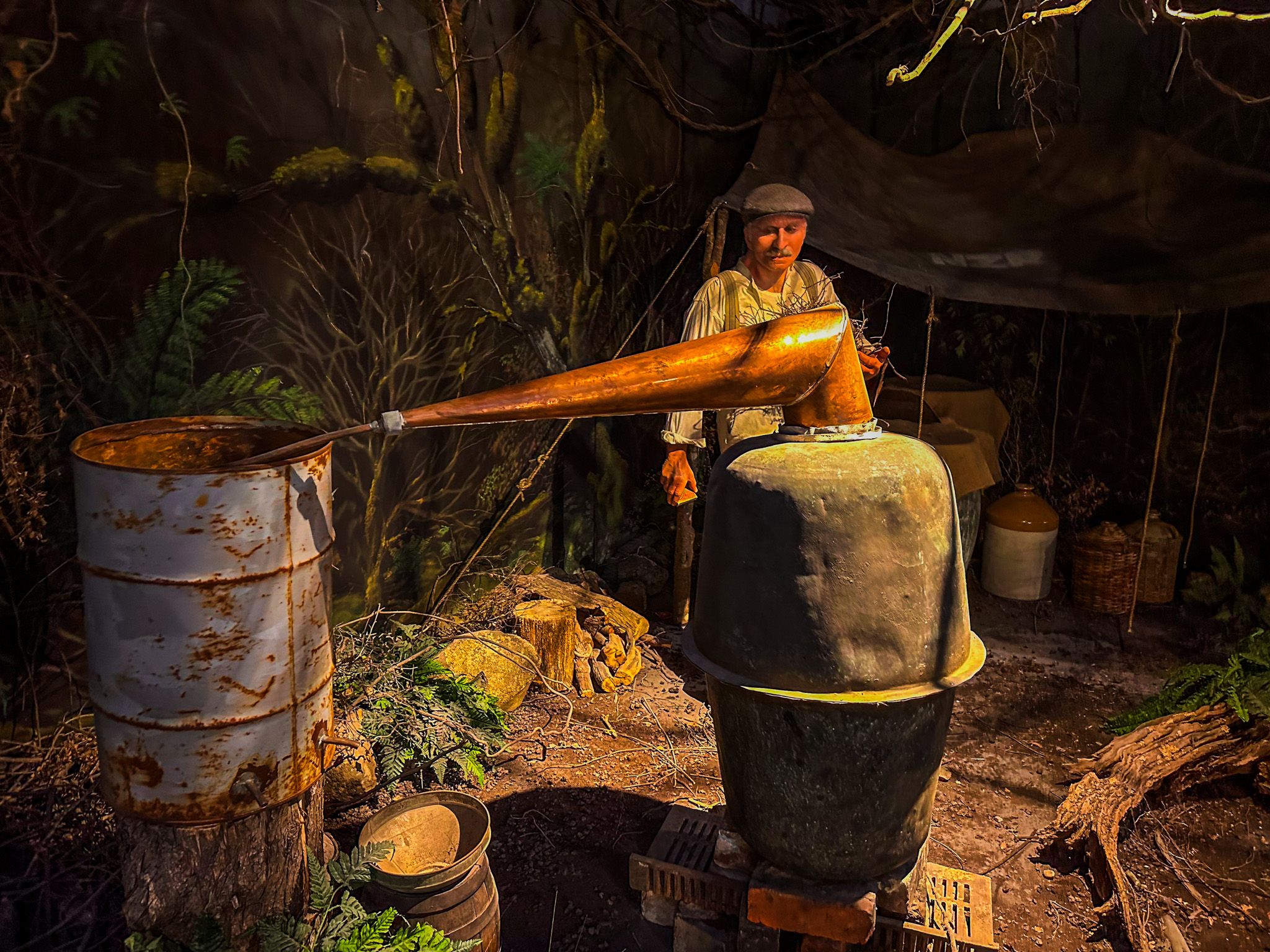
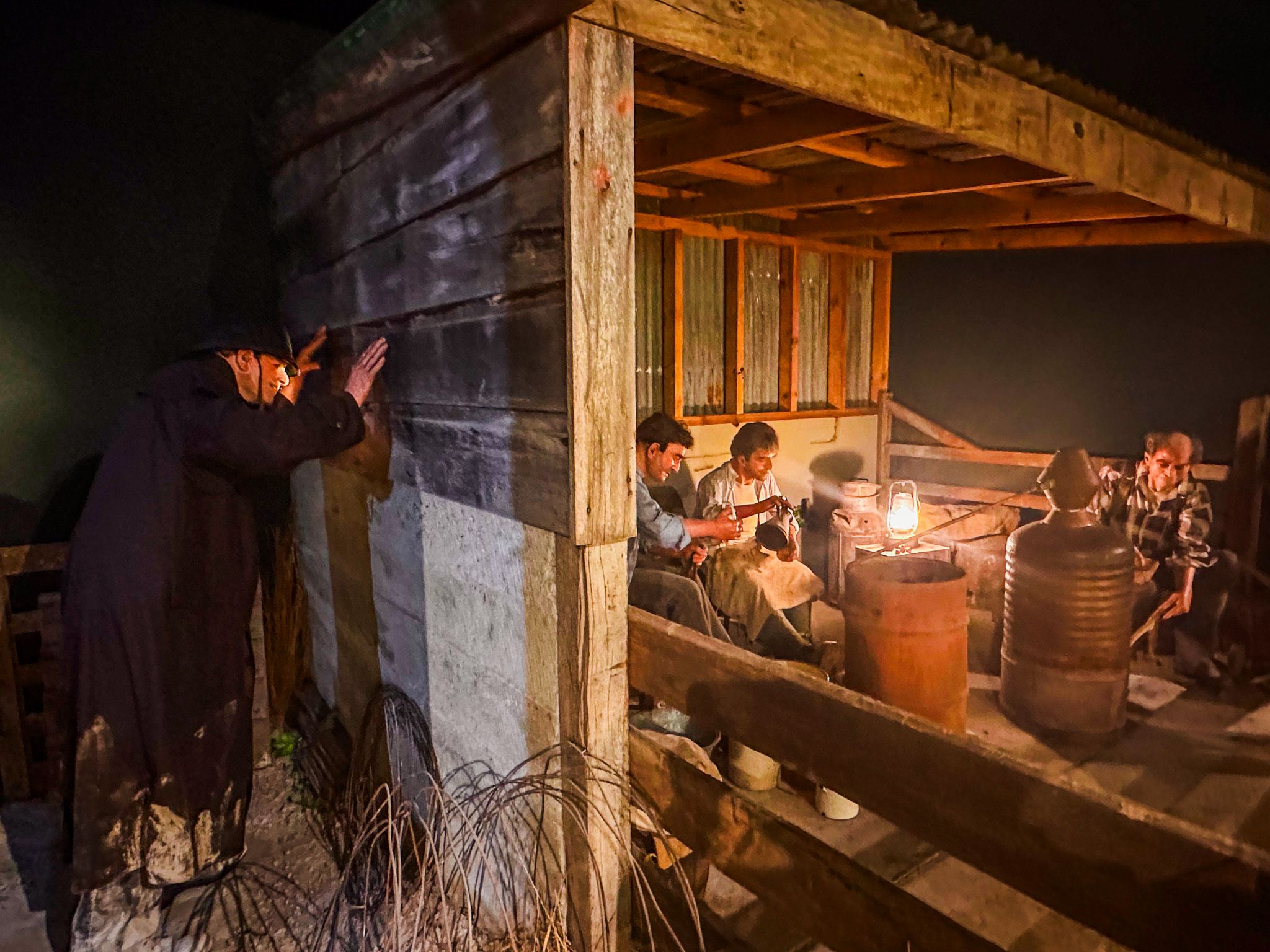
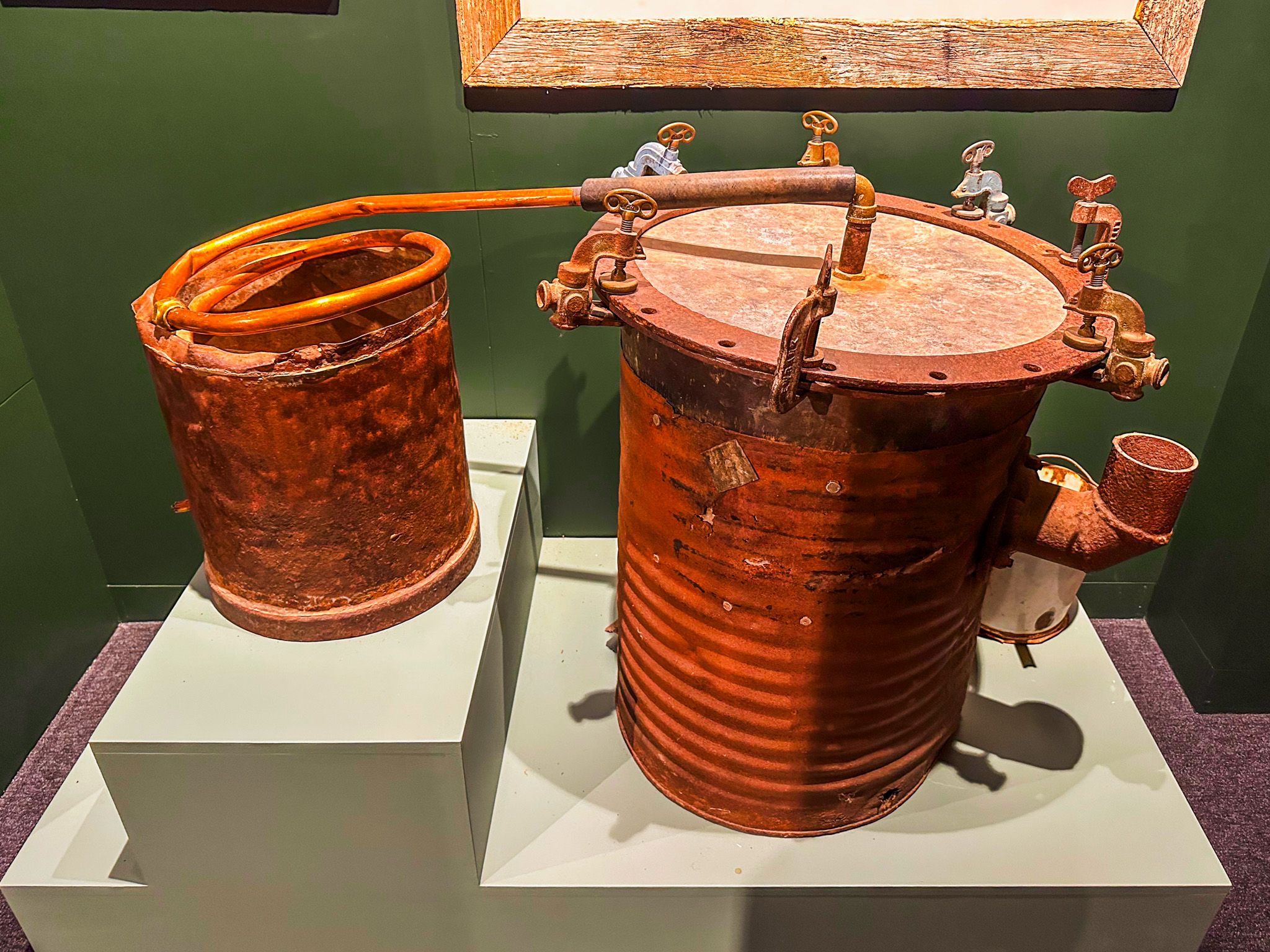
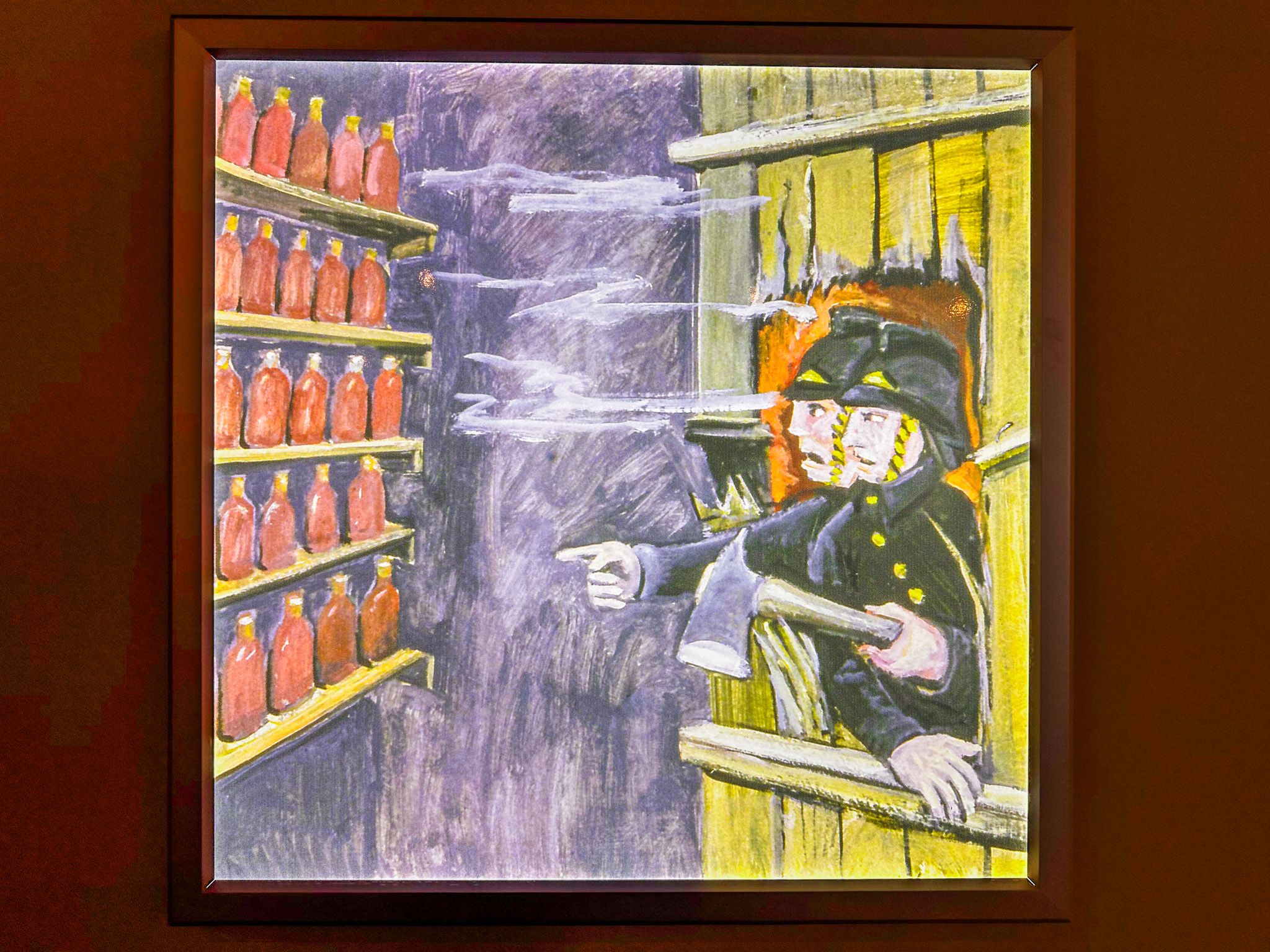
This is Gore’s most entertaining deep dive, and it’s worth prioritising. The museum tells the local temperance and prohibition story in a way that actually makes sense, because it focuses on the lived reality: years of local voting, the pressure points that created an illicit trade, and the colourful characters who made “sly grogging” part of regional folklore.
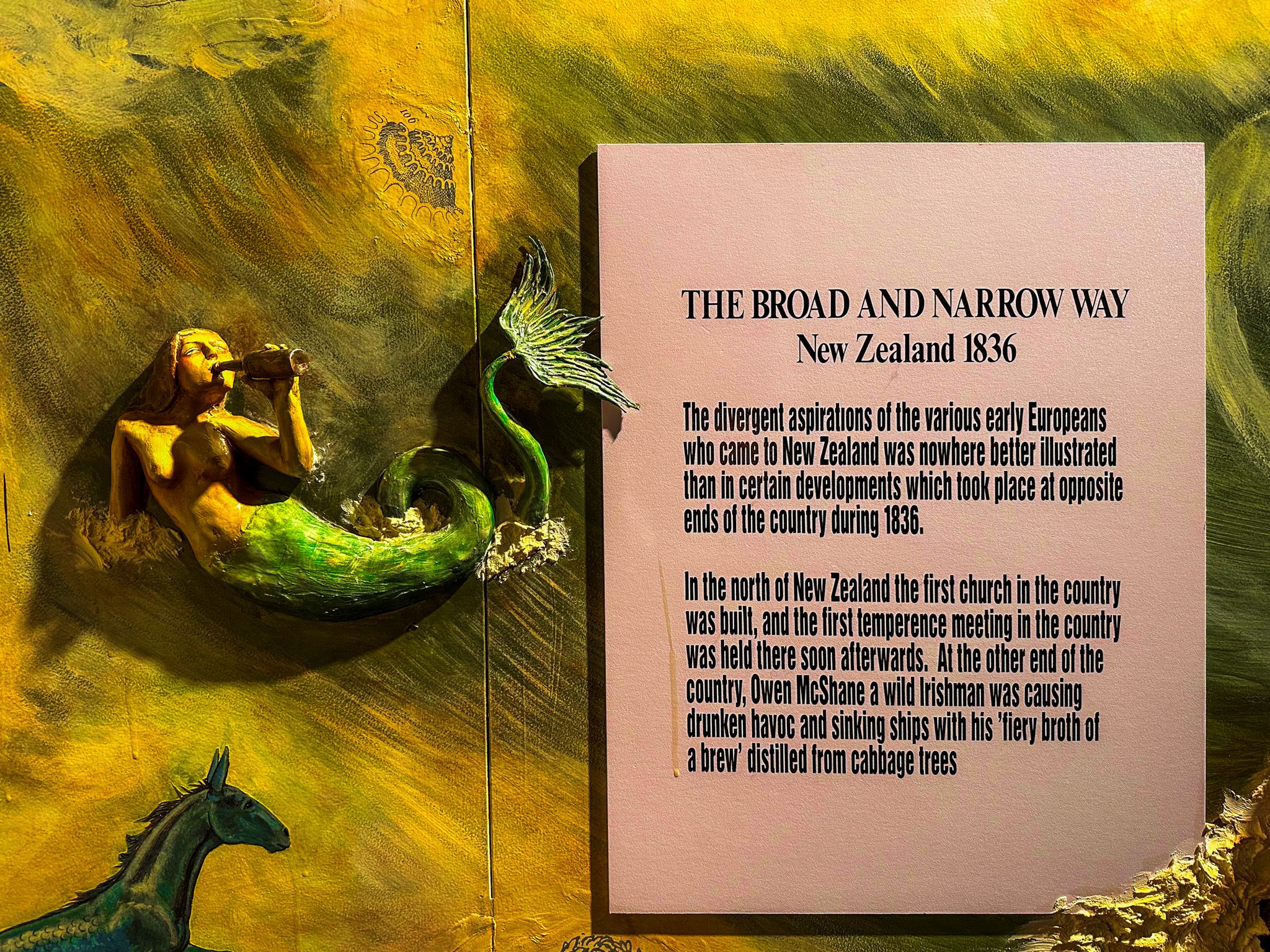
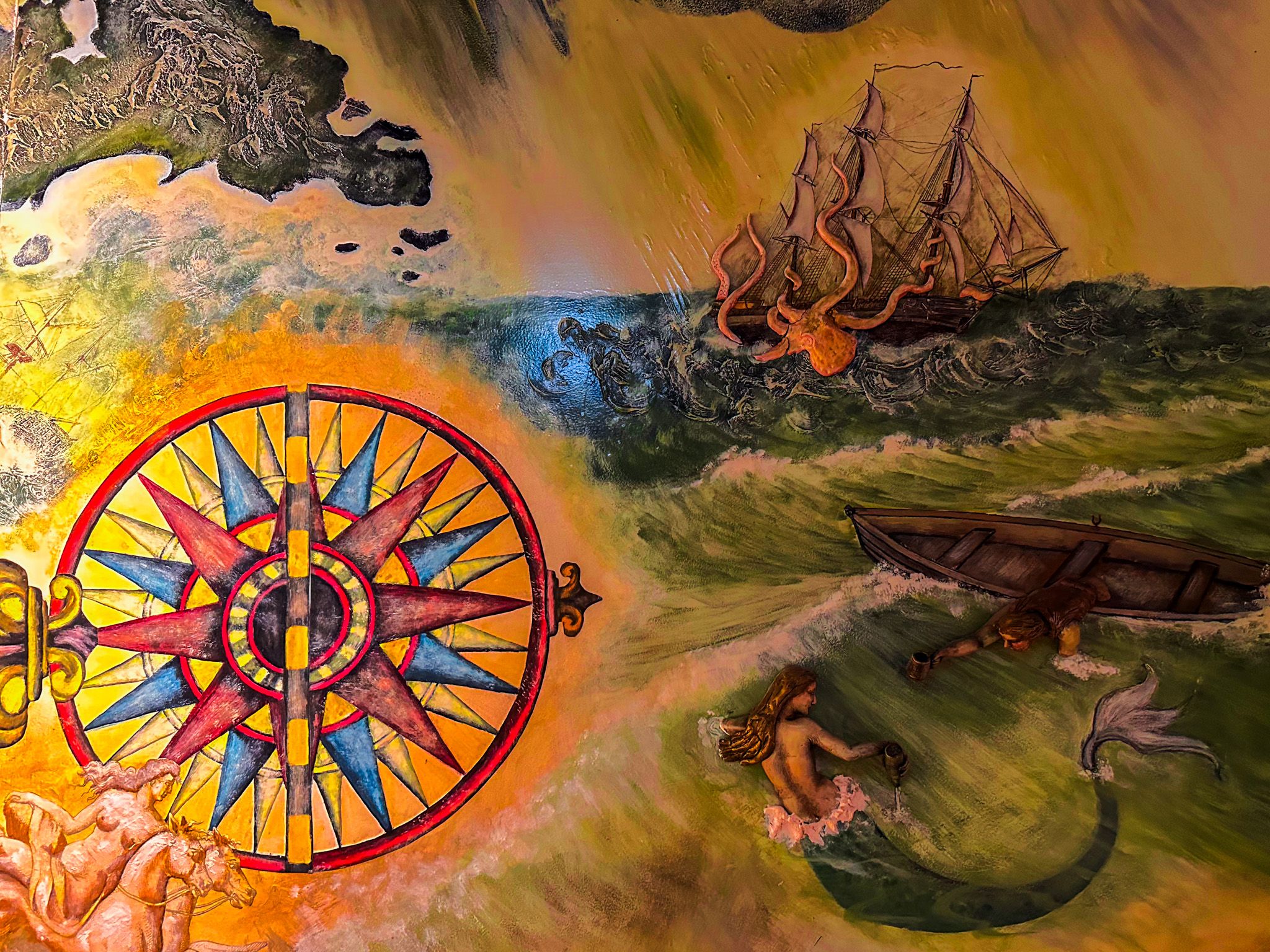
Inside, it’s not just panels and photos. There are full-sized diorama scenes, lists of prosecutions, artefacts from the period, and clever presentation choices that keep the tone lively, including a bold wall artwork featuring boozy mermaids and sea-monster mythology from early European imaginings of the South Seas.
The visit ends the way you want it to end: with a tasting and the option to buy a bottle. The modern legal product leans into the heritage, including the skull-and-crossbones label, and it suits the story—this was never a spirit designed for long ageing; it was made, moved, and enjoyed quickly.
Eastern Southland Gallery
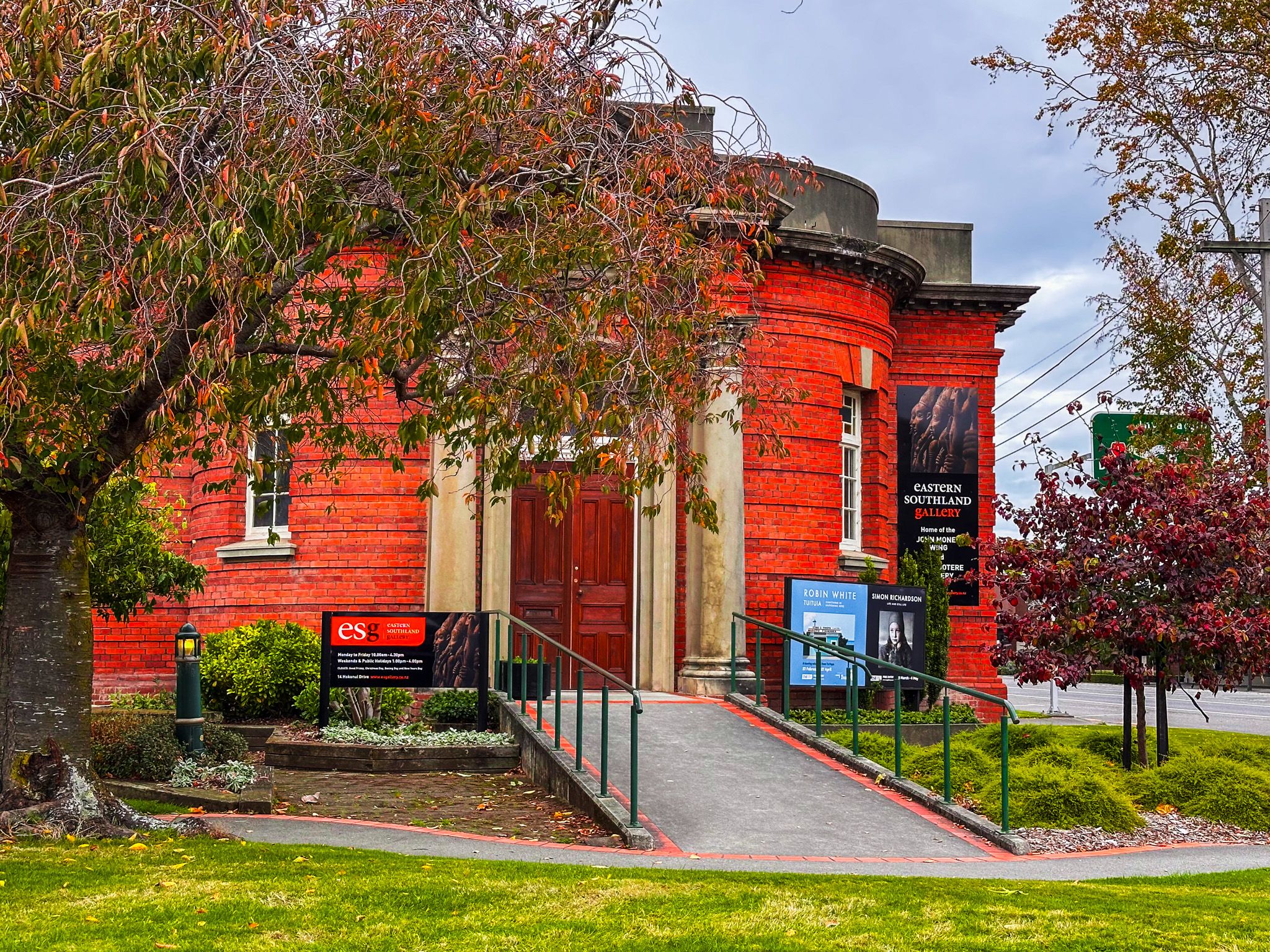
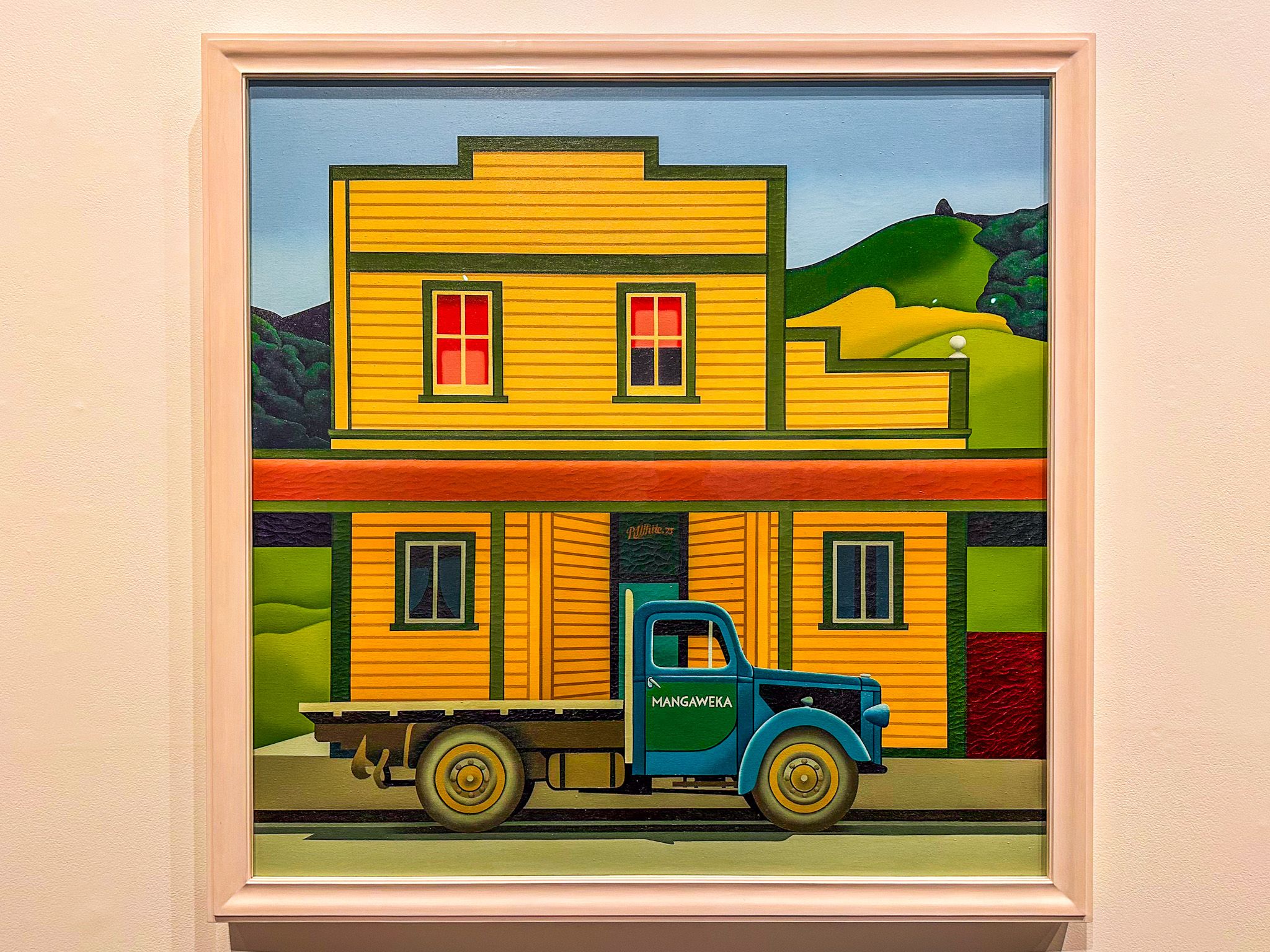
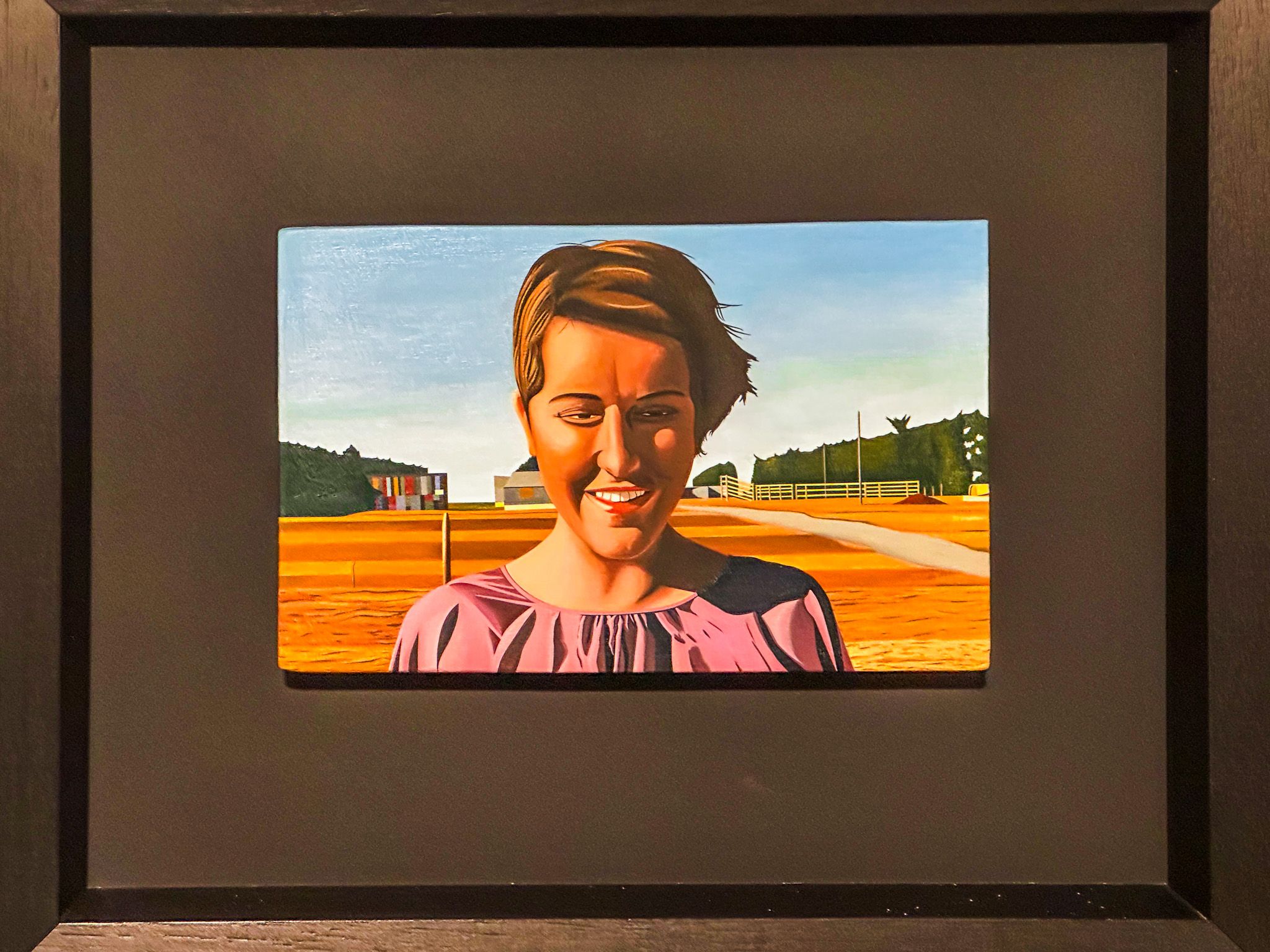
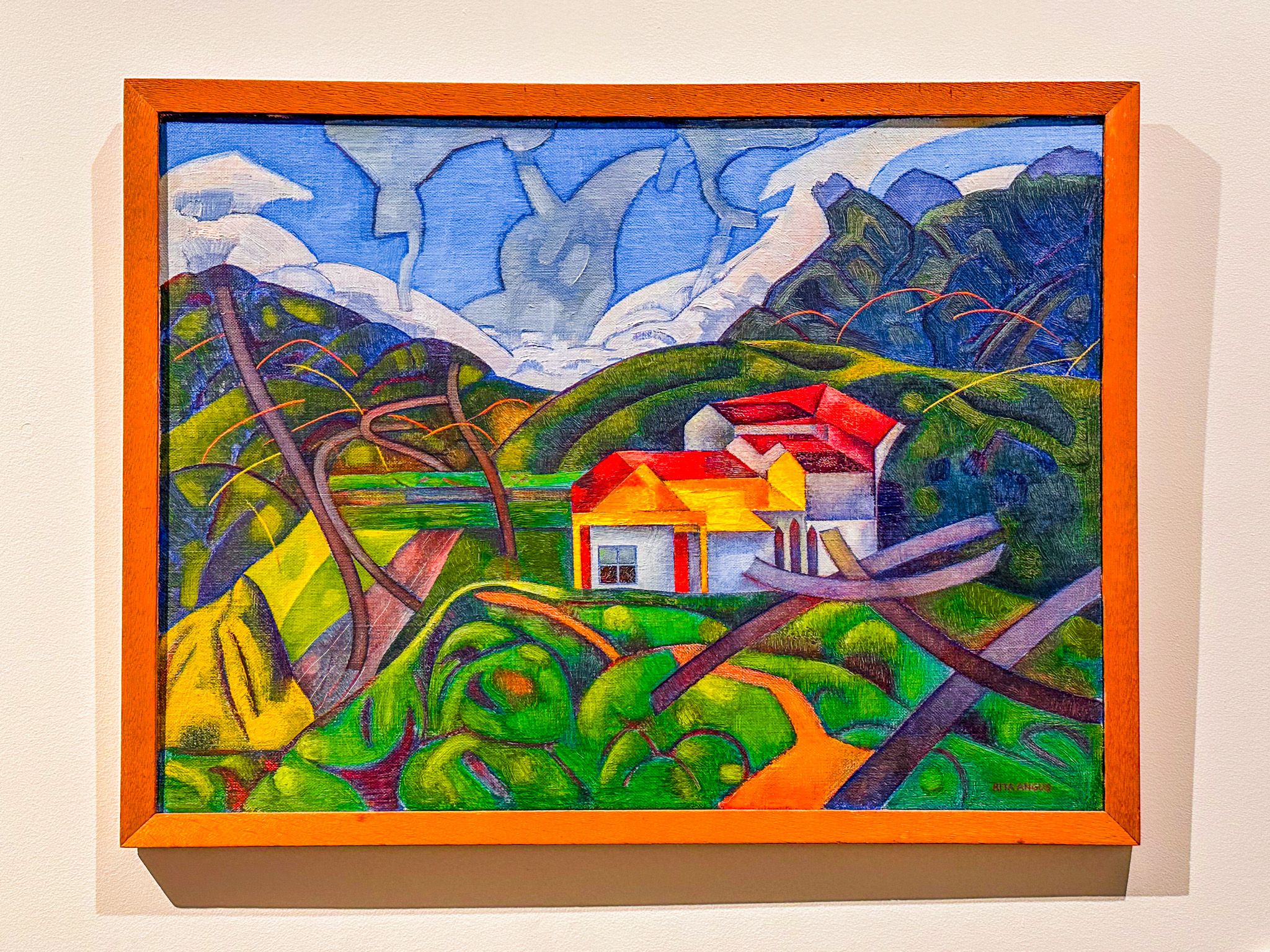
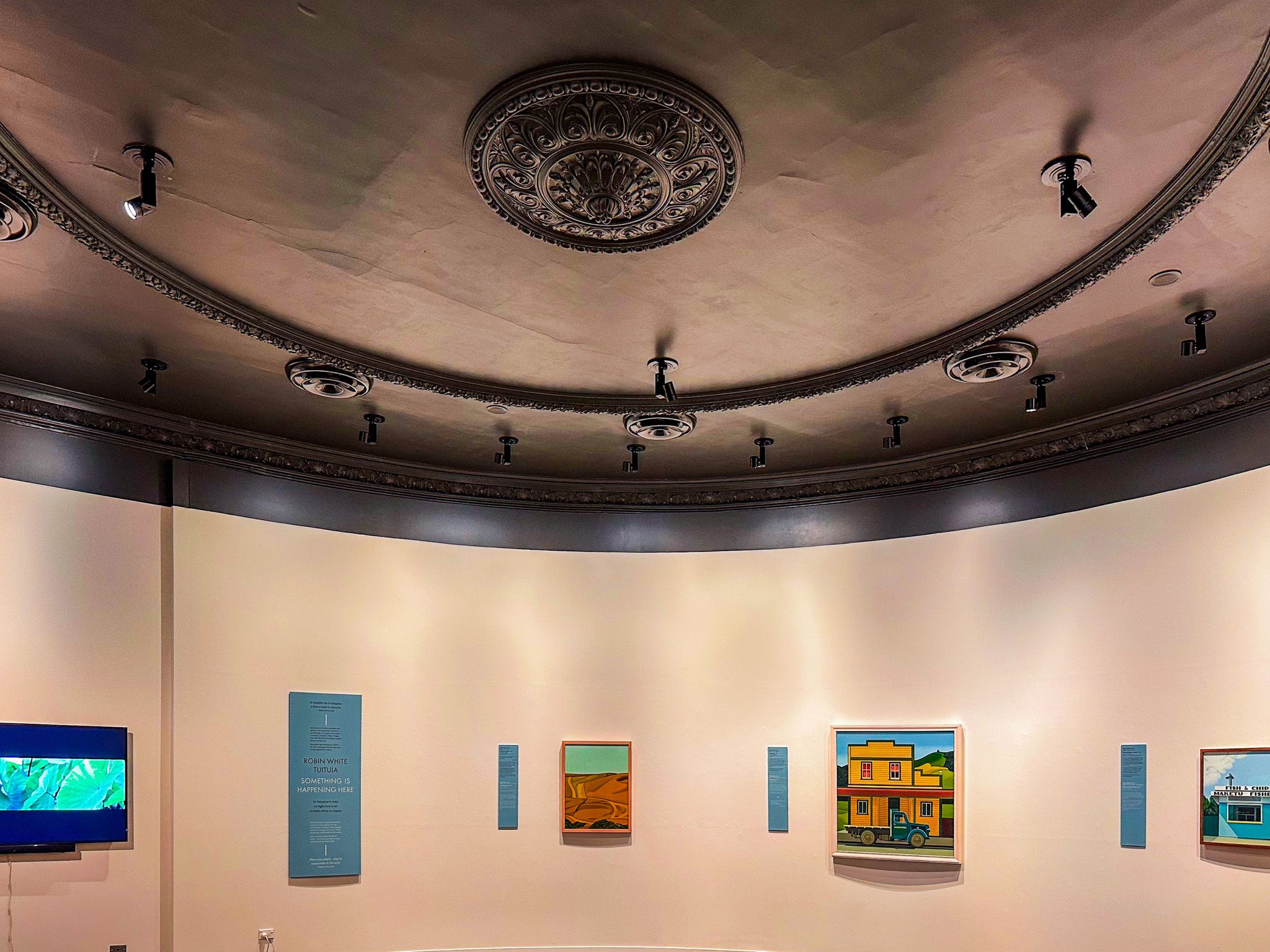
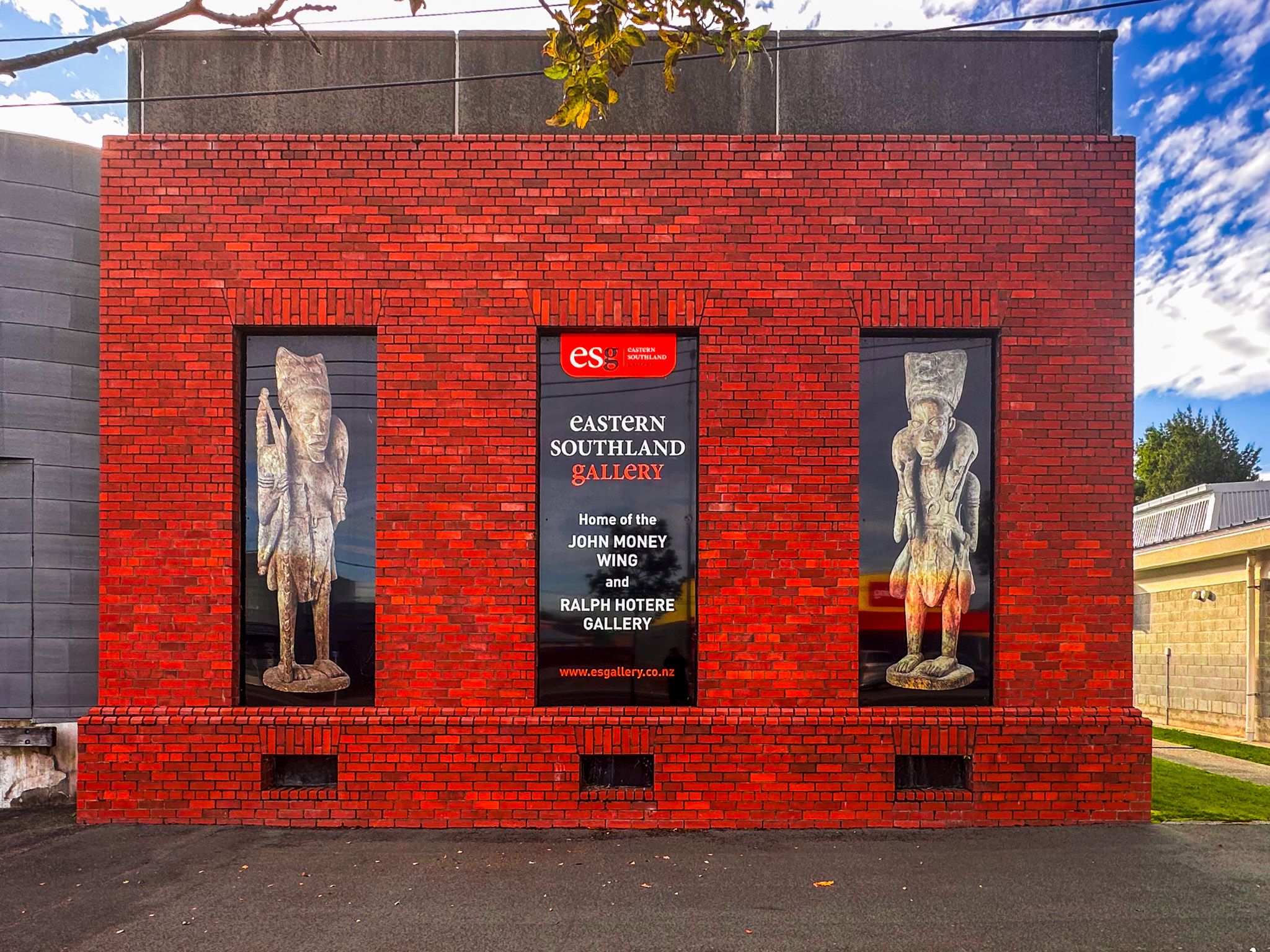
Across the road from the moonshine museum is the weekend’s biggest surprise. The Eastern Southland Gallery feels like a “how is this here?” moment from the minute you step inside, combining a heritage setting with collections that easily justify a dedicated stop.
The building itself matters. It began life as a Carnegie-funded public library in the early 1900s, part of a wider wave that helped towns establish purpose-built library buildings.
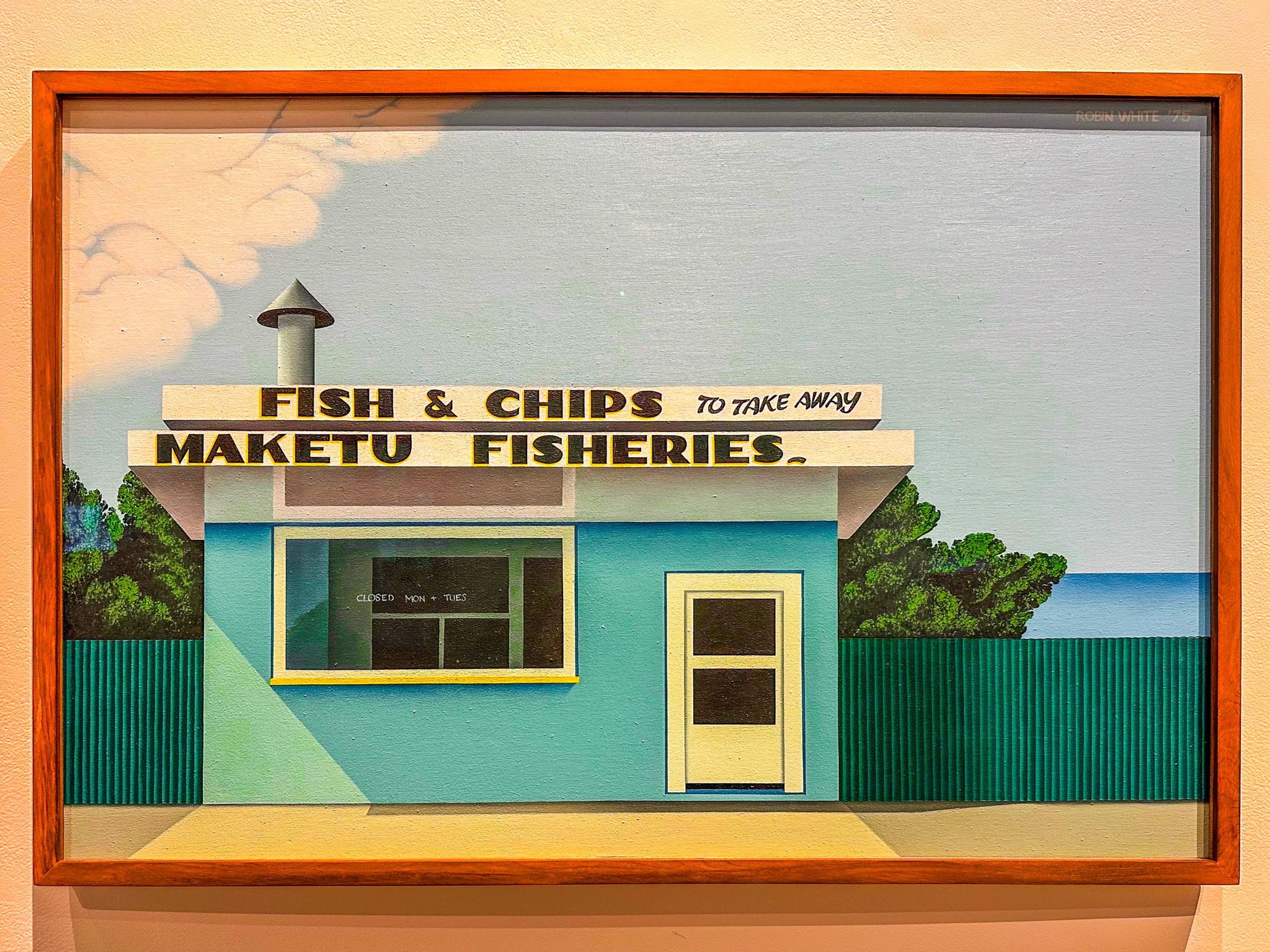
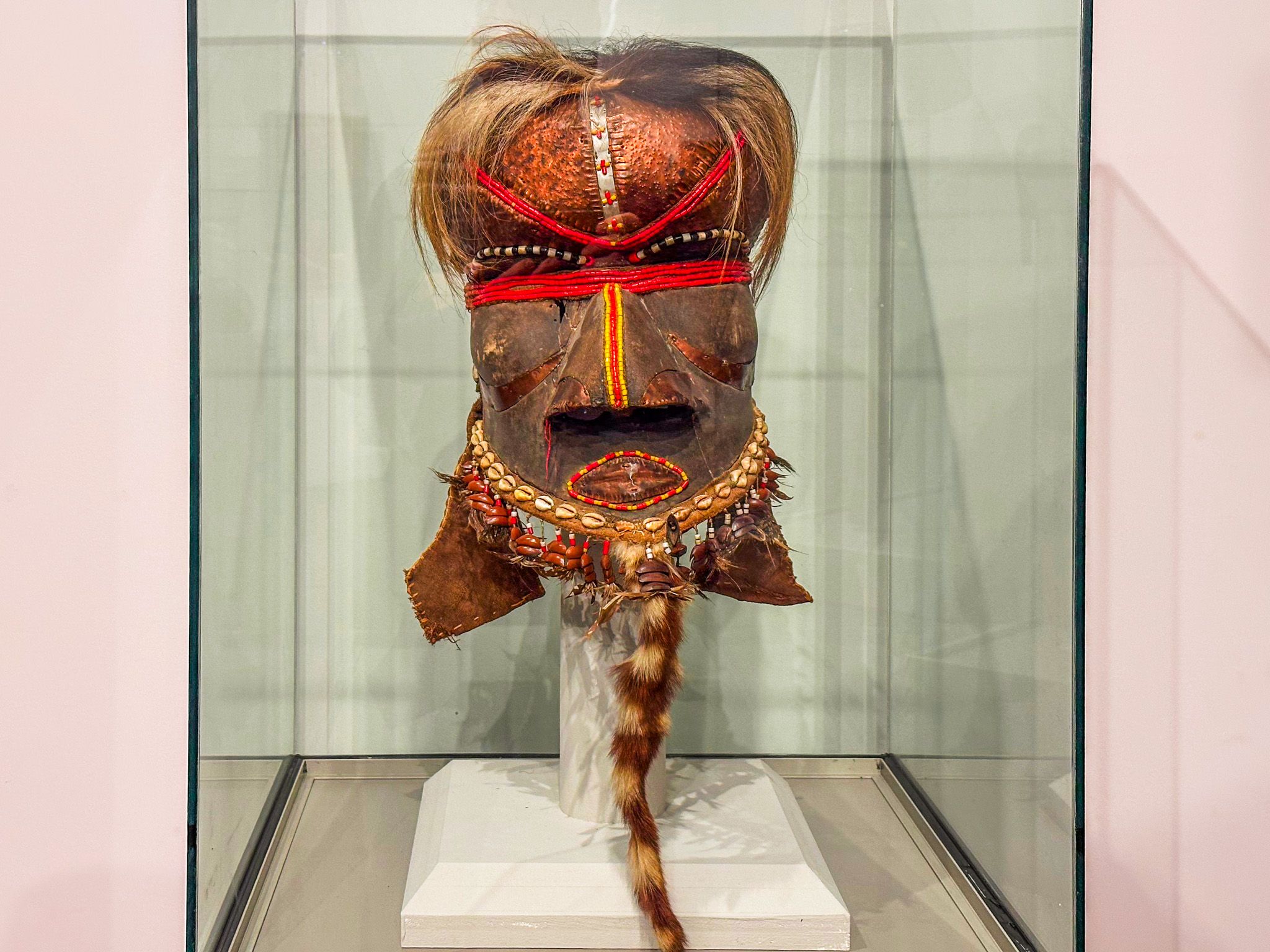
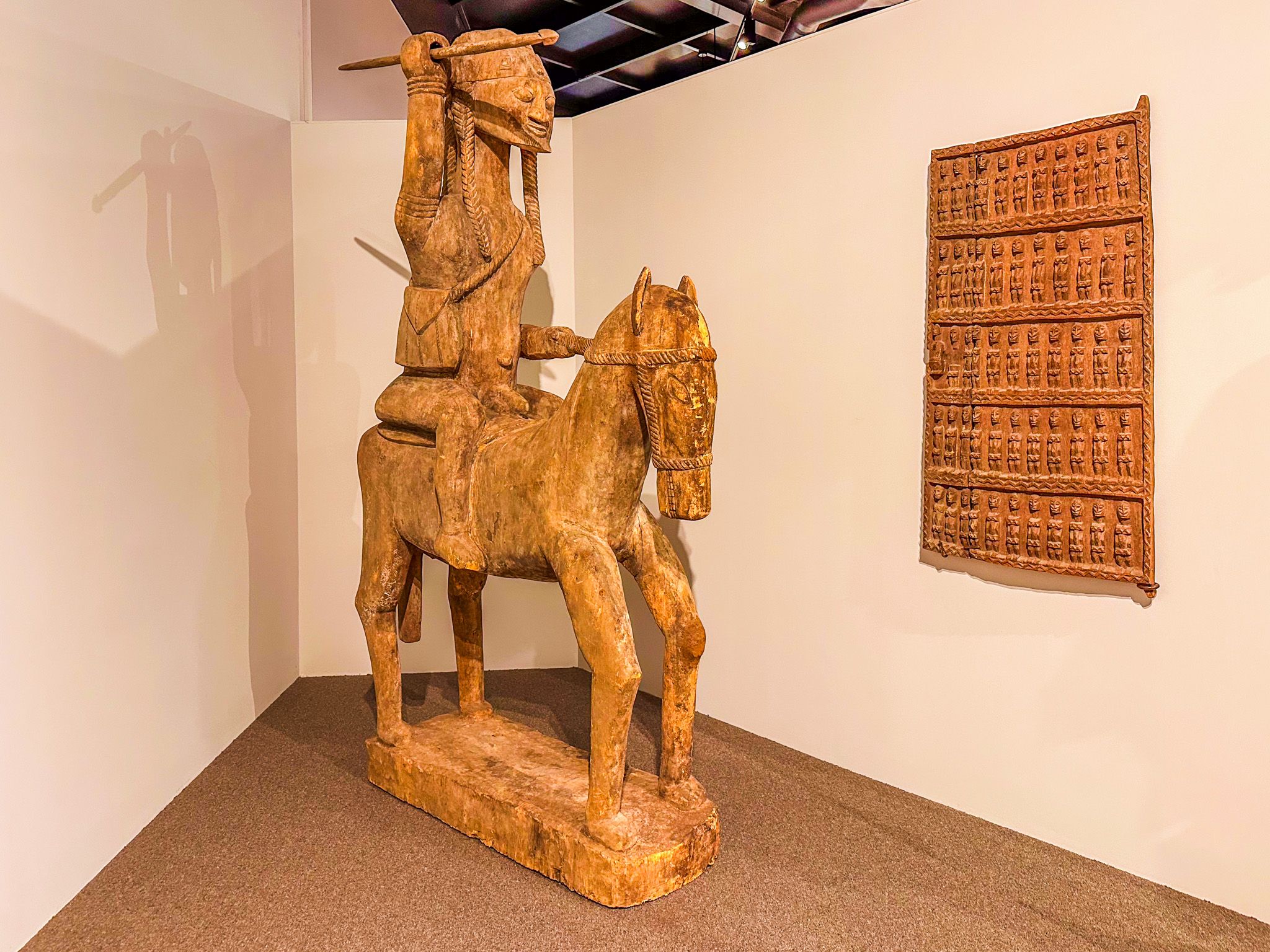
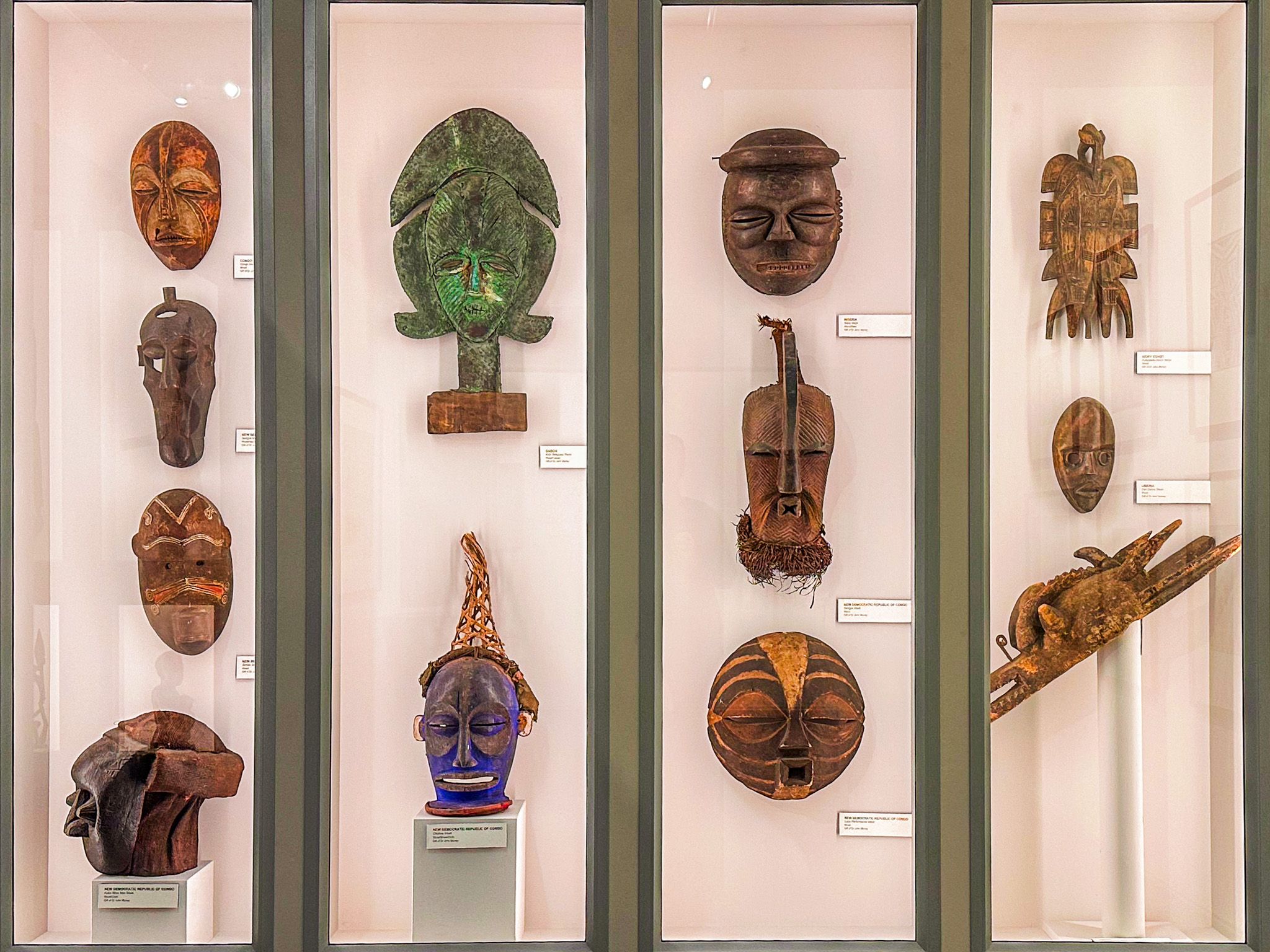
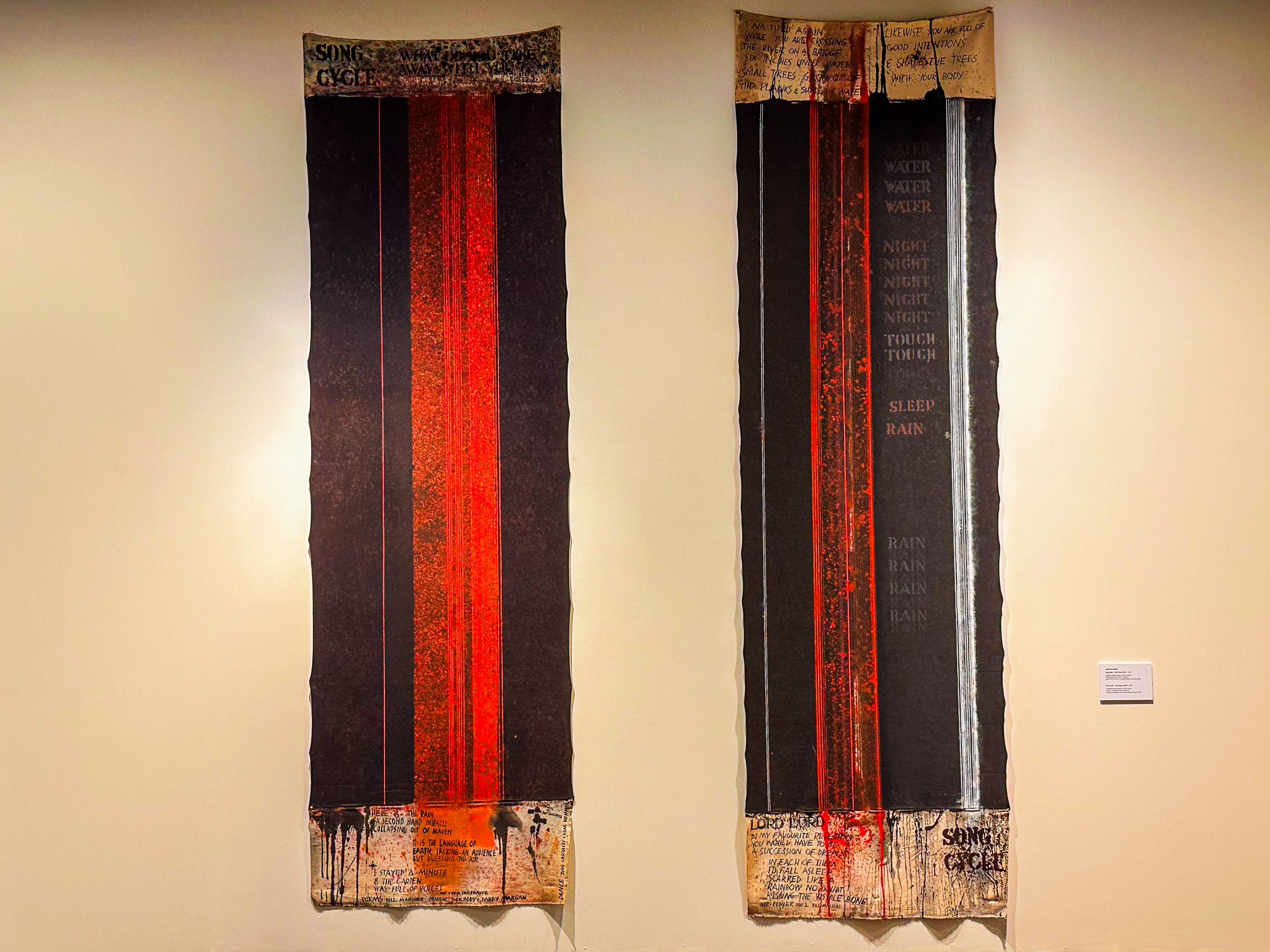
Then there’s the art. The John Money Wing holds a collection built over decades by Dr John Money, and it includes pieces that can stop you in your tracks, especially the African works consisting of masks and carvings with real presence. The Ralph Hōtere holdings are another highlight, and the reason they’re in Gore is refreshingly direct: Hōtere supported the gallery and gifted a major group of works that became the foundation for a collection that grew from there.
Heritage streets and the Creamota Building
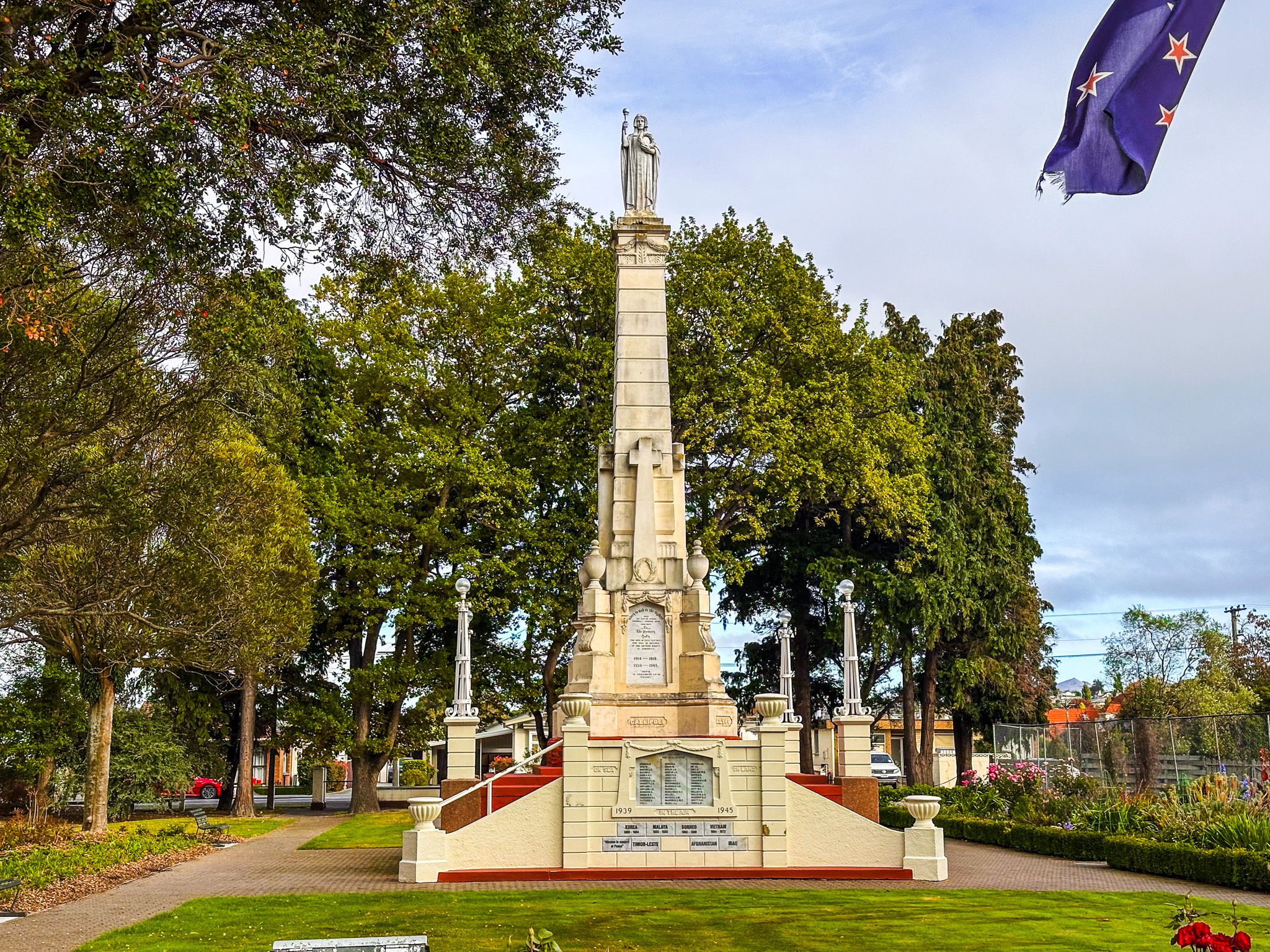
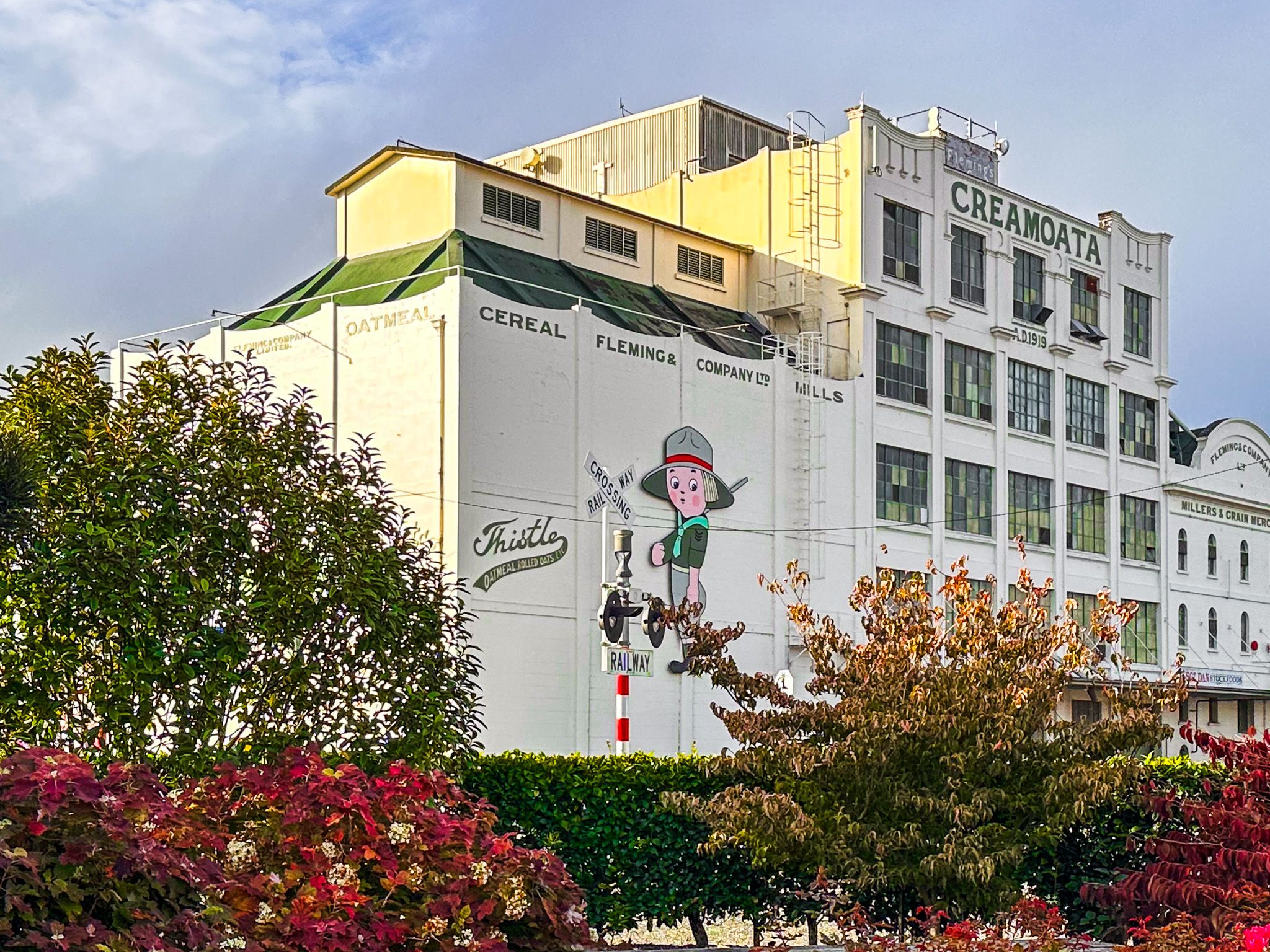
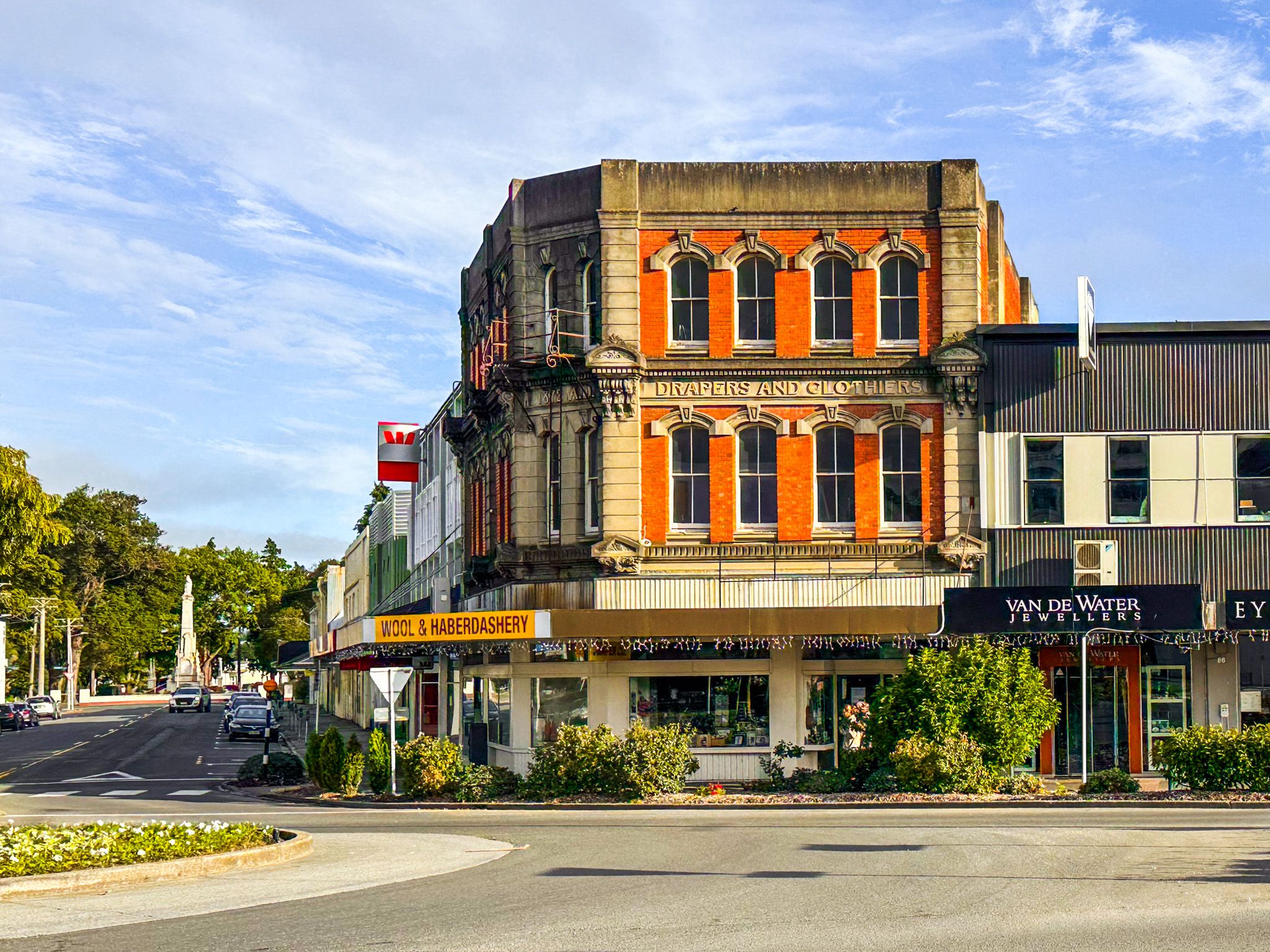
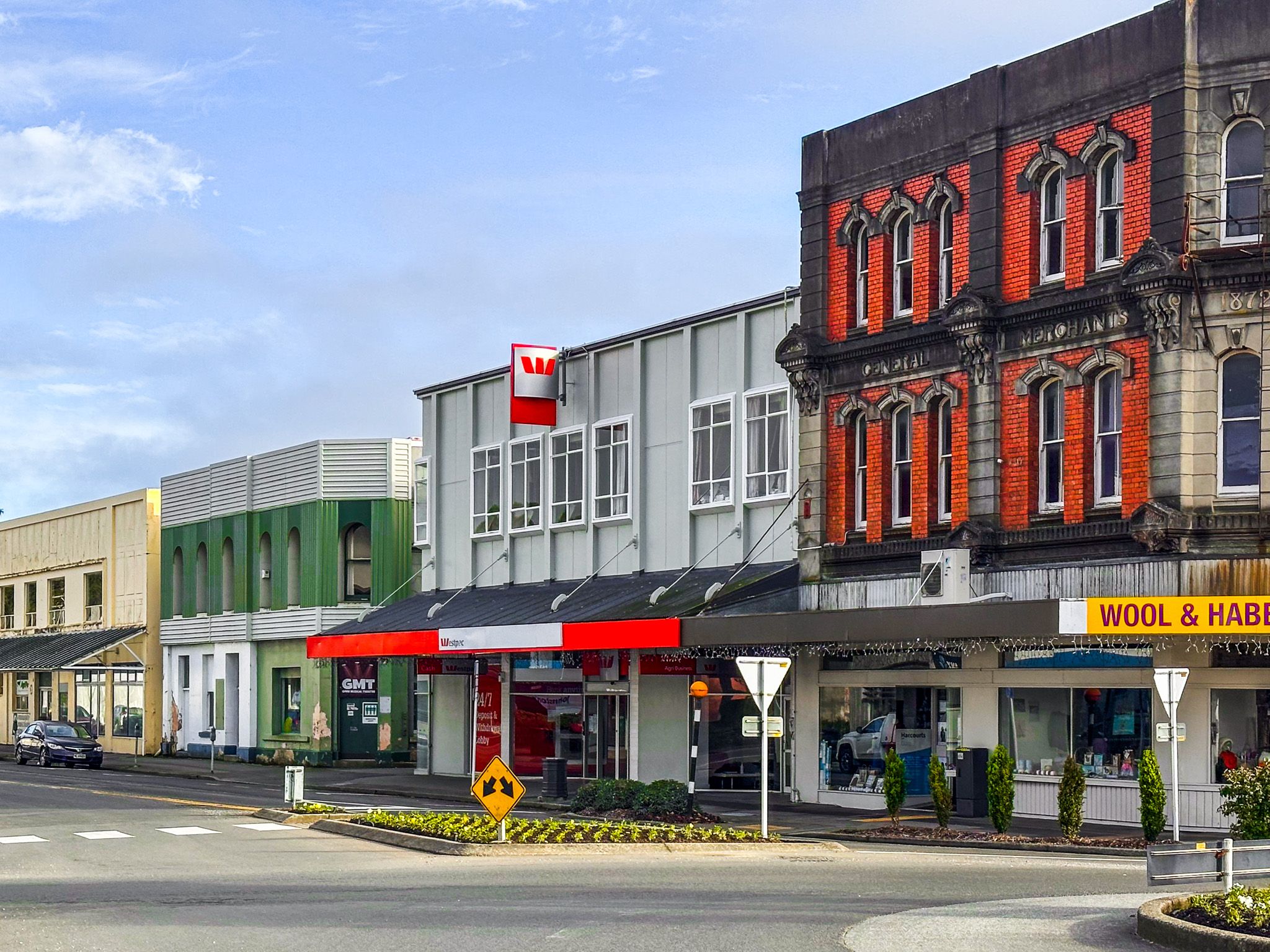
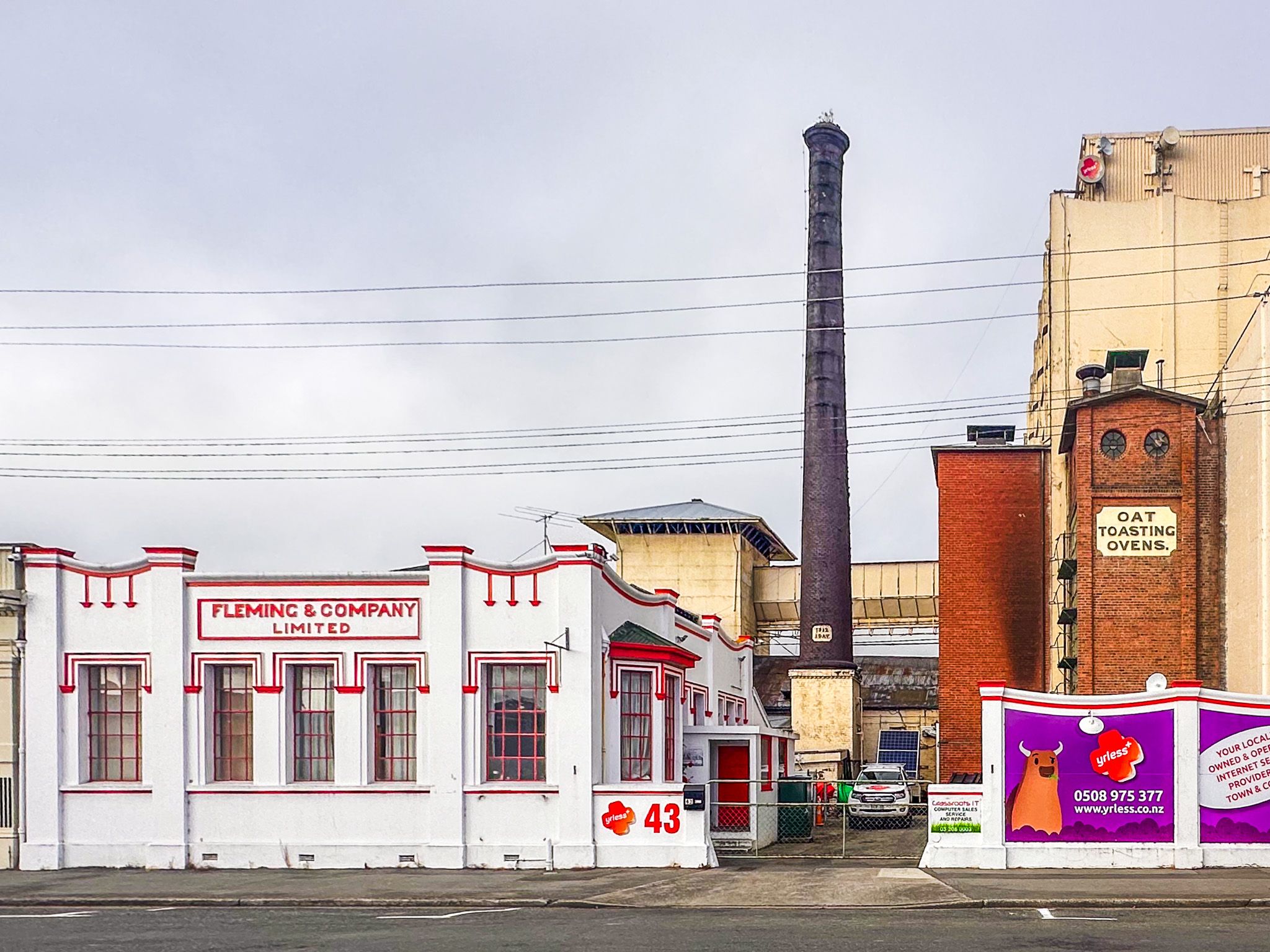
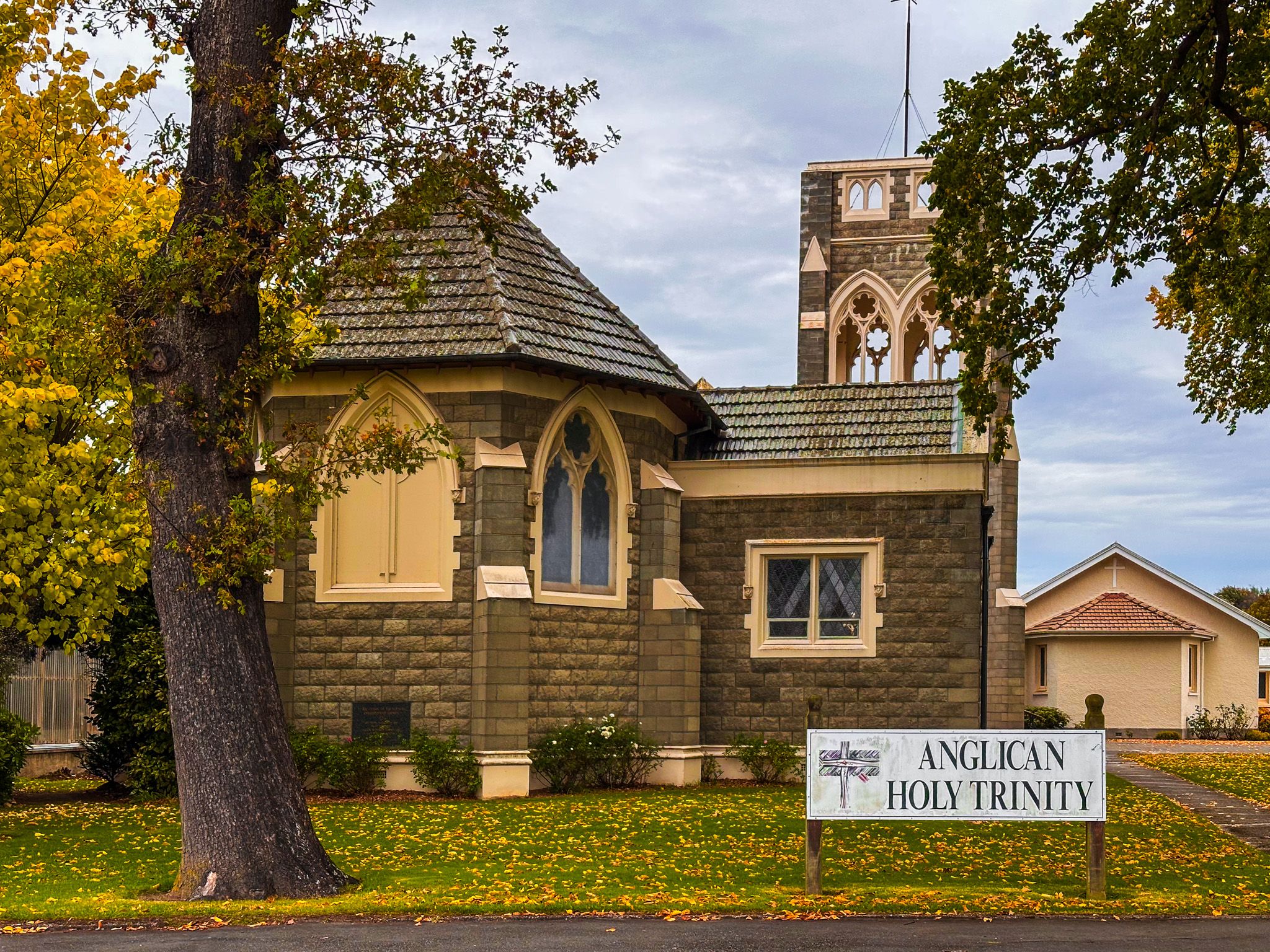
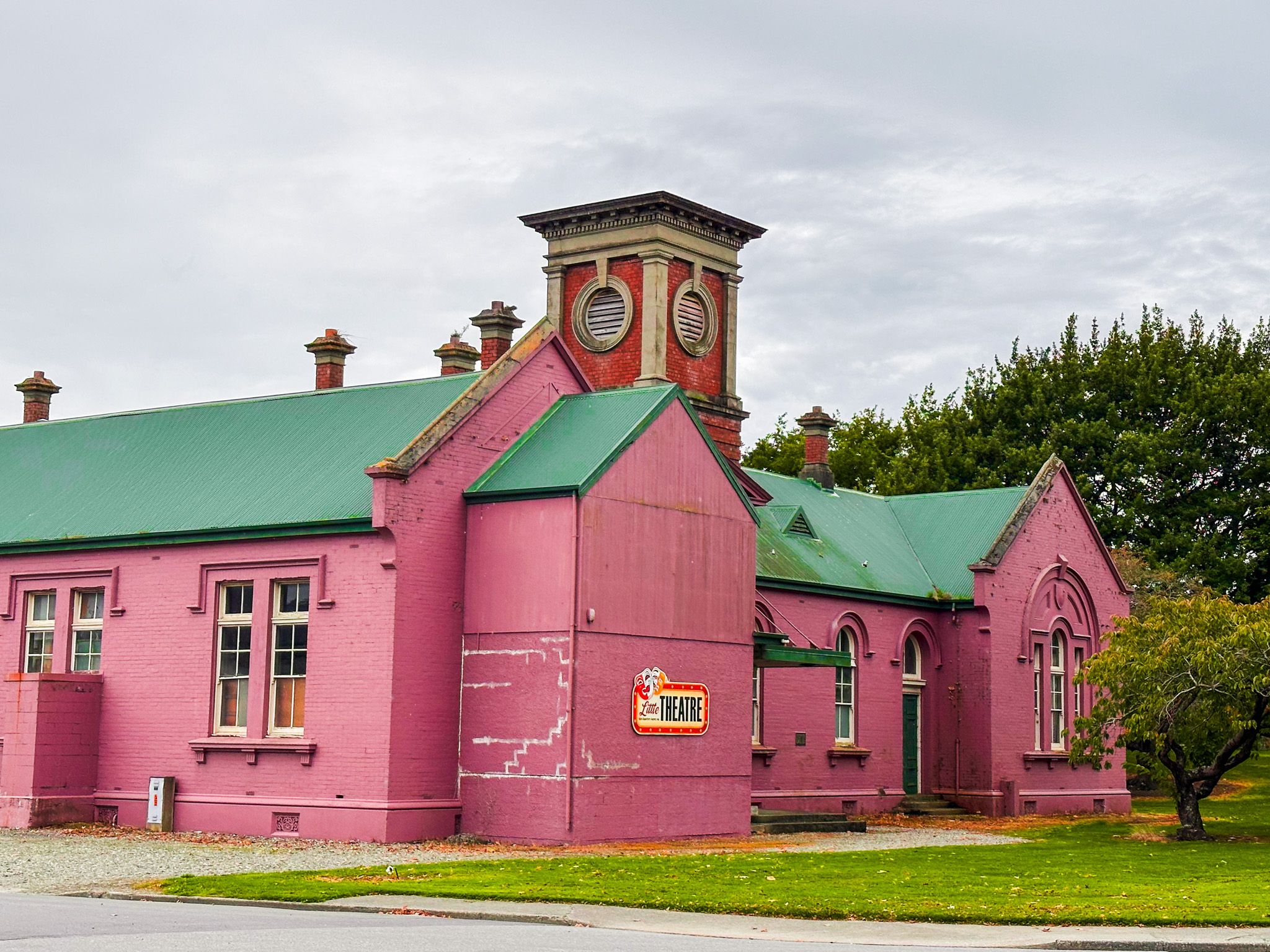
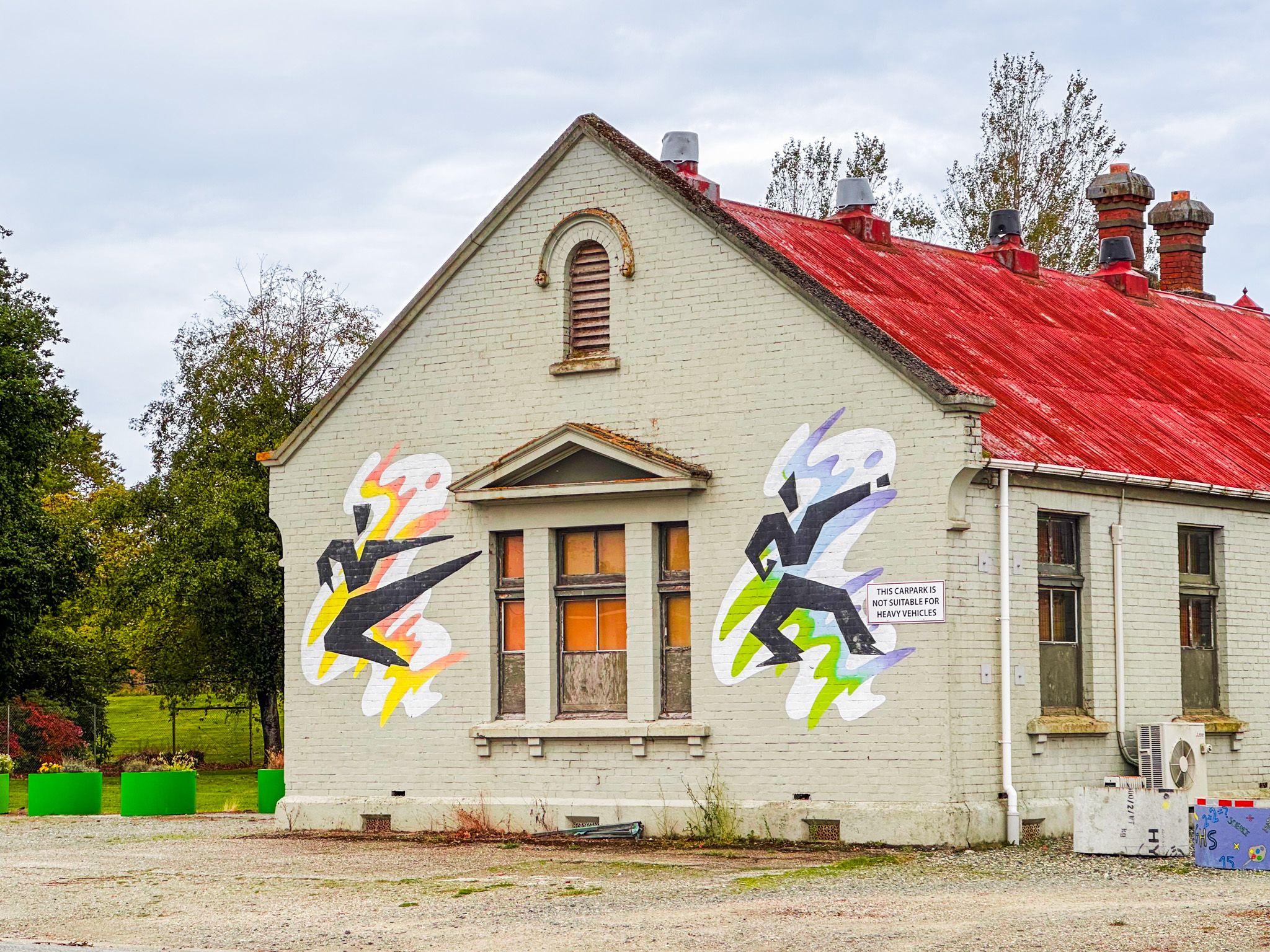
Between your “headline” stops, give yourself time to notice the town itself. Gore has a well-kept historic core, and the heritage buildings are part of the enjoyment—solid façades, older shopfront proportions, and a streetscape that feels cared for rather than scruffy.
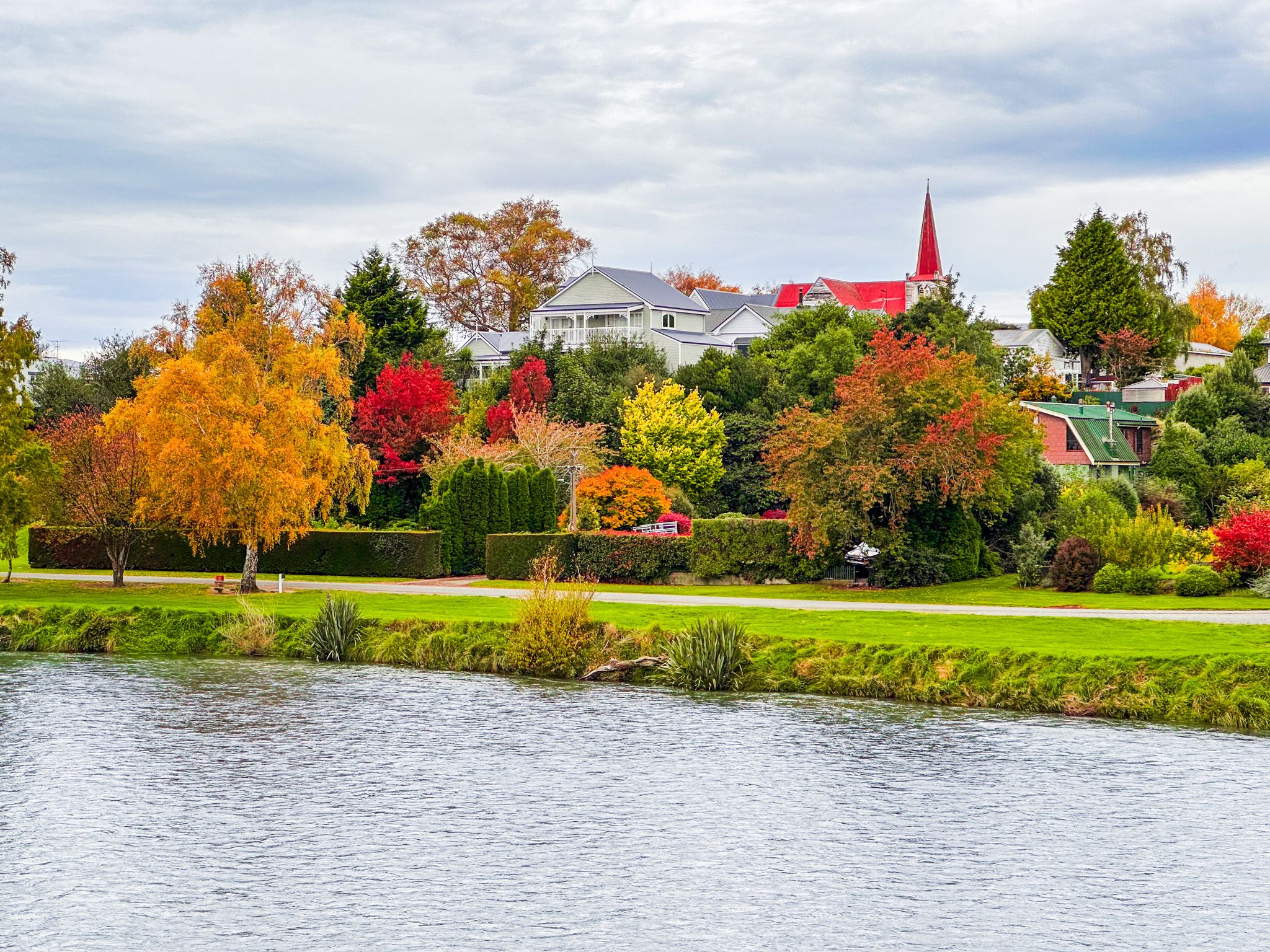
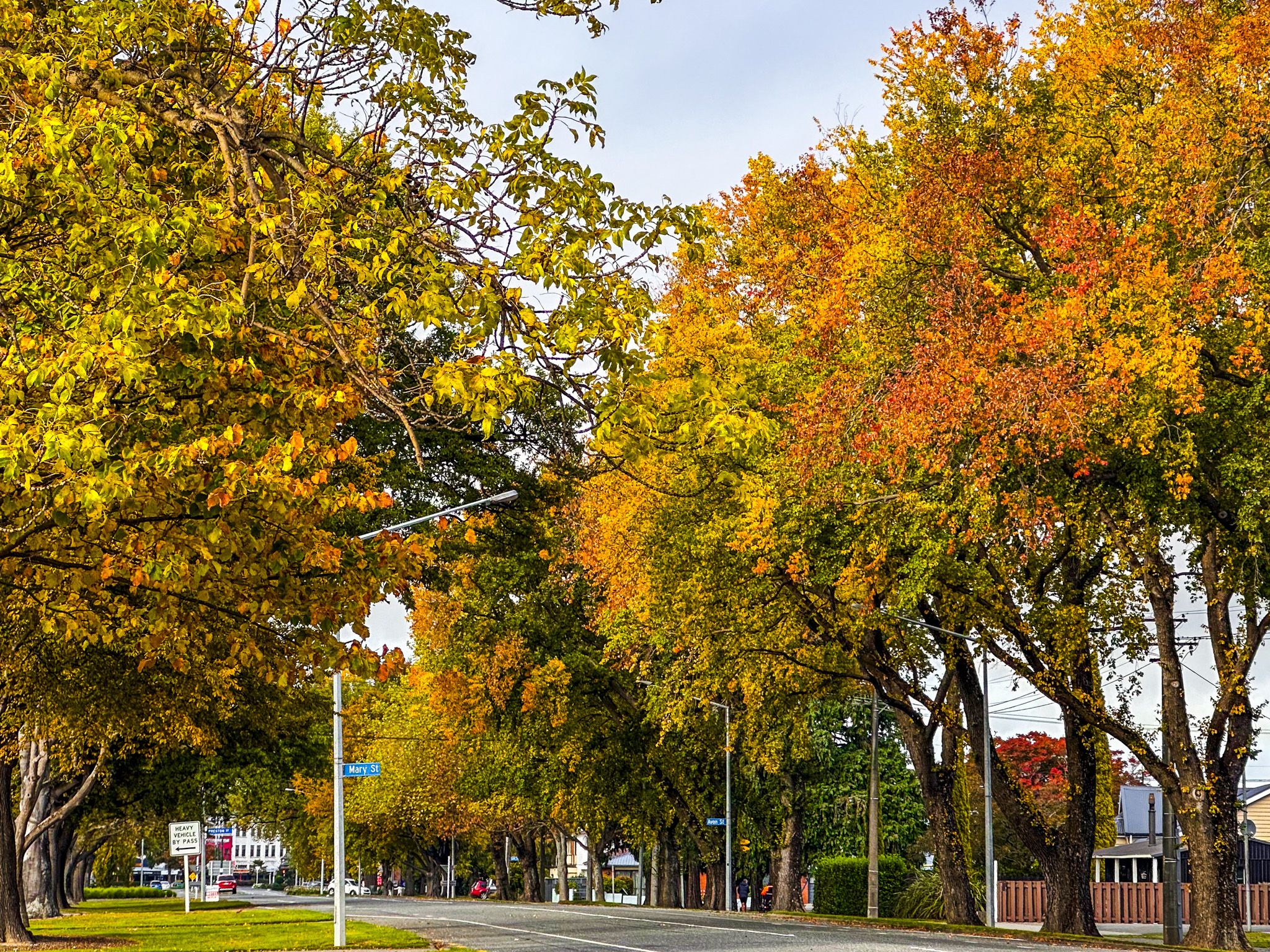
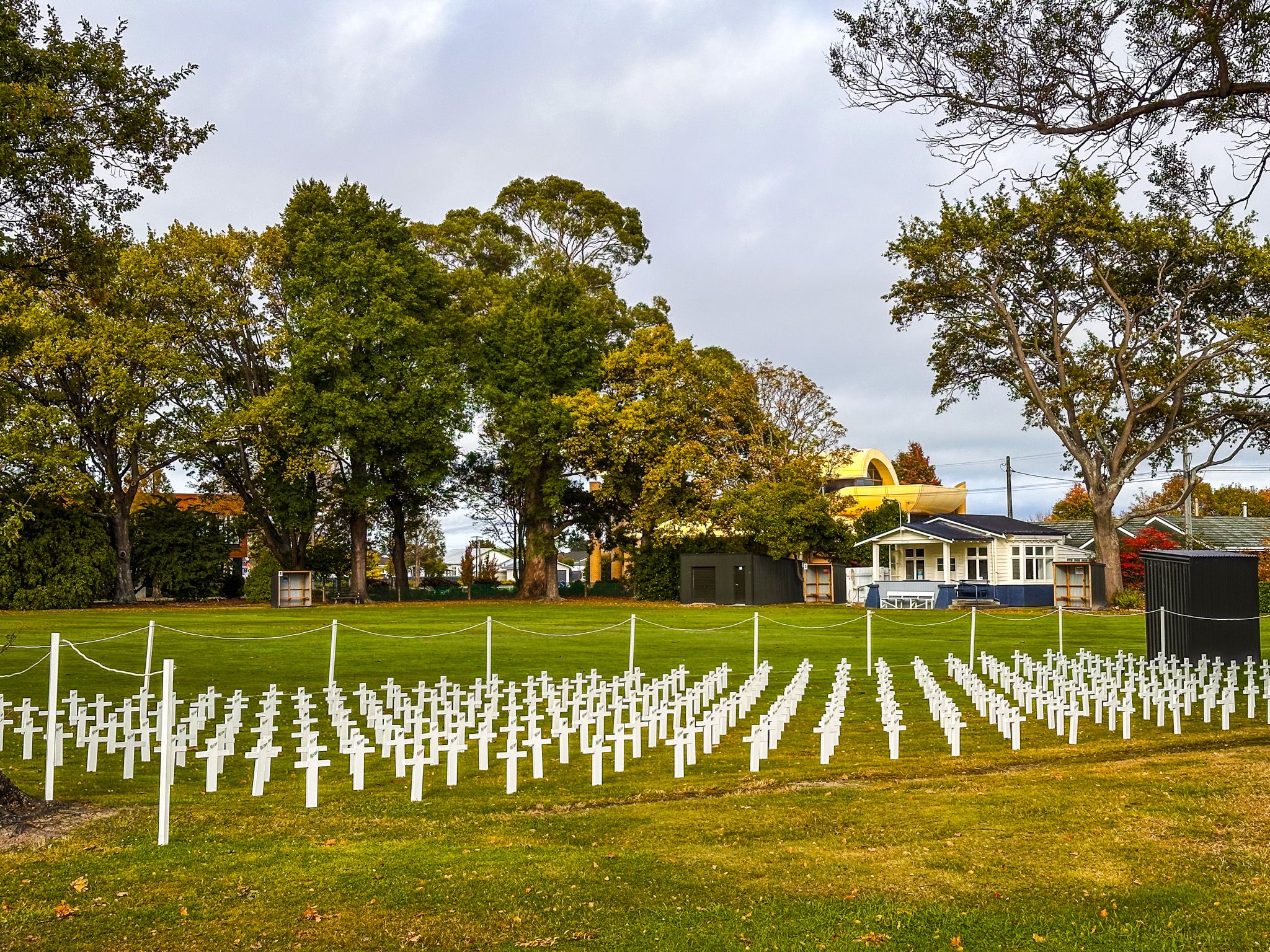
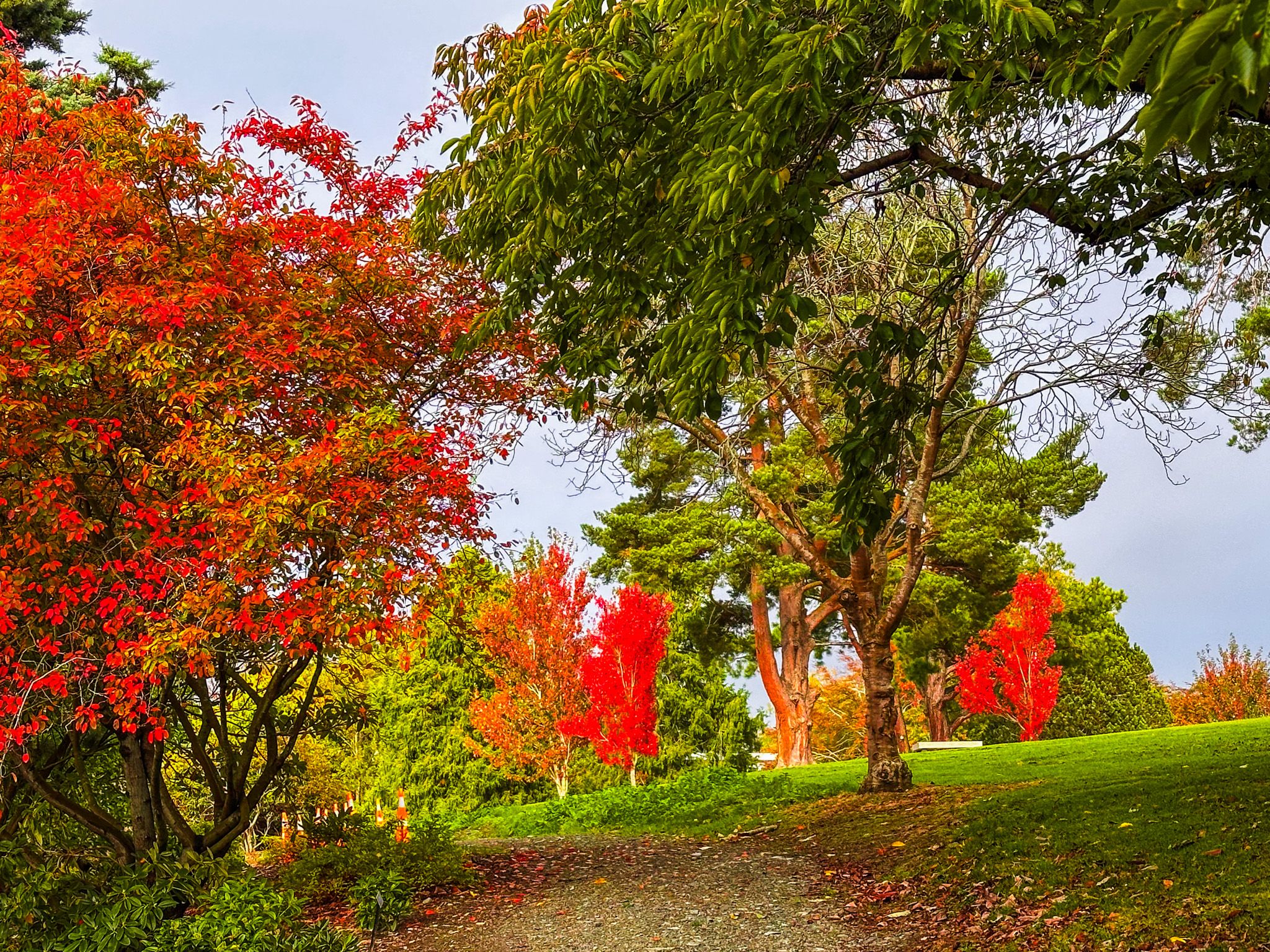
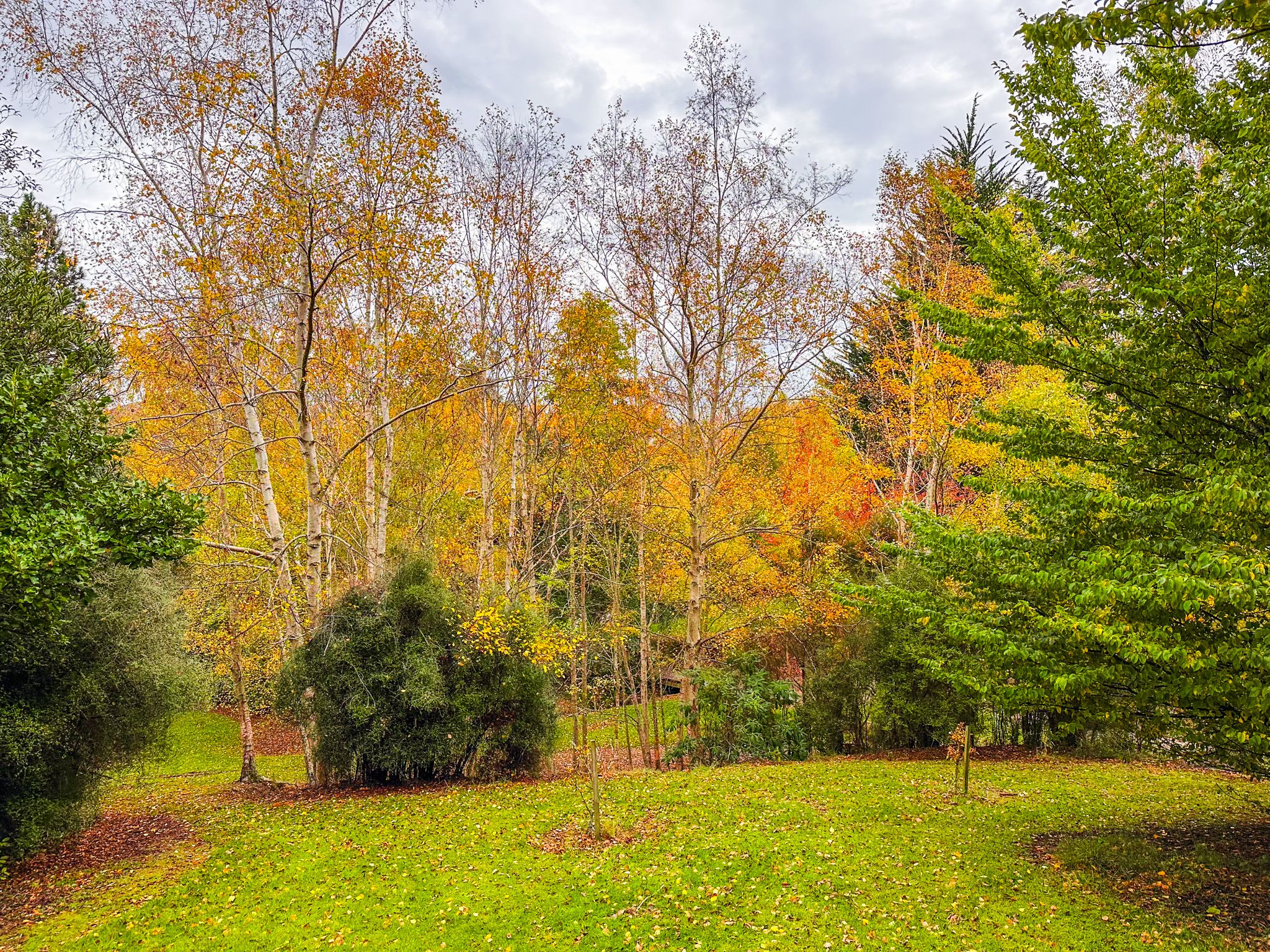
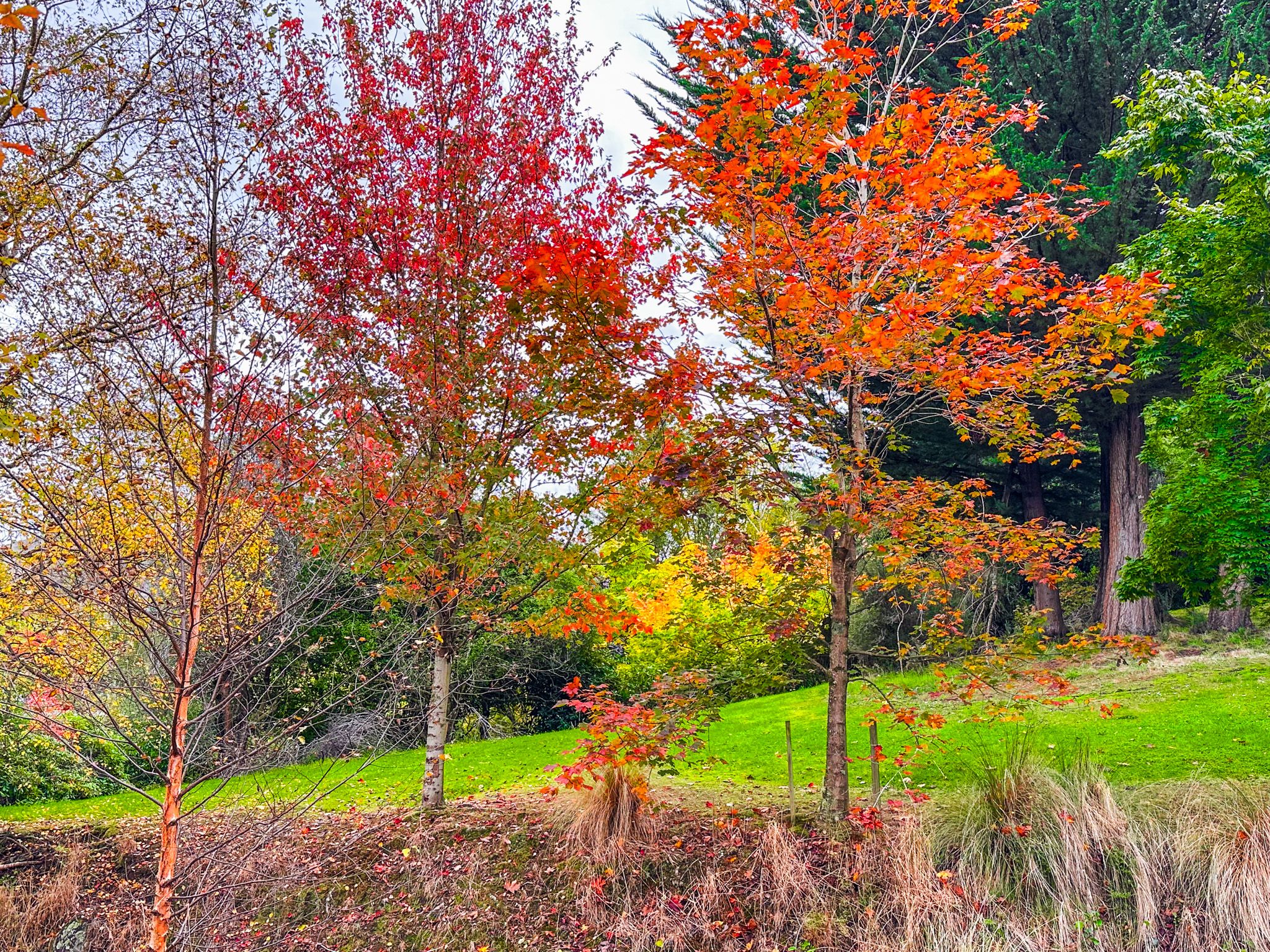
One local landmark worth calling out is the Creamota Building, a distinctive piece of Gore’s built history that stands out among the older commercial structures. Pair it with a slow wander past the clock tower area and the north end’s mature deciduous trees, especially if you’re visiting in autumn when the colour lifts the whole town.
Bannerman Park and Deer Park
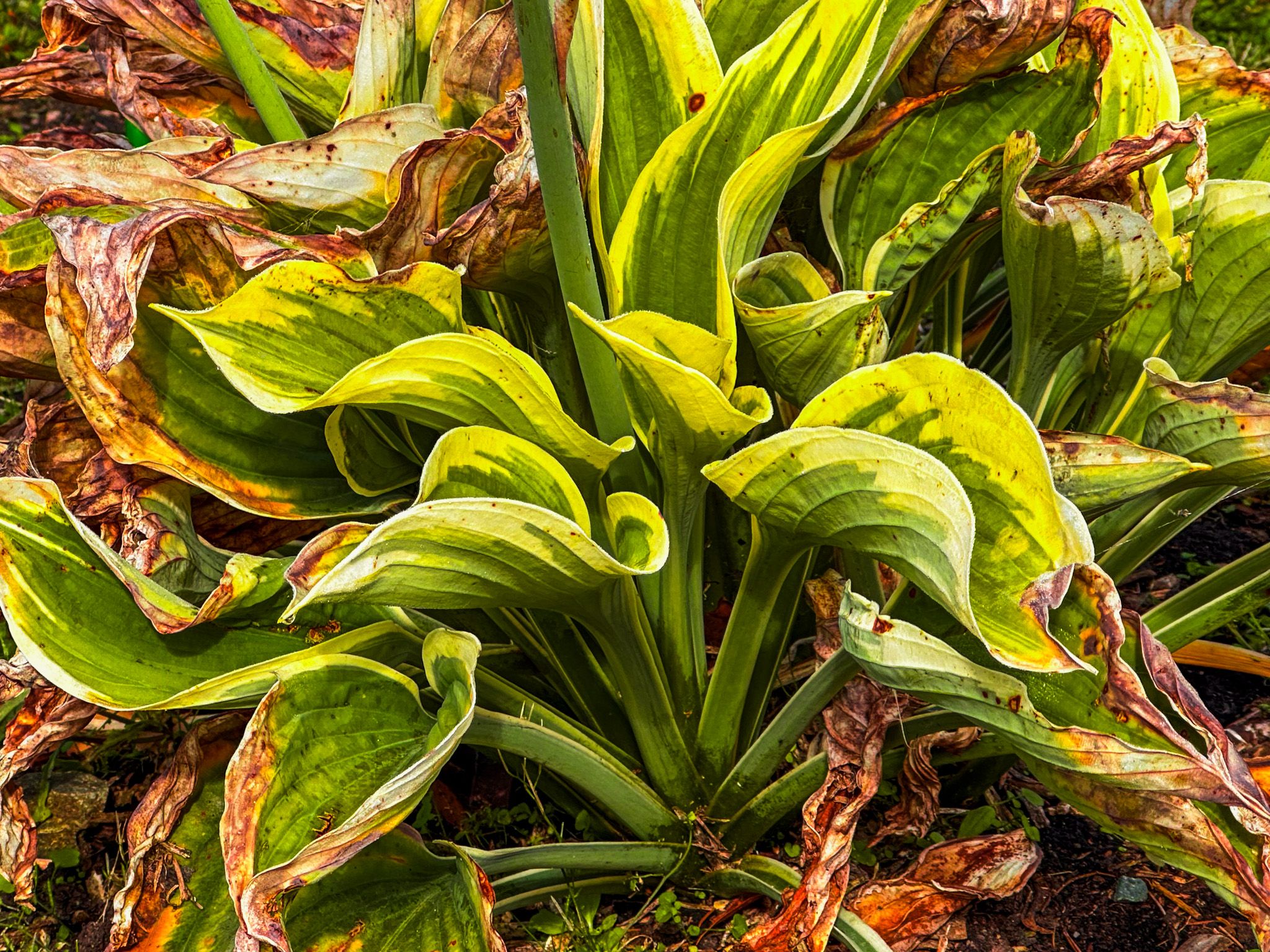
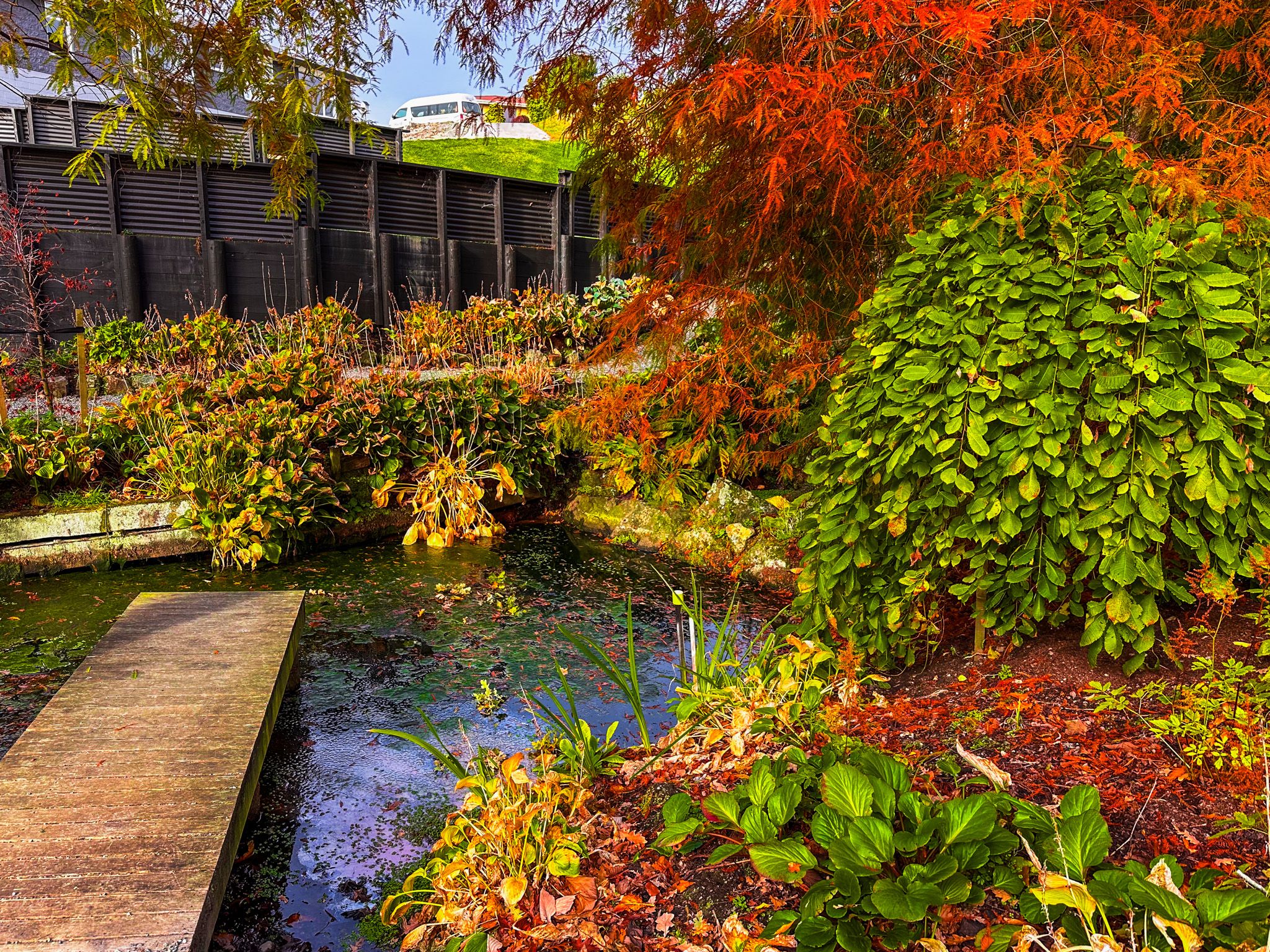
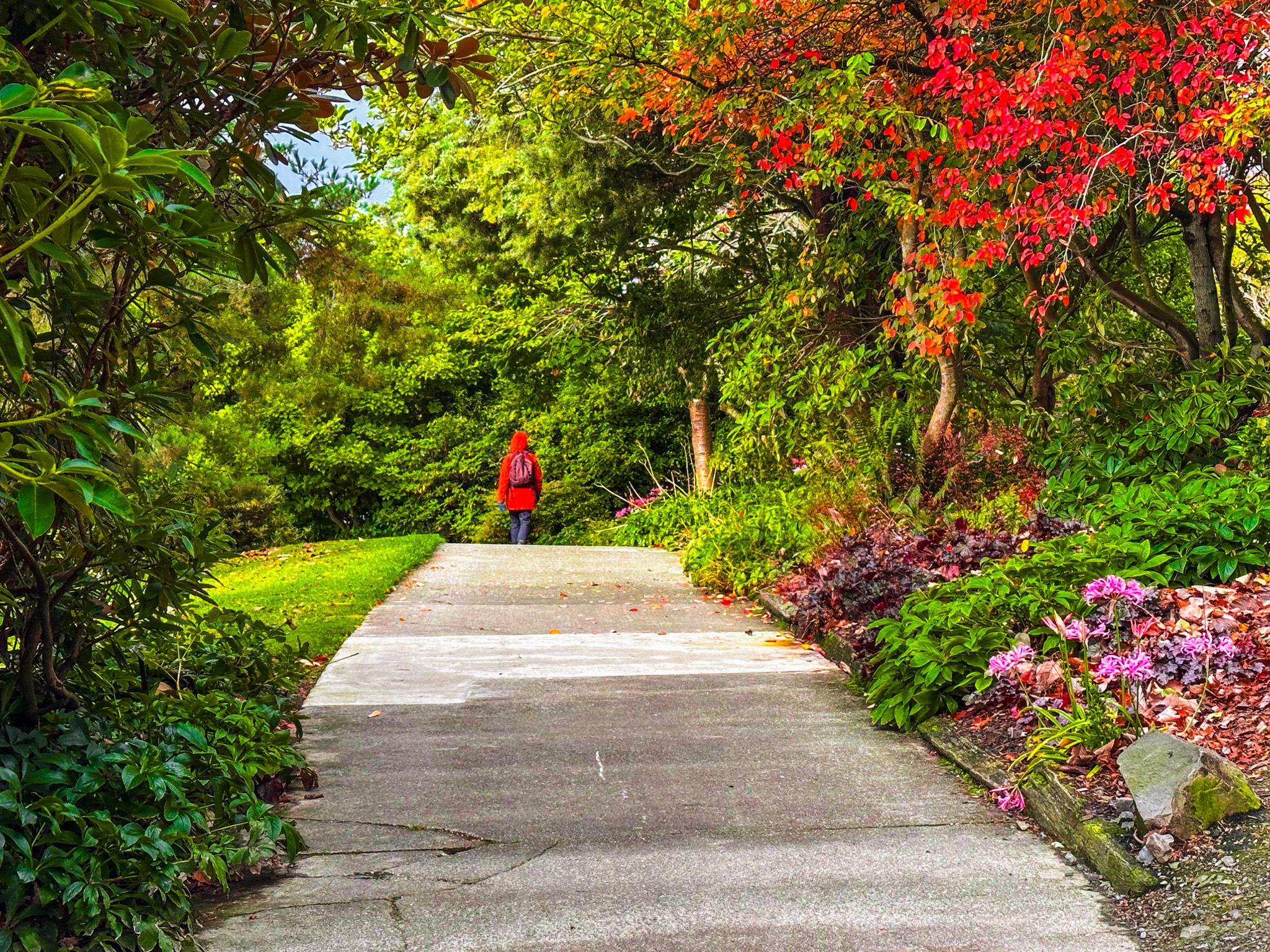
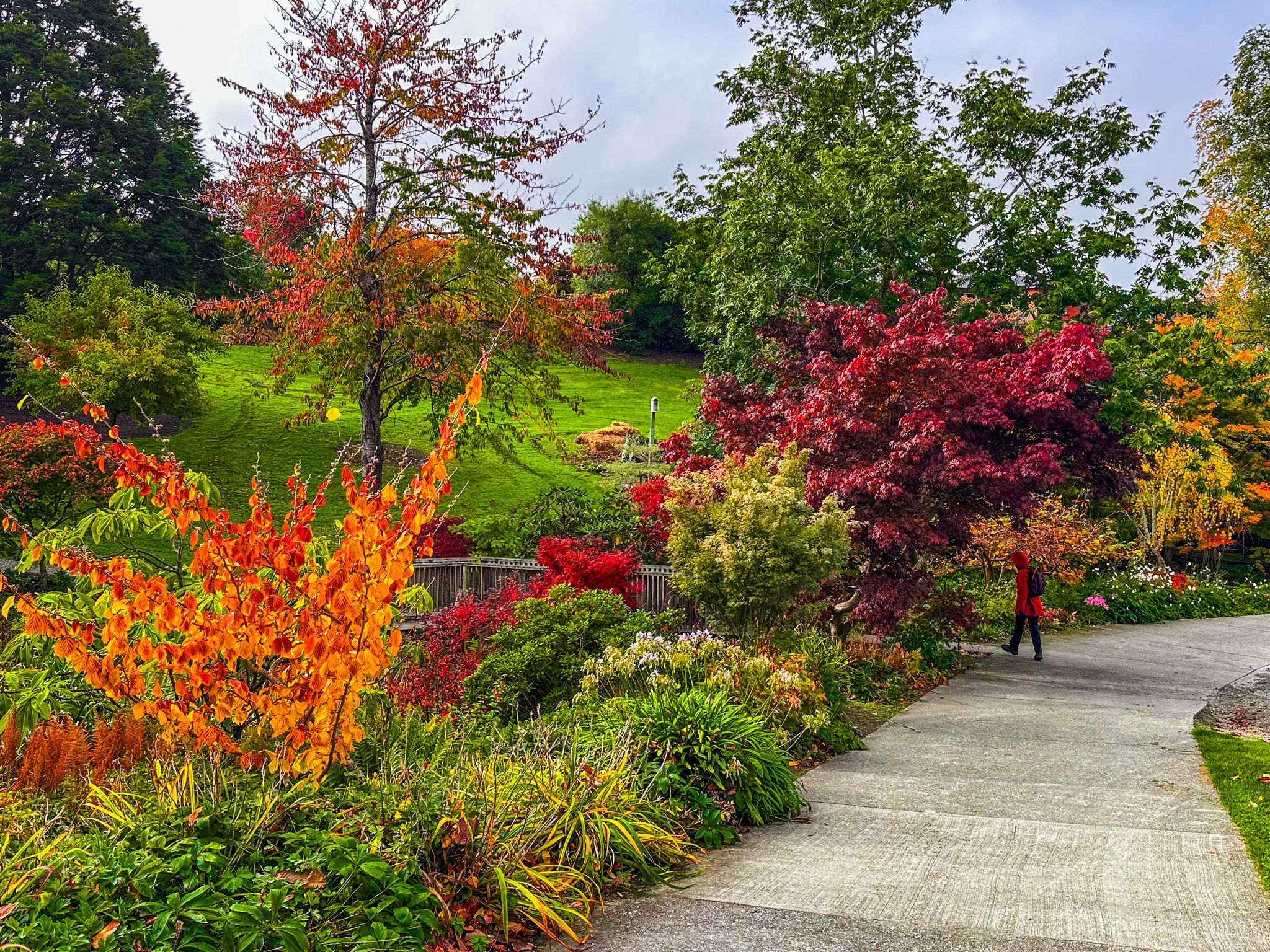
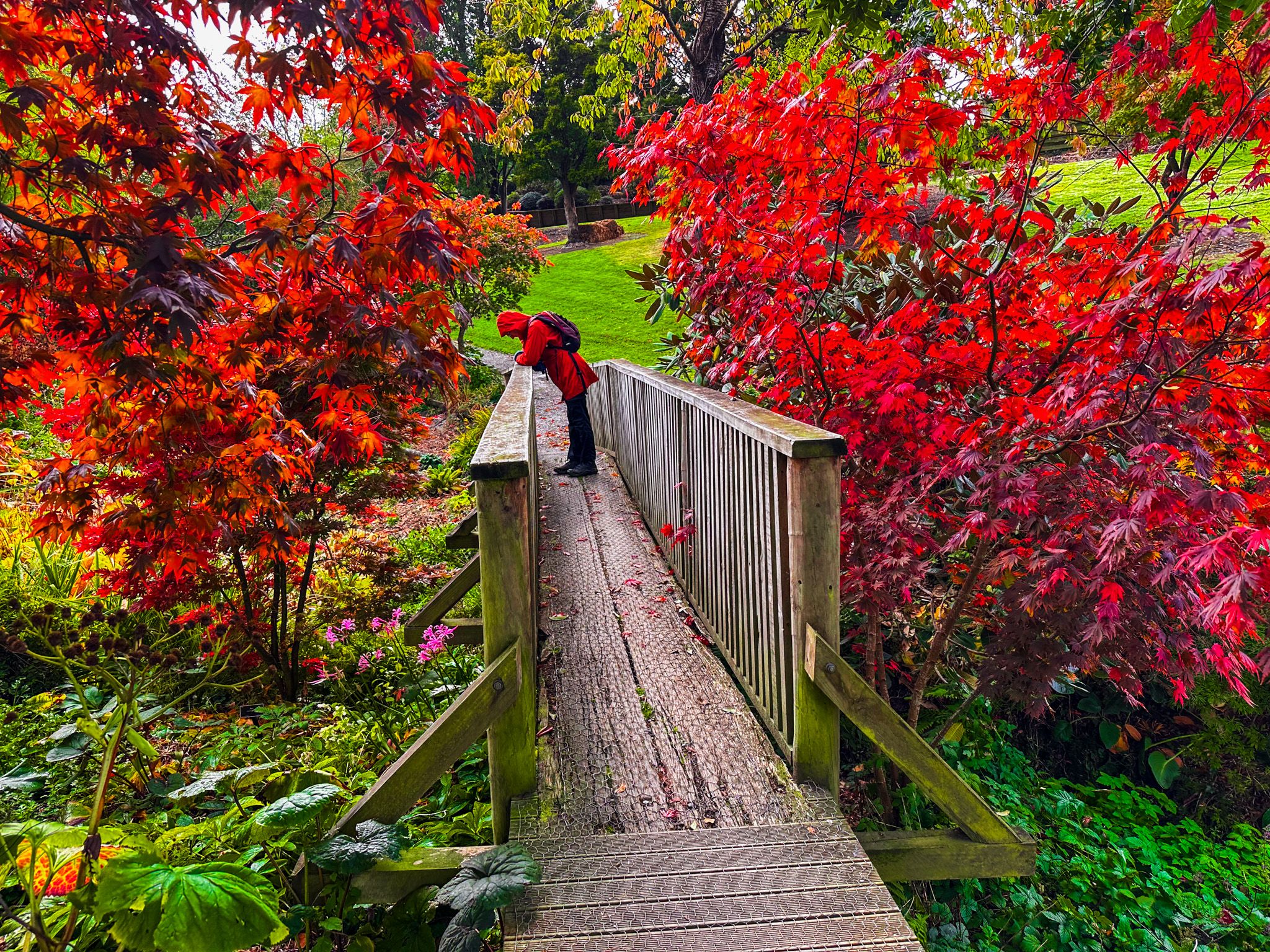
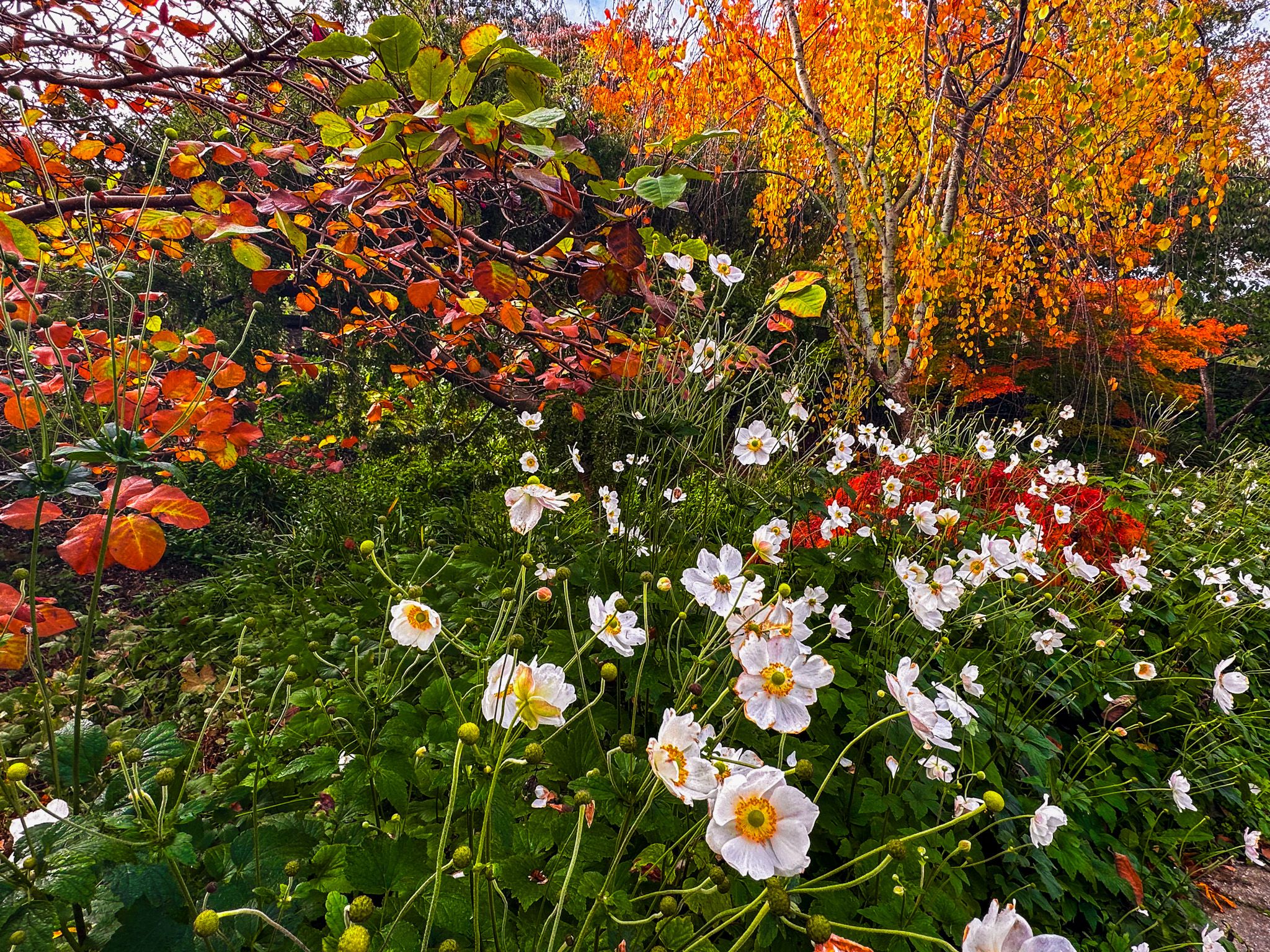
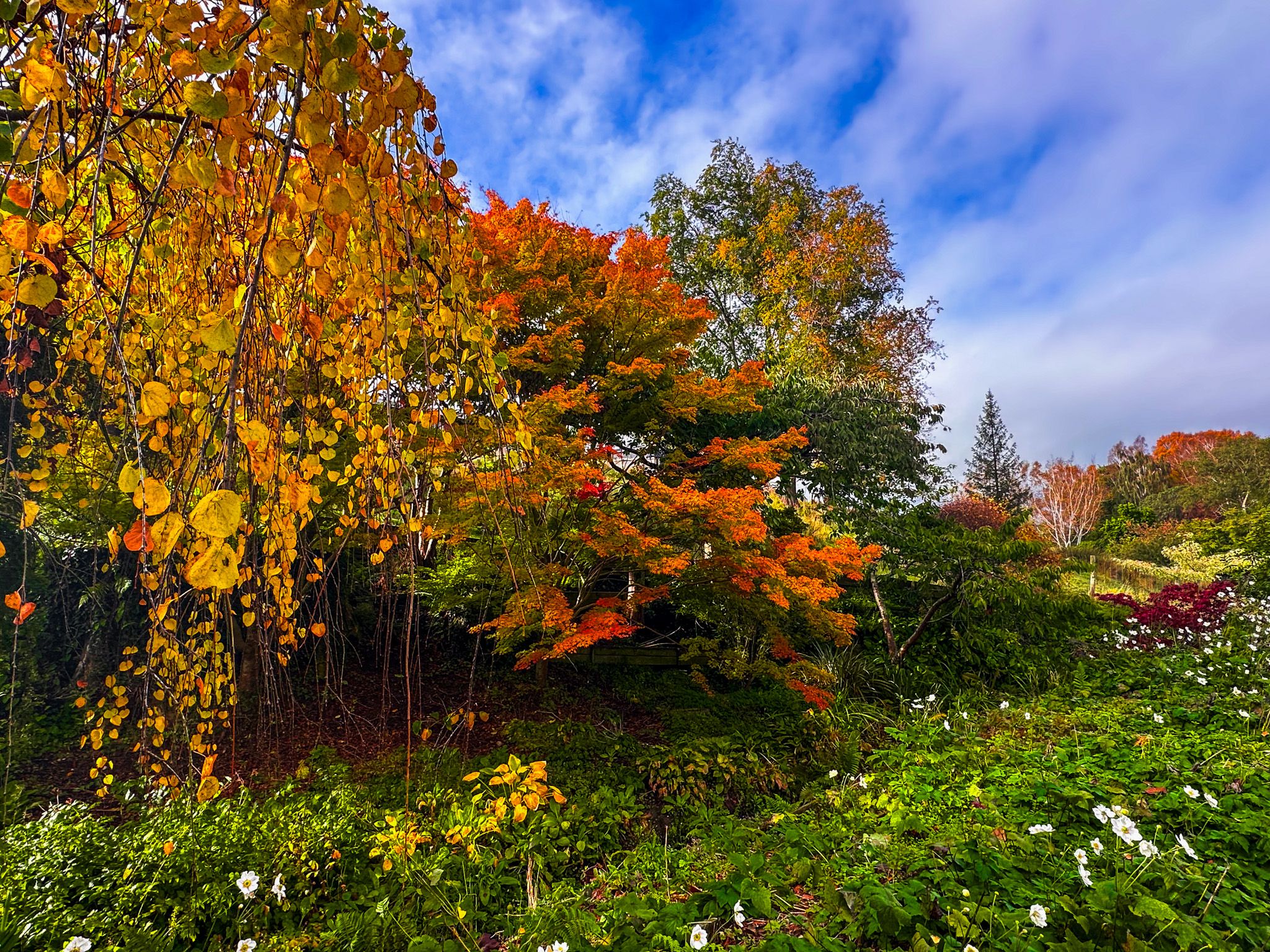
If you want a gentle, satisfying “Gore outdoors” day, Bannerman Park is the one. It’s a garden-filled gully with a stream and ponds threading through it, and the sealed paths make it an easy wander that still feels immersive, like you’ve stepped into a small valley designed for slow walking.
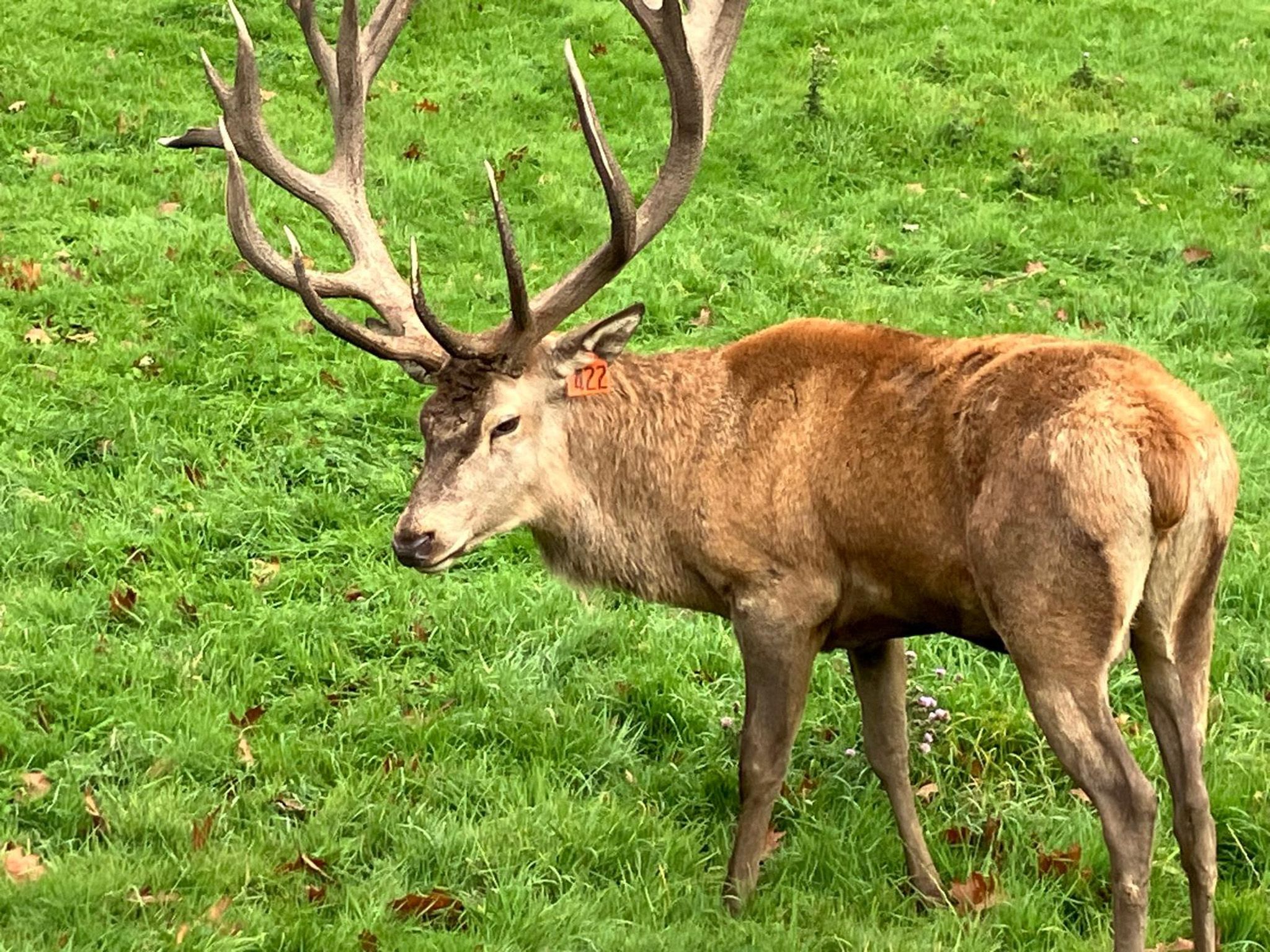
Start next door at Deer Park if you’re travelling with kids, then stroll past the paddocks into the gardens. The water’s edges are the signature feature, especially as spring shifts toward summer, when foliage thickens beside the stream and ponds, and the whole place feels lush and close.
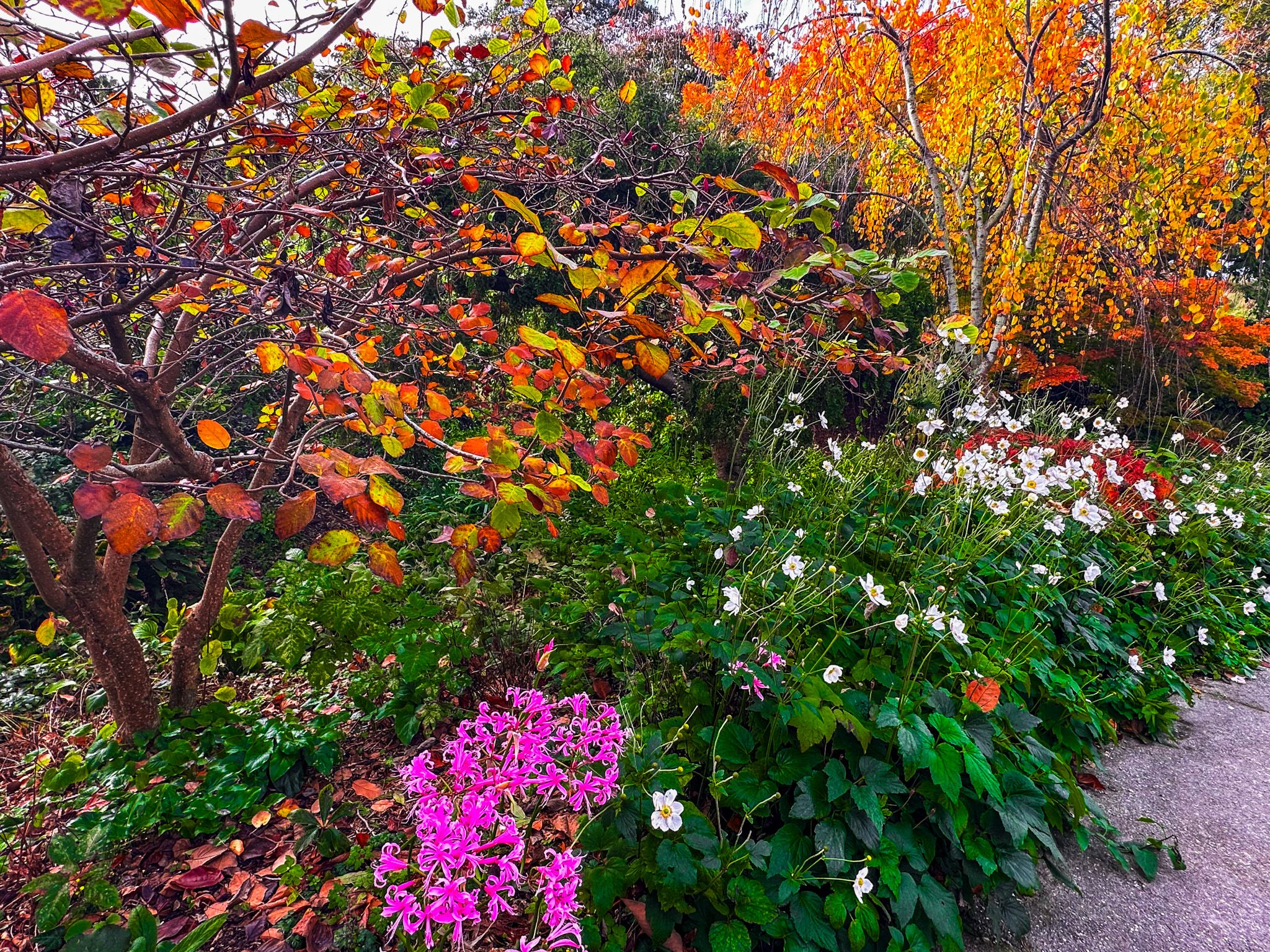
Bannerman is also a seasonal star. Spring brings a strong lift in colour (including a pick-your-own daffodil tradition), and autumn is the big show, with deciduous trees shifting from gold through orange to red, making it one of the best short, easy autumn walks in the district.

Dolamore Park and Croydon Bush
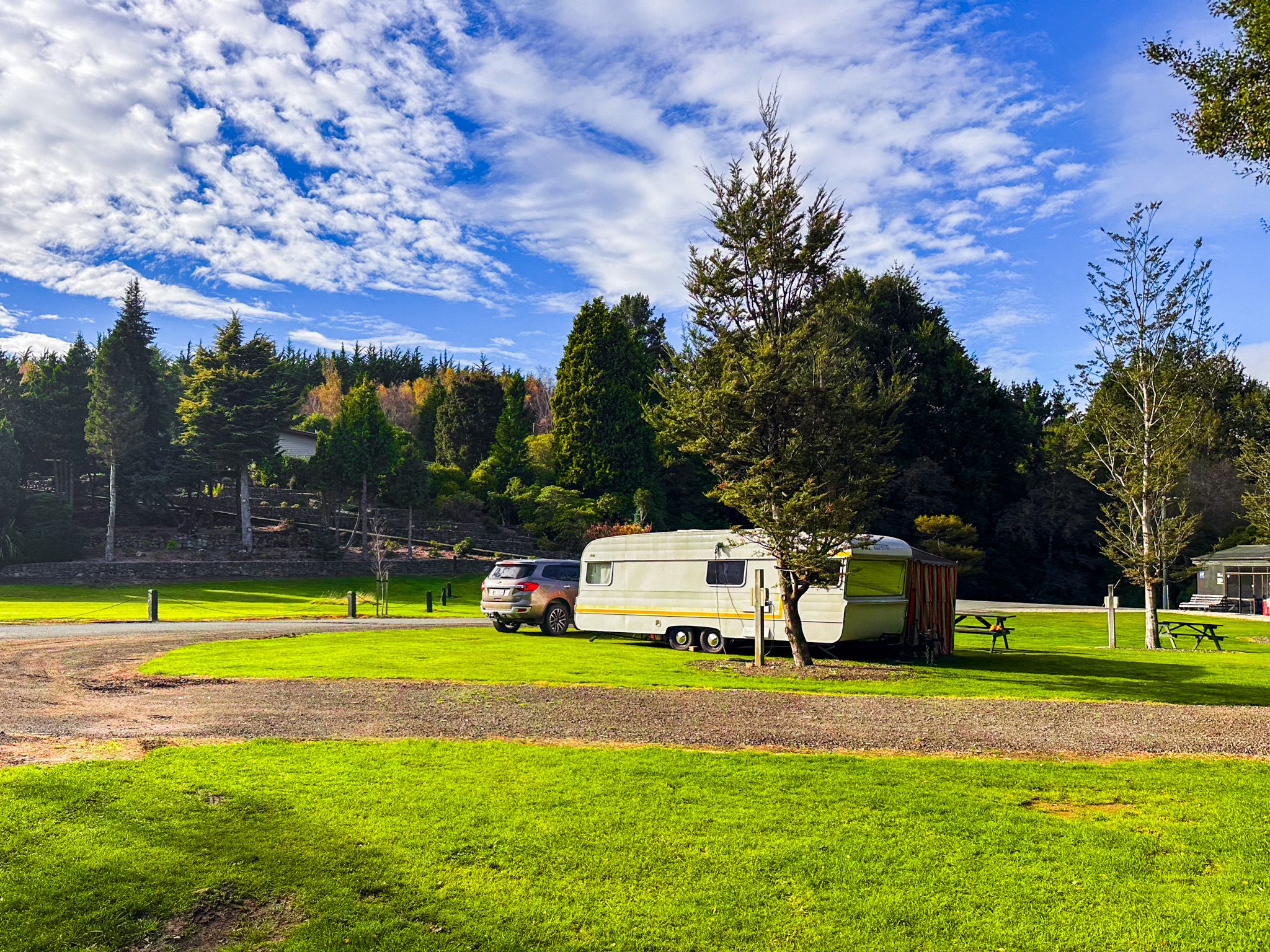
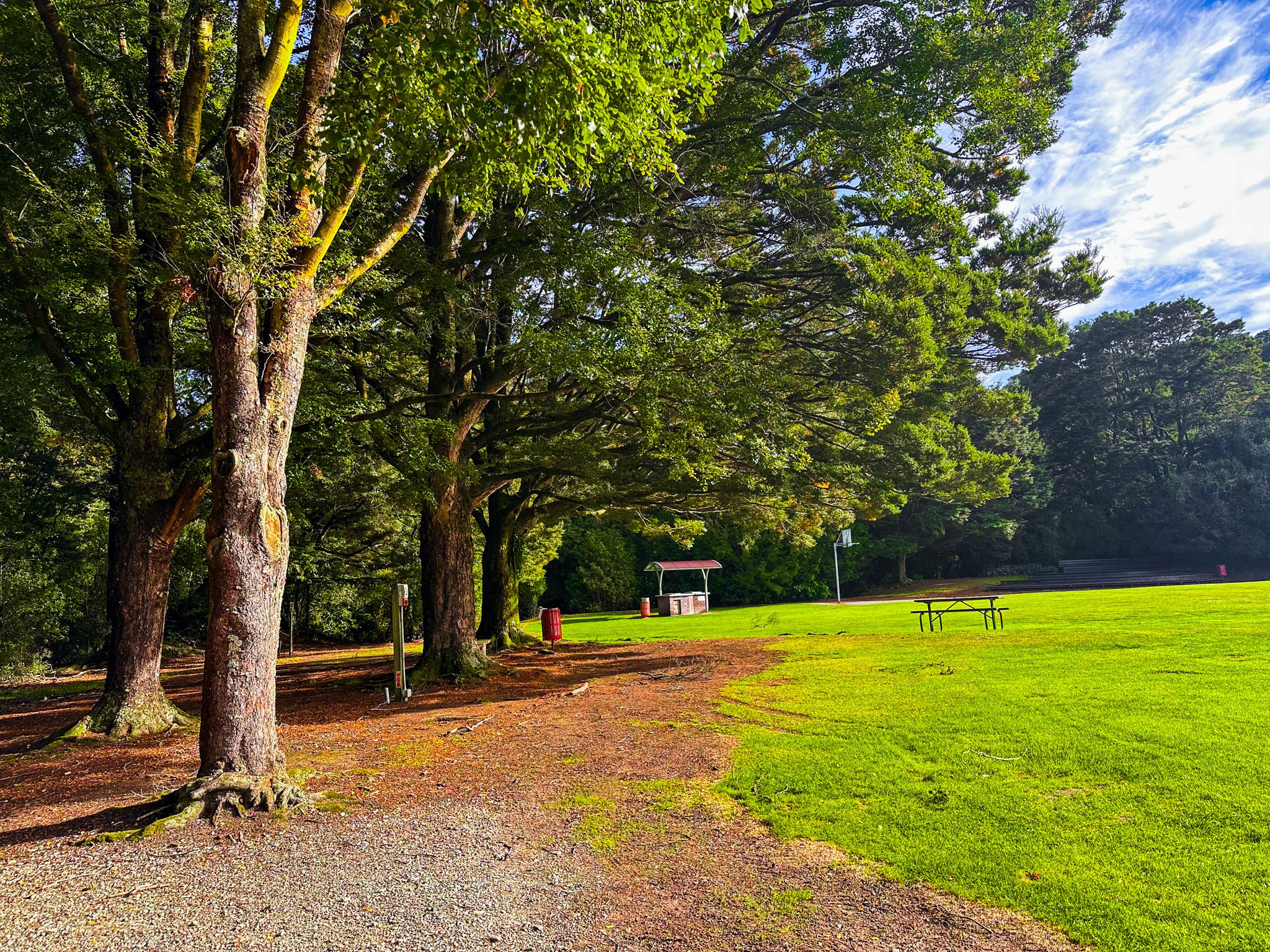
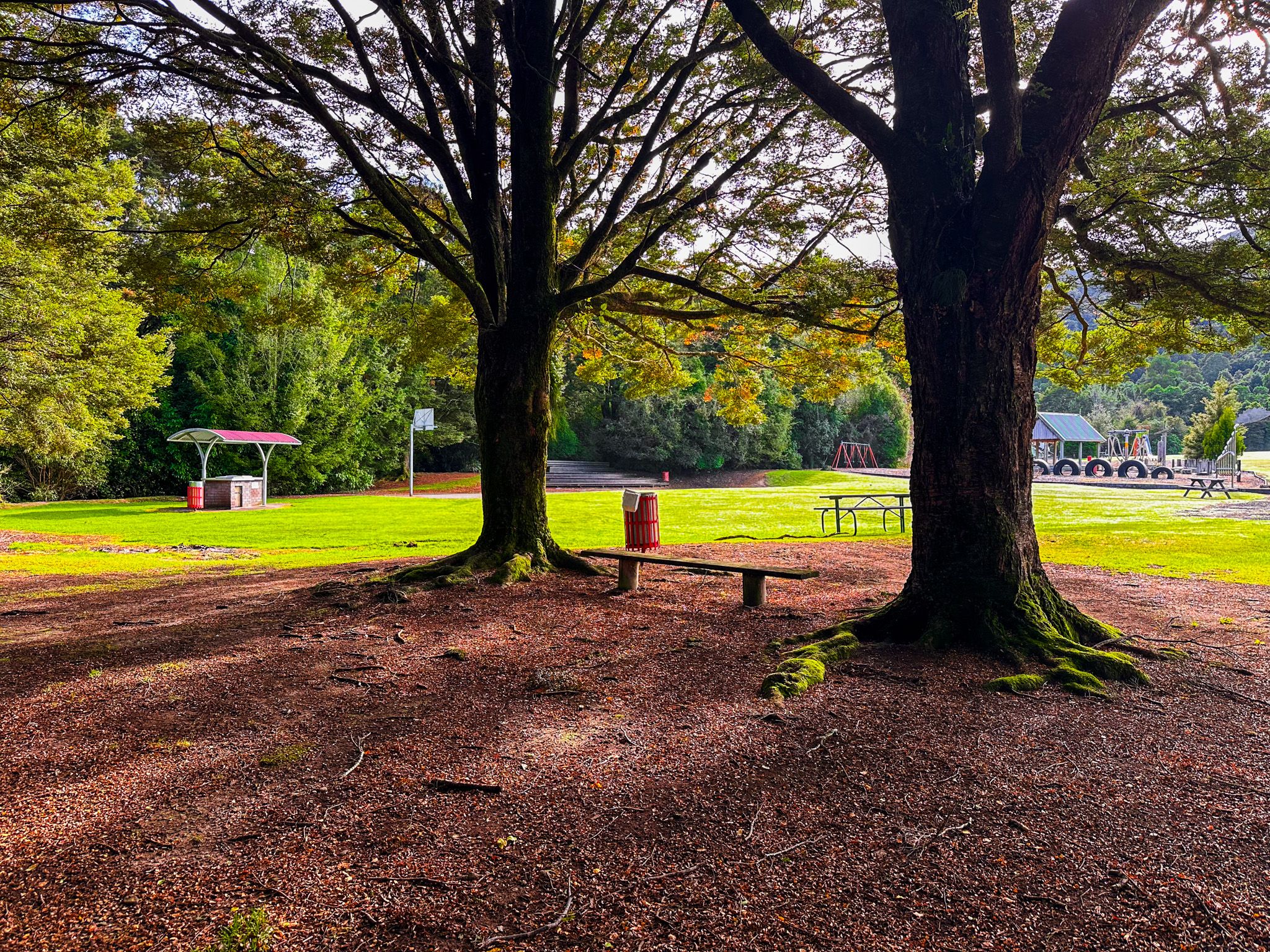
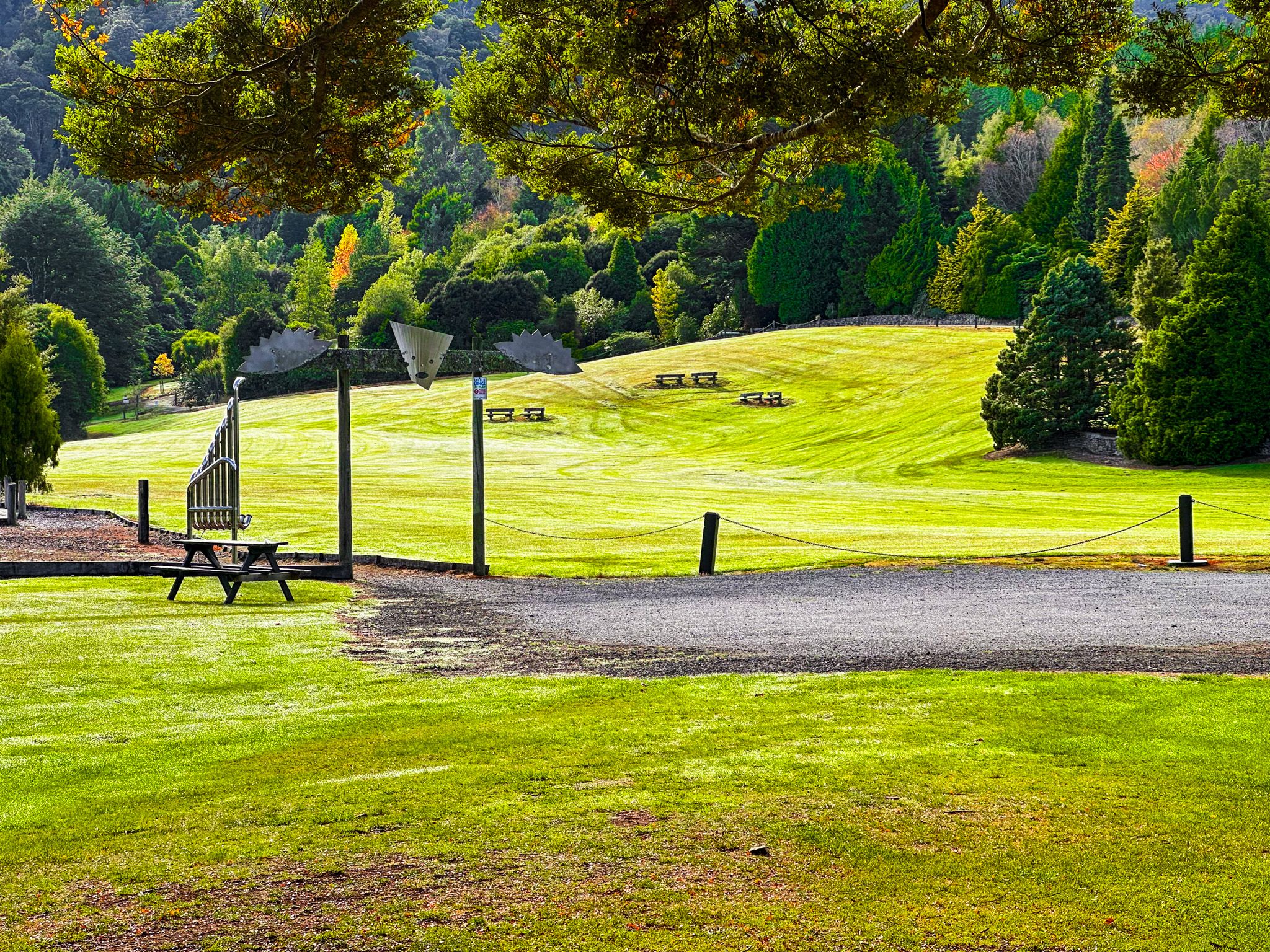
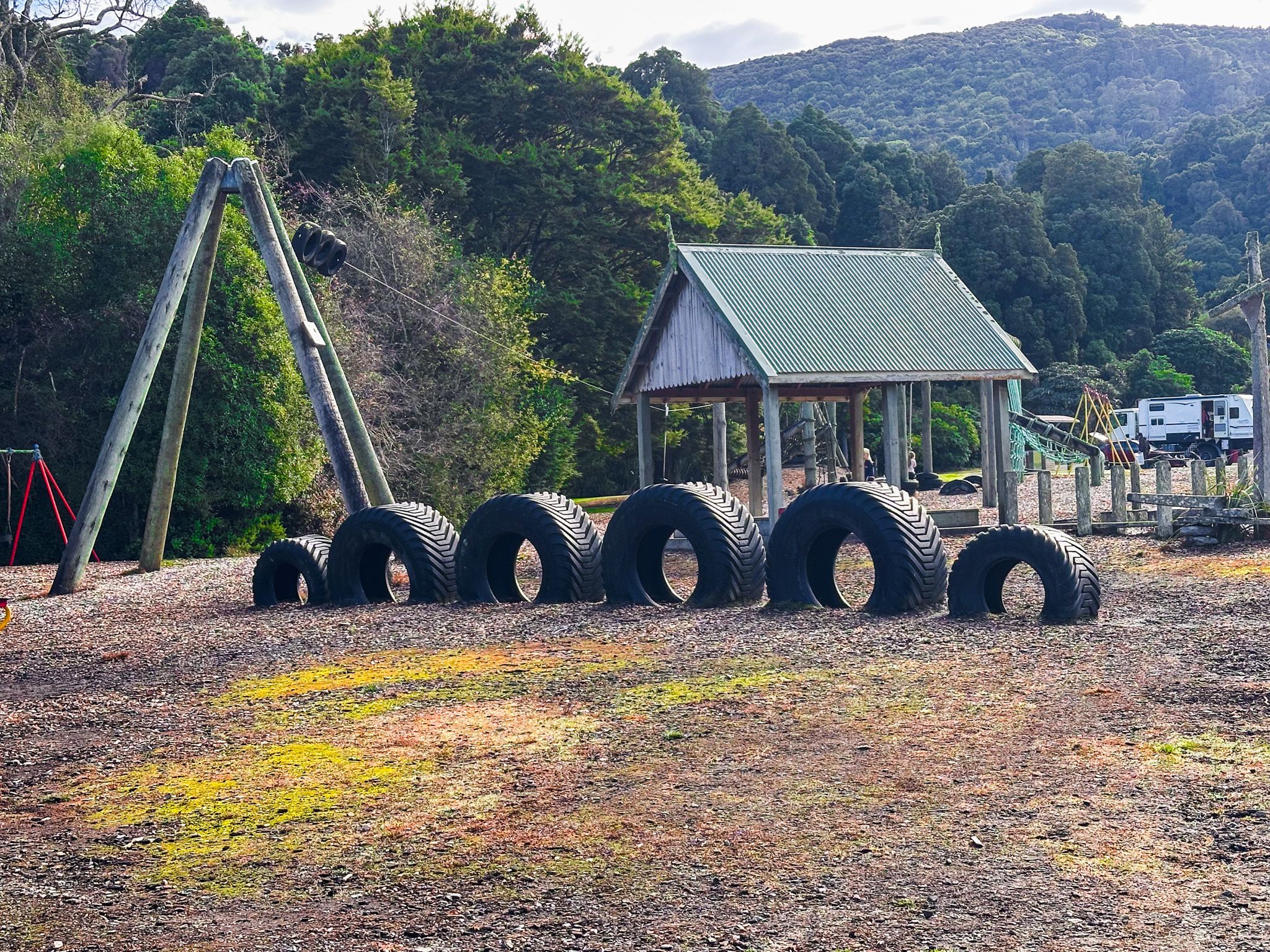
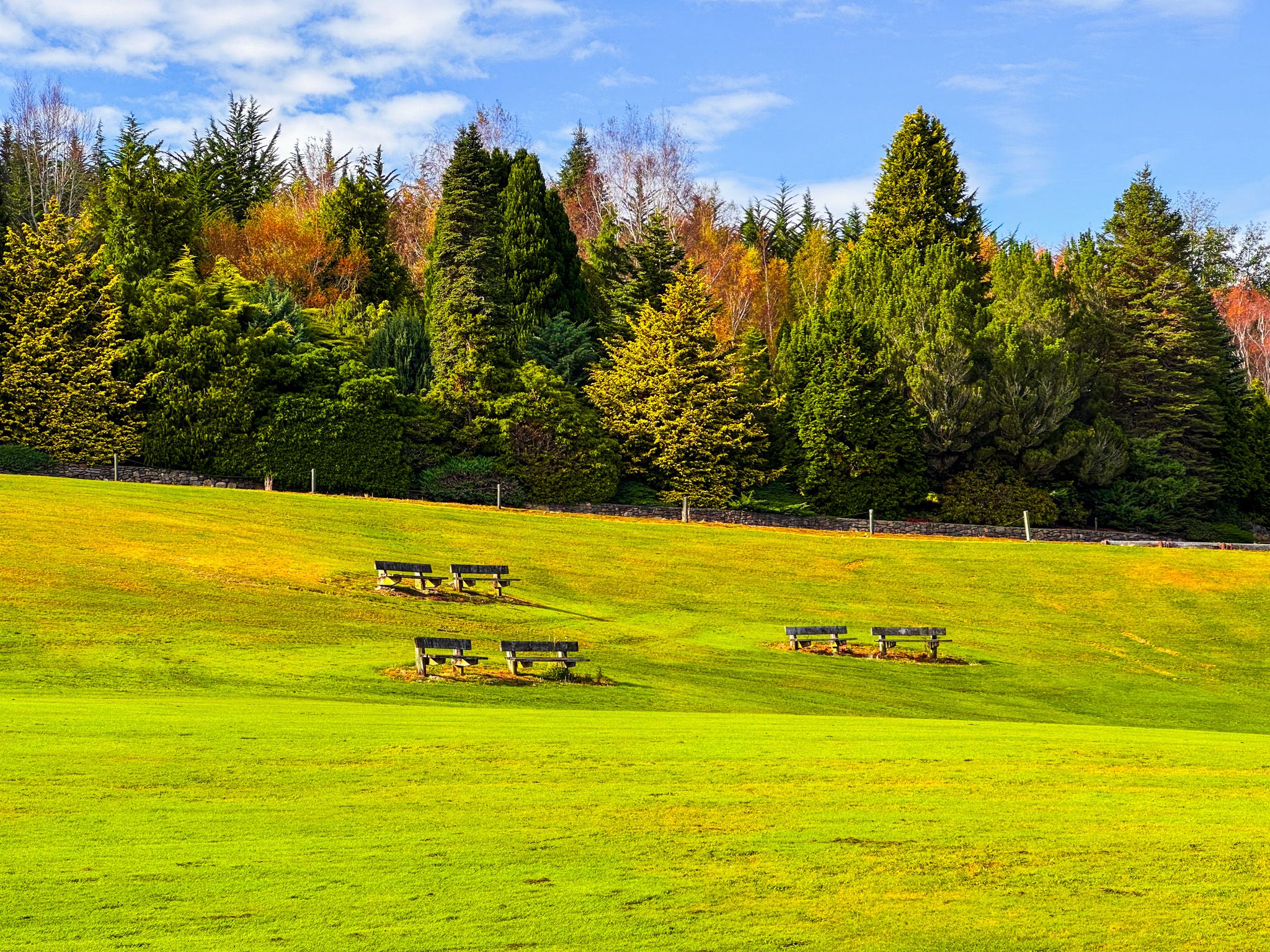
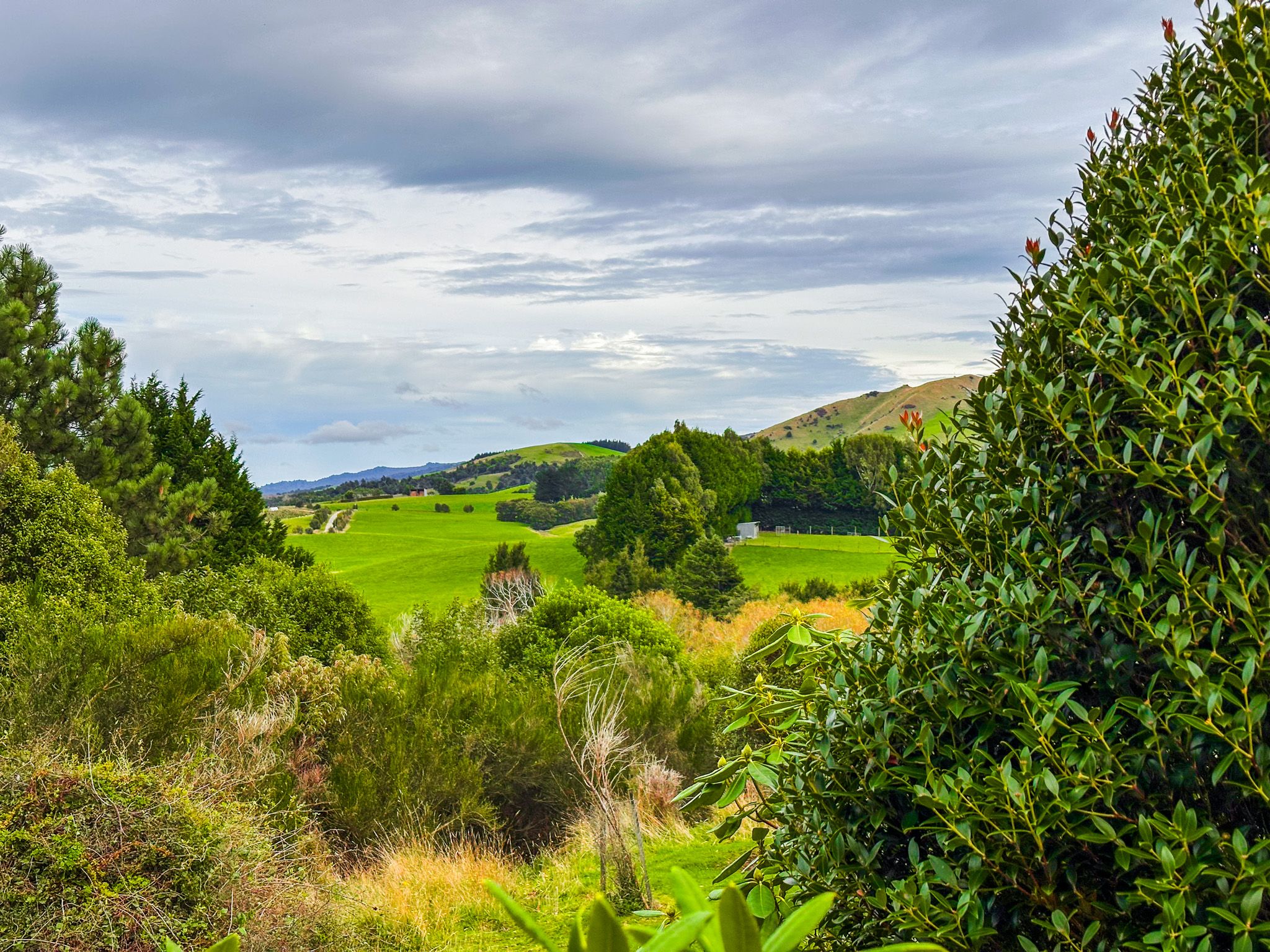
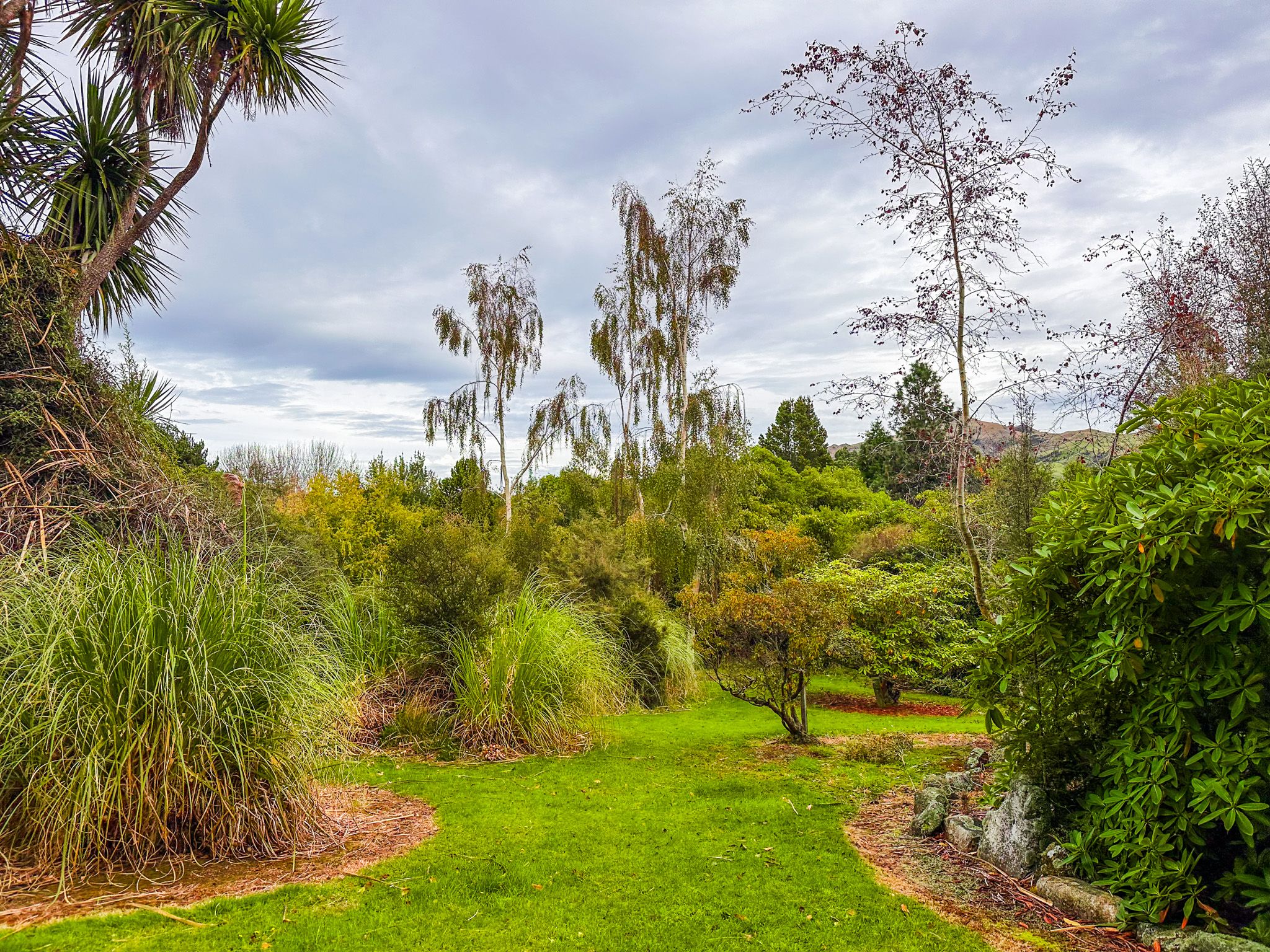
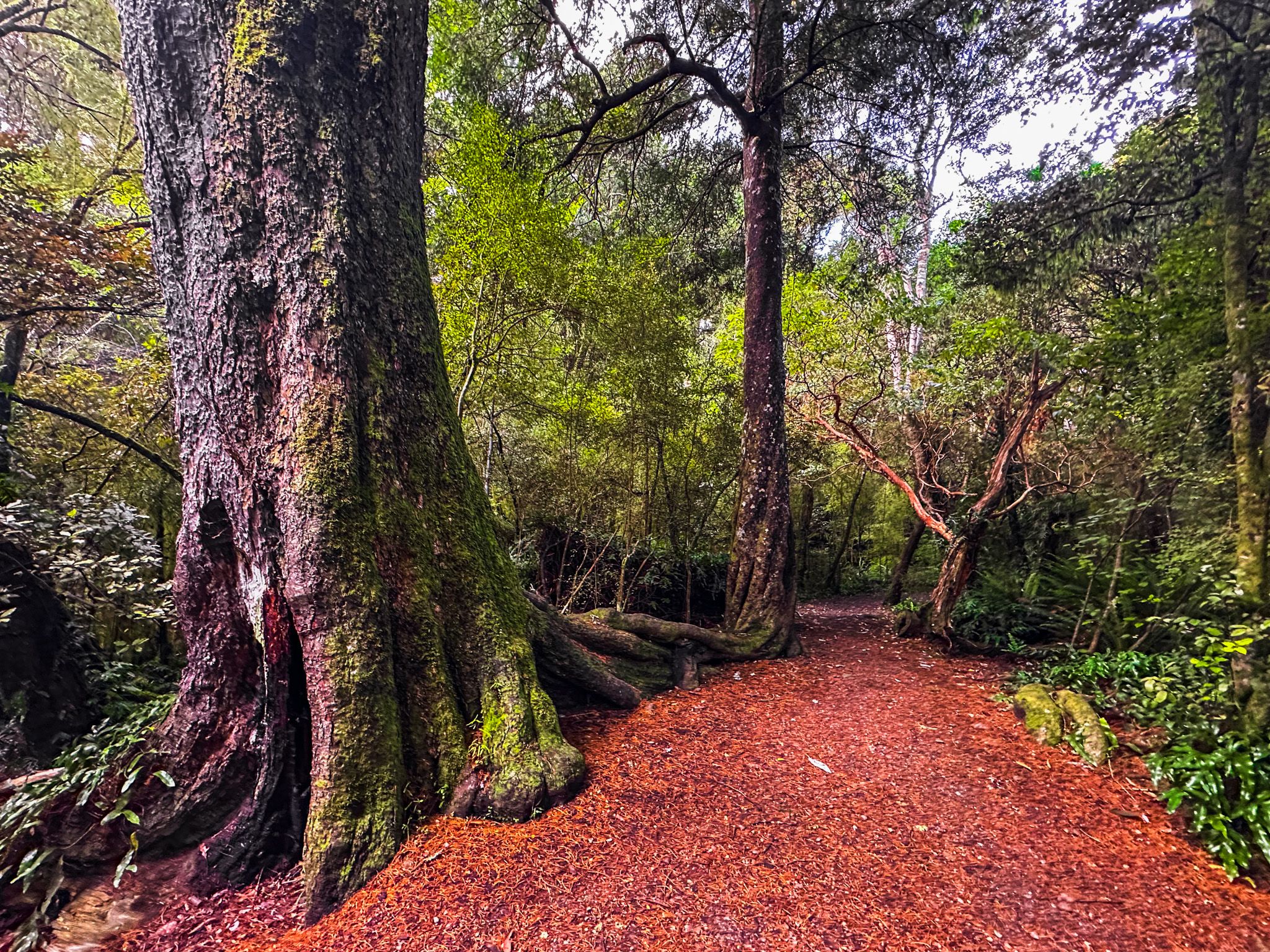
Dolamore Park is the relaxed, spacious counterpart to Bannerman. It’s a wide grassed area with mature exotics and a “stay awhile” feel, sitting right on the edge of native forest, so you can picnic in the open and then step straight into cooler, ferny bush whenever you’re ready.
It’s also one of the most practical places around Gore for travellers who like an easy overnight base. The park is set up for camping, has facilities, and it feels tucked into the Hokonui Hills landscape without being remote or complicated to access.
Even if you’re not camping, Dolamore works well as a half-day reset. Wander the lawns and plantings first, then use the forest edge as your “second act” for shade, birdsong, and that immediate feeling of being properly out of town.
Whiskey Creek Track
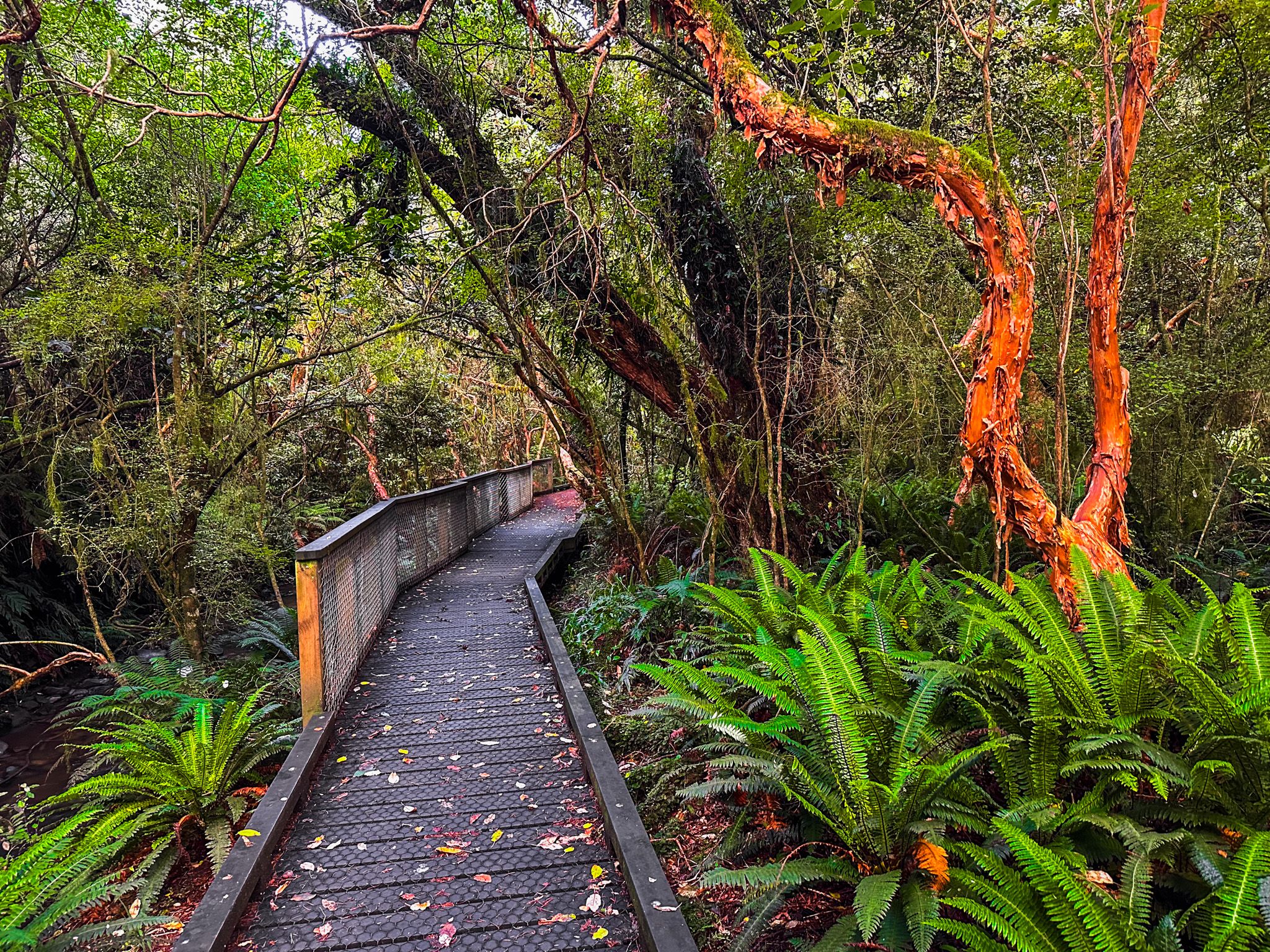
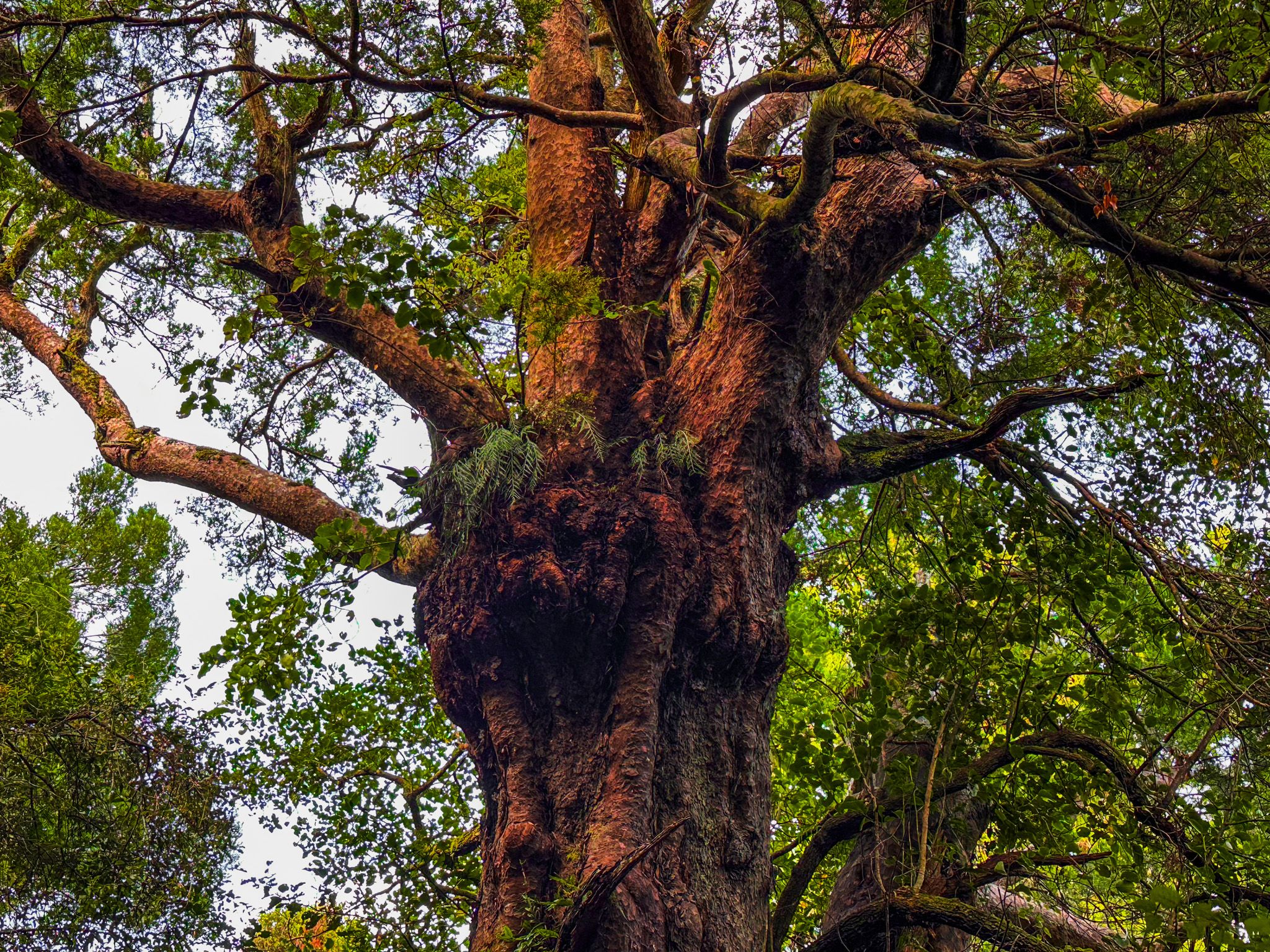
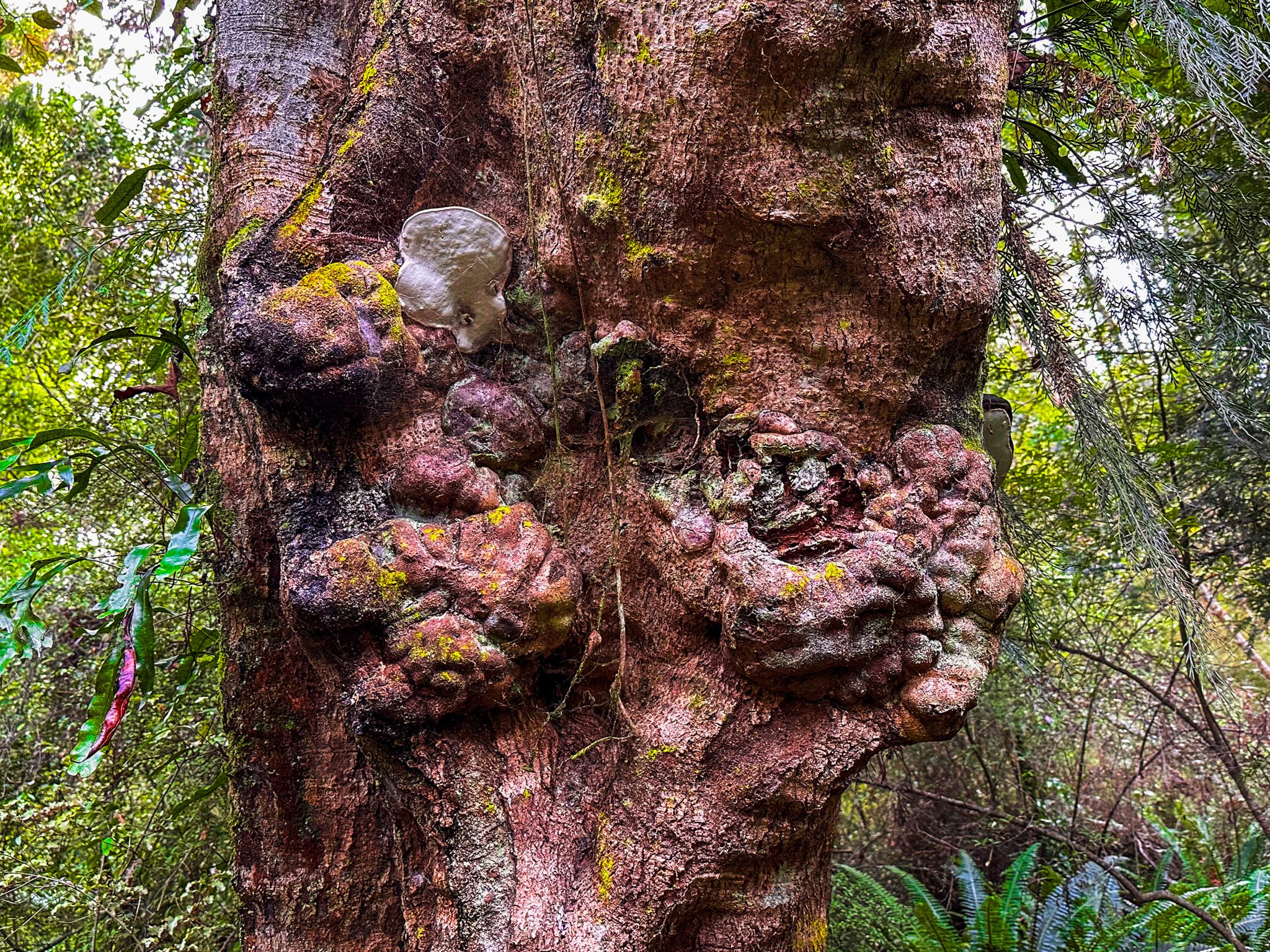
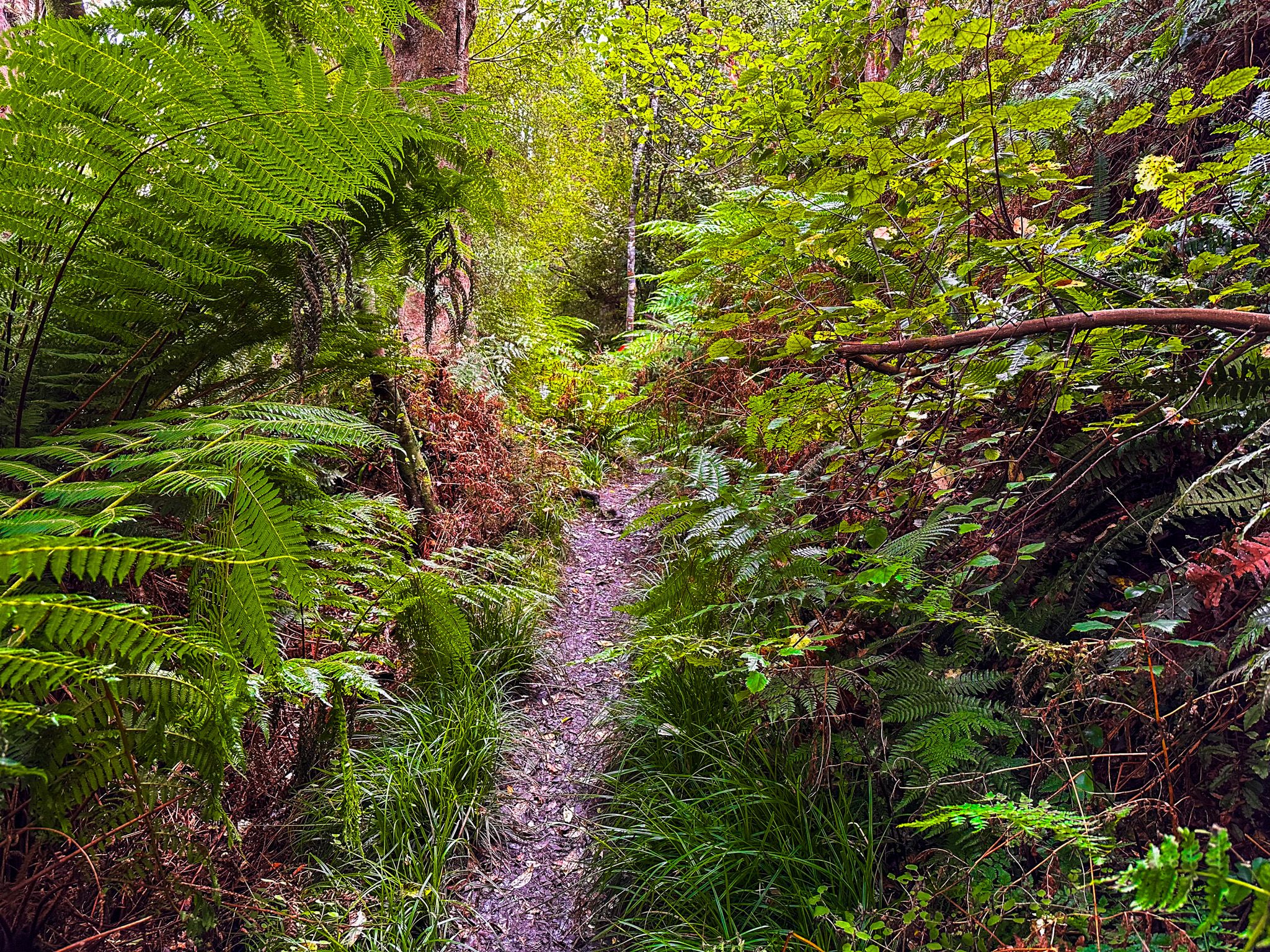
Whiskey Creek Track is the Gore-area bush walk that carries a moonshine echo in its name. It runs through native forest in the Croydon Bush area, climbing to a ridge and linking into a network of connected tracks that can be shaped into a satisfying loop.
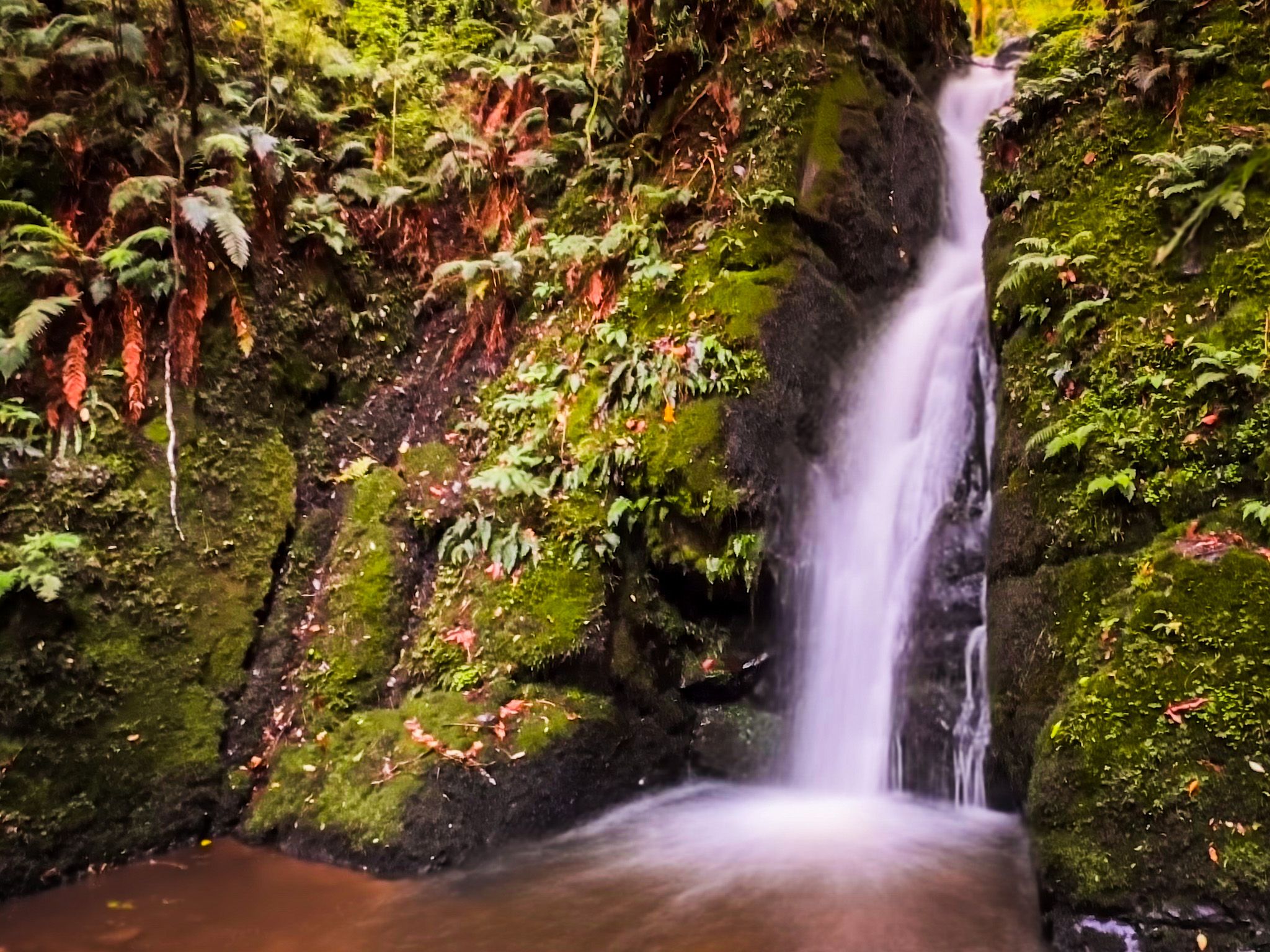
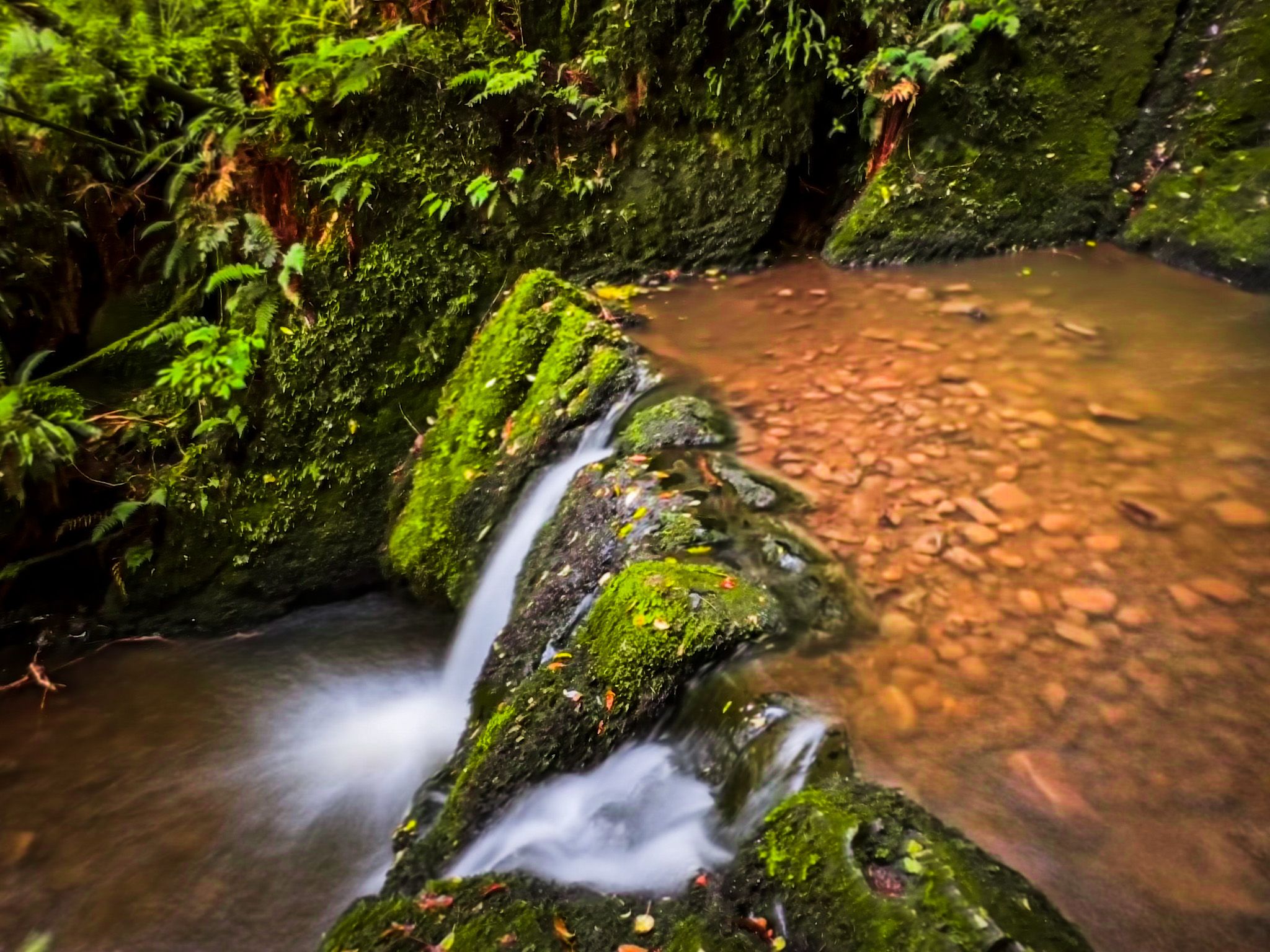
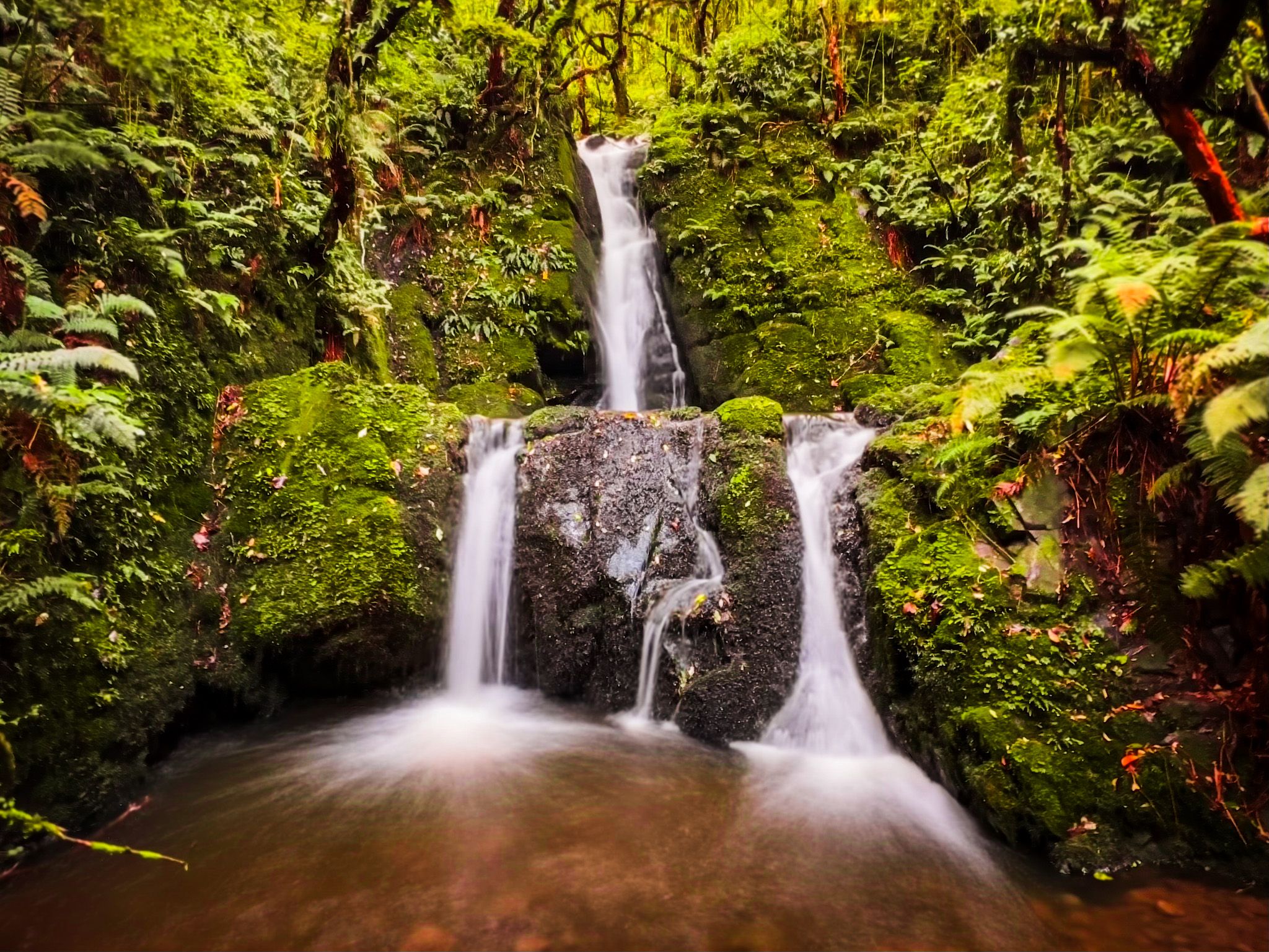
Along the way, you reach a lovely waterfall on Whisky Creek, a genuine highlight that feels earned after the climb and adds a “destination moment” to the loop. It’s a great reason to choose this track, even if you’re only picking one walk in the wider reserve.
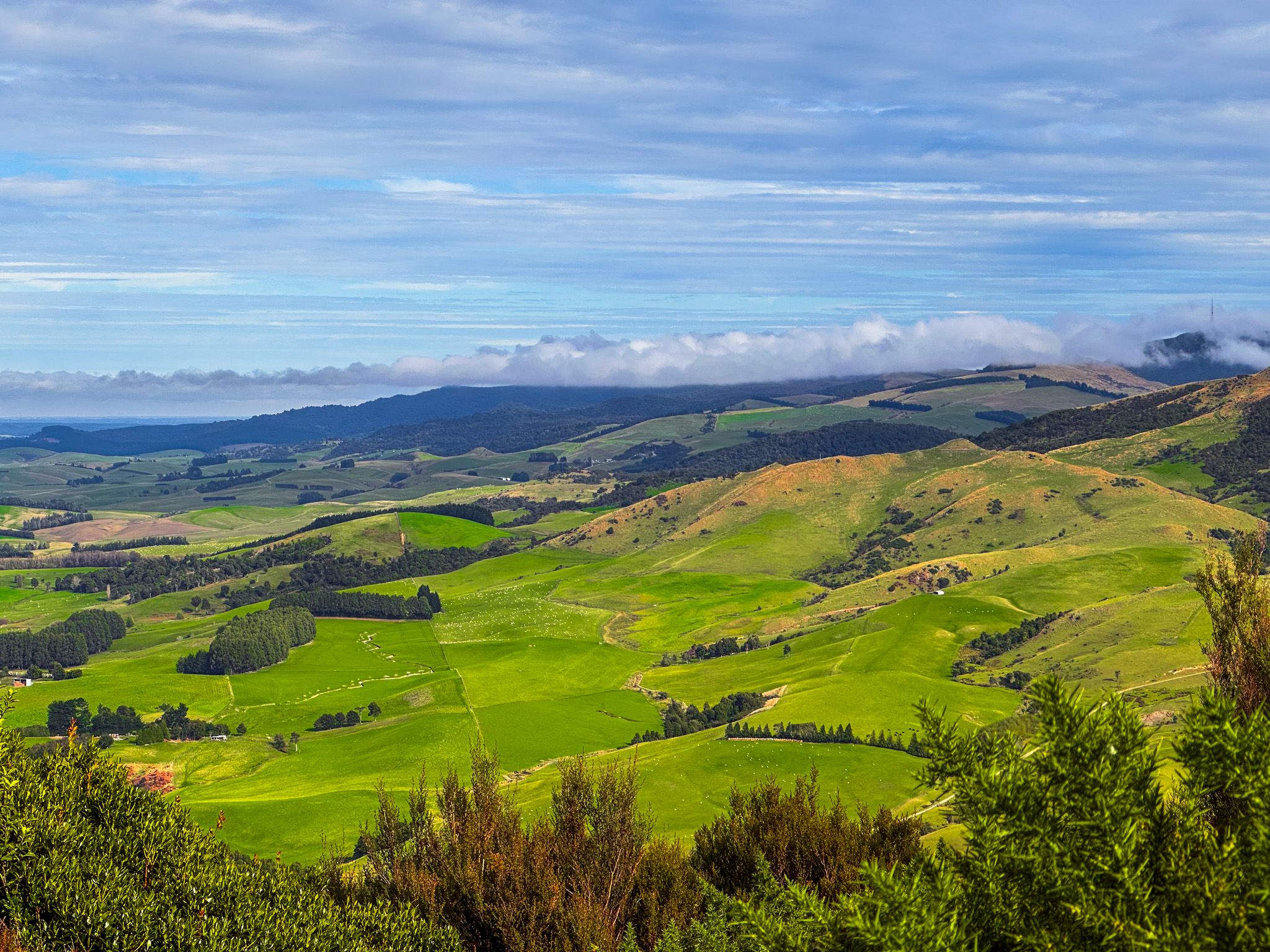
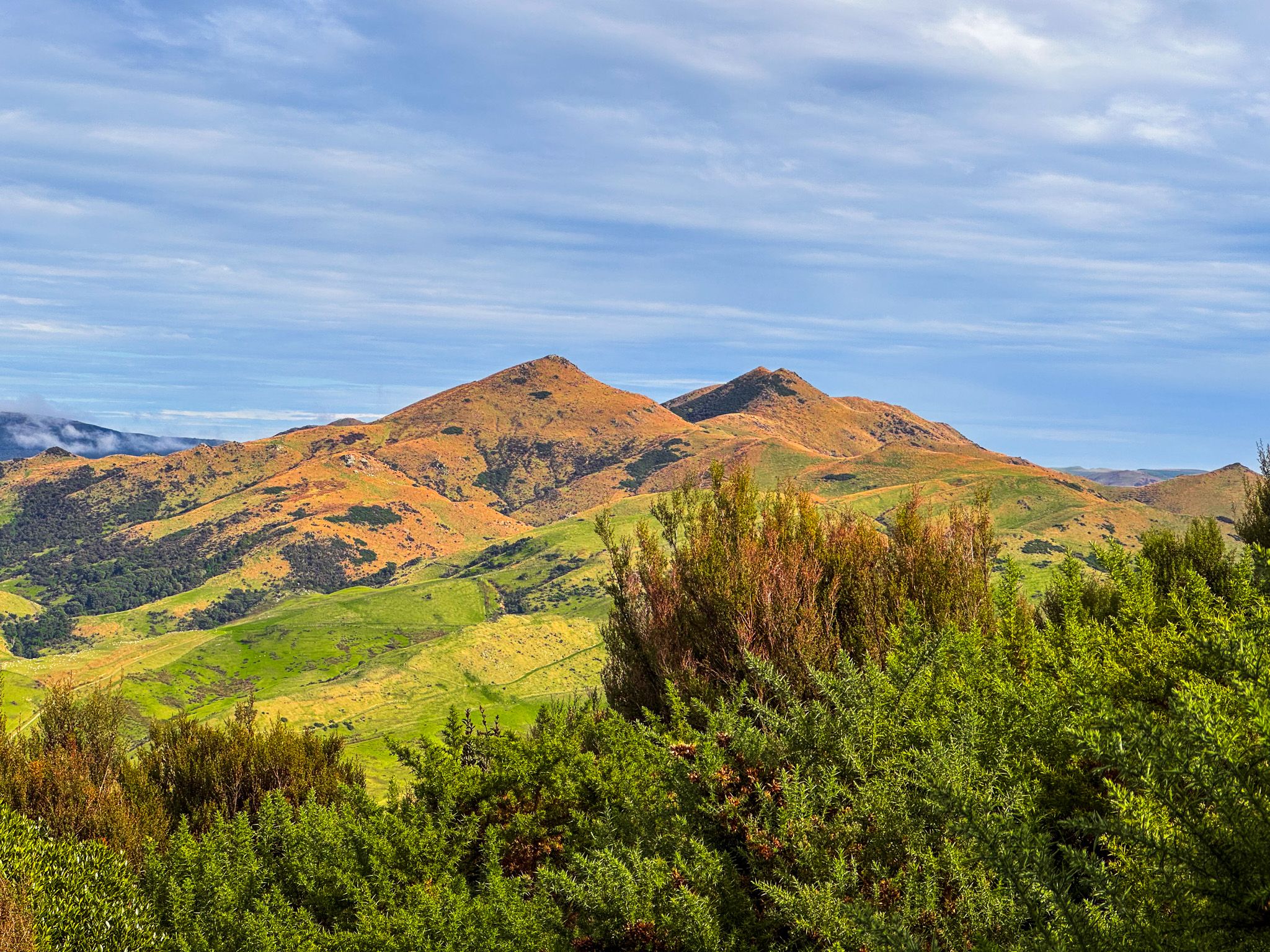
One optional extra is Poppelwell’s Lookout, which only adds a short time, but the view depends on maintenance and the season. When we visited, it was quite overgrown, which limited the payoff. If the lookout is part of your plan, it’s worth asking at the Gore Visitor Centre whether it has been tidied up.
Key things to know for travellers
- Best length of stay: Two days is ideal for Gore if you want to visit the gallery, the moonshine museum, the gardens, and a bush walk.
- Best seasons: Spring for daffodils, rhododendrons and lush water-garden growth in Bannerman Park; autumn for peak deciduous colour around town and in the parks.
- Family-friendly picks: Bannerman Park + Deer Park for an easy loop; Dolamore Park for open space and an easy forest edge.
- Rainy-day plan: Eastern Southland Gallery and the Old Hokonui Moonshine Museum and Distillery are perfect “weather-proof” anchors.
- Historic Gore: Leave time to wander the central streets, including heritage buildings like the Creamota Building and the clock tower area.
- Bush walk tip: Whisky Creek Track includes a waterfall; if you’re aiming for Poppelwell’s Lookout, check current conditions at the Gore Visitor Centre first.
- Camping: Dolamore Park is the standout option for a simple base near native forest and walking tracks.
- Getting around: Most highlights are close; central Gore is easy on foot, and the parks/tracks are short drives.
- Don’t miss: The moonshine museum for local prohibition history and sly-grog stories, and the gallery for the John Money and Ralph Hōtere collections.