A Southland River Town with Big Stories
Gore sits on the Mataura River in eastern Southland and probably surprises visitors who arrive expecting only a practical rural hub. Instead, you’ll find a town that leans into its character: world-class trout heritage (with a giant trout statue), a colourful prohibition-and-moonshine past in the nearby Hokonui Hills, a seriously good regional art gallery, a centre of country music and parks and heritage streetscapes that reward a slow wander.
The Mataura River: Headwaters to the Sea
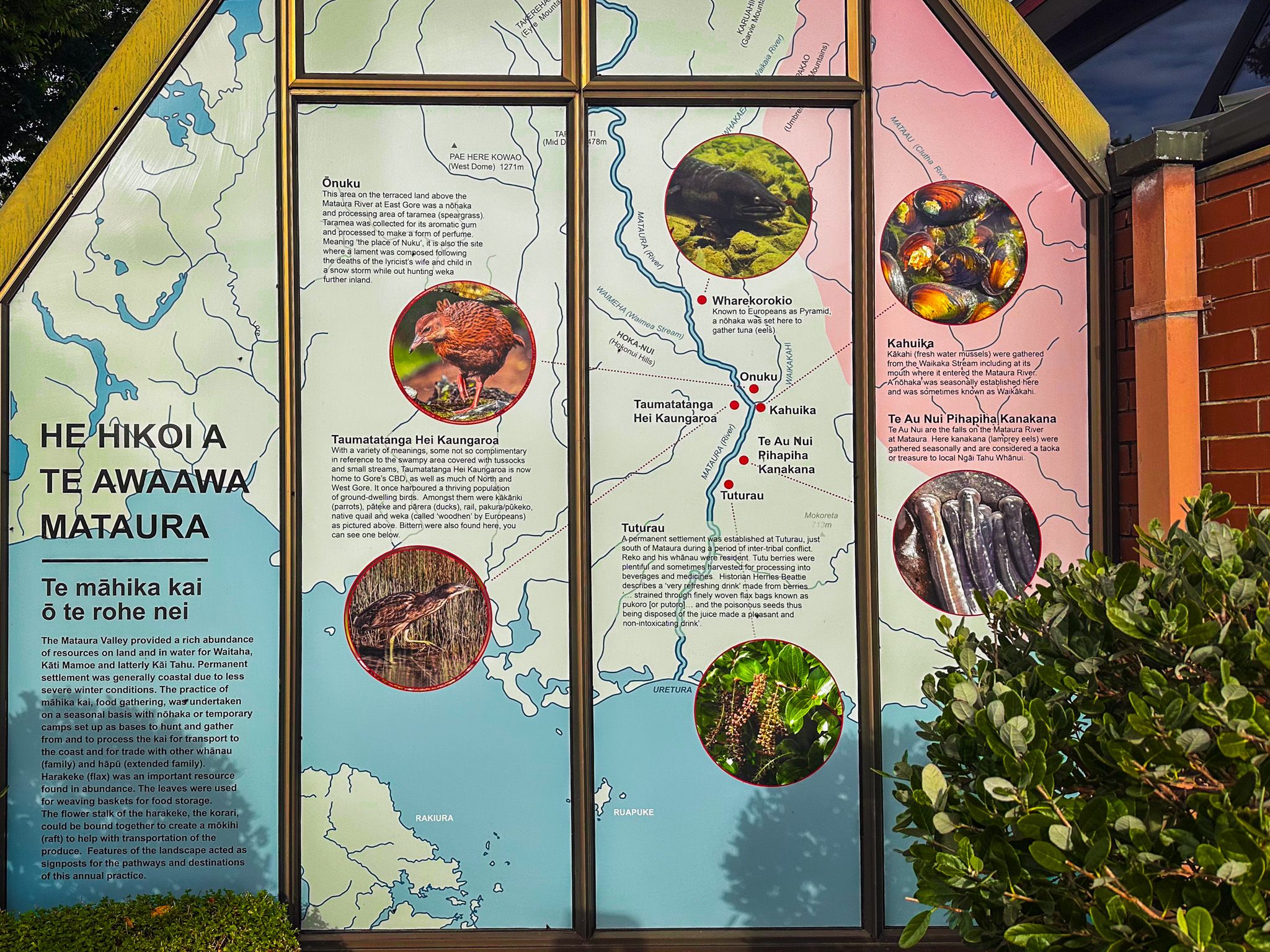
The Mataura River is about 240 km long, rising at the Mataura Saddle in the Eyre Mountains south of Lake Wakatipu, then flowing southeast toward Gore before turning south, passing Mataura township, and reaching the Pacific at Fortrose in Toetoes Bay.
It’s easy to visit and walk or bike the riverside, and the river is the town’s natural feature: broad, clear, and strongly associated with fly-fishing culture. The first brown trout were released in the Mataura River catchment in 1869, in the Otamita Stream.
The Giant Brown Trout Statue
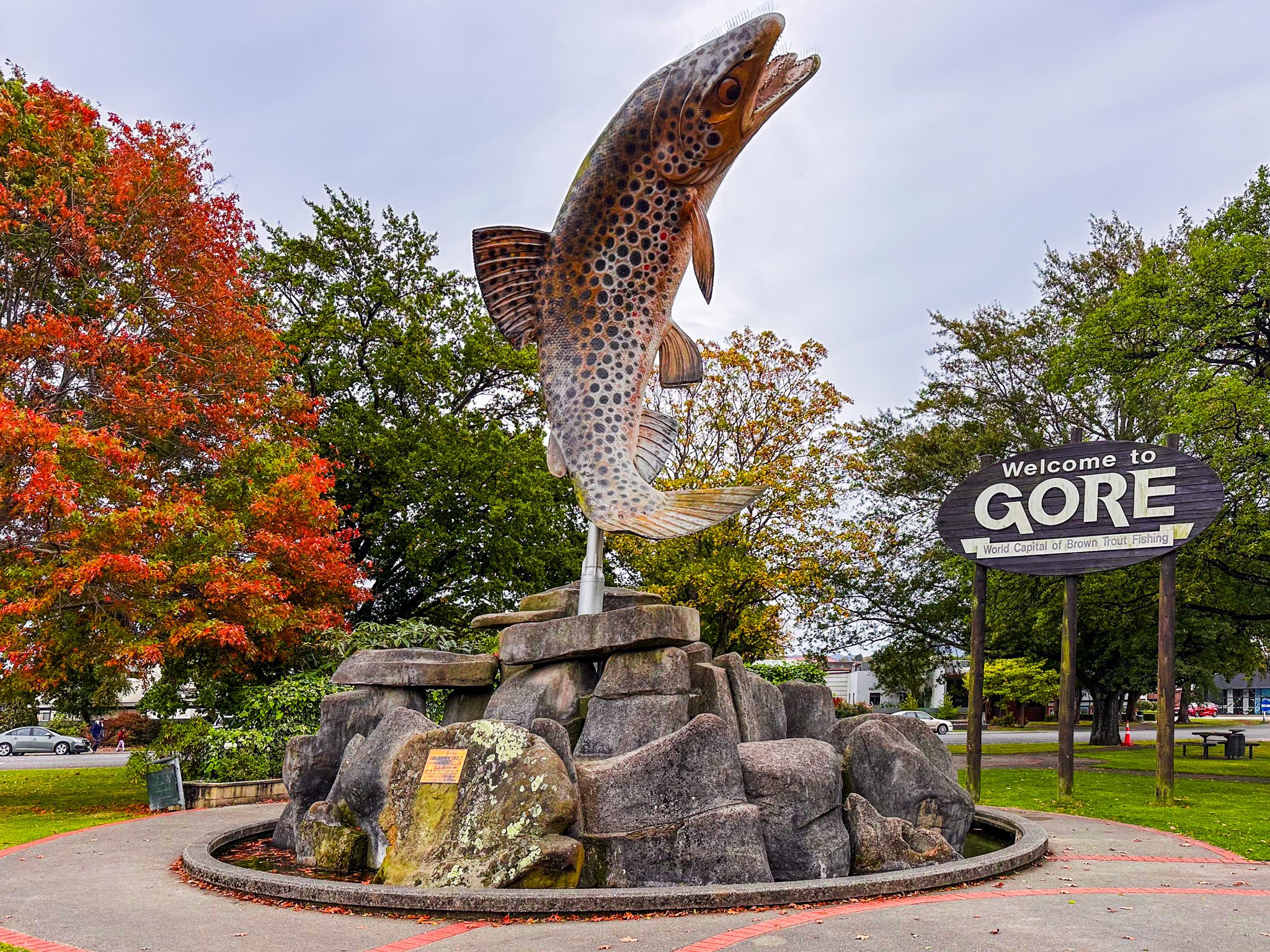
The town’s most photographed landmark is the giant brown trout statue, officially unveiled by Sir Bob Jones on 18 February 1989 to celebrate Gore’s self-proclamation as the "Brown Trout Capital of the World". A famous property investor and politician of the 1980s, Jones was known as an enthusiastic angler.
The 3.6-meter-tall fibreglass trout statue, designed by local artist Erroll Allison, features a trout leaping into the air. The Gore Host Lions Club commissioned the statue to mark their 25th anniversary. It was built using a fibreglass shell over a polystyrene and steel mesh frame and is located at the intersection of State Highway 1 and State Highway 94, so you can’t miss it as you drive into town.
Hokonui Hills: Trails and Moonshine
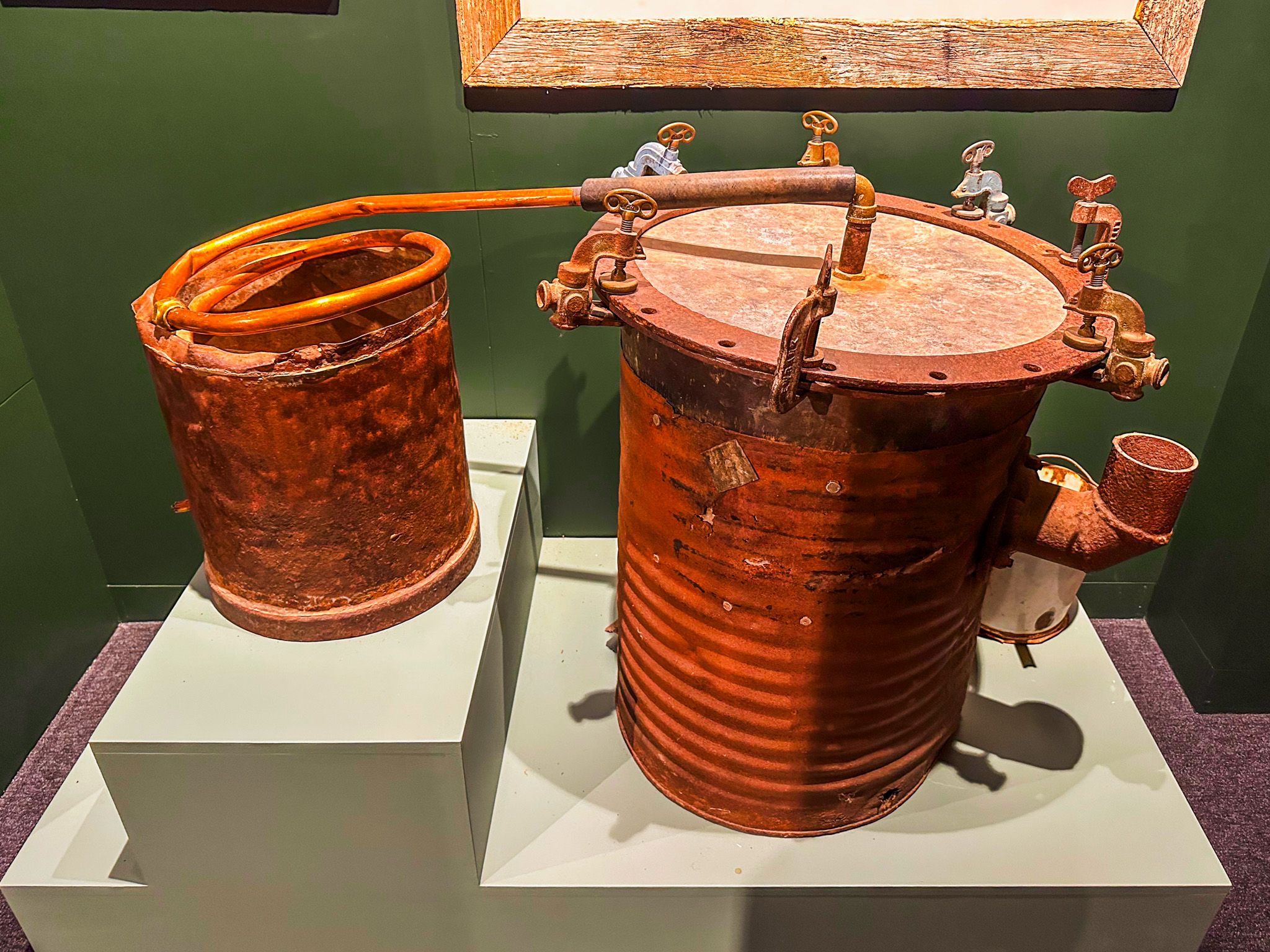
The Hokonui hills are inseparable from the district’s most infamous history: Hokonui moonshine, born out of local prohibition-era conditions and now celebrated as part of Gore’s folklore. But the hills also provide superb walking and hiking options.
Croydon Bush Scenic Reserve and Dolamore Park are the go-to spots for walks and hikes on the south side of the Hokonui Hills, just a short drive from Gore. At the southeast end, from Grant’s Bush car park, there are three steep tracks, Grants Knob Track, Middle Ridge Track and Richardson Track that meet at East Peak (627m), allowing loop hikes. The payoff is wide views over the Gore District and Waimea Plains. These tracks are rated moderate to difficult, take 90 minutes to 2 hours one-way, and are best tackled in proper footwear, especially when the ground is wet.
At the west/south-west end, Dolamore Park has a mix of family-friendly options and longer forest, ridge-and-lookout routes, including the historic Whiskey Creek Track, which connects to an old logging/water-race corridor, with side options to viewpoints like Poppelwell’s Lookout and features such as Whiskey Falls. This loop track is particularly linked to the story of Hokonui Mooshine.
Allow 2 to 3 hours to do the loop.
Arts, Heritage, and that “well-kept” feel
The Old Hokonui Moonshine Museum & Distillery / Visitor Centre, at the intersection of State Highway 1 and State Highway 94, tells the legendary Southland story of illicit “moonshine” whisky-making in the Hokonui Hills, with displays that bring the characters, crackdowns, and local ingenuity to life. There is an entry at the front desk, and you can finish the visit with a moonshine sample and purchase, made on the premises.
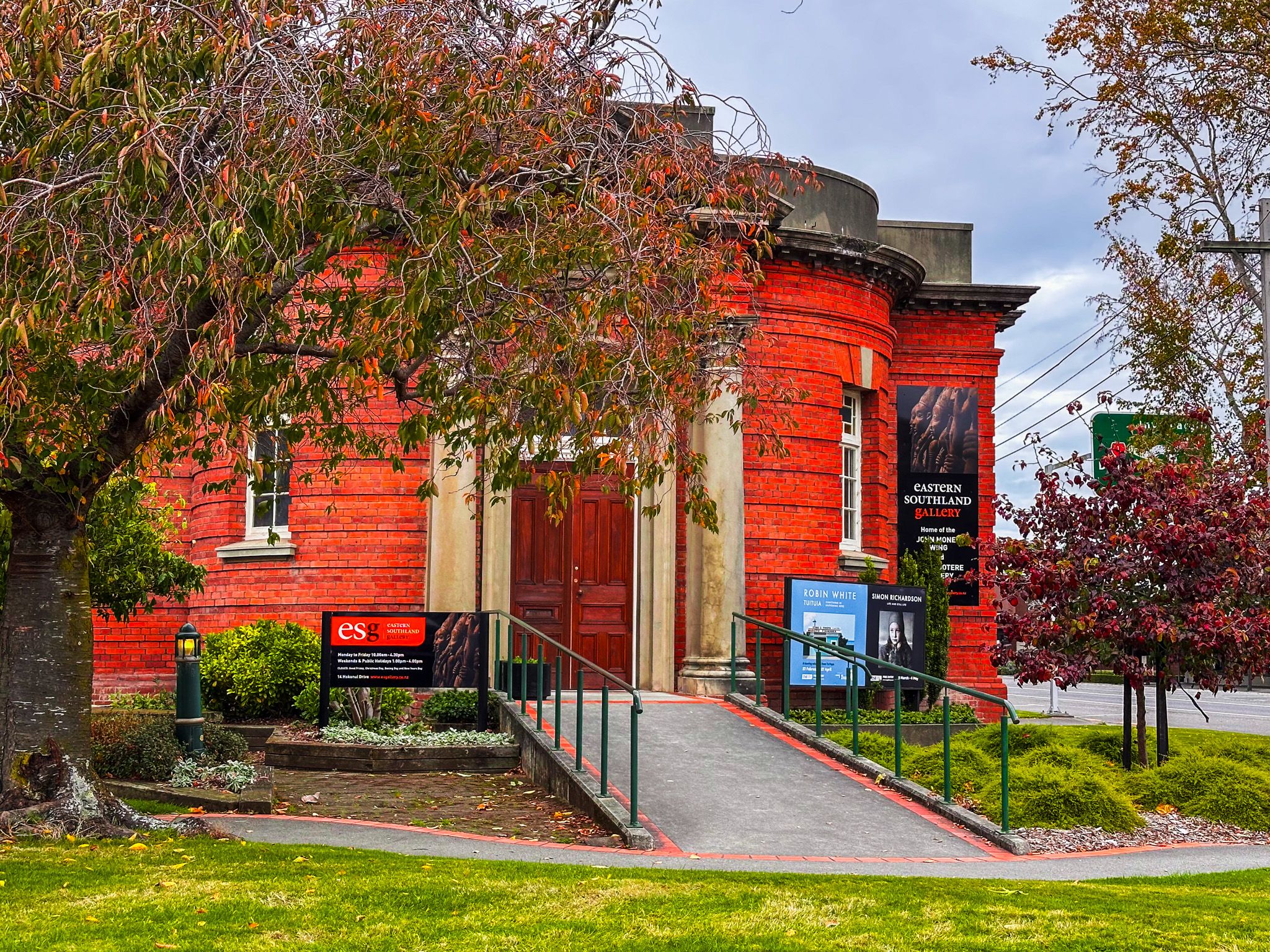
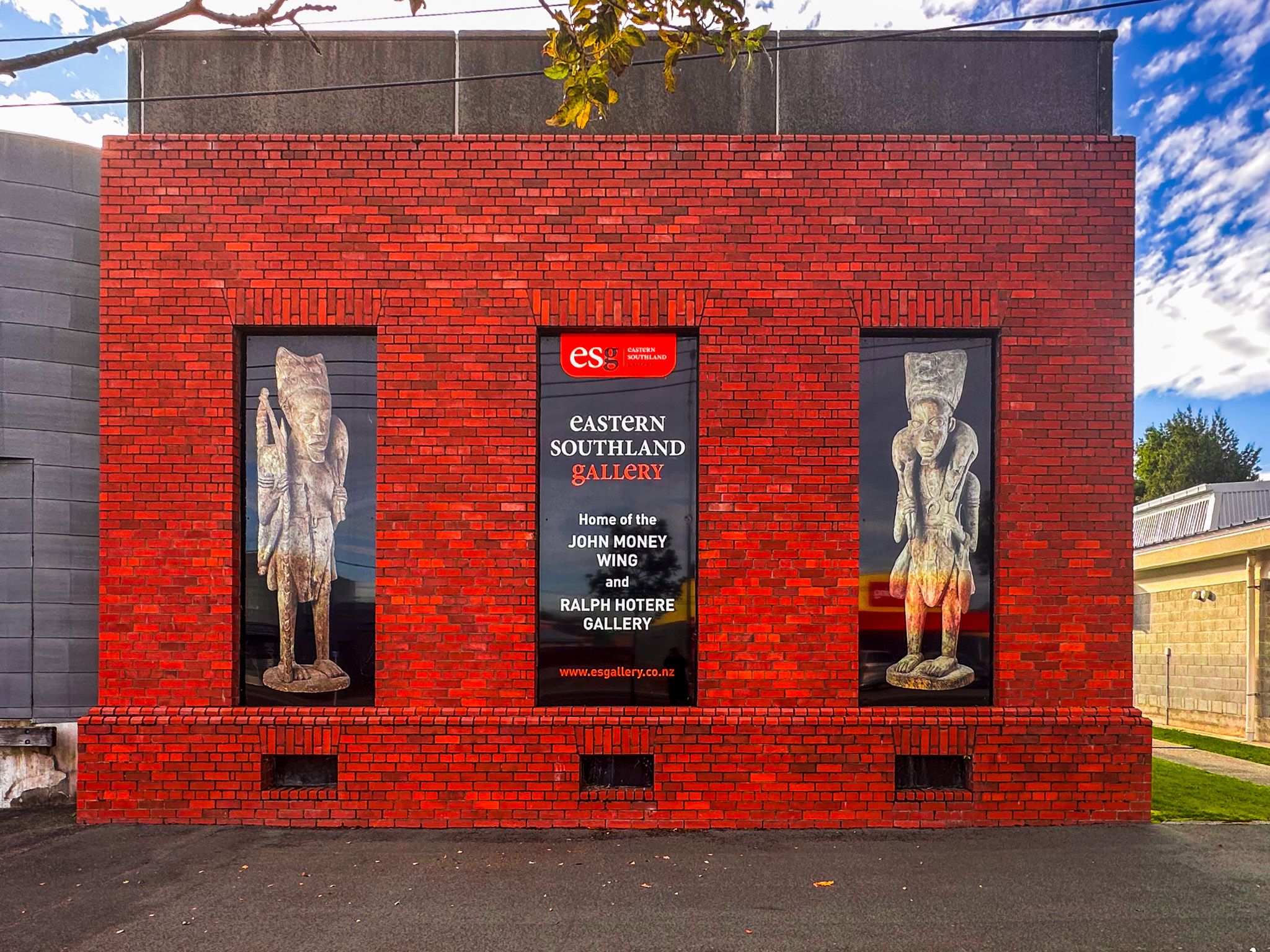
On the other side of the corner is Gore’s cultural heavyweight, the Eastern Southland Gallery, based in a historic Carnegie Library building. This is a genuine “didn’t expect that” stop that will be a highlight of the visit for many. It features a permanent Ralph Hotere display and the John Money Wing.
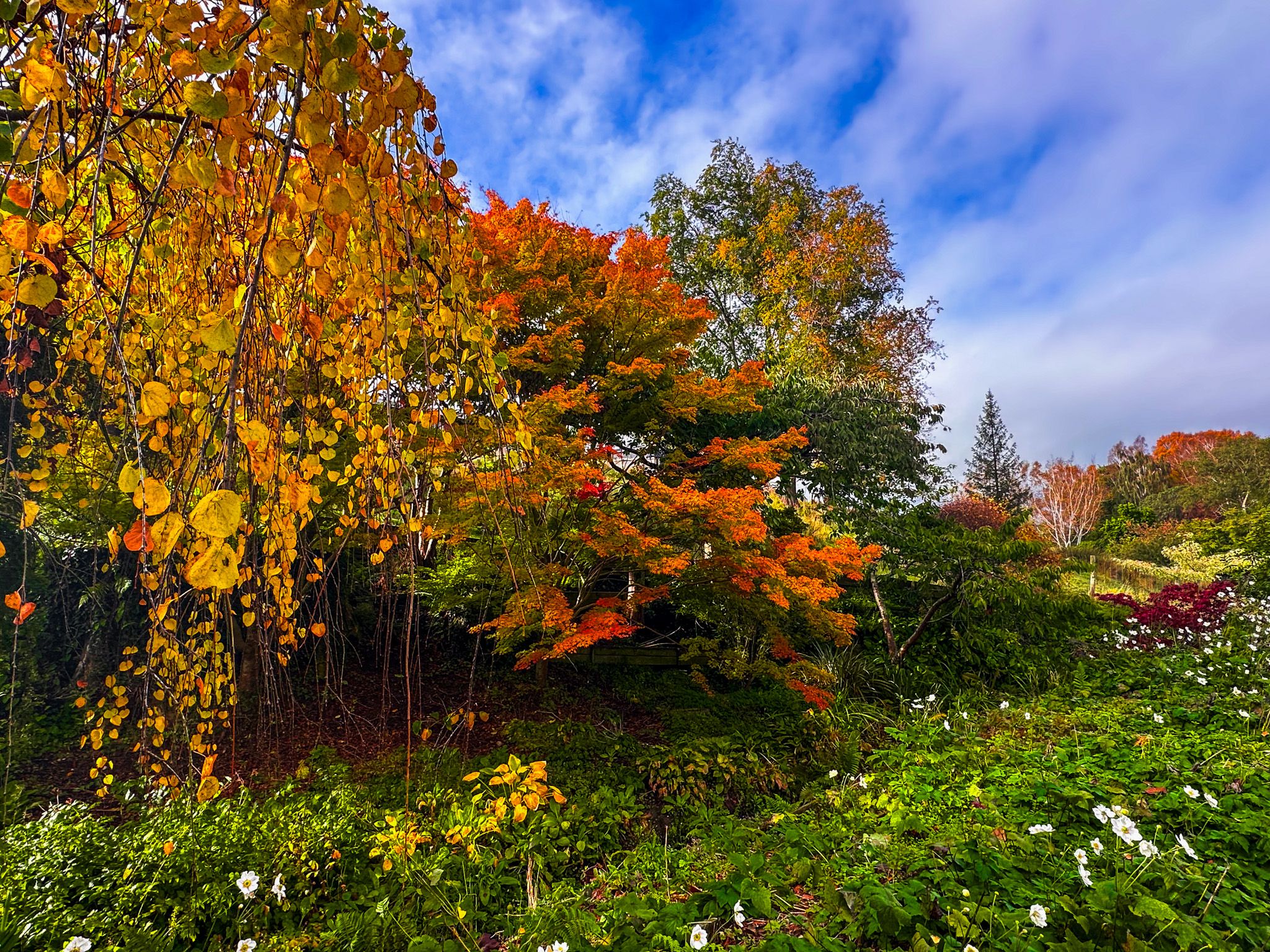
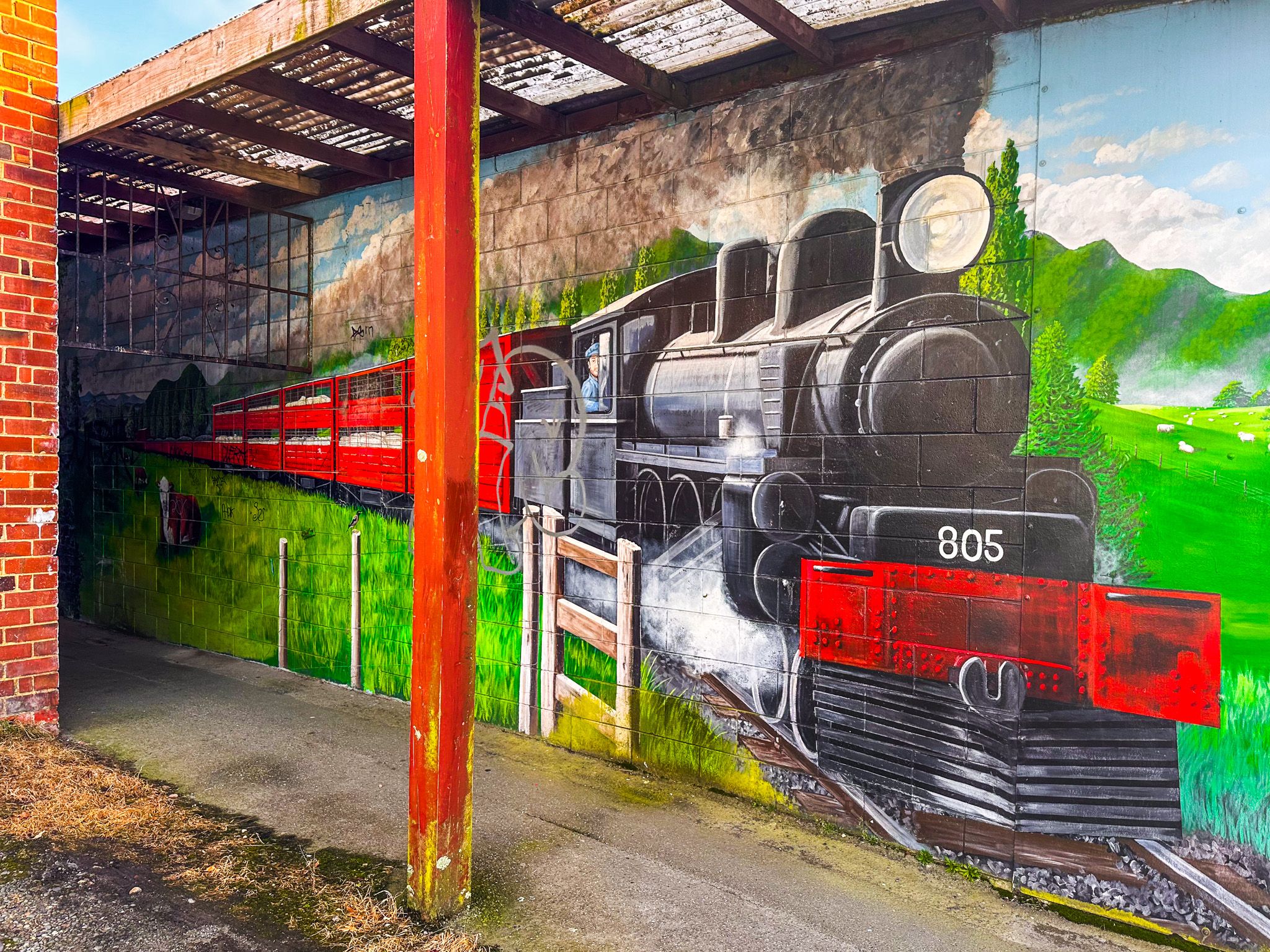
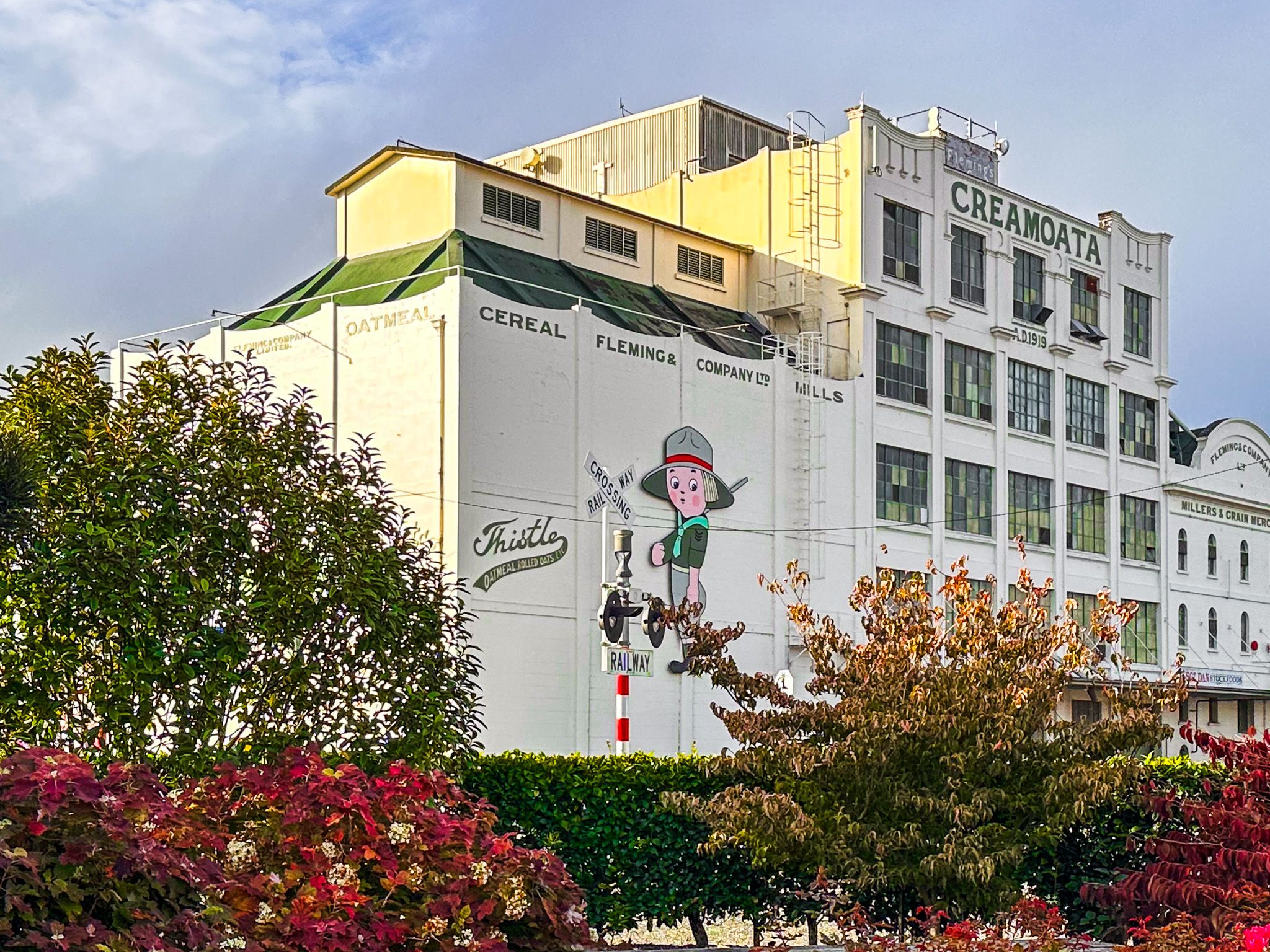
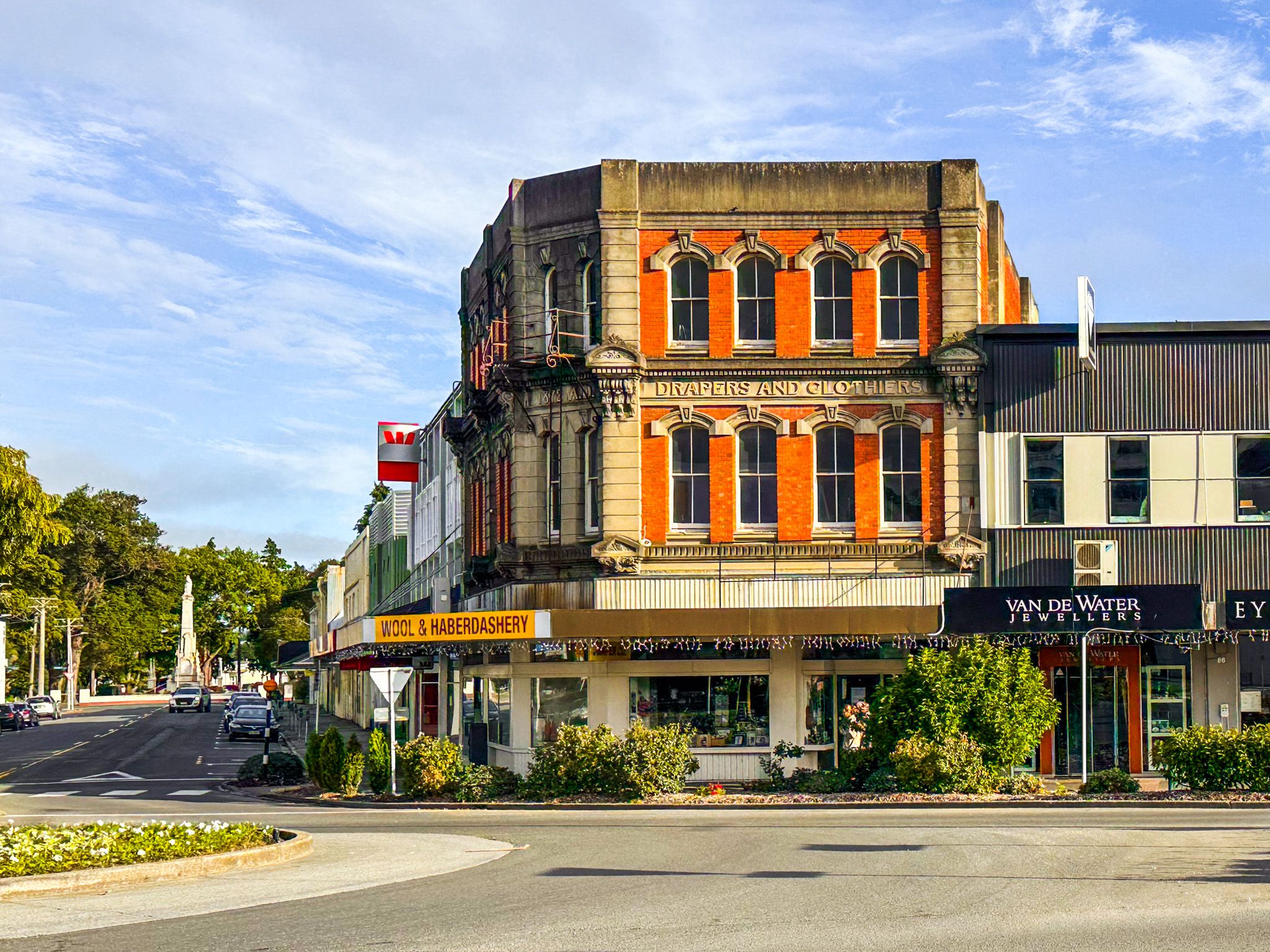
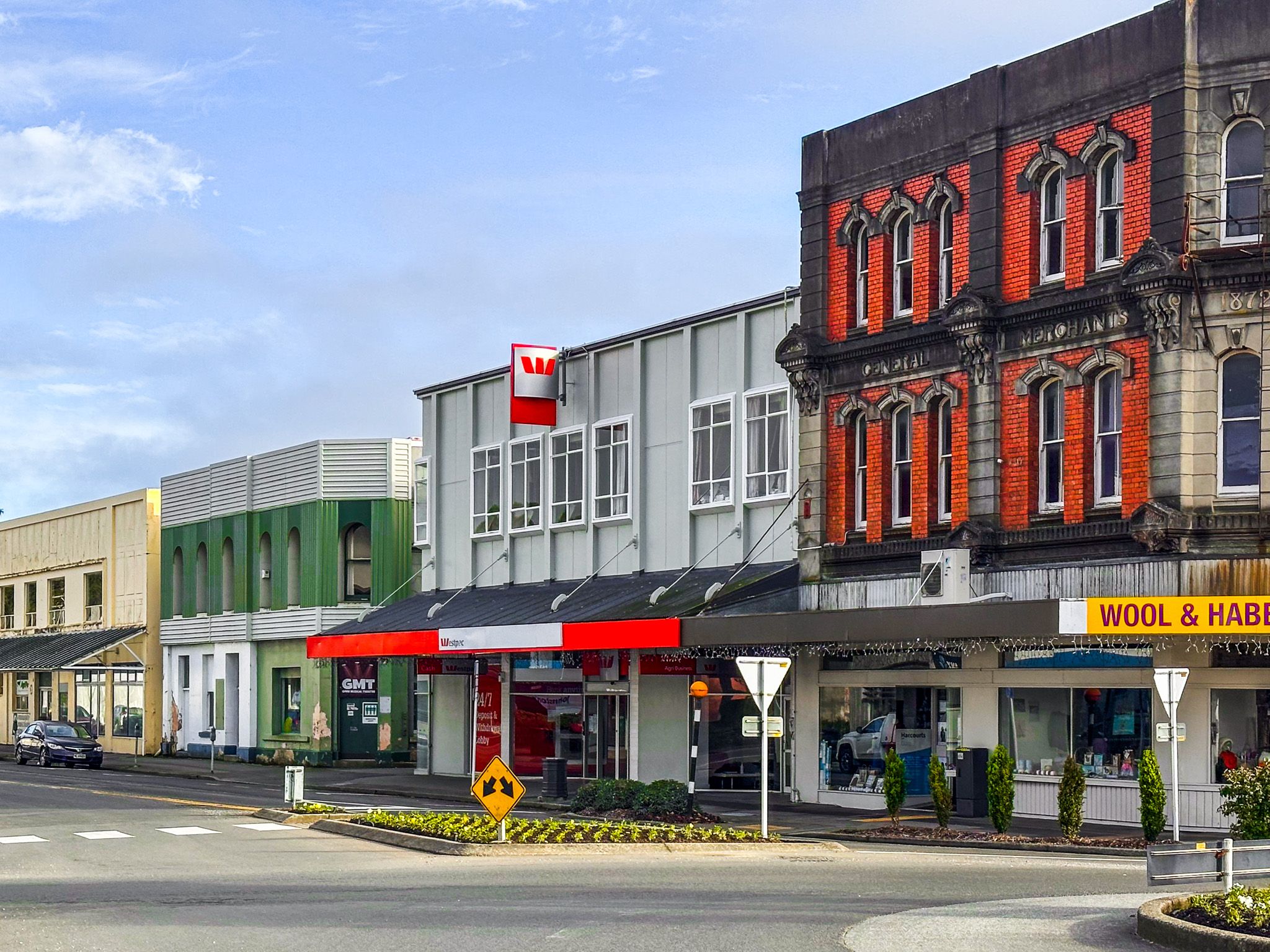
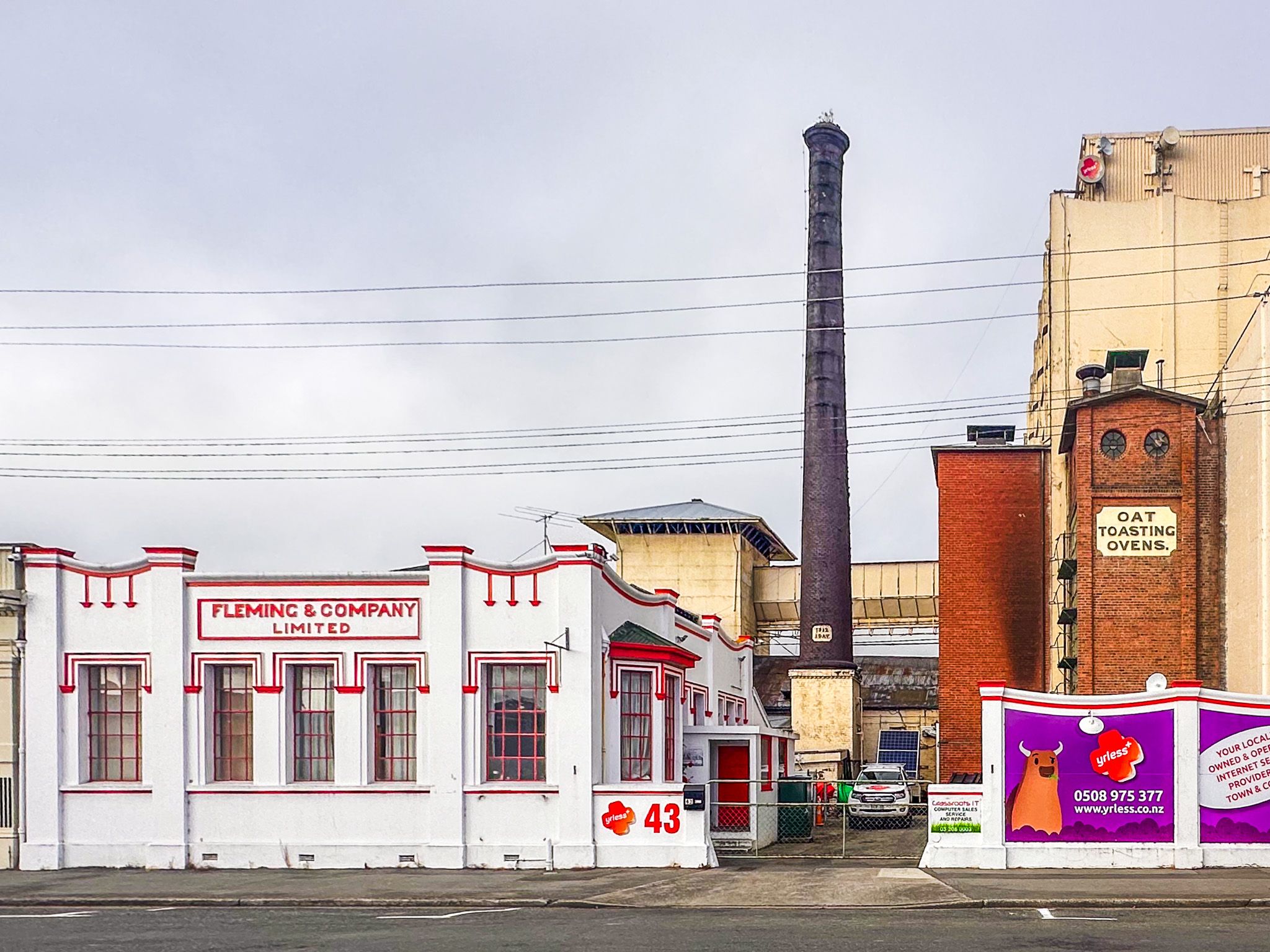
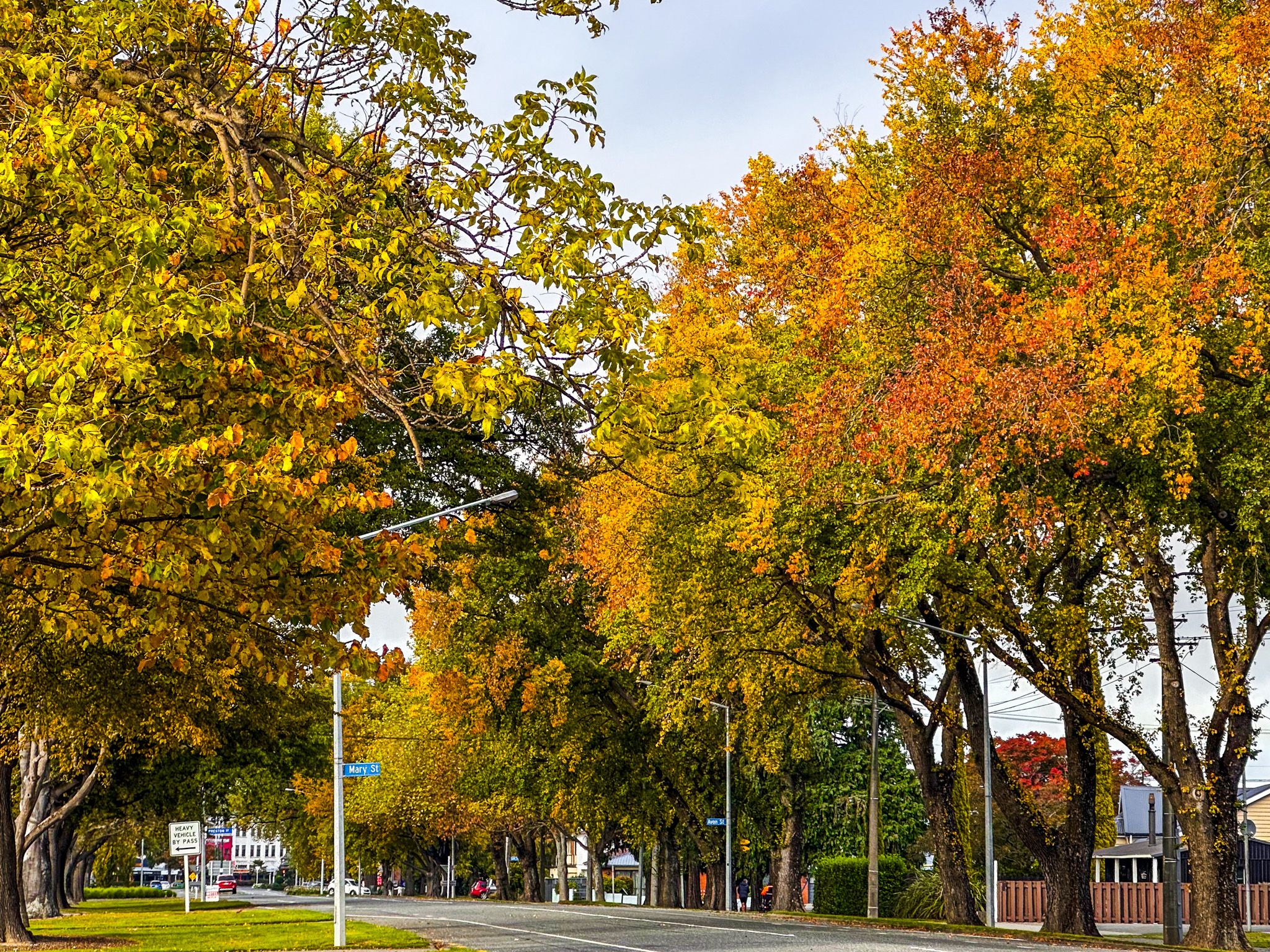
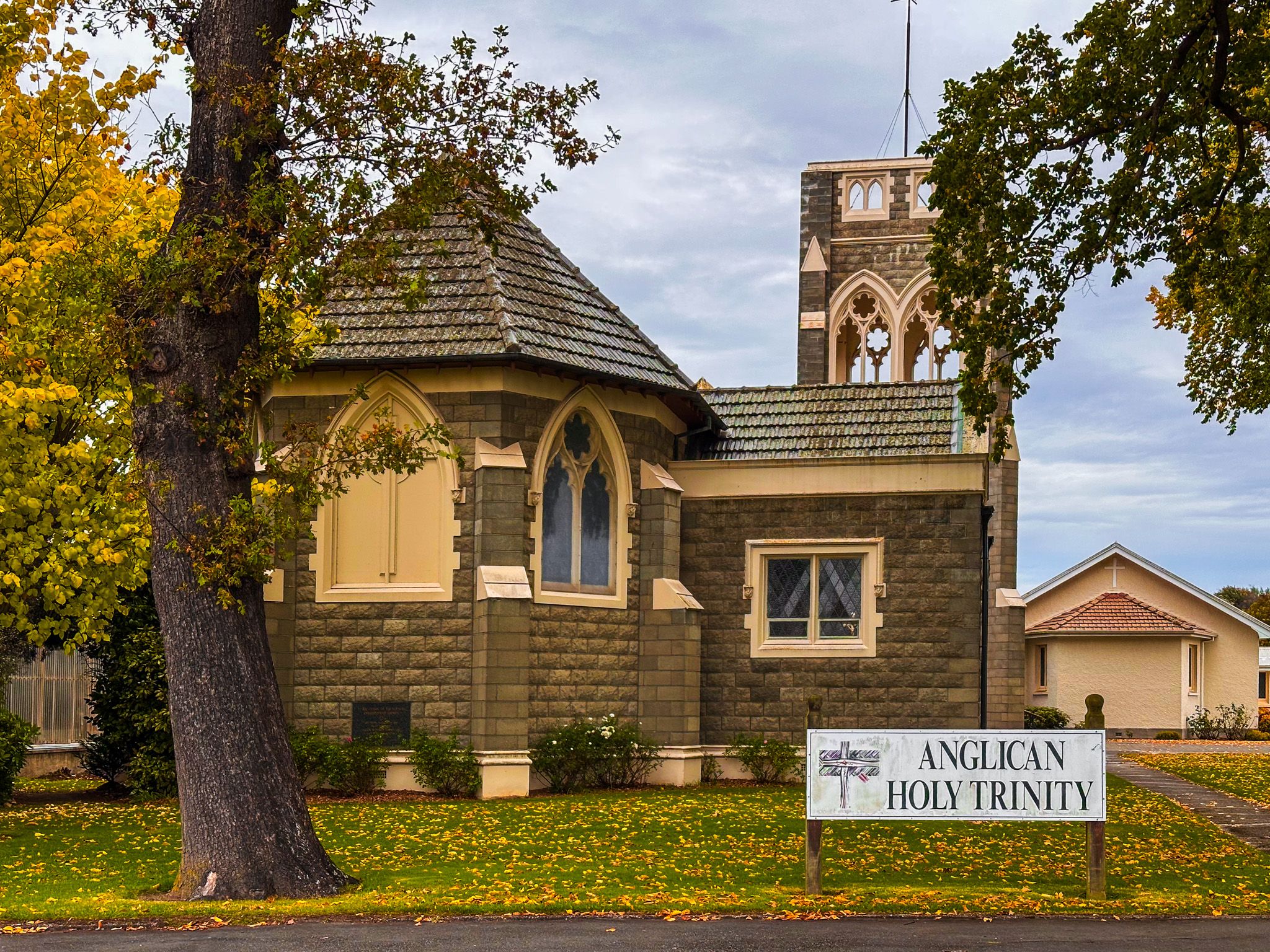
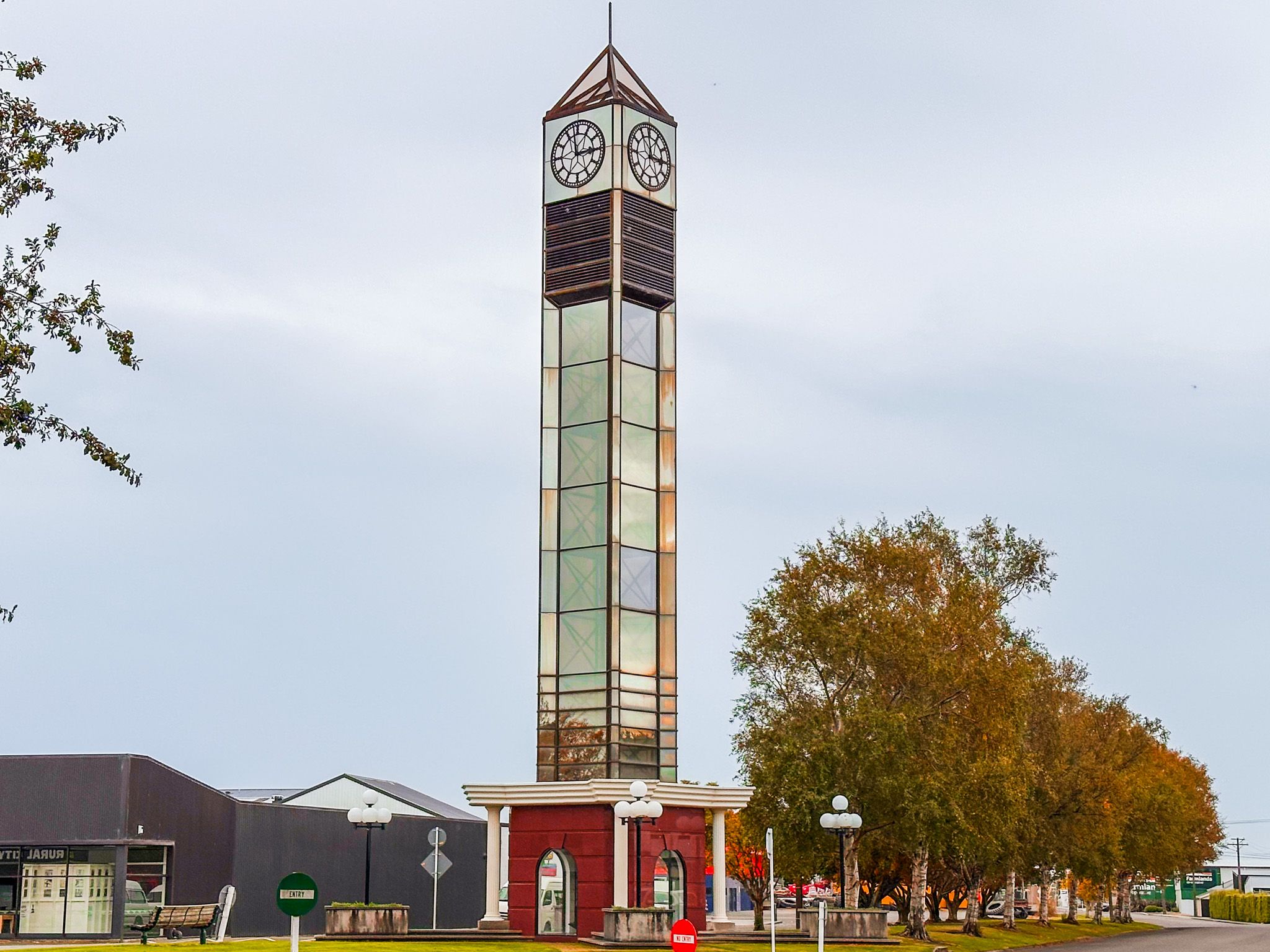
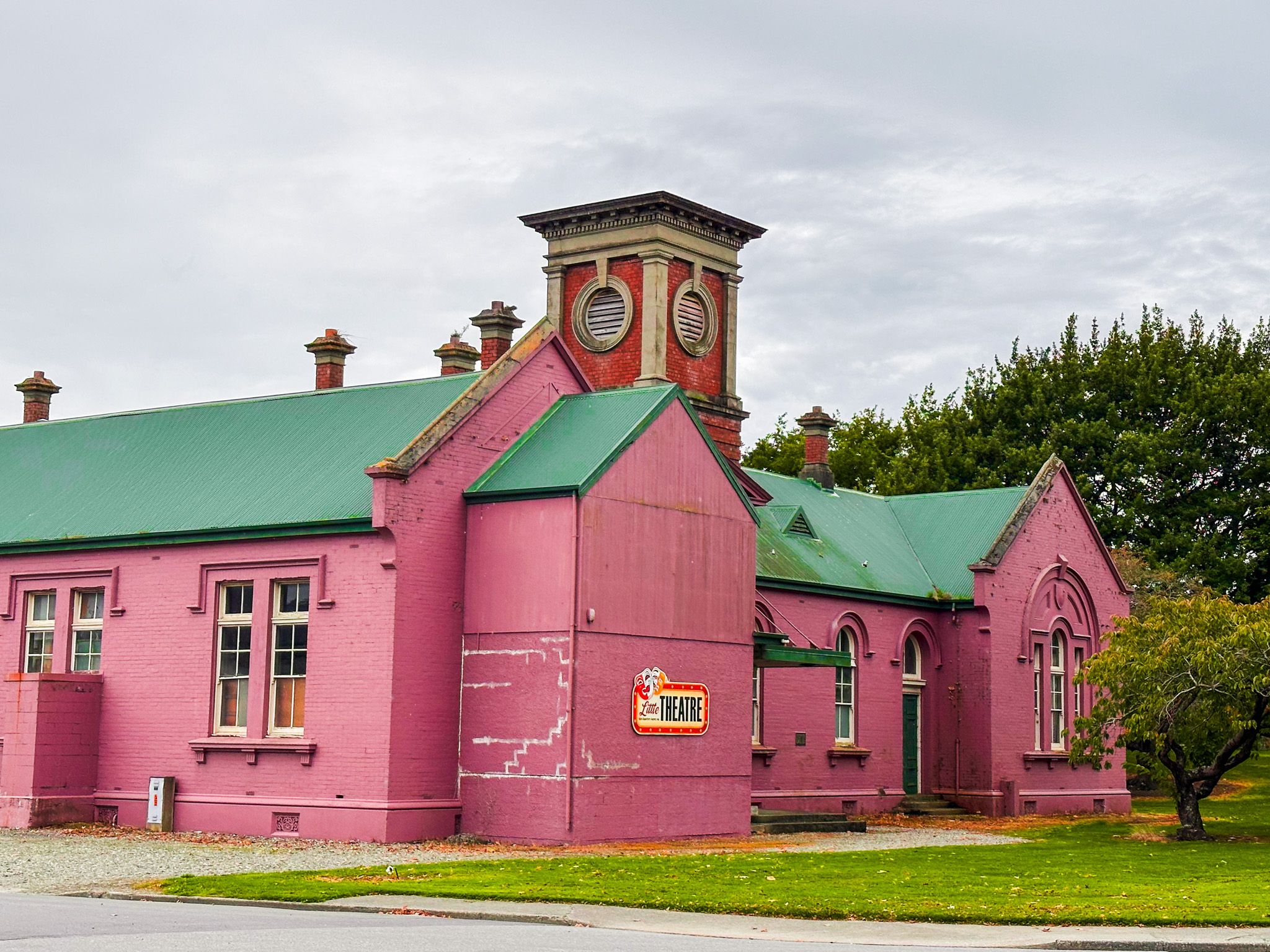
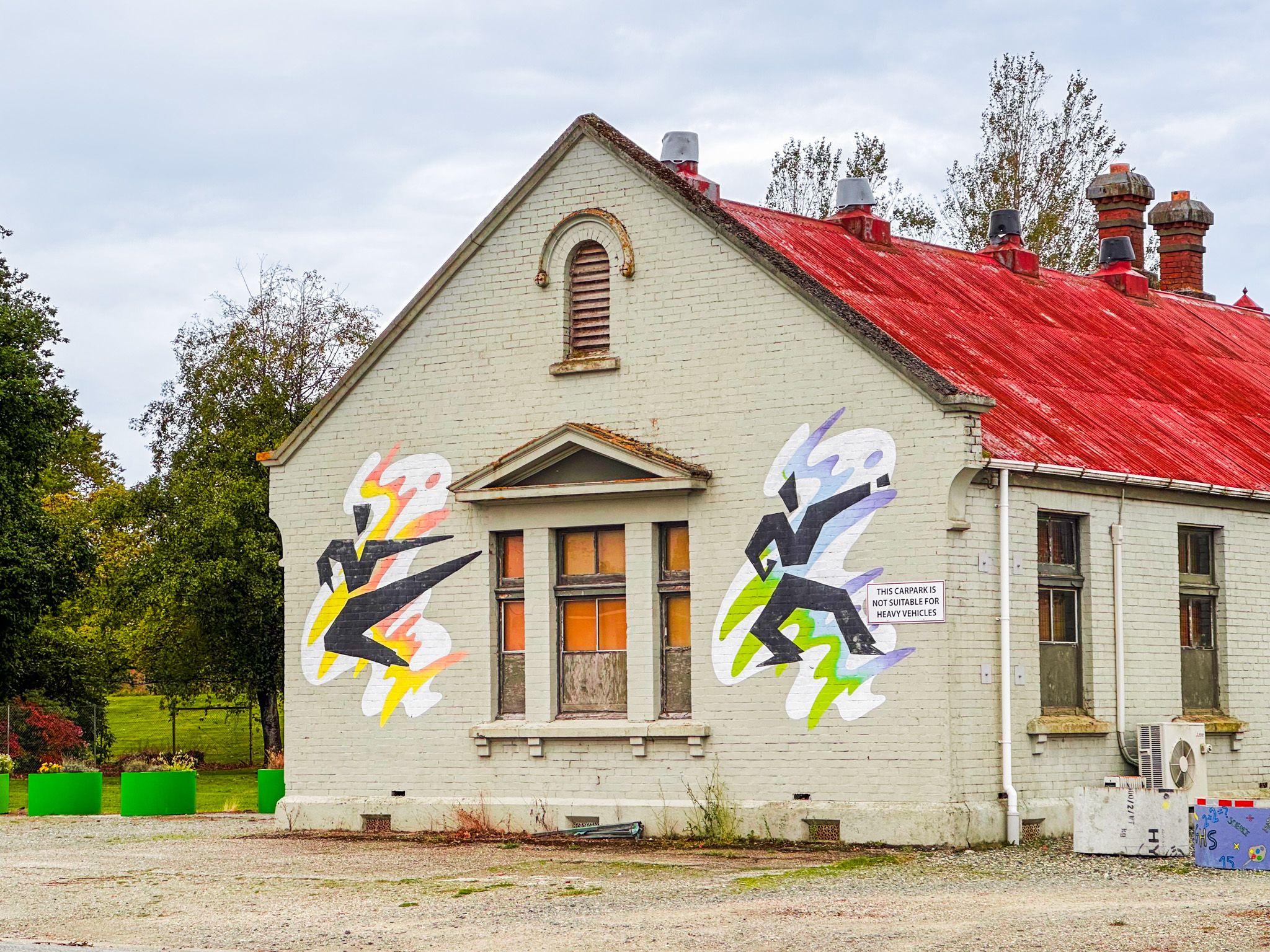
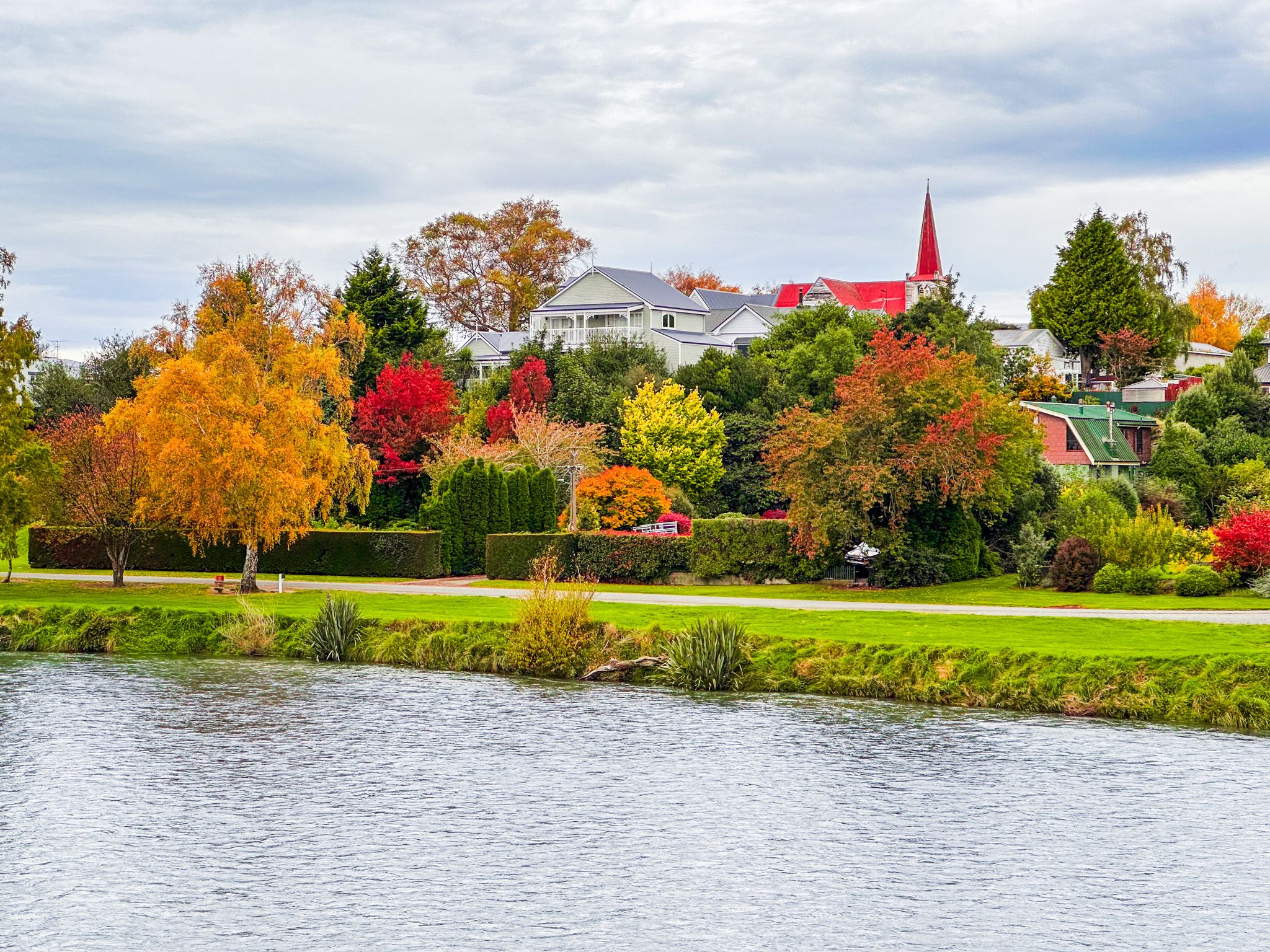
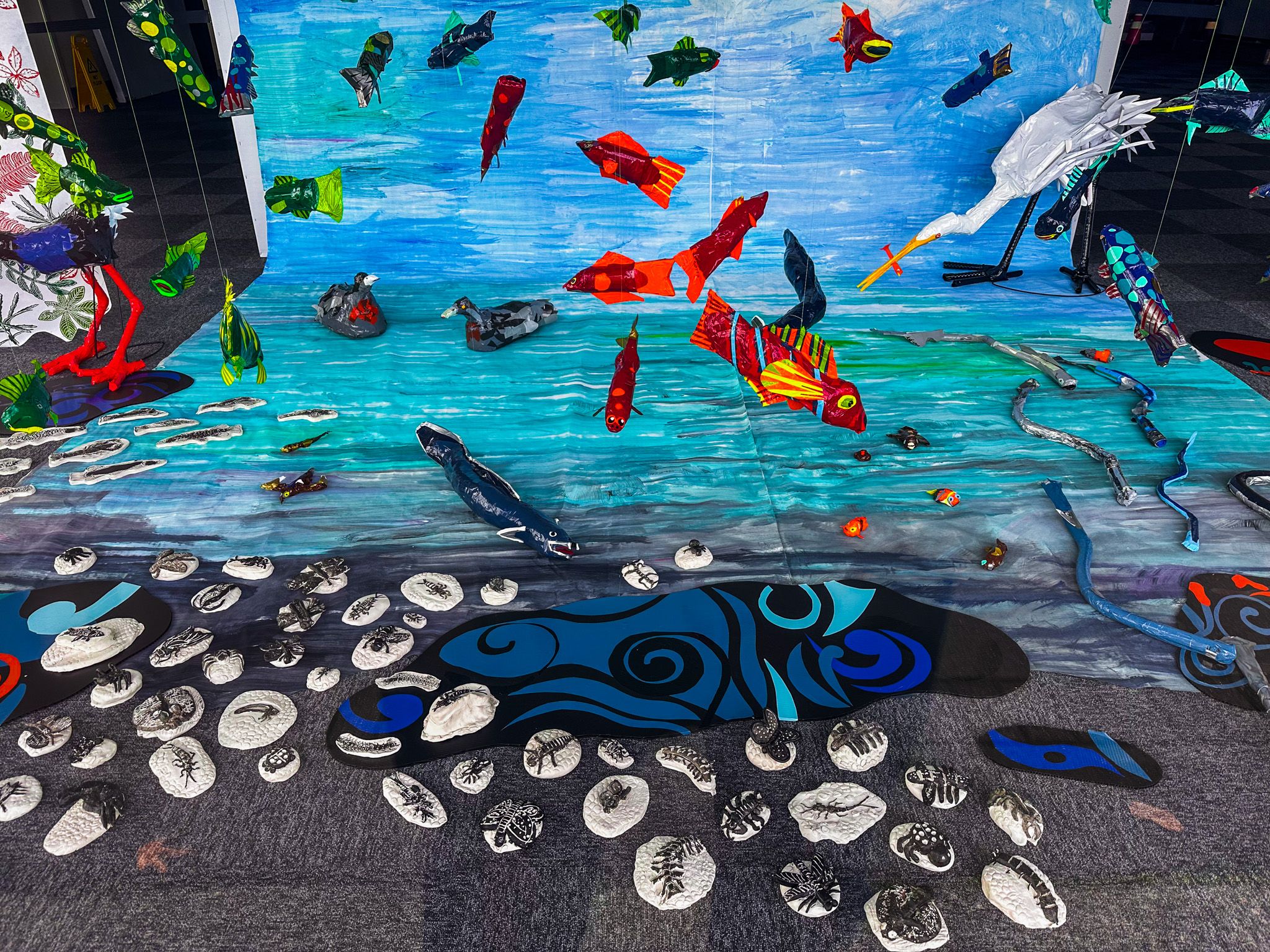
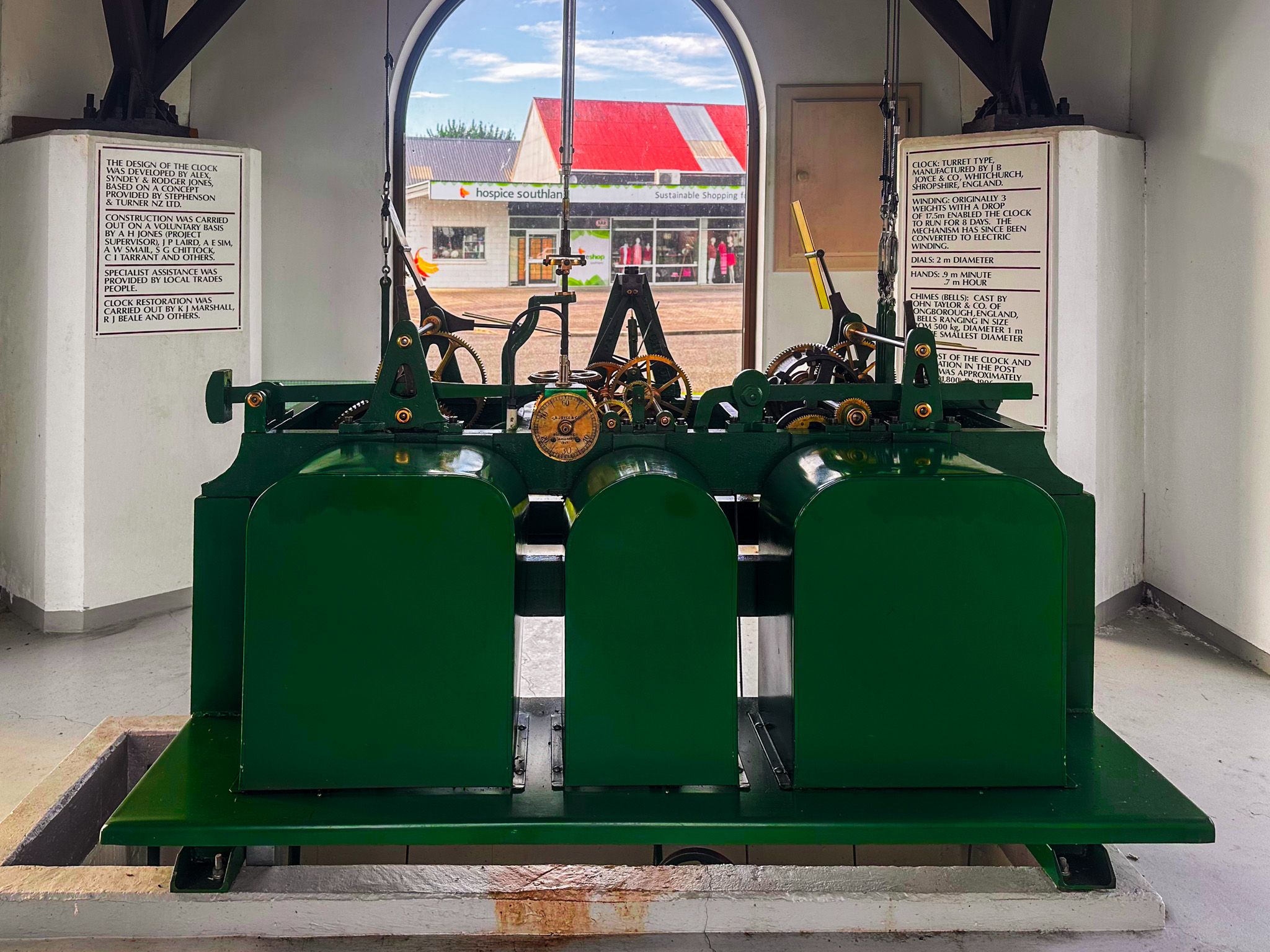
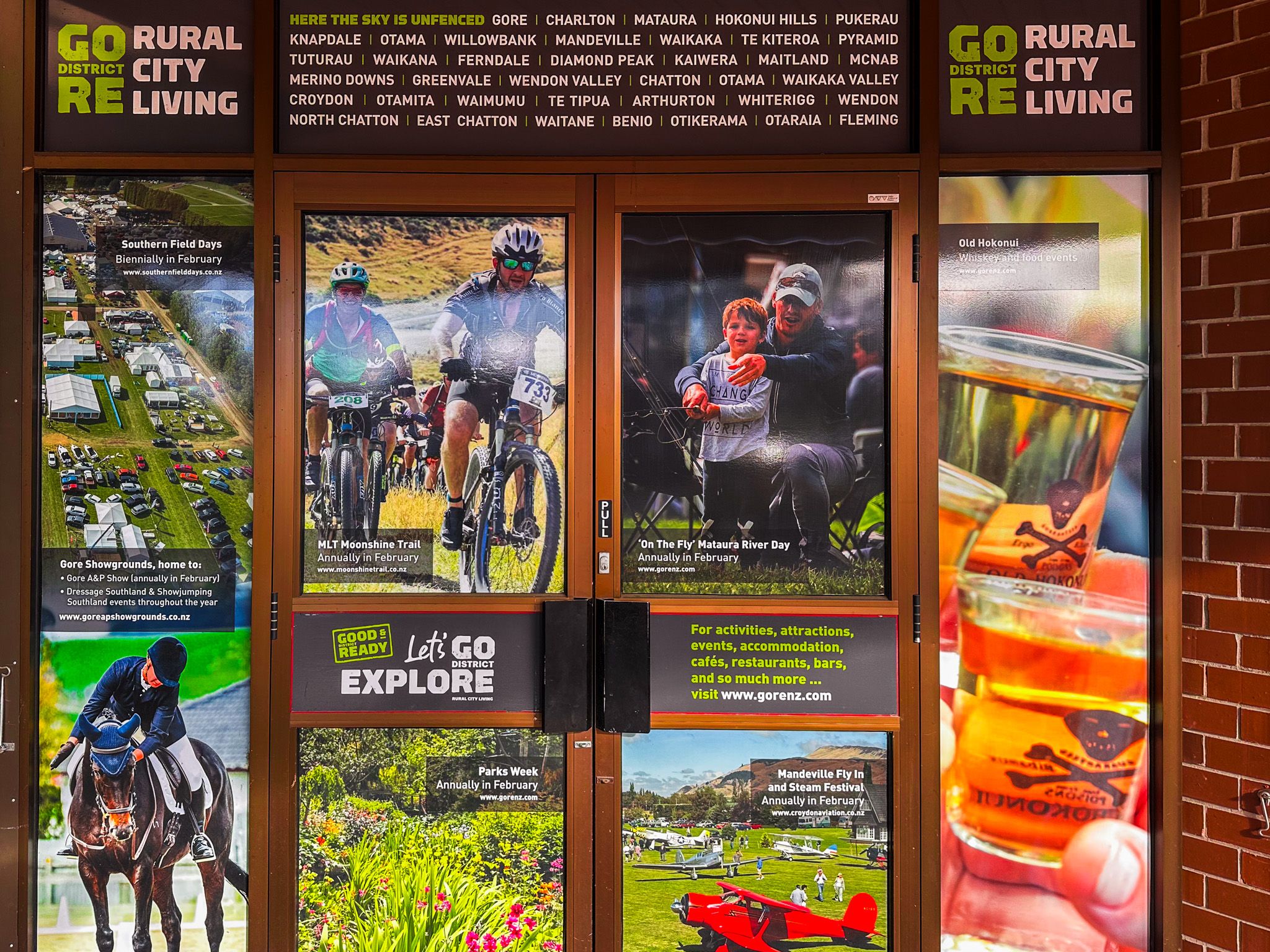
Around town, you’ll also notice a strong pride in presentation: well-maintained historic buildings, especially the notable Creamoata Factory, a photogenic clock-tower, and mature deciduous trees, especially striking in autumn at the north end. The colourful promotion of town and country living is also a feature for anyone tempted by a change to Southland pace.
Country Music Capital
In addition to claiming to be the world capital of trout fishing, Gore is also the “country music capital” of New Zealand. It holds the long-running annual Gold Guitar Awards and the Tussock Country Music Festival in May. Even if the everyday country music vibe seems quieter than it once was, the festival keeps the tradition visible and accessible.
Parks and Gardens
Gore’s Public Gardens is a pleasant in-town option. Closer to the northwest edge of town is beautiful Bannerman Park, also linked to Deer Park. This park is a lovely mix of flowers, shrubs and mostly exotic deciduous trees with a meandering stream, designed to provide year-round colour. Next door is Deer Park, where you can see deer up close.
How to Get There
Gore is located on State Highway 1, a 115-minute drive and 150 km from Dunedin, and a 50-minute drive and 64 km from Invercargill.
Nearby places to visit include Tapanui and the Blue Mountains, Leithen Glen, Kelso, and Tuapeka Mouth on the Clutha River / Mata-Au.