A Landmark at the Town Basin
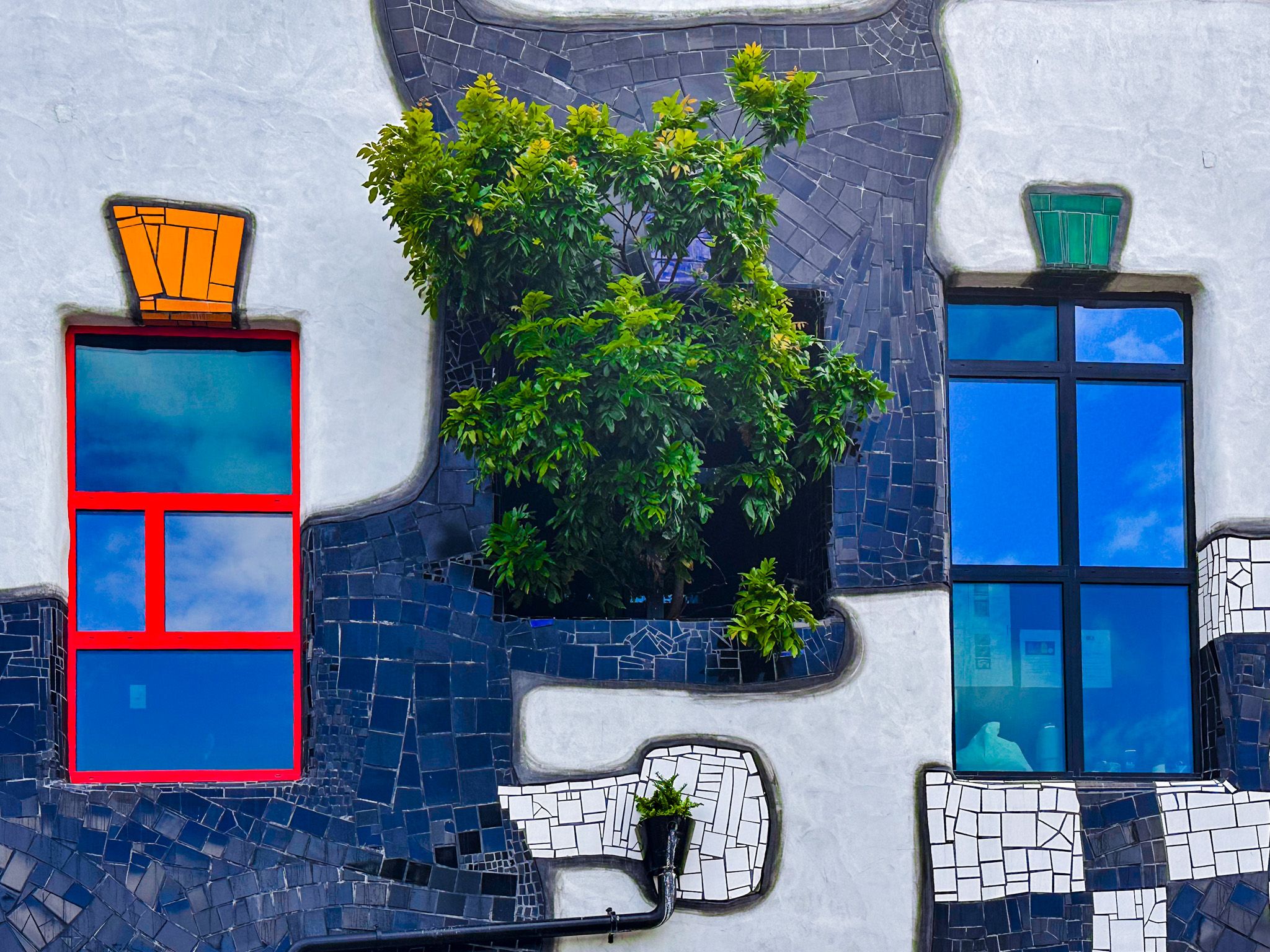
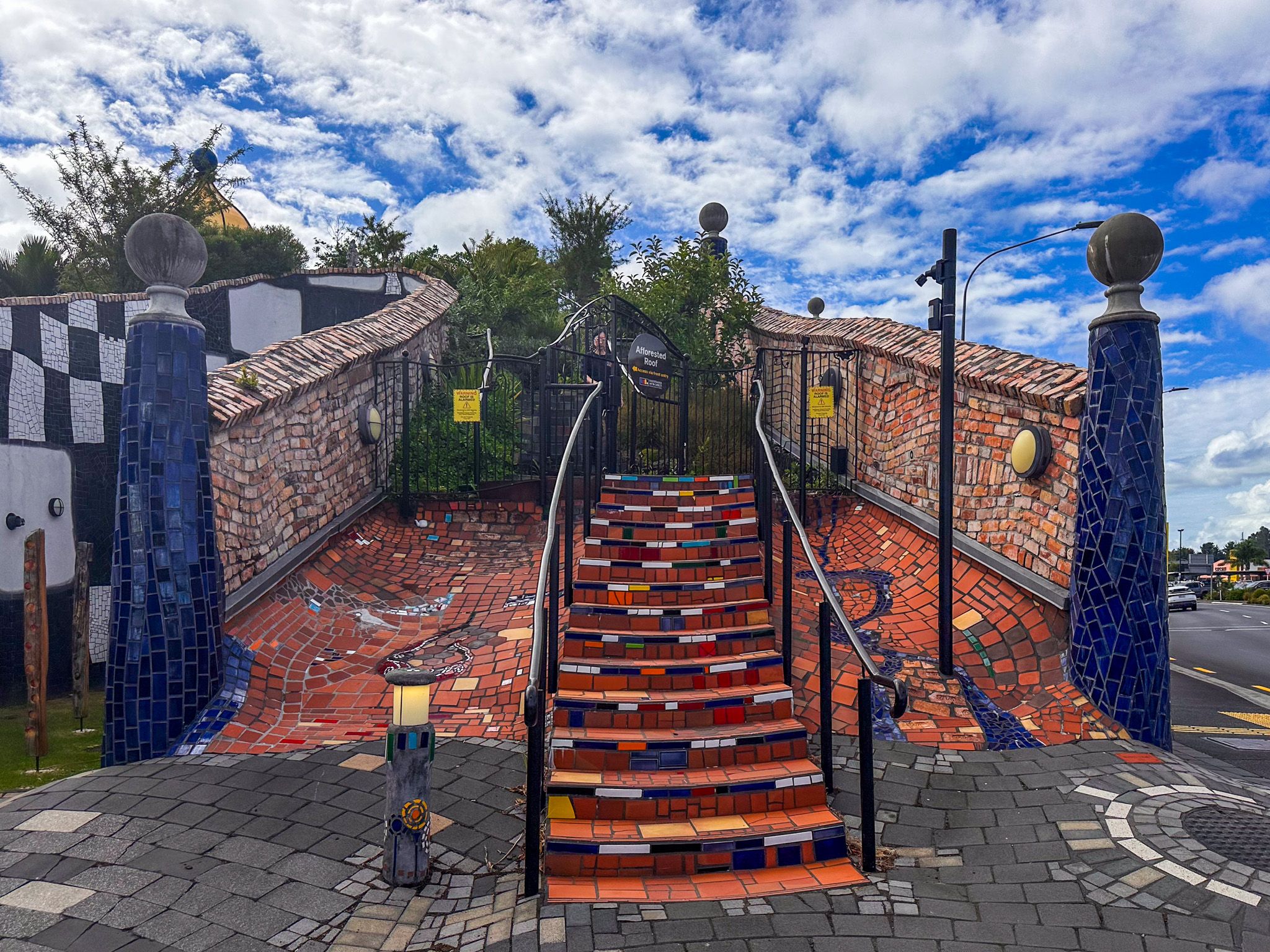
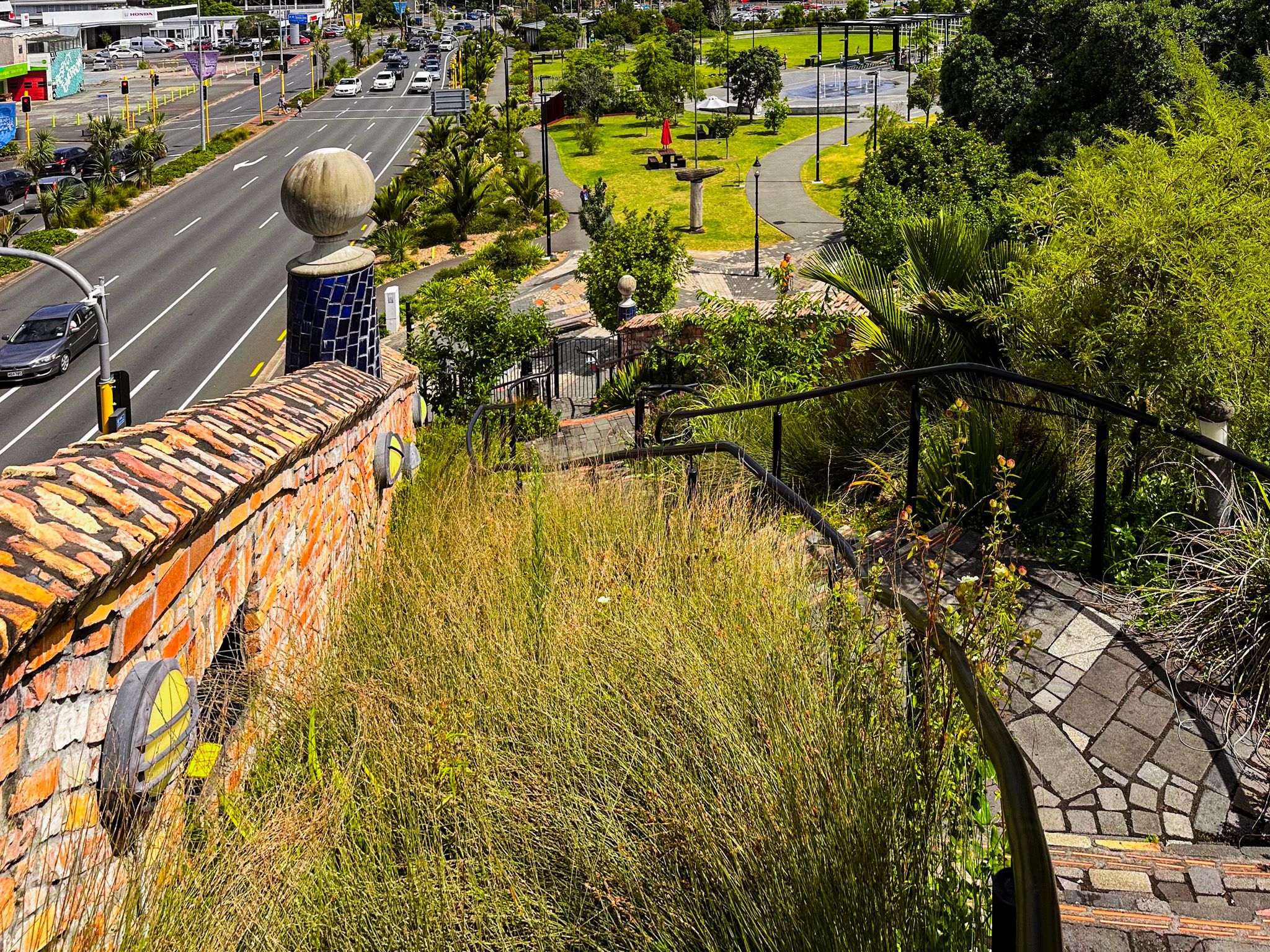
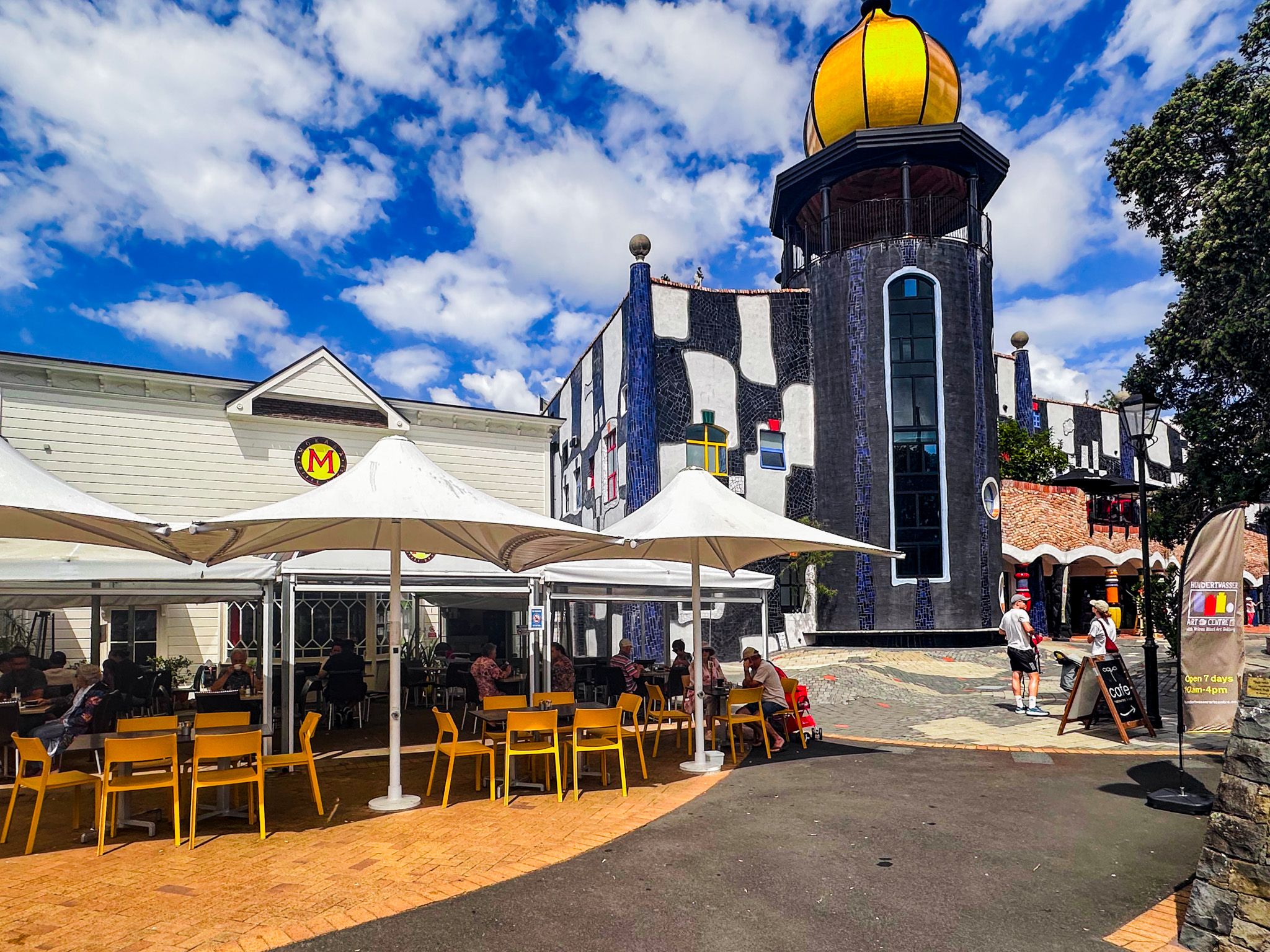
You’ll find the colourful, architecturally unique Hundertwasser Art Centre right on Town Basin of Whangārei in Northland, beside the marina and Hātea River path. It’s part gallery, part architectural experience. Even before you step inside, the organic shapes of the building and the surrounding walkway put you into the attraction. There is a modest fee to explore the gallery; however, the superb second-floor cafe with a view can be accessed separately via a wheelchair-friendly walkway.
Friedensreich Hundertwasser
Friedensreich Hundertwasser (1928–2000) was an Austrian artist and architect who also became known for environmental ideas and buildings that push back against straight lines. His work leans into bold colour, irregular shapes, playful surfaces, and the belief that nature should be brought back into cities rather than kept at arm’s length.
Hundertwasser first came to Aotearoa in the 1970s, then made it a second home, buying property at Waikare Inlet near Kawakawa. In Kawakawa, you can find his most famous NZ work: the colourful public toilets, created with community help and completed in the late 1990s.
The Development of the Gallery
The Whangārei story starts in 1993, when the city’s mayor invited Hundertwasser to design an art centre. Hundertwasser chose the waterfront marina site and sketched a building with a green roof, a golden dome, and a clear bicultural statement at the entrance. That idea eventually became the building you can visit today.
You’re walking into a community project as much as a design icon. After years of debate, local momentum was carried by a citizens’ initiative and fundraising effort, including Prosper Northland Trust, with prominent leadership from then-chair Barry Trass. A wider volunteer base kept pushing the project forward until it was built.
Inside, you’ll see original Hundertwasser works on loan from the Hundertwasser Foundation in Vienna, which supports an authentic, foundation-backed display in Whangārei. The centre operates with an agreement designed to protect Hundertwasser’s legacy and ensure the exhibitions remain true to the artist’s intent
Discovering the Art Collection
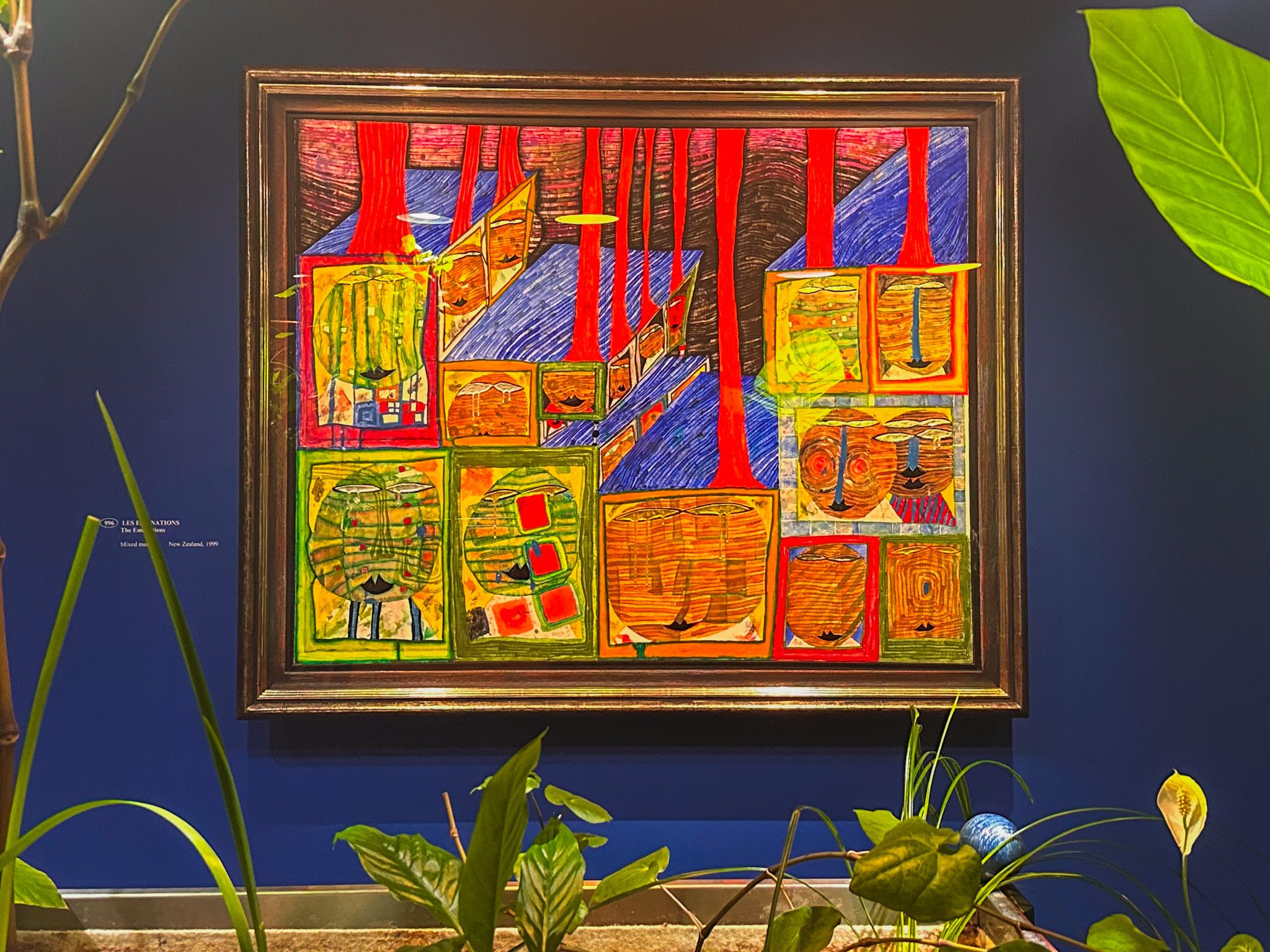
You can expect a strong “Hundertwasser in New Zealand” focus, with incredibly colourful original paintings, graphic works and tapestries. There are also documents and photos that link his art to his ecological thinking. A standout detail is the set of architectural models: you’ll see building designs represented as sculptural objects in their own right, which helps you understand how his ideas moved from sketches into the real-world space of the art centre.
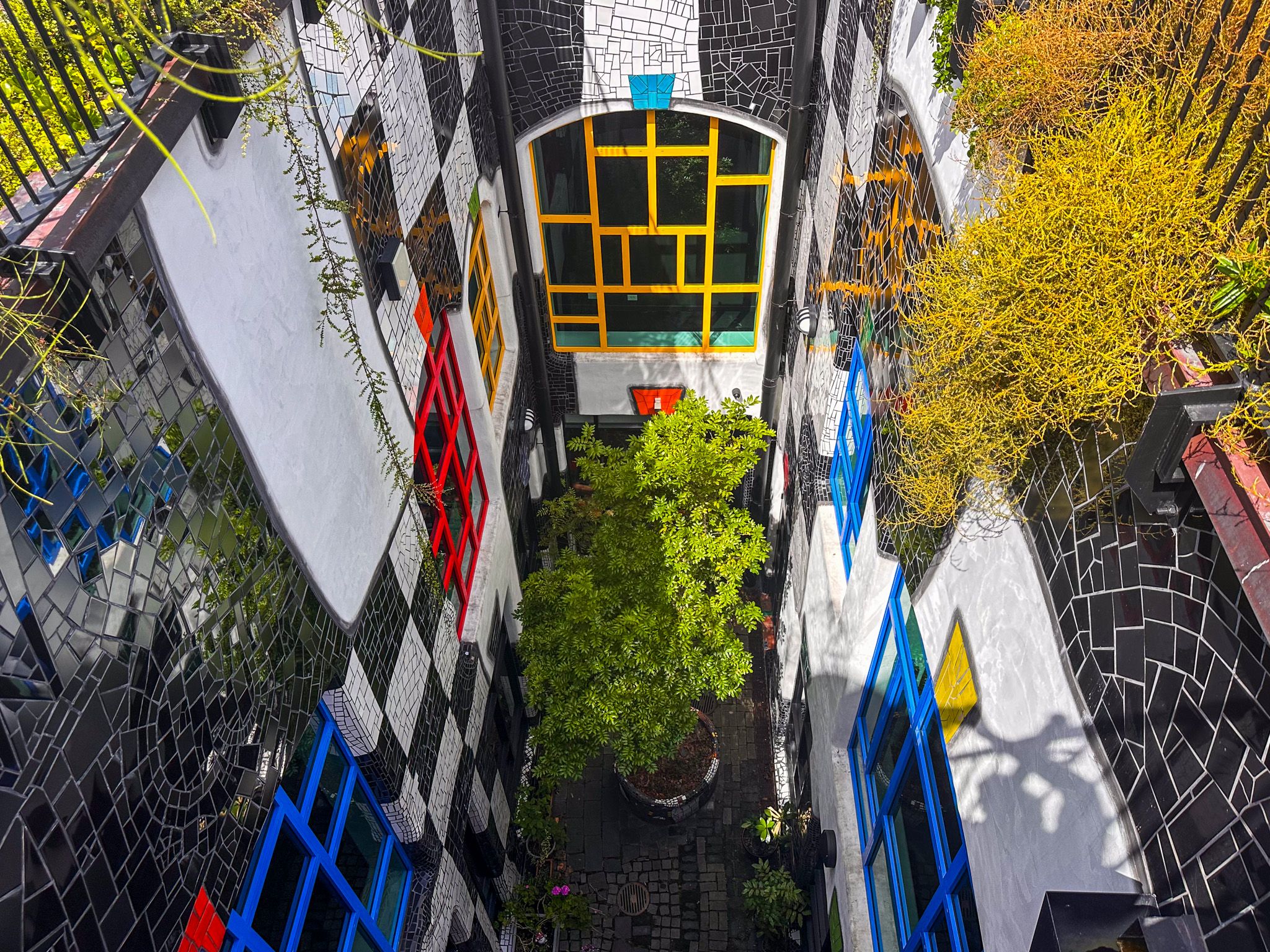
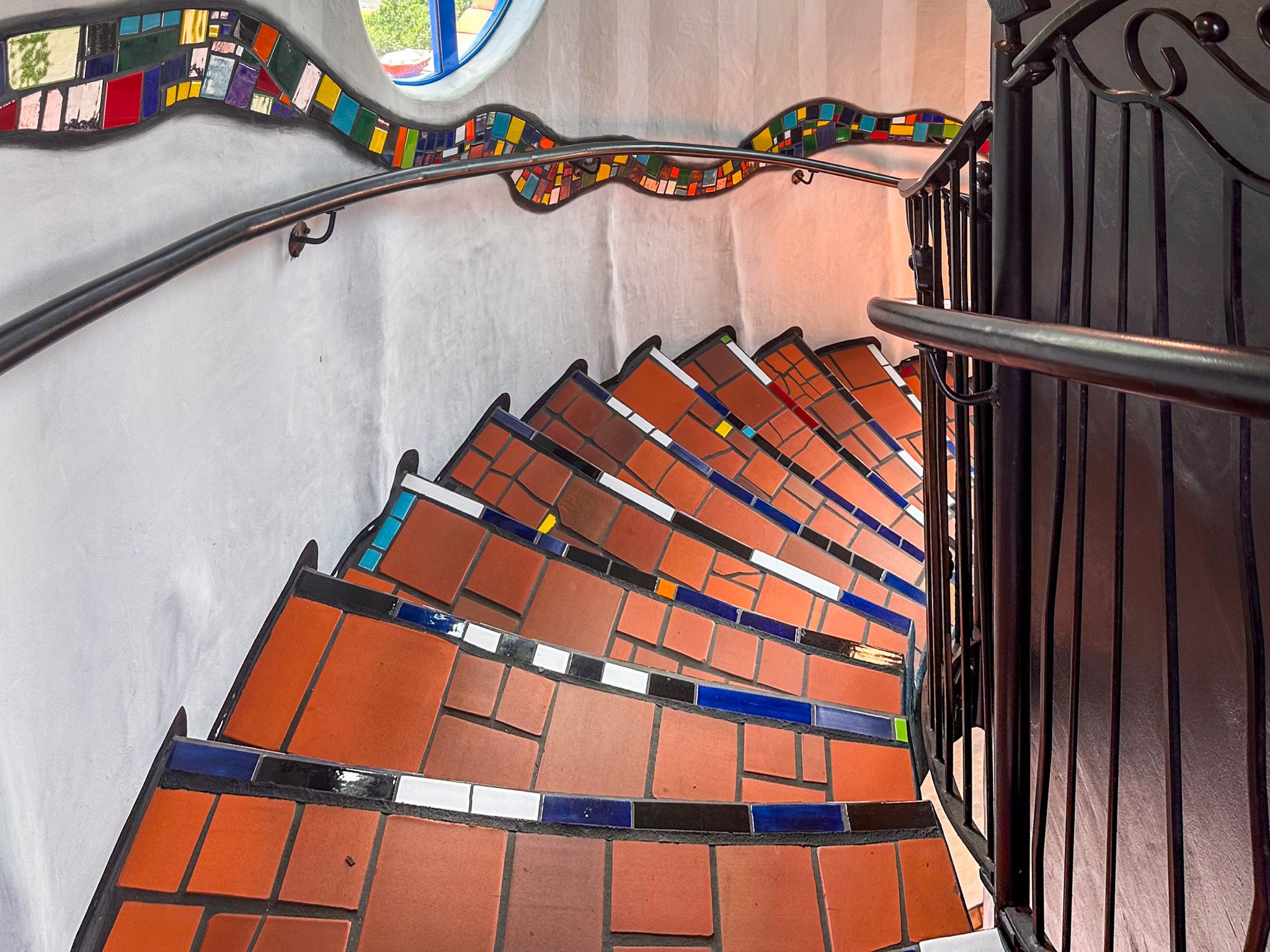
As you move through the building, you’ll notice the signature Hundertwasser feel: curves instead of straight corridors, uneven lines, strong contrast, mosaic-like surfaces, and a sense that you’re meant to wander rather than march from room to room. The whole place is built to feel alive and is often surprising.
Wairau Māori Art Gallery alongside Hundertwasser
In the same building, you’ll also experience the Wairau Māori Art Gallery, with an exhibition programme shaped through Māori curators and a focus on contemporary Māori art and customary practice. It’s designed to be a living programme rather than a static display, so what you see can change across seasons and exhibitions.
Discover the Rooftop Garden and the Golden Cupola
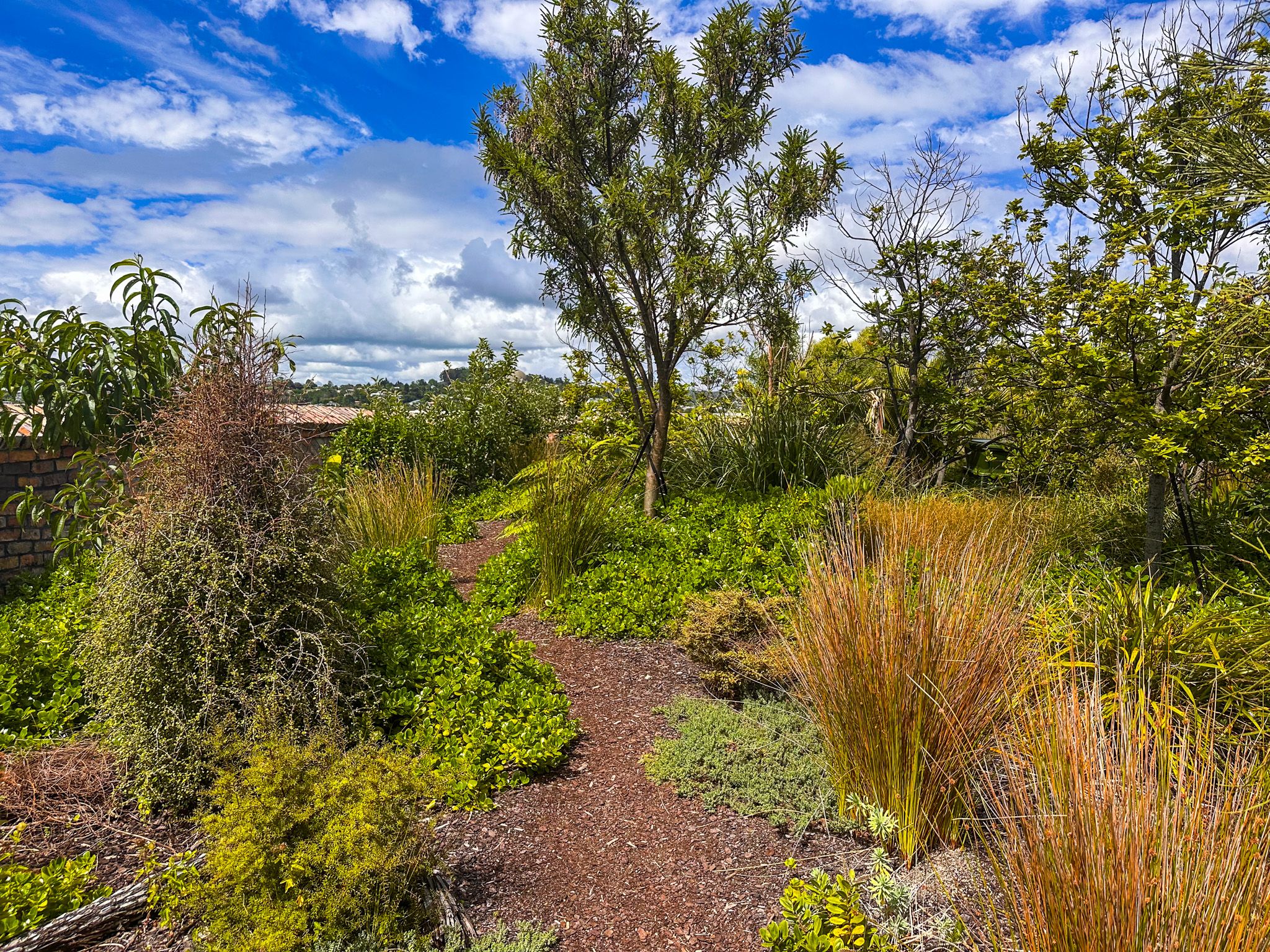
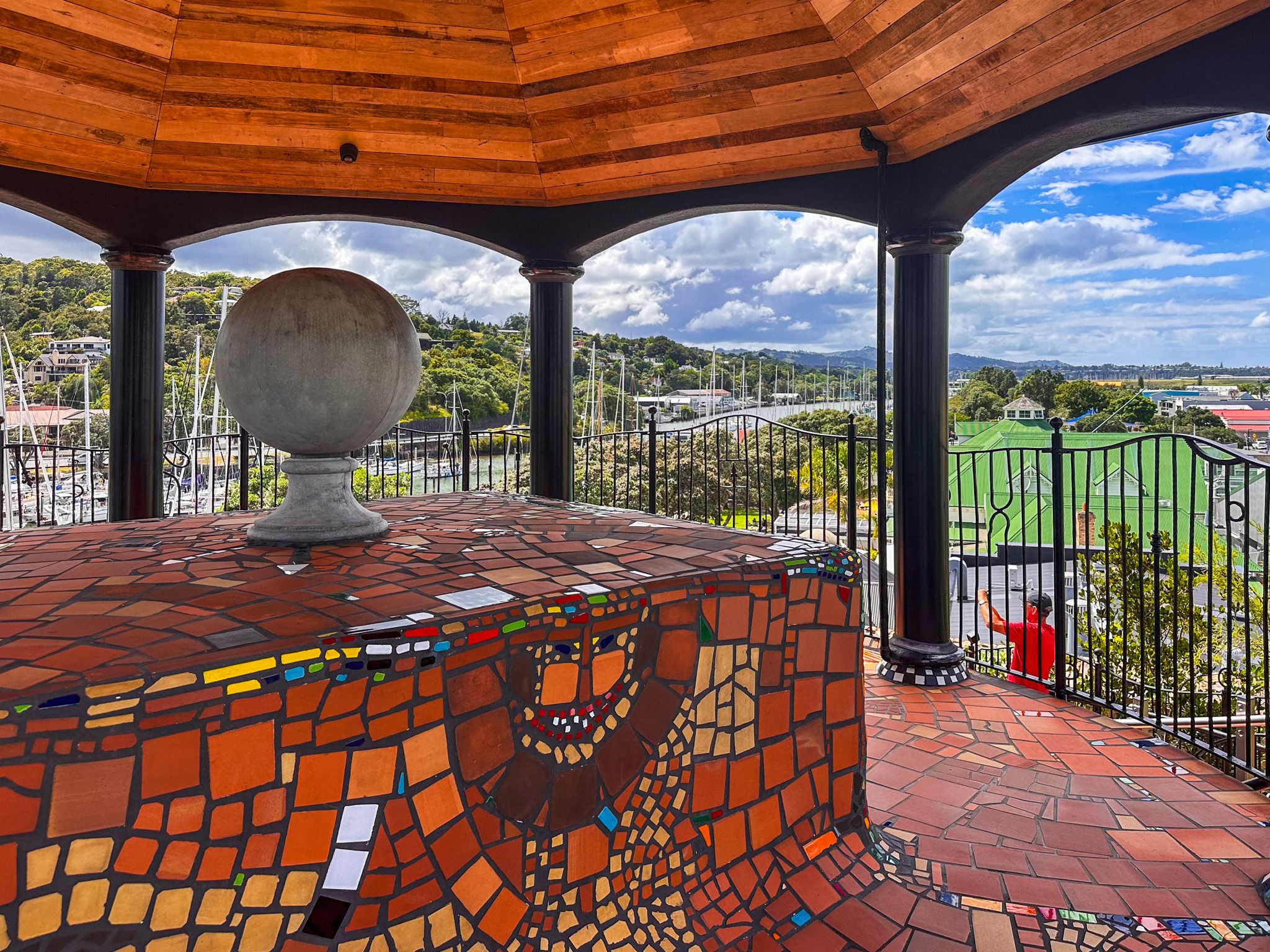
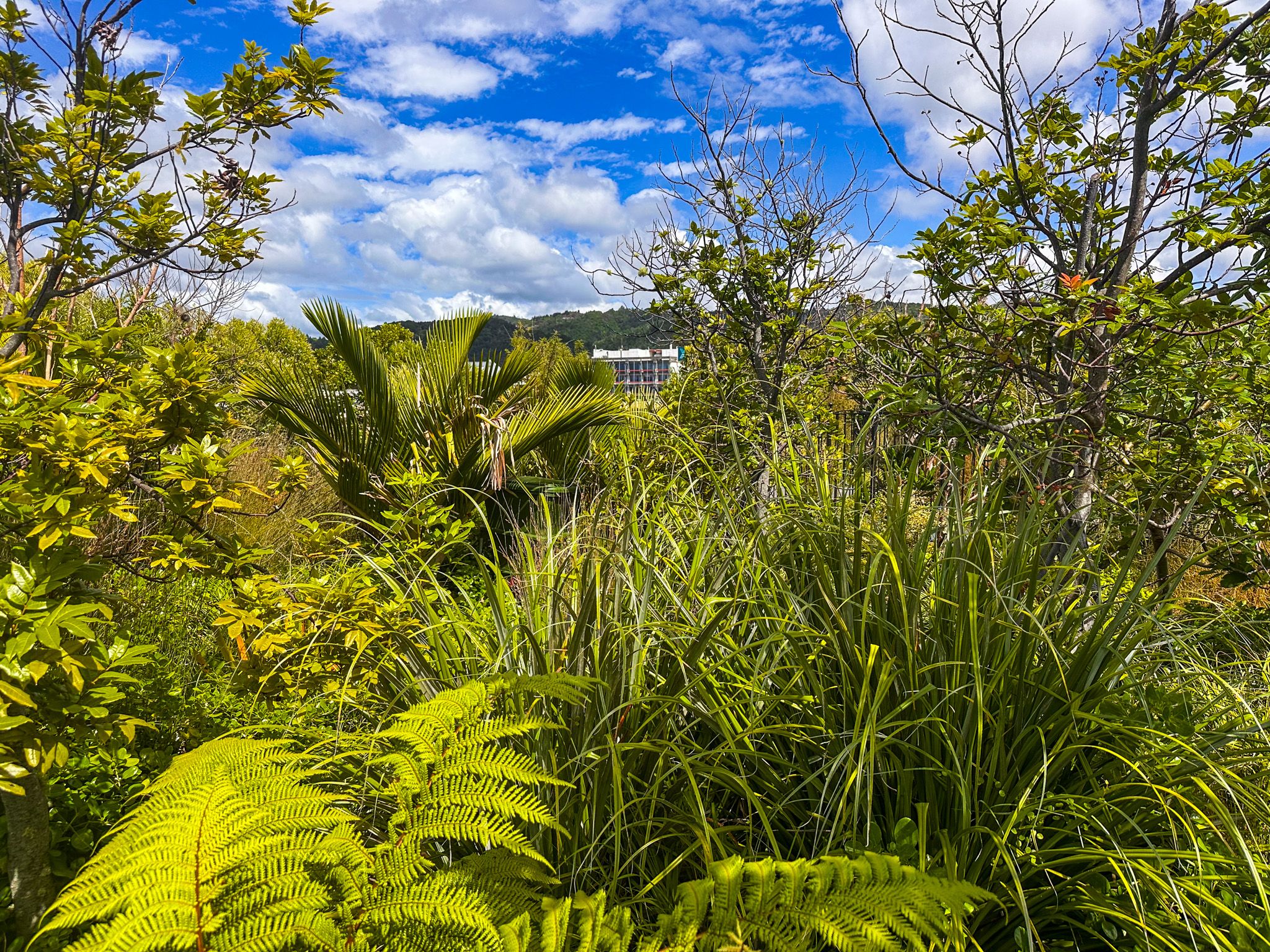
Make time for the roof. Your ticket gives you access to the afforested rooftop garden, where you walk through a “forest in the sky” of around 4,000 plants, including fruit trees, indigenous trees, and rare native species grown in Northland. You reach the roof via the stairwell (be aware of the uneven steps!) or lift. A short walk then takes you to the golden cupola for sweeping views over the Hātea River, the marina, and Whangārei’s townscape. Note the koru flag, designed by Hundertwasser and promoted as an alternative flag for Aotearoa New Zealand.
How to Get There
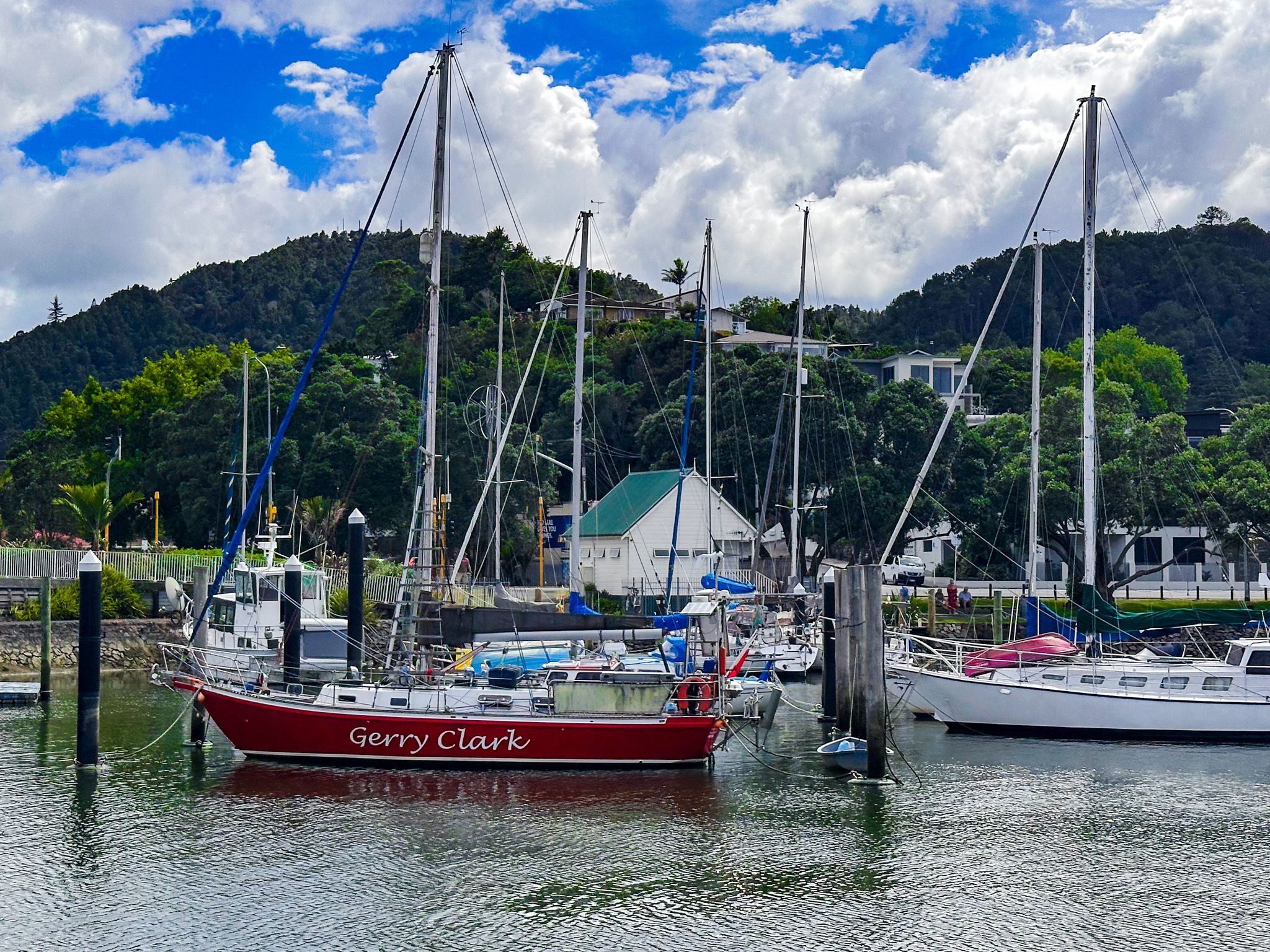
Head to Whangārei Town Basin and you can’t miss the striking Hundertwasser Art Centre. Once you’re done inside, you can step straight back onto the waterfront for a slow wander past the moored yachts, cafés, and the Hātea Loop riverside paths.