Exploring Kawarau Gorge
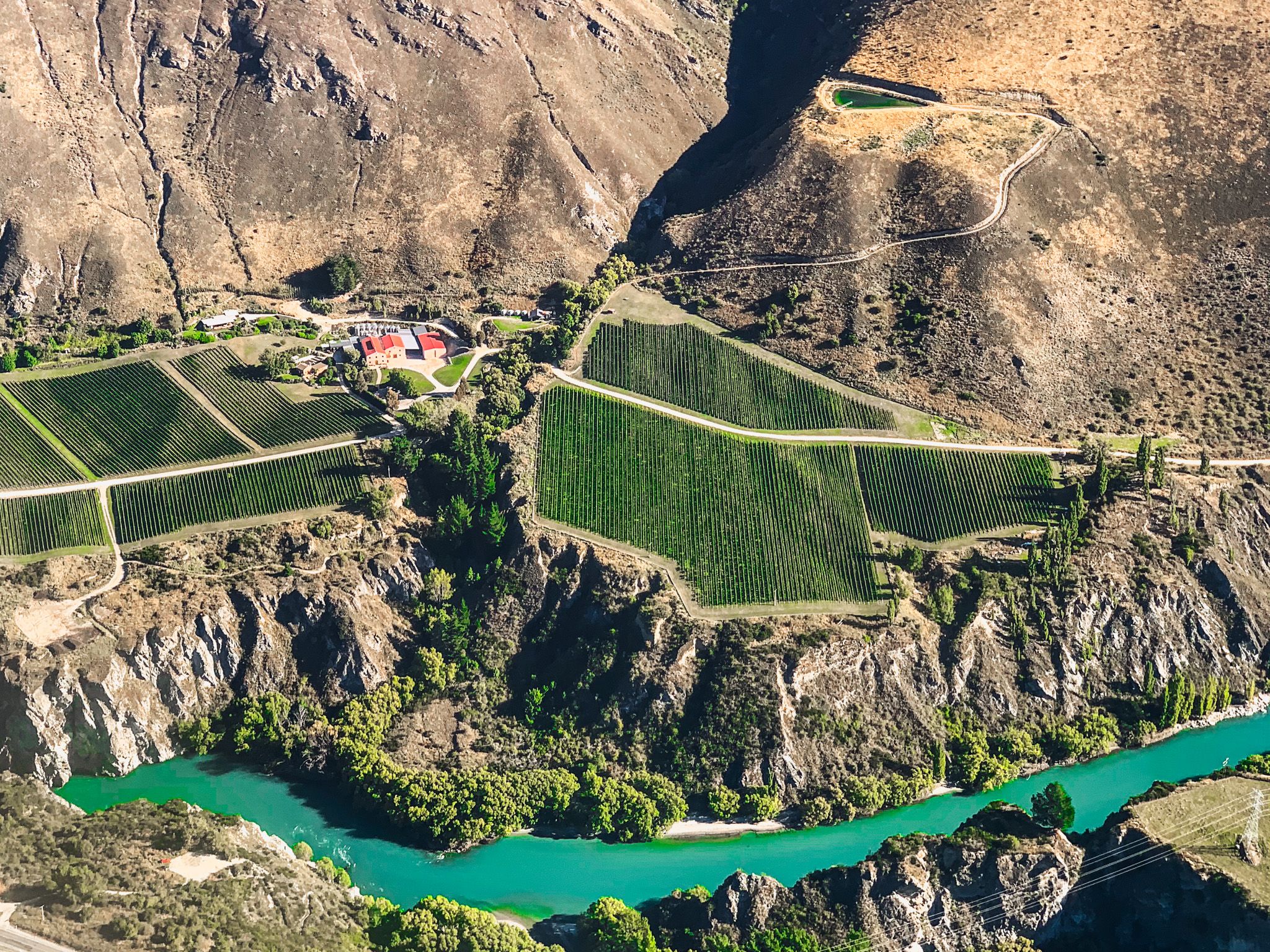
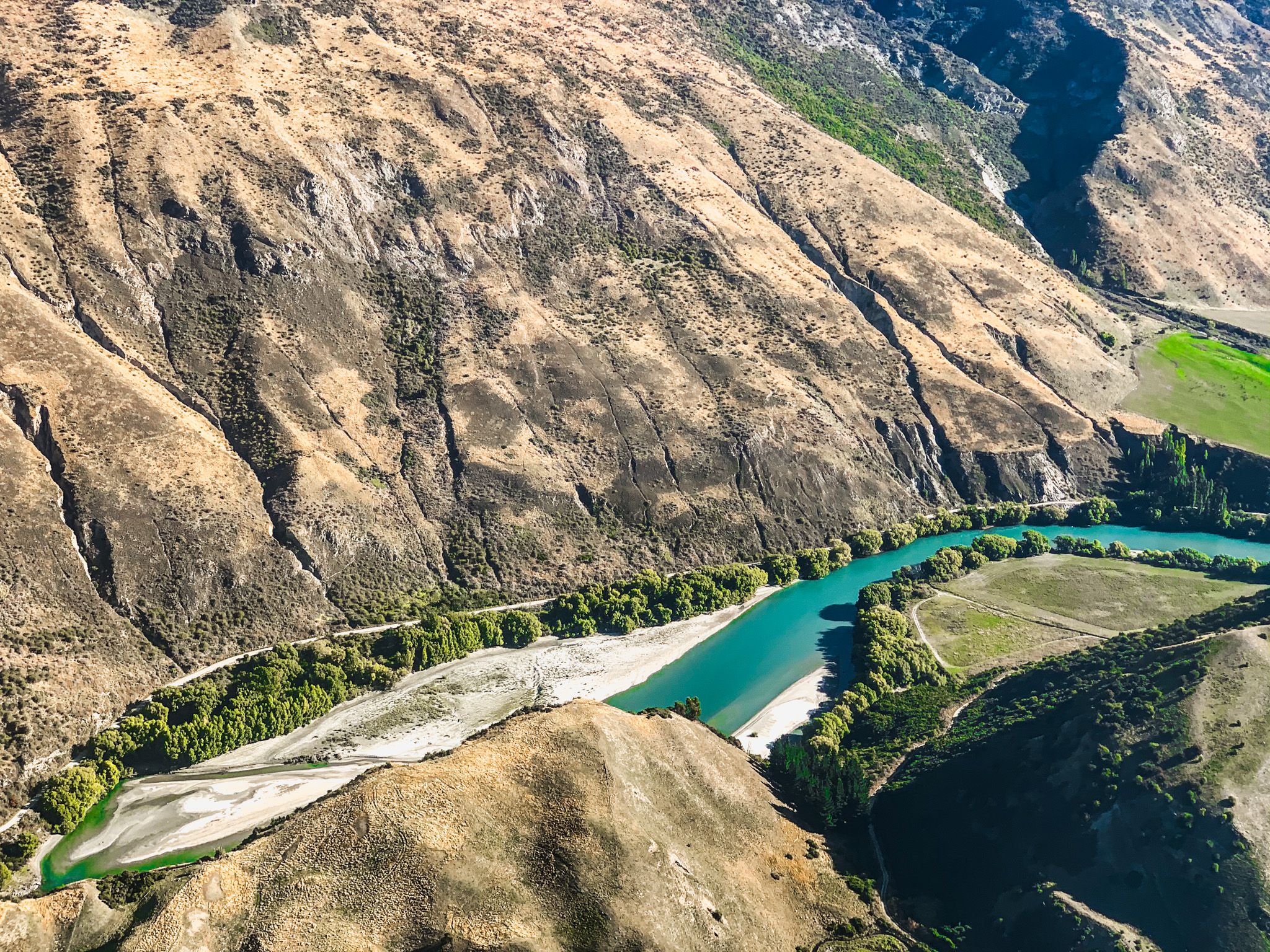
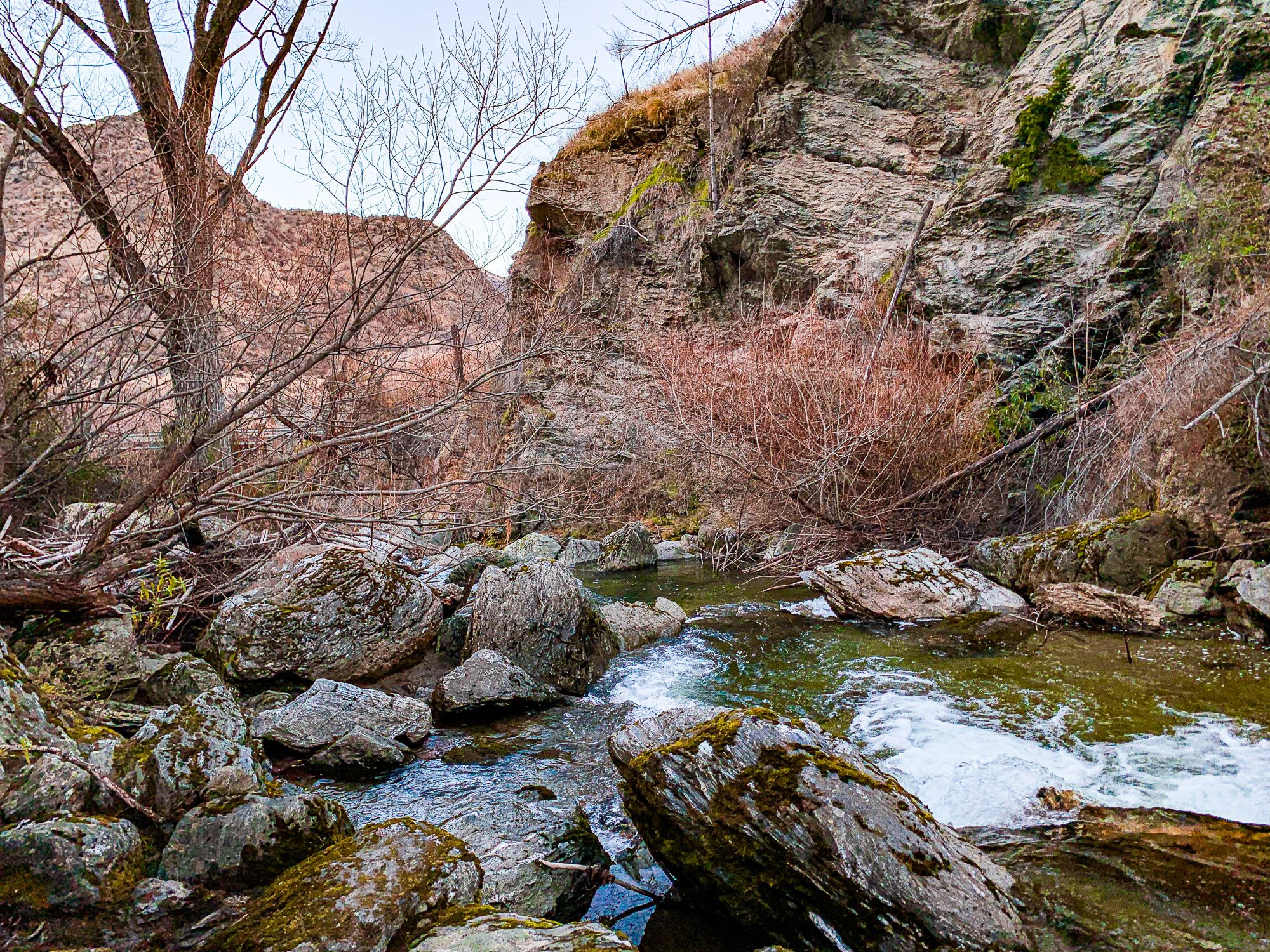
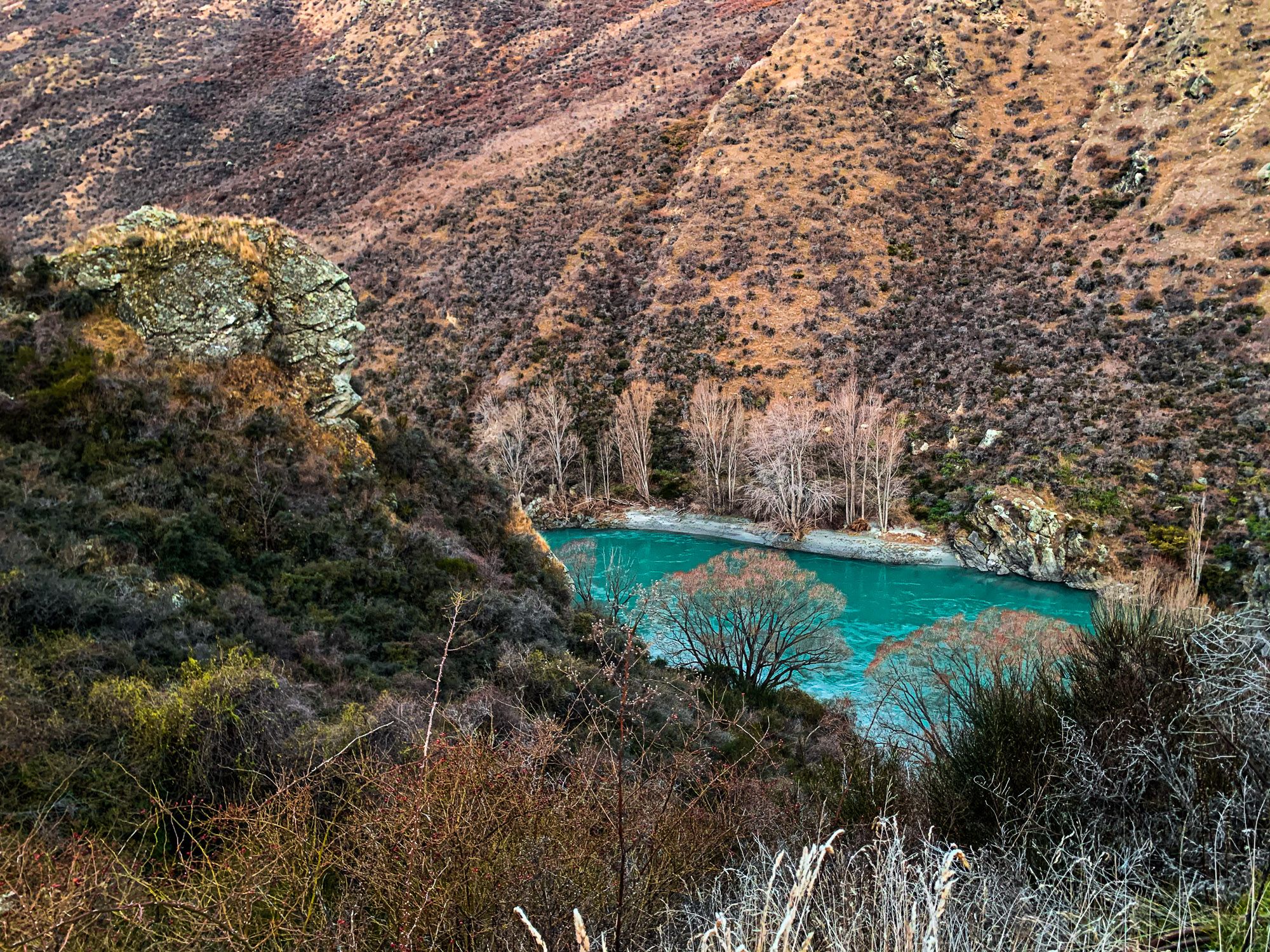
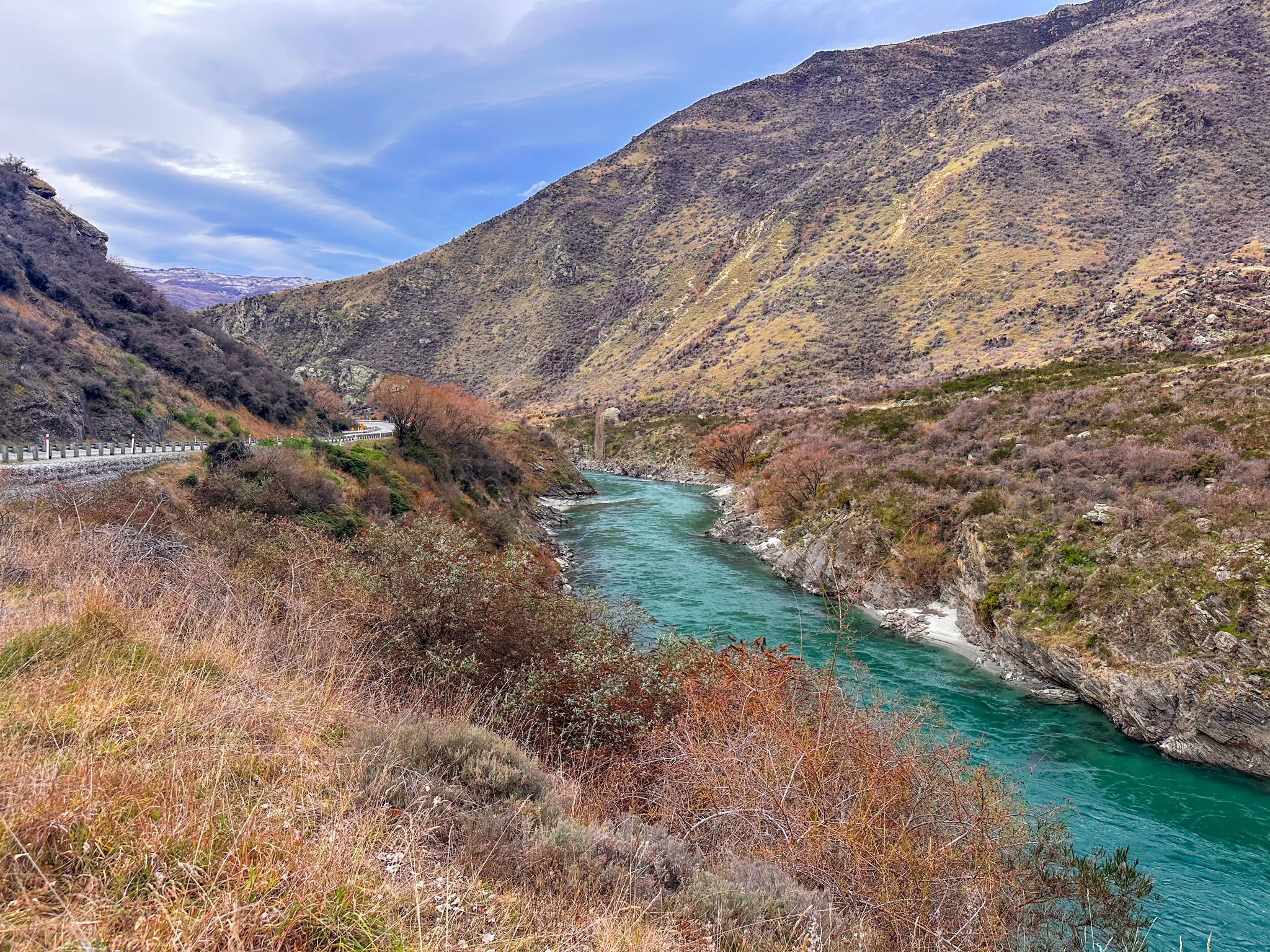
Kawarau Gorge carves a dramatic path between Queenstown and Cromwell on State Highway 6, where the Kawarau River has sculpted a spectacular route through ancient schist rock. This scenic corridor is world-famous as the birthplace of AJ Hackett commercial bungy jumping, but its story stretches back centuries through Māori travel routes, gold rush fever, pioneering engineering, and hydroelectric innovation.
Māori History: The Ancient Crossing
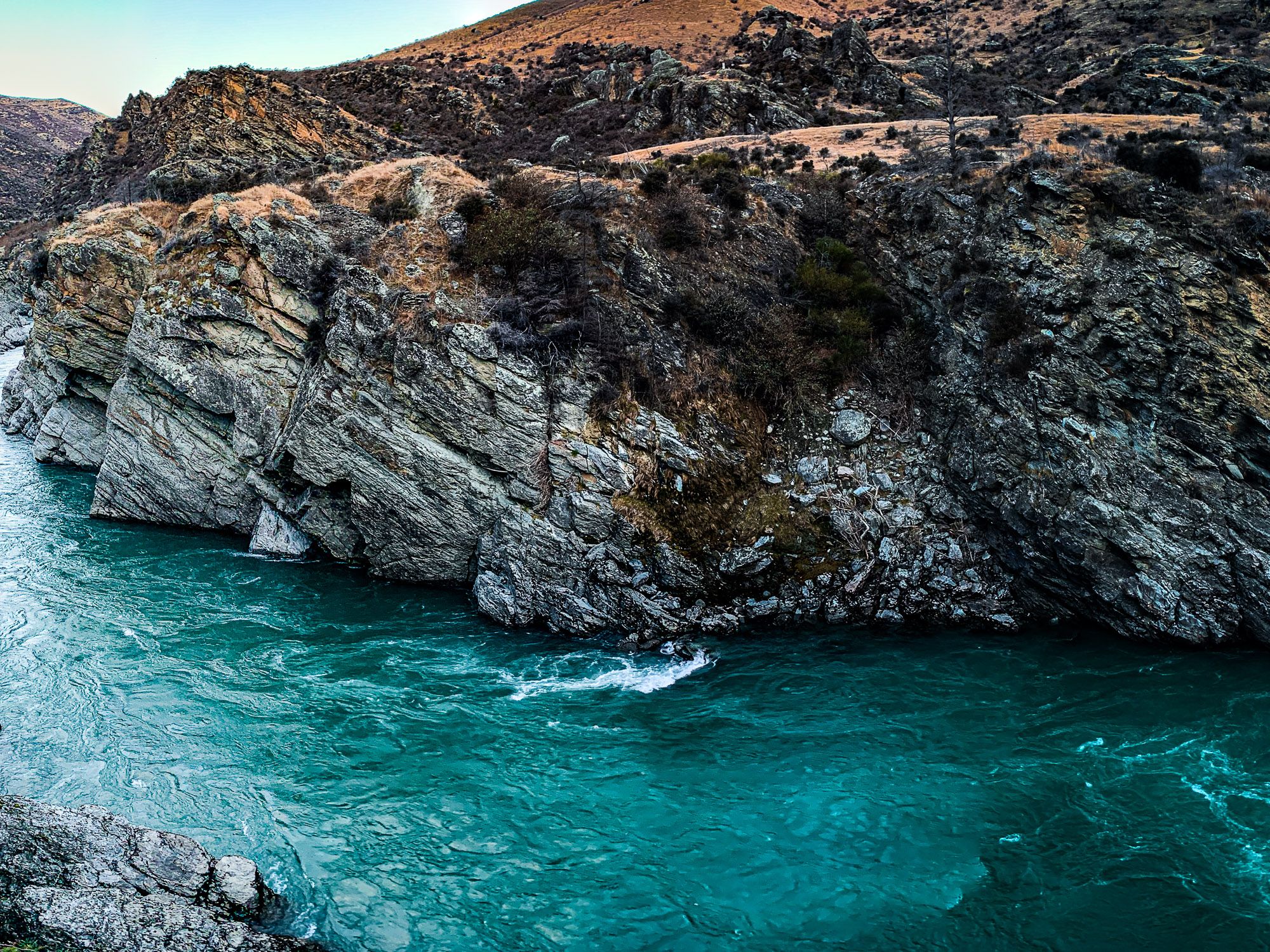
Long before European settlement, Kawarau Gorge served as a vital travel corridor for Māori journeying to the West Coast in search of pounamu (greenstone). The gorge held particular significance due to a natural rock formation called Whatatorere, where the Kawarau River narrowed to just 1.2 to 2 metres. In its original state, this remarkable constriction could be walked across or jumped, making it the only place where the Clutha River / Mata-Au and Kawarau River could be crossed without boats.
The first European explorer in the area, Nathanael Chalmers, was led over the crossing by Māori guide Reko in 1853, who described it as a "bridge of stone”., hence the European name of Chalmers Leap. Over time, erosion has widened the gap. Today, the site still exists but is said to be passable only when the river flow is very low, at which point the entire river flows underground, and the rocks can be walked across, though with a rock wall to climb on one side! The site is about 300 metres south of the Roaring Meg Power Station, and you can park nearby to get a view.
Gold Rush Era: A Hive of Activity
The 1860s Otago gold rush transformed the gorge into a bustling thoroughfare. Thousands of prospectors flooded the region, and like the Māori before them, goldminers relied on the Whatatorere crossing to access the goldfields. The steep gorge walls soon became dotted with miners' camps and settlements.
Today, preserved remains of miners' cottages can still be seen perched above the riverbanks, including dwellings belonging to Chinese migrants who formed a significant part of the mining community. You can connect with this golden heritage at the Goldfields Mining Centre near Cromwell, where you can try your hand at panning for gold using traditional techniques.
Road Development: Engineering the Gorge
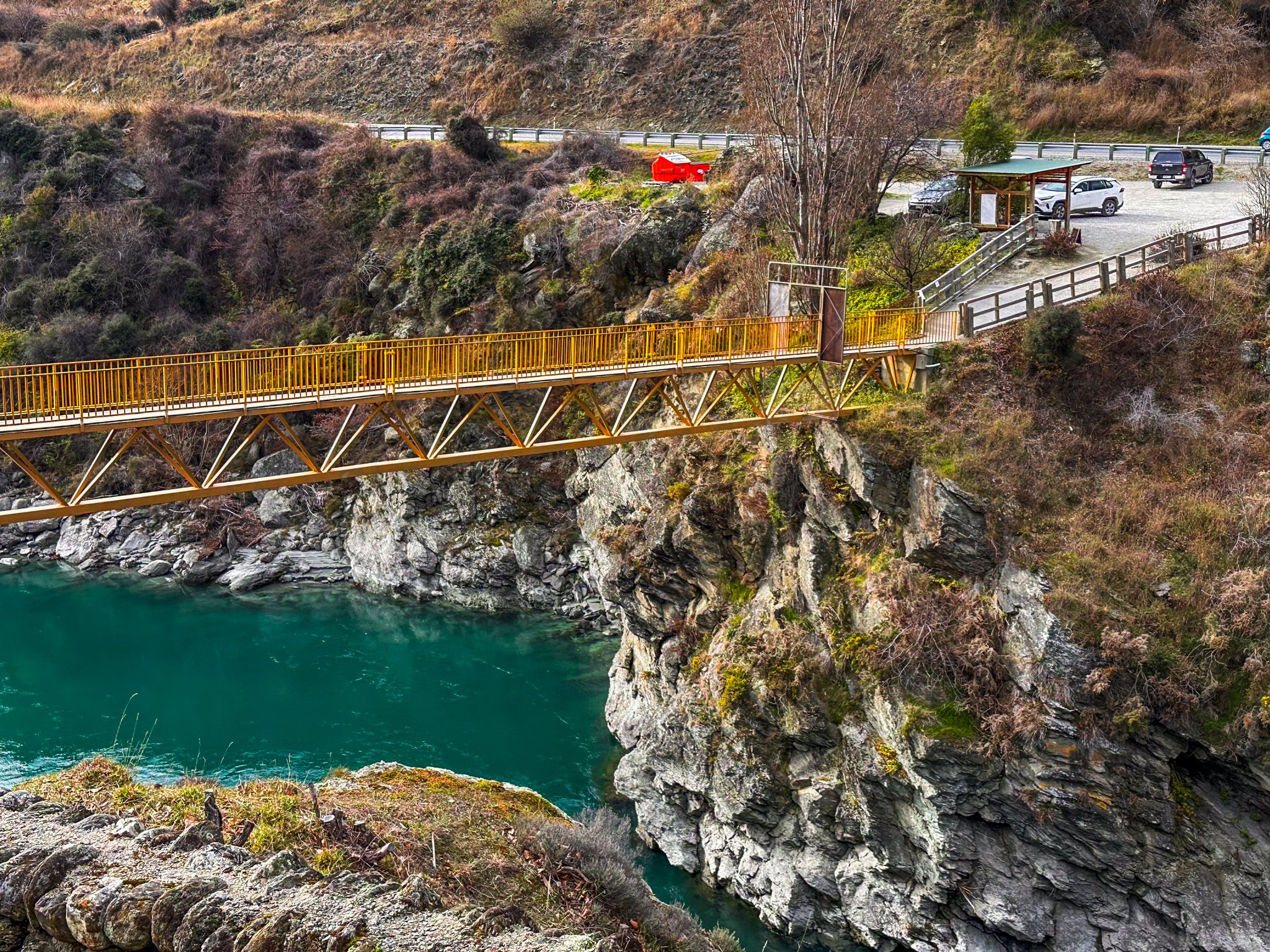
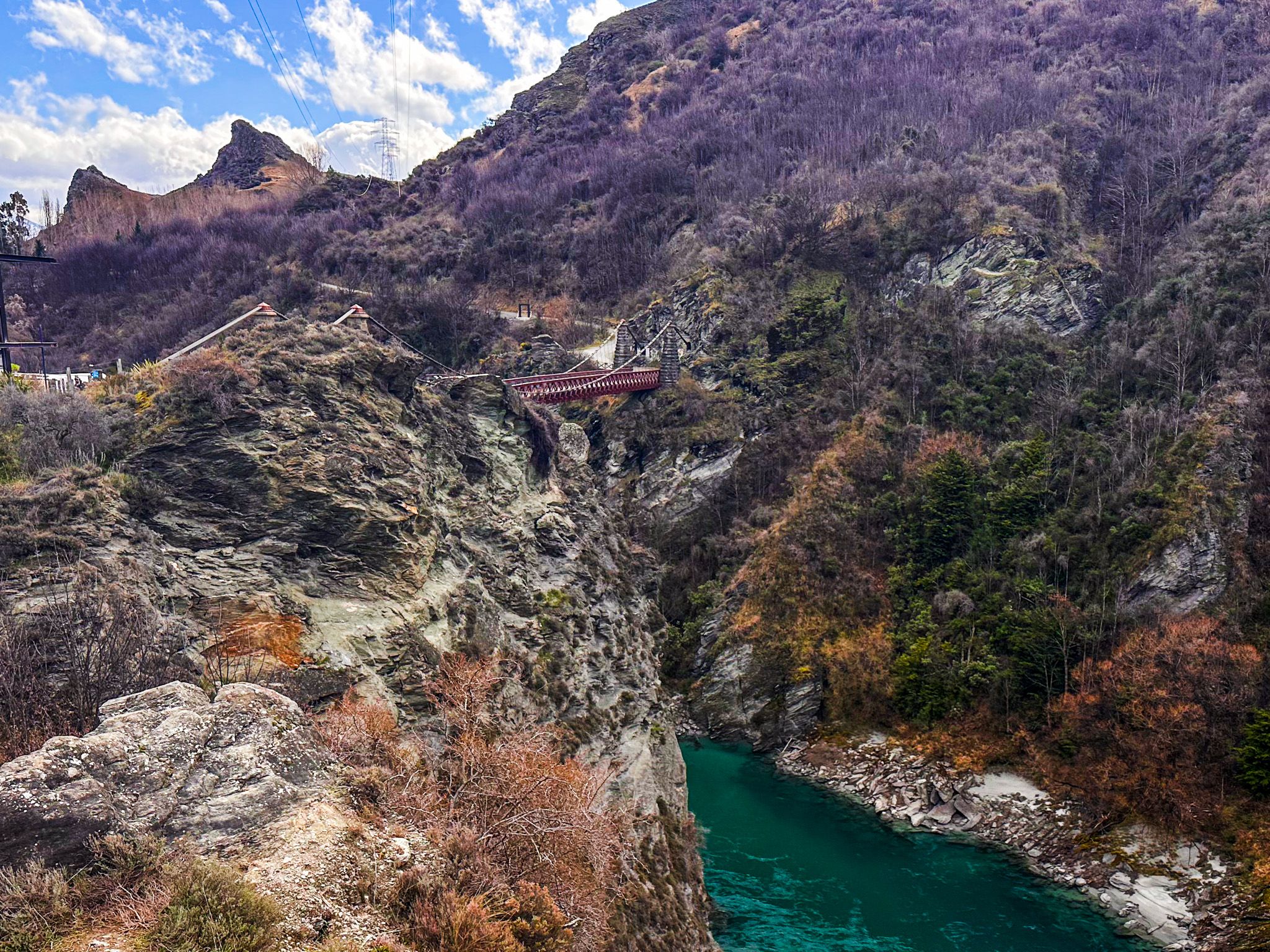
The gorge's challenging terrain demanded innovative engineering solutions. The iconic Kawarau Gorge Suspension Bridge, completed in late 1880, represented a remarkable feat of Victorian engineering. For over eight decades, this structure carried traffic through the gorge until 1963, when a new bridge was constructed 230 metres upstream.
Rather than fading into obscurity, the original bridge found new fame in 1988 when AJ Hackett launched the world's first commercial bungy jumping operation from its span. Today, it is one of New Zealand's most recognisable historic and adventure tourism icons.
Roaring Meg Power Station: Harnessing the Stream
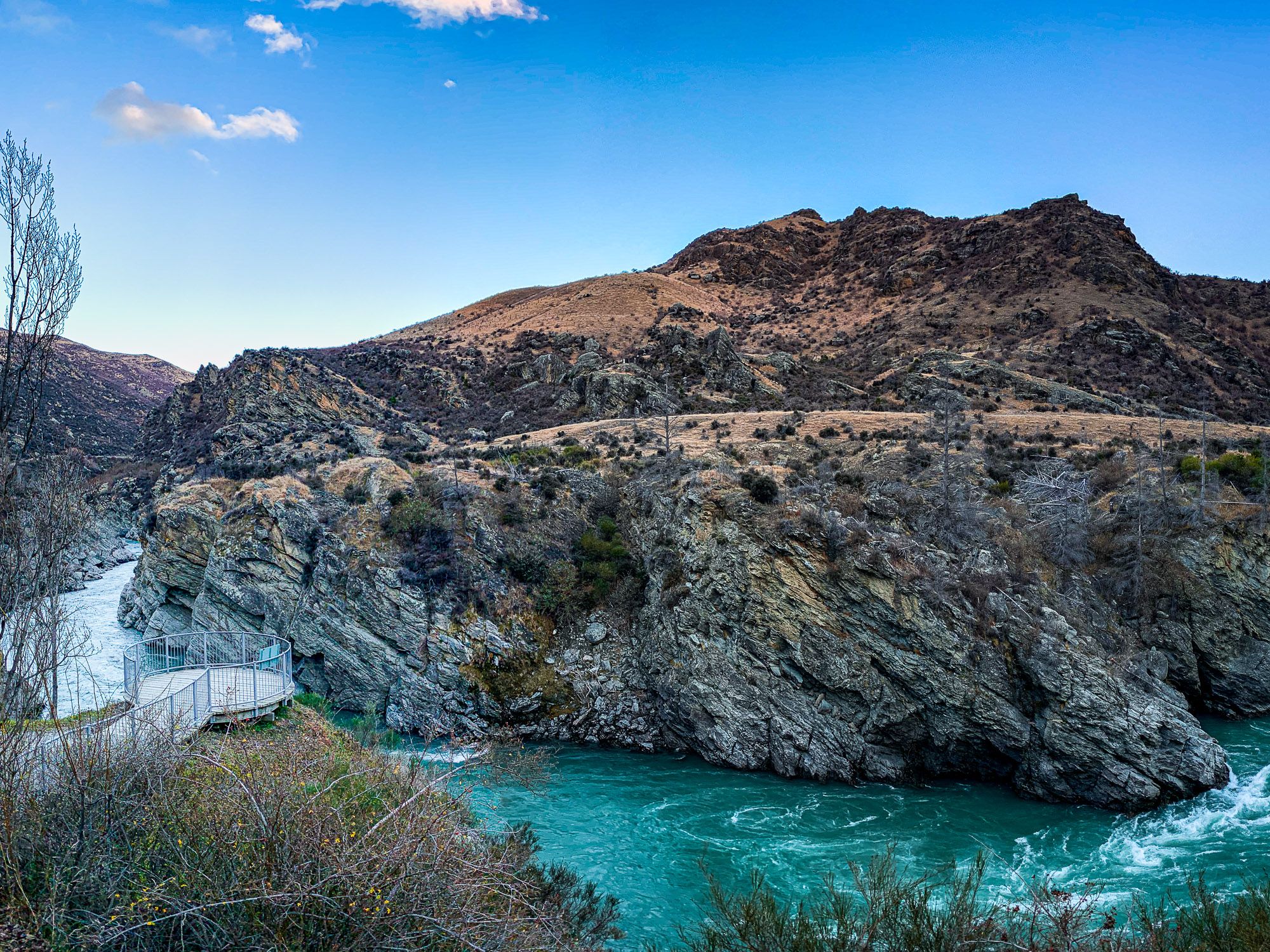
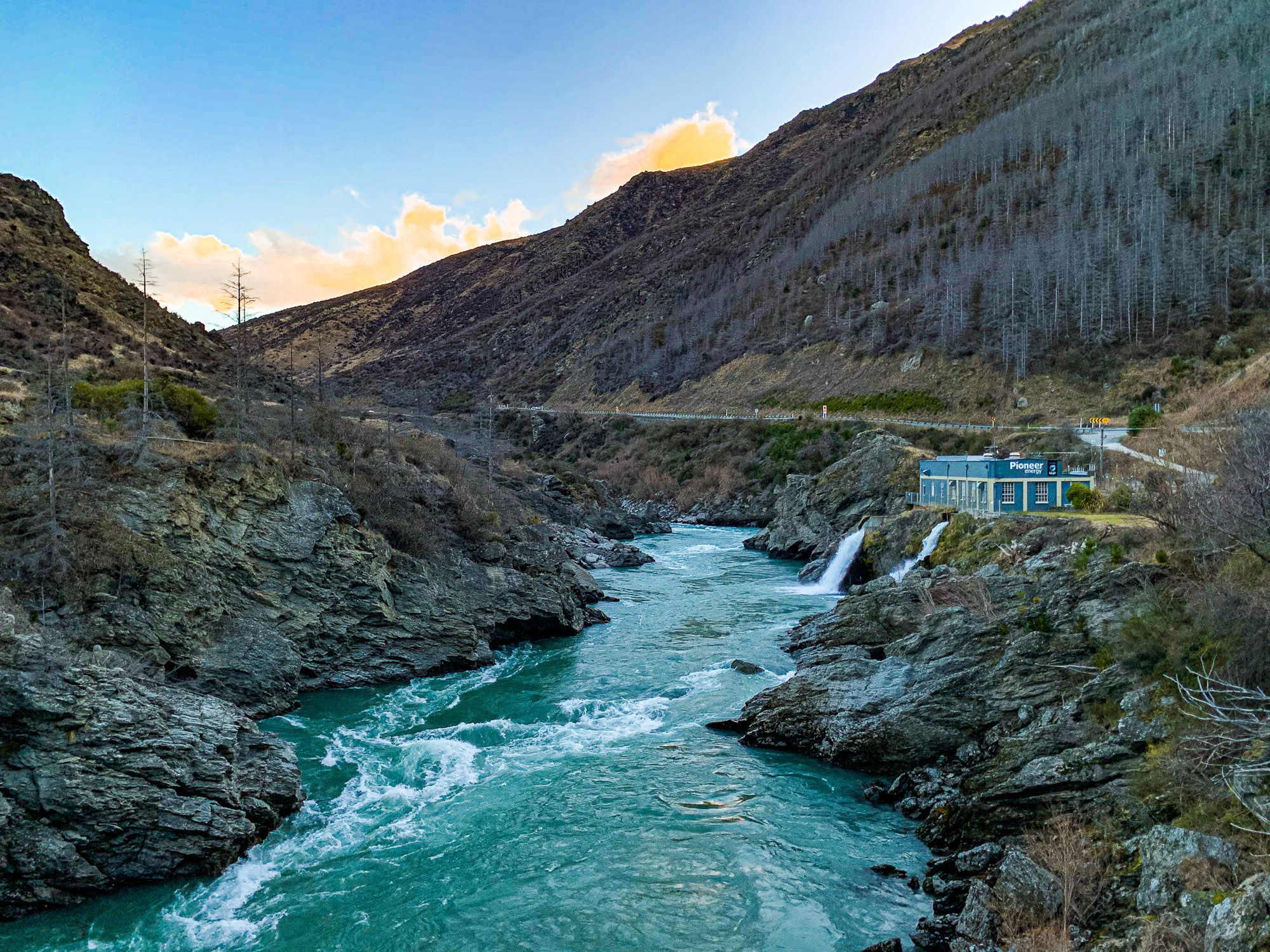
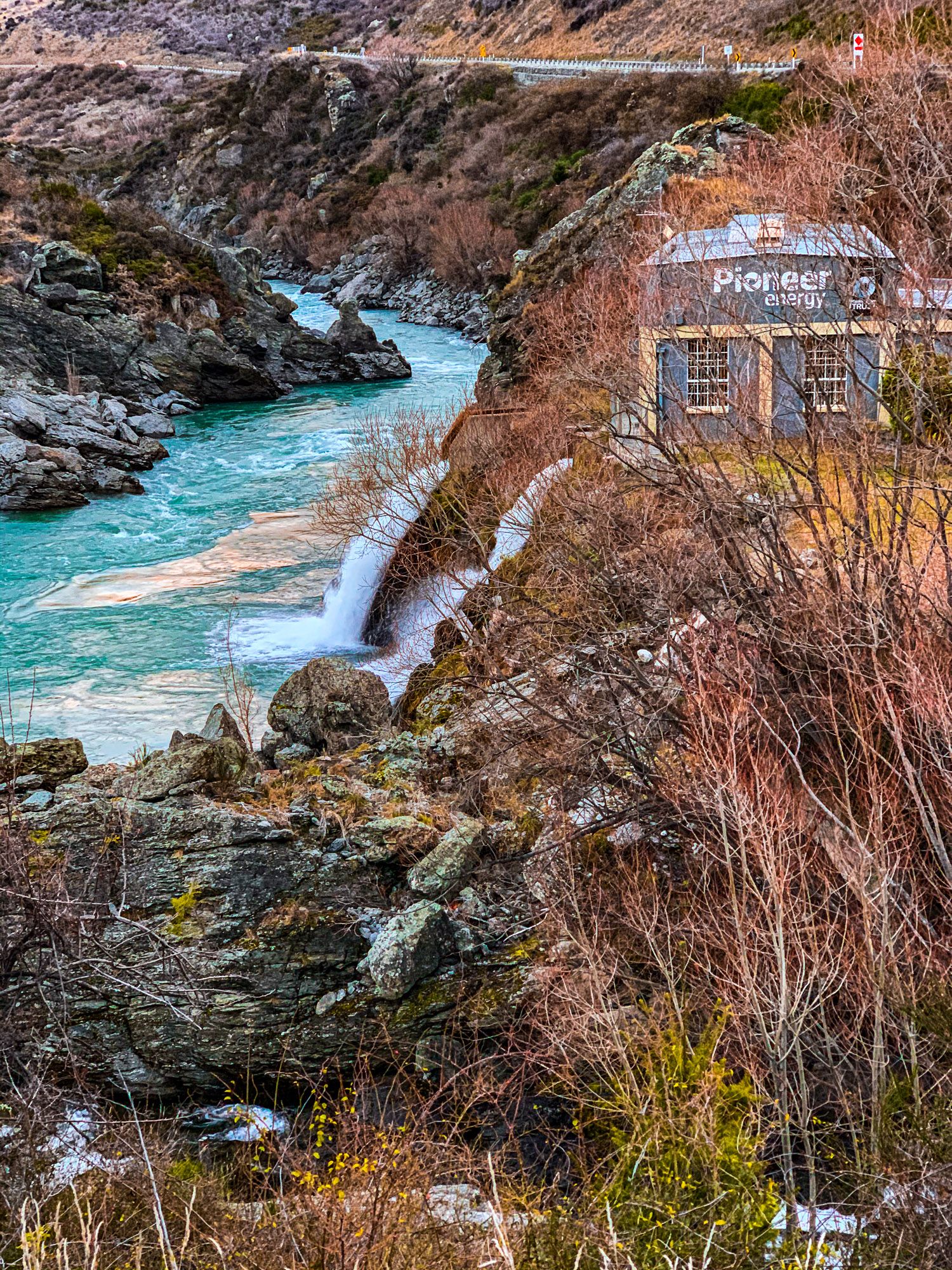
In January 1935, construction began on the Lower Roaring Meg hydro station on he edge of the gorge with the building of an intake weir. This Great Depression project employed up to 45 men working in extraordinarily difficult conditions. The rock was hand-drilled and blasted, and heavy pipes were winched up the hillside using tractor-powered equipment. The station was completed in March 1936. The Upper Roaring Meg station followed in 1947, featuring a concrete arch dam, about 5 km up the Roaring Meg Valley above the gorge.
The Roaring Meg Creek, according to local legend, was named after a spirited barmaid who worked in a hotel during the gold rush era. The stations continue to generate renewable energy today, and the Roaring Meg viewpoint and historic reserve provide an insight into this engineering heritage.
Across from the power station, the car park marks the start of the Roaring Meg Pack Track, a seven-hour tramp past the high dam through the Pisa Range, with an overnight stay option at the Meg Hut, and ending in the Cardrona Valley.
Modern Cycle Trails: A New Chapter
The gorge is now at the centre of an exciting development that honours its history as a travel corridor. The Kawarau Gorge Trail, a major backcountry cycling trail connecting Queenstown and Cromwell, represents one of the region's most ambitious infrastructure projects. Construction began in recent years, and the trail is expected to open in late summer 2026.
This impressive trail will feature three suspension bridges spanning 108, 82, and 70 metres, carrying cyclists through the same dramatic terrain traversed by early Māori travellers and gold rush pioneers. It will also link the Queenstown Trail to the Lake Dunstan Trail, which takes you to Clyde and the Otago Central Rail Trail, or the Clutha Gold Trail via Alexandra to Roxburgh, Lawrence and Lake Waihola.
Visiting Today
Today, you can experience the full spectrum of the Kawarau Gorge's attractions. Watch bungy jumpers leap from the historic bridge, explore the Roaring Meg viewpoint and historic reserve, or sample world-class wines at the boutique vineyards of Gibbston Valley. Soon, cyclists will be able to traverse the new gorge trail, following in the footsteps of centuries of travellers.
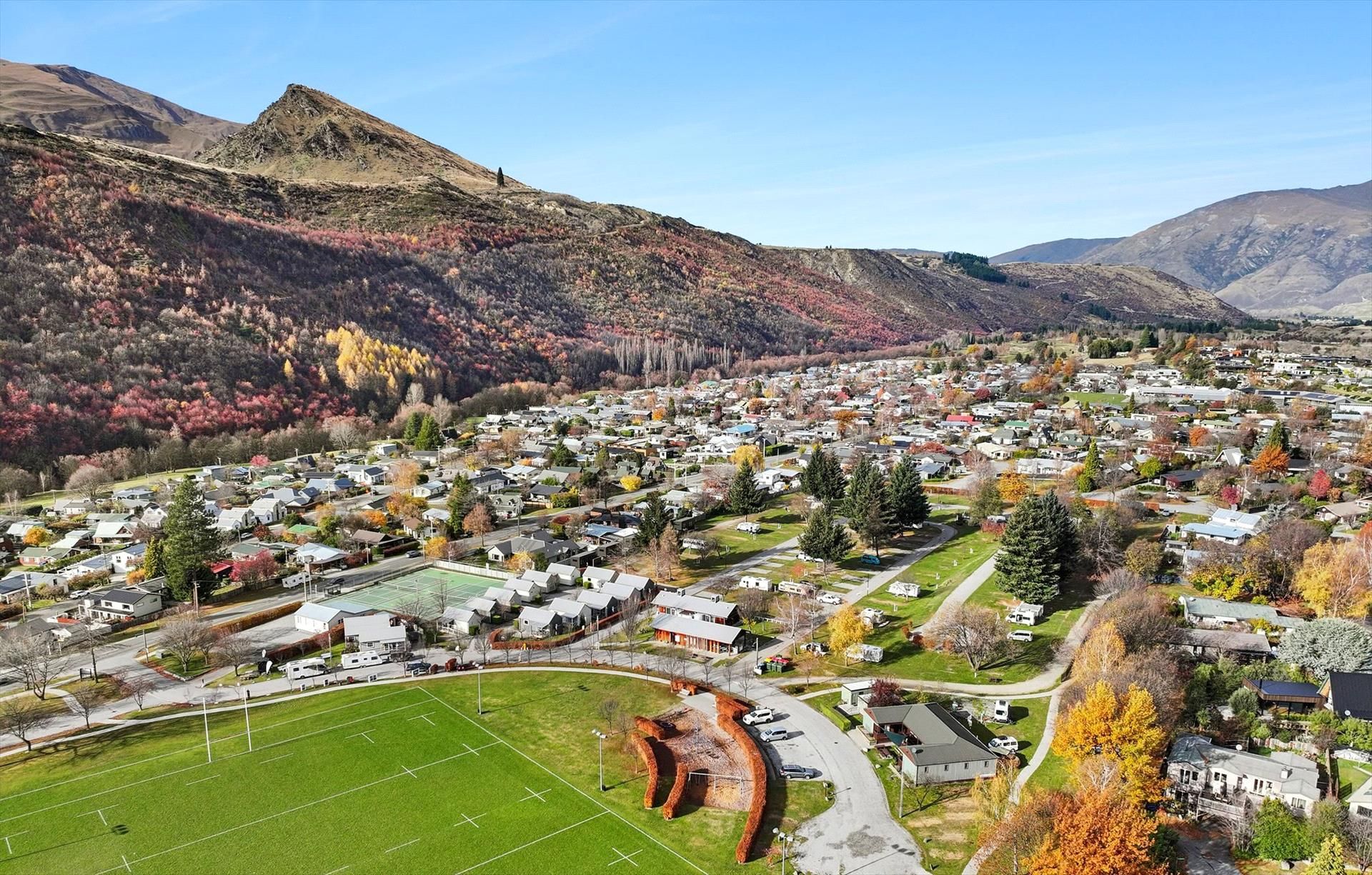
If you are coming east through the gorge, complete the trip by taking Pearson Road to Bannockburn for more wineries and gold history. Heading west, take Arrowtown Lake Hayes Road past Lake Hayes to the historic gold mining town of Arrowtown.