Discovering Kohukohu: A Historic Gem in Northland
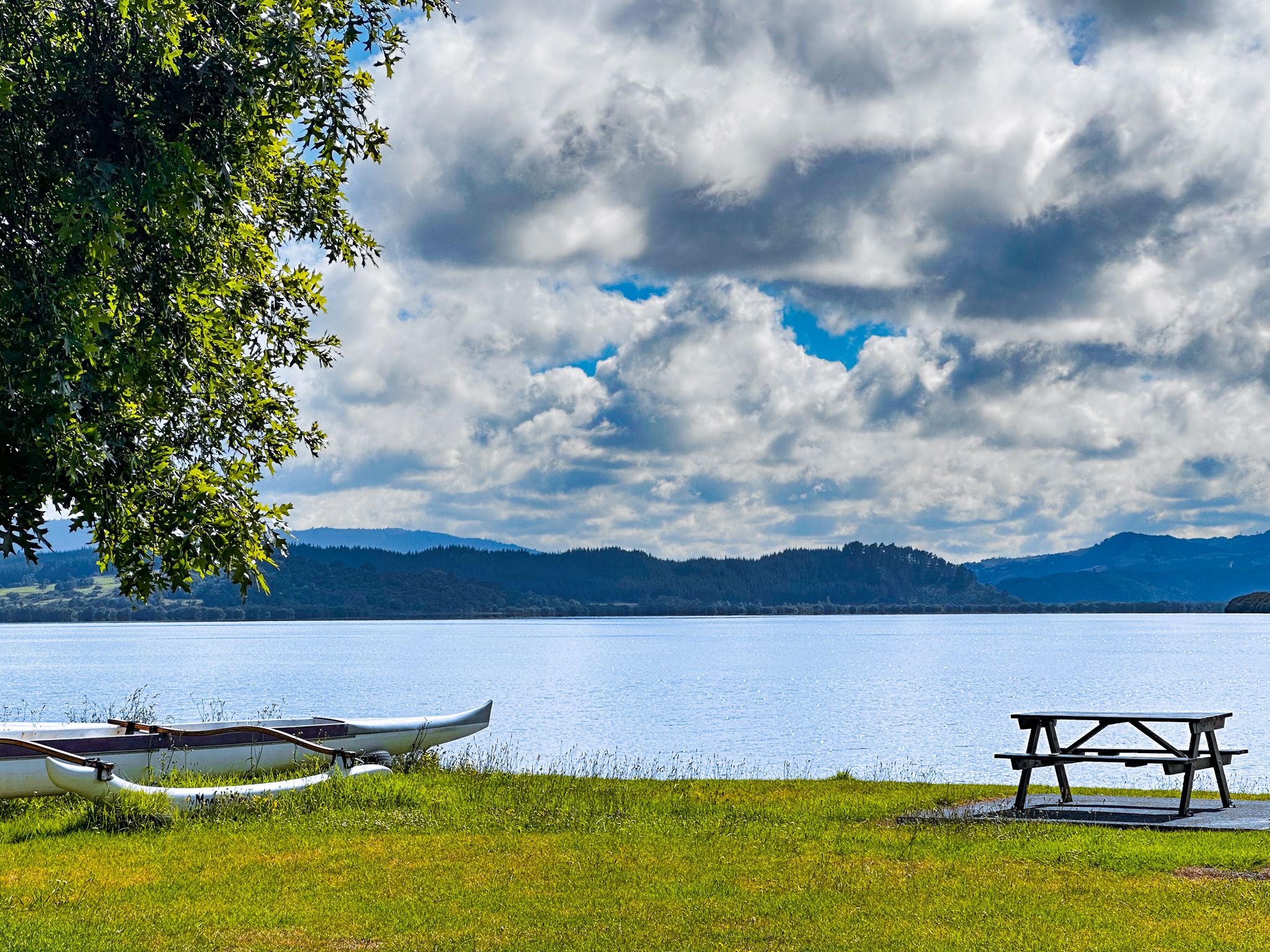
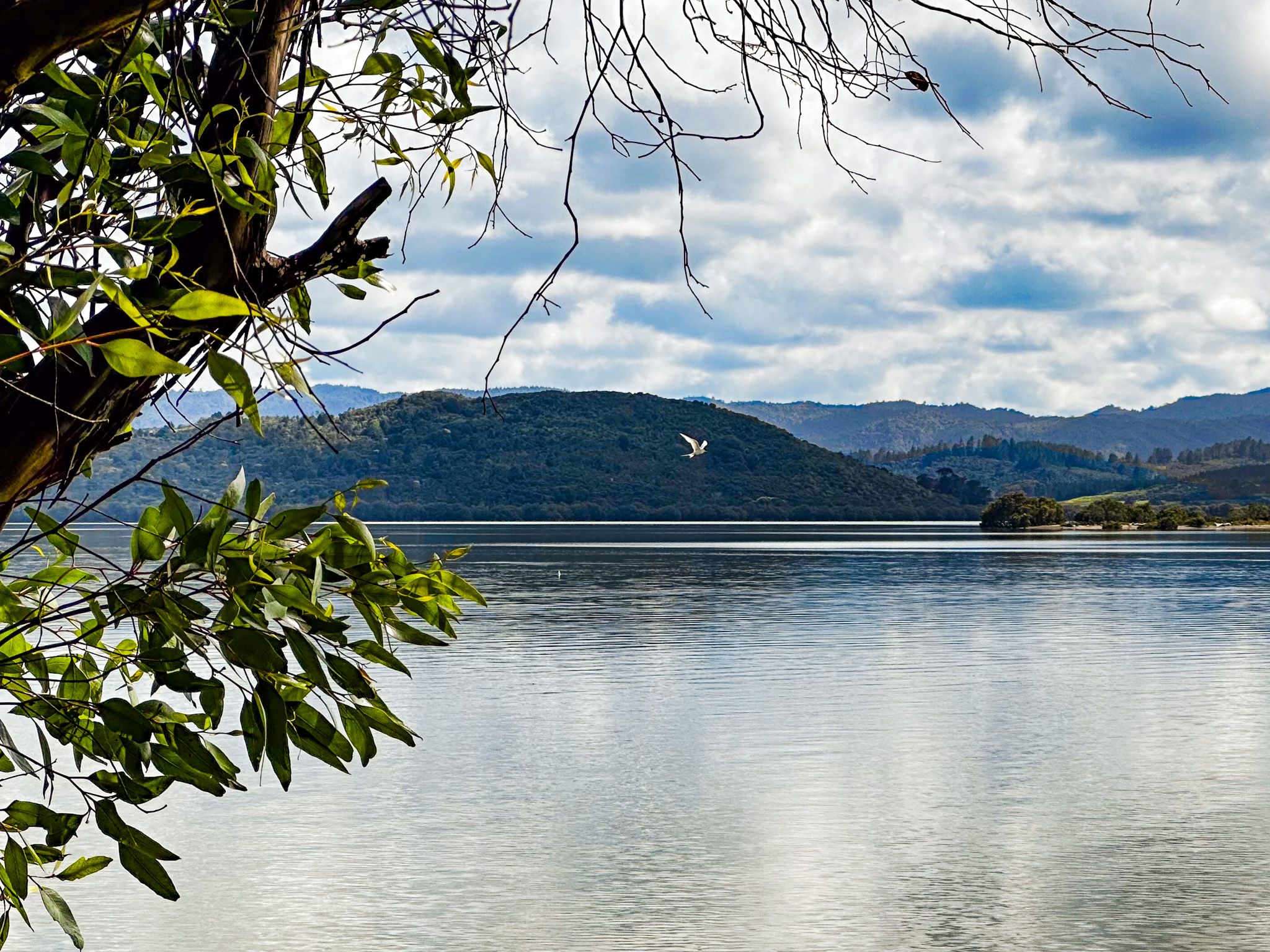
Kohukohu is a quaint town located on the north side of the Hokianga Harbour in Northland. Positioned south of the confluence of the Mangamuka and Waihou rivers, it serves as a gateway to the scenic harbours of Whangapē and Herekino on the west coast. From Herekino, you can drive to Ahipara at the southern end of Ninety Mile Beach. Kohukohu is also a key access point to the Rawene Ferry and remote Mitimiti Beach.
A Rich Timber History
In the early 19th century, Kohukohu was among the first European settlements in New Zealand, alongside Horeke and Rawene. The town thrived on the kauri timber industry, with around 2,000 residents engaged in timber extraction by 1900. However, the depletion of kauri forests led to a decline in the industry within two decades.
Today, Kohukohu is home to about 200 people and has embraced tourism, drawing visitors with its historical charm and scenic routes to the northwest coast.
Historic Architecture and Cultural Heritage
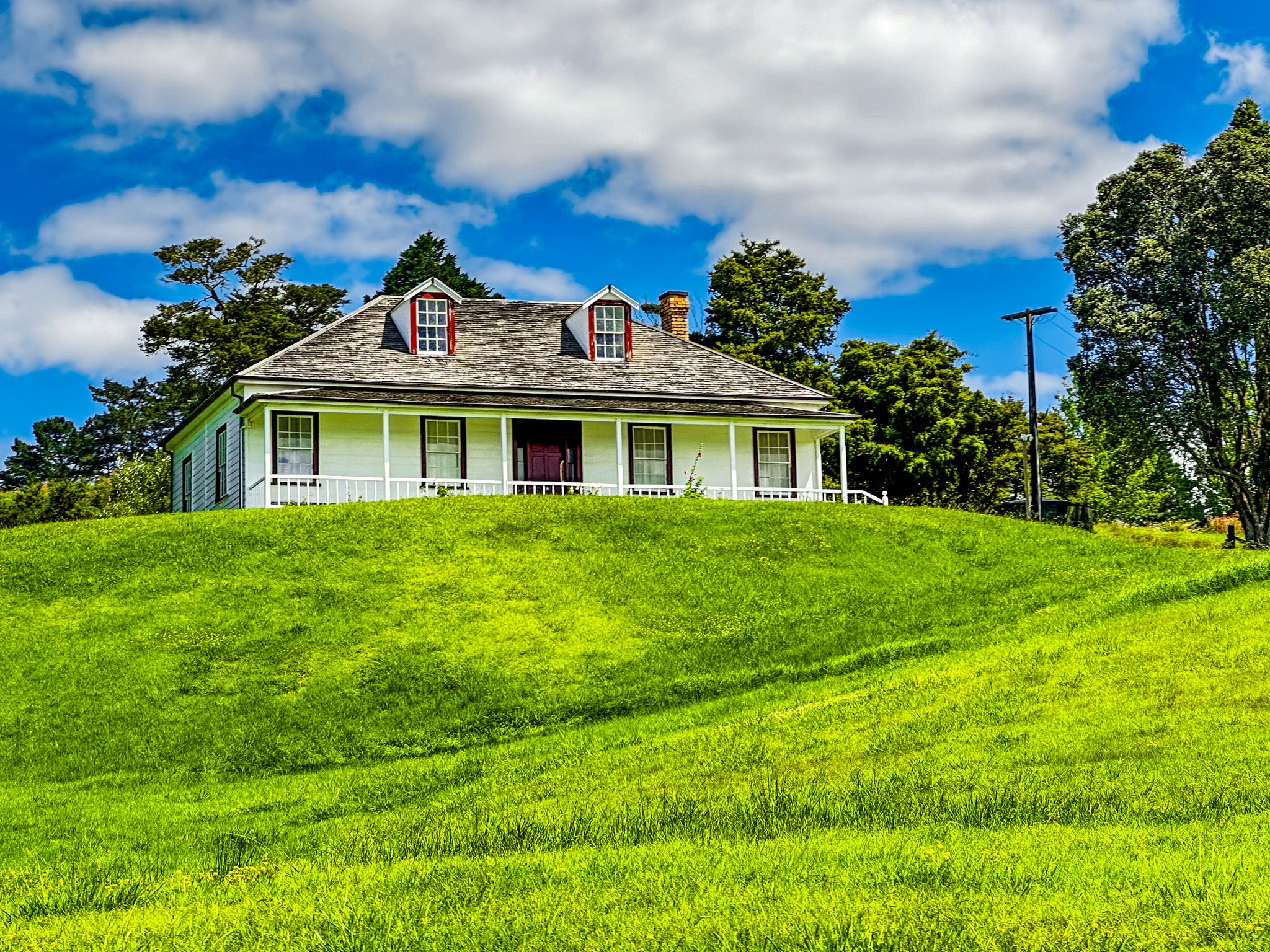
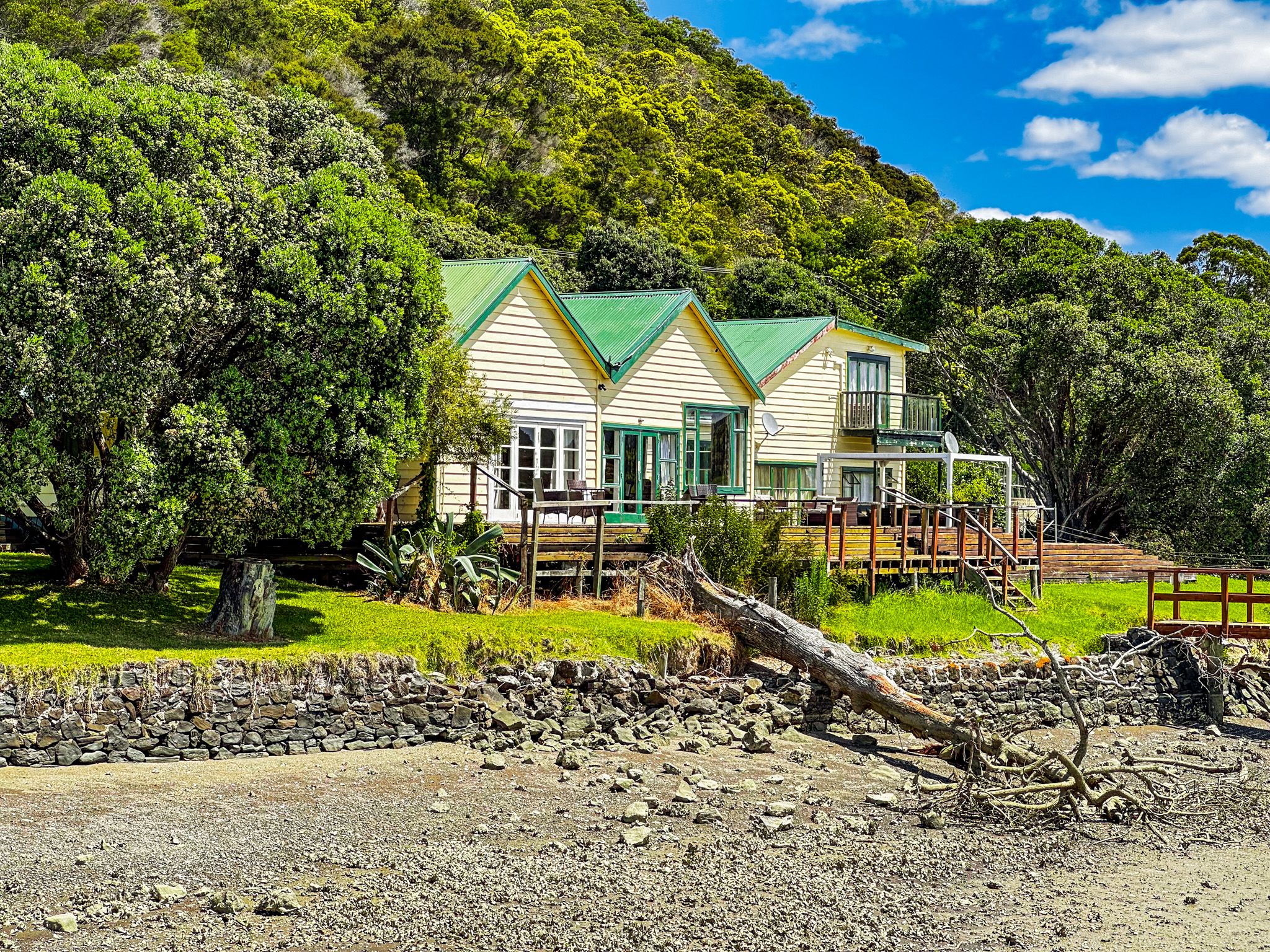
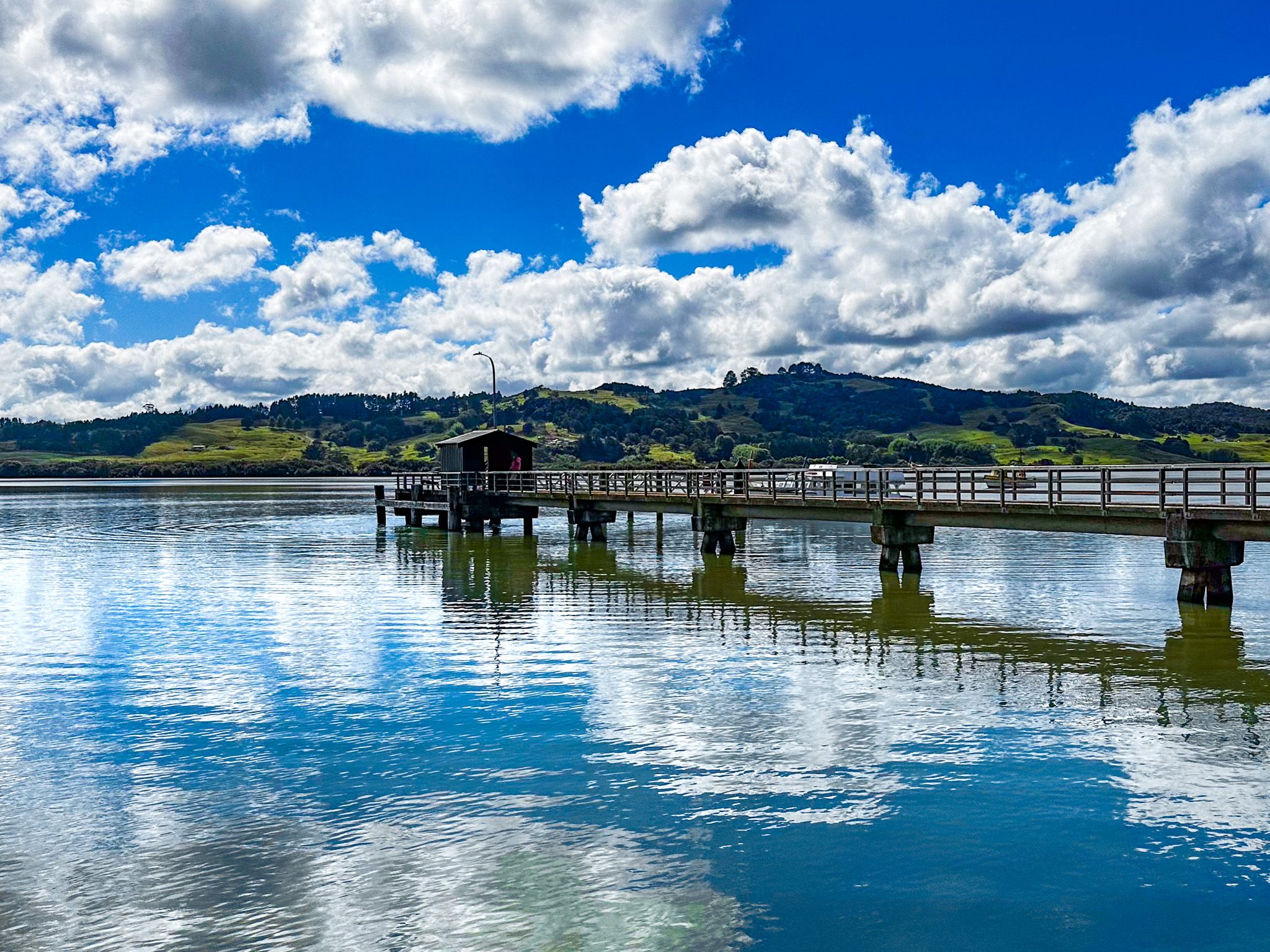
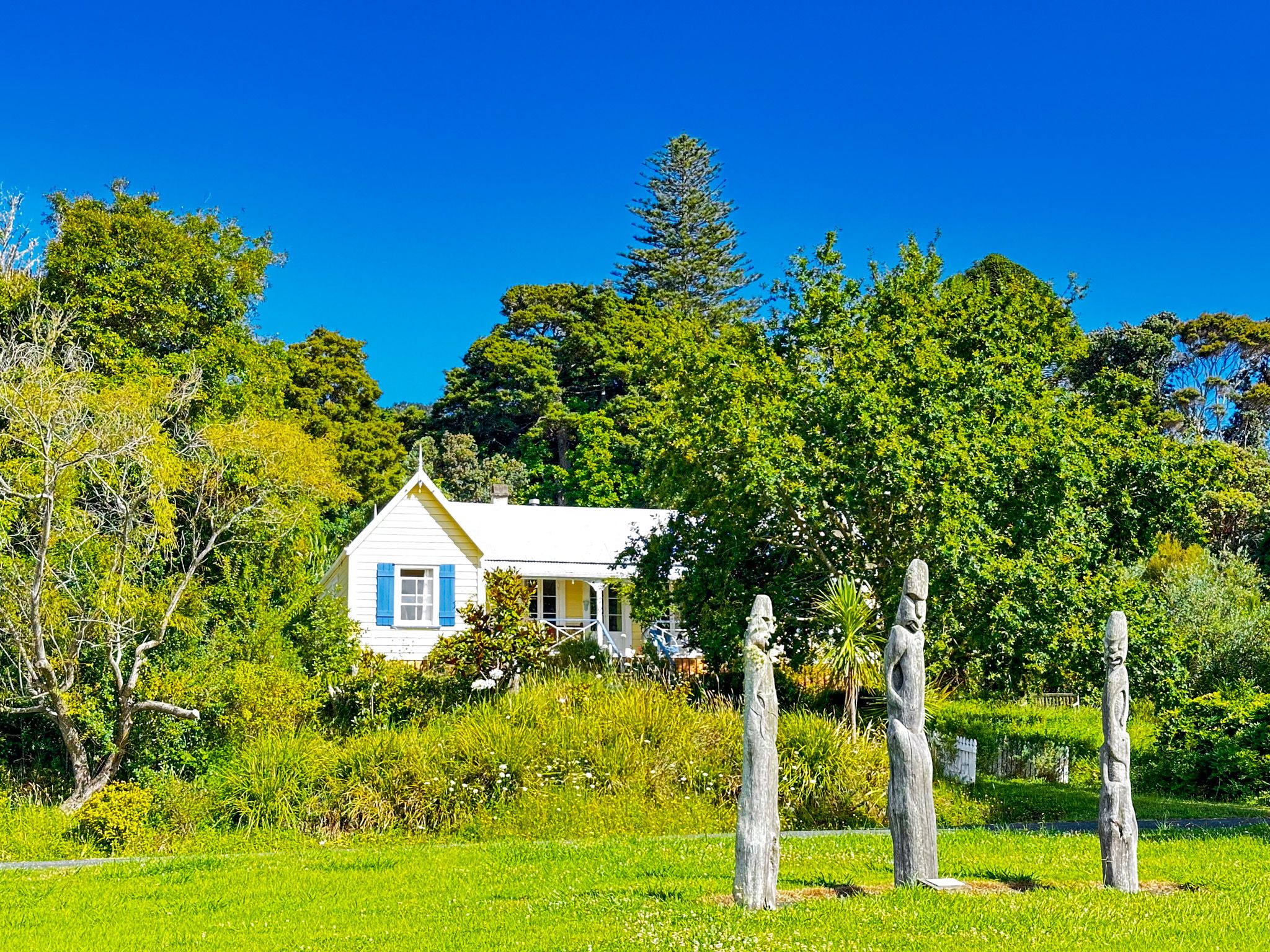
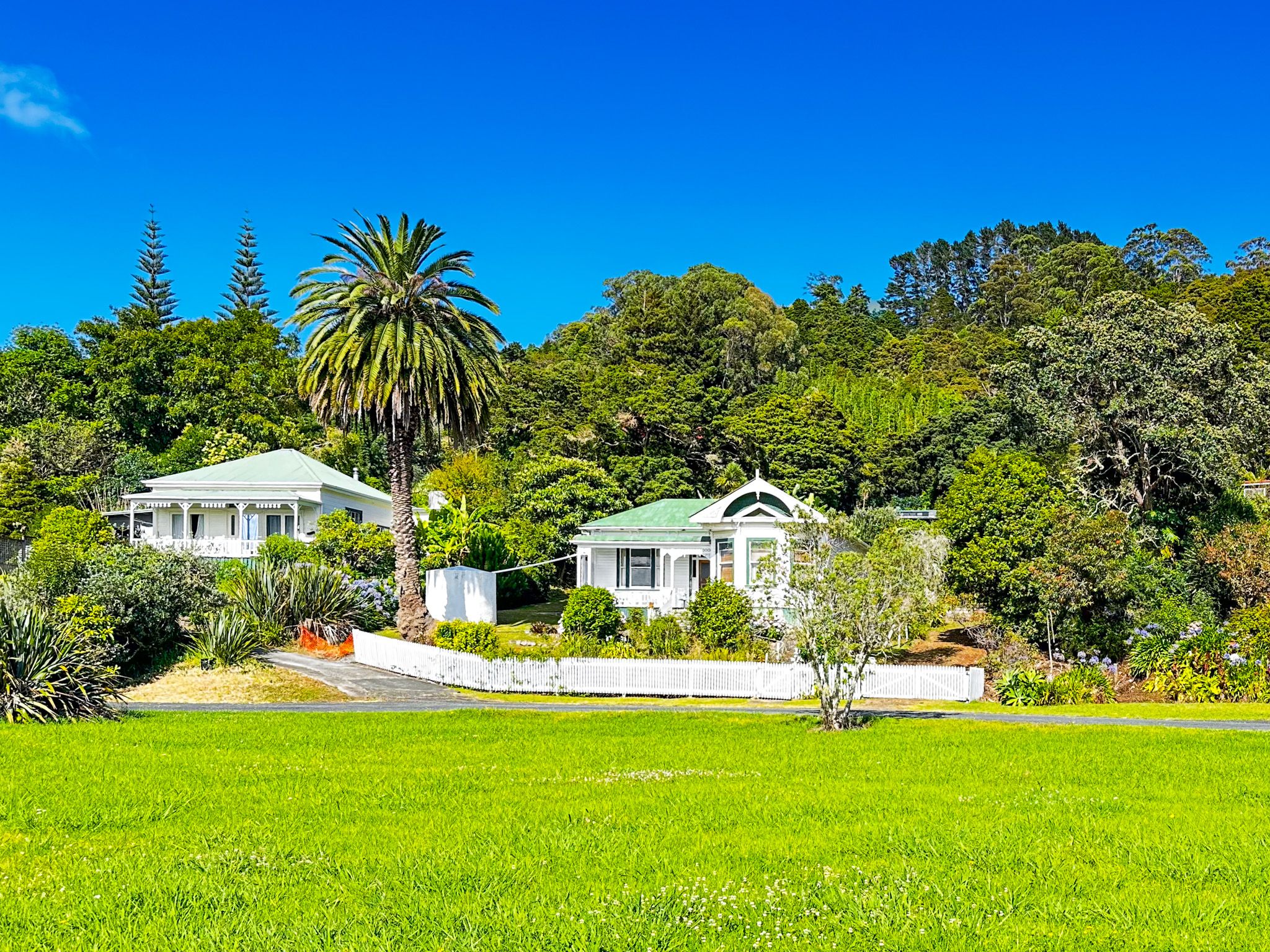
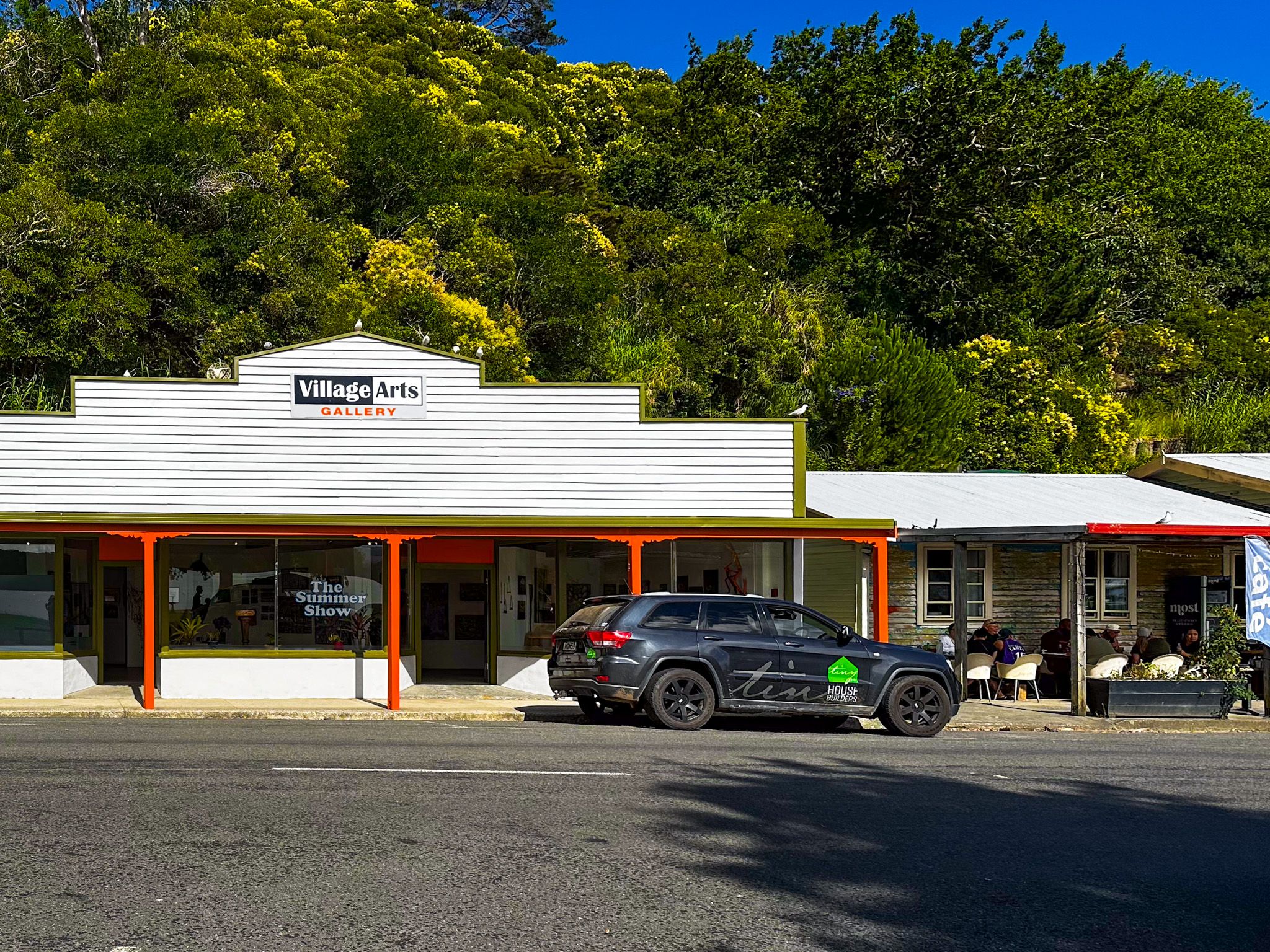
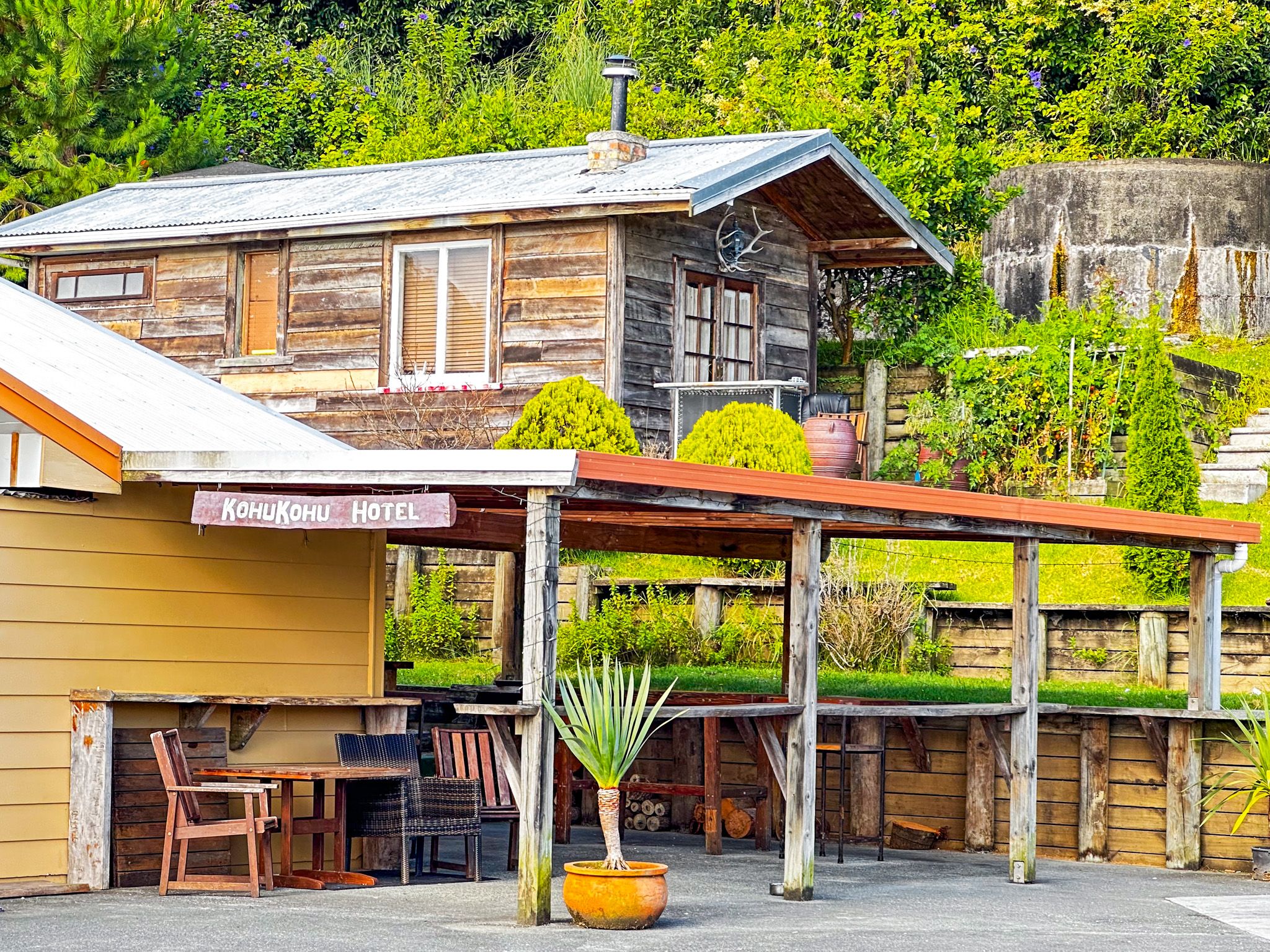
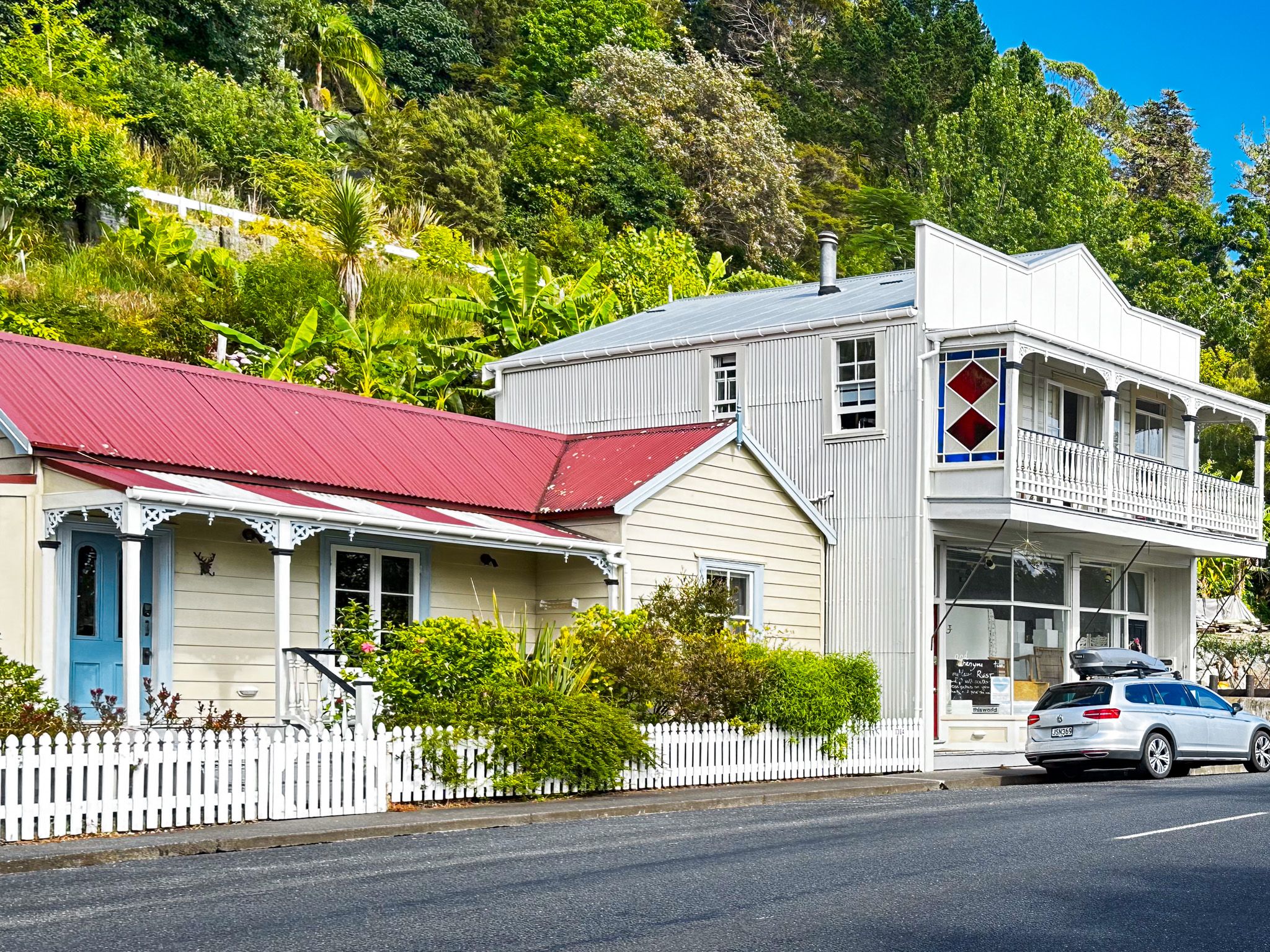
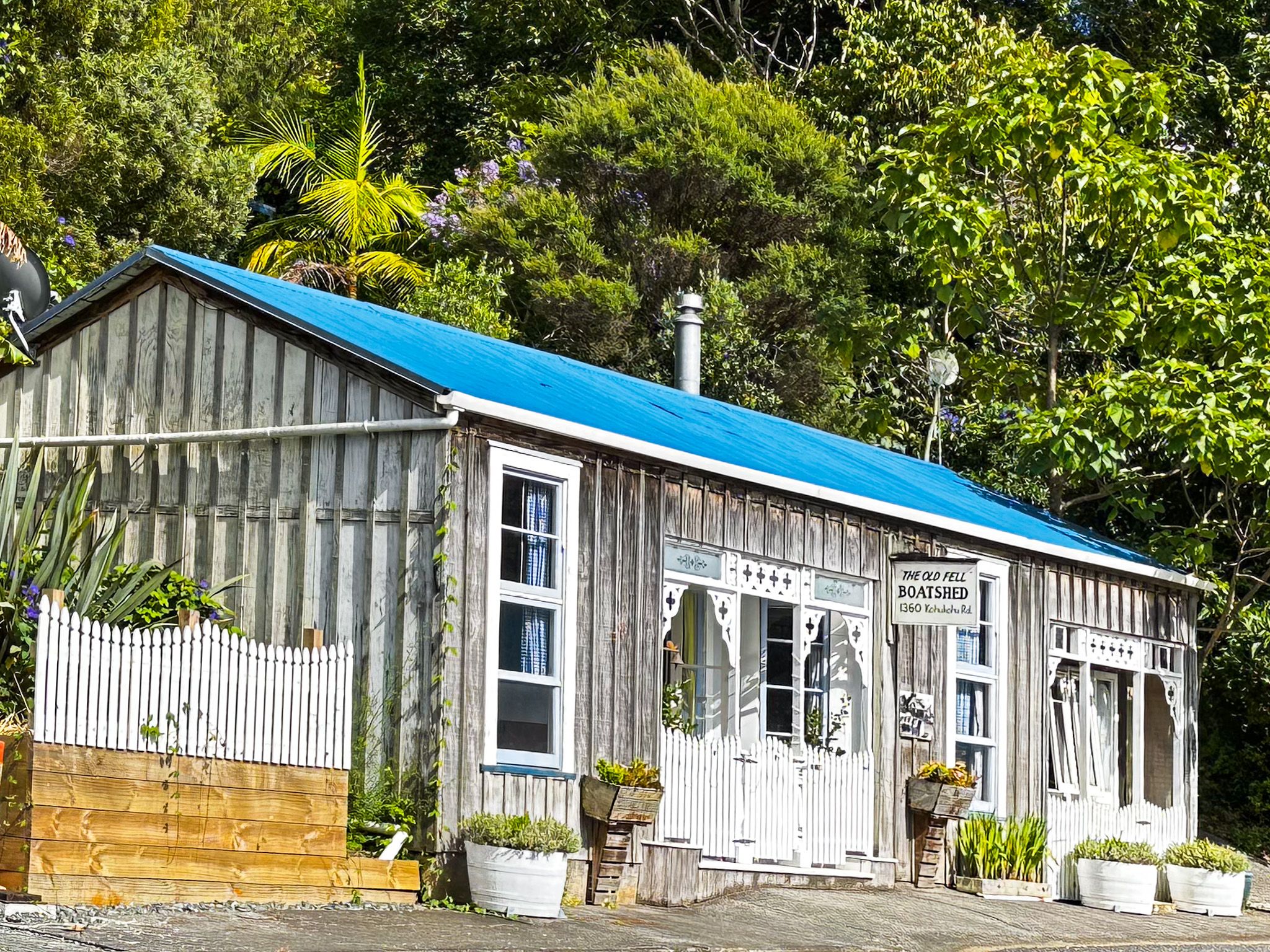
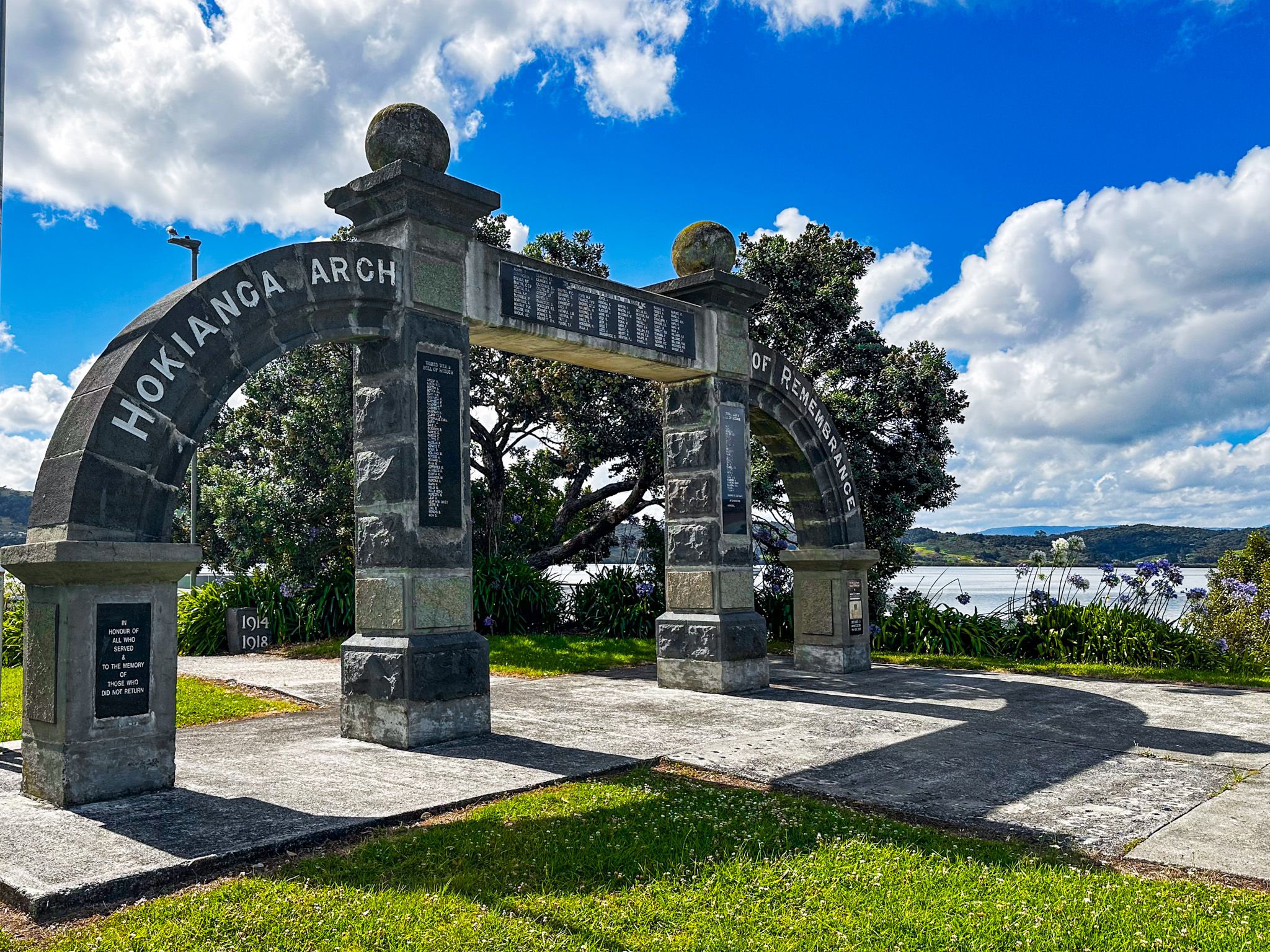
Kohukohu's small town centre features historic buildings repurposed as cafés and galleries, as well as a historic hotel. A substantial pier and a large war memorial arch are located in a grassed reserve between the shops. Many pre-1900s houses reflect the wealth generated from the timber industry, while the surrounding hills have over 100 years of forest regrowth, highlighting nature's resilience.
Kupe's Legacy and Early European Influence
Kohukohu is linked to Kupe, the Polynesian navigator who discovered Aotearoa. Legend has it that Kupe visited the area and, dissatisfied with an undercooked hāngī, exclaimed "Kohu kohu," giving the town its name.
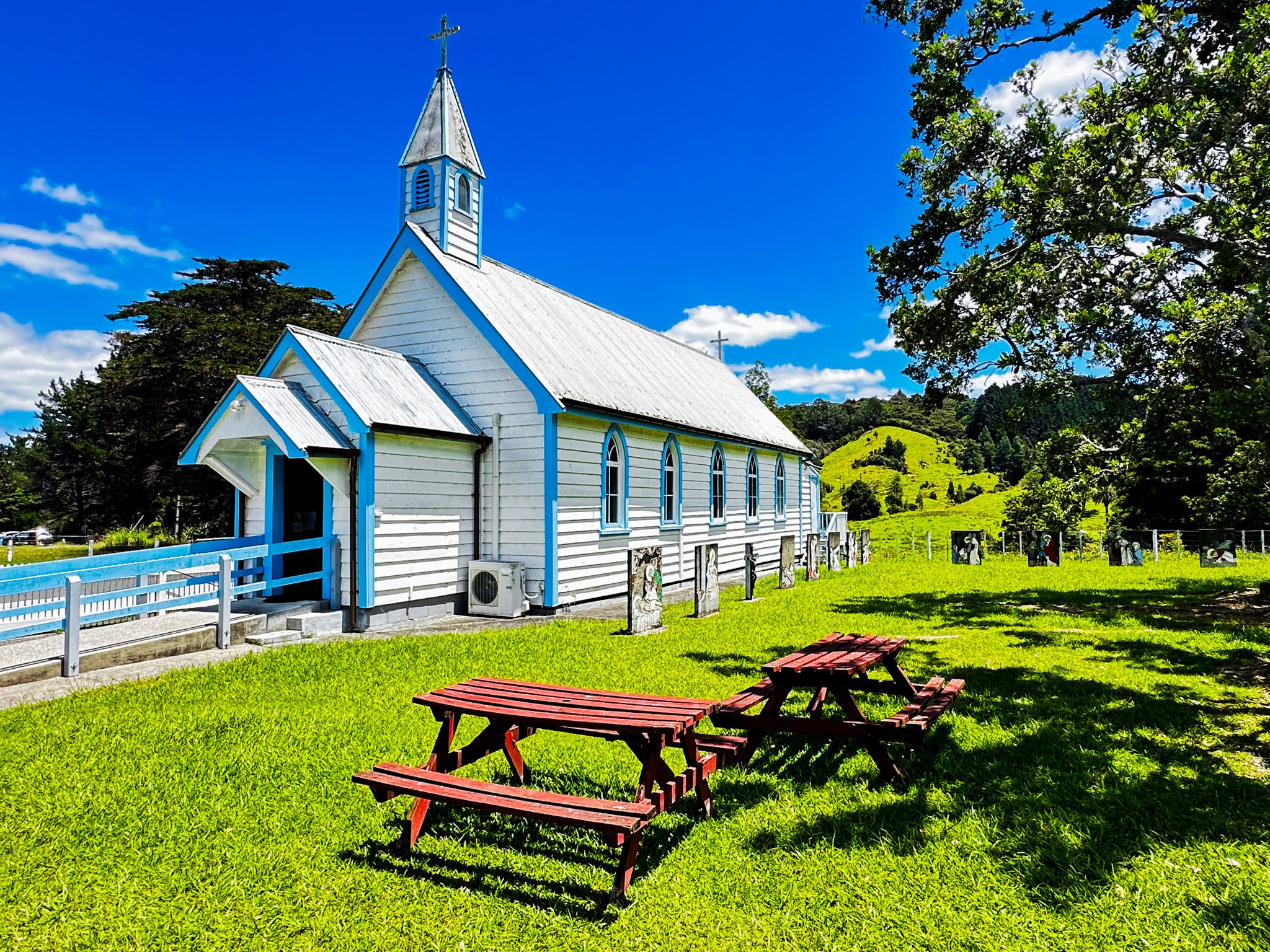
The town also holds several historical firsts: Augustus Earle, the first European artist to spend several months in New Zealand, painted nearby Motiti Island in 1827. The first Catholic mass in New Zealand was held north of Kohukohu at Totara Point in 1838. Additionally, the first stone bridge in the country was constructed on Kohukohu's foreshore between 1843 and 1851, using sandstone blocks from ships trading timber with Sydney. This bridge, now a footbridge, is partially buried but marked by a sign.
Getting to Kohukohu
To reach Kohukohu, you can travel along Mangamouka Road, then Kohukohu Road, south from State Highway 1. The town is also accessible via the Rawene Ferry, which docks on West Coast Road south of the town. From Ahipara, the drive is just over an hour and 59 km.