Exploring Auckland's Queen Street
Queen Street, the historic and commercial heart of Auckland, stretches from the bustling waterfront at Komititanga Plaza to Karangahape Road. This iconic street, which once followed the Waihorotiu Stream, has transformed over nearly two centuries into a lively mix of heritage landmarks, modern shopping, student life, and urban culture.
A Pedestrian-Friendly Transformation
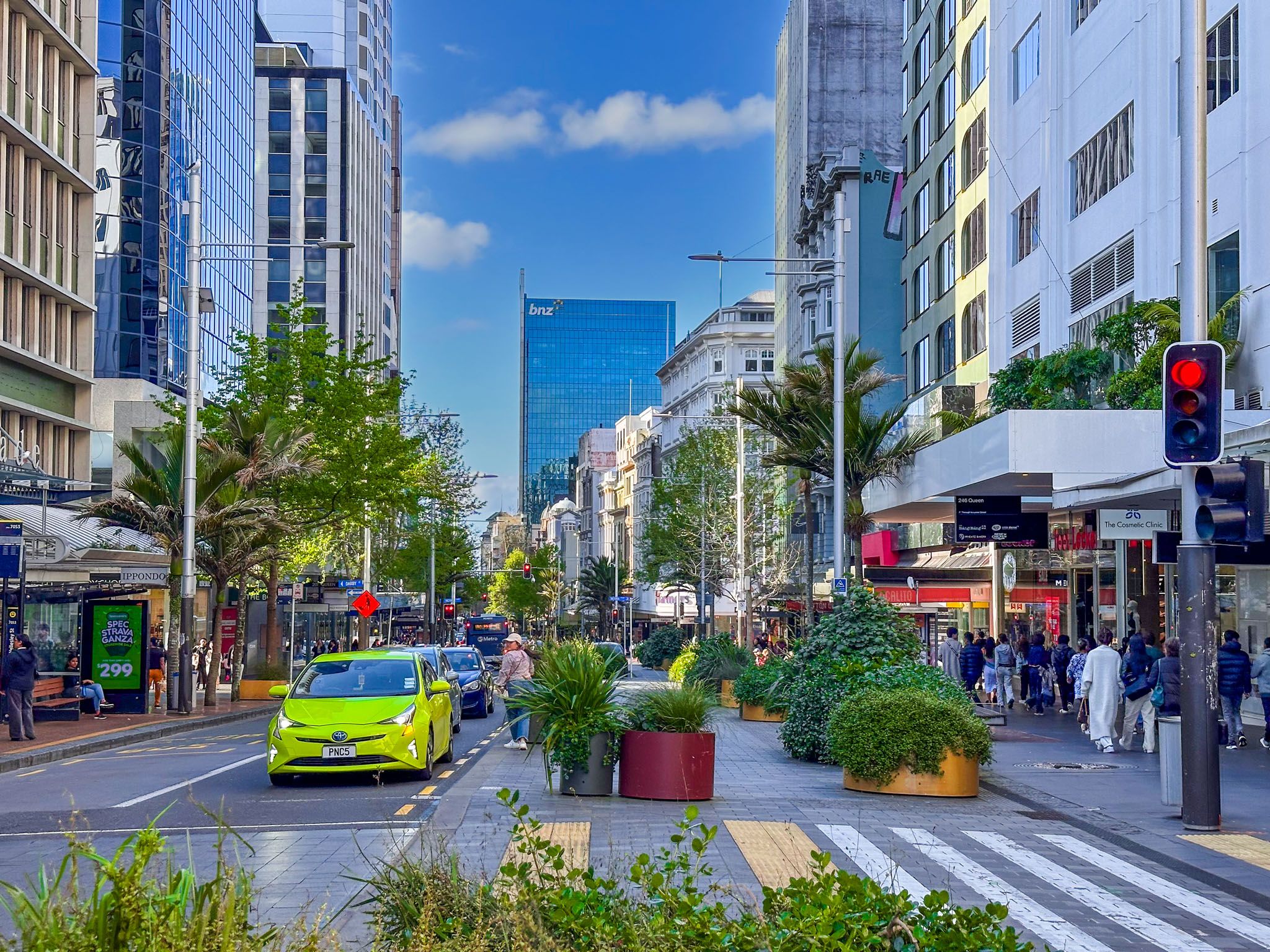
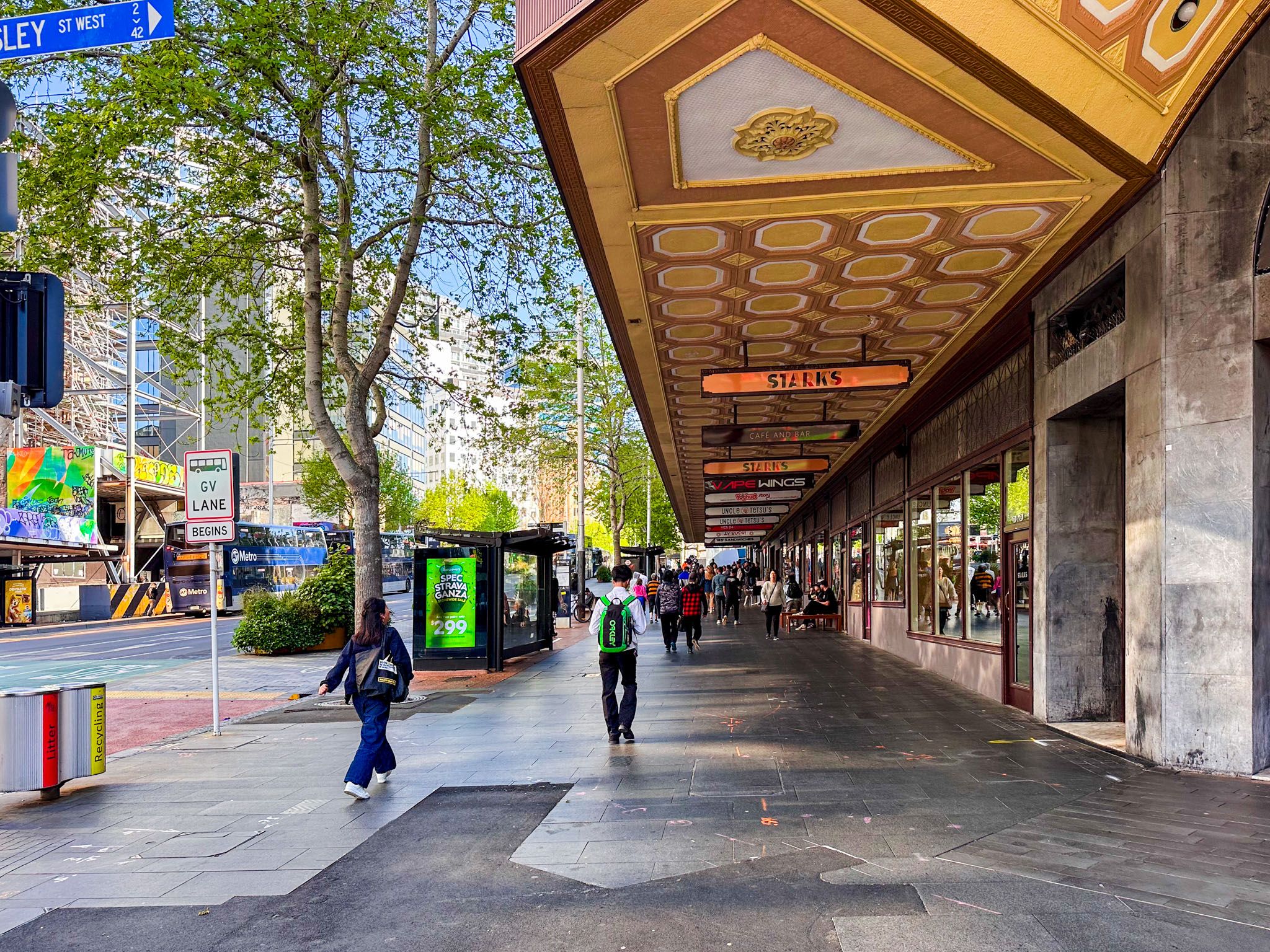
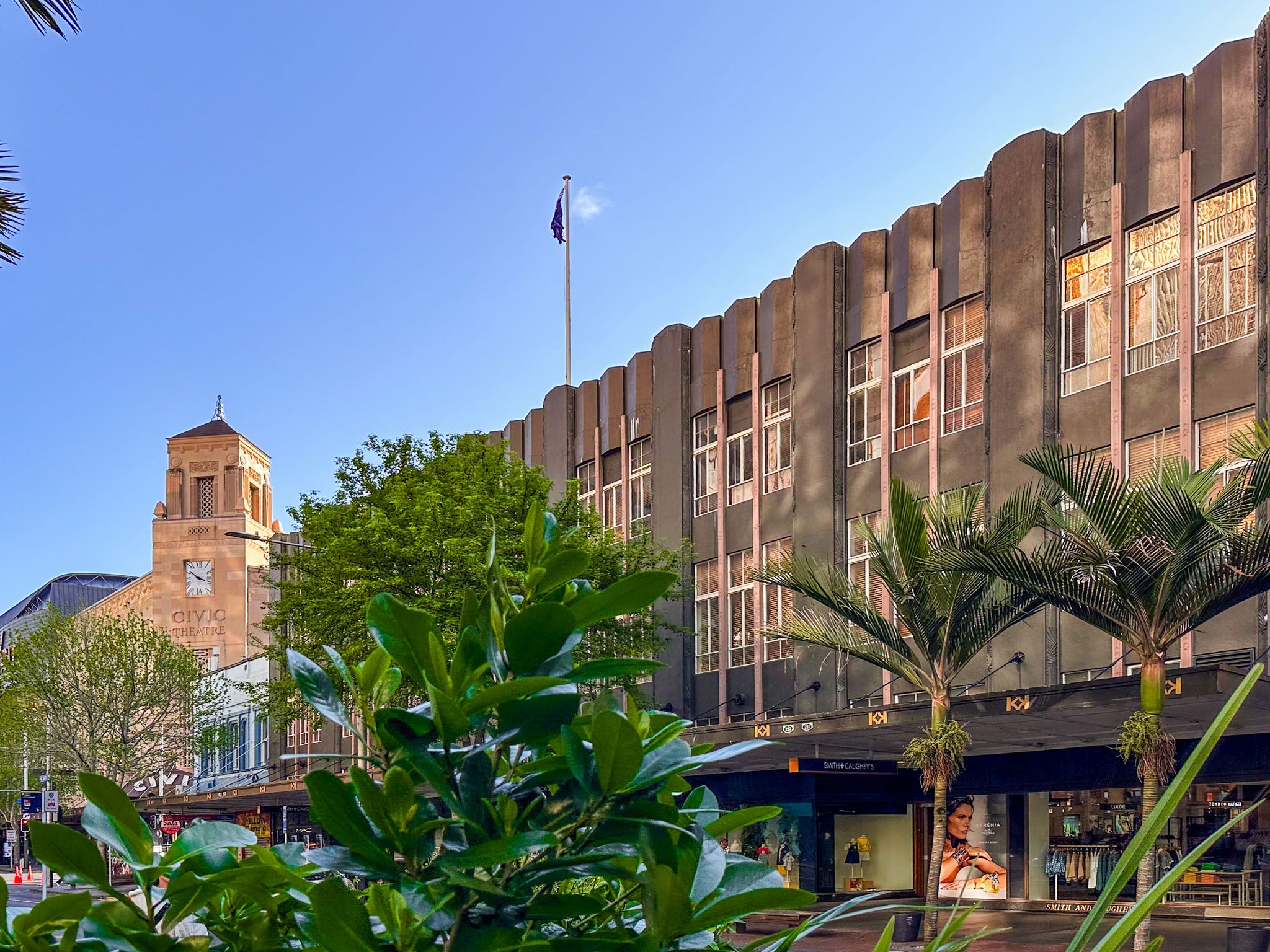
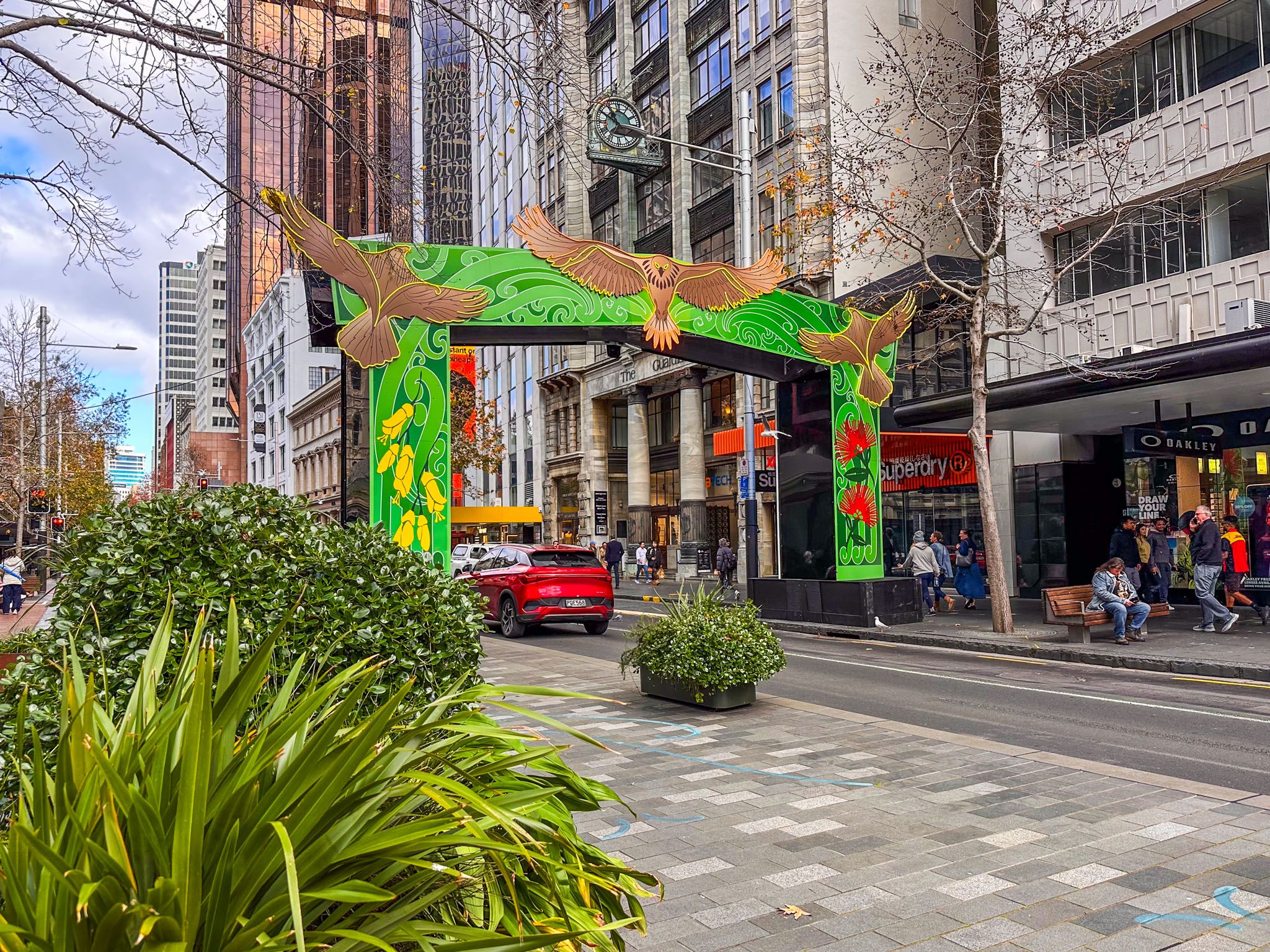
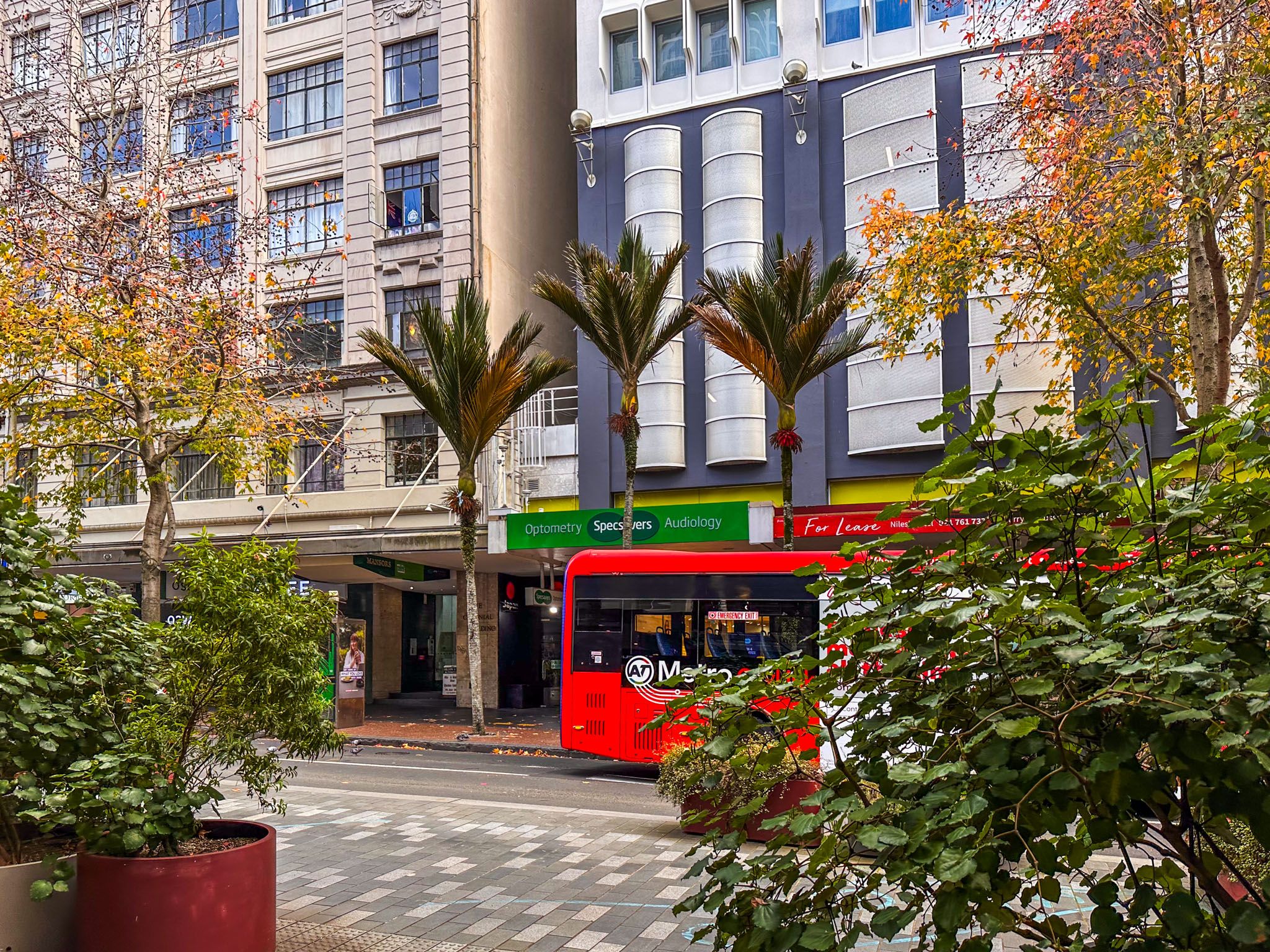
In recent years, Queen Street has been gradually revitalised. The addition of widened footpaths, new cycle lanes, planter boxes with native shrubs and young trees, and upgraded paving has made the street more pedestrian-friendly. These improvements are part of an ongoing effort to create a greener and more welcoming Downtown Auckland.
A Journey Through History
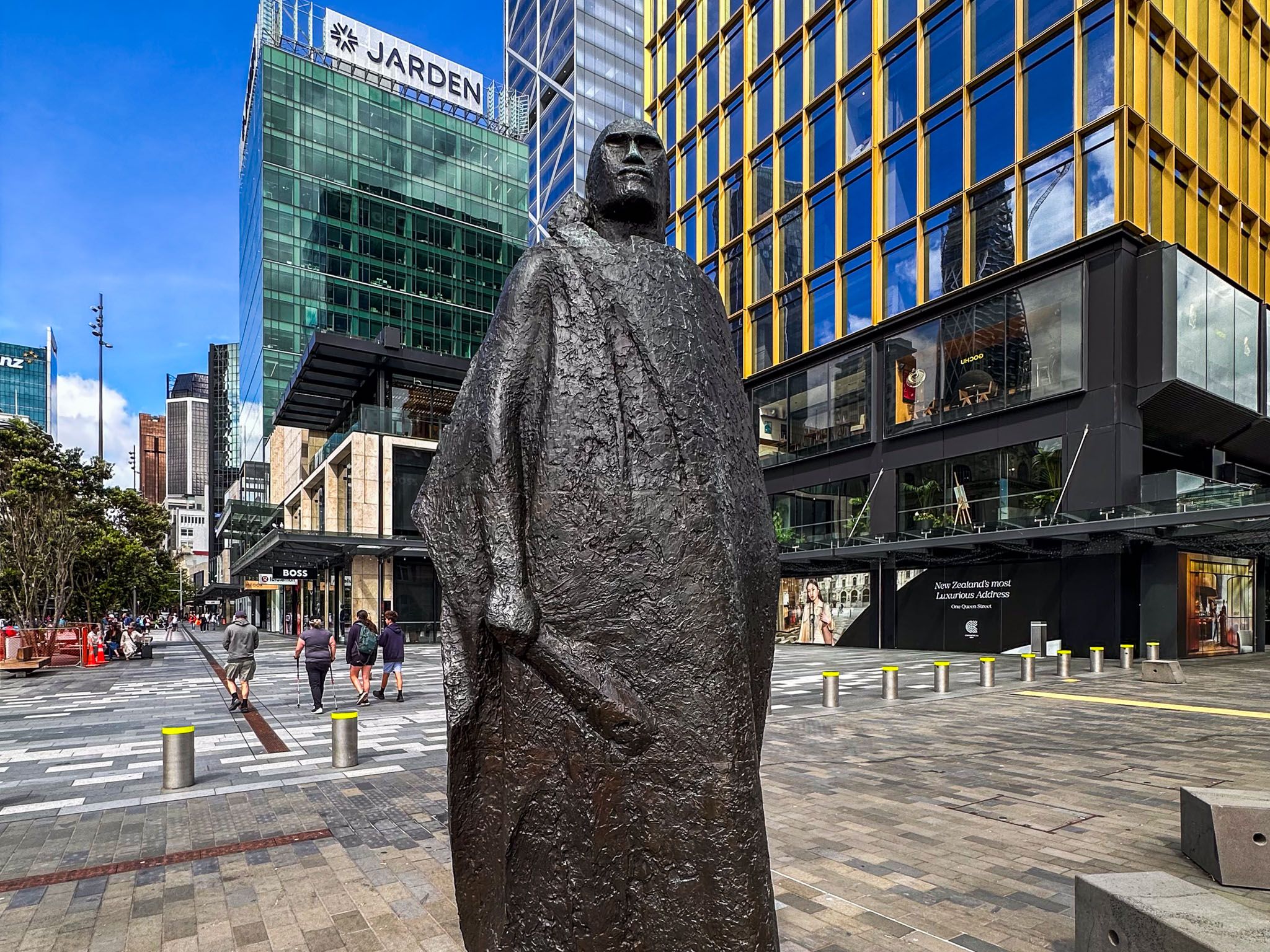
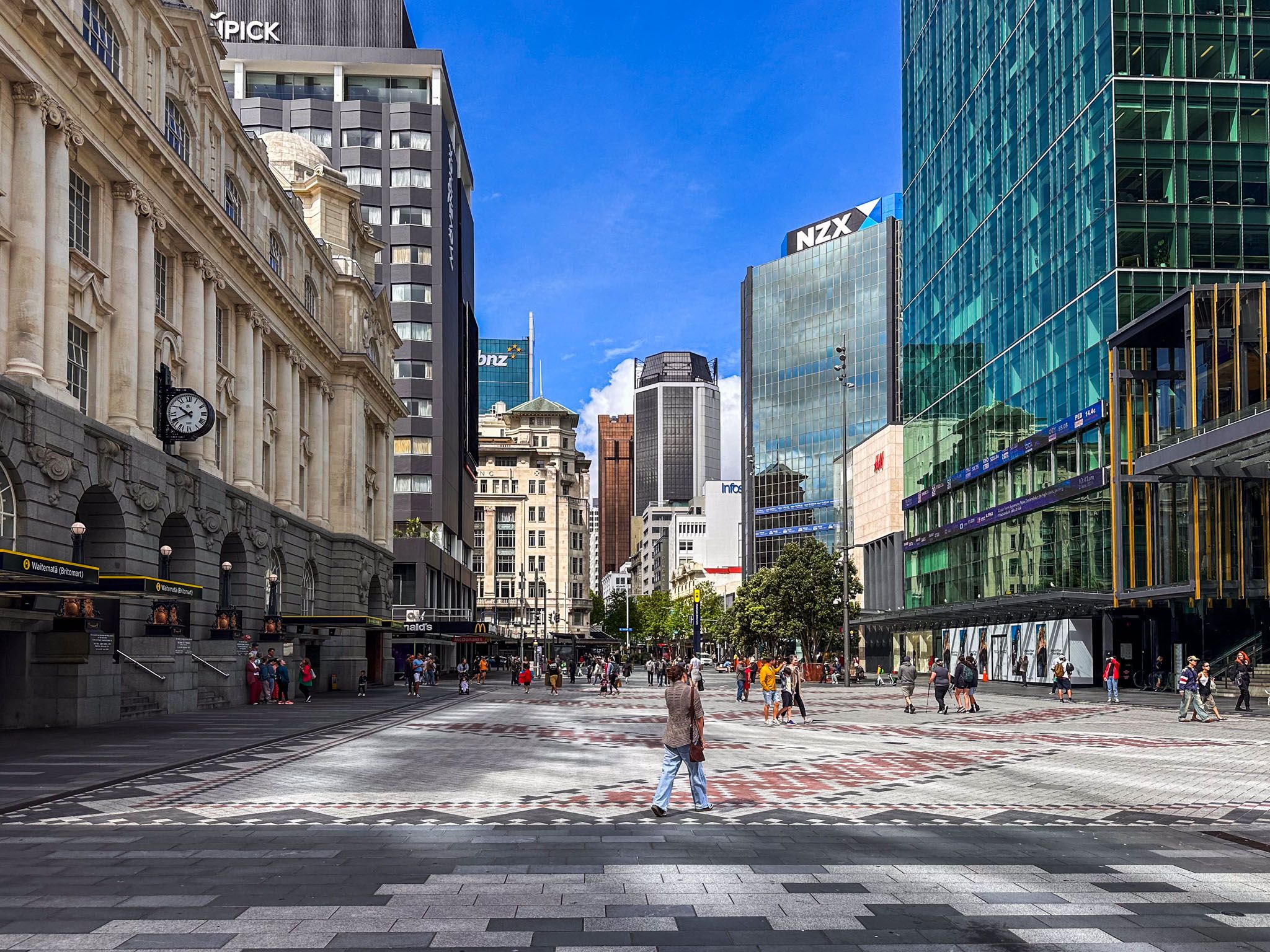
Named after Queen Victoria, Queen Street spans approximately three kilometres and changes in character as it ascends from the flat harbour edge to the steeper slopes leading to K Road. At its northern gateway, Komititanga Plaza, you’ll find the heritage Post Office Building, now home to Waitamāta Train Station. This plaza replaces the original northern end of Queen Street, built on reclaimed land from the 19th-century waterfront expansion.
The street's origins trace back to the Waihorotiu Stream, which once flowed through what is now the city centre. Although the stream was buried in the 1880s, its legacy remains beneath your feet. For a unique glimpse into the past, visit The Cave, a yakitori bar built into the rock foundations of the street, where you can dine below ground level.
Architectural Evolution
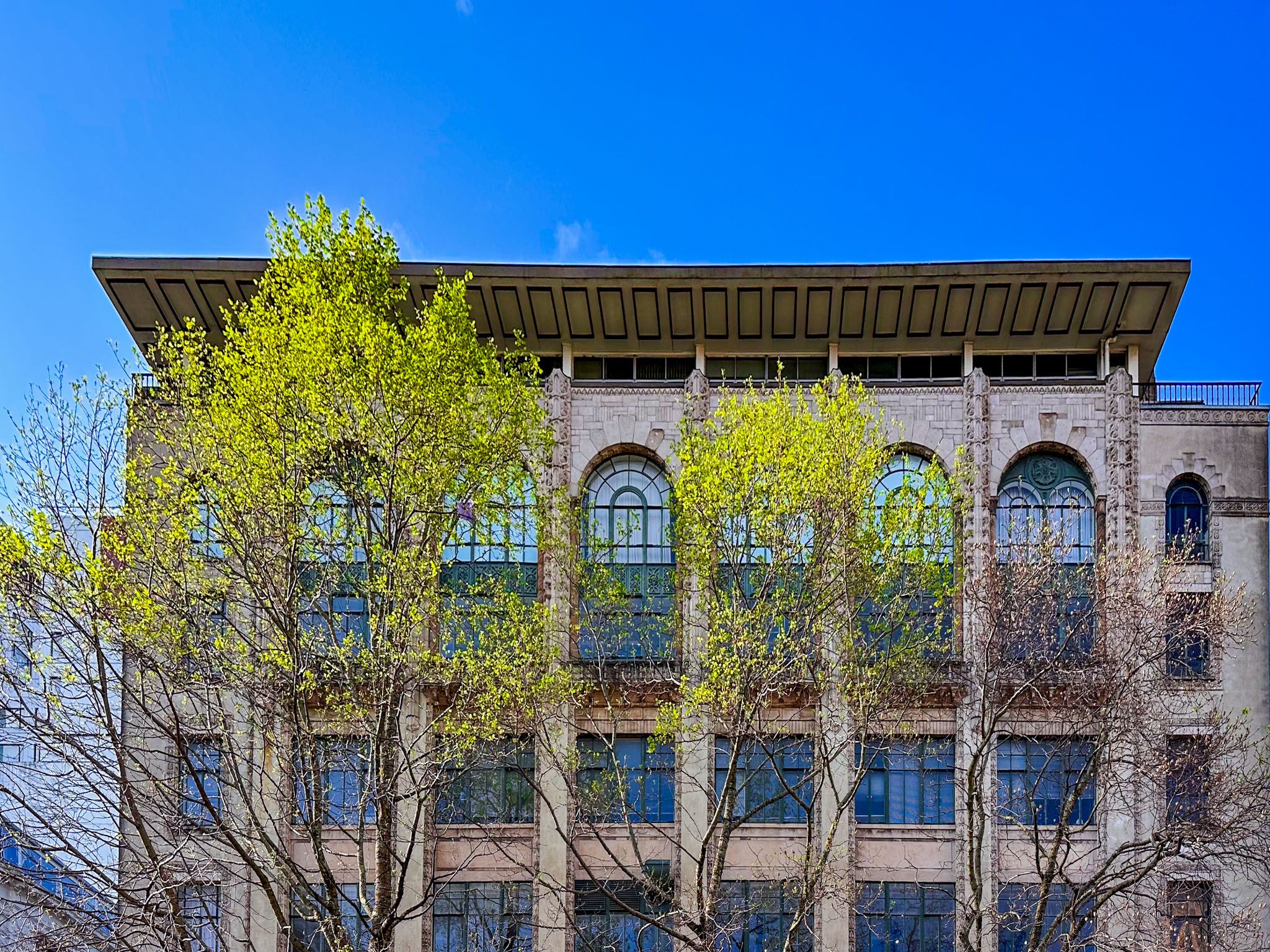
In 1858, a fire devastated much of the early timber-built waterfront. As Auckland grew, so did Queen Street. By the early 1900s, it was lined with grand civic buildings and department stores, becoming the city’s main thoroughfare for parades, protests, and public life.
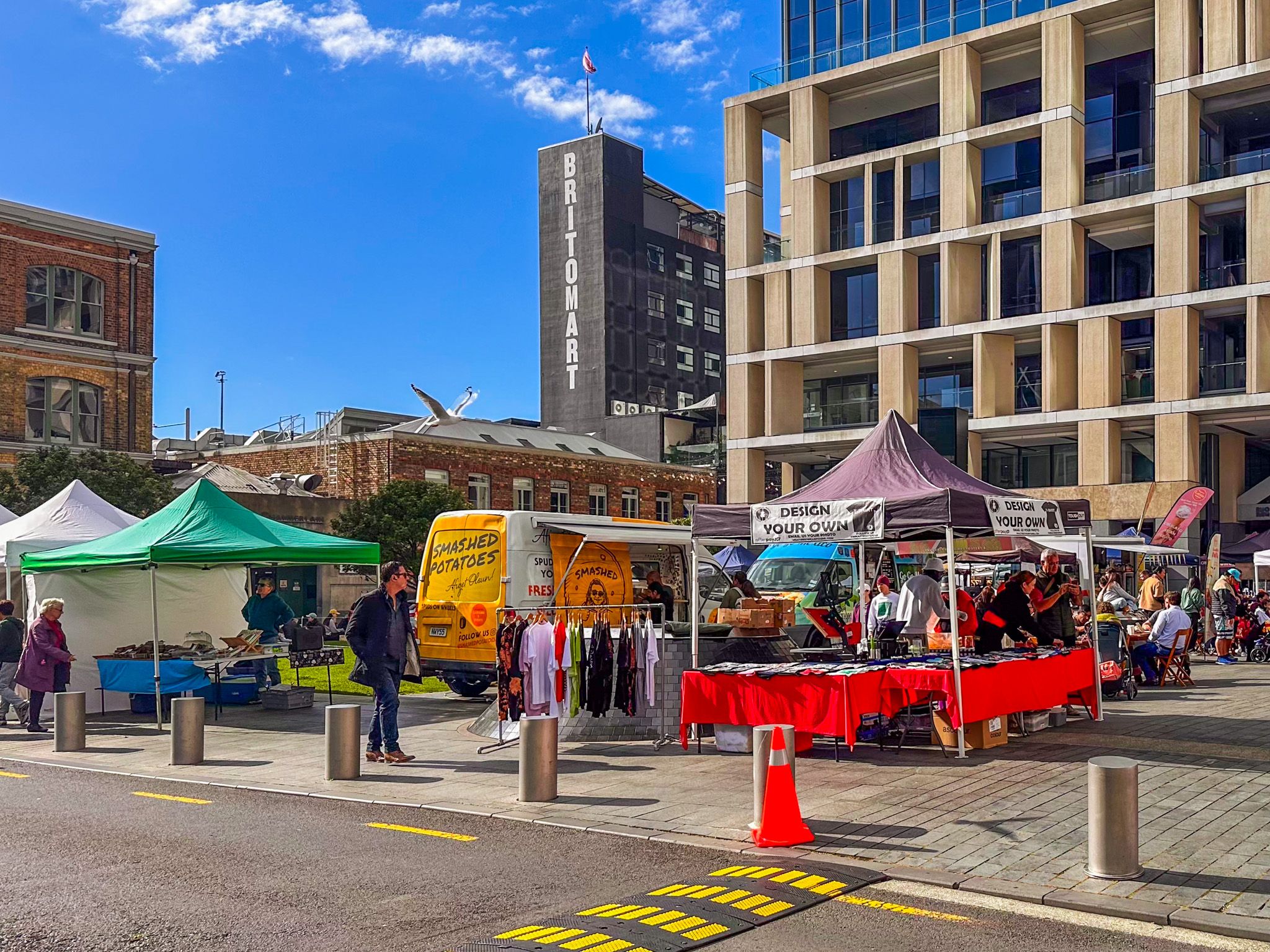
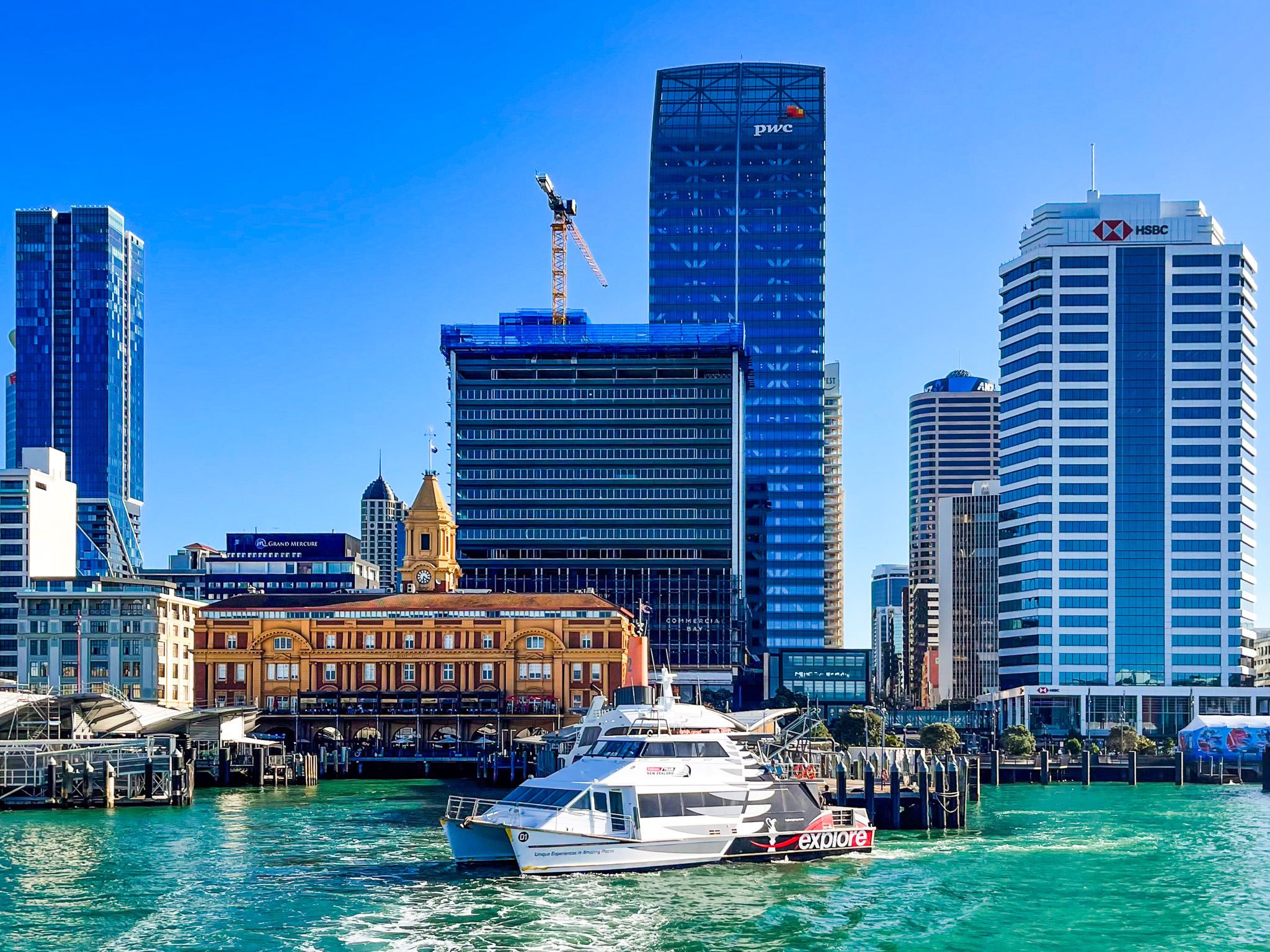
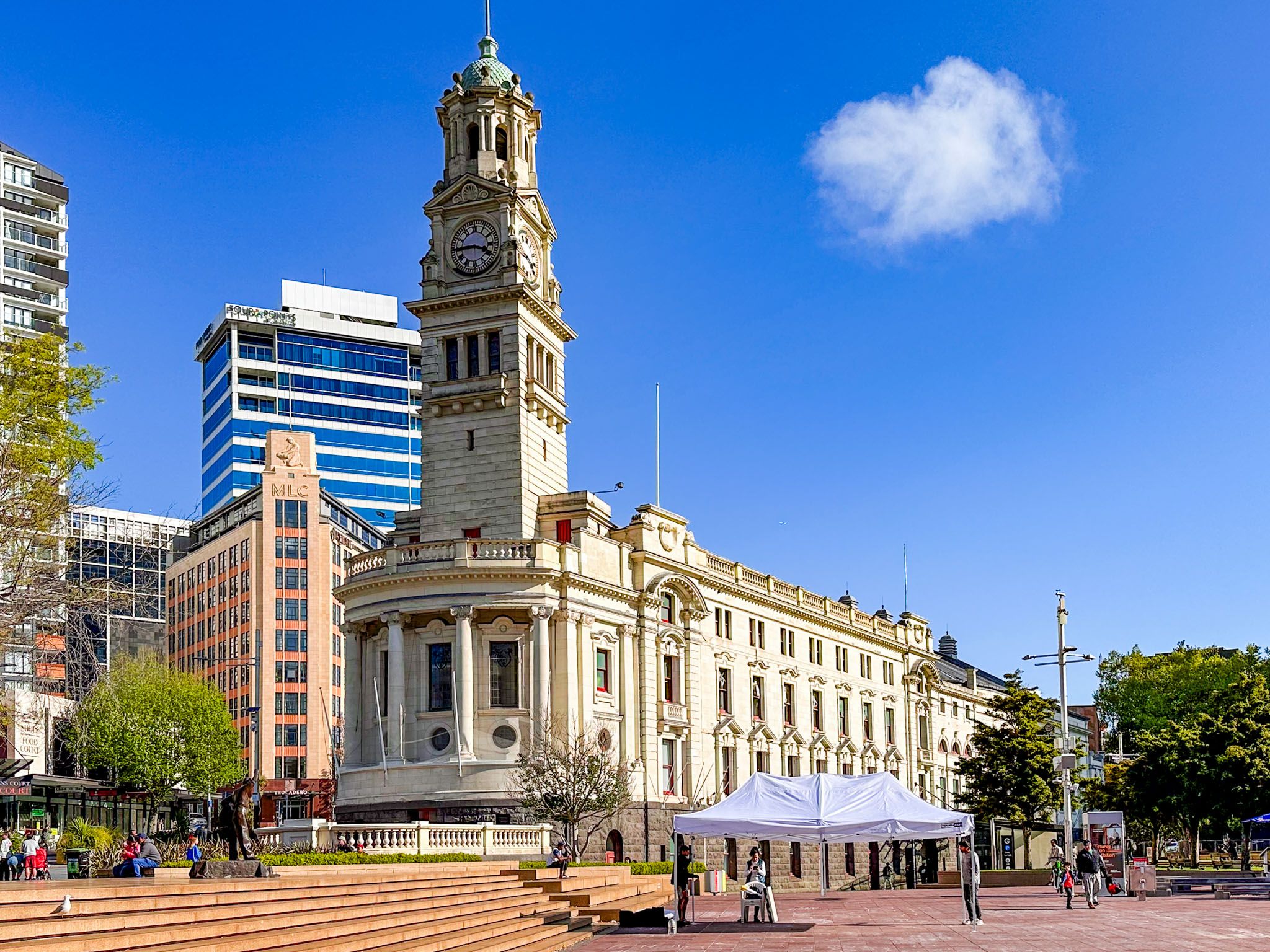
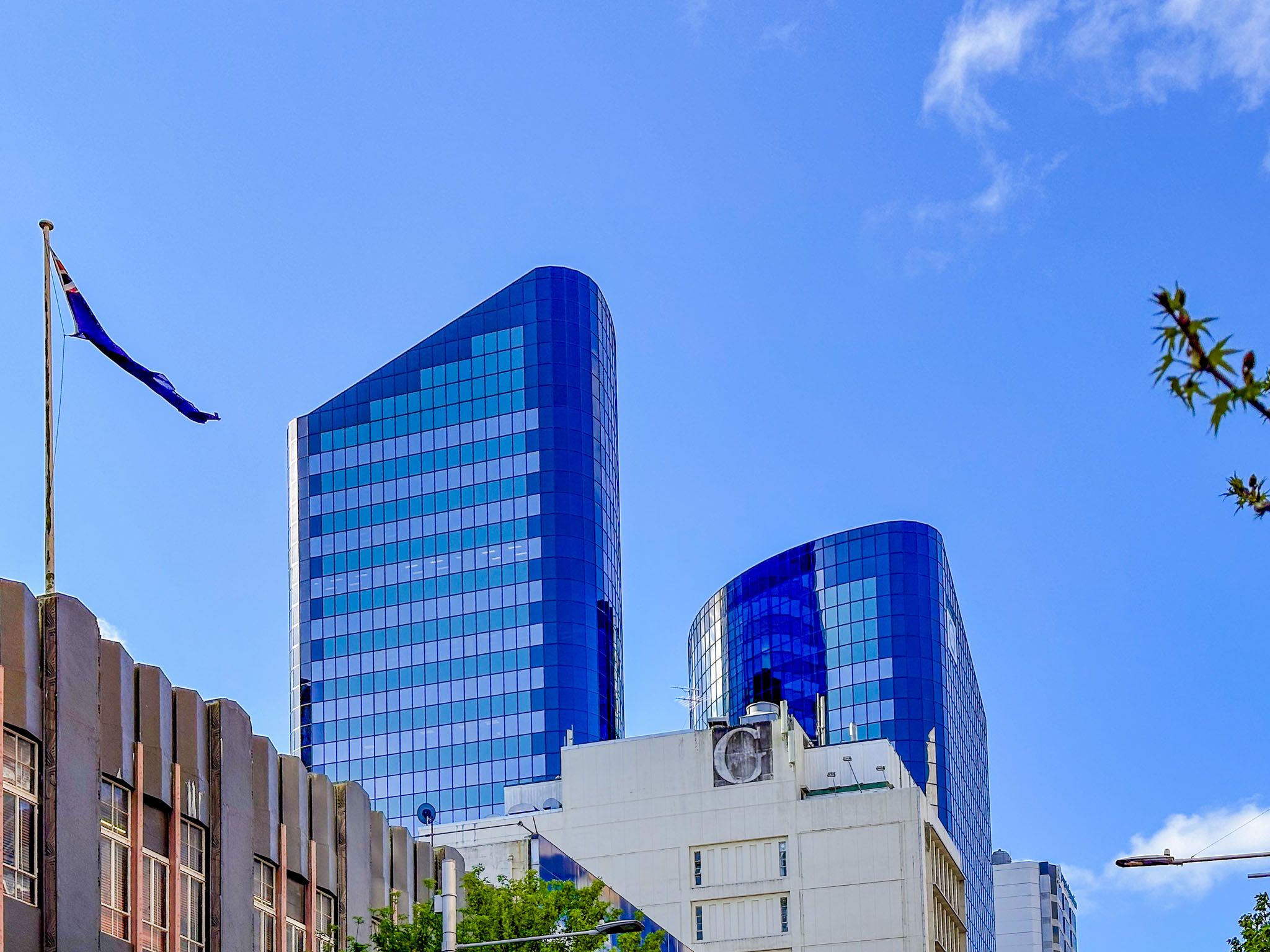
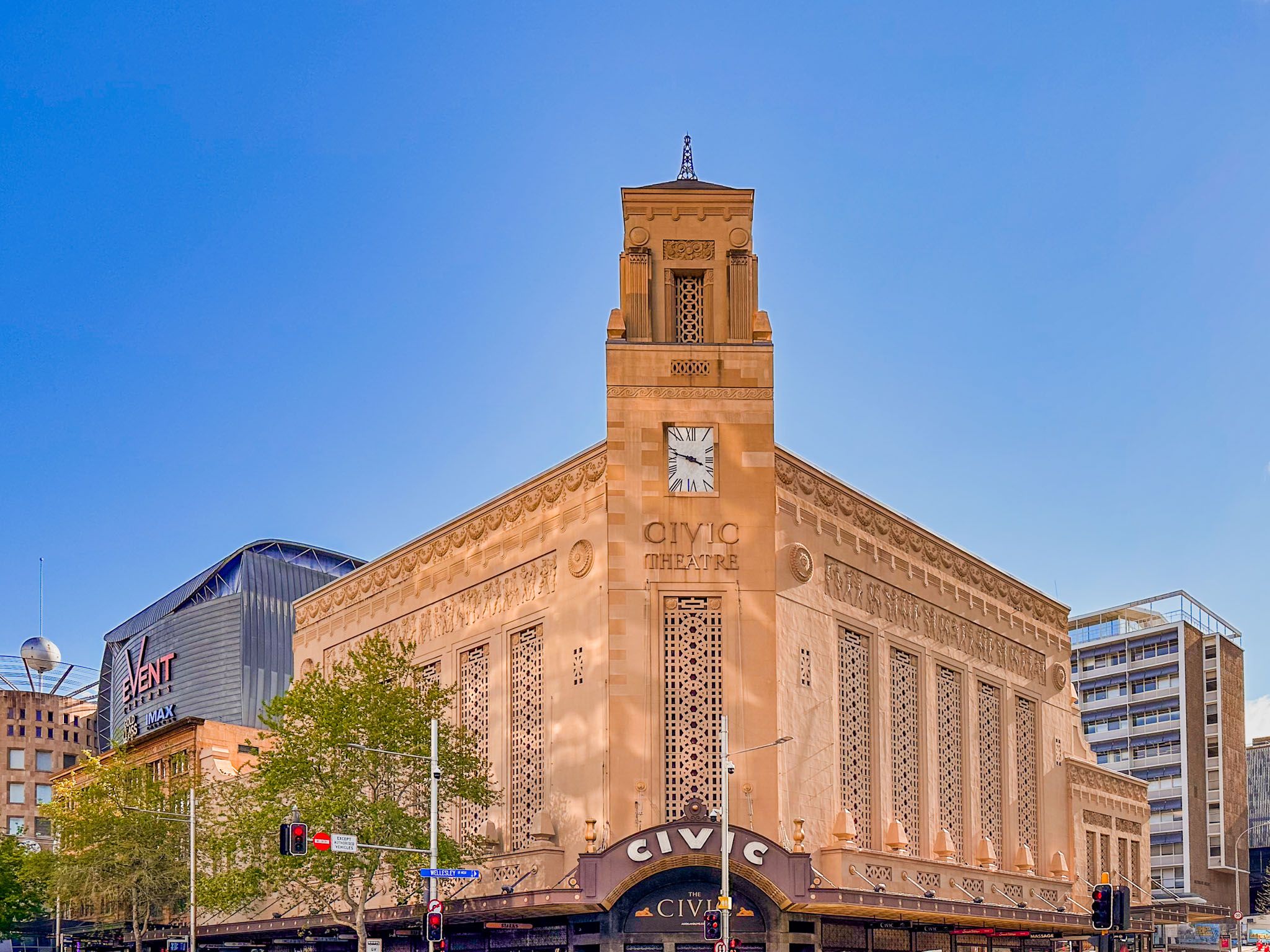
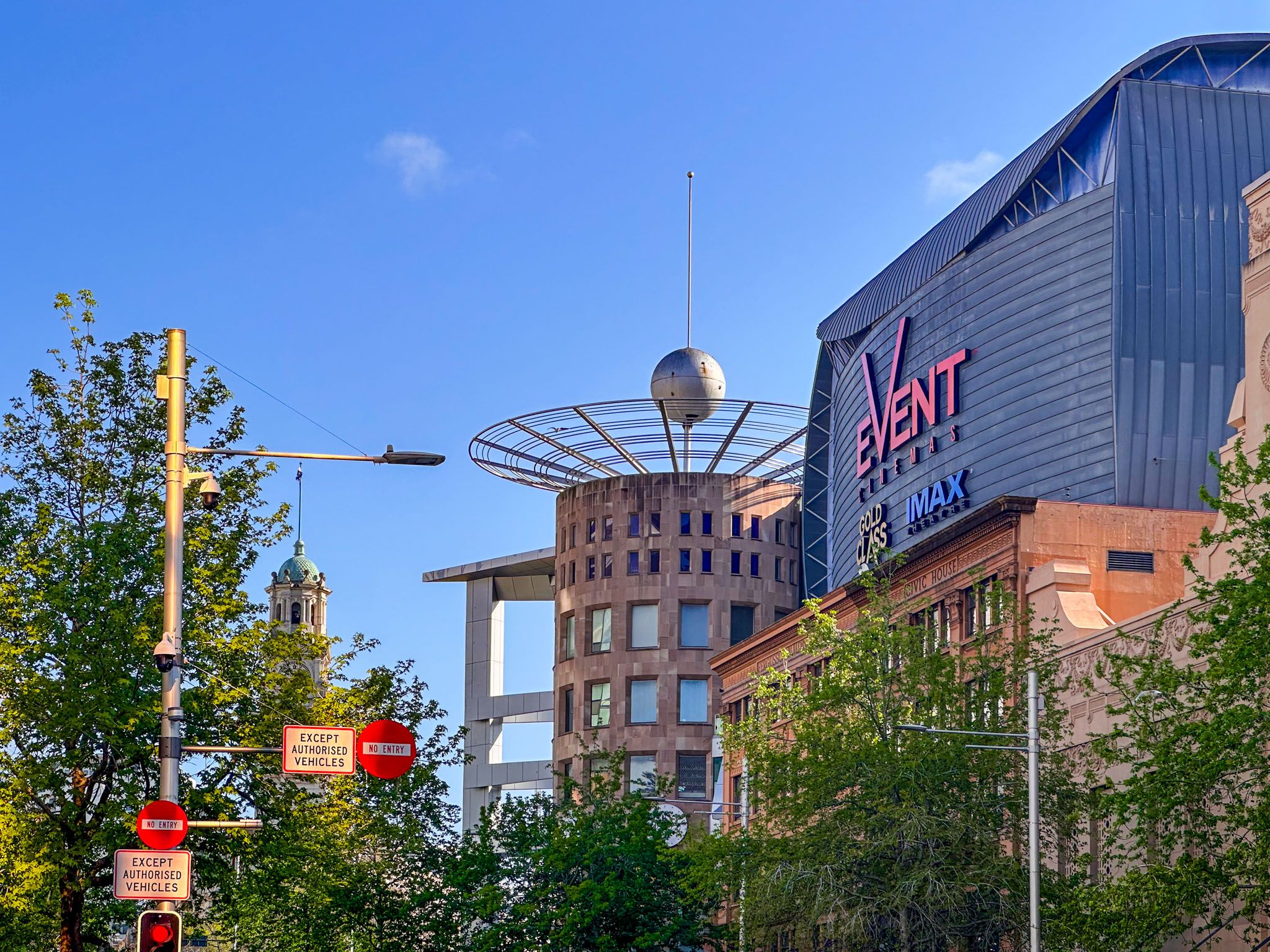
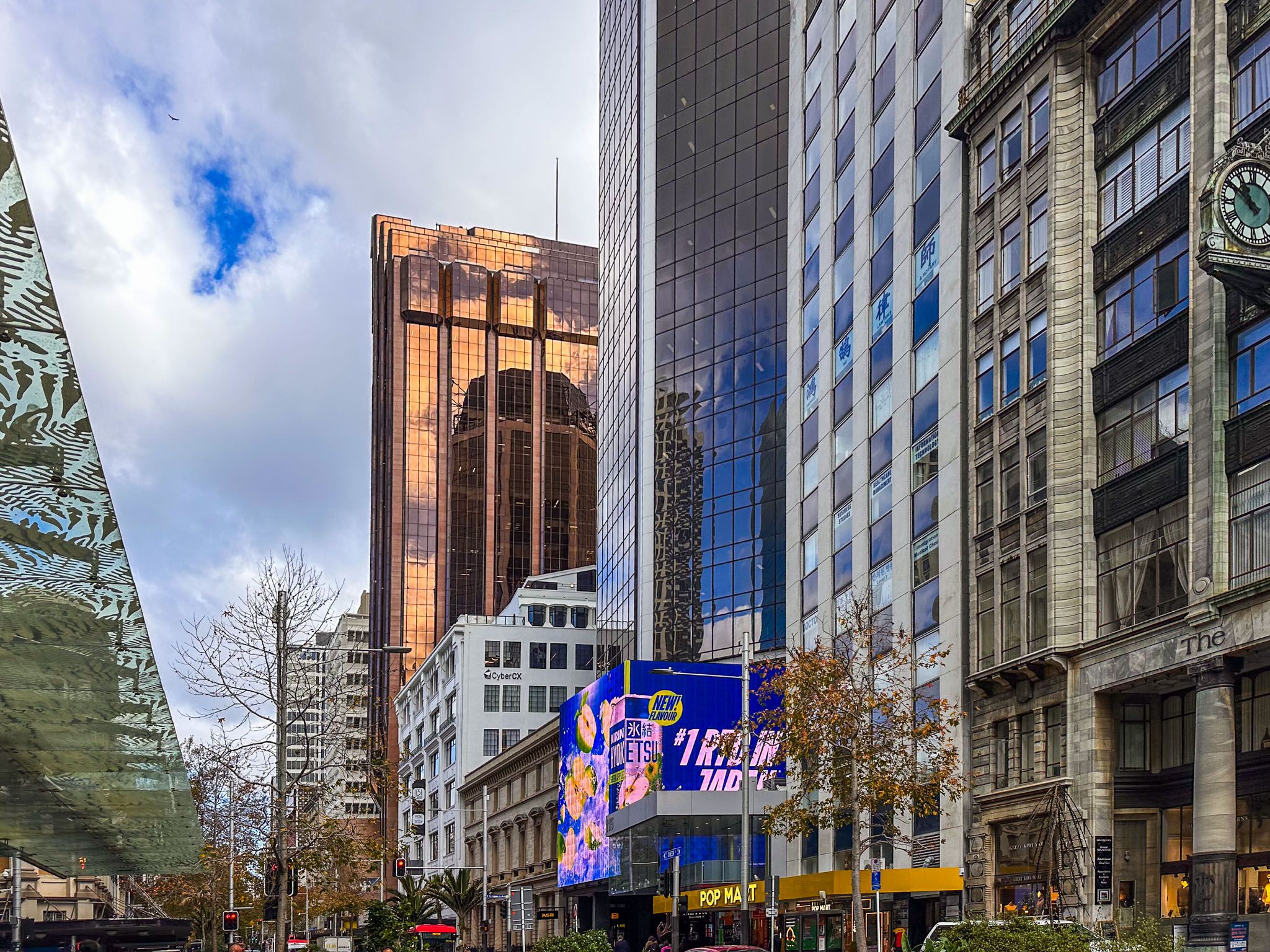
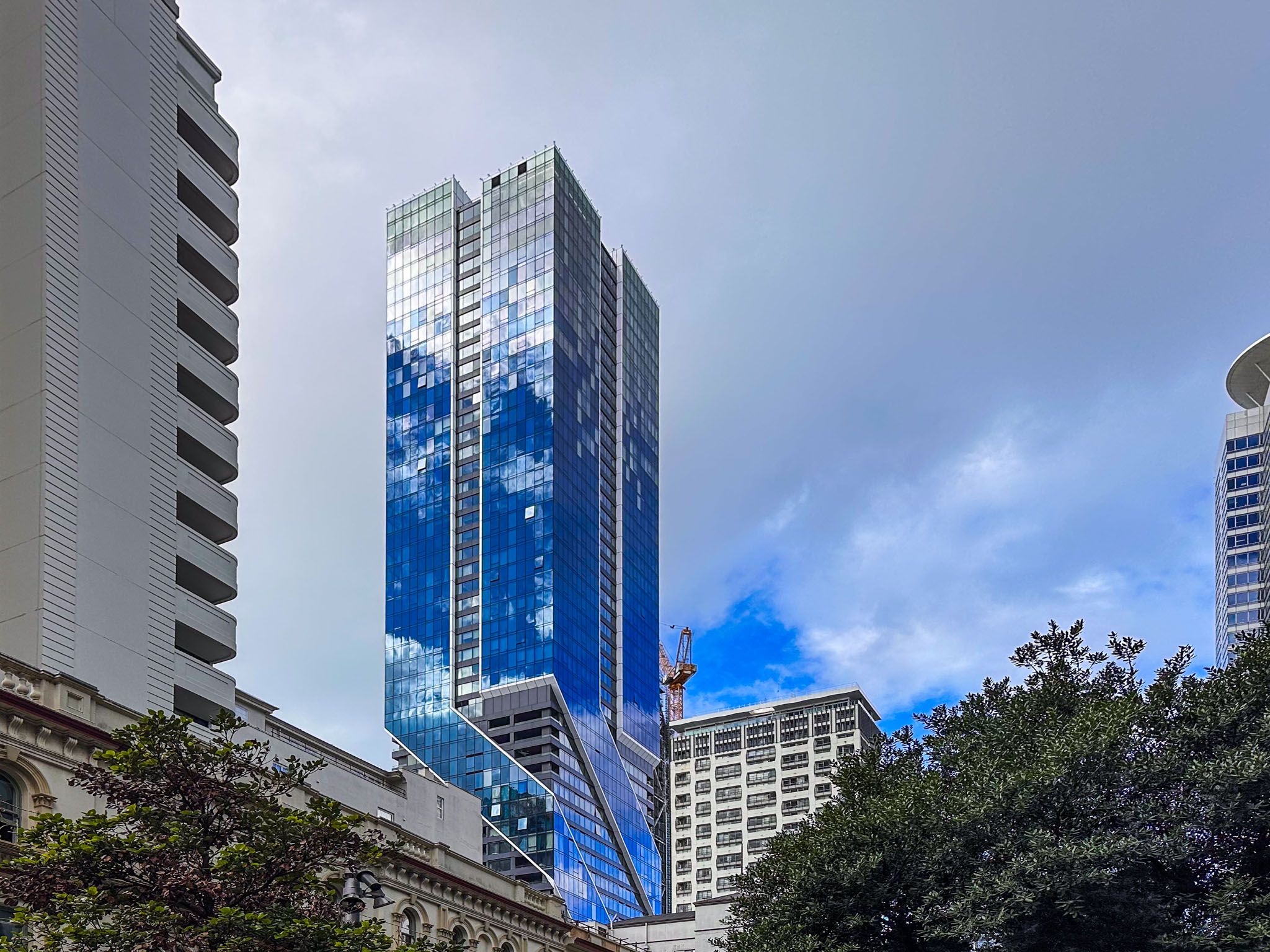
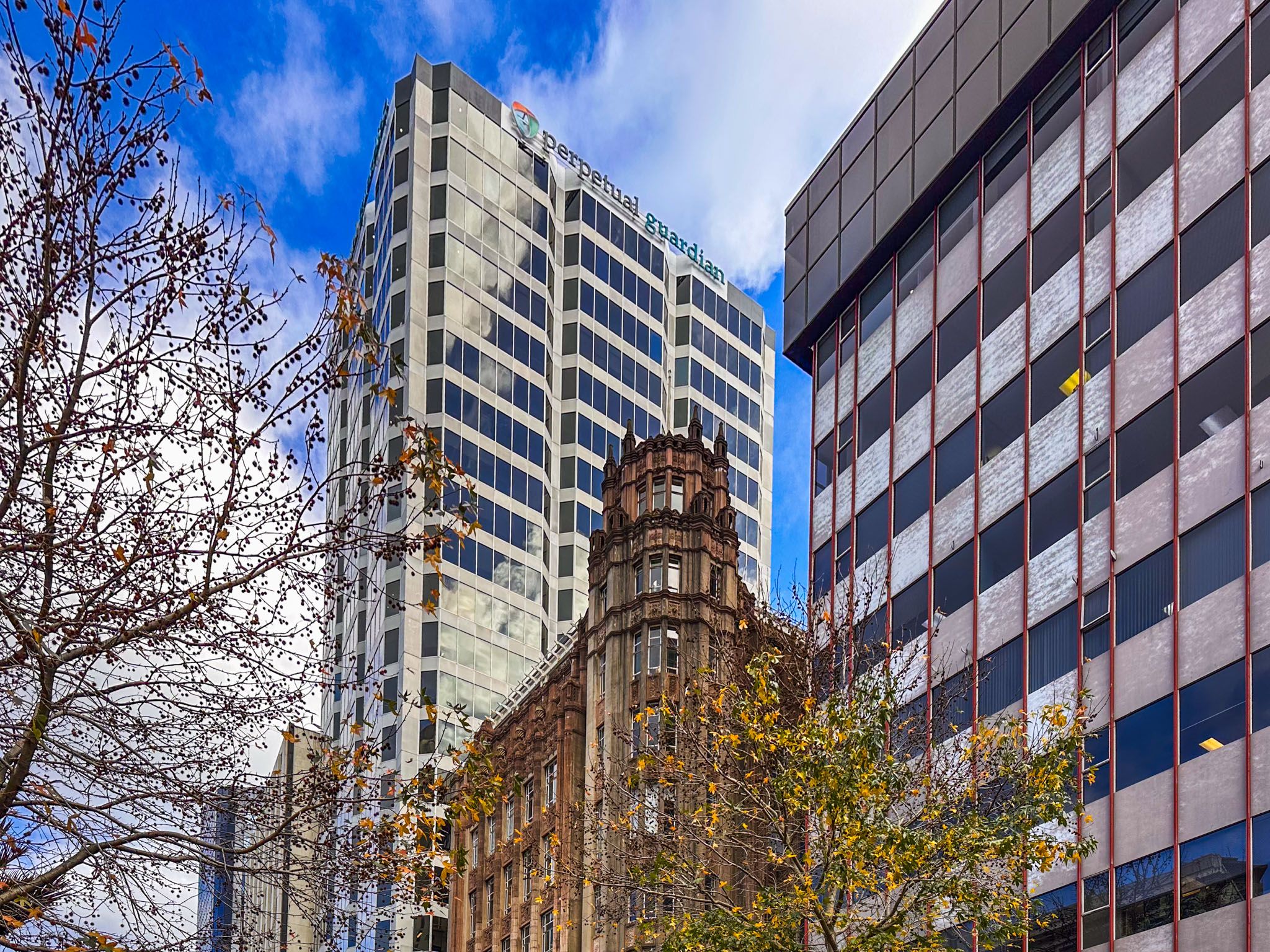
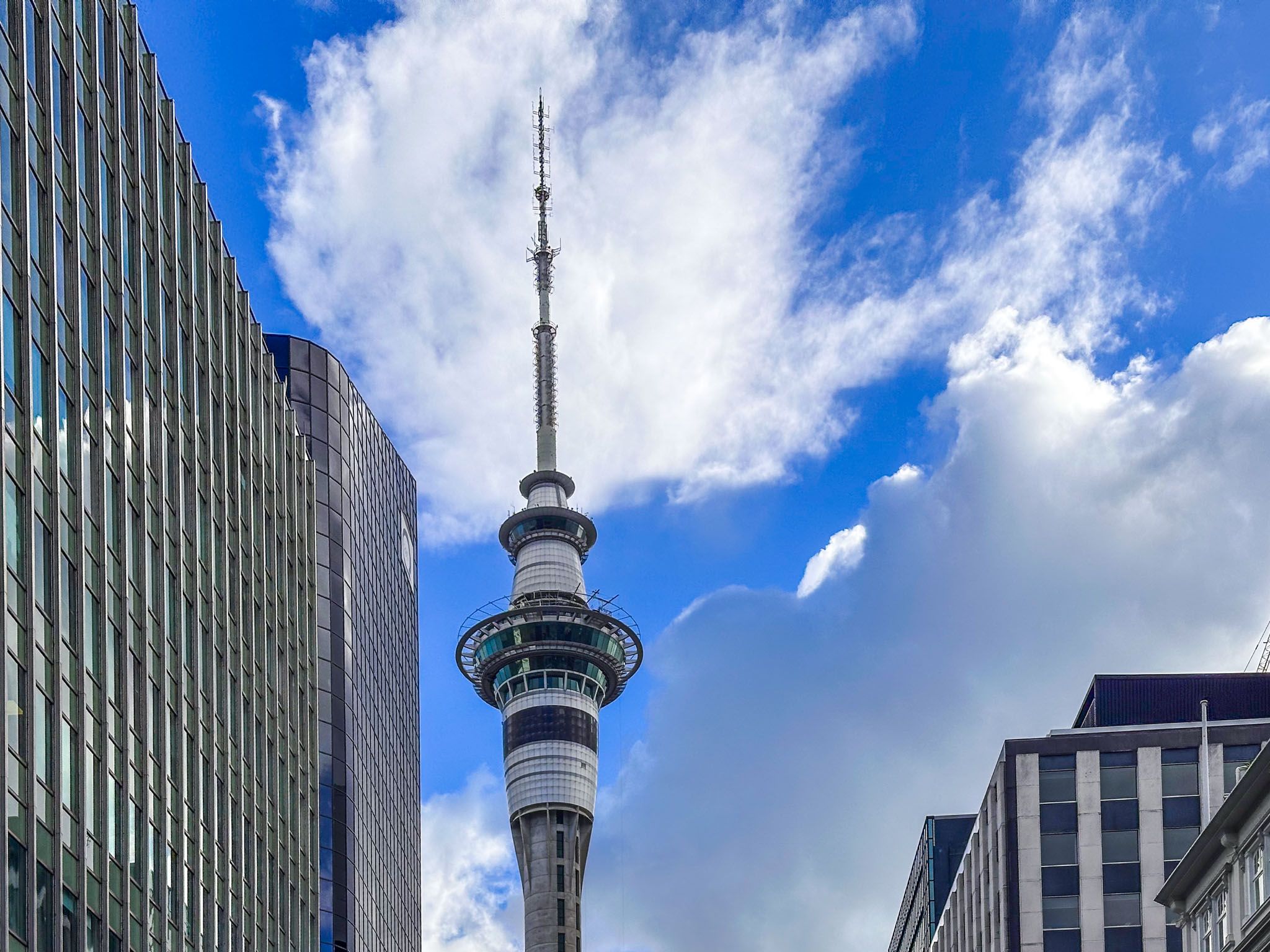
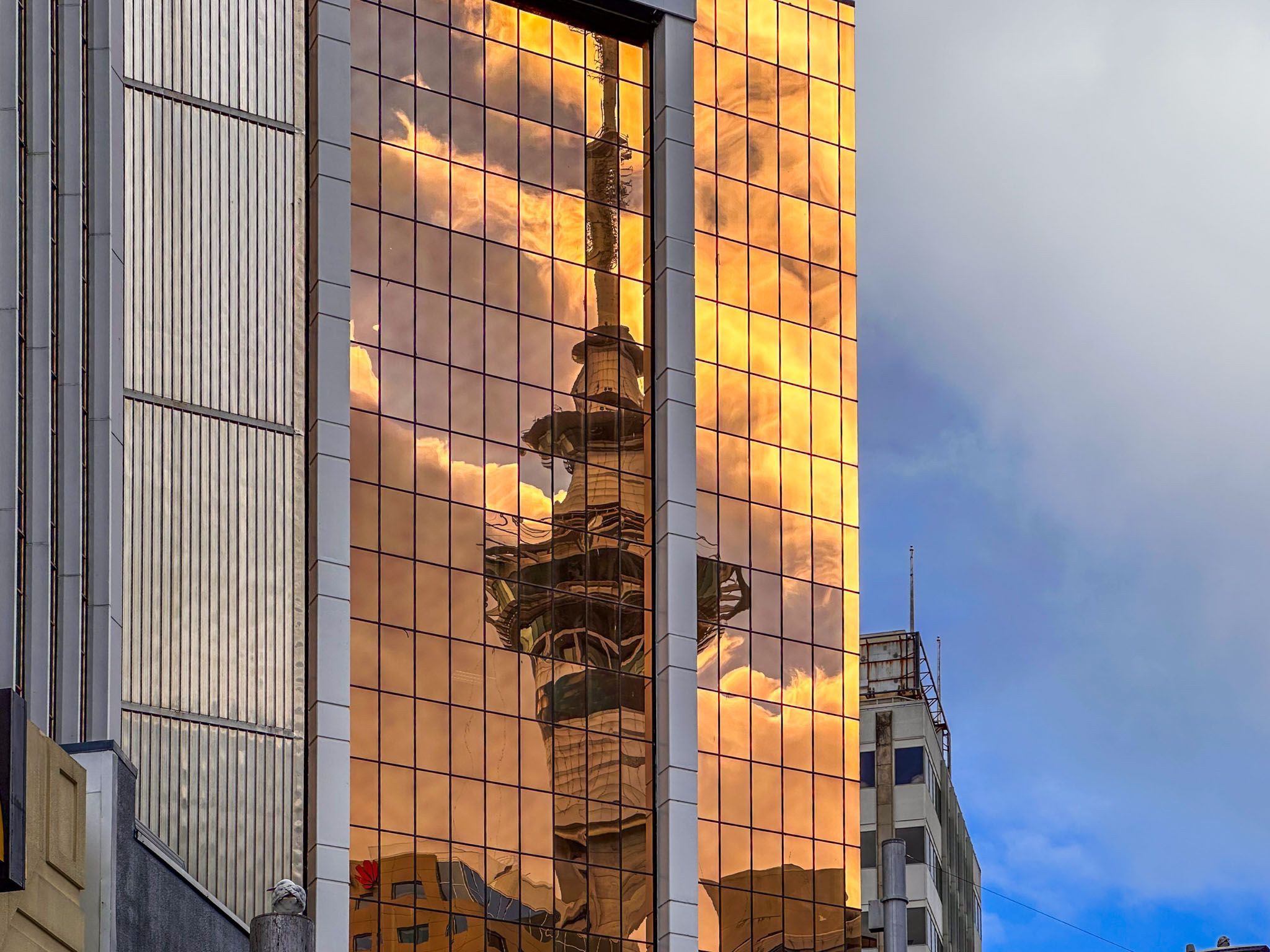
While much of the Victorian and Edwardian architecture was lost during later development booms, several key buildings still offer a glimpse of old Auckland. Notable structures include the elegant Town Hall, the Civic Theatre, Landmark House, Britomart Station, the Post Office, and the Ferry Building. The modern glass buildings now dominating the skyline provide striking reflection photos if you look up.
Vibrant Mid-Section
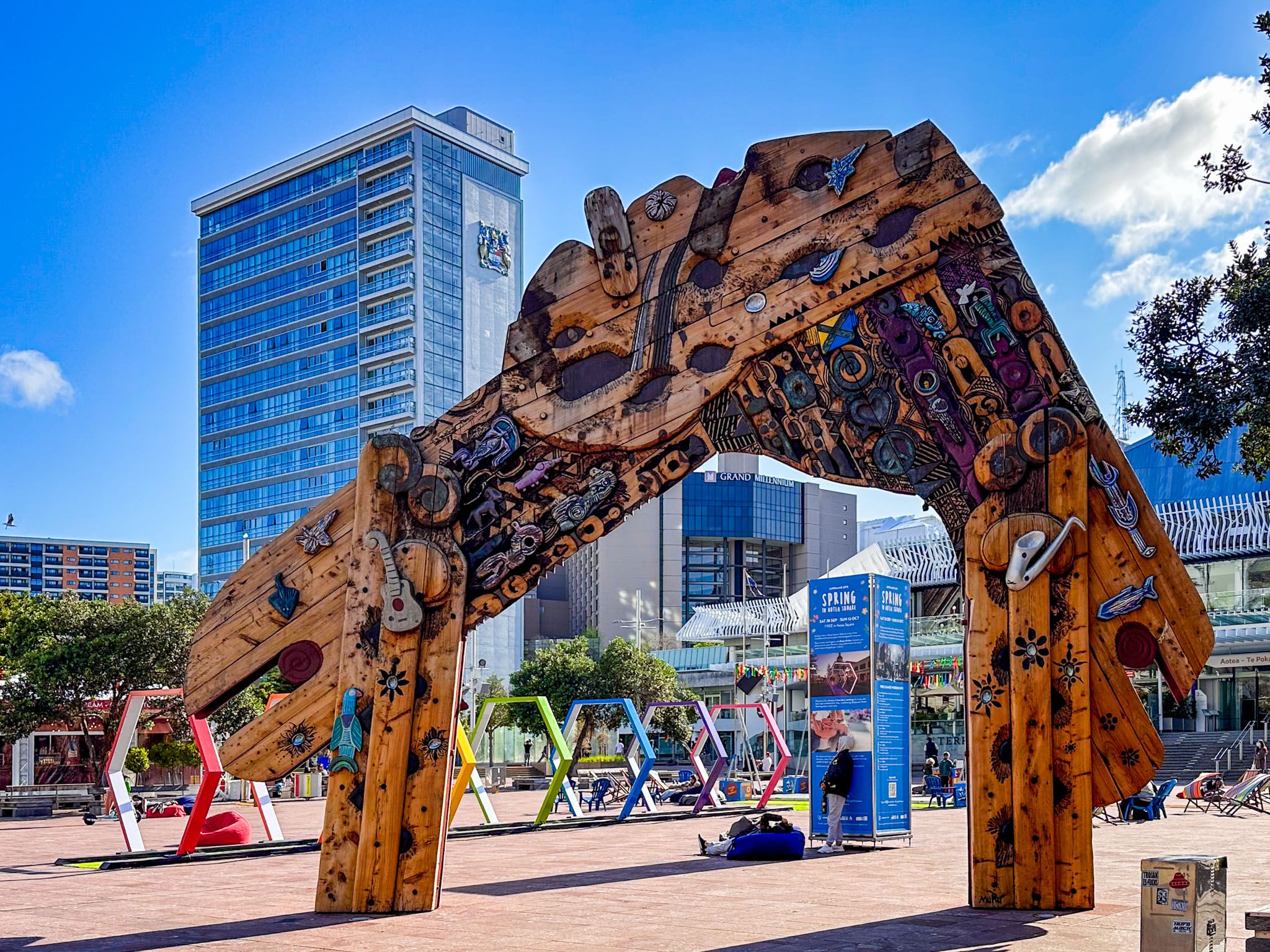
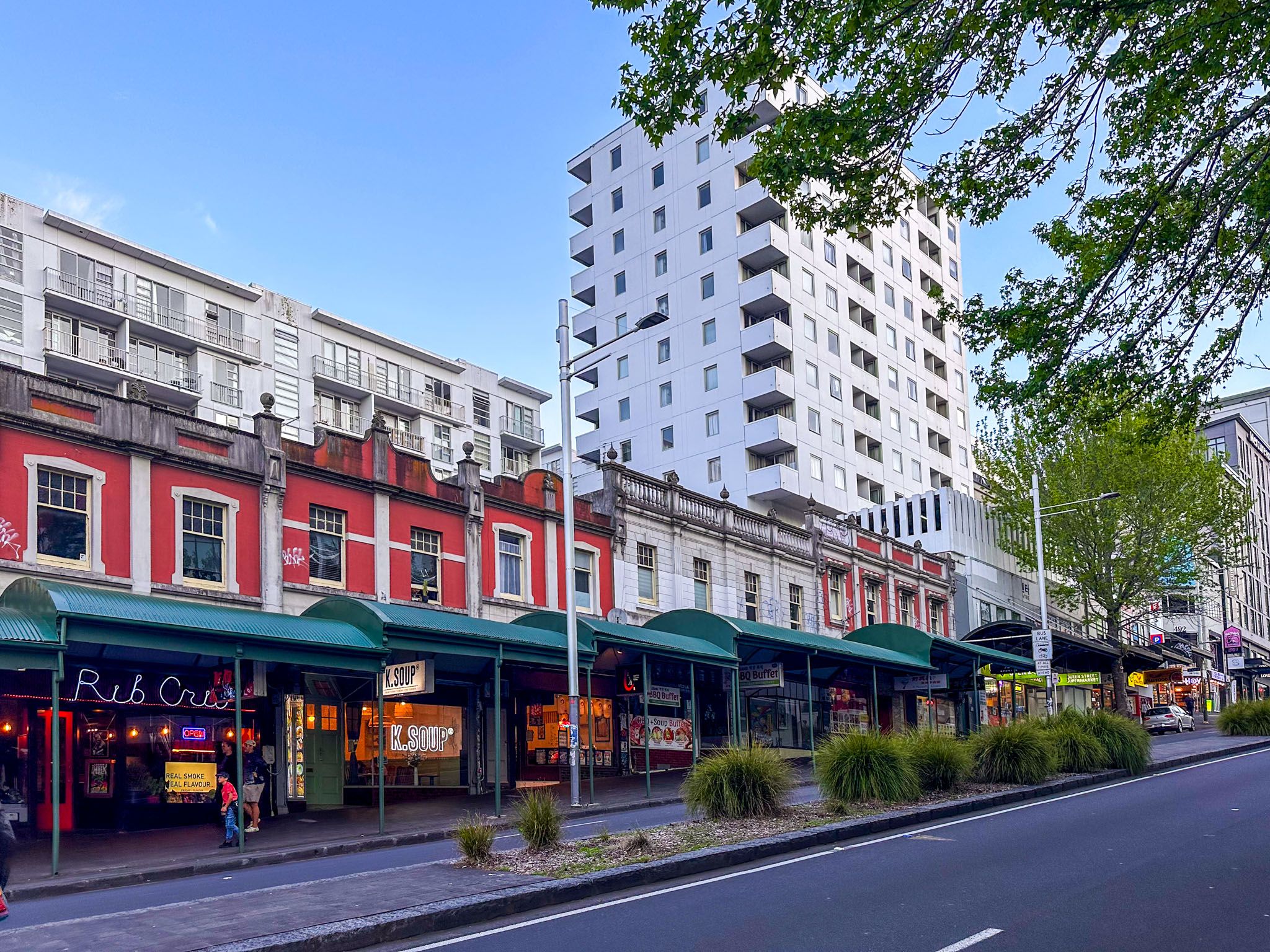
The mid-section of Queen Street exudes youthful energy, thanks to the nearby University of Auckland, AUT, and other institutions. Aotea Square is a prominent public space between the Town Hall and the Convention Centre. Here, you’ll find affordable eateries, bookstores, second-hand shops, and street performers.
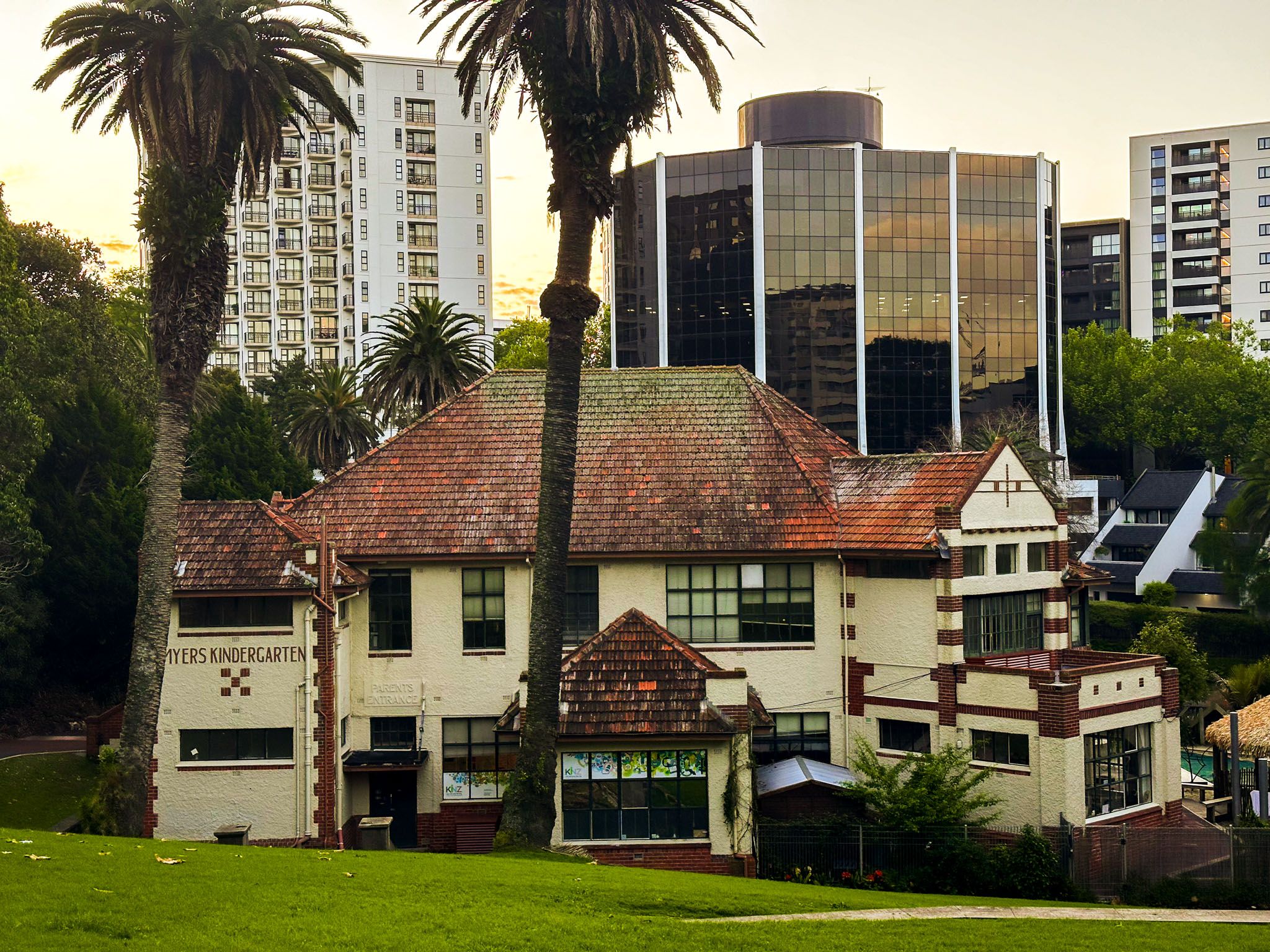
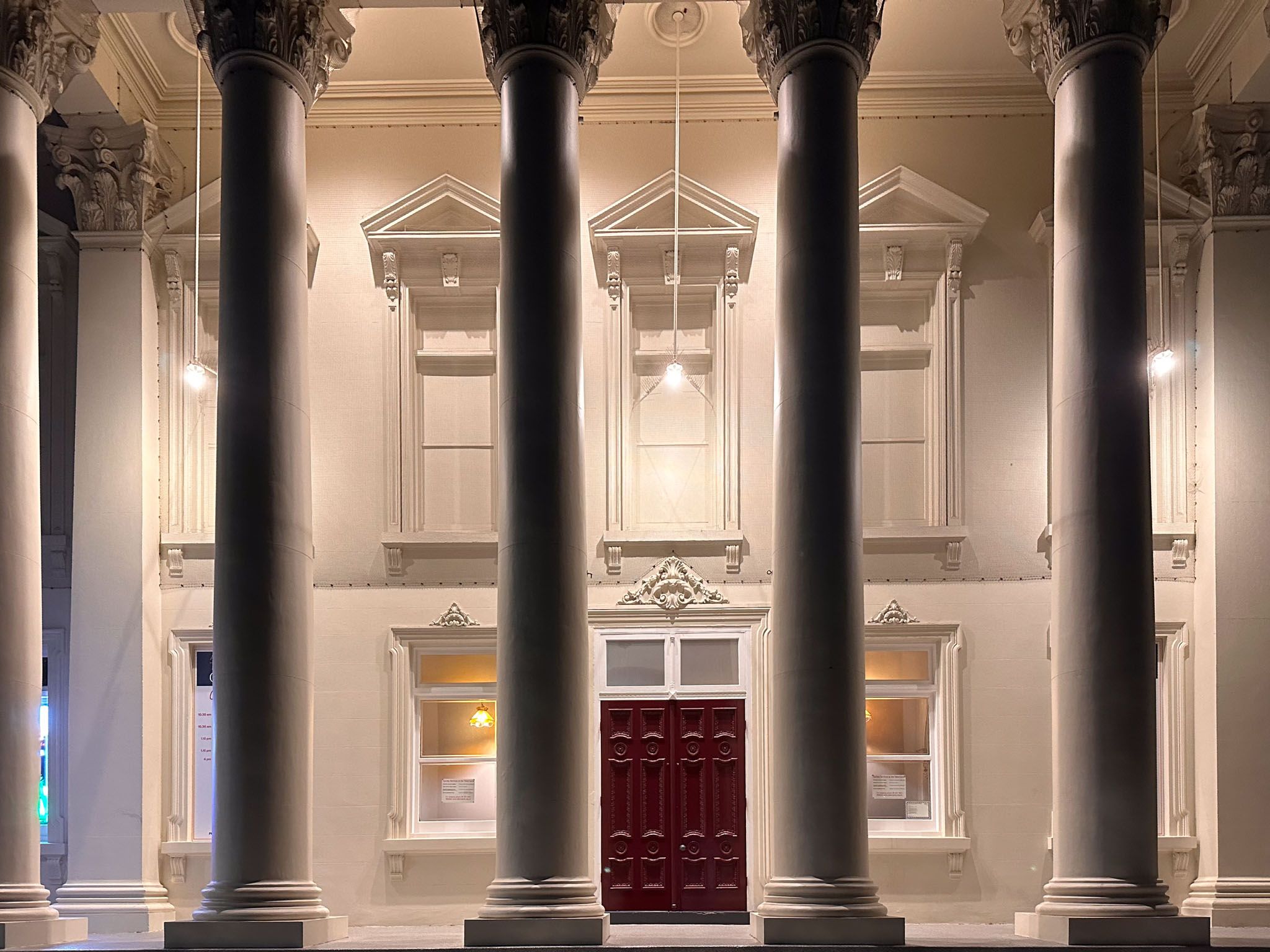
Further uphill, Q Theatre and Basement Theatre have local plays, comedy shows, and fringe performances. The top third of the street features more restaurants, the Greek facade of the Baptist Tabernacle Building, and access to Myers Park.
Polished Harbour End
At the harbour end, Queen Street has a more refined atmosphere, catering to cruise ship passengers and high-end shoppers with flagship stores and luxury retailers. This northern precinct feels more connected to the newer waterfront developments, although Queen Street itself is gradually catching up.
A Vital Part of Auckland
Despite periods of neglect and the pressure of surrounding revitalisation projects, Queen Street remains a vital part of Auckland’s city centre. Whether you're shopping, attending a show, exploring its history, or simply people-watching from a bench in Komititanga Plaza, Queen Street provides a window into the heart of the city.
Getting to Queen Street
Queen Street is easily accessible on foot from anywhere in Downtown Auckland and is well-connected by public transport. Watemāta Train Station is located at its northern end, and buses run regularly along and across the street. If you're arriving by ferry or cruise ship, simply walk up from the nearby Ferry Building. This accessibility is an integral part of the Queen Street experience.
Nearby places to visit include the University of Auckland, Albert Park, the Art Gallery, Commercial Bay, Britomart, and Viaduct Harbour.