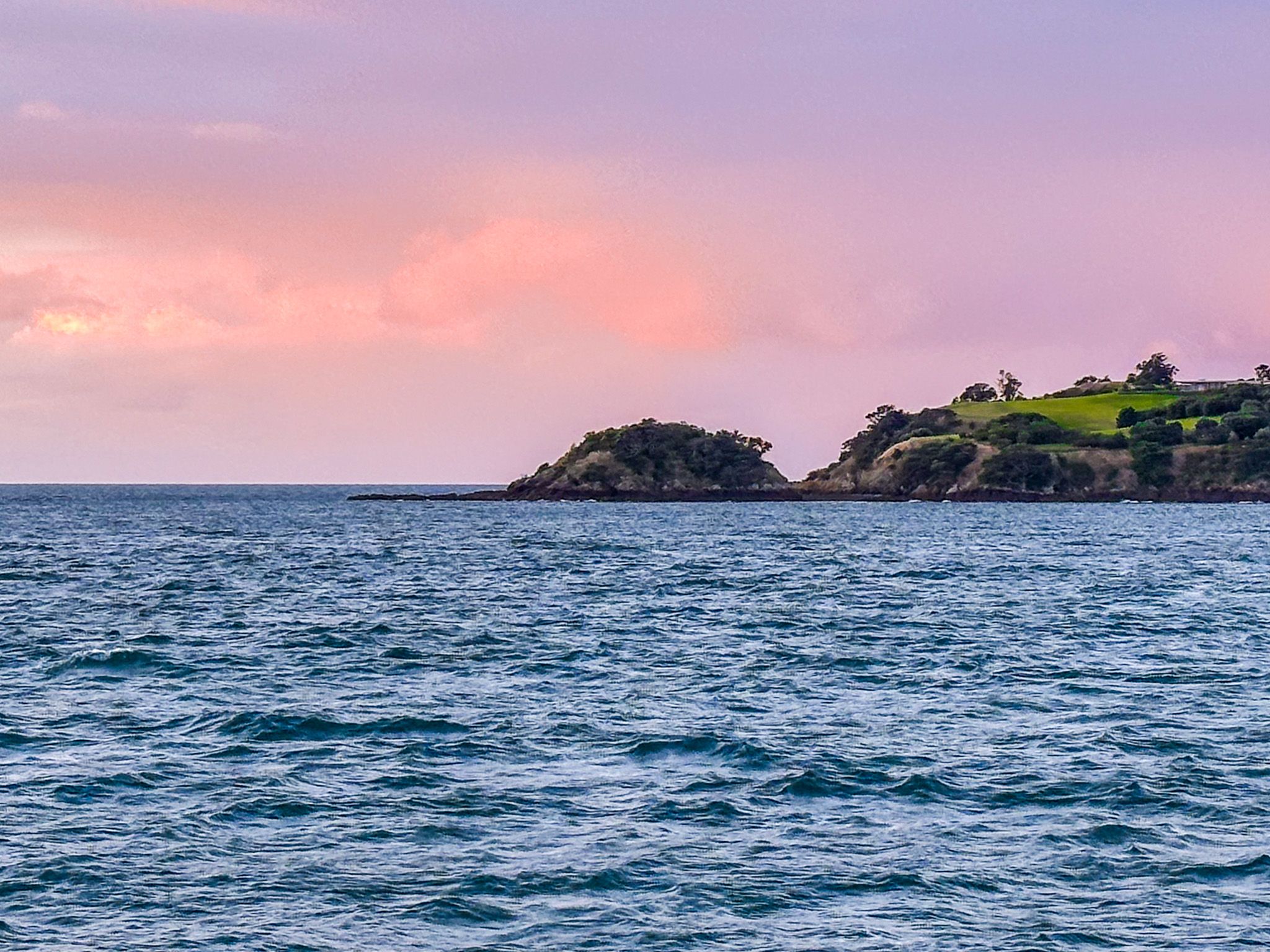
A Ride on the Waiheke Ferry
The Waiheke Ferry connects Downtown Auckland to Waiheke Island in the Hauraki Gulf, transforming a 40-minute crossing into one of New Zealand's most scenic commutes. This working ferry service doubles as a sightseeing experience, passing volcanic islands, historic suburbs, and the evolving skyline of Auckland.
What You Will See
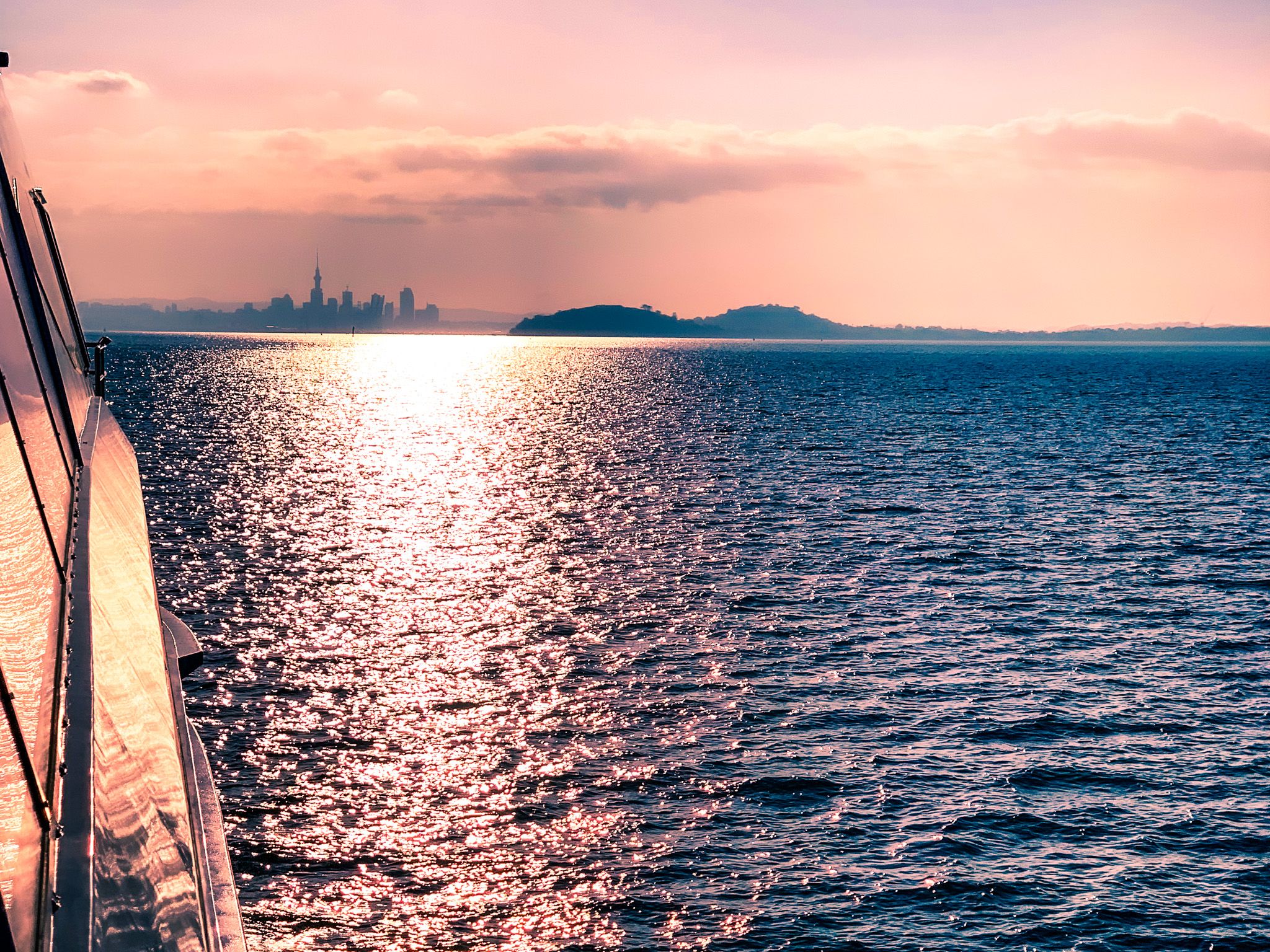
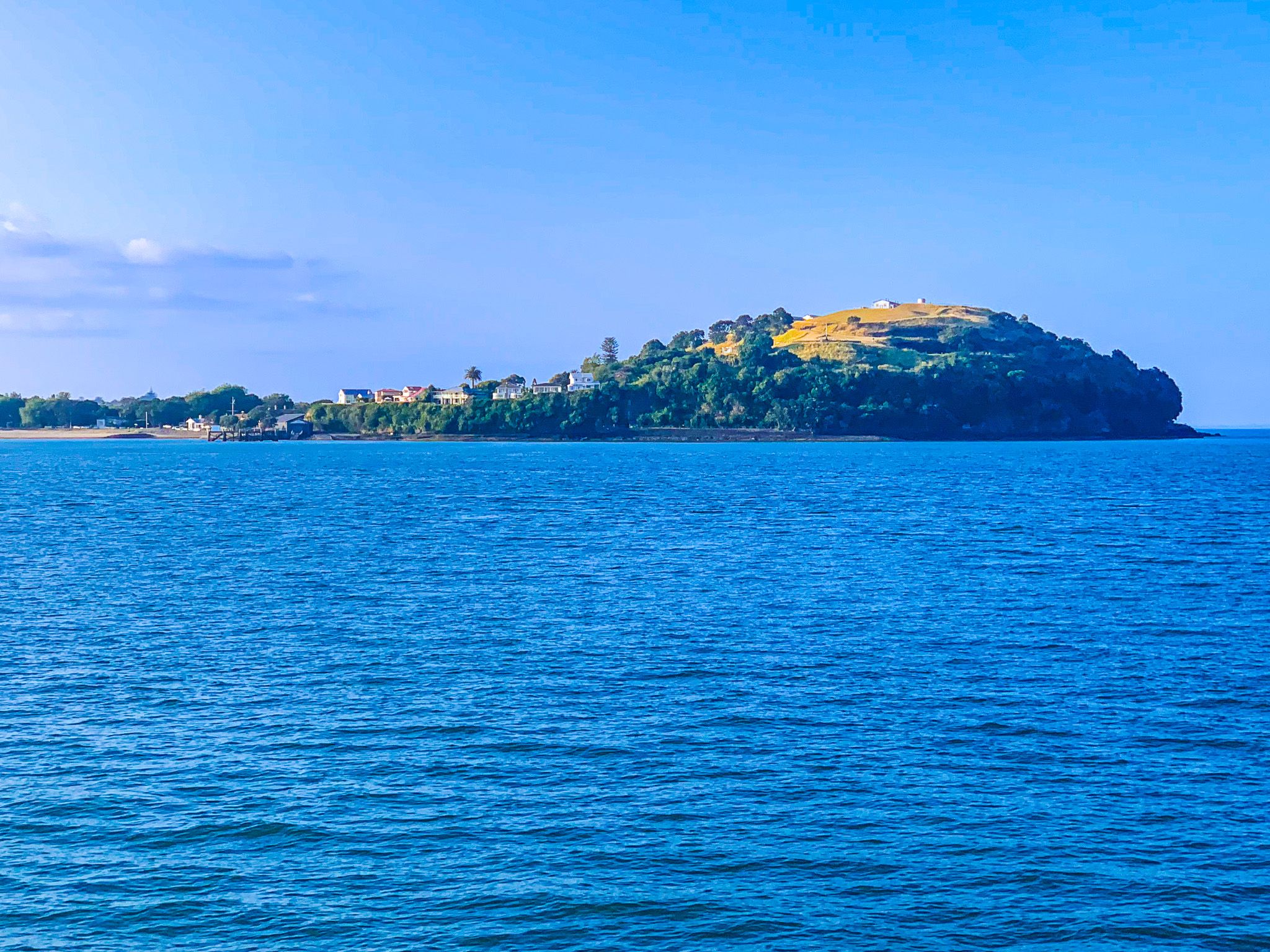
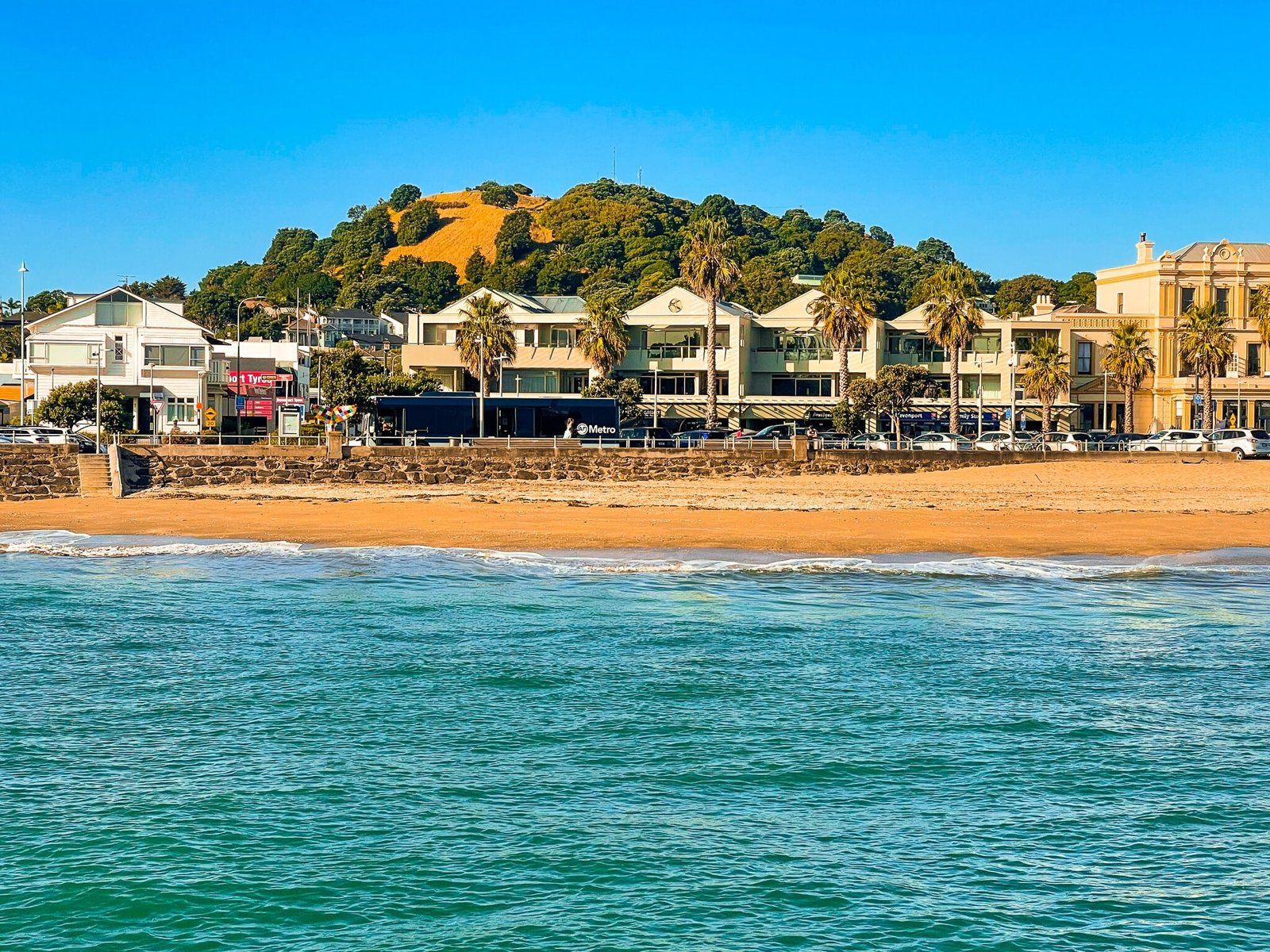
The ferry trip provides constantly changing views across the Hauraki Gulf. Departing from Downtown Auckland, passengers watch the city's waterfront recede, revealing the full sweep of the urban coastline. The route passes the Victorian villas of Devonport, climbing the hillside, with the North Head historic fortifications at the harbour entrance.
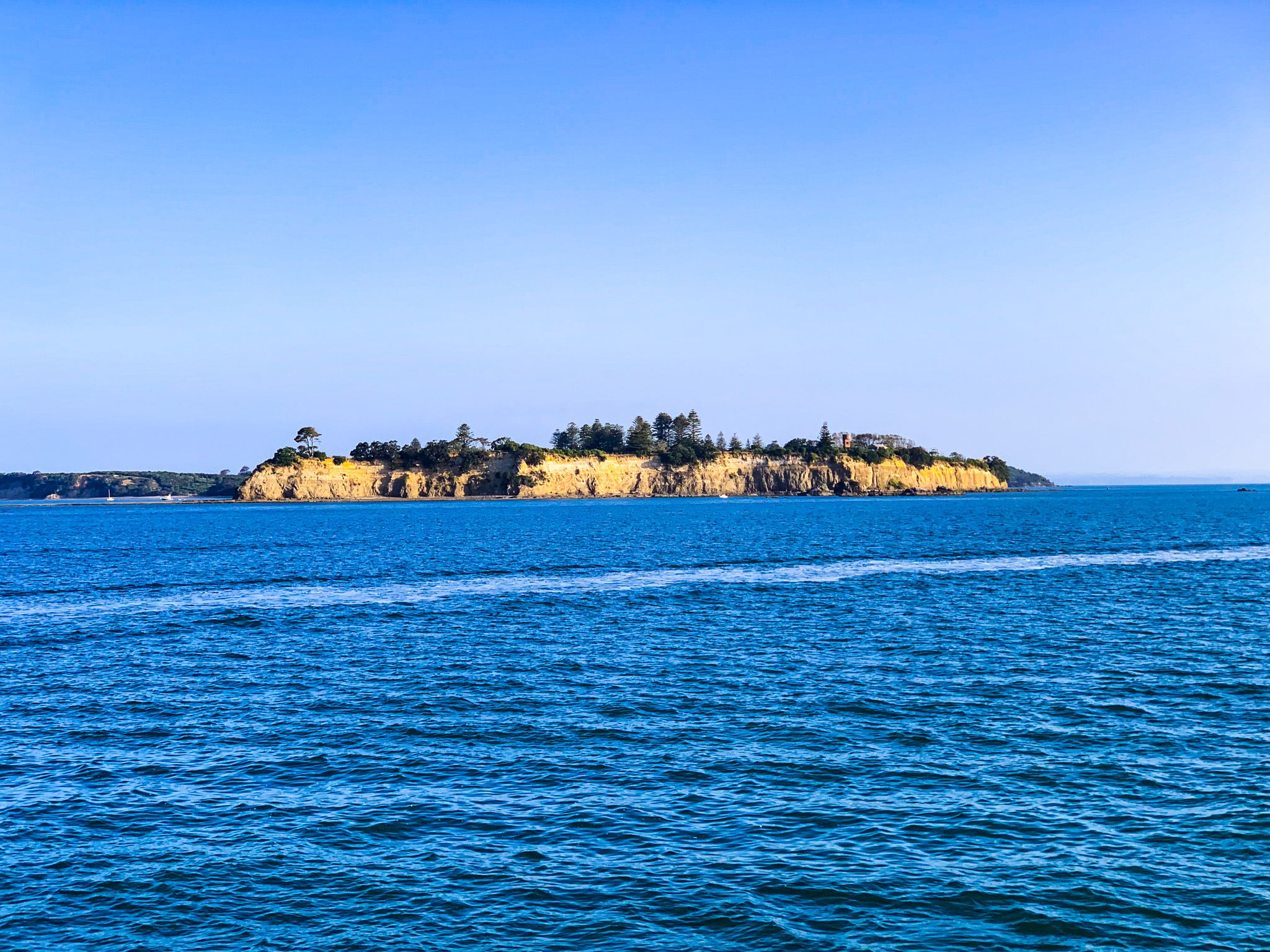
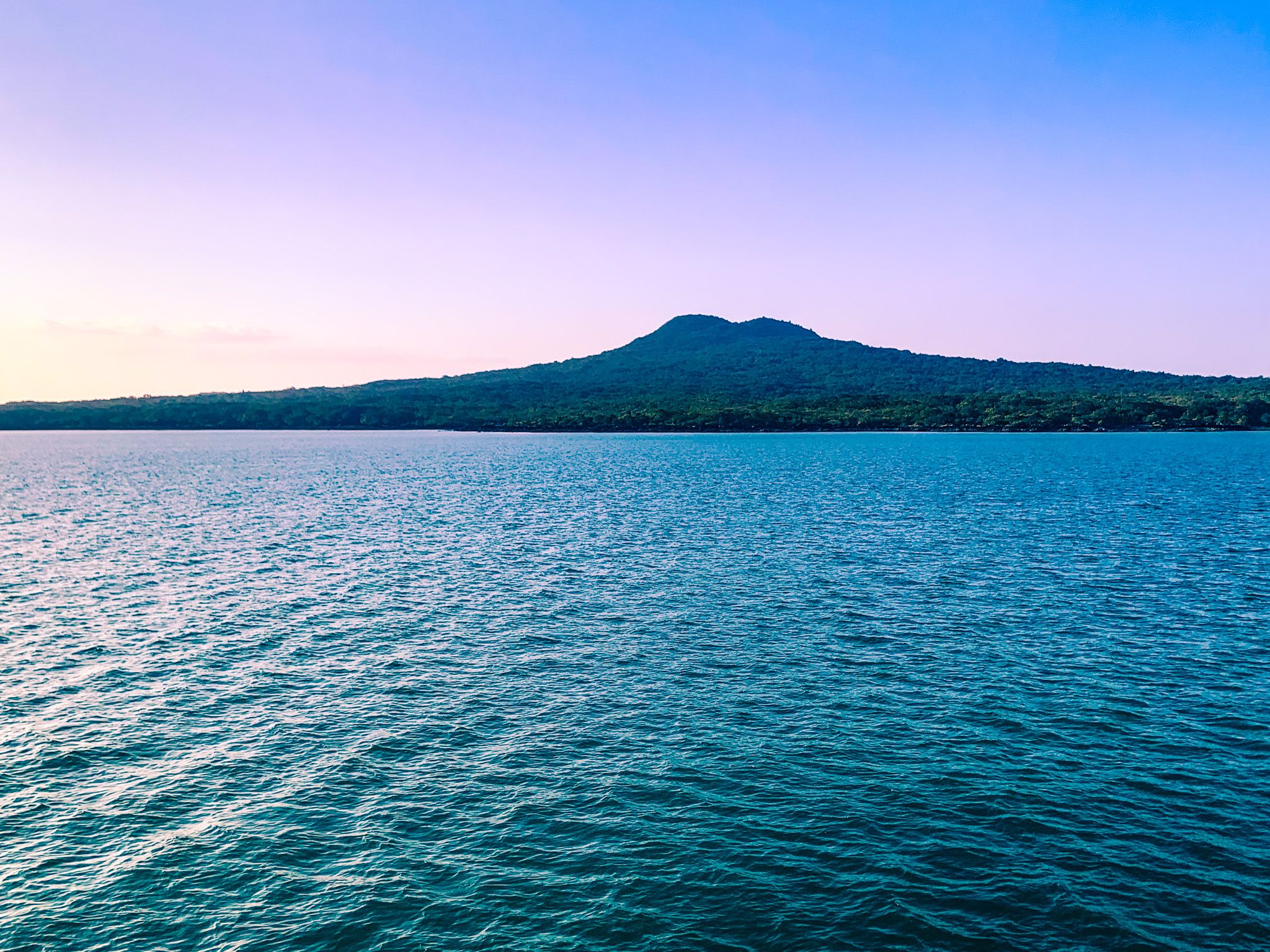
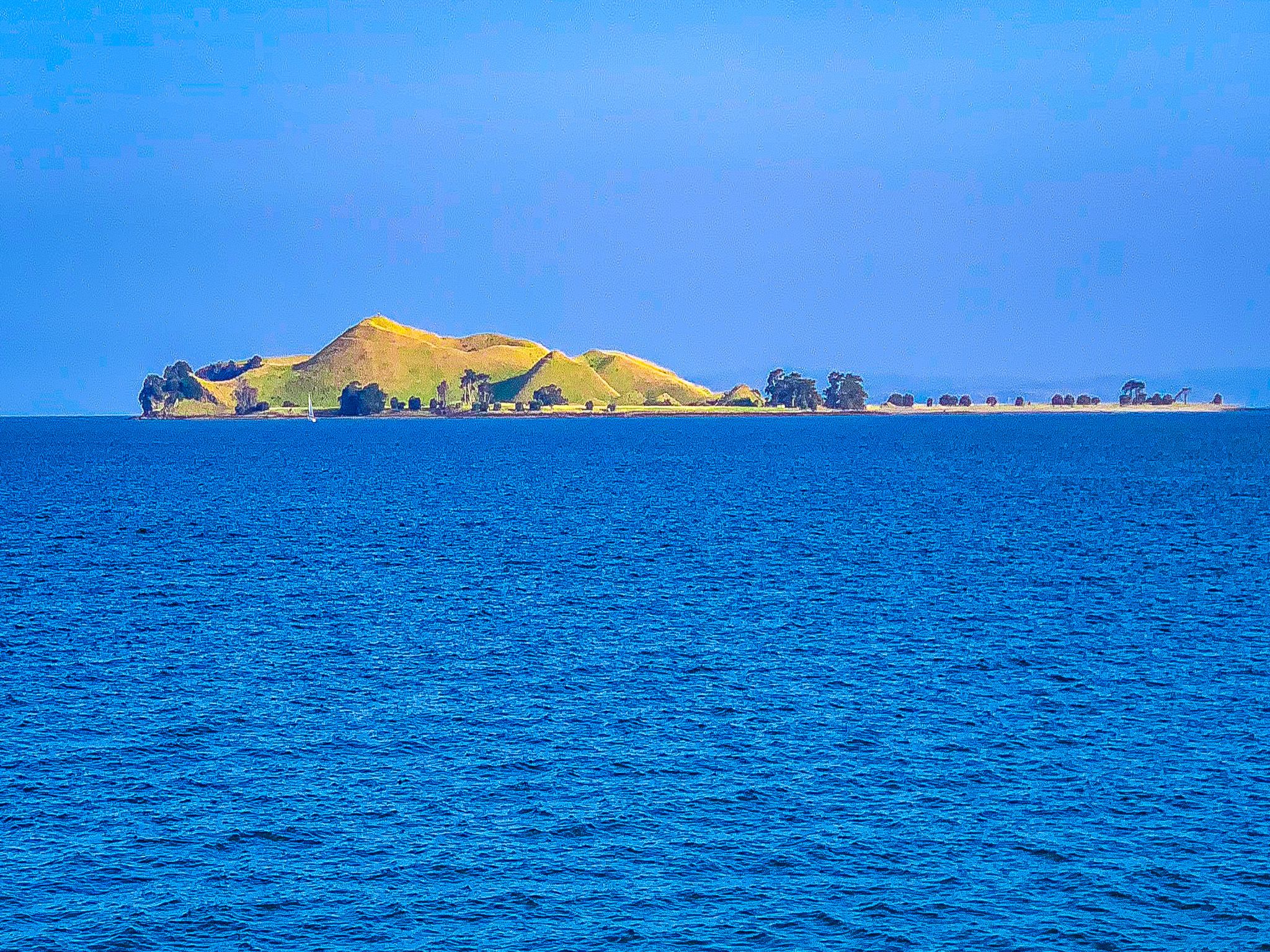
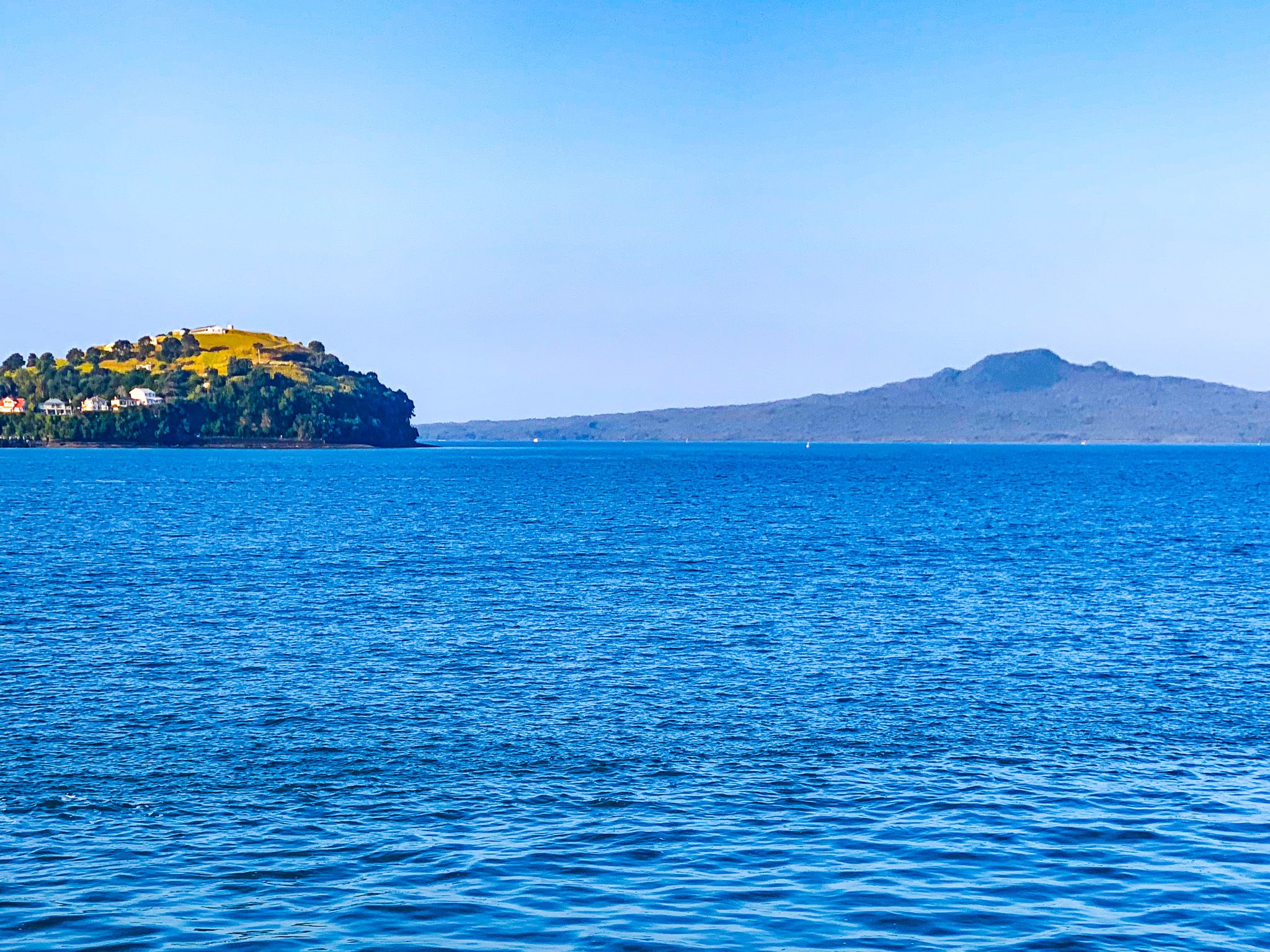
Rangitoto Island dominates the seaward view, its symmetrical volcanic cone rising 260 meters from the gulf. The youngest volcano in the Auckland volcanic field, Rangitoto, has scoria slopes increasingly shrouded in a pōhutukawa forest, contrasting sharply with the surrounding blue water. Adjacent Motutapu Island connects to Rangitoto by a narrow causeway, its rolling farmland showing a completely different geological history. Browns Island (Motukorea) and Motuihe Island appear next, each with distinct profiles shaped by ancient eruptions.
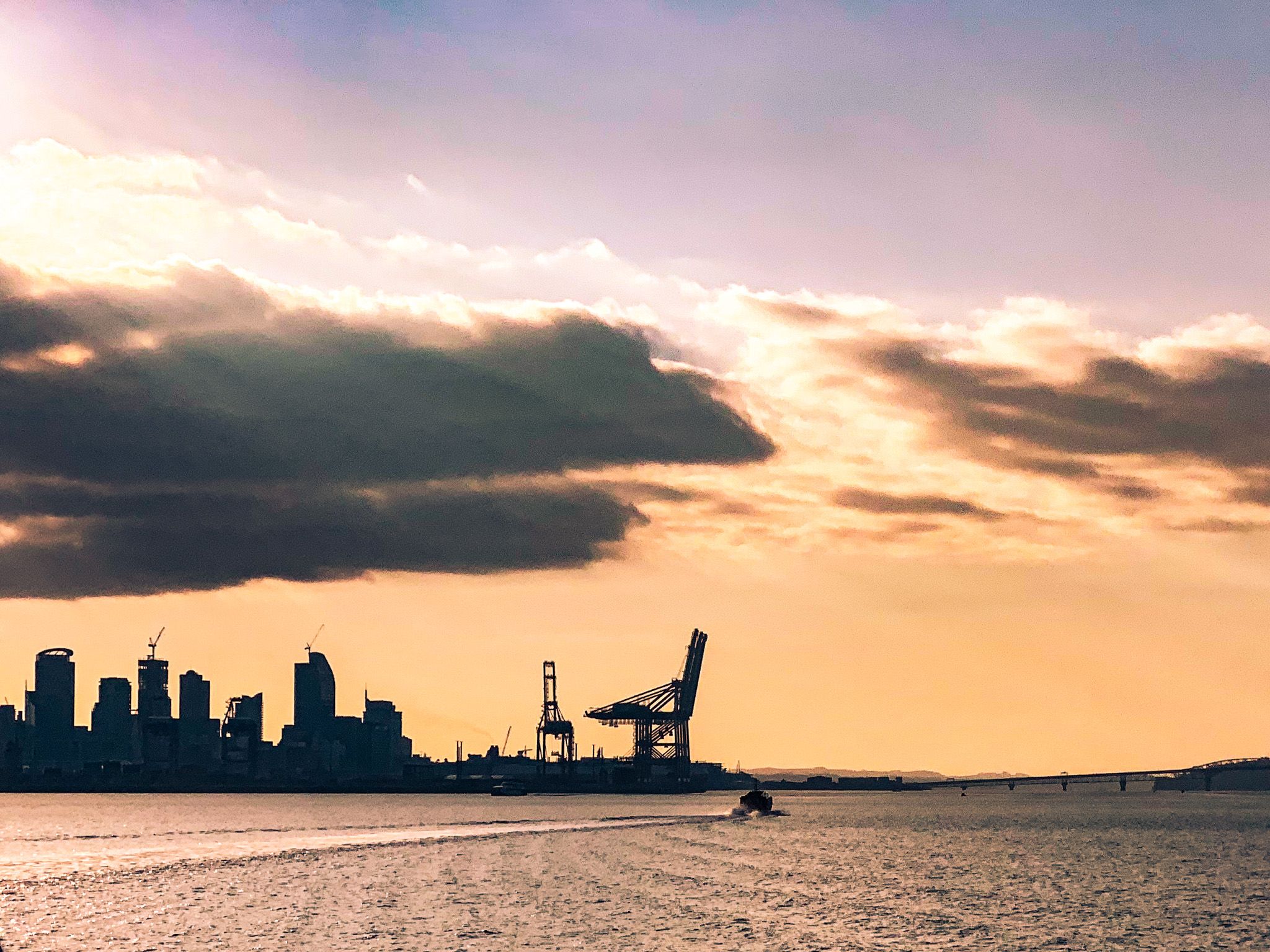
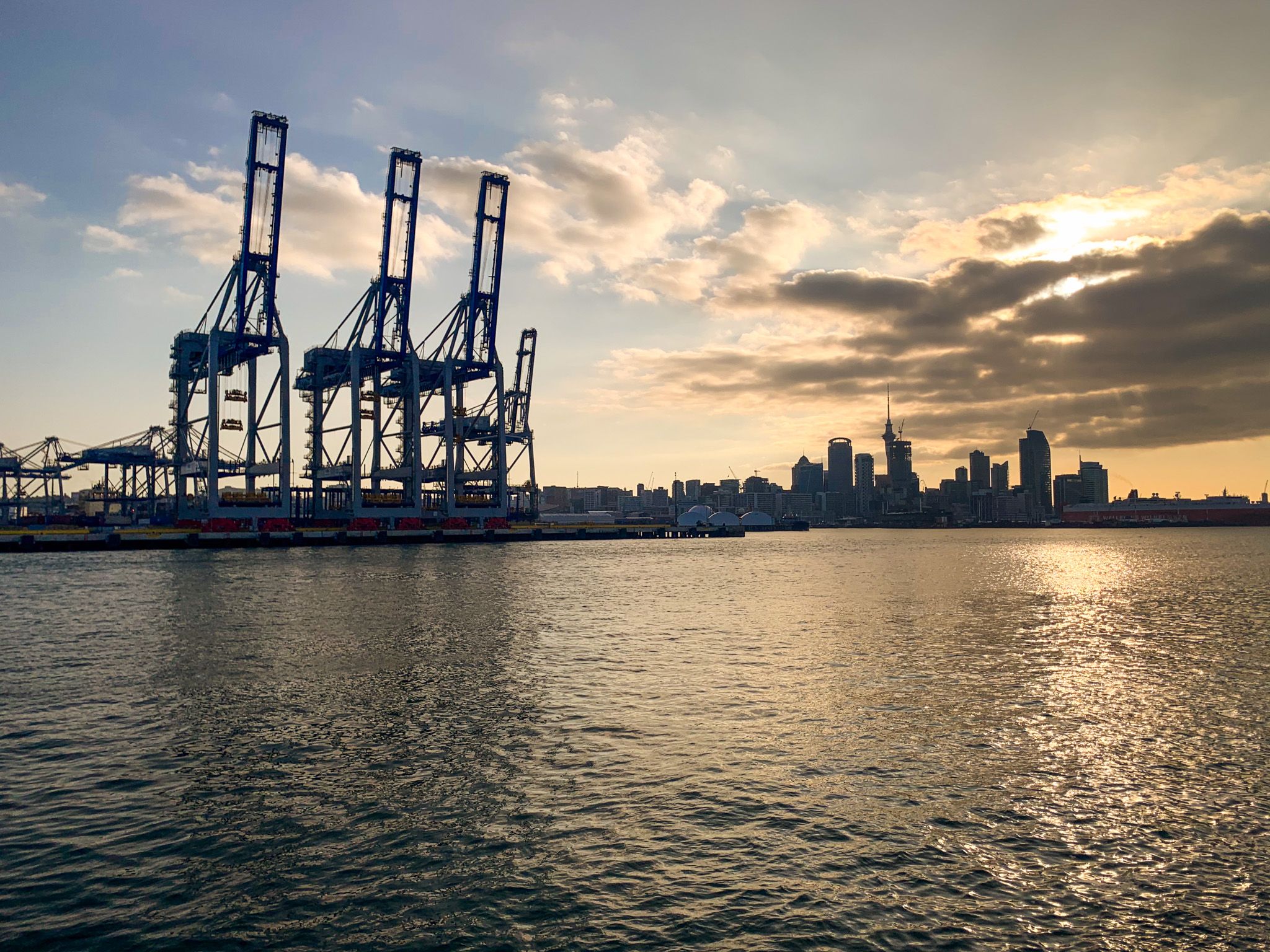
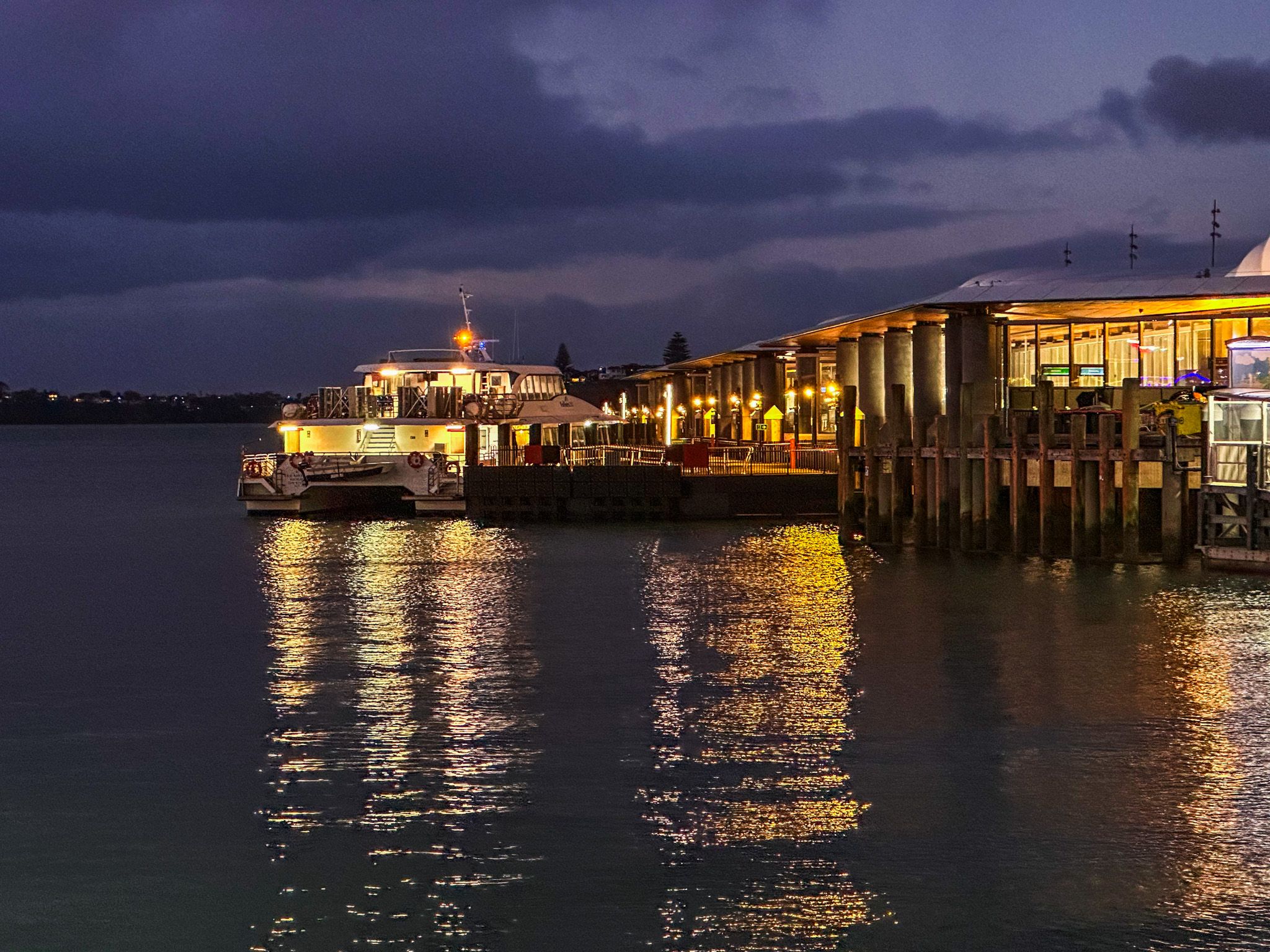
The ferry arrives at Matiatia Bay on Waiheke's western shore, where the terminal sits in a sheltered cove surrounded by regenerating native bush. Sunset crossings back to Auckland reverse the visual experience, with the city's lights beginning to glow as the ferry approaches the downtown terminal.
What to Expect on the Ride
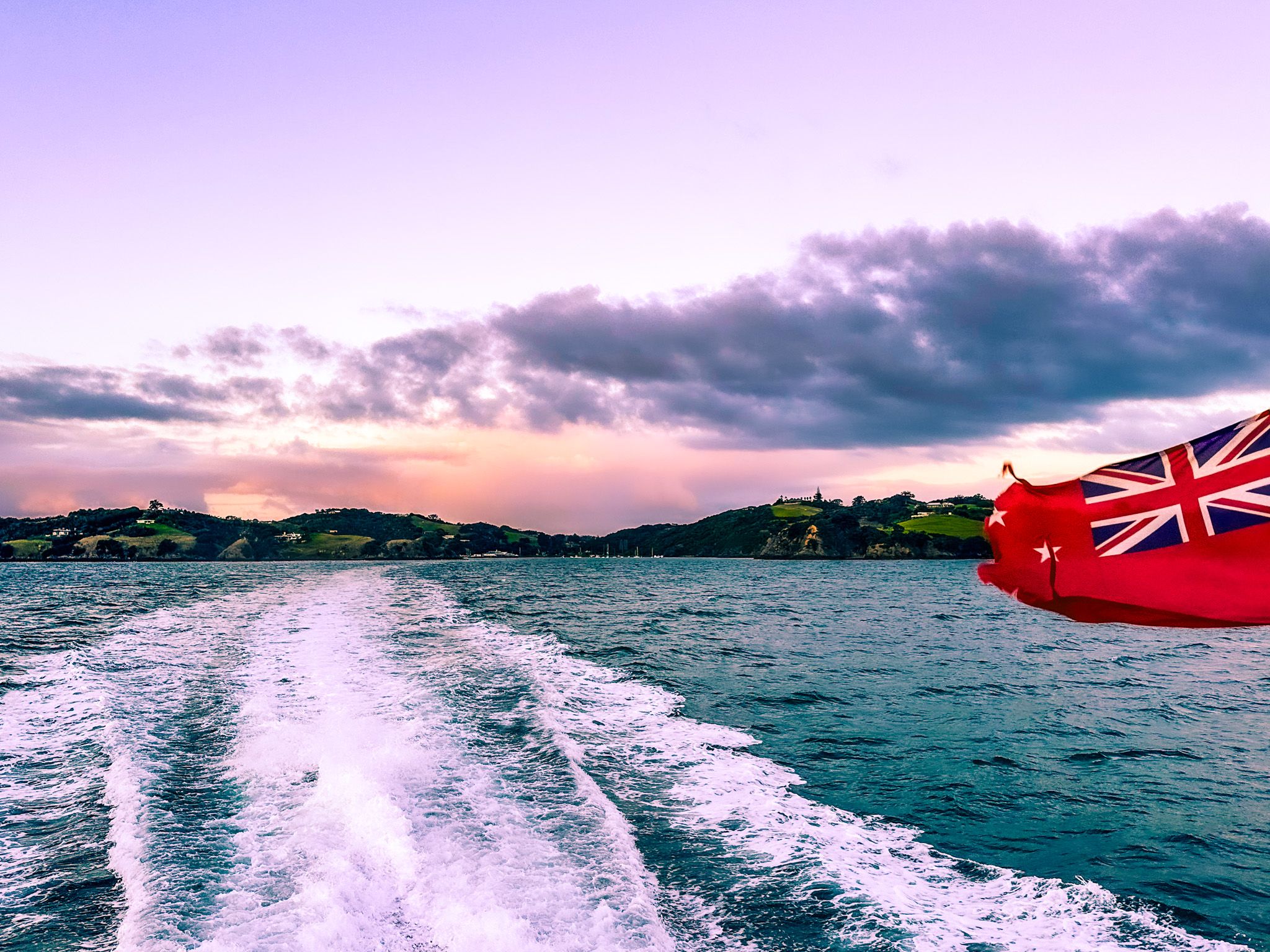
Choosing your position on the ferry significantly affects the experience. The upper deck has elevated views and fresh air, ideal for photography and watching seabirds. The enclosed lower deck protects from wind and weather while maintaining good visibility through large windows. On calm days, the outdoor stern area allows unobstructed views of the wake and trailing islands. Evening returns around sunset provide the most dramatic lighting, particularly in summer when the sun sets behind the city's western hills.
The ferry also has food and coffee services.
History
Ferry services to Waiheke Island began in the late 19th century, initially using small steamers that took several hours to complete the crossing. These early vessels served a small farming and fishing community, carrying supplies, livestock, and occasional passengers. The journey's length and infrequency kept Waiheke relatively isolated from Auckland's urban development.
The introduction of fast catamaran ferries in 1987 fundamentally changed Waiheke's relationship with Auckland. Travel time dropped from over two hours to 40 minutes, making daily commuting feasible for the first time. This transformation triggered rapid population growth as Aucklanders discovered they could live on an island while working in the city.
Getting There
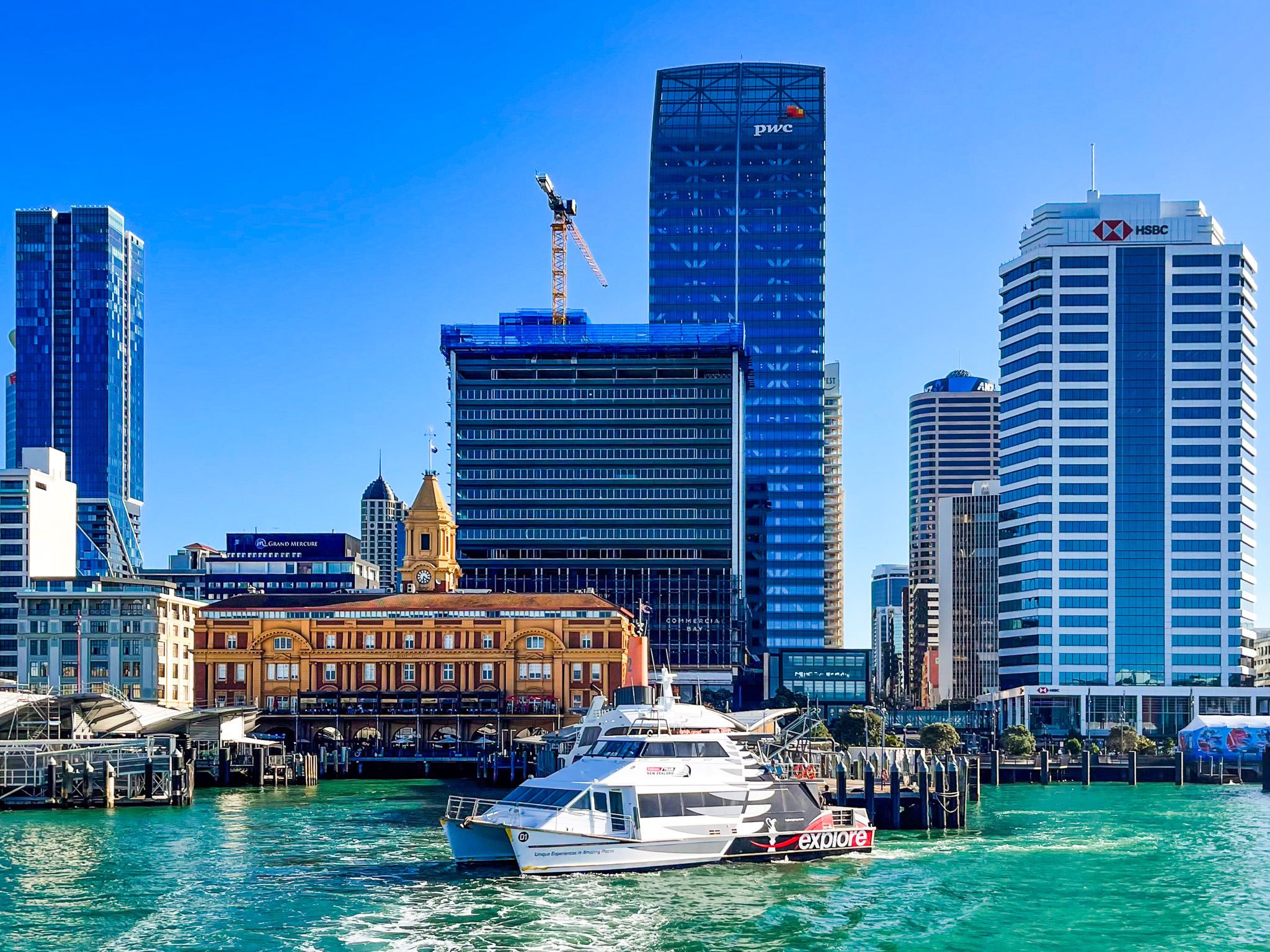
Two operators provide passenger ferry services from Downtown Auckland to Matiatia Bay: Fullers and Island Direct. The downtown terminal sits at the Ferry Building on Quay Street, easily reached by bus, train, or on foot from the city centre.
You can also take a vehicle using SeaLink, which departs from Wynyard Quarter or Half Moon Bay in East Auckland, arriving at Kennedy Point on Waiheke's southern coast. These services take longer than passenger ferries but eliminate the need for car rental on the island. Booking is essential for vehicle spaces, particularly during summer weekends and holidays.
Avoid weekday morning rush hour (7:00-9:00 AM) and evening peak (4:30-6:30 PM) when commuters fill available seats. Holiday periods, especially Christmas through January, see heavy demand requiring early arrival at the terminal. Outside these busy times, the crossing remains comfortable with ample seating and space to move around the vessel.