A Bach Settlement with Ancient Roots
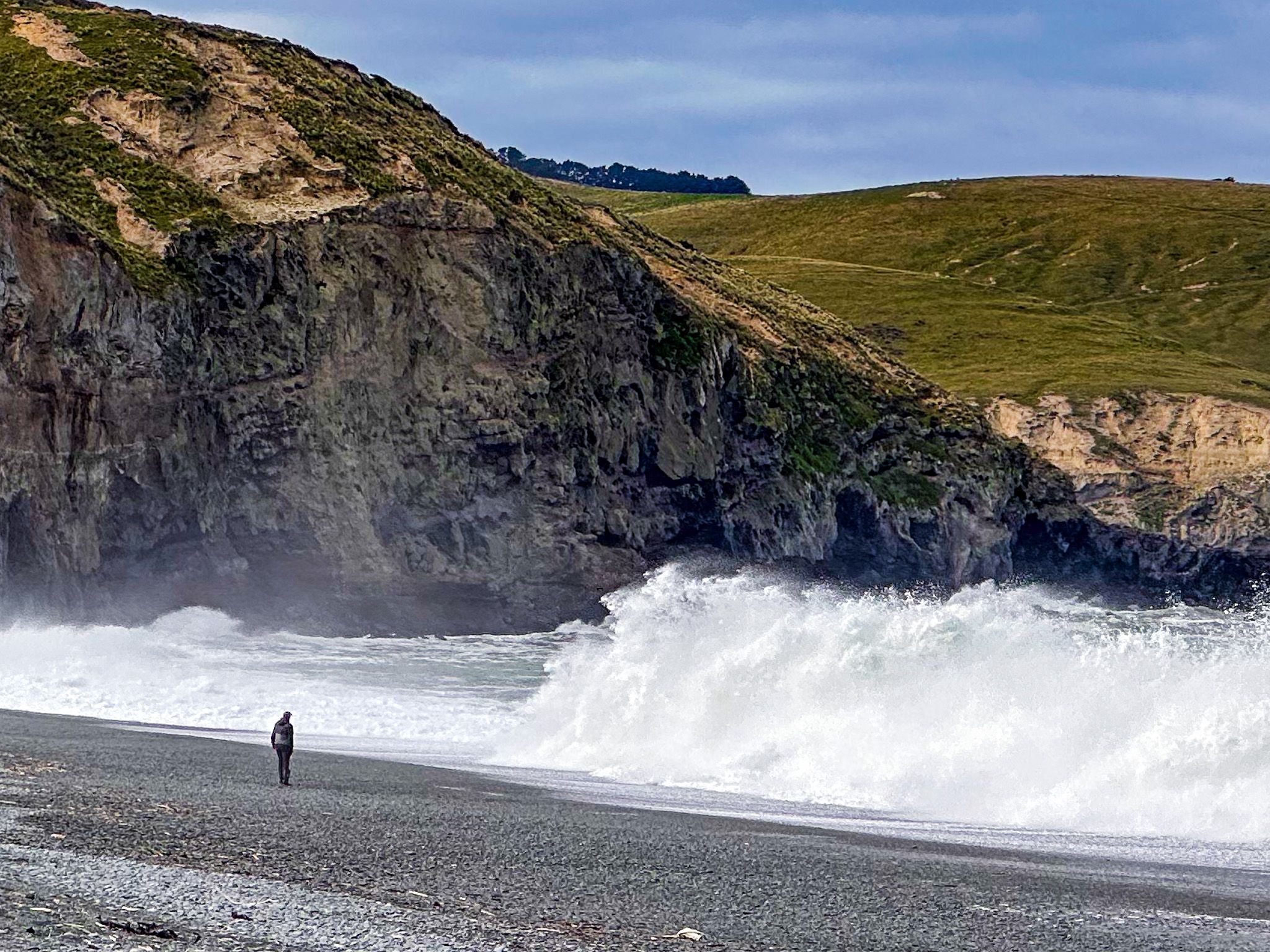
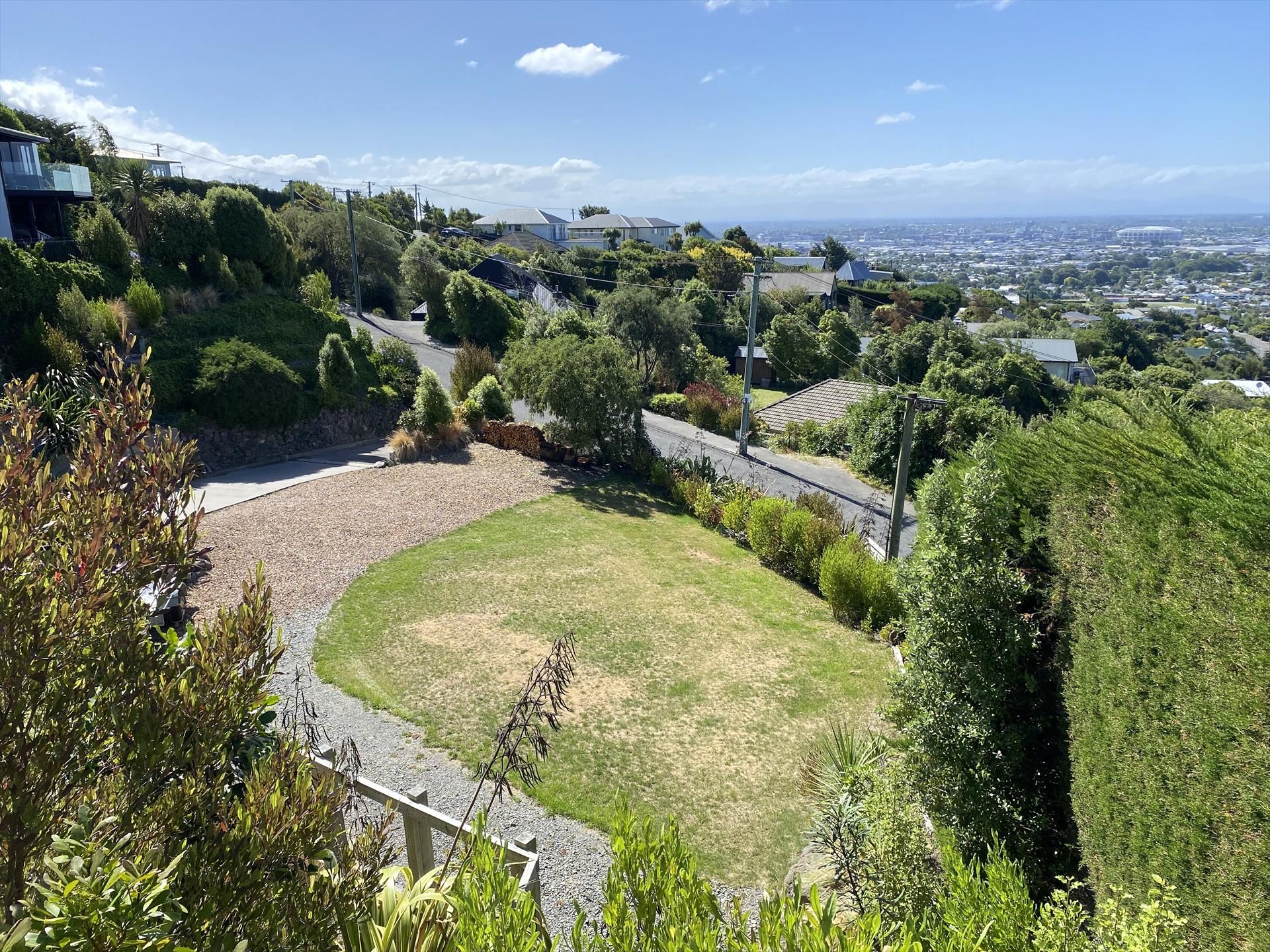
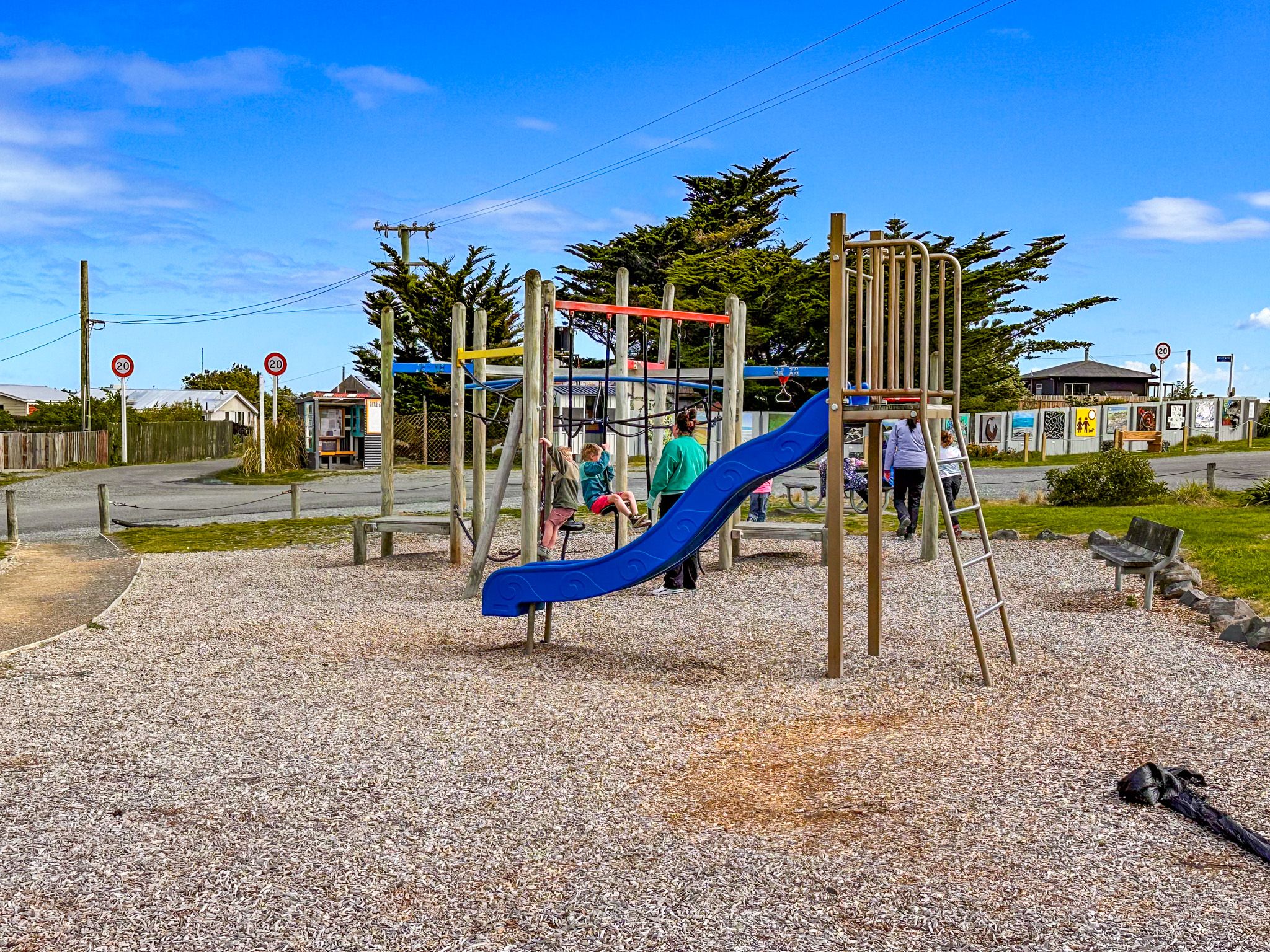
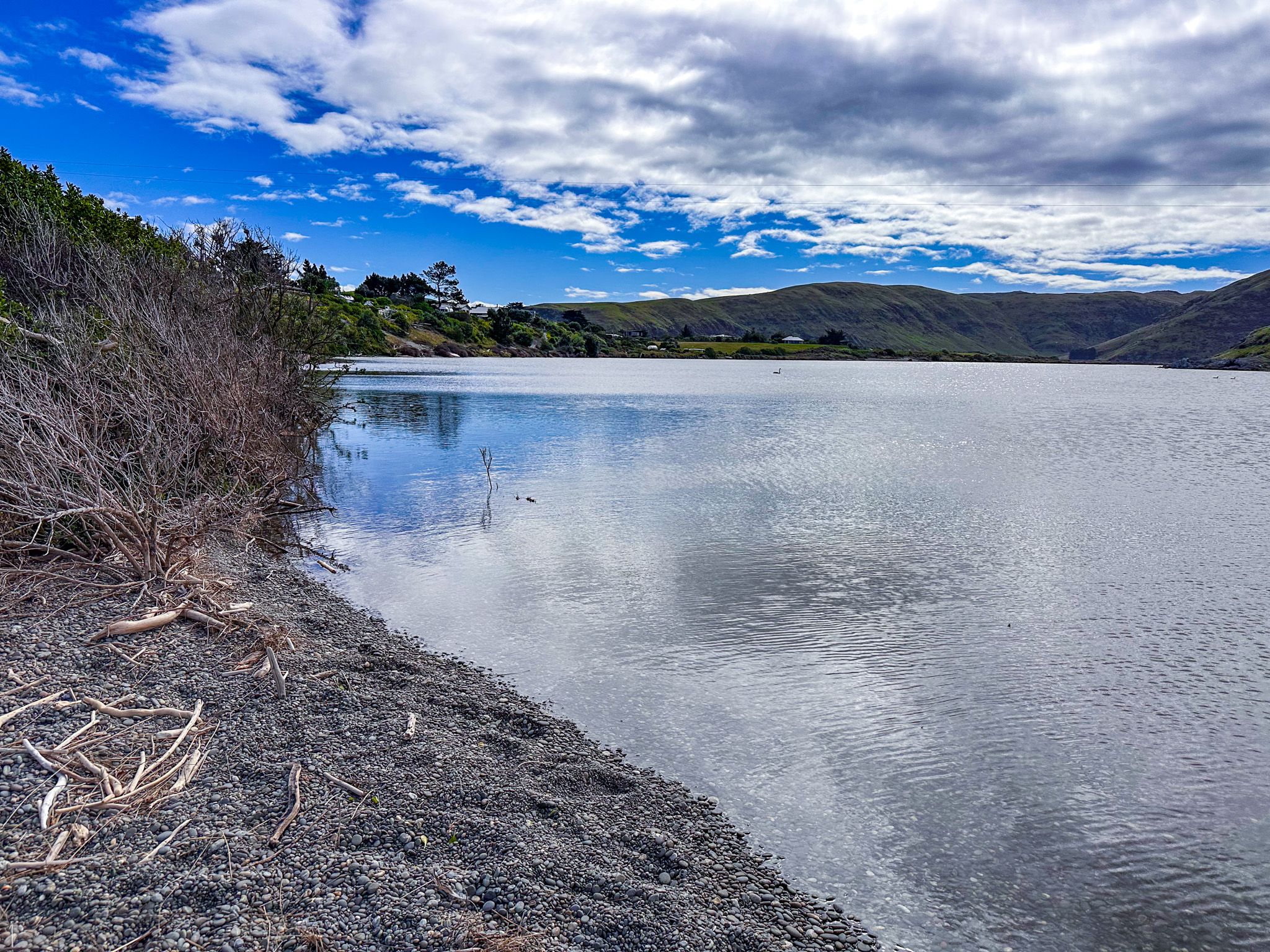
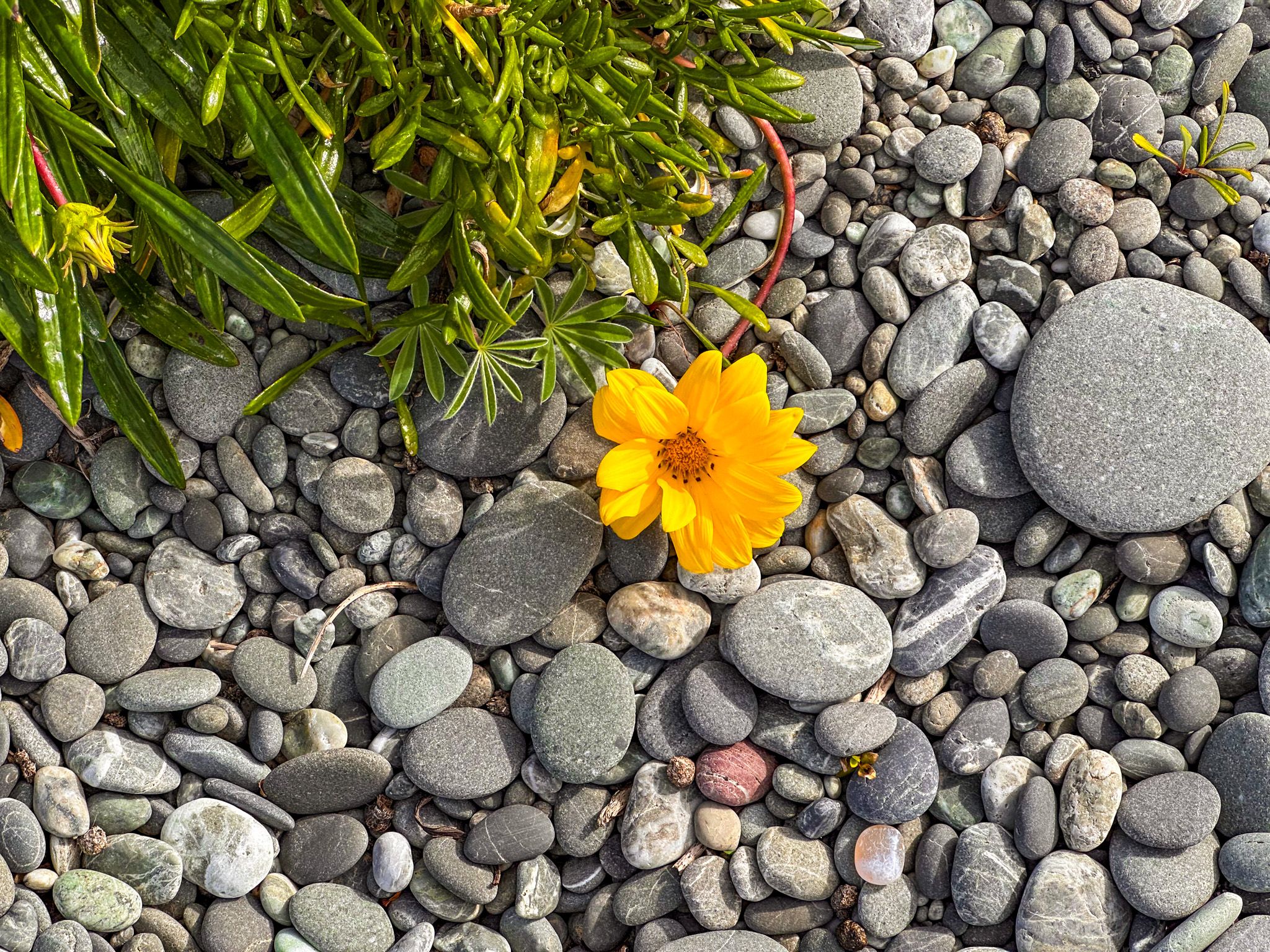
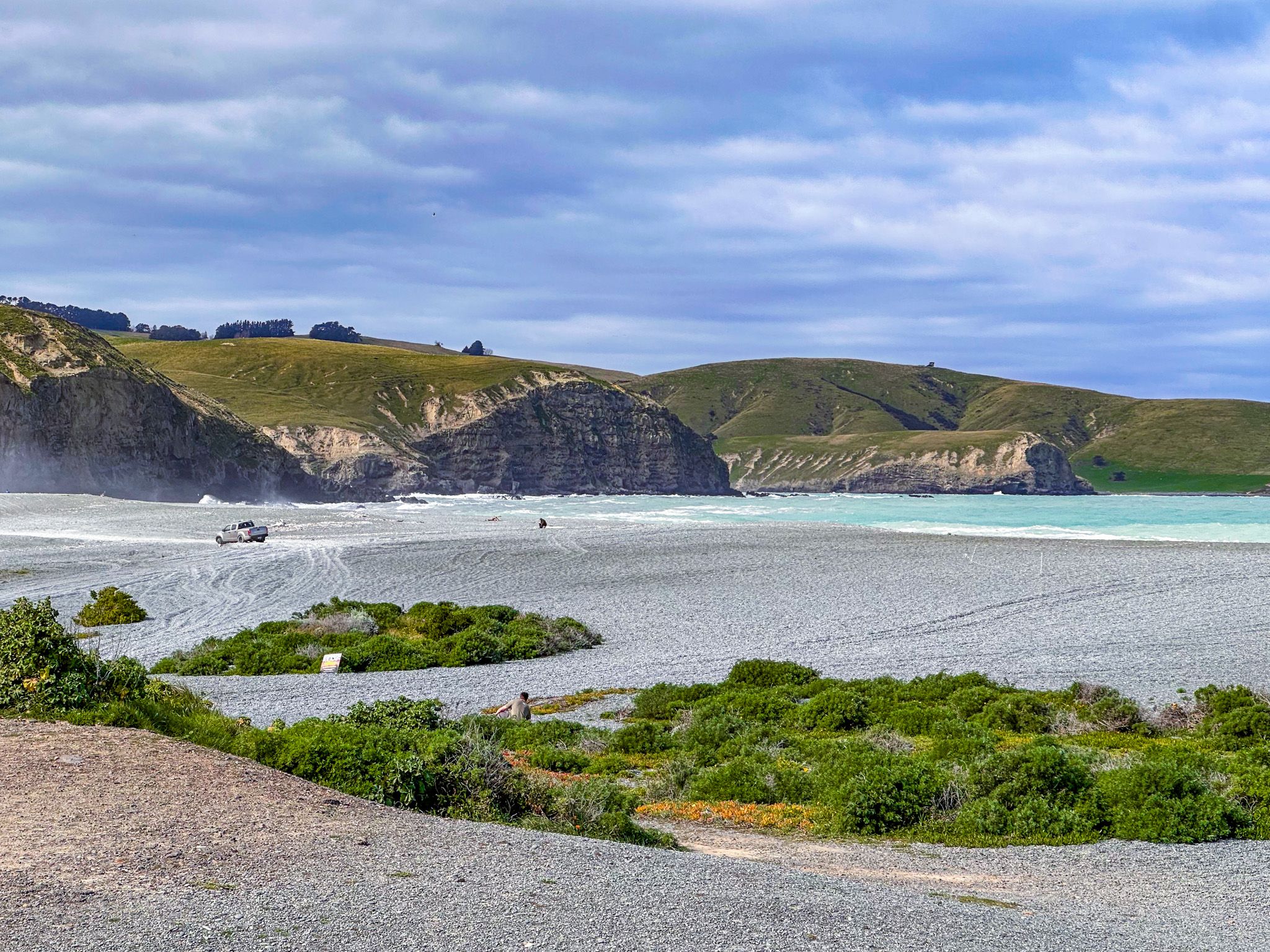
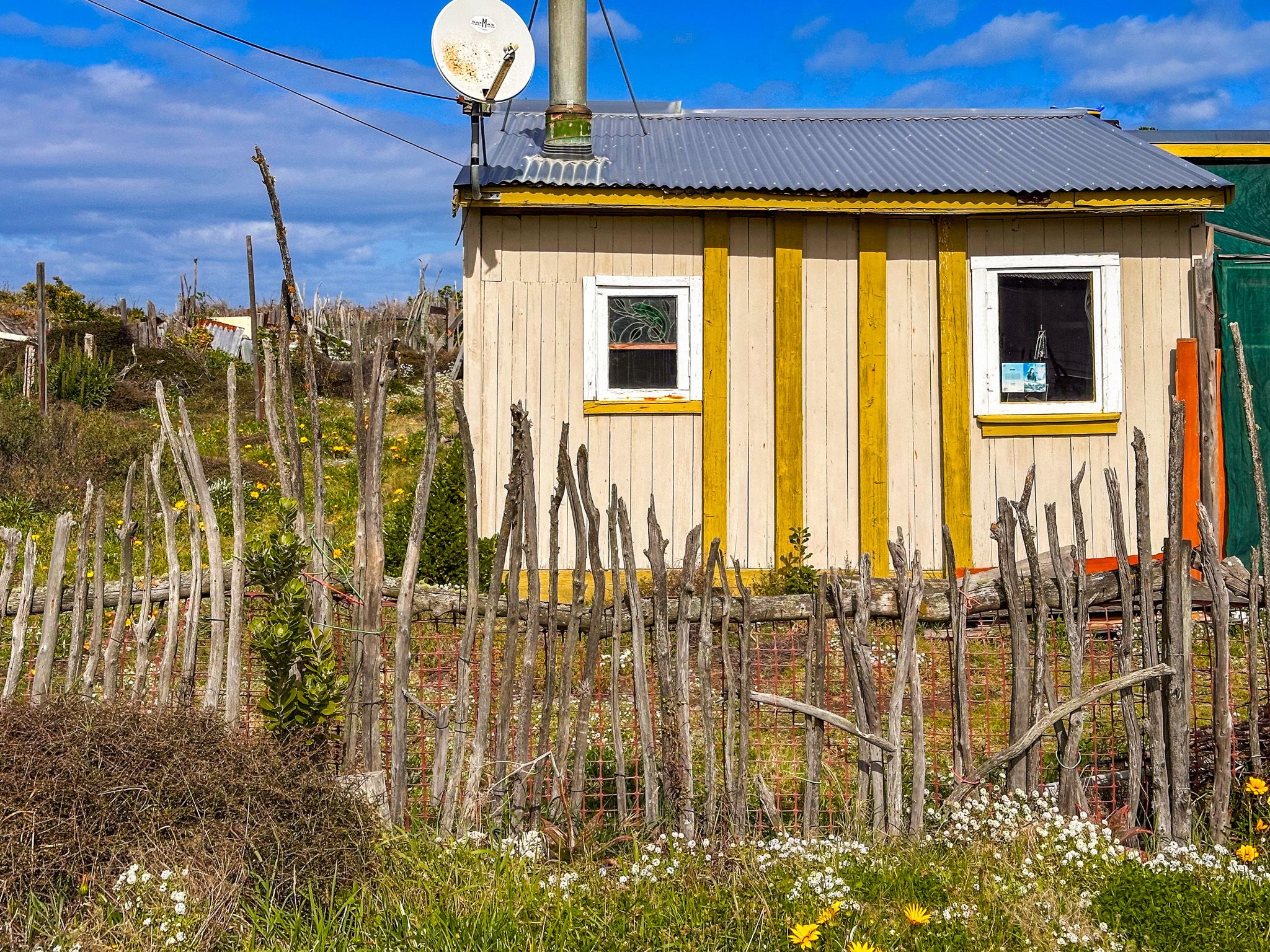
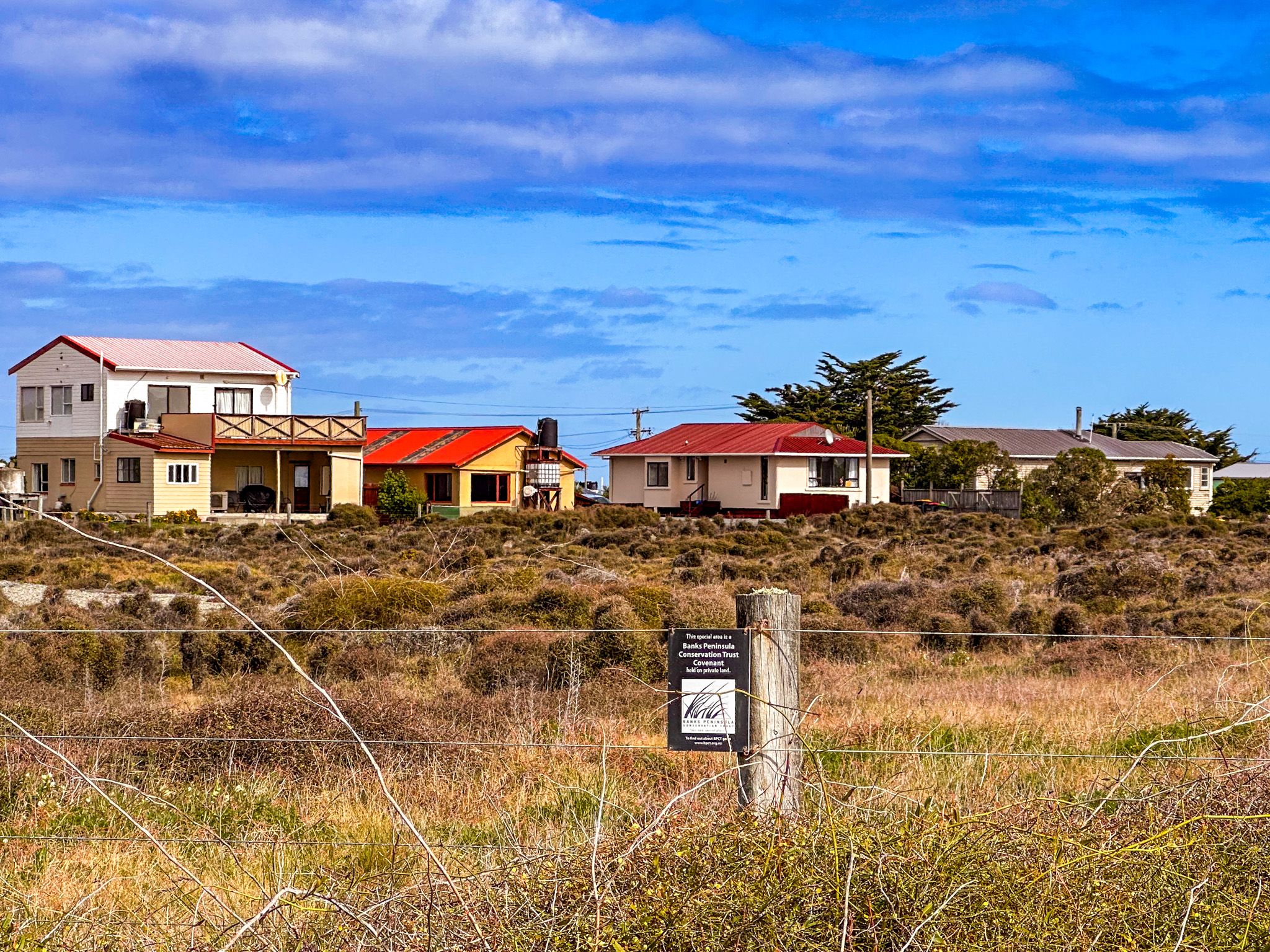
The small township of Birdlings Flat, next to Birdlings Flat Beach, has the look of a place that has always made its own rules. An eclectic collection of old-style baches, colourful, compact, and weathered, lines the roads near the beach car park, with the occasional more substantial house among them. There are no shops, no dairy and no public transport. In 2017, a community centre, Te Whare Tapere o Te Mata Hapuku, was built next to the playground, the first ever. But the township has a distinct spirit of its own that complements the spectacular, rugged beach, with public artworks and a unique museum.
Early European Settlement
The place takes its name from William Birdling, an Englishman born in Somerset in 1822, who arrived in New Zealand in 1842. He worked as an overseer at Flea Bay on Banks Peninsula and later at Purau Bay under the Greenwood brothers, where he survived the 1846 Blue Cap Gang robbery, the first armed robbery in Canterbury.
By the late 1840s, he had acquired land on the spit, where he farmed, made cheese, and raised a family of seven sons and a daughter. When he built a fine home for his wife Jane, he renamed his holding Waikoko, meaning "calm water". The railway arrived in 1882, connecting the settlement via Lincoln to Christchurch, and the station was named Birdling's Flat. The post office followed, and the name has stuck ever since. The line served the community until its closure in 1962, and it is now the Little River Rail Trail.
Art on the Fence
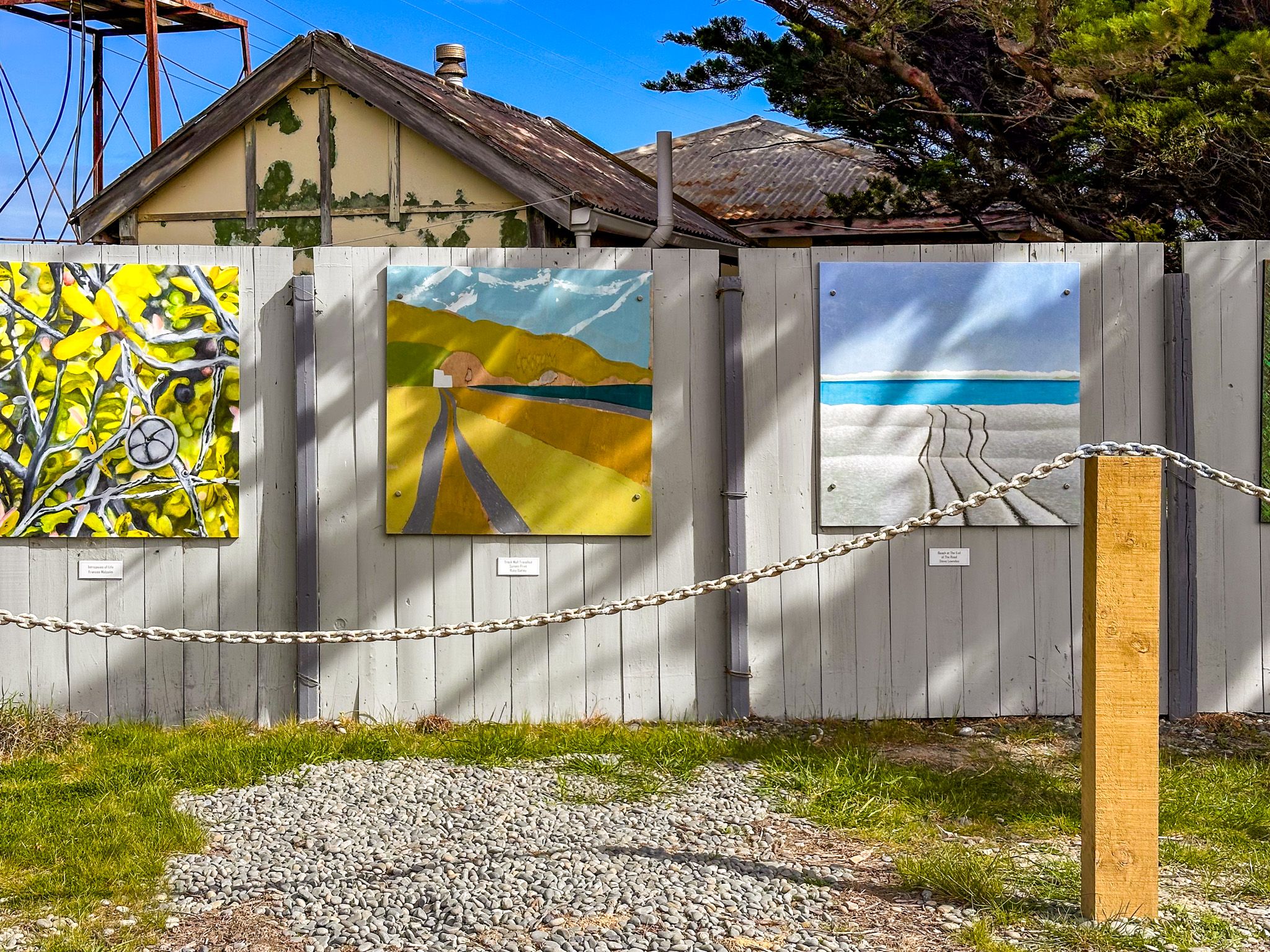
A feature of the township is Art on the Fence. This is exactly as the name implies: a substantial series of interesting artworks by local artists attached to a fence on the south side of the access road as it approaches the beach car park. The works are quite substantial and range from paintings to 3D installations on flat backdrops. The project is funded by the Christchurch City Metropolitan Place Partnership Fund.
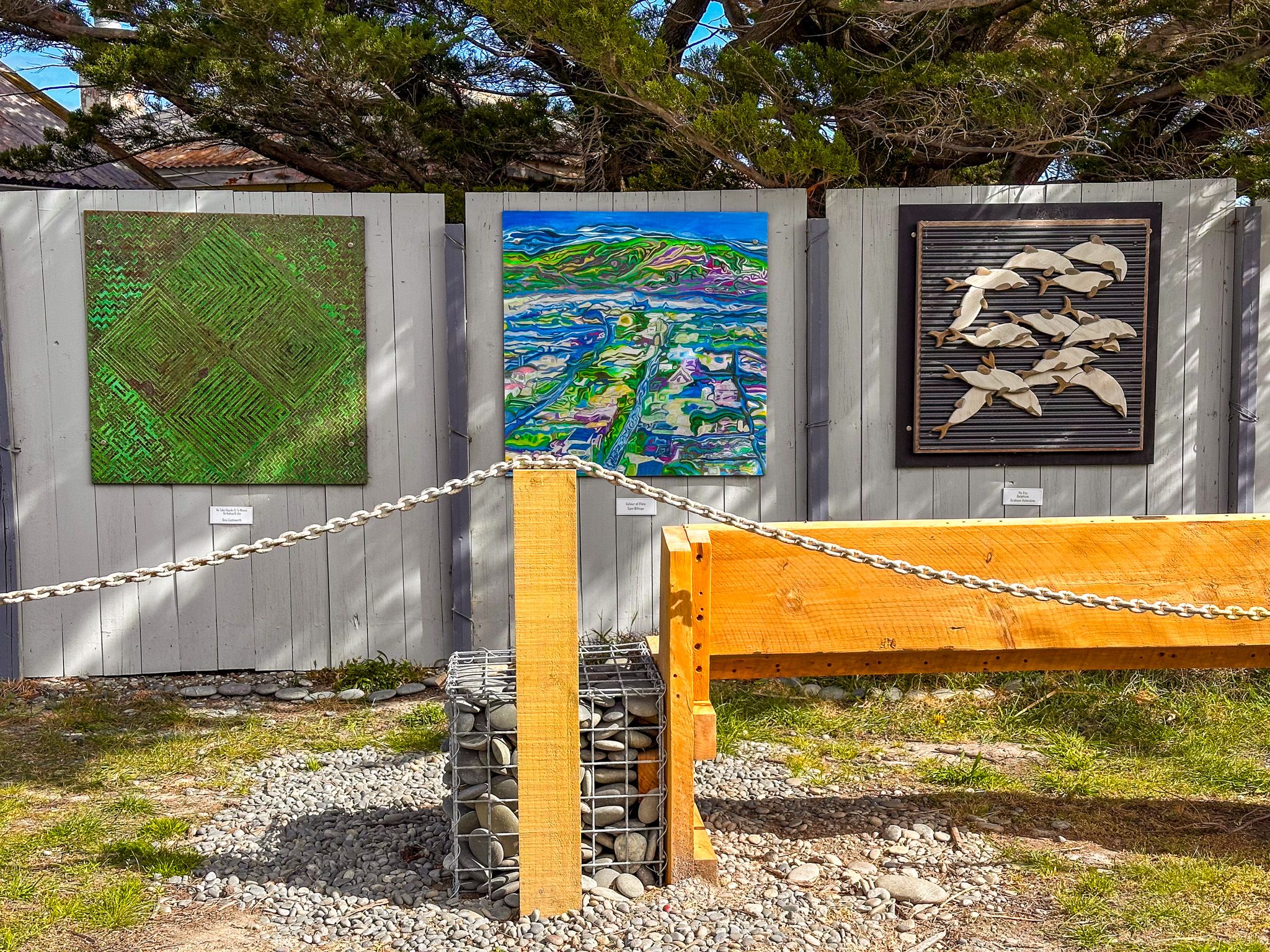
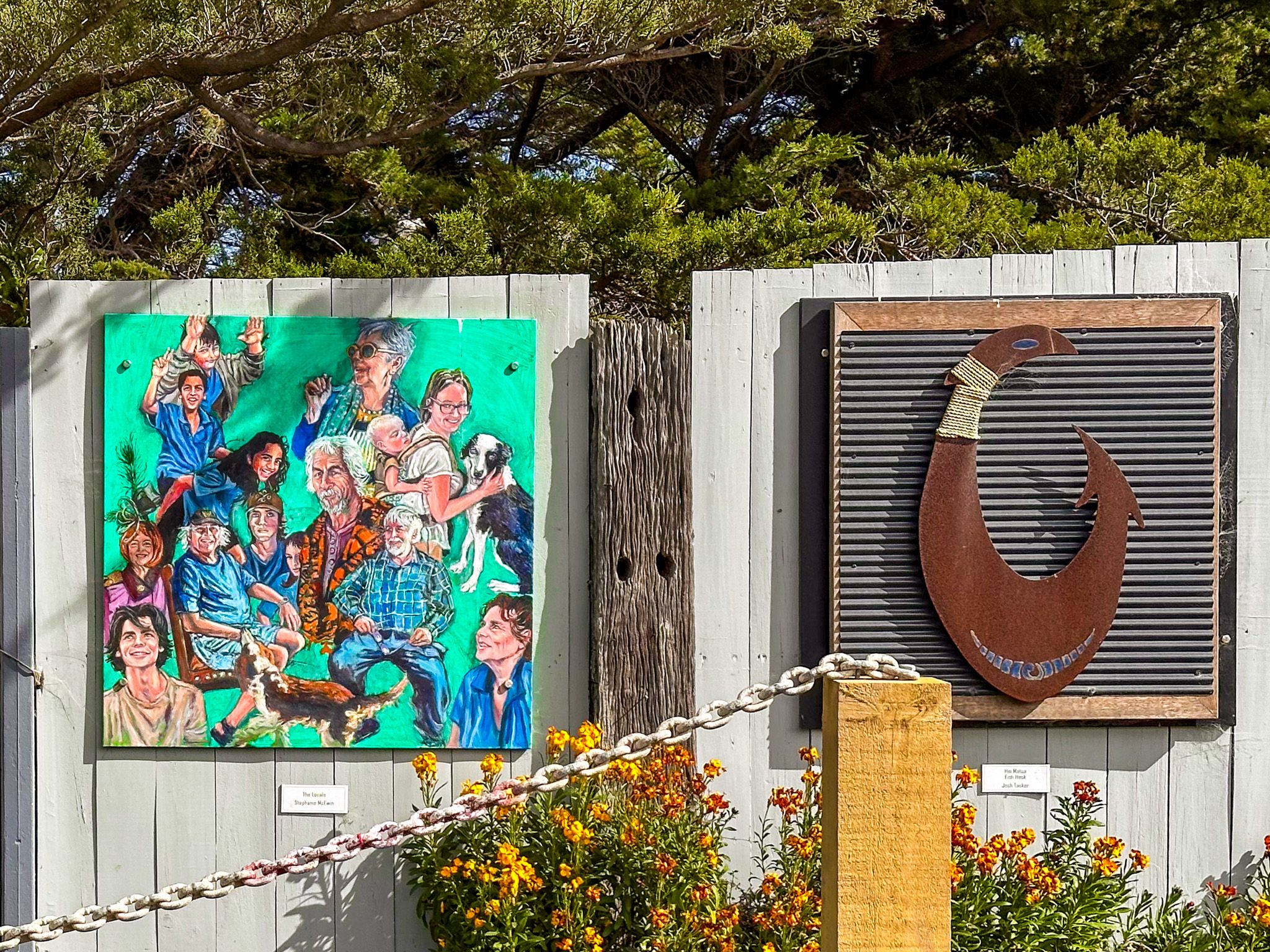
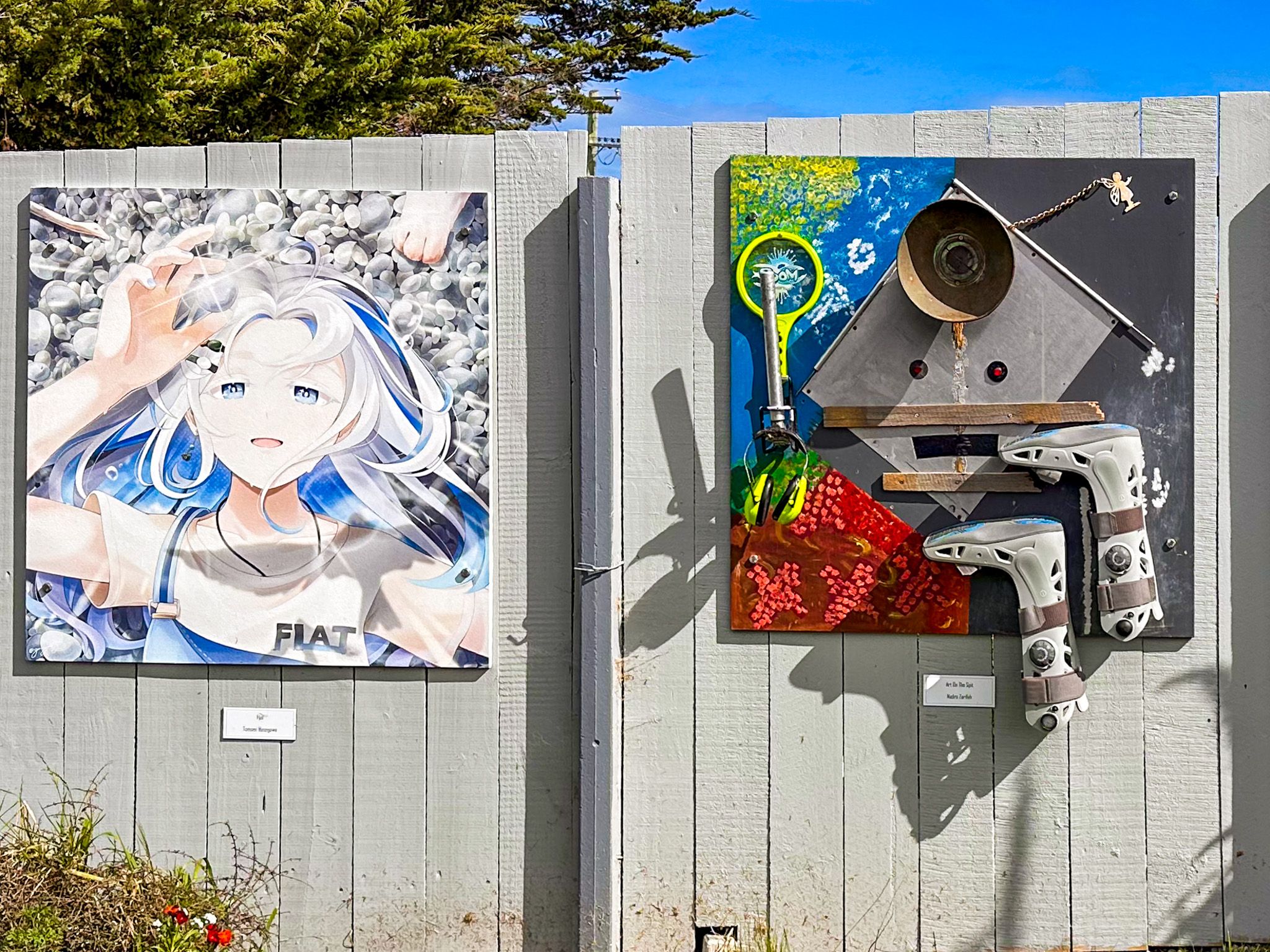
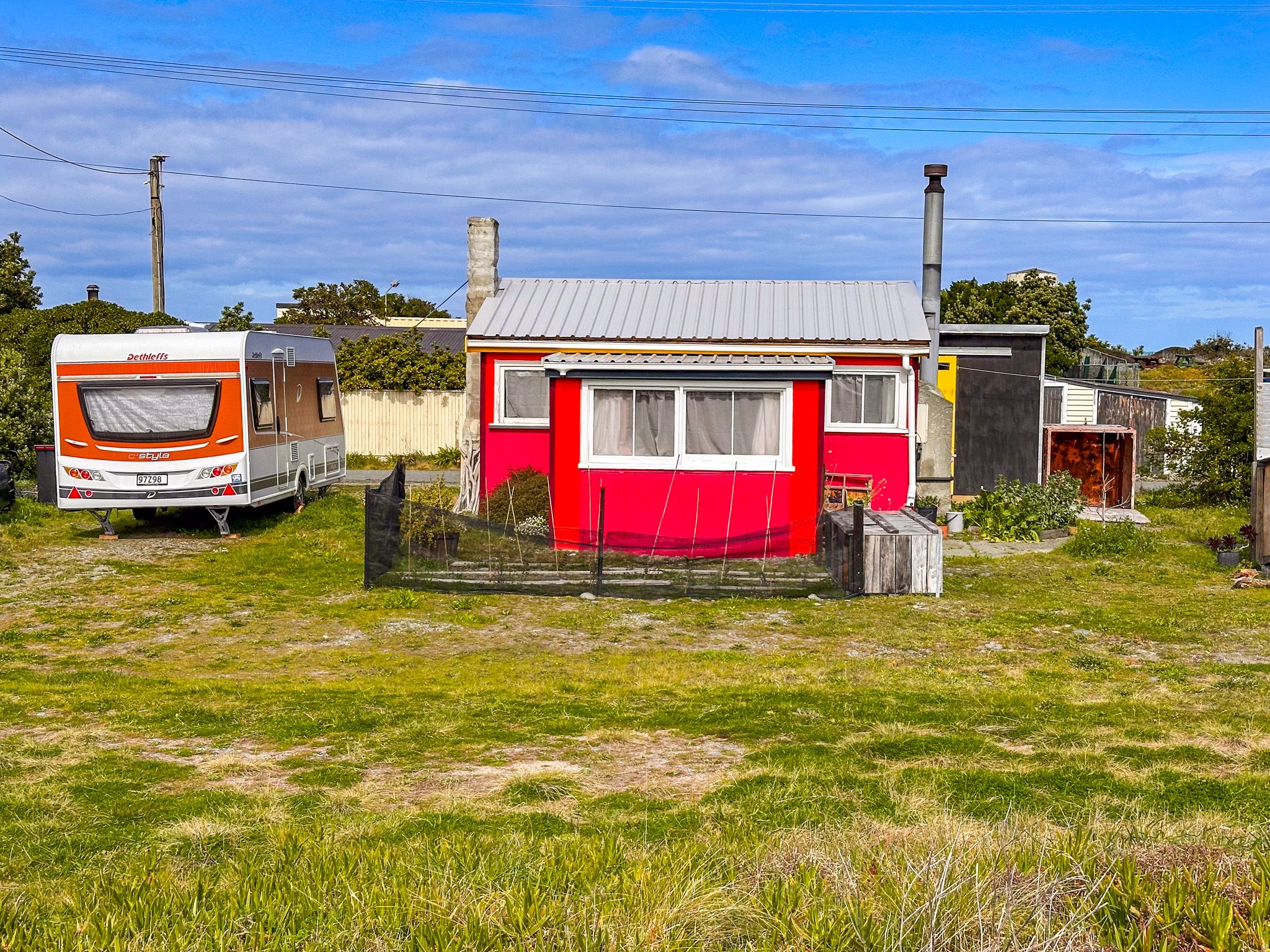
The Tiki Tuna Mural
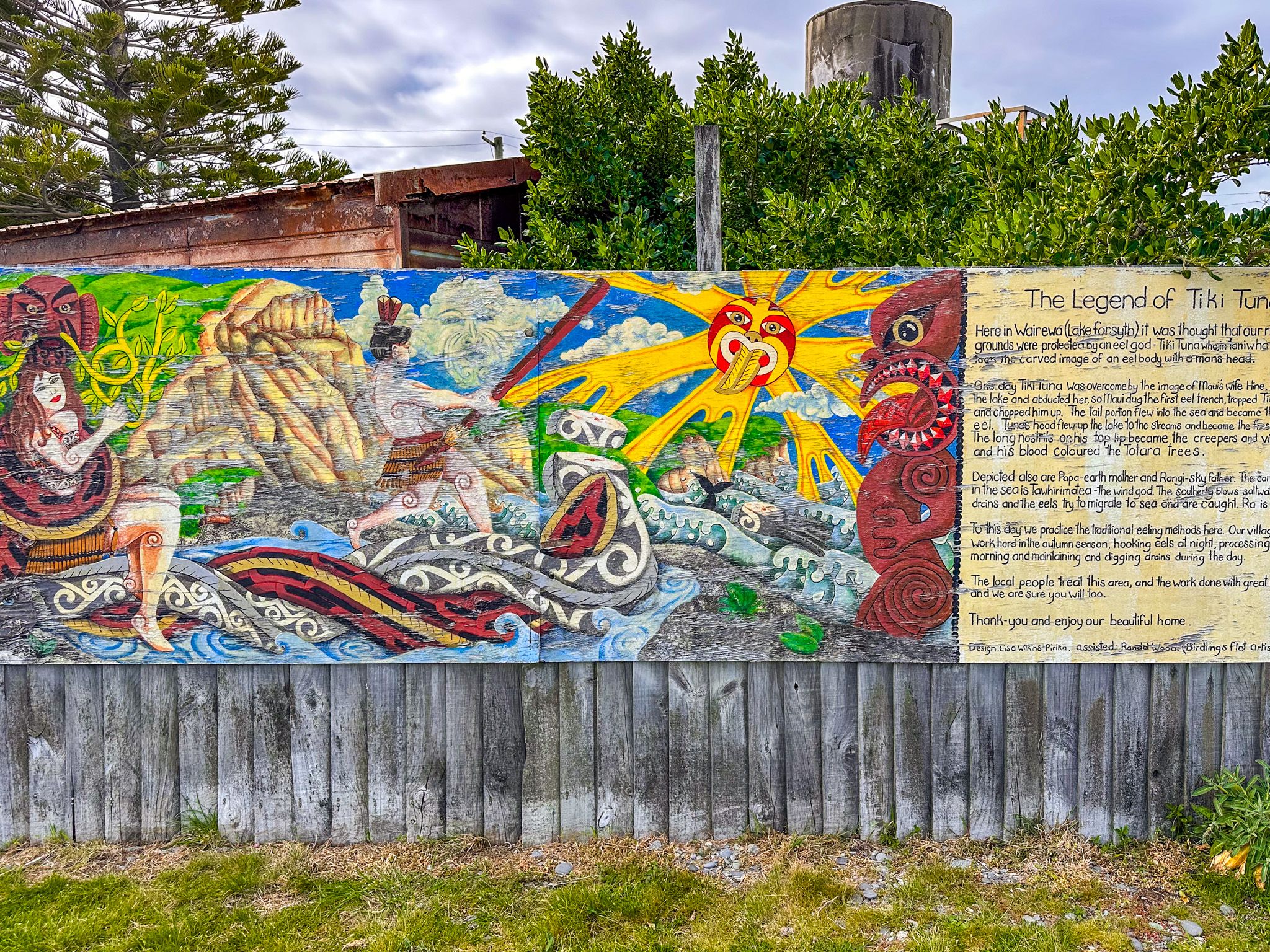
Another substantial artwork is an outdoor mural near the settlement that tells the story of Tiki Tuna. Tiki was a taniwha in the form of a tuna (eel) with a man’s head that made the mistake of abducting the wife of the demigod Māui. Māui created the first eel trap, which gave the name Kā Poupou a Te Rakihouia to the adjacent sandspit that entraps Lake Ellesmere/Te Waihora and Lake Forsythe. Mānui chopped Tiki Tuna up, with some parts becoming the saltwater conger eel, some the freshwater eels and the rest the creepers and vines of the region. Tiki Tunas blood provided colour to the totāra trees.
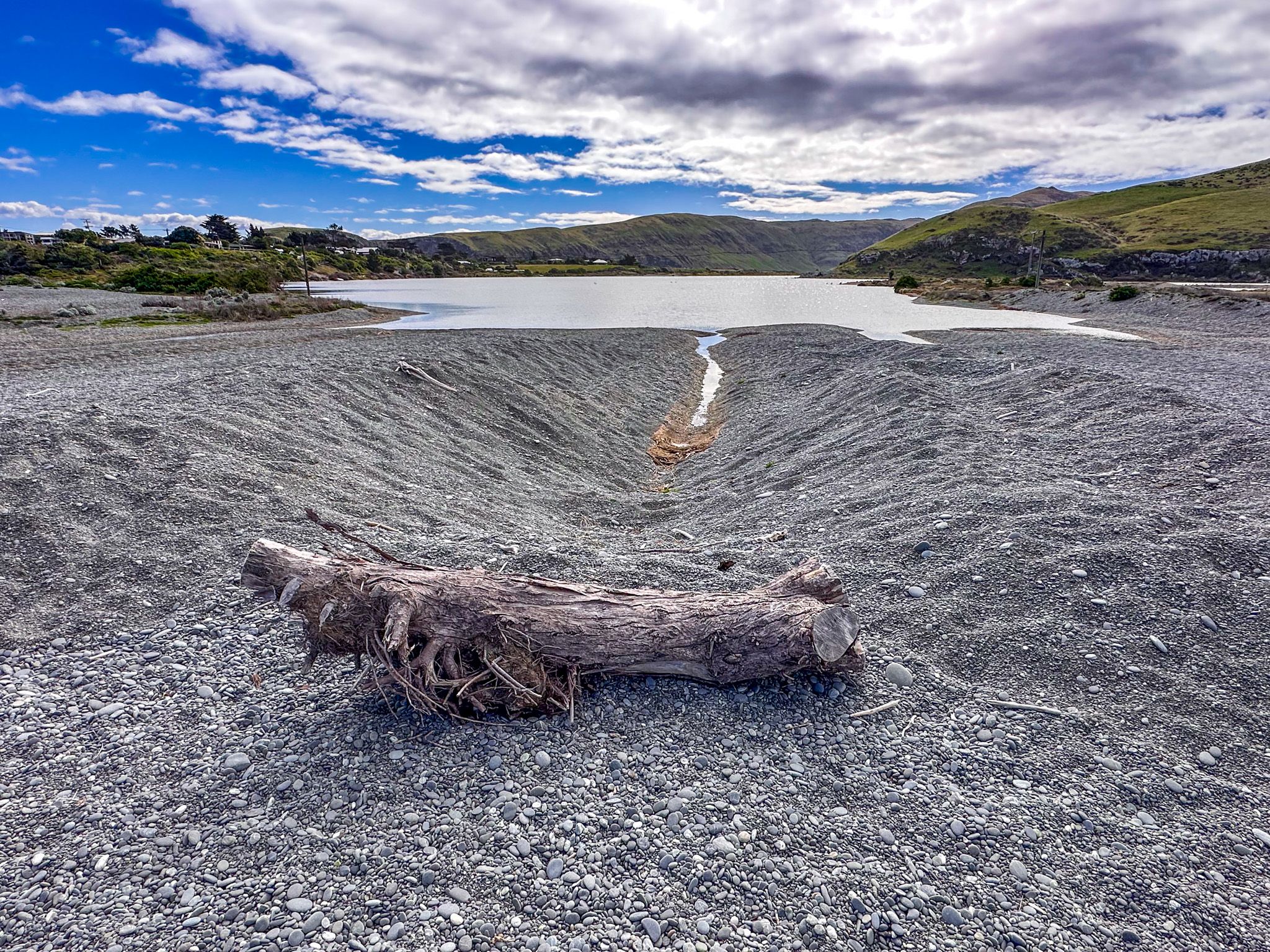
Each autumn, Kāti Irakehu and Kāti Mako hapū members gather at Wairewa / Lake Forsyth, whose outlet crosses the shingle at the east end of the beach, to harvest tuna on their seaward migration. It is one of the most enduring seasonal food traditions in Canterbury and continues today.
The Gemstone and Fossil Museum
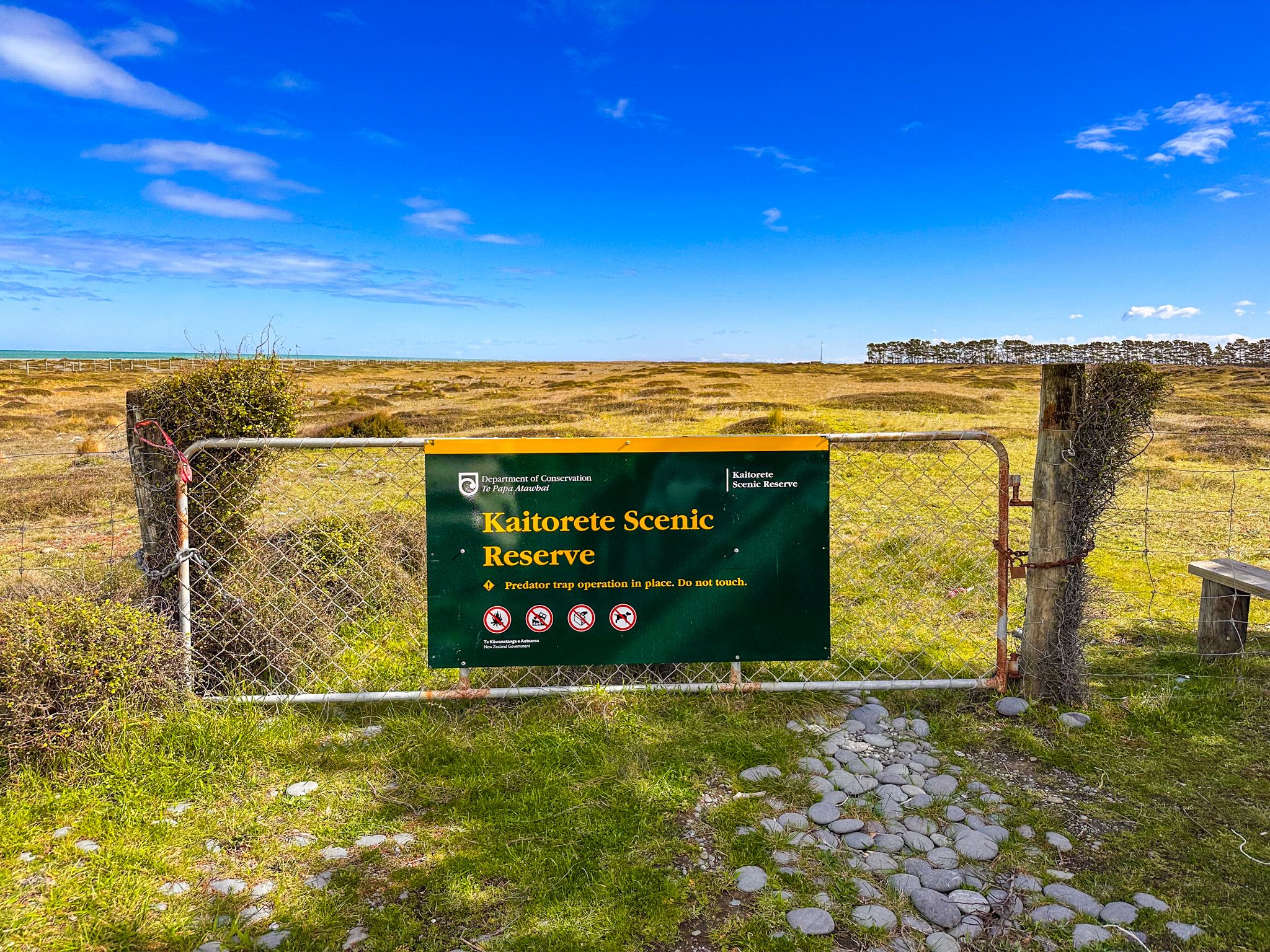
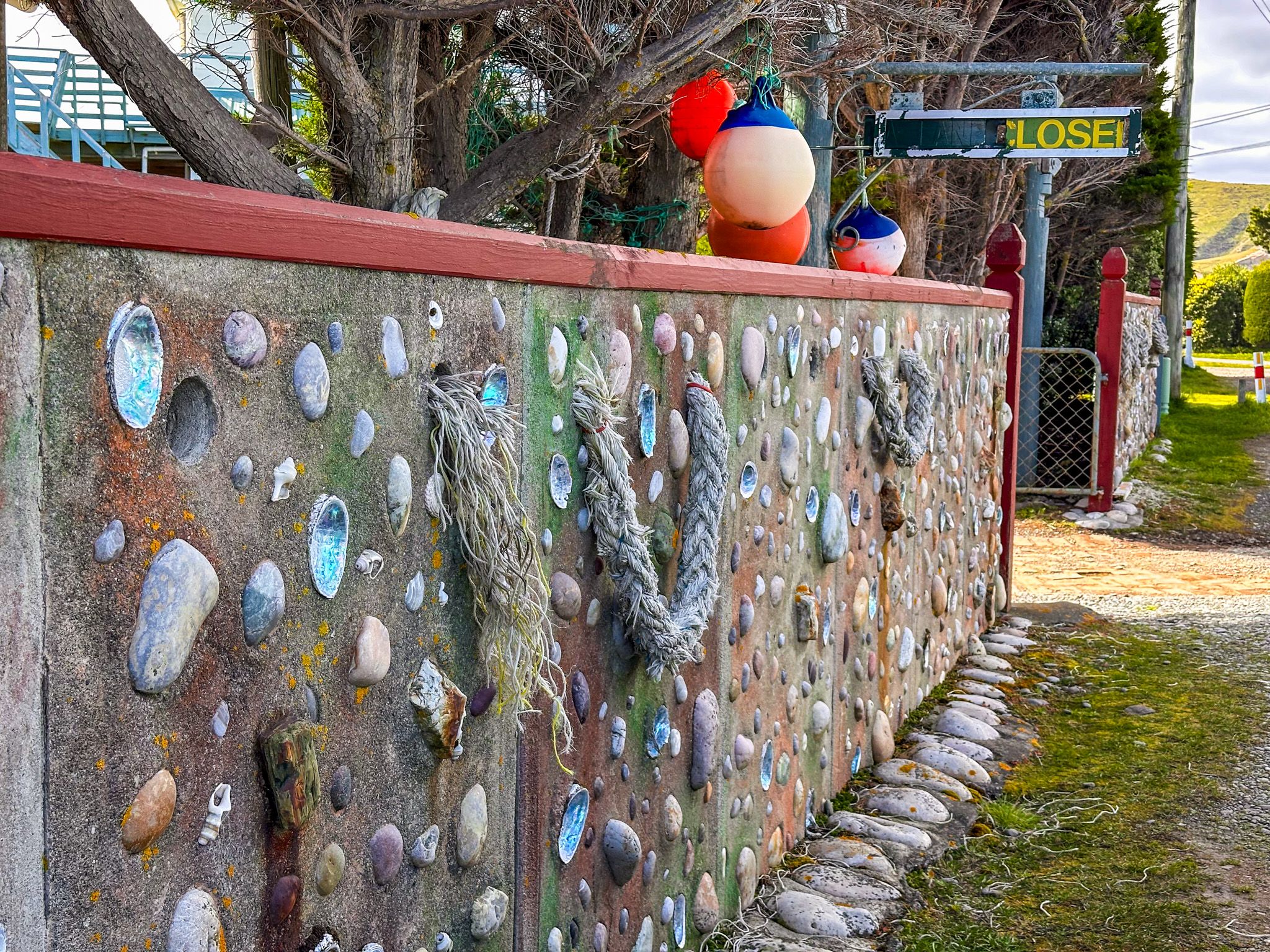
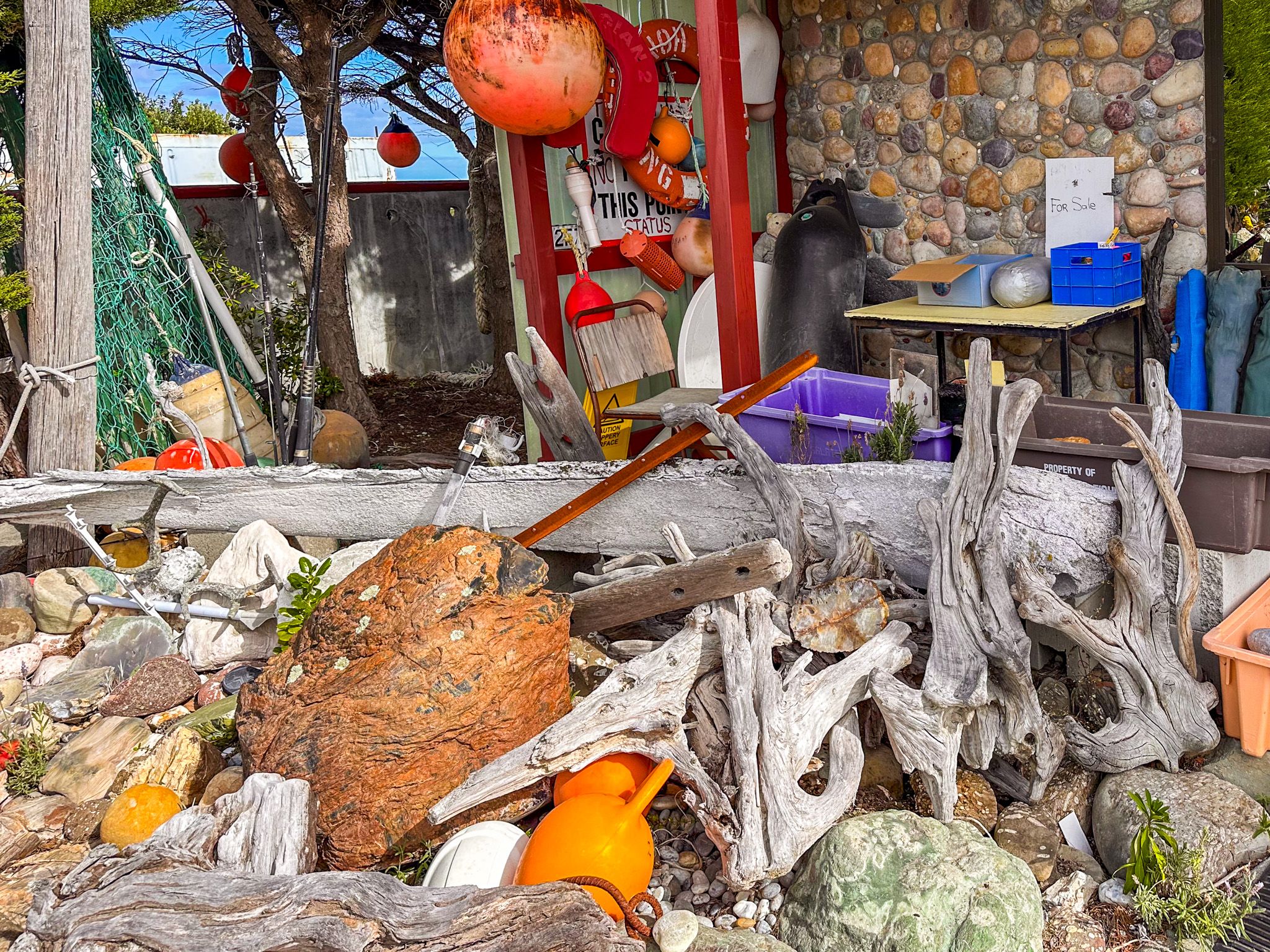
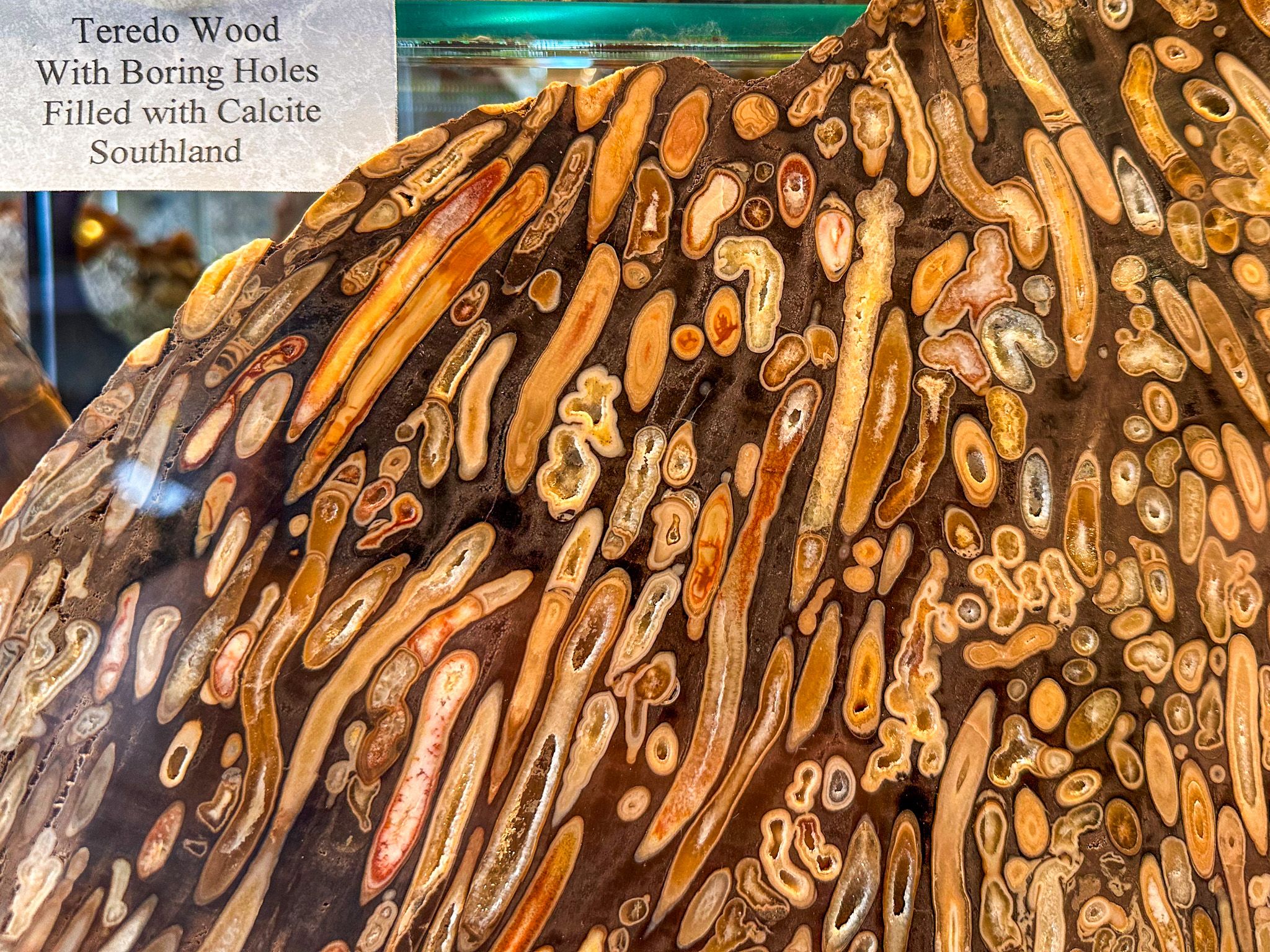
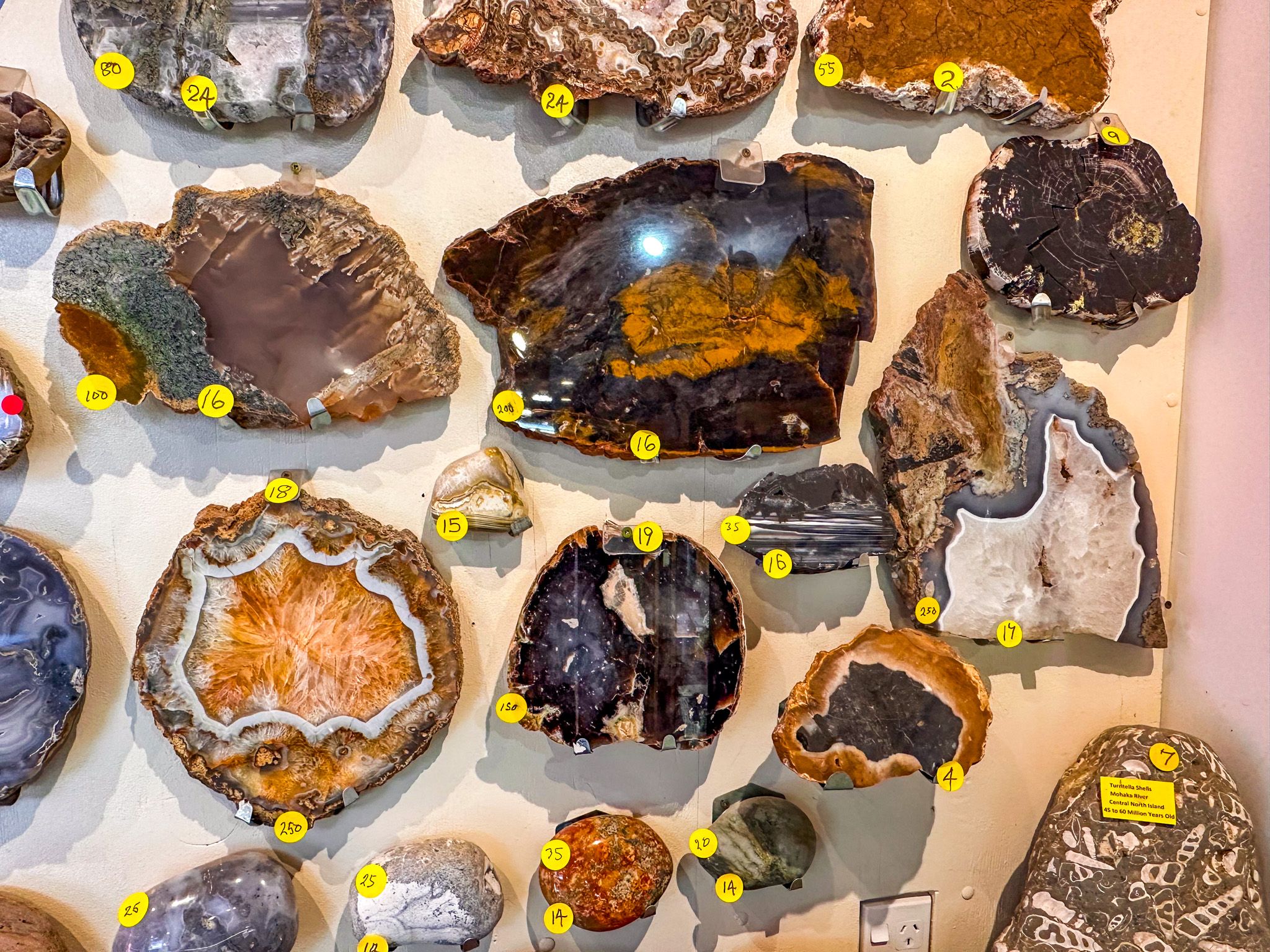
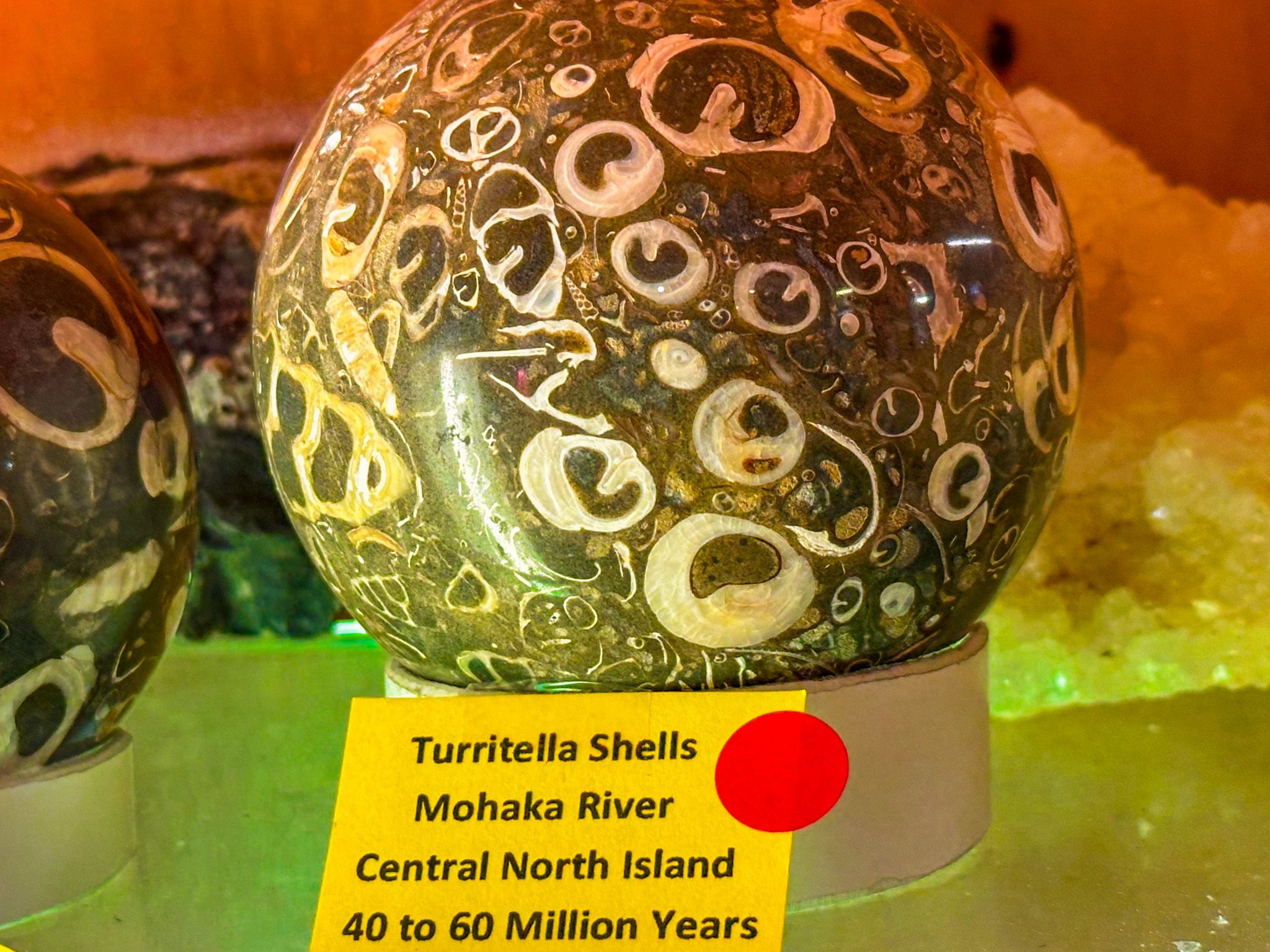
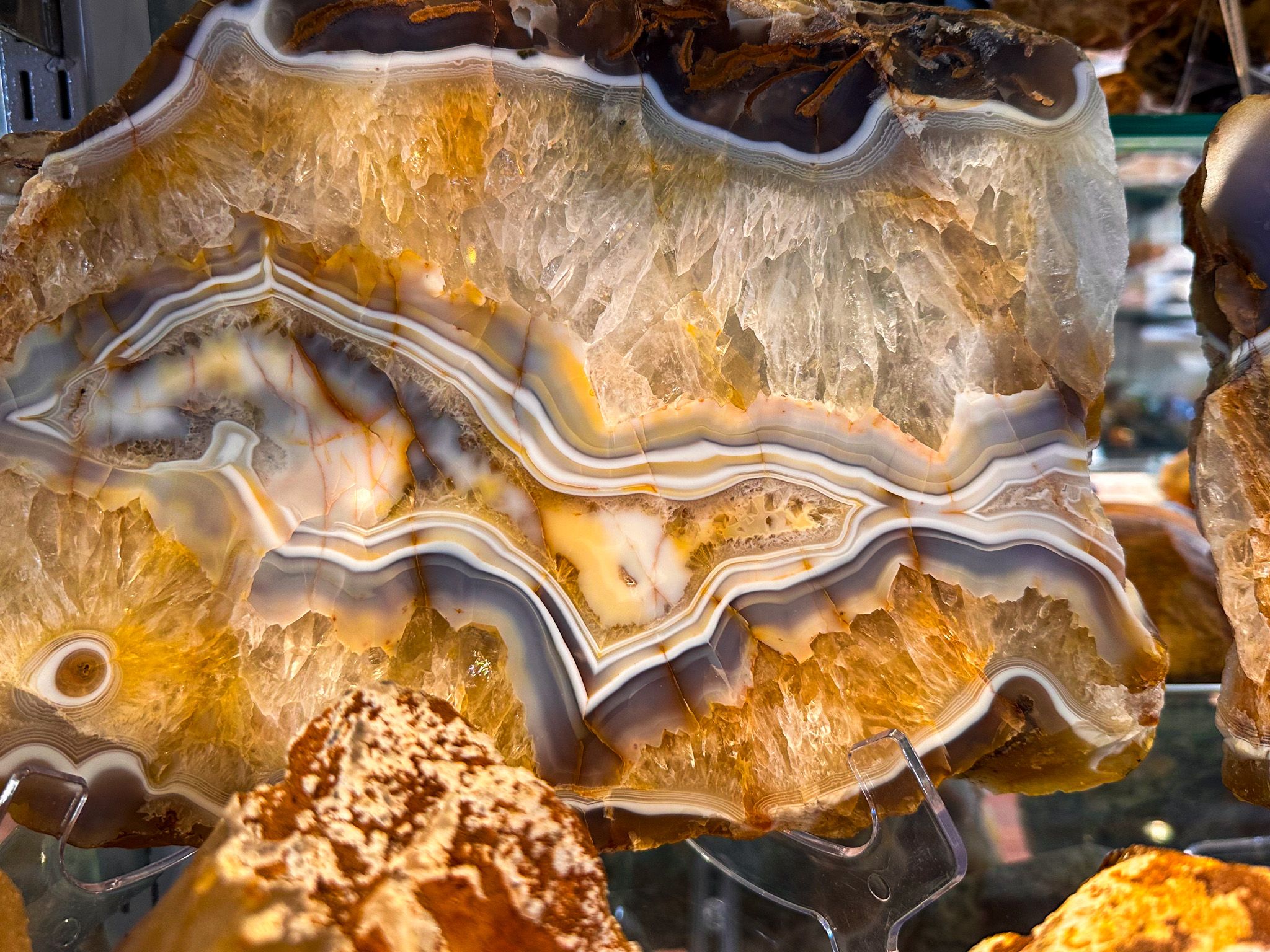
At the end of Hillview Road, next to the entrance to the Kaitorete Scenic Reserve, you can discover the Gemstone and Fossil Museum. The wall at the front of the property is an artwork, concrete embedded with paua shells, stones and other coastal detritus. Walk through the gate when it is open to discover an array of driftwood and other objects. Go inside the building, not much larger than a shed, to discover one of the best collections of polished rocks and fossils in New Zealand. Entry is free, but donations are welcome, and some things are for sale.
The Birdlings Flat Gemstone and Fossil Museum was opened in February 2003 by Vince and Colleen Burke, who had spent 34 years collecting stones off the beach before deciding to put the collection on display. The collection began with beach material and expanded to include rocks gathered from rivers and hill country across Canterbury. These include the Hinds, Ashburton, Hororata, Rakaia, Waipara, Conway, and Rangitata rivers, as well as Mount Barossa, Mount Somers, and the White Cliffs. Fossils were added from 2002 onwards, mostly collected between Amberley Beach and Kaikōura.
Today, the museum also holds the largest known collection of petrified wood found at Birdlings Flat, originating from the Waitaki River. The largest agate in the collection weighs 68 kg; a log of agatised petrified wood found in 2007 weighs 158 kg. You can also see the workshop where tumblers, diamond saws, and cutting machines are used to polish the stones.
The museum has been listed for sale in recent years, so check availability before making a special trip.
How to Get There
From Christchurch, take State Highway 75 south toward Akaroa and turn right onto Poranui Beach Road before Little River. The drive takes around 45 minutes. The Gemstone and Fossil Museum is at the end of Hillview Road. Art on the Fence and the Tiki Tuna mural are near the beach car park at the road end.
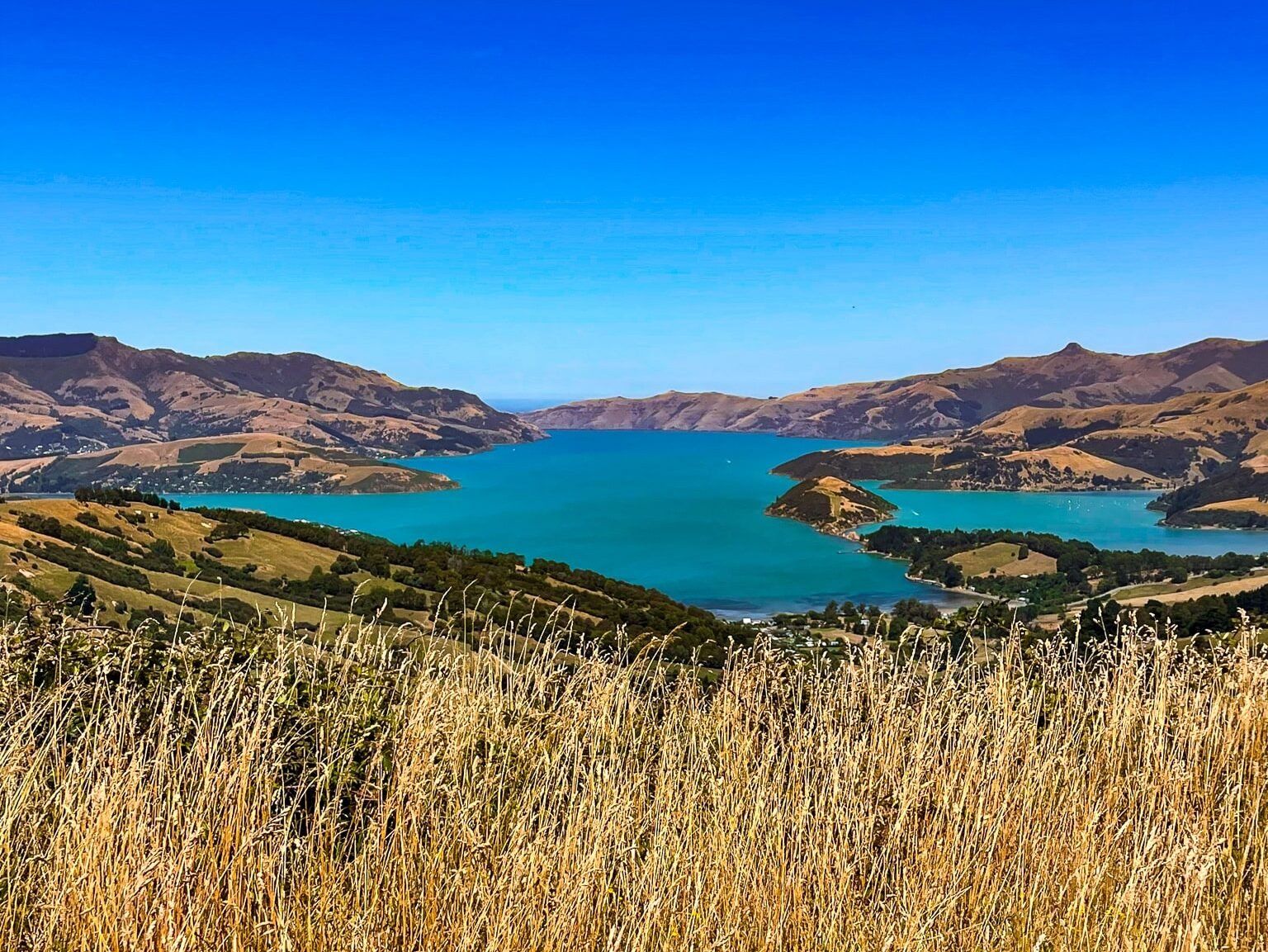
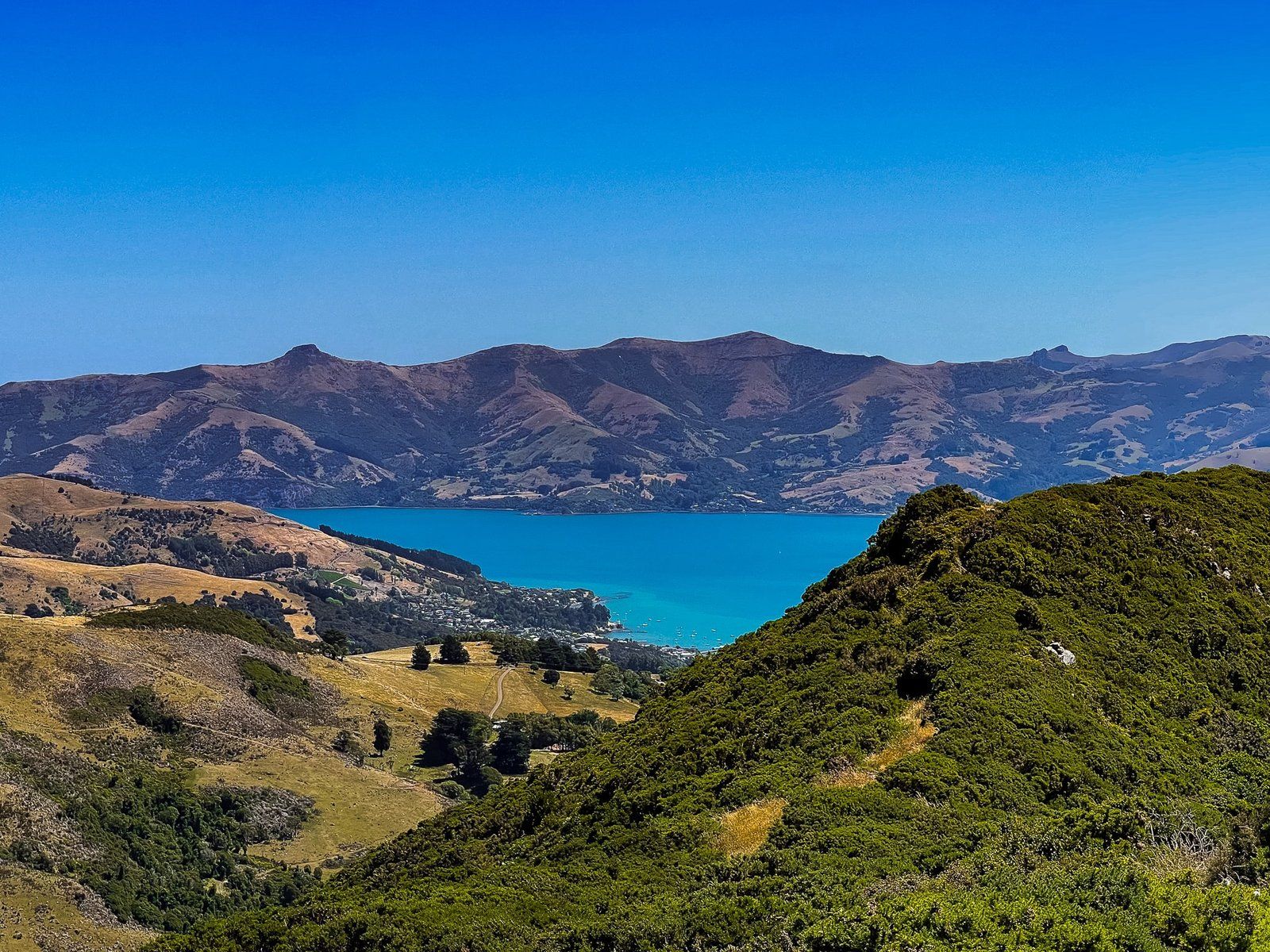
Nearby places to visit include Summit Road, via Gebbies Pass Road, Governors Bay, Lyttelton and Diamond Harbour.