Explore the Dunedin Botanic Garden
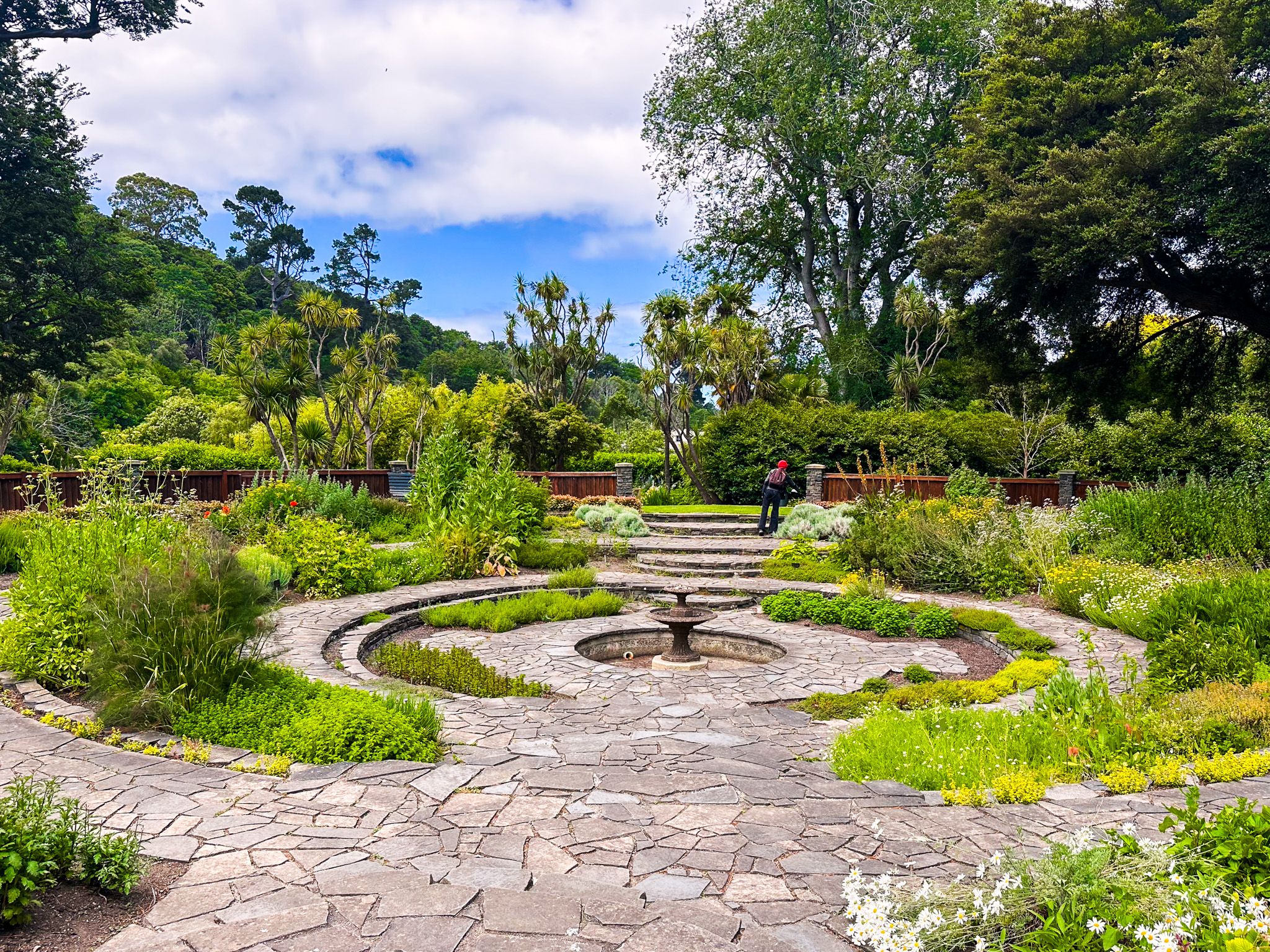
Dunedin Botanic Garden is located just north of the city centre in Dunedin / Ōtepoti, tucked into a green valley that feels surprisingly removed from the surrounding streets. It’s an ideal place to visit if you want an easy, open-air experience that can be as short or as long as you like, with everything from native bush and big trees to formal plantings, a glasshouse, and a café.
Start at the Top for an Easier Walk
A top-to-bottom walk is the simplest way to see a lot without feeling like you’re constantly climbing. Beginning in the upper garden means you get the quietest, most hillside-feeling sections first, then you pass key features as you descend, and you finish in the lower garden, where the paths are flatter, and the café is waiting. If you do it the other way, the same 80-metre change can feel like a climb, especially on warm days or if you stop often for photos.
Upper Garden with quiet hillside paths
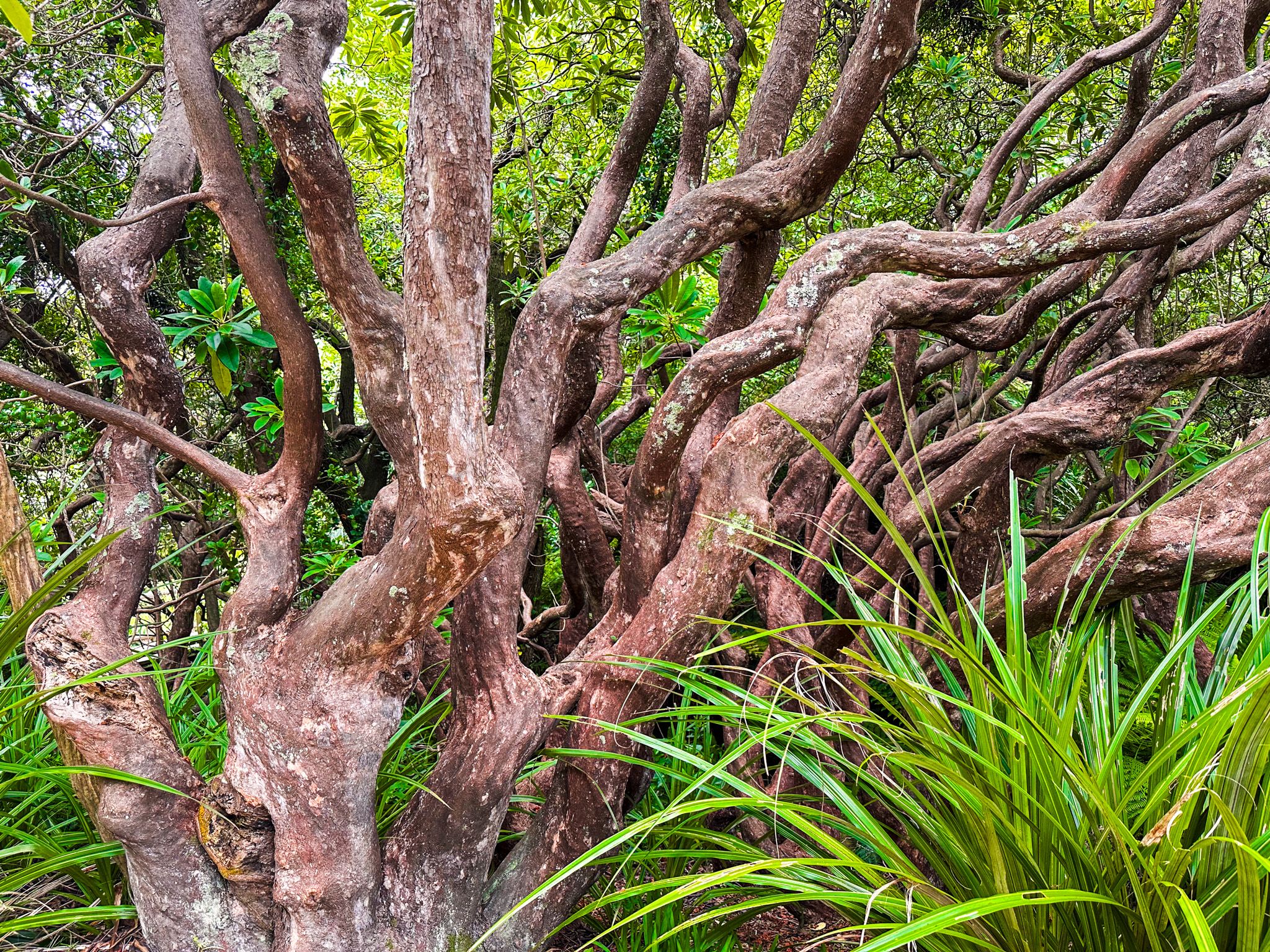
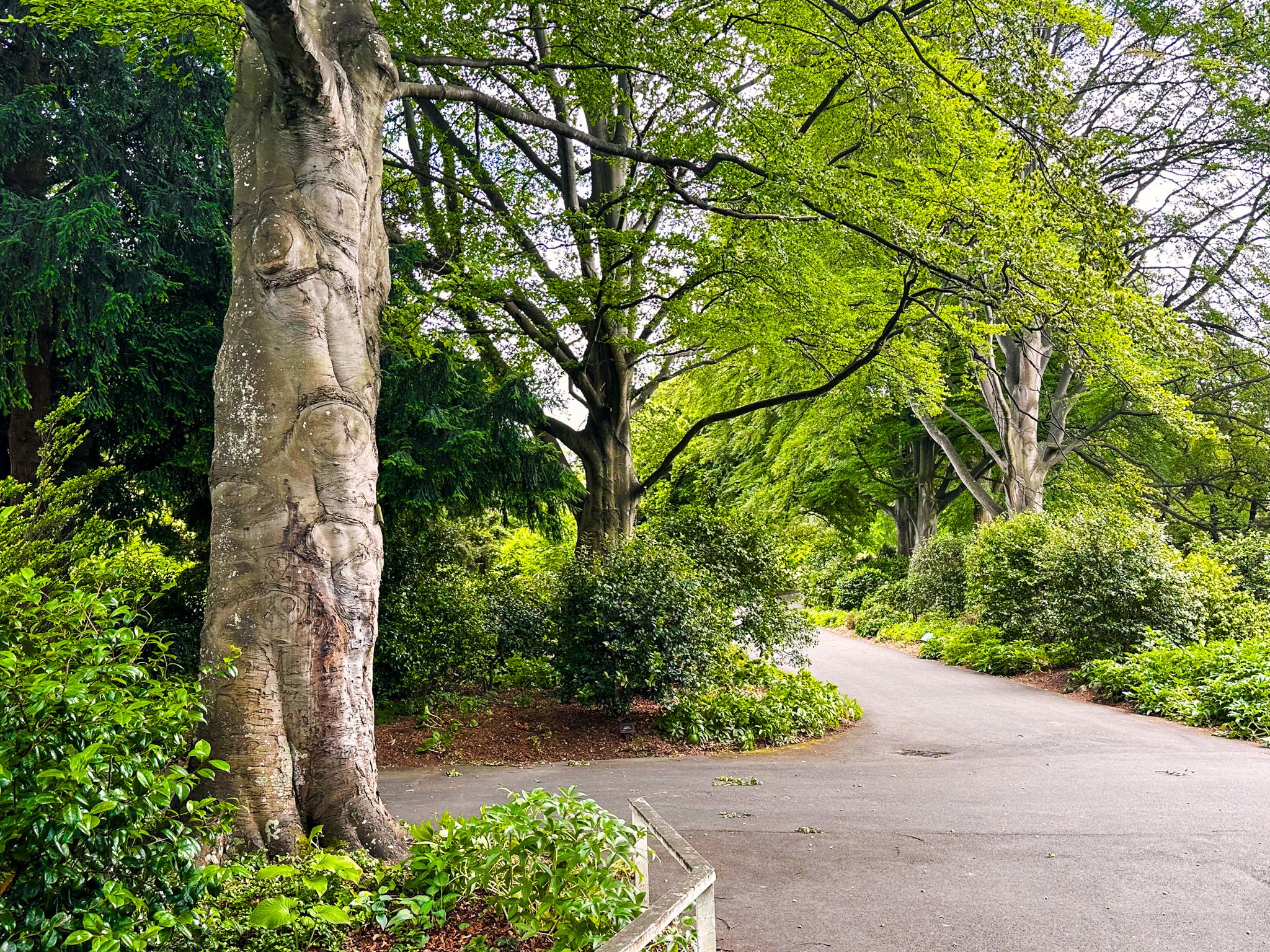
The upper garden has a calmer, more tucked-away atmosphere than the lawns below. Paths weave through slope and gully plantings, and it’s a great place to start if you like noticing texture and structure: bark, leaf shapes, and the way planting changes with aspect and shelter. Even without targeting specific species, the upper slopes feel like a different garden altogether from the lower, more formal spaces.
NZ natives in Lovelock Bush
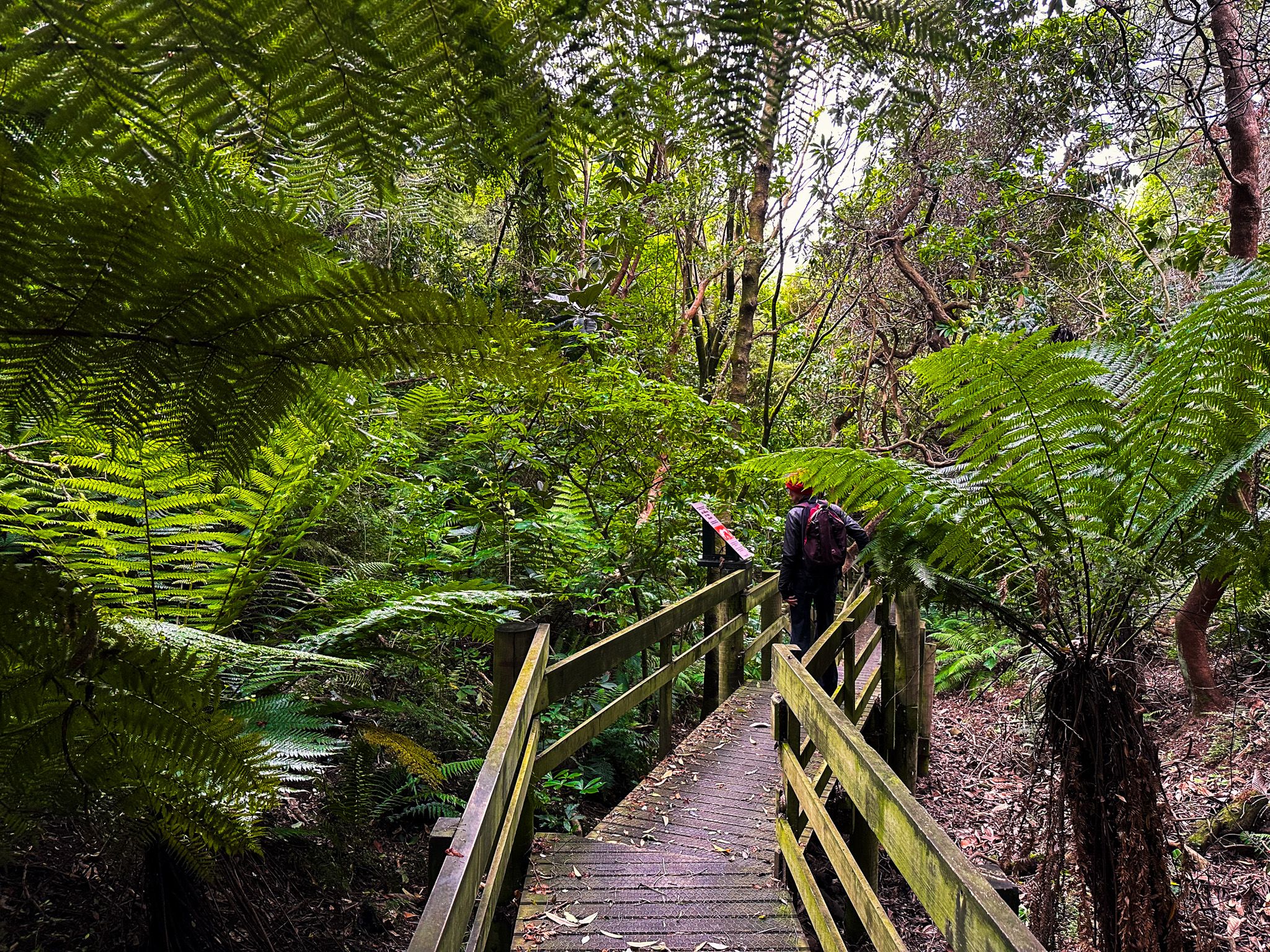
Near the top, Lovelock Bush is a standout section and a great first stop. It has that cool, shaded feeling of New Zealand bush, with softer light and a more natural understory. Starting here sets the tone for the visit: you begin with native greenery, birdsong, and a sense of immersion, then move into the more curated collections as you continue downhill.
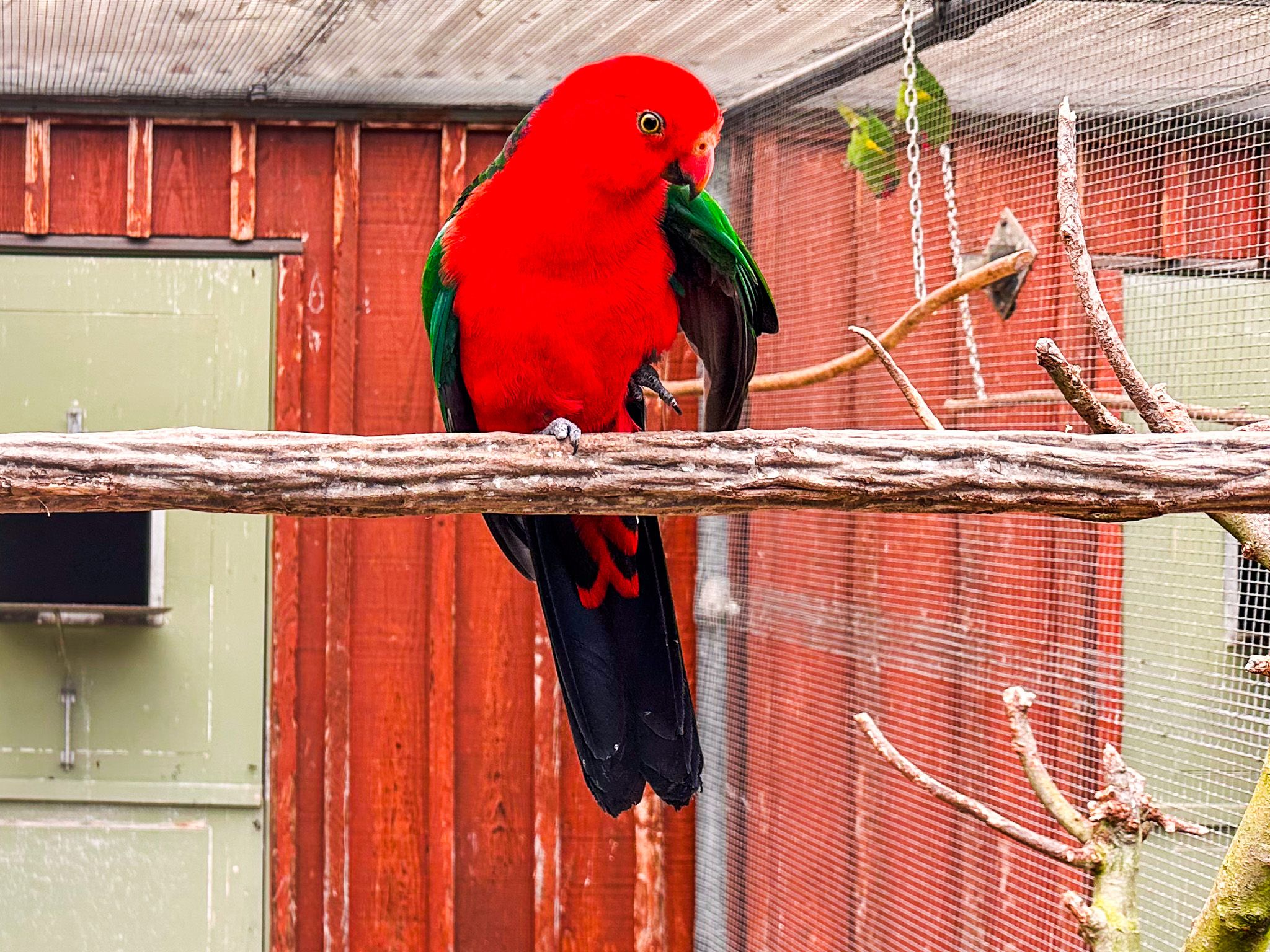
The Rescue Aviary
The aviary sits just below the upper area, which makes it a natural early stop on the way down. It’s easy to include without detouring far, and it breaks up the walk nicely before you start drifting into the middle garden plantings. This is a good moment to slow down and spend time watching rather than walking, because once you resume the descent, there’s a lot more to see.
Descend Through the Middle
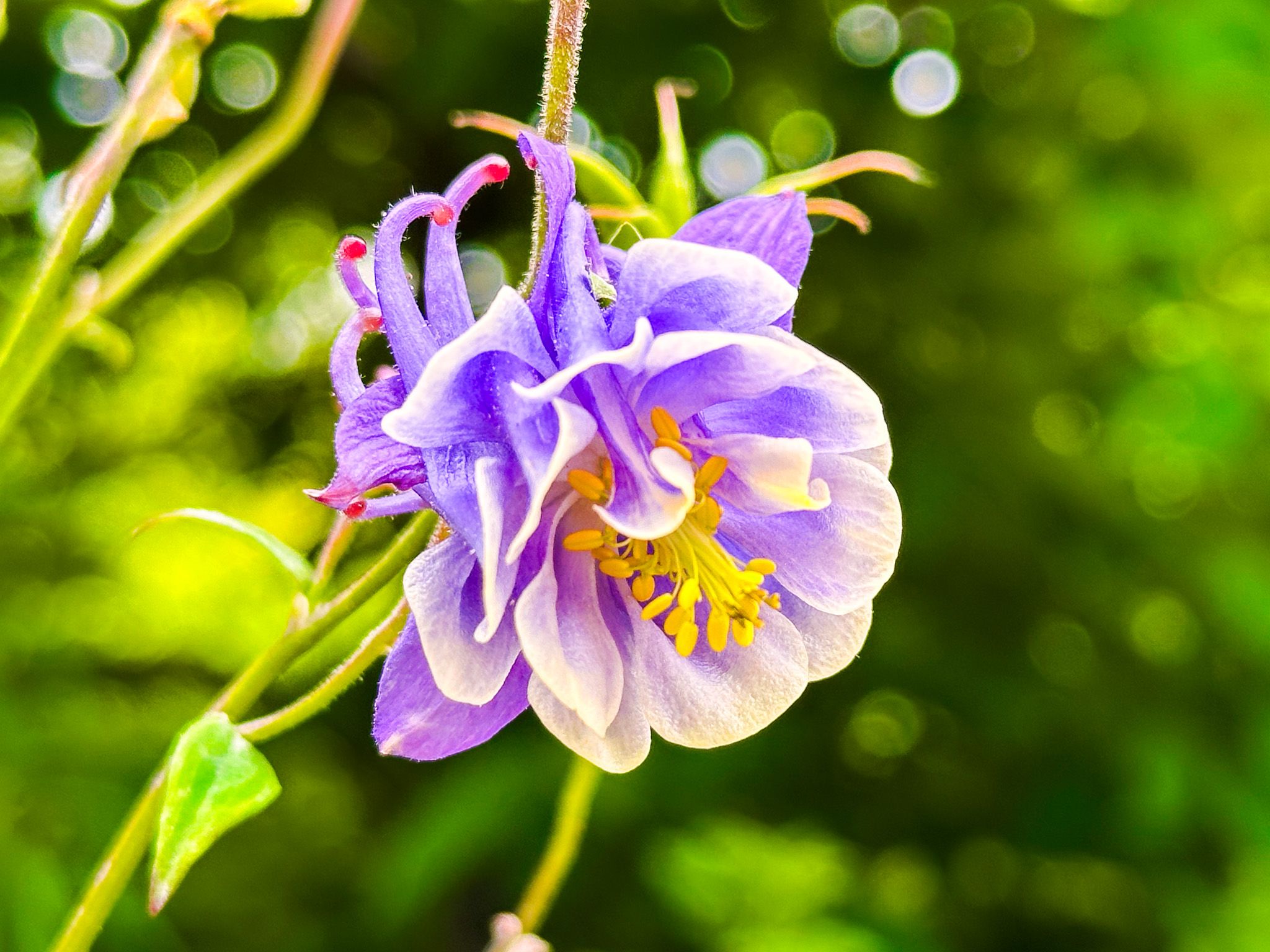
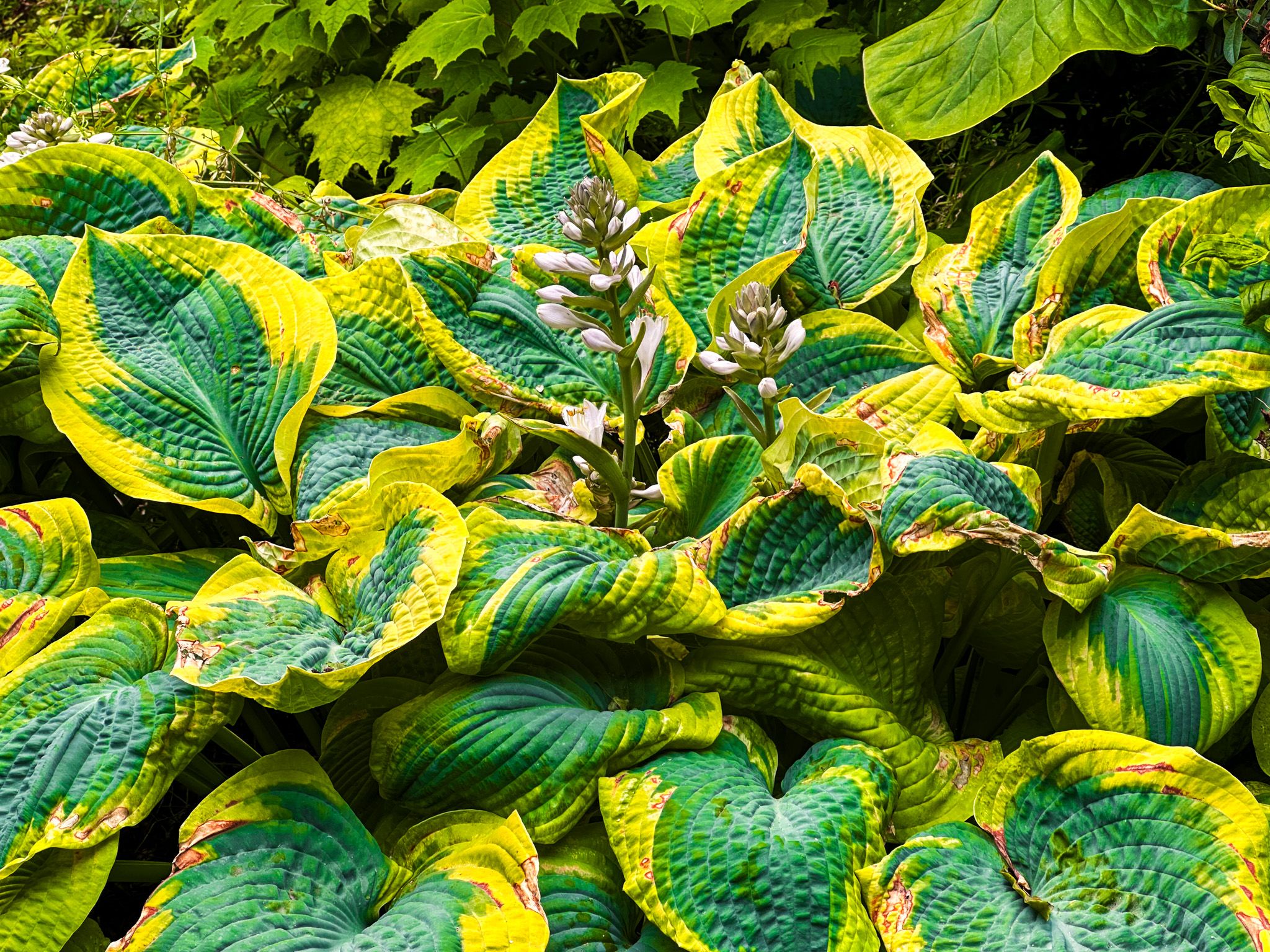
As you move down from the upper slopes, the garden shifts into areas where many visitors begin to notice how diverse the collections are. This is often where you’ll see flowers and plant forms that feel unfamiliar, especially if you don’t spend a lot of time in botanical collections. The best way to enjoy this section is to freely wander: follow the main path until something catches your eye, then take the next side path that looks interesting. It’s a part of the garden that rewards curiosity more than a strict route.
Unique Flowers and Trees to Watch For
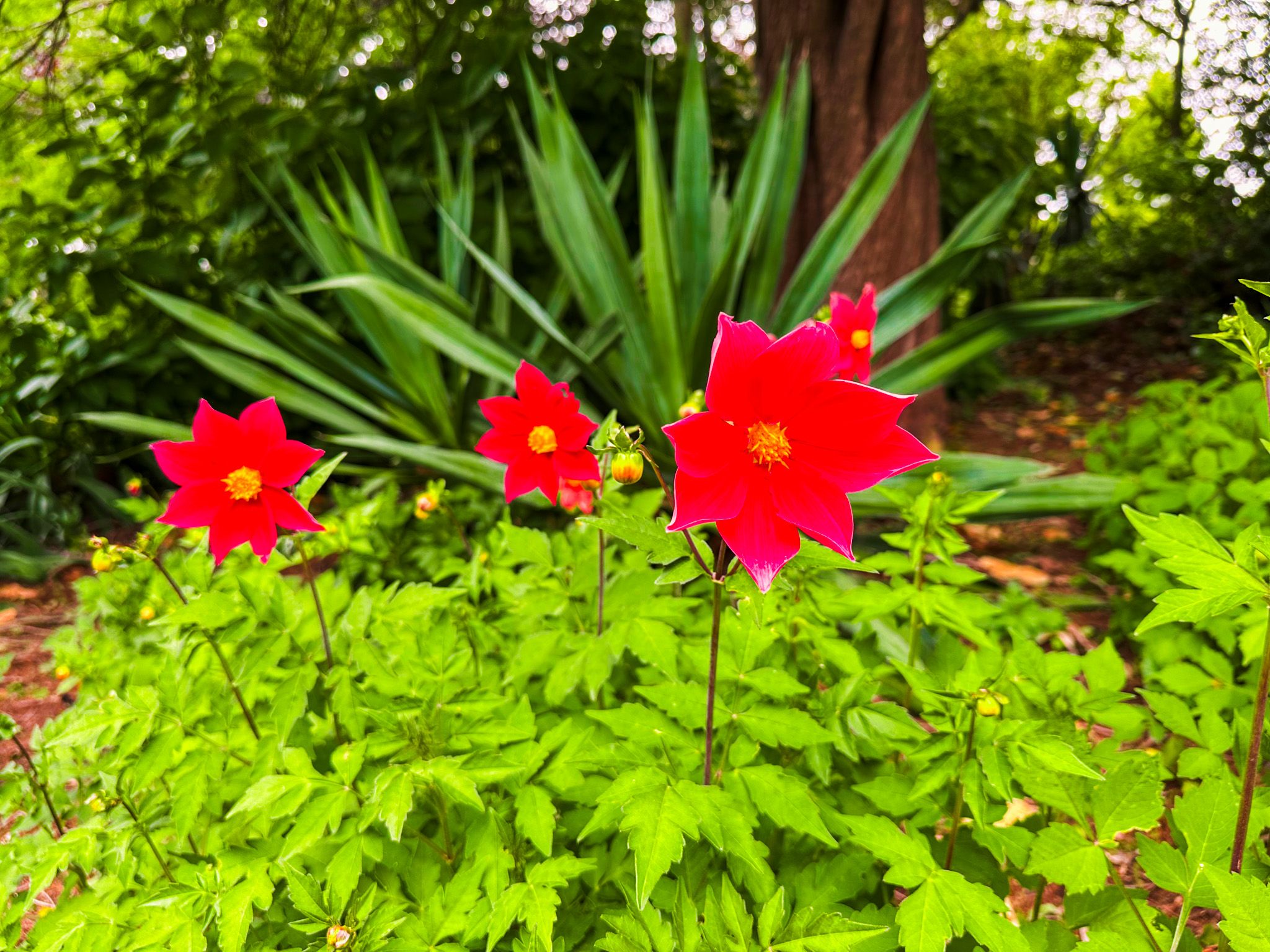
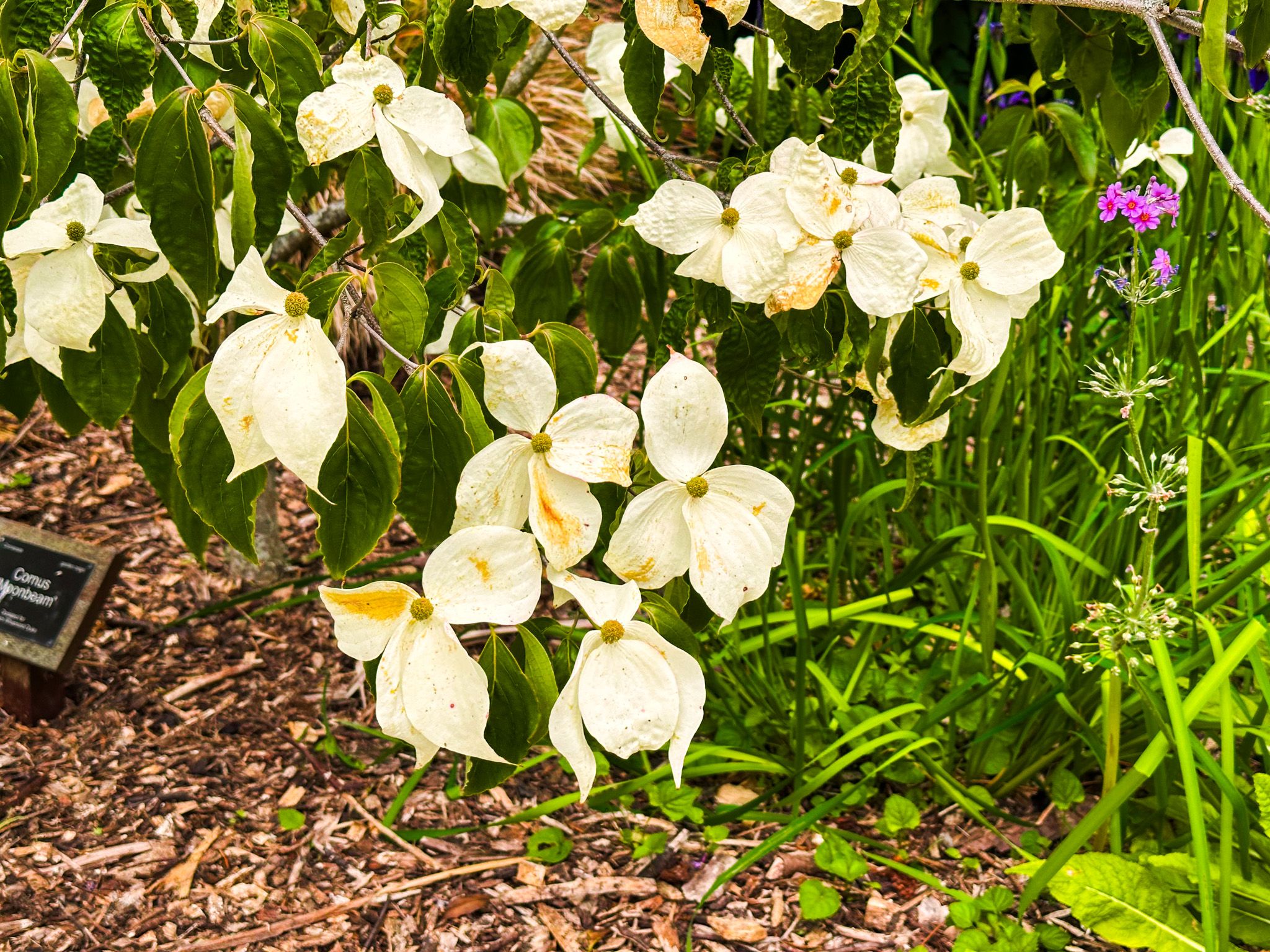
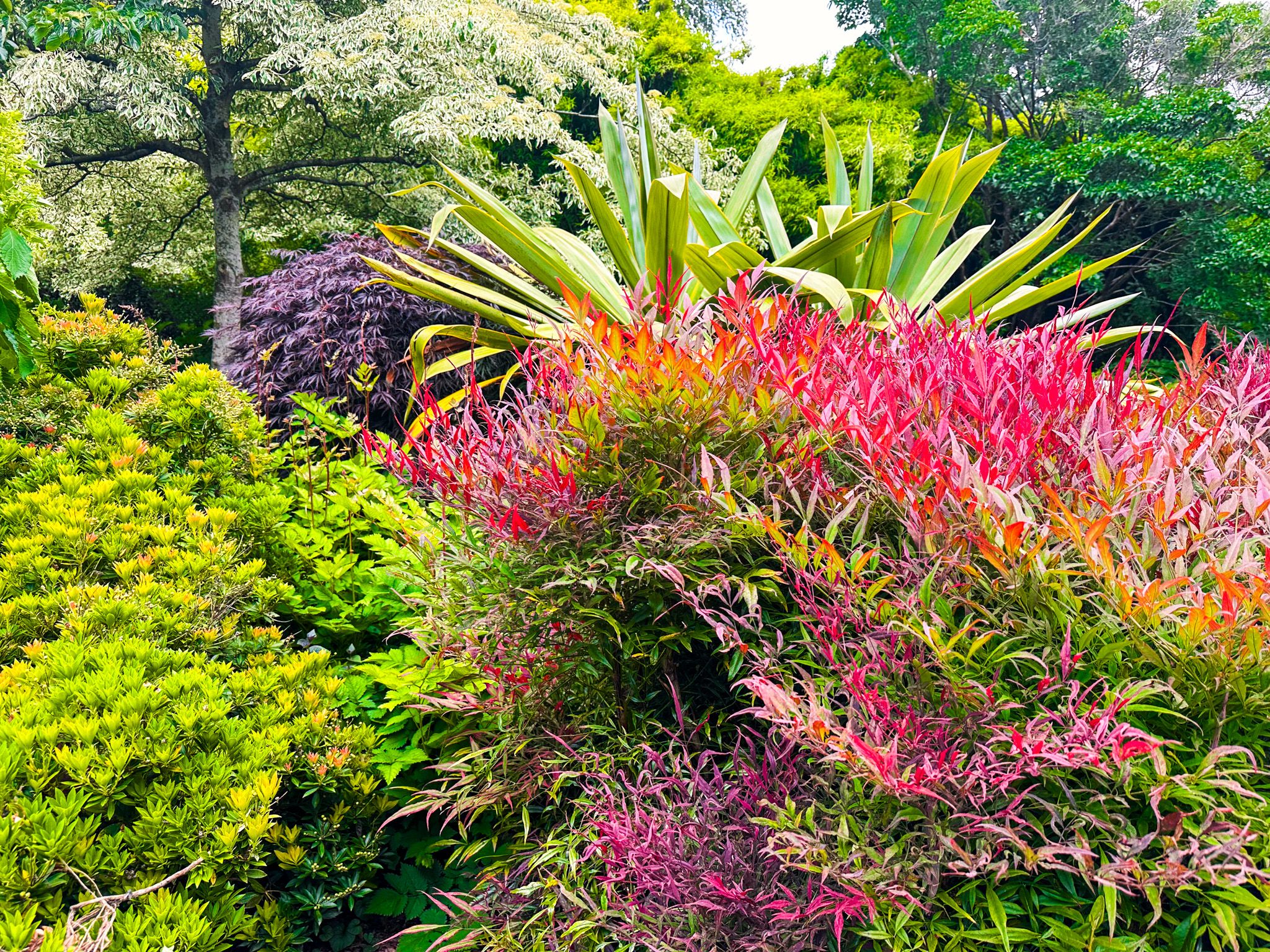
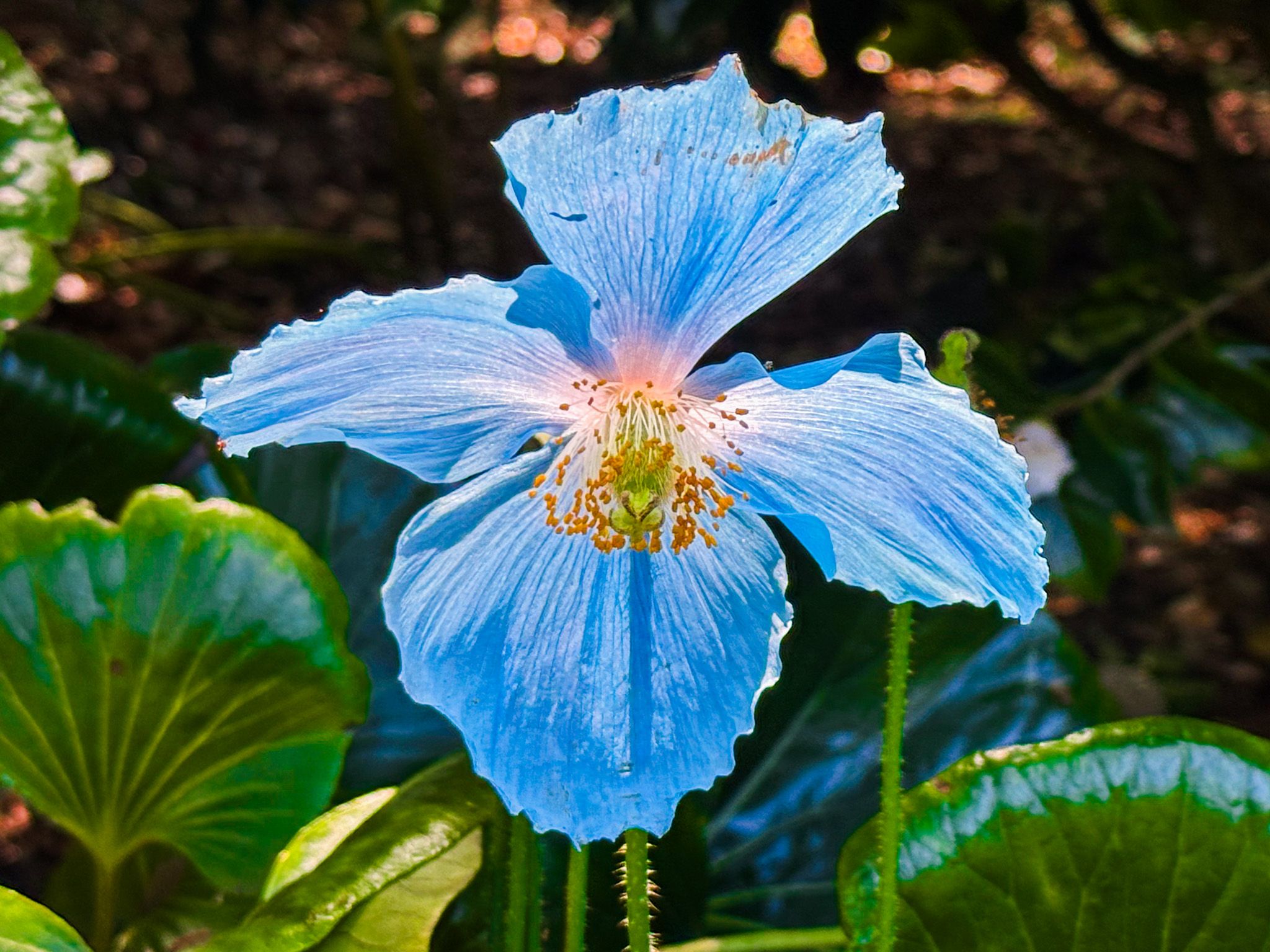
One of the joys of this garden is the sense of discovery. Depending on the season, you may encounter flowering shrubs and trees that stop you in your tracks, and even when nothing is in peak bloom, there are distinctive leaf shapes and silhouettes that feel unlike typical home gardens. Look out for big spring-flowering trees such as magnolias, winter-to-spring colour from camellias, and the dense displays you can get from rhododendrons and azaleas when they’re at their best.
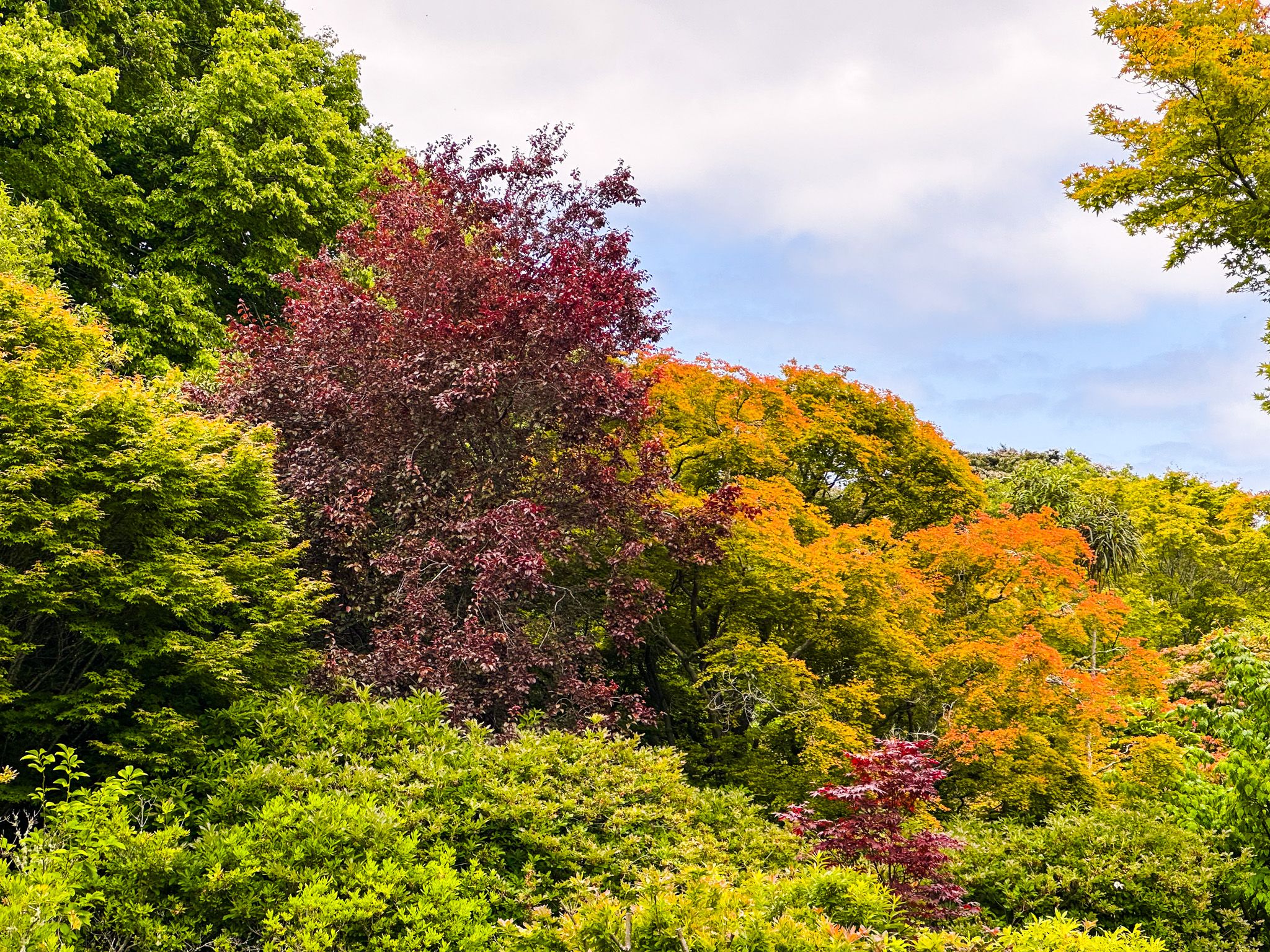
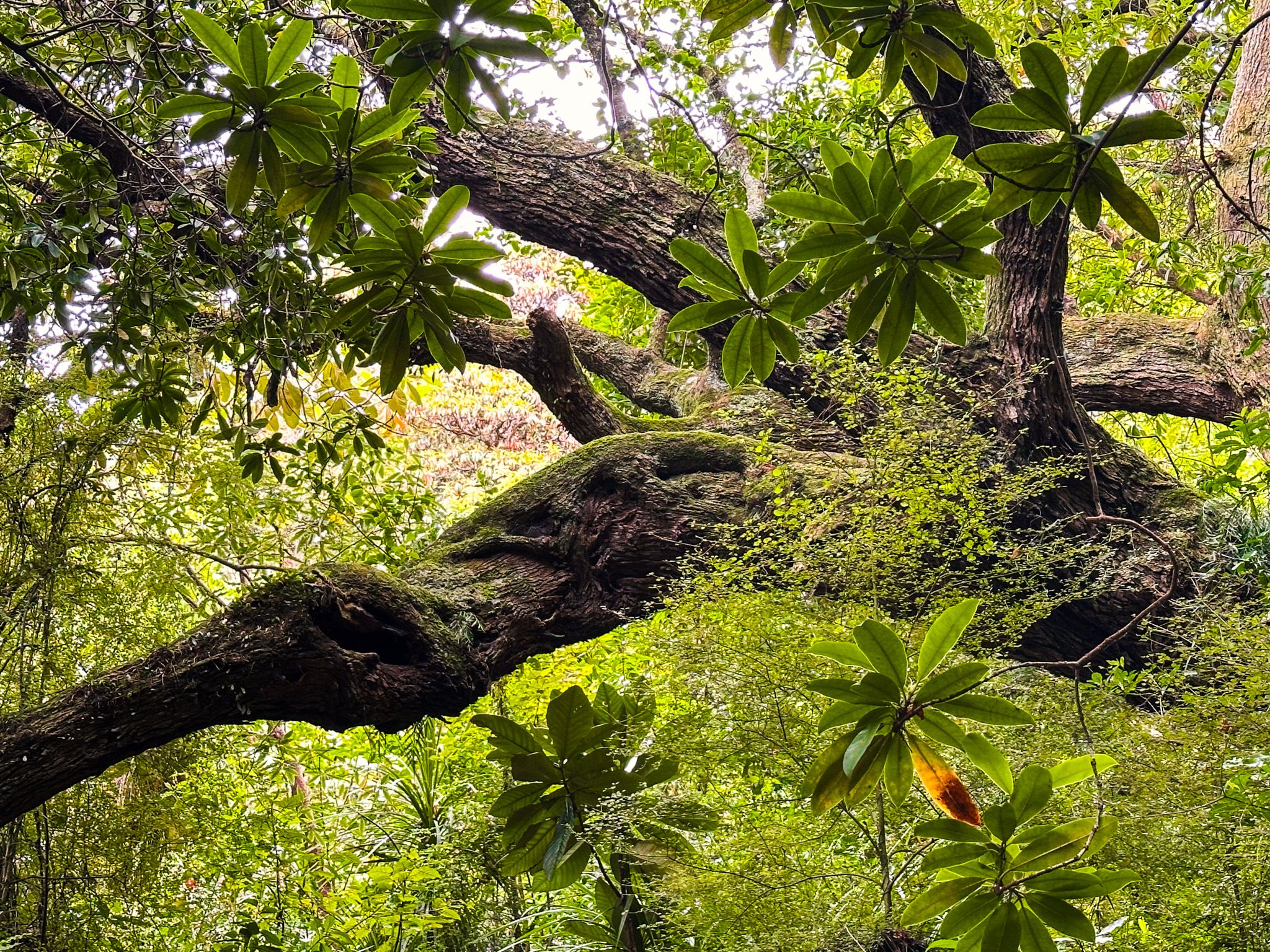
For trees, keep an eye out for veteran specimen trunks and conifers, as well as deciduous trees that put on a show in autumn. The garden is full of plants that are memorable simply because they look so different from what you see elsewhere in Dunedin, so it’s worth walking slowly enough to notice structure as much as colour.
Ancient to Modern Rose Variants
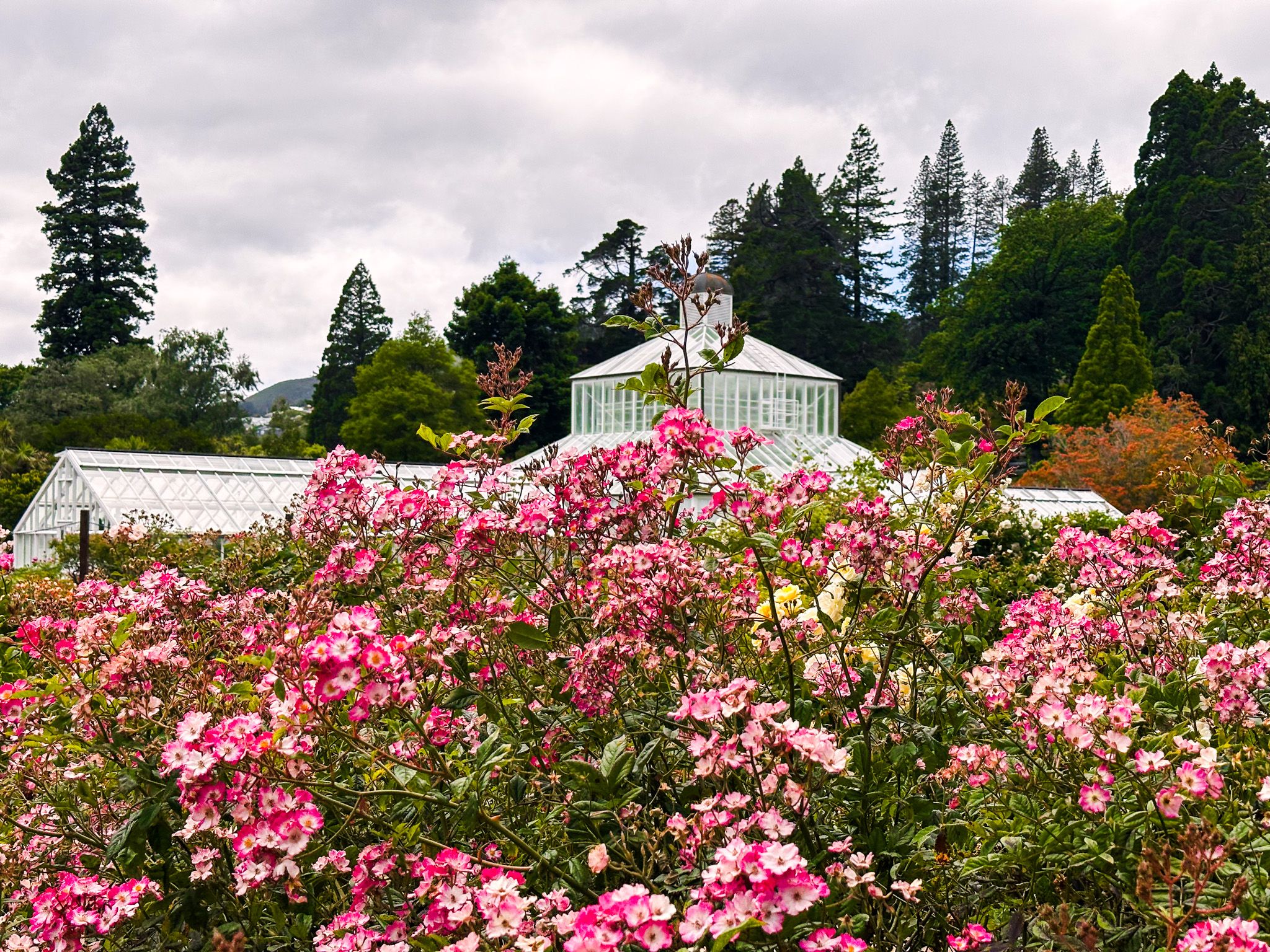
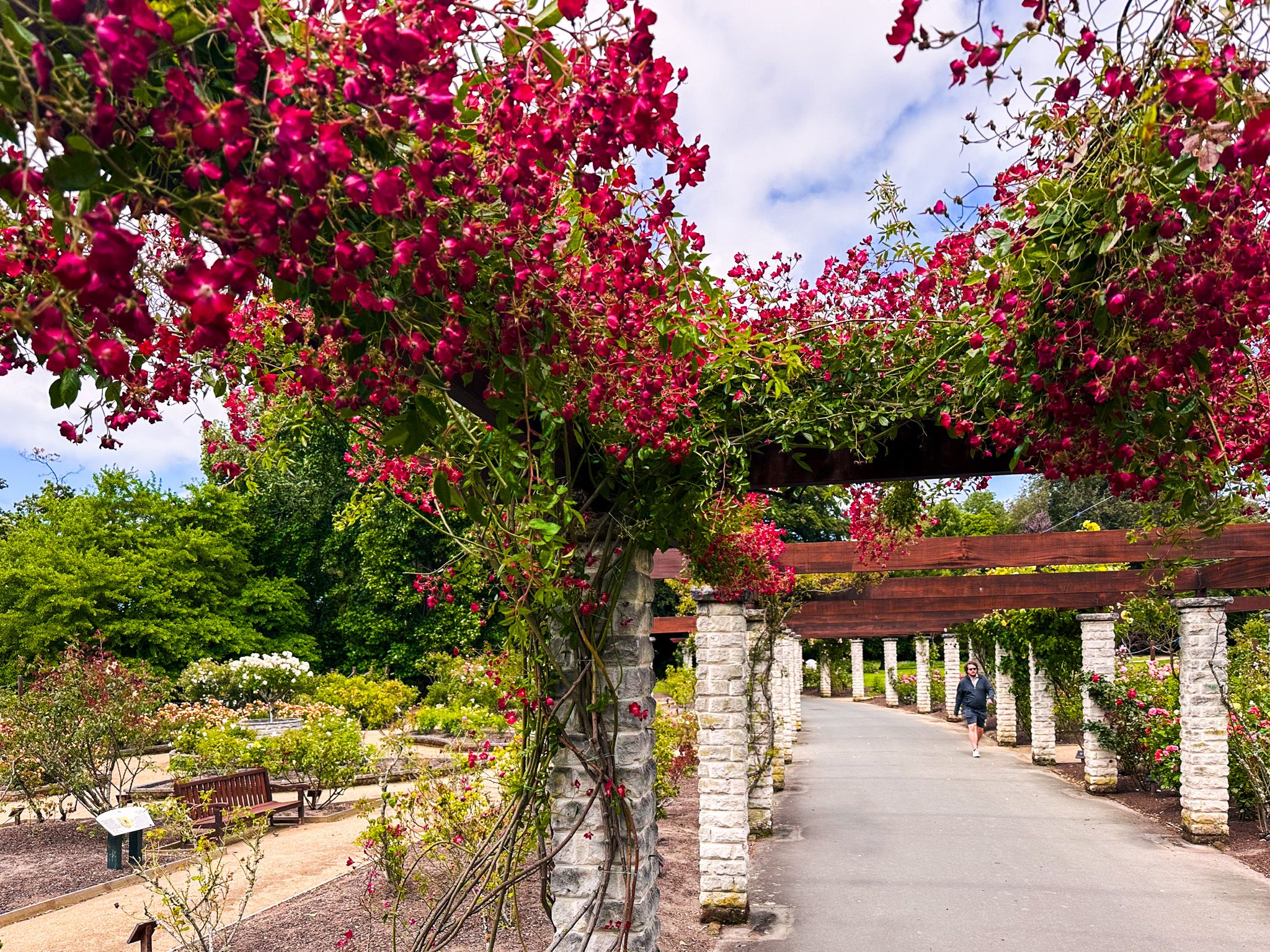
Further down, the rose garden is a highlight and warrants more than a quick walk-through. It’s the sort of area where variety and fragrance reward a slower pace, especially in late spring and summer. The rose garden also offers an excellent introduction to rose history, from ancient and heirloom roses to modern varieties.
The Monterey pine from the 1860s
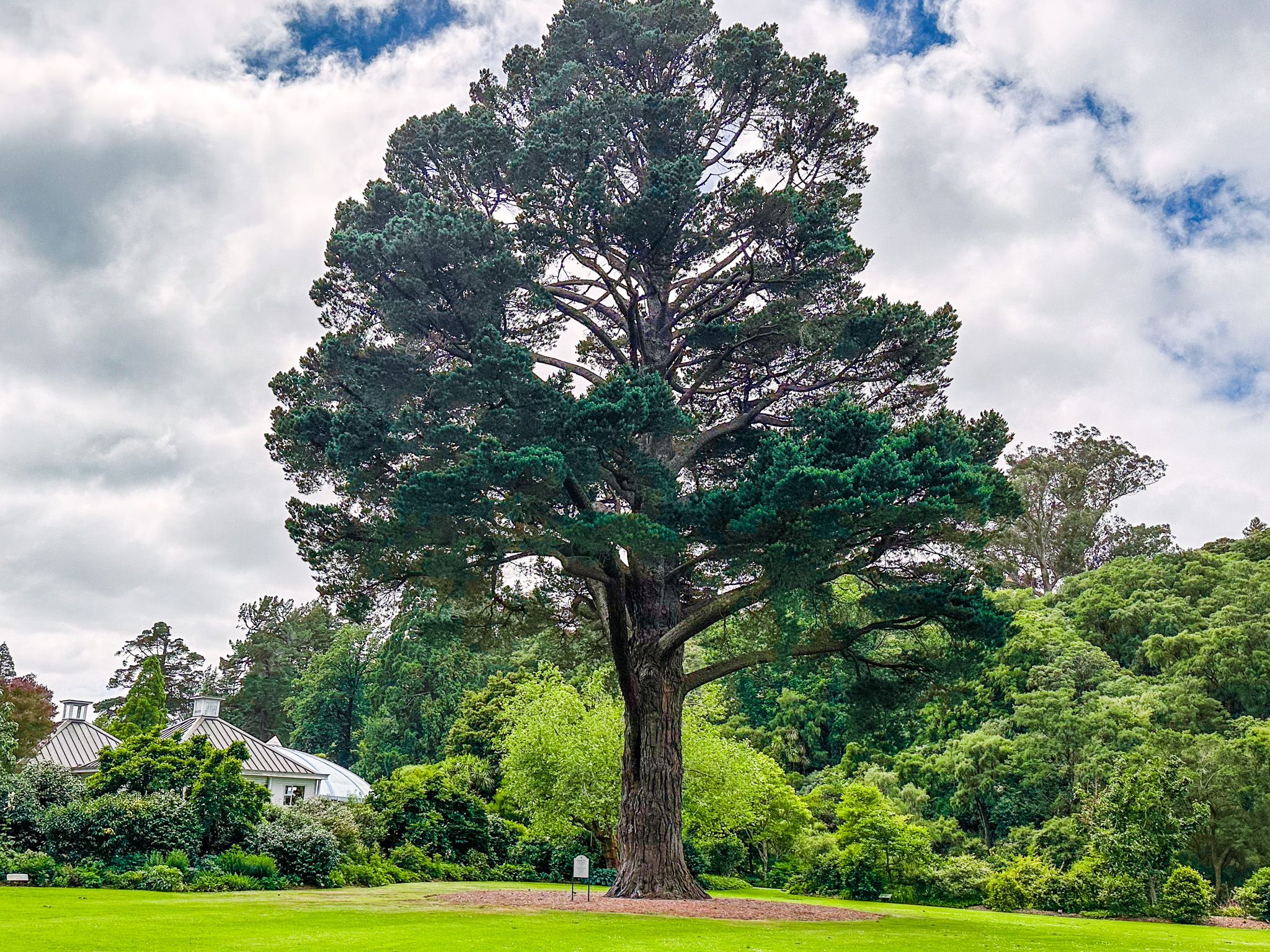
Near the rose garden and pond at the bottom of the garden, a single Monterey pine (Pinus radiata in New Zealand), dating back to the 1860s, is one of the most historically significant trees to seek out. Sixty years later, radiata became the backbone of New Zealand’s exotic forestry industry, shaping landscapes nationwide and influencing the modern timber economy. Seeing an early, mature specimen here is a reminder that radiata’s local story began in places like botanic gardens, through acclimatisation and experimentation, long before it became a national forestry go to tree.
The Glasshouse
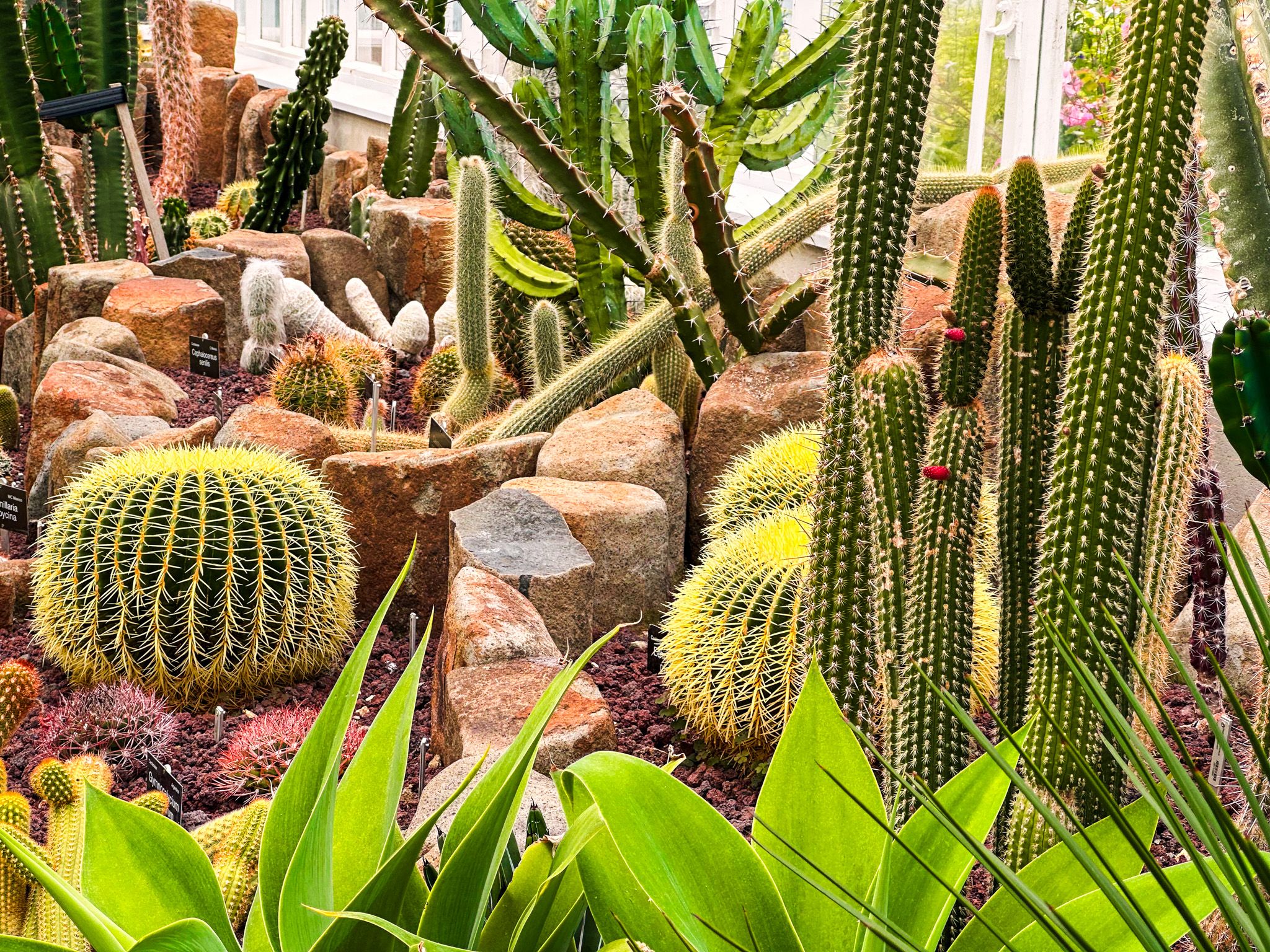
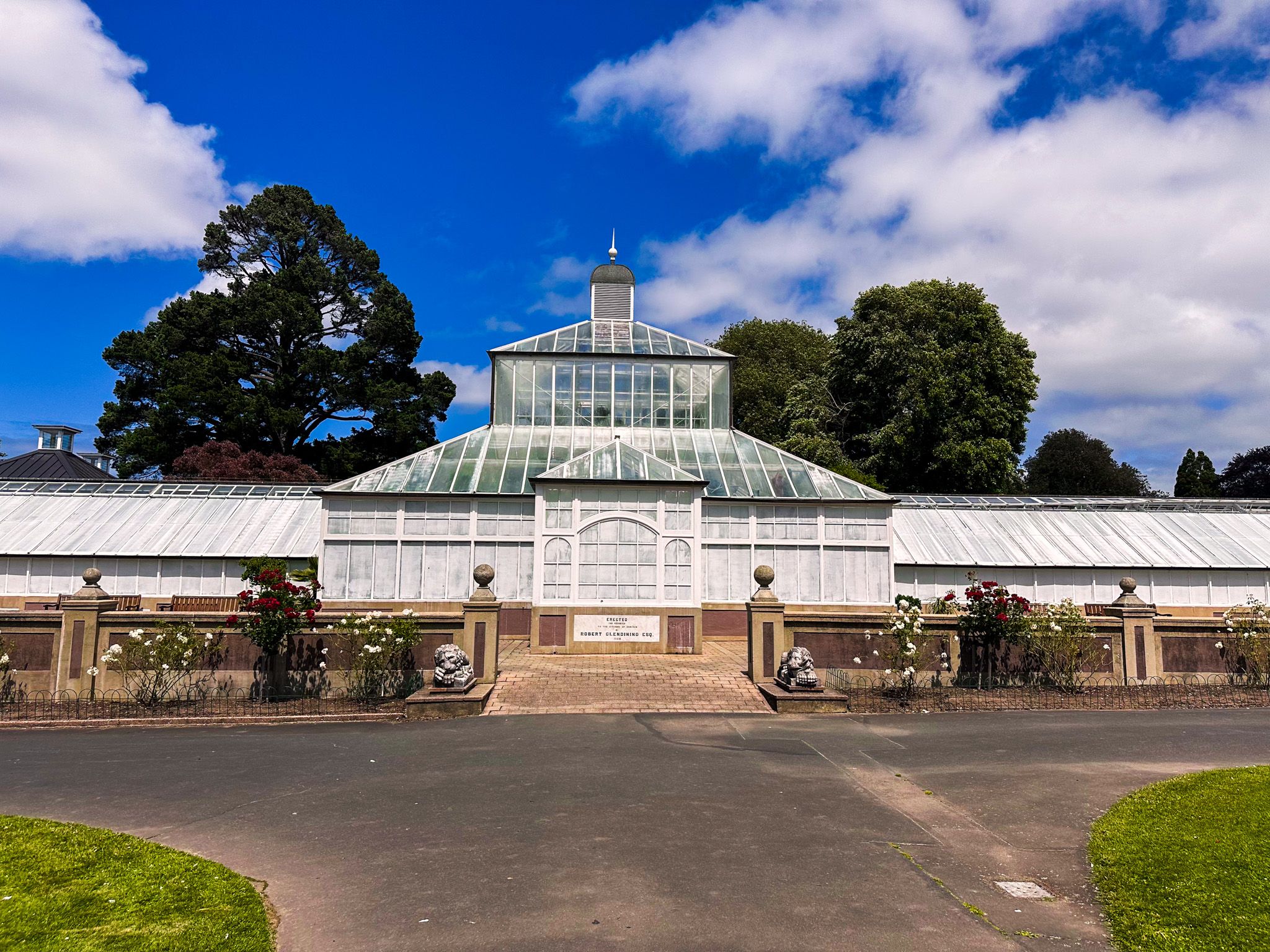
The glasshouse is a must on a Dunedin day when the weather turns cool, damp, or windy, and it’s still a rewarding stop even when it’s sunny outside. It’s a total contrast to the open lawns and hillside paths, with warm air and dense planting. The cactus and succulent collection is particularly memorable because the shapes and textures do most of the work: spines, ridges, paddles, and odd geometric forms that make you stop and stare, even if you’ve never paid attention to these plants before.
Café and Lower Garden Finish
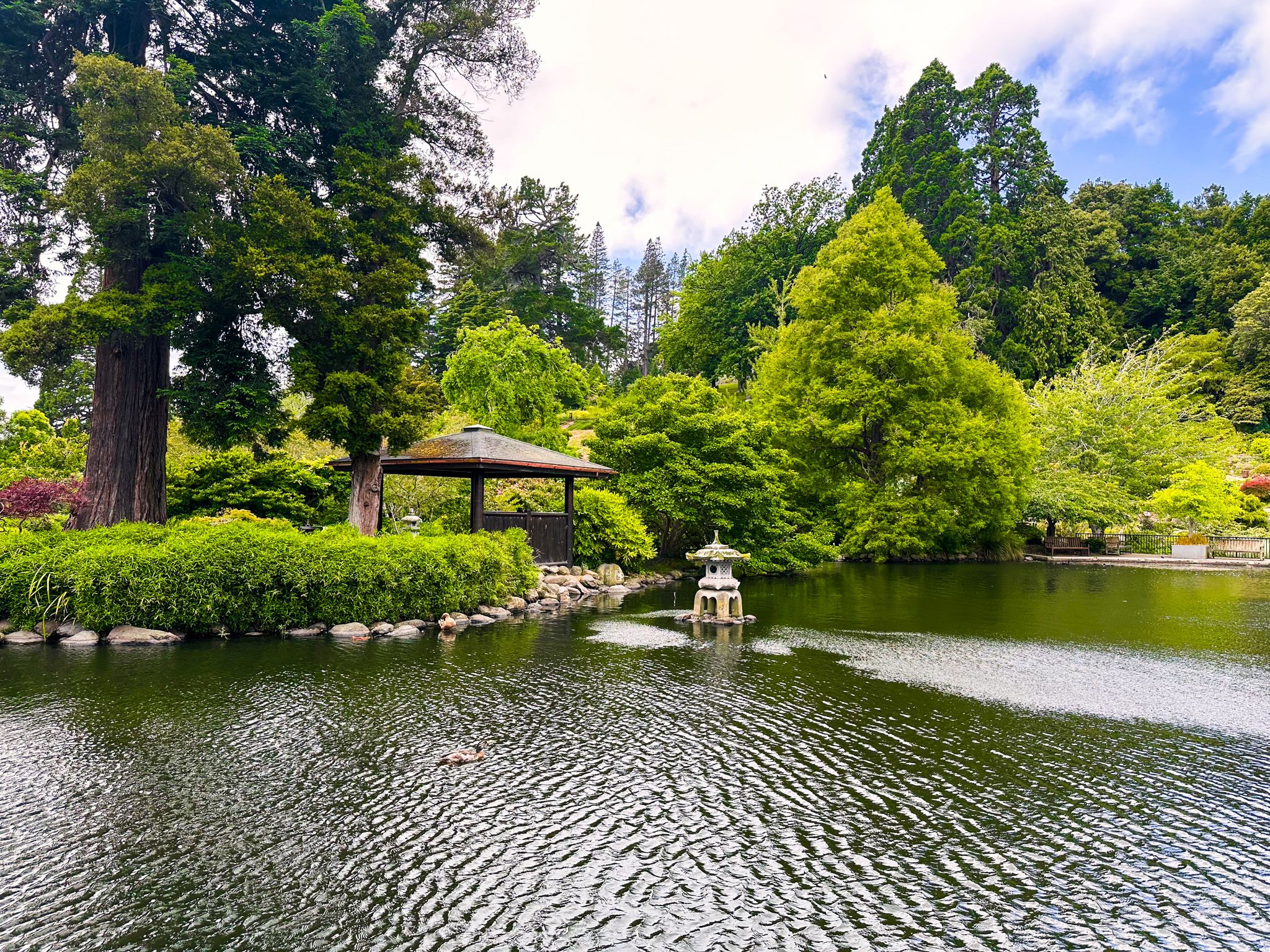
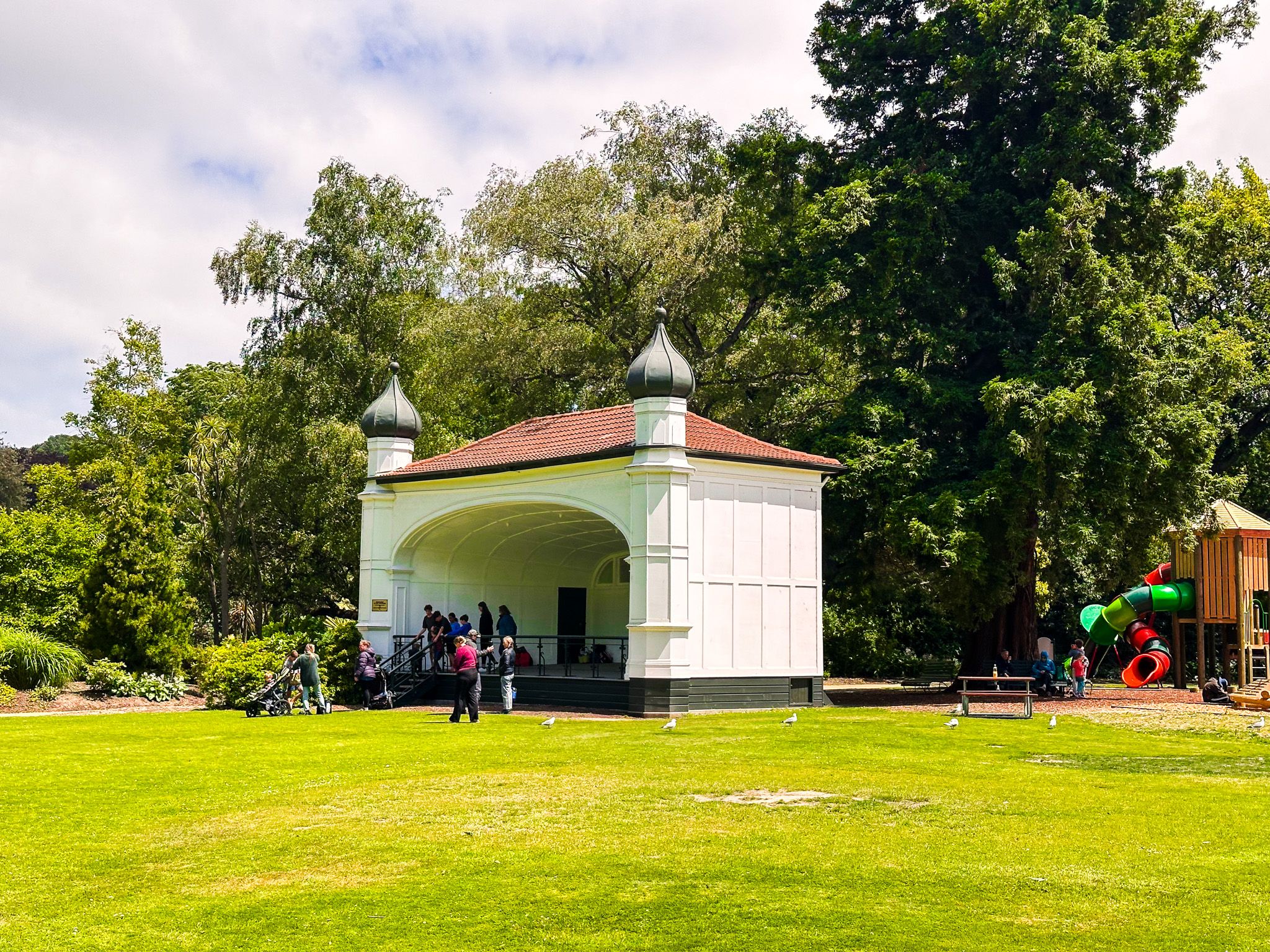
The lower garden has flatter paths and open lawns, which feel like a gentle landing after the steeper sections above. Explore the small lake, then the café is the perfect finishing point because it lets you extend the visit without adding effort.
How to Get There
Dunedin Botanic Garden is a short trip north from central Dunedin on State Highway 1, and is easy to reach by car, public transport, or on foot. The drive is 8 minutes and 3 km to the main west side entrance at the southwest corner of the garden. For a top-to-bottom walk, start on Lovelock Avenue on the northeast corner of the garden. Start at the top, and finish at the lower entrances and facilities.
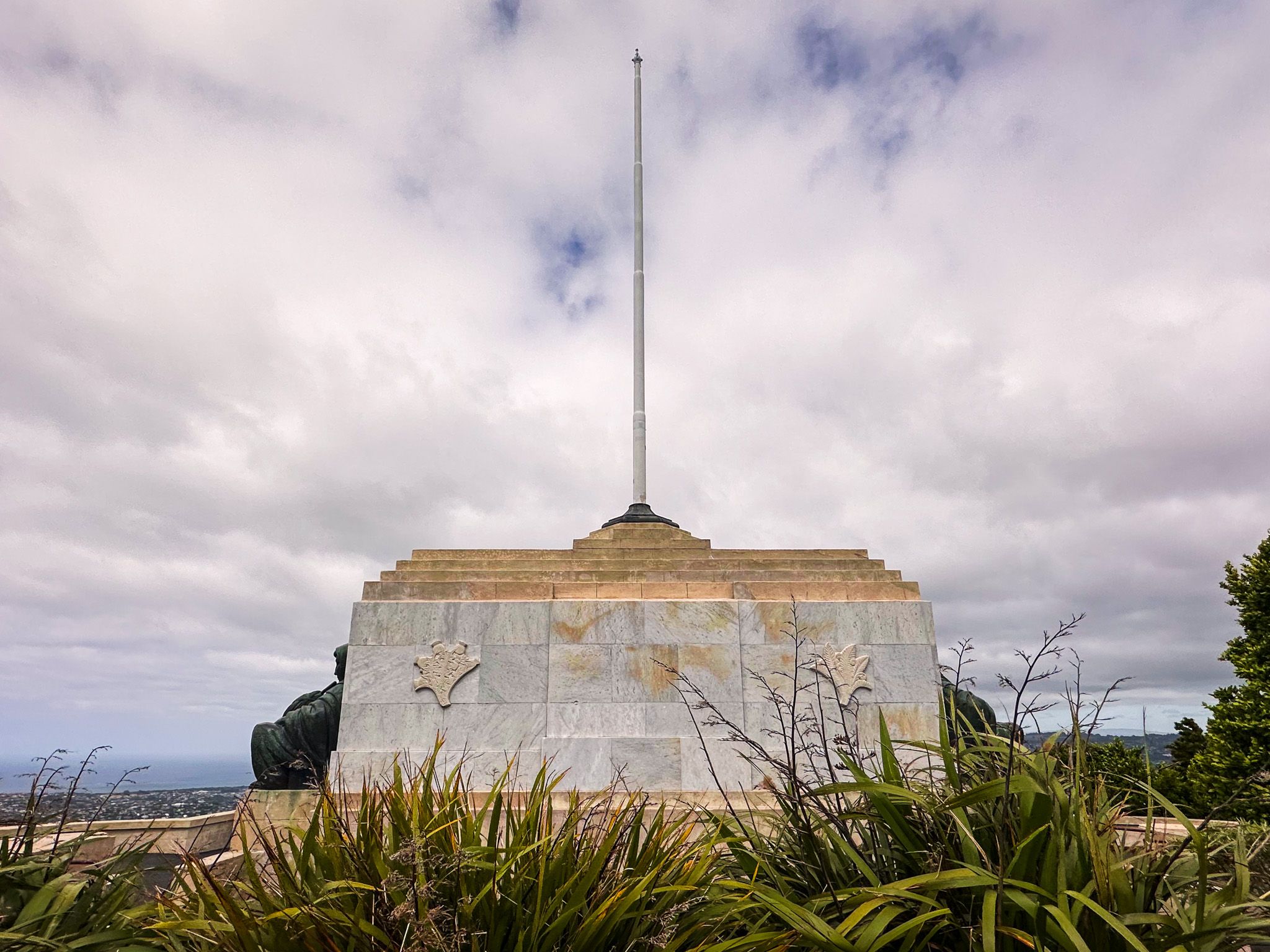
Signal Hill, above the Botanic Garden, pairs well because it provides a wide-open panorama of Dunedin. Other options include a city walk, St Kilda and St Clair, Port Chalmers, the Organ Pipes and Mt Cargill, Blueskin Road, Aramoana and Otago Peninsula.