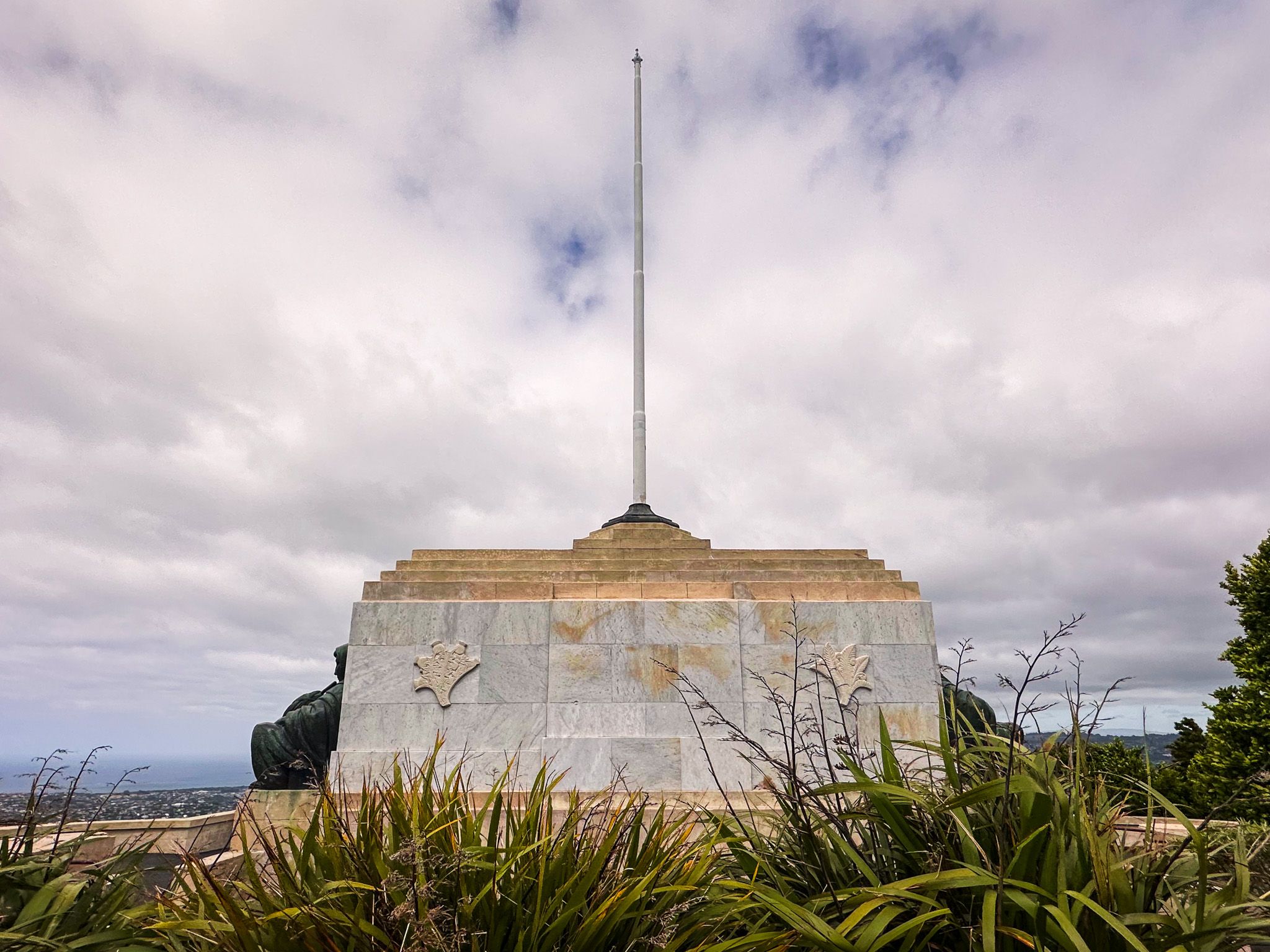
Views and a Monument on Signal Hill
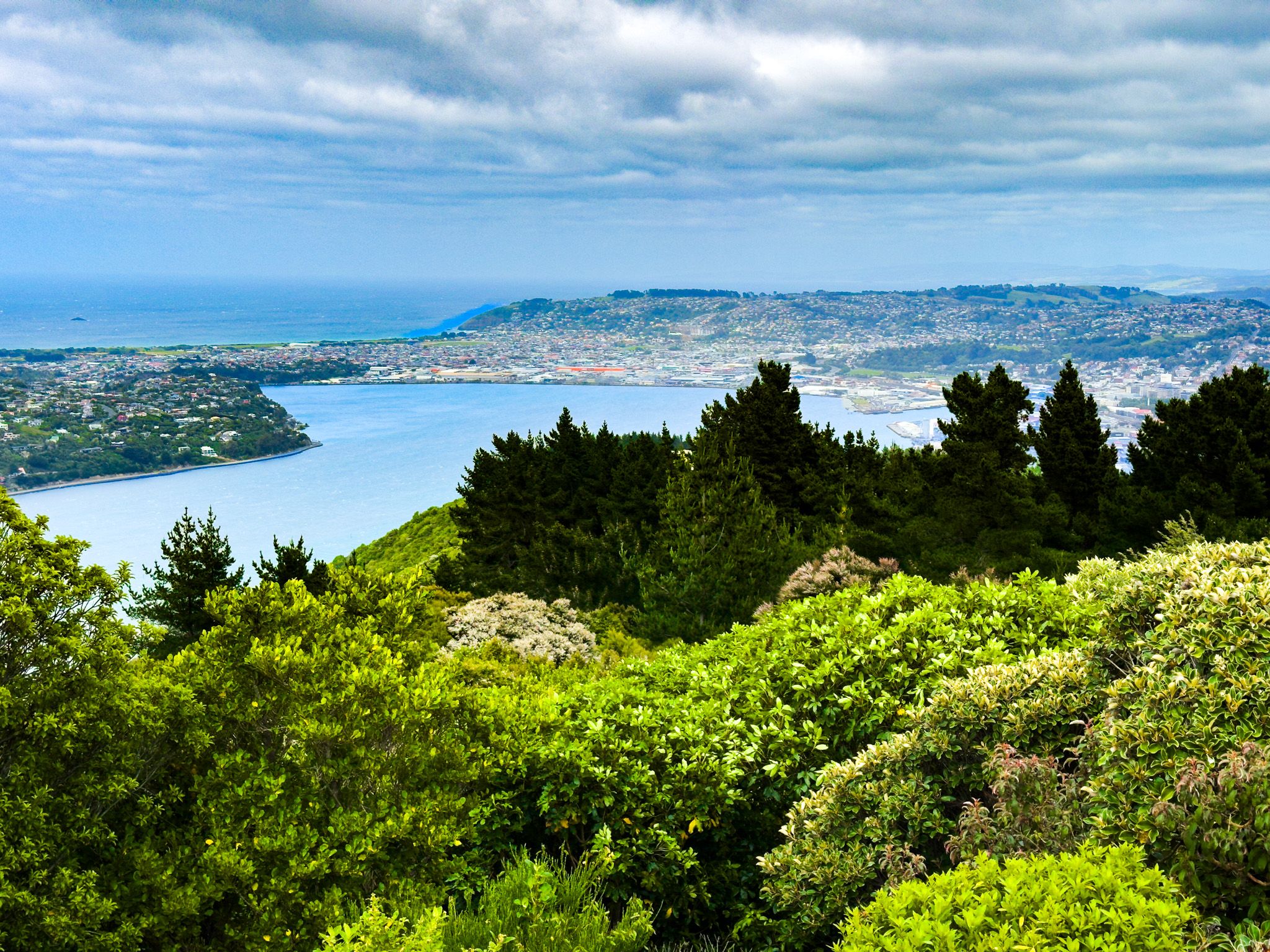
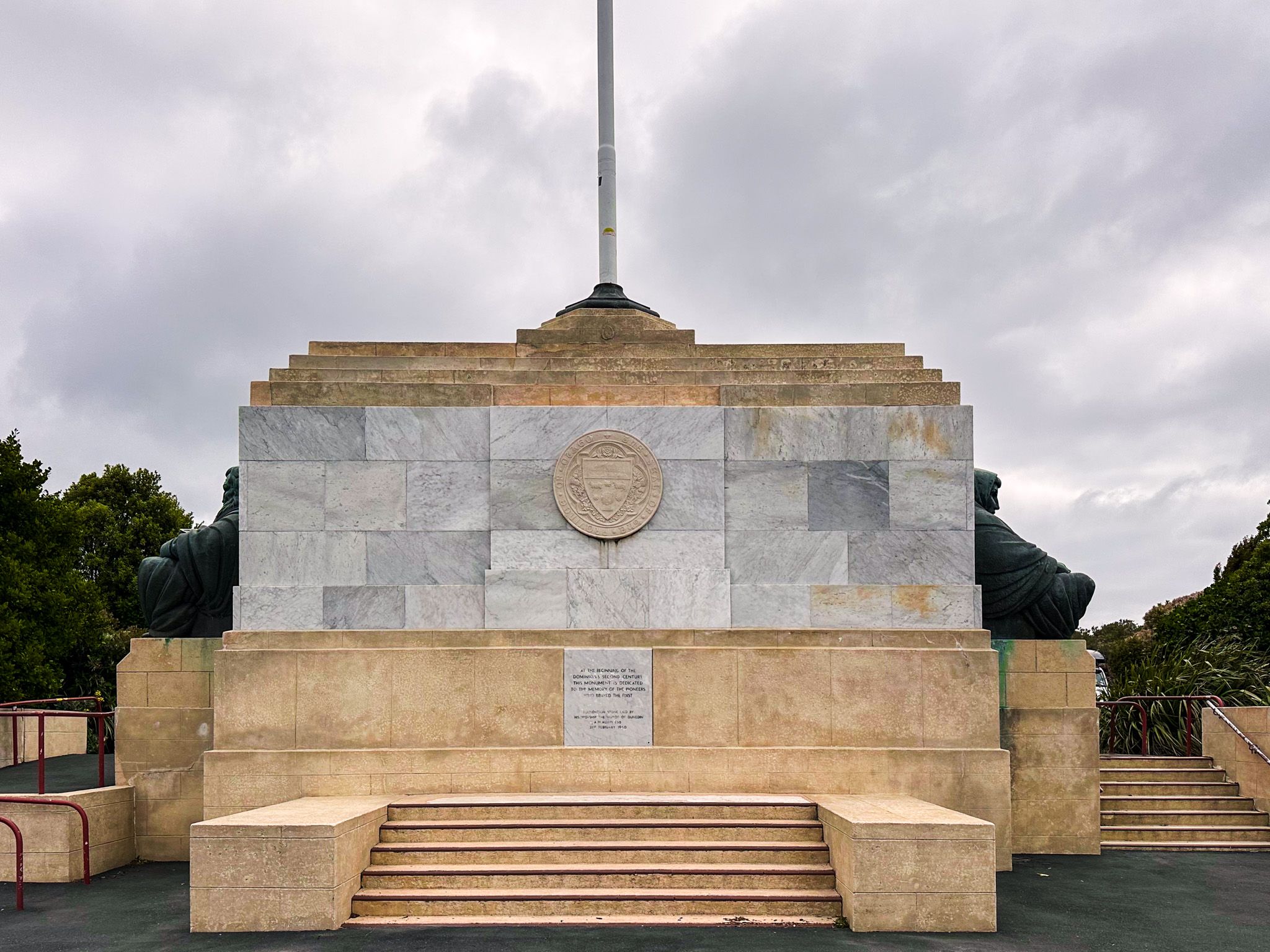
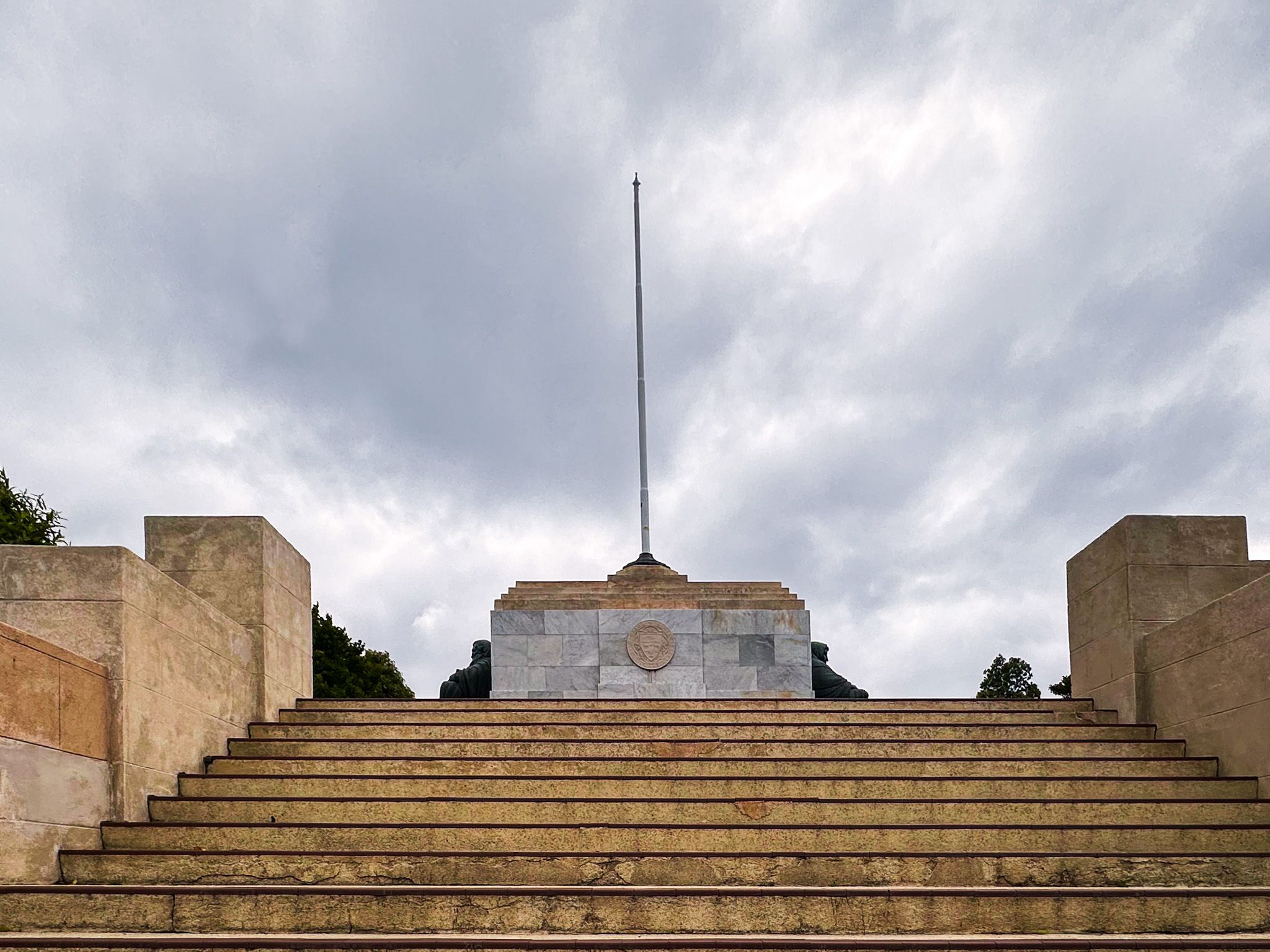
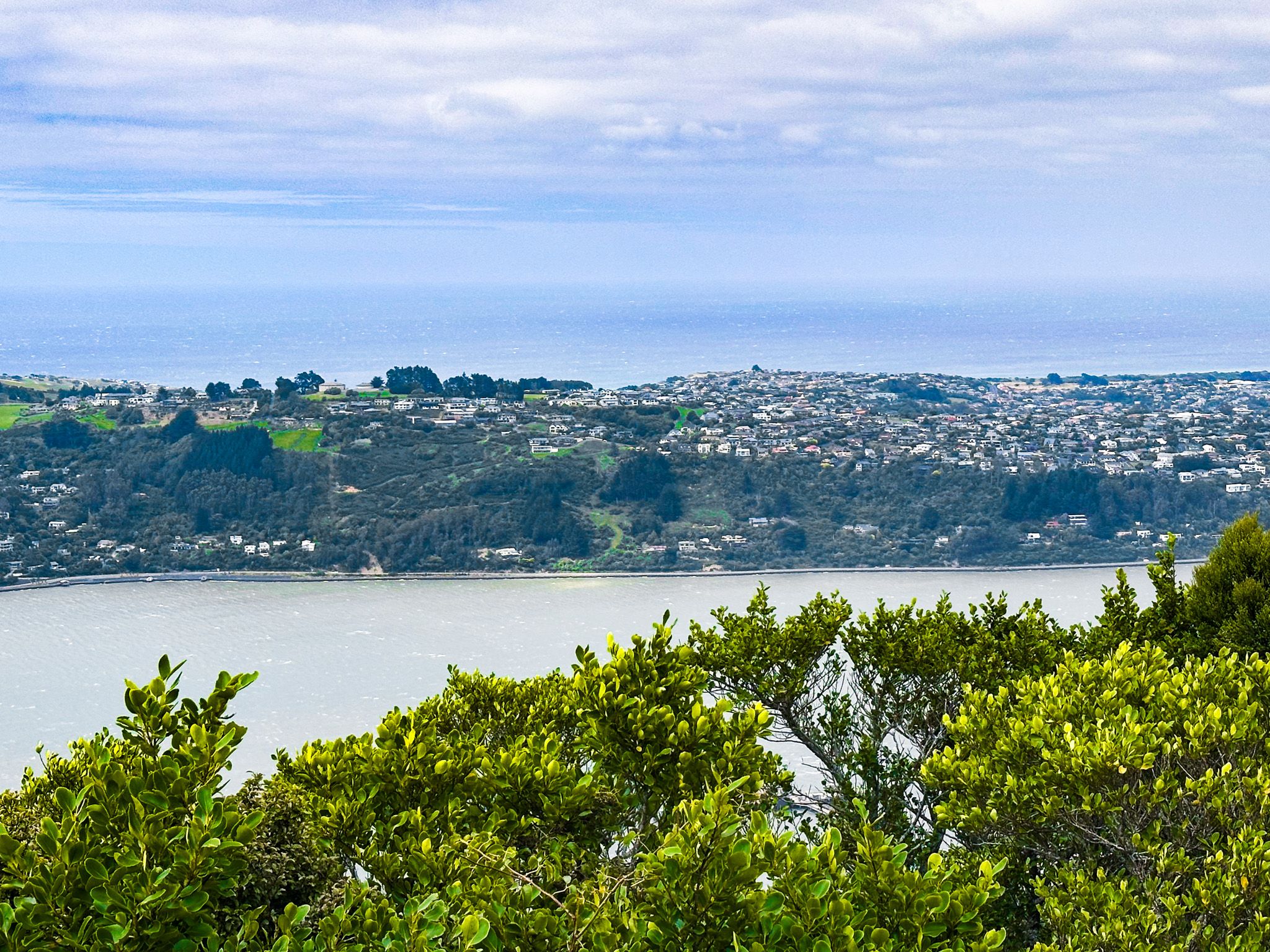
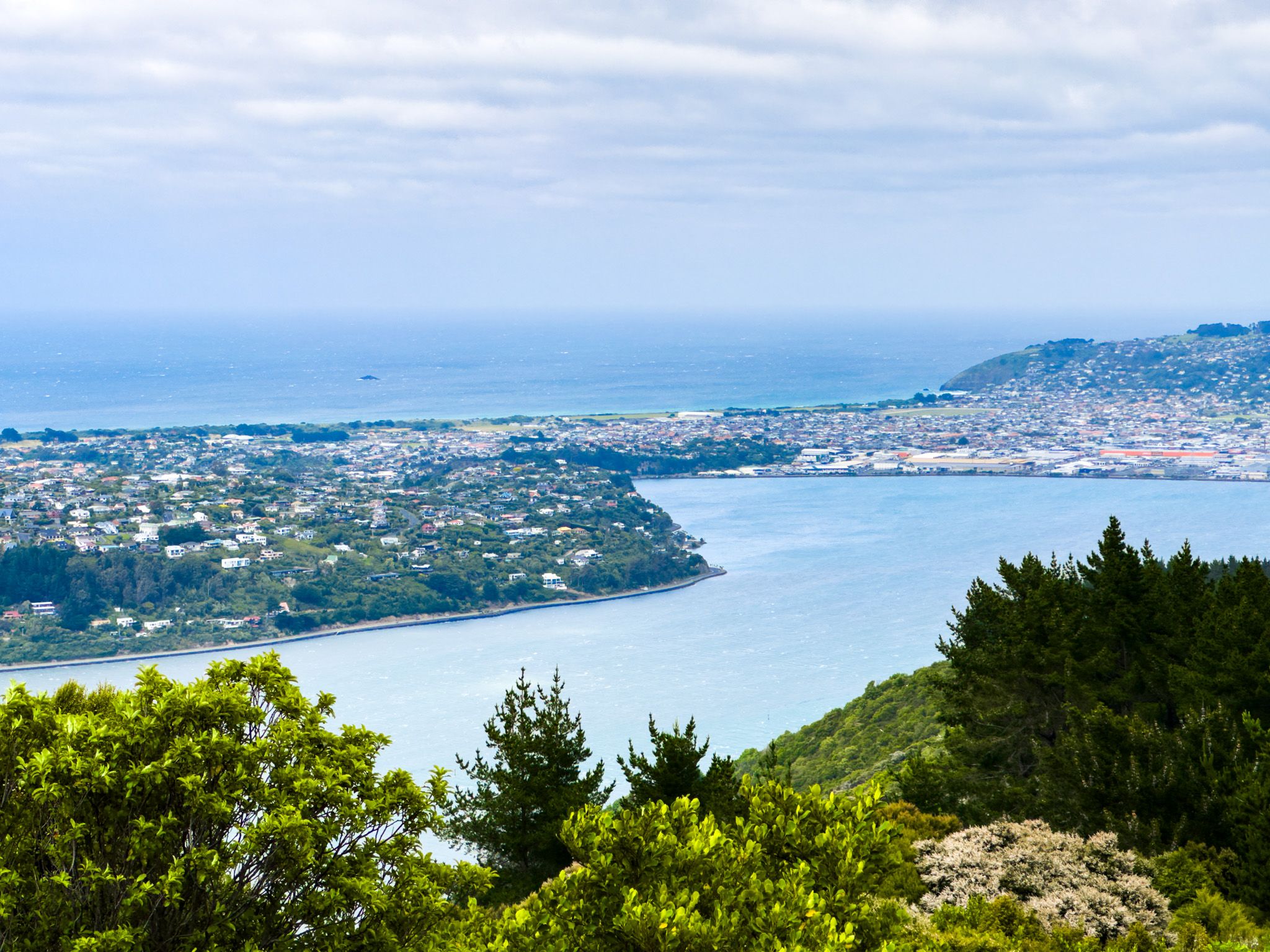
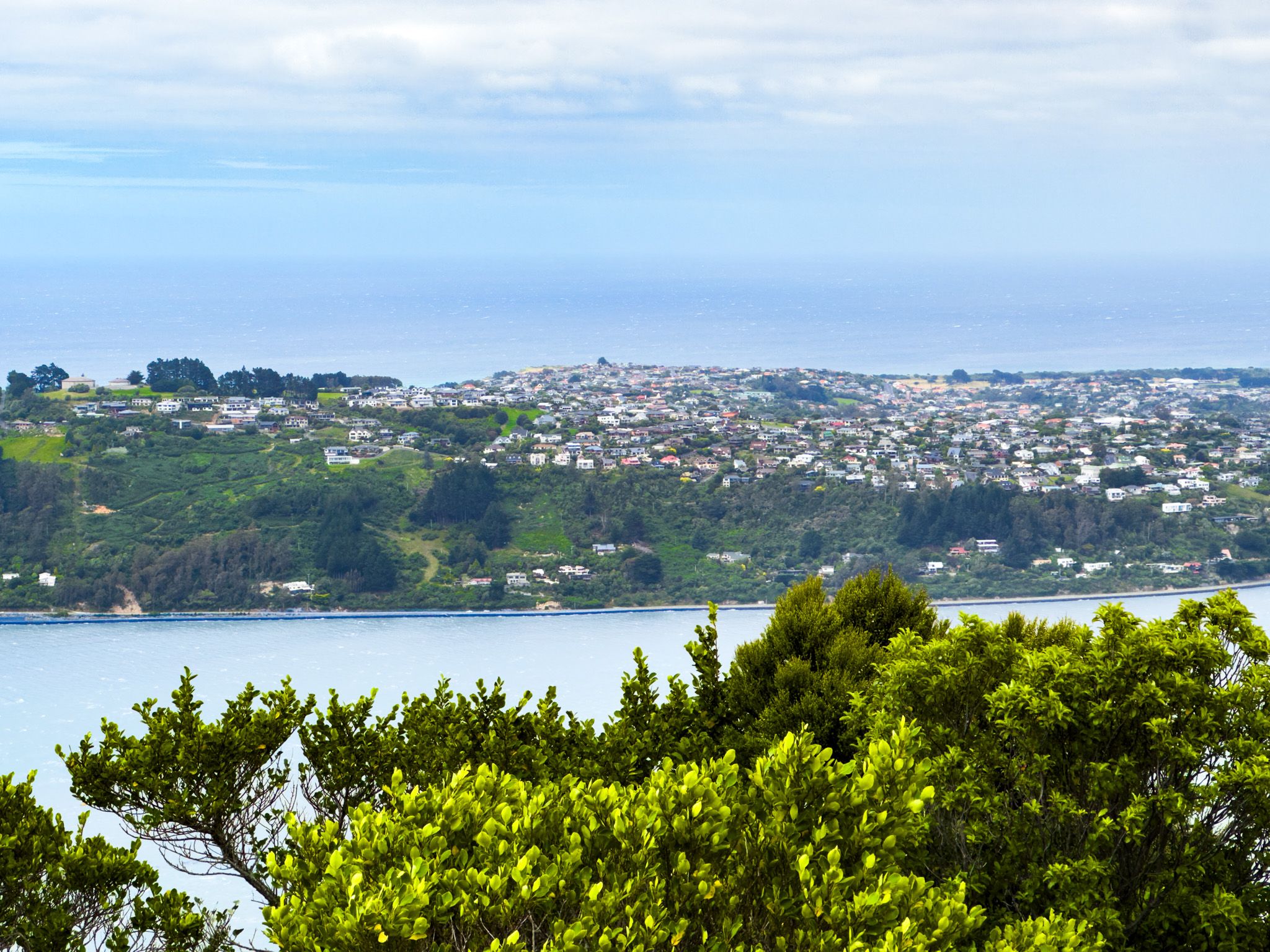
Signal Hill sits above the northern suburbs of Dunedin and is one of the city’s easiest “big view” spots. Most people come for the lookout and the Otago Centennial Memorial, because the panorama takes in the harbour, the city grid, and the Otago Peninsula ridgelines in one sweep. It’s also a handy pairing with the Botanic Garden, because you can start high for views and then head down into sheltered greenery afterwards.
The “Top” that isn’t the Peak
The famous lookout and monument are on a secondary summit rather than the highest point of Signal Hill. That’s part of the reason it works so well as a visitor stop: the plateau is open, accessible, and designed around the memorial, even though the true summit is elsewhere on the ridge.
The Centennial Memorial and the “Buddhas”
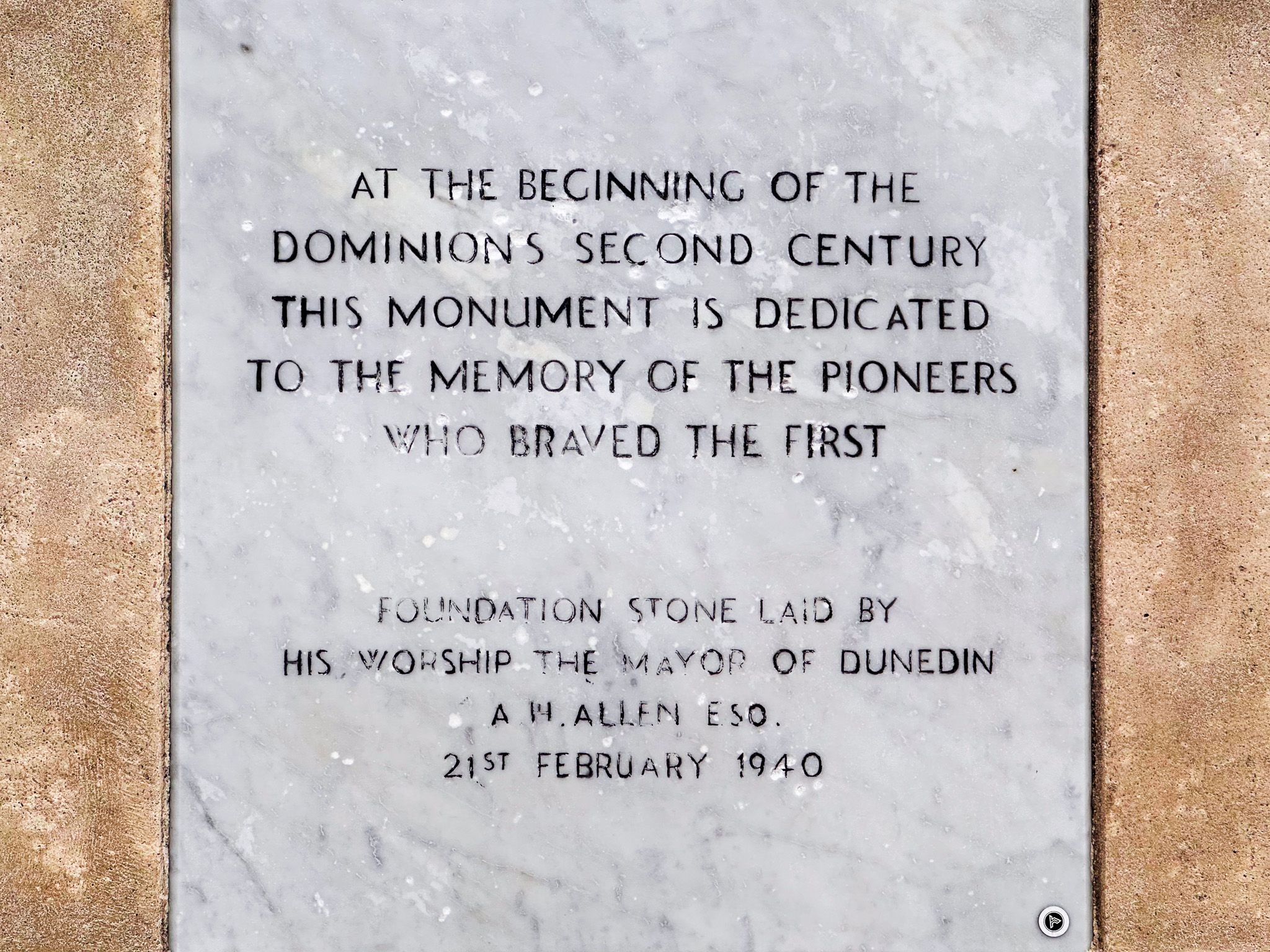
The Otago Centennial Memorial was commissioned as a centennial work linked to New Zealand’s 1940 centennial, but construction was completed later. The two flanking bronze figures are what most people remember, and locals commonly call them the Buddhas because of their seated Buddha-like posture.
More accurately, one figure is an old man, the “Father History”. He sits heavily, calm and reflective, holding a closed book that symbolises the past and the closing of a century. On the other side sits a woman associated with the idea of the future, shown spinning “the thread of life”. The contrast is deliberate: history balanced against continuity and what comes next.
The sculptures were created by Francis Aubrey Shurrock and Frederick (Fred) Staub, with Shurrock responsible for the overall design and Staub closely involved in the scaling and realisation of the finished works.
The Edinburgh rock and why it’s in Dunedin
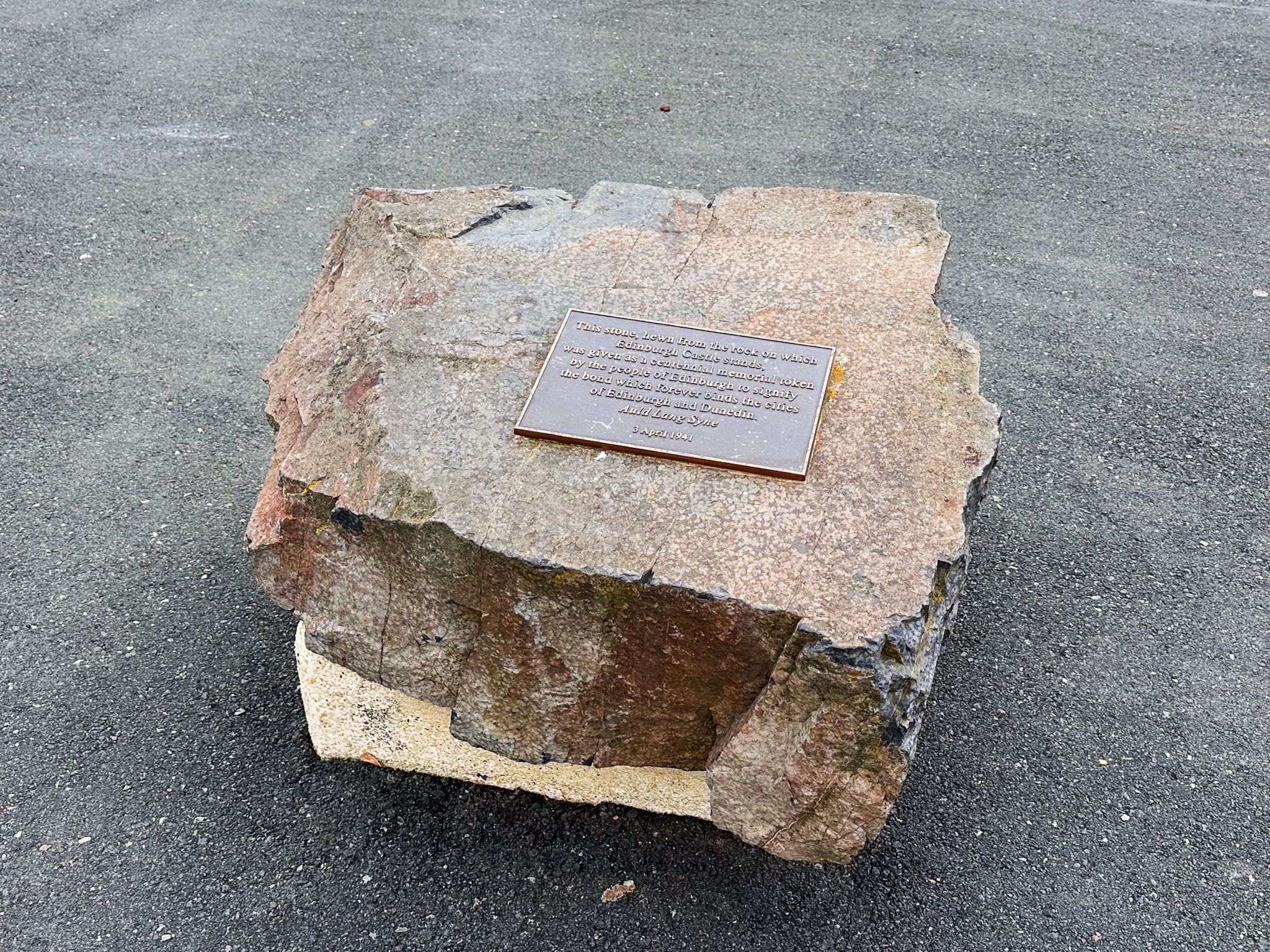
Near the memorial, you’ll also notice a large stone brought from Edinburgh, Scotland. Its meaning is symbolic: it’s a physical reminder of the bond between Dunedin and the city it was named for. Dunedin’s name comes from Dùn Èideann, the Scottish Gaelic name for Edinburgh, and the city’s early European identity is strongly tied to Scottish settlement. Placing an Edinburgh stone on this iconic lookout turns that connection into something you can actually stand next to.
Views from the Plateau
This is the kind of lookout where you can quickly orient yourself. The harbour is right in front of you, the peninsula ridges are easy to trace, and you can see how the suburbs step up the hills. It’s a great stop early in a trip because it helps you understand Dunedin’s layout before you start driving to beaches, peninsulas, and neighbourhood walks.
Walks and Biking in Signal Hill Reserve
Signal Hill is more than a viewpoint. The car park area is a well-known starting point for tracks through Signal Hill Reserve, and it’s particularly popular with mountain bikers who begin their descents here. From the top, you can drop down through the reserve toward the Ōpoho side of town and the Botanic Garden. Keep an eye out for bikes when walking.
How to get there
Signal Hill lookout is a short drive from central Dunedin. Take State Highway 1 north from central Dunedin. As you pass along the west side of the Botanic Garden, turn northeast onto Great Kings Street, then east onto Opoho Road. Veer right onto Opoho Loop Road, which becomes Signal Hill Road. Follow this as it winds its way off the hill to the car park next to the monument. The drive takes 12 minutes and is 5.3 km.
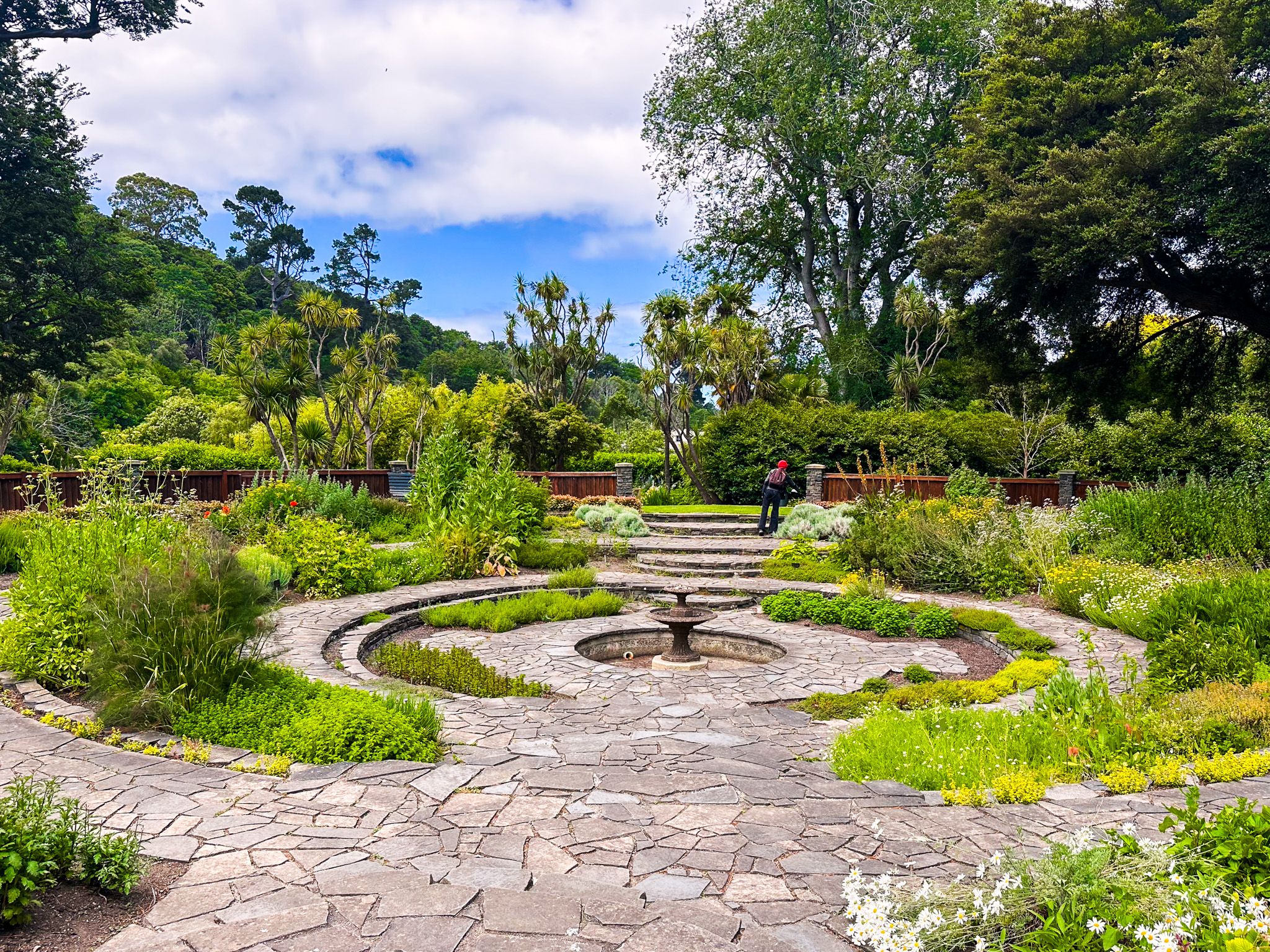
The Dunedin Botanic Garden pairs naturally with Signal Hill. Other options around Dunedin include a city walk, St Kilda and St Clair, Port Chalmers, Organ Pipes and Mt Cargill, Blueskin Road and Aramoana.