Least Known Beach in the Catlins
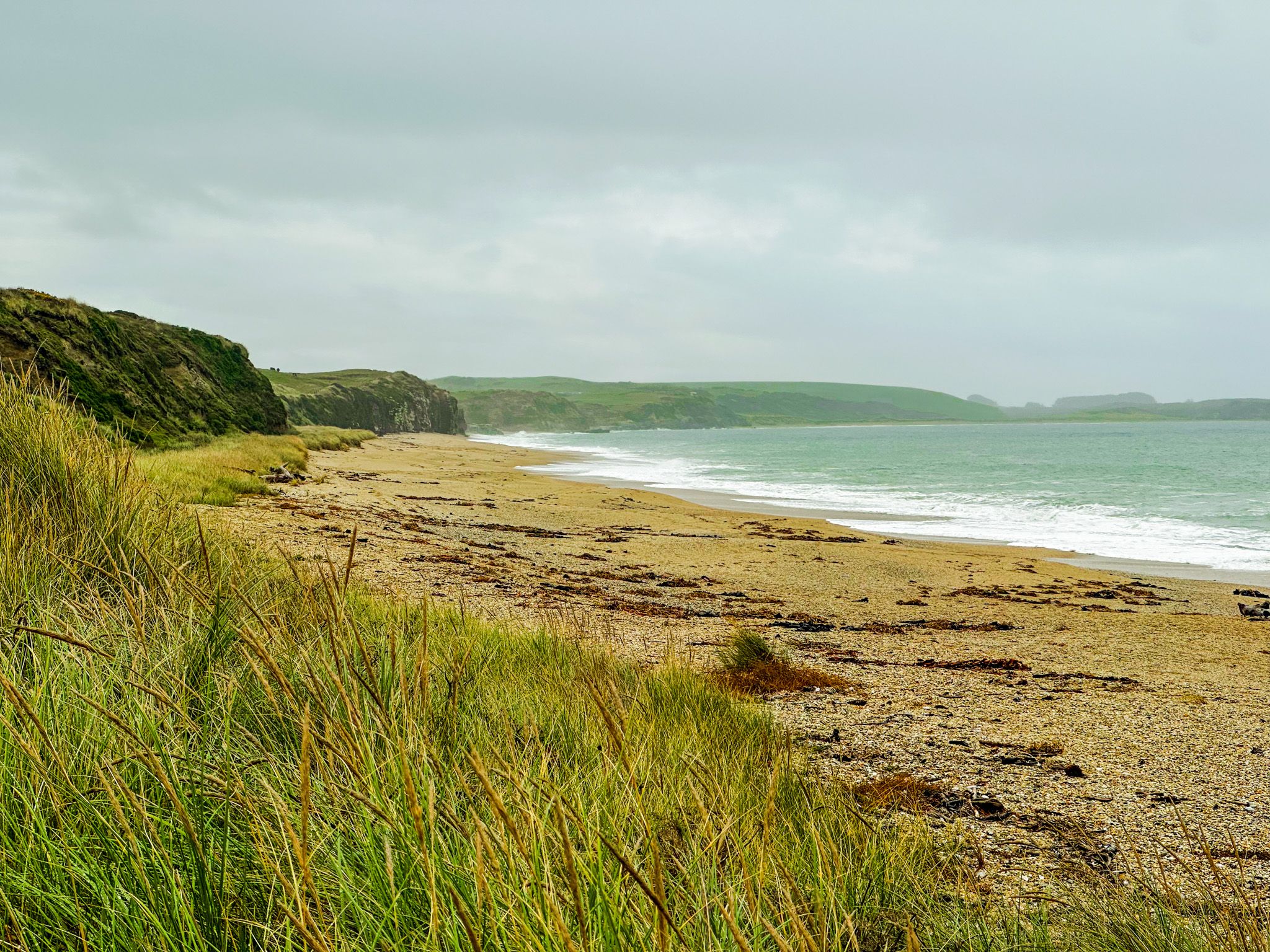
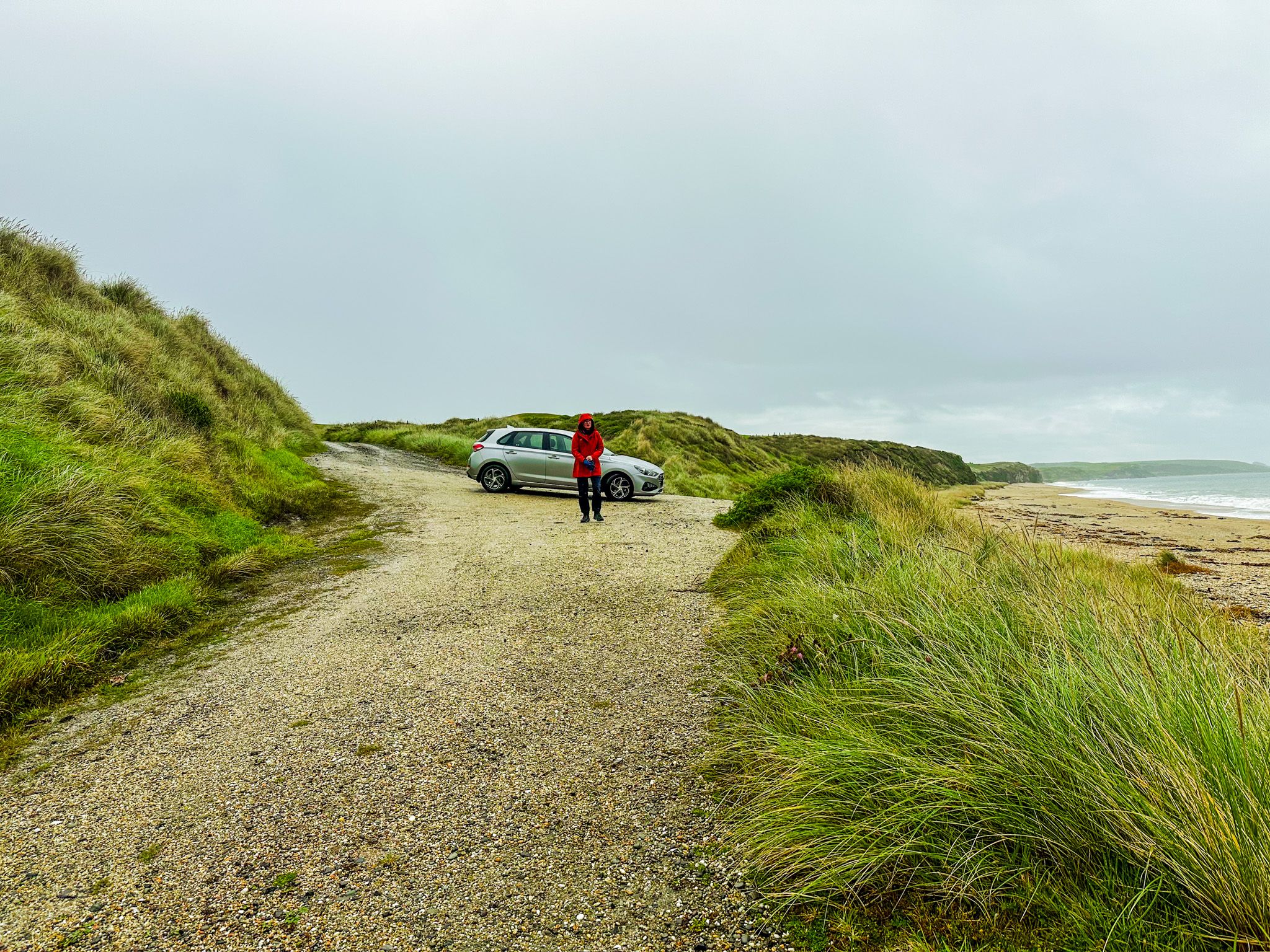
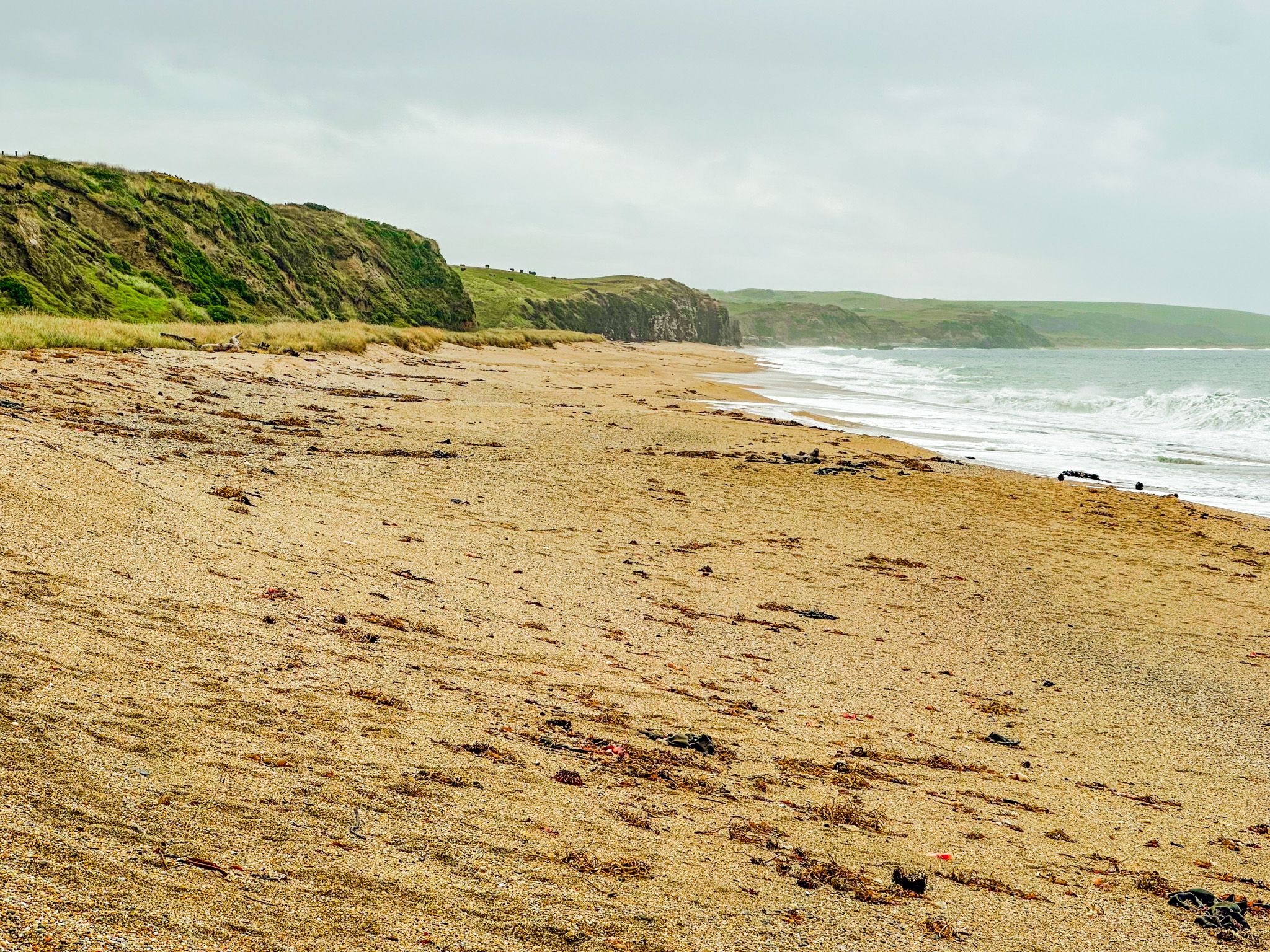
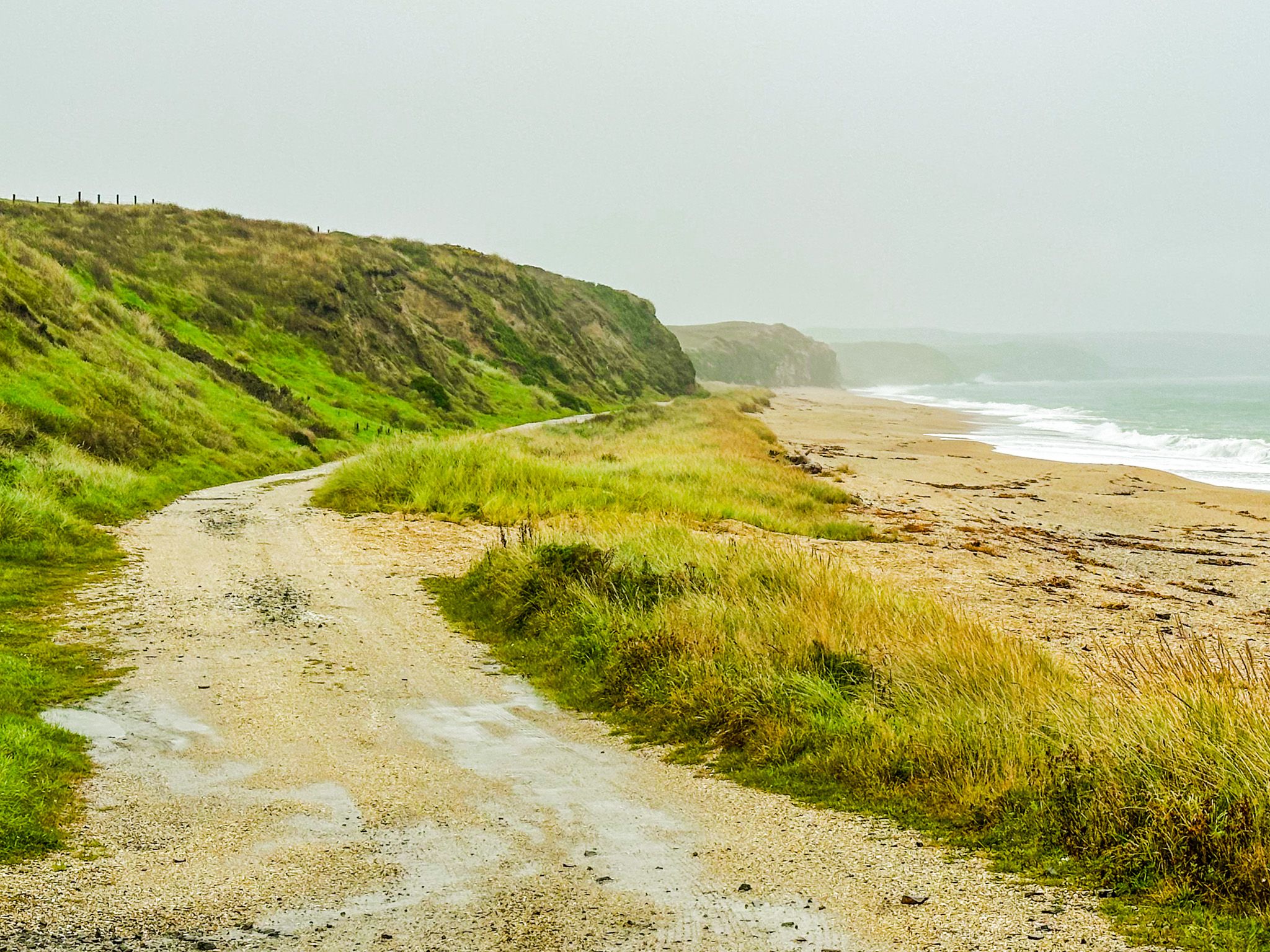
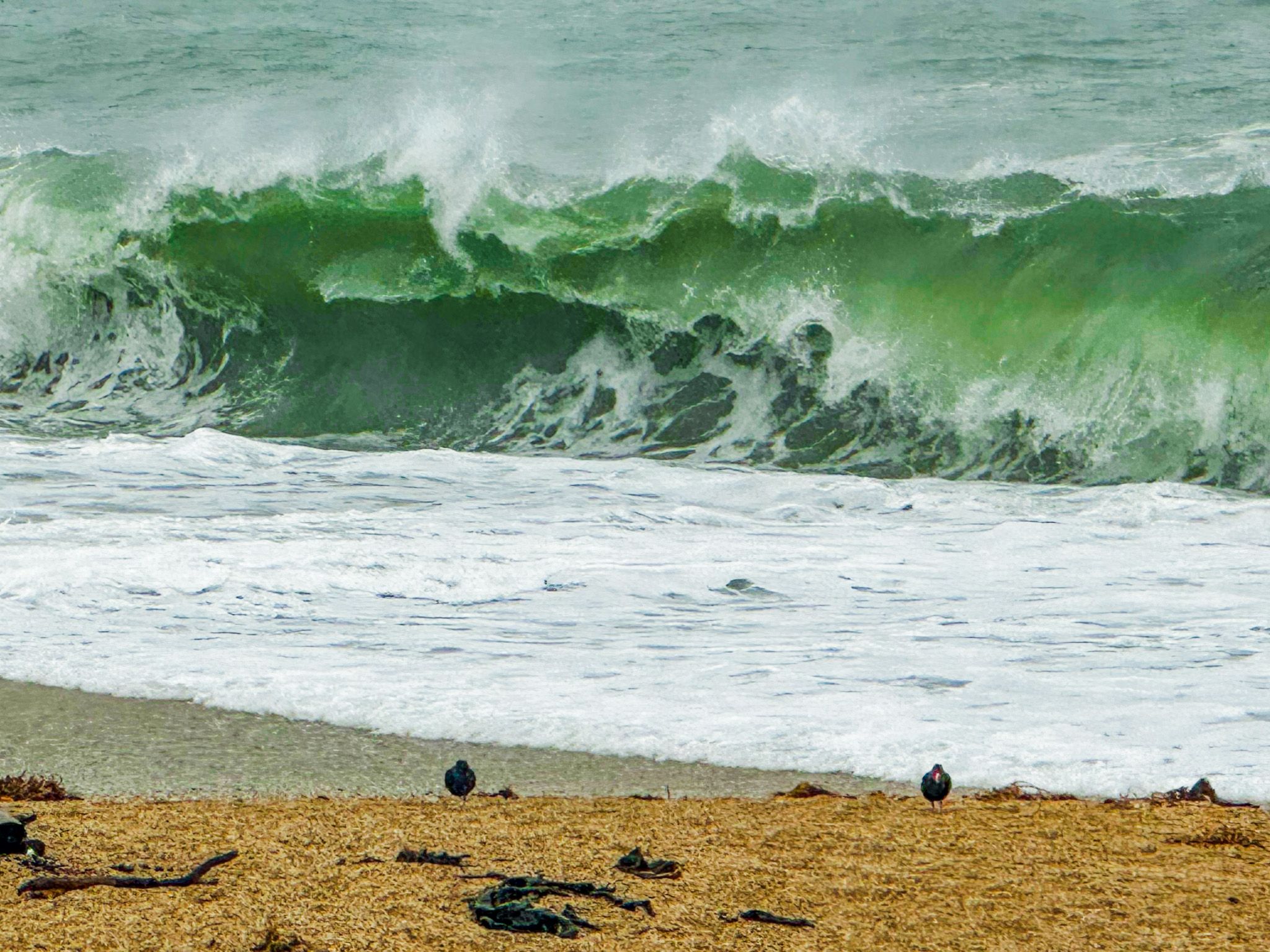
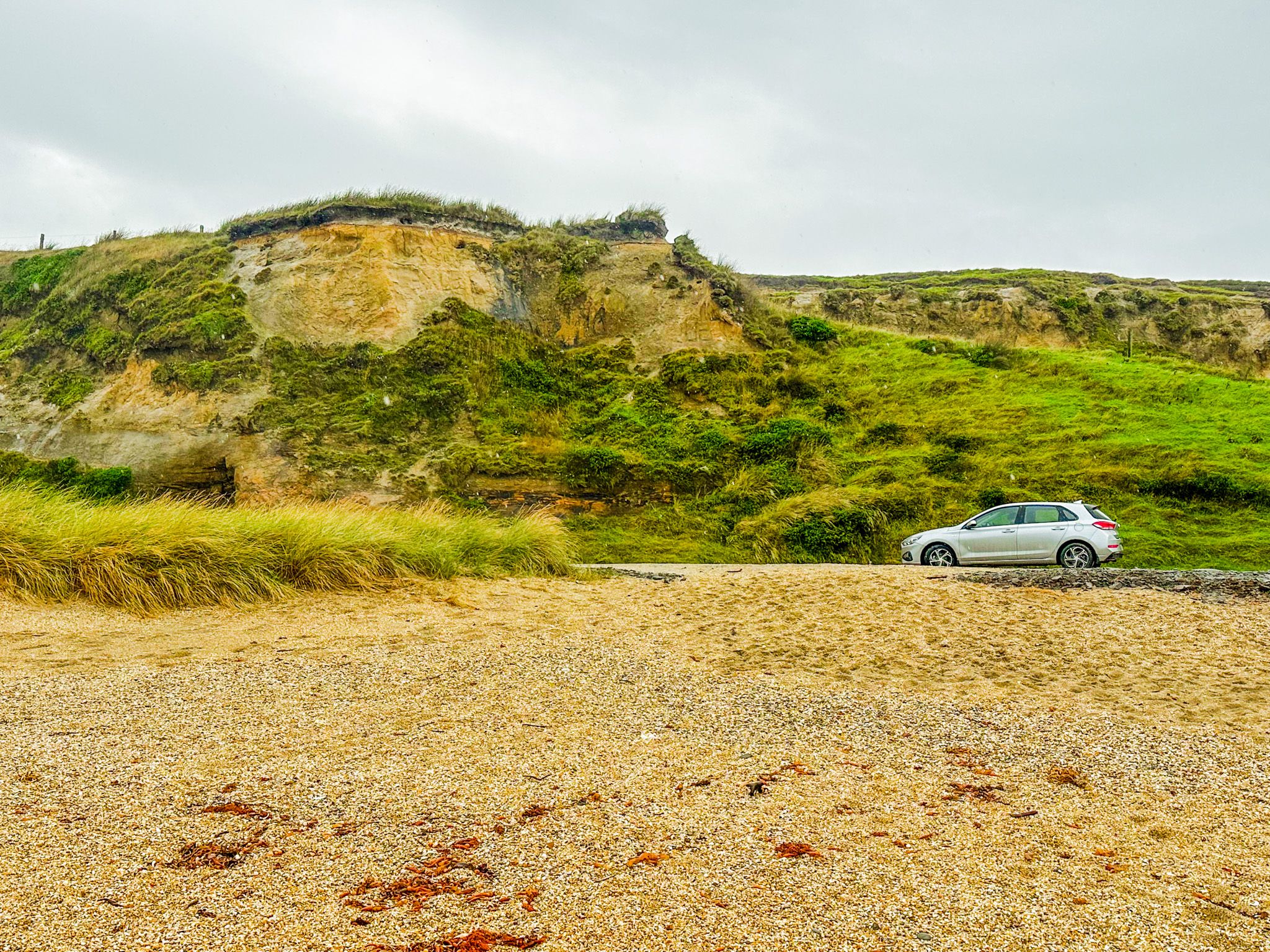
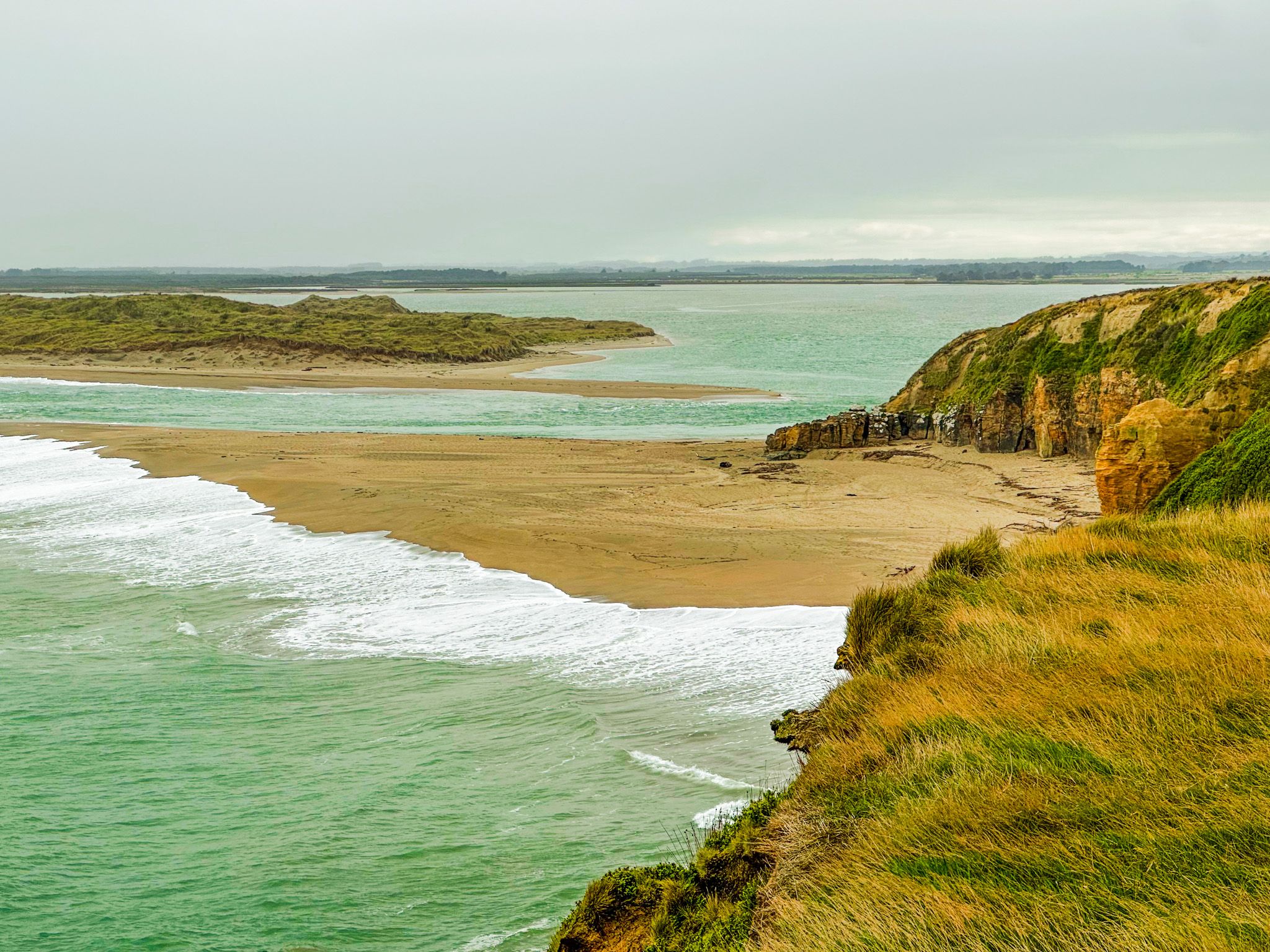
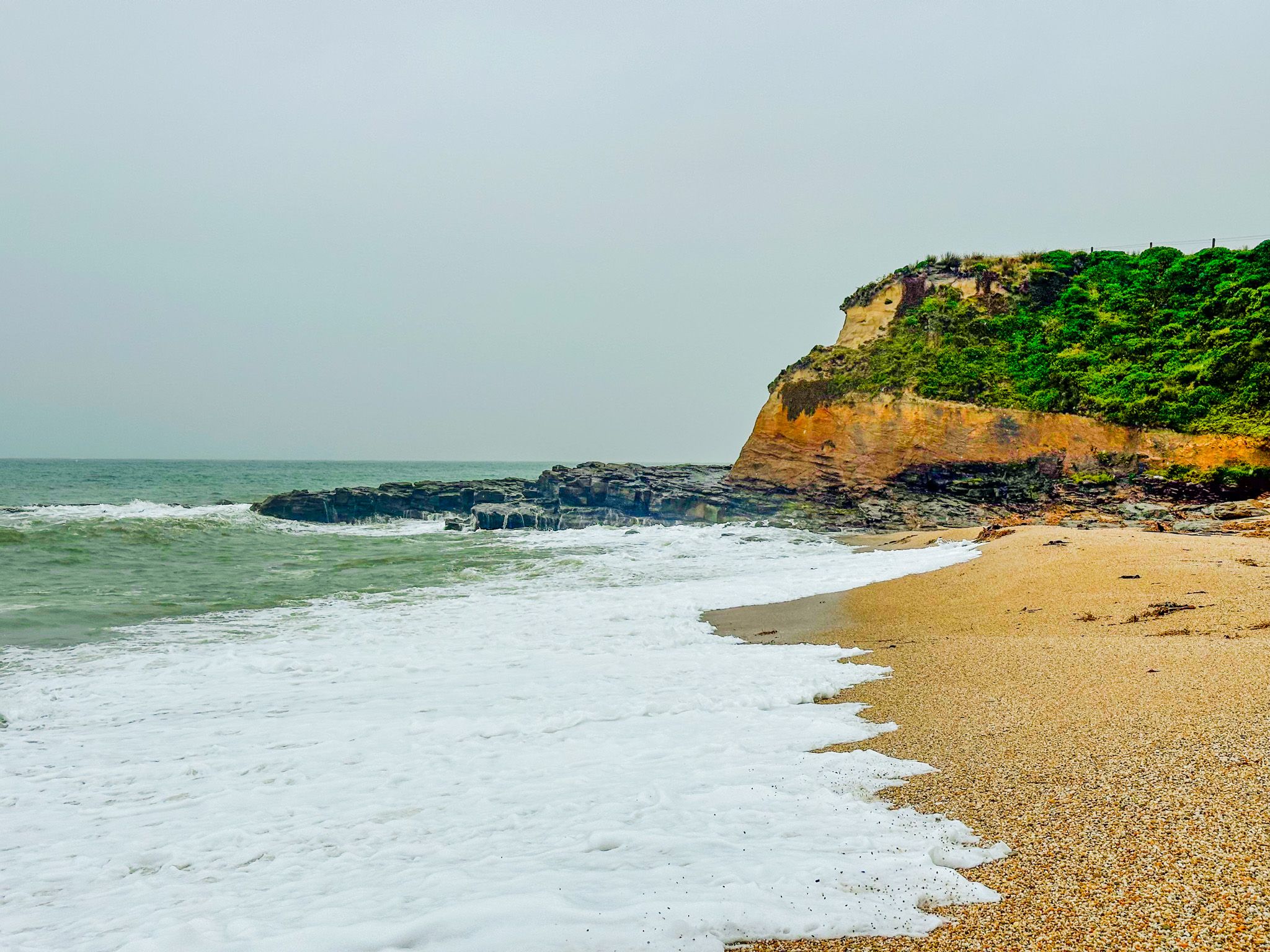
A few kilometres east of Fortrose, Frasers Beach Road turns off the Fortrose-Otara Road (Southern Scenic Route) onto a 2 km unsealed track through farmland in the Catlins. At the gate above the beach, you can park, or continue driving for about 500 metres along the base of some cliffs to a second parking area roughly halfway along the beach. The beach itself extends for 1.5 km, open to the full weight of the southern ocean wind and surf.
A Golden Sand Beach
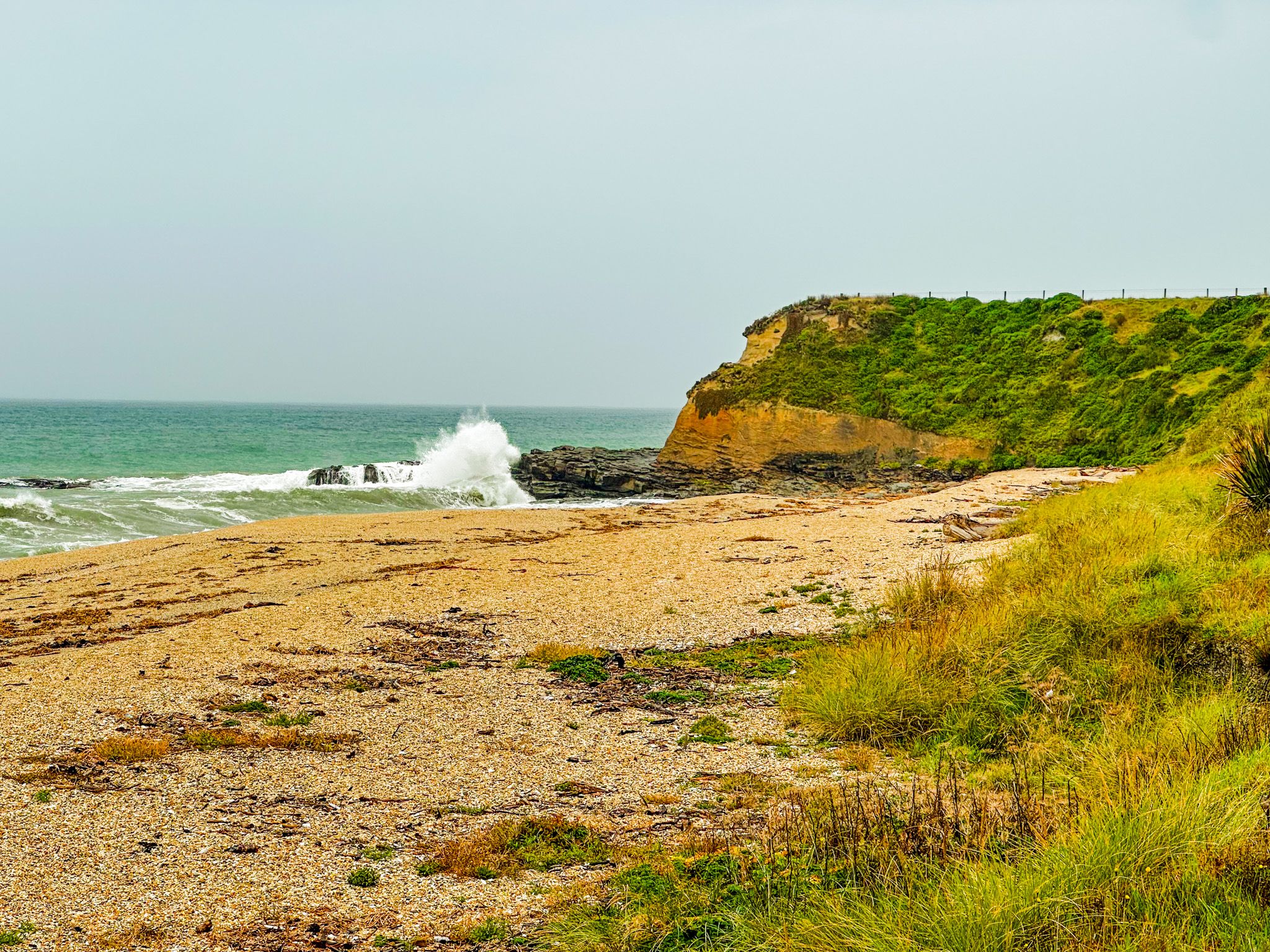
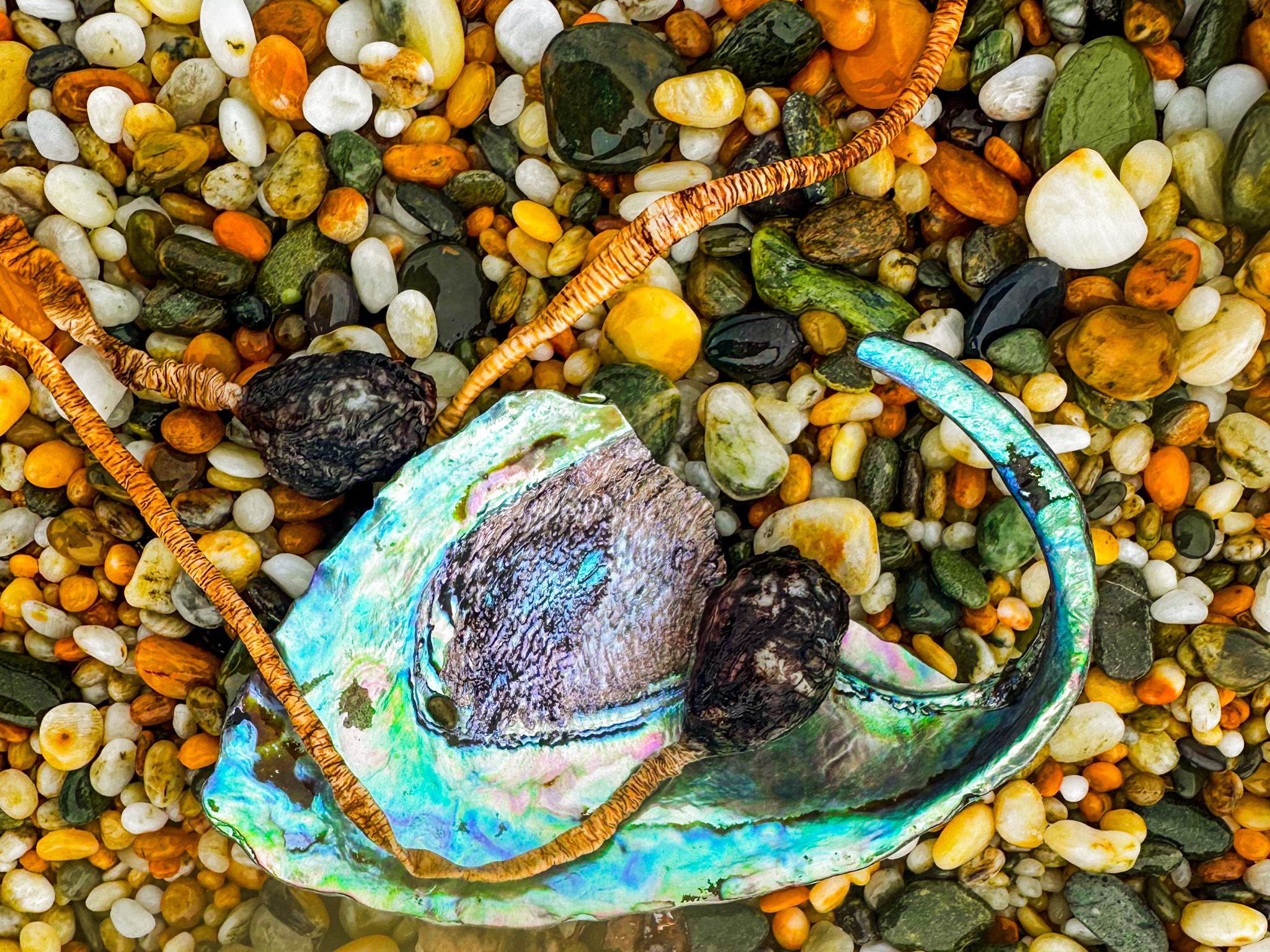
What distinguishes Frasers Beach, apart from its remoteness, is found underfoot. The sand appears golden at first glance, but it is composed of large, round granules in an array of colours: orange, gold, red, green and white, mixed through with shell fragments including pāua, and interspersed with larger round stones. It has the texture and variety of a coarse sand beach rather than a typical fine-grained sand, and the range of colour in a single handful is striking. Much of the Catlins and Southland coast is grey sand and greywacke, which makes the mineralogical variety here unusual.
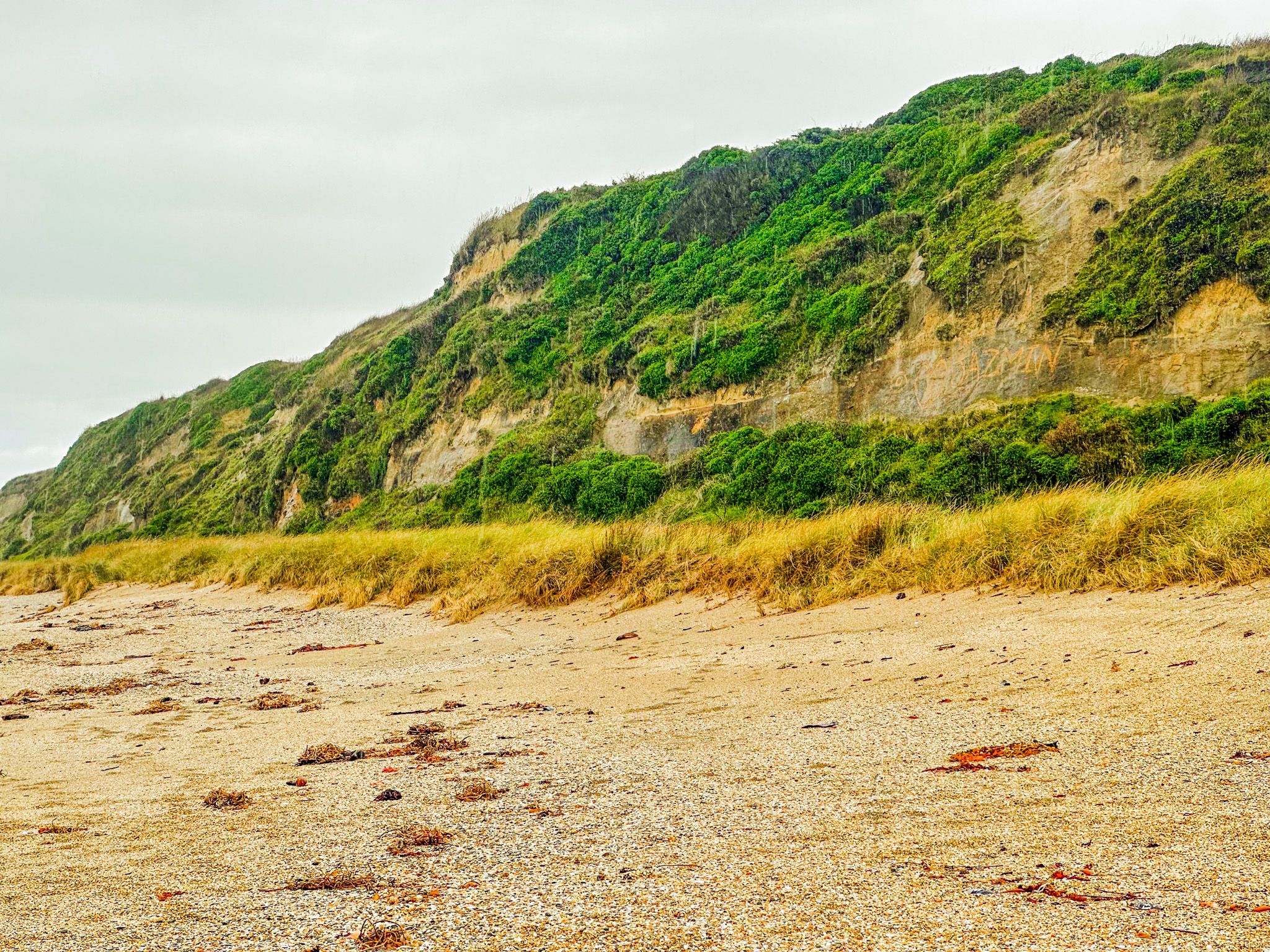
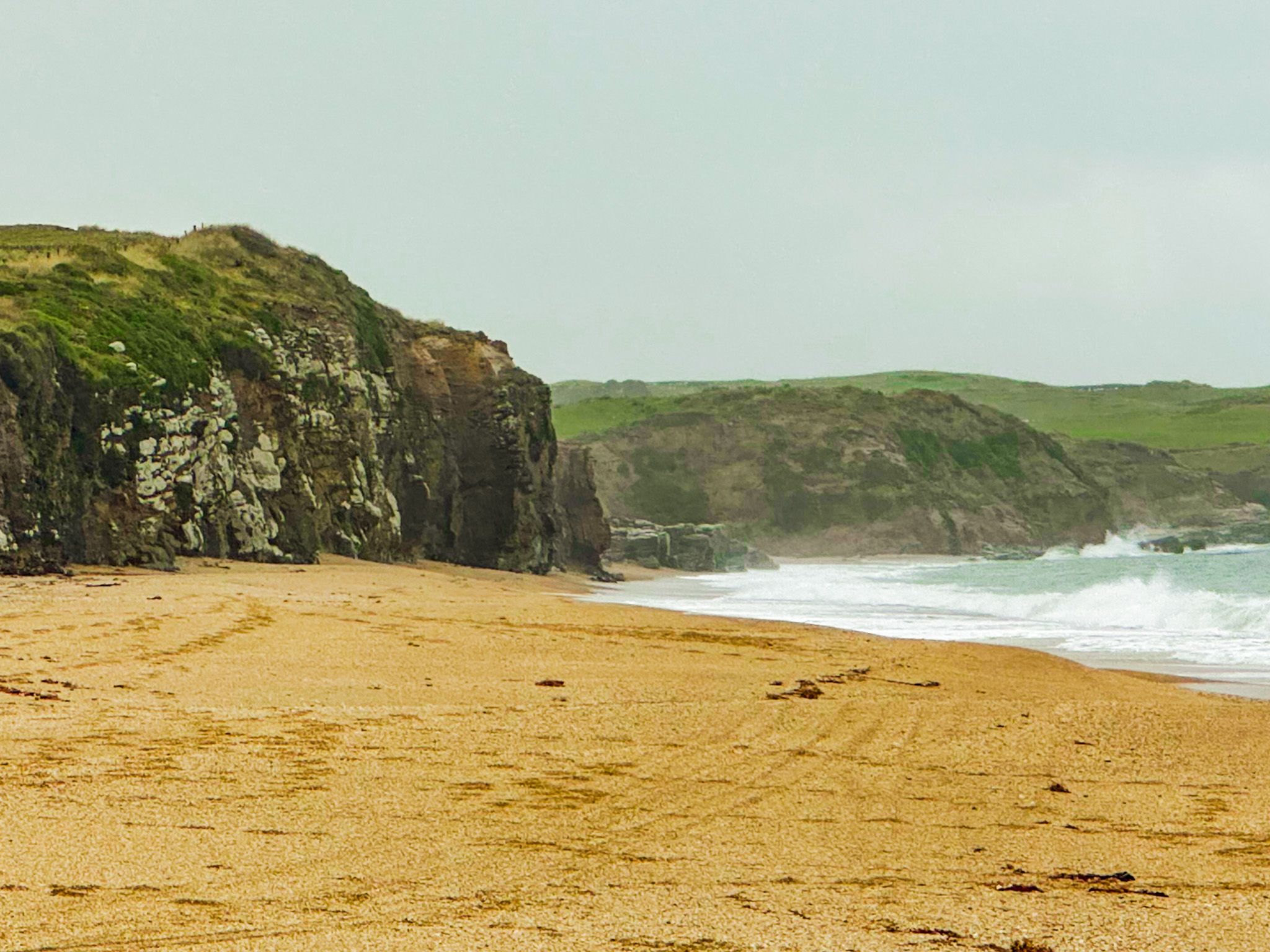
At the southeastern end of the beach, the cliffs are the main feature. A layer of very hard blue sandstone is exposed at beach level, topped by the golden rock you see as granules in the sand. Constant wave action and sandblasting have sculpted the rock surface into interesting, curved and rounded forms.
How to Get There
Fortrose, at the western end of Toetoes Bay, is around 54 km southeast of Invercargill on the Southern Scenic Route, and the drive takes 45 minutes. Frasers Beach Road turns off the Fortrose-Otara Road approximately 3 km east of Fortrose; follow the unsealed road for 2 km to the gate. Pass through the gate, leaving it as you find it.
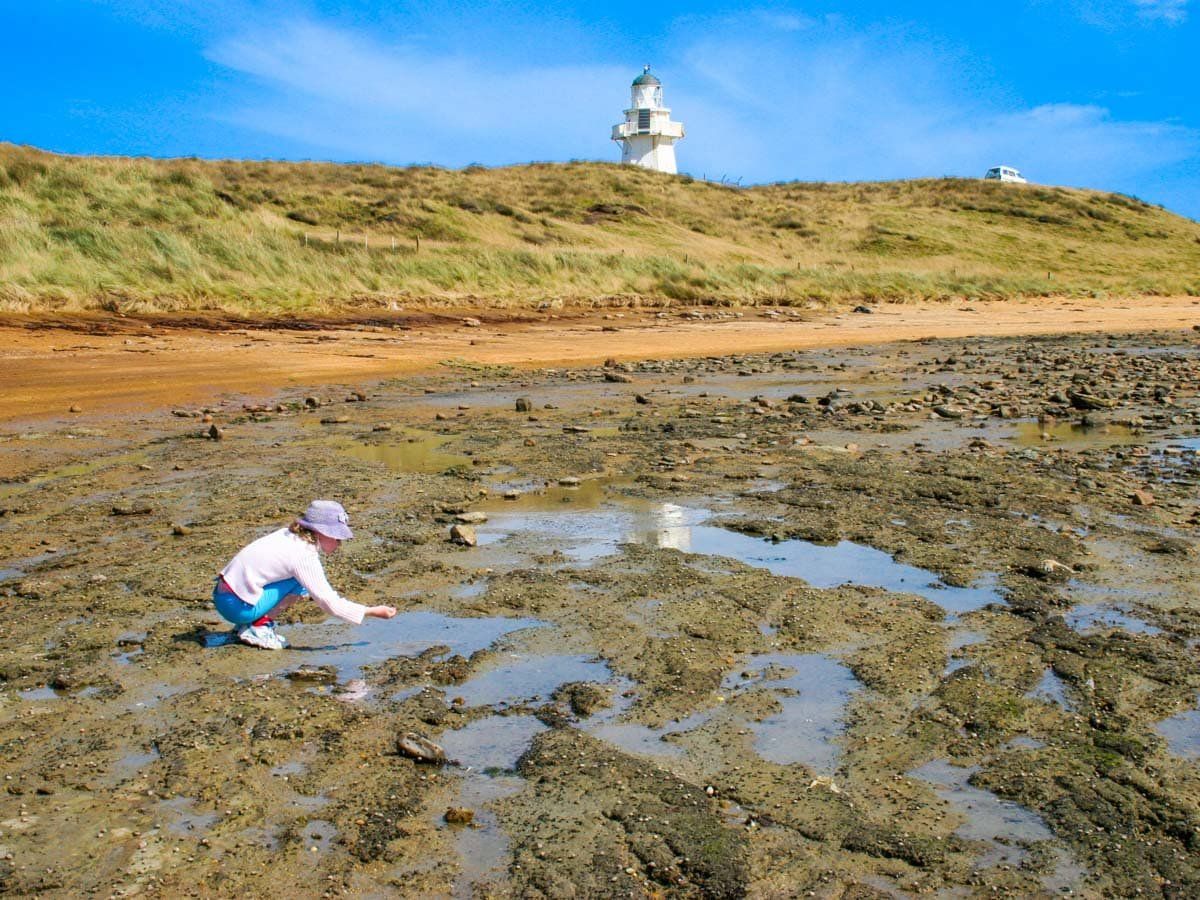
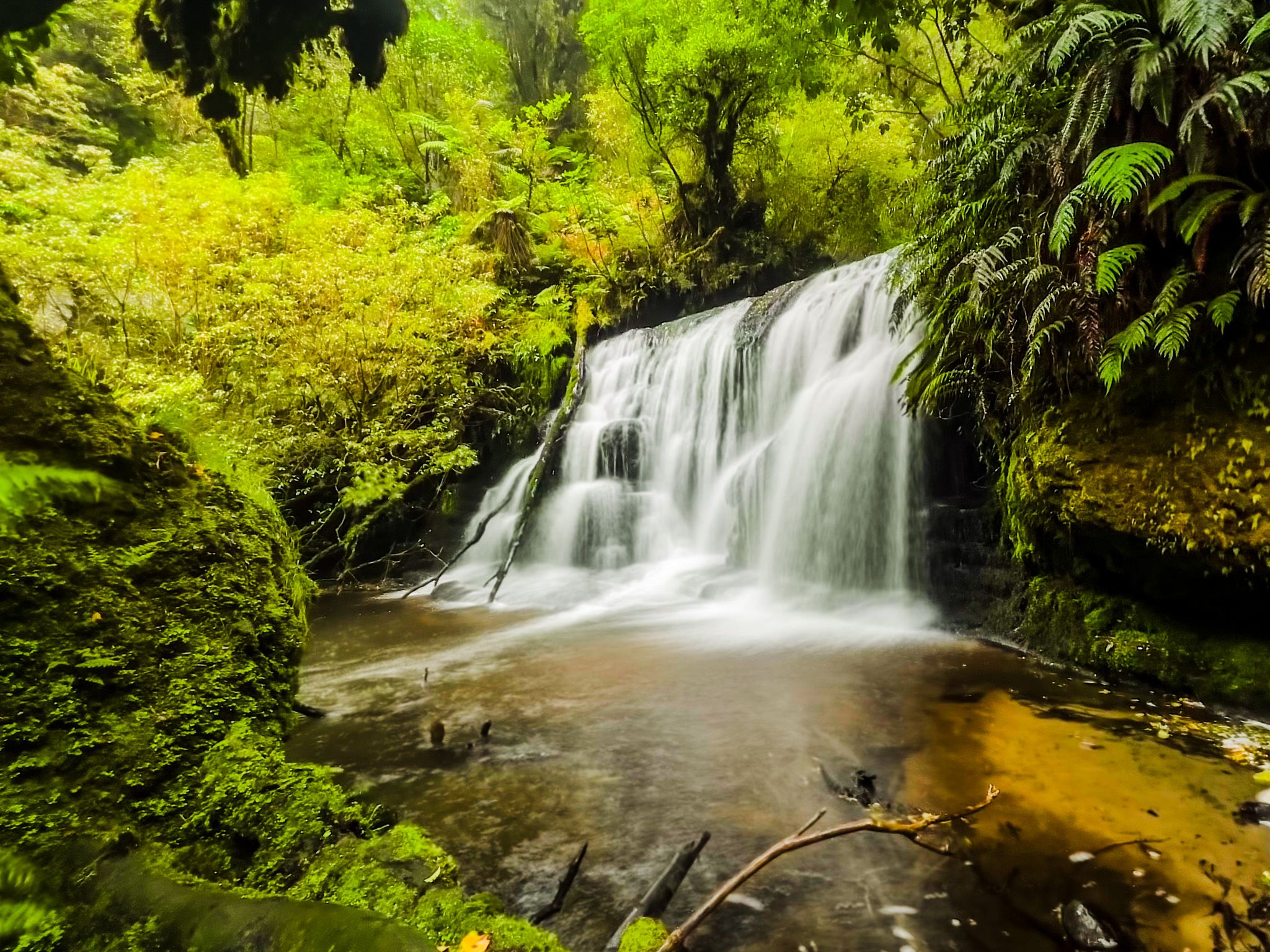
Nearby places to visit include Waipapa Point, Slope Point, Curio Bay, and the Waipohatu Waterfall Track.