Discovering Milford Sound / Piopiotahi
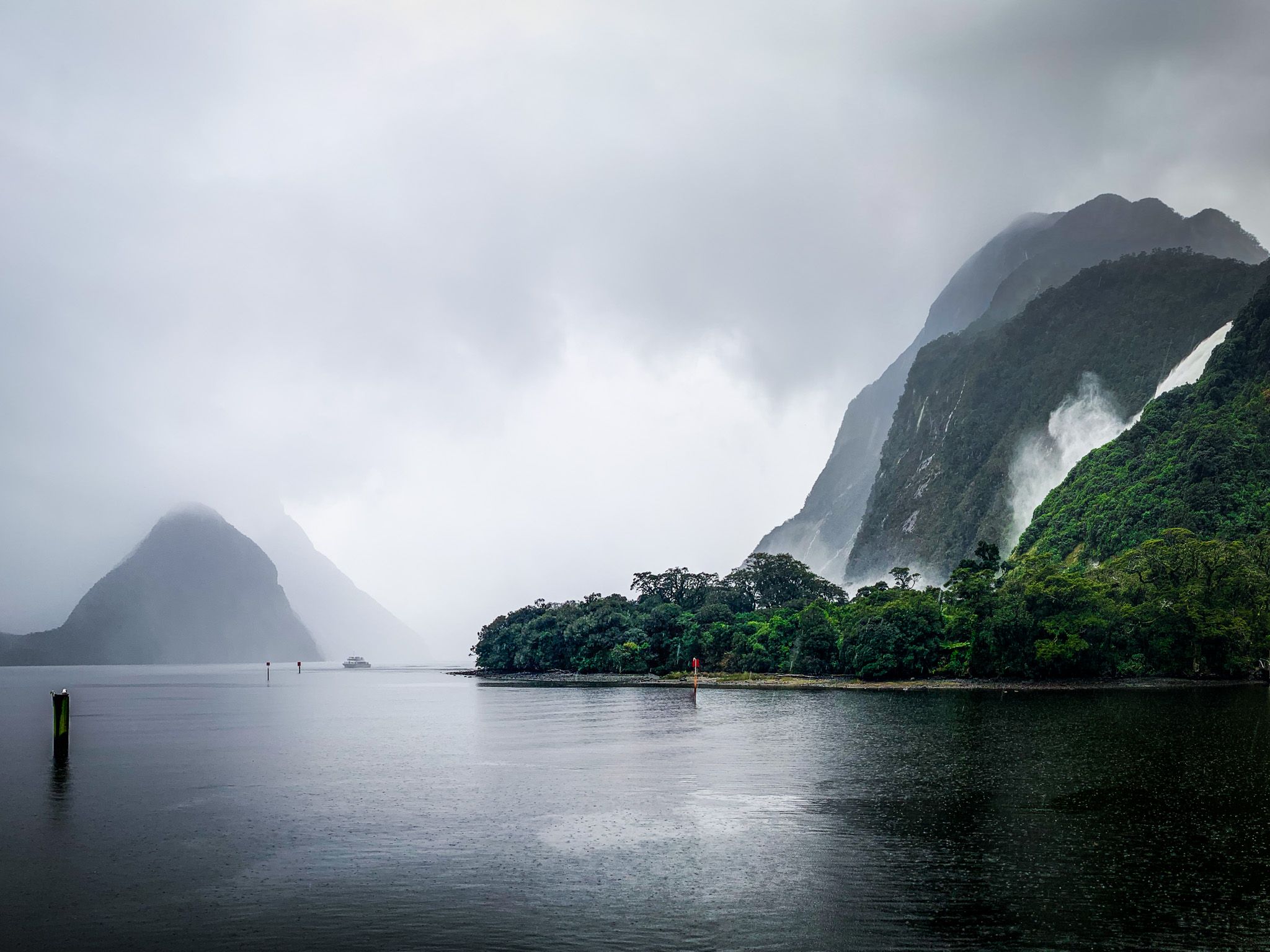
Milford Sound / Piopiotahi is a famous fiord located on the southwest coast of the South Island. Nestled within the vast Fiordland National Park and the expansive Te Waipounamu World Heritage Area, it is a marine reserve and a highlight of any trip to New Zealand.
Spectacular Natural Features
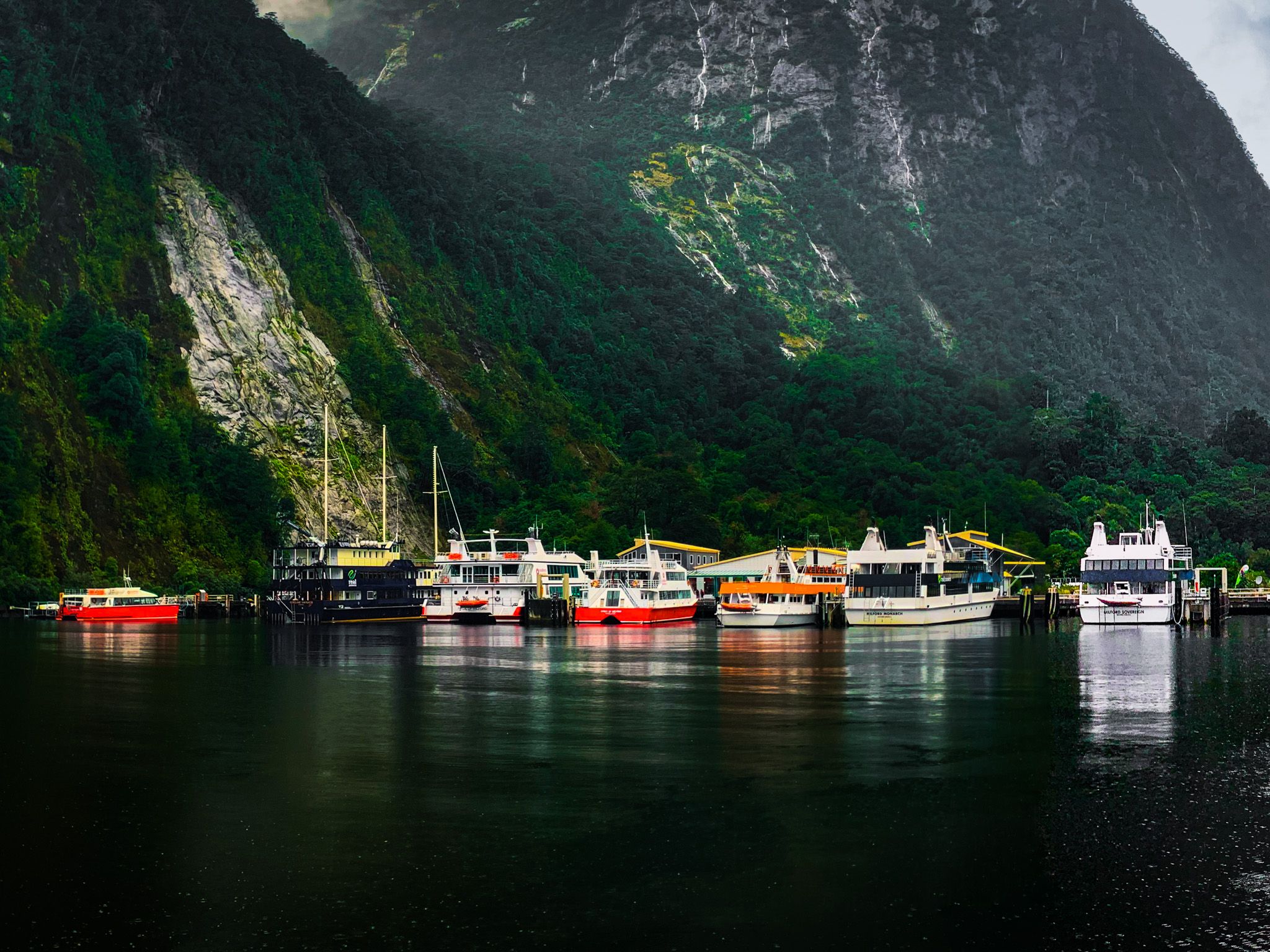
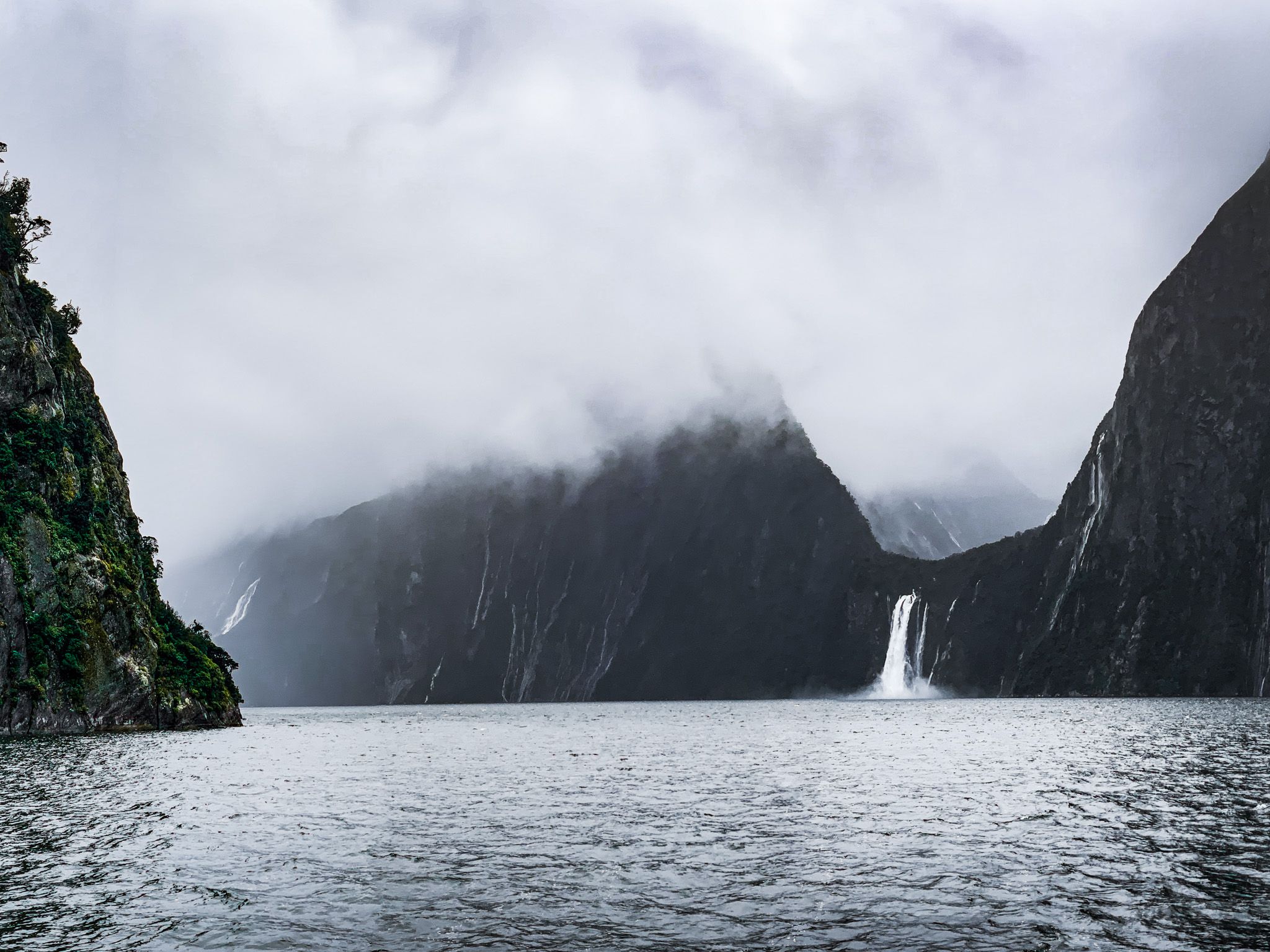
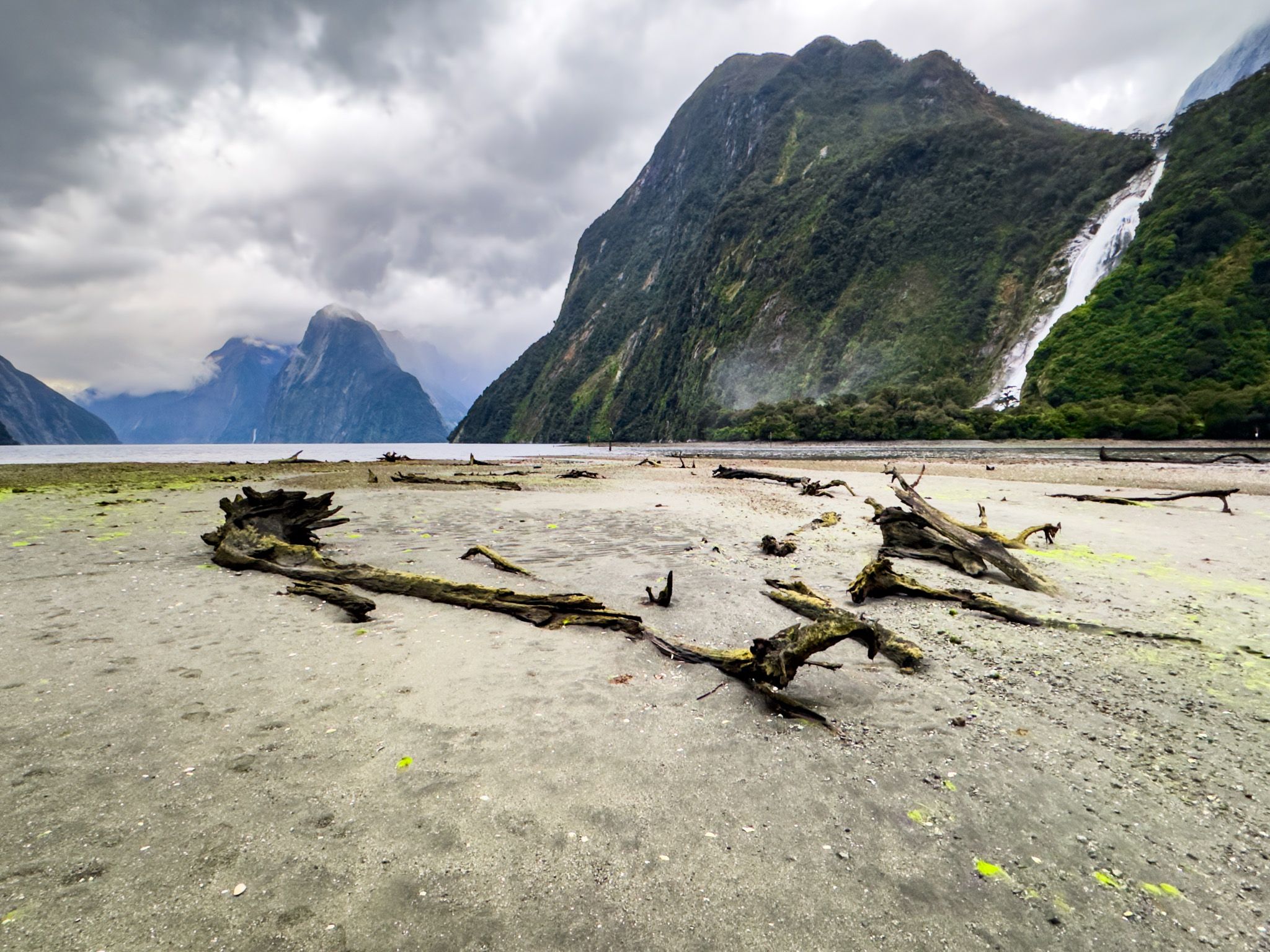
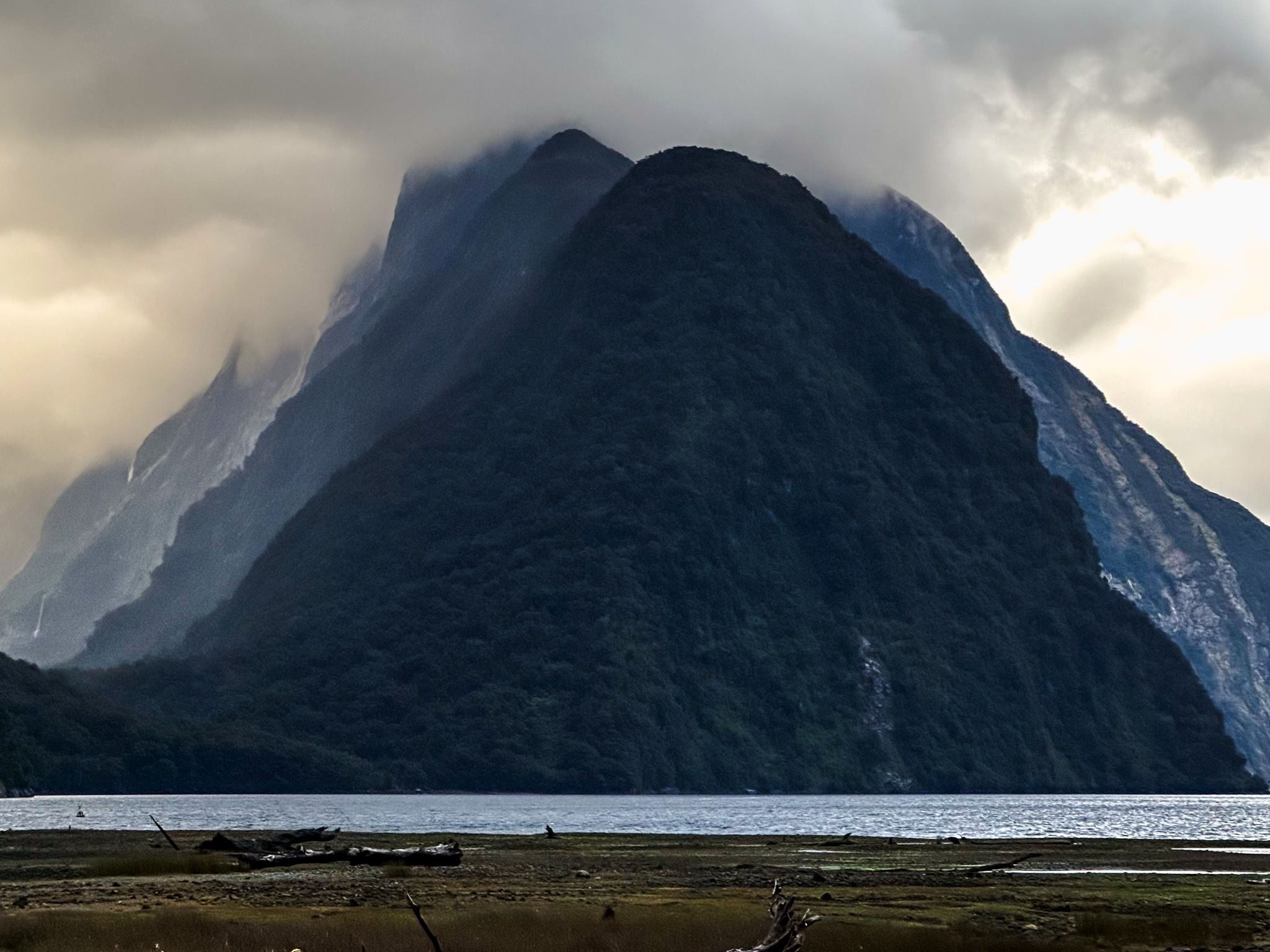
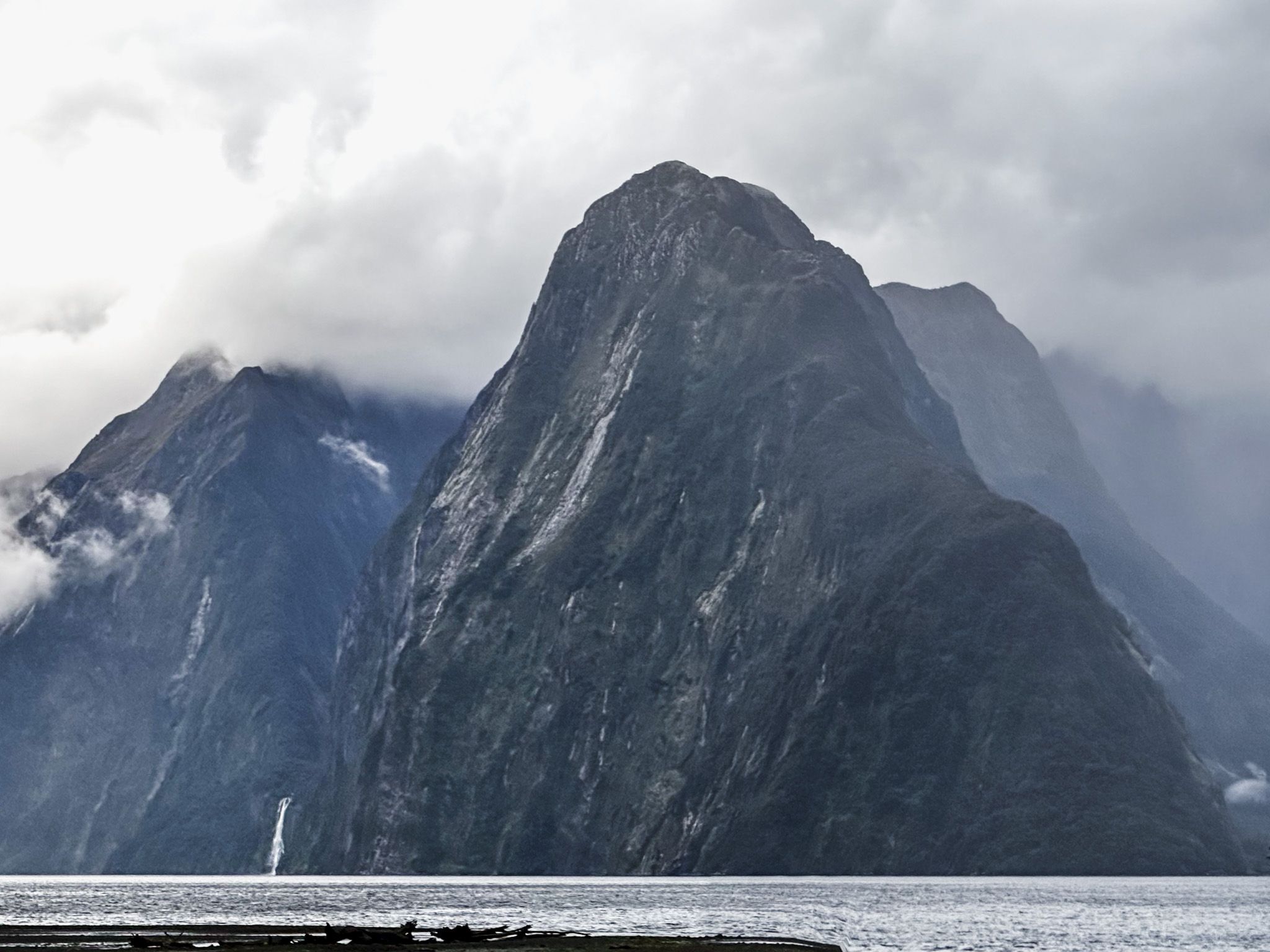
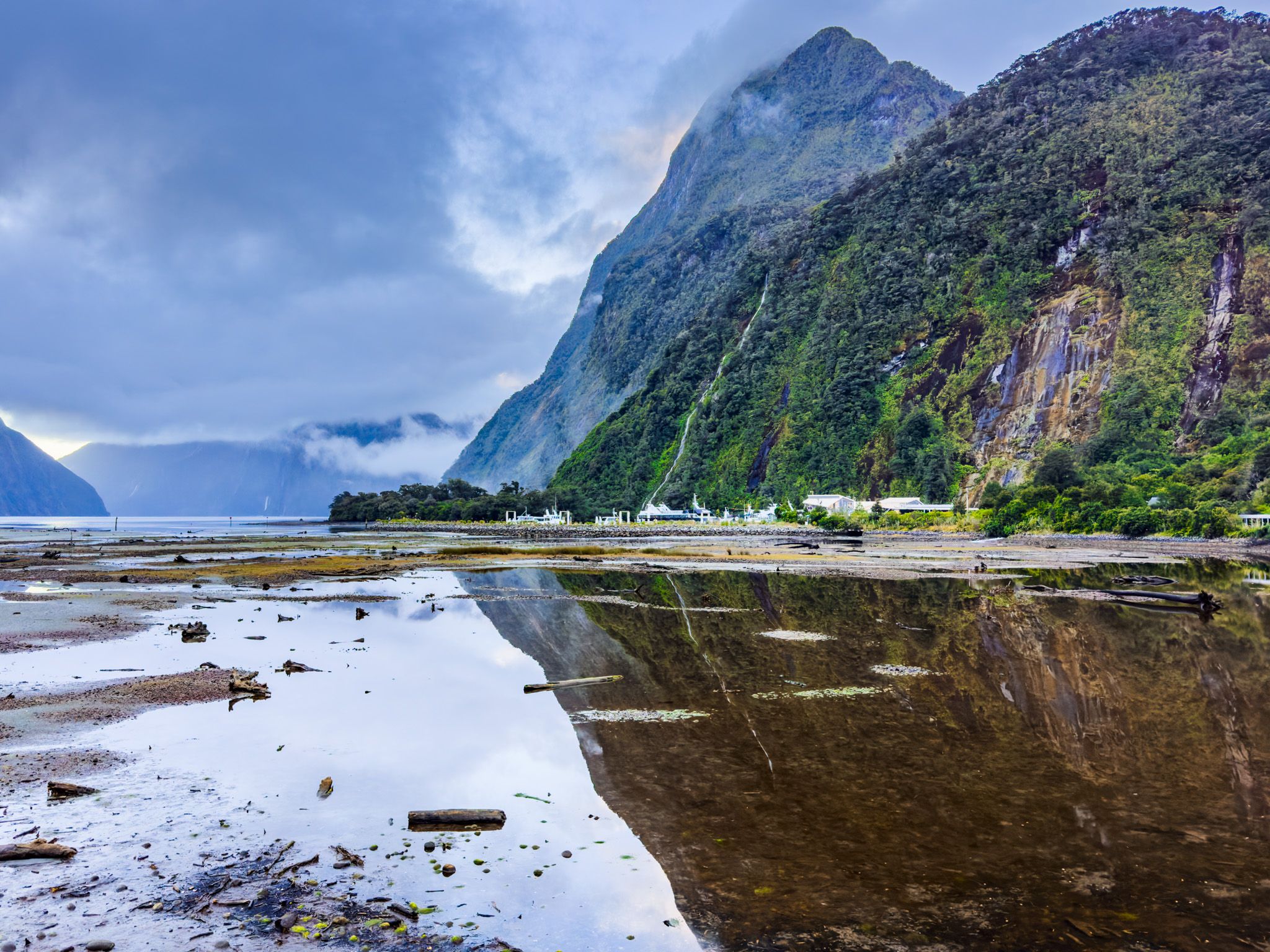
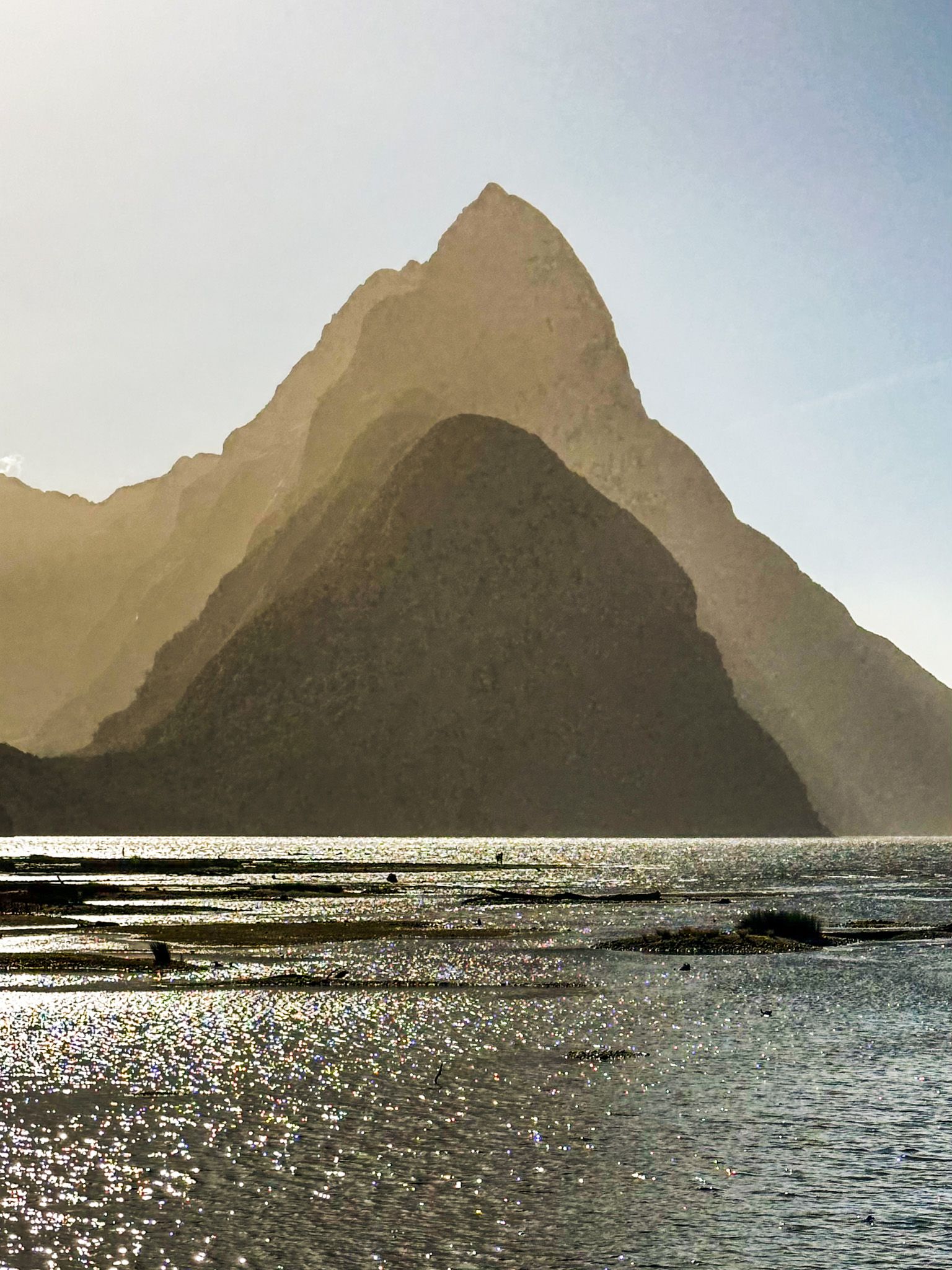
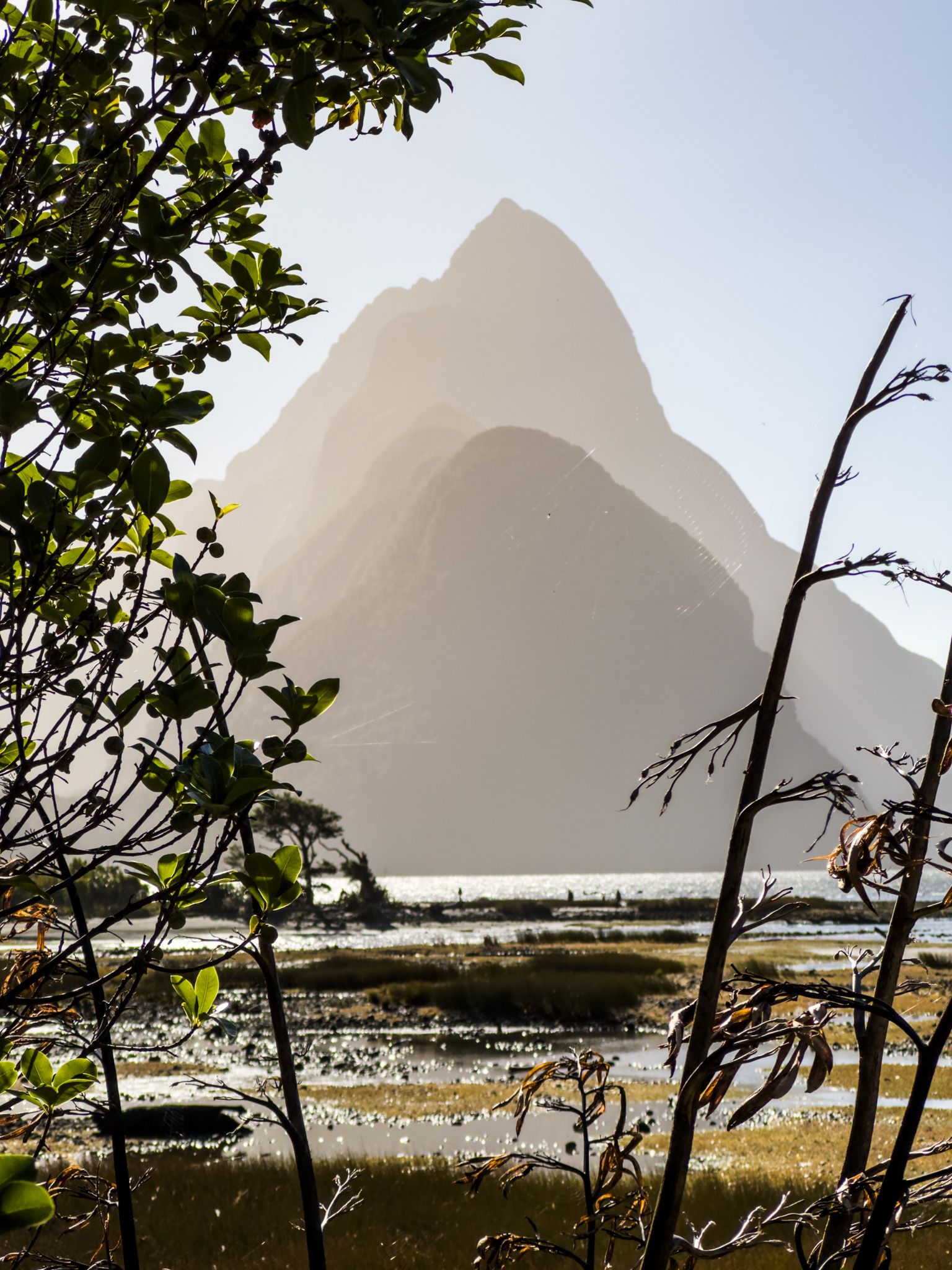
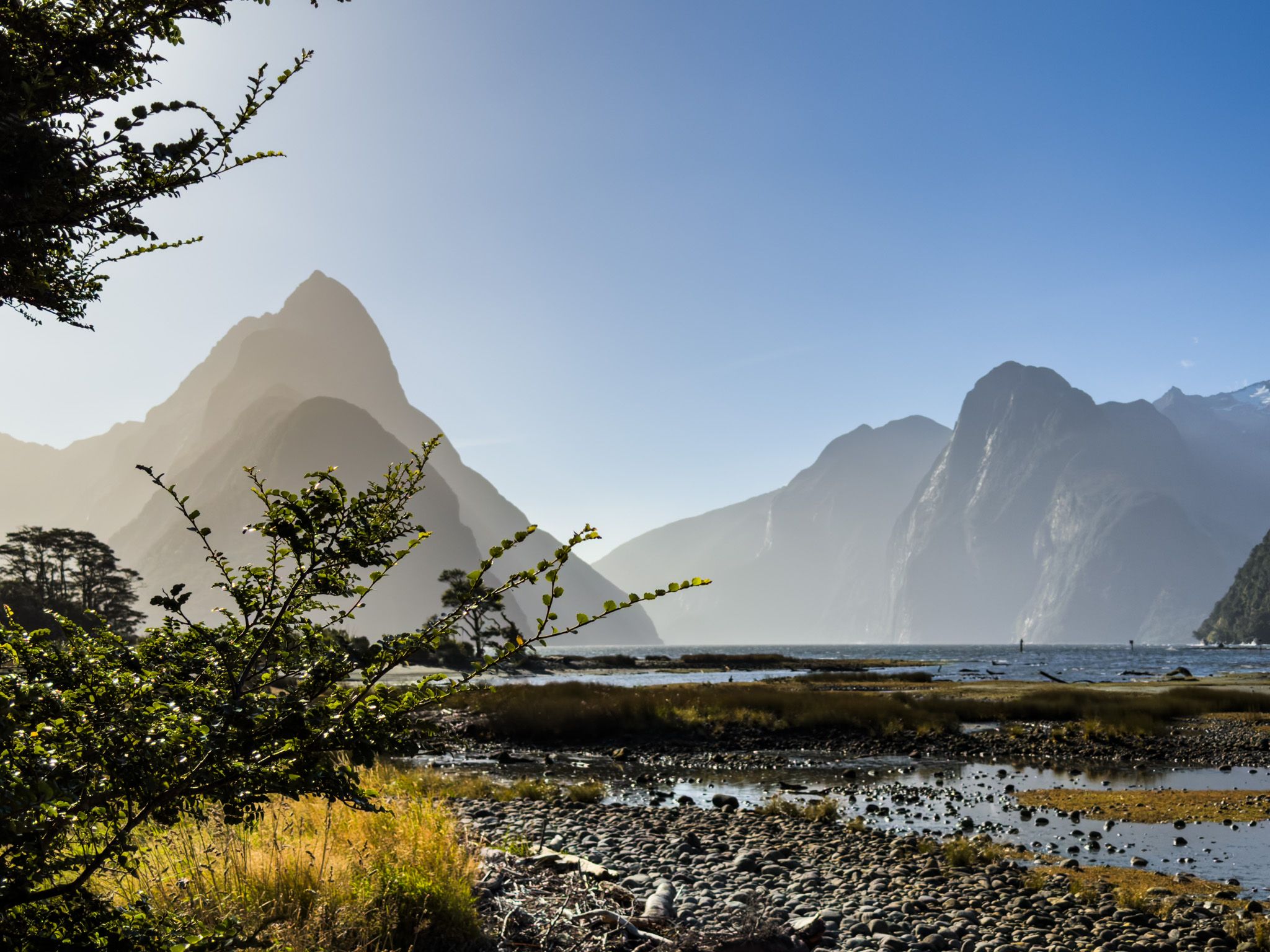
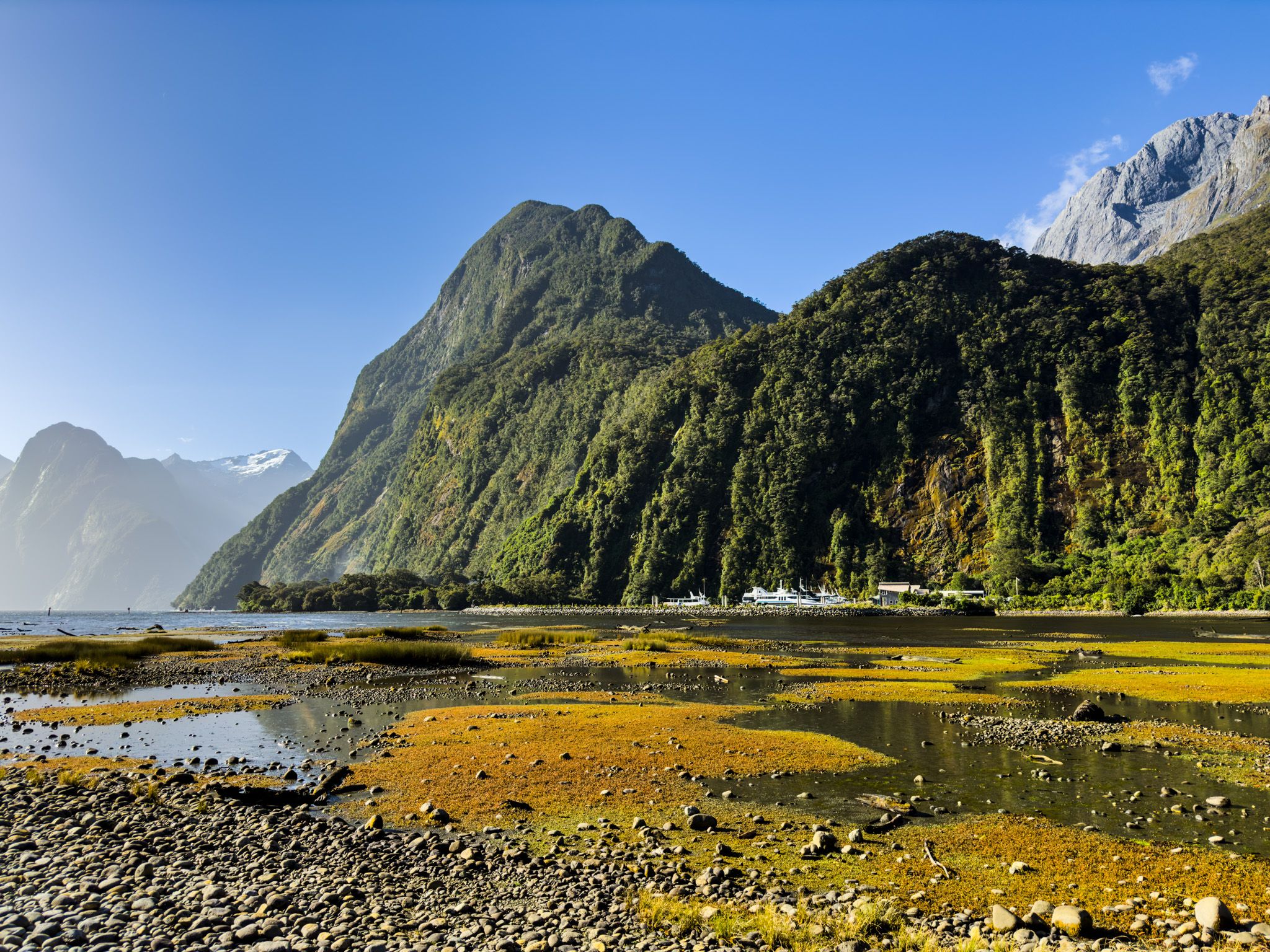
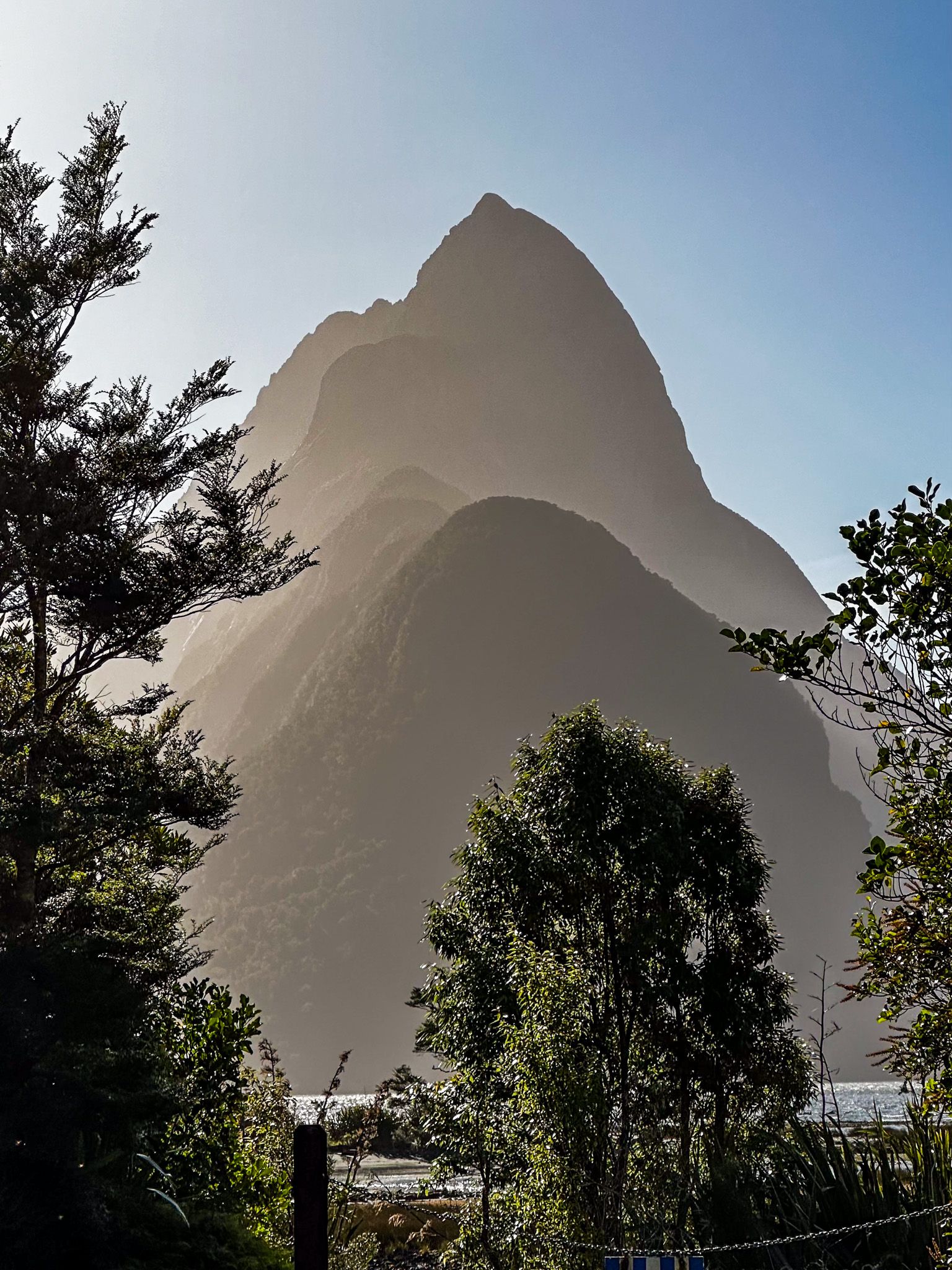
Milford Sound is celebrated for its breathtaking scenery. Stretching 15 km from the coast to the village and wharf at its southern end, the fiord is about 600 metres wide at its narrowest point. Towering mountain ranges, sculpted by glaciers, rise out of the water on both sides, with peaks reaching up to 1,700 metres on the south and 1,500 metres on the north. Mitre Peak, standing at 1,683 metres, is the most iconic of these peaks and dominates the stunning view from the shore.
The fiord's waters are deep, approximately 400 metres, except at the entrance where a glacial moraine lies just 27 metres below the surface. The unique marine environment is influenced by tannins from the surrounding forests, which darken the water and allow black coral to thrive at just 10 metres below the surface.
Historical and Cultural Significance
The entrance to Milford Sound was first discovered by European explorer James Cook in the Endeavour, although he deemed it too risky to navigate with a sailing ship. In 1823, sealer John Grono explored the area and named the sound after Milford Haven in Wales.
The Māori name, Piopiotahi, meaning "one piopio," was restored in 1998. This name is rooted in a Māori myth in which a piopio bird, an extinct species, flew into the sound following the death of Maui, seeking immortality for humanity.
Activities and Attractions
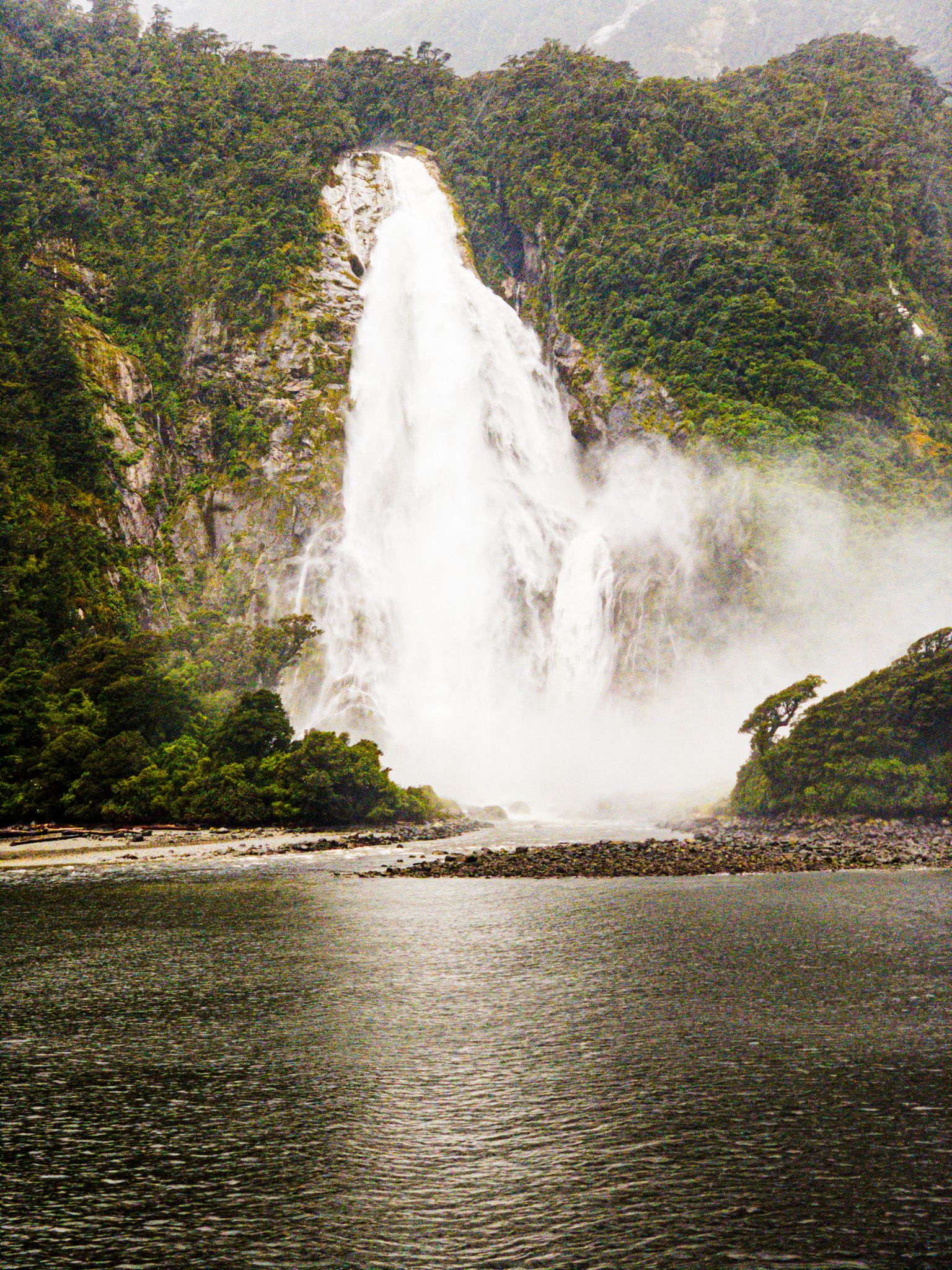
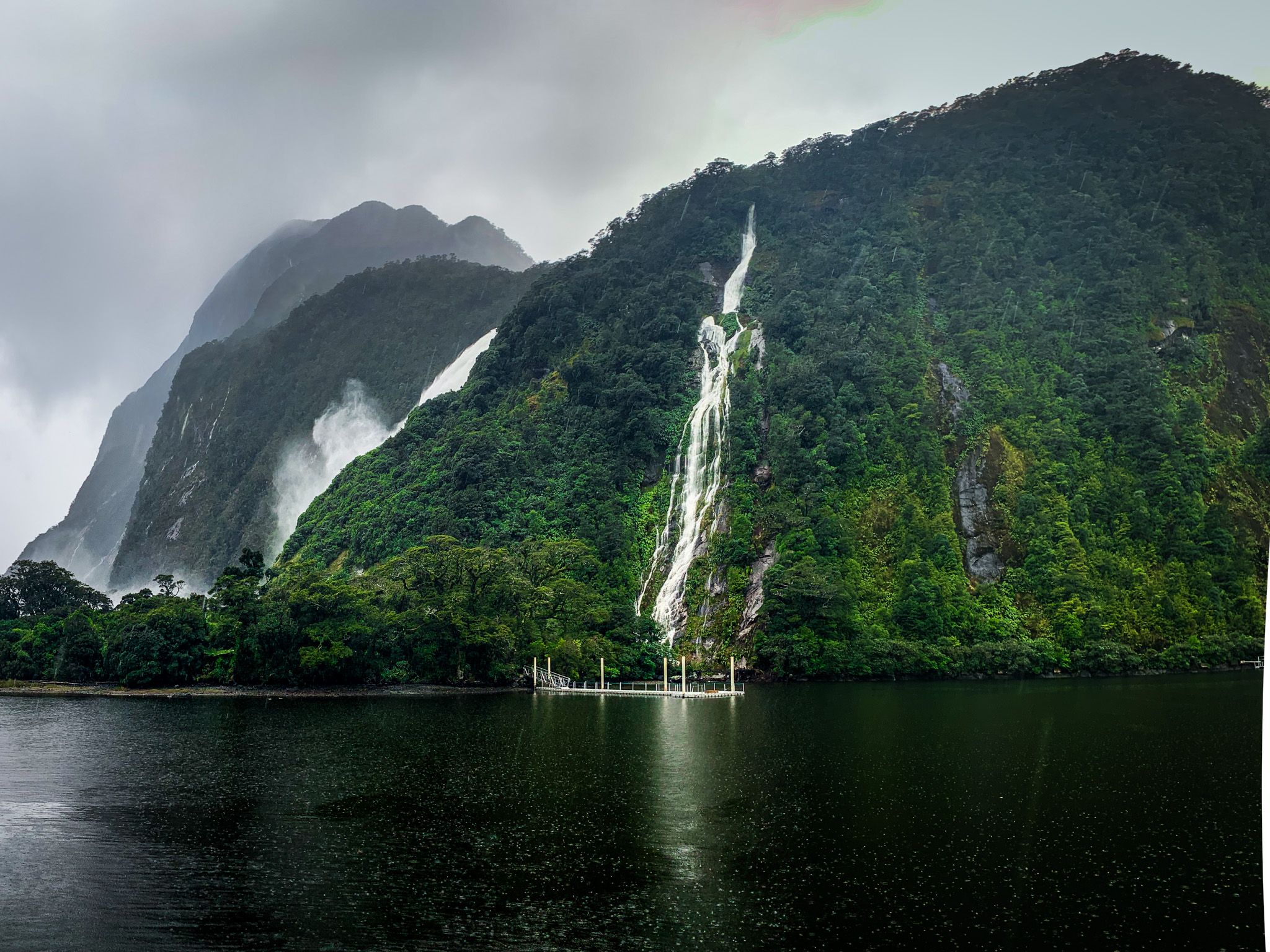
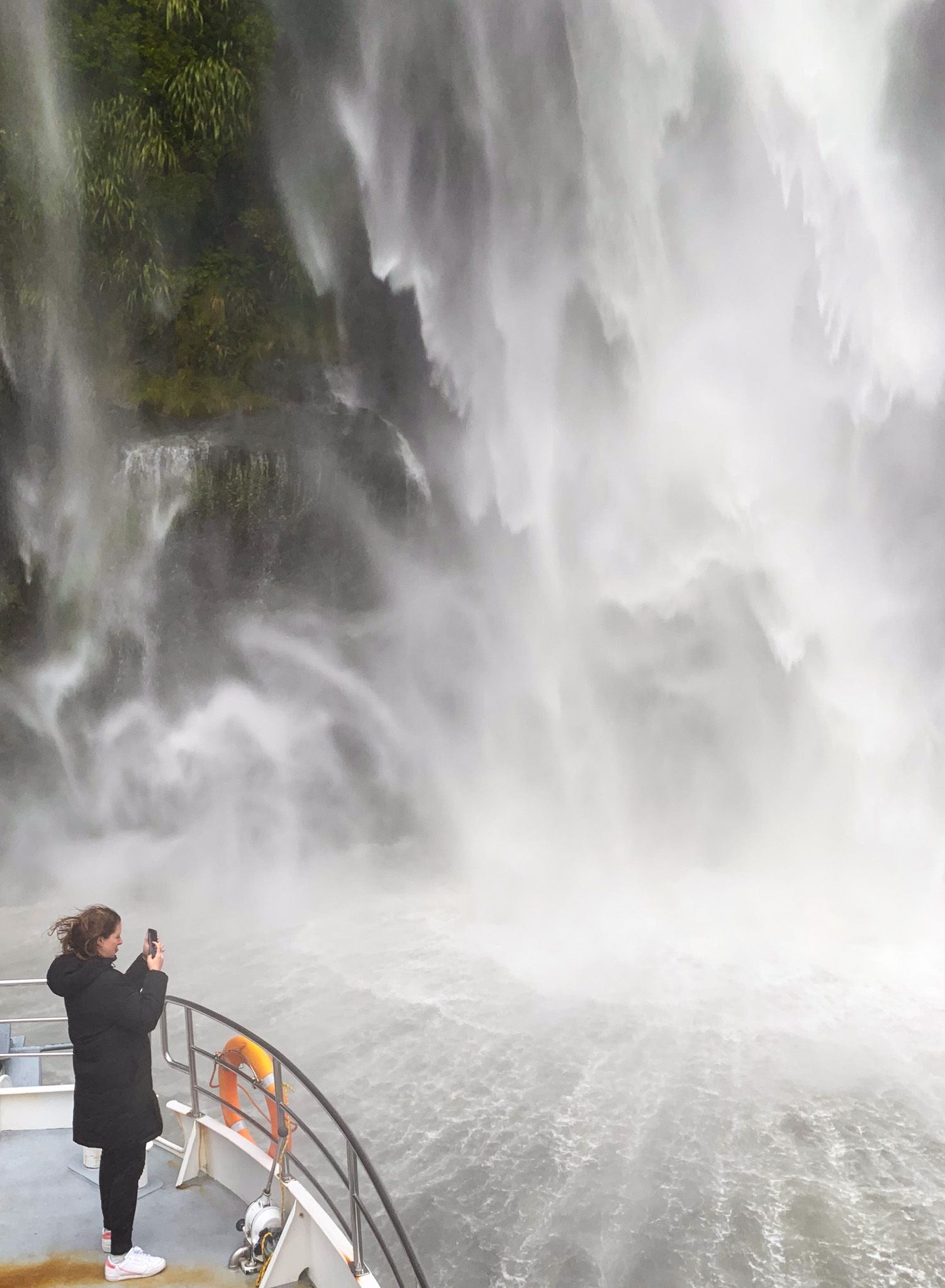
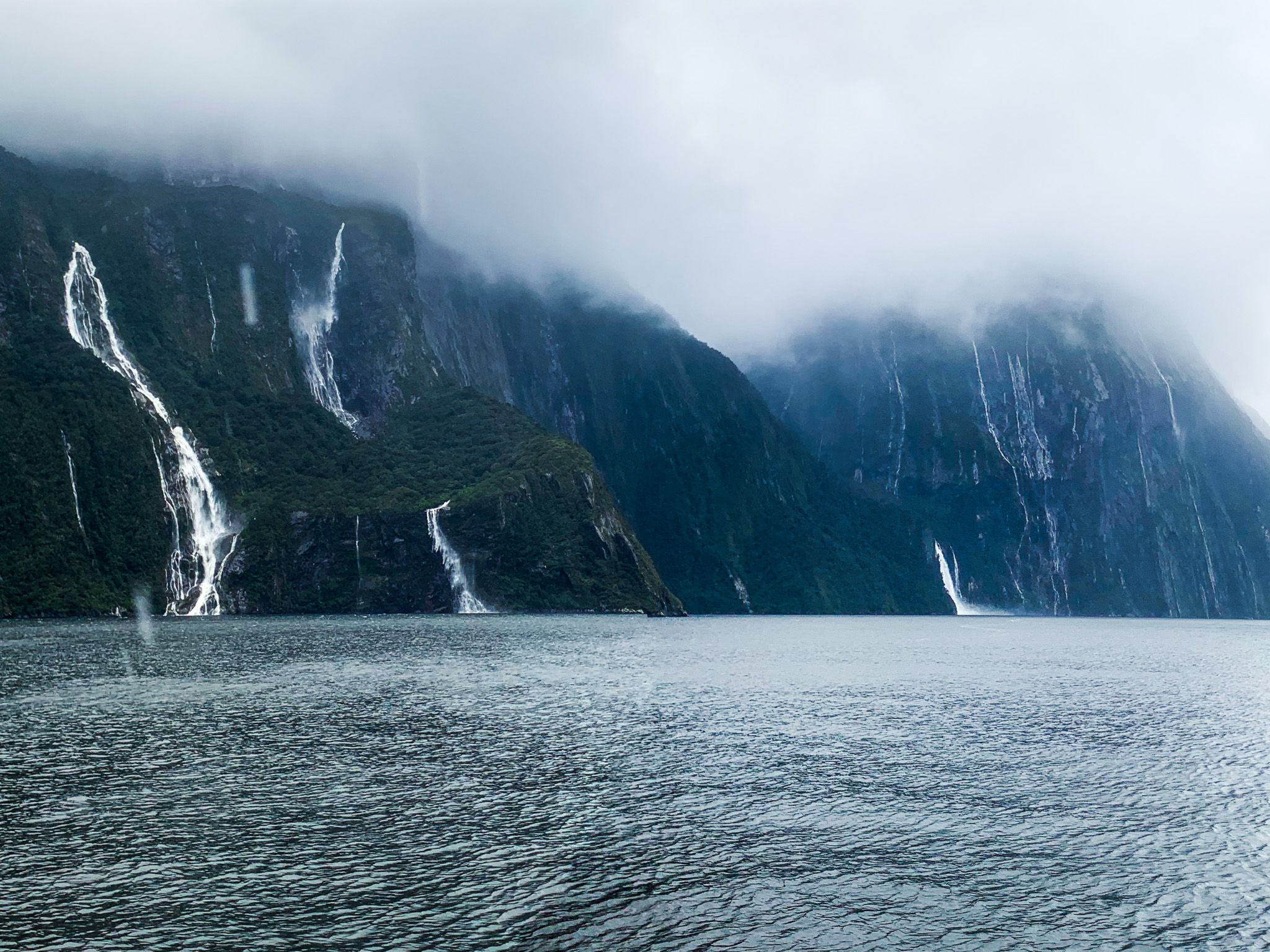
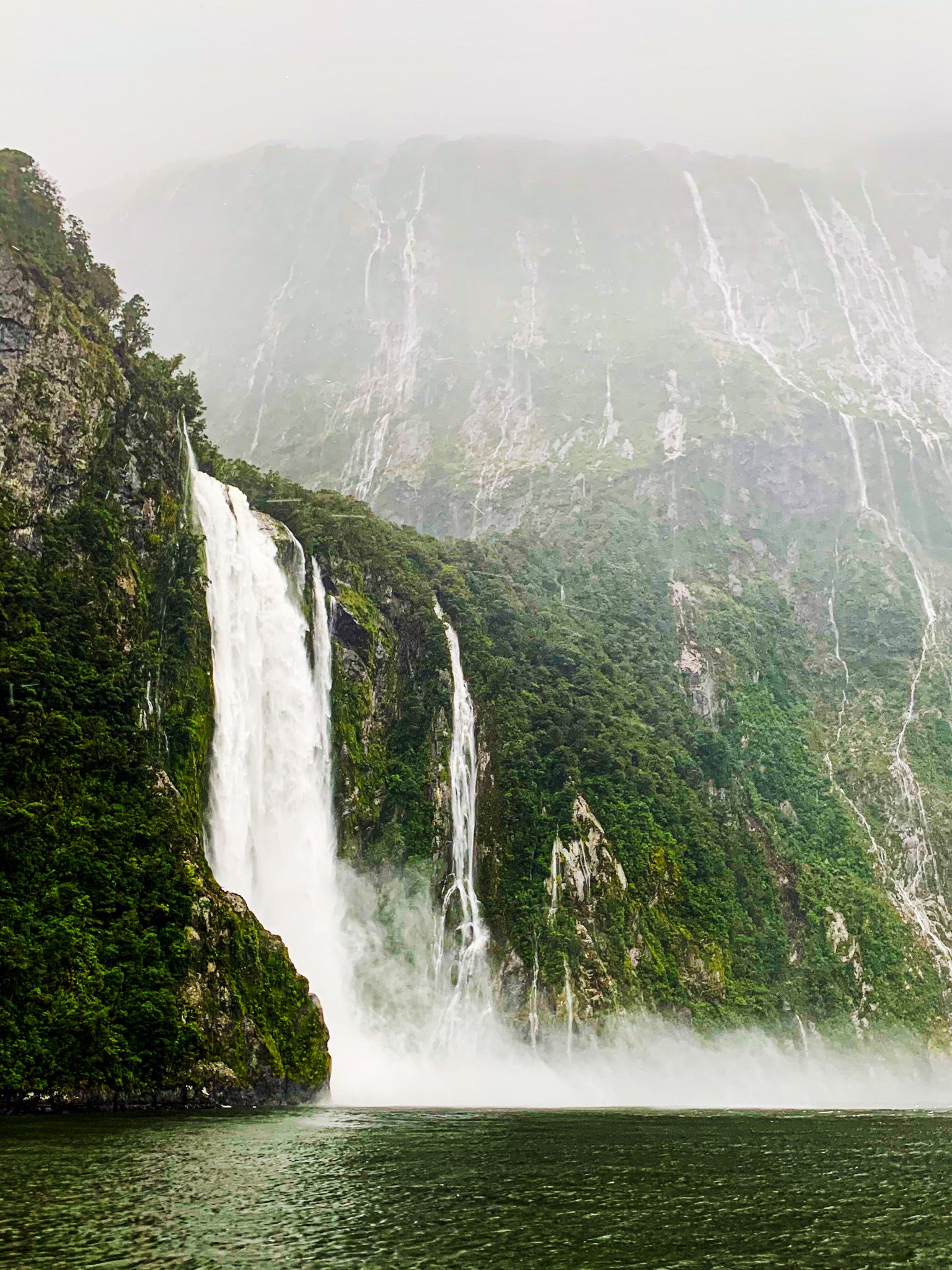
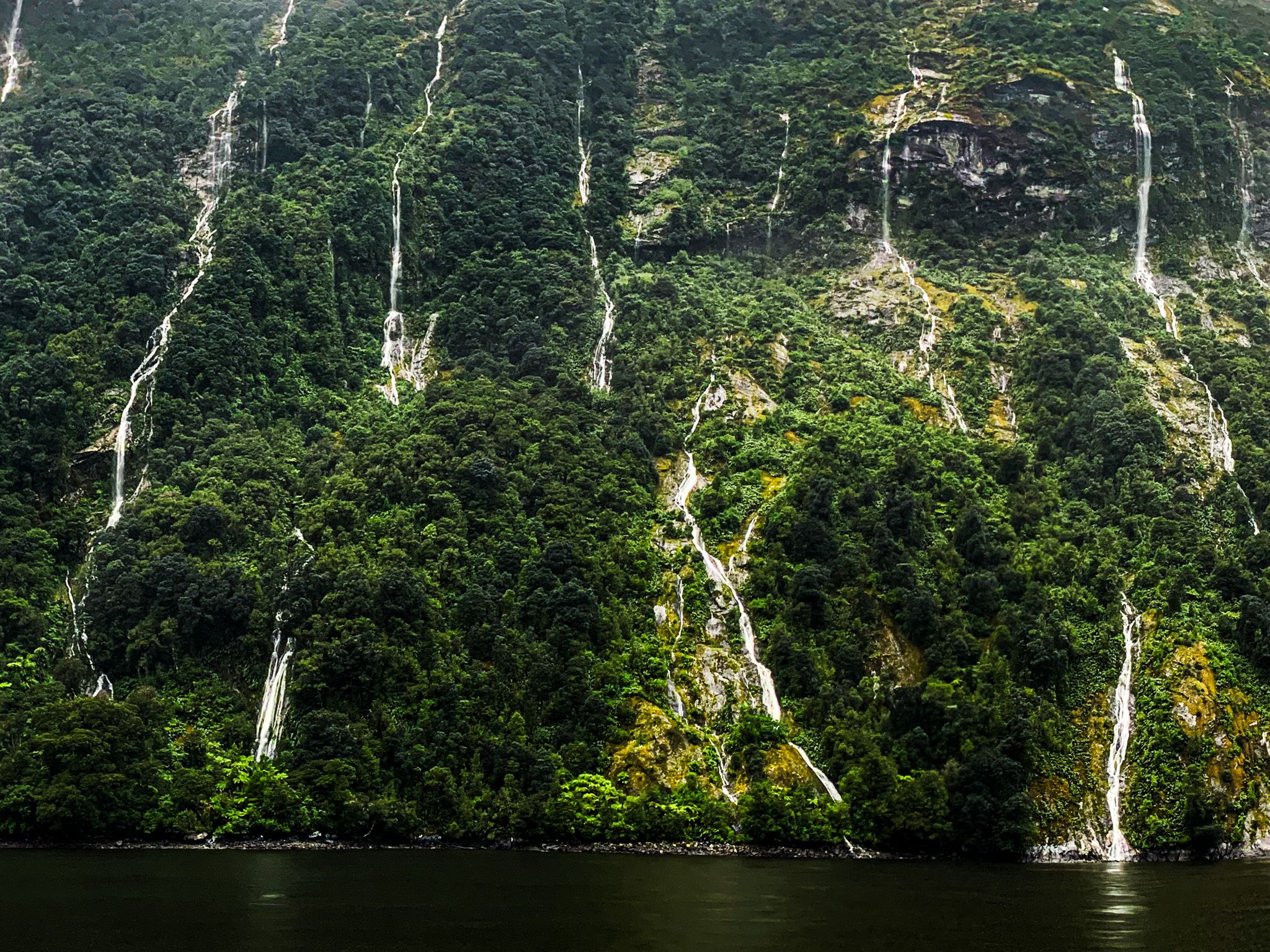
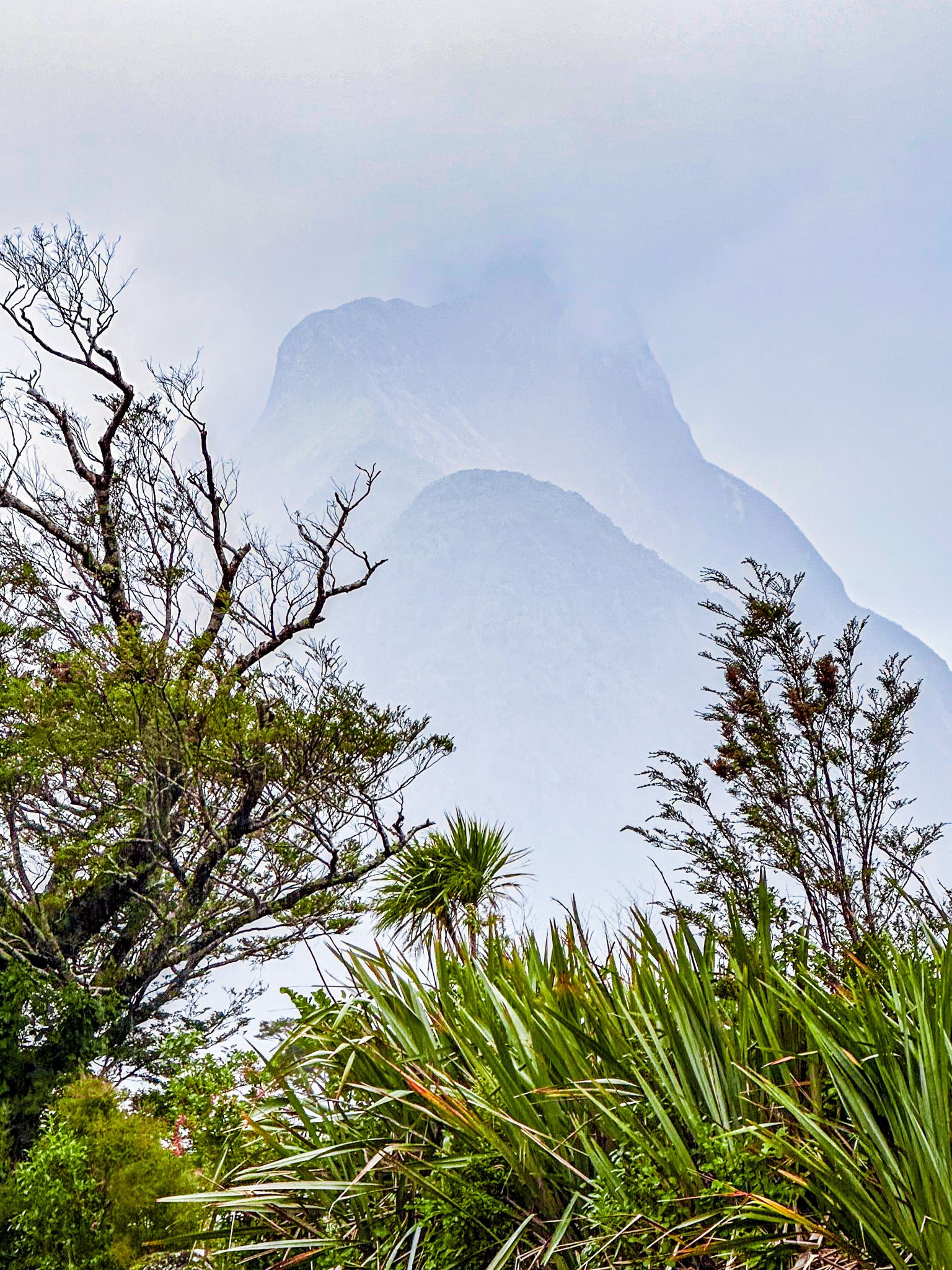
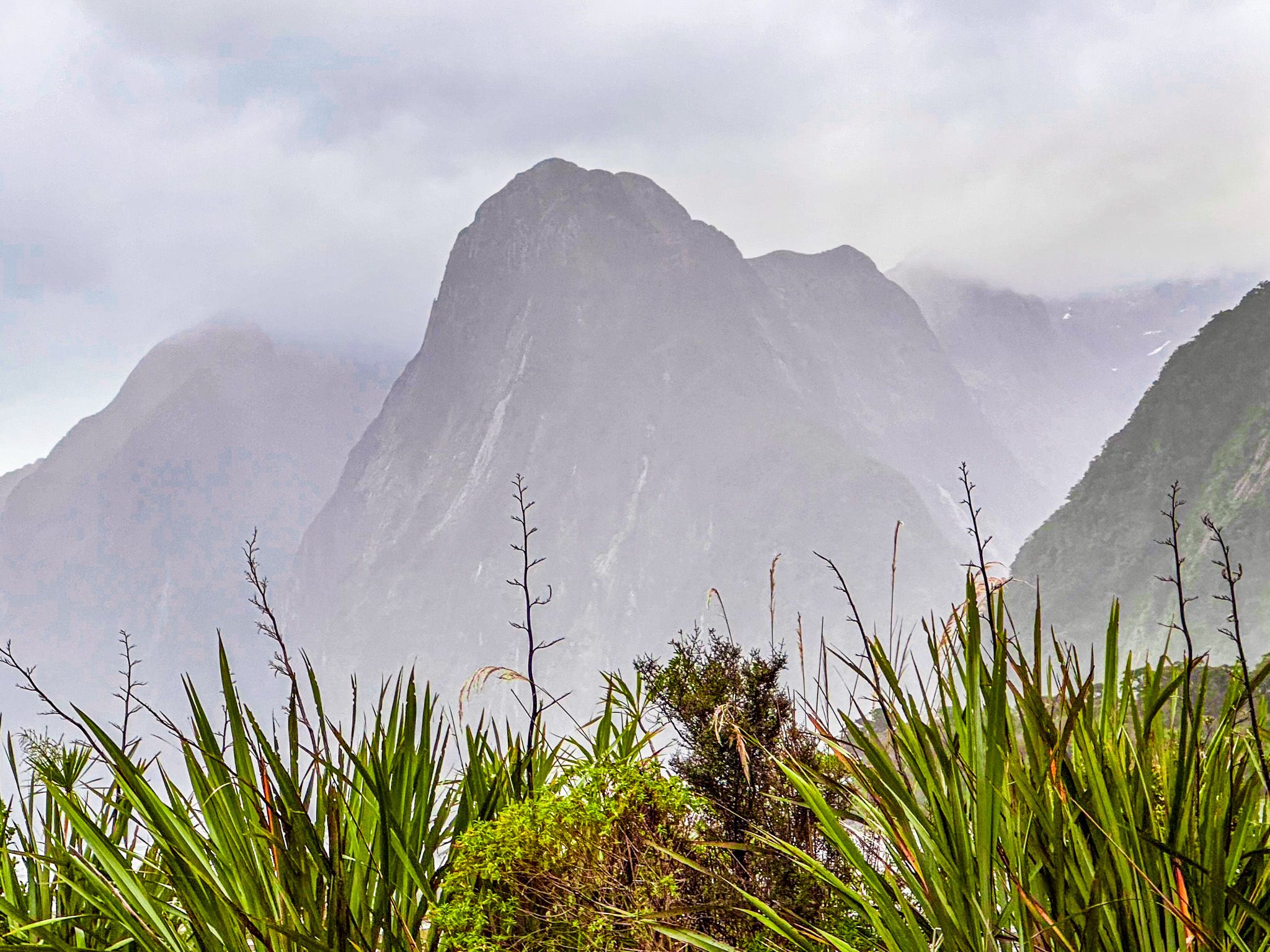
The main Milford Sound activity is a boat trip from Freshwater Basin, journeying up the fiord to its end. This two-hour excursion offers views of two permanent waterfalls: Bowen Falls (162 metres) and Stirling Falls (151 metres). Rainfall, averaging 2.5 metres annually, can transform the landscape into a cascade of 100s of waterfalls. Nice weather is great, but don’t be put off by rain!
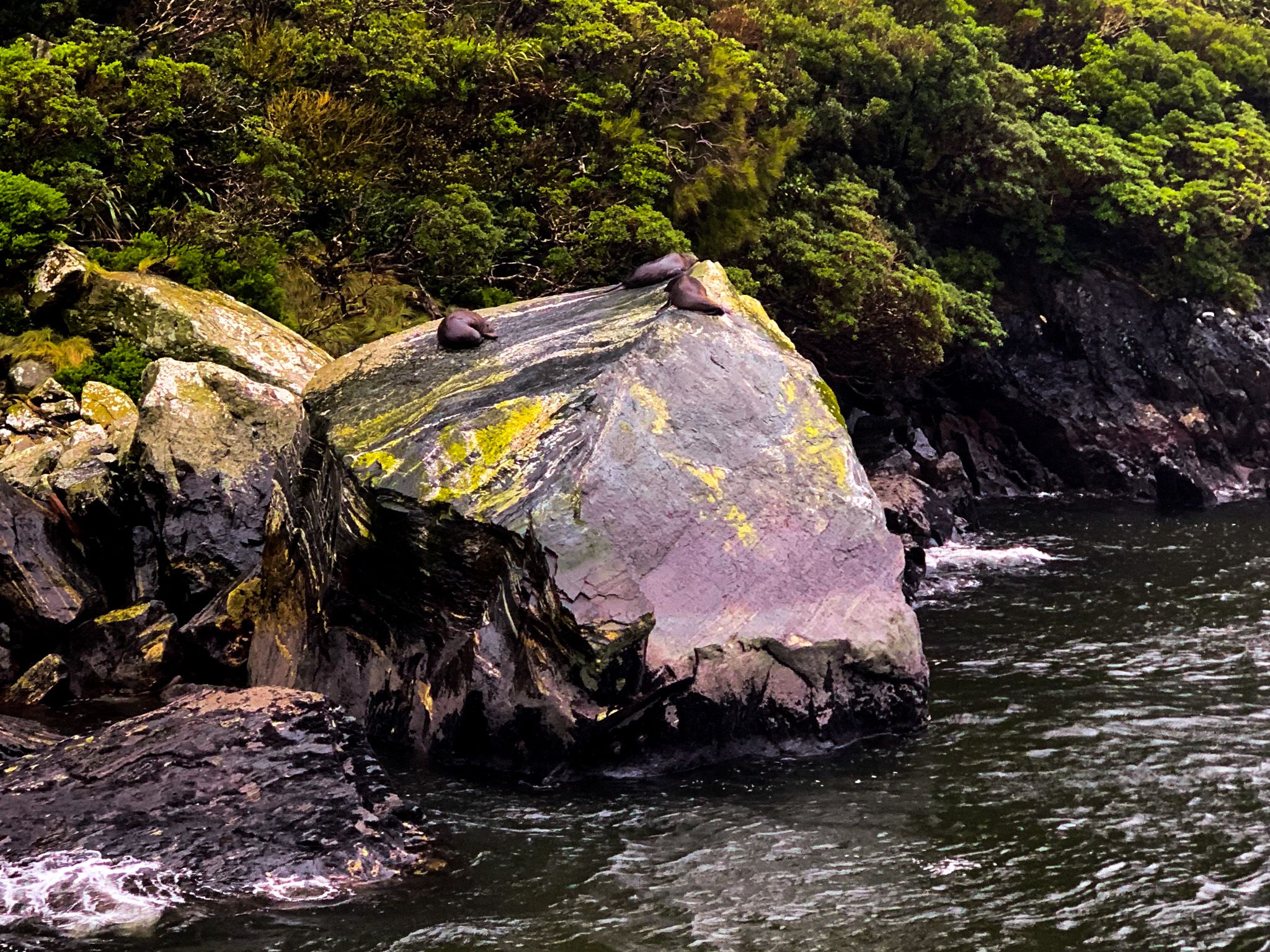
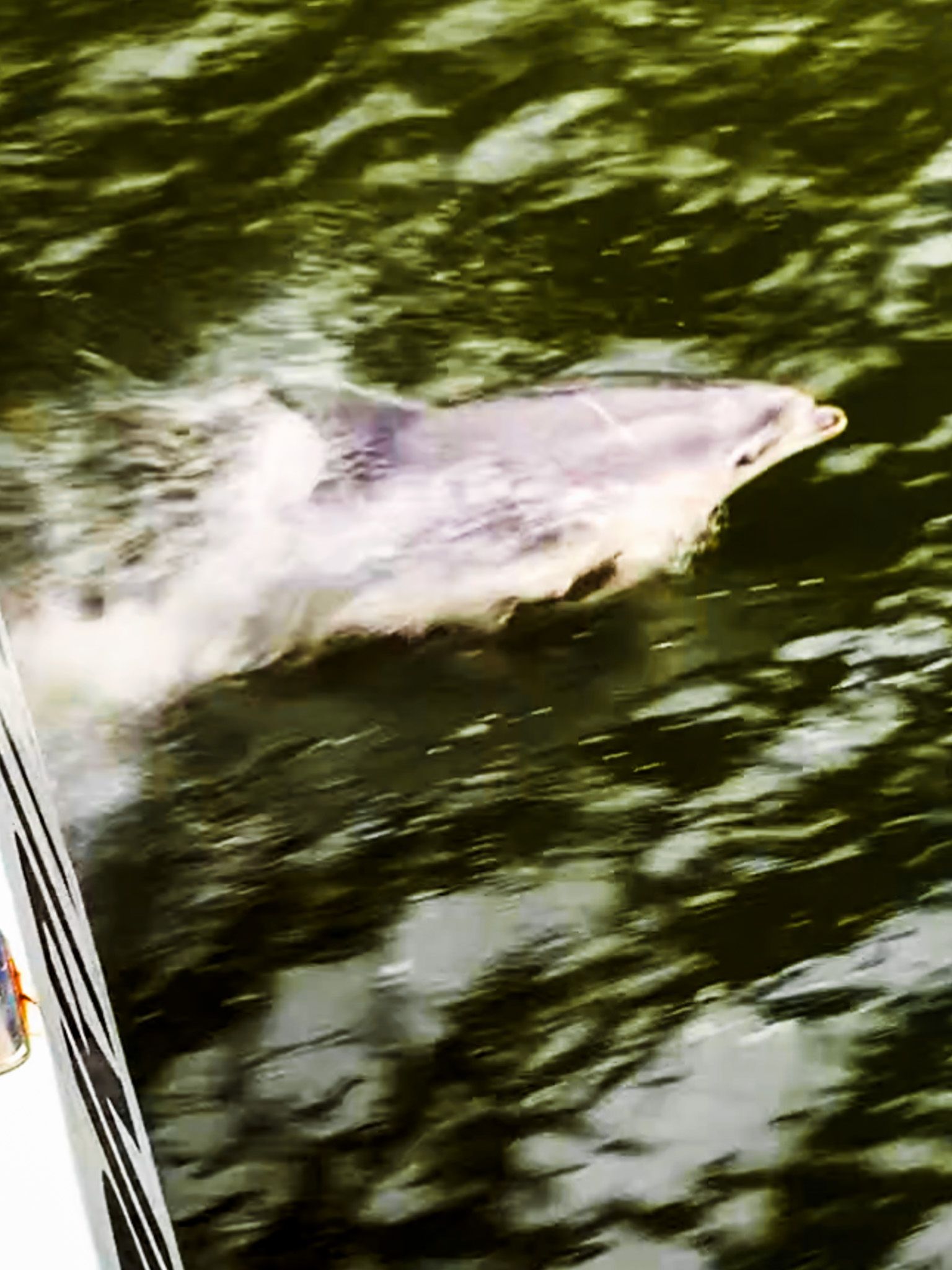
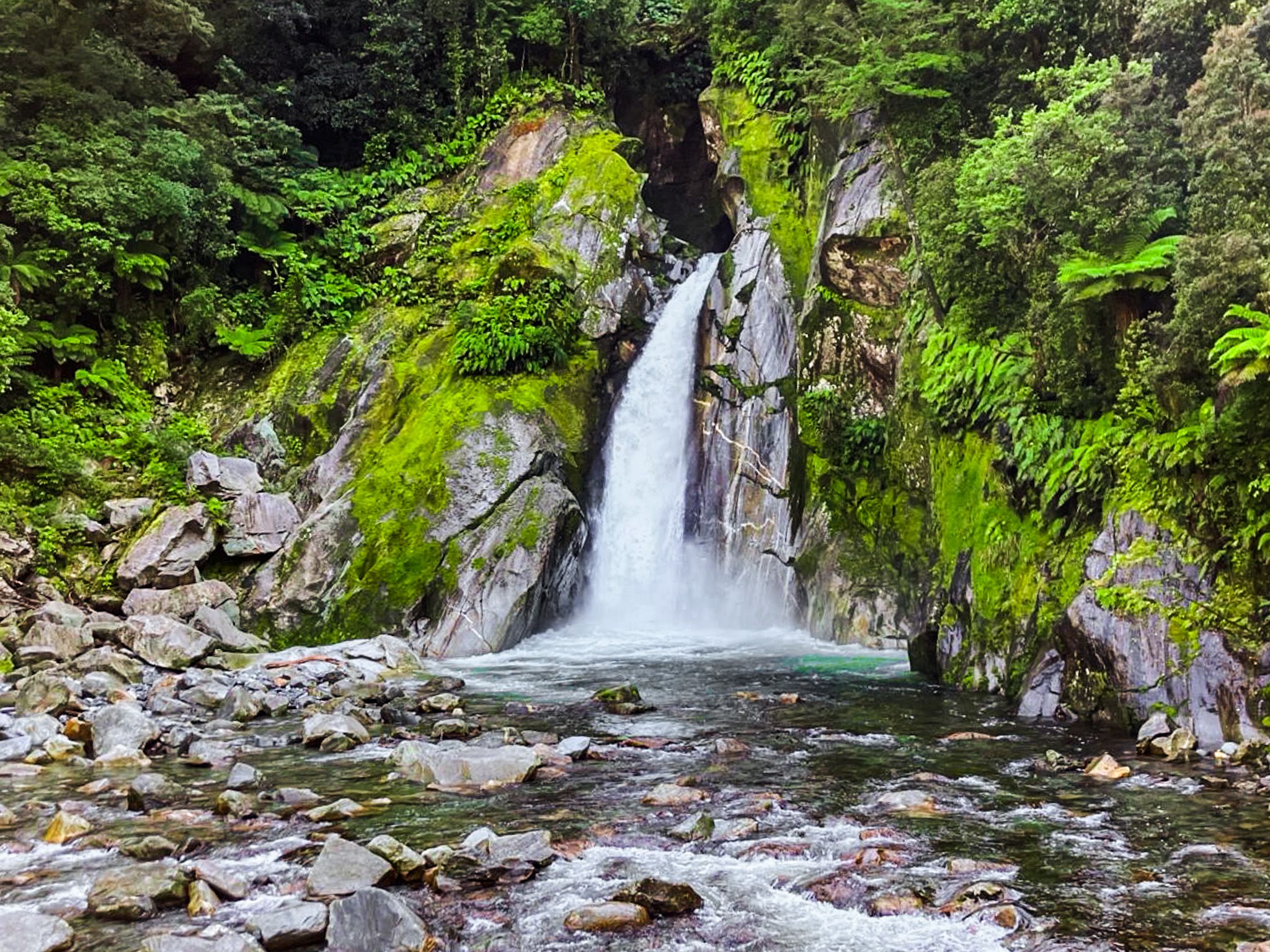
Wildlife sightings may include bottlenose dolphins and seals. Other activities include walking the loop track or taking a water taxi across Deepwater Basin for a half-day return walk to Giant Gate Falls.
Travel Tips and Accommodation
Milford Sound attracts many visitors, with numerous tour buses making the journey daily. To avoid traffic, consider visiting early in the morning, late morning, or early evening. Although most people visit as day-trippers, a private campground and lodge are available, but bookings are recommended months in advance, even outside New Zealand holidays.
If possible, consider visiting during Winter. Numbers are far lower; it is spectacular with snow on the mountains, and even more so if it rains. Do be aware that the road can be closed for a day or two with major snowstorms, so check before you drive.
Because of overcrowding, the NZ government is considering a fee for foreign visitors or other restrictions, but these measures have yet to be implemented.
How to Get There
Reaching Milford Sound is a scenic journey in itself. The drive from Te Anau takes approximately 110 minutes (117 km). For those travelling by tour bus, various operators offer daily trips to the fiord. To make the most of your visit, plan your travel times to avoid peak traffic periods. If it's raining on the day of your visit, go anyway, as it's truly astonishing!
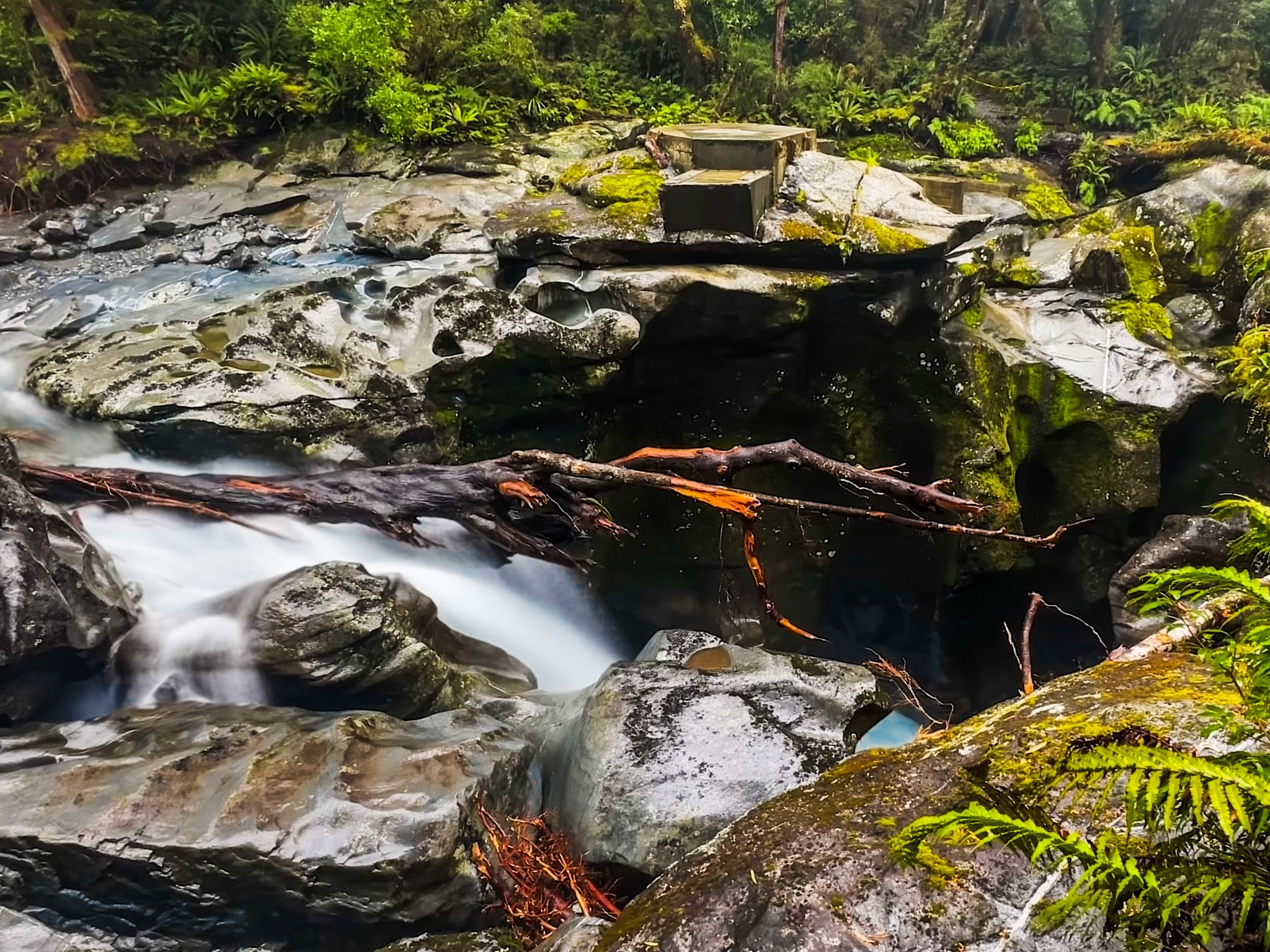
Along the way, other stopping points and places to visit on the main highway include Mirror Lakes, Egerton Valley, Cascade Creek, Lake Gunn, Marian Corner, Christie Falls, Homer Tunnel and the Chasm.