New Zealand's Oldest Buildings in Kerikeri
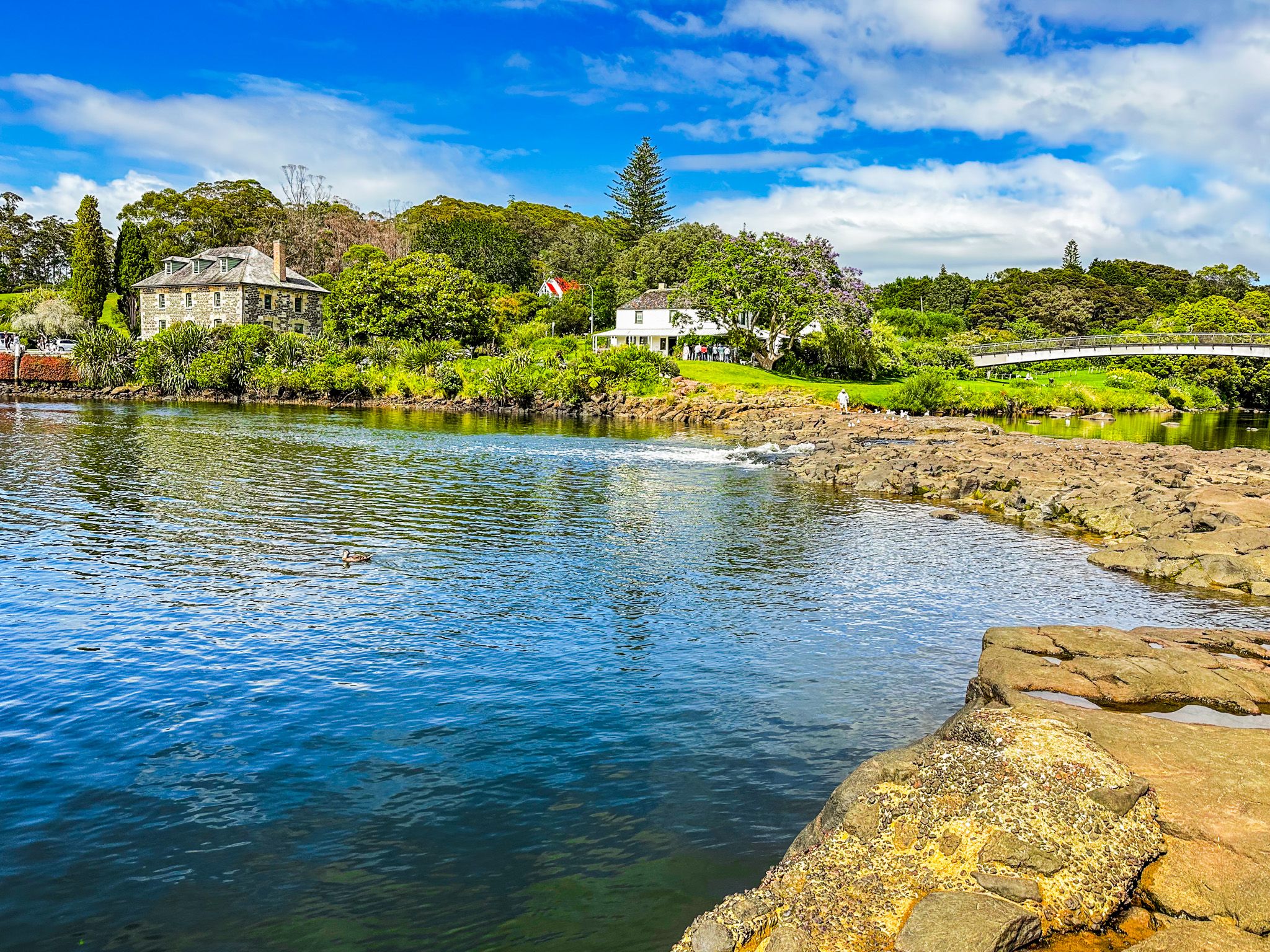
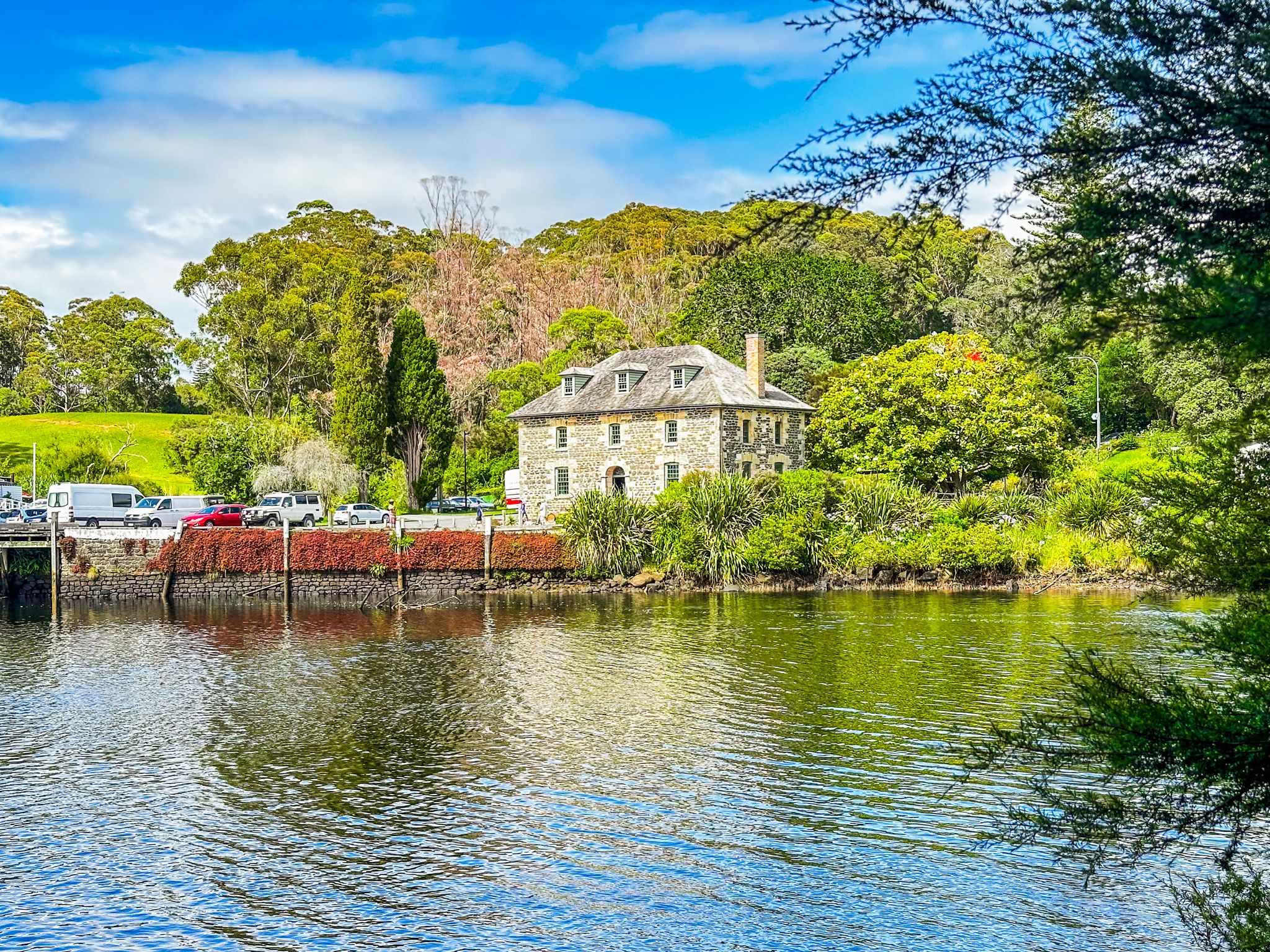
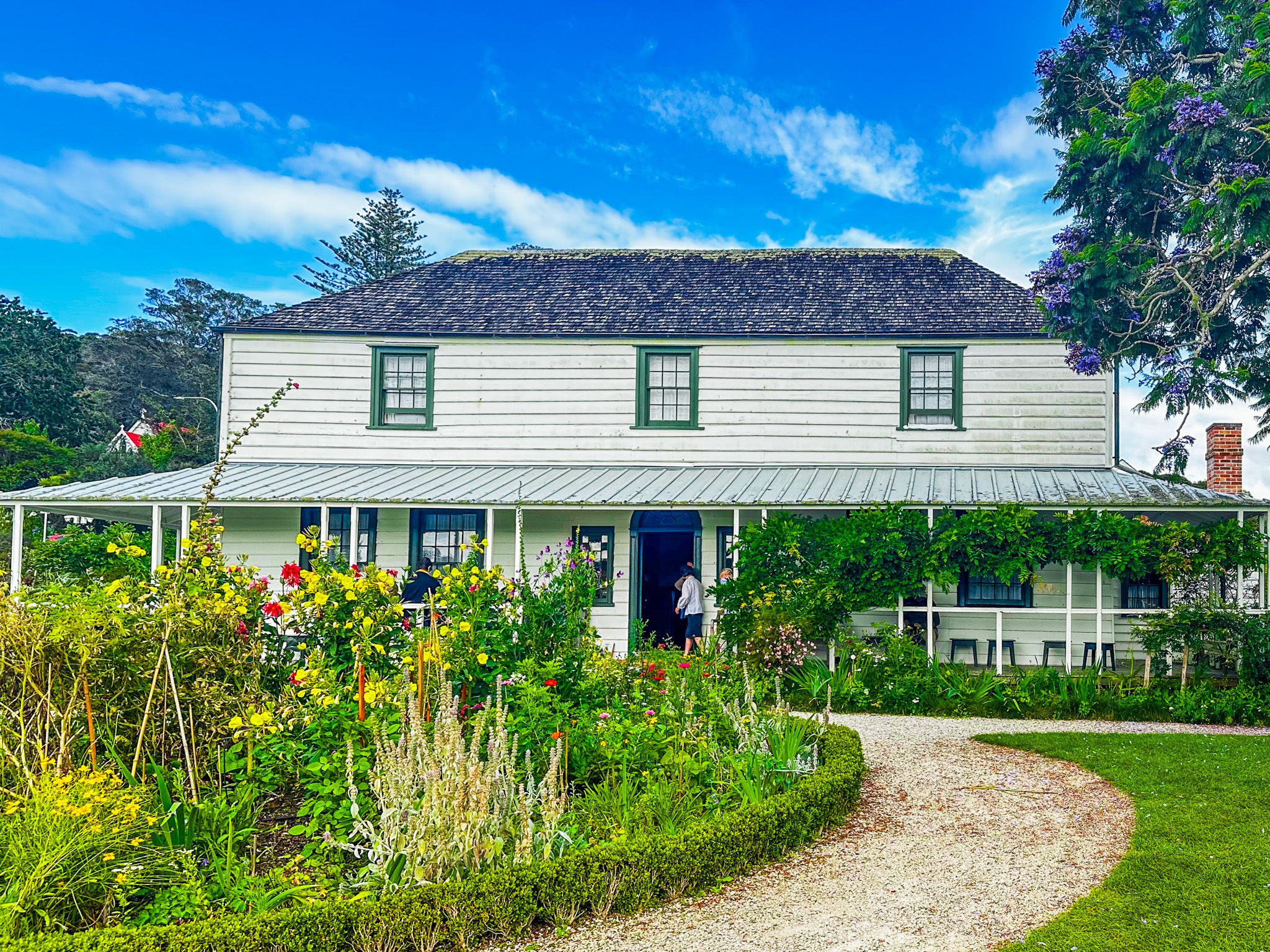
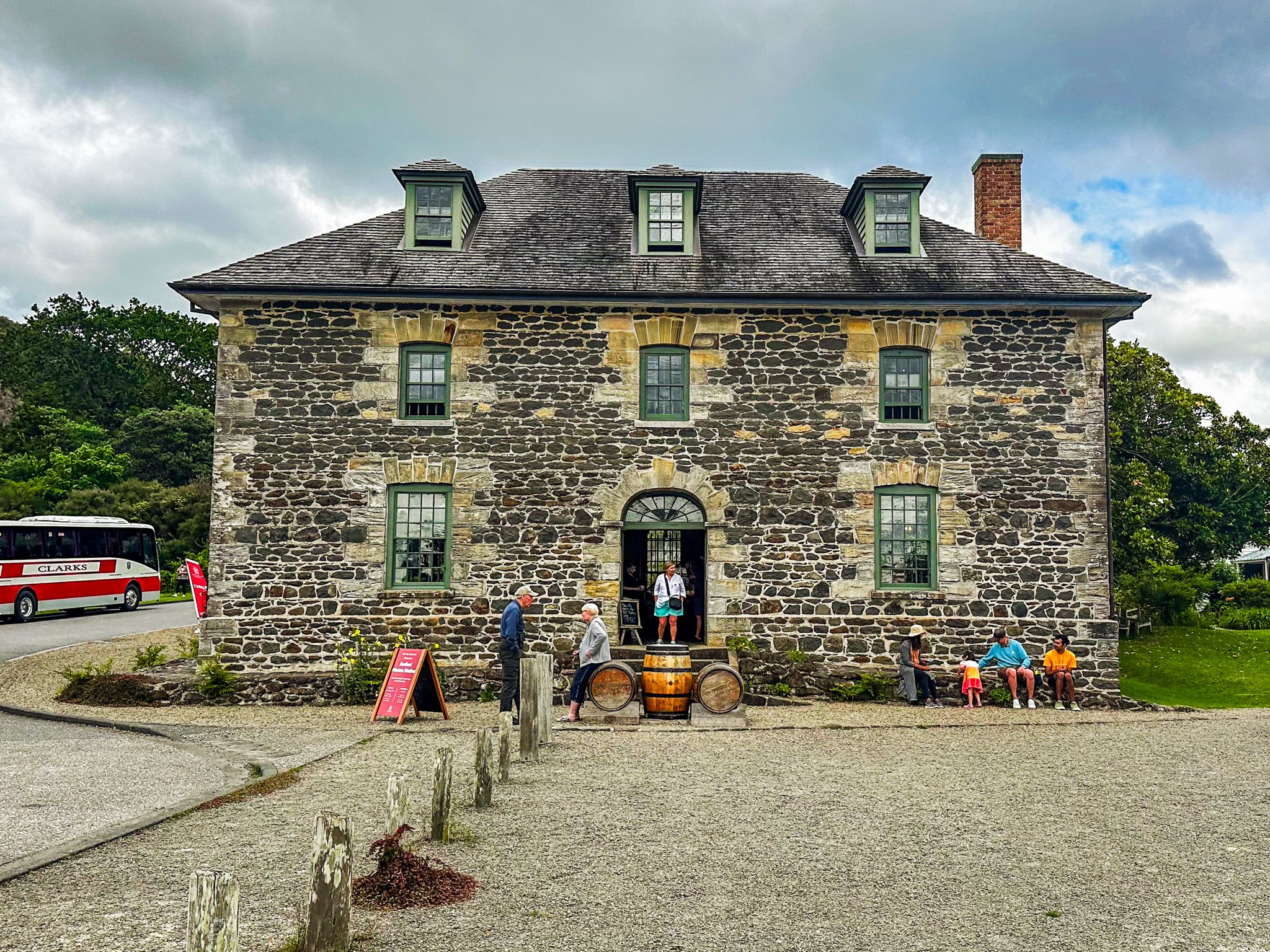
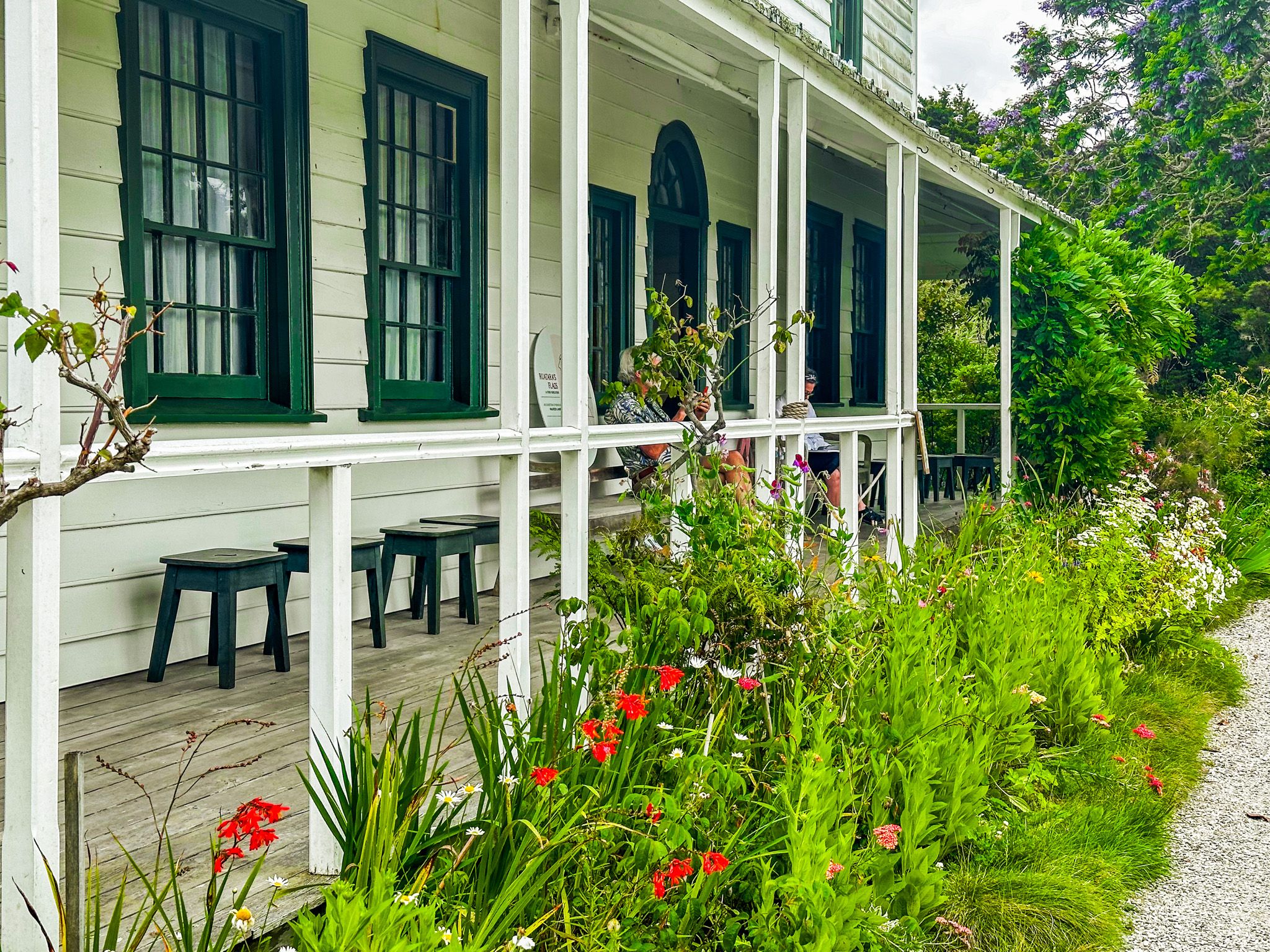
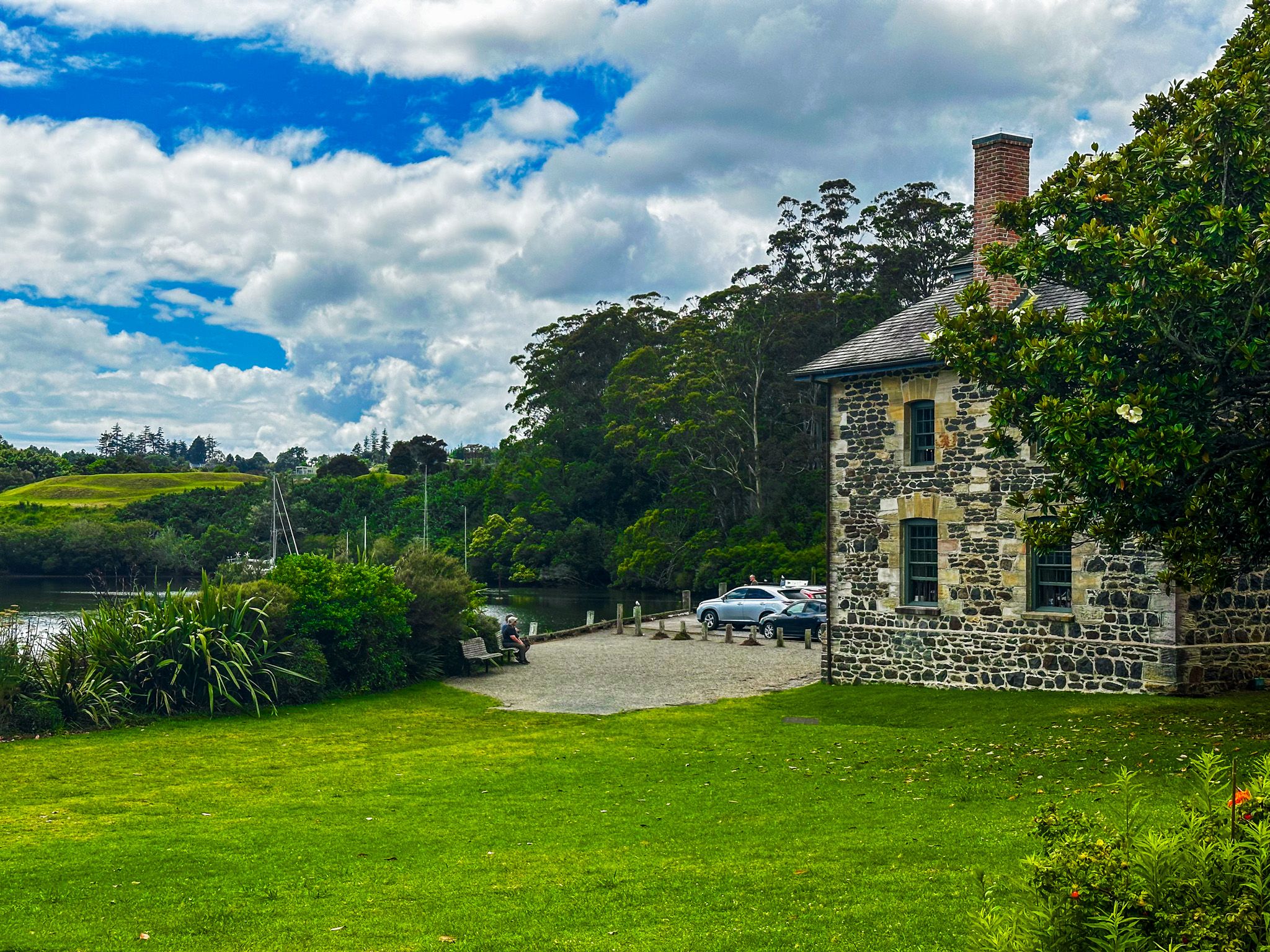
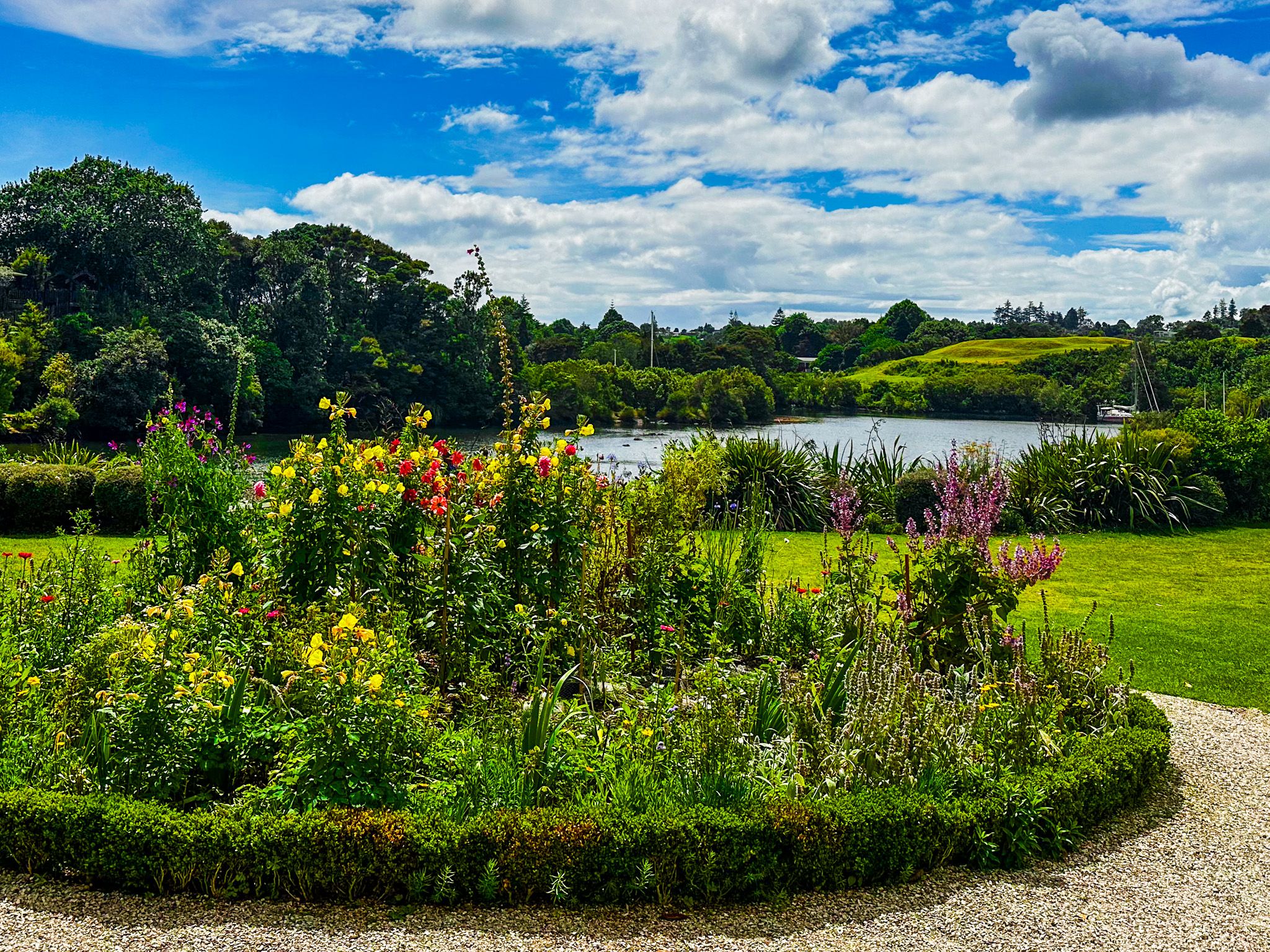
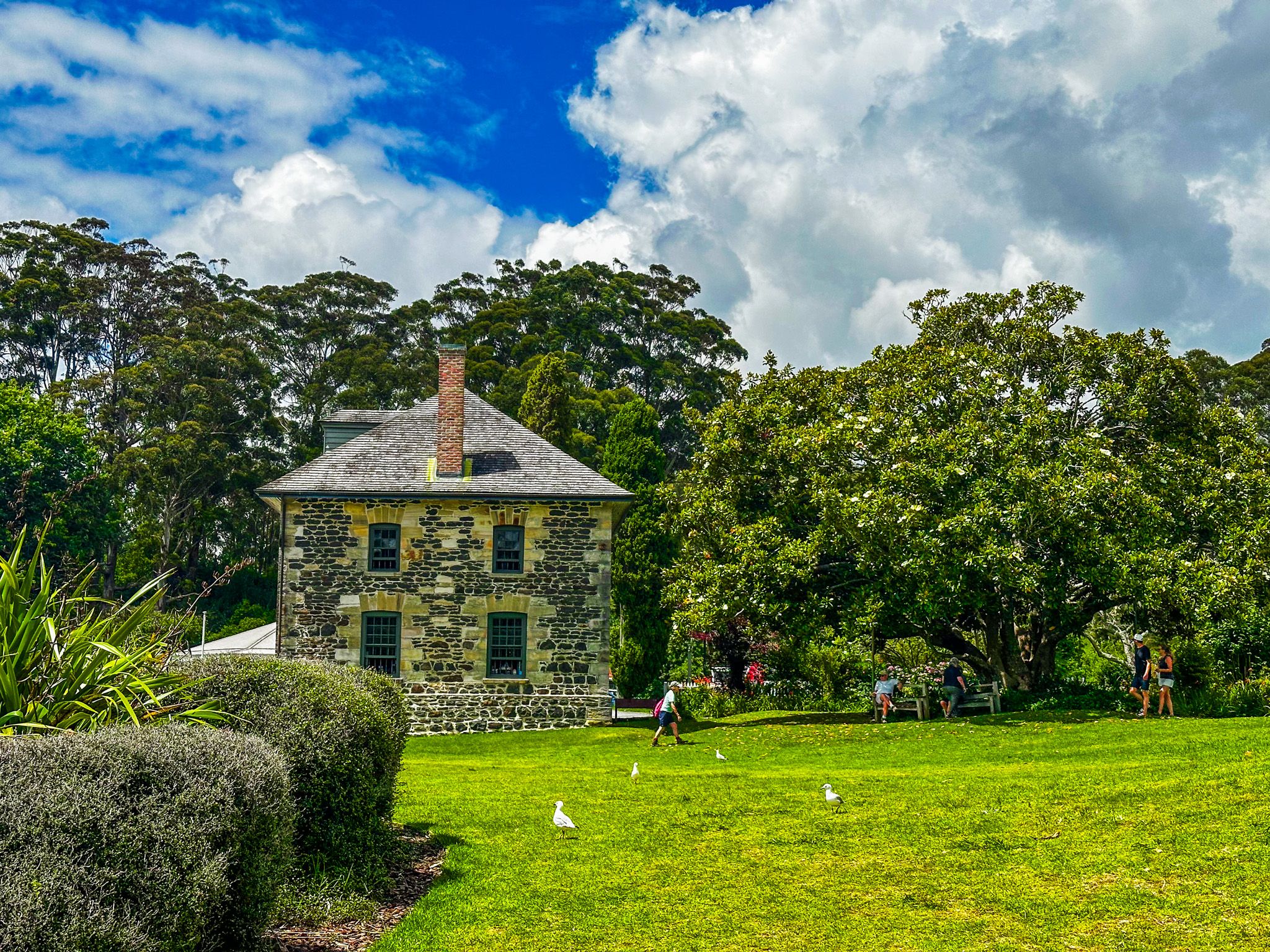
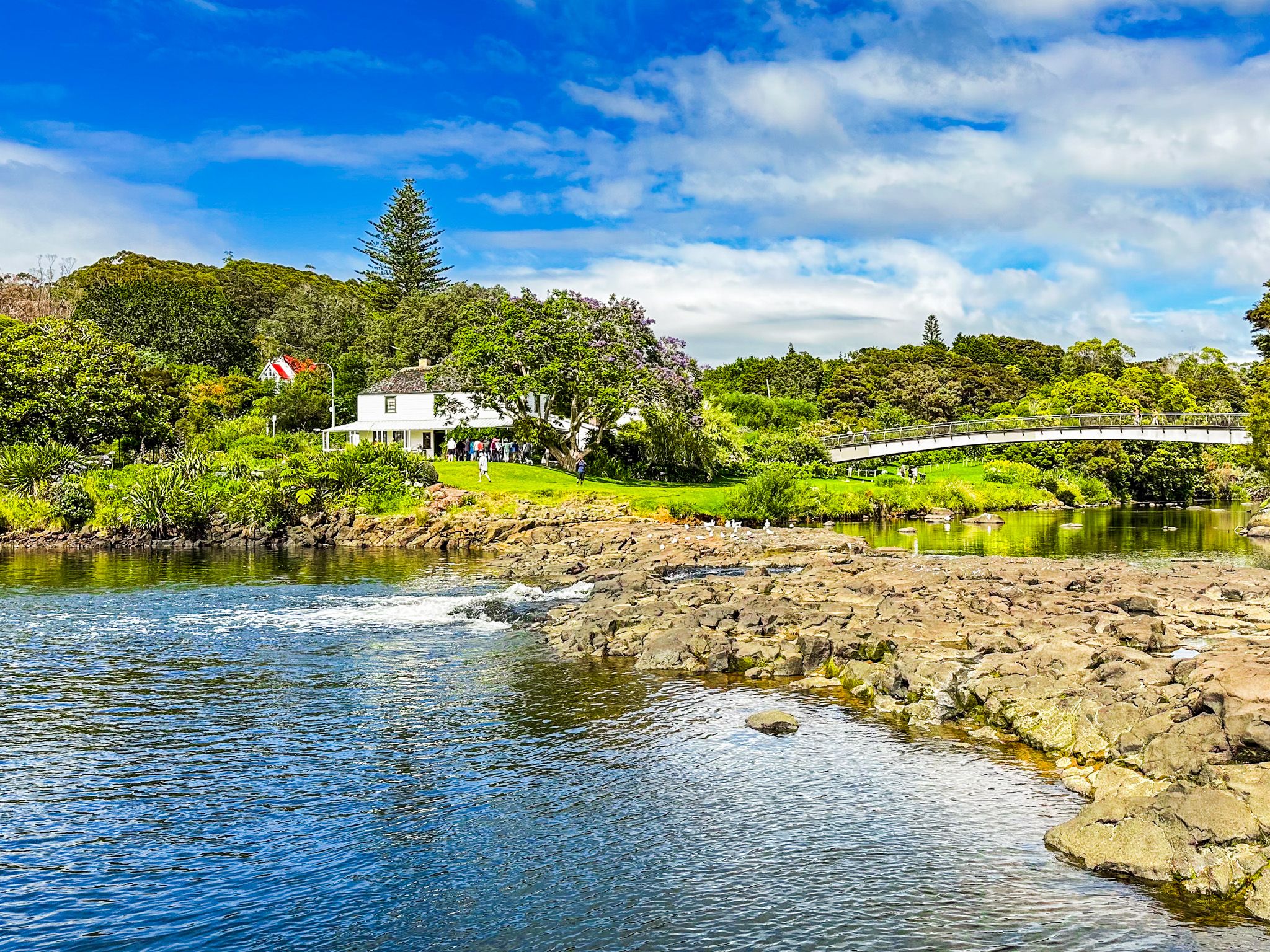
Located on the edge of the Kerikeri River in the Kerikeri Basin, Kerikeri, Mission House, also known as Kemp House, and the Stone Store are significant historical landmarks. Built in 1822 and 1832-36 respectively, these structures are the oldest wooden and stone buildings in New Zealand. The Stone Store, situated about 20 metres southeast of Mission House, is accompanied by a small wharf, originally constructed from stone during Kerikeri's early development. Behind Mission House, you will find a café overlooking the Kerikeri River.
Significance of the Missions
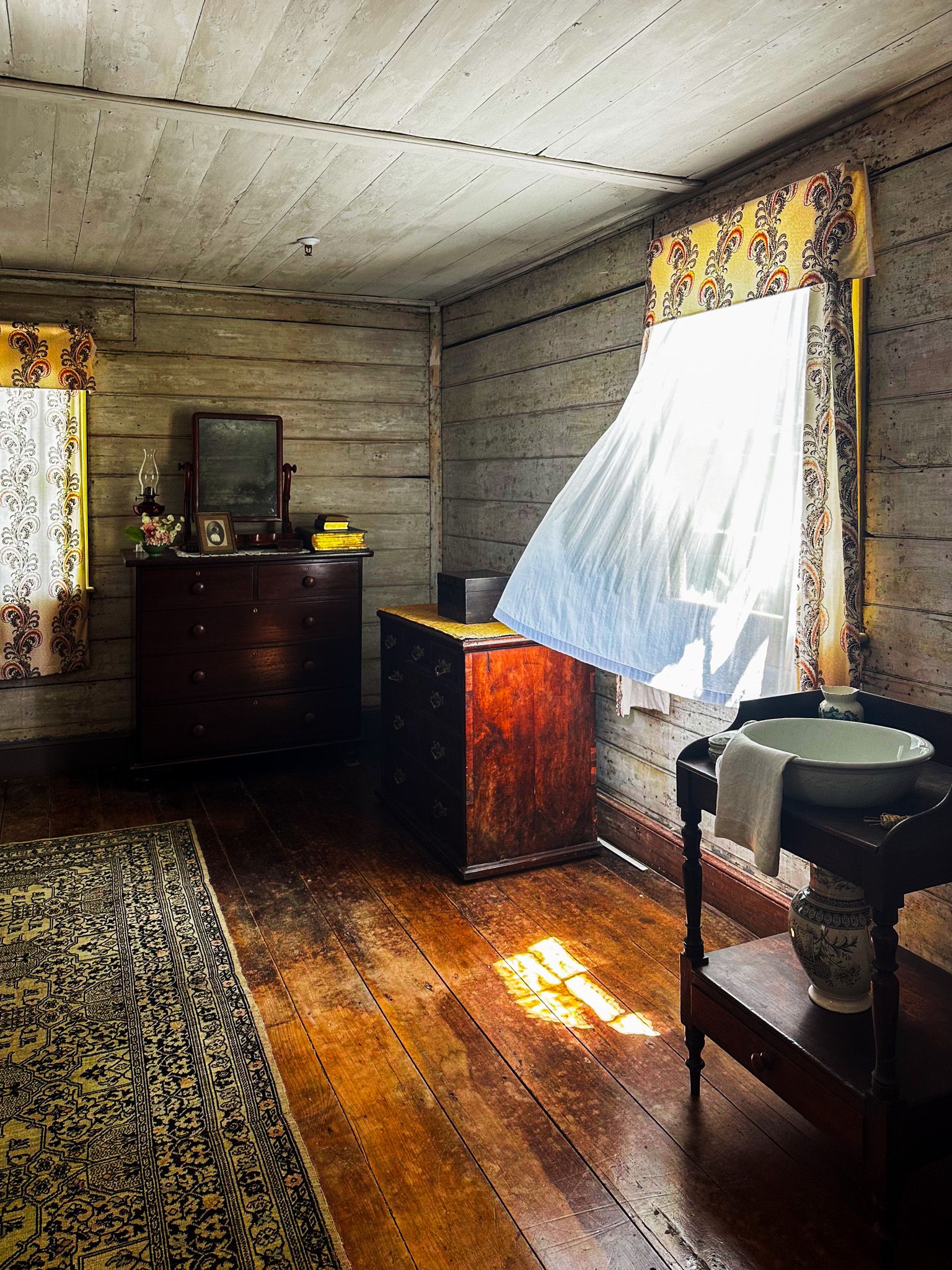
Mission House was the first of several mission houses established in New Zealand before the Treaty of Waitangi in 1840. These houses, scattered across Northland from the Bay of Islands to Whangaroa Harbour and west to the Hokianga, were built to accommodate missionaries from various Christian churches.
The missionaries aimed to bring education and Christianity to Māori communities in the early 1800s. Māori iwi were supportive, providing land and resources to facilitate the missionaries' arrival, which improved trade and political relations with Europeans and played a crucial role in developing a written Māori language.
The Establishment of Mission House
Samuel Marsden acquired the land for the Church Mission Society from Hongi Hika of Ngāpuhi to establish a mission station. Reverend John Butler was tasked with constructing the buildings, with protection provided by Kororipo Pā to the southeast.
While Marsden, Thomas Kendall, and Hongi Hika travelled to Britain, Mission House was built using locally milled kauri by both Māori and European labour. Completed in 1822, its significance was somewhat marginalised when Kendall and Hongi Hika returned with a thousand muskets, which led to Kororipo Pā being used as a base for Ngāpuhi campaigns during the Musket Wars.
The Kemp Family and Heritage Management
After Butler was dismissed in 1823, George Clark occupied the house until James and Charlotte Kemp took over in 1832. The Kemps became the property's owners in 1859, and it remained in the family until 1974, when Ernest Kemp, a great-grandson, gifted it to New Zealand.
Today, Heritage NZ manages the house, which operates as a museum with a modest entry fee, showcasing the early interactions between Europeans and Māori. The site also features a heritage garden, orchard, and a café in a separate heritage building.
The Stone Store's Evolution
Initially part of the Church Missionary Society’s mission, the Stone Store began as a wooden structure for trade between Europeans and Māori. In the early 1830s, the store was upgraded to stone for better protection against rats, defence against Māori threats, and fire risk.
However, by the mid-1830s, the store struggled to compete as other European settlers and Māori developed their own businesses. The building then served various roles, including a mission library, a magazine and barracks during the Flagstaff War, a kauri gum trading centre, and a boys' school.
Transition to a Tourist Destination
The Kemp family purchased the Stone Store in 1874, transforming it into a general store and later a tourist attraction. In 1975, it was sold to Heritage NZ and continues to operate as a store offering a range of craft products. The Kerikeri Museum, located upstairs, charges a modest entry fee.
Getting to Kerikeri Basin
From Auckland, drive north on State Highway 1, then take State Highway 10 to reach Kerikeri. Head northeast on Kerikeri Road, which takes you through the town all the way to Kerikeri Basin.
Around Kerikeri, you can also walk the Kerikeri River Track to Wharepoke Falls and Rainbow Falls, and walk to Te Wairere Falls and Charlies Rock.