Bay of Islands: A Blend of History and Nature
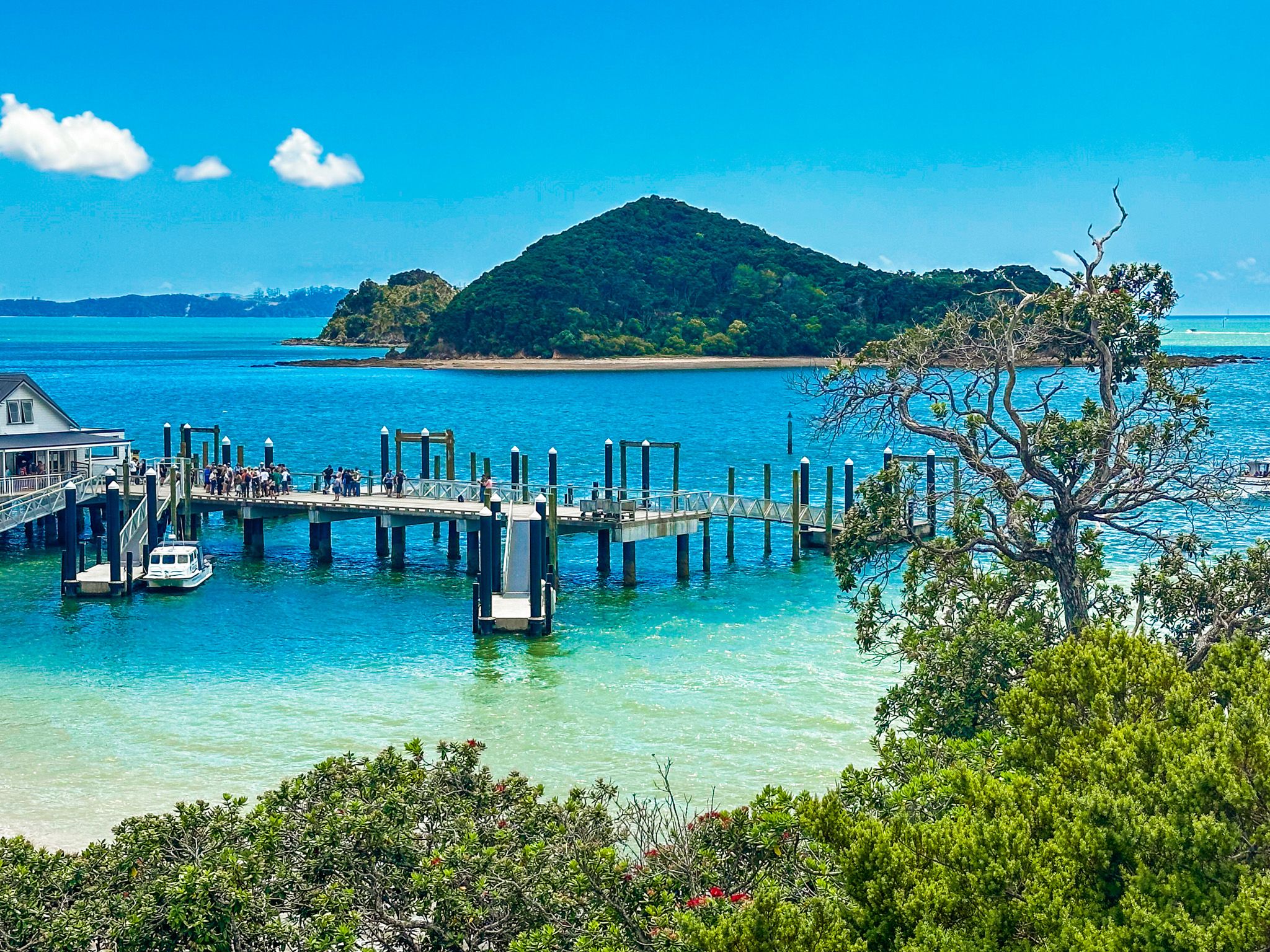
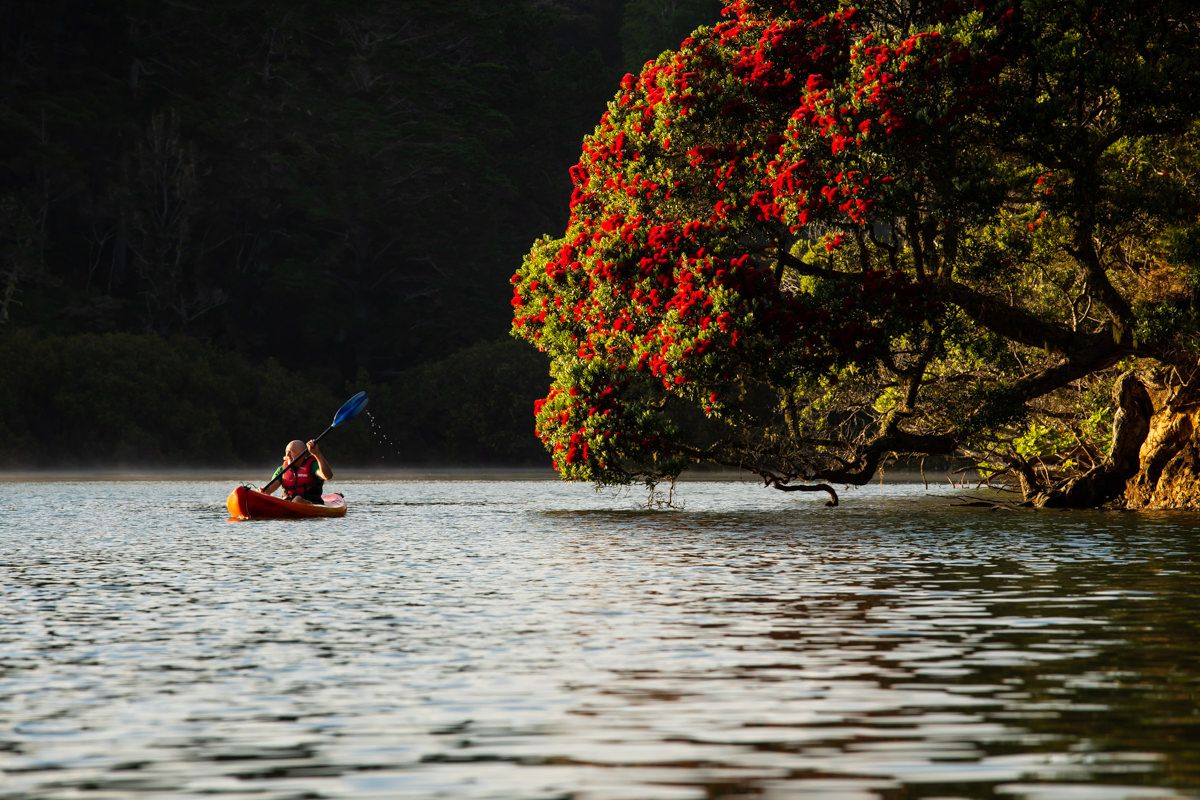
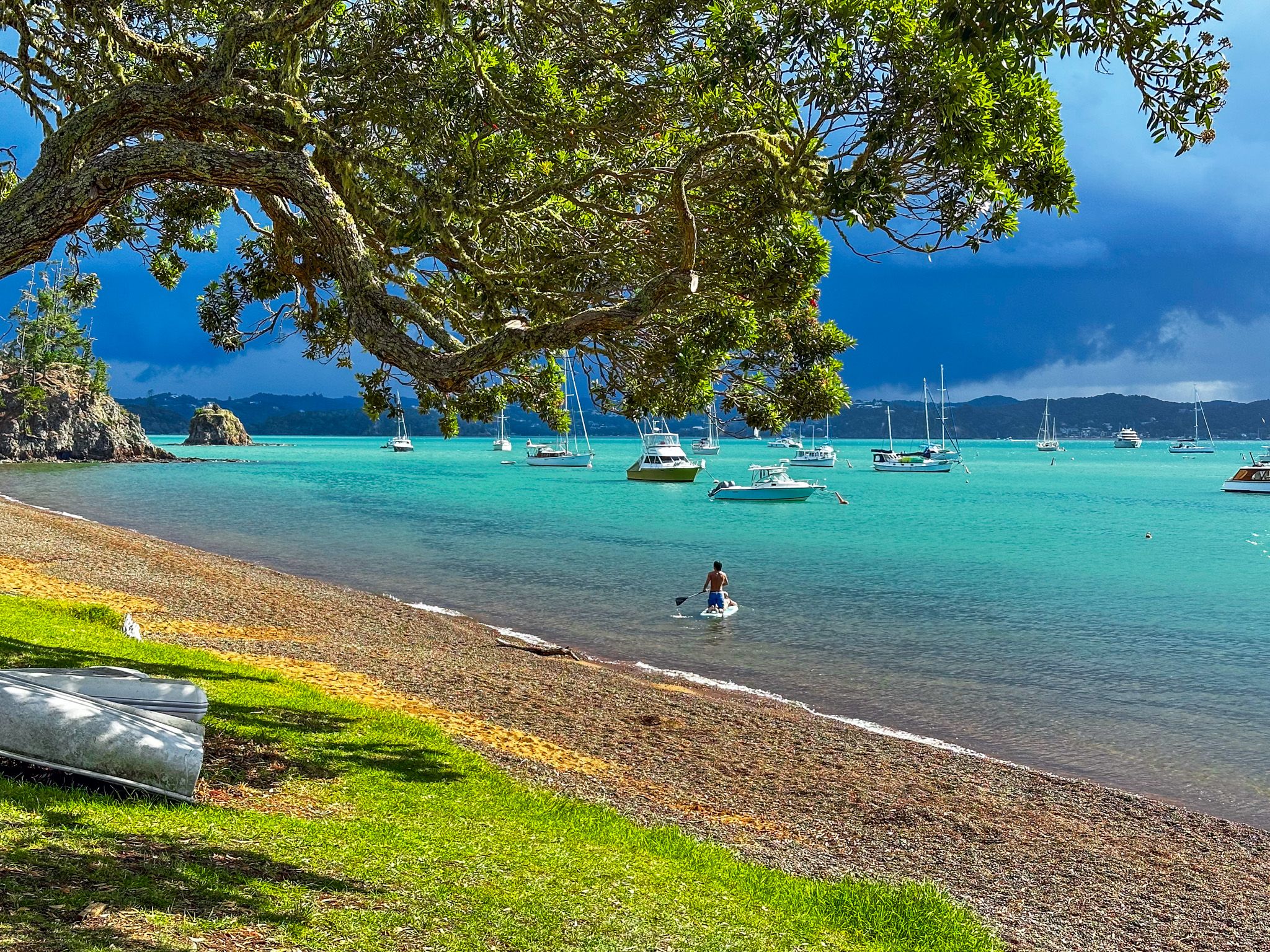
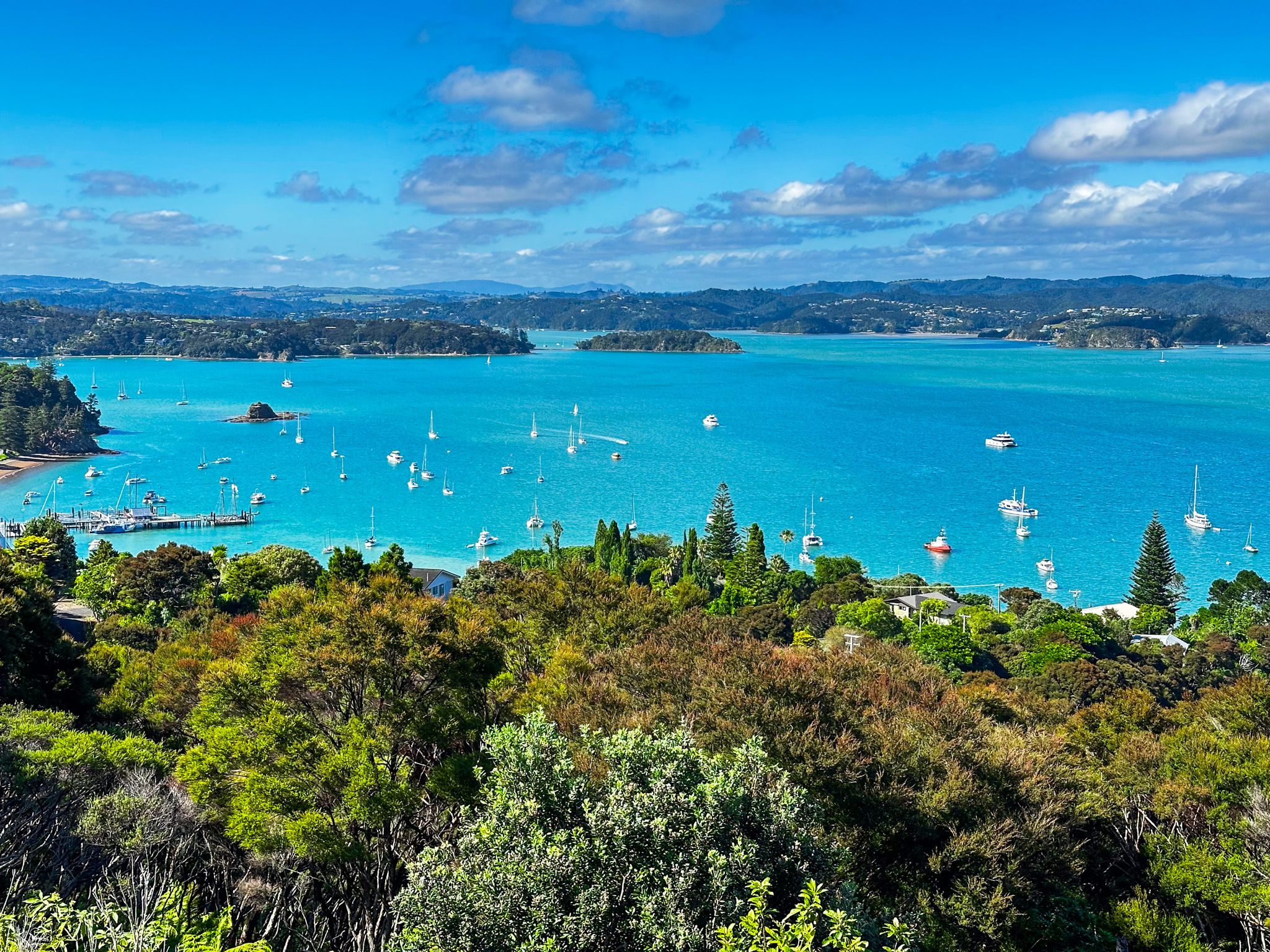
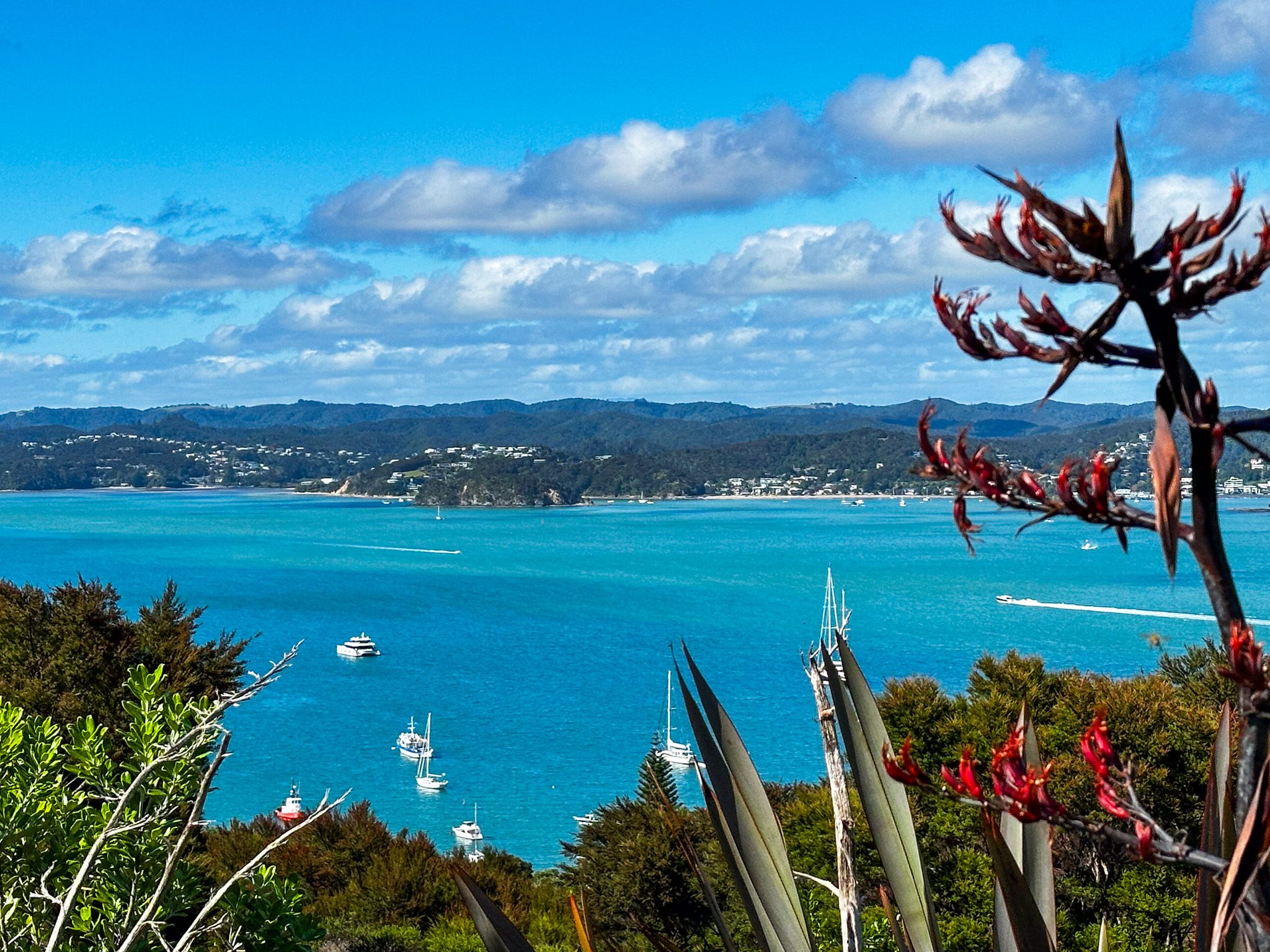
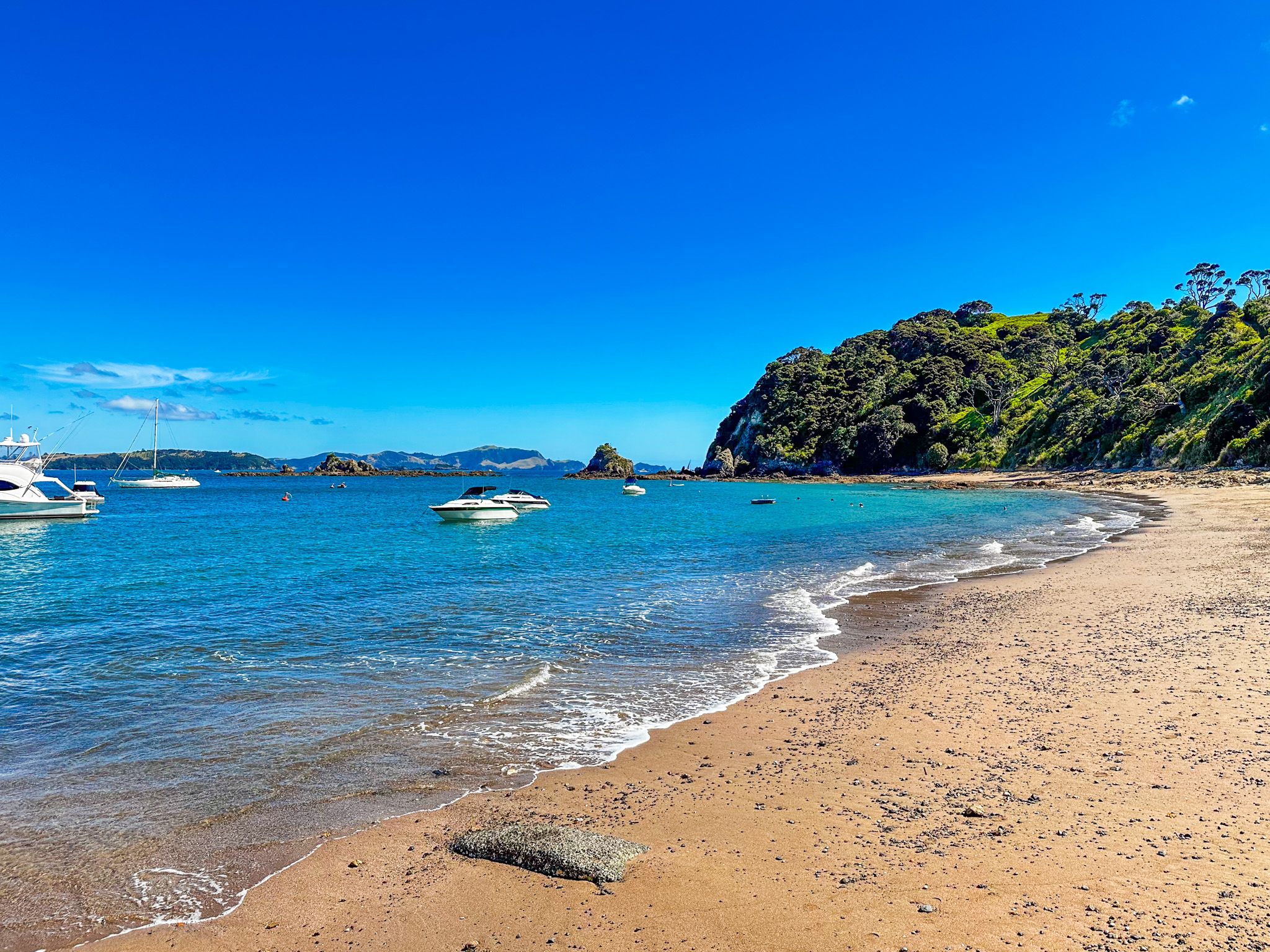
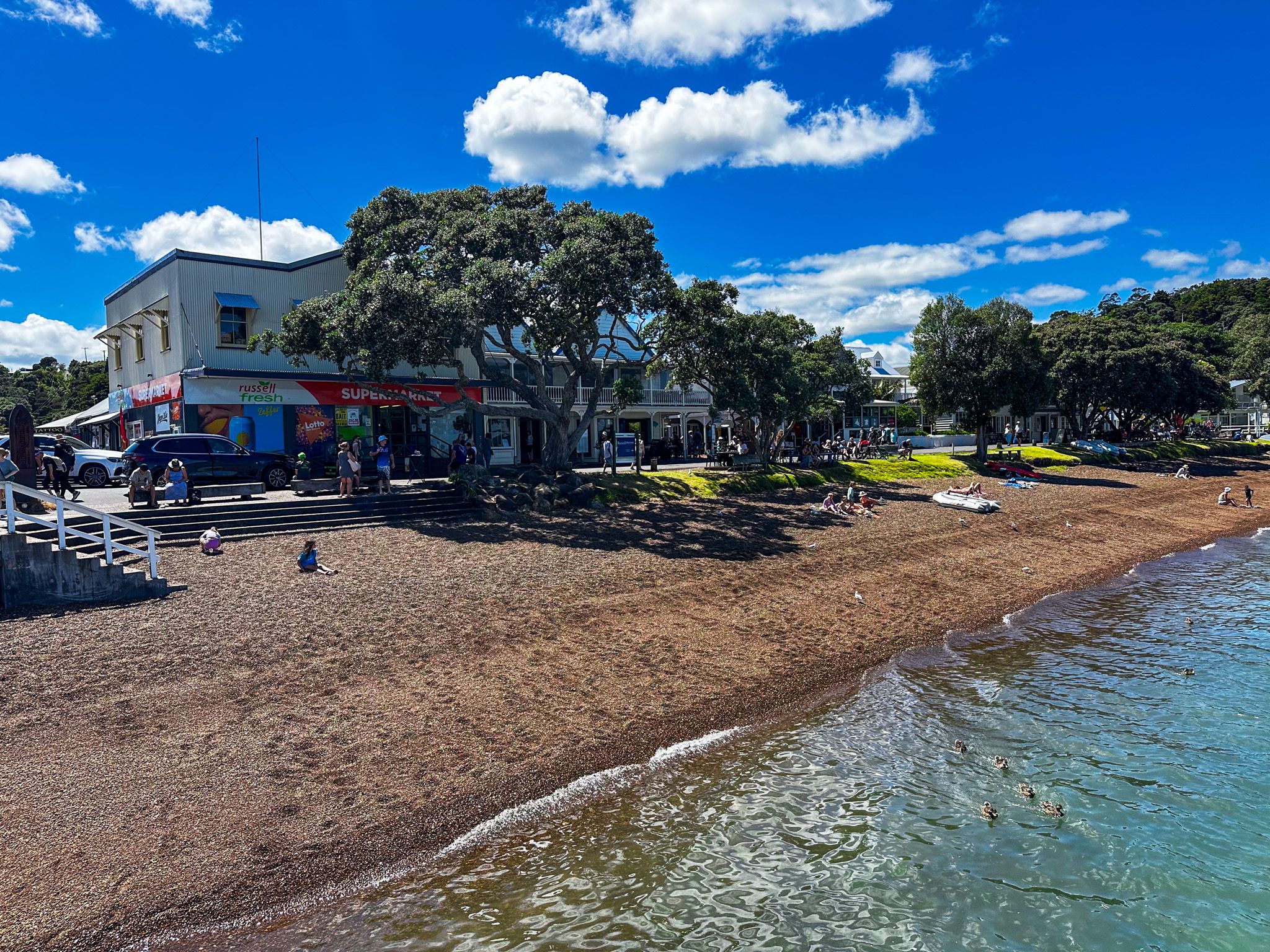
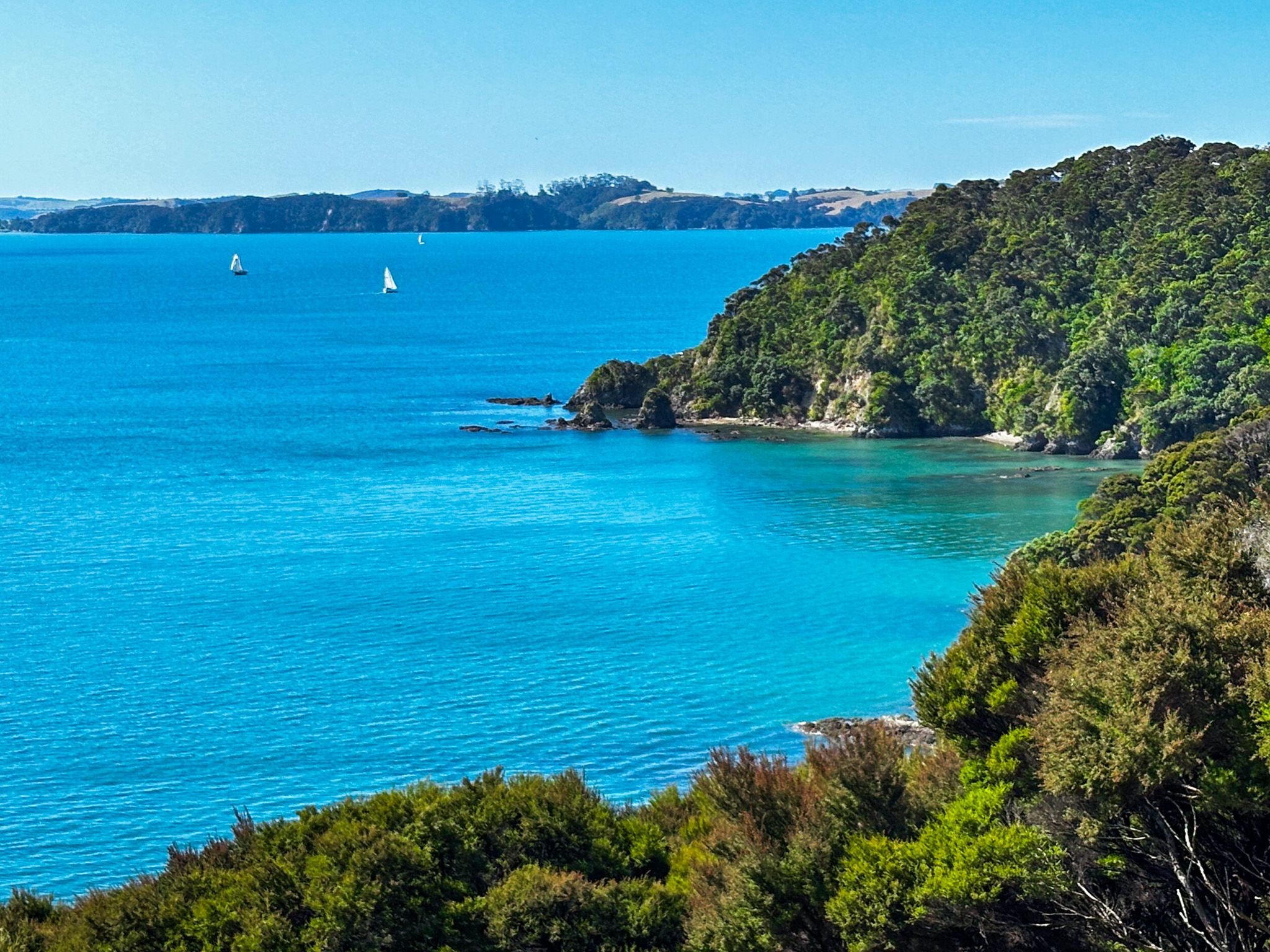
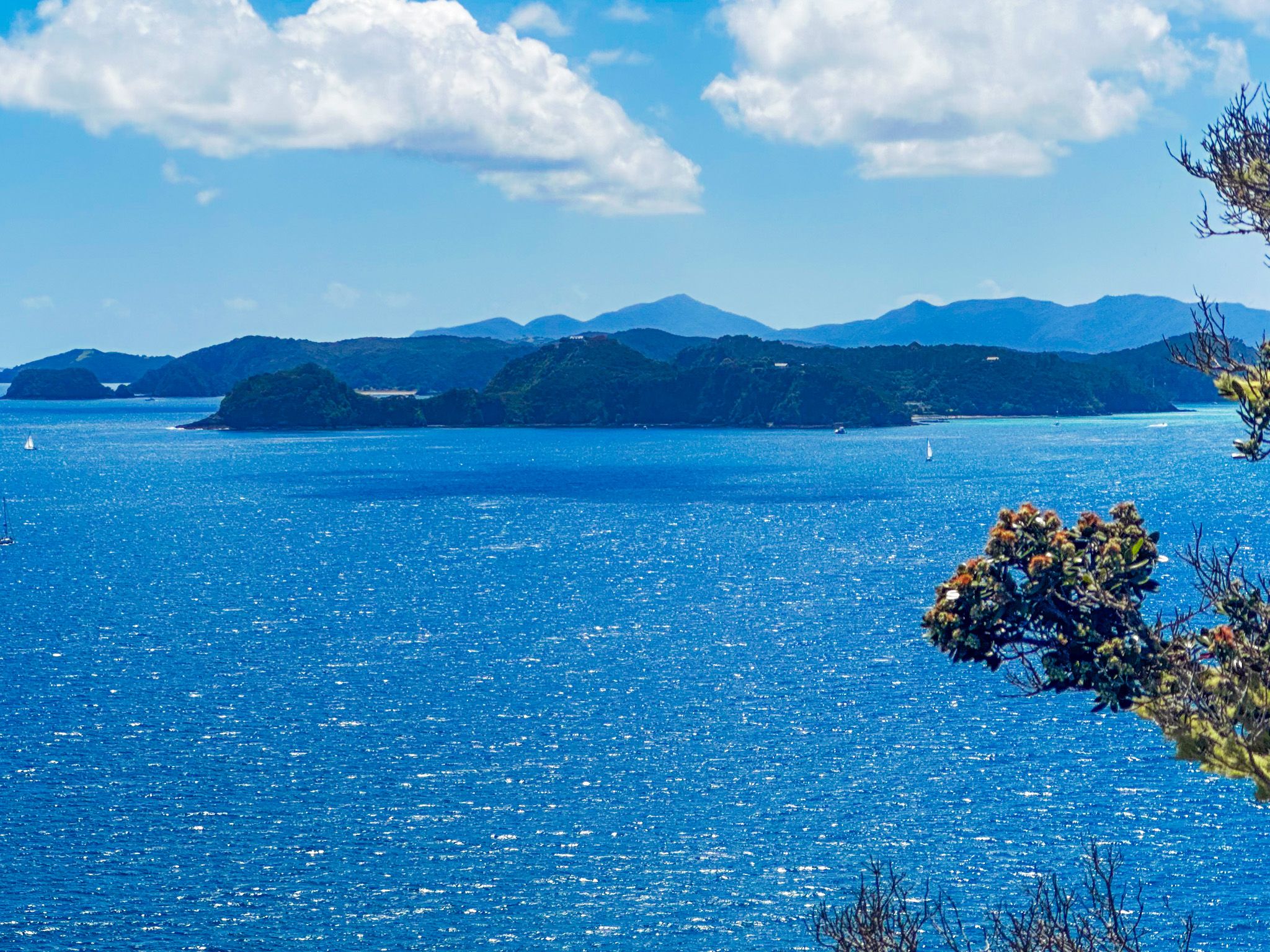
Located in Northland, the Bay of Islands stretches from Purerua Peninsula to Cape Brett. This stunning area comprises numerous islands and was a hub of early Māori and European interaction, including the first European town, Kororāreka (Russell). Visitors are drawn by its historical significance and diverse outdoor activities, including walks and hikes, cycling, deep-sea fishing, dolphin watching, and exploration of its marine reserves.
Formation and Geographical Features
The Bay of Islands was formed around 18,000 years ago due to a 100-metre rise in sea levels at the end of the last ice age. Before this transformation, the landscape was shaped by volcanic activity from the Kaikohe-Bay of Islands volcanic field, followed by extensive erosion over millions of years.
Today, the bay's coastline extends around 800 km, despite being only 18 km wide. There are several inlets, such as Kerikeri Inlet, Te Puna, and Waikare, along with numerous sub-bays and coves, and approximately 150 islands.
Historical Significance
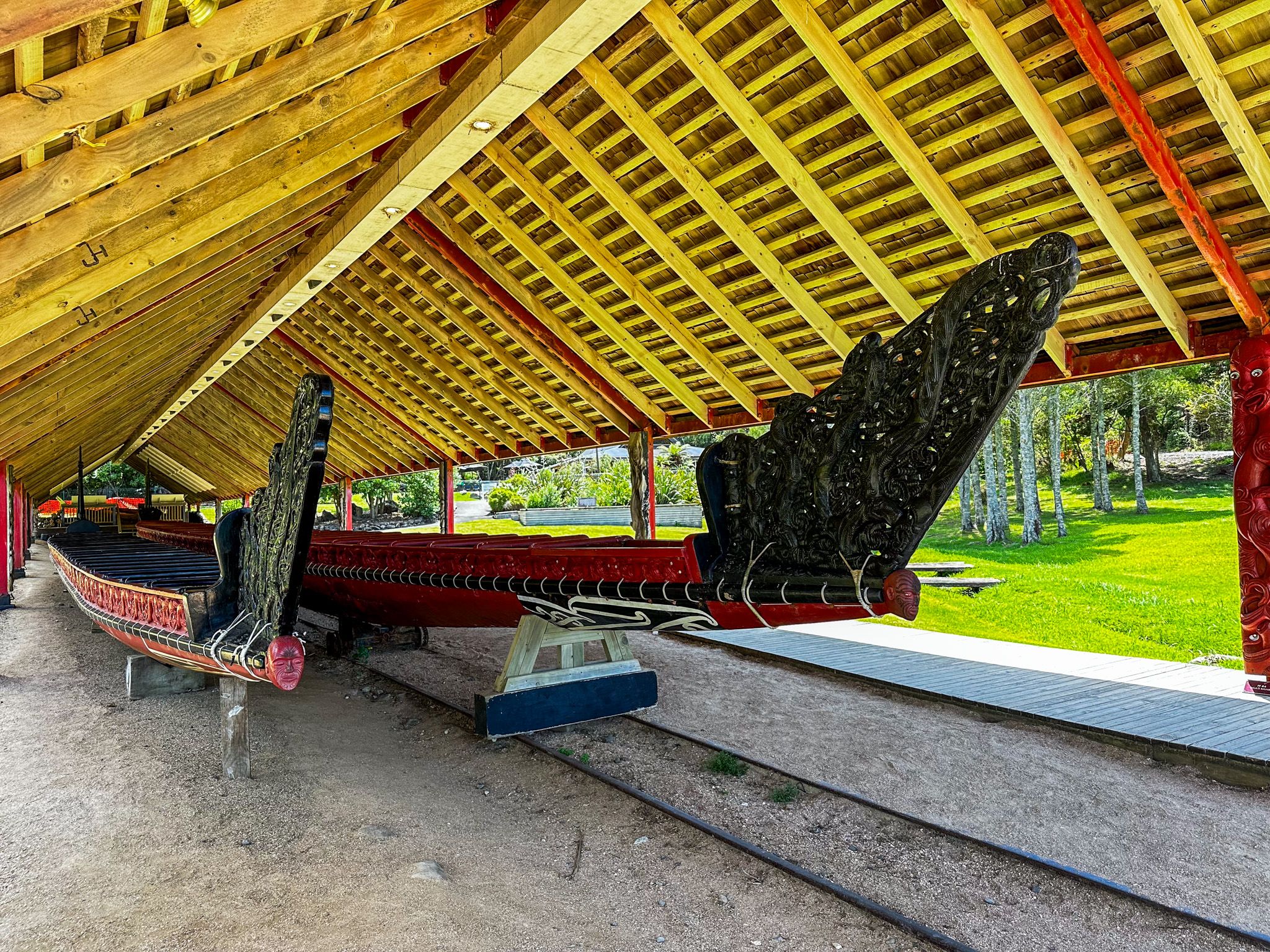
The Bay of Islands is important for both Māori and early European settlers. Polynesian explorers such as Kupe and Ngahue are believed to have visited the area around the tenth century. Large-scale settlement began 700 years ago with the arrival of the Mātaatua canoe from the Bay of Plenty, leading to the establishment of the Ngāpuhi iwi, now the largest in New Zealand. By the time Captain James Cook arrived in 1769, Māori communities were well established. Cook's initial contact with the Māori was facilitated by Tupaia, a Tahitian translator.
In 1772, French explorer Marc-Joseph Marion du Fresne met a tragic fate when he and 26 crew members were killed by local Māori, possibly for violating tapu. The French retaliated by attacking several villages, resulting in a significant loss of life and demonstrating the power of guns. By the 1800s, whalers and traders were active in the region, providing commercial opportunities to Māori. Missionaries arrived, with Samuel Marsden establishing the first mission at Rangihoua Bay in 1814, followed by a mission at Kerikeri next to Kororipo Pā. The acquisition of large quantities of guns by Ngāpui centred around the region came with the Europeans, kicking the Musket Wars into high gear in 1818.
Development of Kororāreka and the Treaty of Waitangi
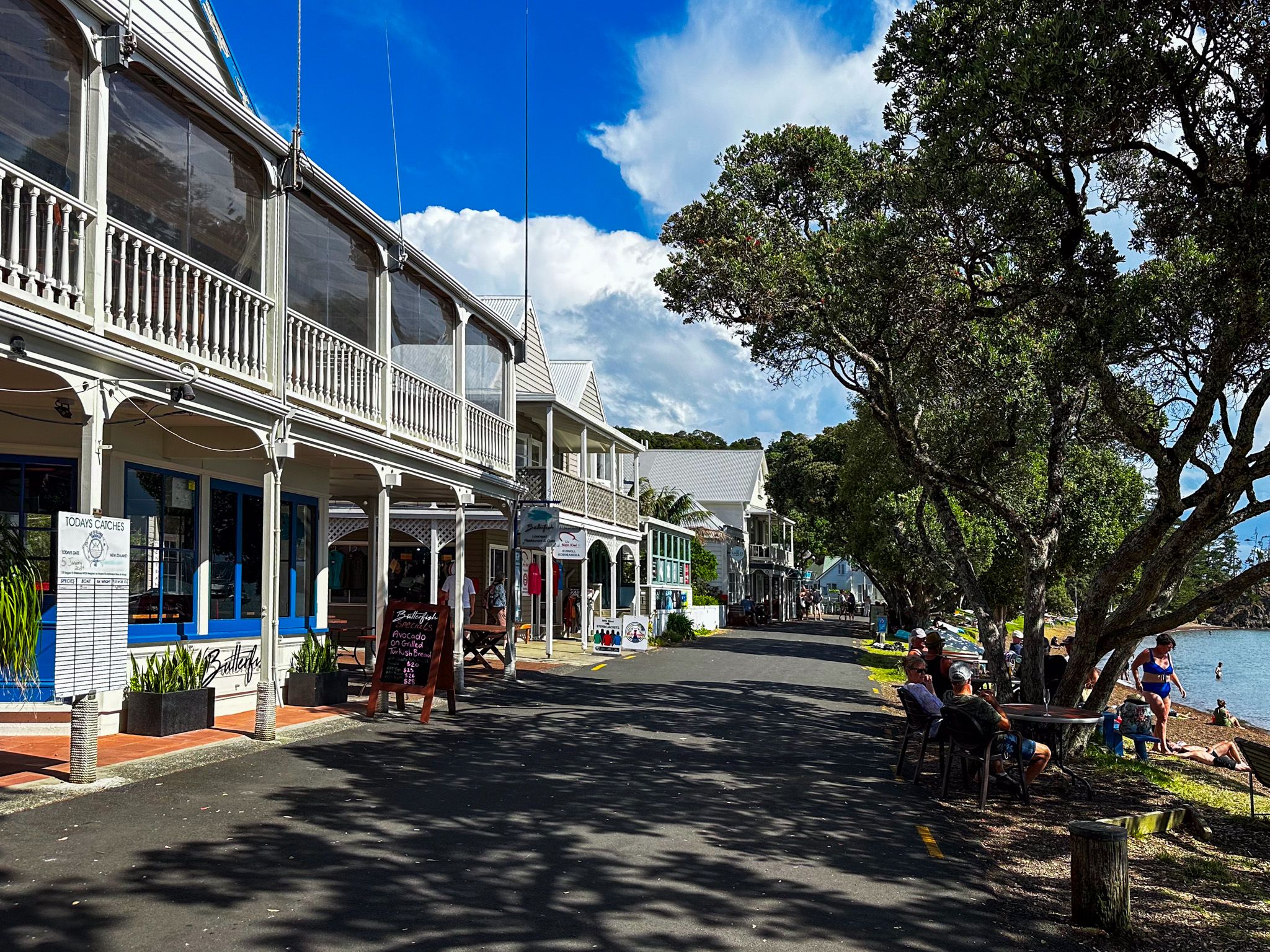
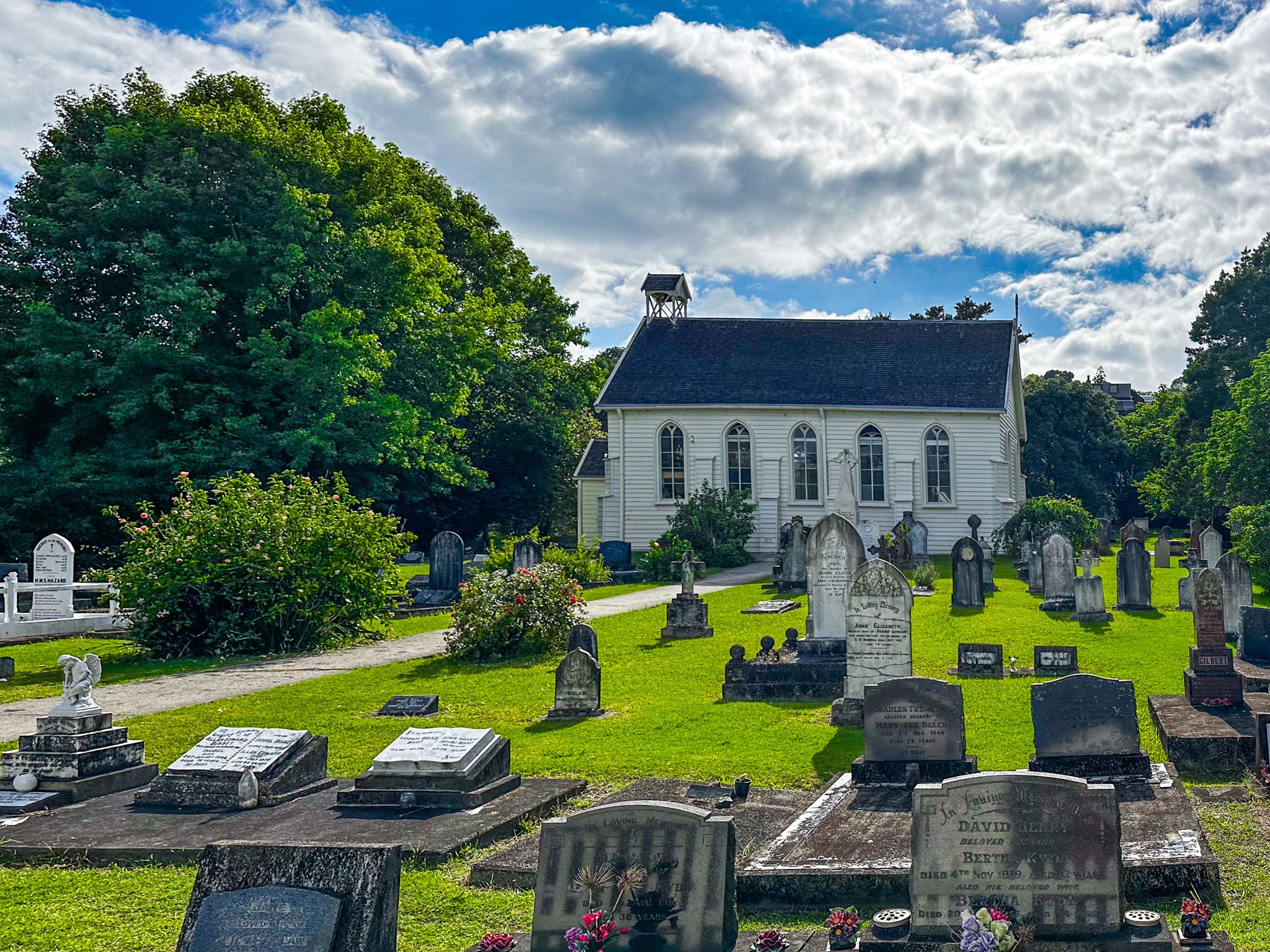
Kororāreka, later renamed Russell, emerged as the first real European town in New Zealand by the 1830s. Initially supporting whaling, the town later focused on kauri log milling. Despite its reputation as the "Hellhole of the Pacific," the town played a crucial role in New Zealand's early history.
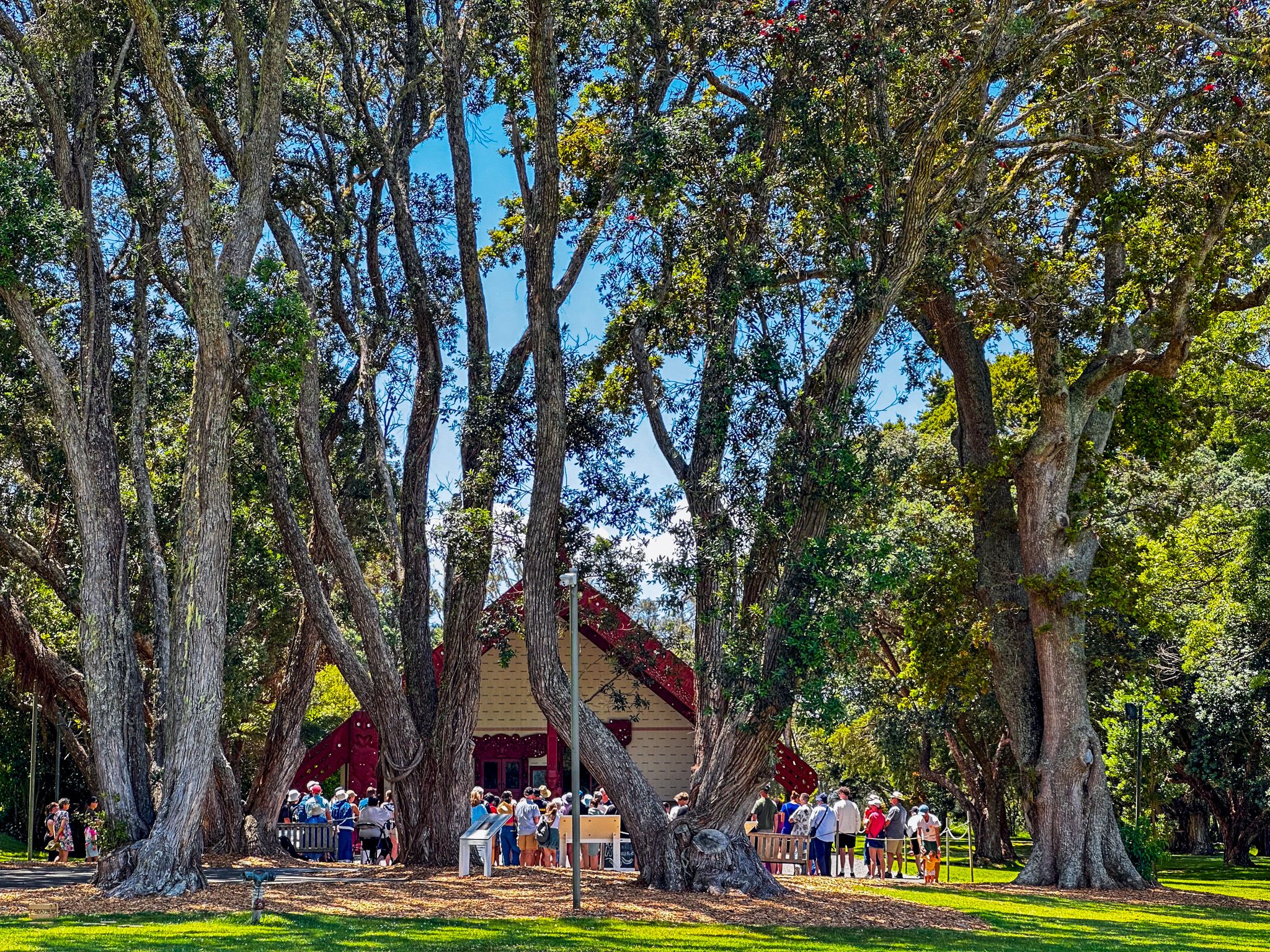
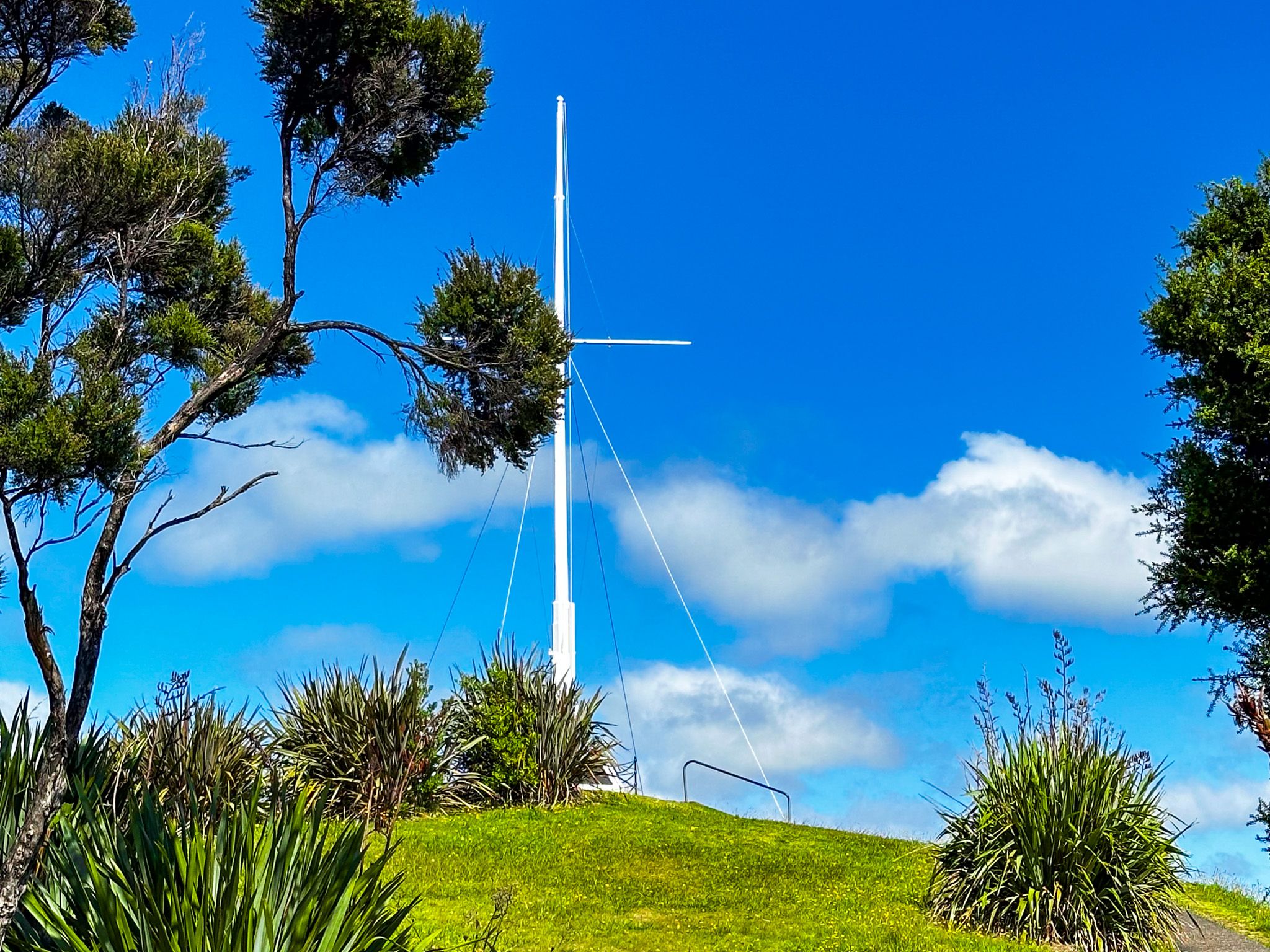
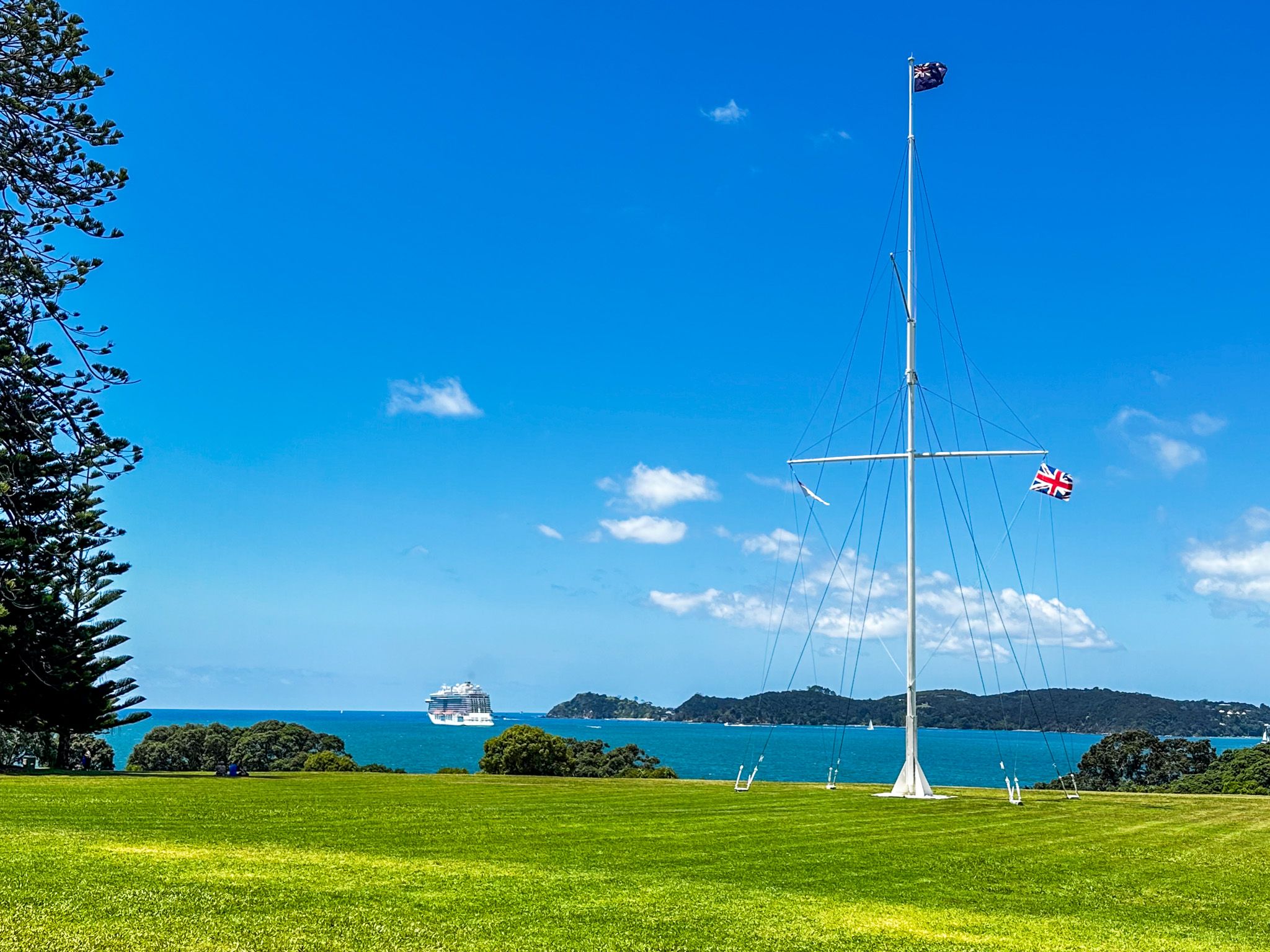
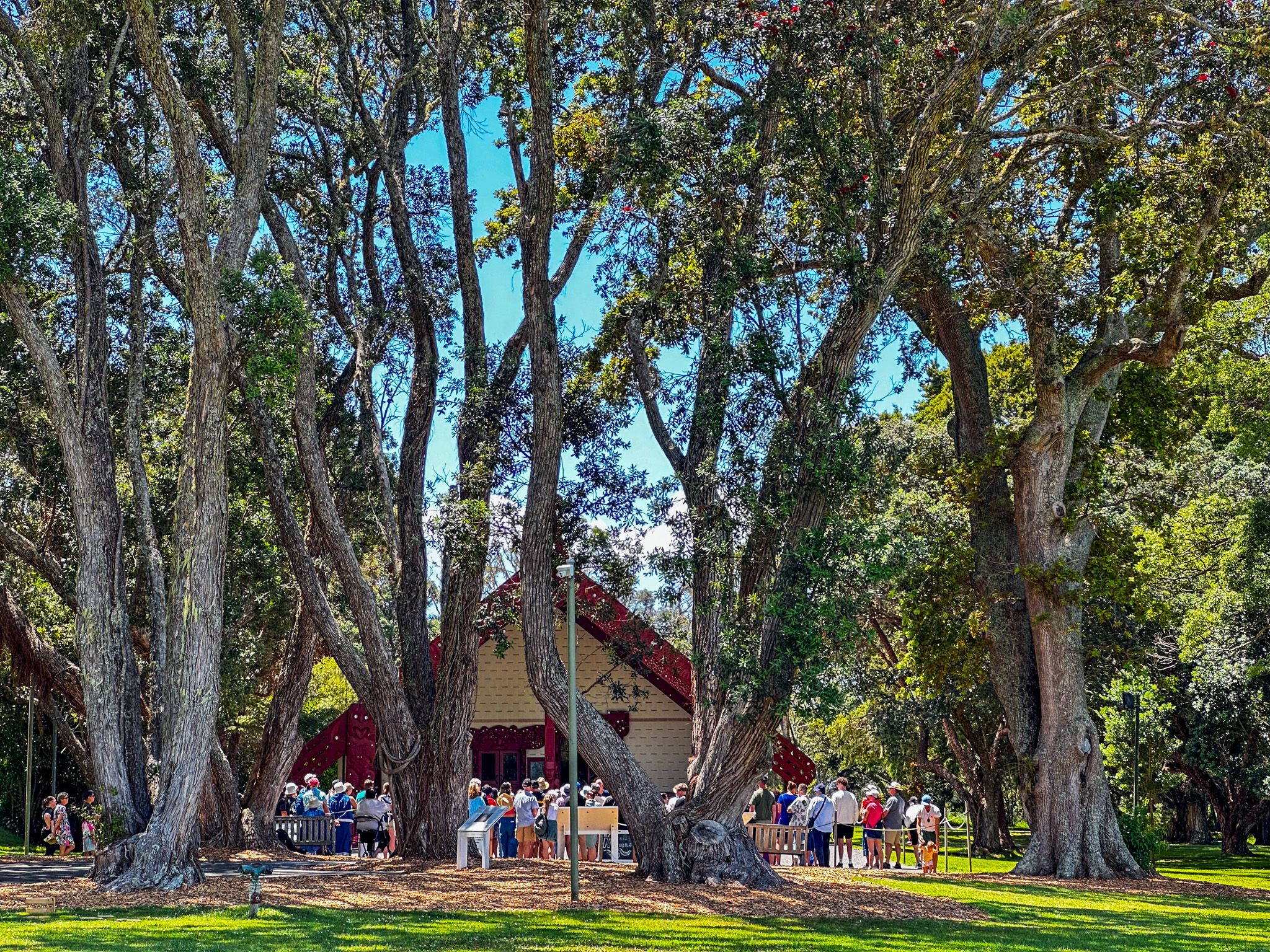
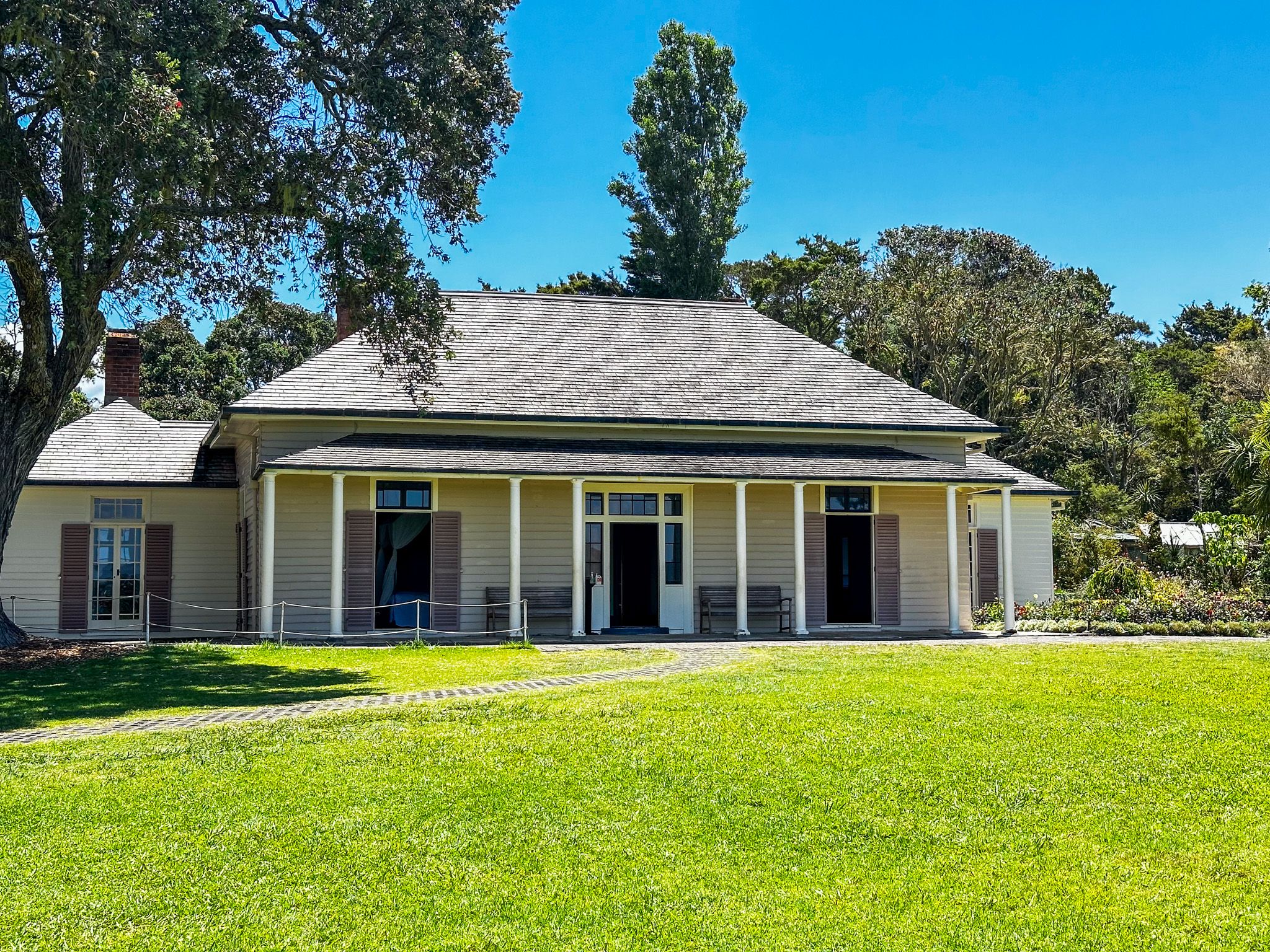
James Busby, the first British Resident, built his home at Waitangi in the early 1830s. In part due to his efforts, 34 Northern Māori rangatira signed the Declaration of Independence of the United Tribes of New Zealand in 1835, with British government support. This was followed by the Treaty of Waitangi in 1840, resulting in British sovereignty.
The Flagstaff War erupted in 1845, led by Ngāpuhi chief Hone Heke, in response to breaches of the Treaty. The conflict nearly destroyed Kororāreka, but it ended without a decisive outcome, underscoring the resilience of Northern Māori.
Tourism and Modern Attractions
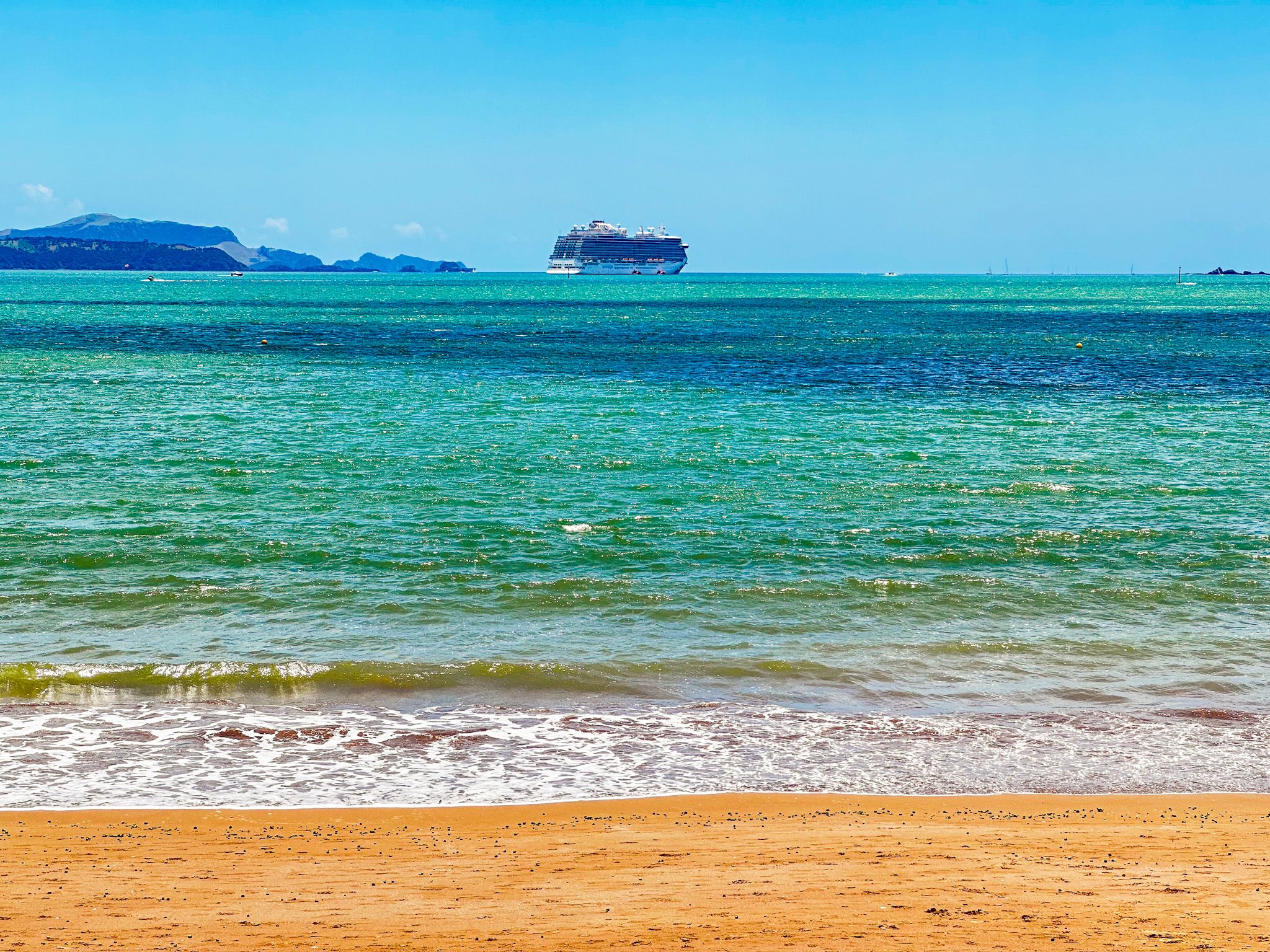
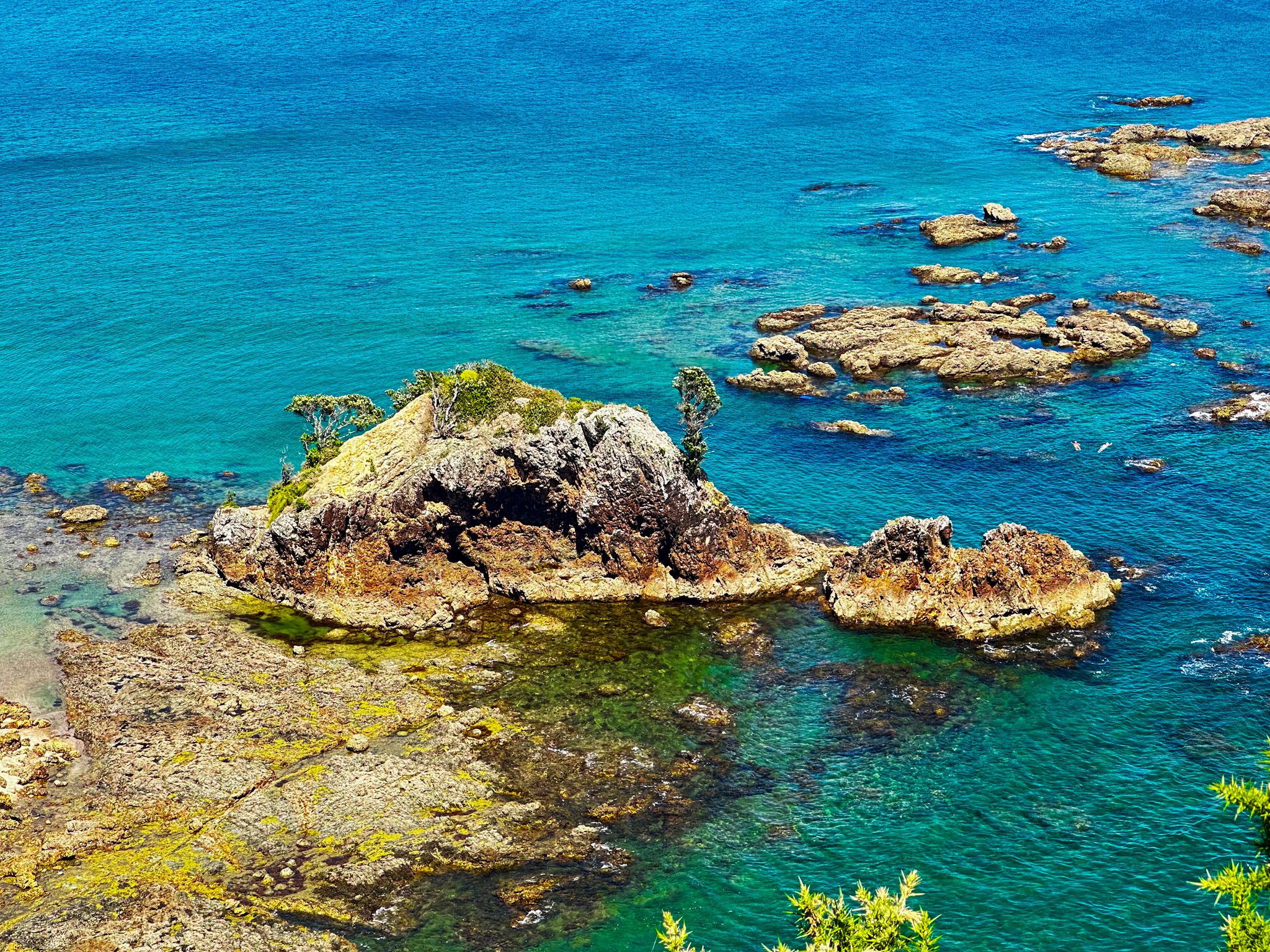
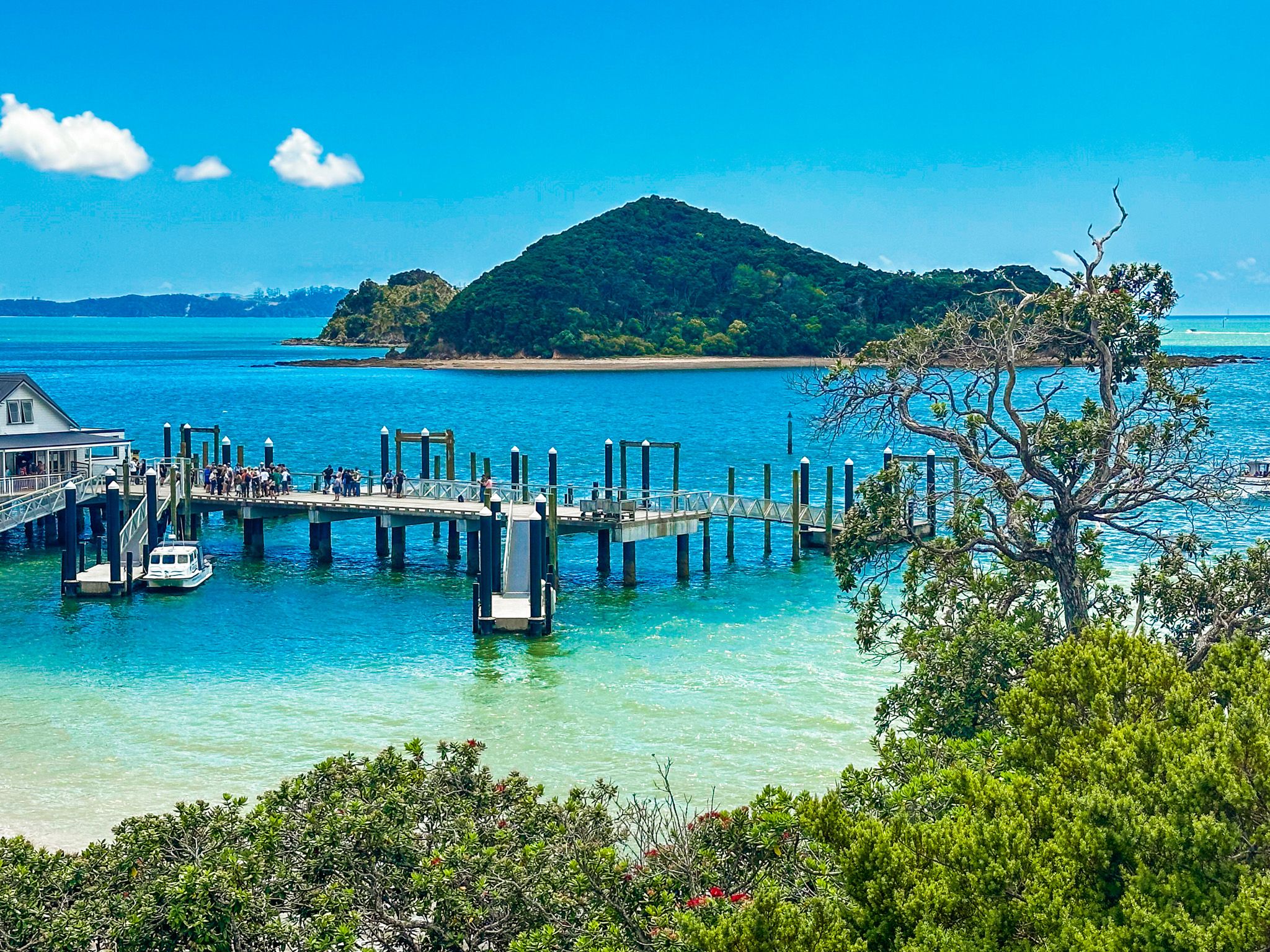
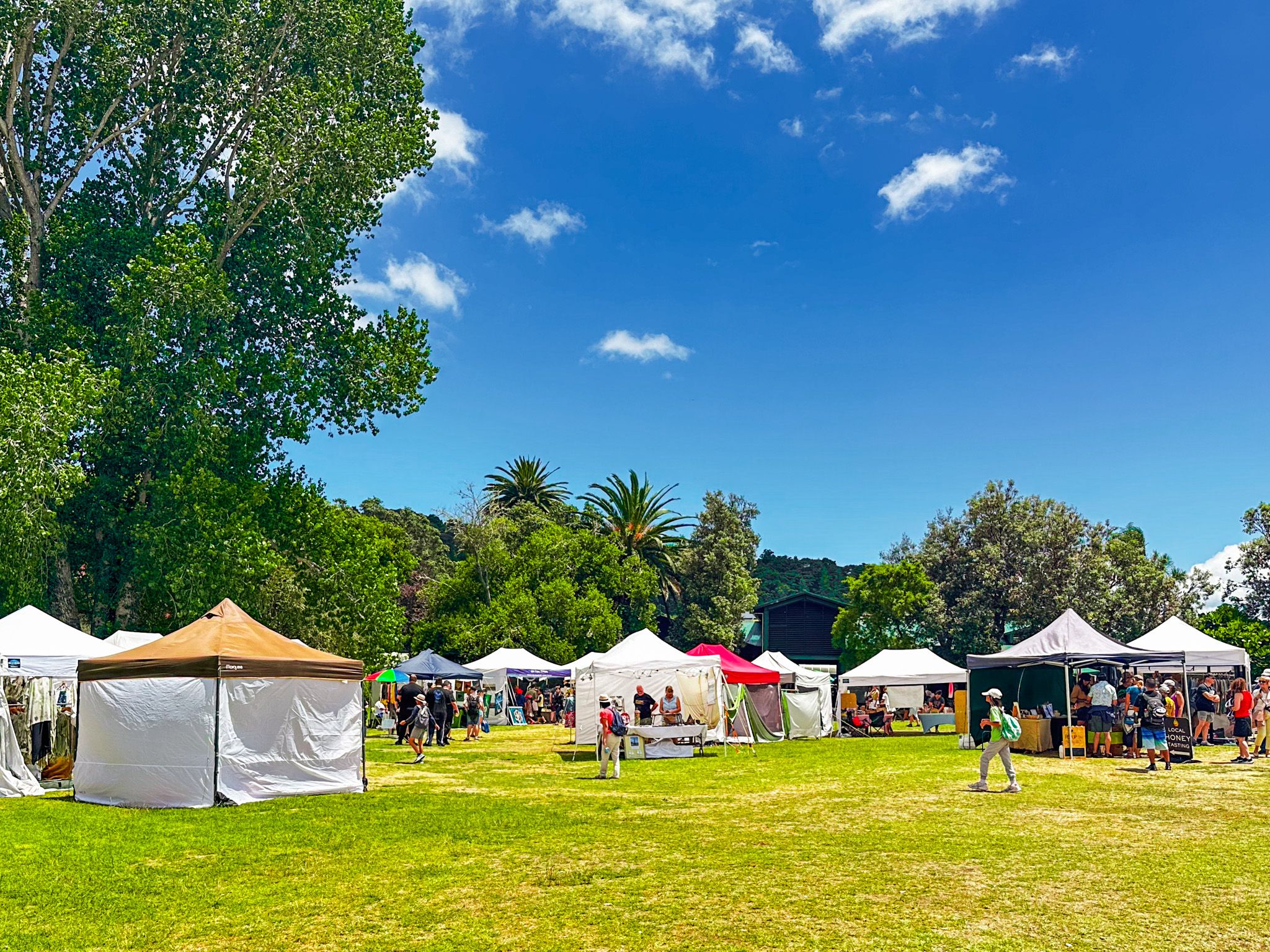
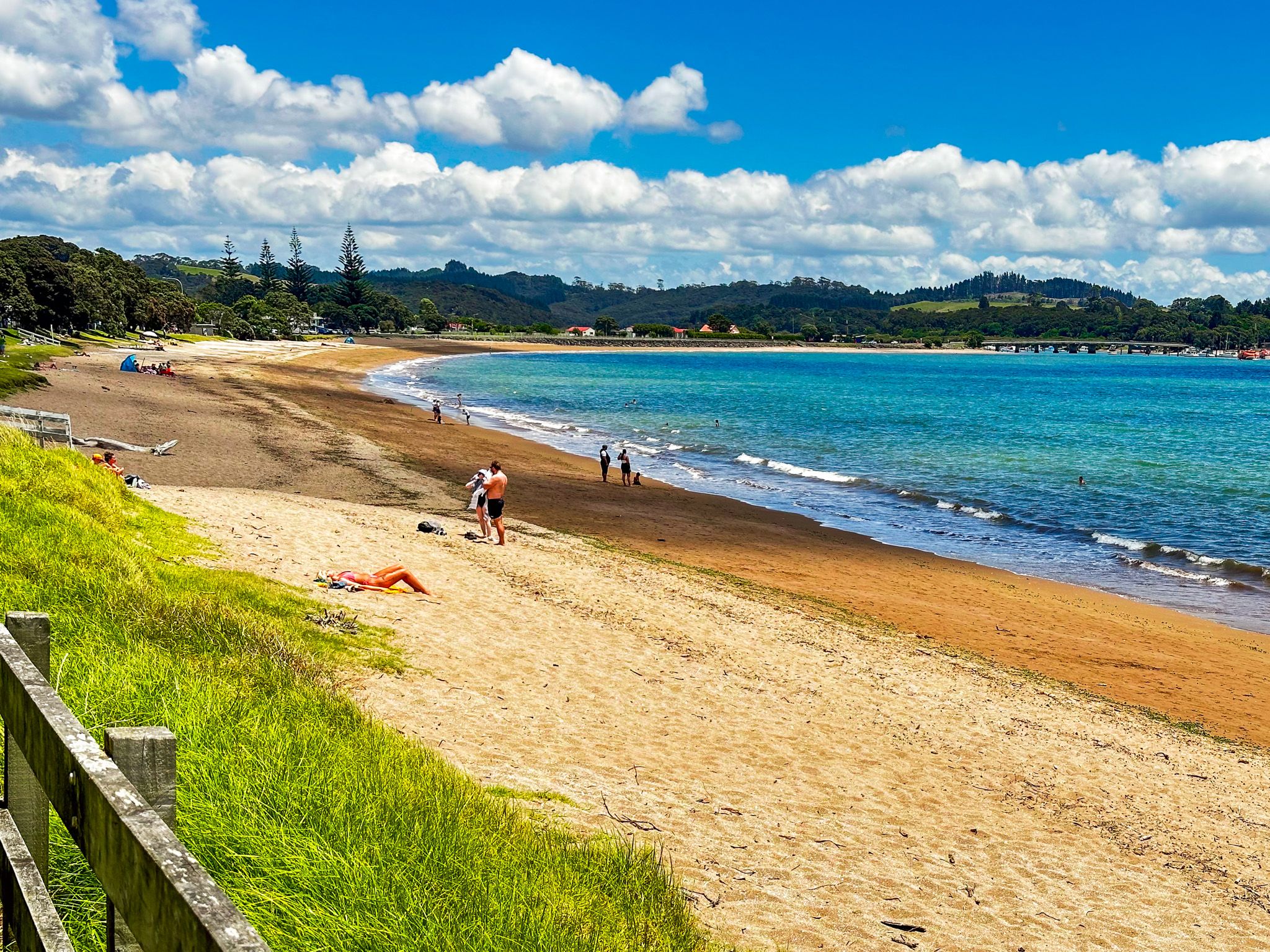
The Bay of Islands gained international fame in the 1920s when American author and explorer Zane Grey promoted it as a premier destination for deep-sea game fishing. Today, the bay offers a wide range of activities, from exploring accessible islands and the famous Hole in the Rock to enjoying coastal hikes, such as the Cape Brett Track. and Paihia's golden beaches. Water-based activities include dolphin watching, boating, snorkelling, and scuba diving in the bay's marine reserves.
Getting to the Bay of Islands
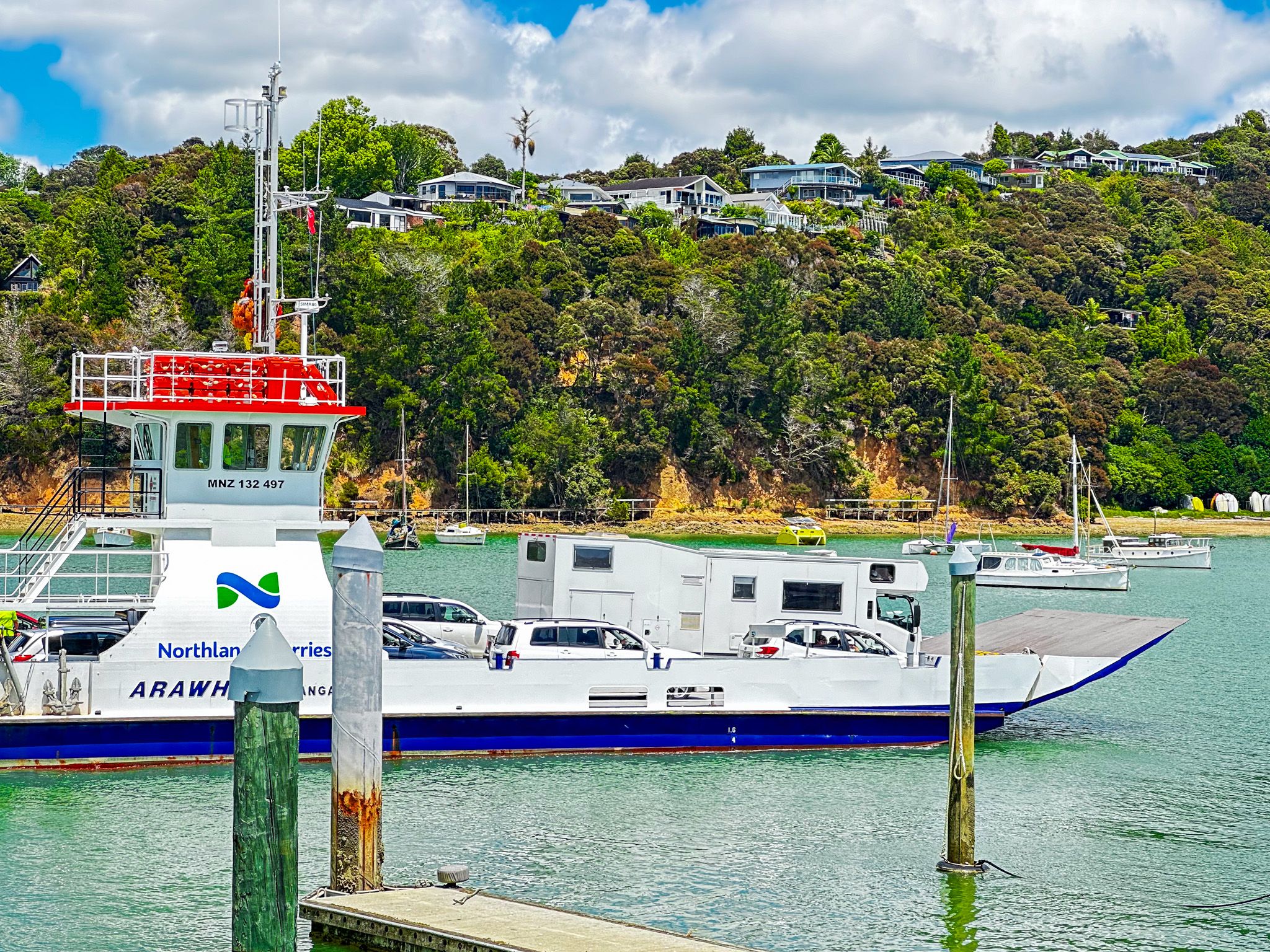
The drive from Auckland to the Bay of Islands is approximately 230 km and takes three hours, via State Highway 1 to Kawakawa and then State Highway 11 to Opua and Paihia, the main hub for exploring the bay. Alternatively, you can fly into Kerikeri Airport, located about 20 minutes from Paihia.
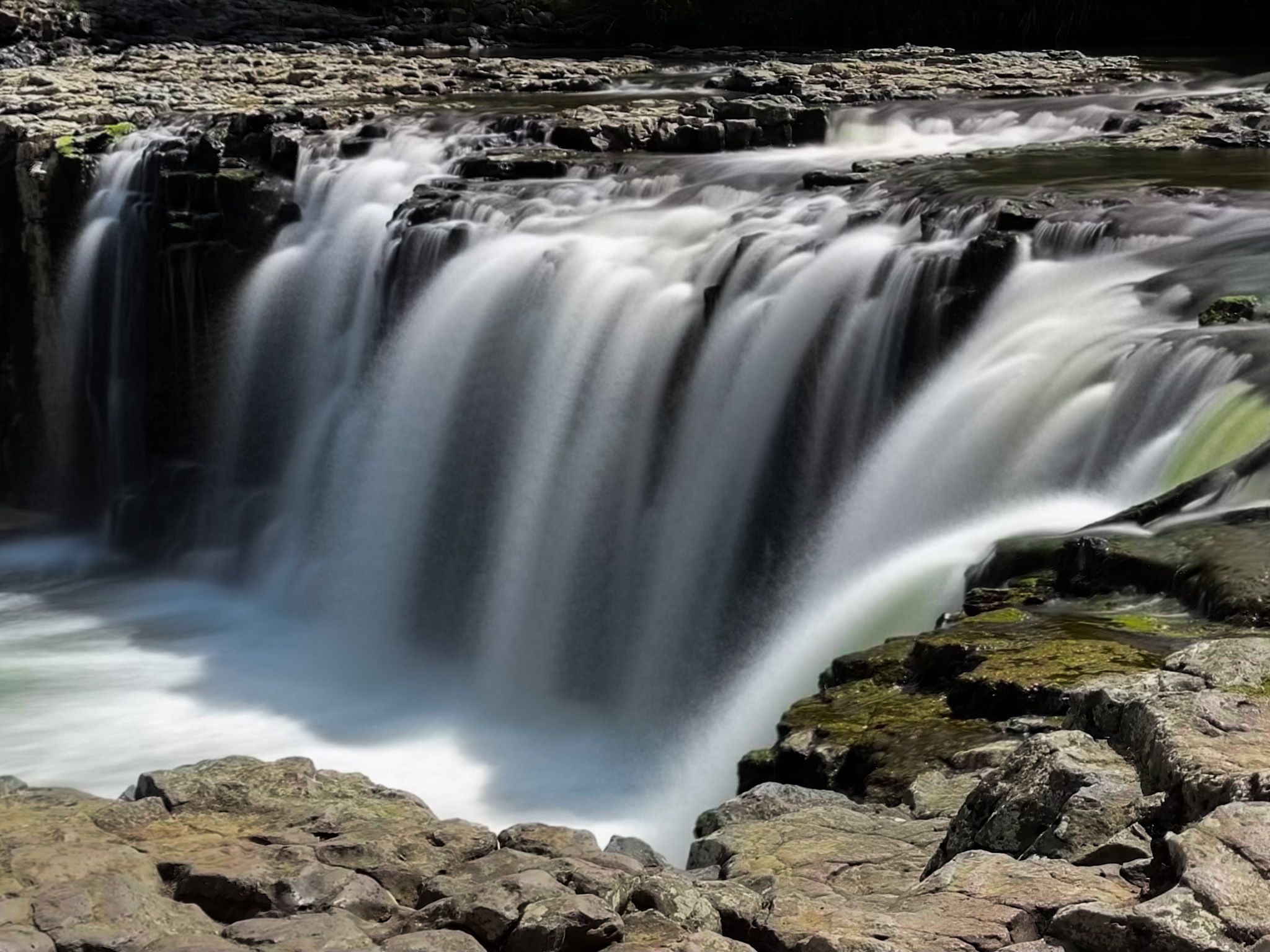
Other places to visit include Tapeka Point, Te Maiki, Russell Museum, Te Ti Bay, Haruru Falls, Stone Store and Mission House, and Rainbow Falls.