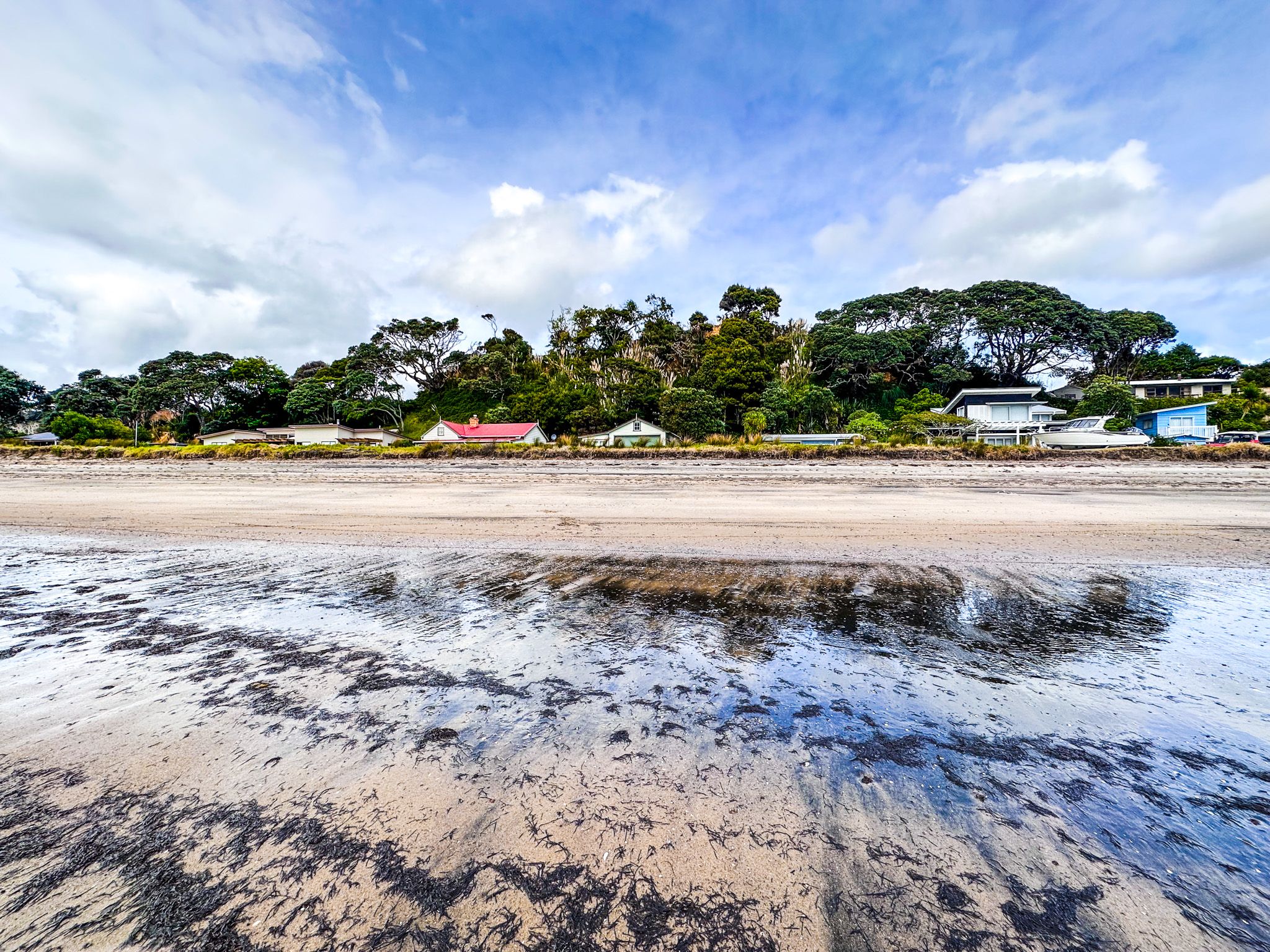
A Historic Harbour Bay
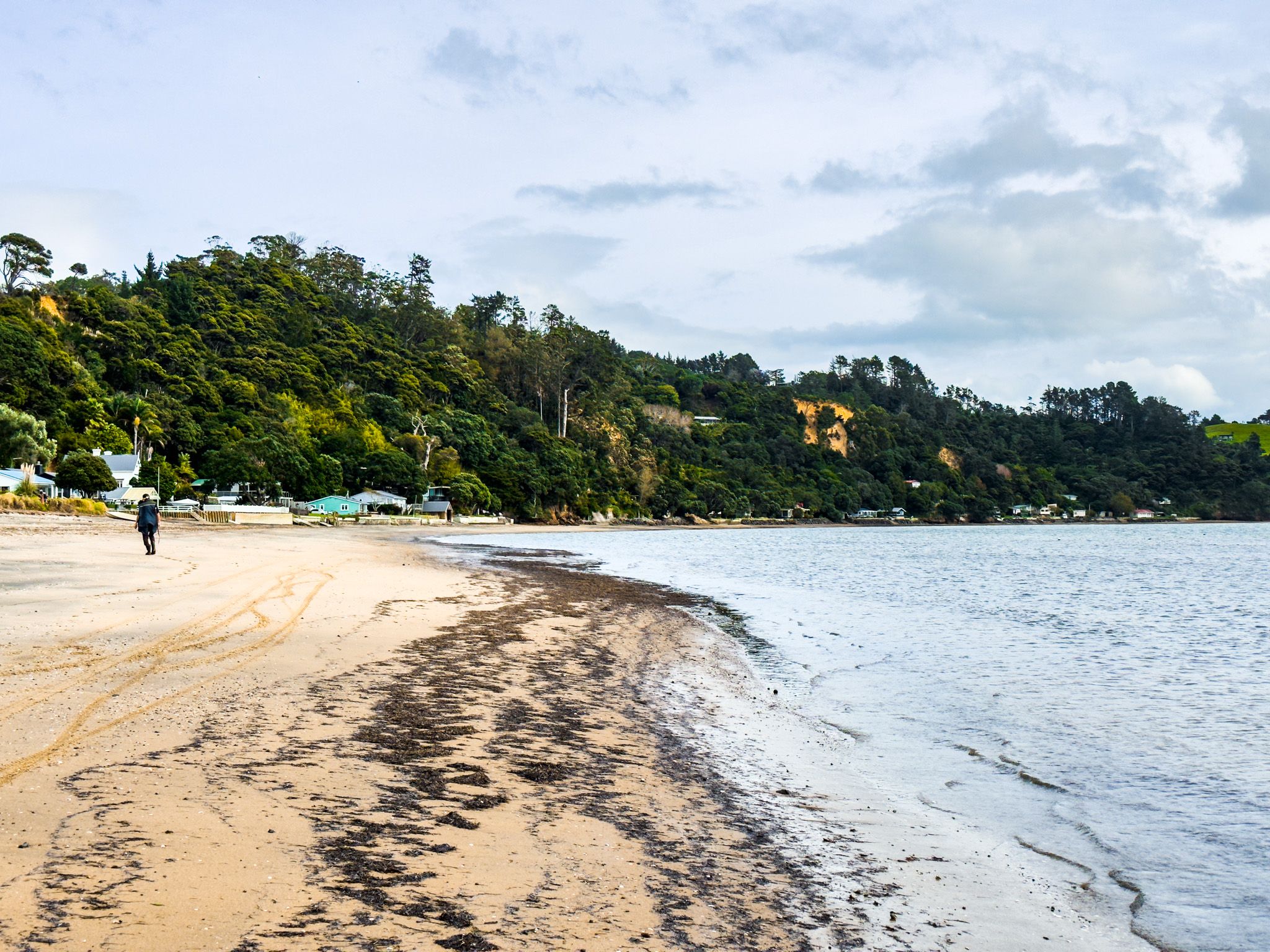
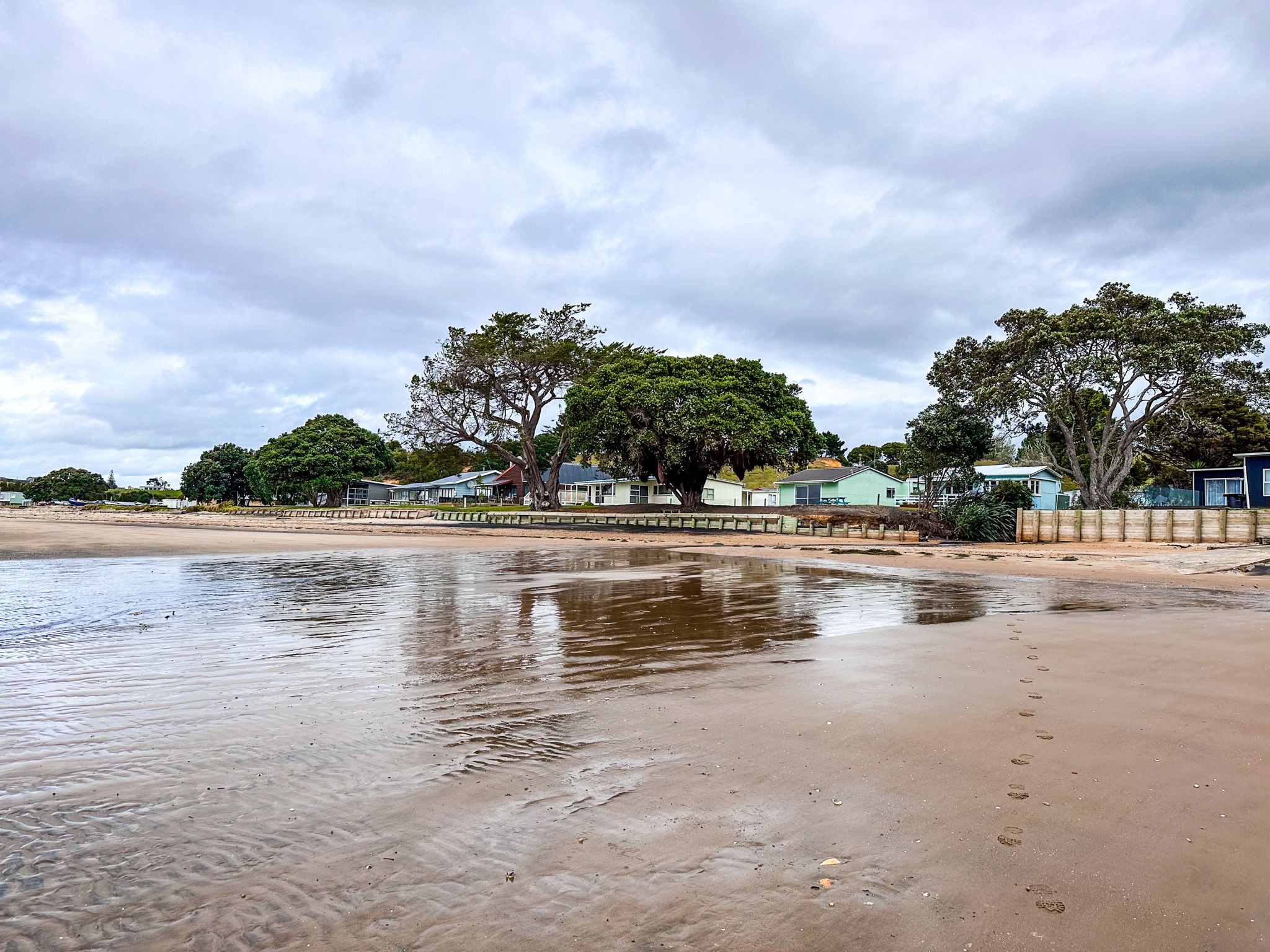
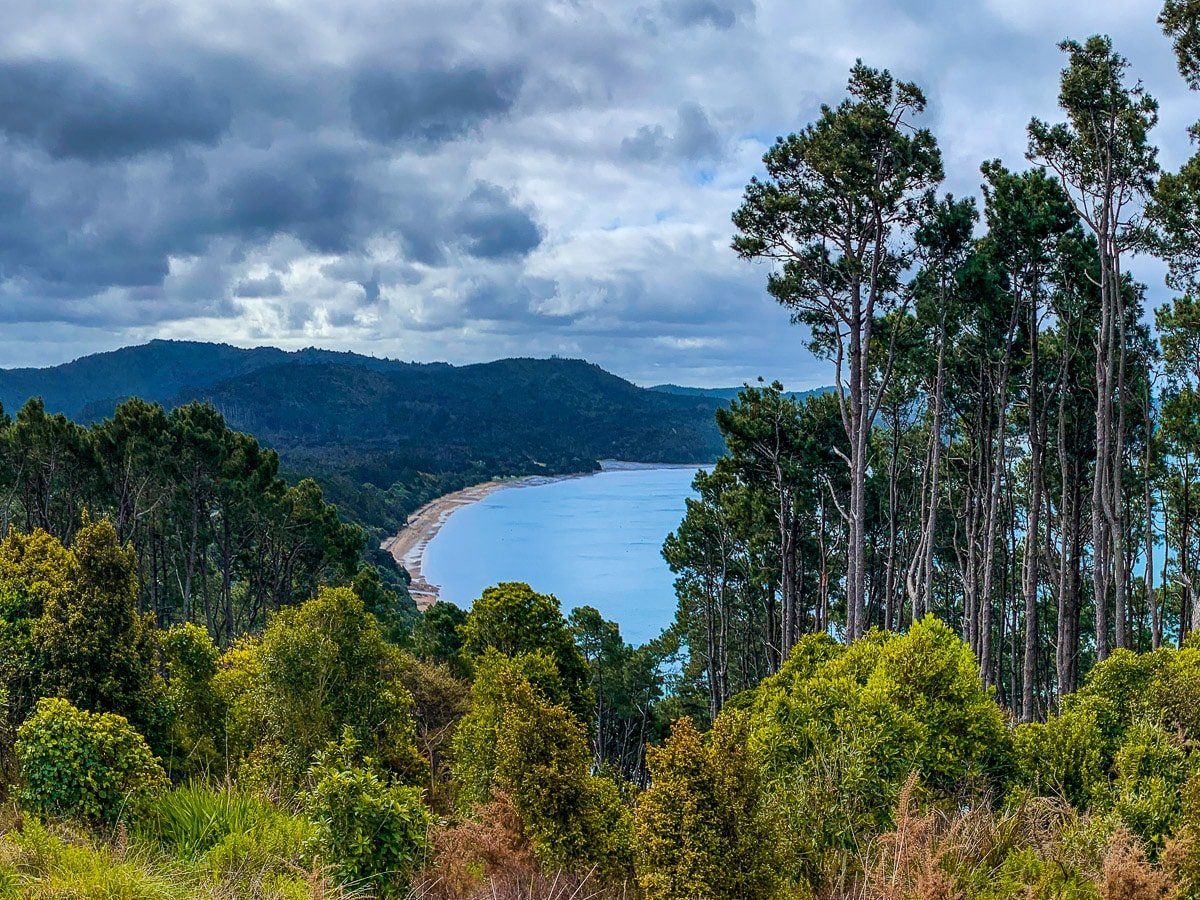
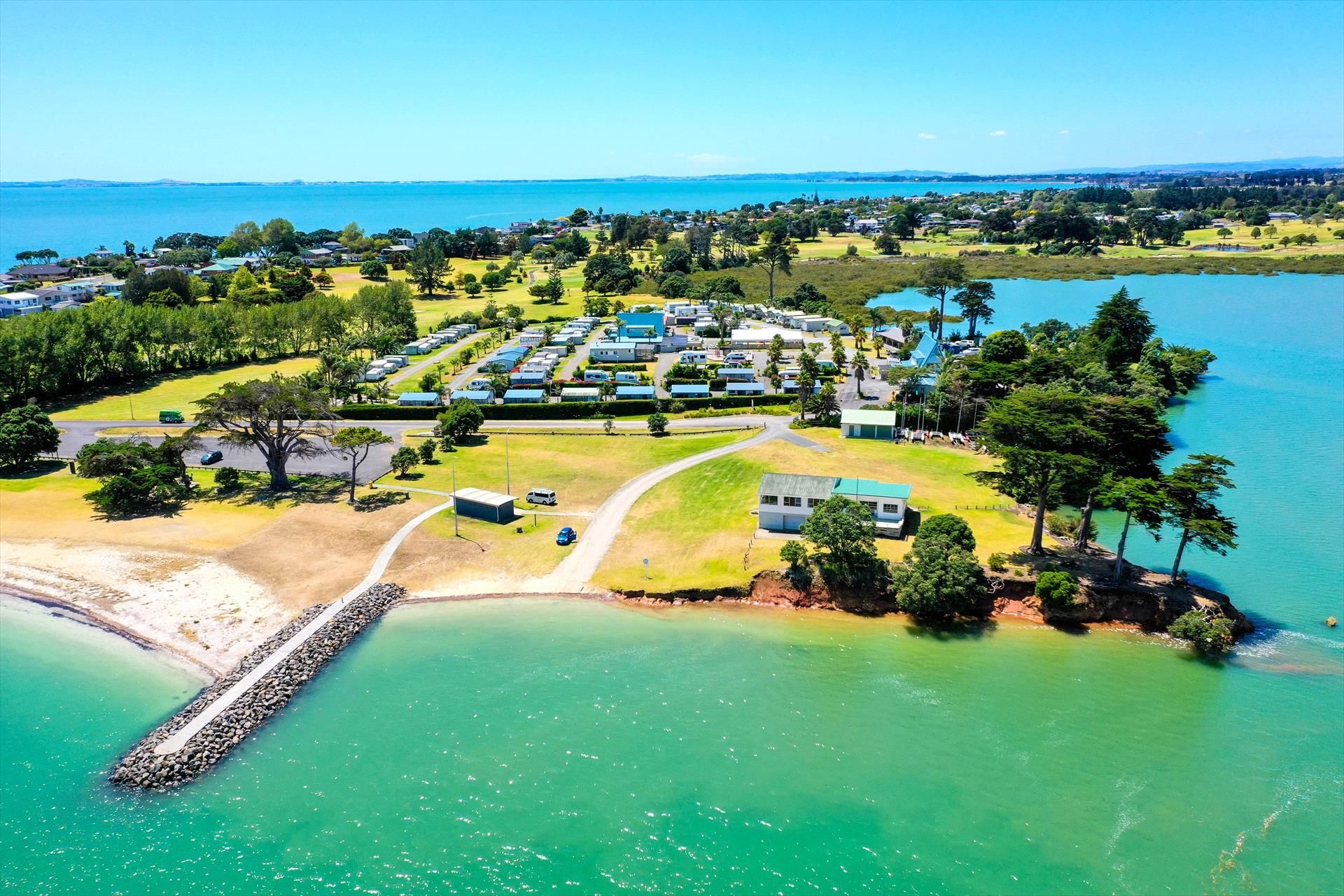
Ōrua Bay is a small coastal settlement at the northern tip of the Āwhitu Peninsula, sitting on the south shore of the Manukau Harbour with an aspect that catches the sun for most of the day. It is one of the peninsula’s oldest sites of European contact and holds a notable place in New Zealand history. Here, in March 1840, a number of rangatira from Manukau and Waikato signed the Treaty of Waitangi. Today, it is a quiet holiday community with a sheltered beach, a campground, and bach-style accommodation, sitting in a row of homes and trees above the harbour foreshore.
The Beach and Bay
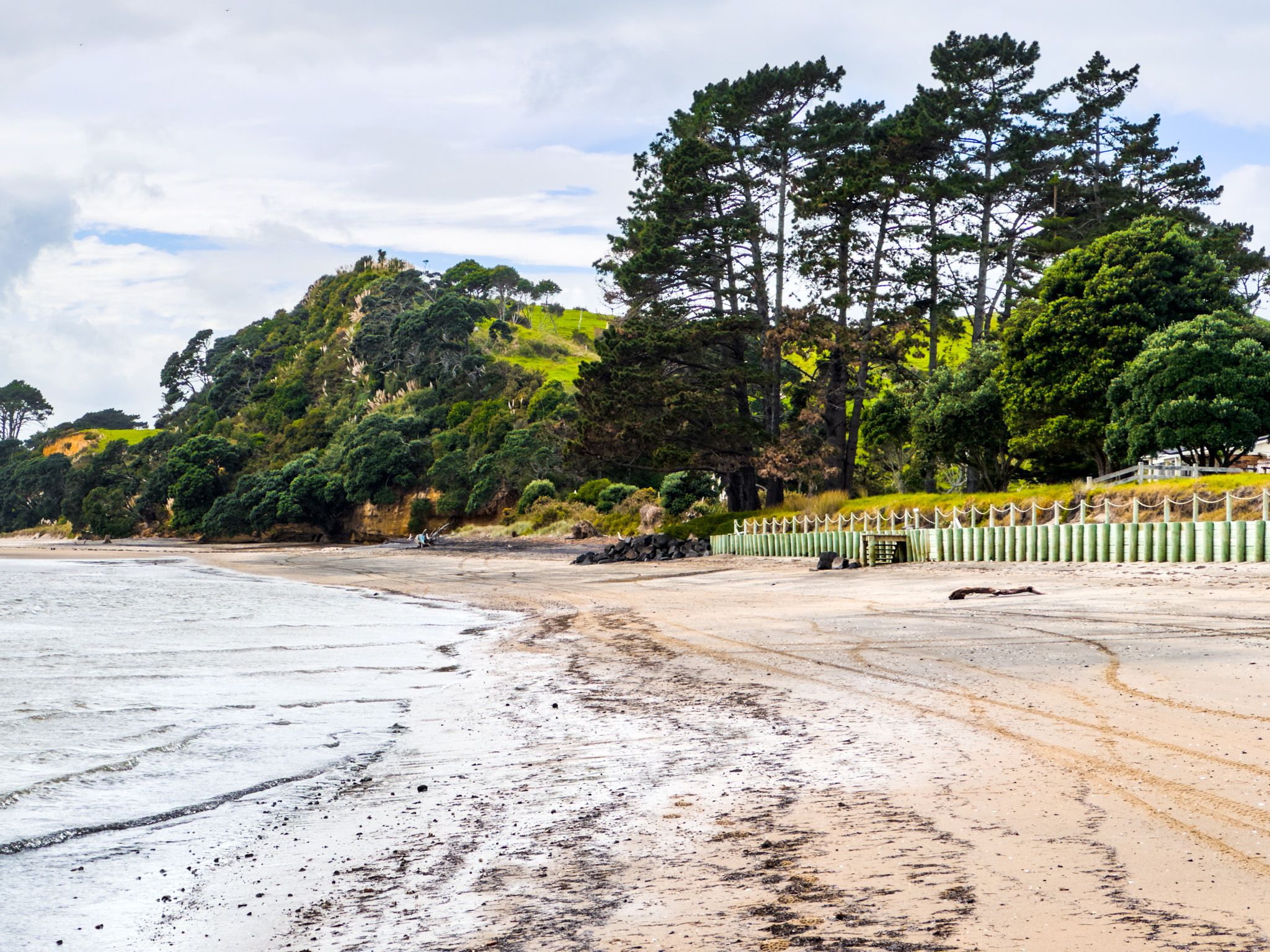
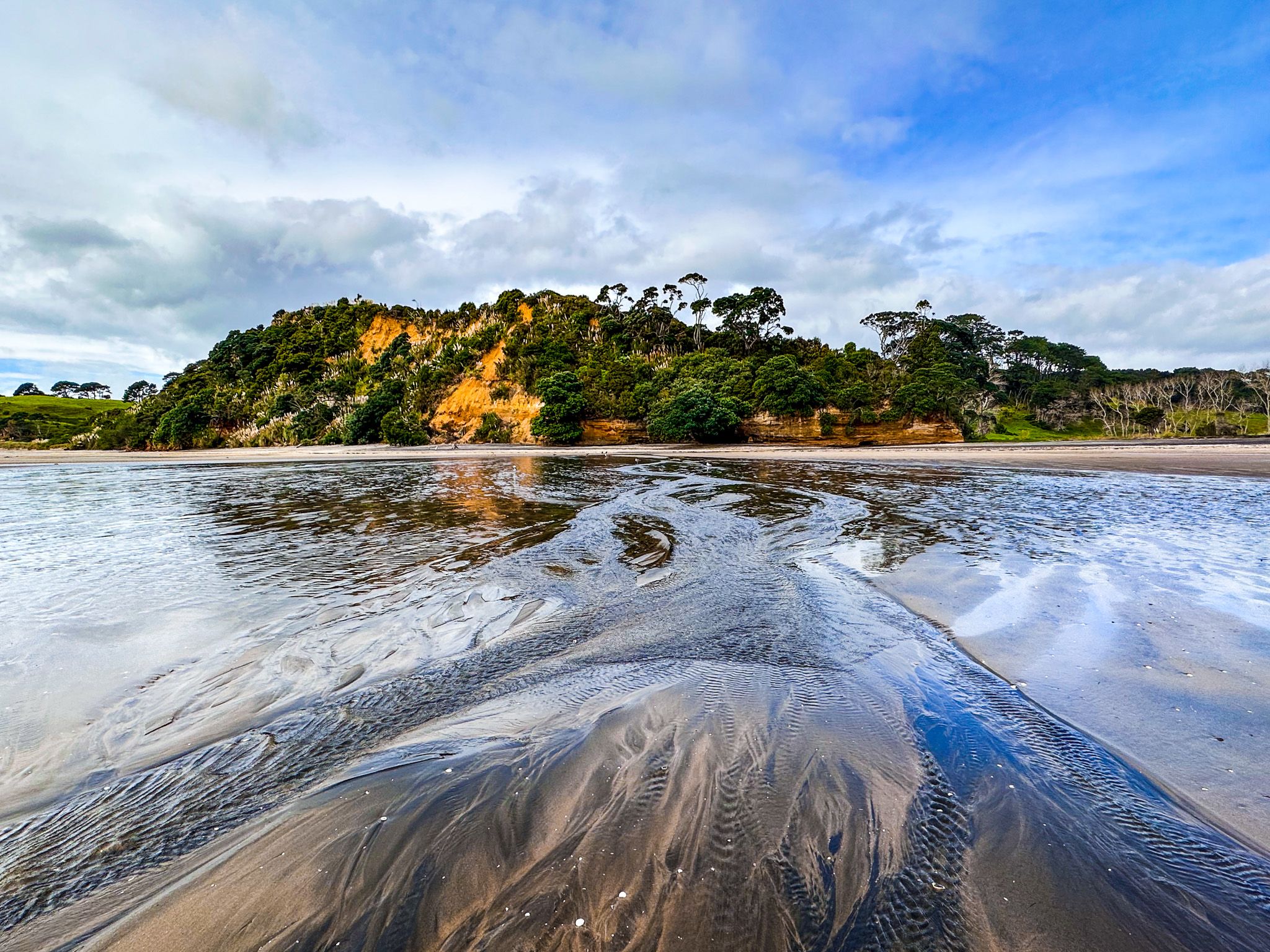
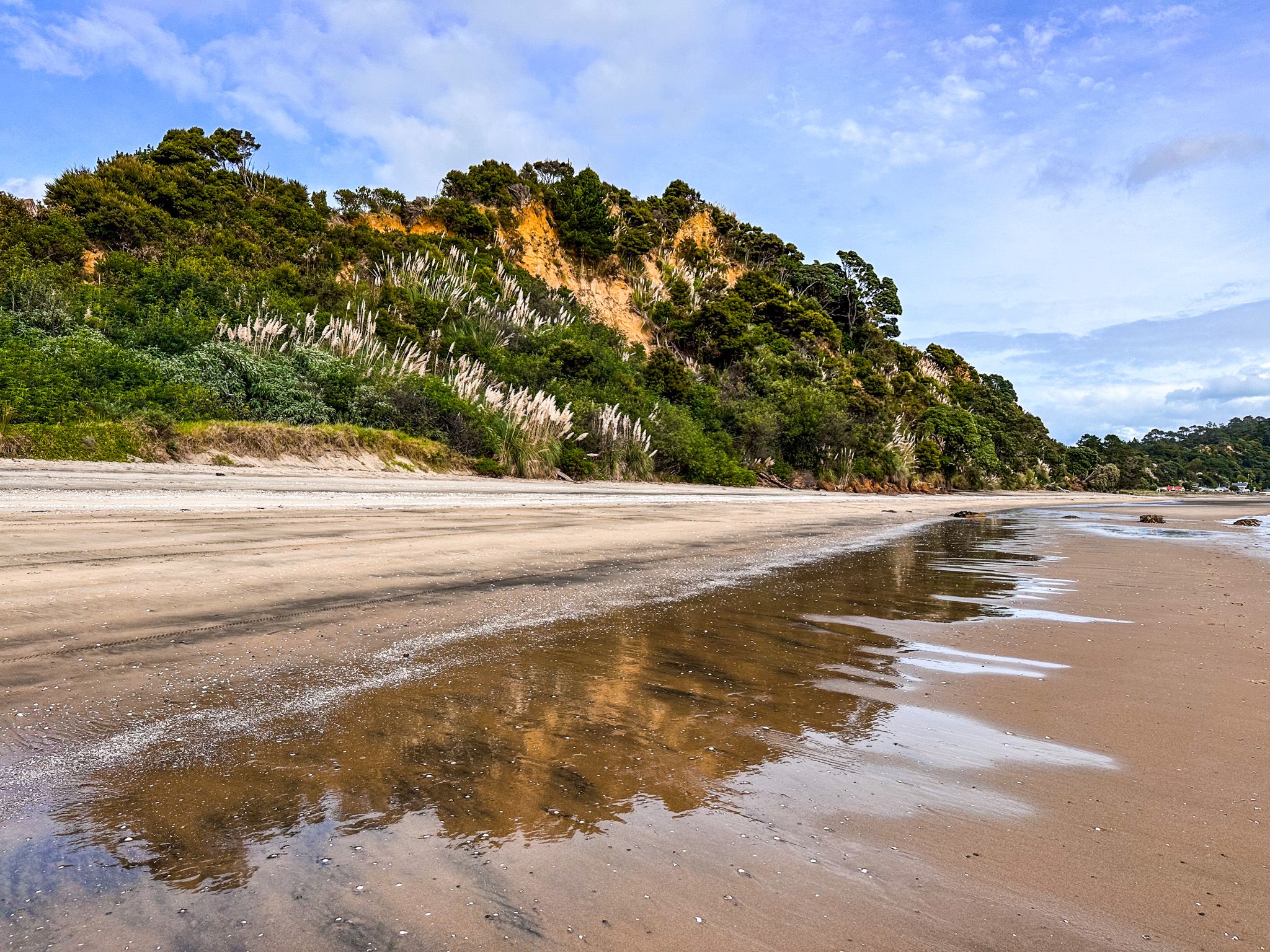
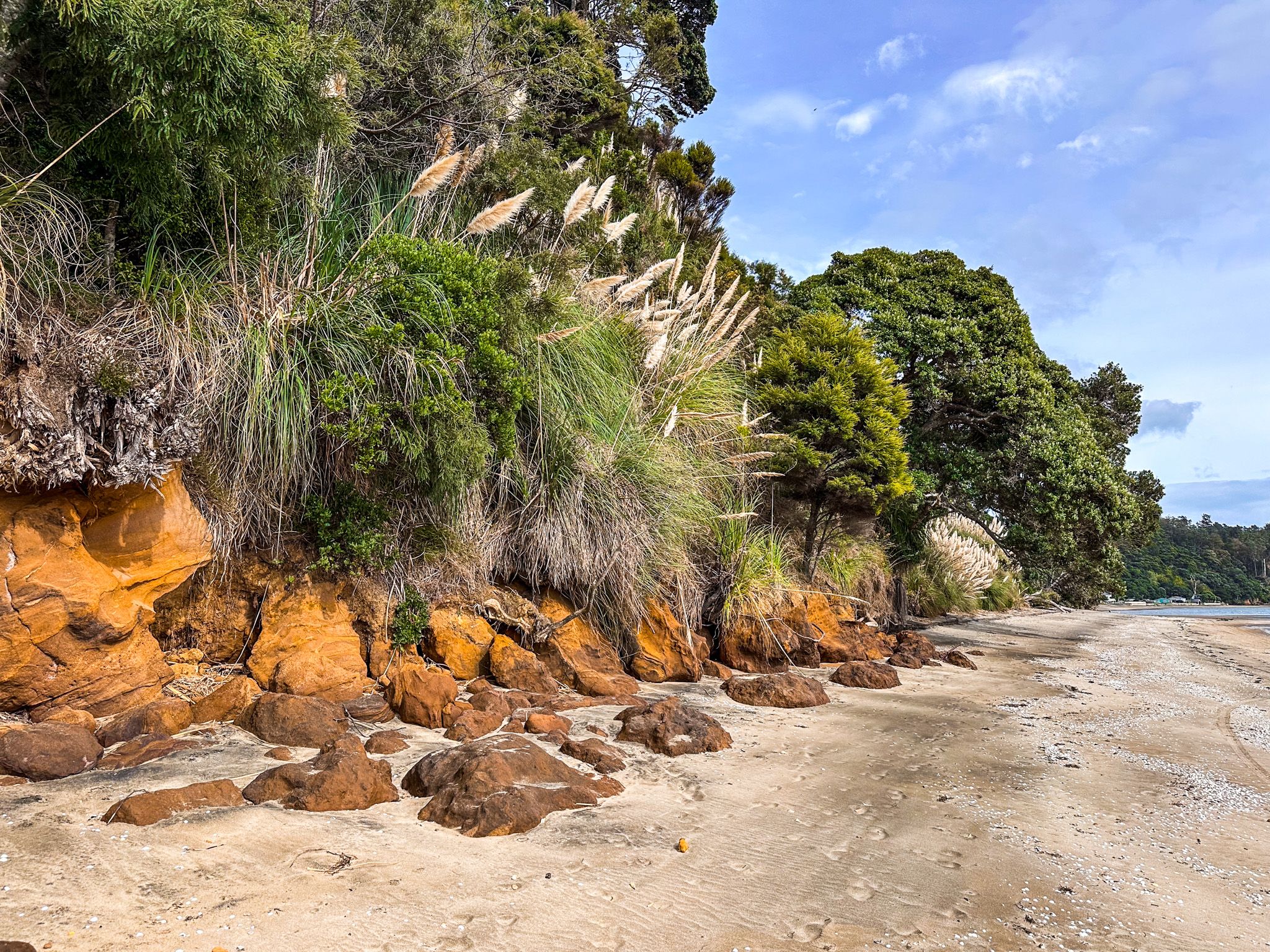
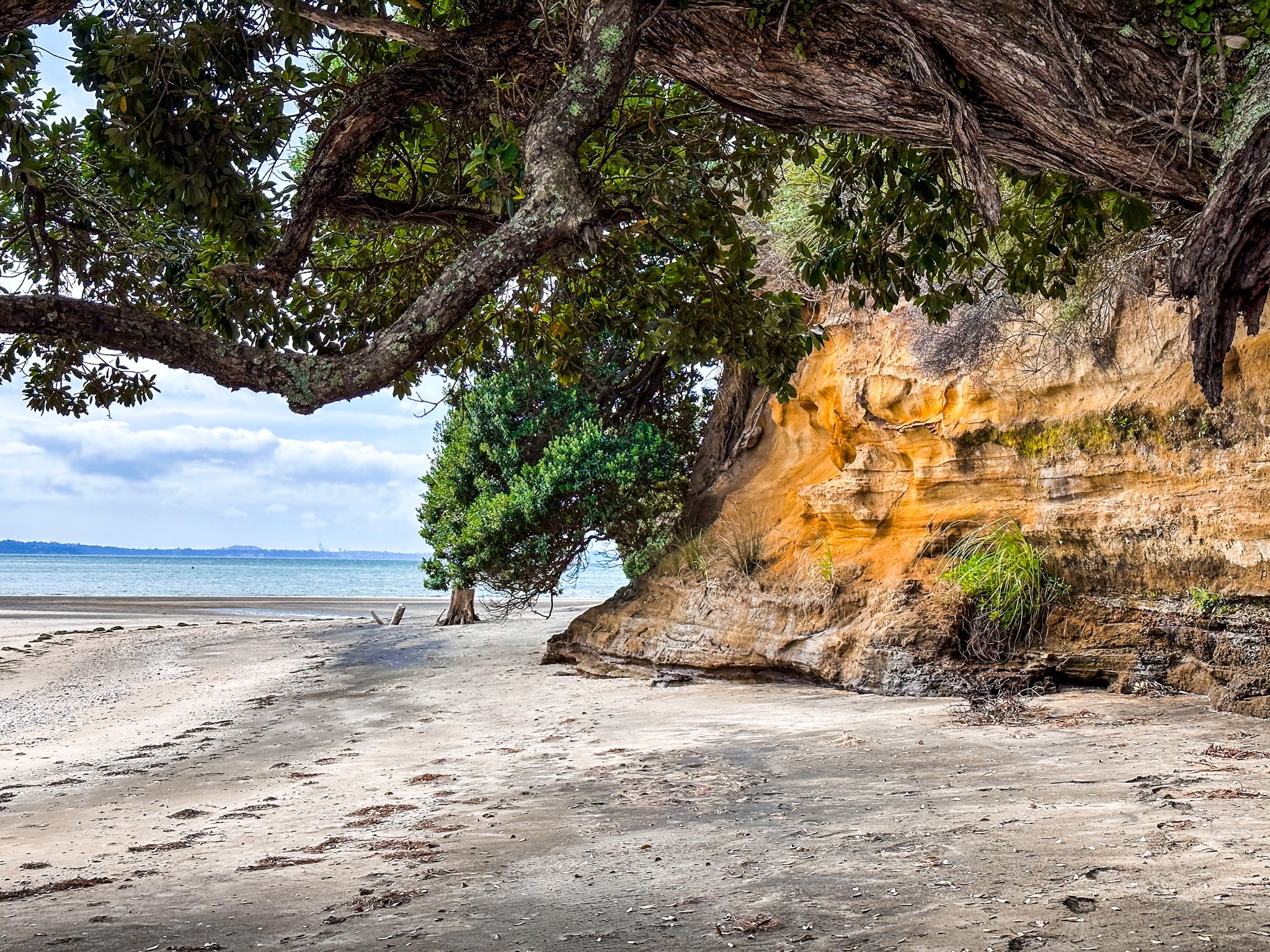
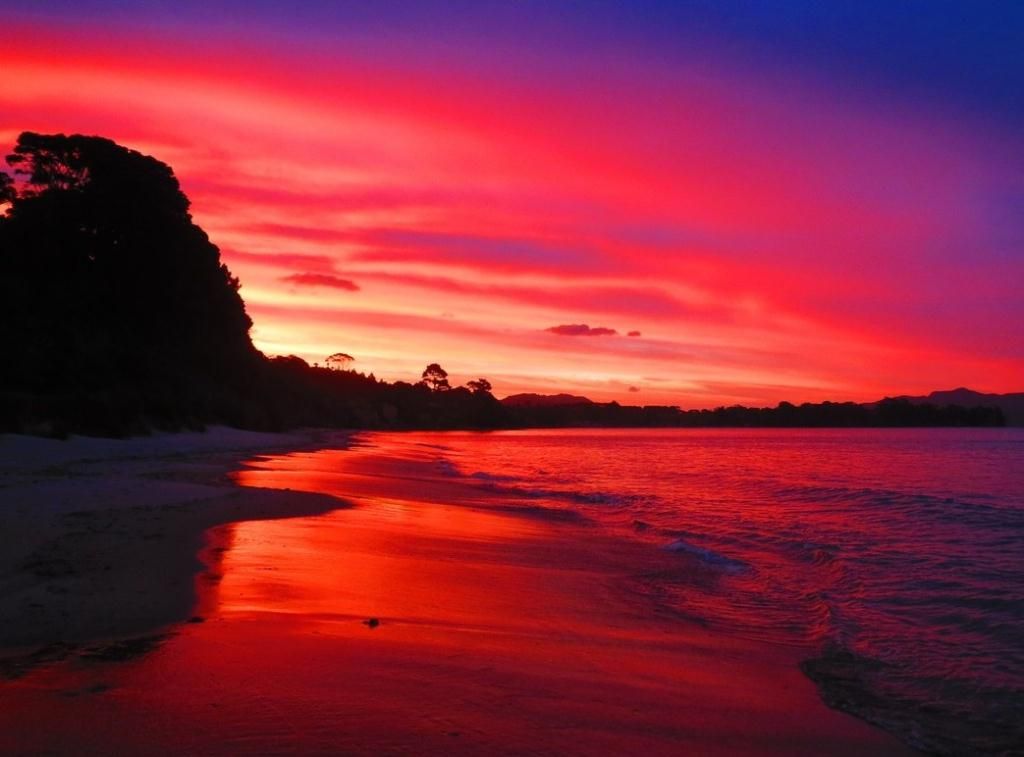
Ōrua Bay's beach faces north-east across the harbour toward the Waitākere Ranges, which form the backdrop visible from the waterfront. The beach is sandy and sheltered from the prevailing westerlies by the peninsula's ridge, making it a good spot for swimming, kayaking and general beach activities in fine weather.
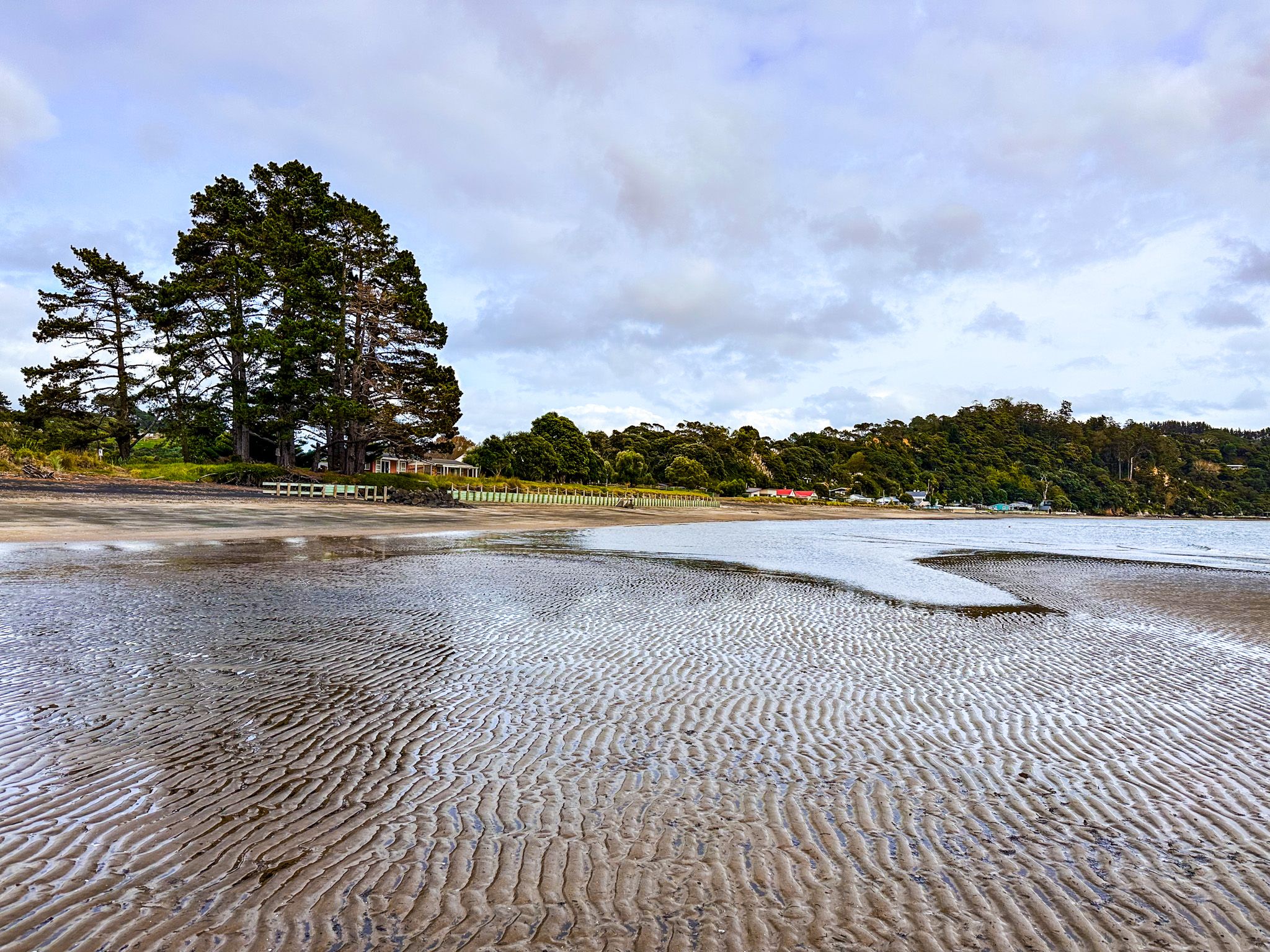
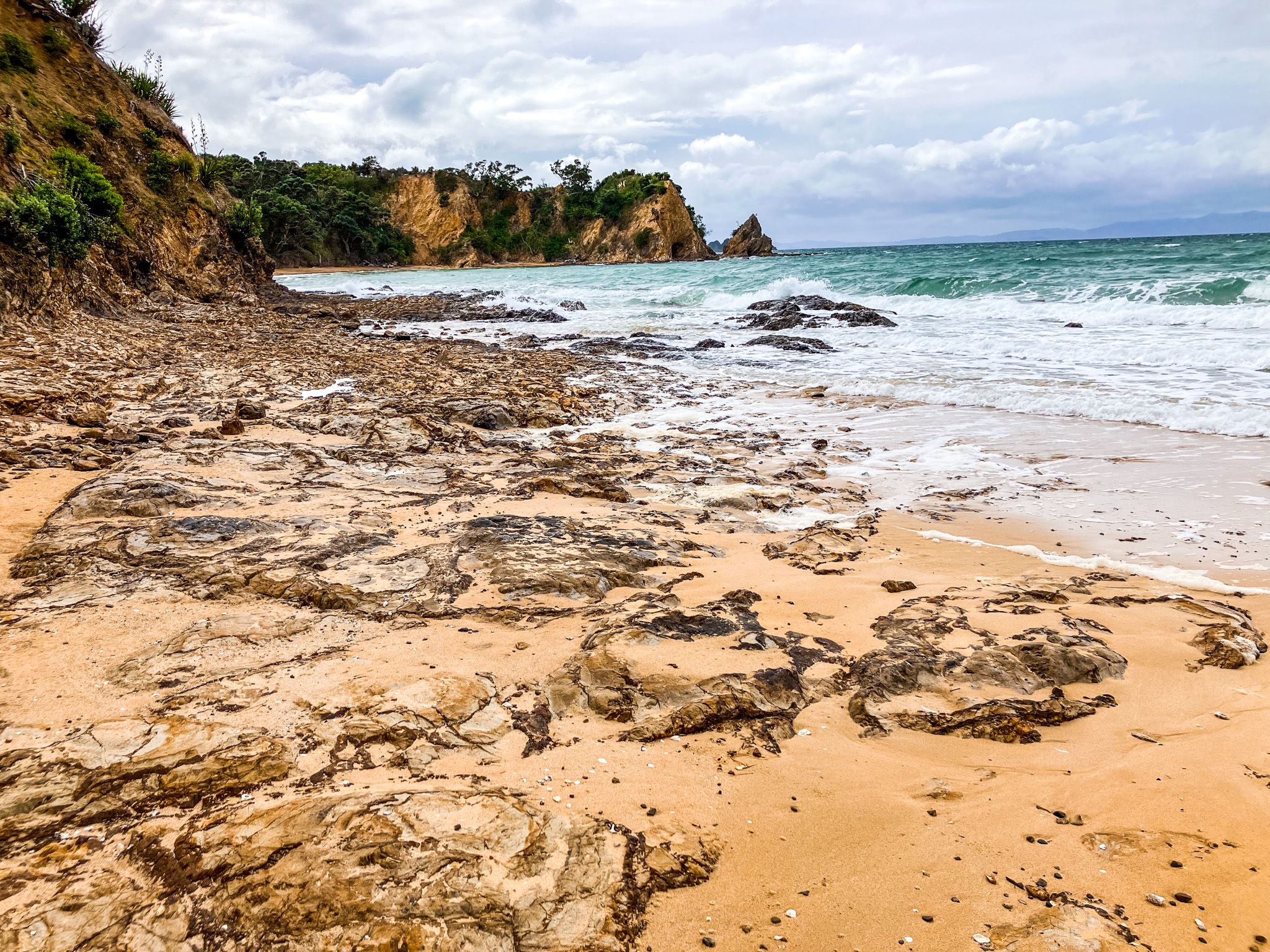
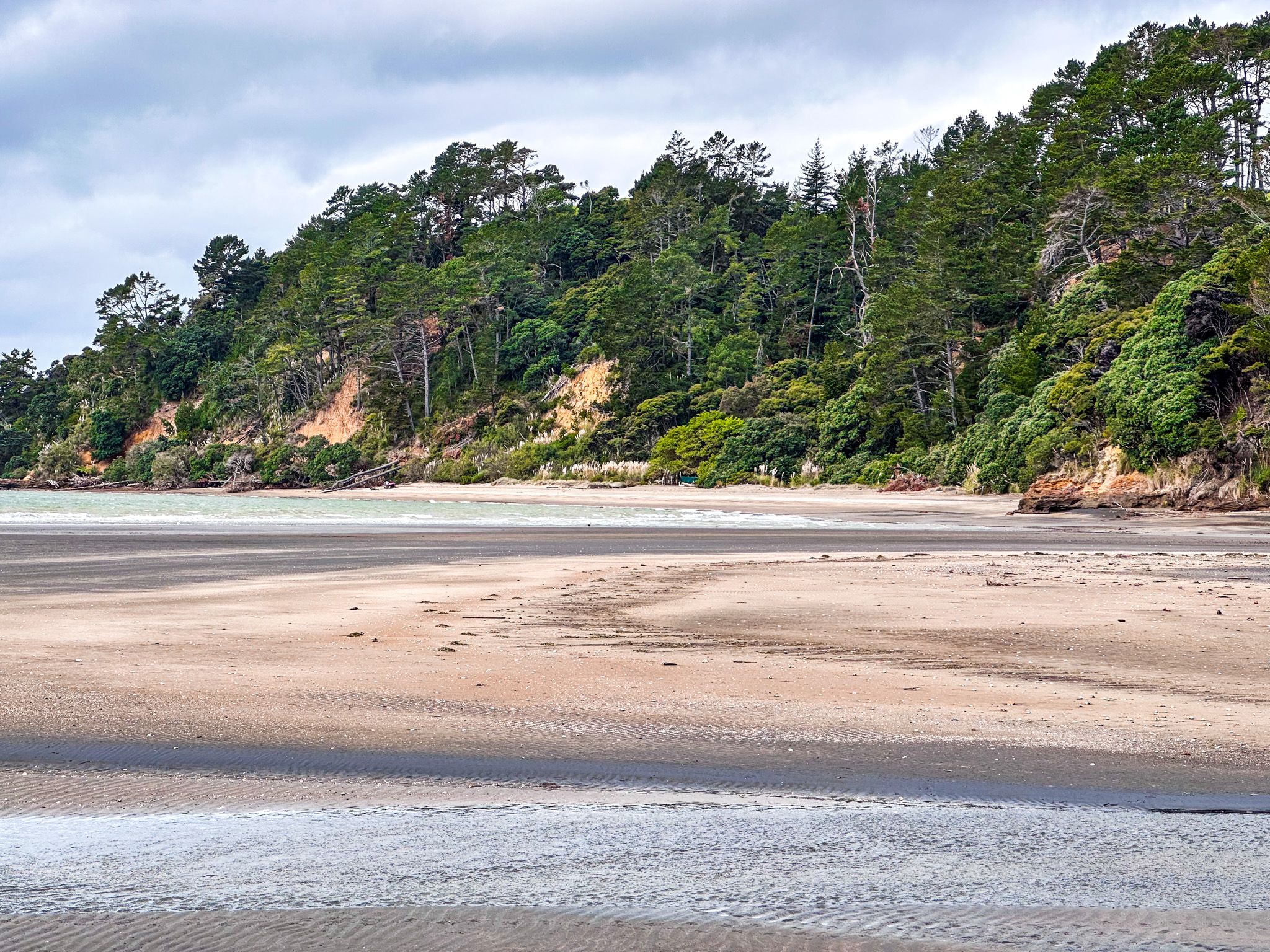
Like other harbour-side locations on the peninsula, the tidal range is significant, and the flats extend considerable distances at low water, so swimming is best timed around high tide. At low tide, it is possible to walk along the foreshore toward Wattle Bay in one direction and Big Bay in the other, with some sections potentially requiring wading depending on conditions.
Although there is a campground, access is seasonally restricted, so contact the site before turning up.
Treaty of Waitangi Connection
A Wesleyan mission station was opened in Ōrua Bay by Wesleyan missionary William Woon in 1834, making it one of the earliest mission sites in the Auckland region. On 20 March 1840, the Treaty of Waitangi was signed at Ōrua Bay when a party of Manukau and Waikato rangatira gathered at the mission. Apihai Te Kawau of Ngāti Whātua signed, though several Waikato Tainui chiefs declined.
Settler and Community History
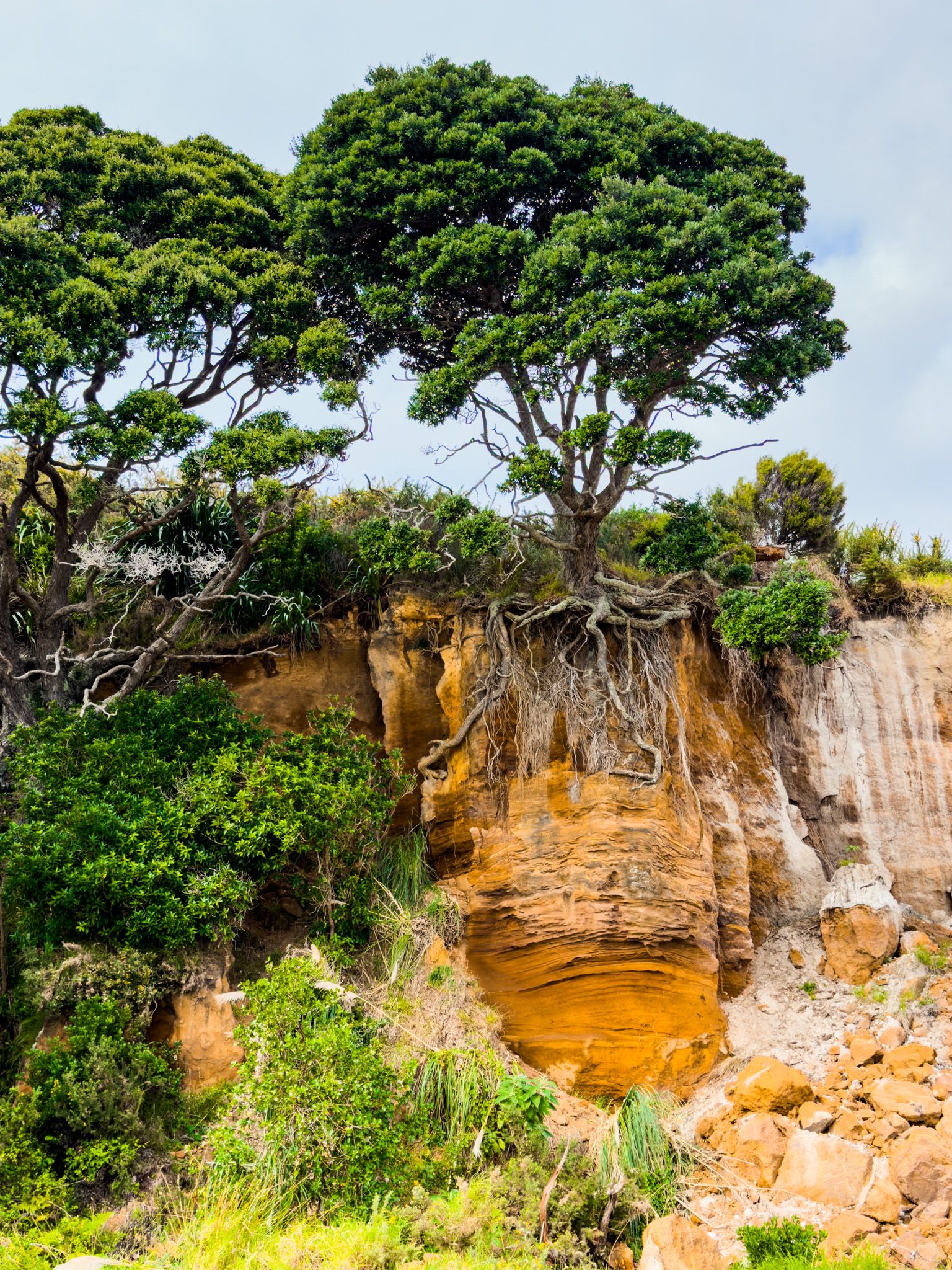
By the mid-nineteenth century, Ōrua Bay had become a small milling and farming community. Kauri and pūriri were logged from the surrounding hills and shipped from a wharf built in 1903, which remained in use until the 1950s. The Ritchie family were among the early permanent settlers from the 1850s. They began offering holiday accommodation from 1891, making Ōrua Bay one of the earliest seaside holiday destinations in the Auckland region. A primary school operated from 1896 until 1949, when rural schools on the peninsula were consolidated.
The bay was known as Coulthard's Bay for a period, after one of the early settler families, before the original Māori name was formally restored in 1886. The name Ōrua Bay may mean “place of a pit”, or could derive from Oruarua, meaning “place of two minds” or “in doubt”, though none of these options seems especially apt.
How to Get There
From Waiuku, follow Awhitu Road through the small township of Āwhitu onto Āwhitu Central Road, then turn north onto Tram Gully Road. Where this road becomes Graham Beach Road, turn sharply west onto Orua Bay Road and follow this to the beach reserve. The drive from Waiuku takes approximately 40 minutes and is 39 km.
Other nearby places to visit include Āwhitu Central, Āwhitu Regional Park and Manukau South Head.