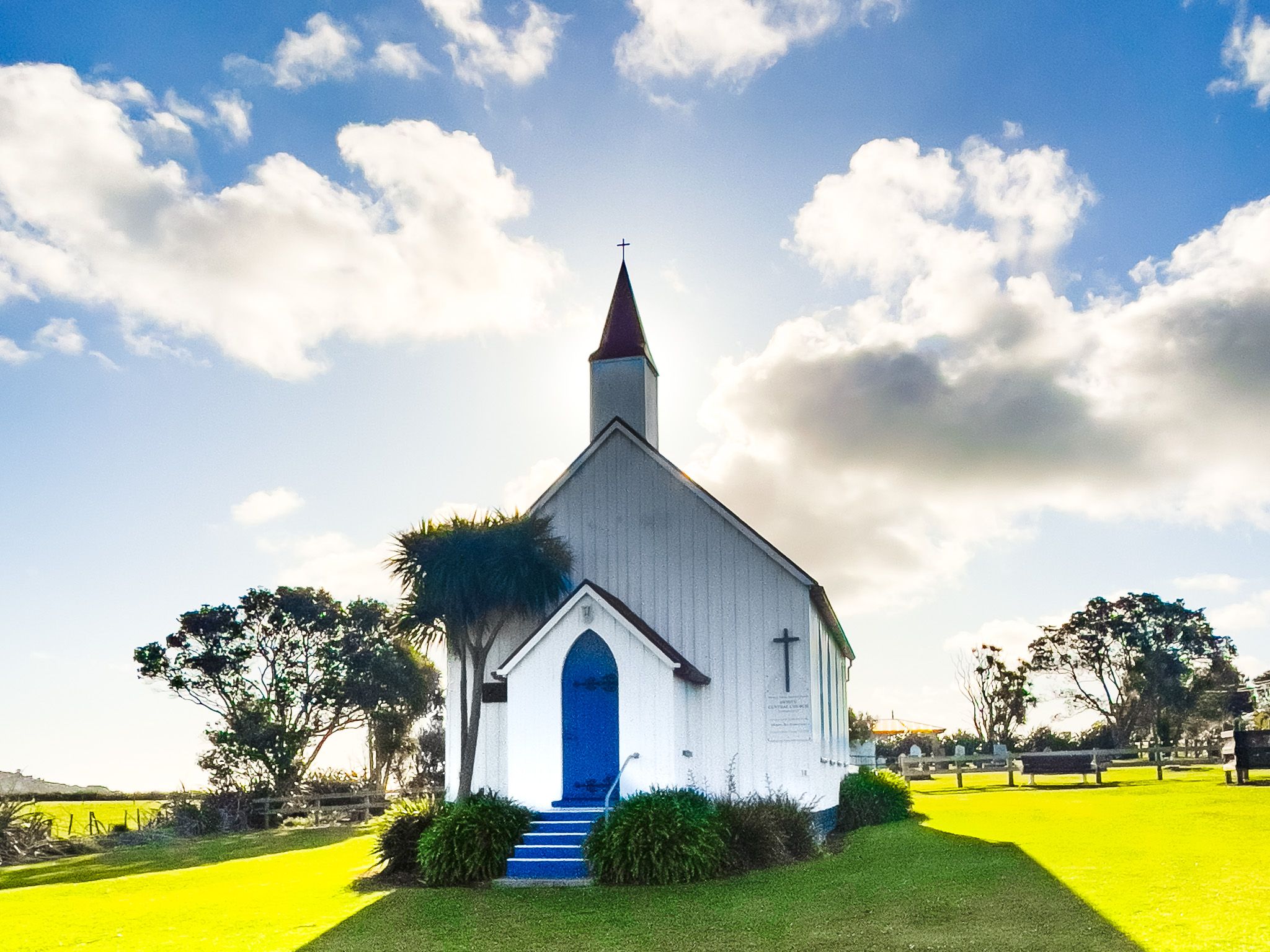
Historic Hamlet with a Picturesque Church
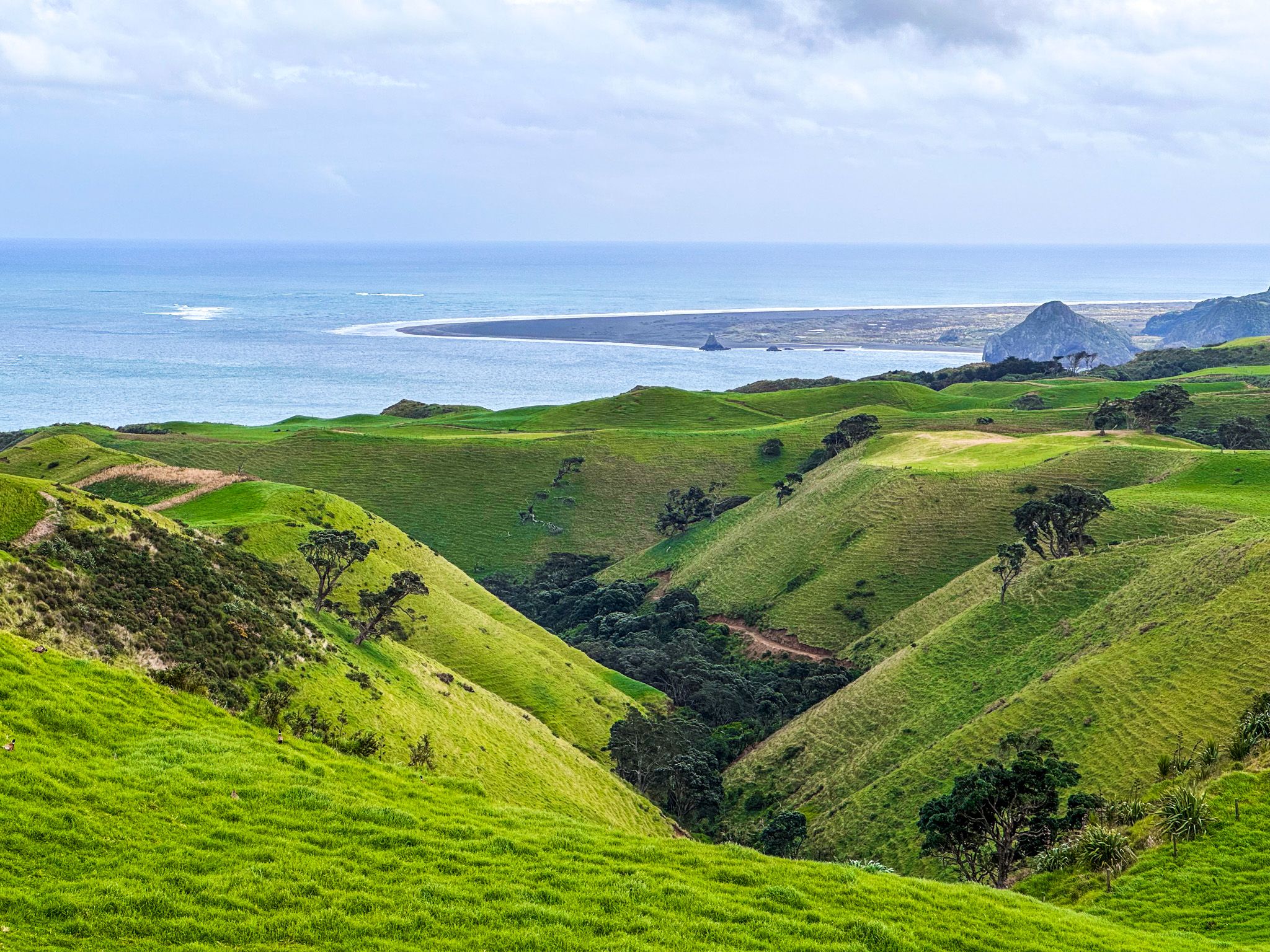
Āwhitu Central is a small historic settlement on the upper ridge of the Āwhitu Peninsula in Auckland, about 20 kilometres north of Waiuku along Awhitu Road. It is one of the oldest European communities on the peninsula and, despite consisting of little more than a church, a war memorial, an old school building and a scattering of homes, it carries a weight of history well beyond its size. Its elevated position gives sweeping views across farmland toward the Tasman Sea to the west, and on a clear day, the Waitākere Ranges are visible to the north across the Manukau Harbour.
The Kohekohe Church
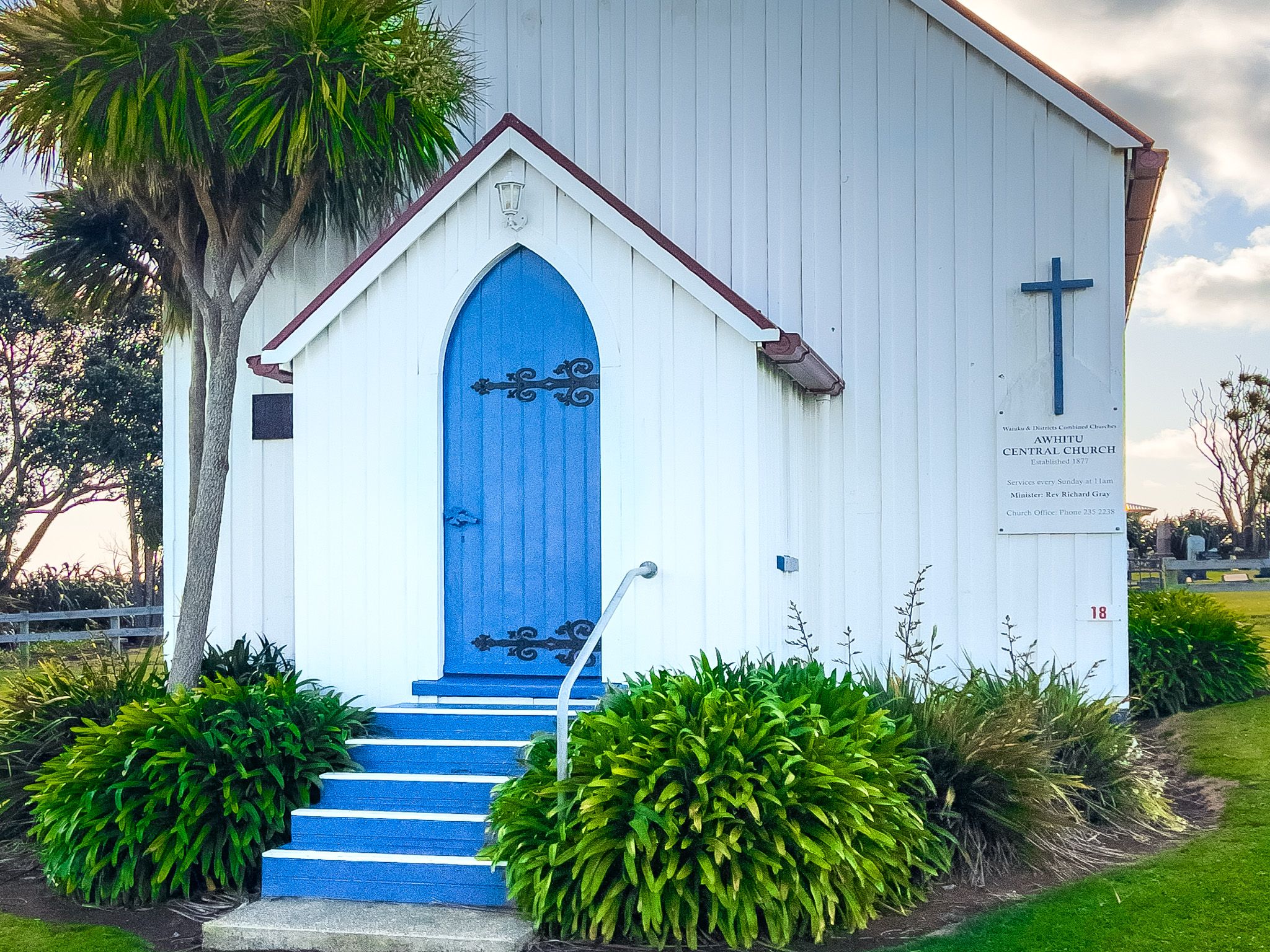
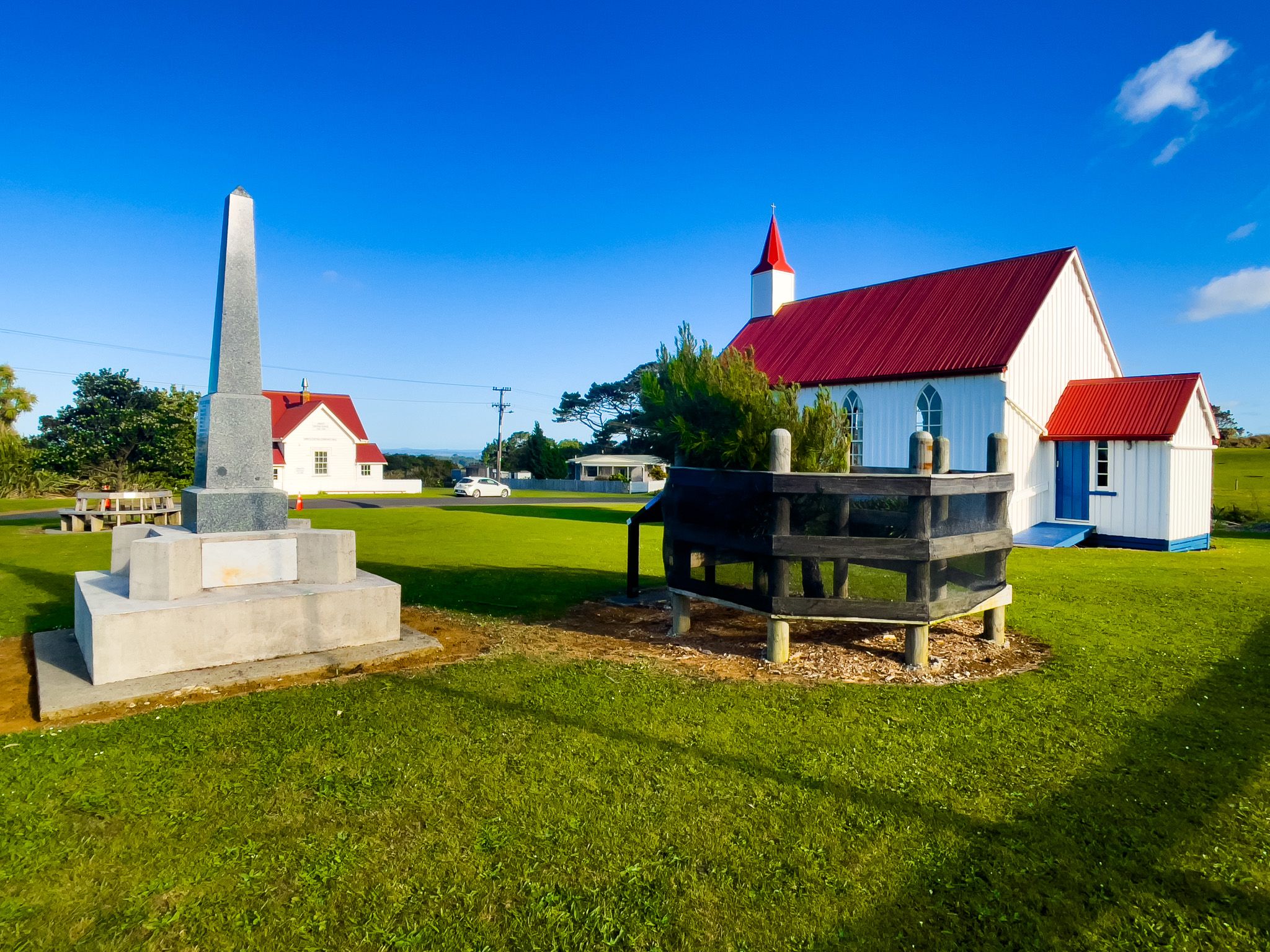
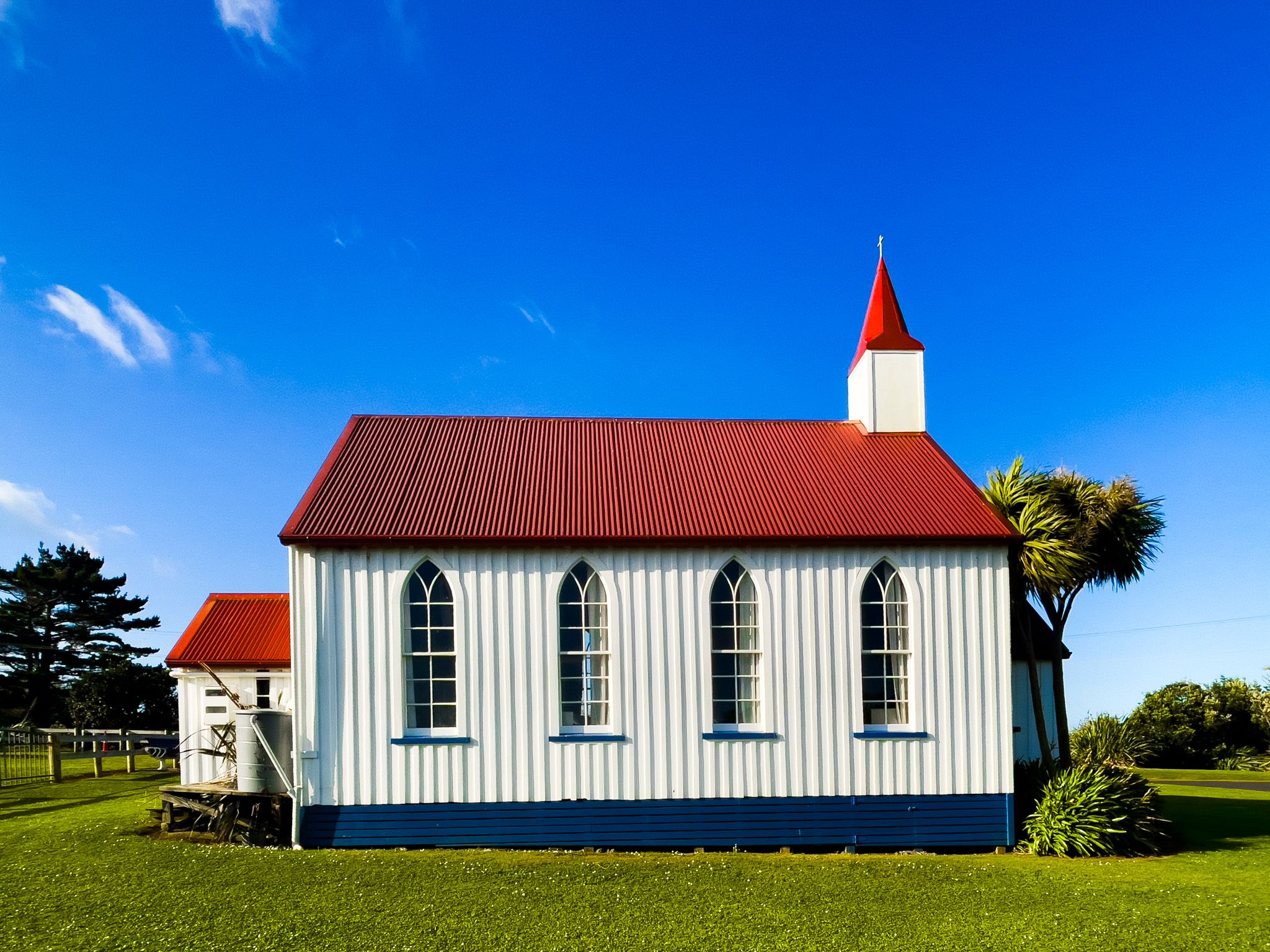
The centrepiece of Āwhitu Central is the small white Kohekohe Church, a compact church building perched on a green hillside above Lake Pokorua with the Tasman Sea forming its backdrop. It is one of New Zealand's most photogenic churches, especially at golden hour, and comparisons are frequently drawn with the Church of the Good Shepherd at Lake Tekapo.
The church was designed in 1886 by Captain Sir John Makgill, a Scottish émigré and founder of St Andrew's Presbyterian Church in Waiuku. Construction was completed the same year by William Douglas, a local cabinetmaker who lived on the adjacent property. The builders were at work on the structure during the June 1886 Tarawera eruption, and contemporary accounts record that they could see the glow in the night sky and hear the distant rumble from this hilltop.
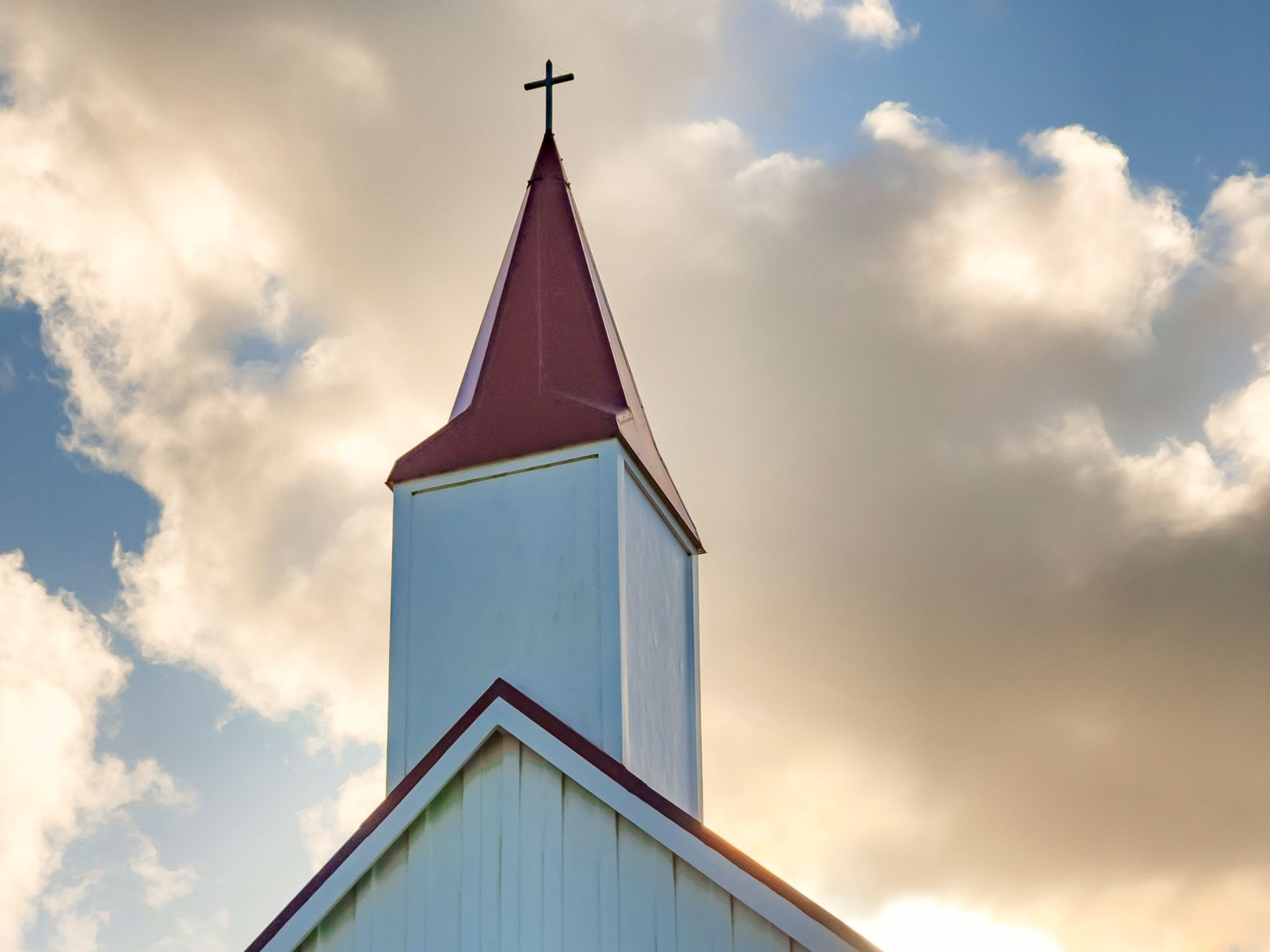
The building has a simple traditional form with subtle Gothic touches in its steeply pitched roof and narrow windows, an unpretentious structure made elegant by its setting. Its timber walls are characteristic of peninsula construction of the era, and the solid frame has proved far more durable than the congregation it was built to serve.
The church served the community for Sunday services, Sunday school and temperance meetings until declining numbers and rural depopulation brought its religious life to a close. The final service was held in the mid-1970s, and for the following three decades, the building stood empty, fading quietly but drawing a steady stream of photographers and artists. It appeared in the 2001 New Zealand film The Price of Milk and served as the location for the Irish band The Corrs' 1997 music video for 'What Can I Do'.
In 2012, two Auckland teachers bought the church and restored it over six months, replacing the fascia, repairing the roof and repainting. The church has changed hands since, but it continues to draw visitors for photography and its historic setting.
The Historic Precinct
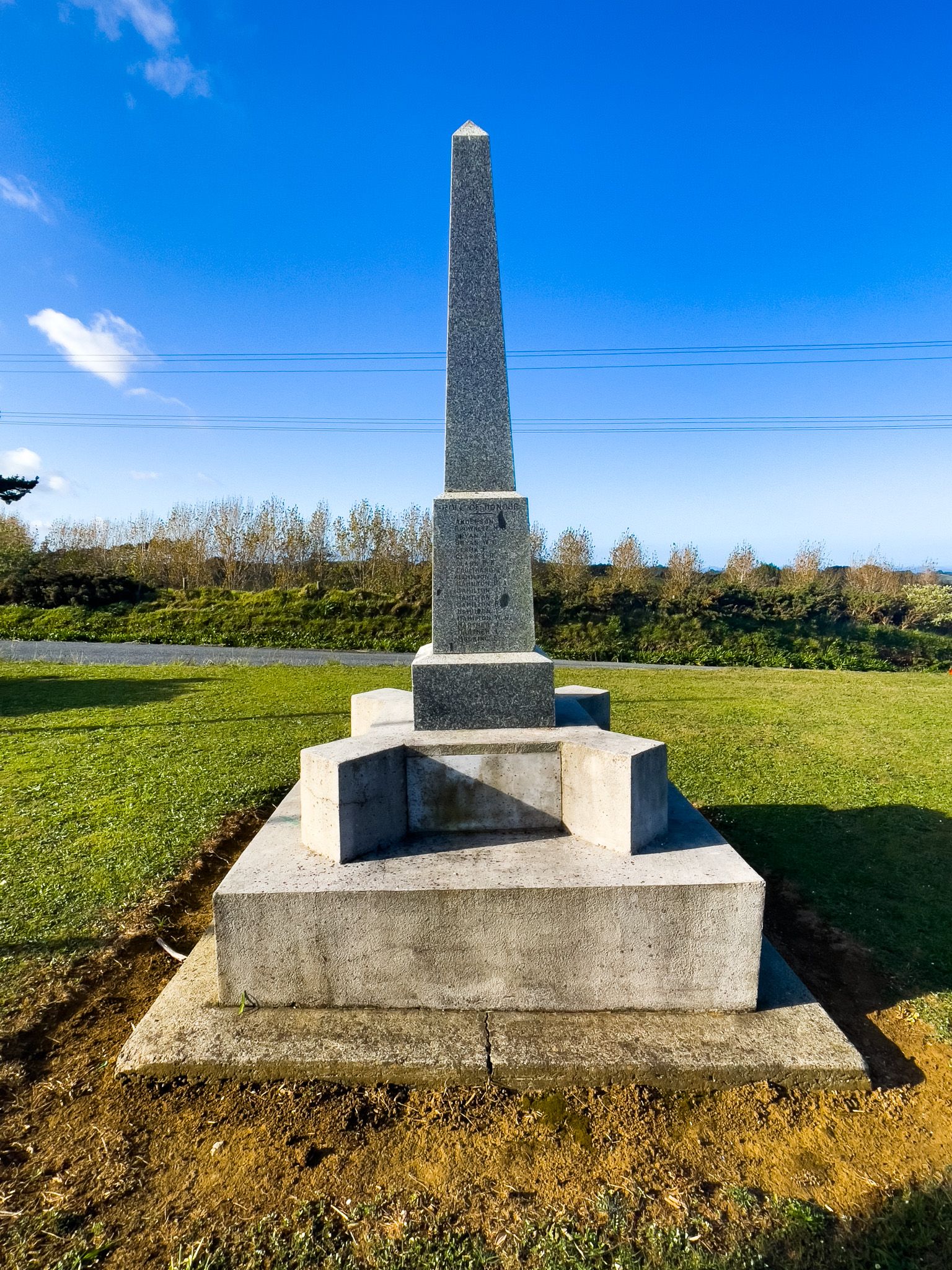
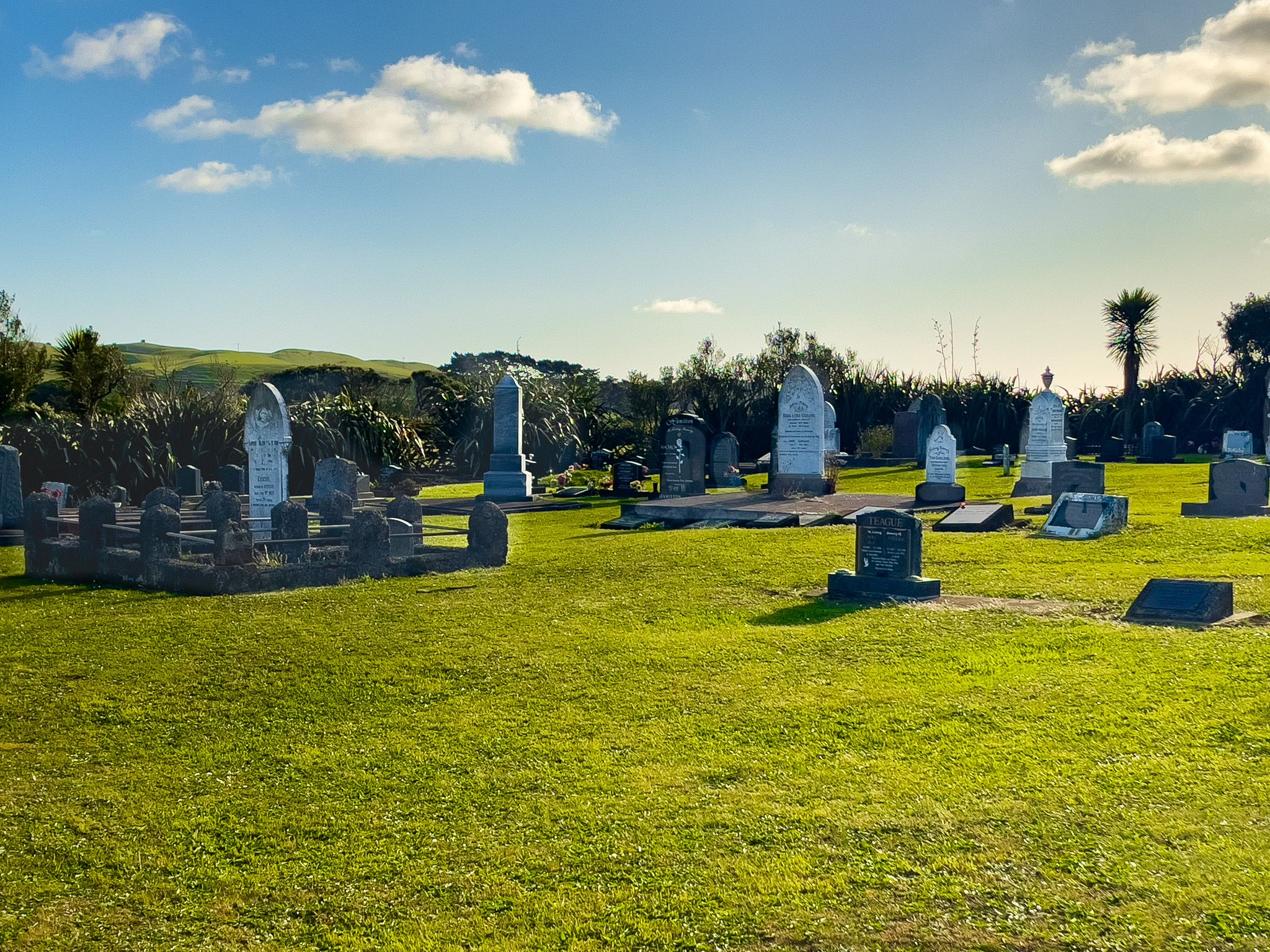
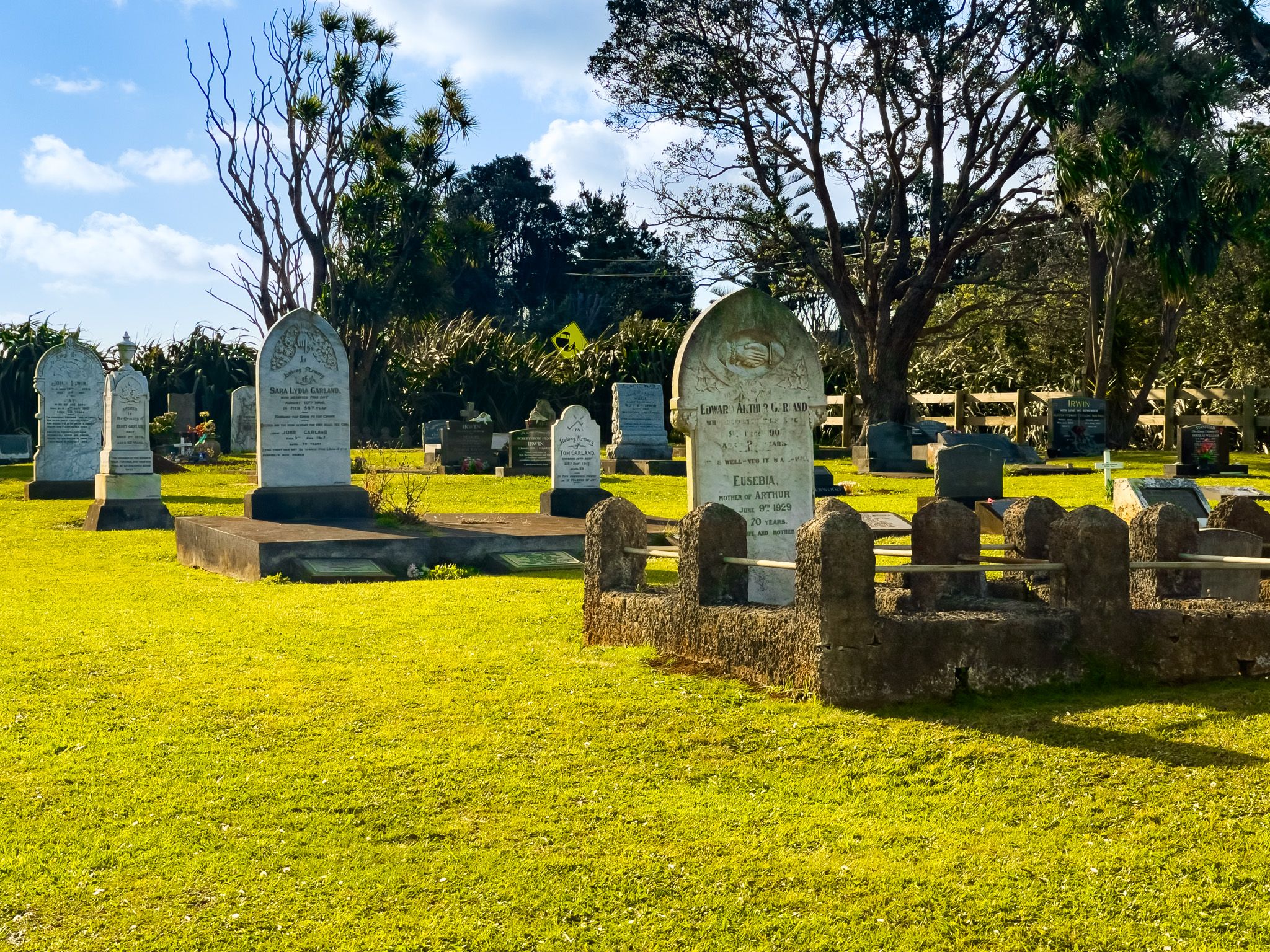
Immediately around the church is a small historic precinct. The adjacent cemetery holds the graves of many early farming families, and a nearby war memorial cenotaph marks those from the peninsula who served in the World Wars.
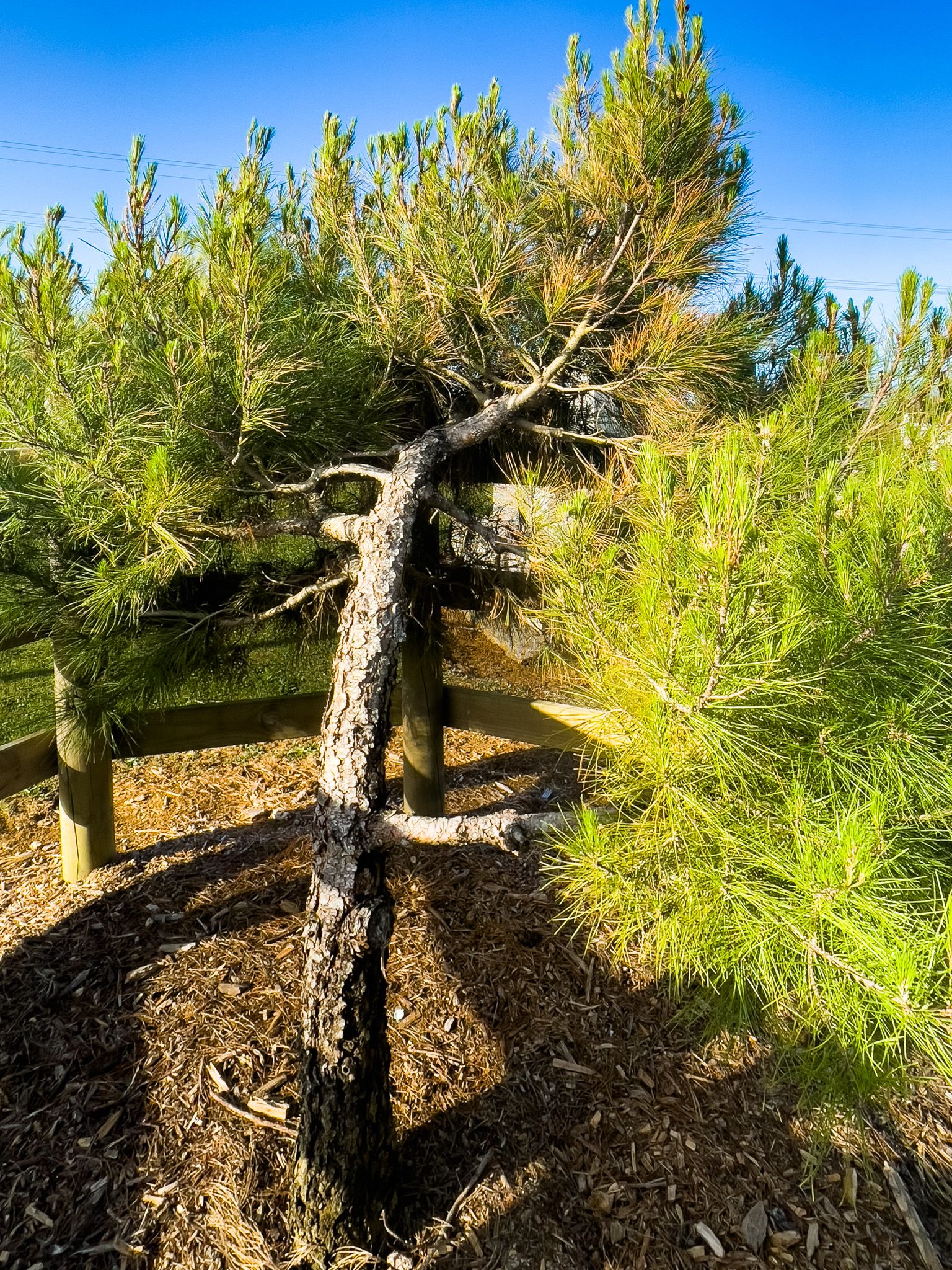
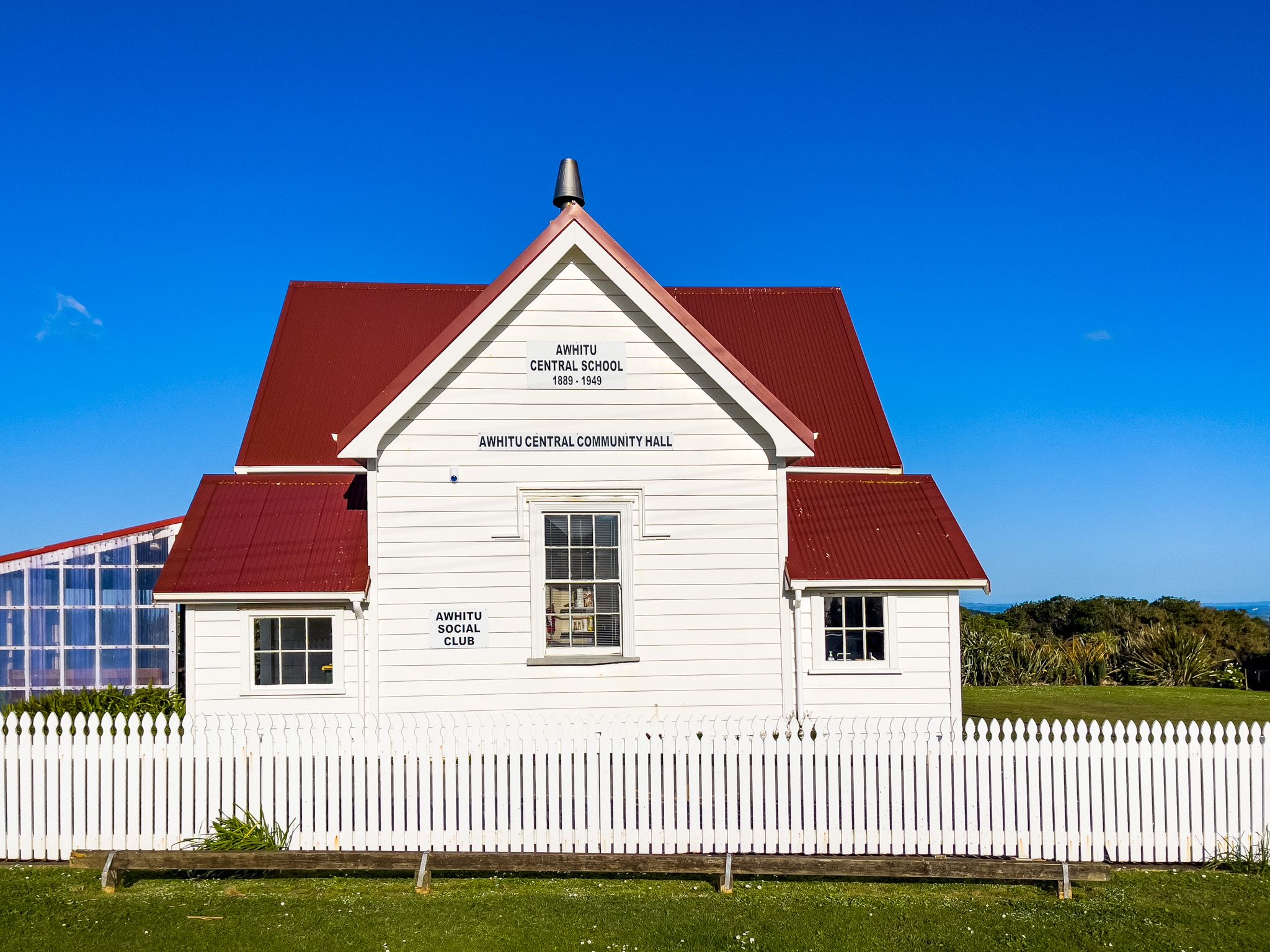
A slightly unusual feature is a lone young pine tree that is part of the war memorial. It is associated with the Battle of Lone Pine at Gallipoli, where pine cones and seeds were rescued by ANZAC soldiers from the single pine tree that gave the battle its name. Seeds from the tree and its offspring have since been planted as memorials around New Zealand. The one at Awhitu Central was planted in 2015, the 100th anniversary of Gallipoli. Across the road, the old Awhitu School building, constructed in 1883, now serves as a community hall.
Together, these elements form one of the more complete examples of a small early rural community's physical heritage in the greater Auckland region, all within a few minutes' walk of each other.
How to get there
Āwhitu Central is reached by driving north from Waiuku on Awhitu Road, continuing for approximately 20 kilometres into the upper section of the peninsula. From Downtown Auckland, the drive is 80 minutes and 95 km, via the southern motorway, State Highway 22 and Awhitu Road. From Waiuku, it is a 34-minute drive. The church and its surrounding precinct are visible from the road on the right-hand side. There is limited roadside parking.
The location is easily combined with visits to nearby Hamiltons Gap to the south, Āwhitu Regional Park to the northeast, Grahams Beach, Big Bay, Ōrua Bay, Wattle Bay and Manukau South Head.