Discovering Victoria Square in Christchurch
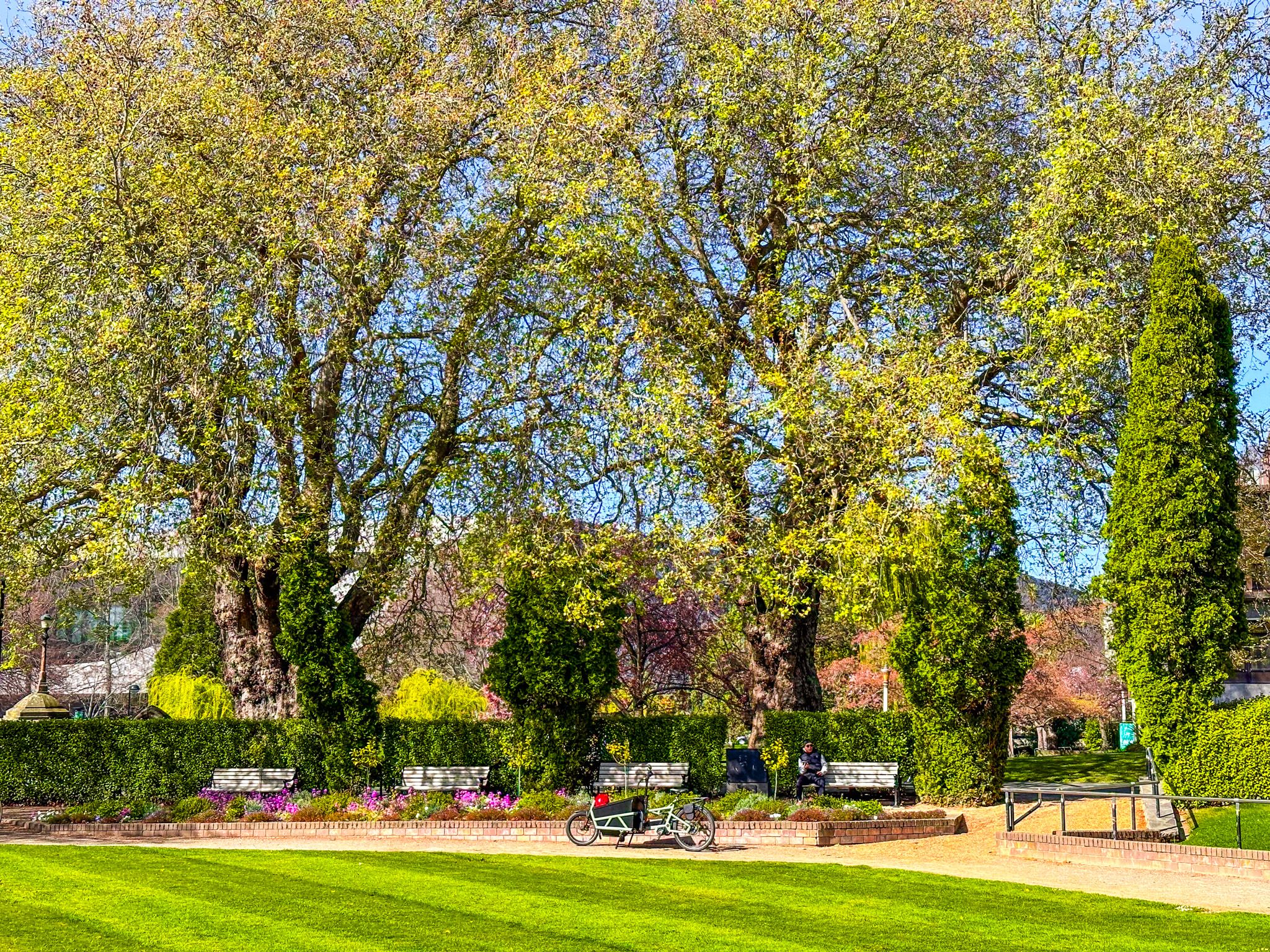
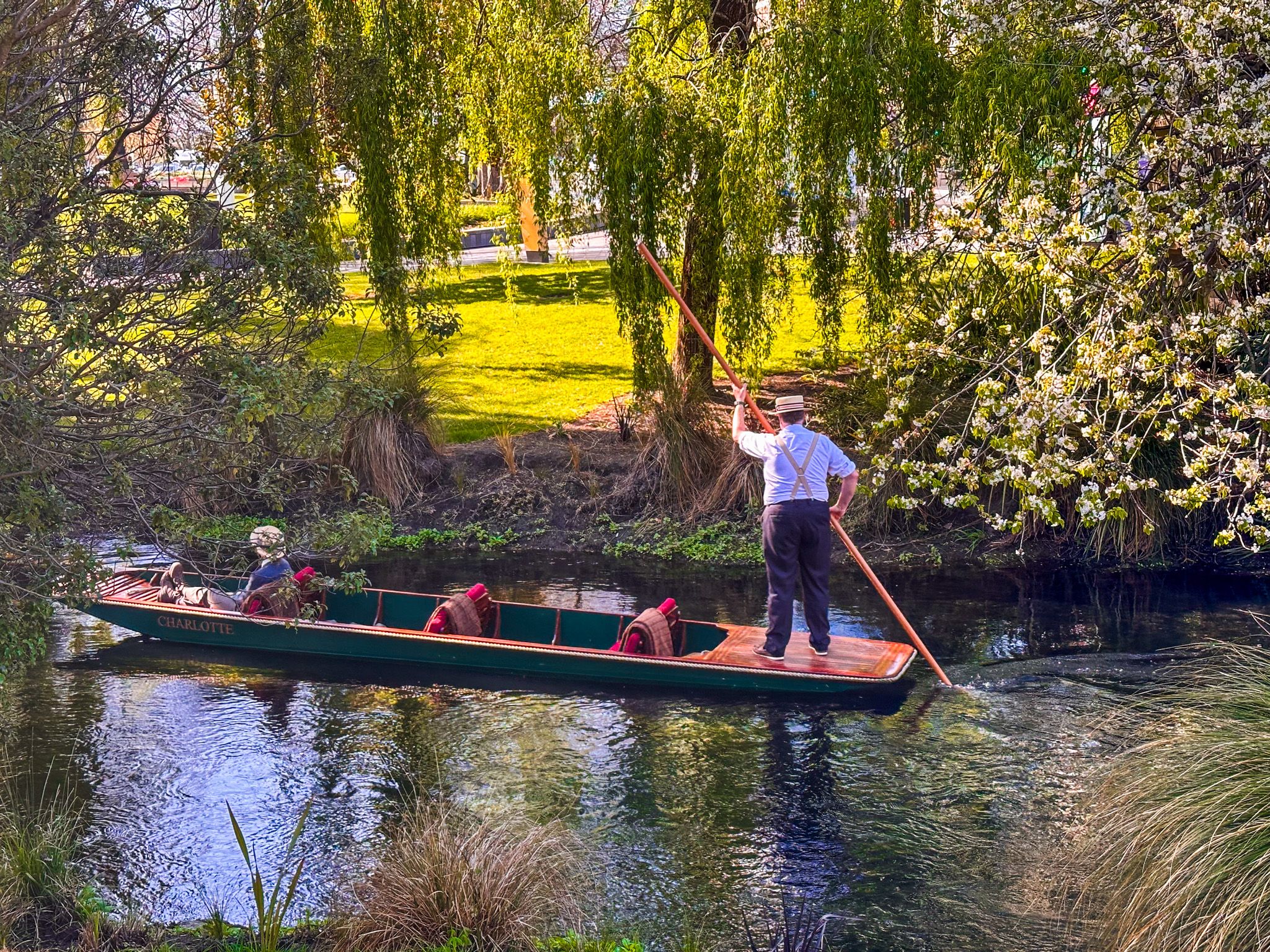
Victoria Square, a public park in Central Christchurch, is a place rich in history and cultural significance. Originally laid out in 1850 as part of the city's plan, it was initially called Market Square before being renamed in 1903. The square is bordered by Colombo Street to the east and Armagh Street to the south, with the Avon River / Ōtākaro flowing through it.
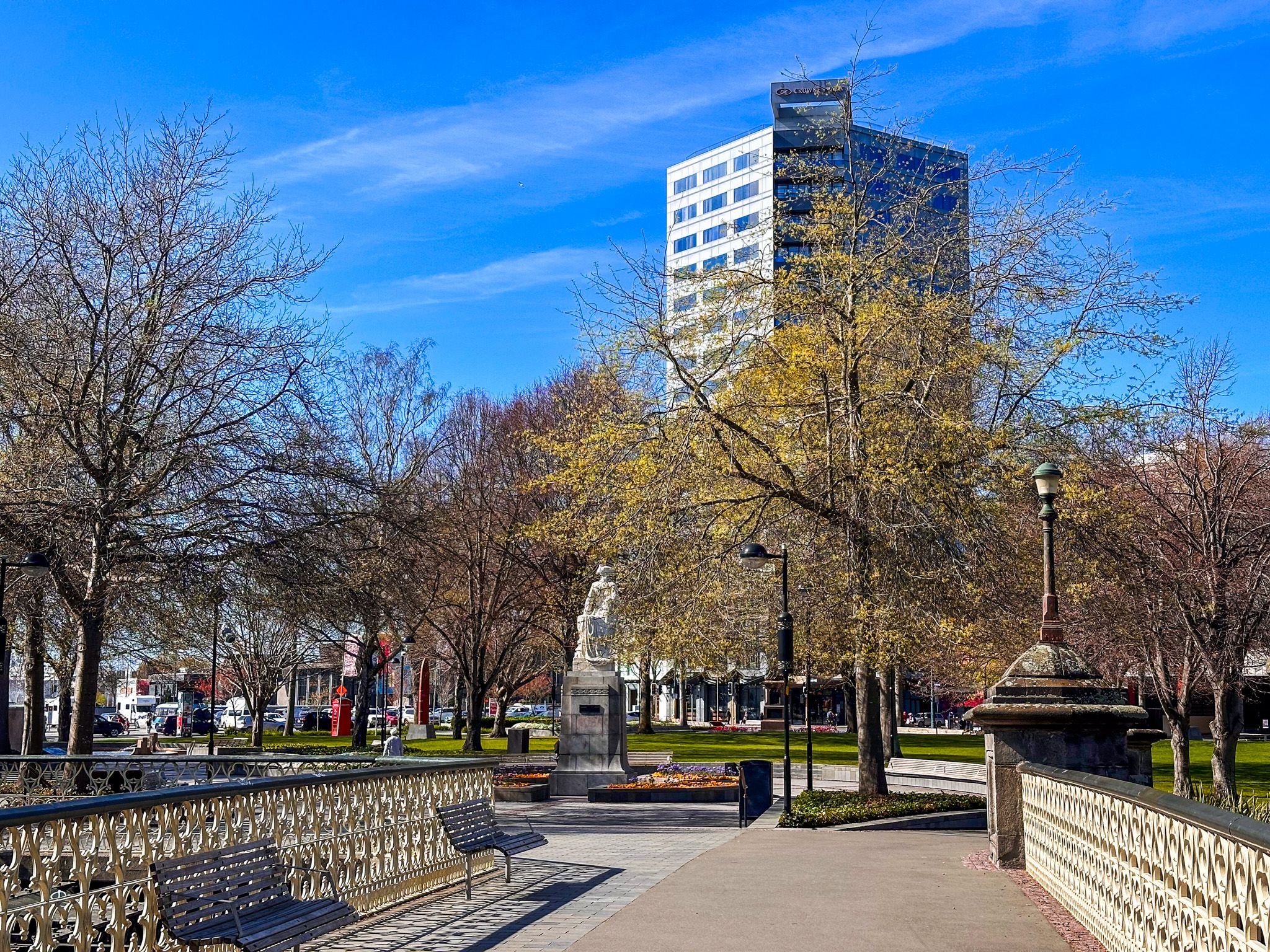
Notably, the Hamish Hay Bridge, New Zealand's oldest cast-iron and stone bridge, built in 1864, crosses the river at the square's northwest corner.
Historical and Cultural Significance
For early Māori, the area around Victoria Square was a vital mahinga kai (food-gathering place) and kāinga nohoanga (settlement area), with settlement dating back to around 1300. By 1850, the Māori settlement of Puāri was near Market Square, facilitating trade with European settlers.
Although local Māori attempted to reclaim the square in 1868, it was deemed part of the 1848 Canterbury Purchase. The square evolved from a market to a civic focal point and was redeveloped as a park in the late 1800s.
Architectural Heritage
Victoria Square is home to significant architectural history. The Christchurch Supreme Court, designed by Alexander Lean, was built on the western side in 1869, followed by the Magistrates' Court in 1880. Both structures were designed in the Gothic revival style. While the Supreme Court building no longer exists, the historic Magistrates' Court building remains.
Renaming and Monuments
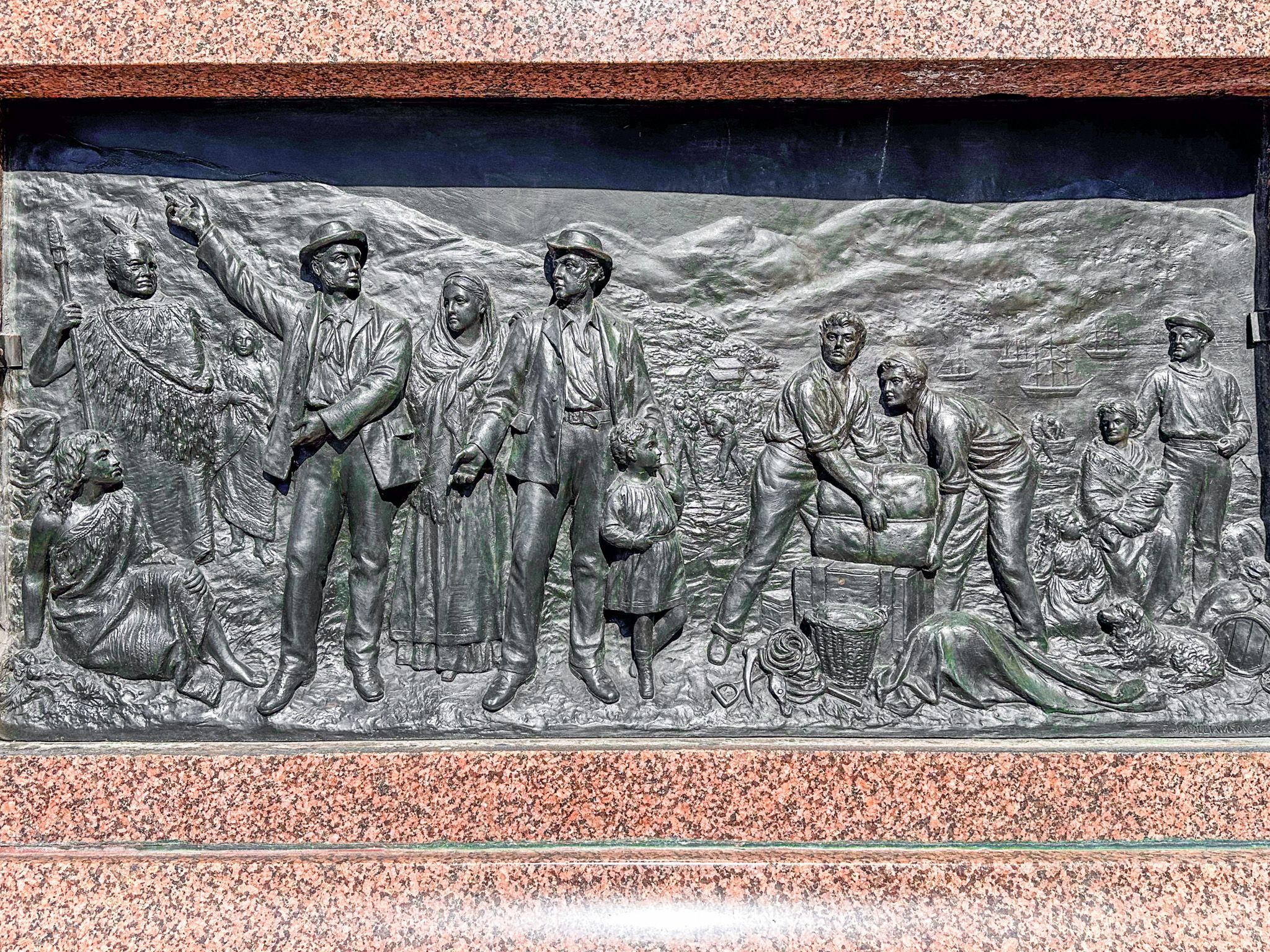
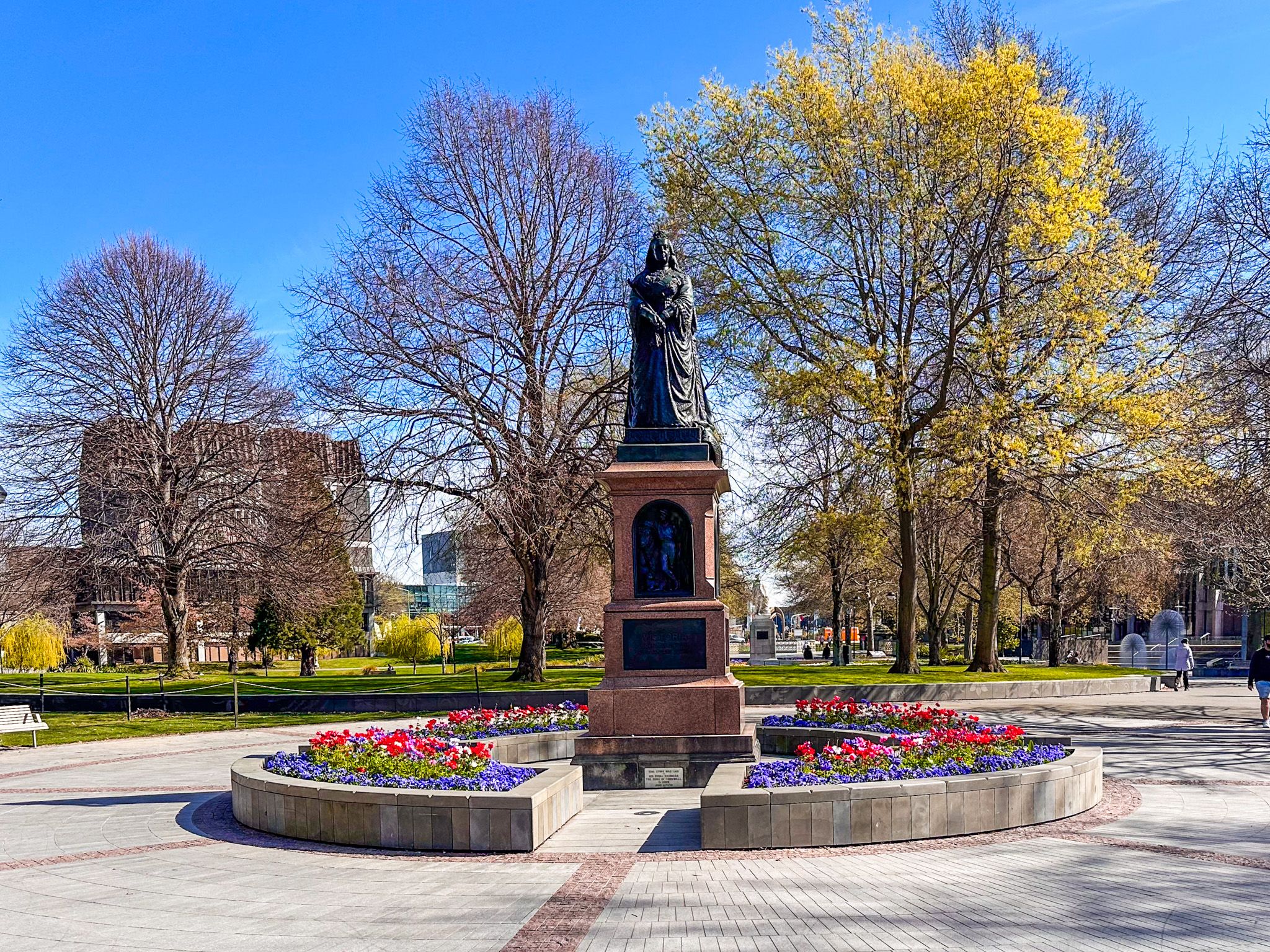
The square was renamed Victoria Square in 1903, reflecting the patriotic sentiments following the Boer Wars and Christchurch's 50th jubilee in 1900. A statue of Queen Victoria, featuring plaques depicting early New Zealand life, became the square's centrepiece.
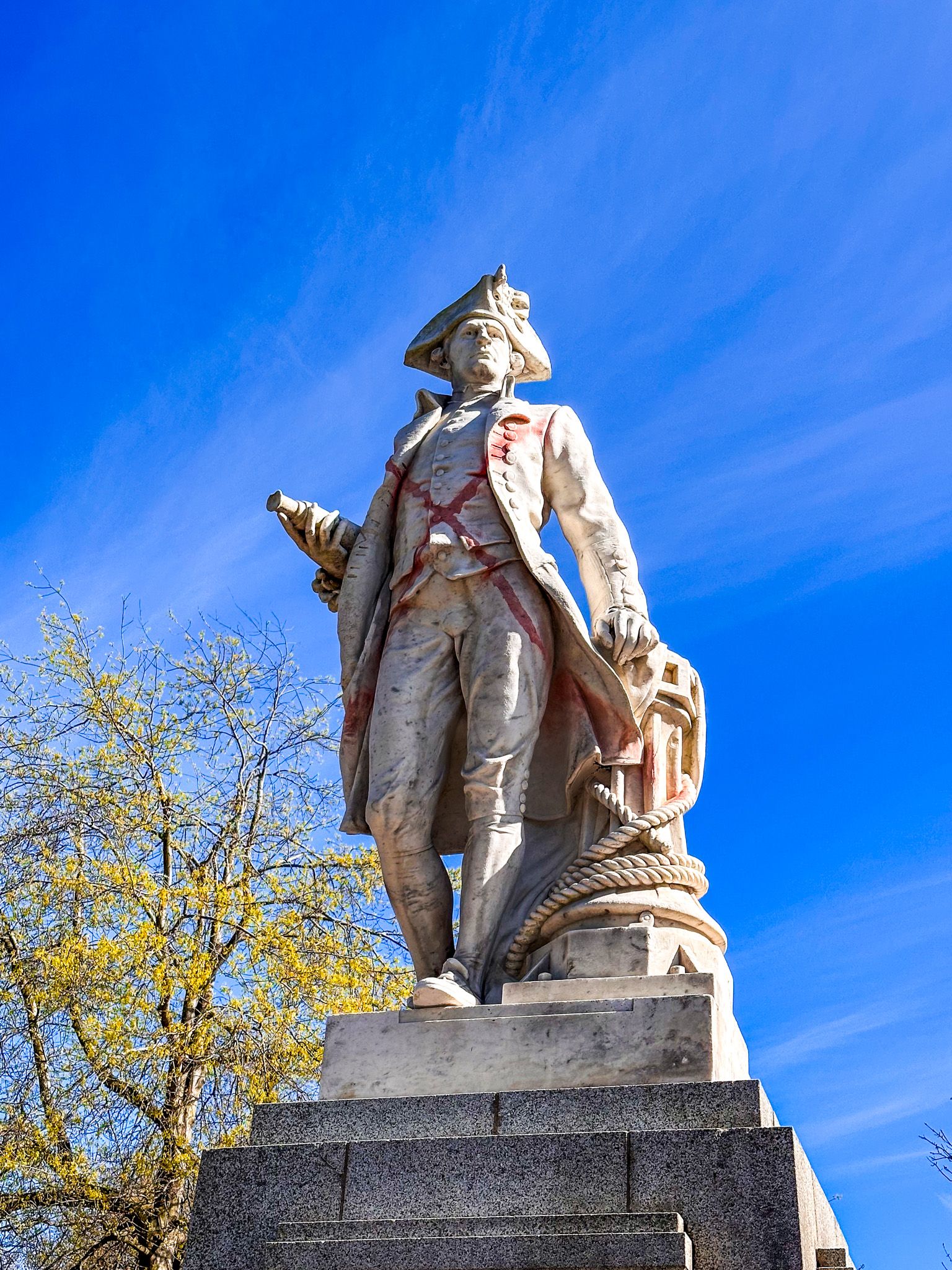
Private donations led to the addition of the Bowker Fountain in 1931, the first electric-powered fountain in the Southern Hemisphere, and the Cook Statue in 1932, sculpted by William Trethewey and funded by bookmaker Matthew Barnett.
Modern Developments and Restoration
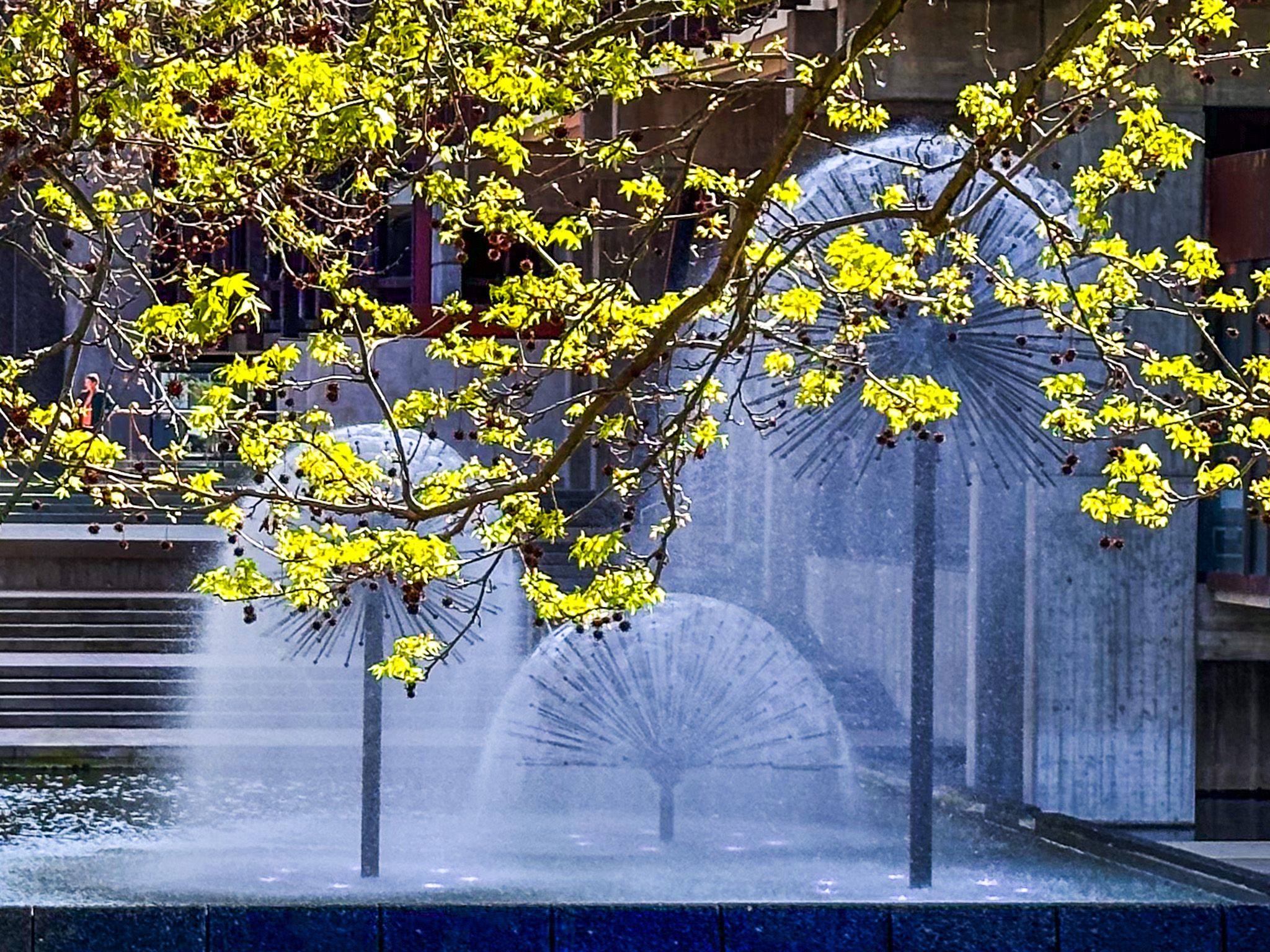
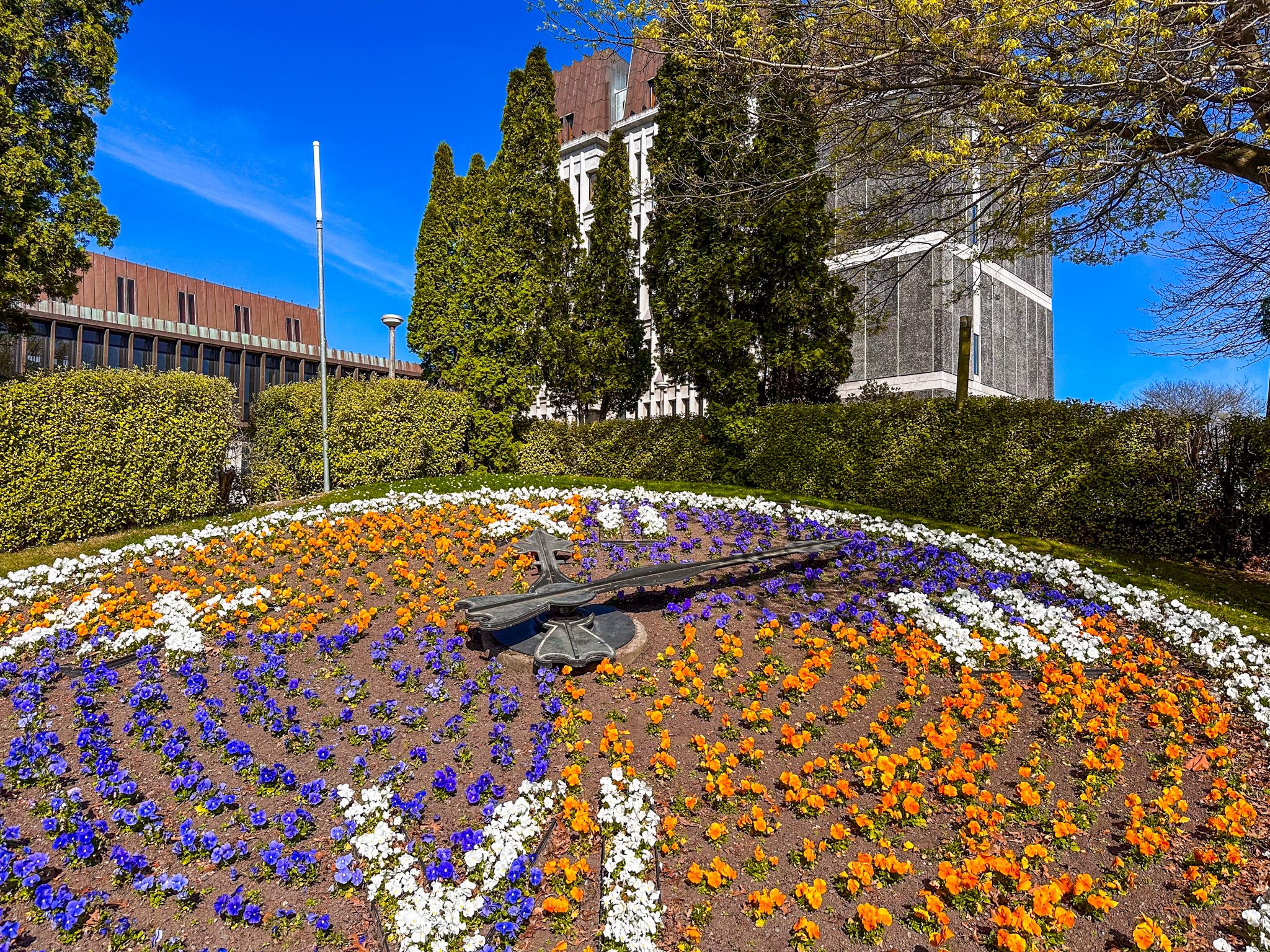
In the 1970s, the town hall was constructed on the north side of the river, with the Ferrier Fountain at its front. In the 1980s, Victoria Street was closed through the square to create more green space.
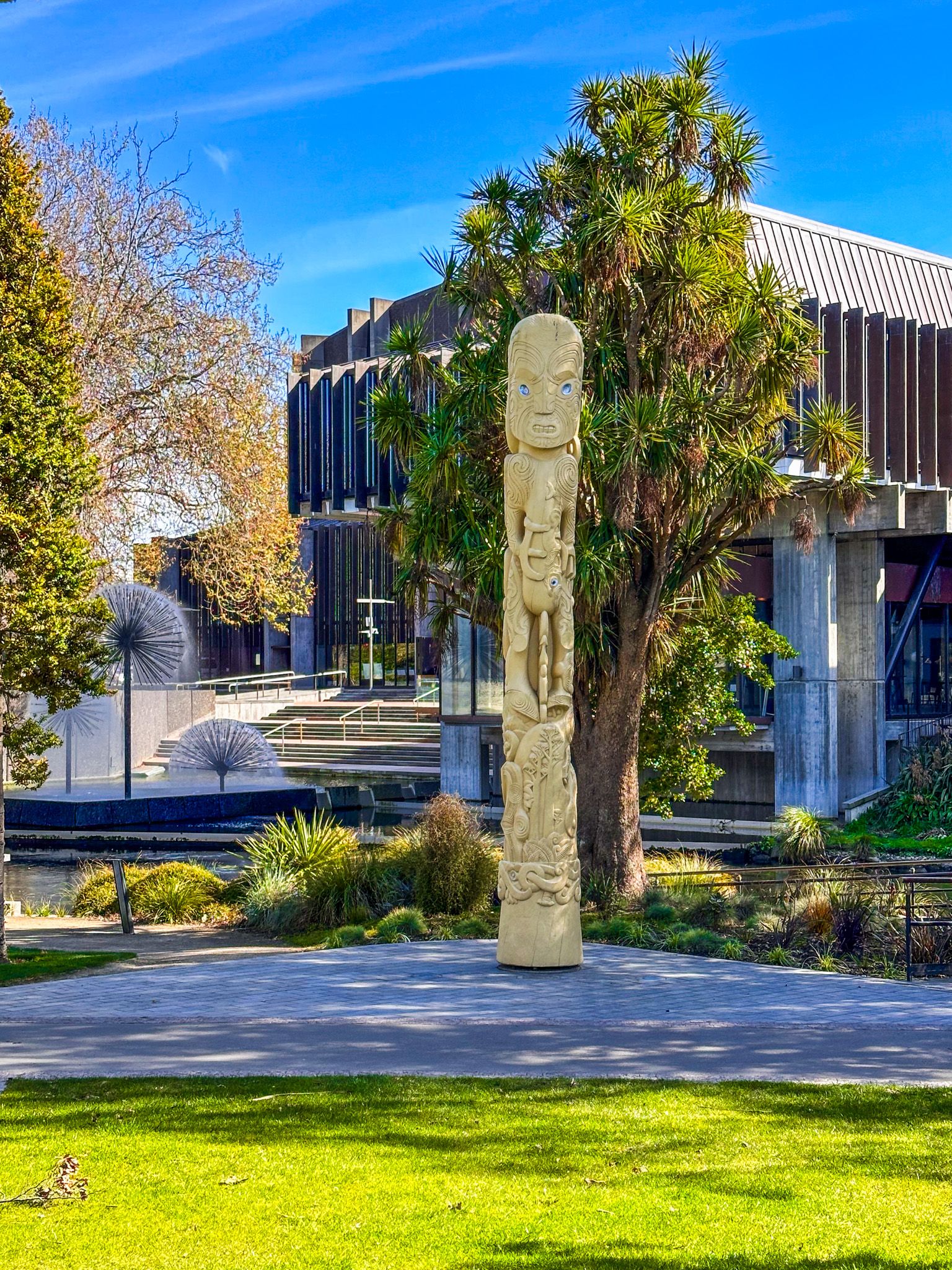
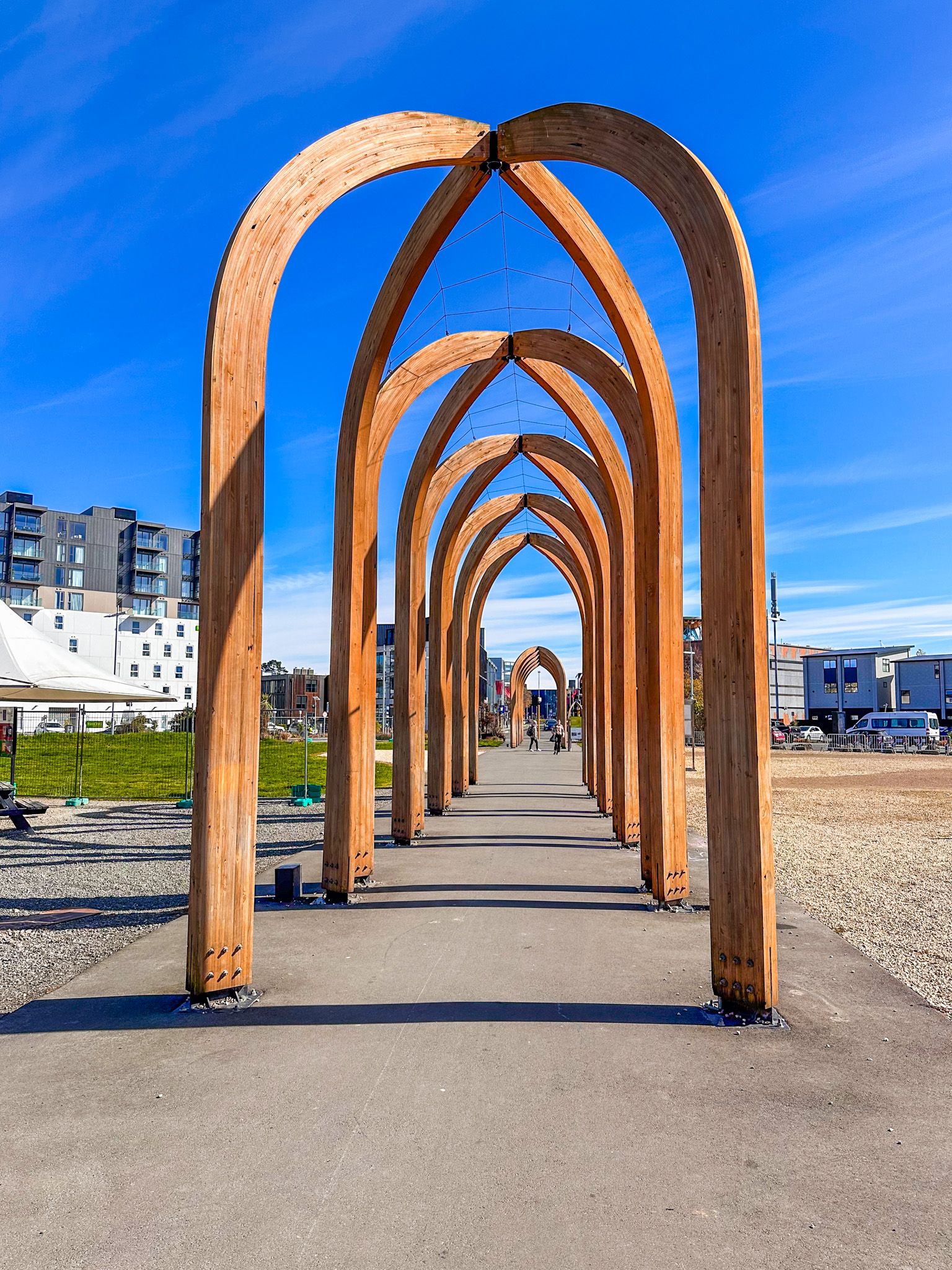
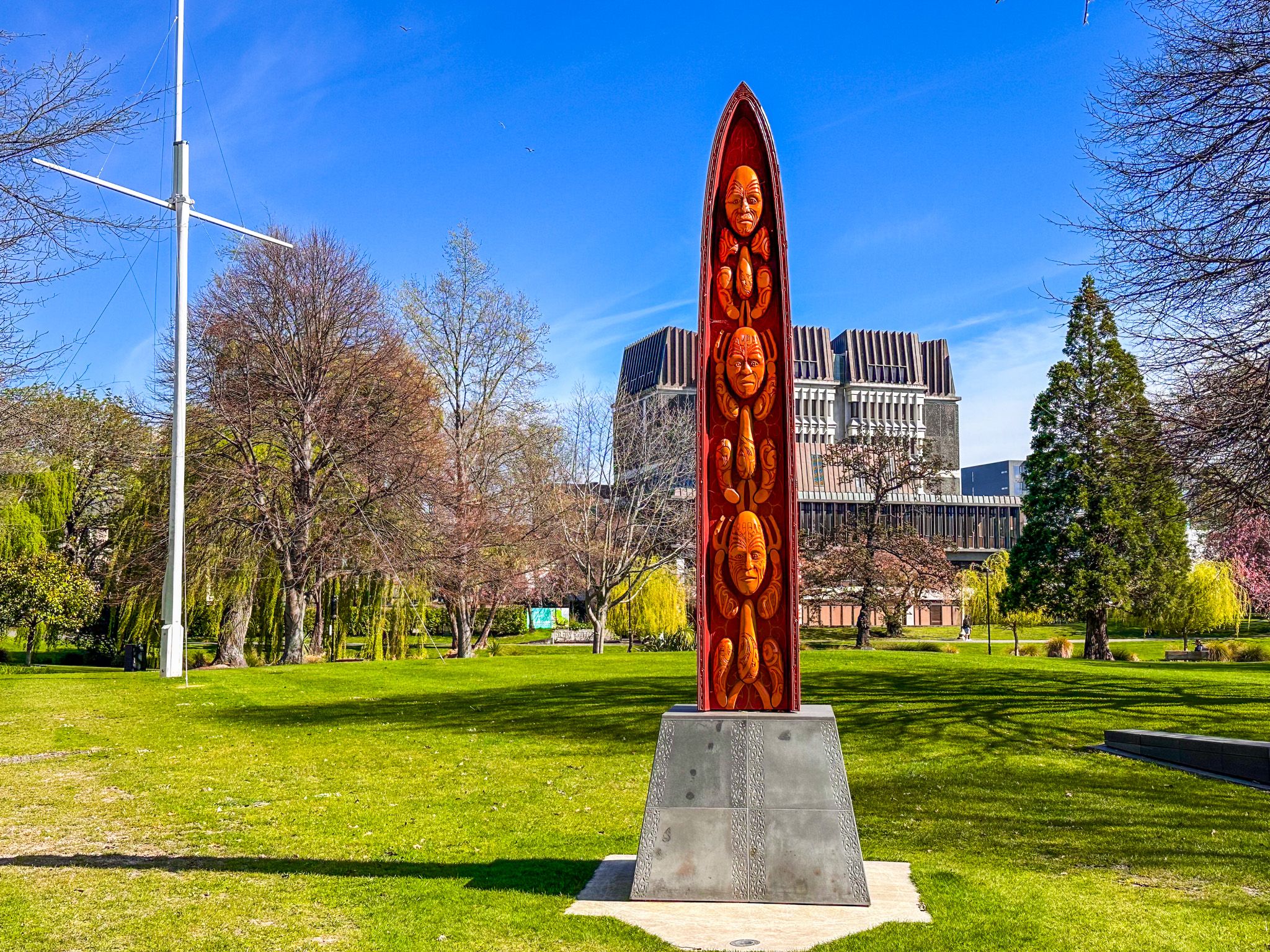
After the February 2011 earthquake, the square underwent restoration, completed in 2018. Recent additions include a Ngāi Tahu pouwhenua at the square's south end, reclaiming historical connections, and the Ngāi Tahu Trails path on the northwest side of Keith Hay Bridge. Te Pae Christchurch Convention Centre also faces the square on its southern side.
How to Get There
Victoria Square is easily accessible in Central Christchurch. You can reach it by heading south on Colombo Street, which forms the square's eastern boundary, or by travelling along Armagh Street on its southern side. The square is a short walk from Cathedral Square, making it an easy stop for those exploring the city.
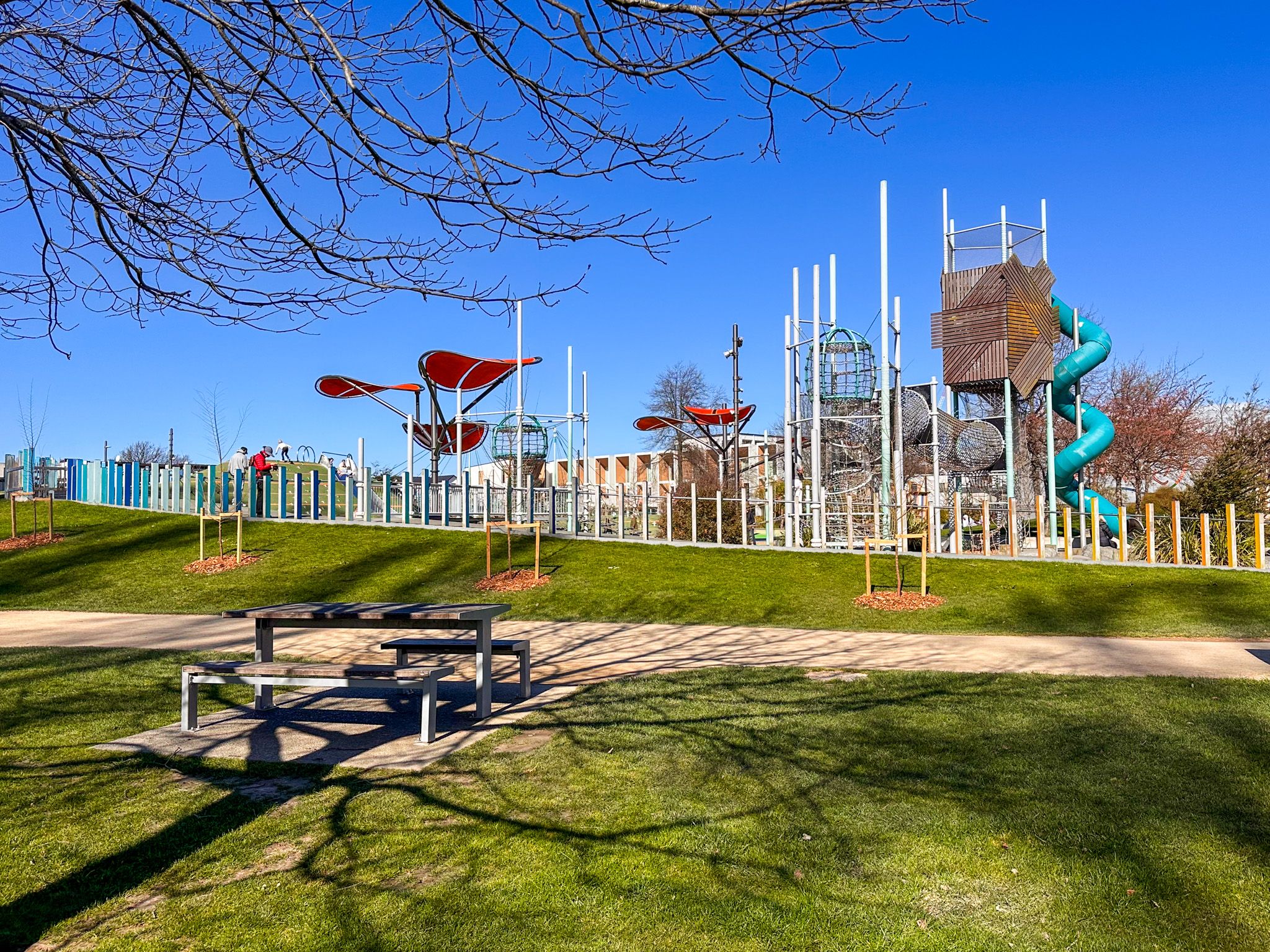
Nearby, you can also visit the Margaret Mahy Family Playground, the Art Gallery, the Arts Centre, the Botanic Gardens and Hagley Park.