Exploring Waikawa Bay
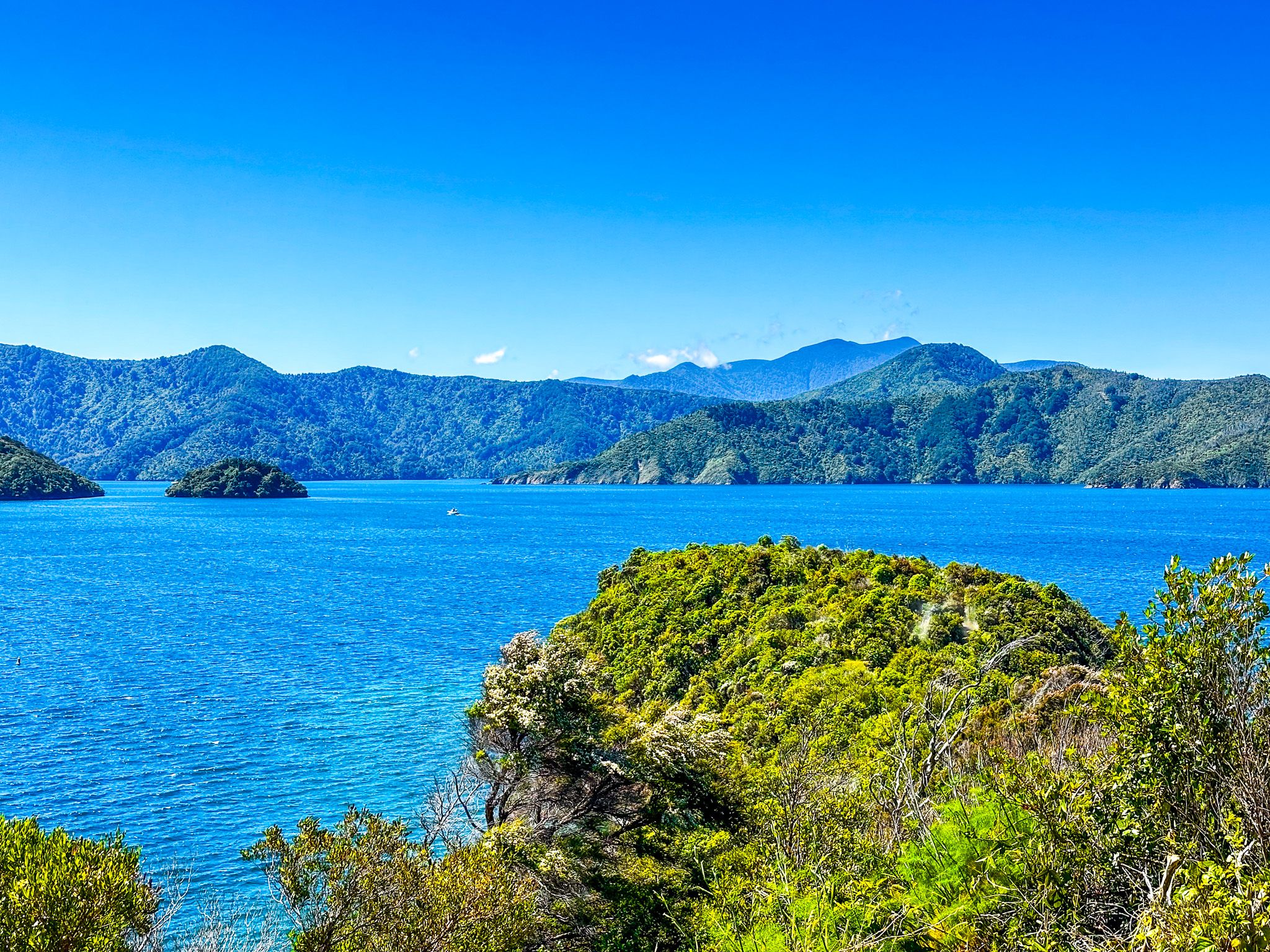
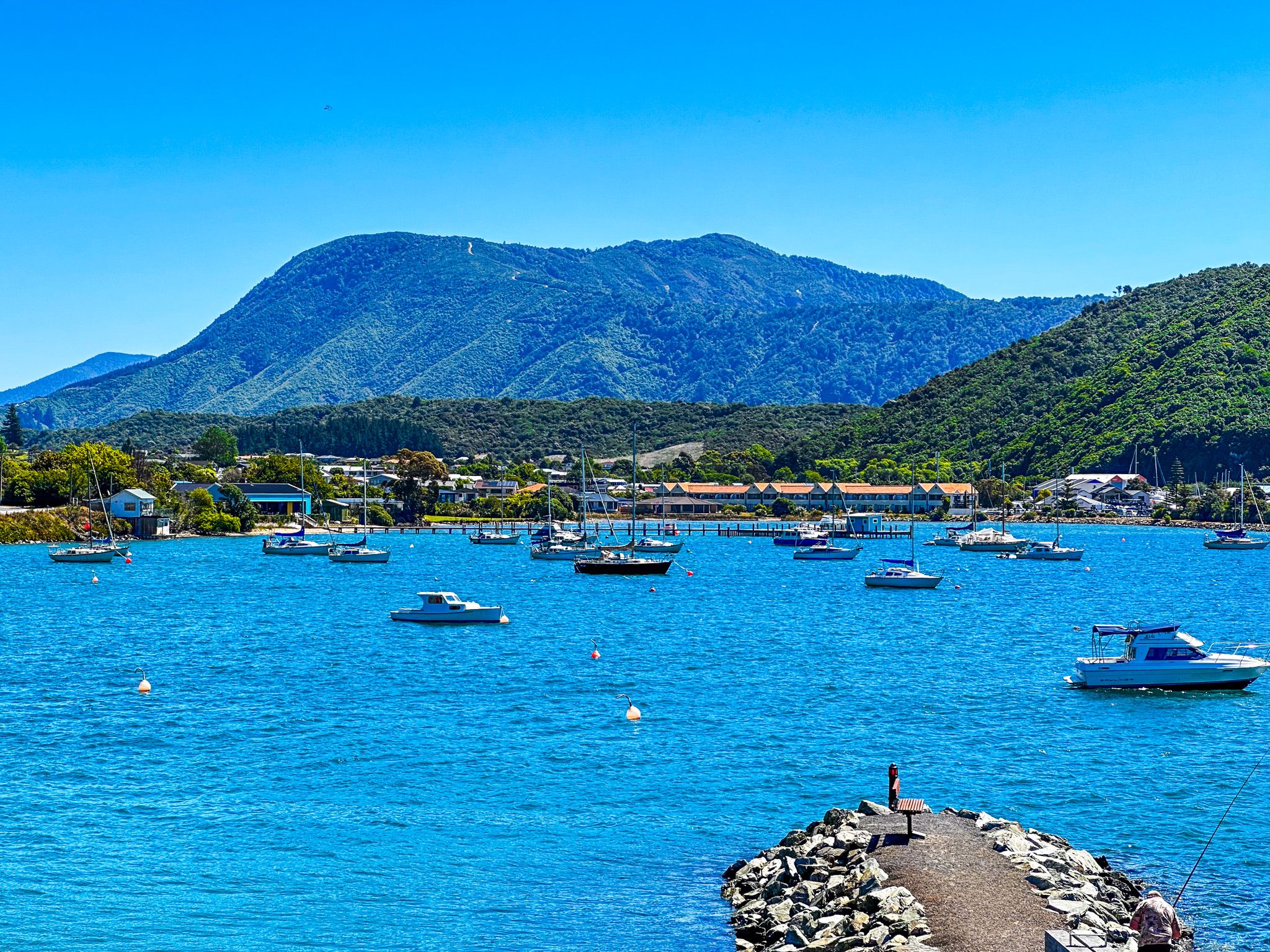
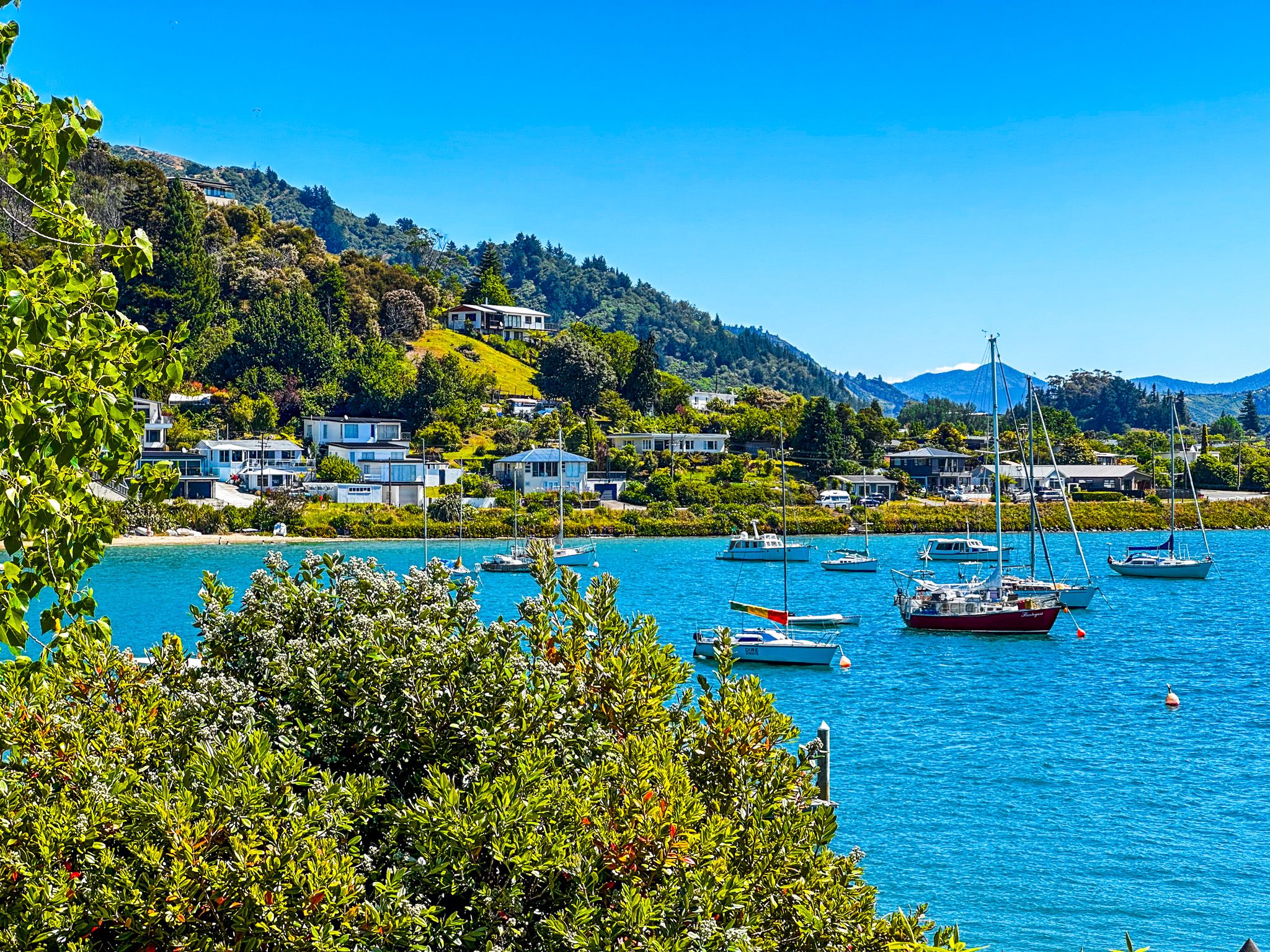
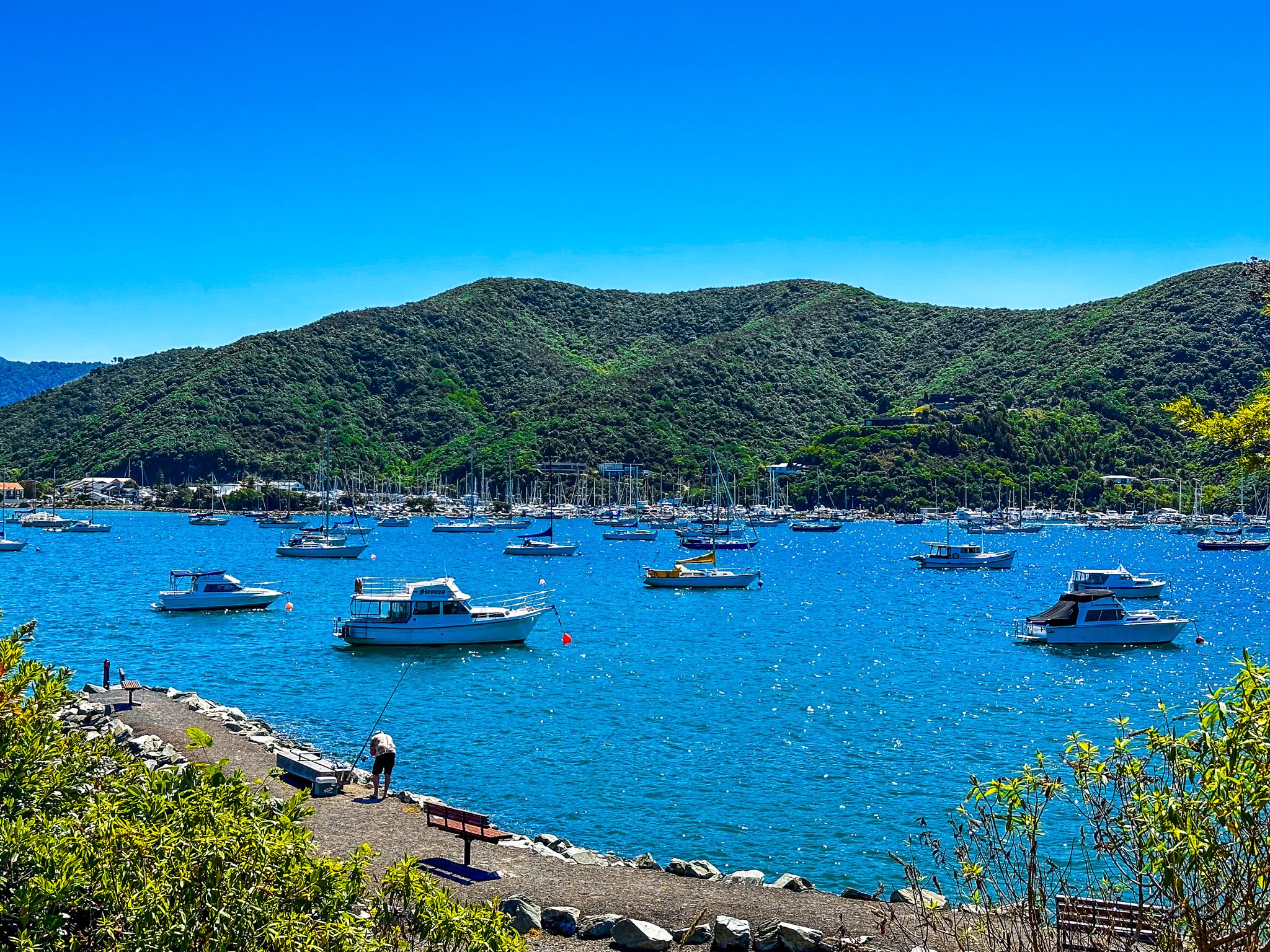
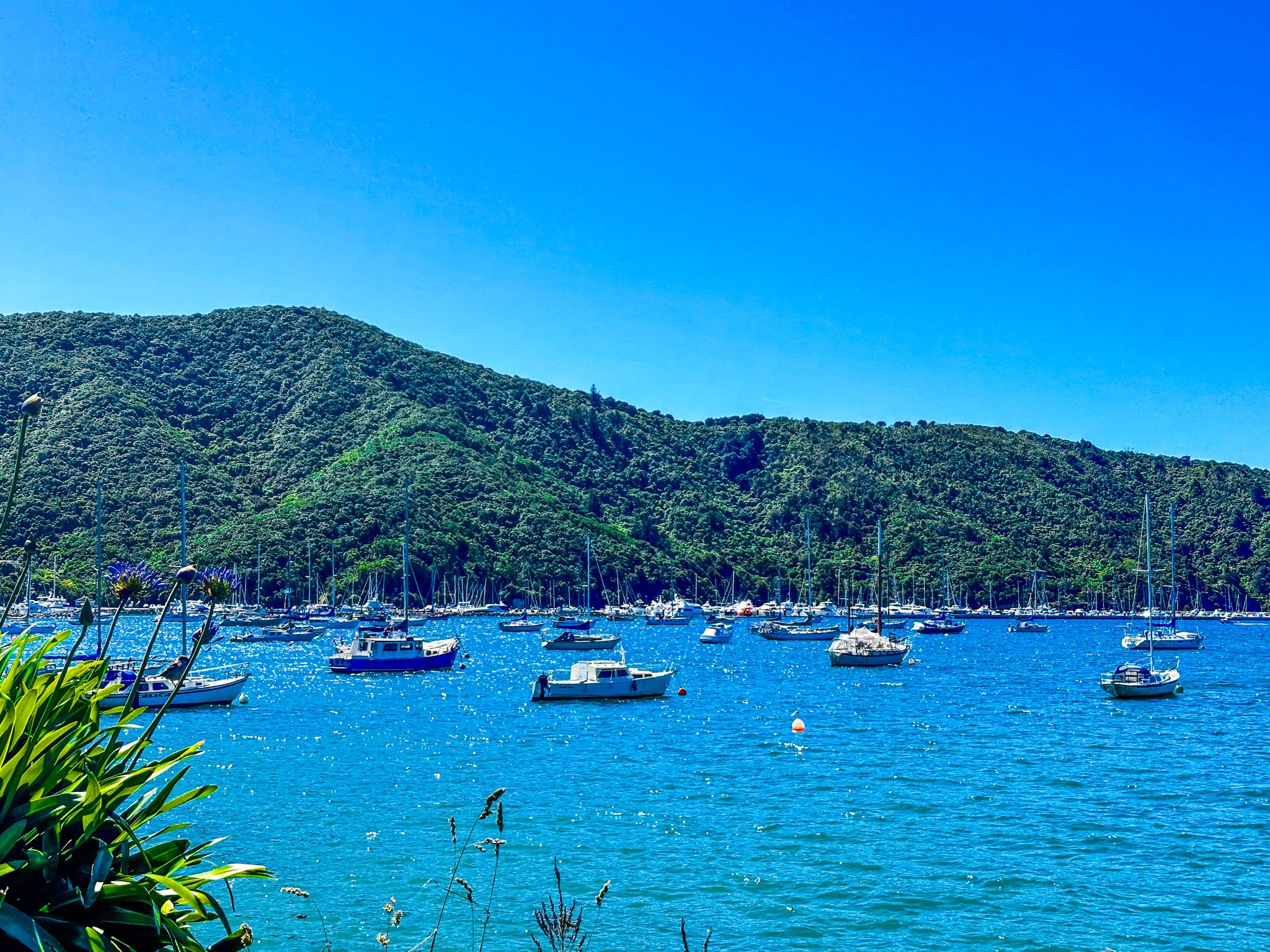
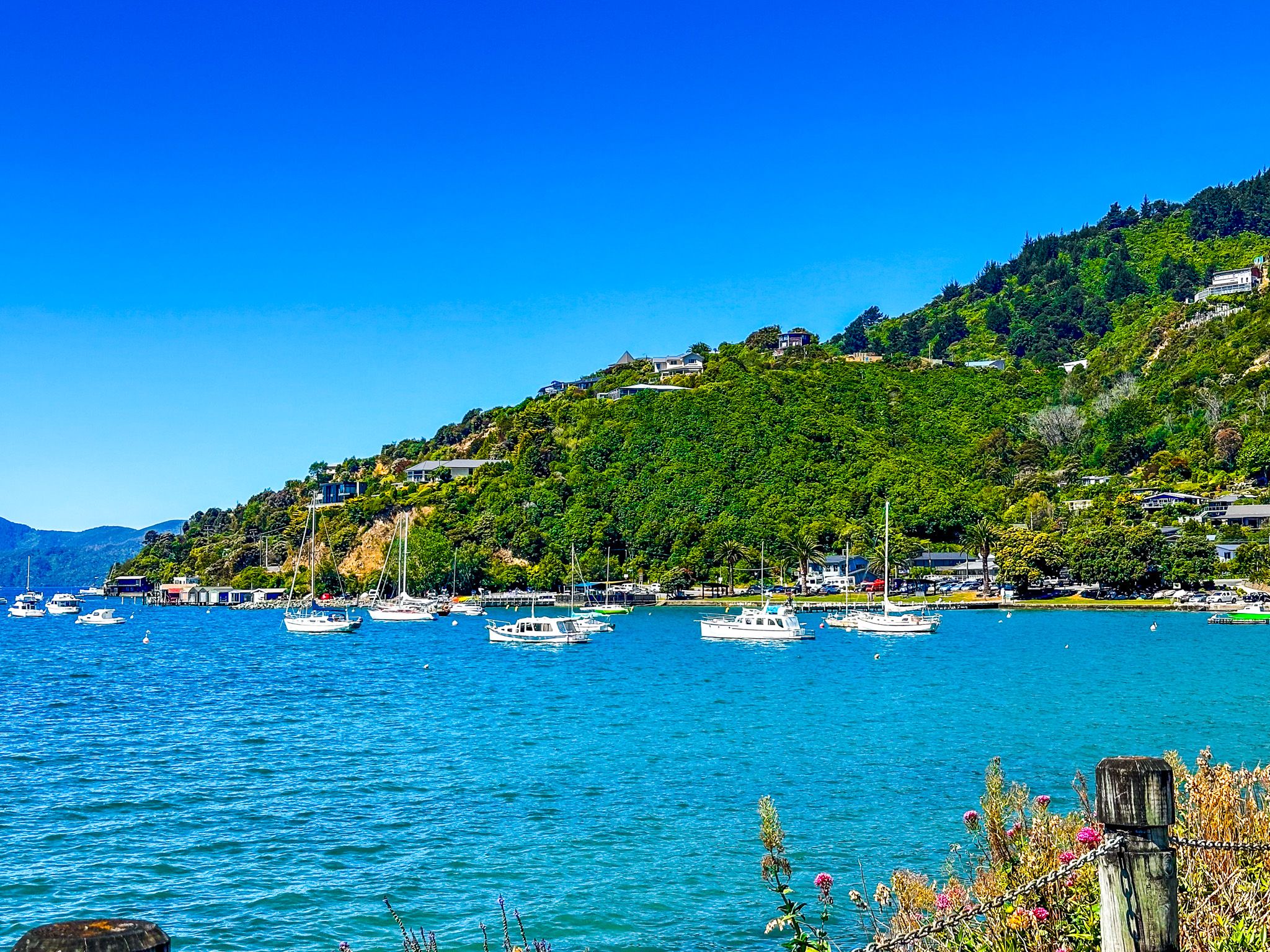
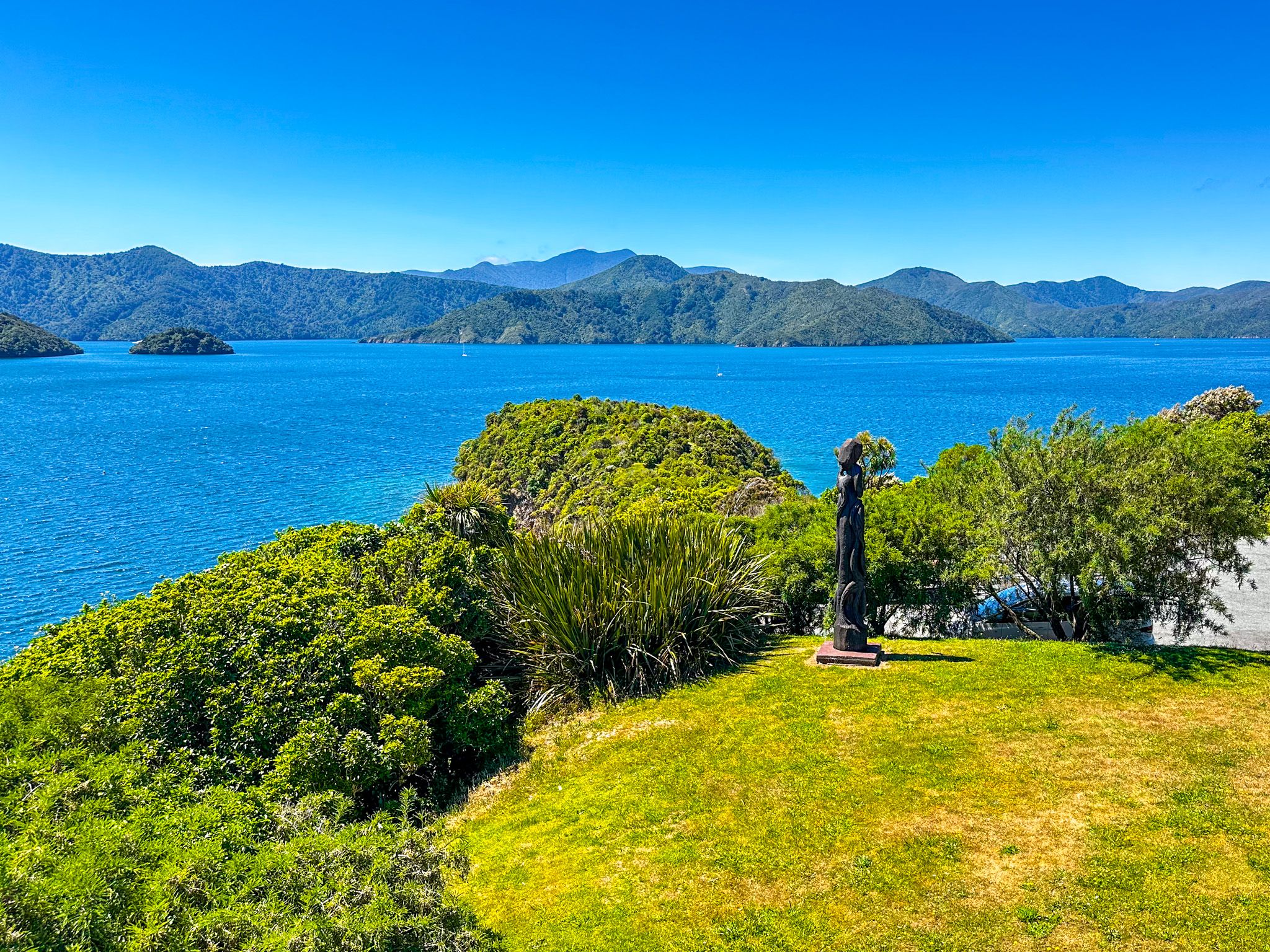
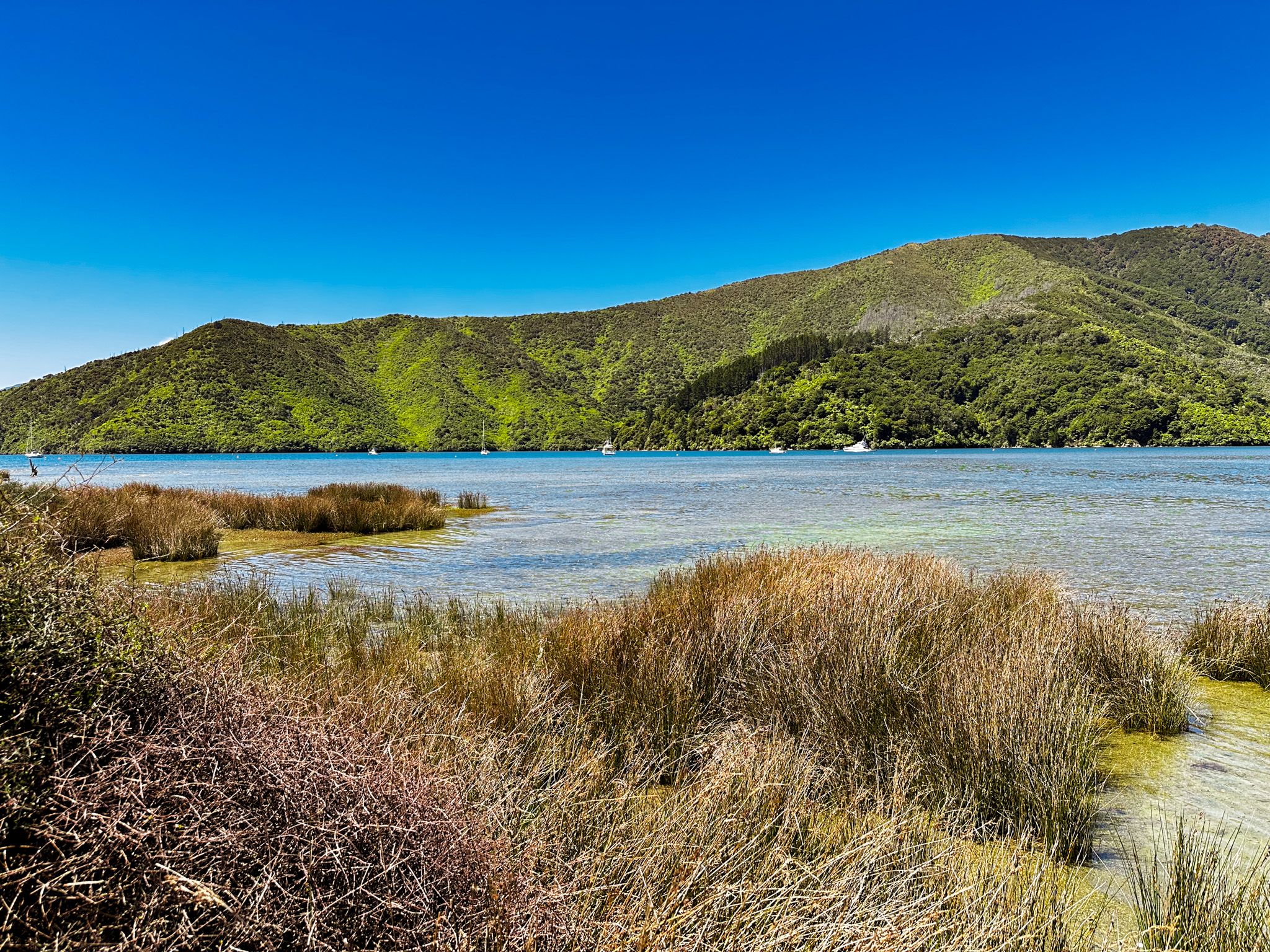
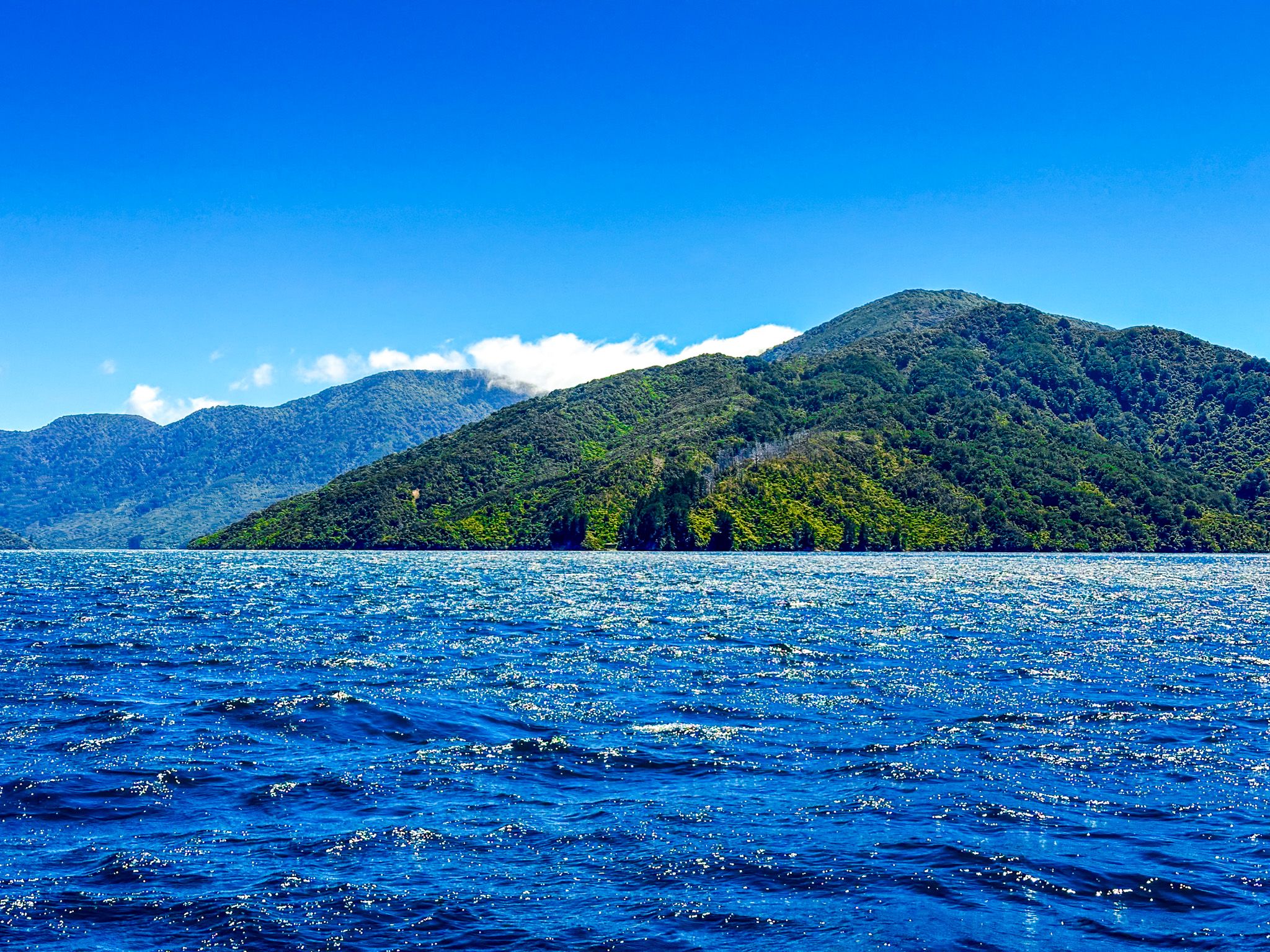
Waikawa Bay sits immediately northeast of Picton in a narrow inlet connected to Queen Charlotte Sound / Totaranui. This compact port town features a large recreational marina and provides access to coastal walking tracks through the Snout, a forested reserve separating the bay from Picton Harbour. The area preserves significant Māori history, with eight iwi holding ancestral connections to these waters.
Walk the Snout and View the Marina
The Snout forms a prominent forested headland between Waikawa Bay and Picton Harbour. Native bush covers the reserve, with walking tracks winding through regenerating forest to reach several small beaches on the southeastern shore. These secluded coves provide quiet spots for swimming and beachcombing, accessible only by foot or boat.
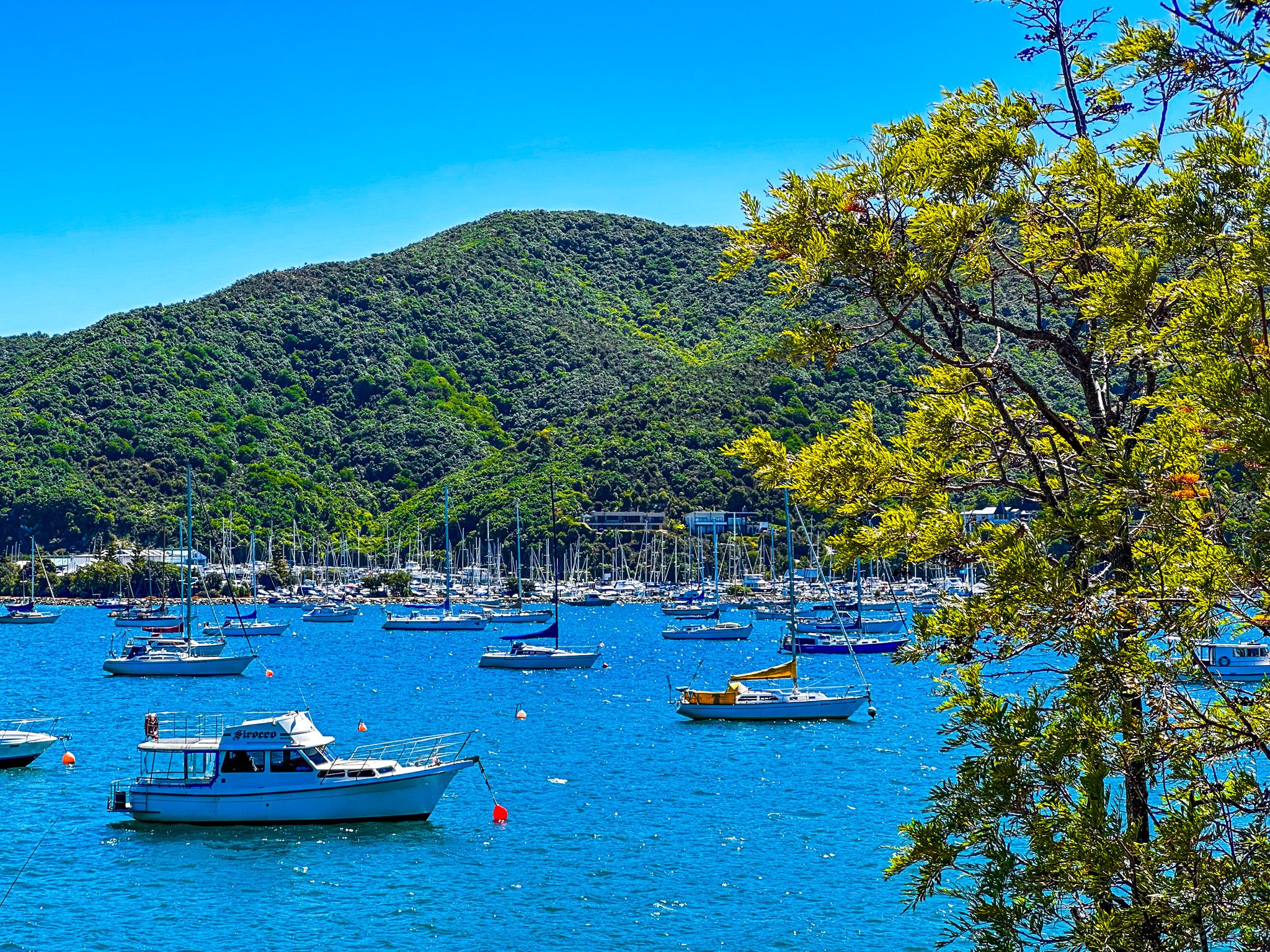
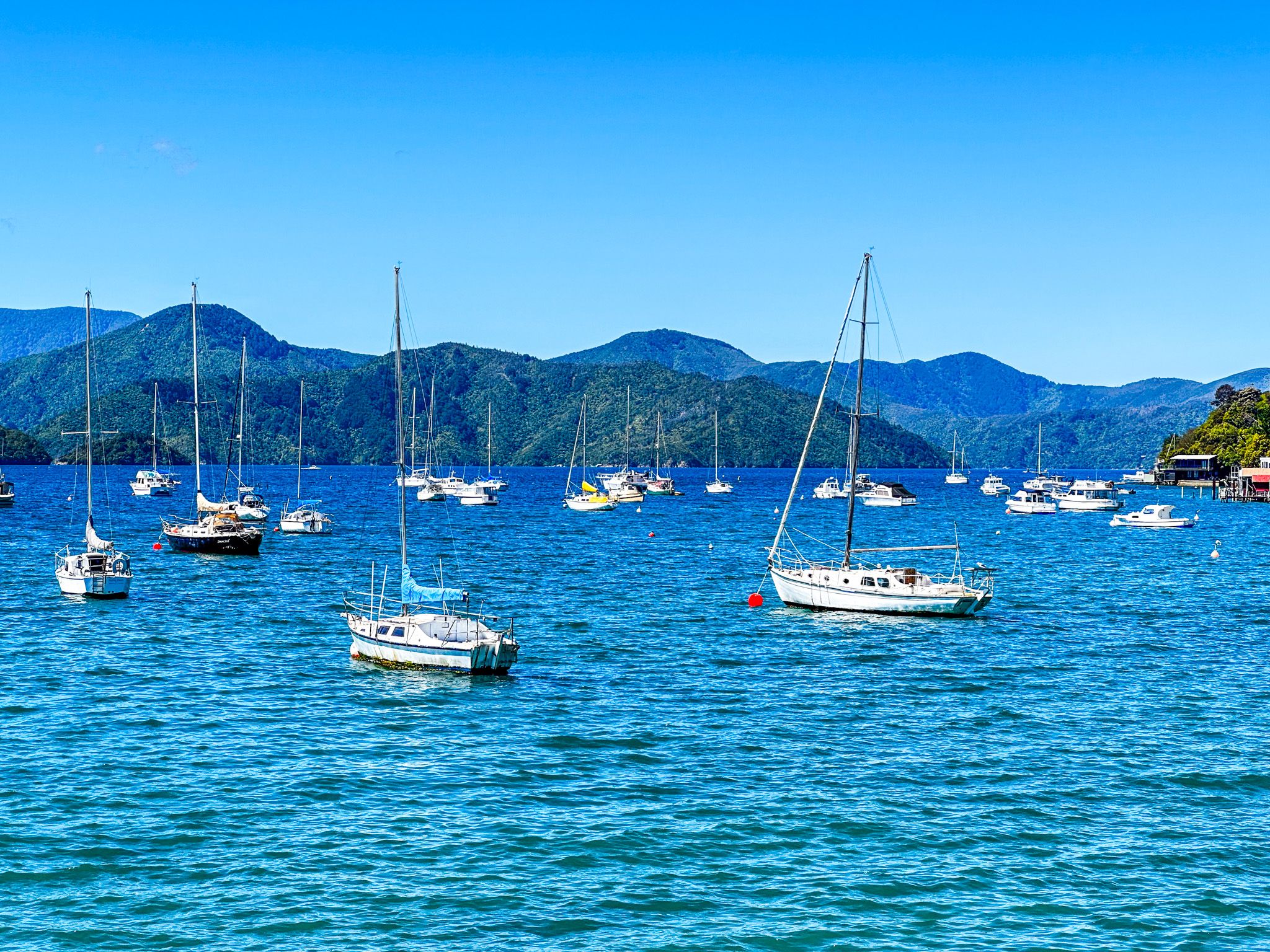
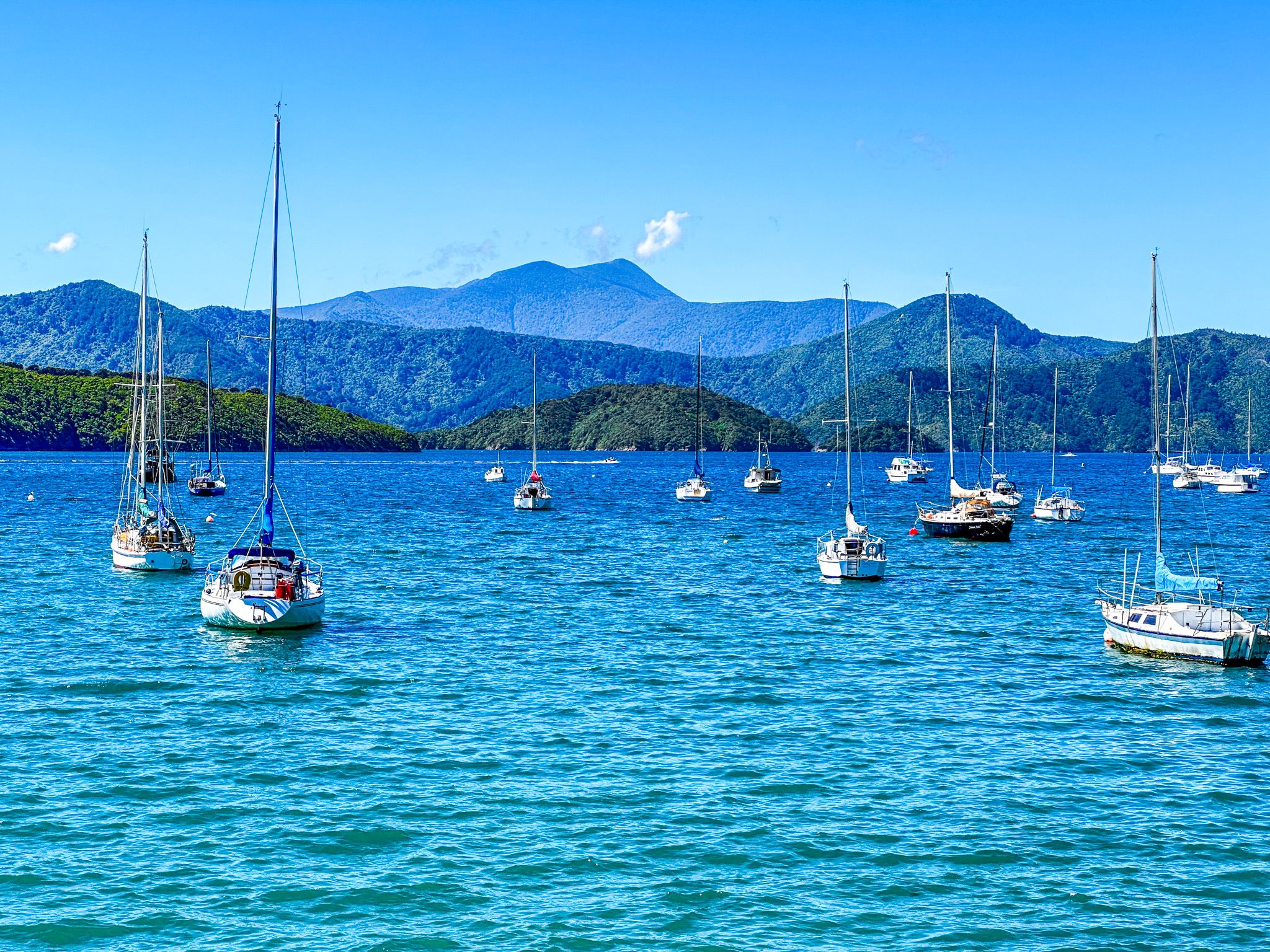
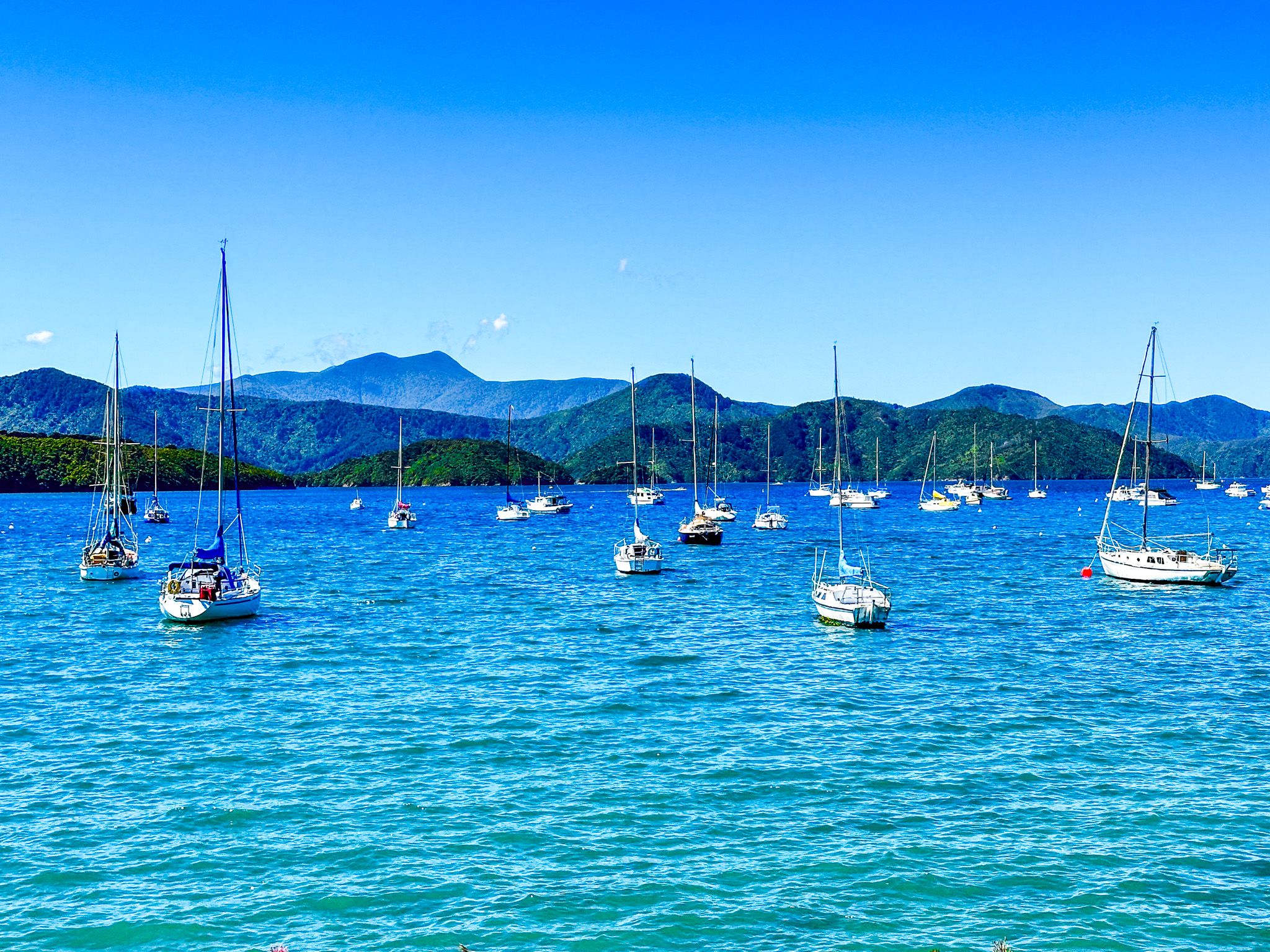
The marina complex is on the south side of the Snout and contains 600 berths, making it one of the country's largest facilities for recreational vessels. Boats from throughout New Zealand and international waters use these moorings as a base for exploring the Marlborough Sounds. The waterfront area includes marine services, boat ramps, and facilities for both permanent berth holders and visiting sailors. The marina serves as a departure point for boating trips into Queen Charlotte Sound and the wider Marlborough Sounds network.
Māori in Waikawa Bay
At least eight iwi maintained historical connections to Waikawa Bay before European arrival. The area supported extensive plantations and kaimoana gathering, with multiple pā sites around the inlet. Te Rauparaha's invasion disrupted these communities around 1829-30, culminating in the defeat of local iwi at Te Rea o Karaka pā. Following the 1850 land purchase by the New Zealand Company, Te Ātiawa o Te Waka-a-Māui, the victorious iwi, moved from traditional pā into European-style homes in the newly surveyed town.
A typhoid outbreak struck the community around 1860. Ropoama Te One, the local rangatira, located a clean water source that ended the epidemic. The Picton Historical Society placed a memorial on Waikawa Road in 1978 to commemorate this event, drawing on iwi oral histories that predate written records in the region.
How to Get There
Waikawa Road runs northeast from Picton, reaching the marina and town centre within five minutes by car. The road continues as Port Underwood Road, following the coast toward the outer sounds. Parking is available near the marina and at the entrances to the Snout walking track.
Other places to visit around the region include Queen Charlotte Drive, Whatamango Bay and Port Underwood.