Explore the Ancients of Waipoua Forest
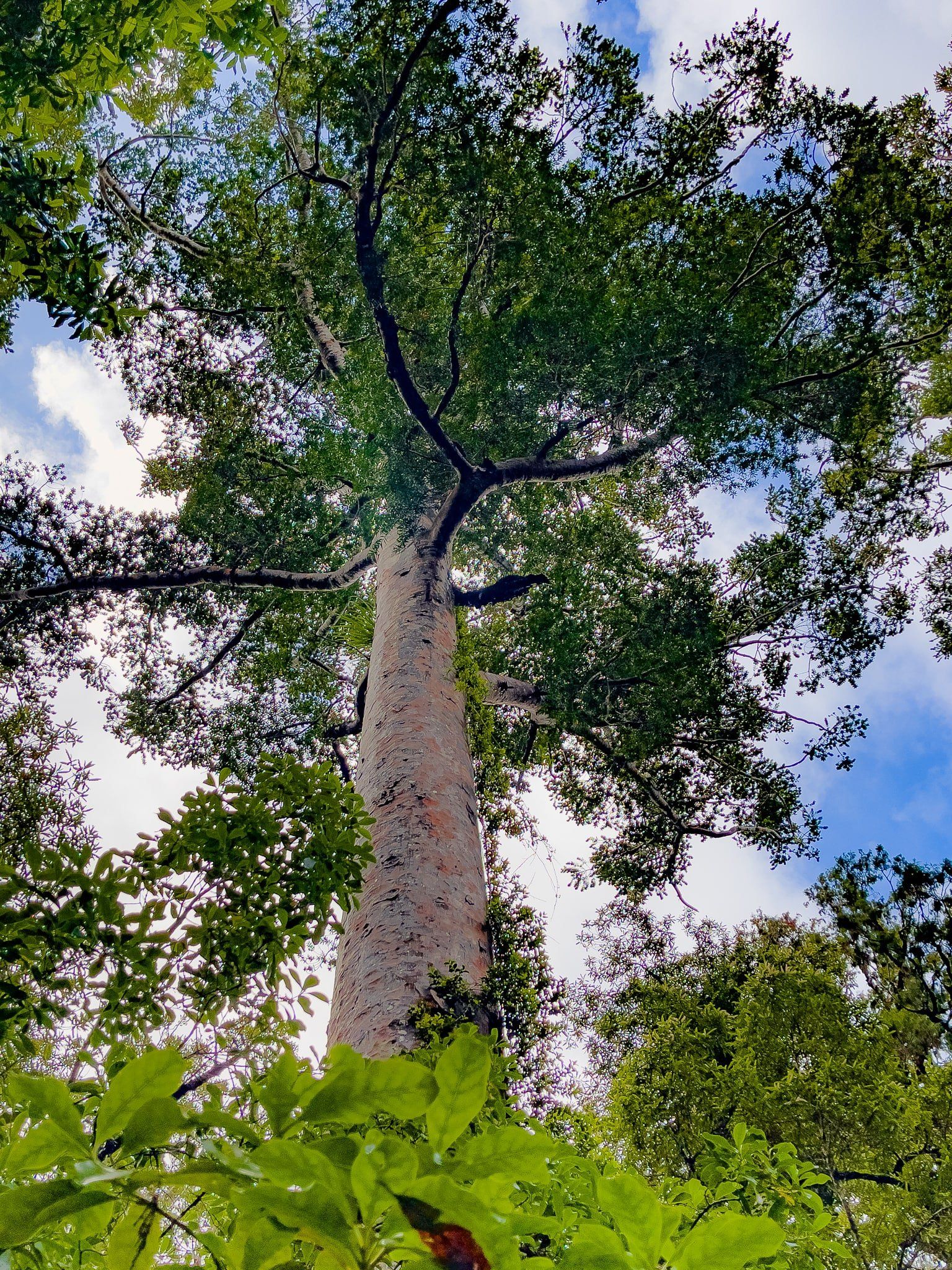
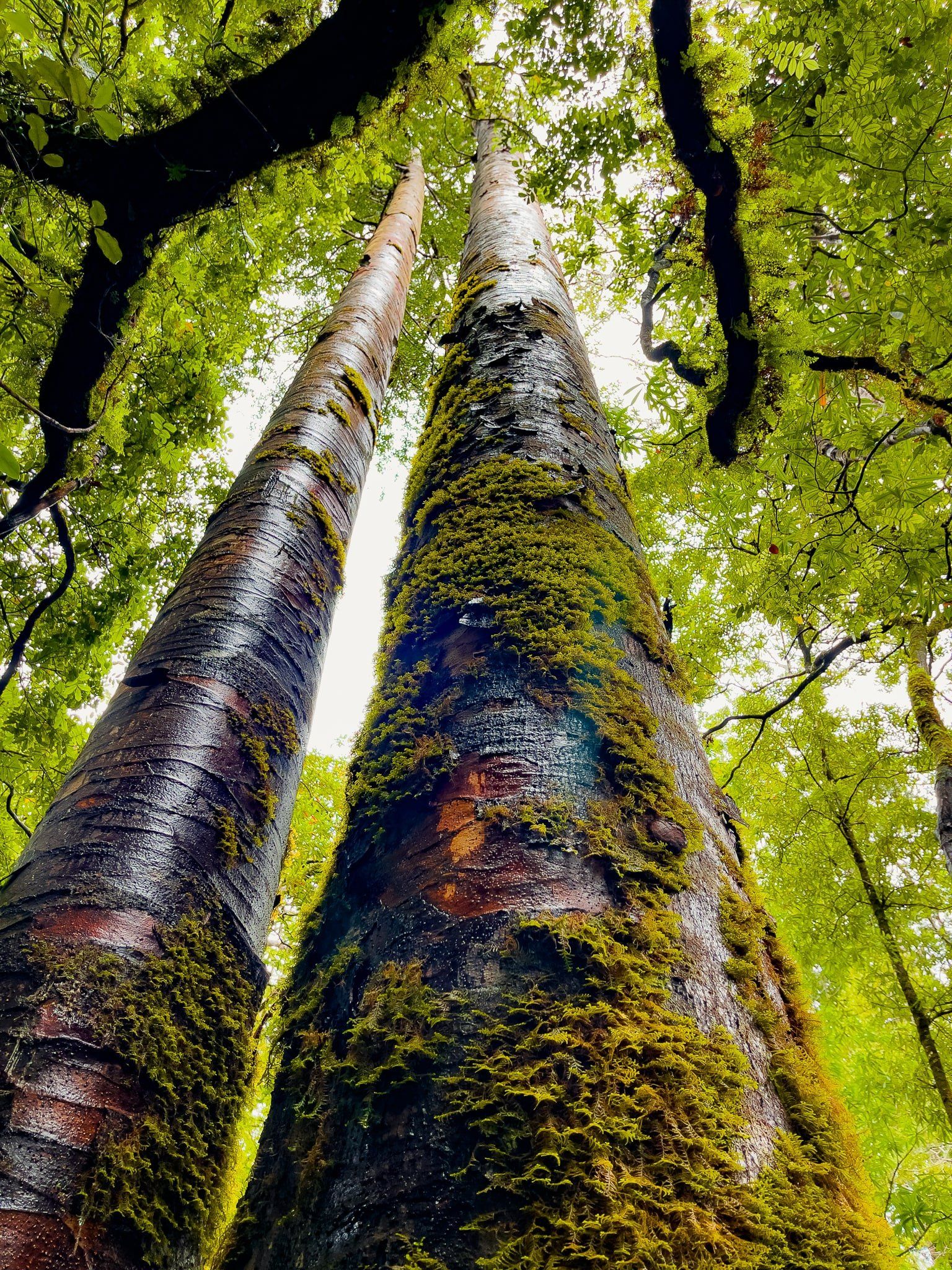
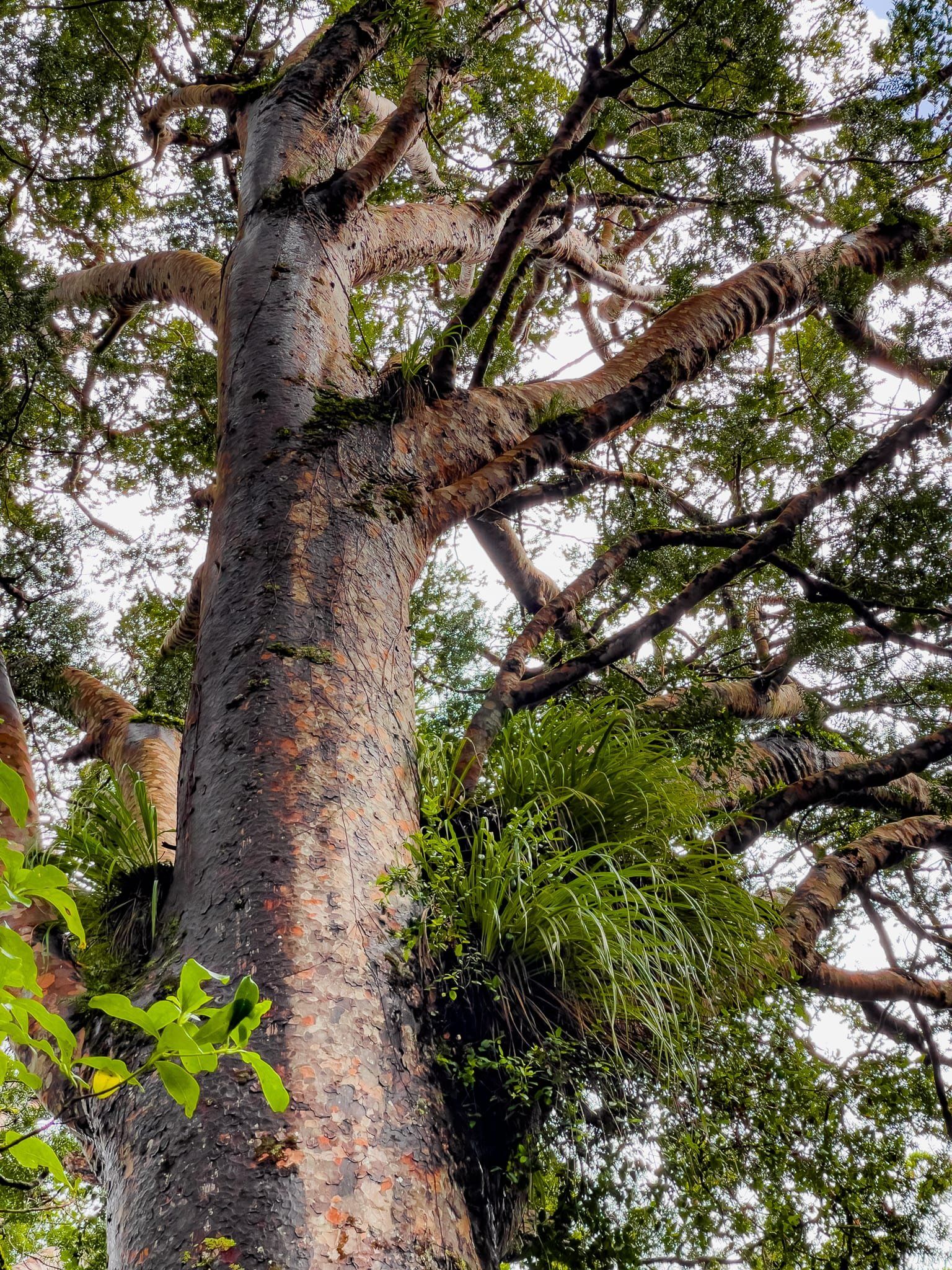
Waipoua Forest on Northland's Kauri Coast, between Dargaville and the Hokianga Harbour, protects New Zealand's most significant remaining kauri trees, including Tāne Mahuta and Te Matua Ngahere, the two largest known kauri in the country. State Highway 12 runs directly through the forest, providing access to short walking tracks that lead to these ancient giants. The forest represents one of the last substantial kauri ecosystems, where trees that have stood for over a thousand years continue to dominate the canopy.
Features and What to See
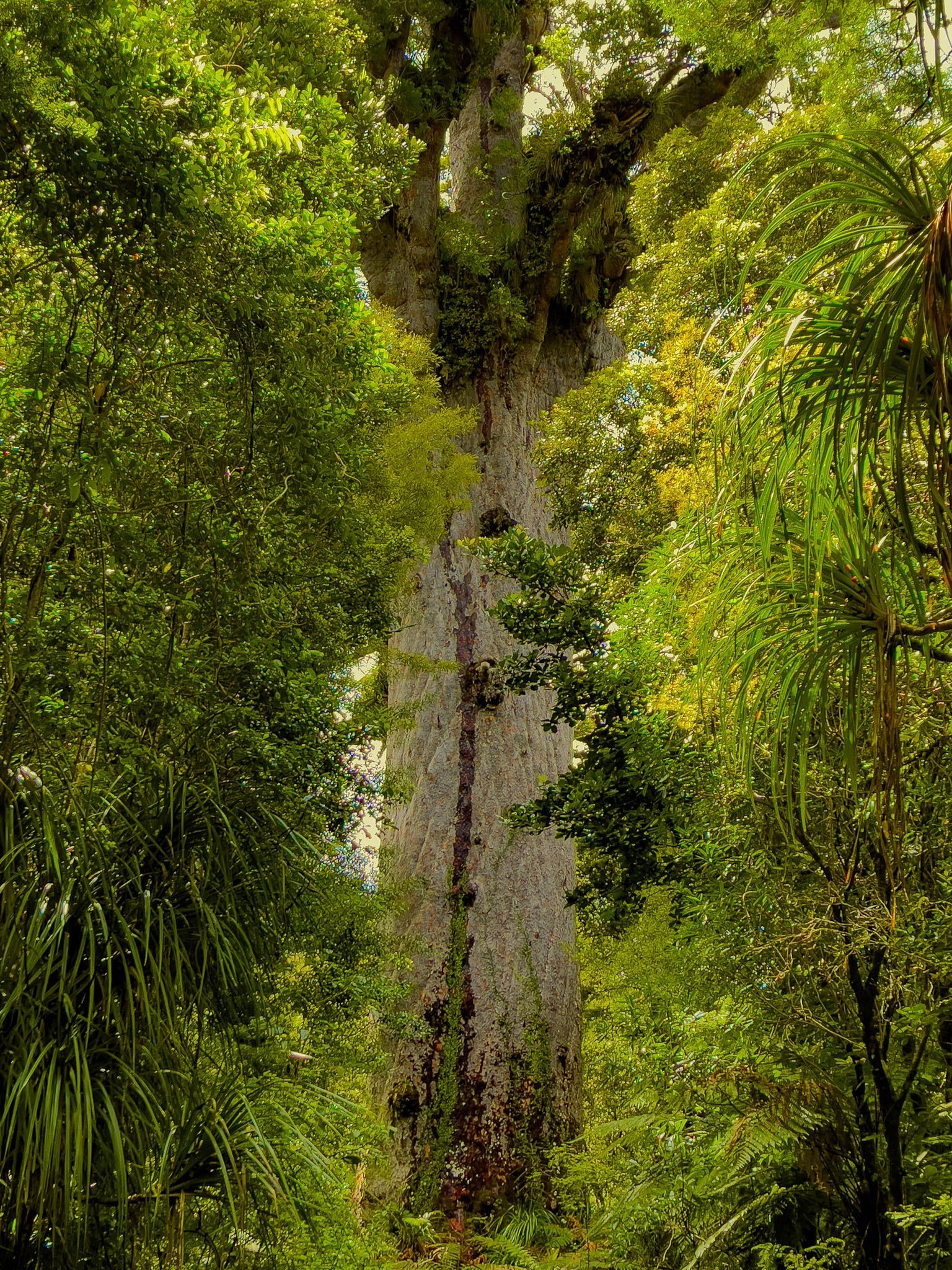
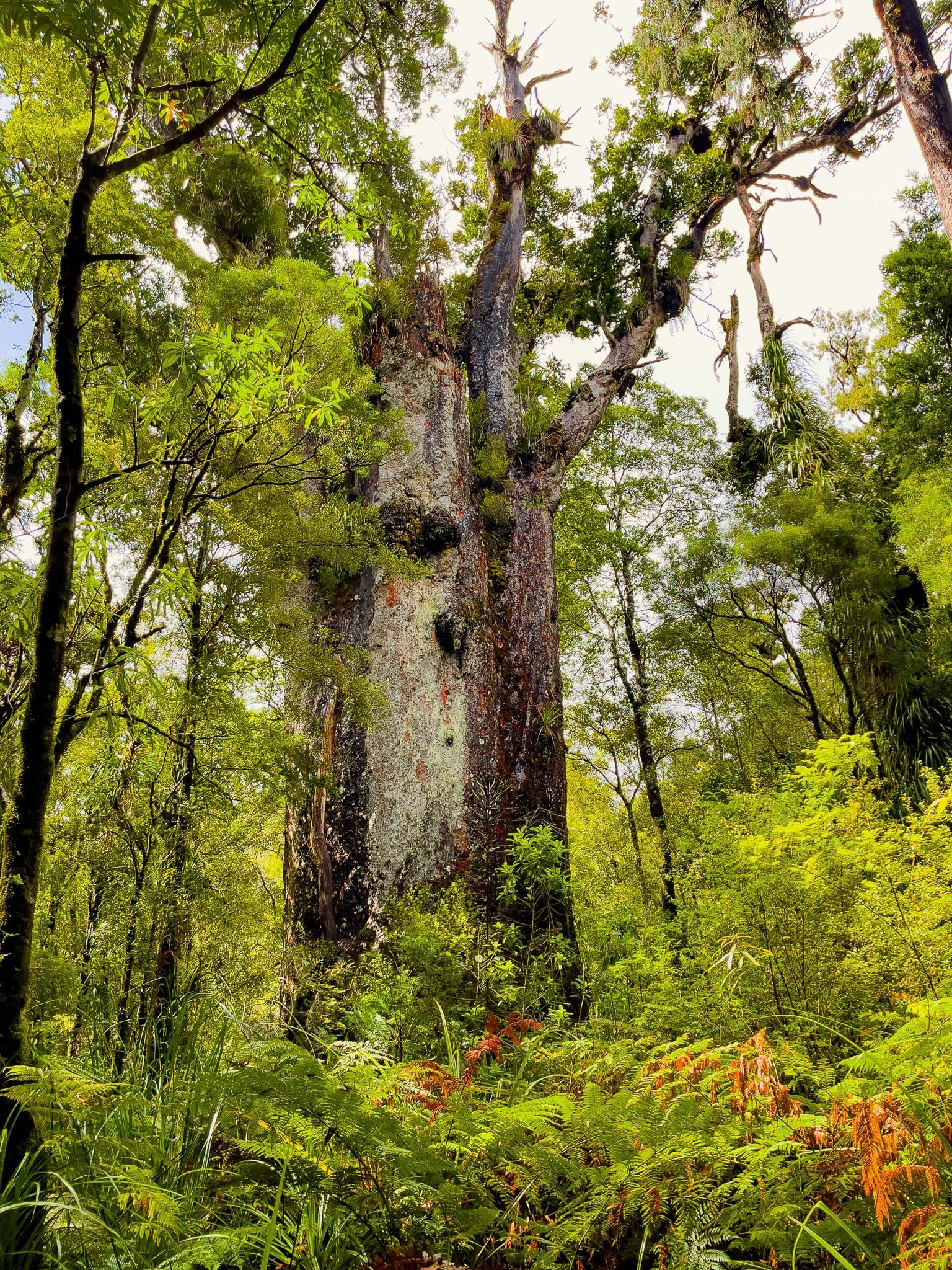
Tāne Mahuta
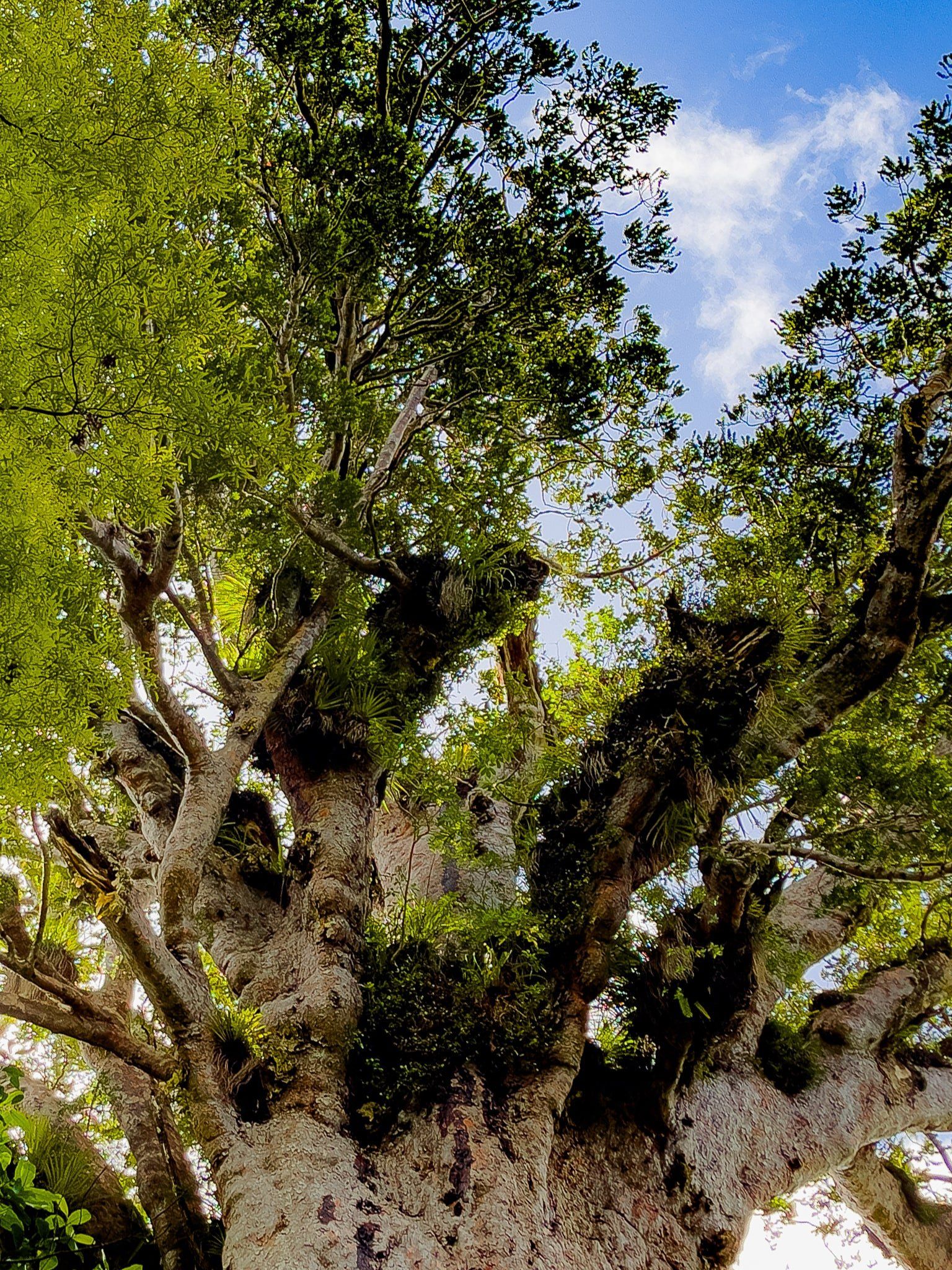
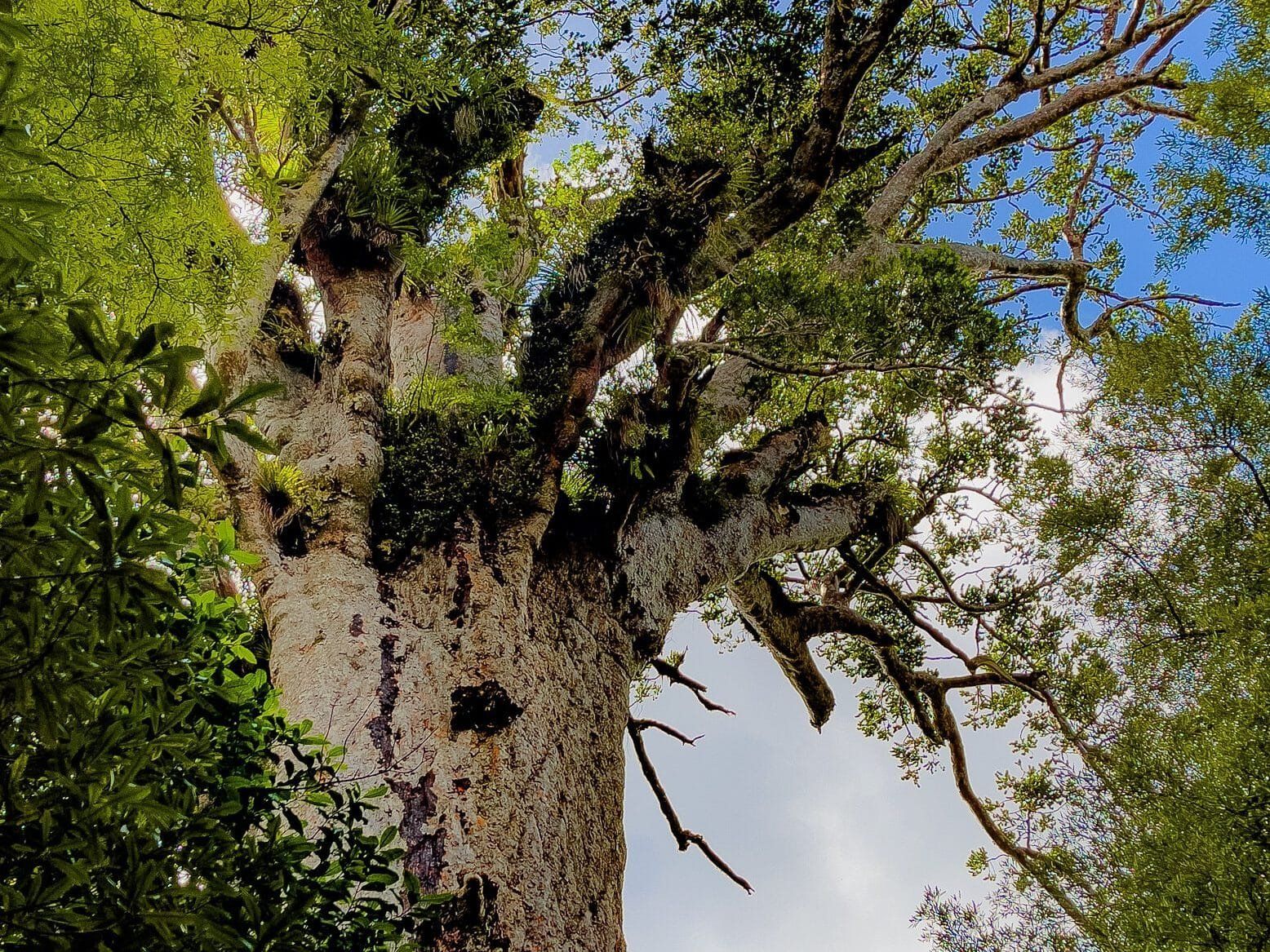
Tāne Mahuta, named after the Māori god of the forest, stands 51.2 metres tall with a trunk girth of 13.8 metres. The tree's total timber volume reaches 244.5 cubic metres, making it the largest kauri by volume. A five-minute walk from the car park on State Highway 12 leads to a viewing platform where you can stand at the base of this giant. The tree attracts approximately 200,000 visitors annually, drawn by the opportunity to witness a living organism that has survived for an estimated 1,250 to 2,500 years.
Visiting times are generally restricted to 9 am to 5 pm.
Te Matua Ngahere
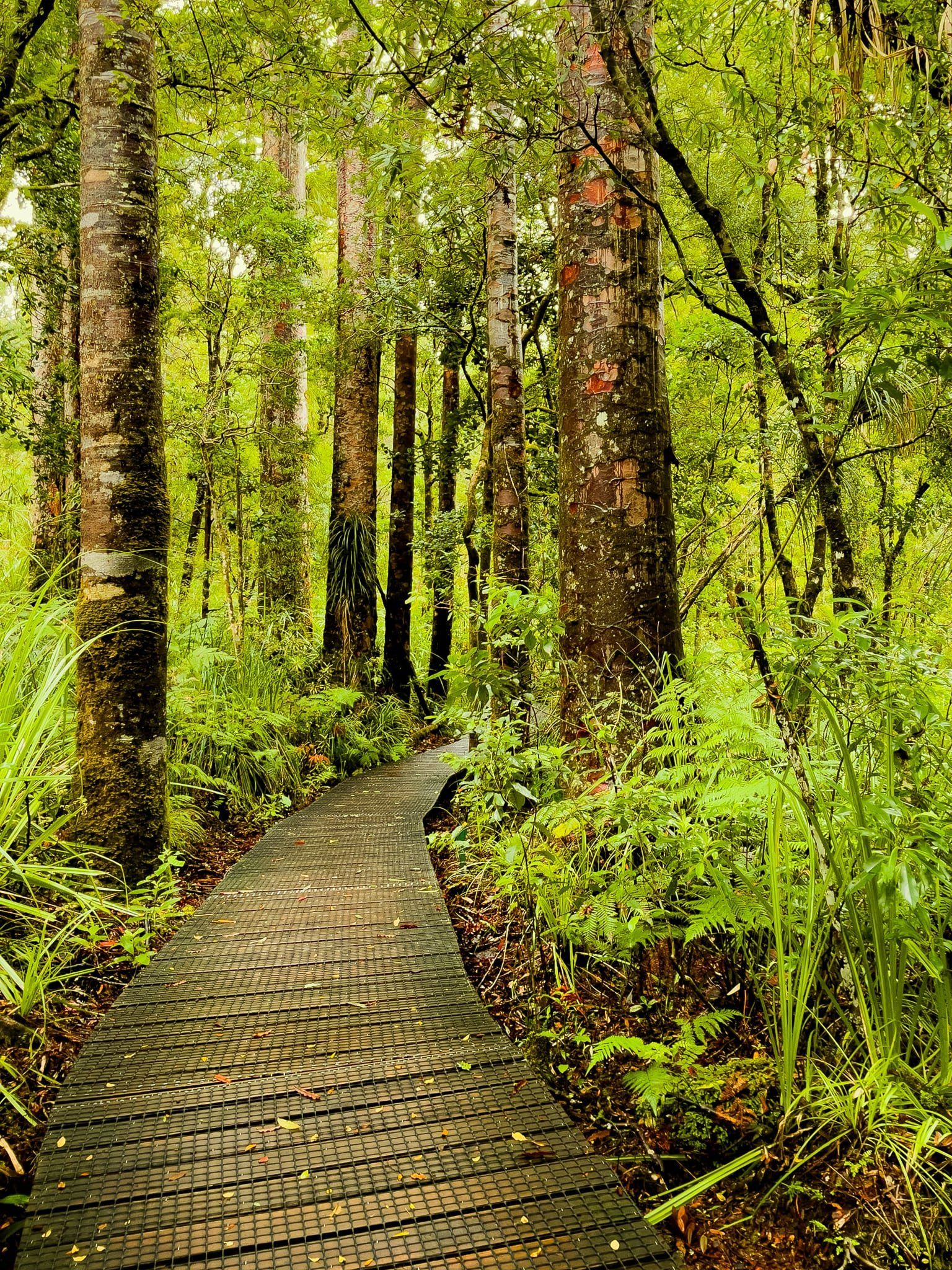
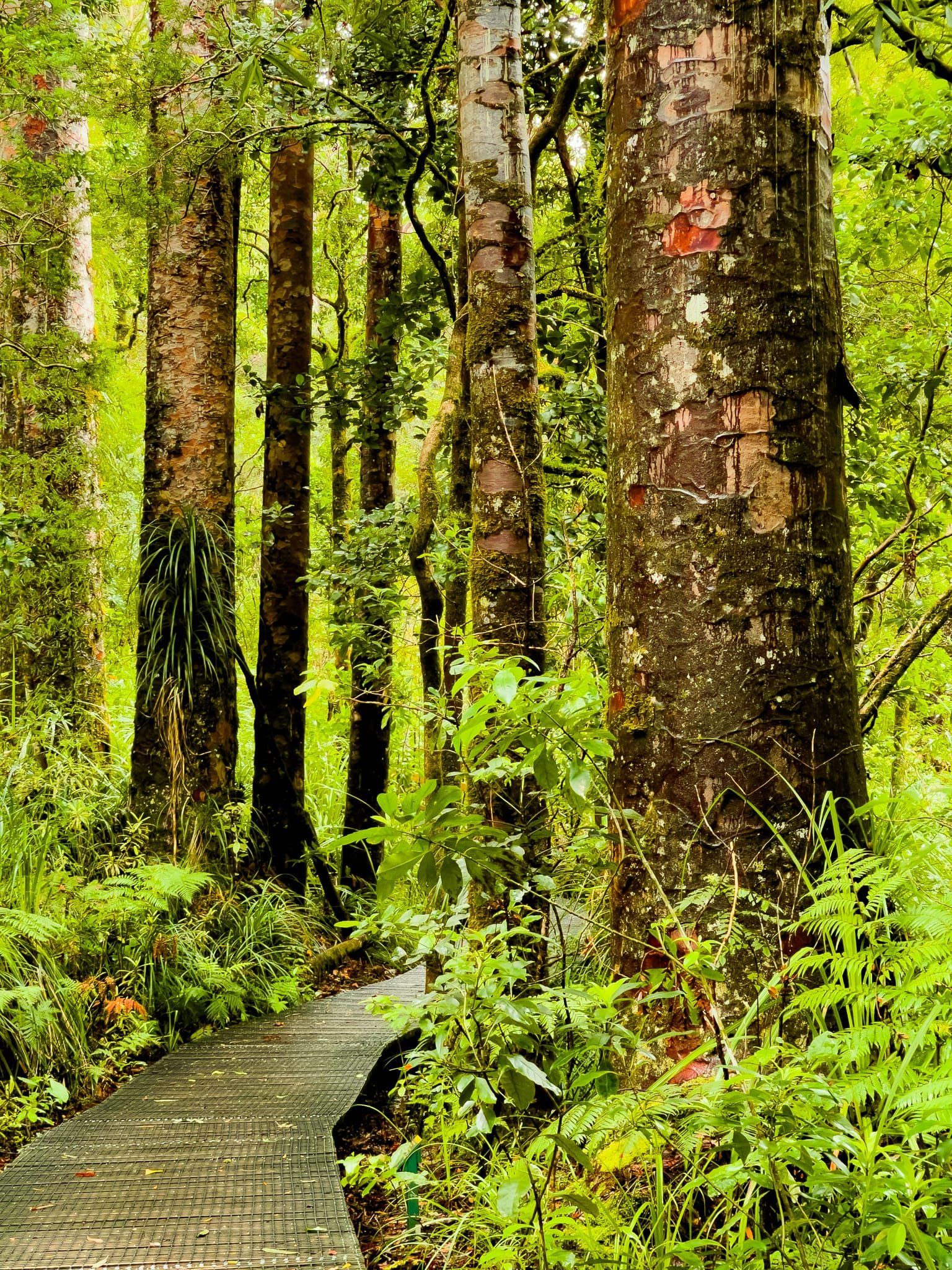
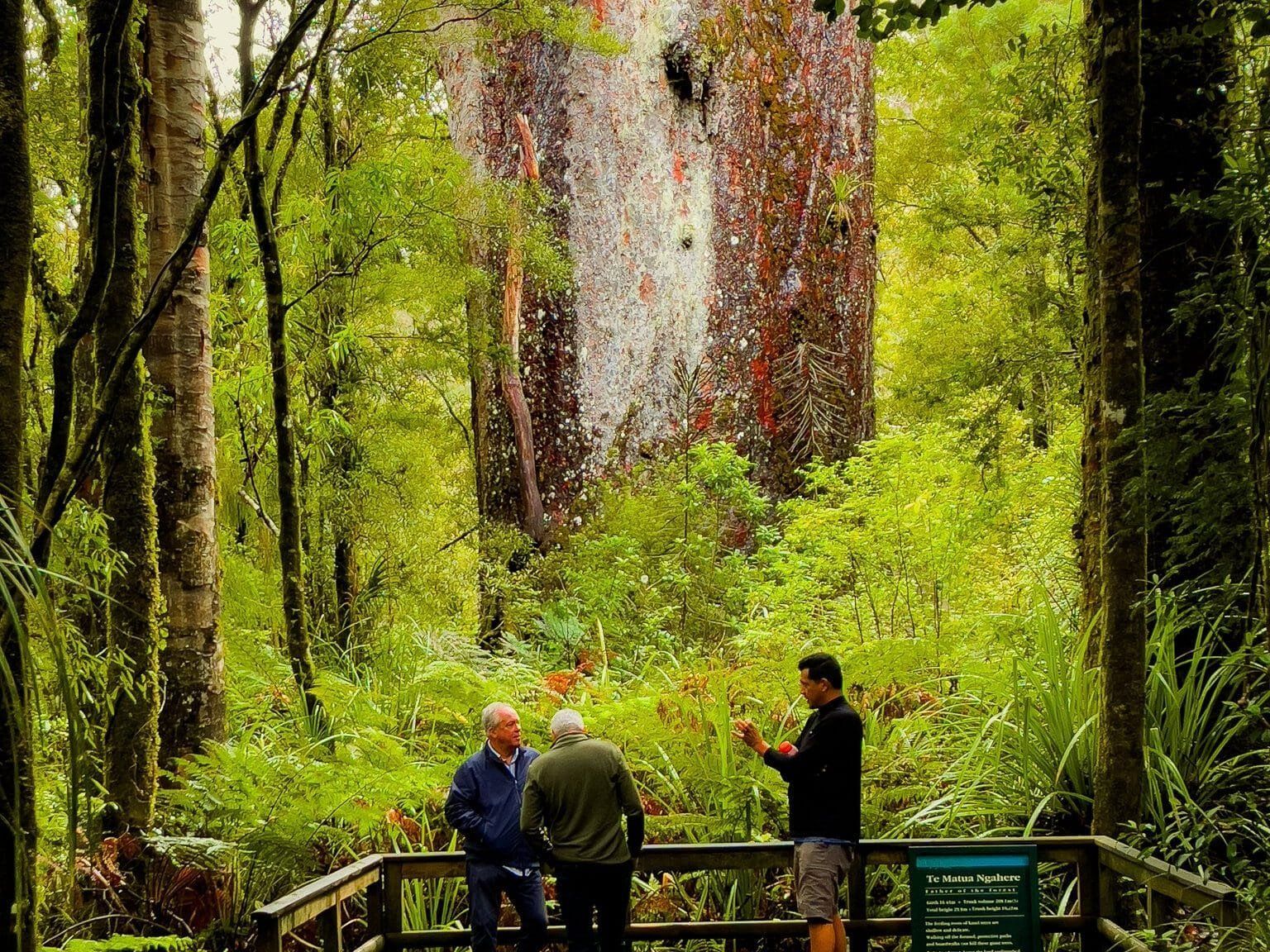
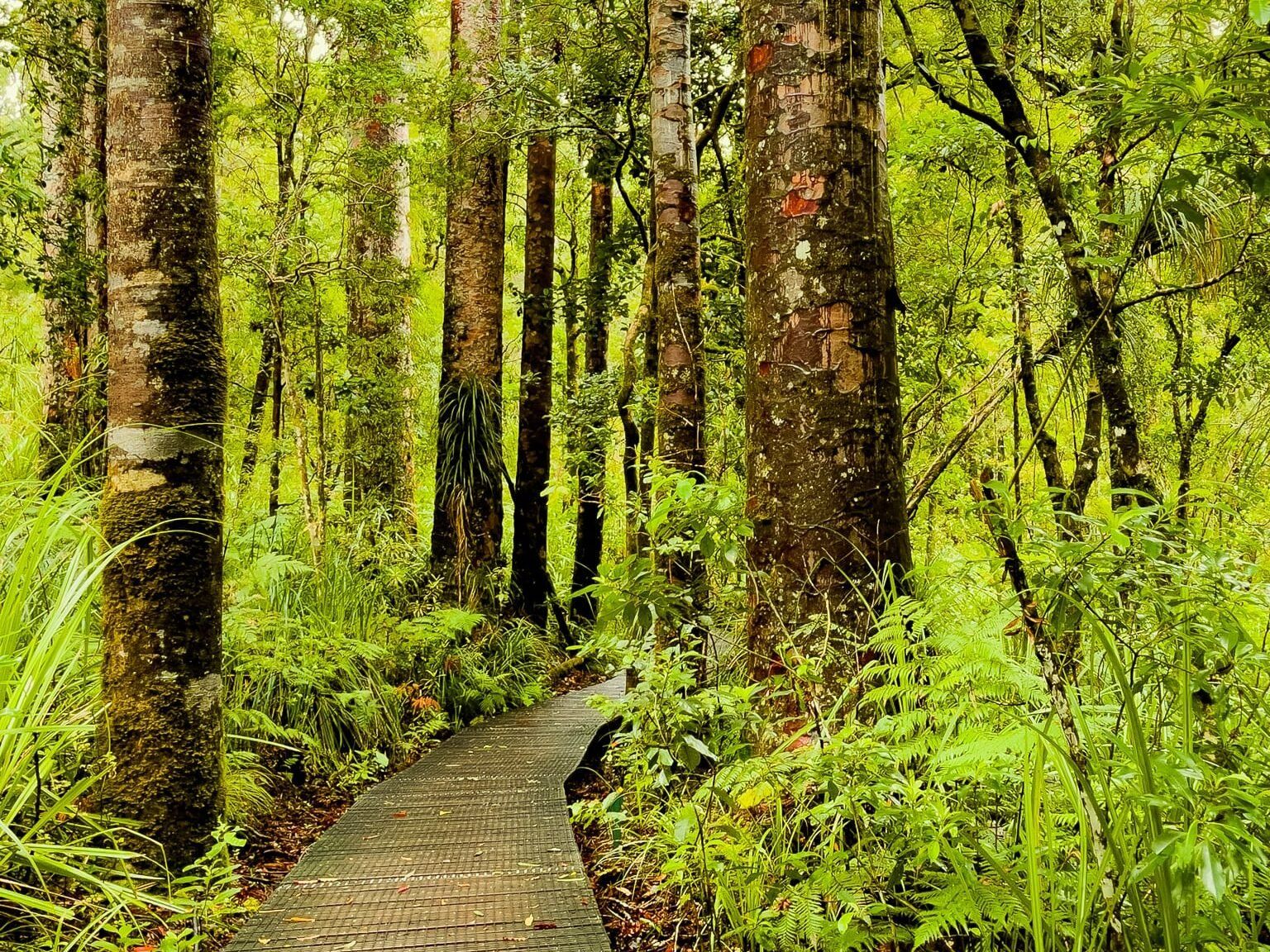
Te Matua Ngahere, meaning 'Father of the Forest,' has the largest girth of any kauri at 16.4 metres, though it is shorter than Tāne Mahuta at 29.9 metres. The 40-minute return walk from the car park takes you through a grove of massive kauri, each hundreds of years old, or more. The track winds through dense forest where the scale of these trees becomes apparent as you move among them. The grove includes several other significant kauri, creating an immersive experience of what New Zealand's forests looked like before widespread logging.
The Te Matua Ngahere Track takes more time but gives a deeper forest experience.
Other Activities
State Highway 12 winds through the forest for several kilometres, and while stopping along the roadside is limited, the drive provides views of the kauri forest and its canopy with large kauri visible from the road.
If you want to stay longer, a campground operates on Waipoua River Road, just off State Highway 12. The campground provides basic facilities.
From Clear Felling to Protection
The Crown purchased Waipoua Forest from Tiopira Kinaka of Te Roroa and Parore Te Awha of Te Kuihi in 1876. The forest originally covered approximately 80 square kilometres, and the government's initial intention was to clear it for timber, as was occurring with other kauri forests across the upper North Island. By 1907, only Waipoua and nearby Warawara Forest remained as significant kauri stands. A Royal Commission in 1913 recommended protecting portions of both forests, but the recommendations proved insufficient to halt logging operations.
Construction of State Highway 12 through Waipoua Forest began in 1926 to connect with the Hokianga region. Despite growing awareness of the forest's significance, the State Forest Service continued logging kauri trees through the following decades. In 1947, conservationists presented a thirteen-volume petition to parliament, resulting in the establishment of an 80-square-kilometre forest sanctuary in 1952. But logging resumed in the 1960s until public protests forced its cessation in 1972. Additional land was subsequently added to the protected area, expanding the sanctuary to its current boundaries.
Today, the forest faces a new threat from kauri dieback disease, a pathogen that has resulted in the closure of several walking tracks. Te Roroa Iwi manages the forest's protection programme, implementing biosecurity measures and monitoring the health of individual trees. The disease spreads through soil movement, making the hygiene stations at track entrances critical for preventing further transmission.
How to Get There
State Highway 12 is the only vehicle access to Waipoua Forest, running north-south through the protected area. From Dargaville, it is a 1-hour, 62 km drive to Tāne Mahuta and from the west end of the Hokianga Harbour, around 20 minutes and 20 km. The Te Matua Ngahere car park is located several kilometres south of Tāne Mahuta.
While in the region, you can also visit the Trounson Kauri Park, home to another substantial stand of ancient kauri.