Discover the Historic Waitangi Treaty Grounds
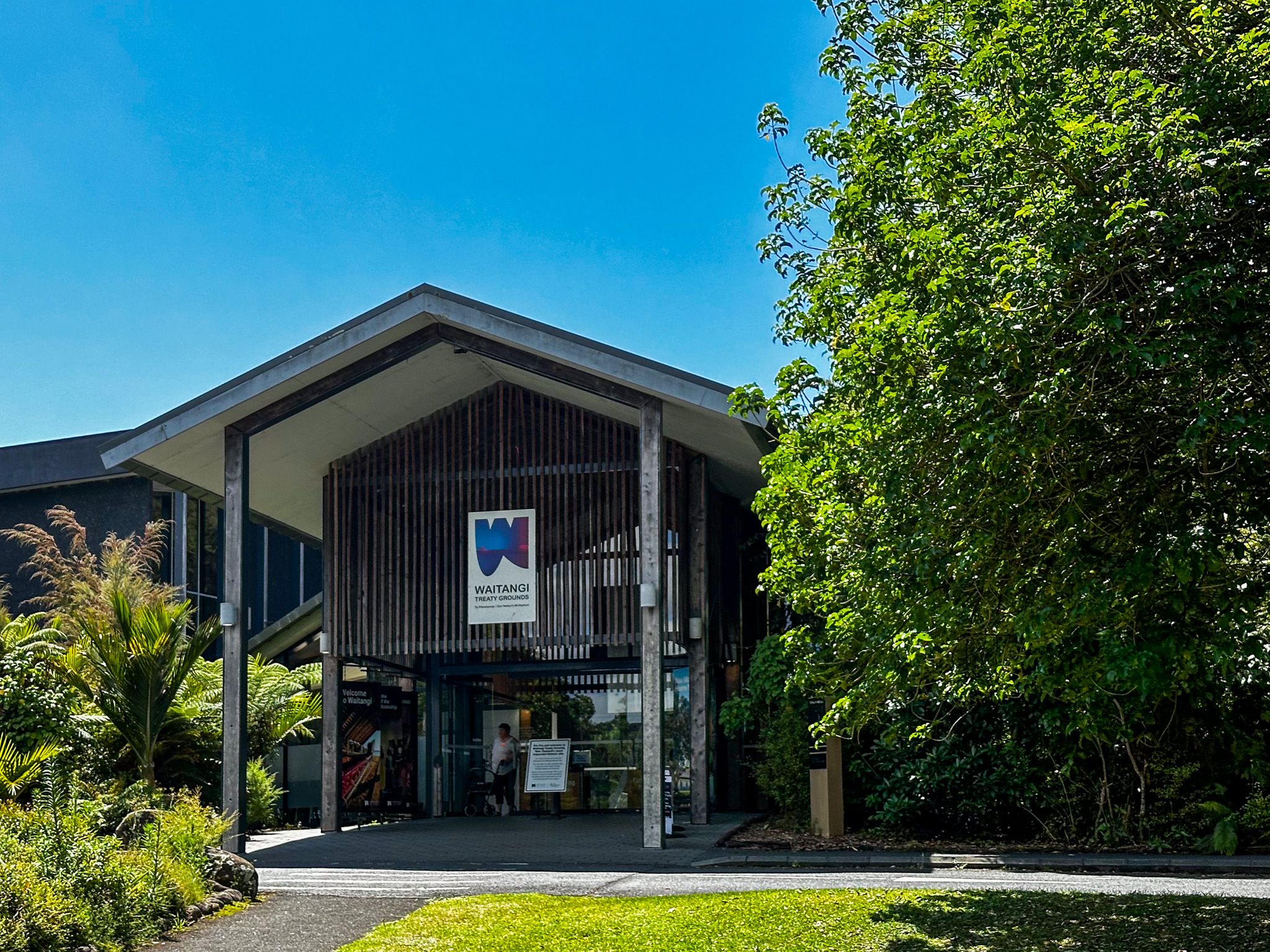
Located in the Bay of Islands, the Waitangi Treaty Grounds are a site of immense historical significance in New Zealand. Here, the Treaty of Waitangi, the nation’s foundational document, was negotiated and signed. This area provides a unique opportunity to explore New Zealand's colonial history and Māori heritage.
The Busby House: A Historical Landmark
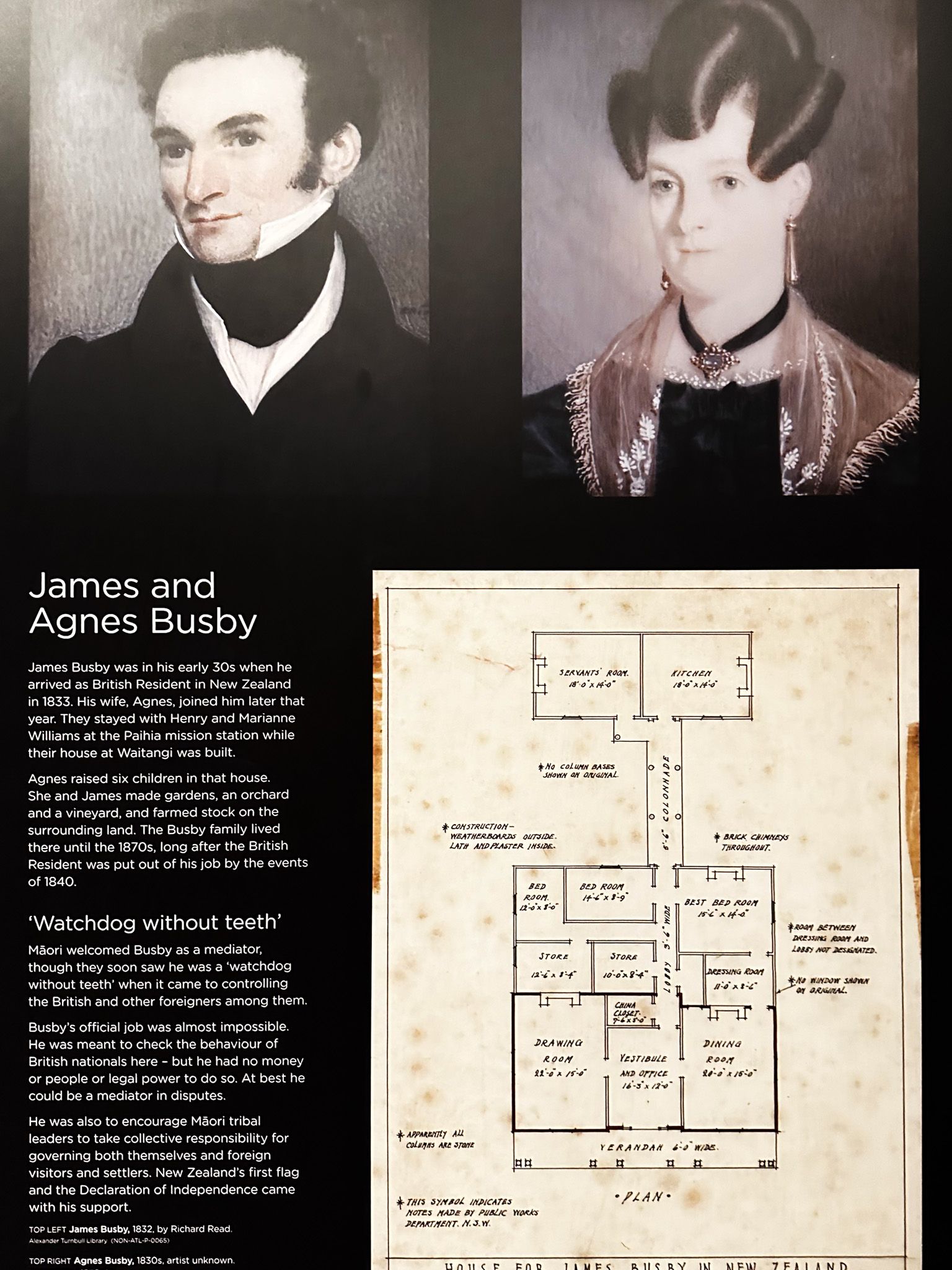
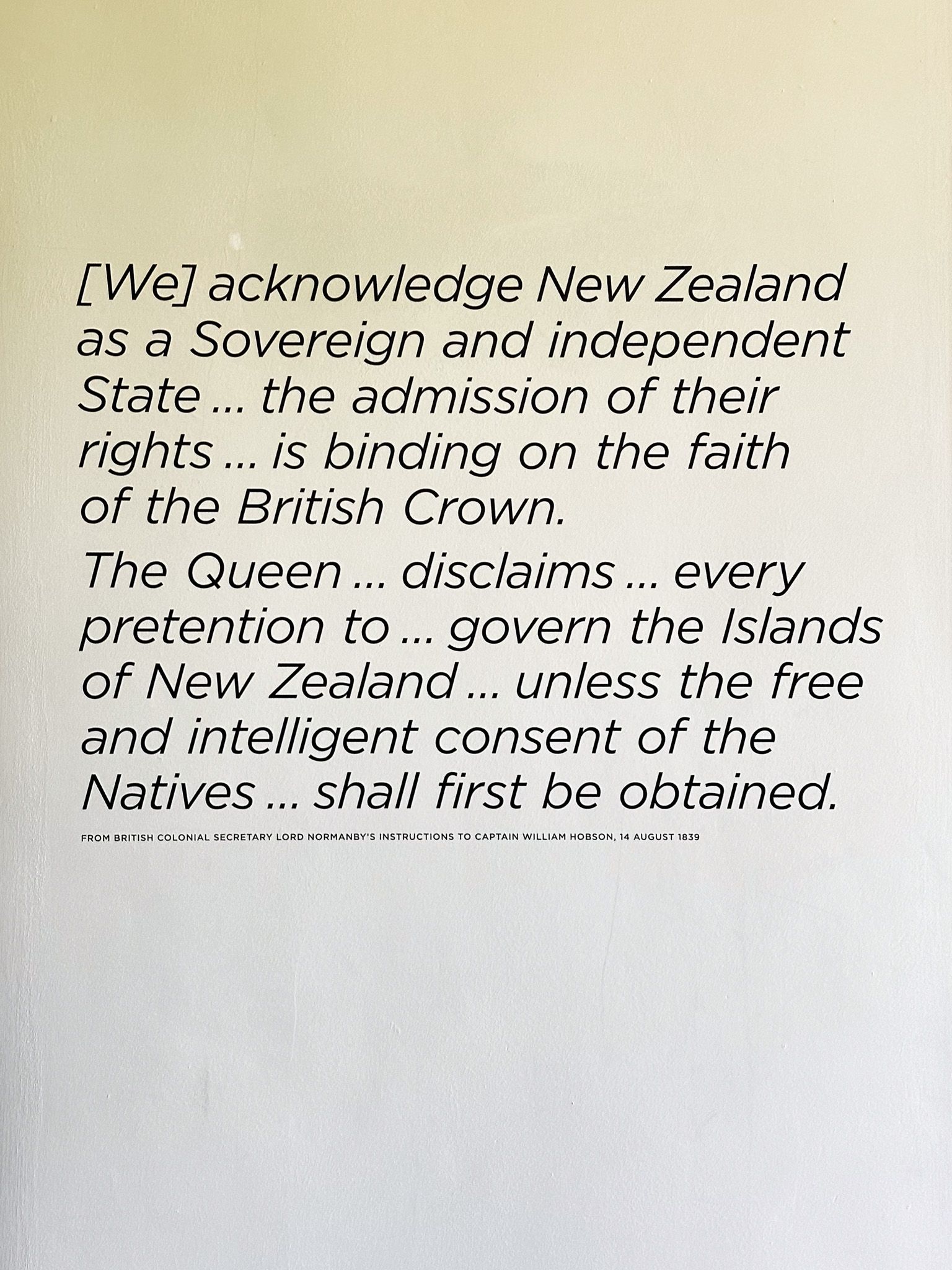
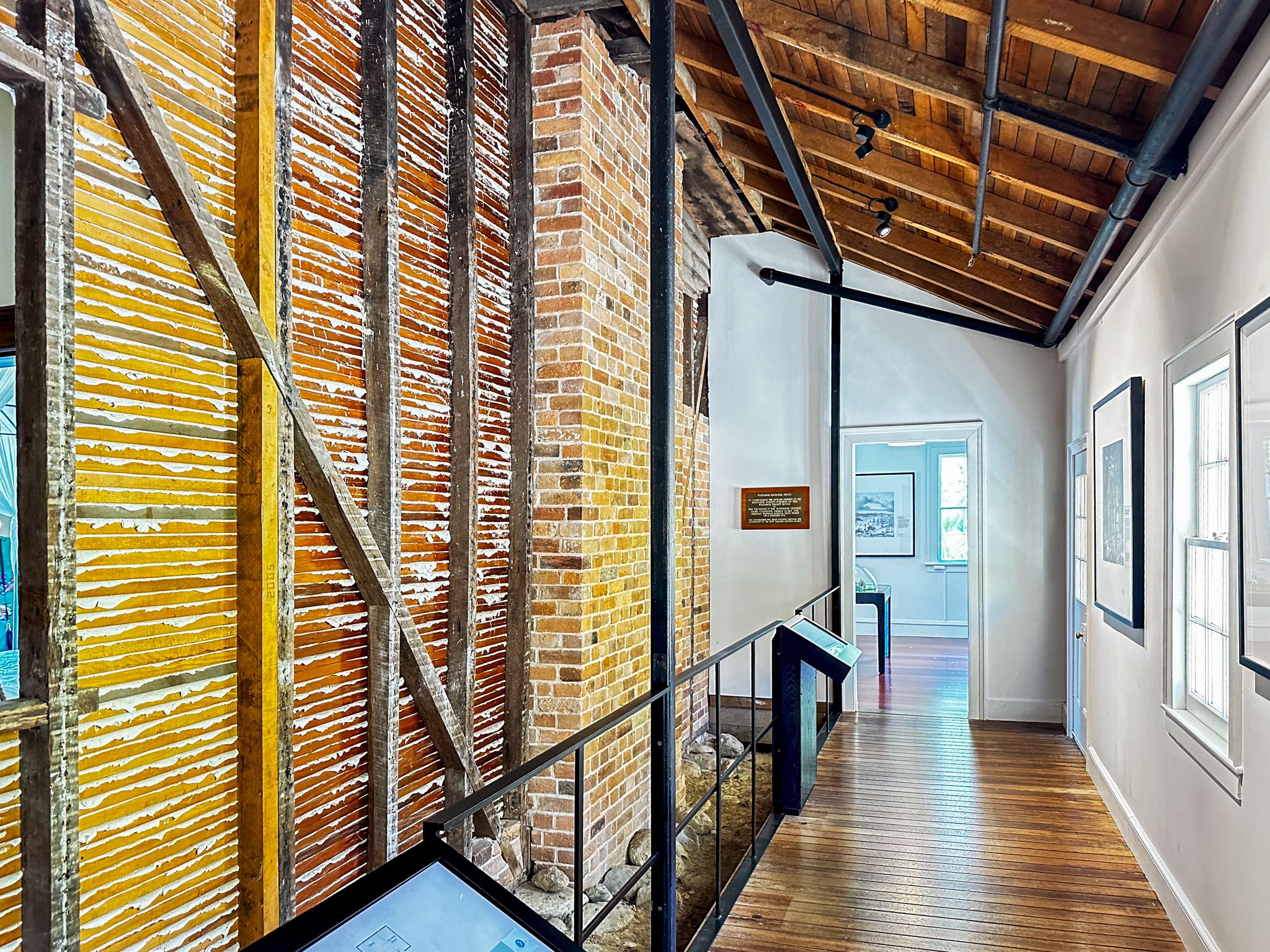
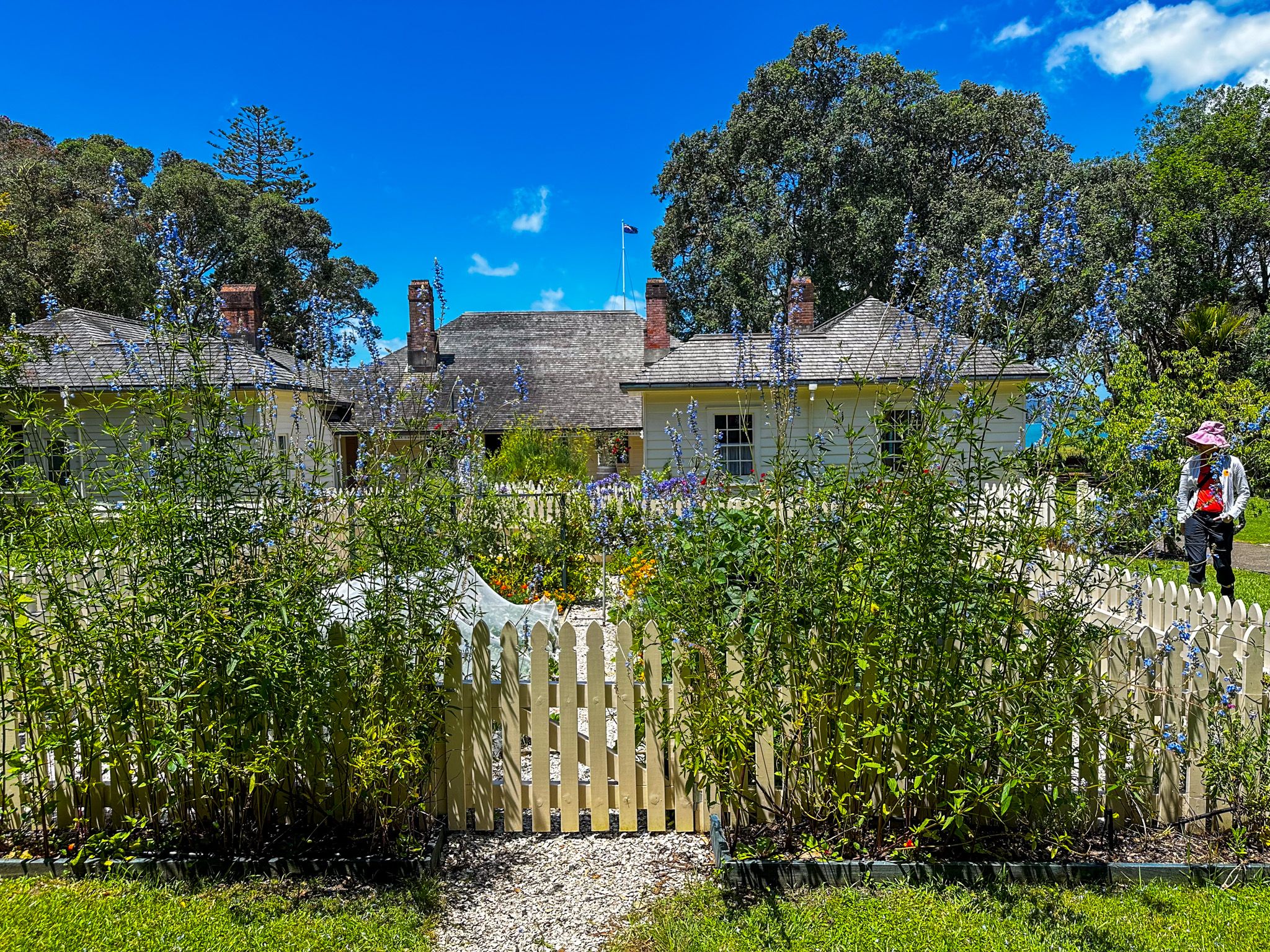
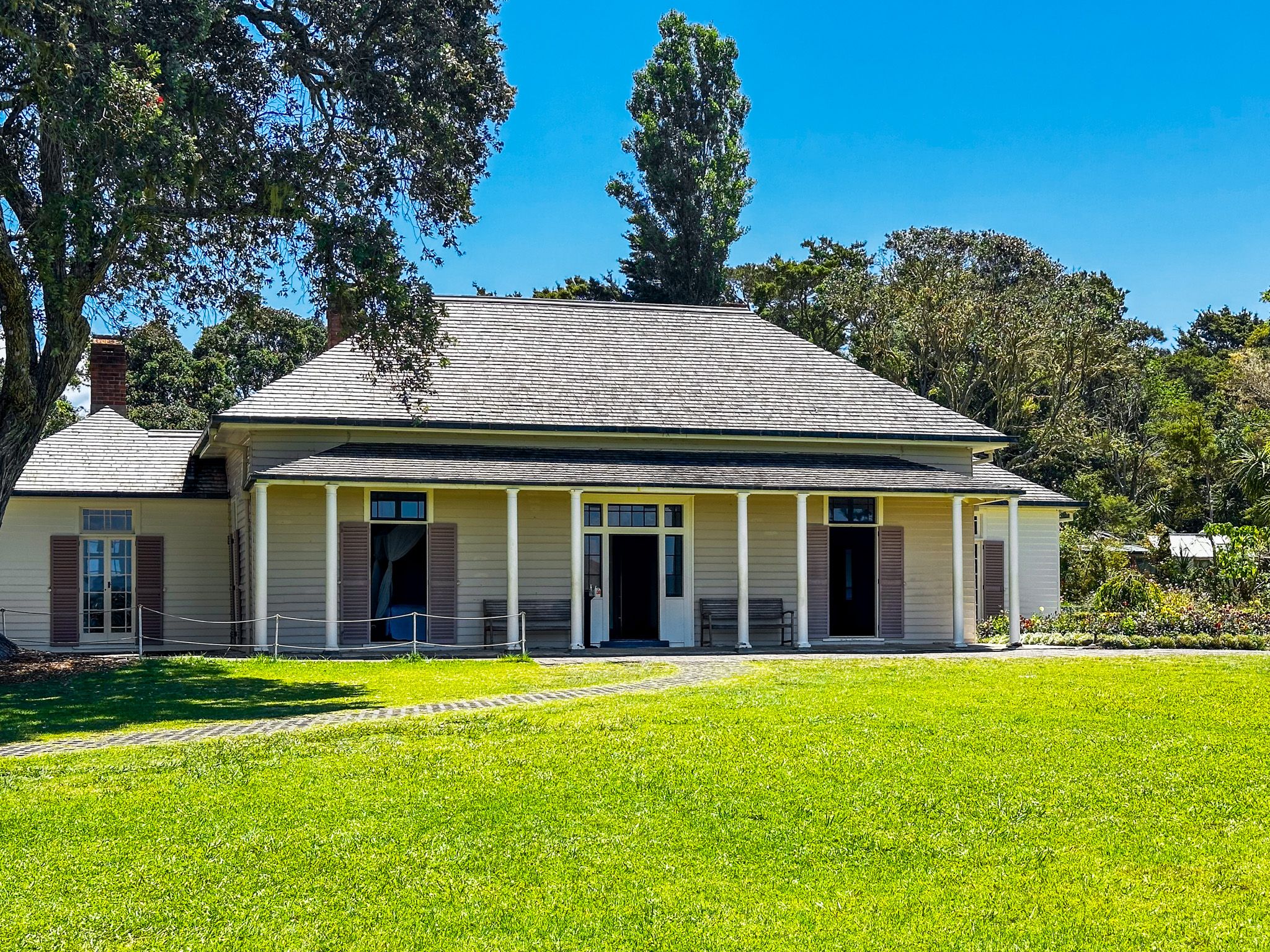
In 1833, James Busby was appointed as the first British Resident in New Zealand. He and his wife chose Waitangi as their home and built one of the country's earliest European-style houses. Due to the challenges of building in New Zealand at the time, the house’s timber was precut in Sydney and shipped as a kit for assembly. This house was the pivotal location for the signing of the Declaration of Independence, He Whakaputanga in 1835 and the Treaty of Waitangi in 1840.
The Evolution of the Waitangi Treaty Grounds
After the Treaty was signed, the Busby family continued to reside in the house until 1882, when it was sold to a local farmer. Over time, the house fell into disrepair, though it remained a symbolically important site for many Māori.
In 1932, the Governor-General of New Zealand, Lord Bledisloe, and his wife purchased the house and the surrounding 506-hectare Waitangi Treaty Grounds and donated them to the people of New Zealand.
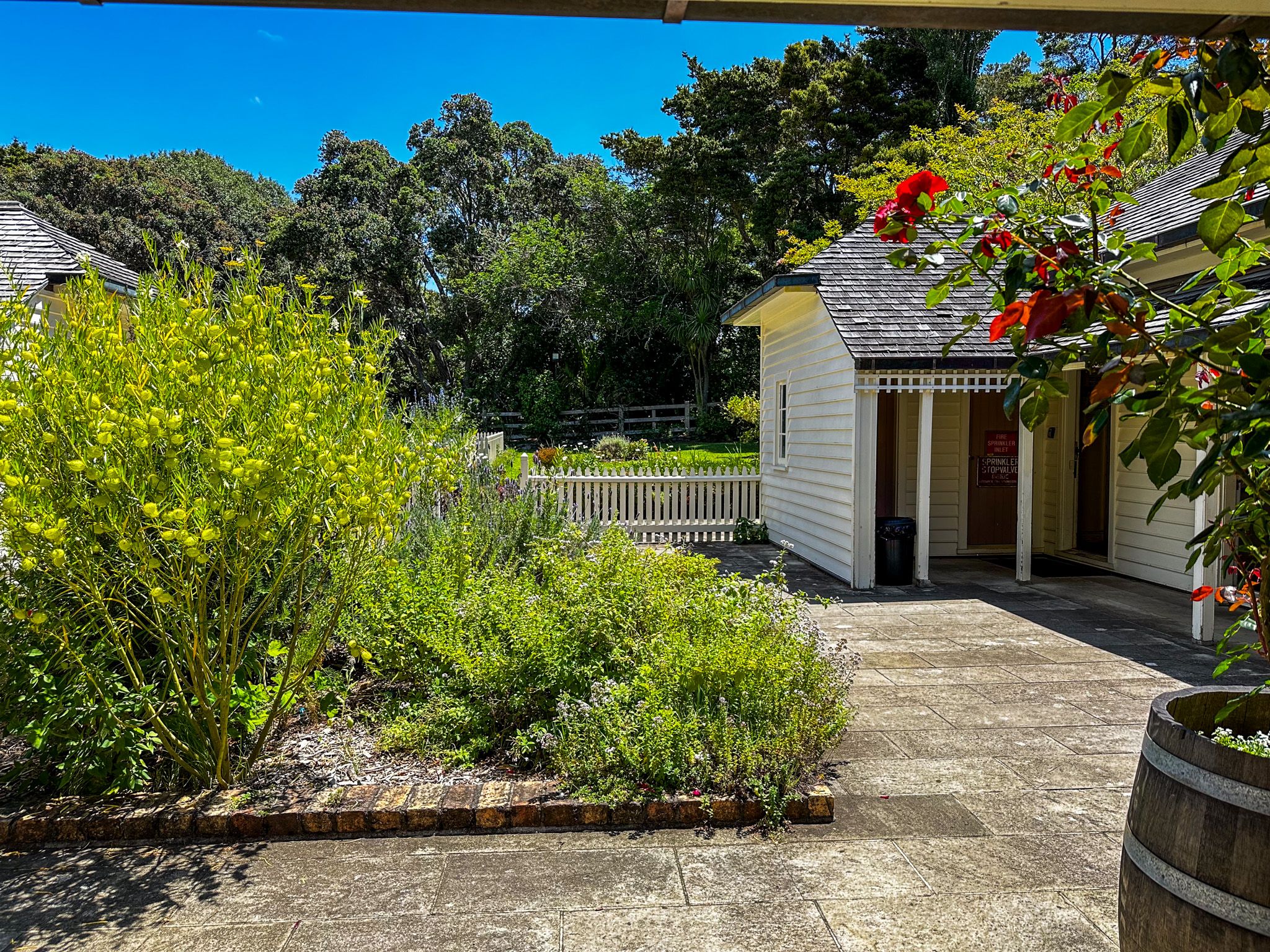
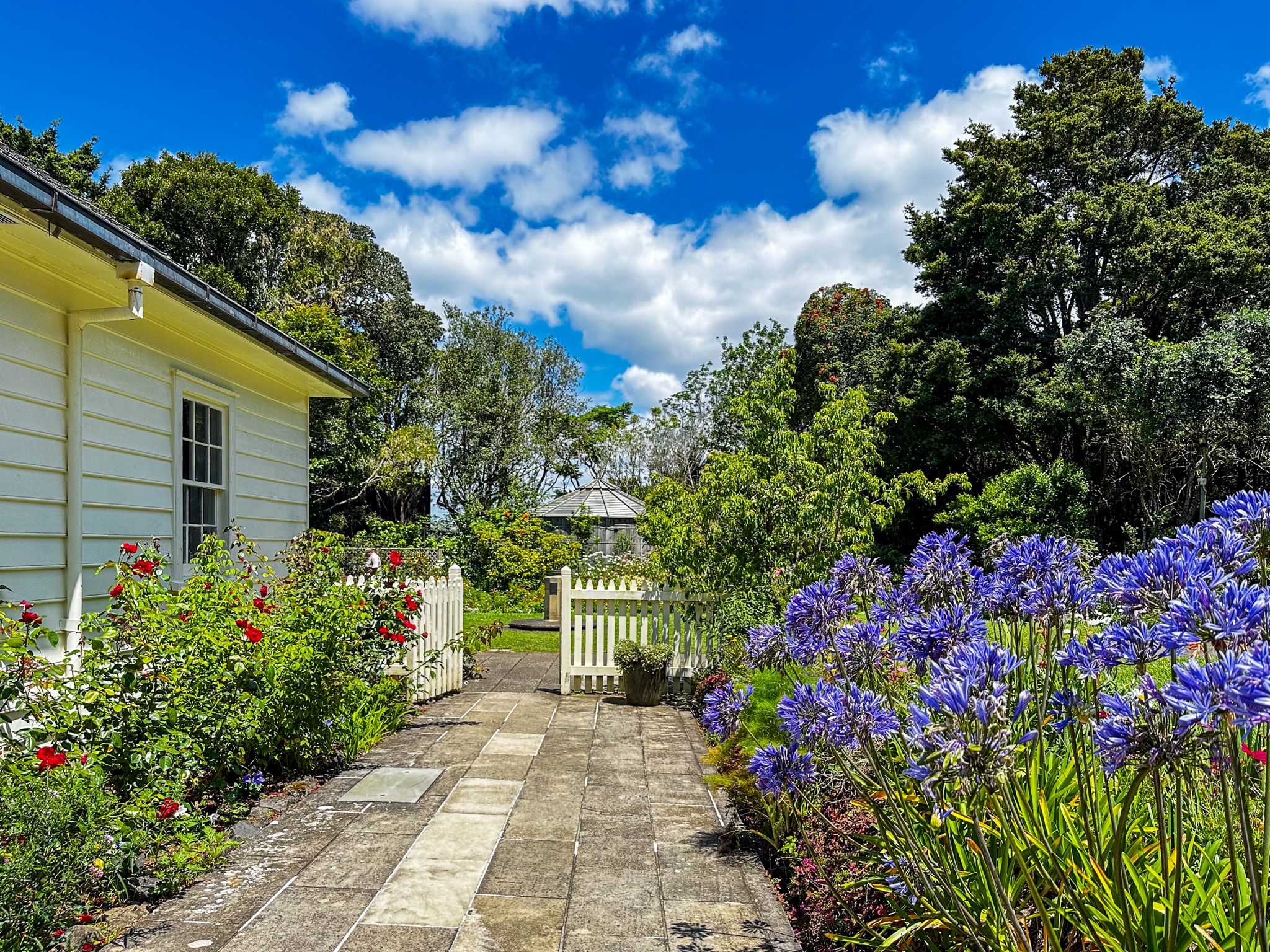
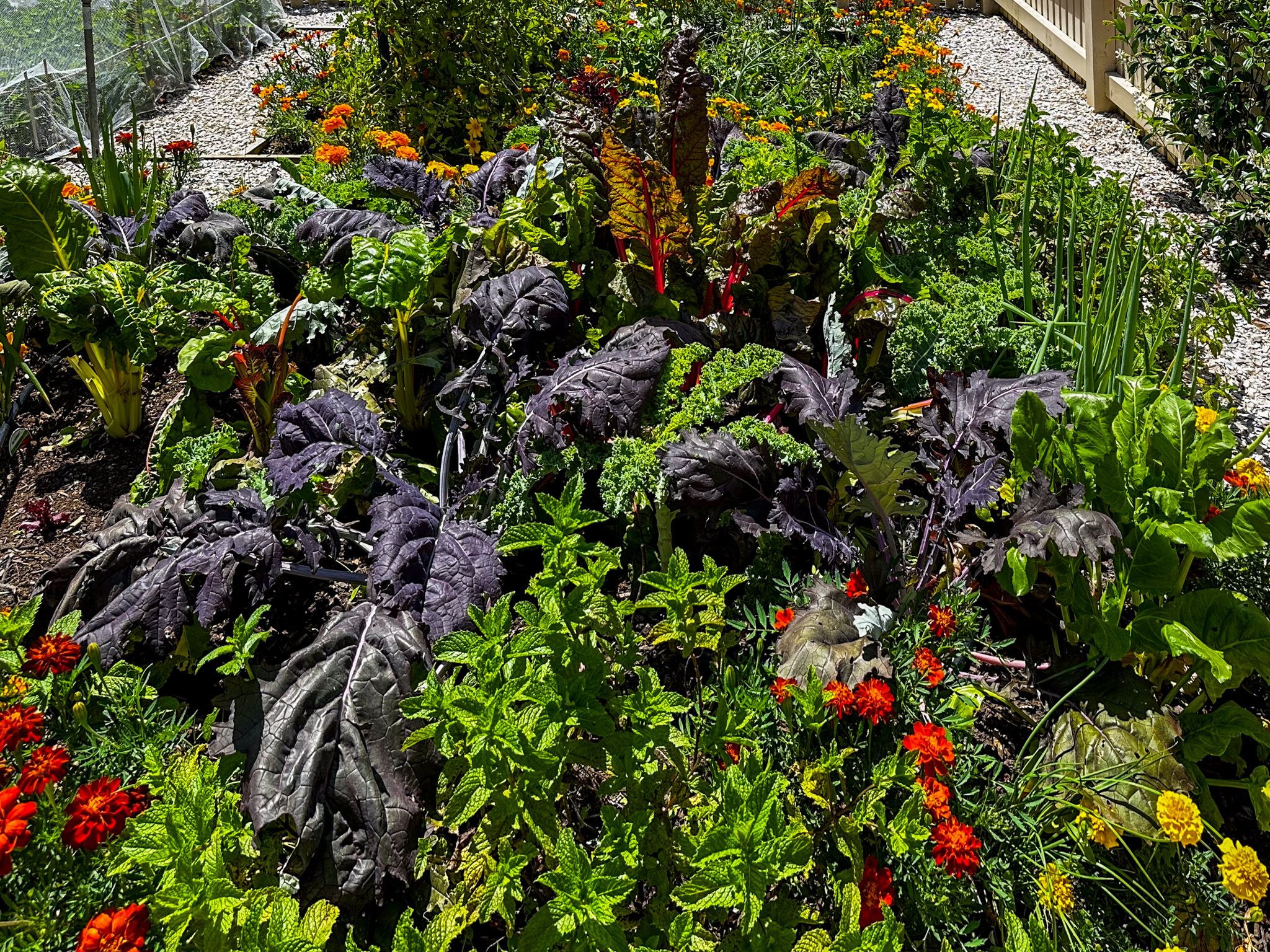
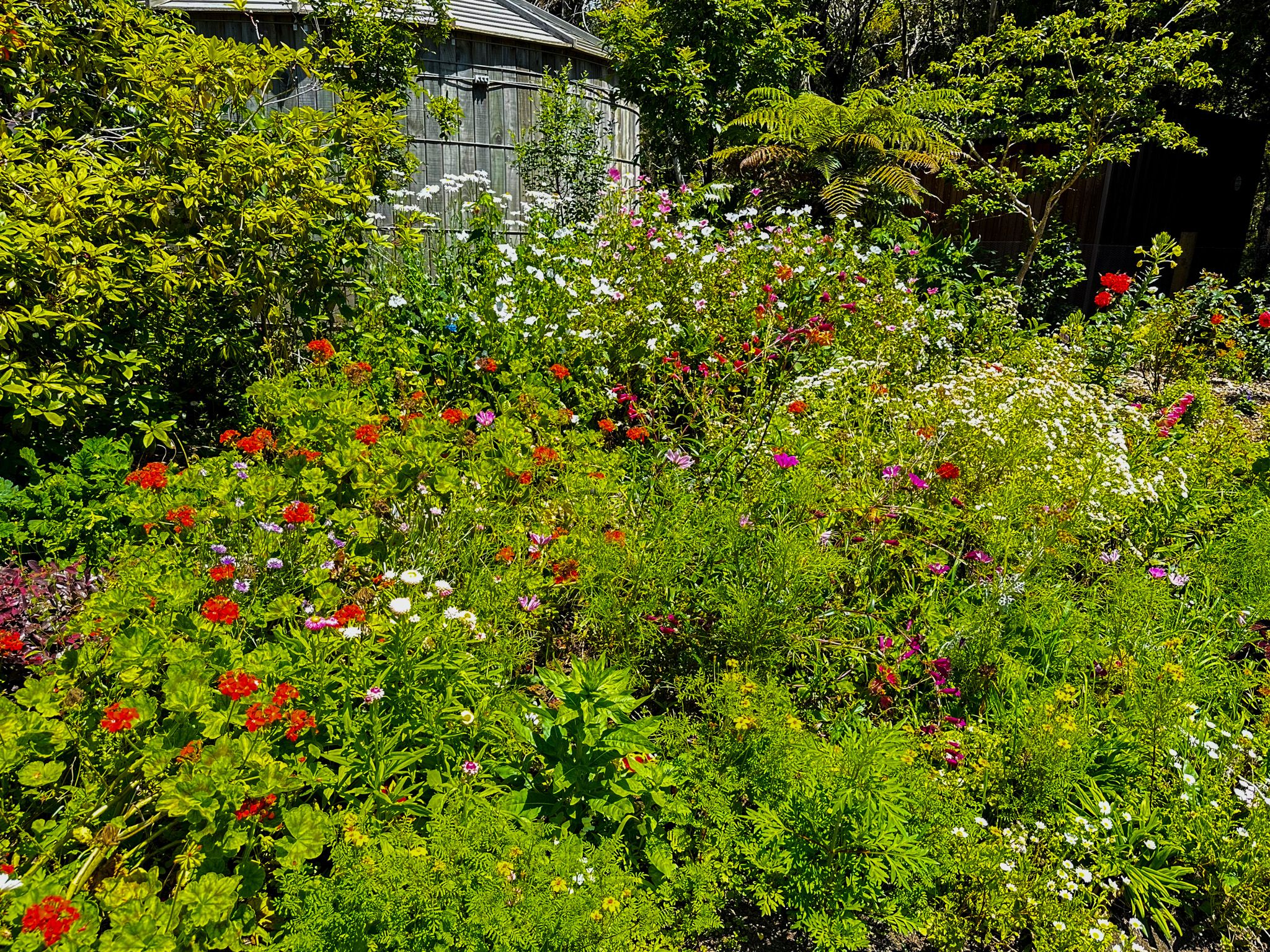
Architect William Gummer was commissioned to restore the house in 1933, leading to significant changes and the development of the formal gardens seen today. A hui at Te Tii Marae and Waitangi in February 1934, attended by 10,000 Māori, celebrated the restoration. In 1990, the house was further modified to reflect its 1840s appearance for the 150-year celebration of the Treaty.
Exploring the Waitangi Grounds Today
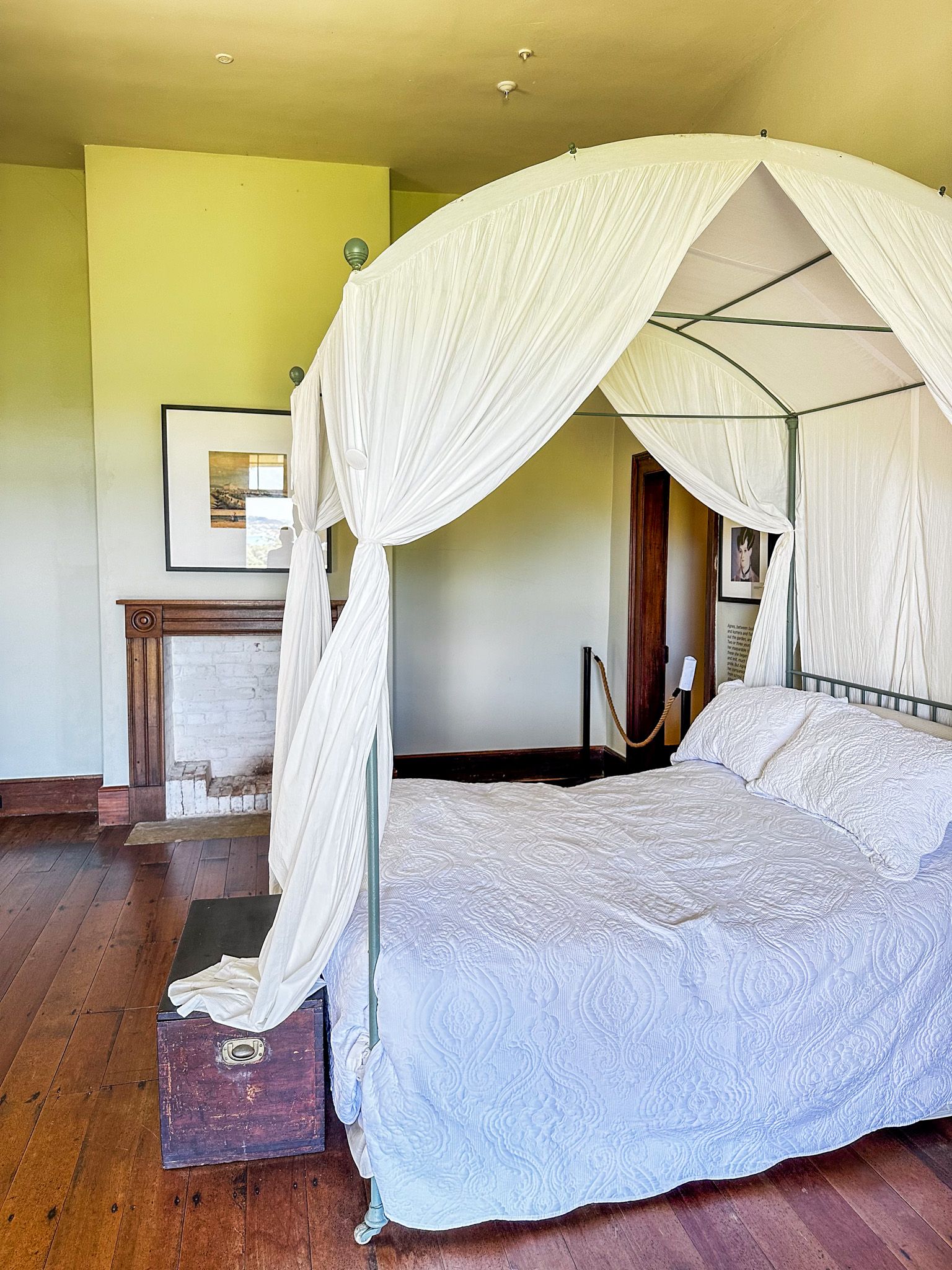
Today, the Busby House offers insights into the family's life and the historical events that took place there. In the parlour, where the Treaty was finalised, you can learn about Busby's role in the English version and Reverend Henry Williams' Māori translation.
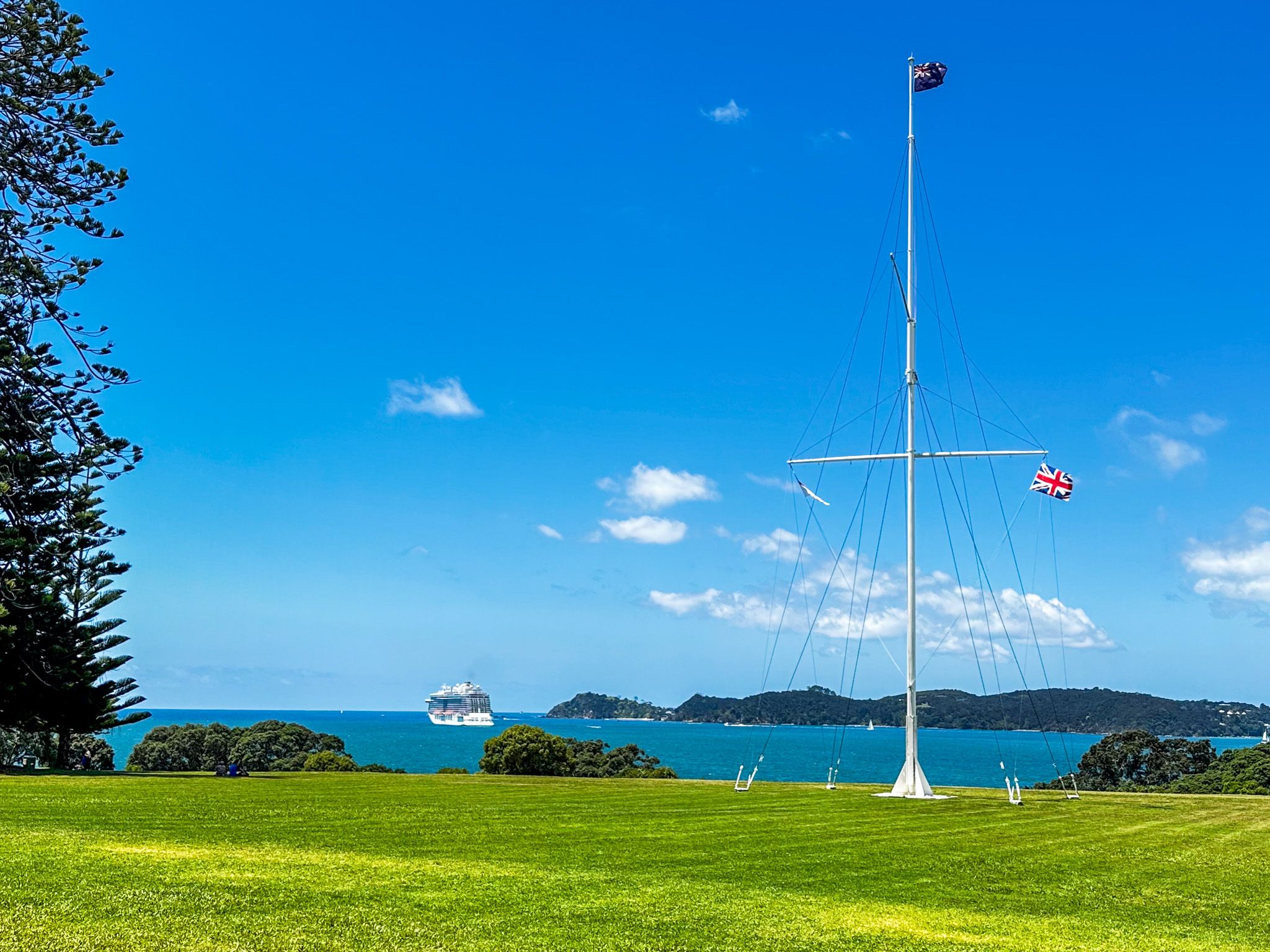
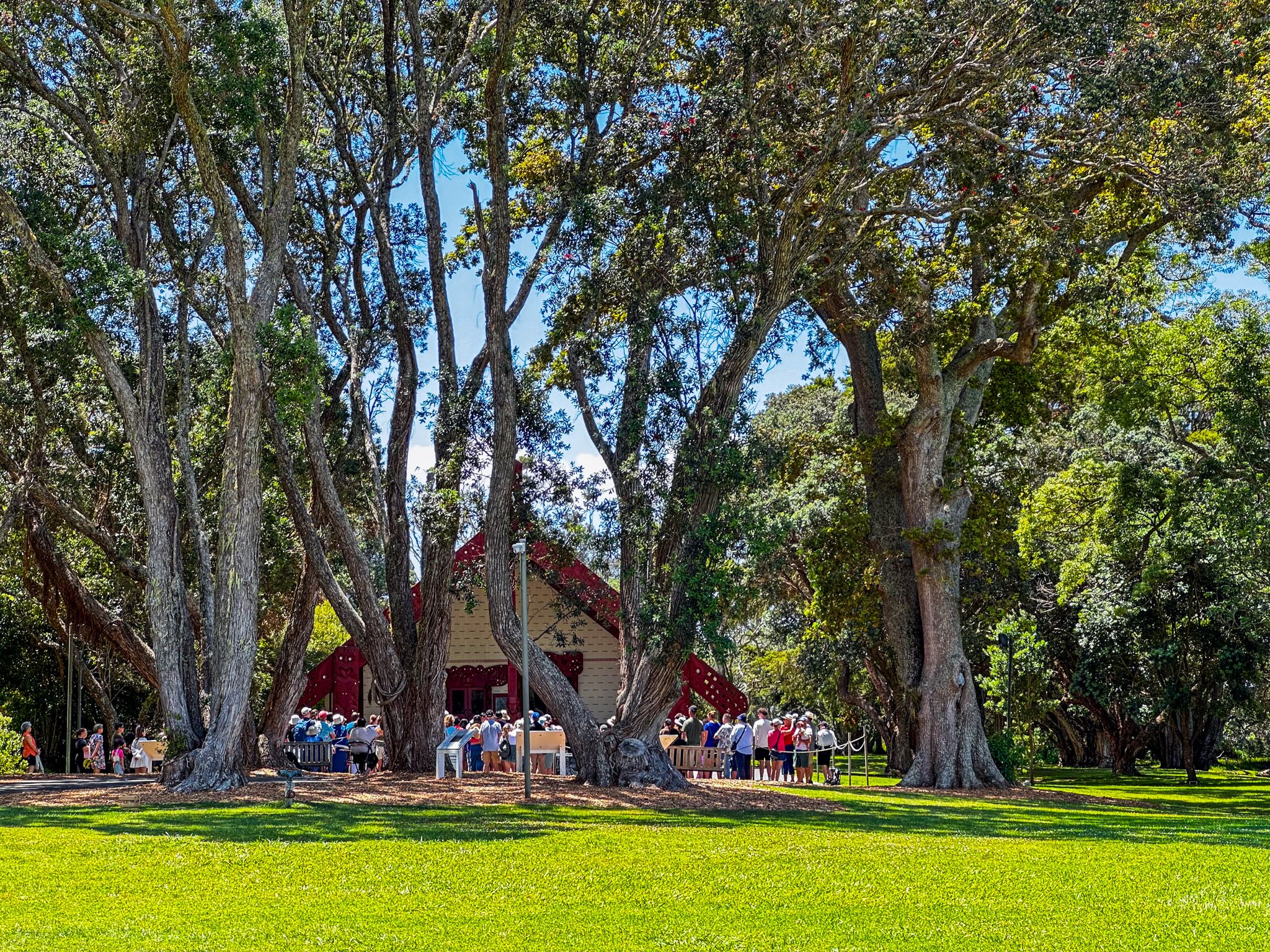
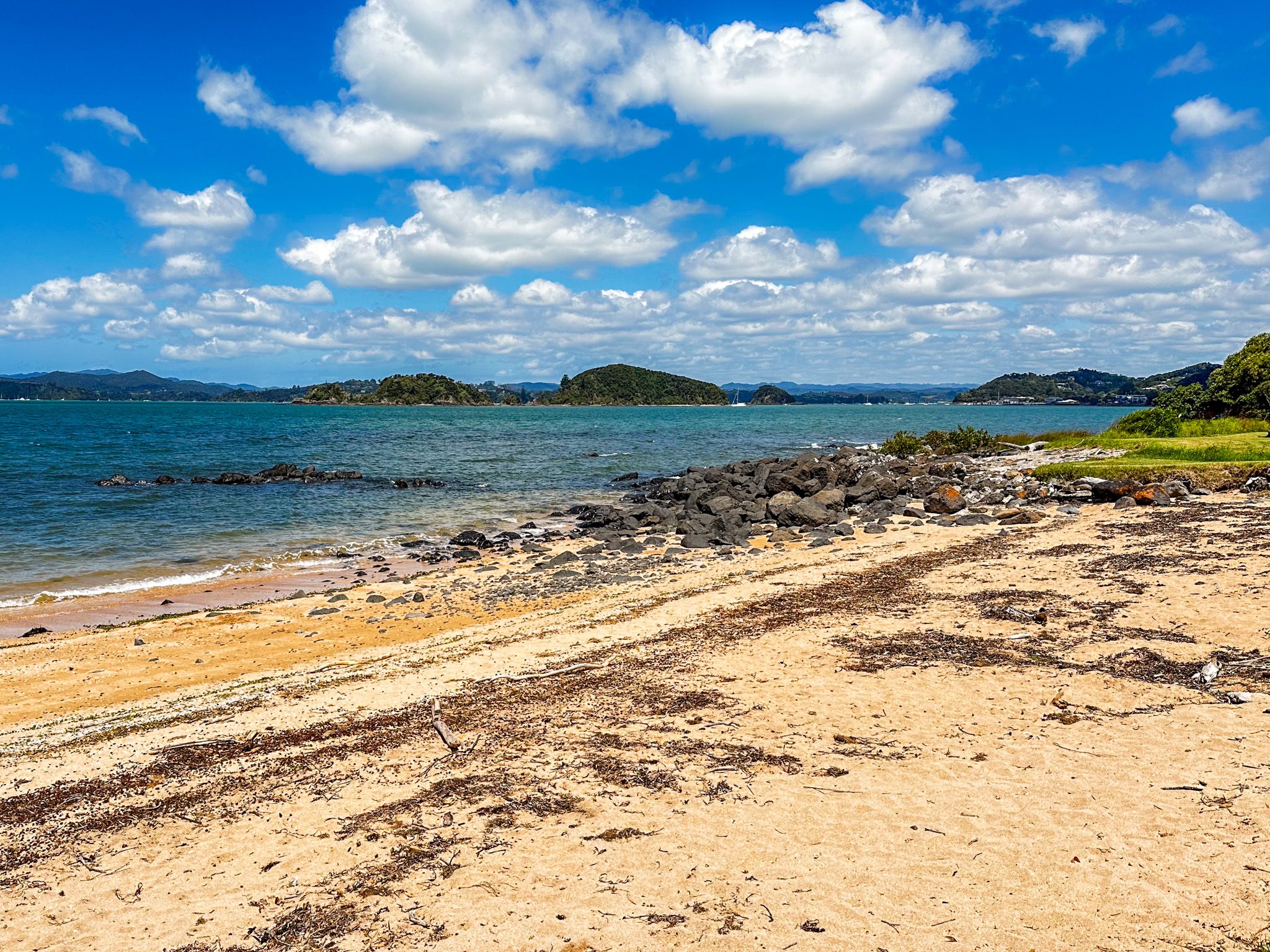
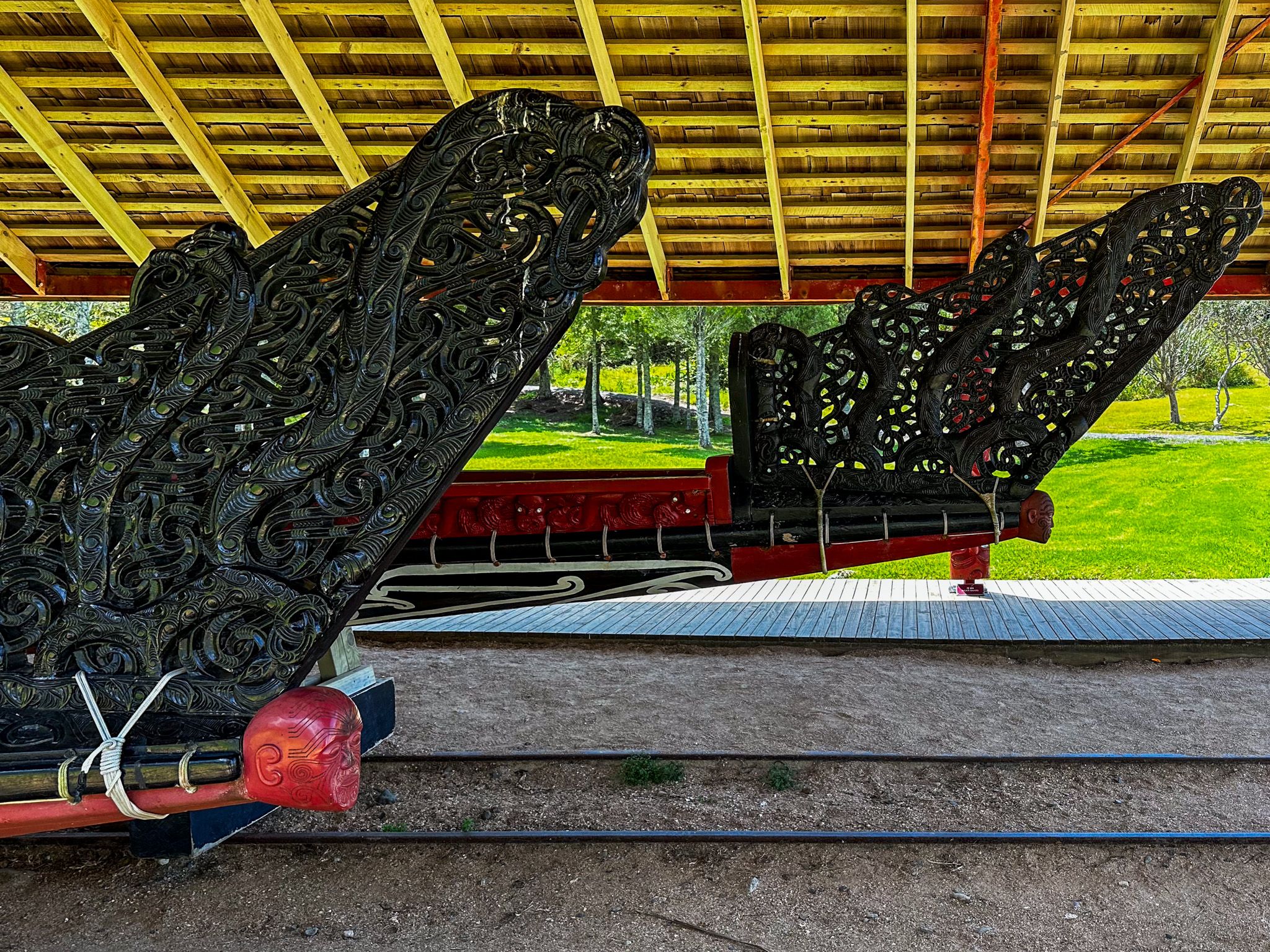
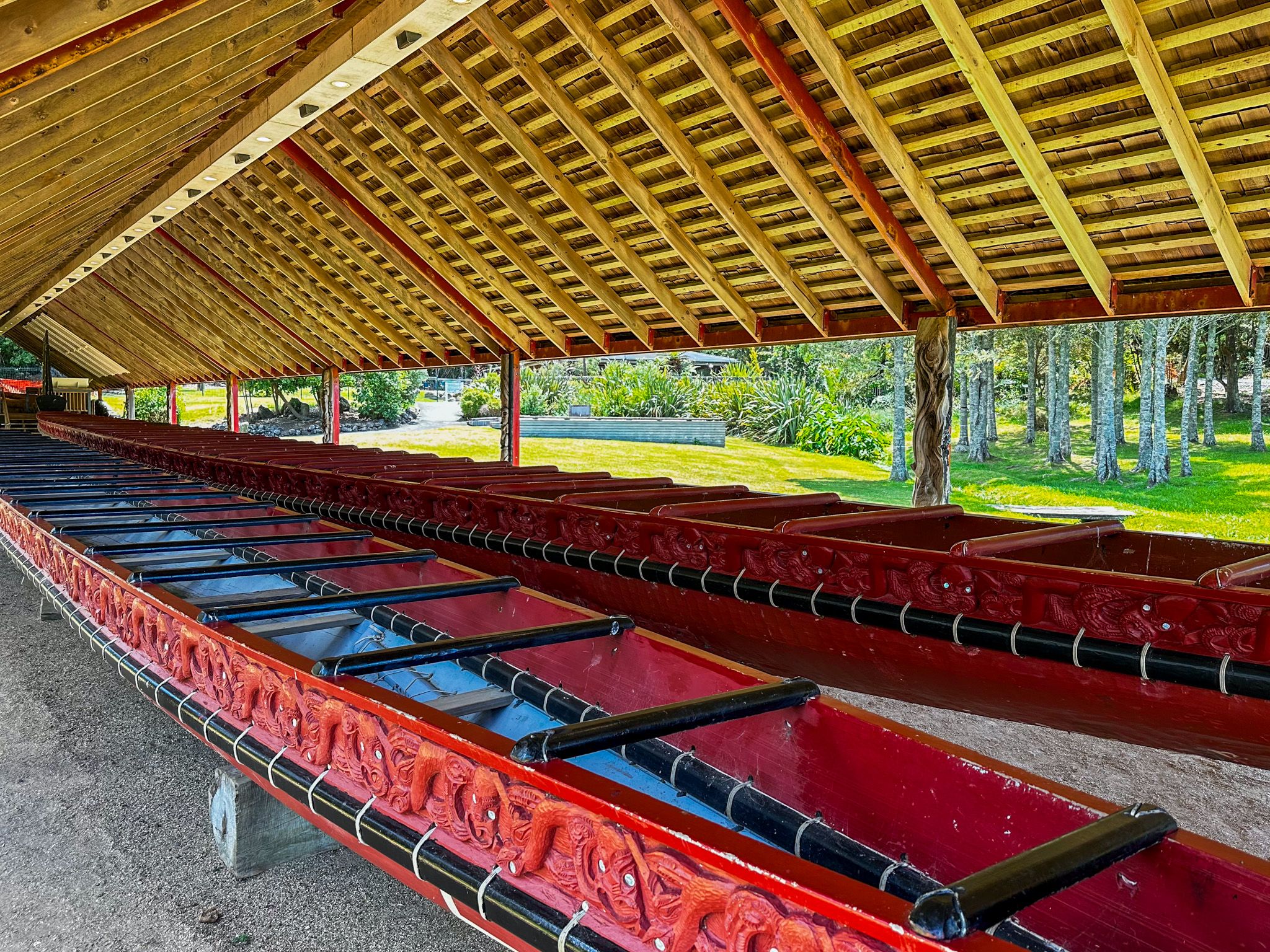
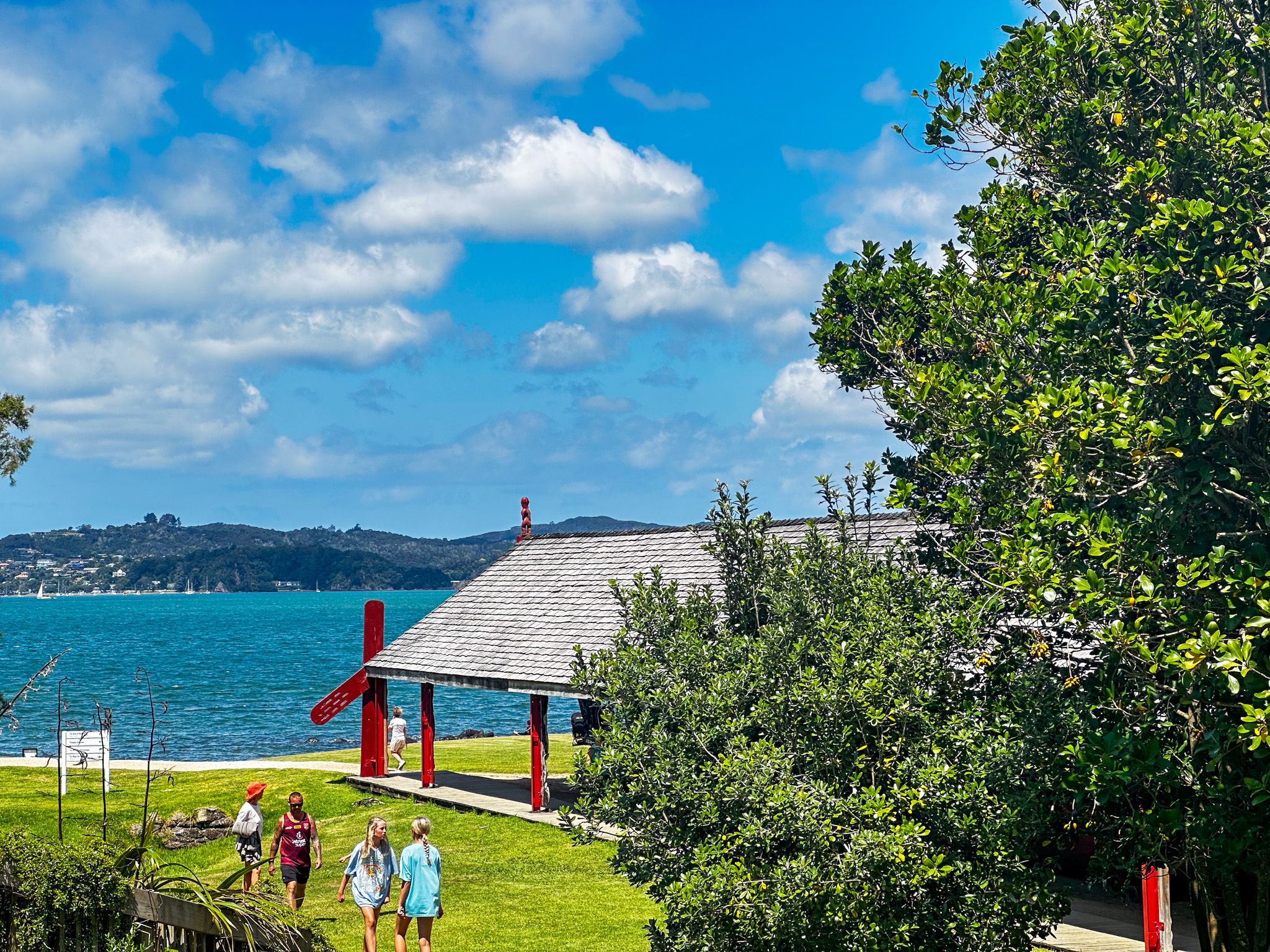
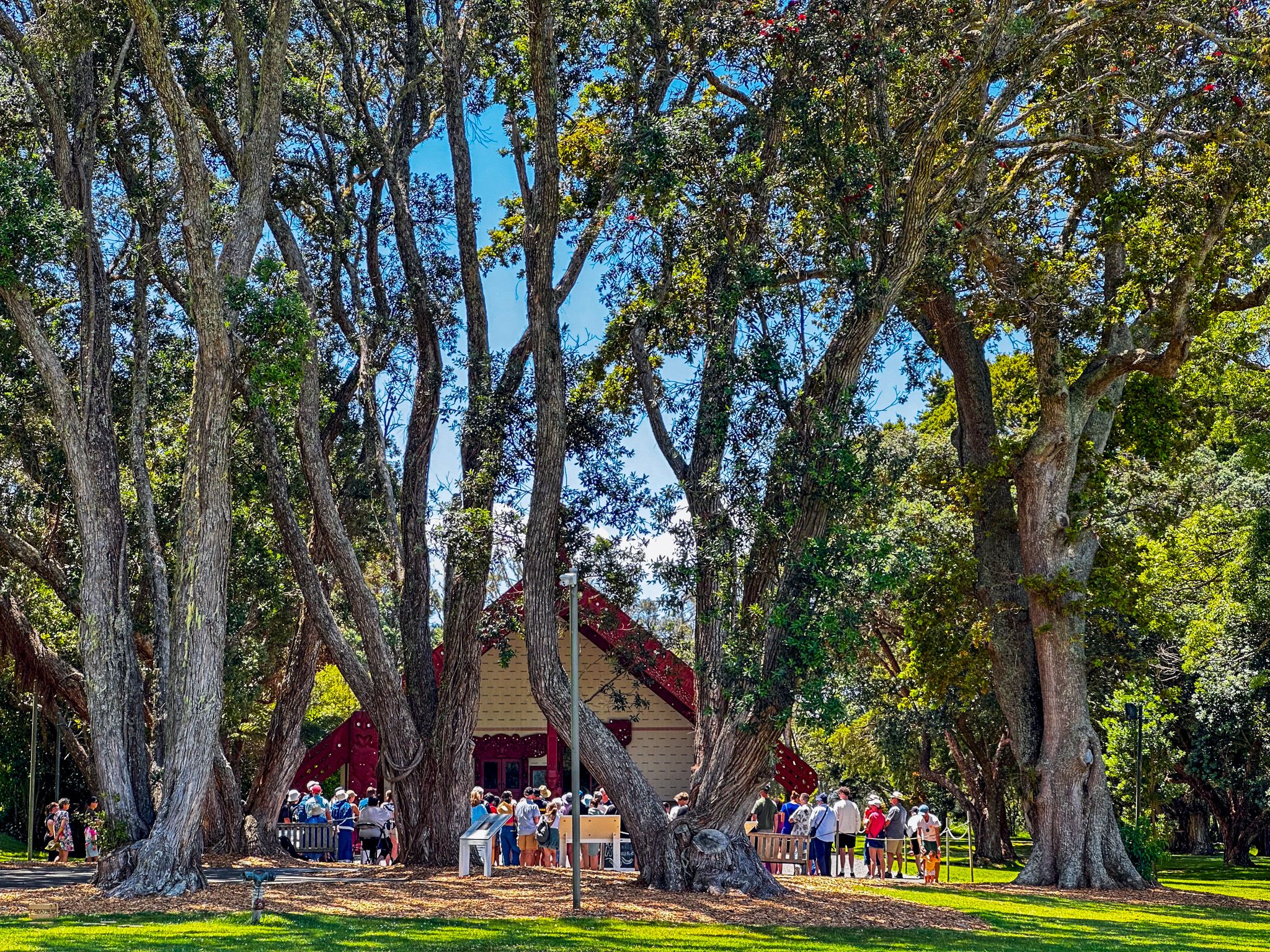
The grounds also feature a carved whare rūnanga (meeting house) and a flagstaff marking the Treaty signing site, first erected for the 1934 celebrations. As you walk towards Hobson Beach, you will encounter the impressive waka taua (war canoe) Ngā Toki Matawhaorua, crafted for the 1940 celebrations.
Getting to the Waitangi Treaty Grounds
The Waitangi Treaty Grounds are located just off State Highway 11, just north of Paihia, along Te Karwha Parade to Tau Henare Drive. From Auckland, the drive is just over 3 hours (240 km) on State Highway 1 and SH 11.
Other major historic locations around the Bay of Islands include Historic Russell, Te Maiki, and Kororipo Heritage Reserve, Mission House and Stone Store in Kerikeri Basin.