Discover Waiwera
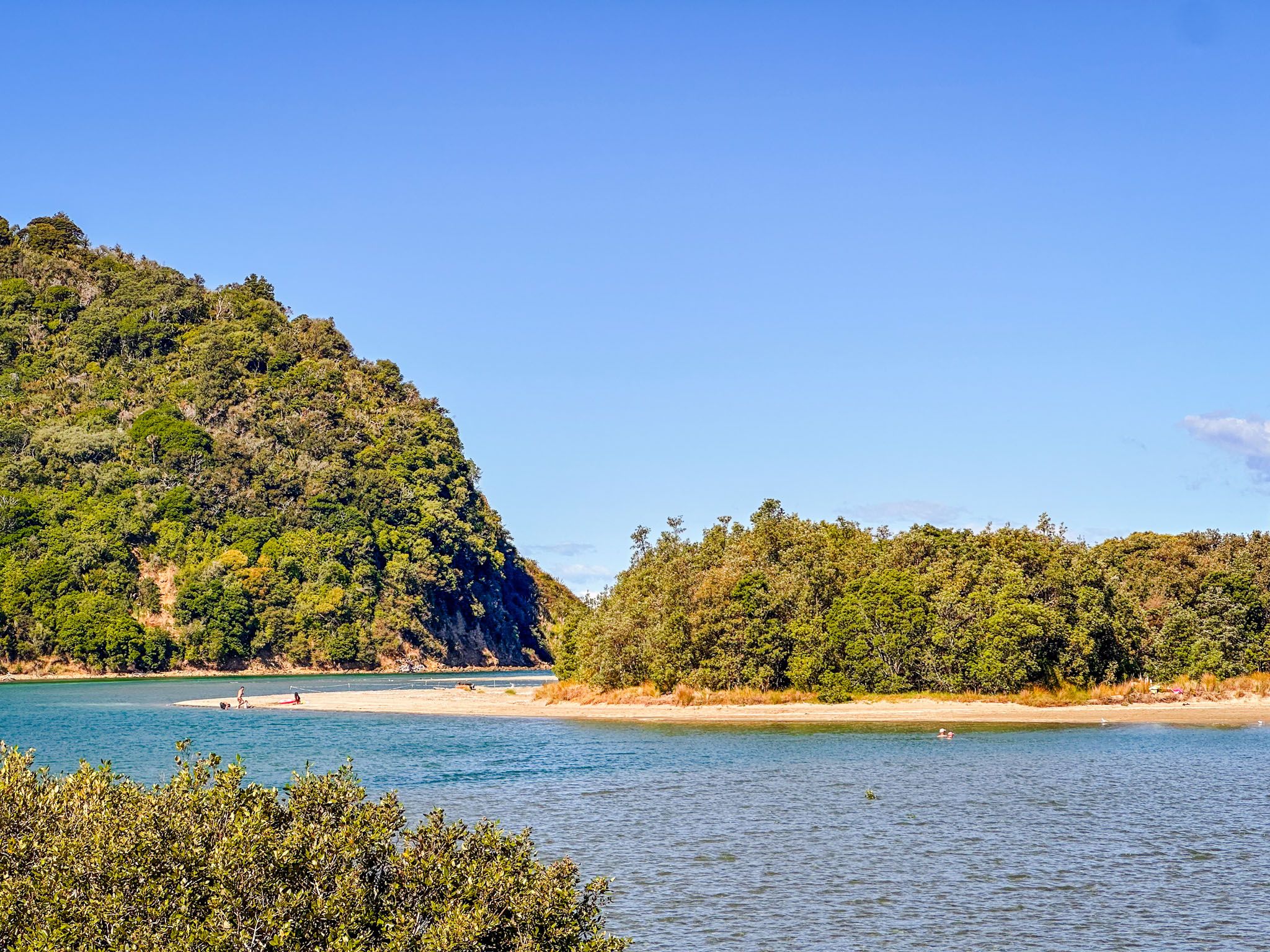
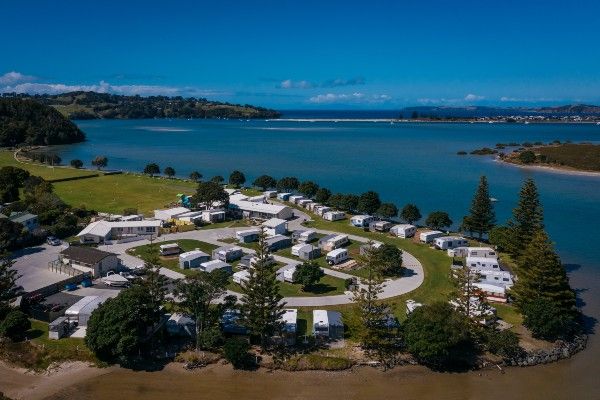
Waiwera is a charming town on Auckland's Hibiscus Coast, located at the mouth of the Waiwera River. Waiwera was famous for its historical hot springs, which have been a significant attraction since Māori times, when they called them Te Rata, meaning “The Doctor”. Europeans converted the springs into a commercial endeavour, now gone, but this lovely coastal town remains.
The Historical Significance of Waiwera's Hot Springs
The name Waiwera translates to 'hot water', a nod to the area's famous thermal springs. Māori used the pools for their therapeutic properties, digging holes in the sand at the beach.
Ngāti Rangi iwi were the original custodians of the land, which was protected by four fortified pā: Kakaha Pā, Whau Pā, Mahurangi, and Pitawai. In 1845, Robert Graham purchased land from Ngāti Rongo at Waiwera, cultivating it with grapevines and fruit trees, and later established the first health resort in the 1870s. Eventually, the natural springs diminished, and although they were converted into a water park in the 2000s, the park failed commercially and was demolished in 2023.
Exploring Waiwera Today
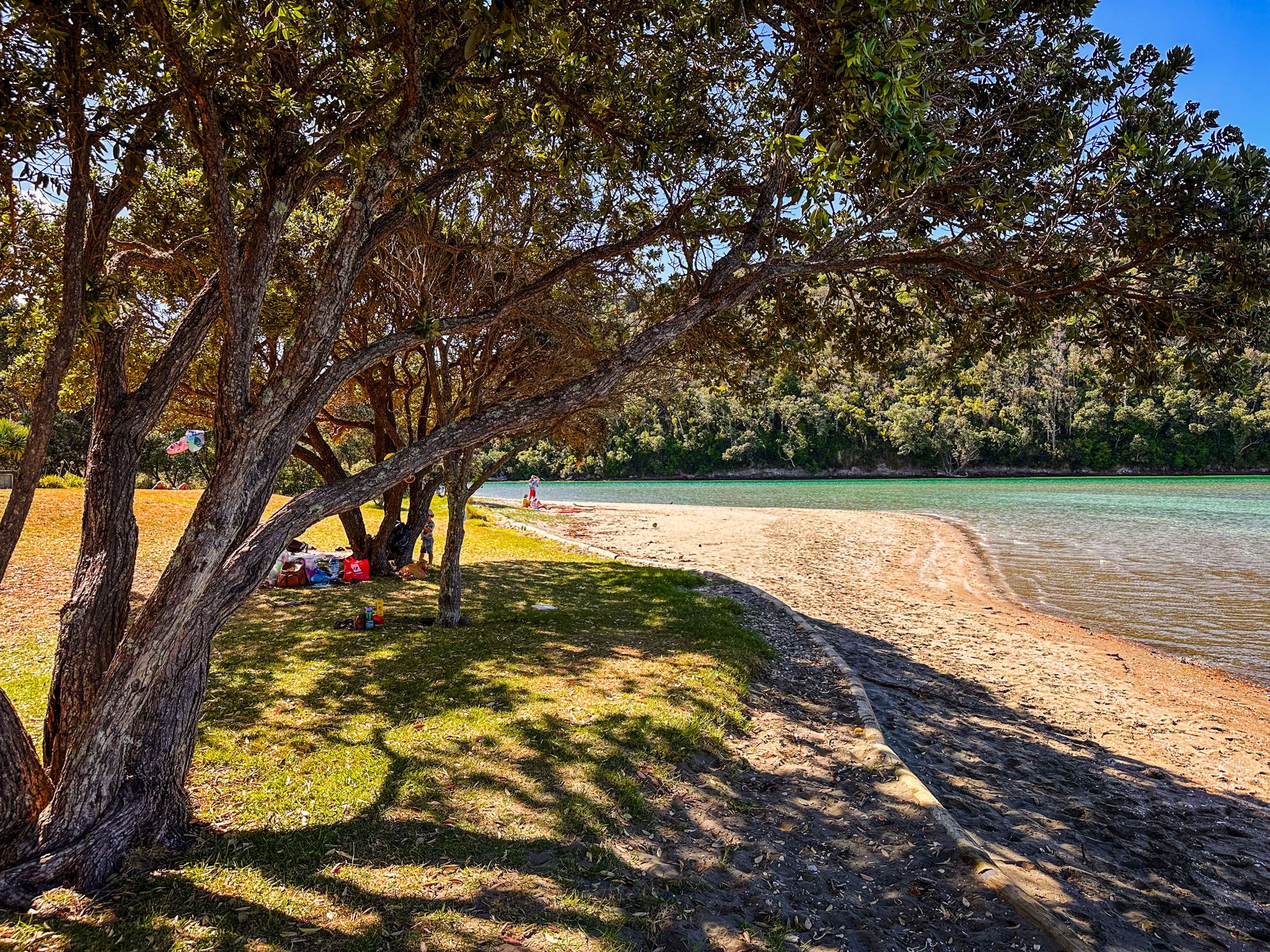
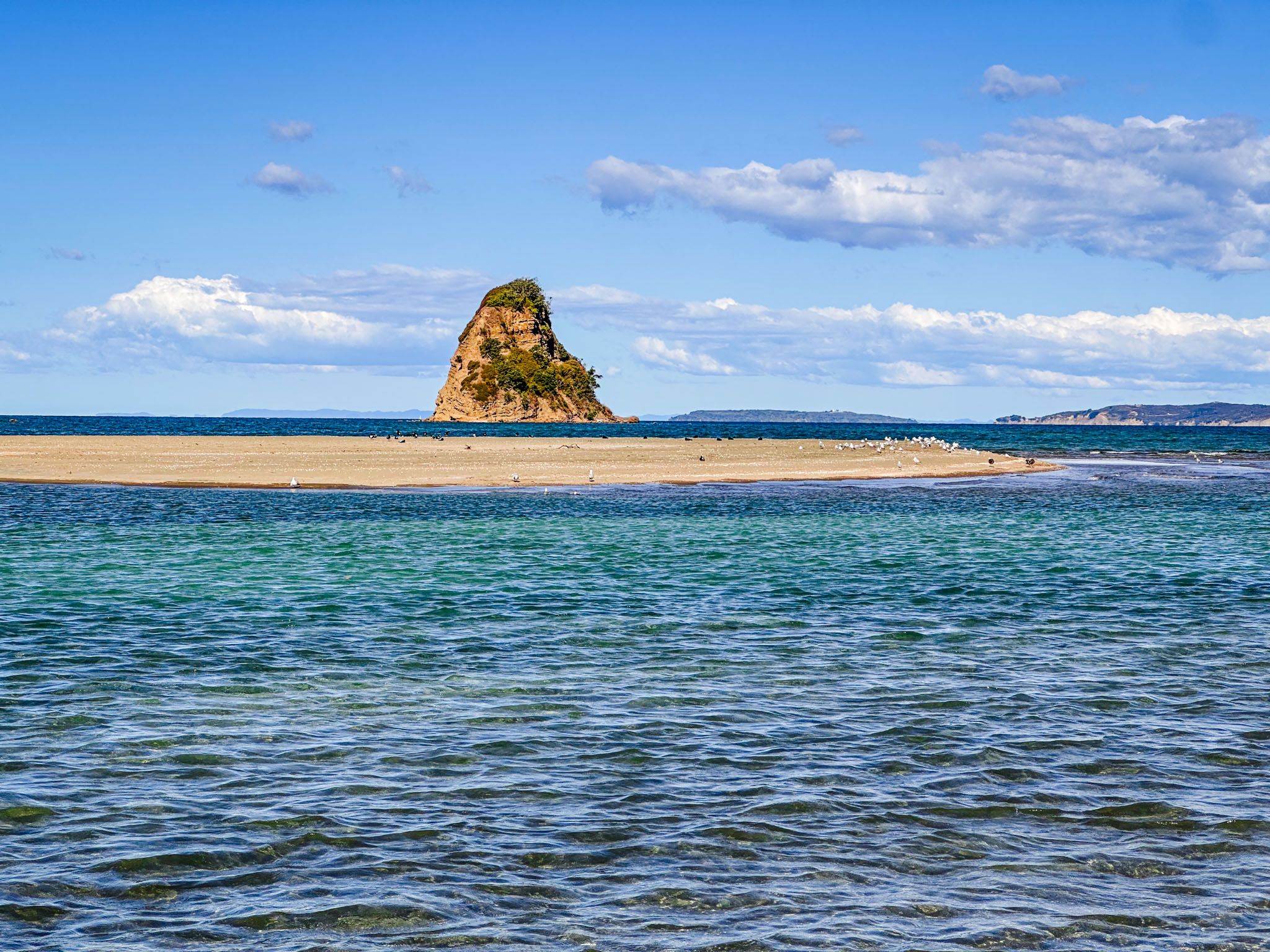
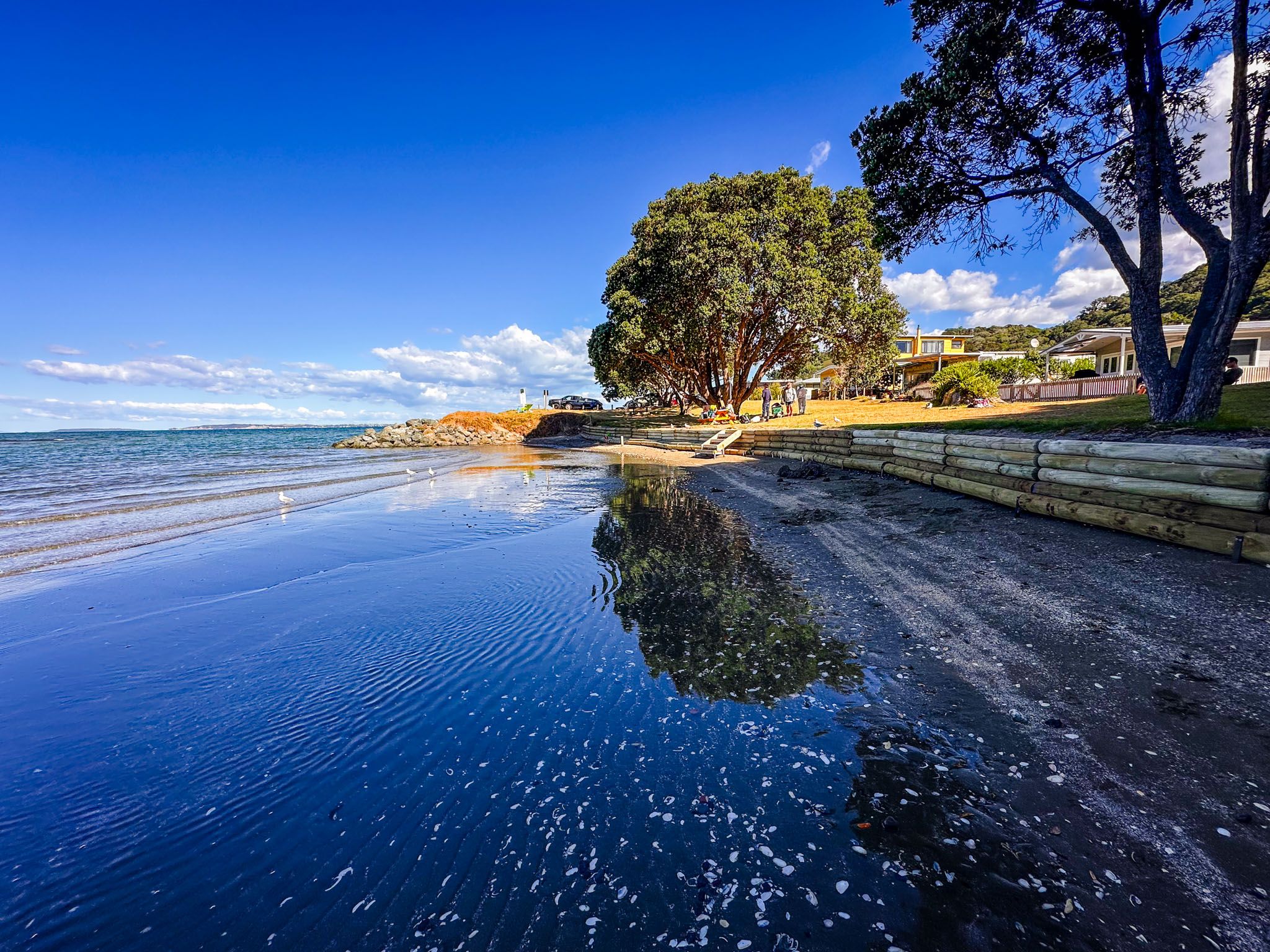
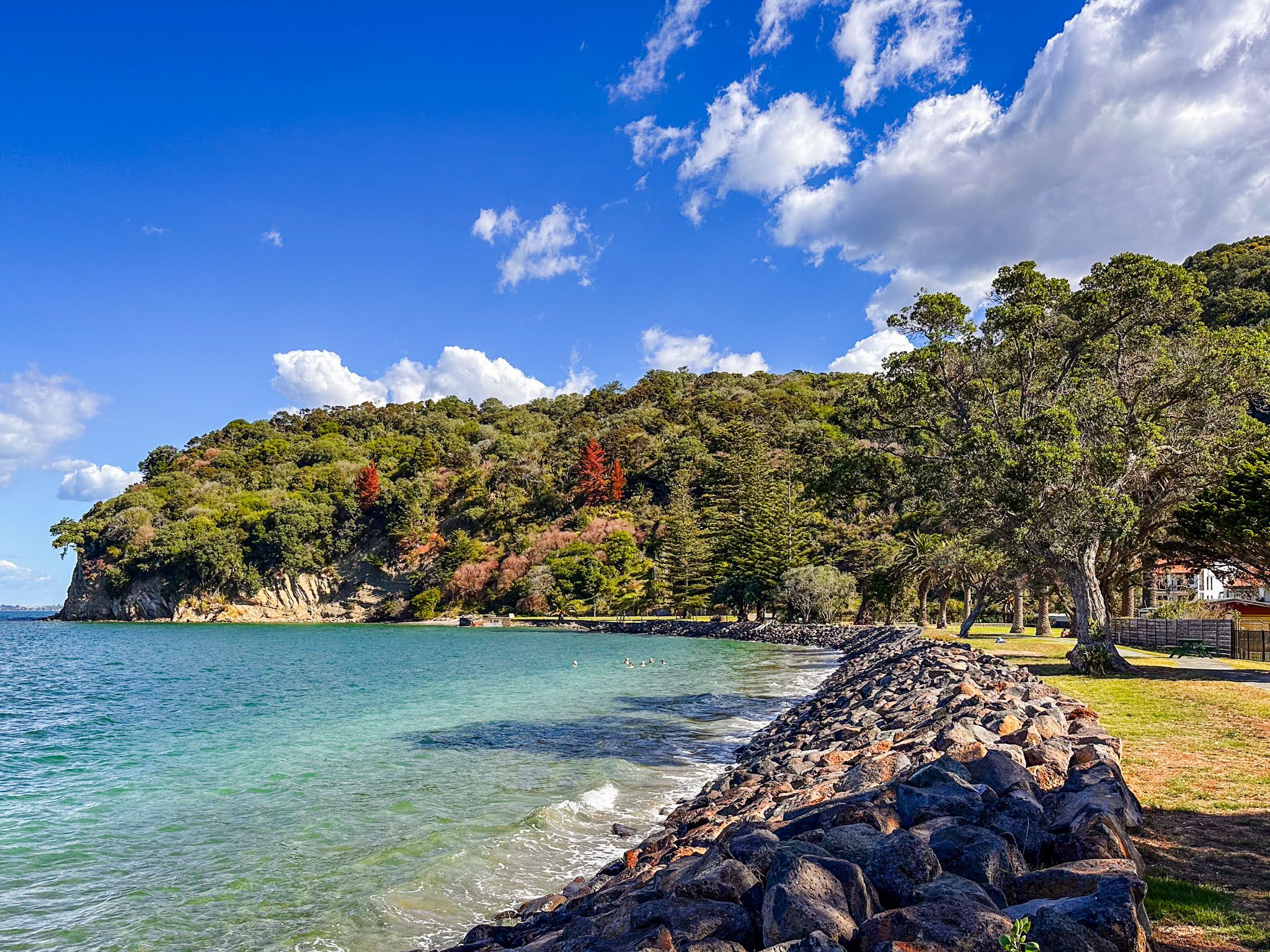
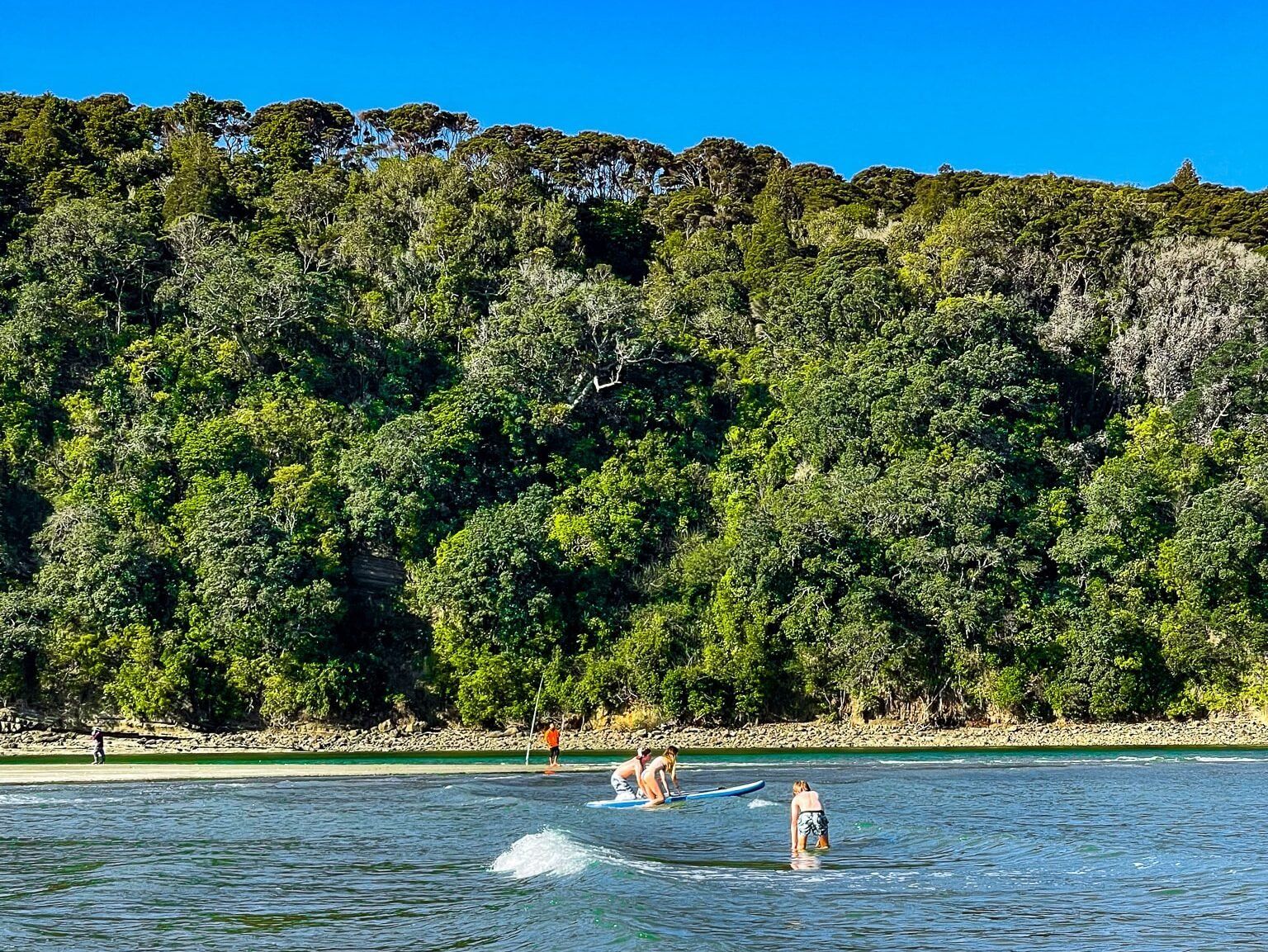
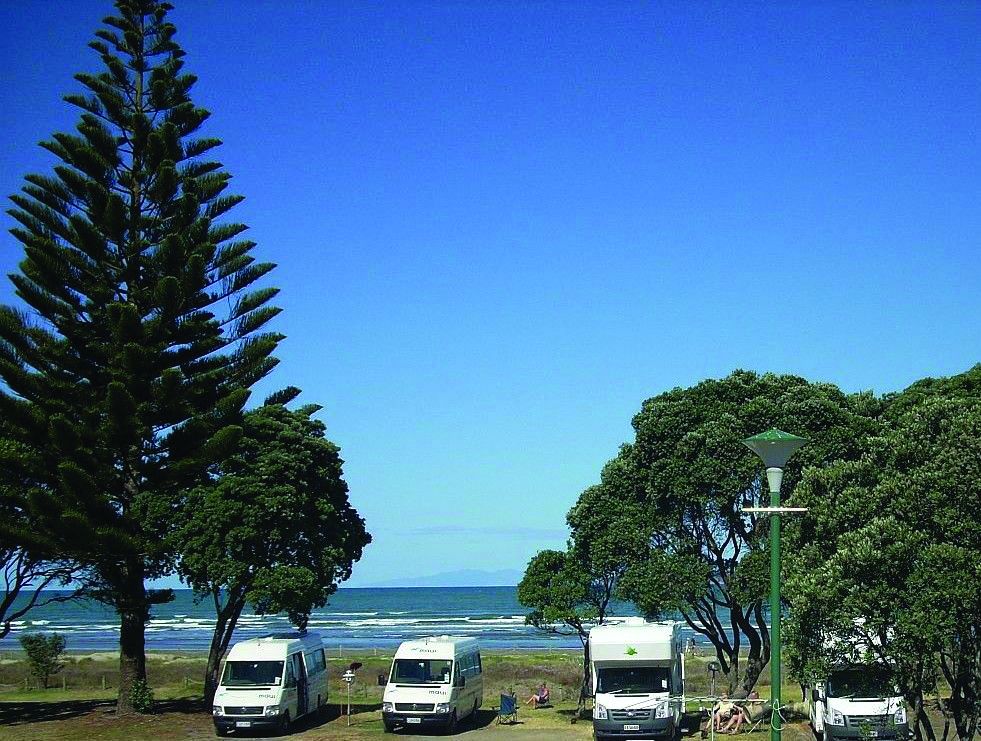
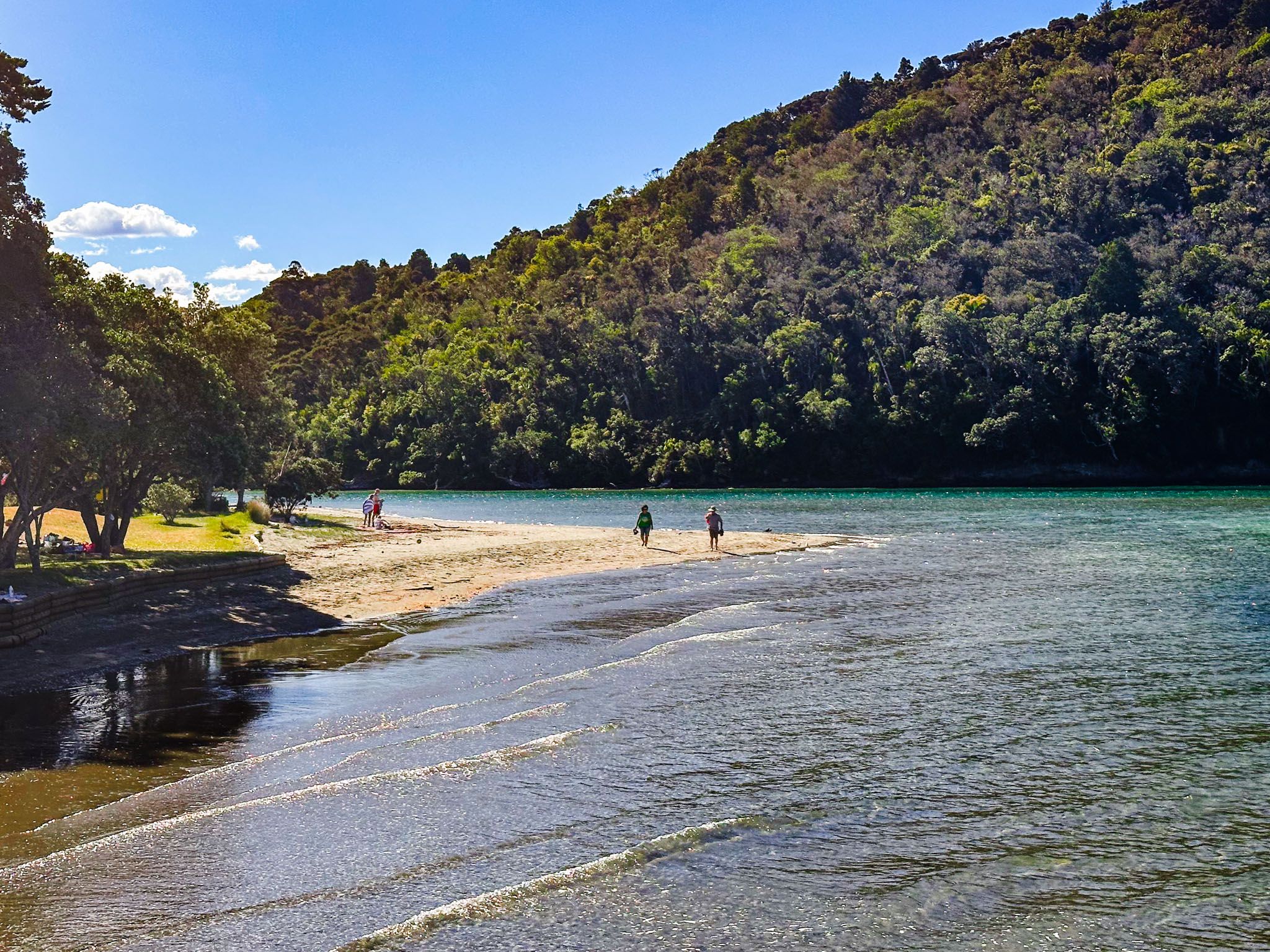
Despite the absence of the hot springs, Waiwera remains a delightful destination. The beach is ideal for safe swimming, especially as the tide recedes. A short walk around the sandy river estuary, a bird sanctuary, and there is a picturesque setting for a picnic.
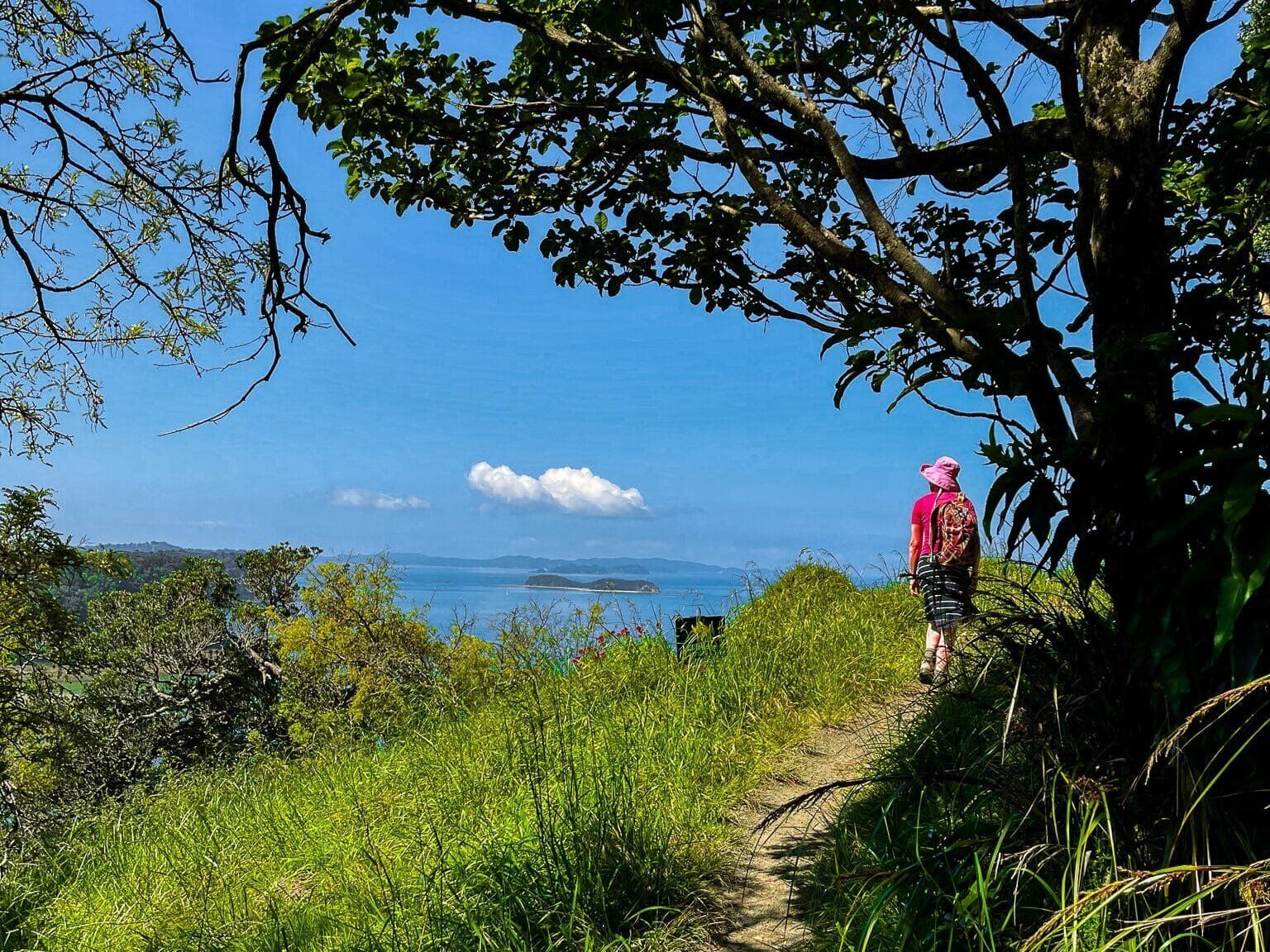
Waiwera is also part of Te Araroa, which follows the beach and goes around the cliffs at low tide to Hatfields Beach and Ōrewa.
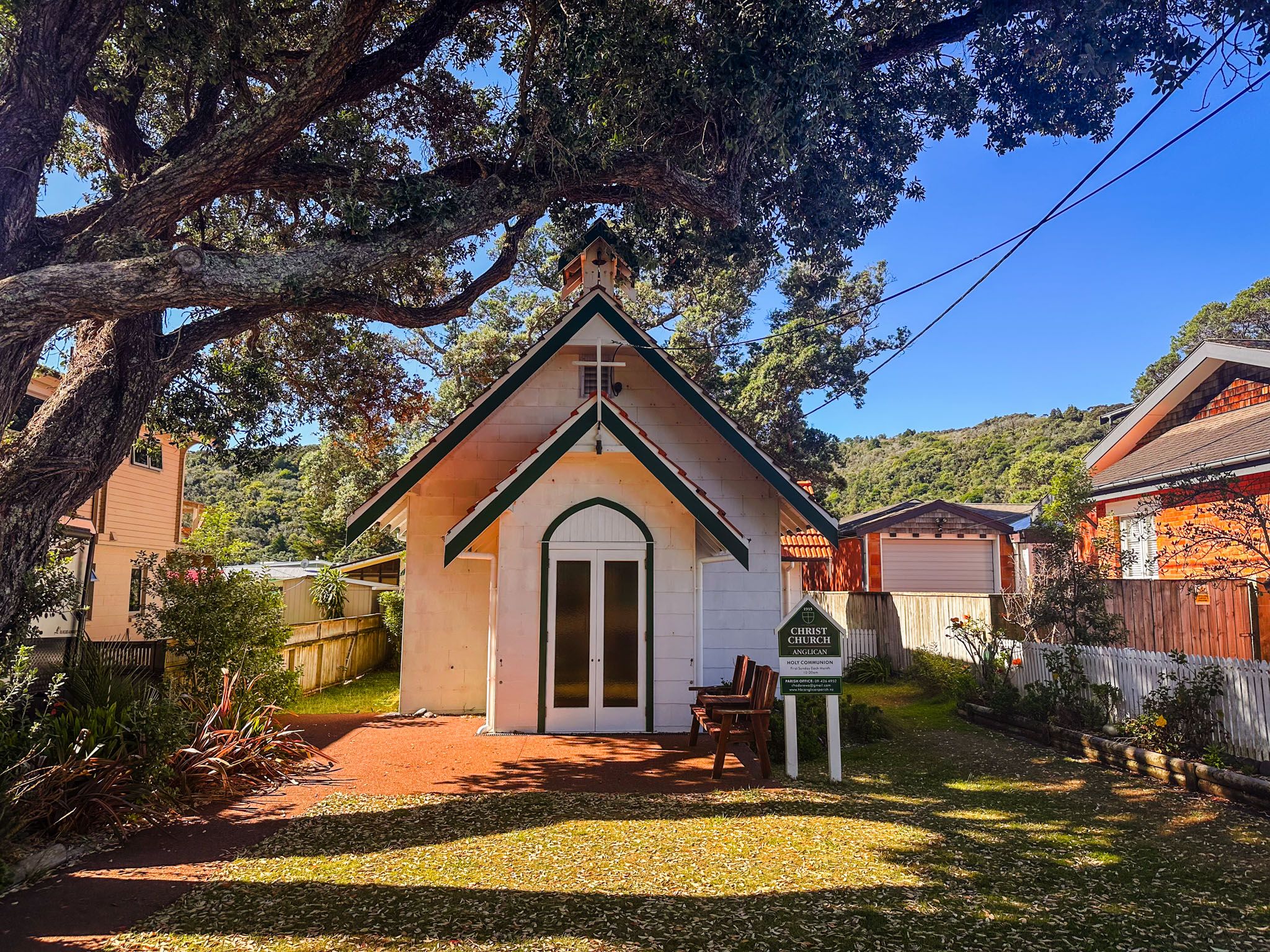
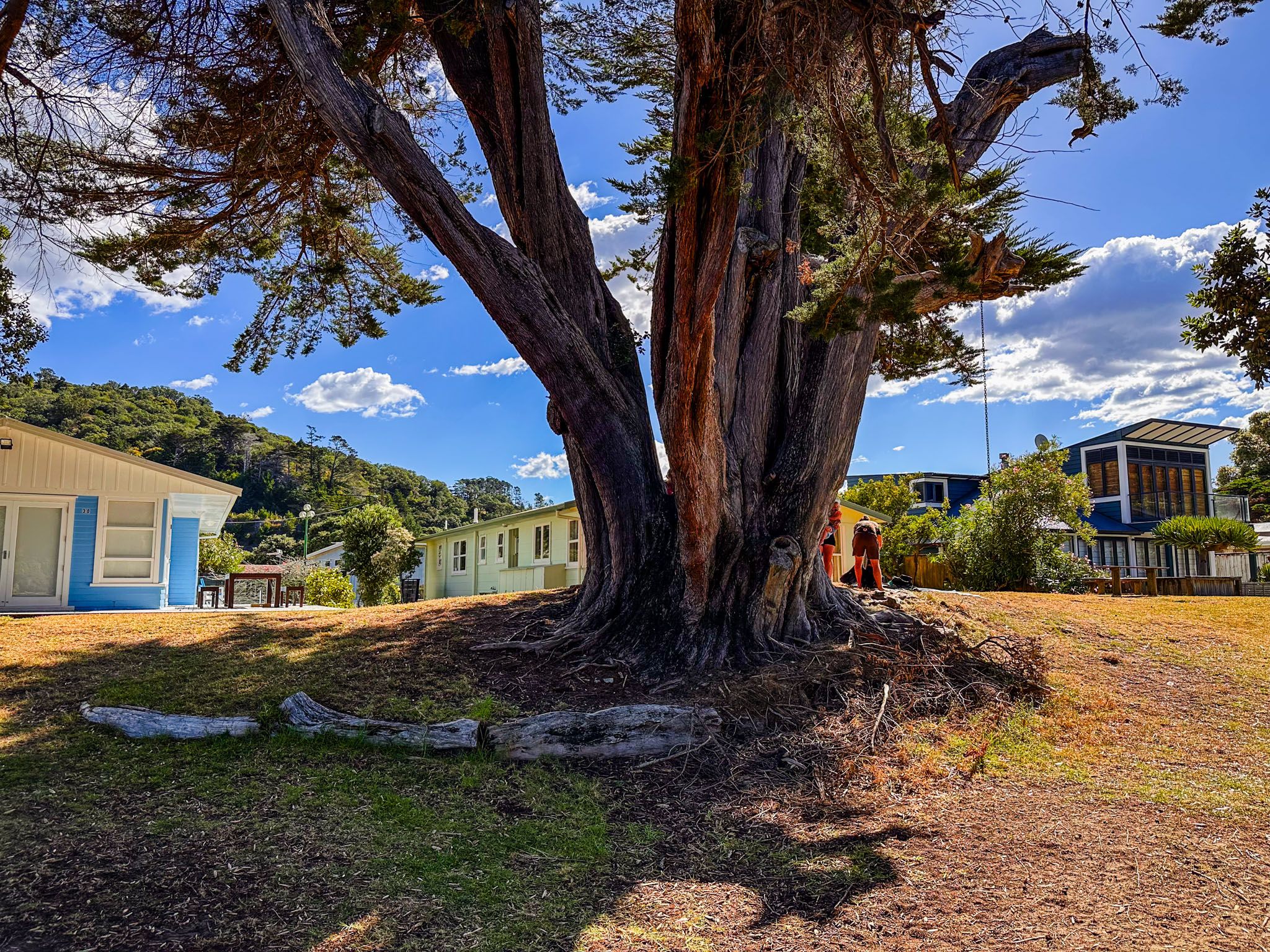
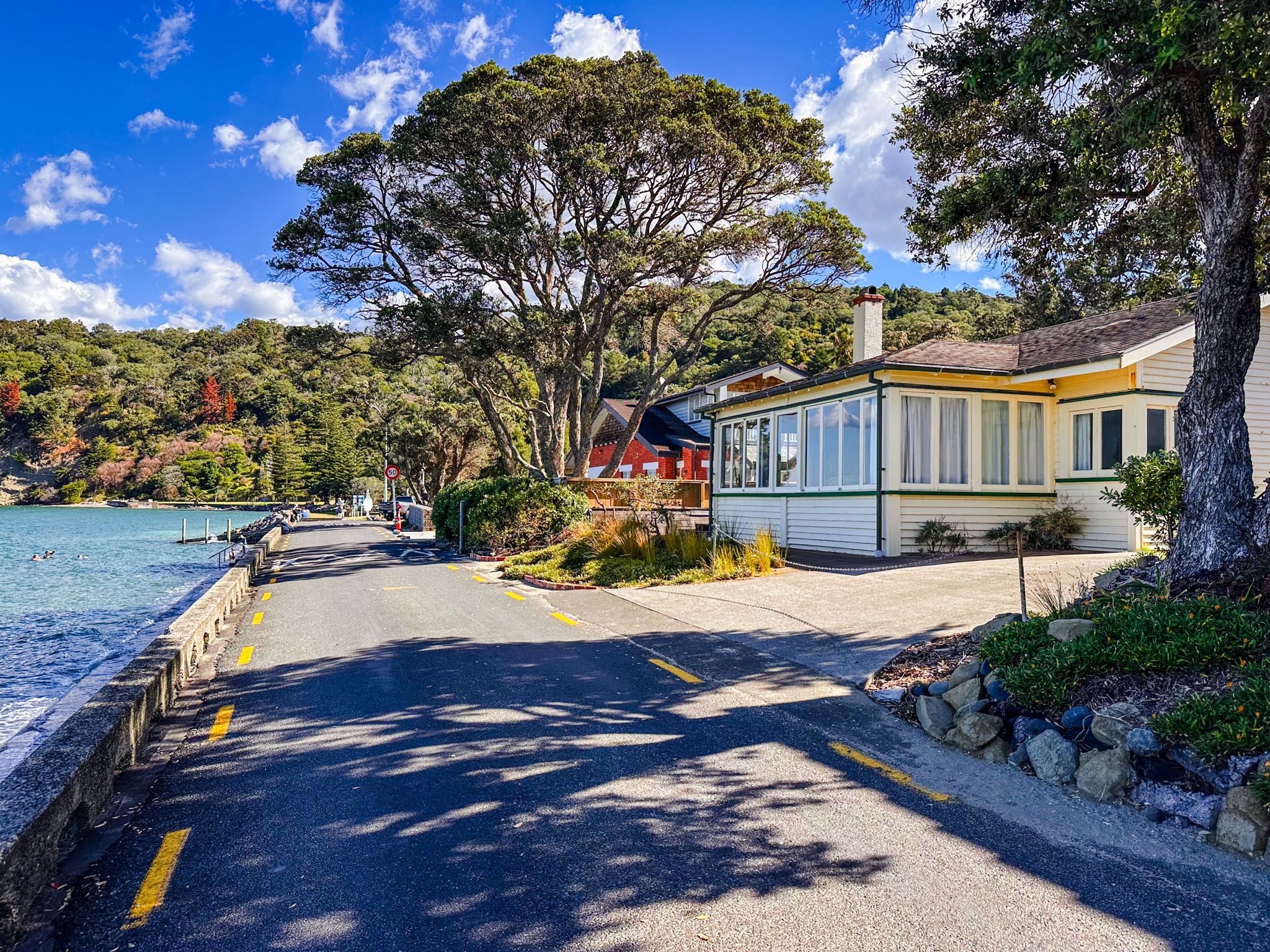
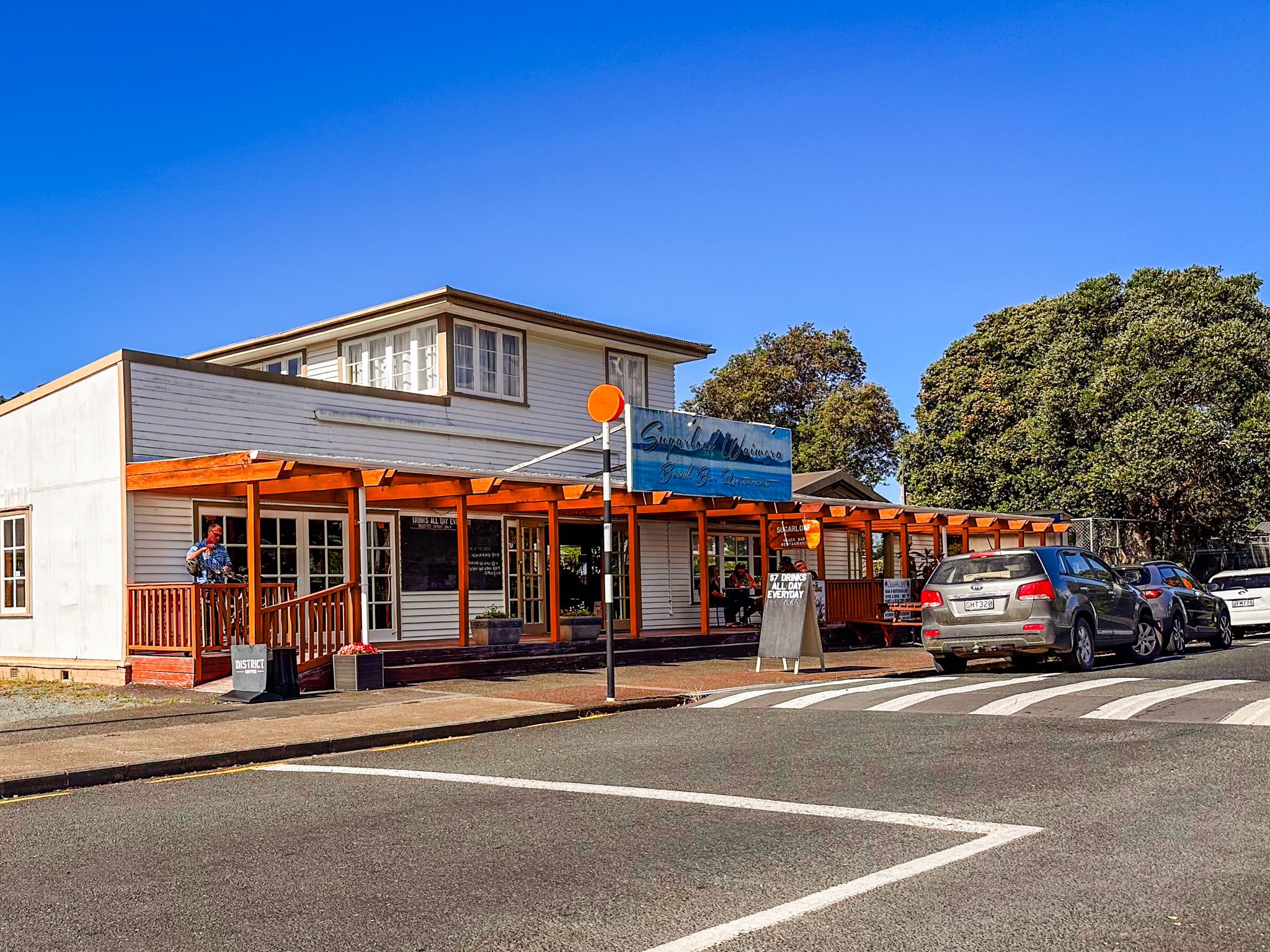
The village itself has a historic pub and store, adding to its quaint charm.
How to Get to Waiwera
To reach Waiwera, drive approximately 35 km north from Downtown Auckland on the northern motorway to the Puhoi off-ramp. From there, continue north on the Twin Coast Discovery Highway to the town.
Waiwera is 6 km north of Ōrewa and 6 km southeast of Puhoi. If you're coming from Warkworth, it's a 23 km drive southeast. Just north of the Waiwera turn-off, you can also explore Wenderholm Regional Park, located on the opposite side of the headland.