Discover Aoraki / Mount Cook
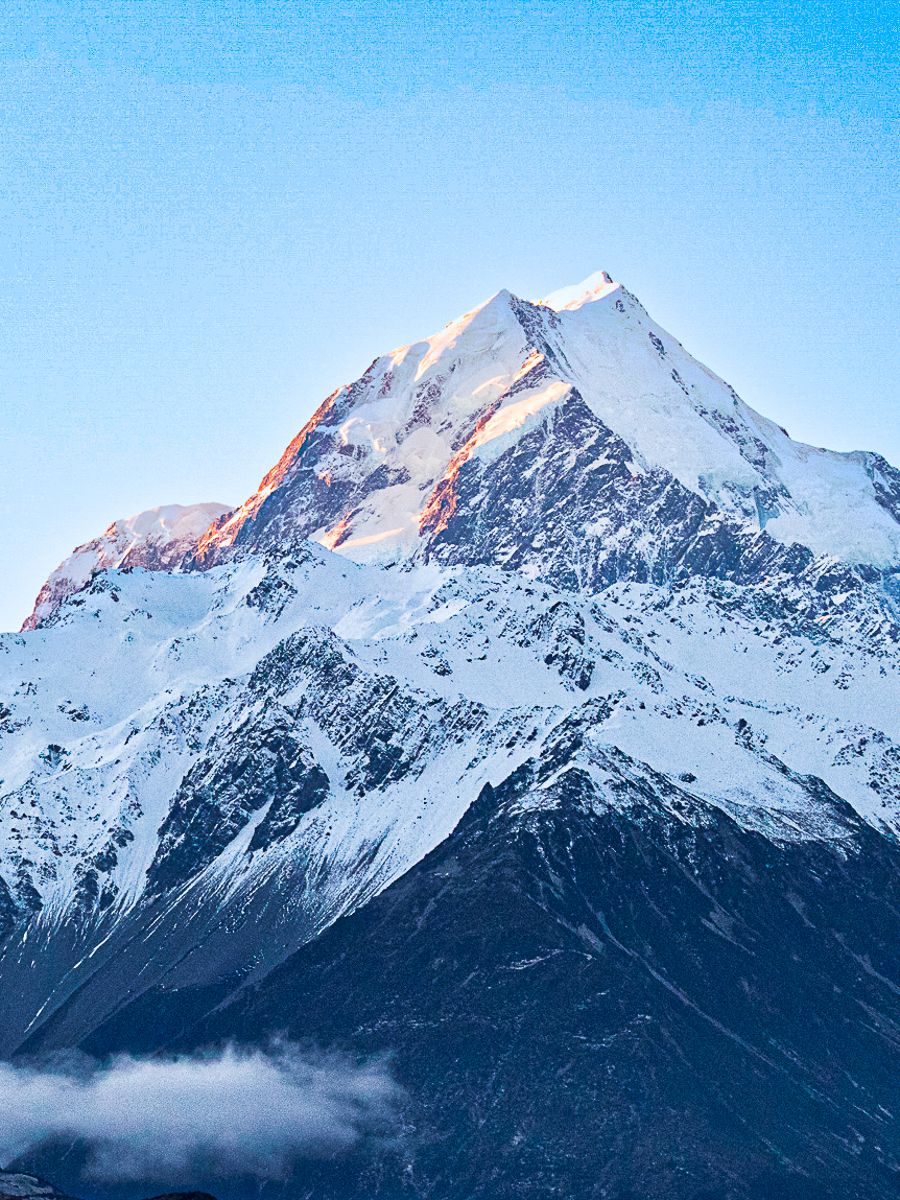
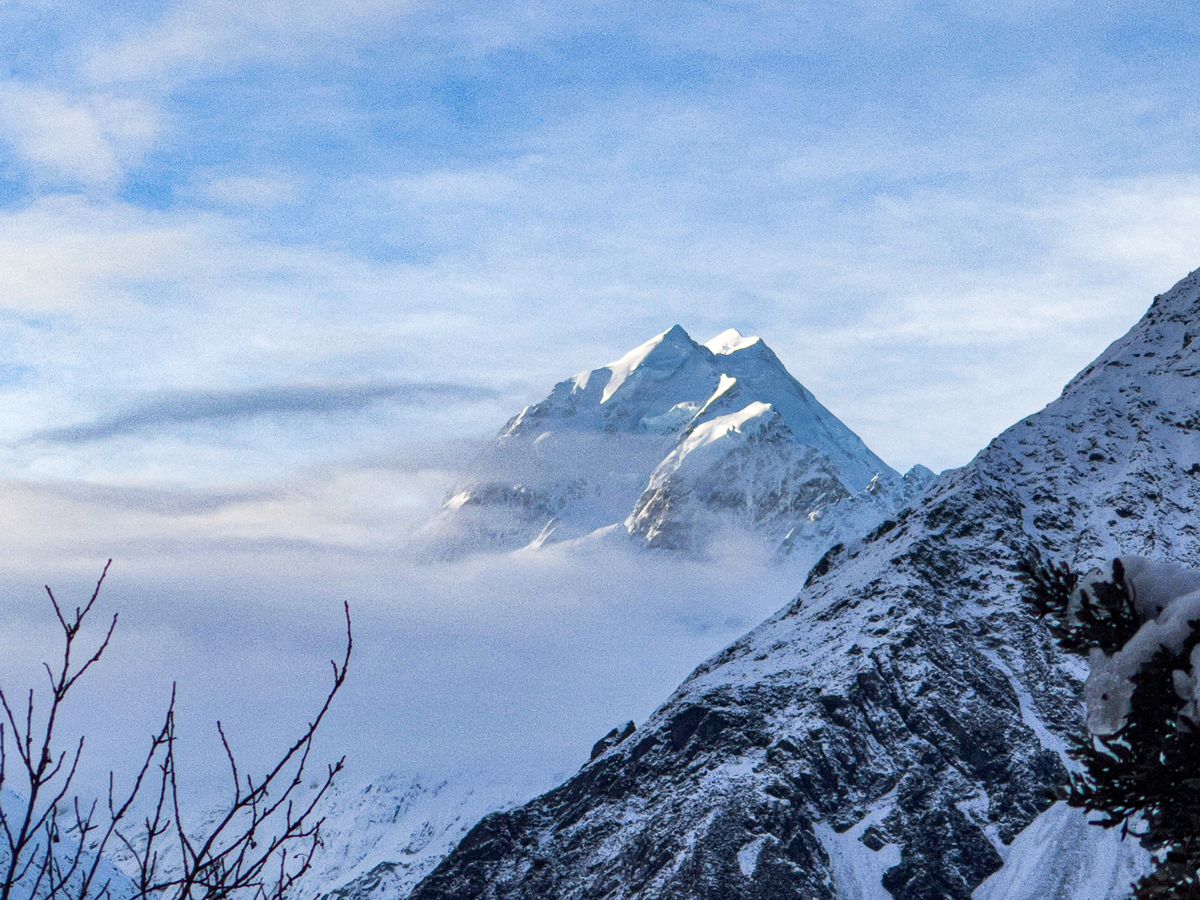
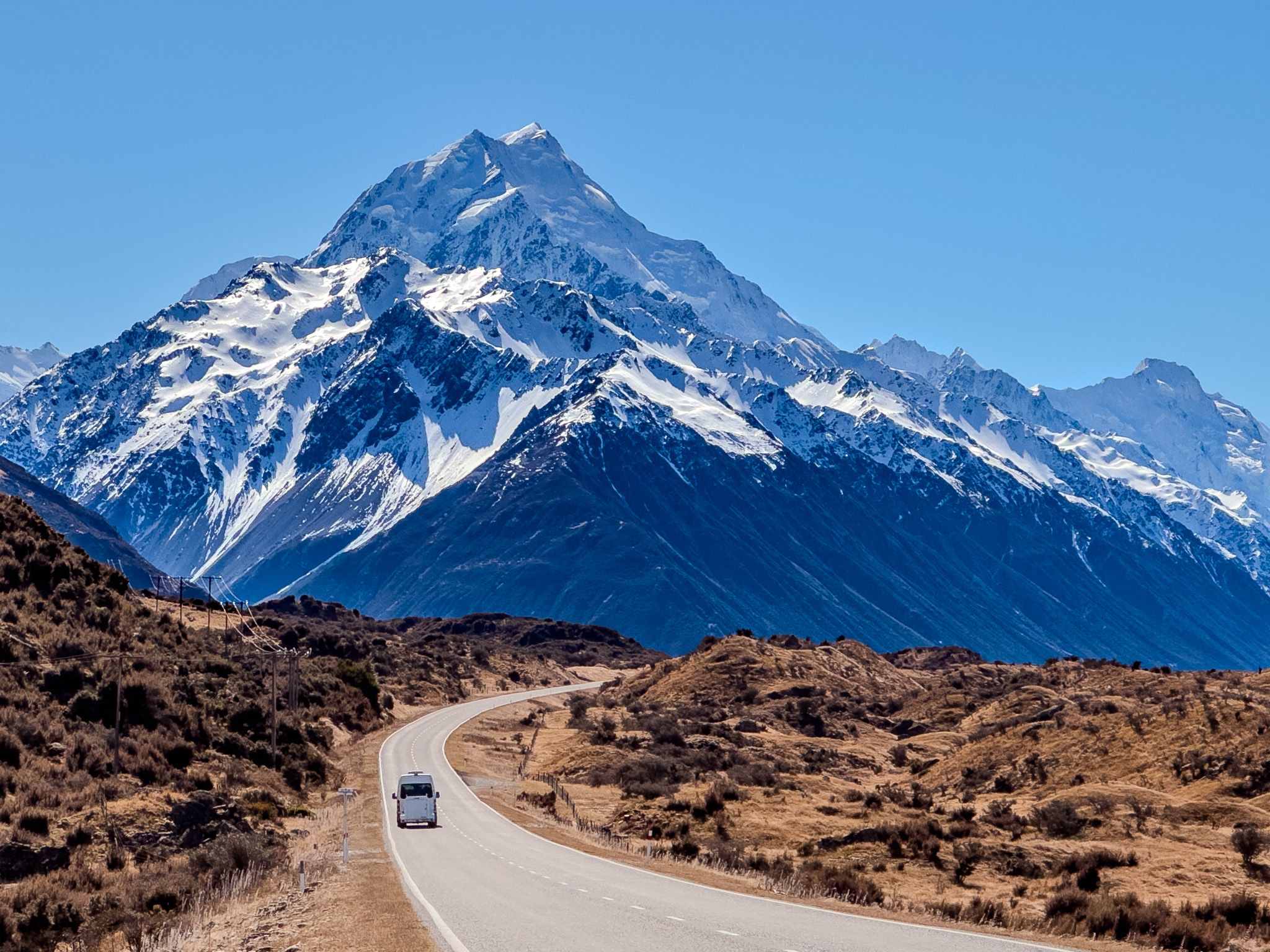
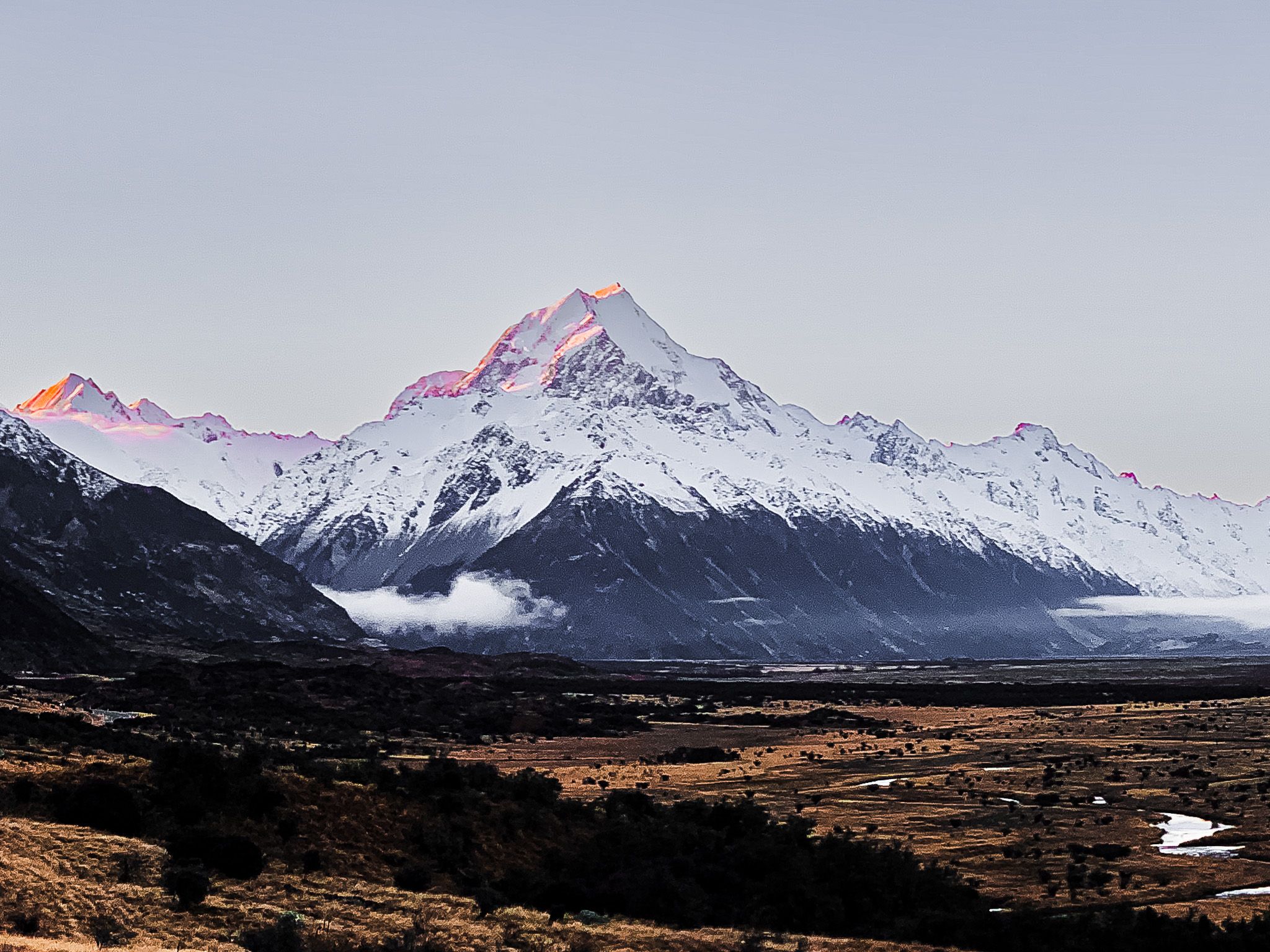
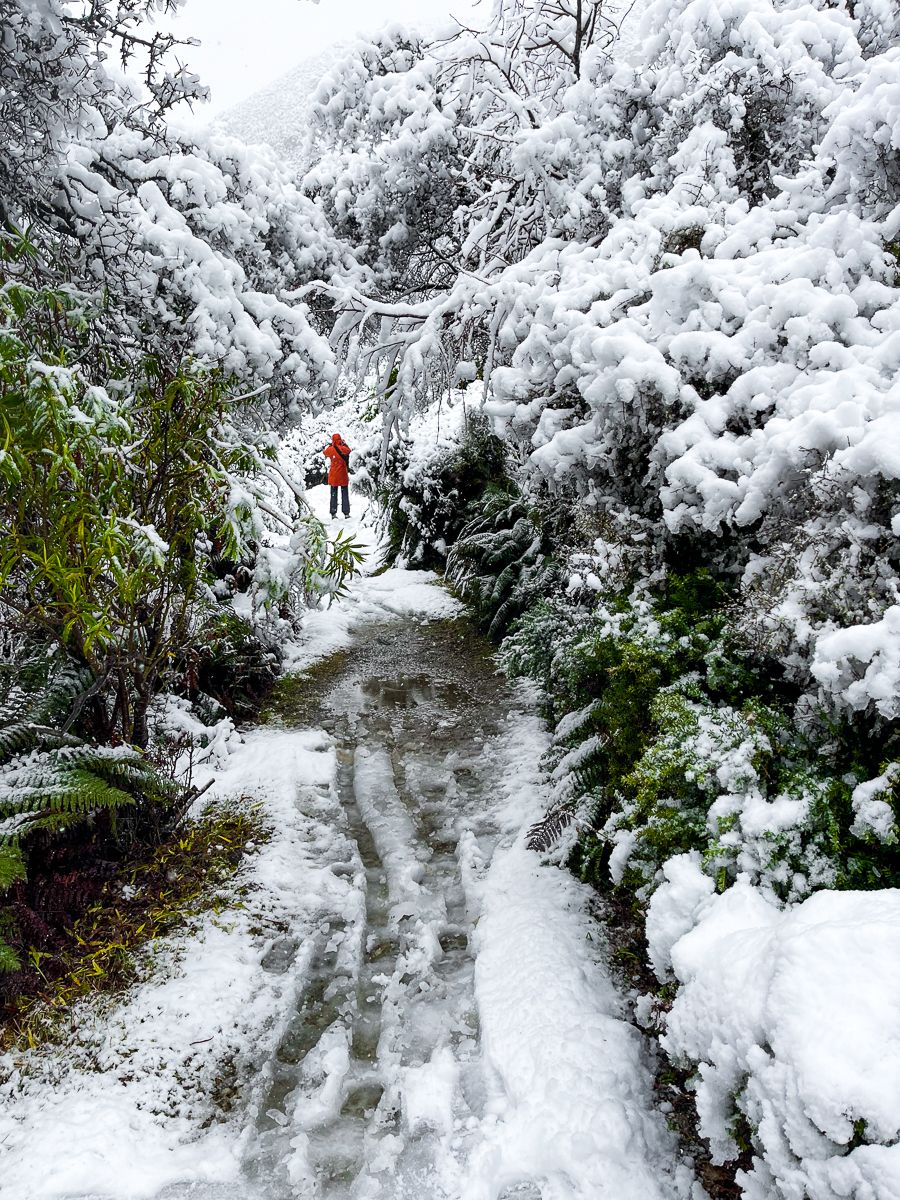
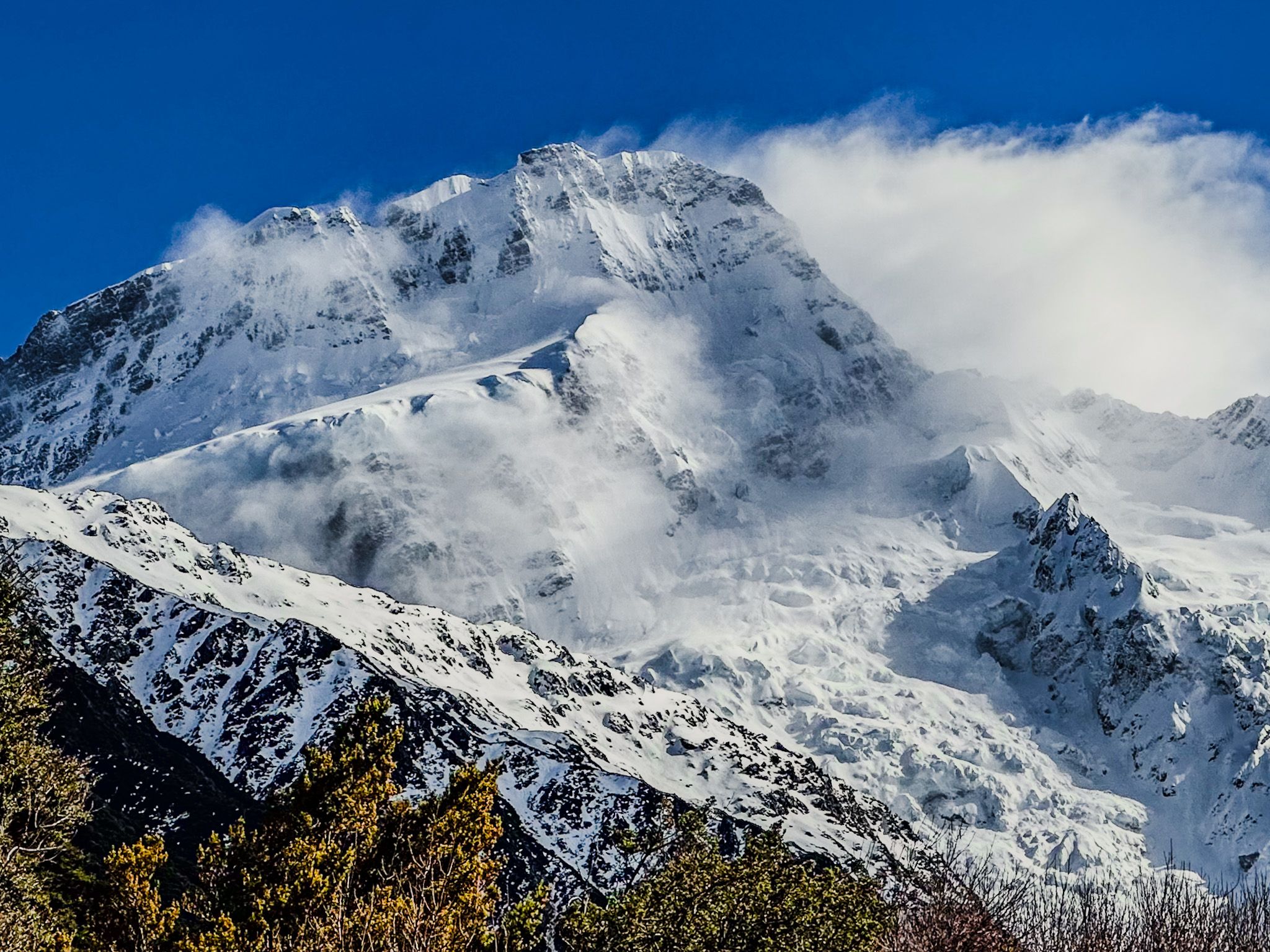
Aoraki / Mount Cook, at 3,724 metres, is New Zealand's highest mountain and the Southern Alps’ most prominent feature. Located beyond the end of Mt Cook Road, State Highway 80, in Aorak/Mt Cook National Park, the drive to this iconic peak is stunning. You are first treated to views of the Ben Ohau Range and the sparkling, vivid blue waters of Lake Pukaki. As you draw nearer, Aoraki / Mount Cook's grandeur becomes increasingly evident, providing exceptional photo opportunities, particularly in Winter.
Accommodation, Walks and Hikes
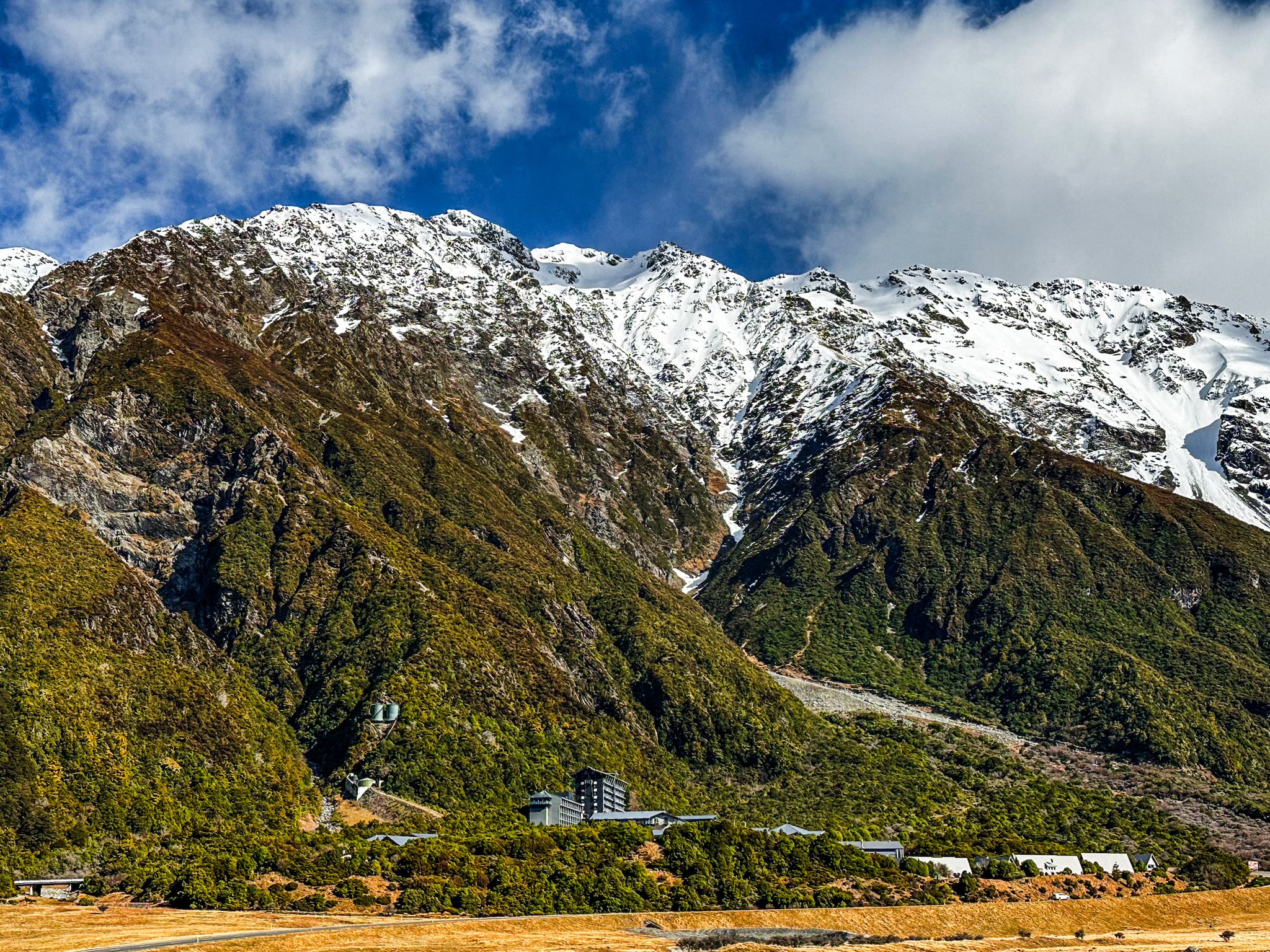
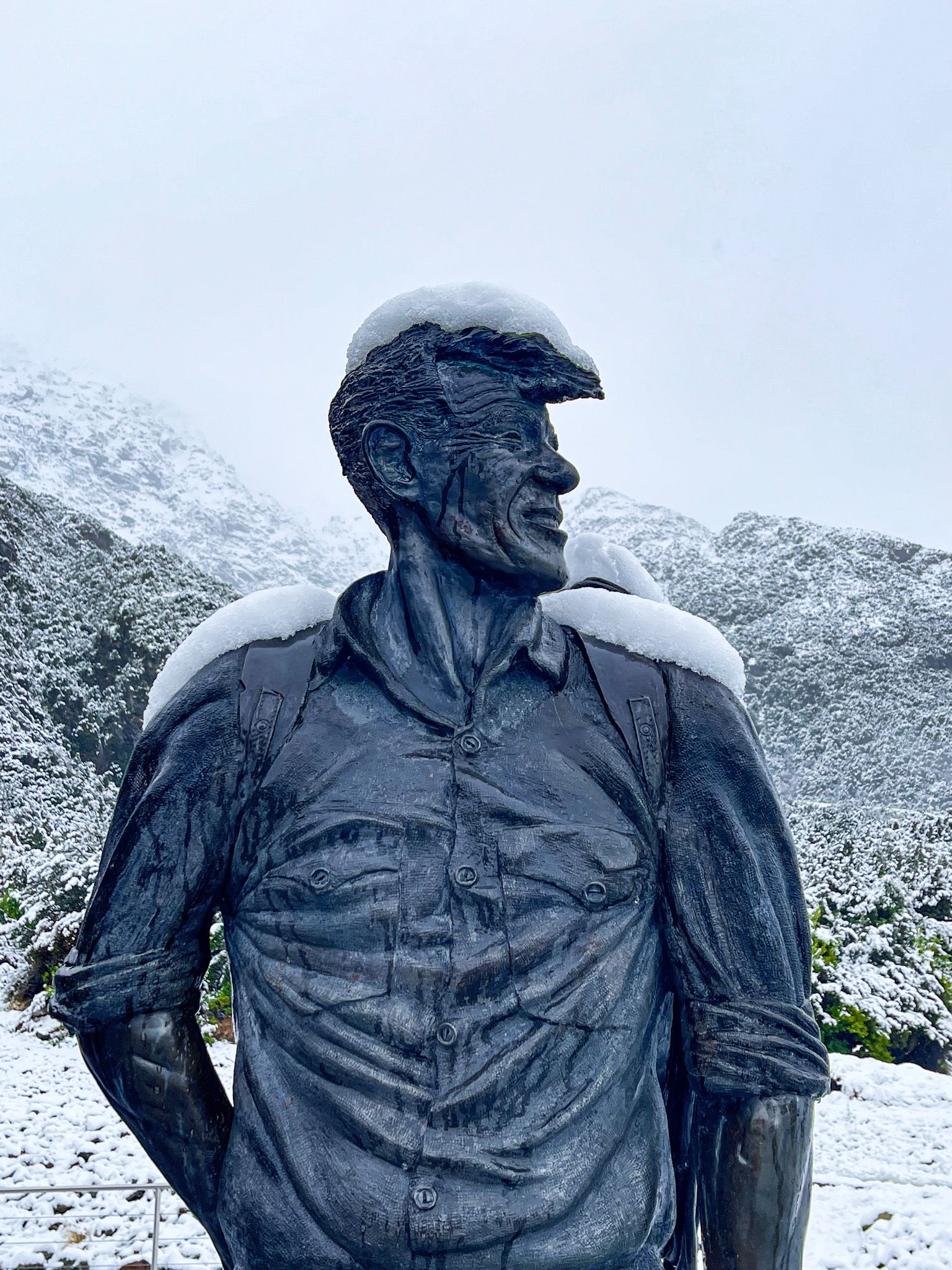
Mt Cook Village has a range of accommodation options, from camping sites to the luxurious Hermitage Hotel, which houses a museum dedicated to Sir Edmund Hillary.
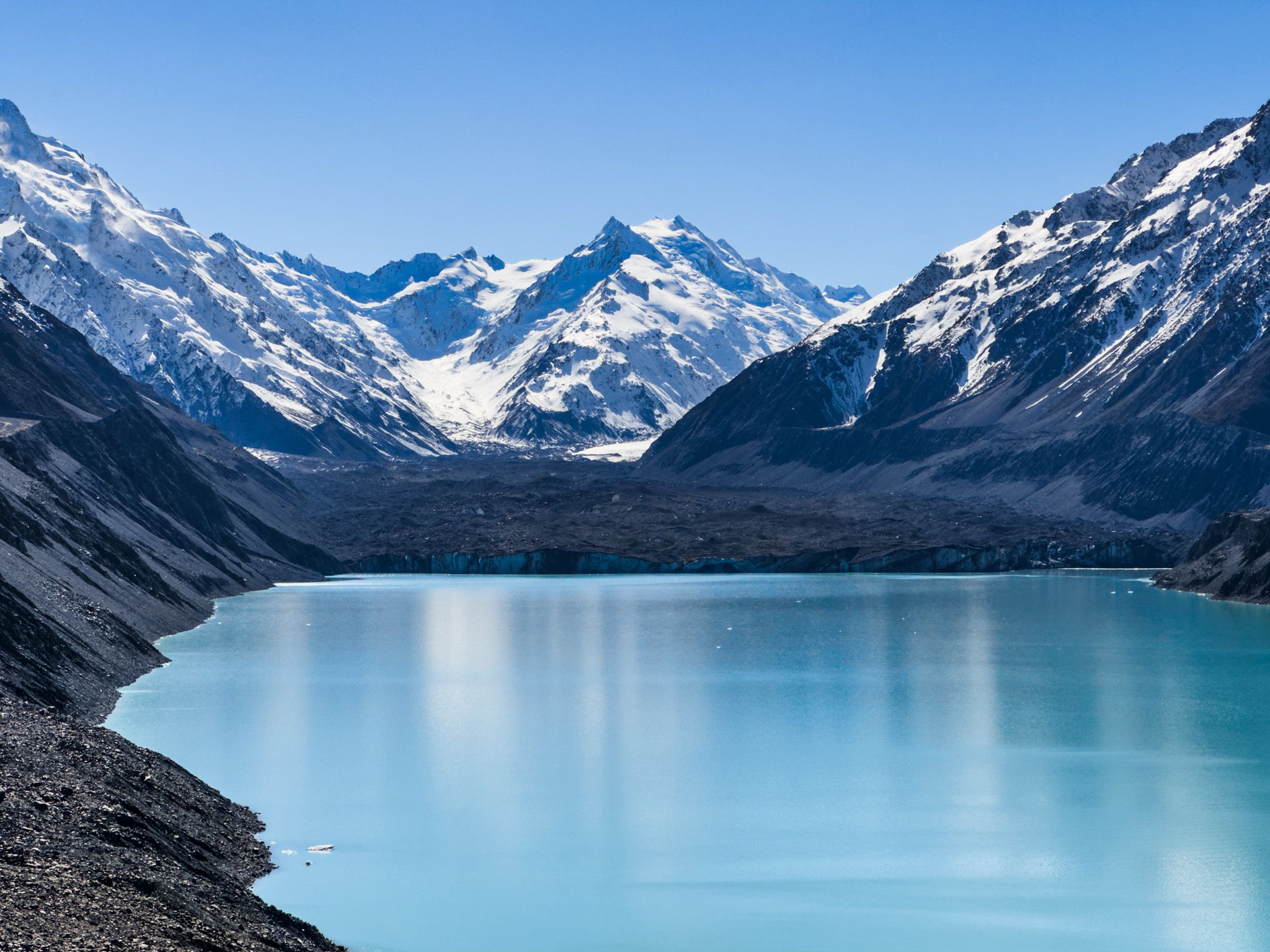
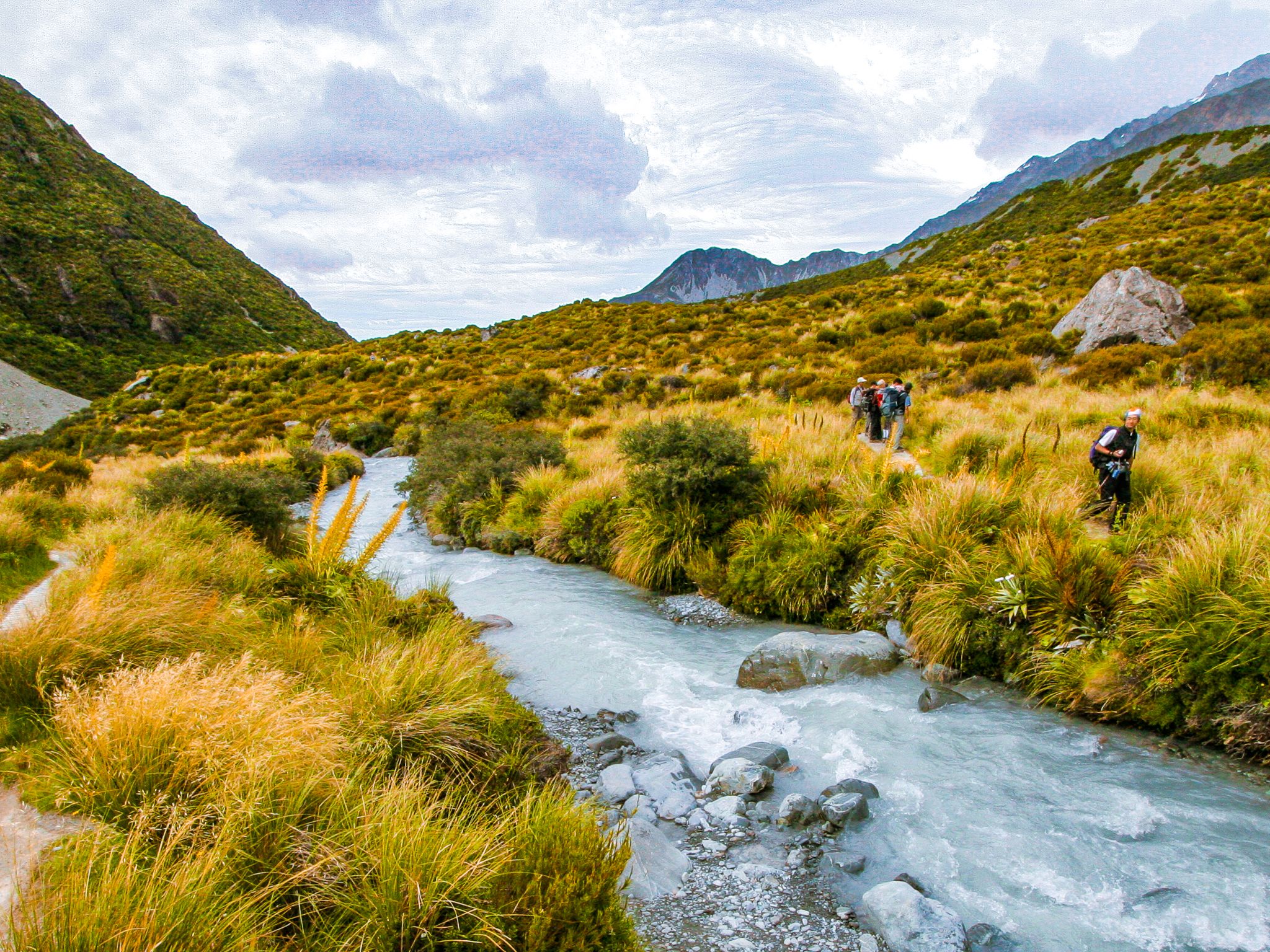
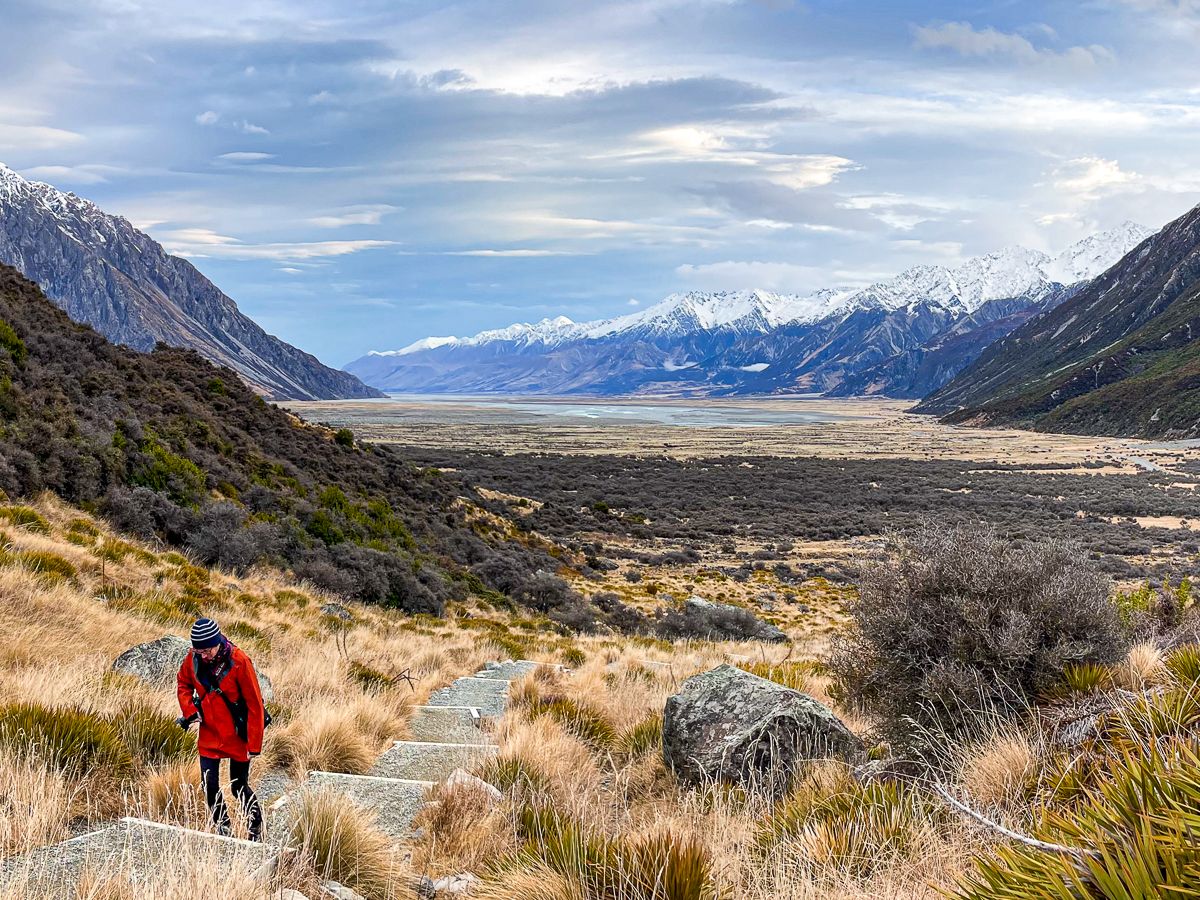
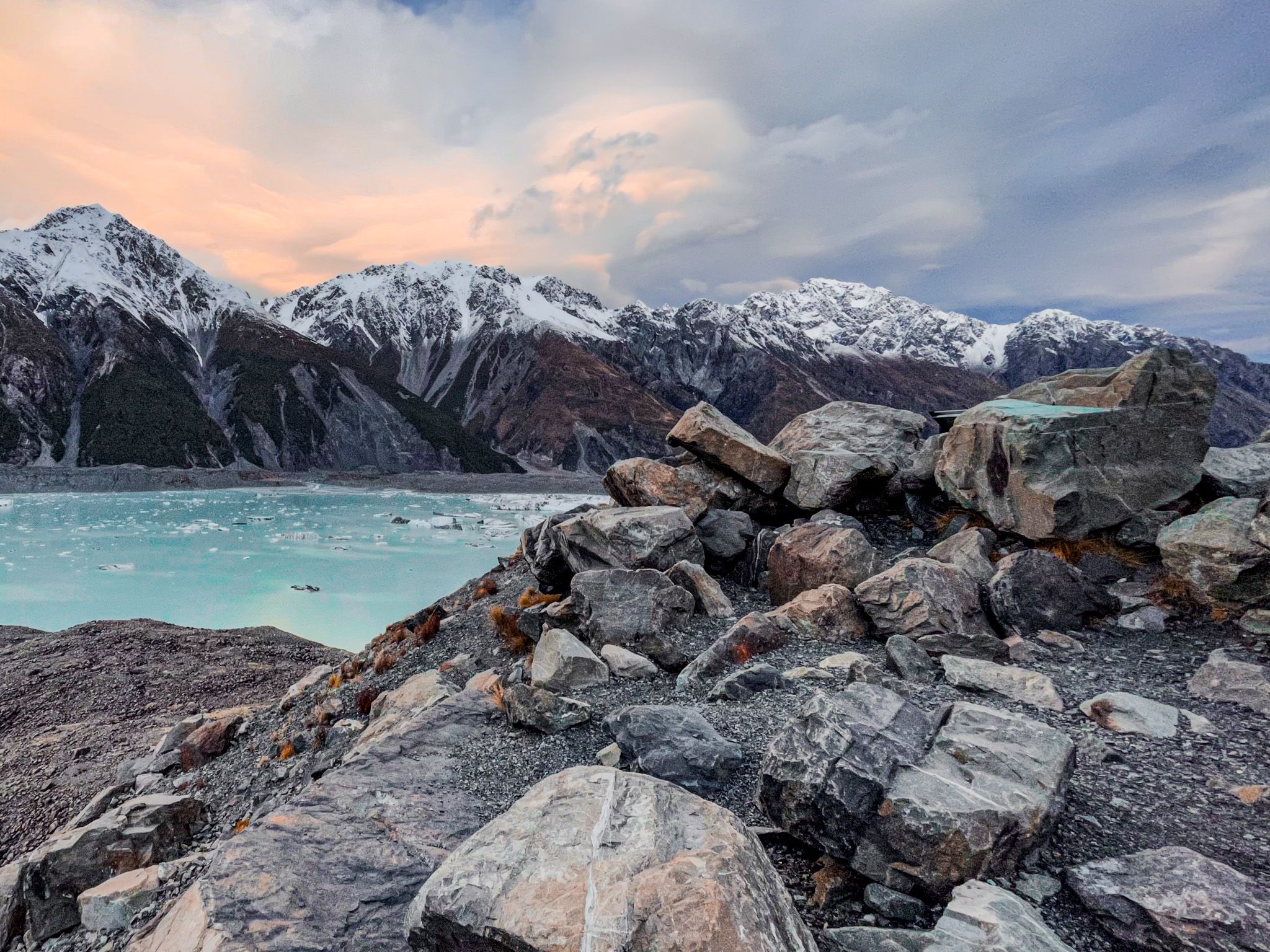
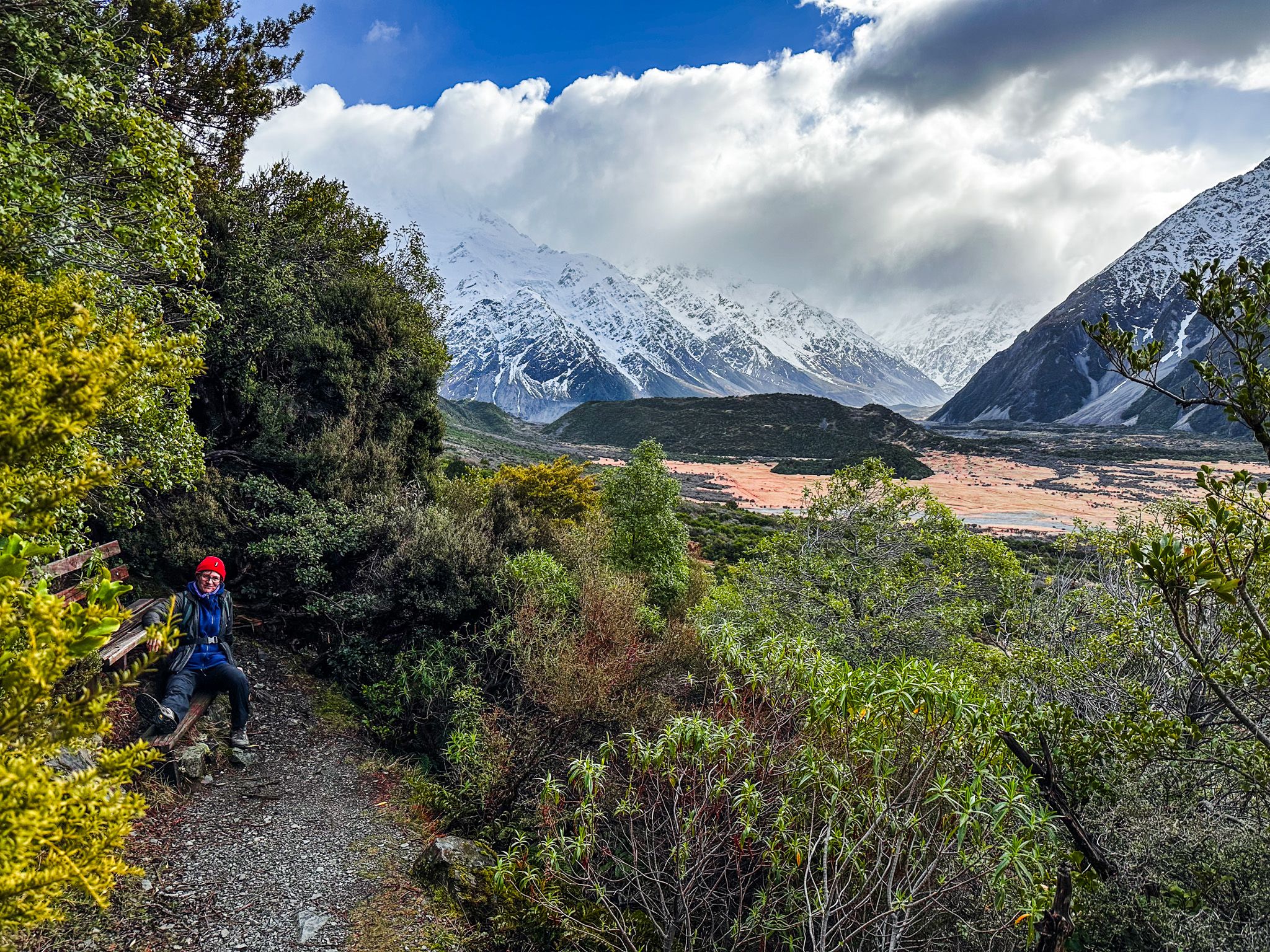
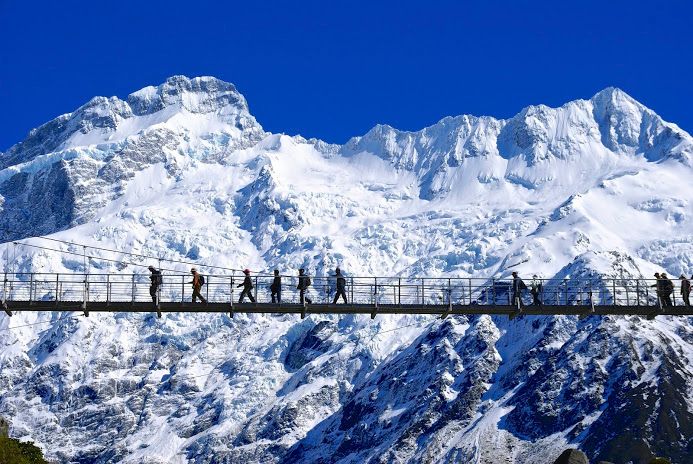
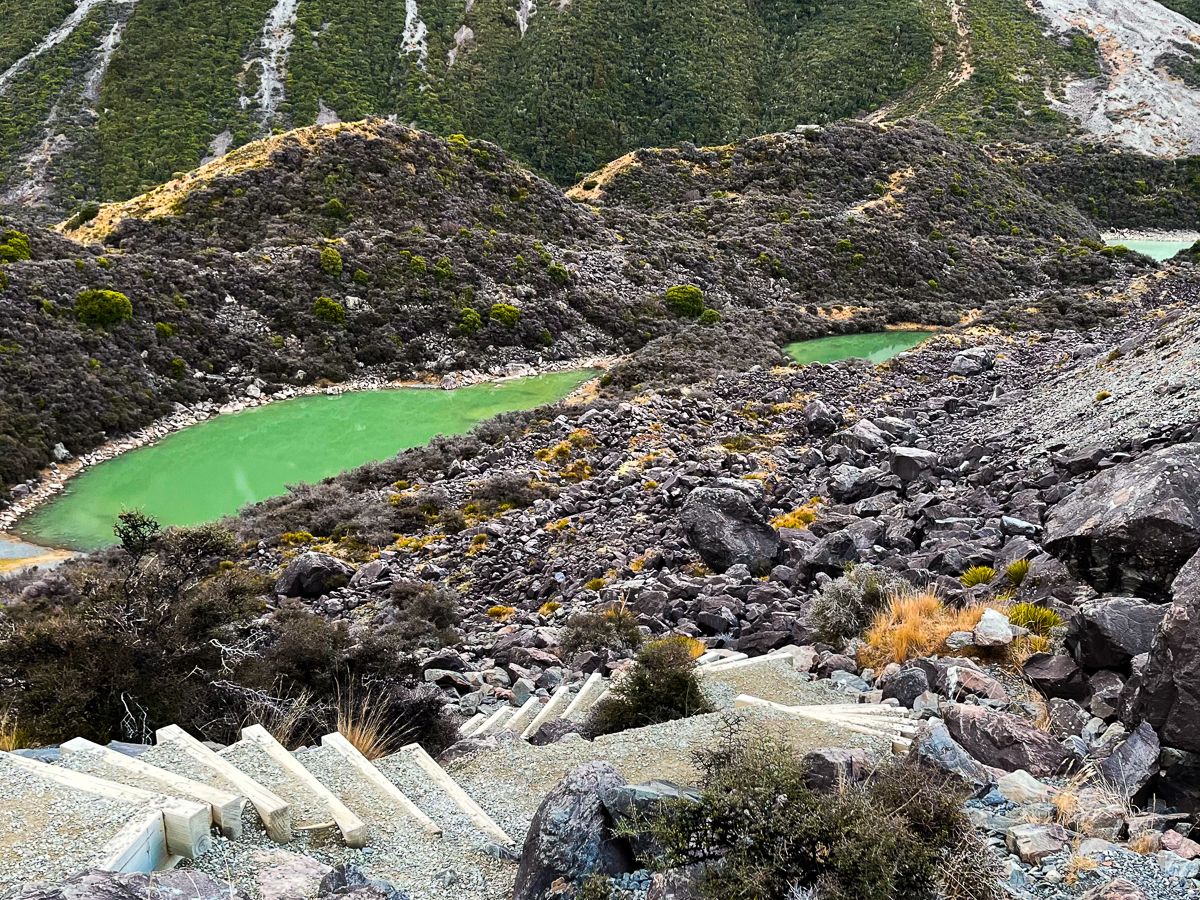
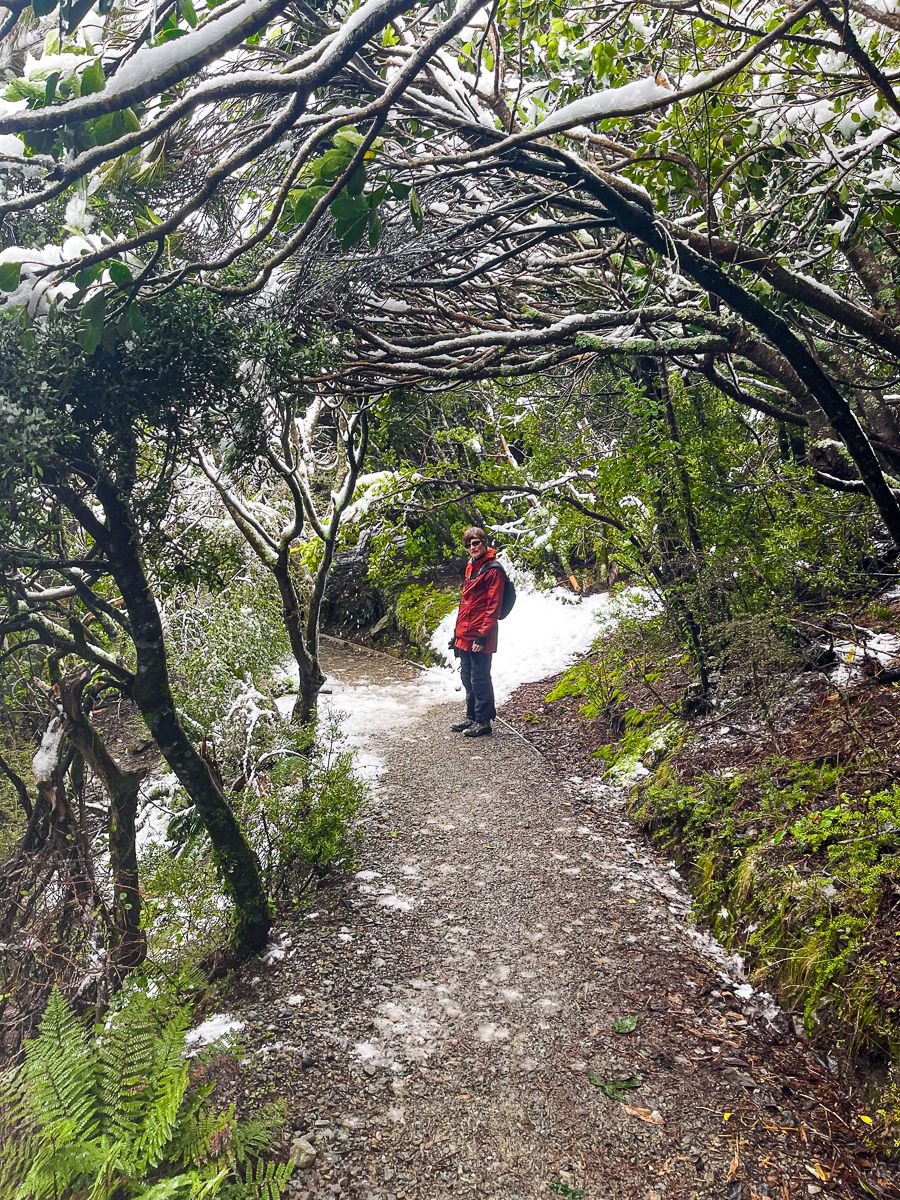
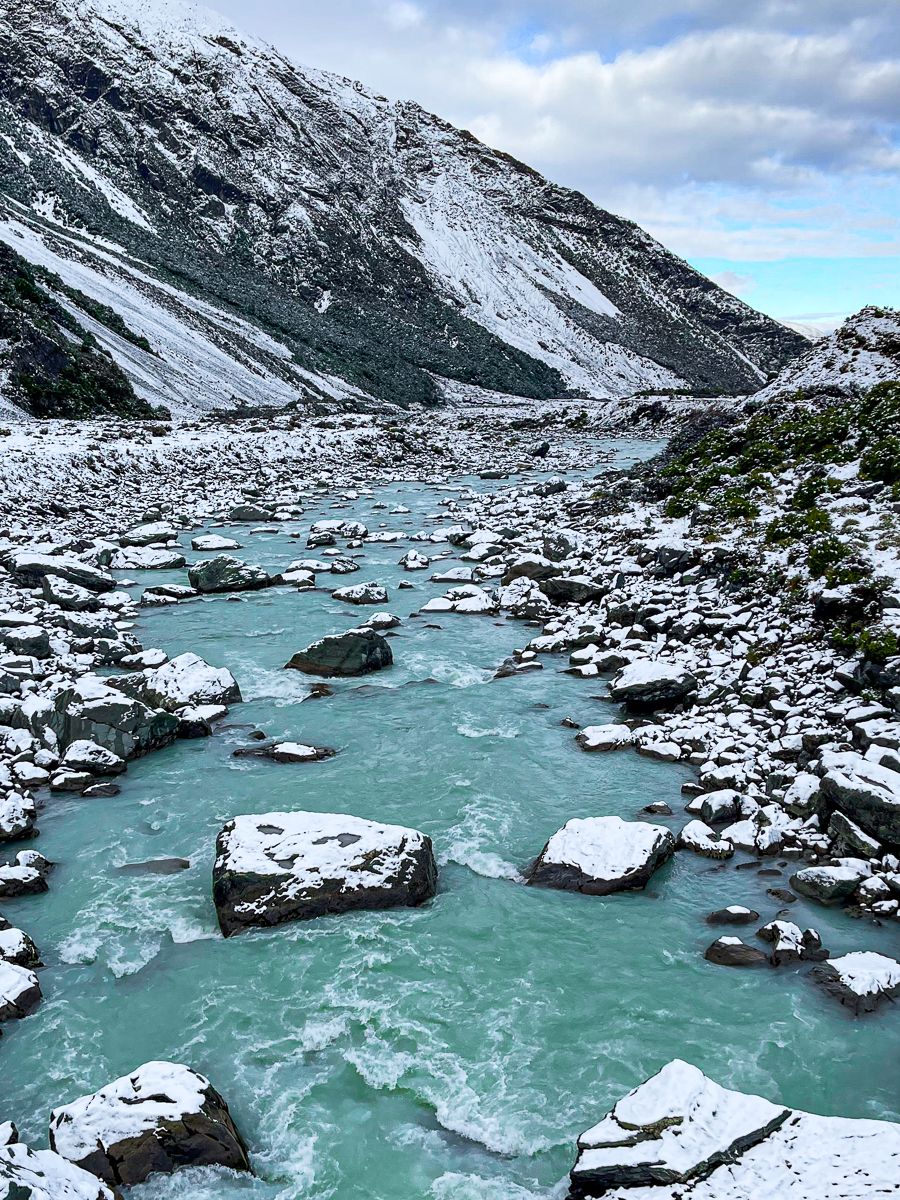
You can explore various walking tracks, such as the easy Tasman Lake walk or the moderately demanding Hooker Valley. There are also the more challenging hikes into the surrounding mountains, with breathtaking views, including the hikes to Red Tarns at 1,060 metres and Sealy Tarns at 1,300 metres. The view of Aoraki Mt Cook is especially compelling from Sealy Tarns.
Flora and Fauna
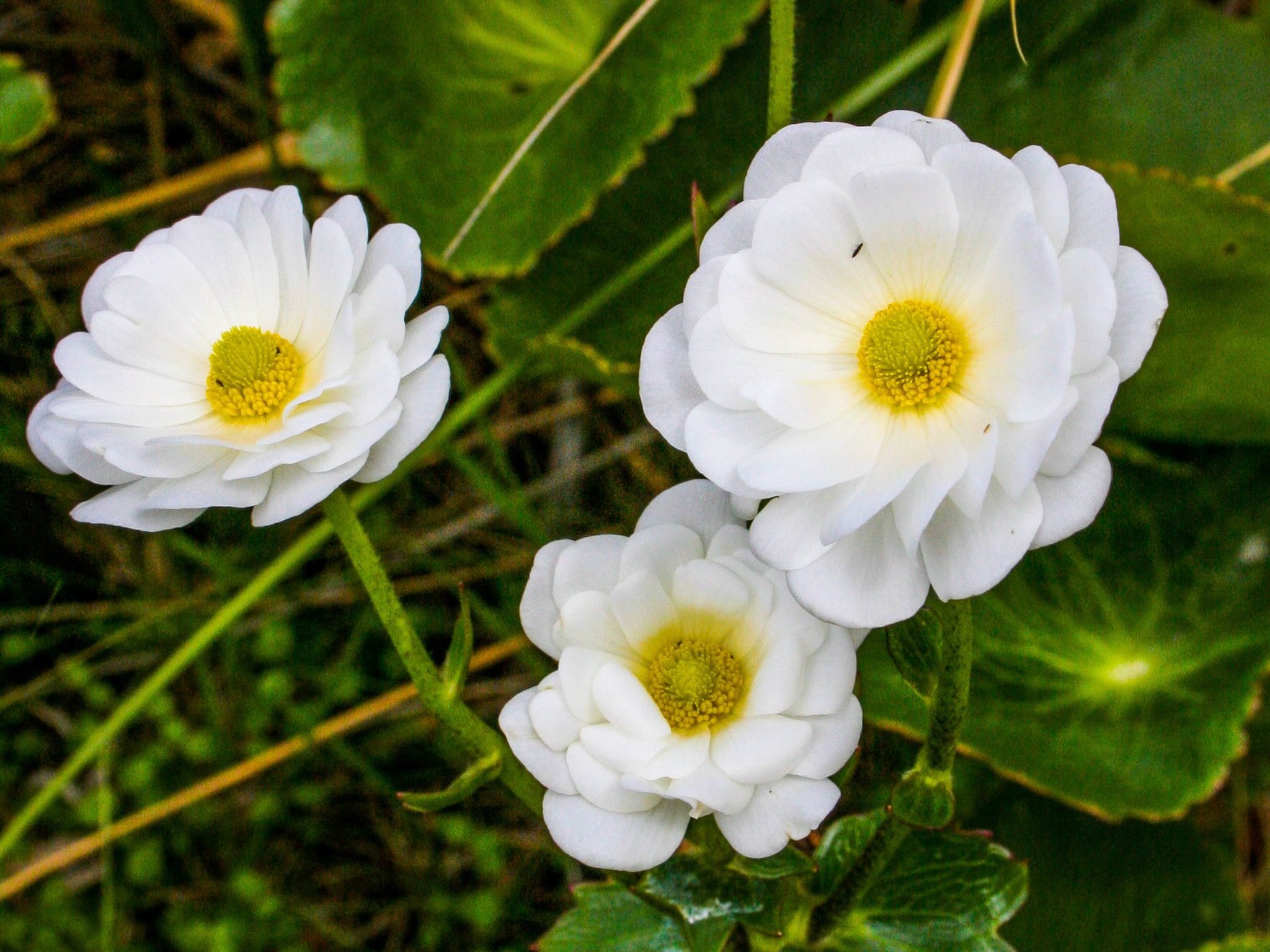
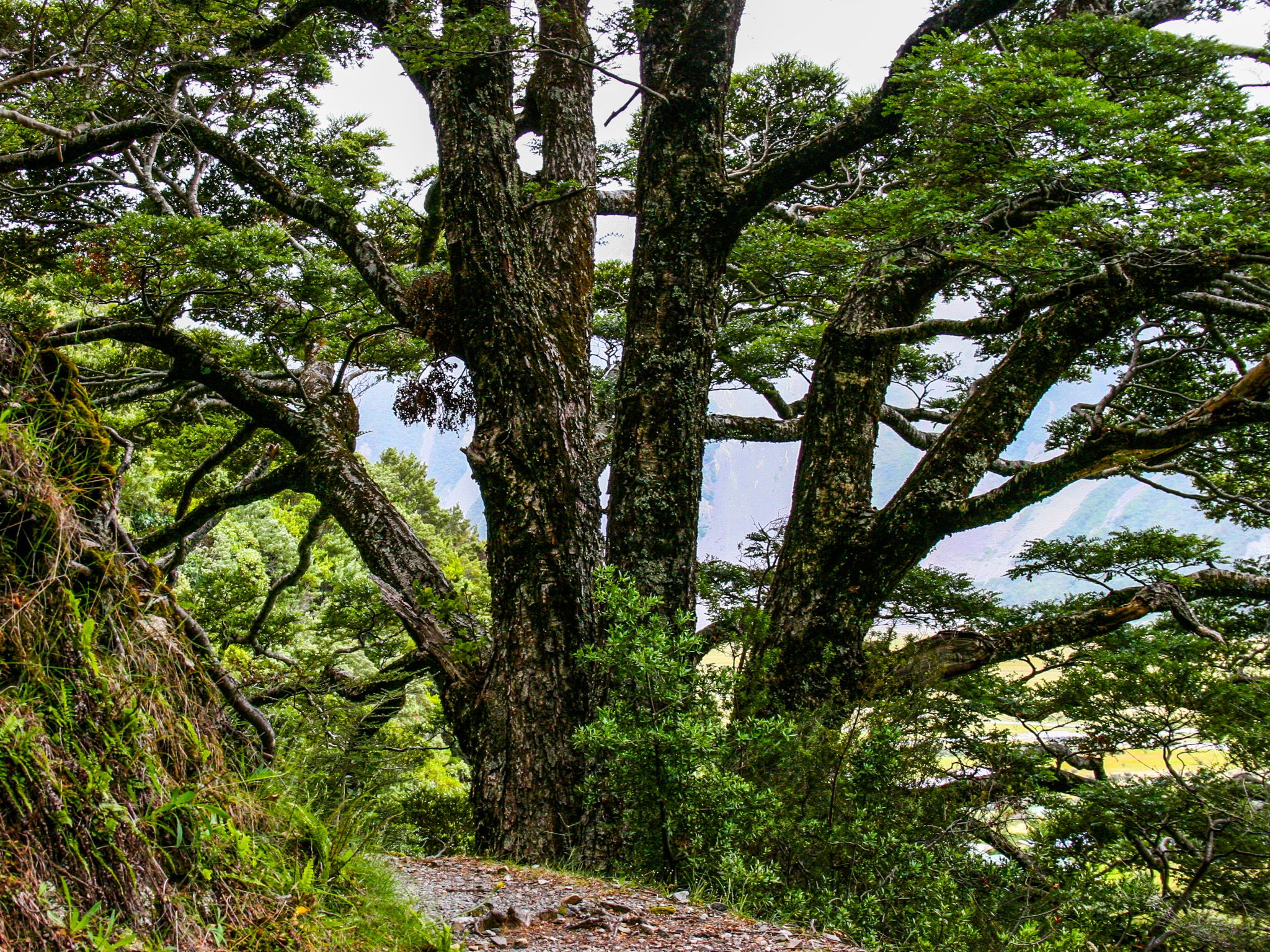
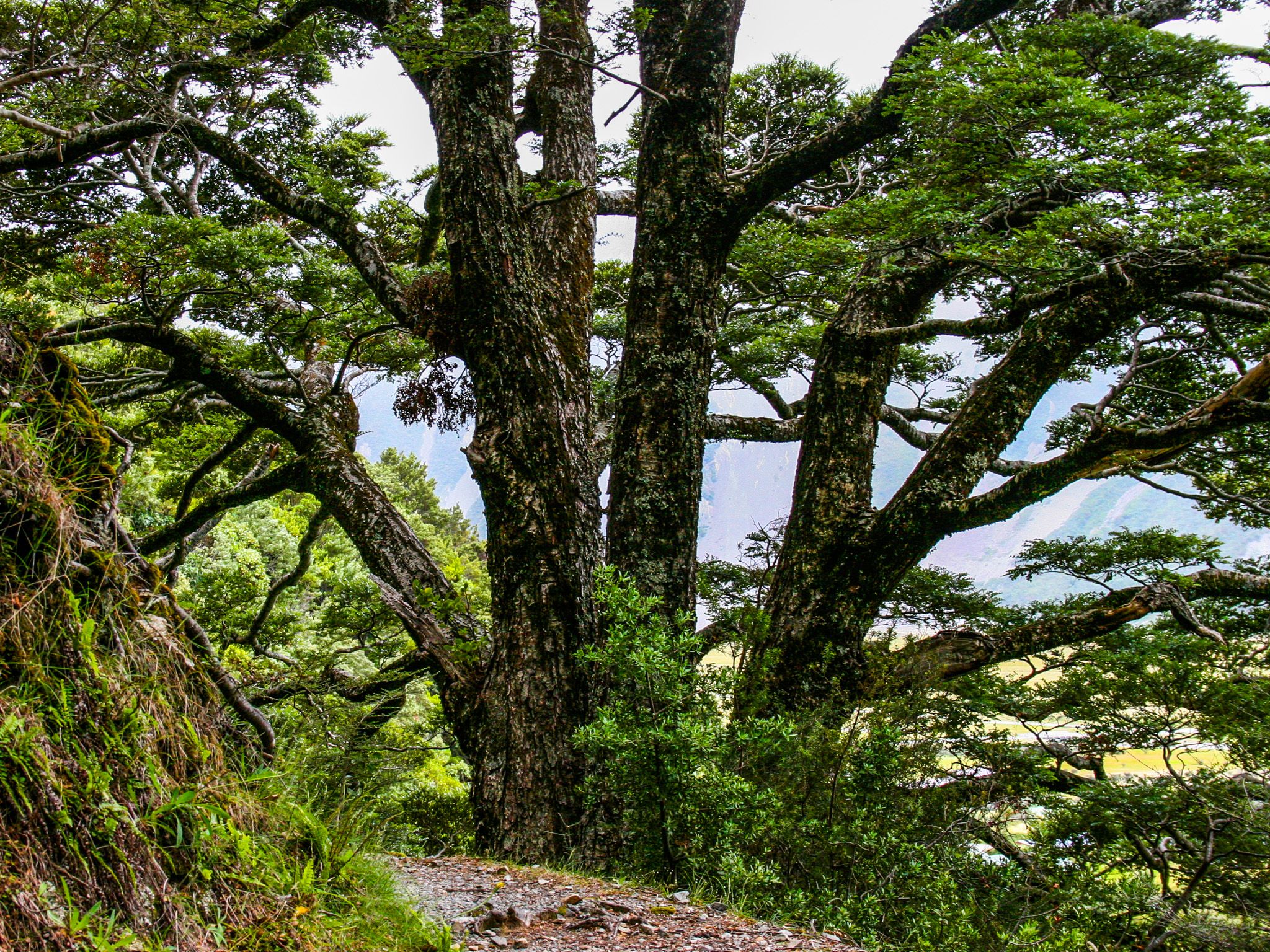
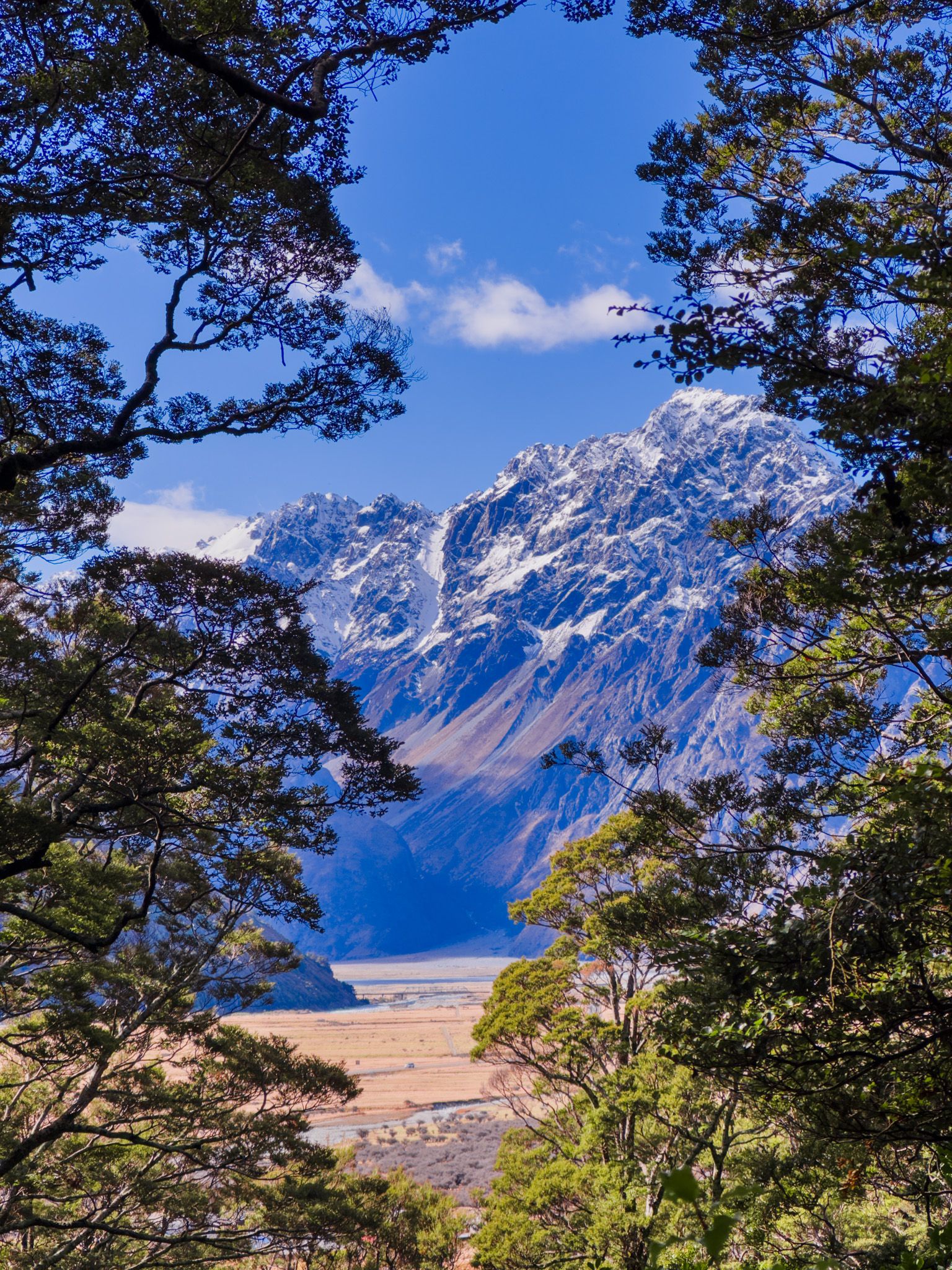
The western side of Aoraki is lush with rainforest up to the snowline, while the eastern side is drier, with sparse vegetation due to scree and rockfalls. Governors Bush Track, located behind the village, leads through a beautiful area of mature beech forest. There is also the very short Glencoe Stream Track behind the Hermitage.
Geographical and Geological Features
Aoraki / Mount Cook is centrally located along the 650 km-long Alpine Fault, which defines the Southern Alps. This fault line continues to uplift the mountain, with significant earthquakes occurring every 100 to 300 years; the last major quake was in 1717.
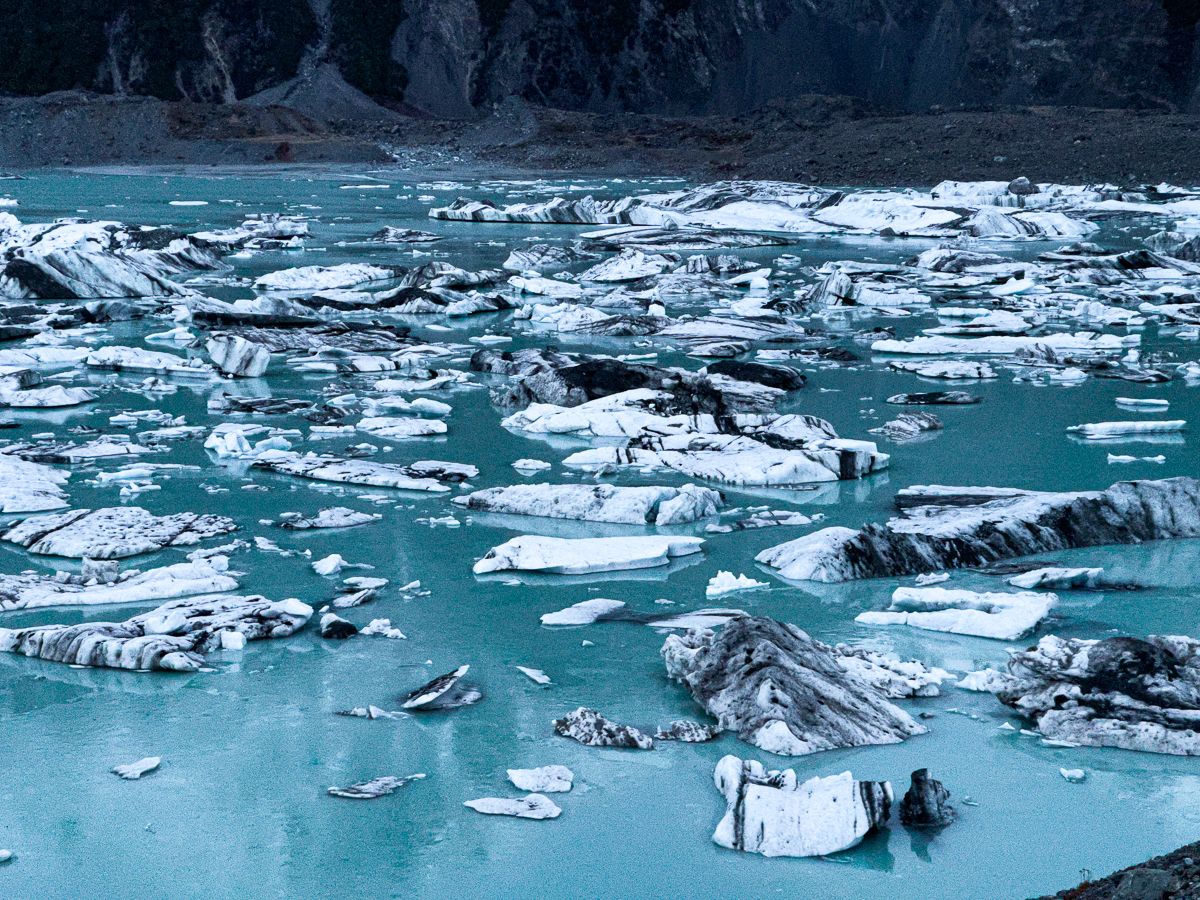
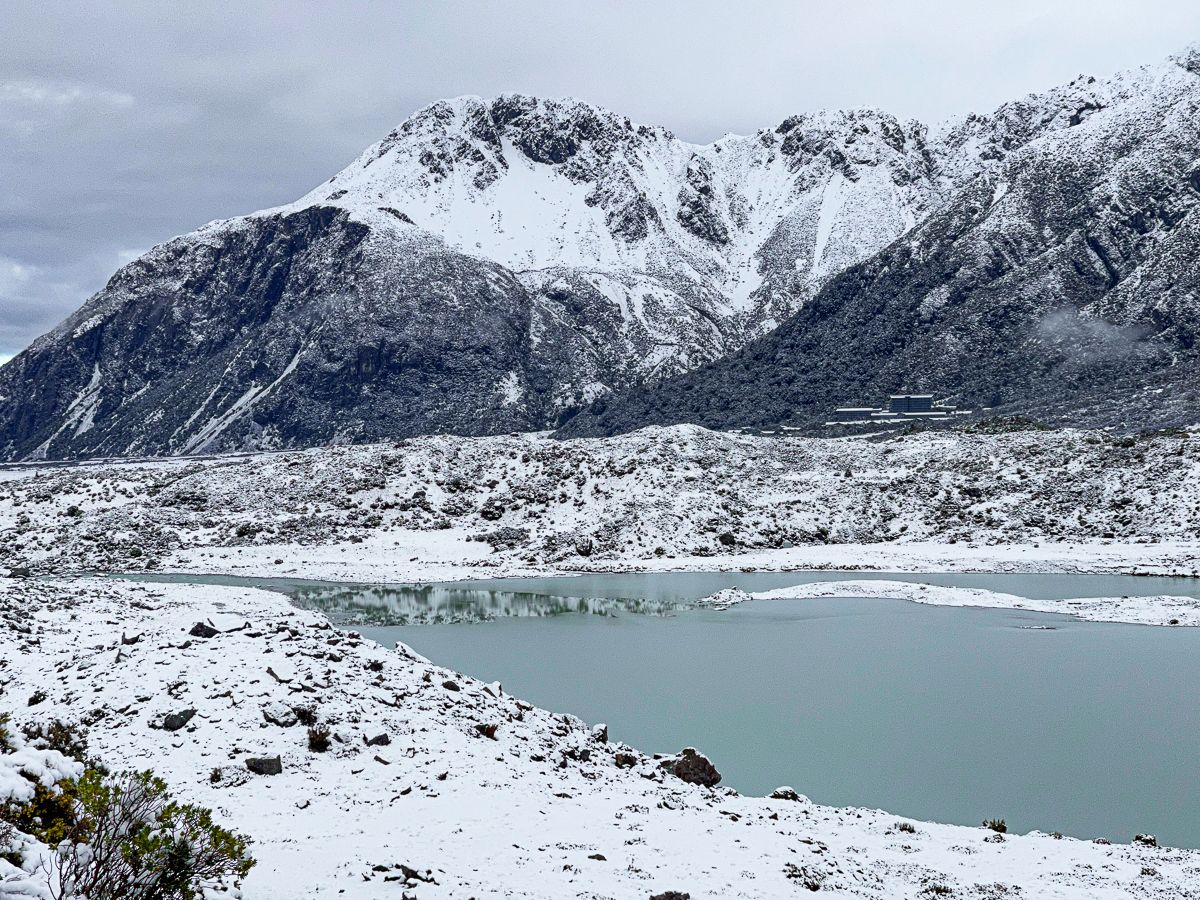
Established in 1953, the national park includes 140 peaks over 2,000 metres and 72 named glaciers. The mountain forms a massif between the Hooker and Tasman Glaciers, with glacial lakes nestled below.
Cultural Significance to Māori
Aoraki is deeply significant to Ngāi Tahu iwi. According to legend, Aoraki was one of Rakinui’s (the Sky Father) sons. He went on a voyage with his brothers in their waka to visit Papatūānuku (the Earth Mother).
On the return, they struck a reef and overturned. The waka became the South Island, and the brothers were turned to stone by the cold south wind, becoming the mountains - Kā Tiritiri o te Moana. Aoraki, the "cloud piercer" and the tallest son, became the highest peak.
Ngāi Tahu were actively engaged in seasonal food and resource gathering around Aoraki, but the mountains themselves were considered tapu.
European Discovery
European discovery began with Abel Tasman's crew, who spotted the highest peaks in the Southern Alps in 1642. Captain James Cook and the Endeavour siled down the west coast of the South Island in 1770. Although Cook named the “Southern Alps”, Aoraki Mt Cook was obscured by cloud. Captain John Stokes named it Mount Cook in 1851 after Cook.
Climbing Aoraki Mt Cook
The first Europeans to attempt to climb Aoraki were Reverend William Green and two Swiss guides, Emil Boss and Ulrich Kaufmann, in 1882. They came up short, and the first successful climb was in 1894, by Tom Fyfe, Jack Clarke, and George Graham.
The first woman was pioneering Australian mountaineer, Freda Du Faur, in 1910. She spent several summers in New Zealand and, after seeing striking images of Aoraki/Mount Cook at the 1906–07 New Zealand International Exhibition in Christchurch, she became determined to reach its summit. In 1908, she met New Zealand guide Peter Graham, who introduced her to snow and ice climbing. She had to climb with a chaperone and wear a skirt over pants, but her skill and determination led to an ascent of Mount Sealy in 1909, followed by Aoraki Mount Cook in 1910. Freda’s Rock, commemorating Freda, is near the head of the Hooker Valley Track.
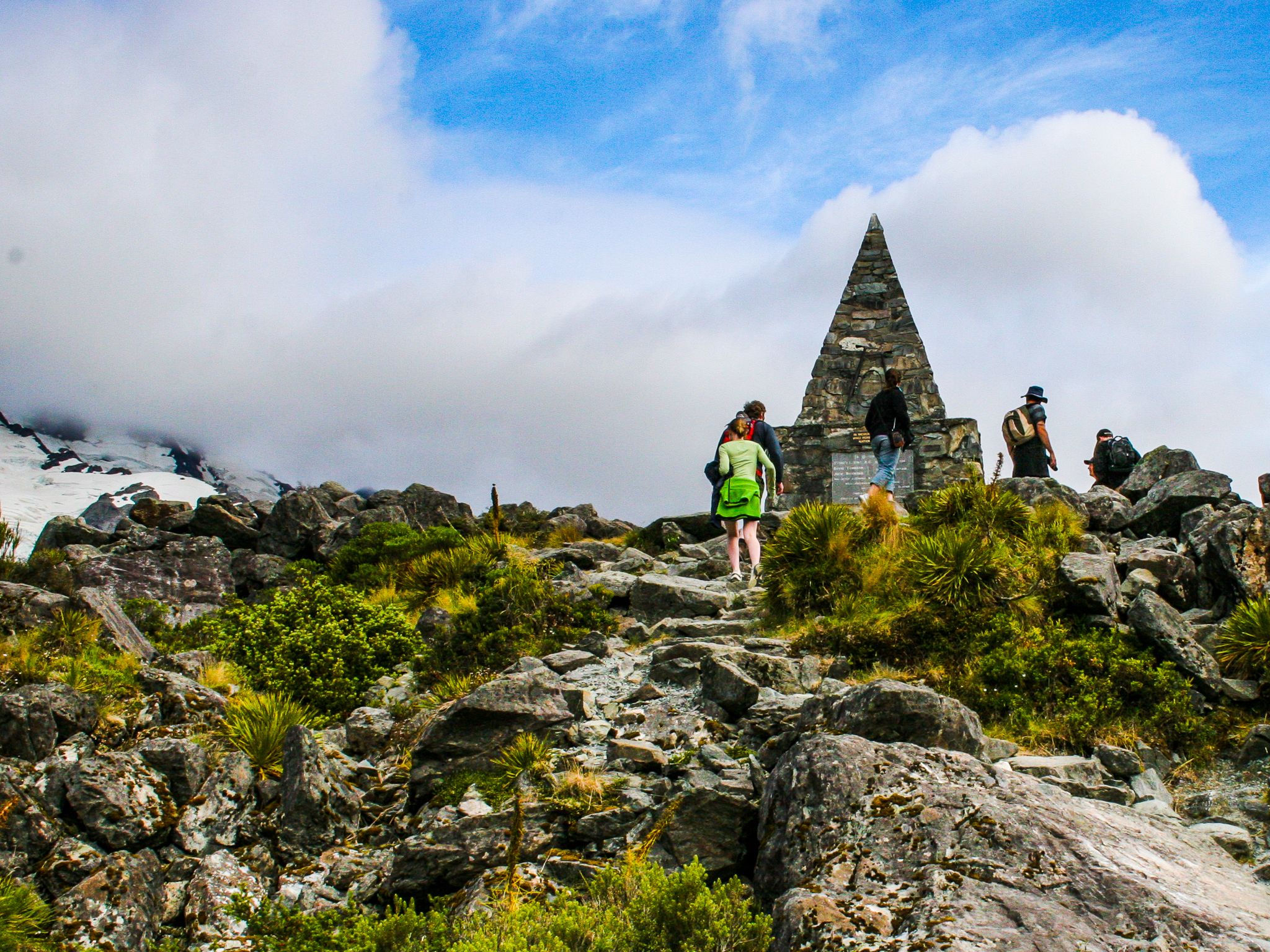
Many others have died trying, and there is a moving pyramidal monument at the head of the Hooker Valley Track.
Best Viewing Points
The south end of Lake Pukaki and State Highway 80 offer the easiest views of Aoraki. Sealy Tarns Track, followed by the Hooker Valley Track, provide the best vantage point, with full views of the mountainside. Partial views are also available from the Hermitage Hotel in the village.
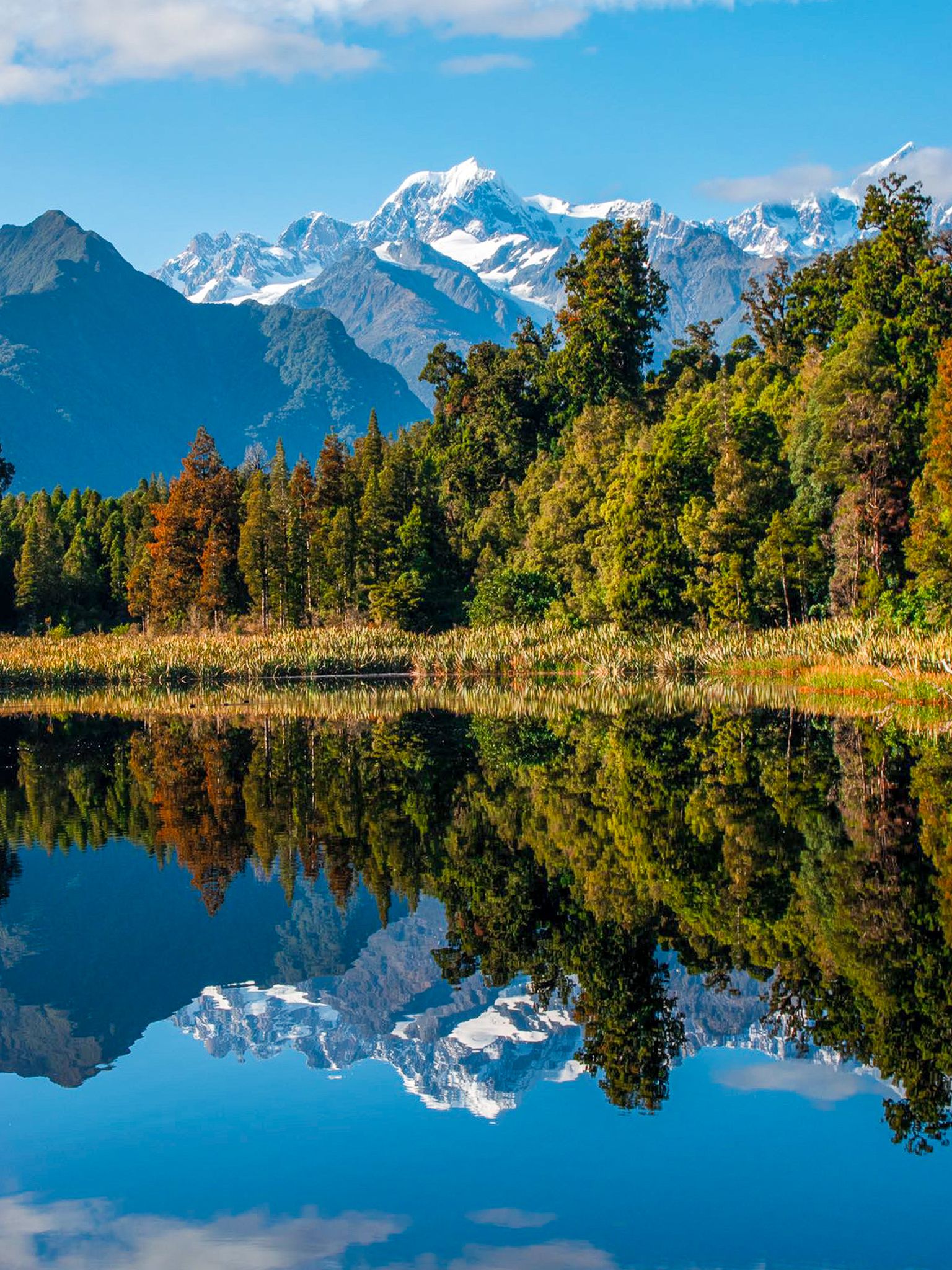
In Westland, in Glacier Country, Lake Matheson is famous for its reflections of Aoraki and Mount Tasman on calm days, earning it the nickname "view of views."
How to Get There
From Christchurch, Aoraki Mt Cook is a 4.5-hour drive, with the fastest route via State Highway 1, then State Highway 79 through Geraldine to Fairlie, State Highway 8 to Lake Pukaki, then SH 80. From Dunedin, the drive is 4 hours and 316 km and from Queenstown, 3.5 hours and 362 km.