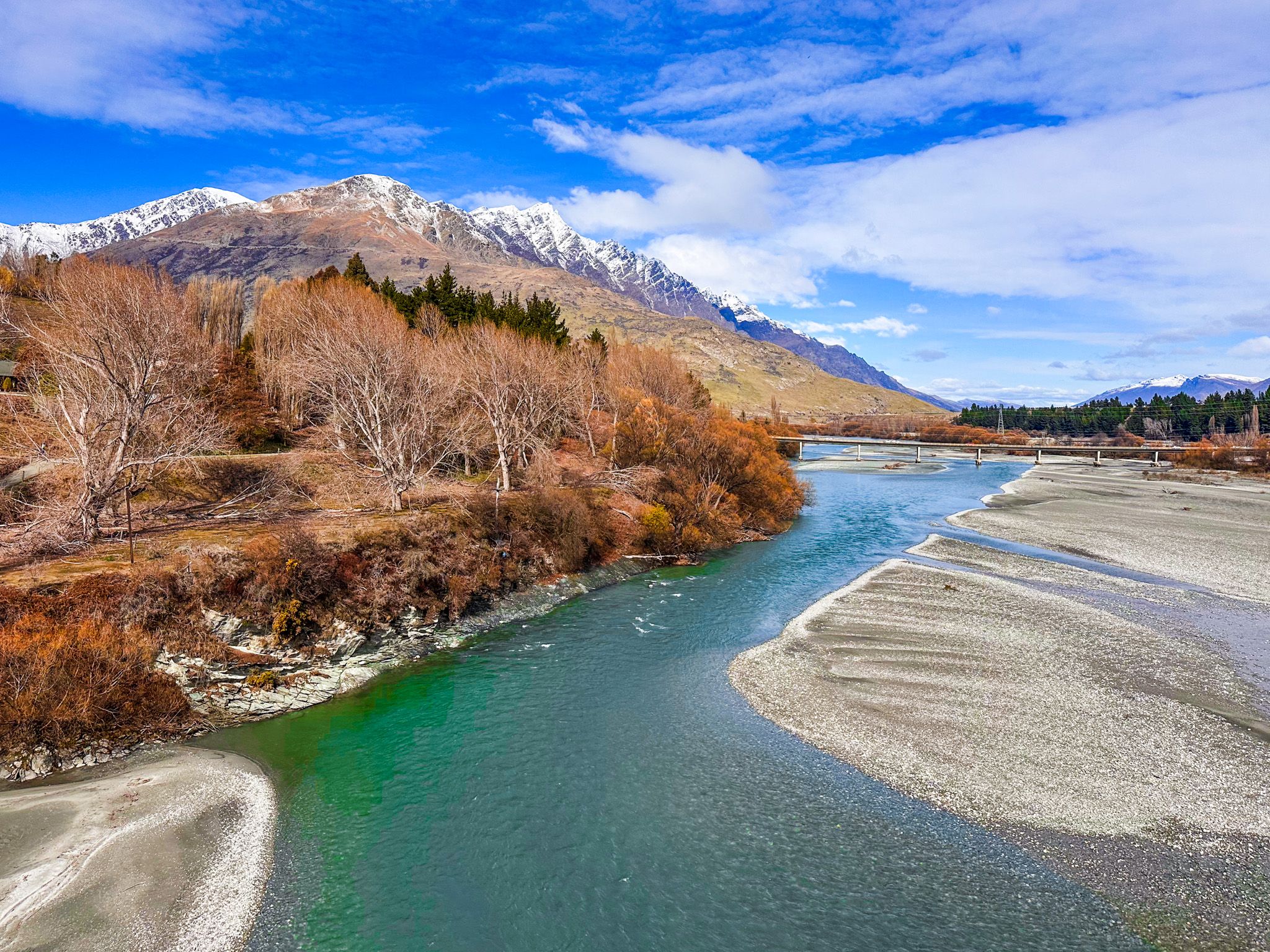
Queenstown’s Gold-Fuelled Sothover River
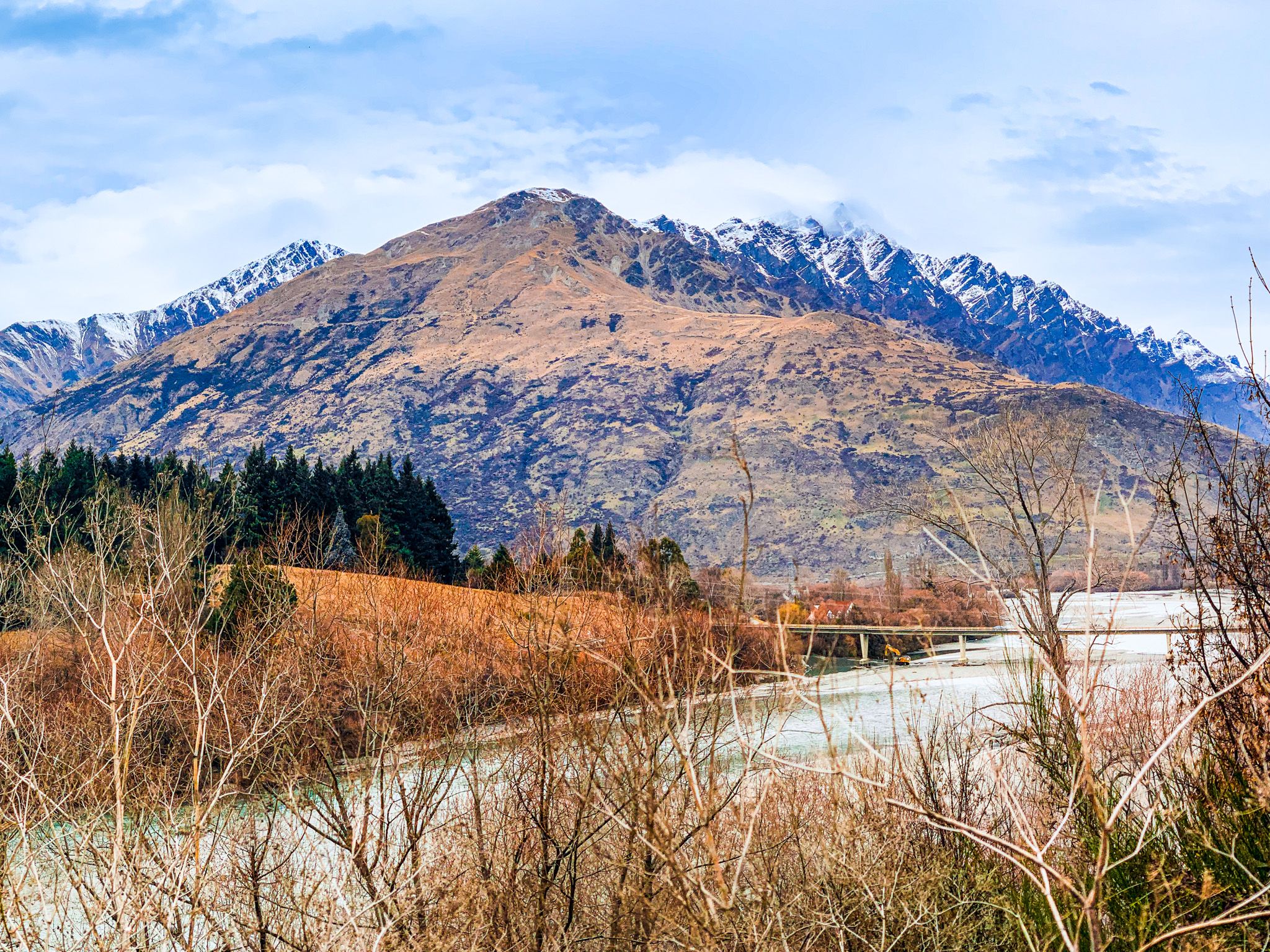
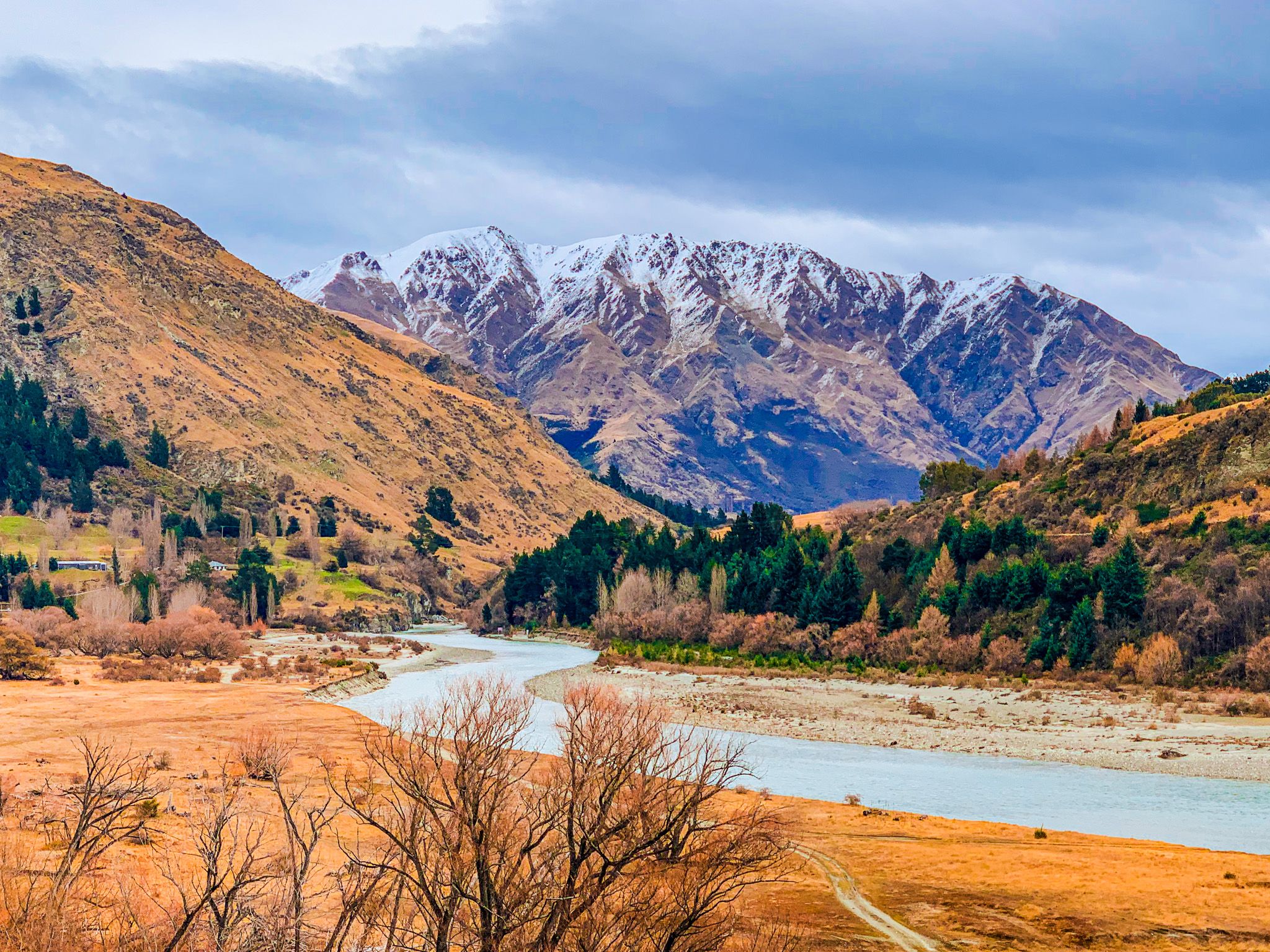
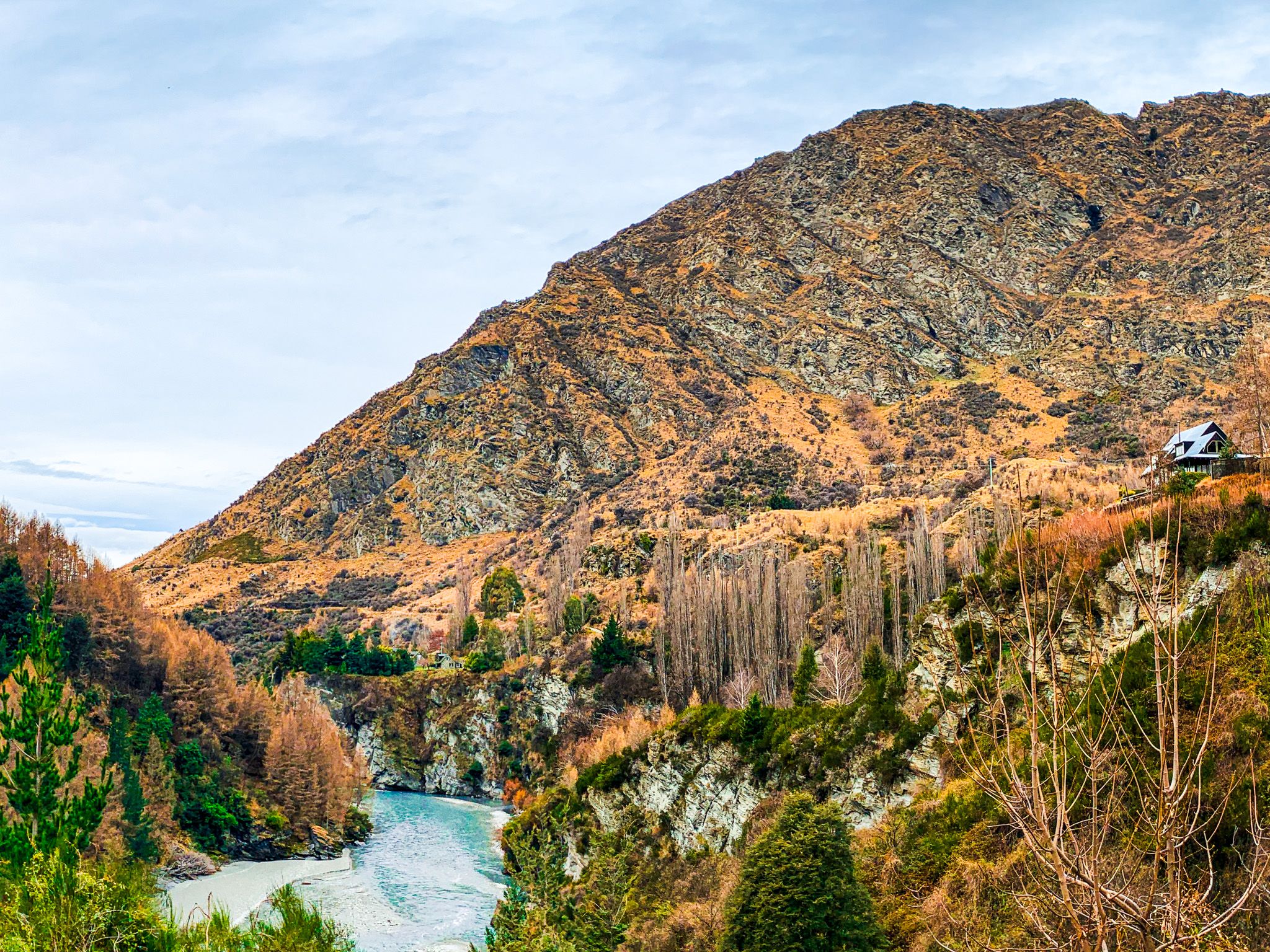
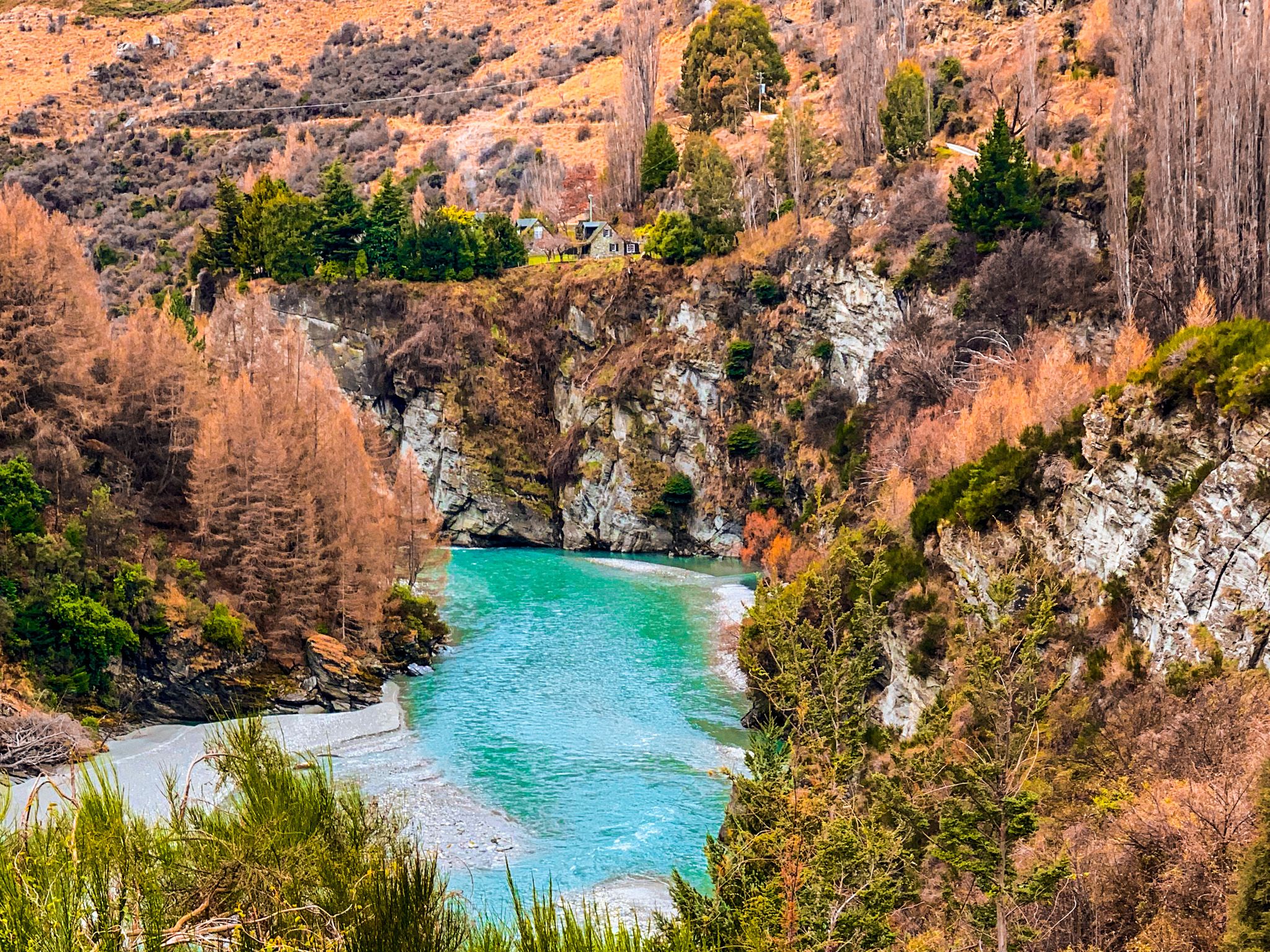
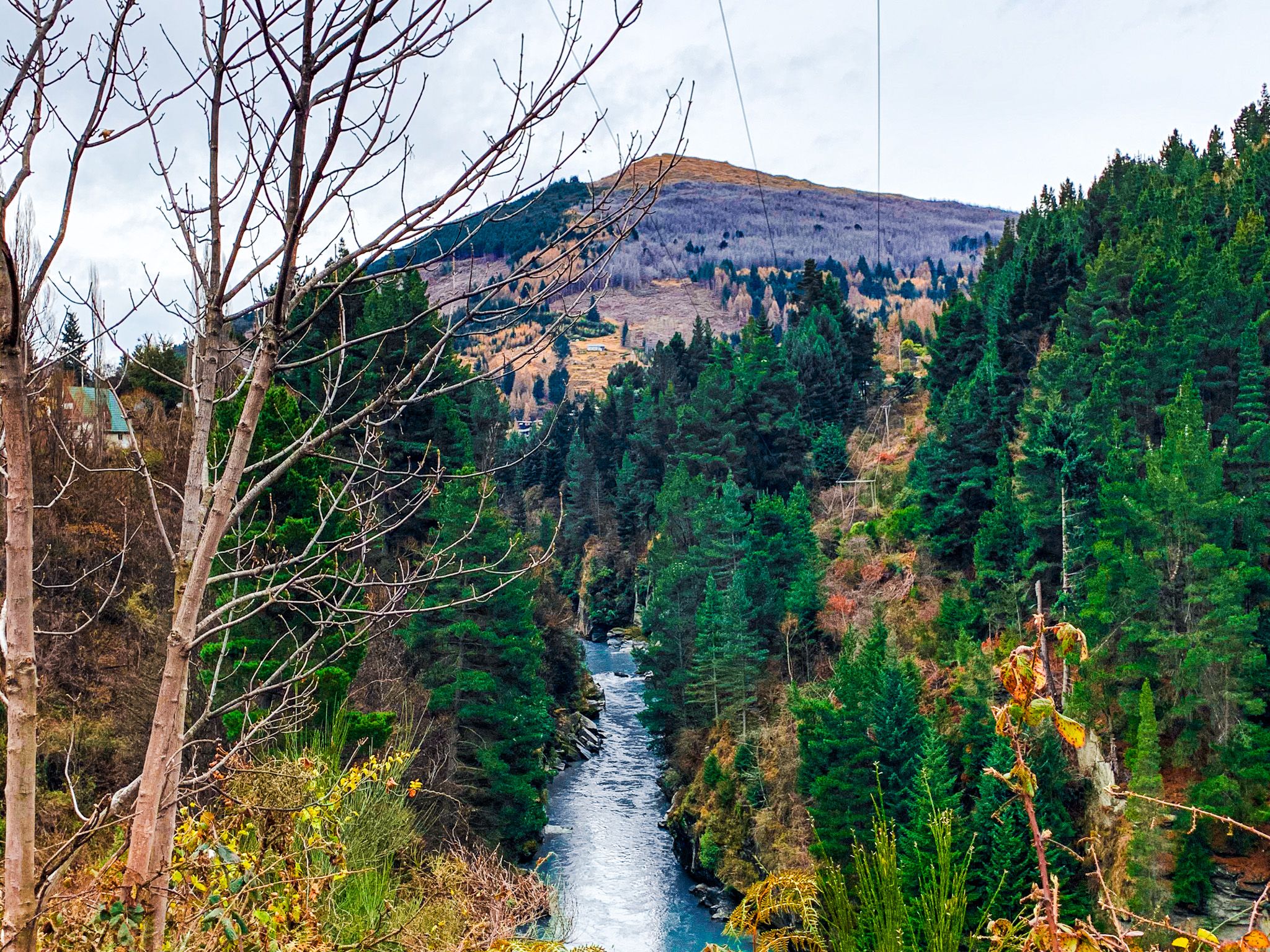
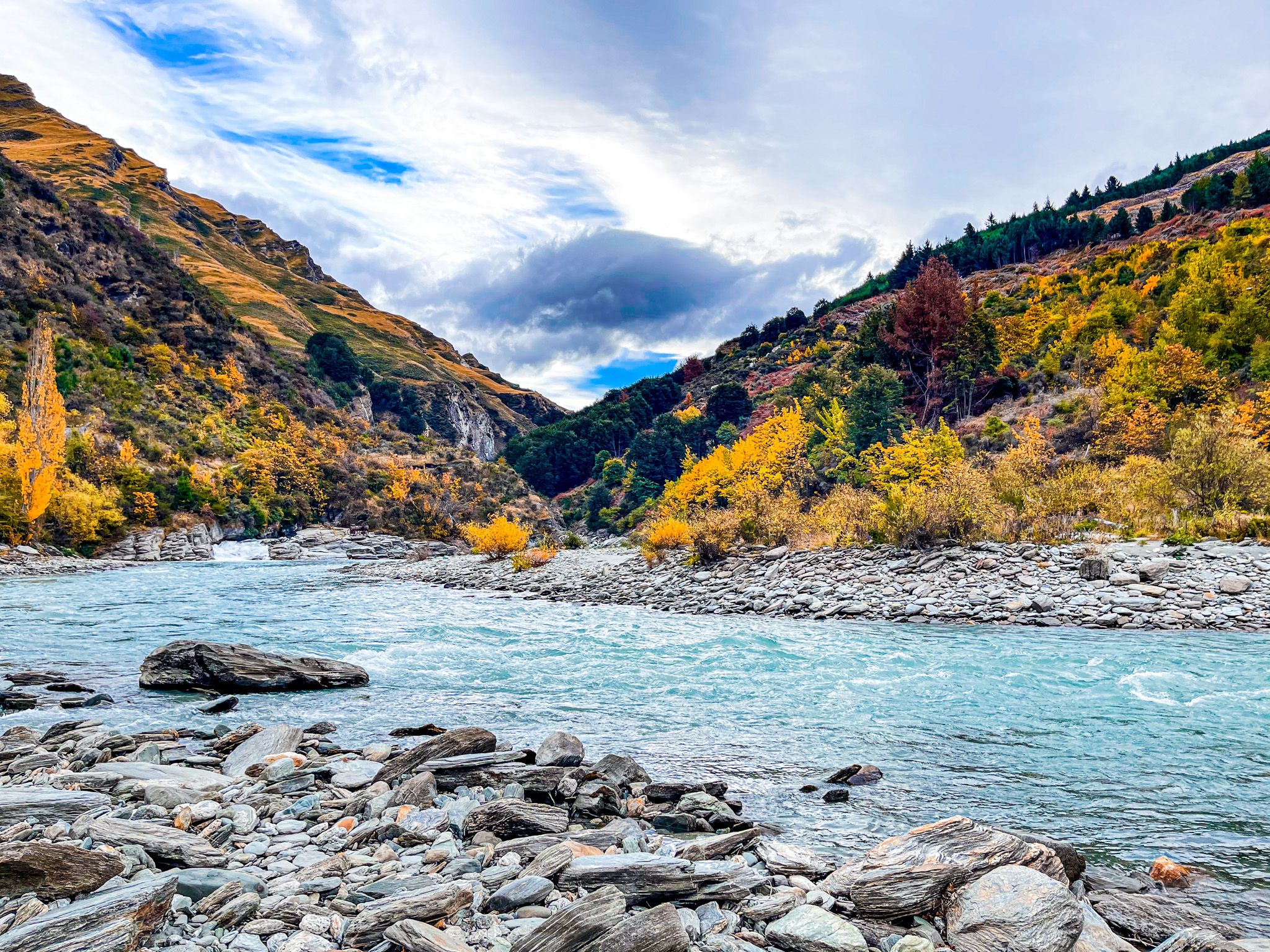
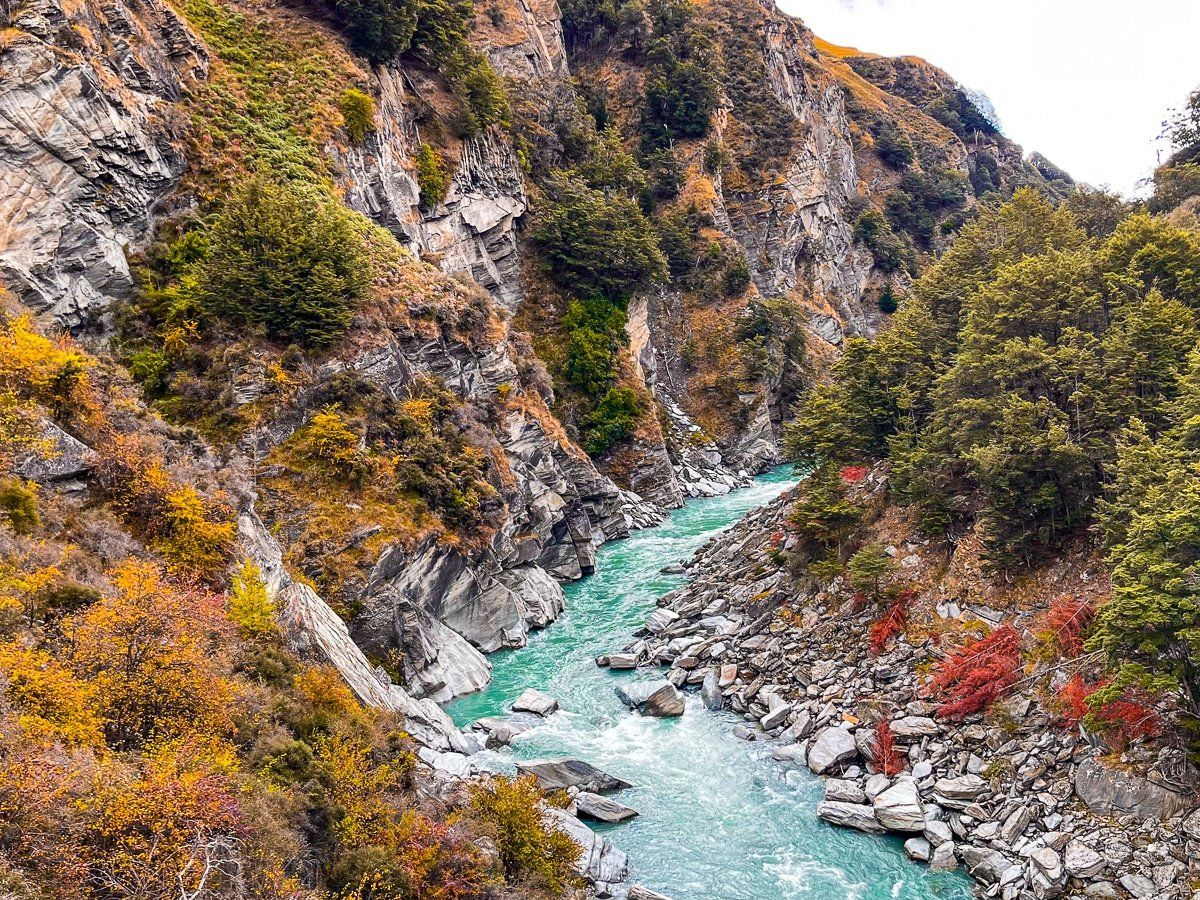
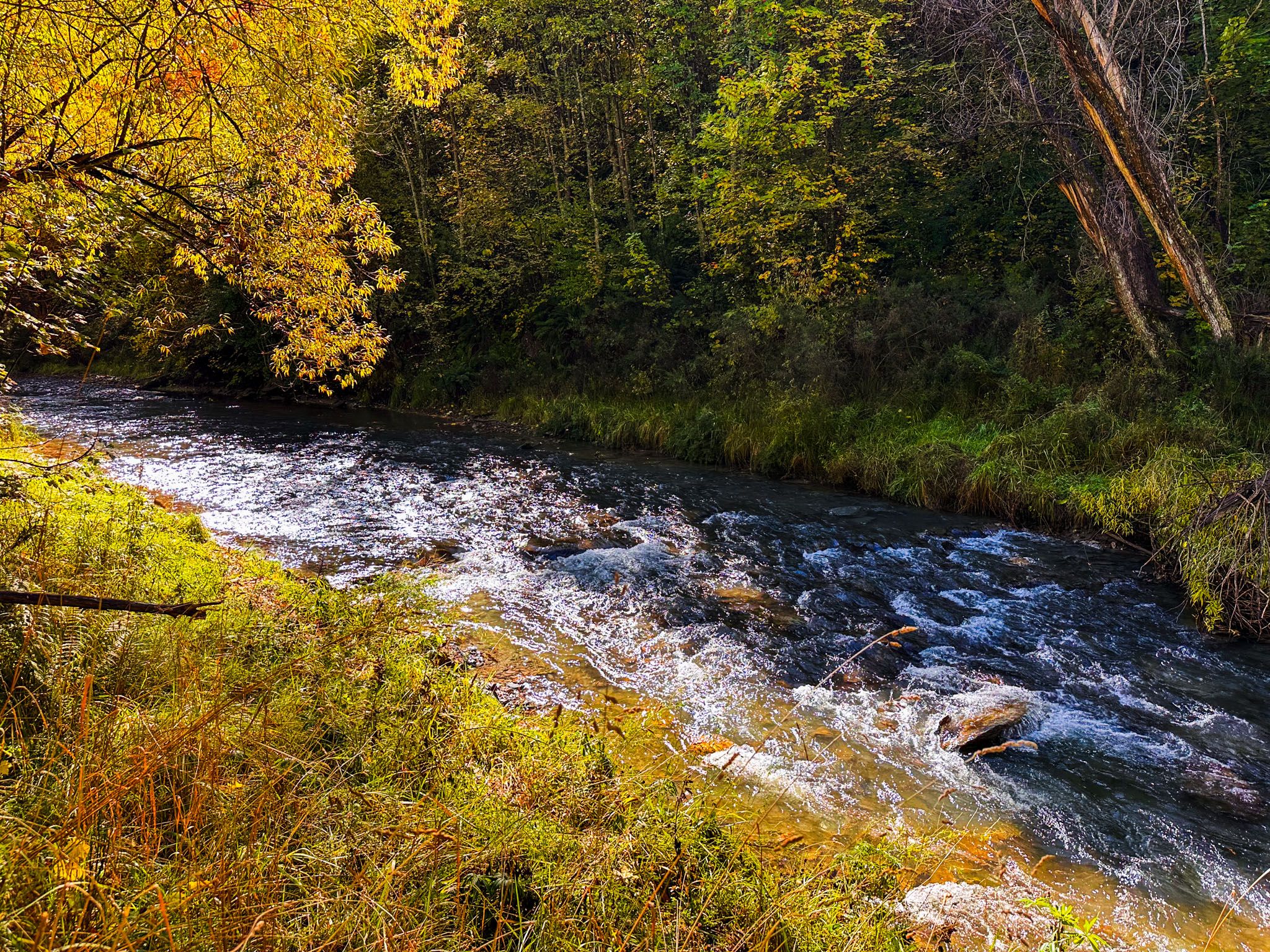
Just a 10-minute drive from central Queenstown, the Shotover River runs between the Harris and Richardson Ranges, carving its way through steep schist gorges before flowing into the Kawarau River near Lake Wakatipu. Once nicknamed the "richest river in the world" during the 1860s gold rush, it’s now better known for jet boating, bungy jumps, and panoramic viewpoints that highlight its rugged terrain and stories of gold.
A River Carved by Ice and Gold
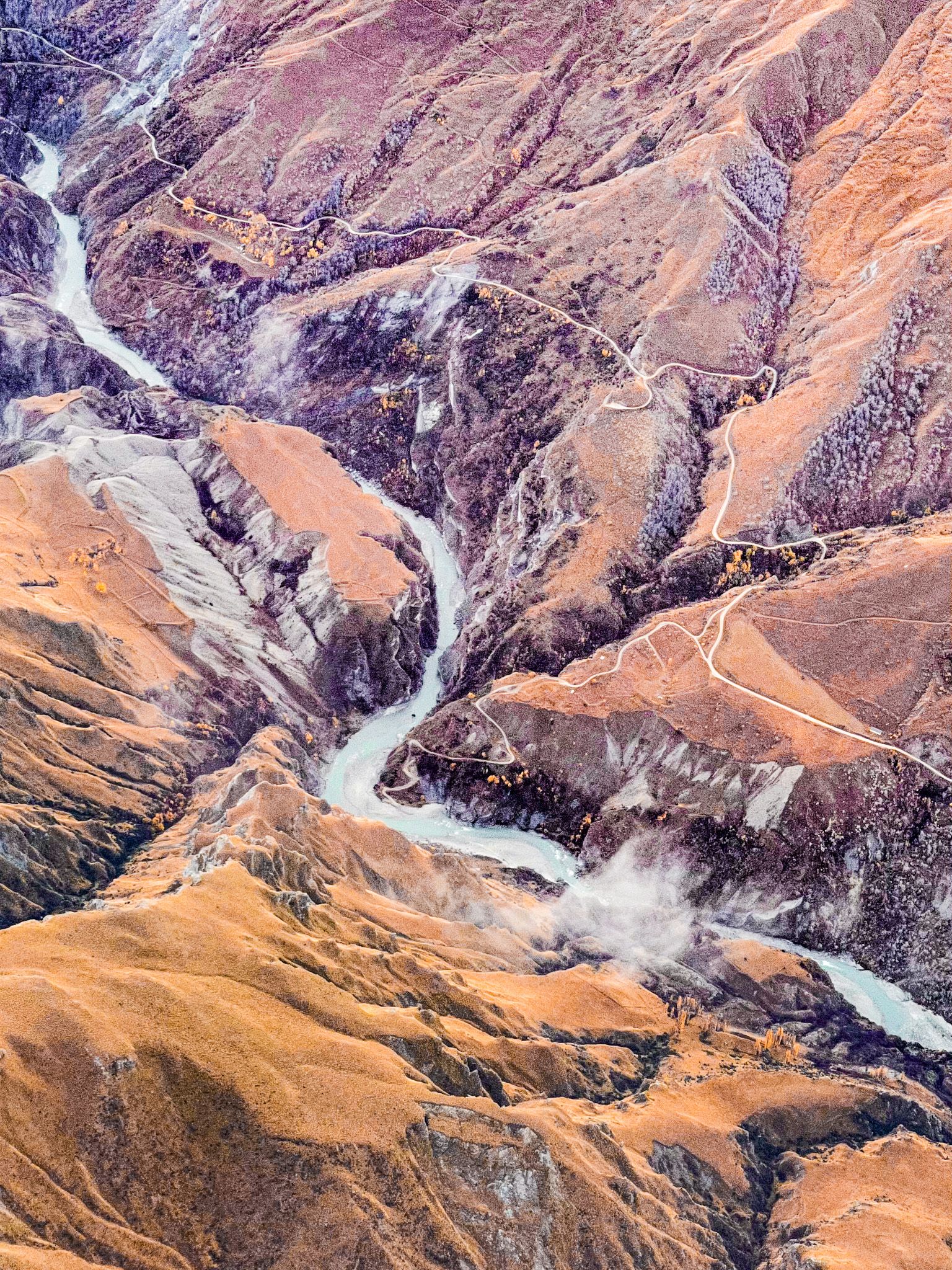
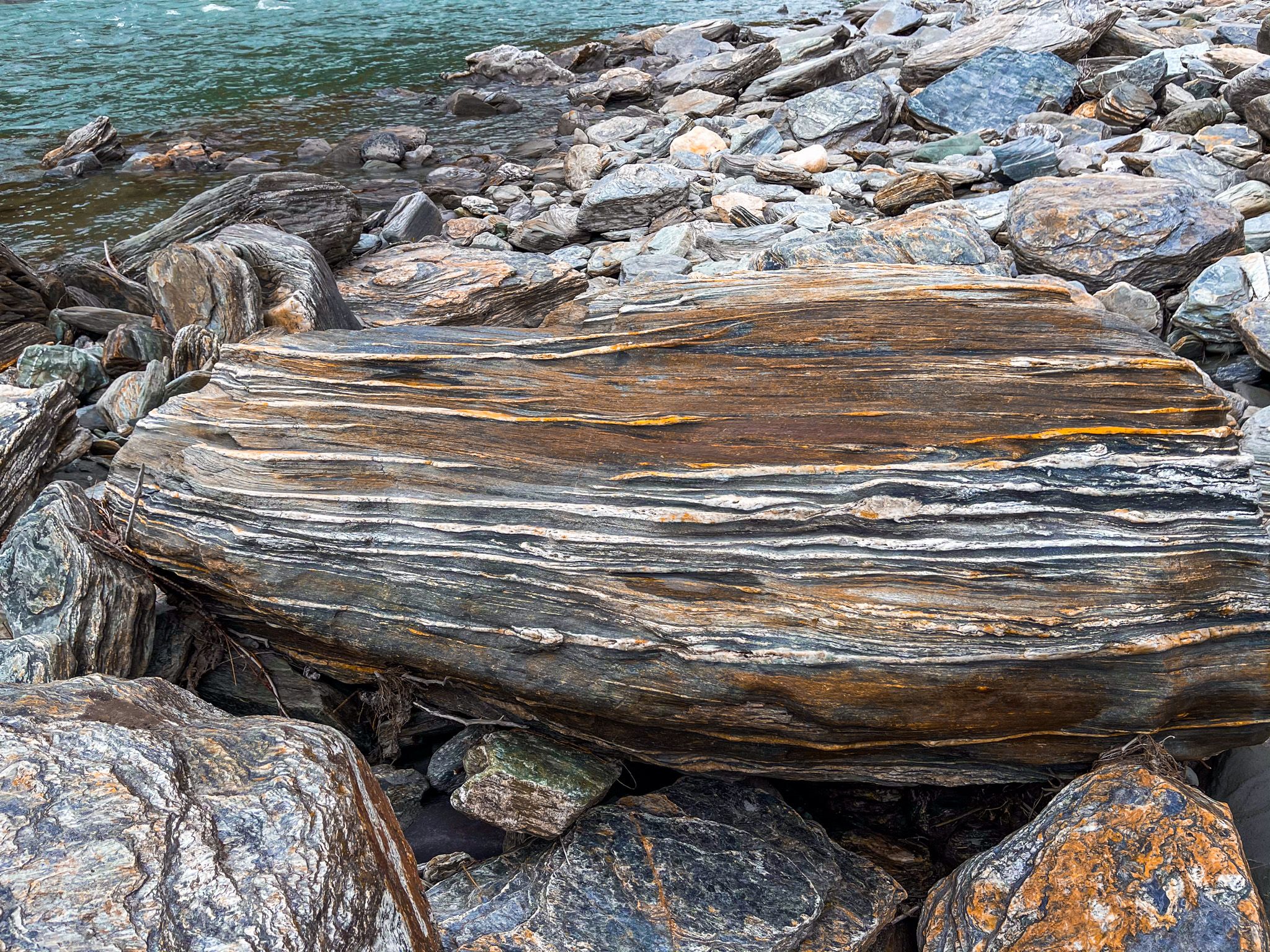
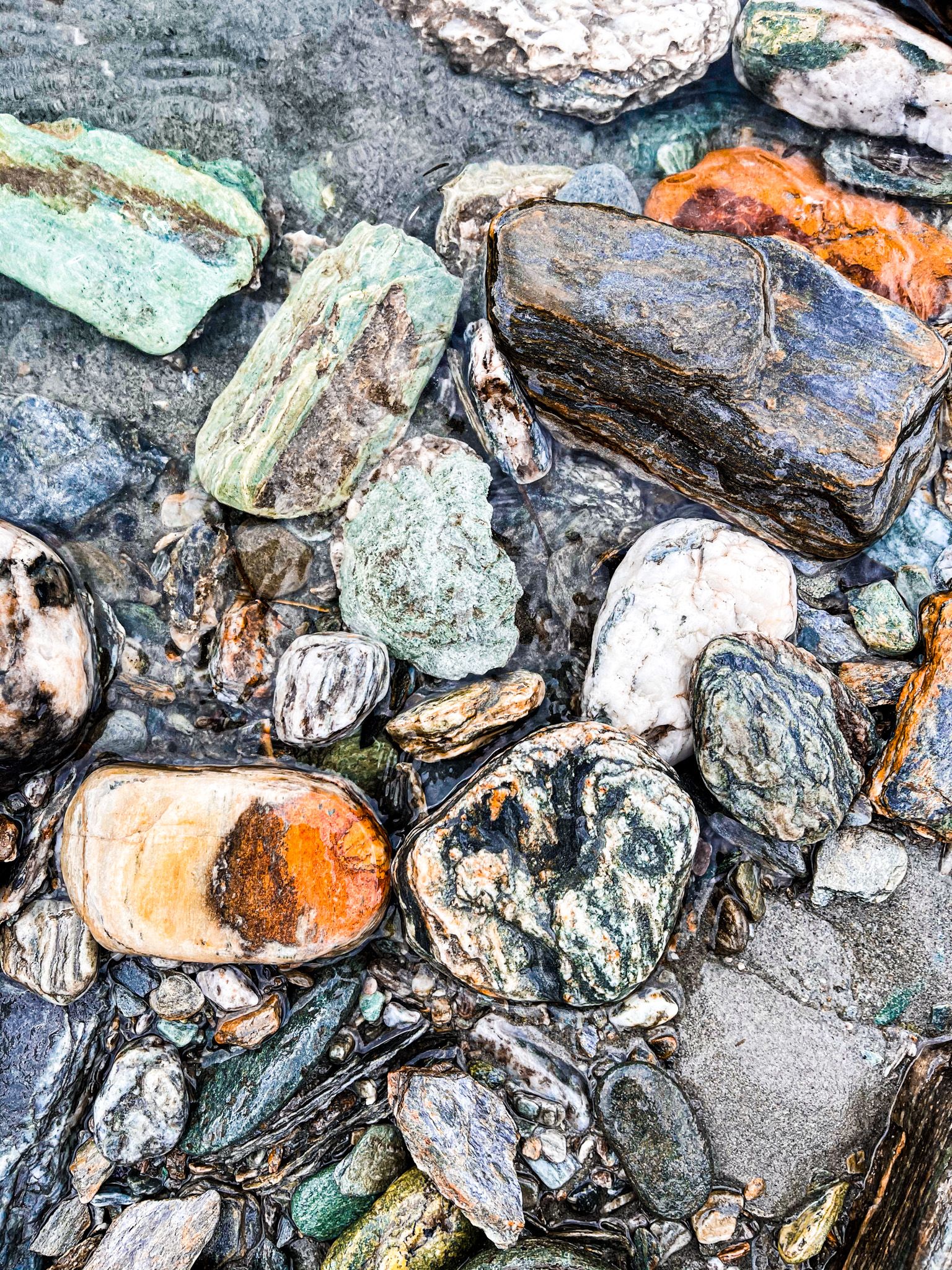
The Shotover River owes its deep, winding gorge to glacial and fluvial erosion over millions of years. During the last Ice Age, alpine glaciers helped shape this dramatic landscape, leaving behind a steep-sided valley. The surrounding rock is mostly greywacke and schist, fractured, ancient stone that made the region ideal for alluvial gold deposits. When gold was discovered here in 1862, miners flooded in from around the world, transforming Queenstown into a frontier hub almost overnight.
Jet Boats, Rafts, Trails and Canyons
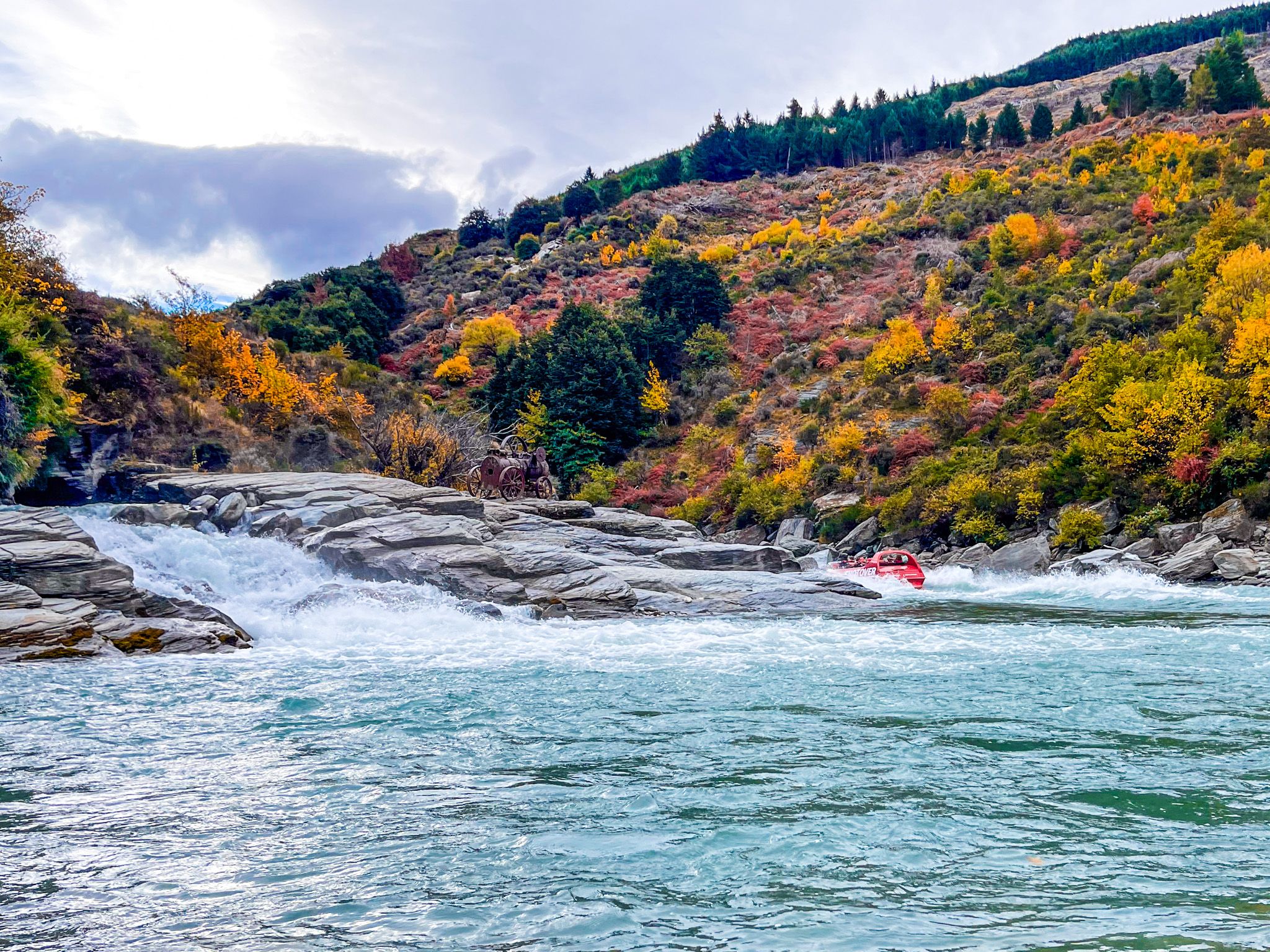
While you won’t see many gold pans these days, the river is still one of the most thrilling places to explore outdoors. Jet boat and rafting operators run exhilarating trips through narrow canyon sections where the cliffs rise sheer above the turquoise water.
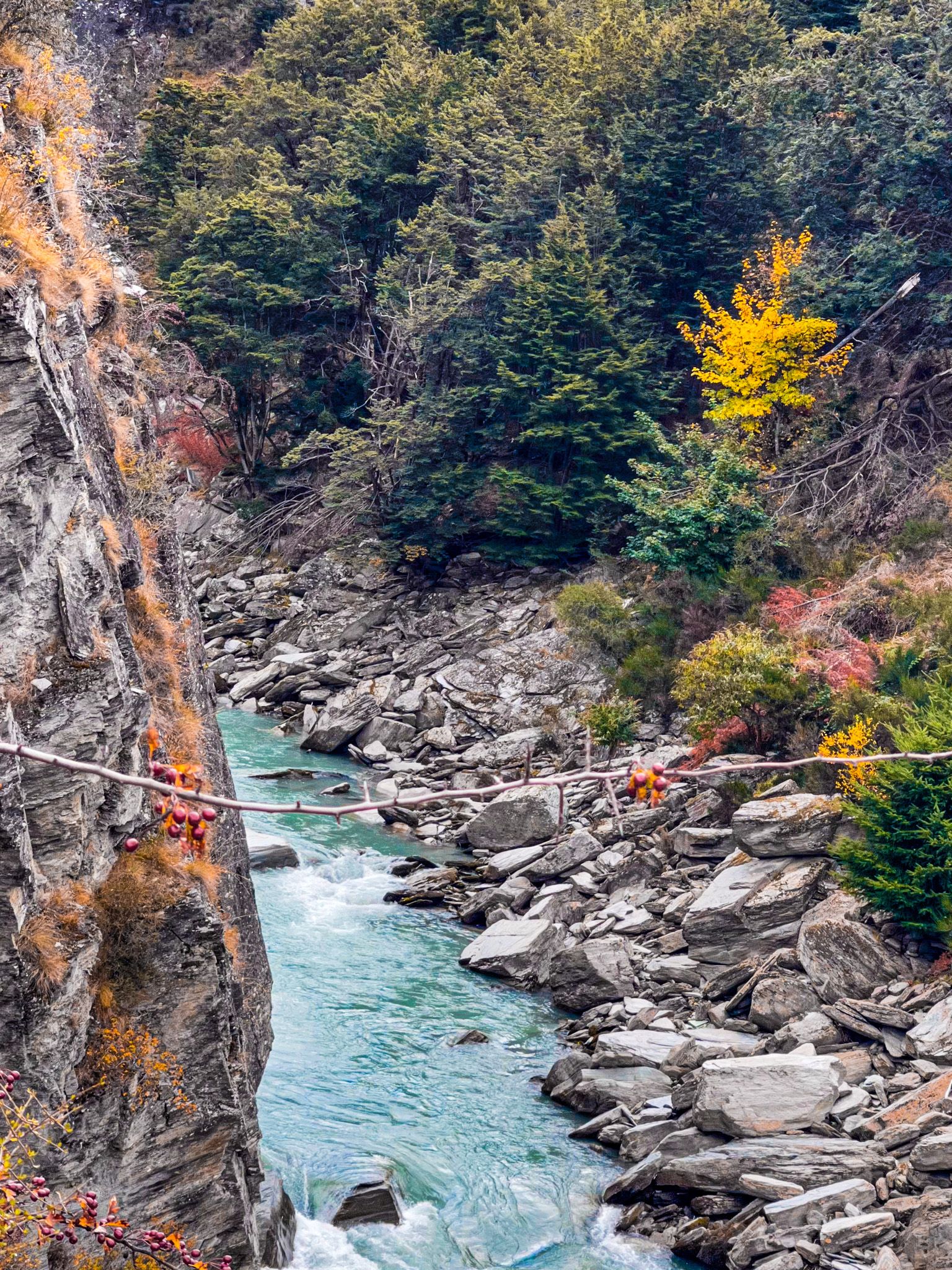
There are several accessible places where you can access and view the river. Just outside Queenstown, off State Highway 6A, you can visit the Historic Shotover Bridge, a part of the extensive Queenstown Trail. You can also drive to Arthurs Point and take in the view of the gorge from the lookout near the one-lane road bridge. From there, a short drive down Oxenbridge Tunnel Road leads to the Oxenbridge Tunnel Track, with another gorge view, rapids and an old diversion tunnel blasted in the 1930s to redirect water for gold sluicing. Commercial rafting operators access the tunnel.
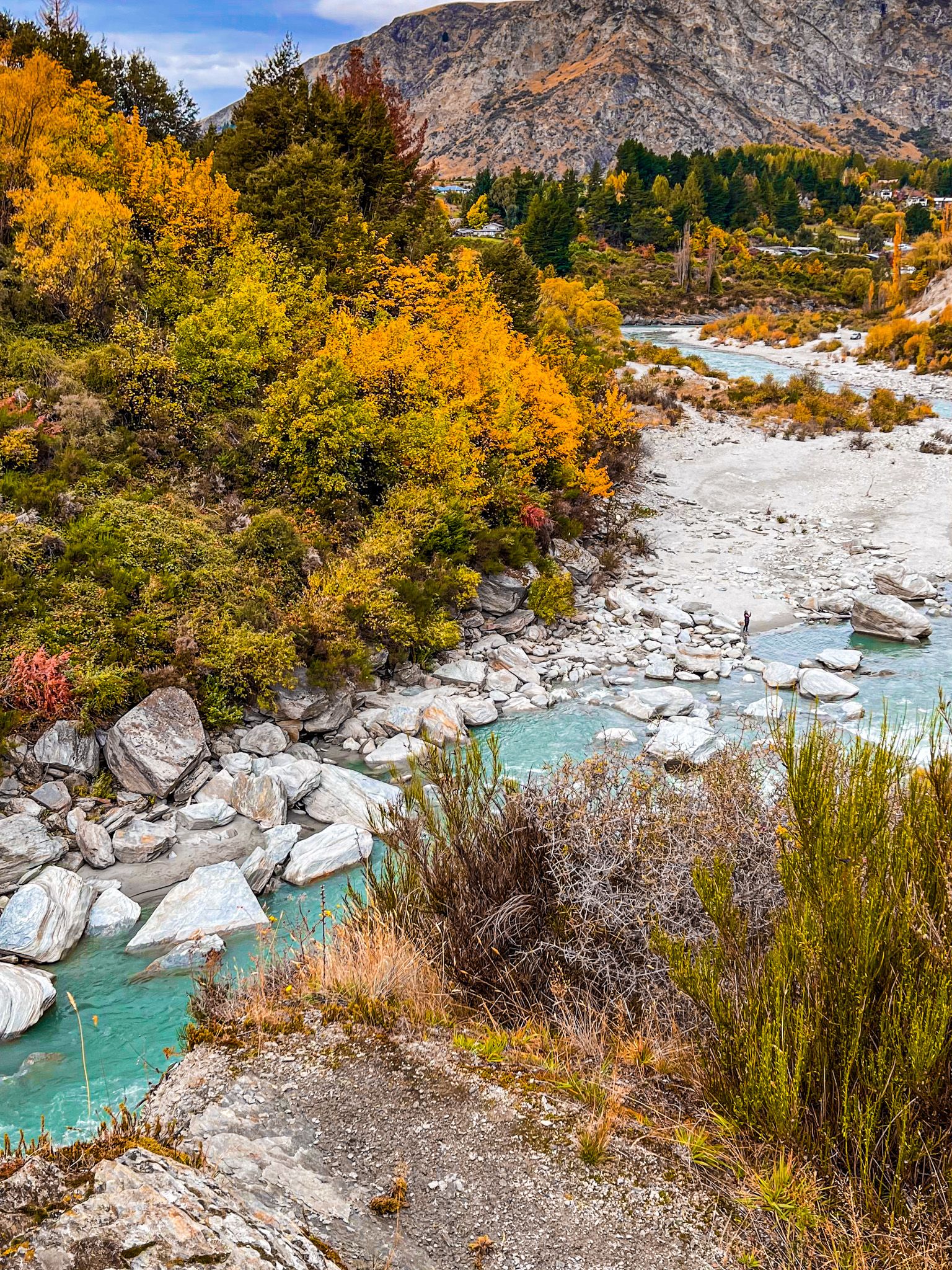
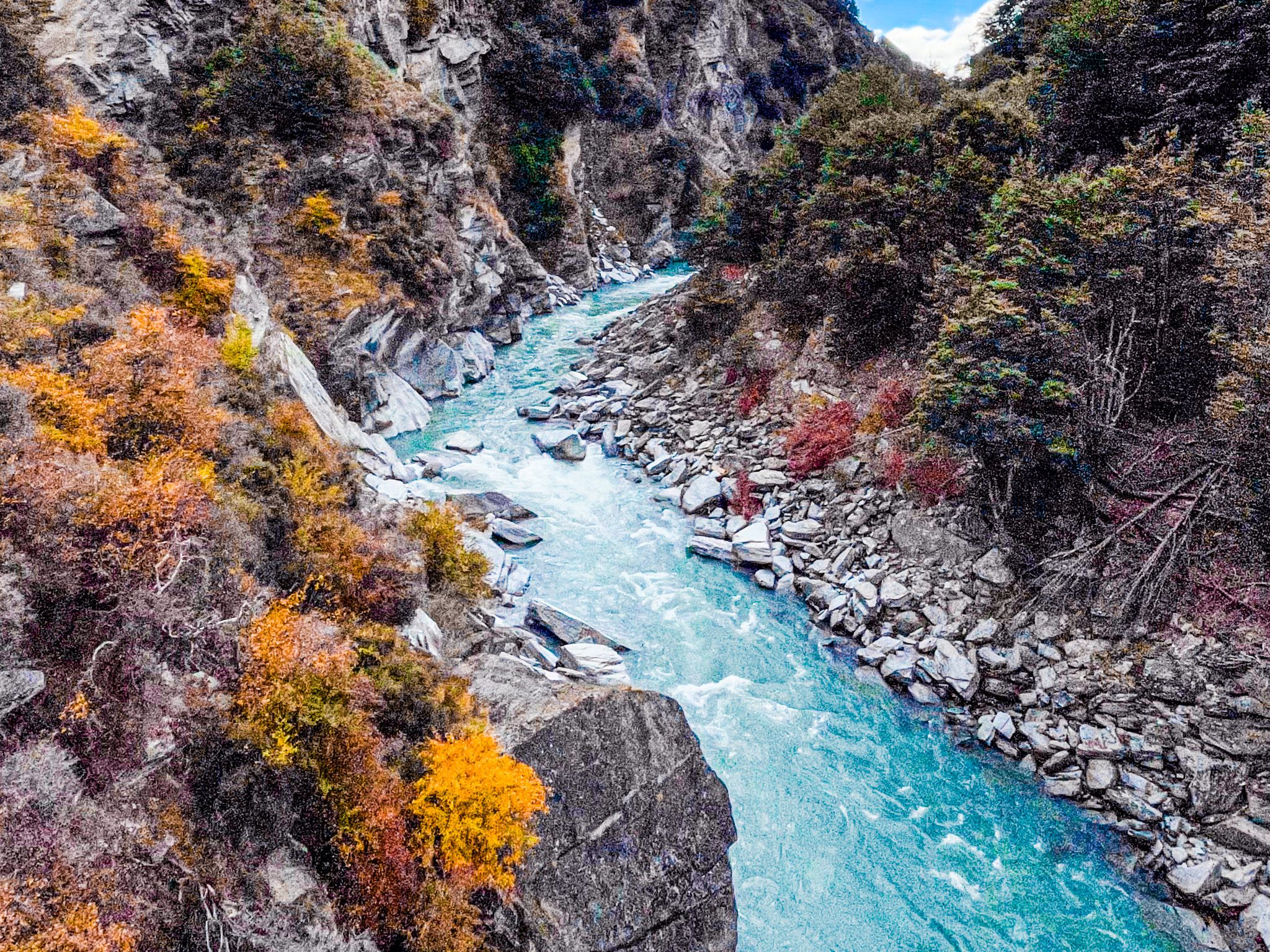
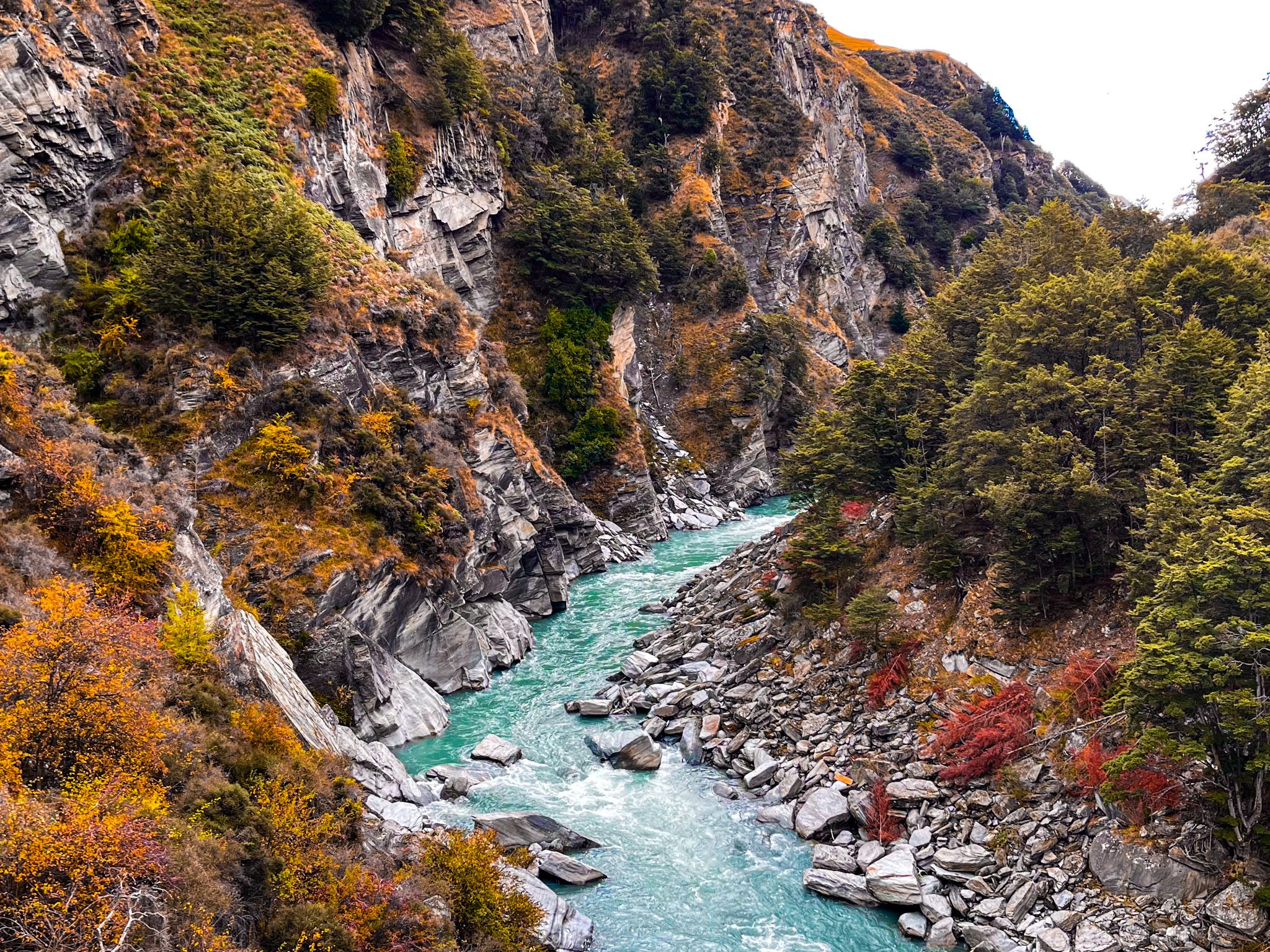
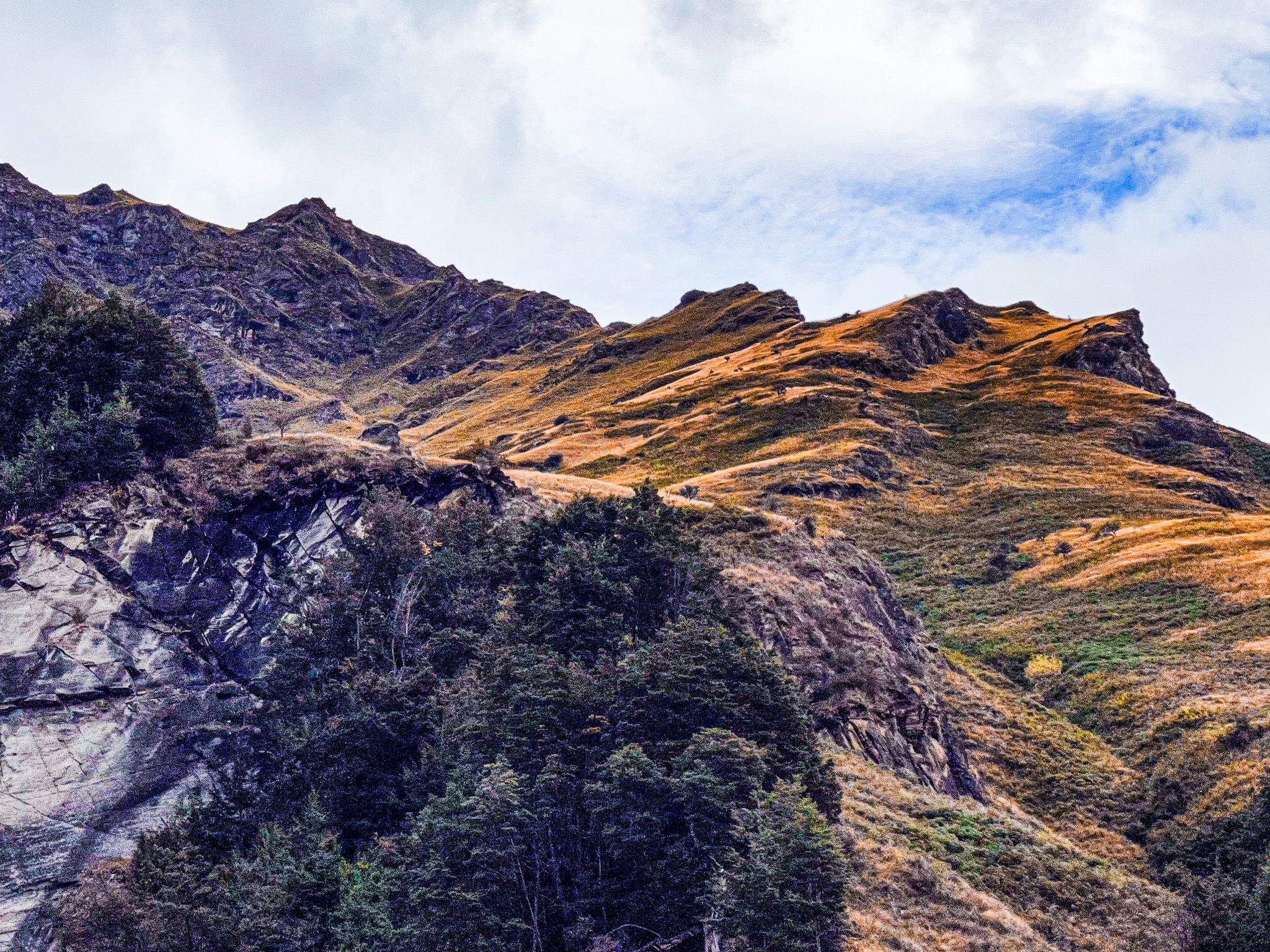
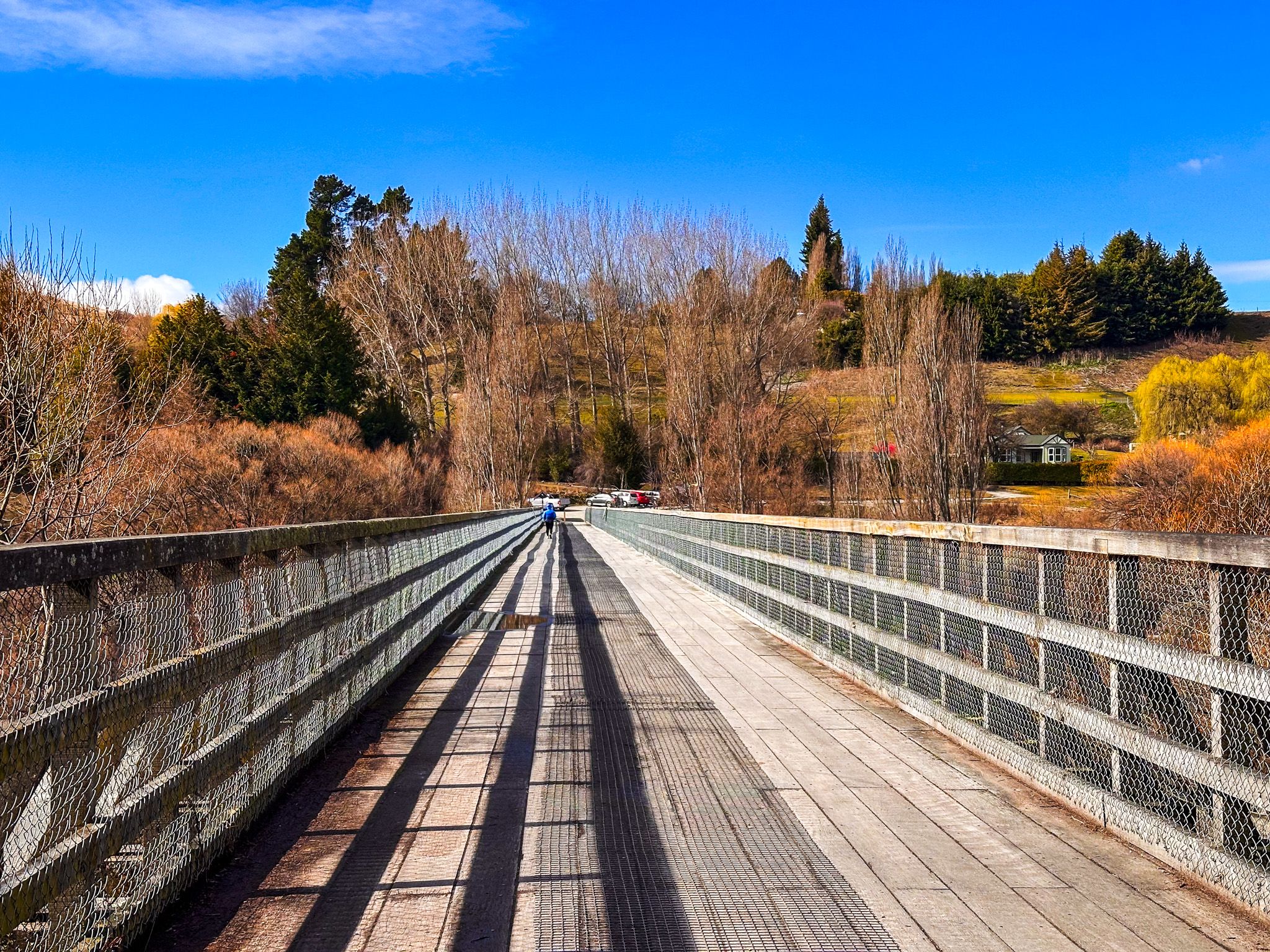
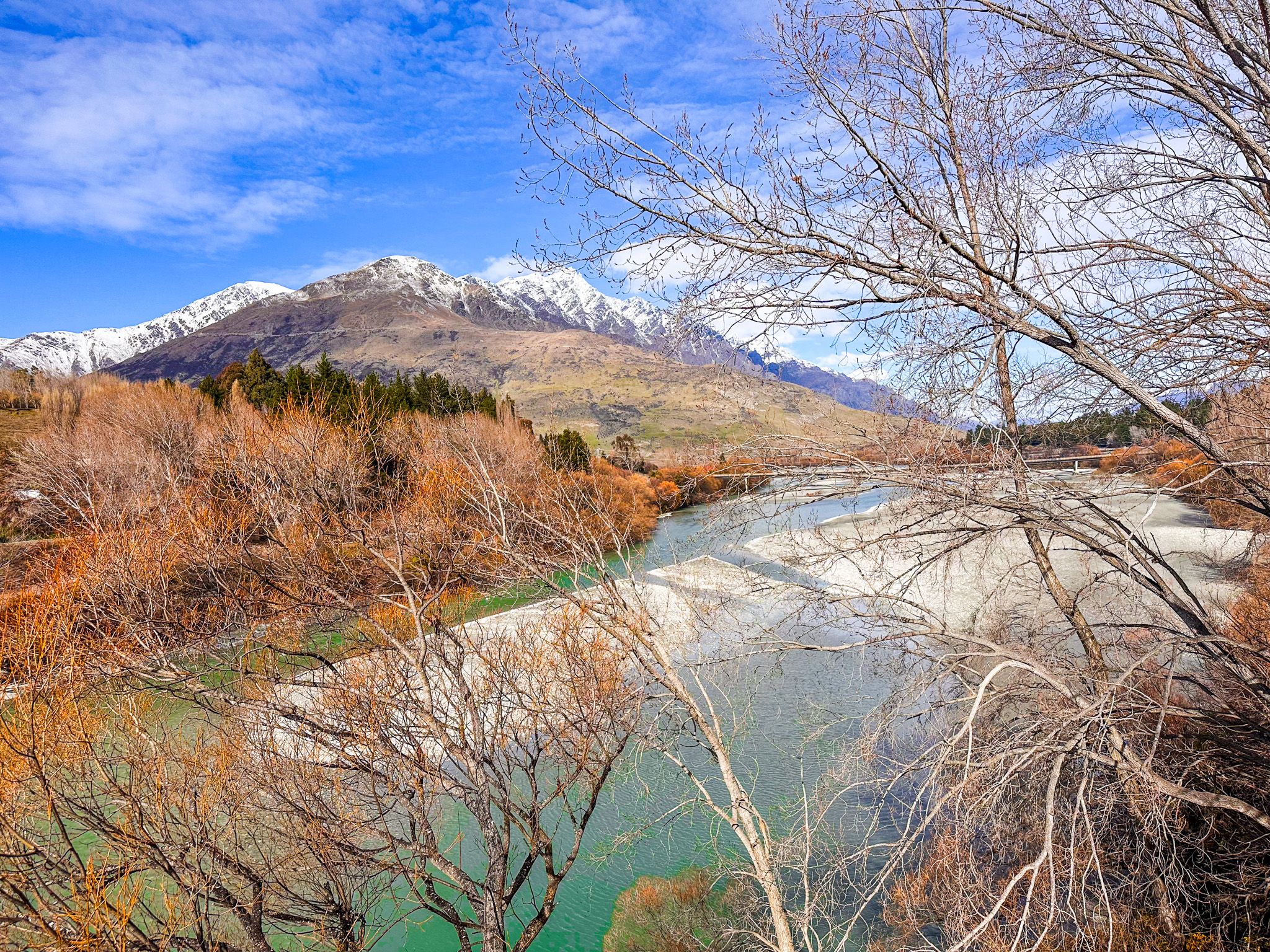
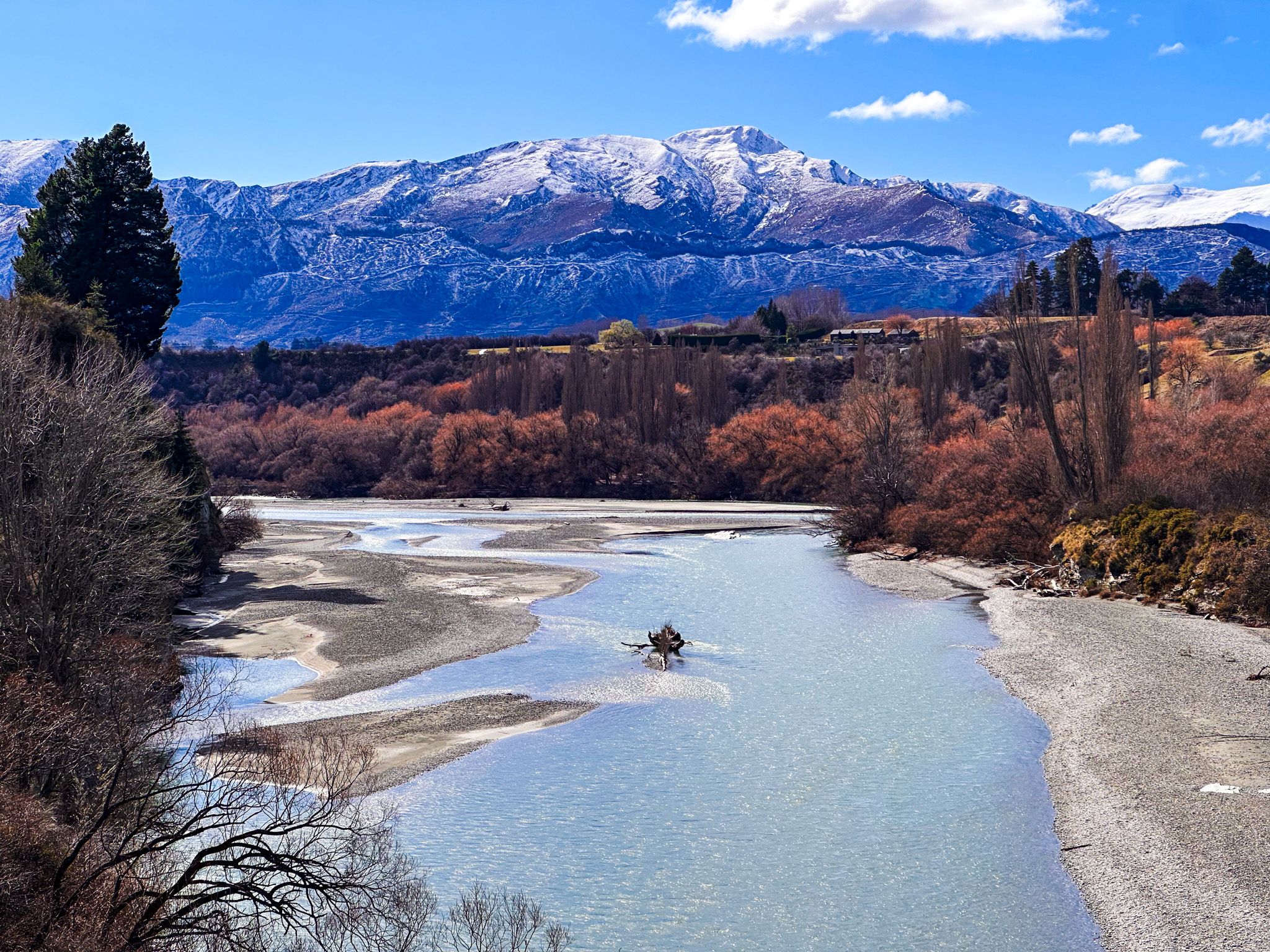
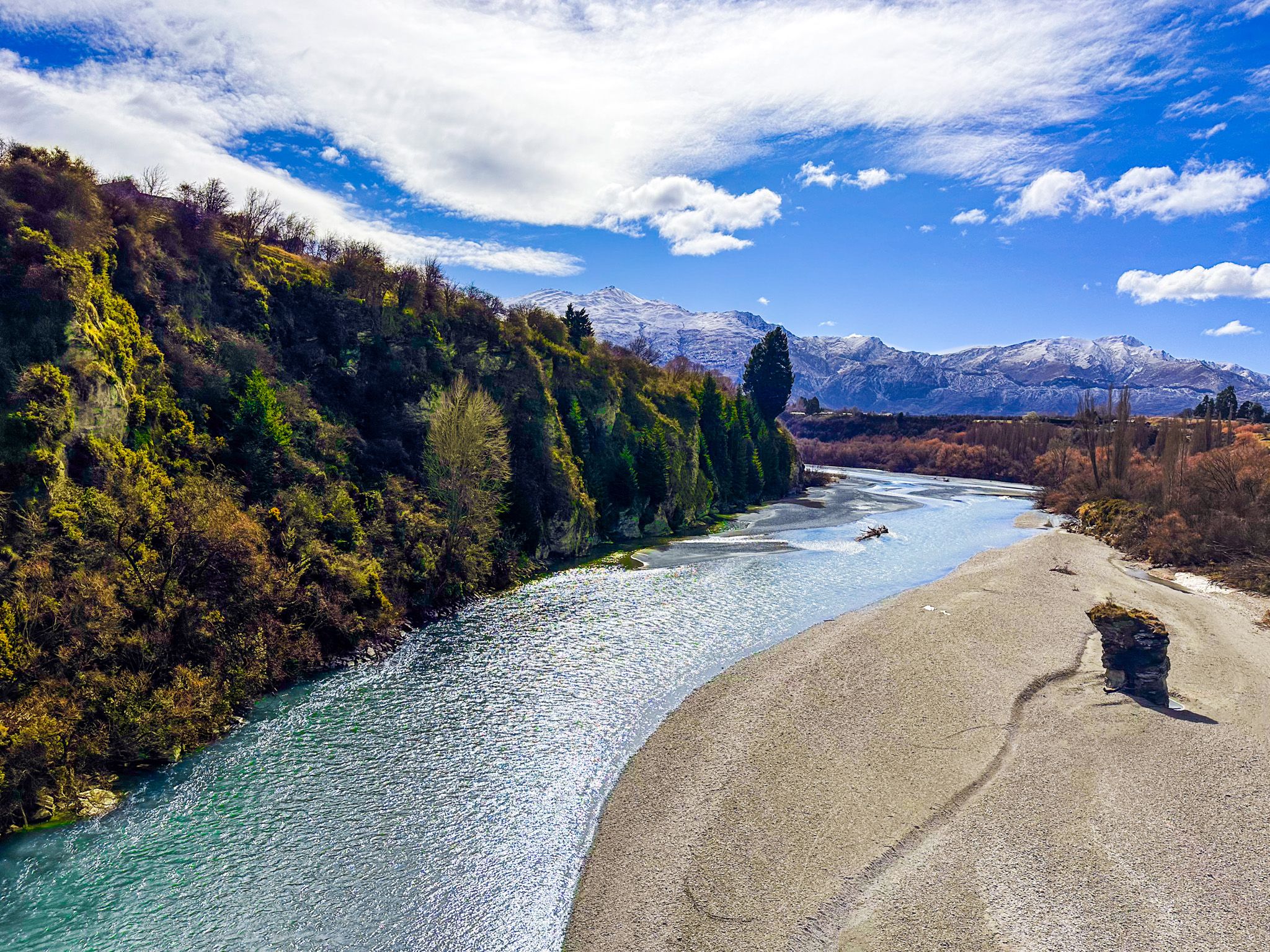
There are also gravel beaches, by road and leisurely walks. The Tucker Beach Wildlife Reserve, accessed via Tucker Beach Road from the Historic Bridge, is a chance to spot rare birds, like the kārearea (NZ falcon) and enjoy easy riverside walking.
Māori and Gold Rush Histories Intertwine
Known to Ngāi Tahu iwi as Kimiākau, meaning “looking for the coast” or “searching for greenstone”, the river was part of inland trails linking pounamu sources in the West Coast with settlements across Central Otago. The name reflects the seasonal journeys of iwi seeking food, stone, and trade.
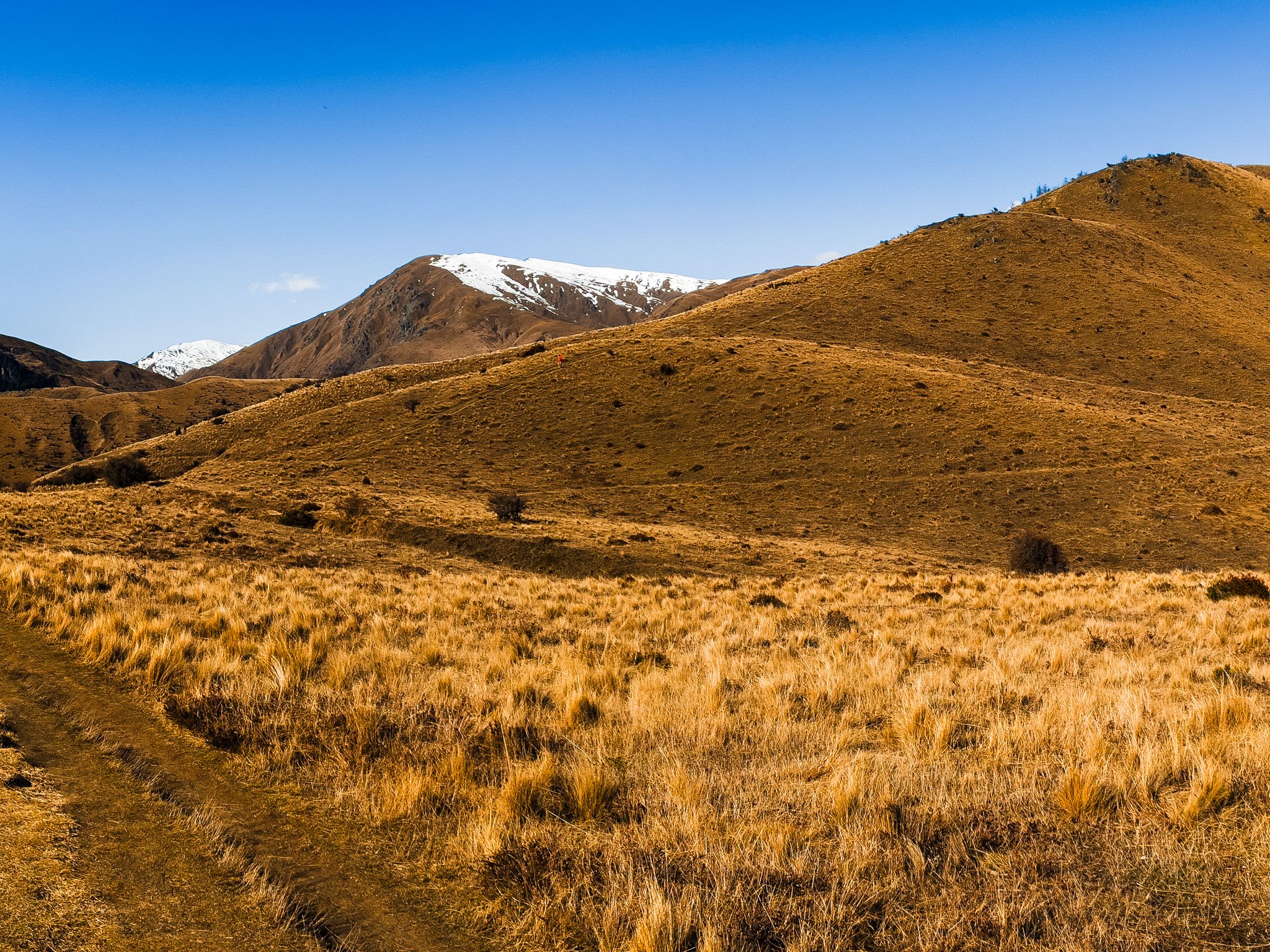
The European name “Shotover” came from the English estate of Shotover Park, adopted by early runholder William Rees in the 1860s. When gold was discovered in nearby creeks, the rush quickly extended to the main river, with Skippers Canyon becoming one of the richest claims in Otago. Skippers itself is now a remote historic reserve, between the Richardson and Harris Mountains and accessible only via a dramatic 4WD road not recommended for rental vehicles.
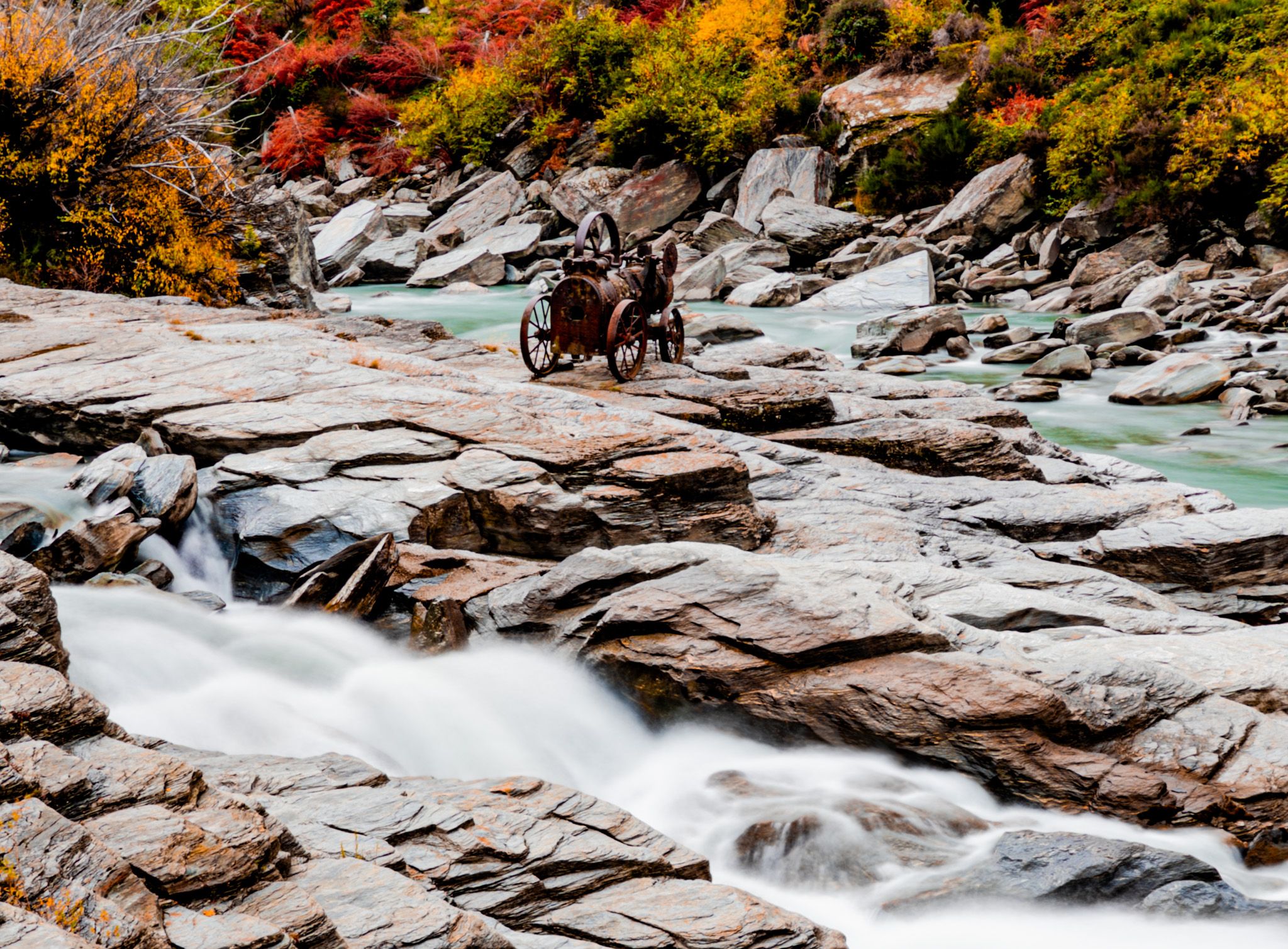
Remnants of mining activity, sluicing scars, stone huts, and relics, still dot the area, especially around Skippers Road.
Other Rivers of Gold
While the Shotover was the most famous, it wasn’t alone. The nearby Arrow River, just 20 minutes from Queenstown, saw its own gold rush and is accessible from Arrowtown on the Arrow River Trail. Further east, the Kawarau River also holds gold history and stunning river scenery, particularly at Goldfields Mining Centre and Bannockburn near Cromwell.
How to Get There
To visit the Shotover River, begin in Queenstown. For the Arthurs Point lookout and tunnel access, take Gorge Road north and follow signs to Oxenbridge Tunnel Road. The Historic Bridge can be reached by heading north on SH6 toward Lake Hayes, then turning onto Tucker Beach Road.
Reaching Skippers Canyon requires a high-clearance 4WD and confident driving skills. The road begins from the Coronet Peak skifield access road and takes roughly 1.5 hours each way. Commercial tours are available if you’re keen to explore without driving yourself.
Nearby places to visit include Seawpit Gully Track and New Chum Gully Track, and the alpine viewpoint of Queenstown Hill.