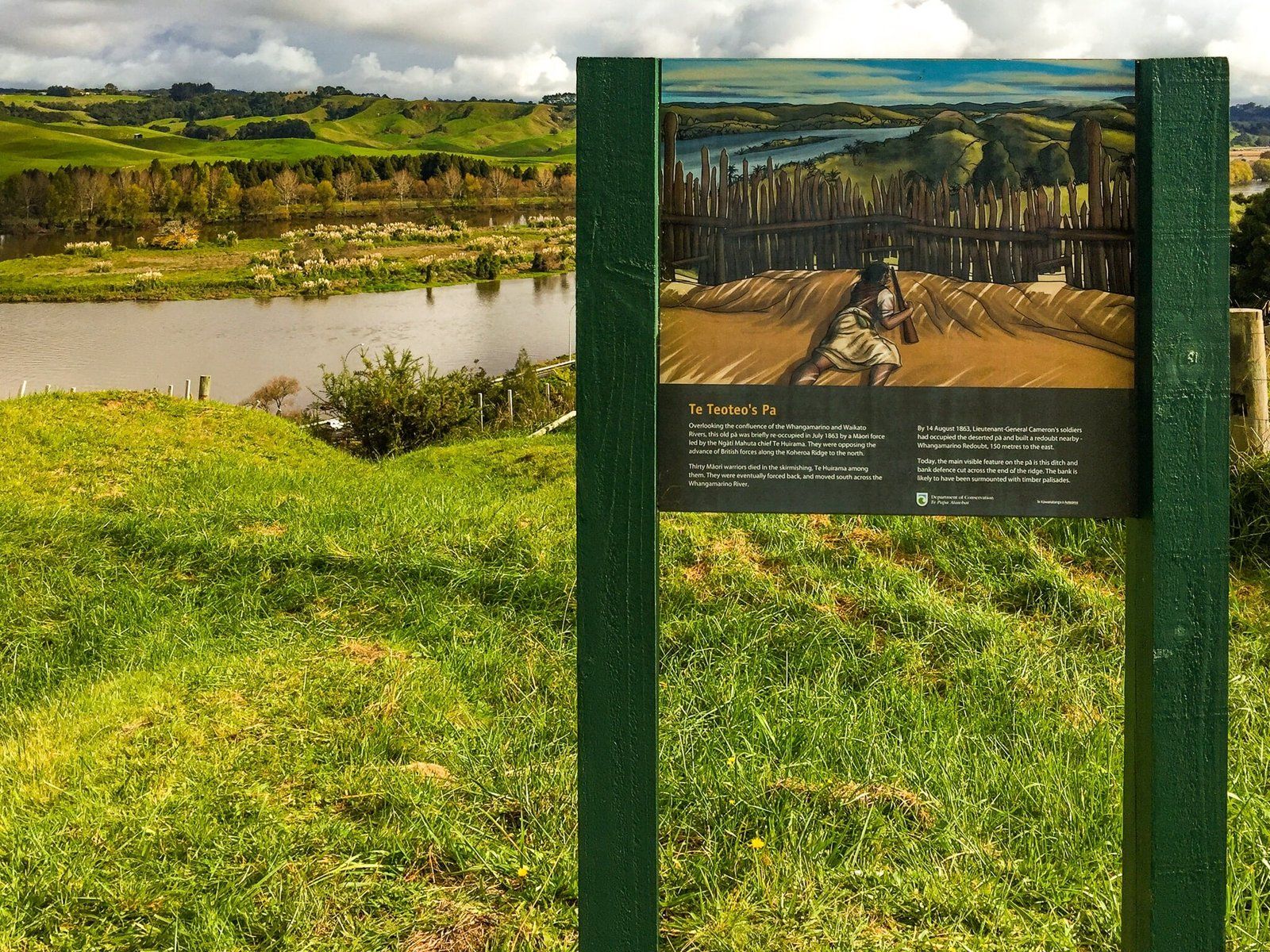
Discovering Whangamarino Redoubt
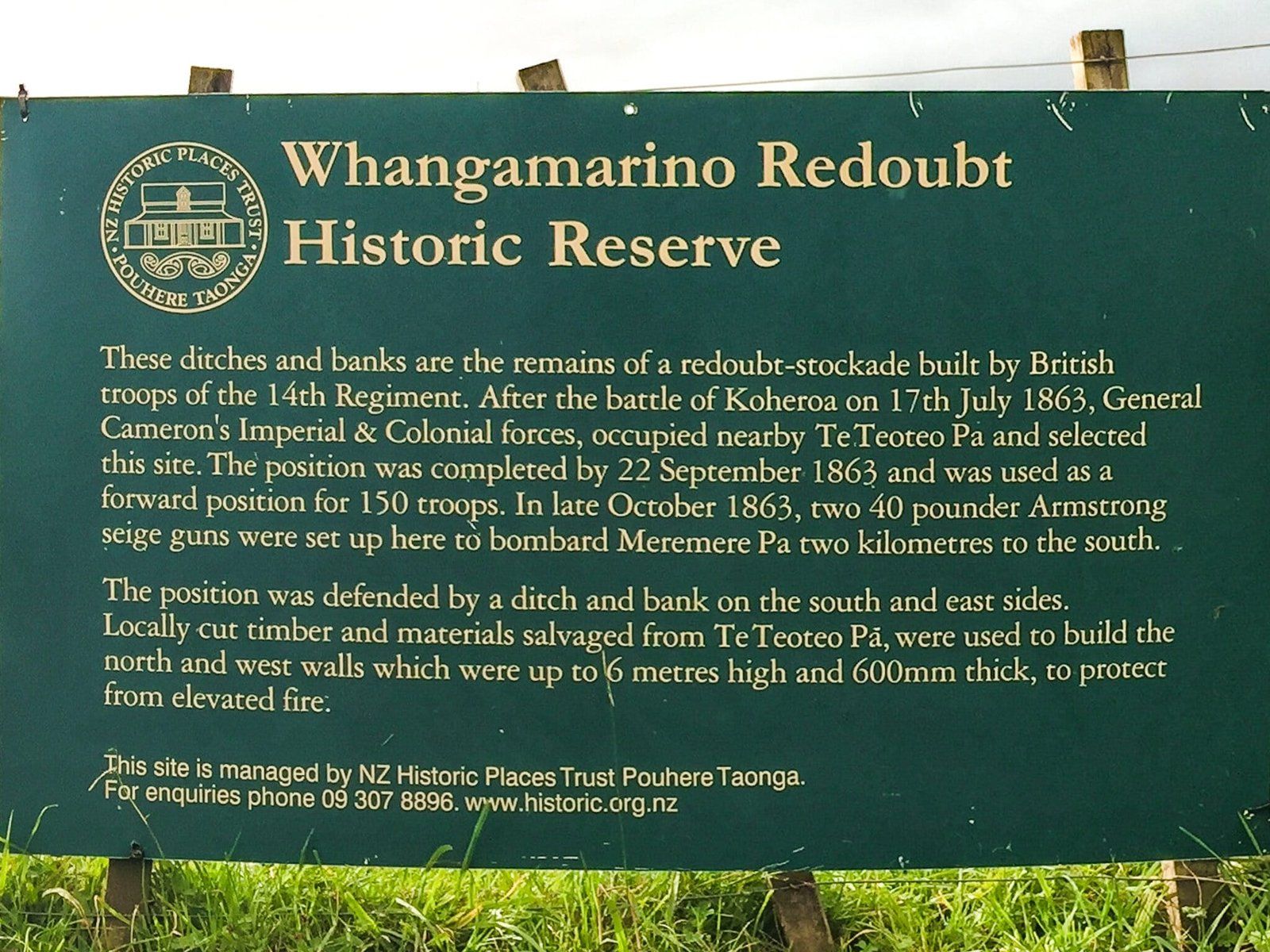
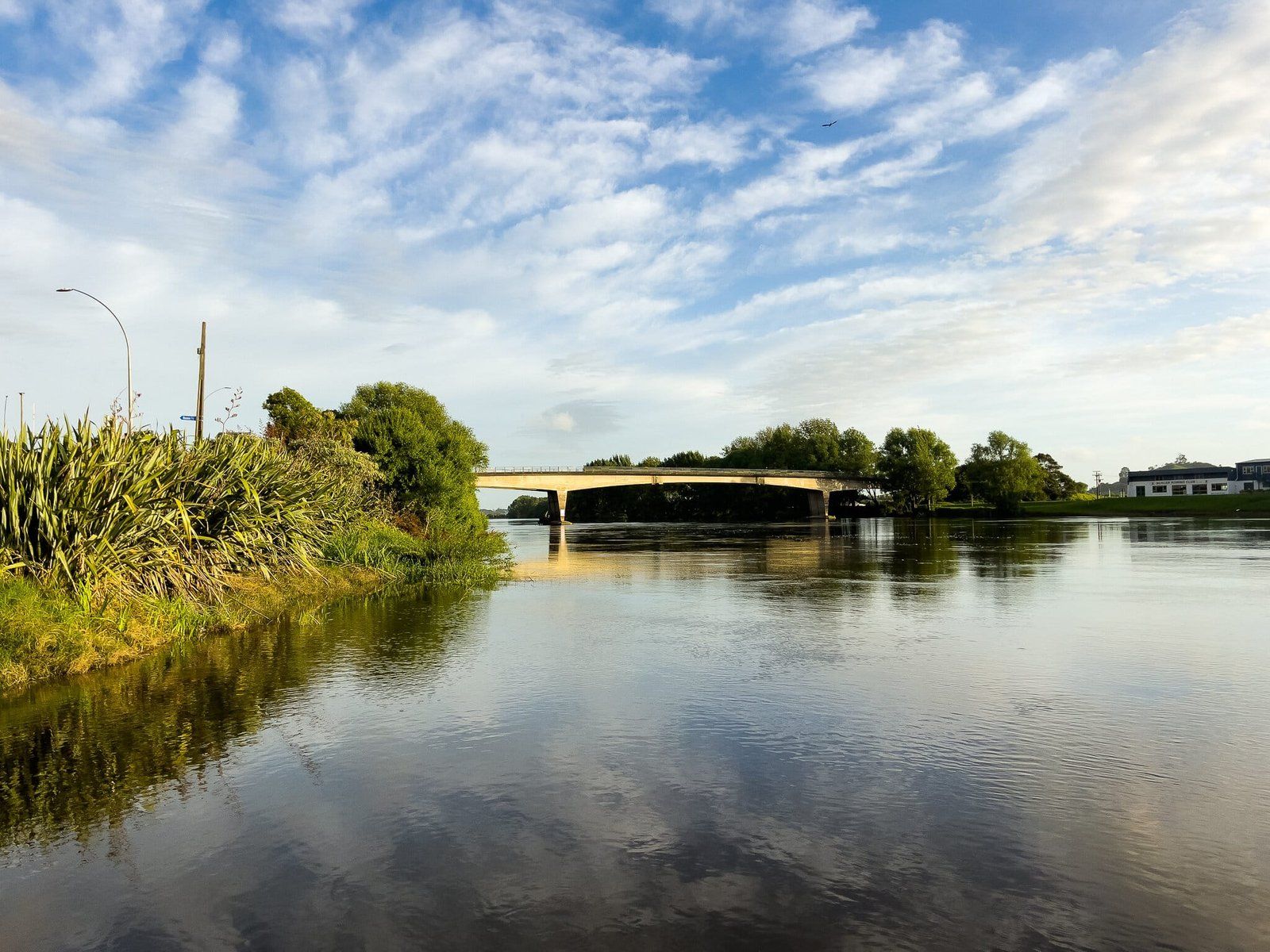
Located along the northern part of the Waikato River, Whangamarino Redoubt is a vivid look into the Waikato invasion by government forces in 1863, starting the Waikato phase of the New Zealand Wars. This historical site is significant for its strategic role during the conflict, where control of high points along the river was crucial for both sides.
Historical Significance and Strategy
Following a battle near Mercer, the Kīngitanga forces regrouped at a fortified pā in Meremere, overlooking the river. The government army took control of another hilltop pā north of Meremere, establishing the Whangamarino Redoubt.
Initially, the Kīngitanga forces were shielded from direct land attacks by the Whangamarino swamp. To counter this, the government installed two 40-pounder Armstrong cannons to bombard Meremere. The Kīngitanga forces had acquired three small ship cannons, but their efforts were hampered by poor-quality ammunition.
Ultimately, the government forces achieved a bloodless victory. After days of shelling, they bypassed Meremere using gunboats, landing upstream to outflank the pā. The defenders, aided by spring floods, managed to retreat to fight another day. The government soldiers then constructed a redoubt on the Meremere pā site, which is presently inaccessible.
Visiting Whangamarino Redoubt
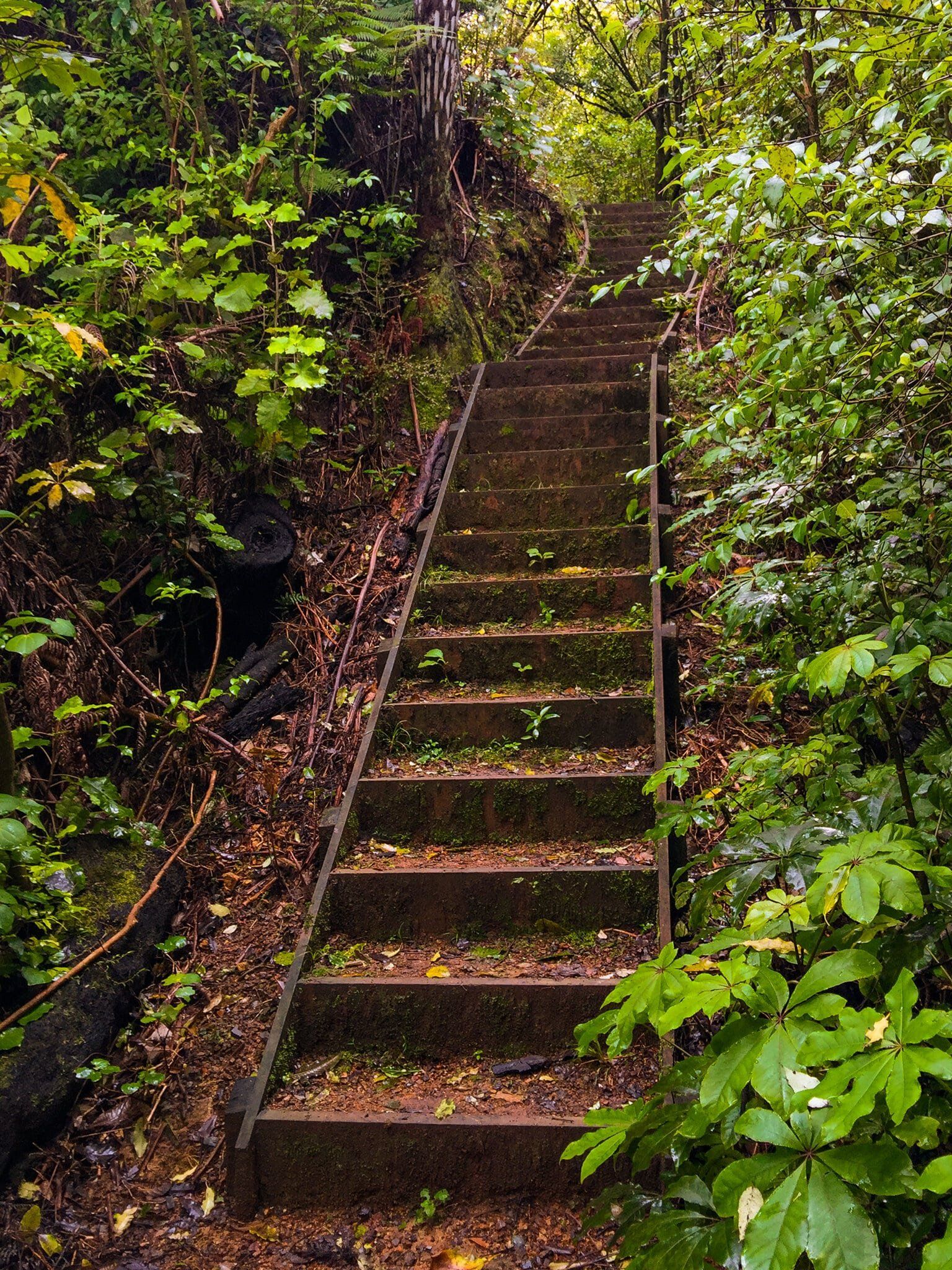
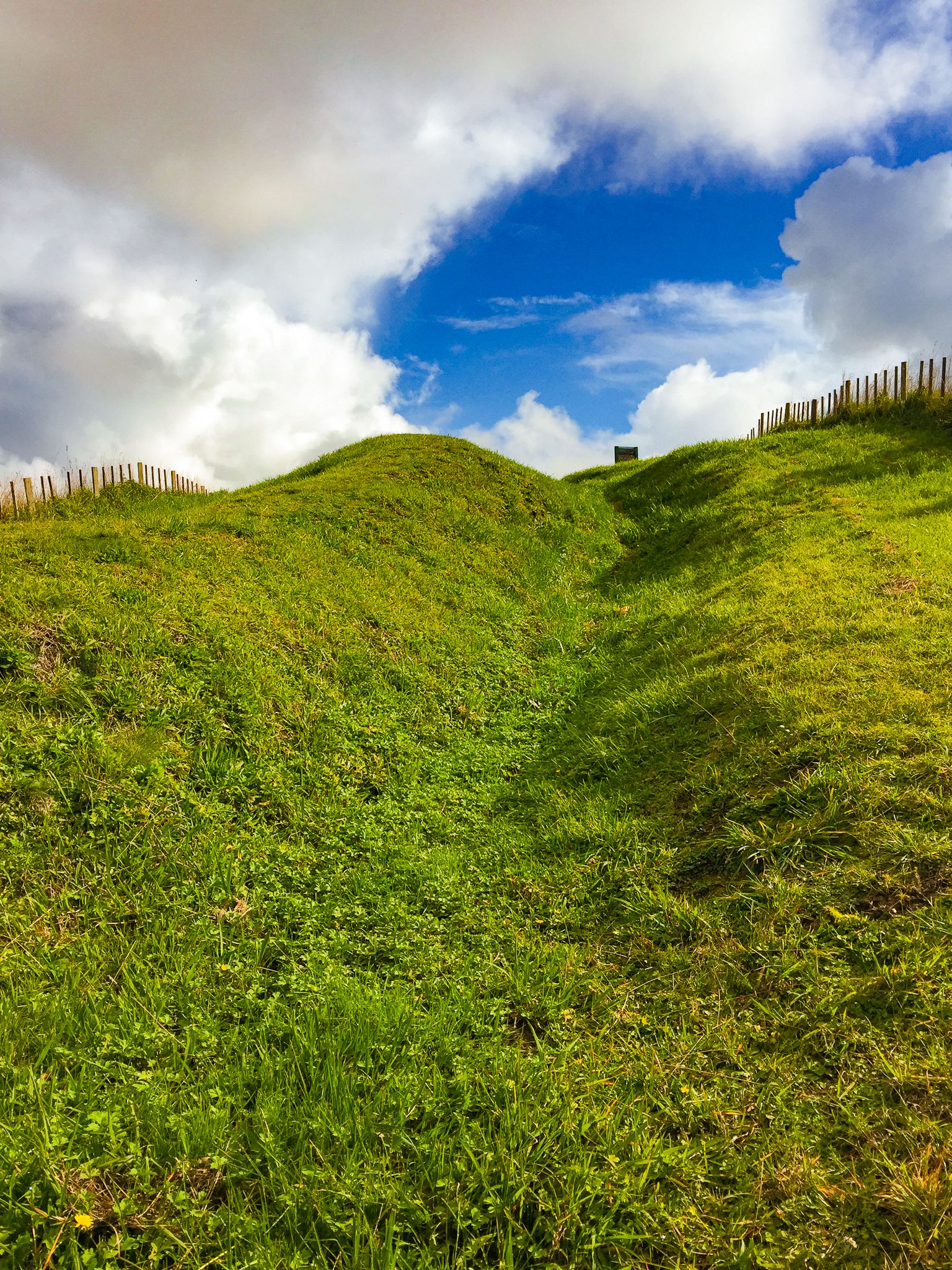
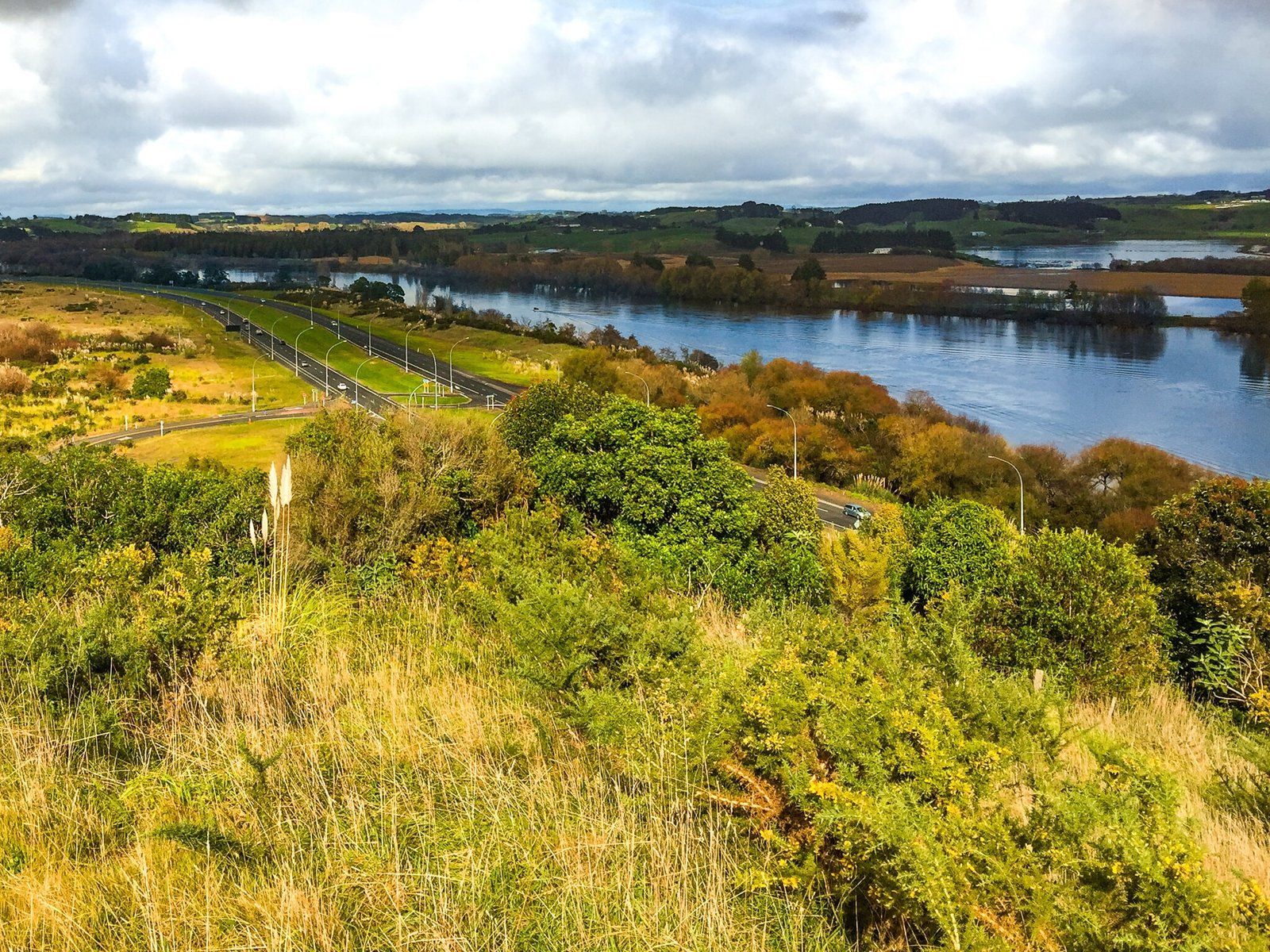
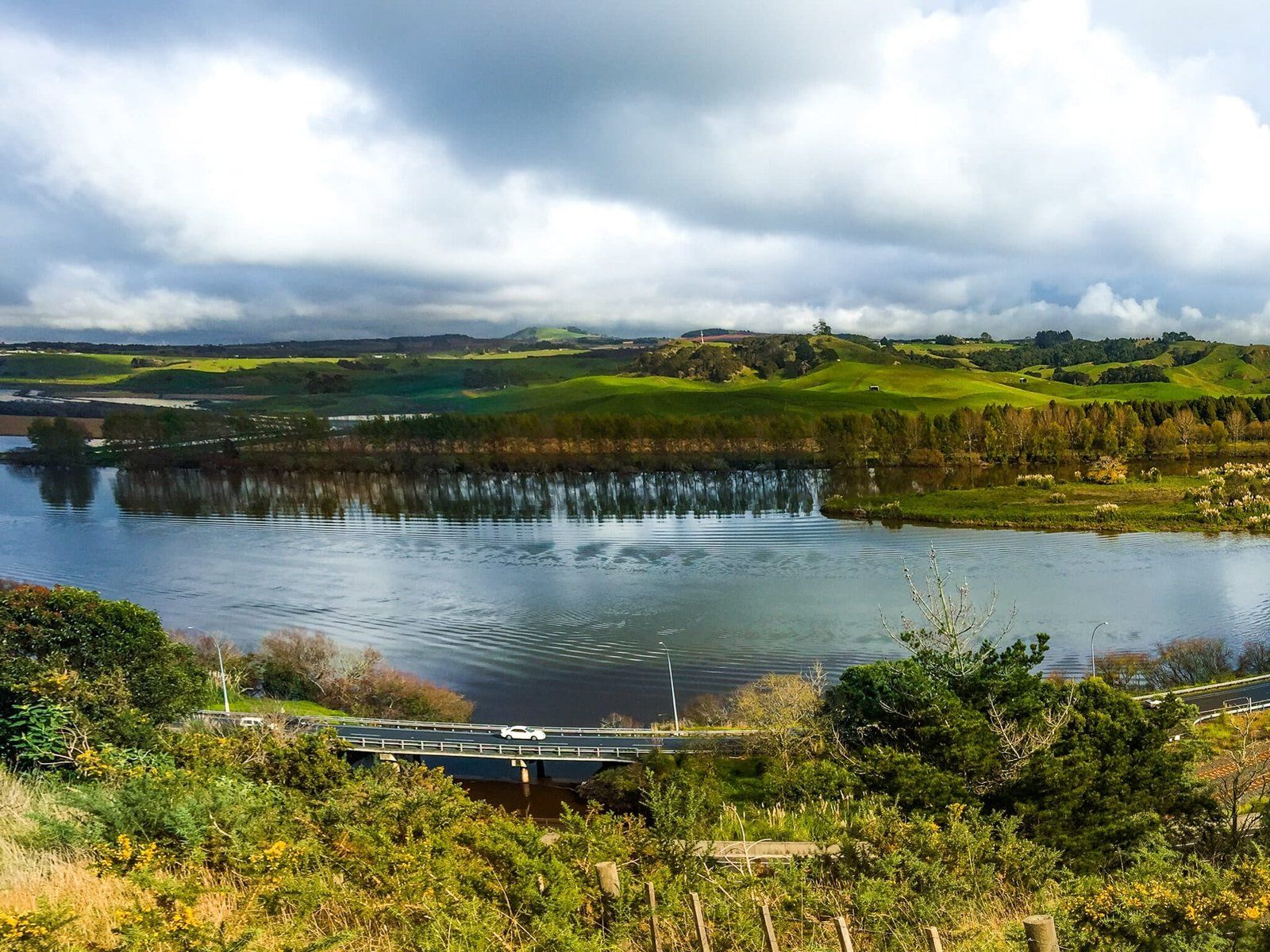
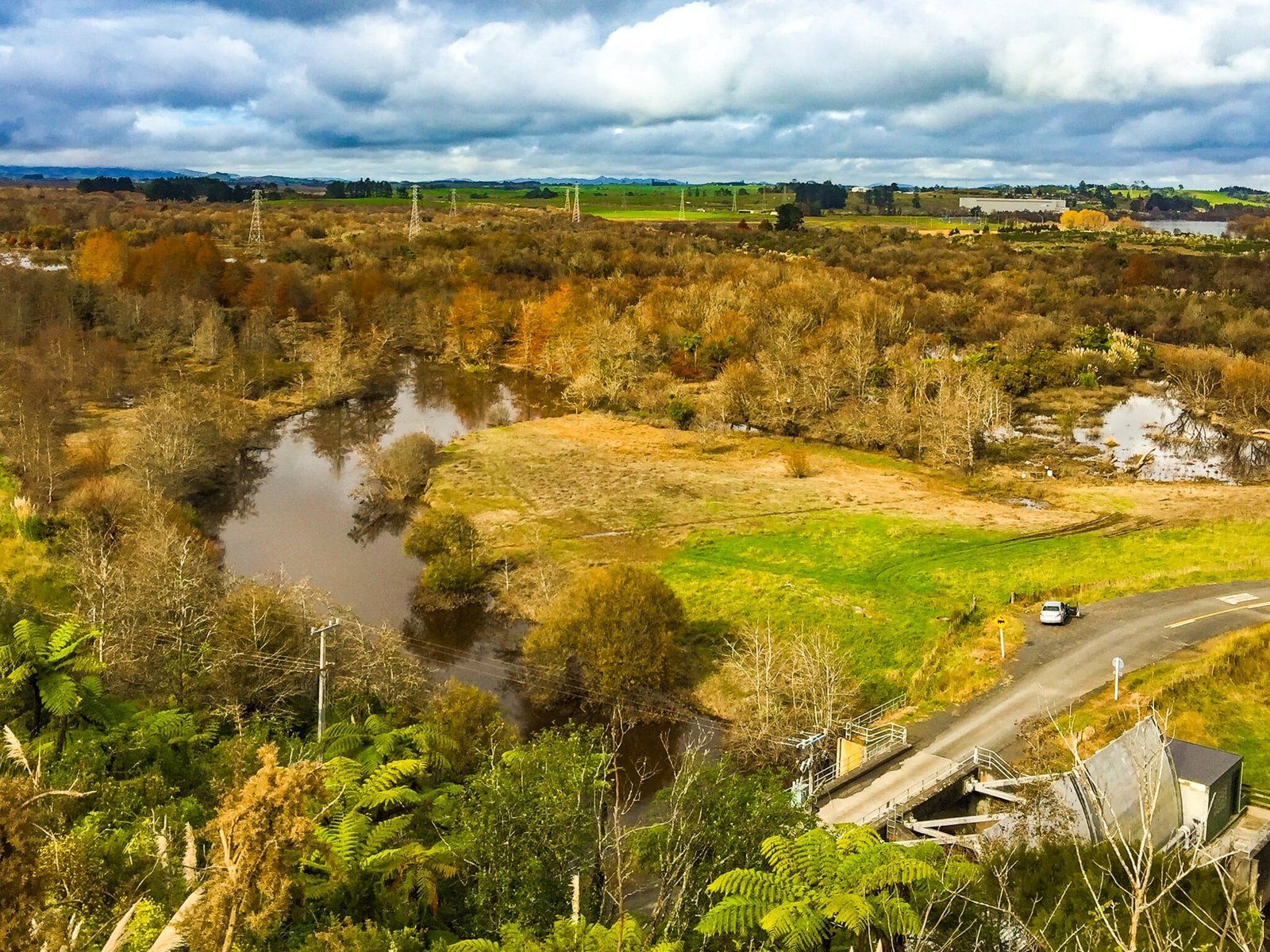
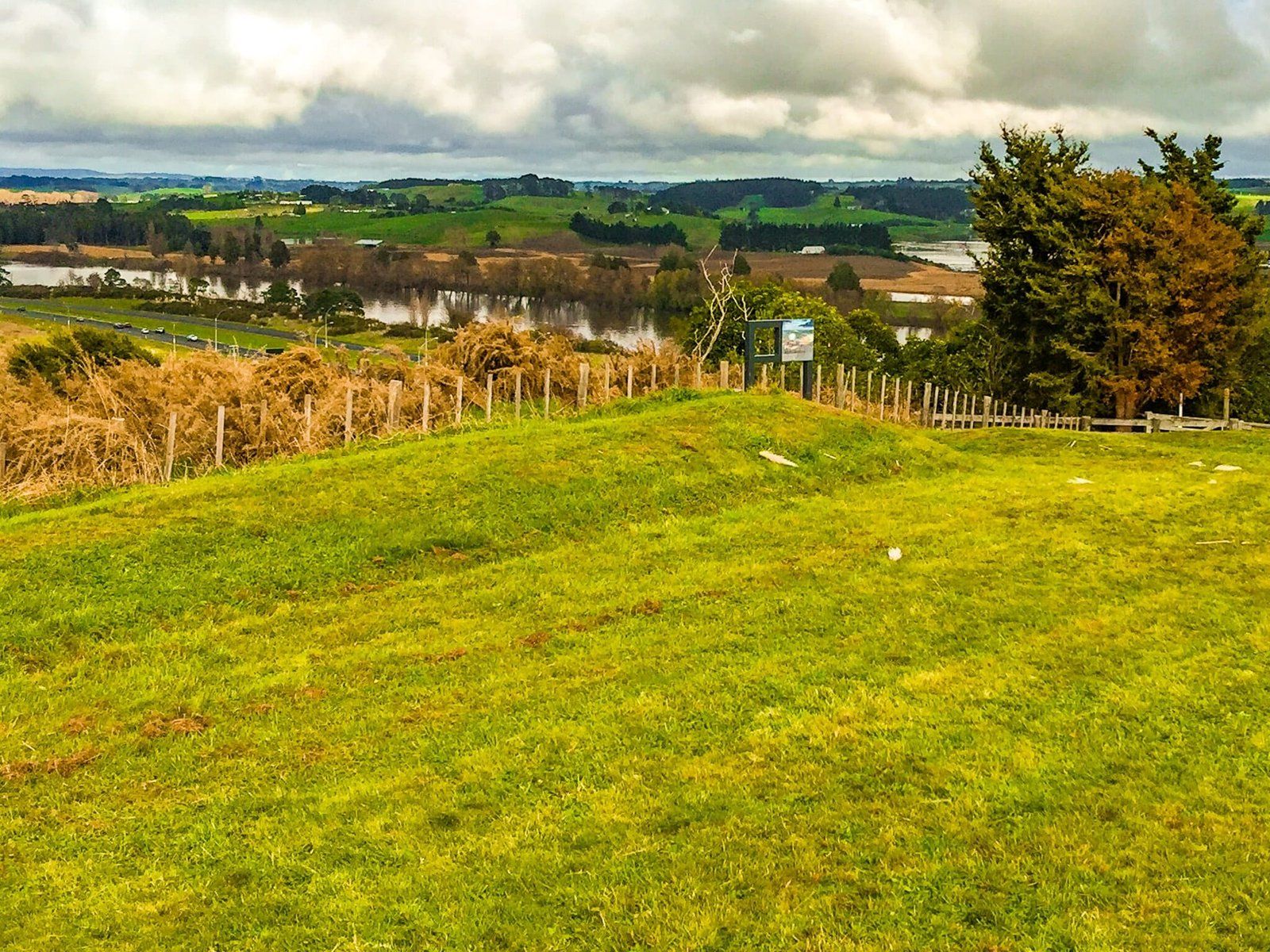
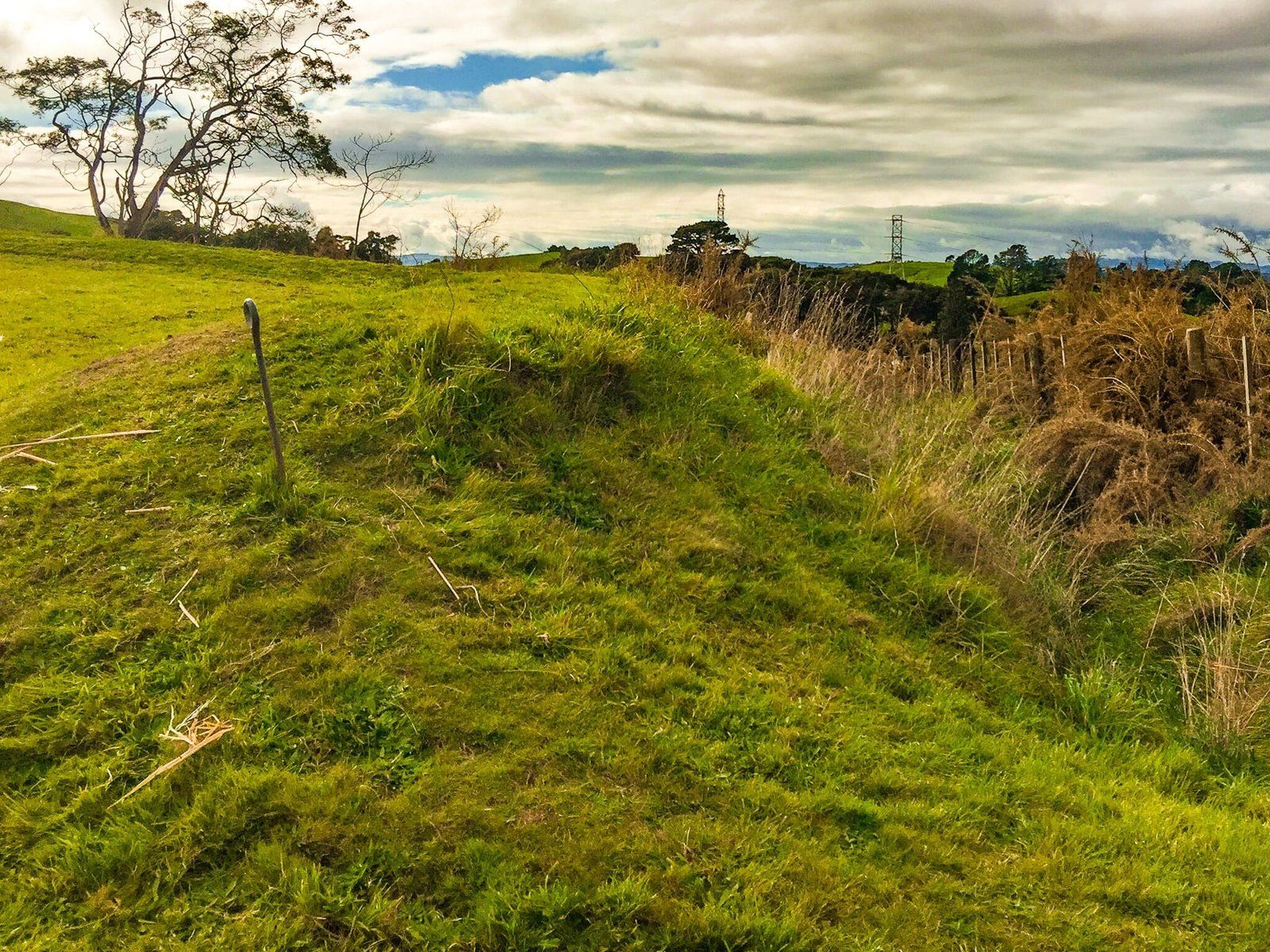
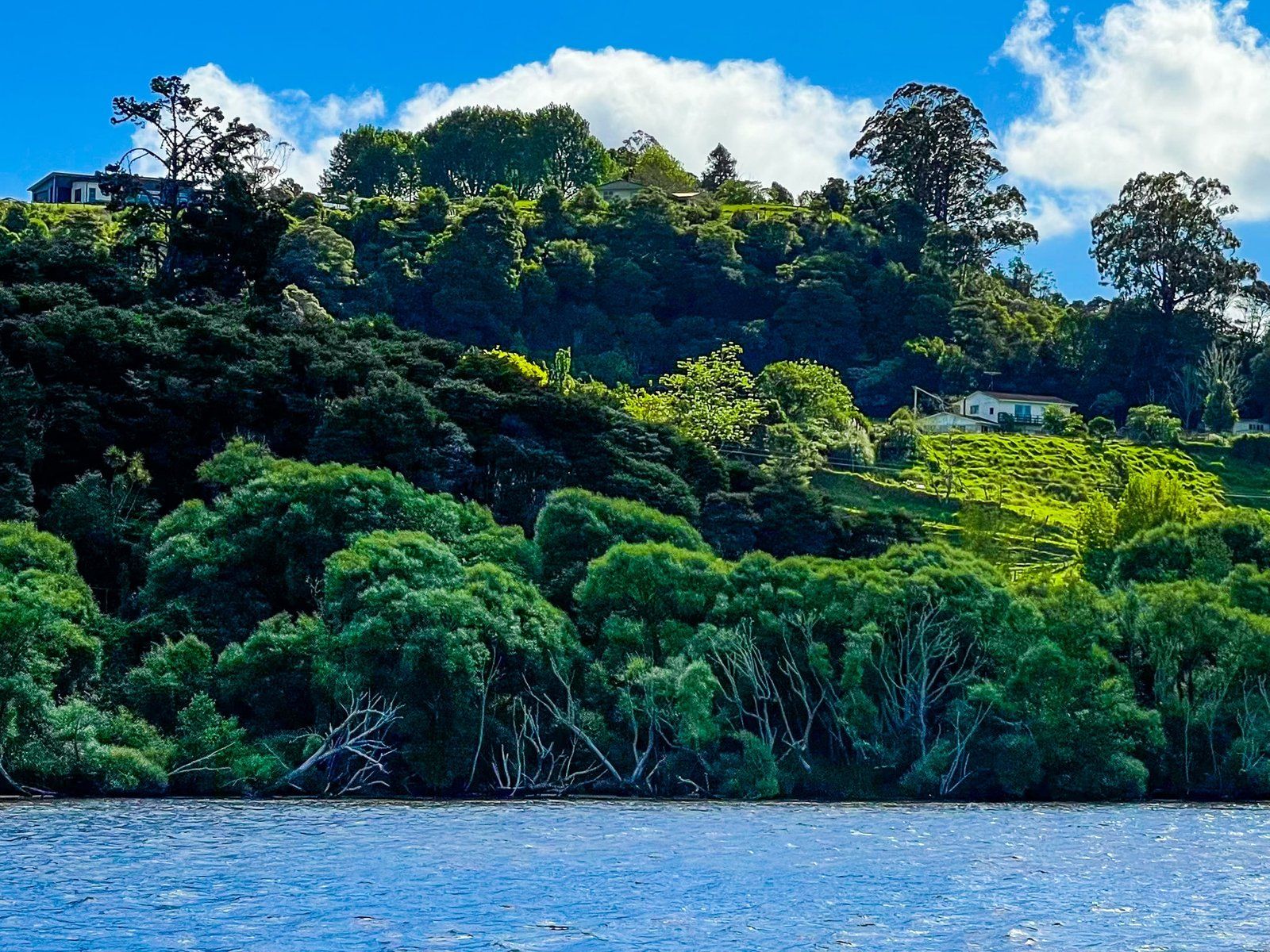
As you travel south along the Waikato Expressway, watch for the road sign indicating Whangamarino Redoubt. The car park is located just after you exit. From there, a short but steep track leads to the top of the hill, where you can explore the remains of the redoubt. Even if military history isn't your primary interest, the site offers impressive views over the Waikato River and south towards Meremere.
How to Get There
From Auckland, Whangamarino Redoubt is accessed from State Highway 1, the Waikato Expressway. The drive is 42 minutes and 60 km. From Hamilton, the drive is 40 minutes and 62 km.
Other places of historical importance on the Waikato River in the 1860s include Alexanddra Redoubt, Rangiriri Pā and Ngāruawāhia. Also, on this route, you can visit Pōkeno Falls, Huntly, Taupiri and Taupiri Pass Scientific Reserve.