Sheltered Beach on the Tūtūkākā Coast
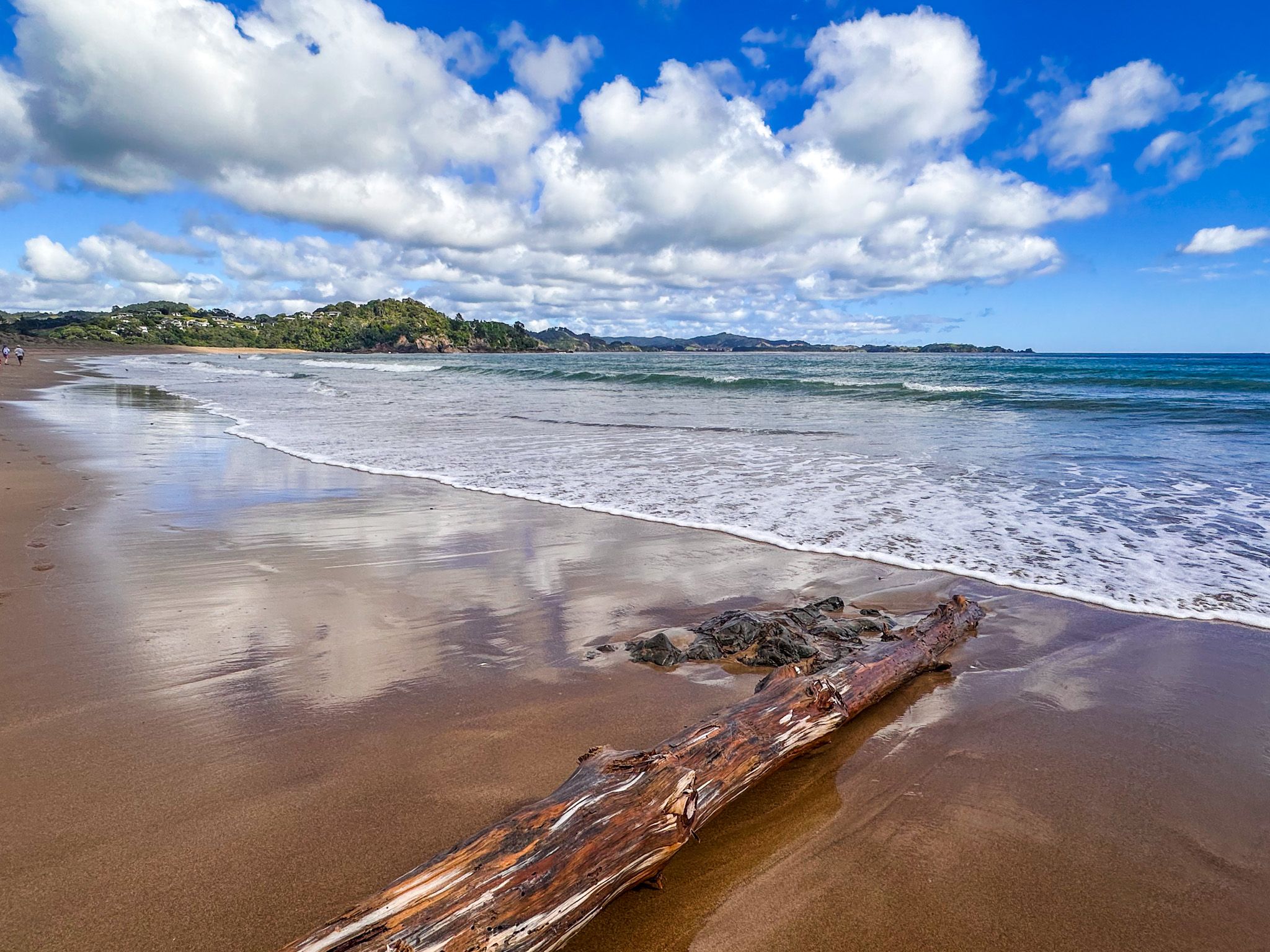
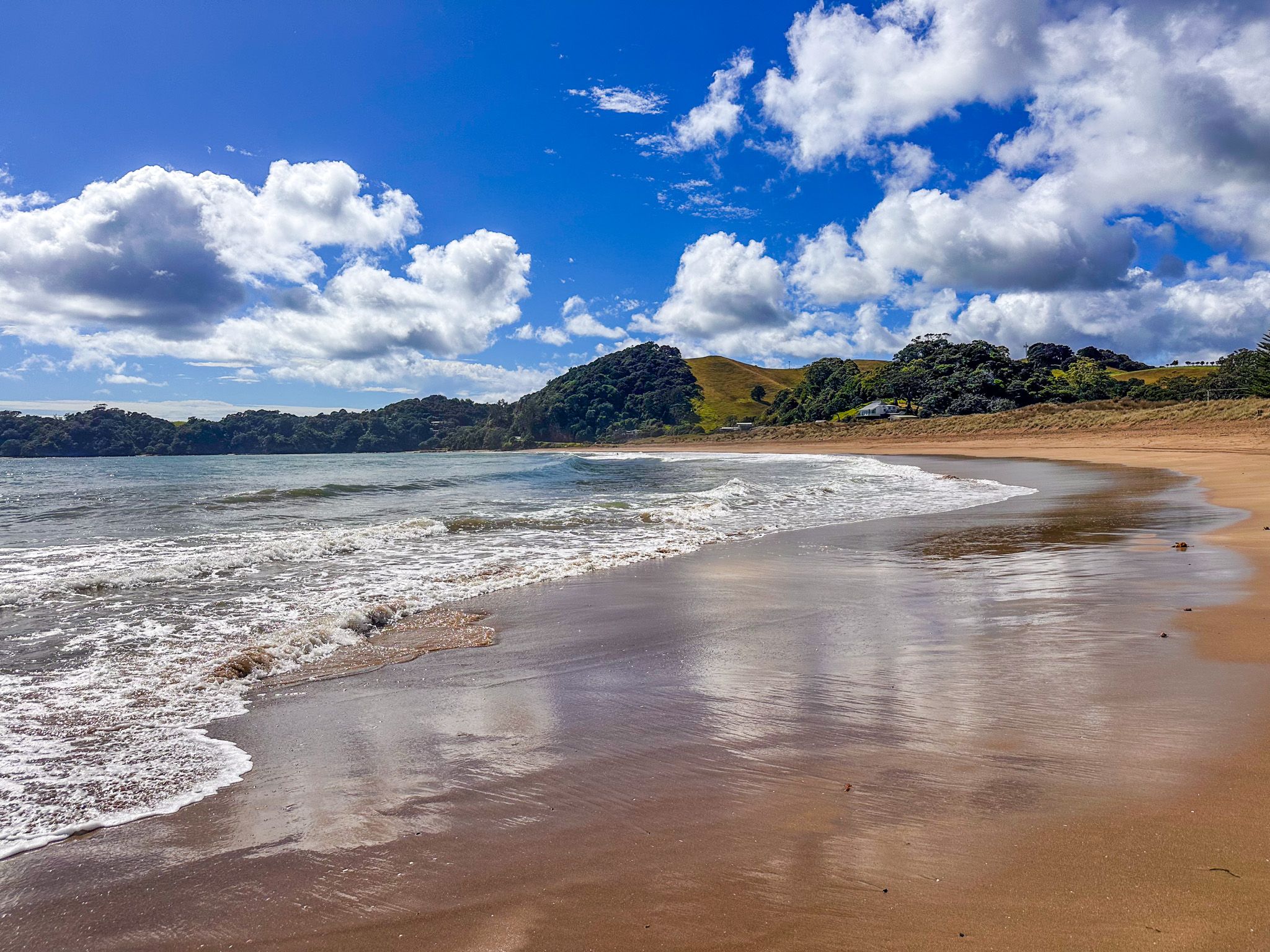
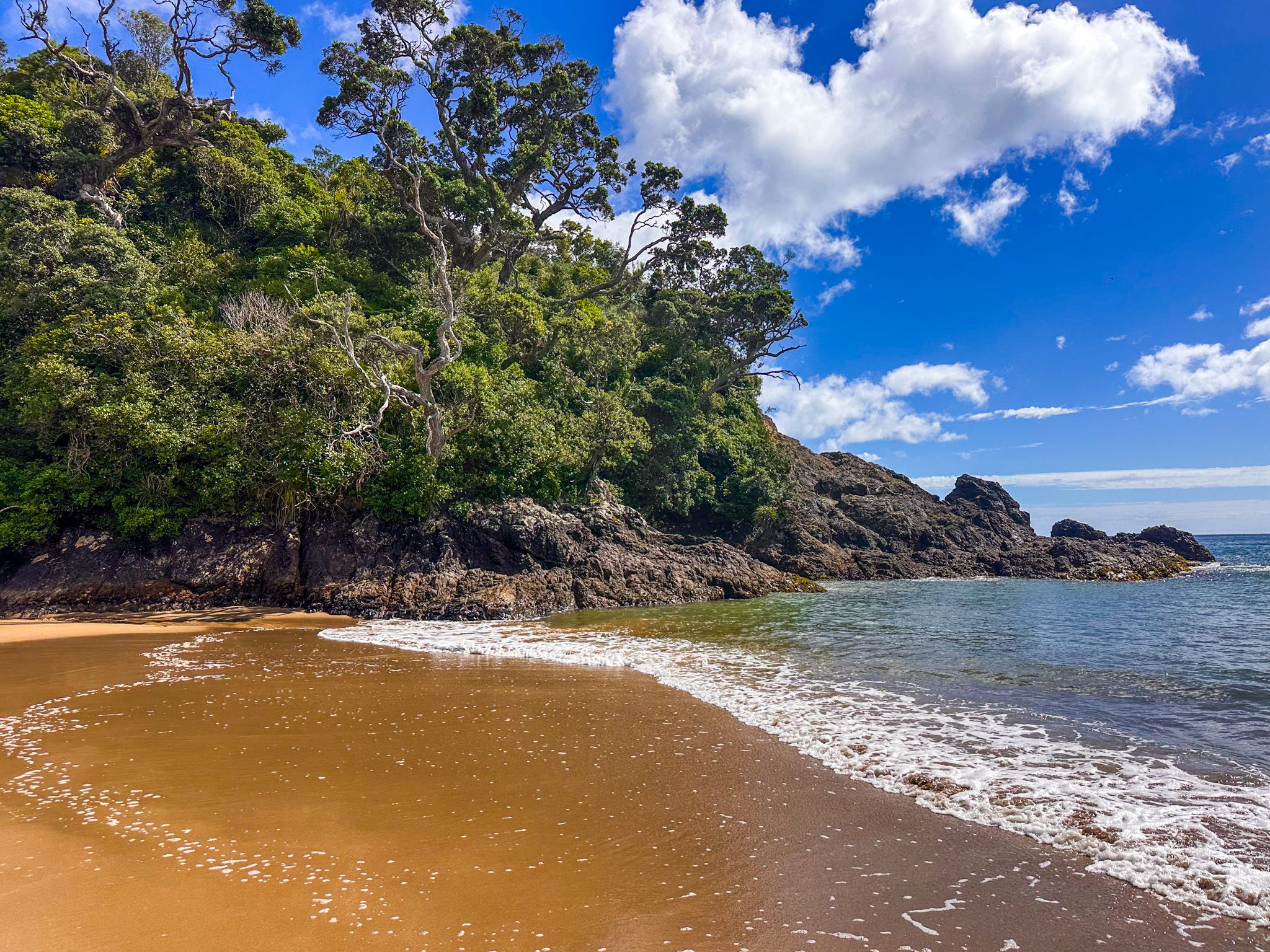
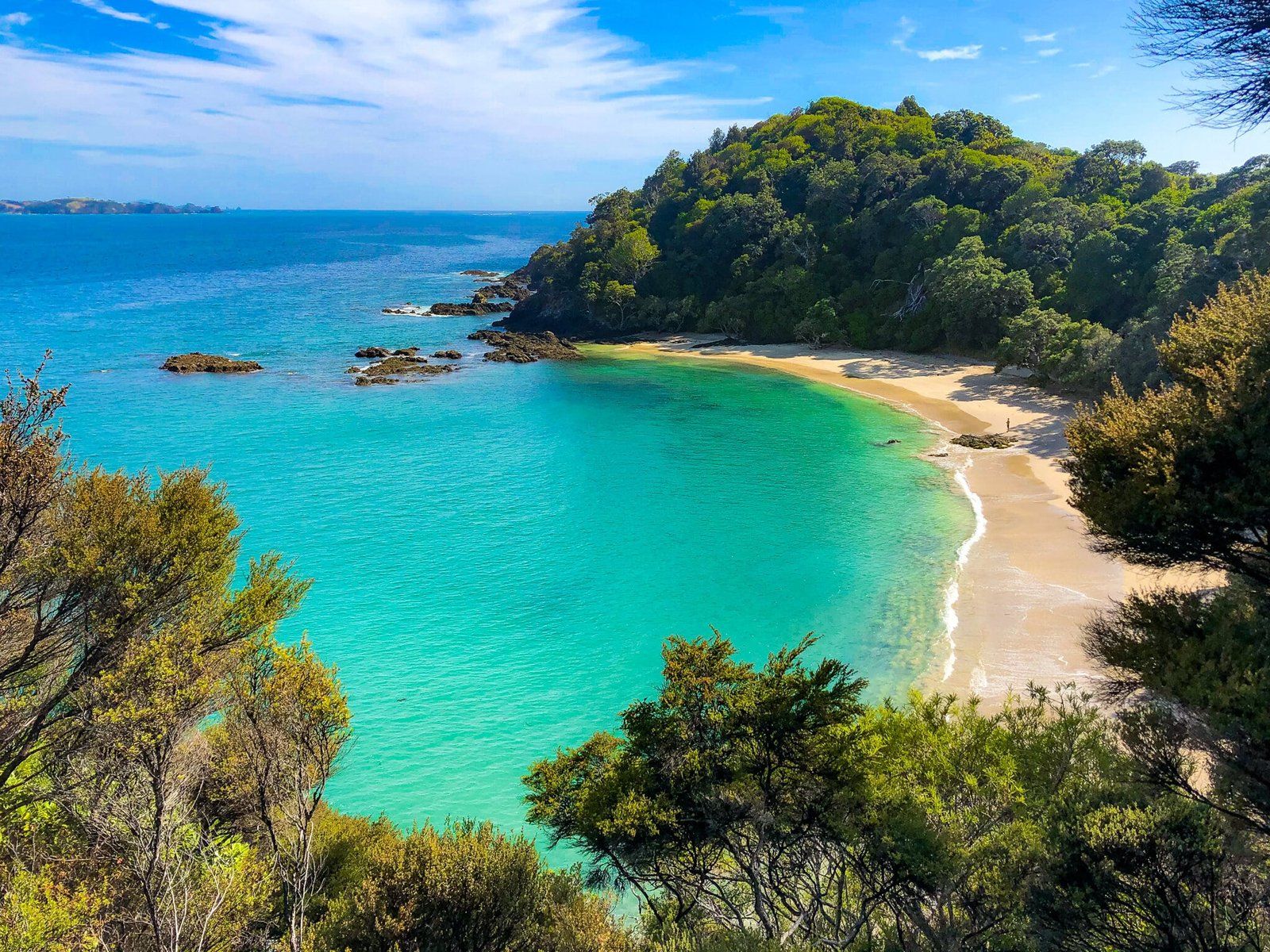
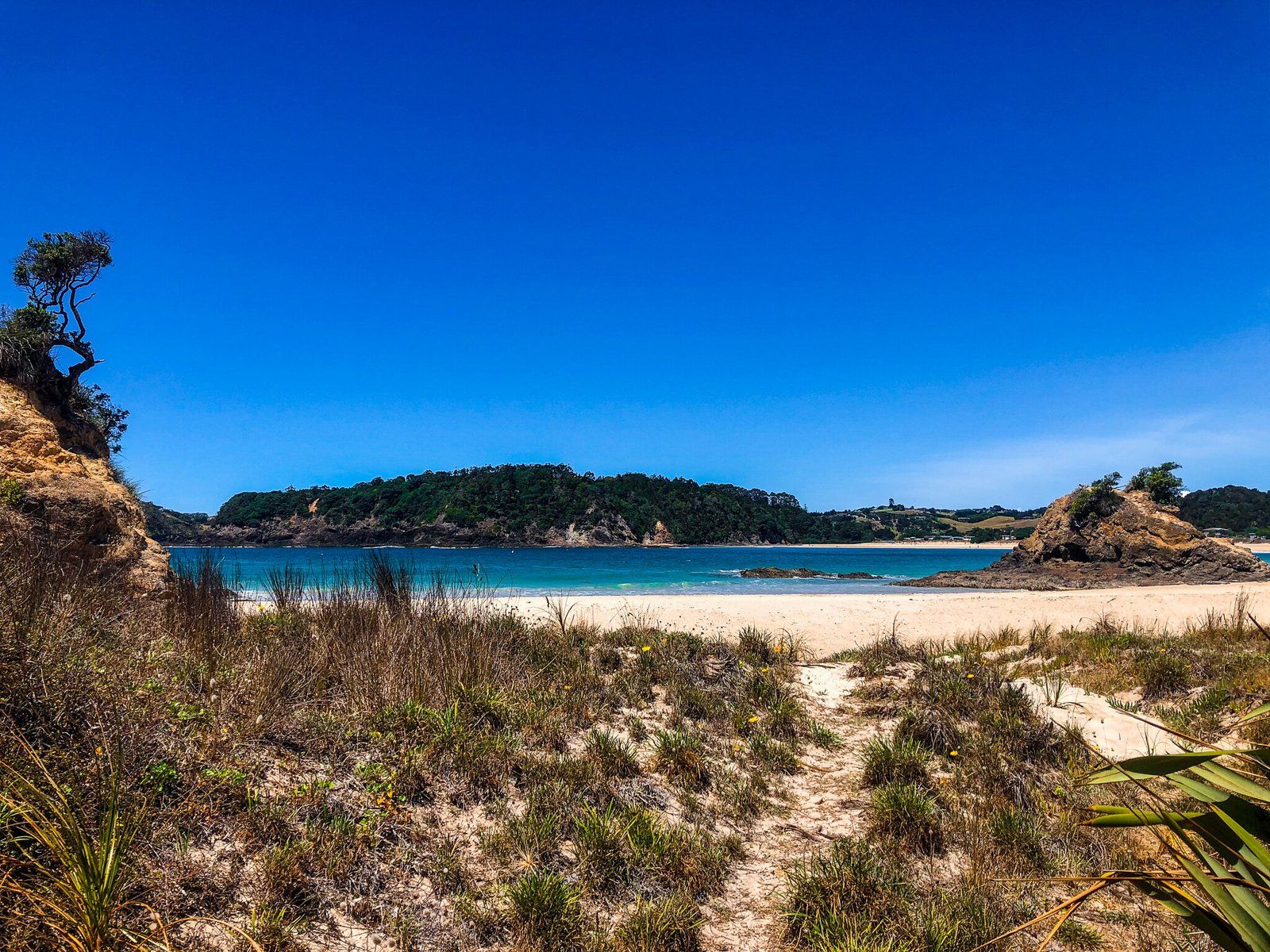
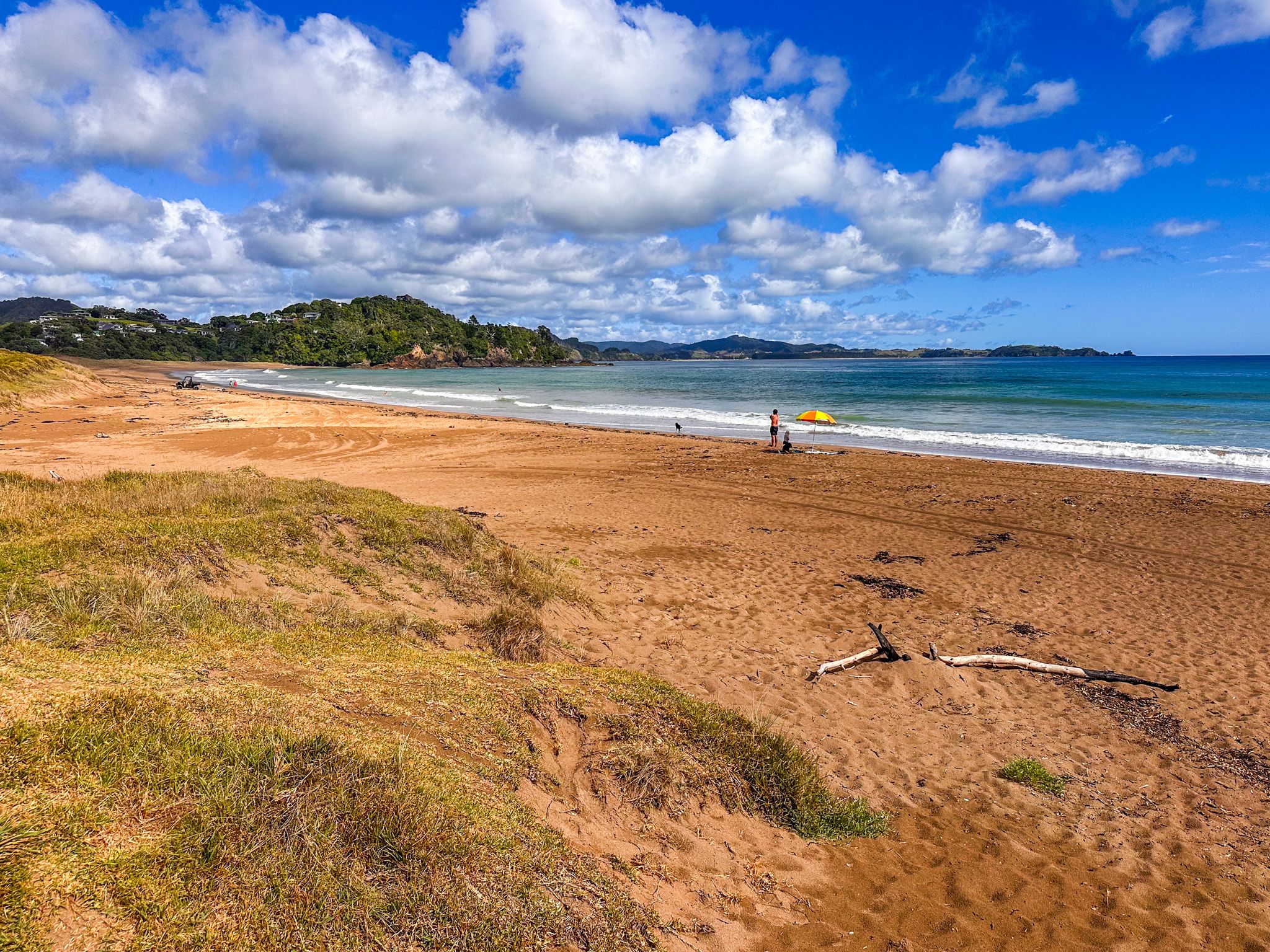
Woolleys Bay is a 1 km arc of golden sand on the Tutukākā Coast, tucked between Whale Bay and Matapouri Bay to the east and Sandy Bay to the west, northeast of Whangārei on the Twin Coast Discovery Highway. Woolleys Bay is the beach immediately east of Kaone Point, which separates it from Sandy Bay; the two bays are confused on some maps.
Woolleys Bay tends to be quieter than Sandy Bay next door, one of Northland’s top surf beaches, with calmer water suited to swimming and a wide open beach that rarely feels crowded.
Exploring the Beach
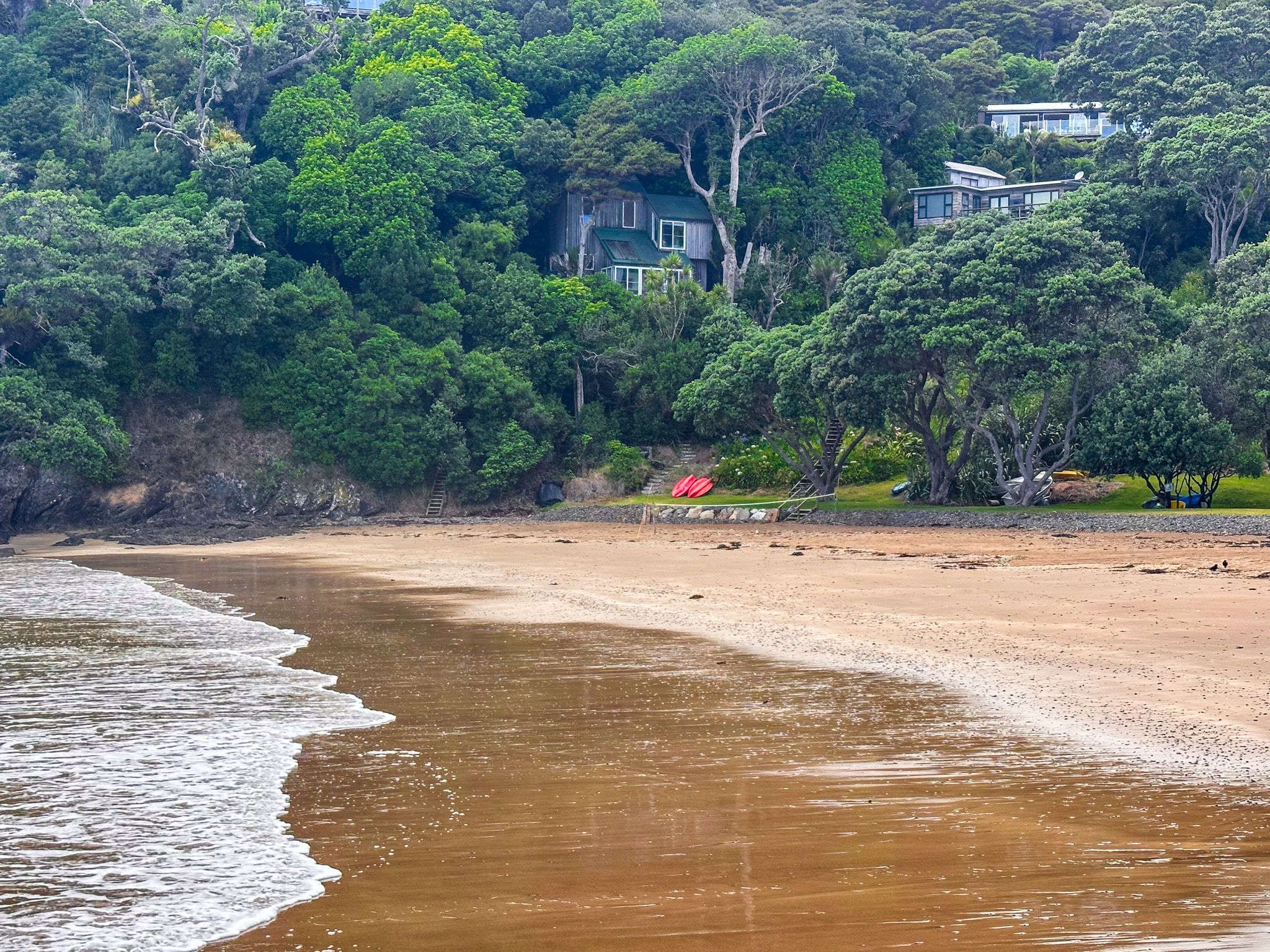
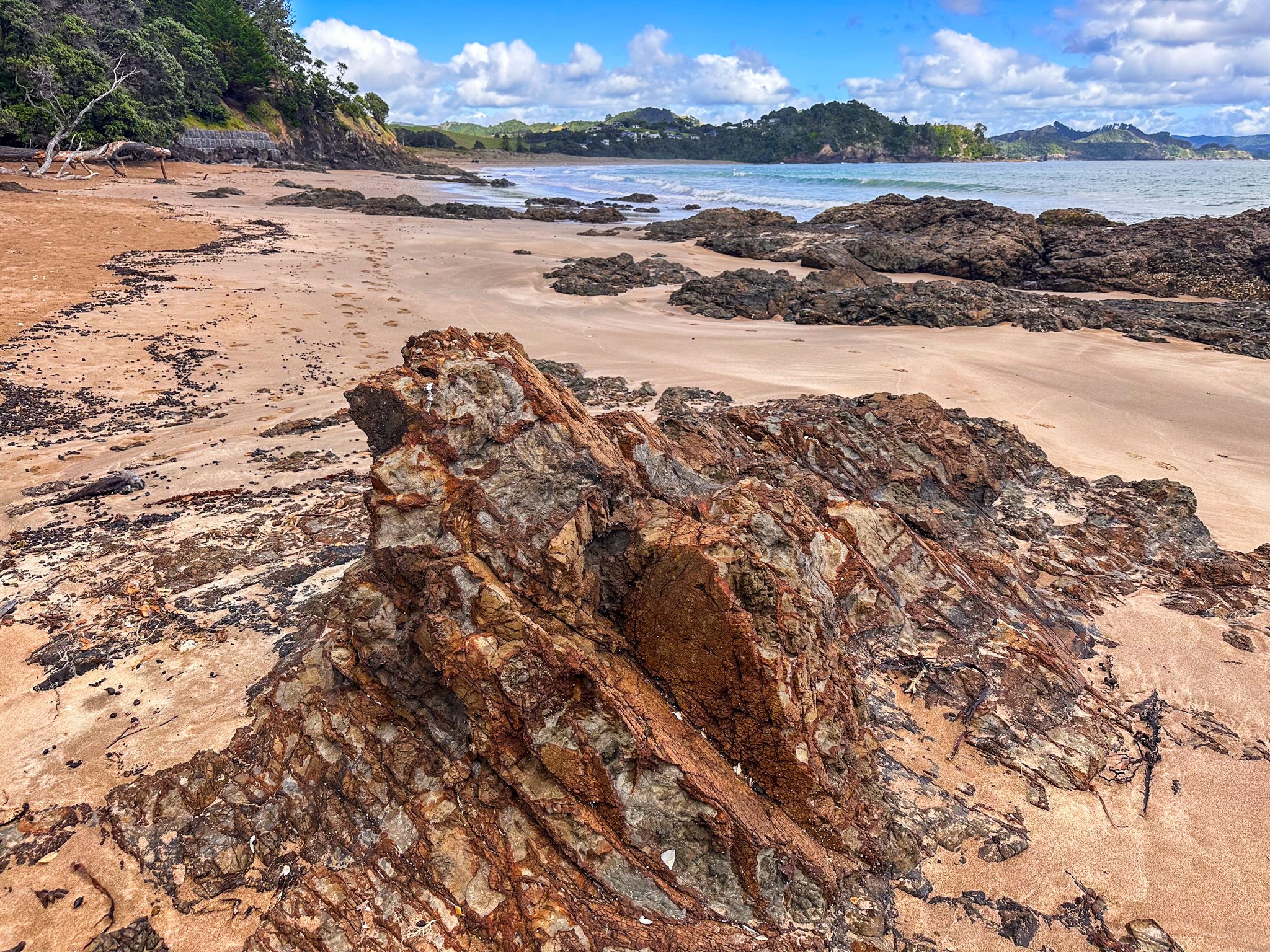
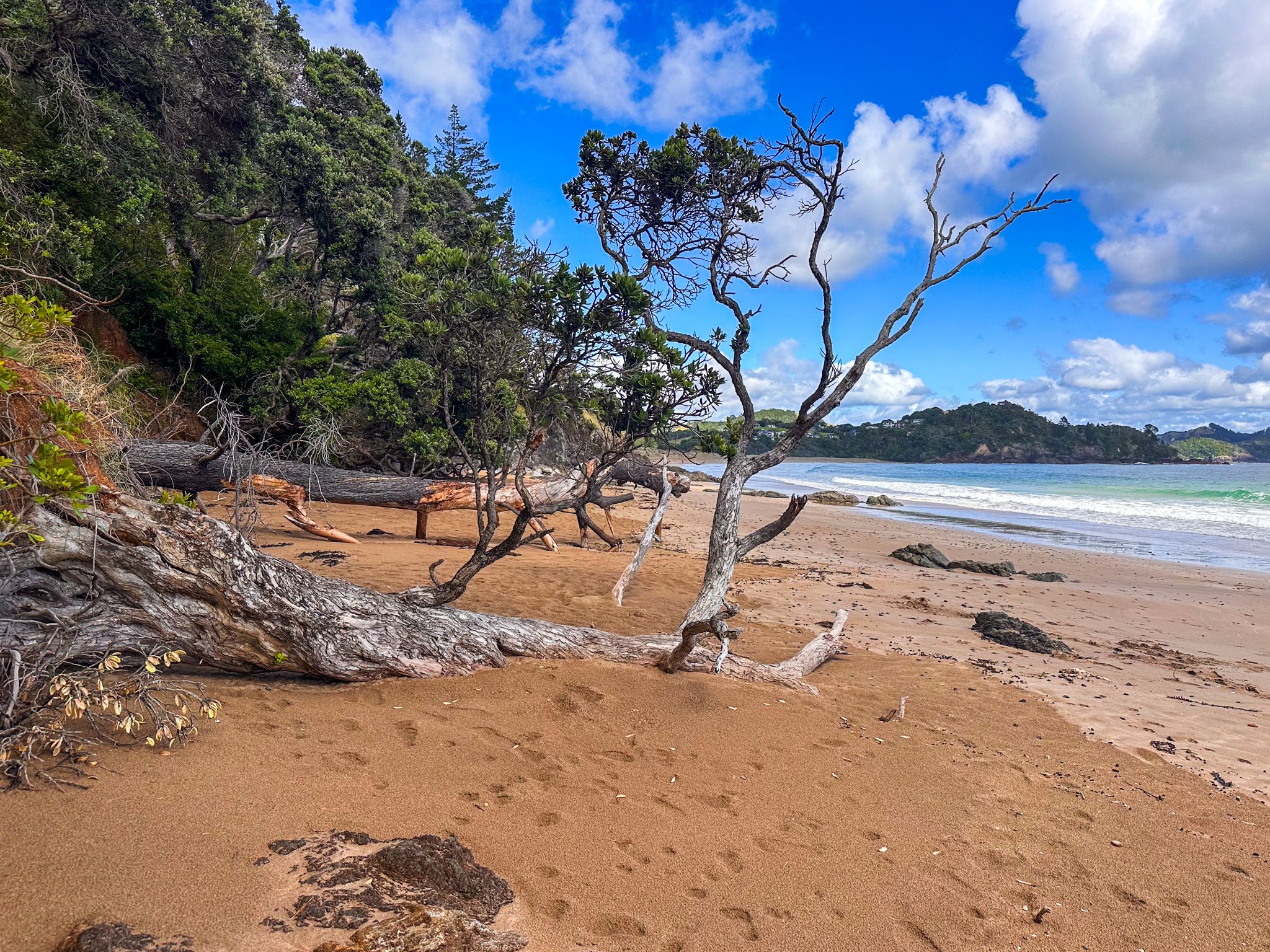
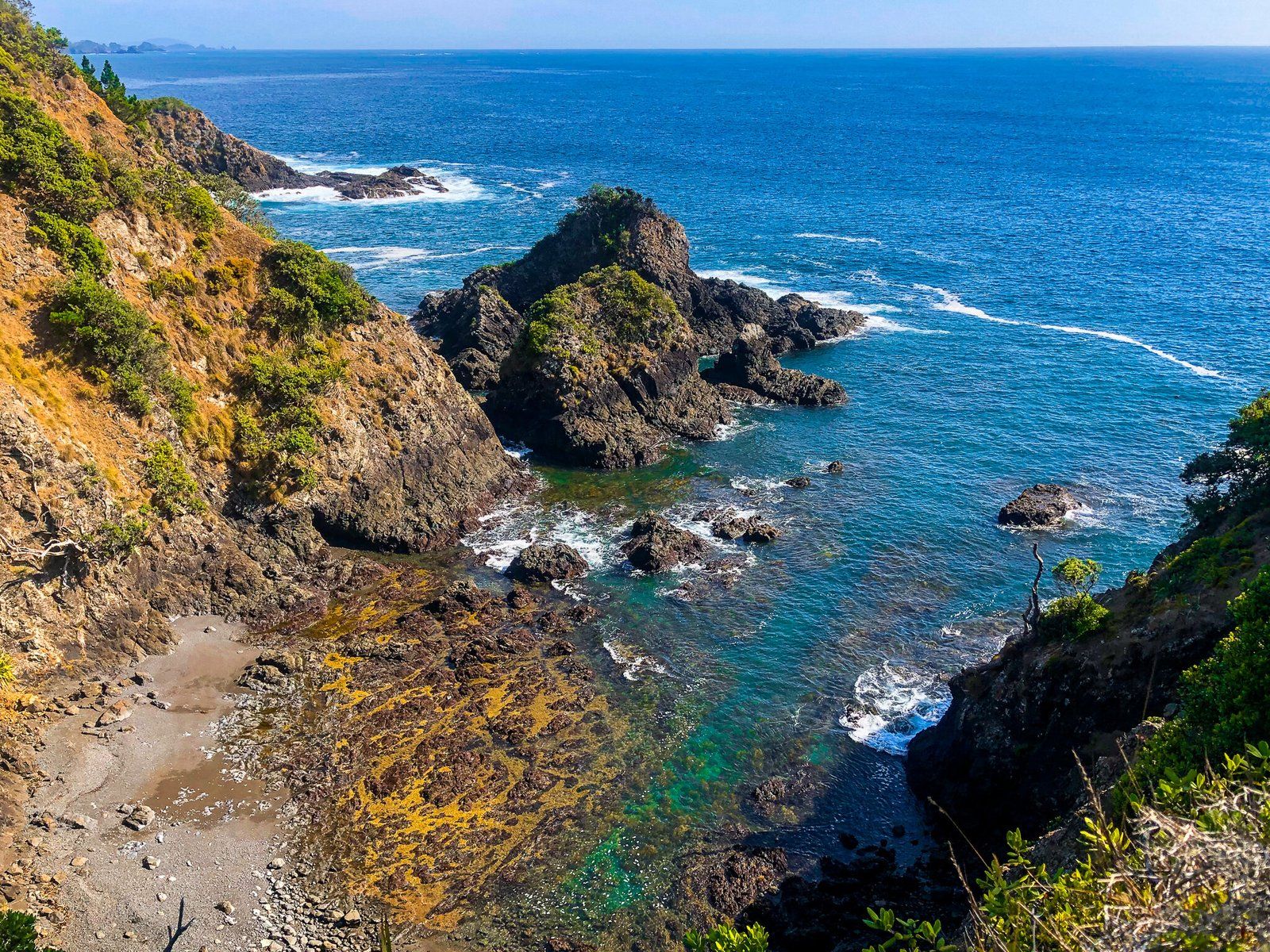
The beach is a shallow crescent backed by grassed dunes, and you can walk the full length from one end to the other with ease. At the eastern end, a small secondary access point has parking for a few cars. From here, as the tide drops, it is possible to cross rocks below the cliff to the east, and reach a smaller, more secluded, forested and sheltered, with just a handful of houses above it. Walking west from the same starting point takes you along the full sweep of the bay.
Woolleys Bay is exposed enough to catch a reasonable swell and can produce surf, but it is generally milder than Sandy Bay, therefore safer for swimming in general. For those wanting consistent waves and a dedicated surf scene, Sandy Bay over Kaone Point is the better option. There are no lifeguards at either beach, and the usual caution applies around rips, heavy surf and tidal flow.
The West End Beach Pool
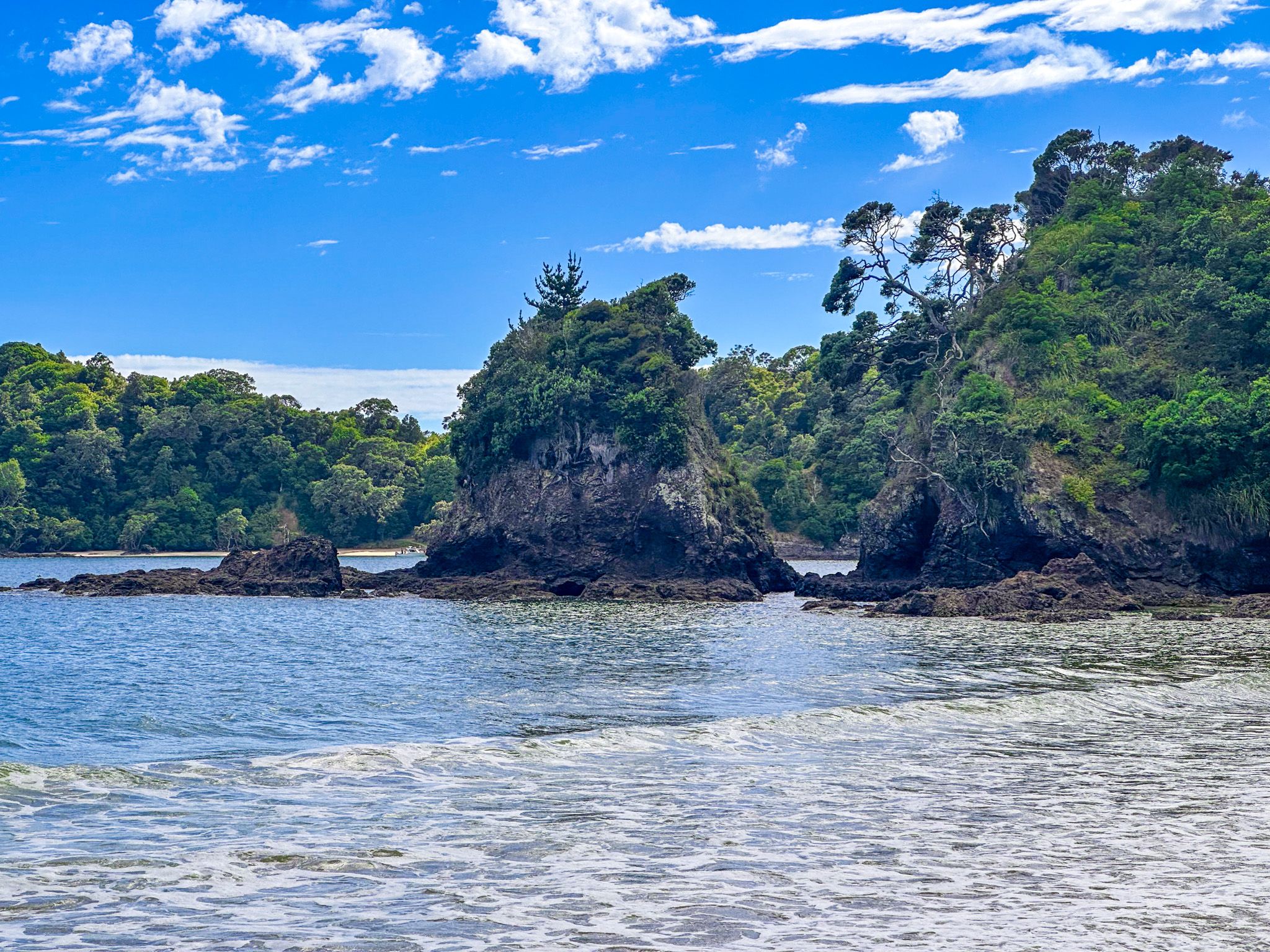
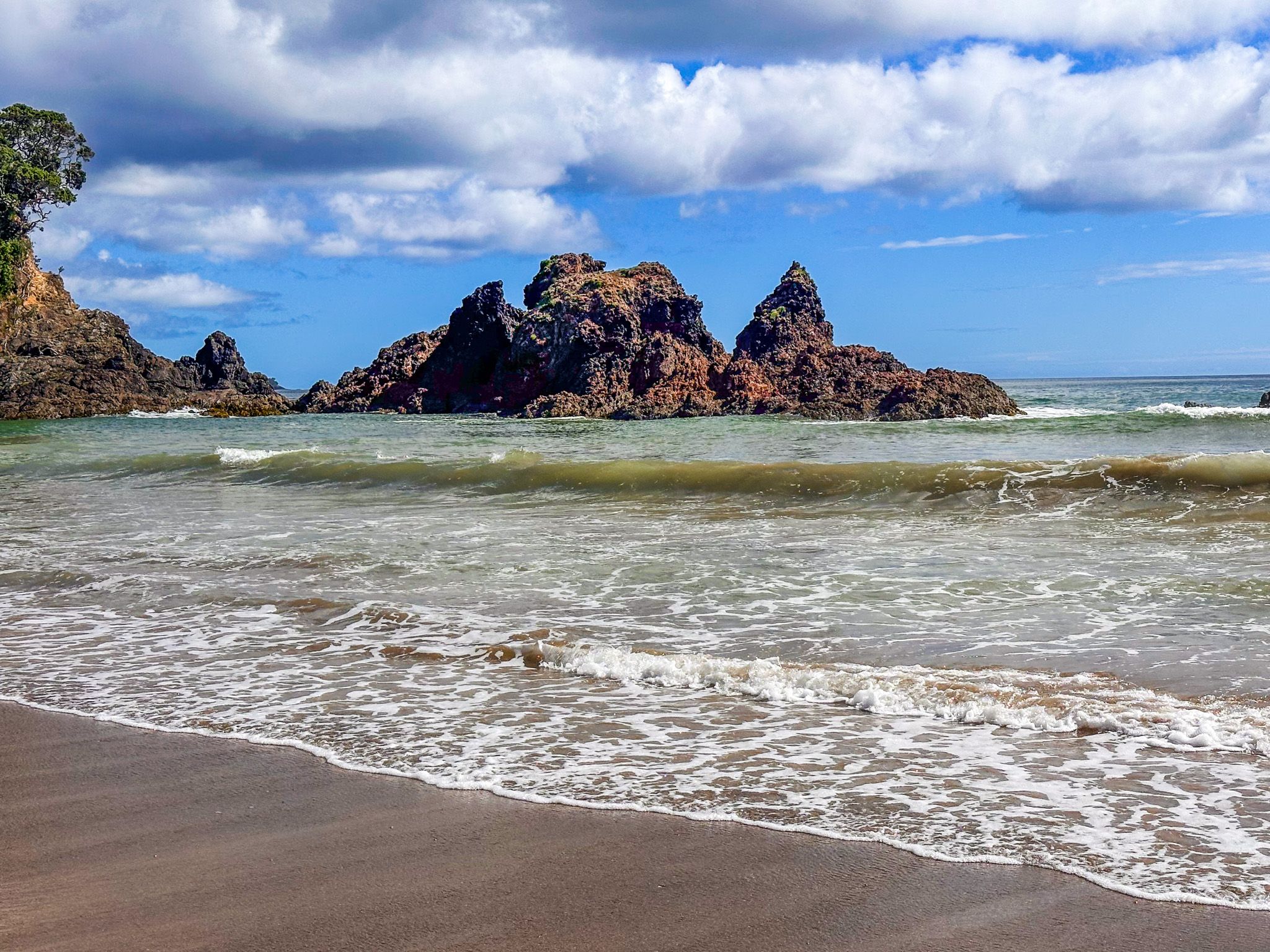
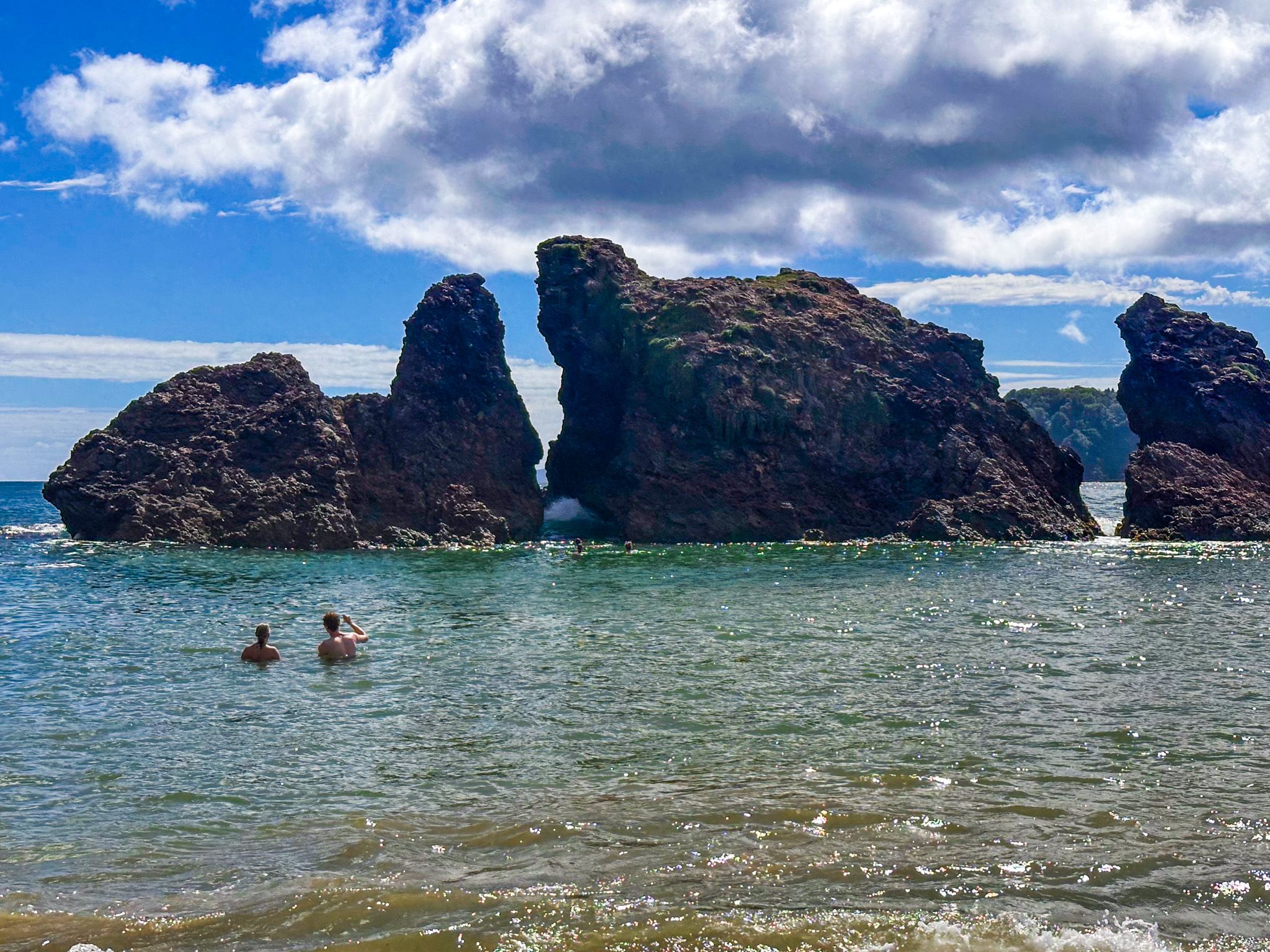
At the western end, a stream runs below low cliffs to the water. Just offshore here, a jagged rocky island creates a very large tidal pool between it and the beach, an unusual and fun feature. The pool is calm and clear when the surf is running outside, making it a great spot for swimmers. When the tide is in far enough, the rocks are easy to climb and jump from.
The Woolley Family
The bay takes its name from William Henry Woolley and his wife Ada Amelia, who settled here in the late 1880s. According to the local history recorded by Florence Keene in her book Tutukaka Coast, the family built a large two-storied home of 16 rooms, which burnt to the ground in 1926. Undeterred, they had a replacement house hauled to the site by a steam traction engine from further along the bay.
The Woolley name also connects to a piece of local lore. The story goes that a group of Māori spotted a large floating object offshore and borrowed Mr Woolley's telescope to investigate. On identifying the remains of a dead whale, men from across the region paddled out in canoes and towed it back to the adjacent Whale Bay. People camped on the beach for three weeks while the carcass was processed. The whale's tail bone was eventually gifted to the Woolley family, who kept it as a firescreen. This event may relate to the naming of Whale Bay, although the official version is that this bay’s name reflects earlier Māori associations with whales.
Facilities and Freedom Camping
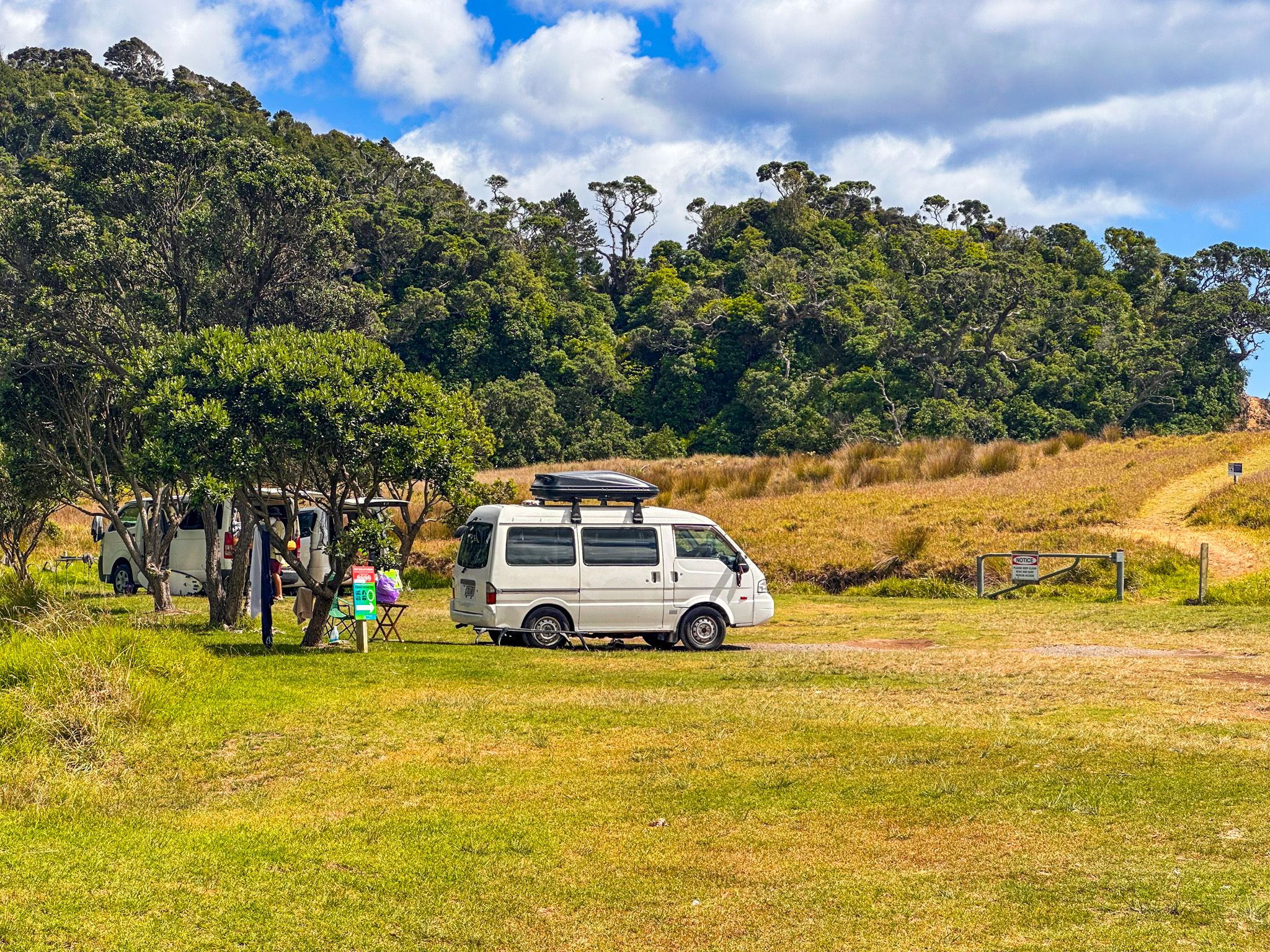
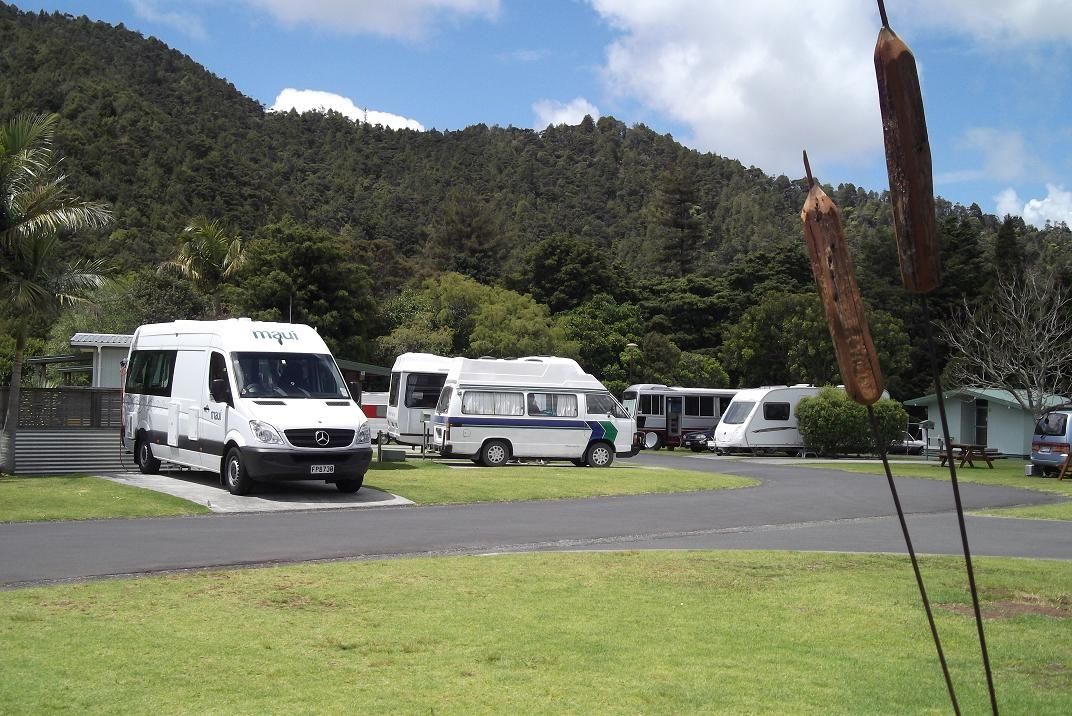
The main reserve at the western end of the beach has a large car park and public toilets and is designated for freedom camping. Note that freedom camping is prohibited from 18 December to 8 February. There are no shops or cafés at the beach itself. Matapouri, a 5-minute drive east, has a shop and takeaways. For a wider choice of cafés and restaurants, Tutukākā is around 15 minutes away.
How to Get There
From Whangārei, head northeast on Ngunguru Road through Ngunguru and Tutukākā, then continue on Matapouri Road. Total driving time from Whangārei is around 40 minutes (36 km).
Other nearby places to visit include the Otito Track loop walk connecting Whale Bay and Matapouri Bay, the Tutukākā Track, Church Bay, Kowharewa Bay, Whangaumu Bay and Whangaumu Bay Track.