Discover the Historic Battle of Ōhaeawai
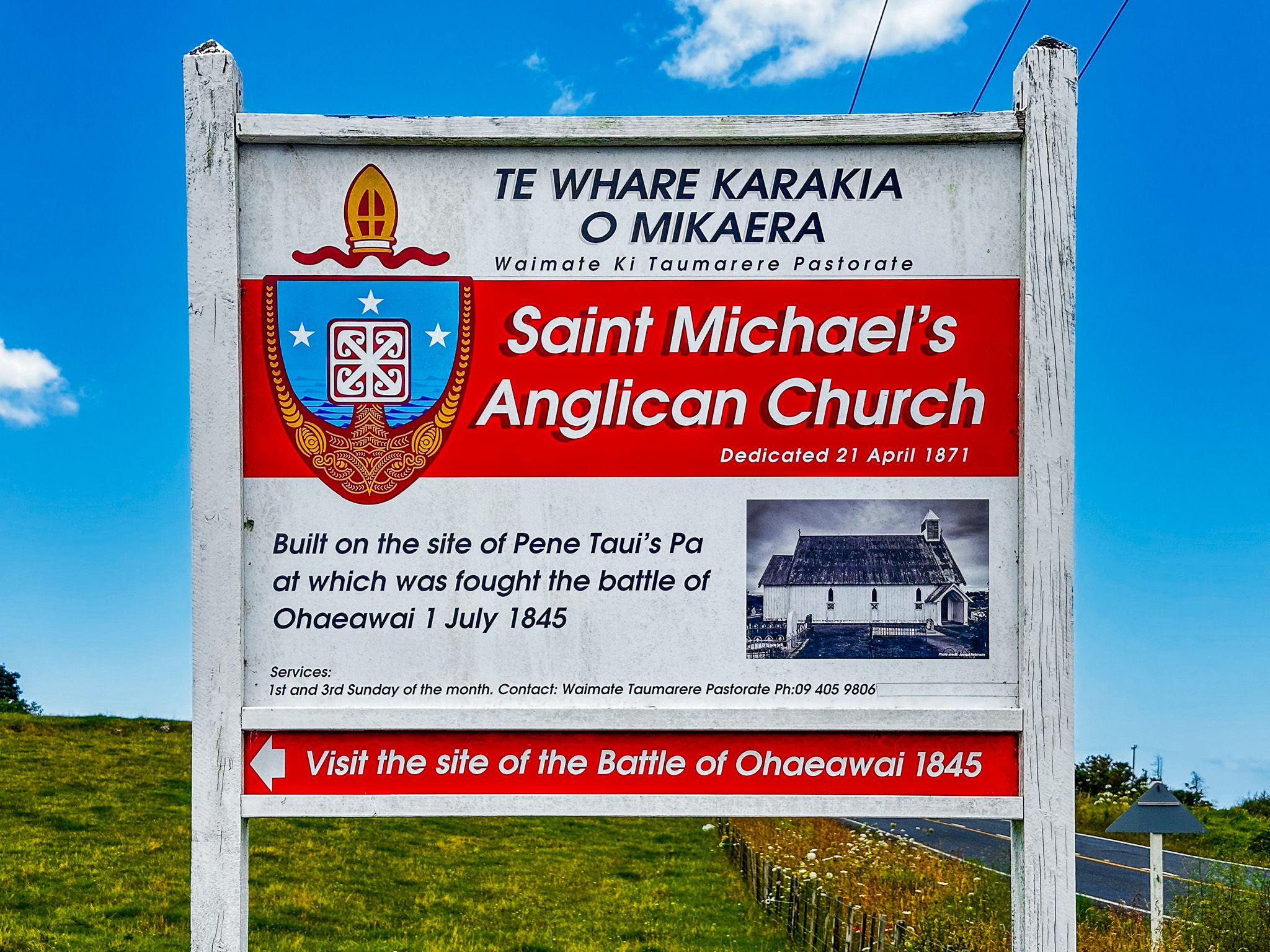
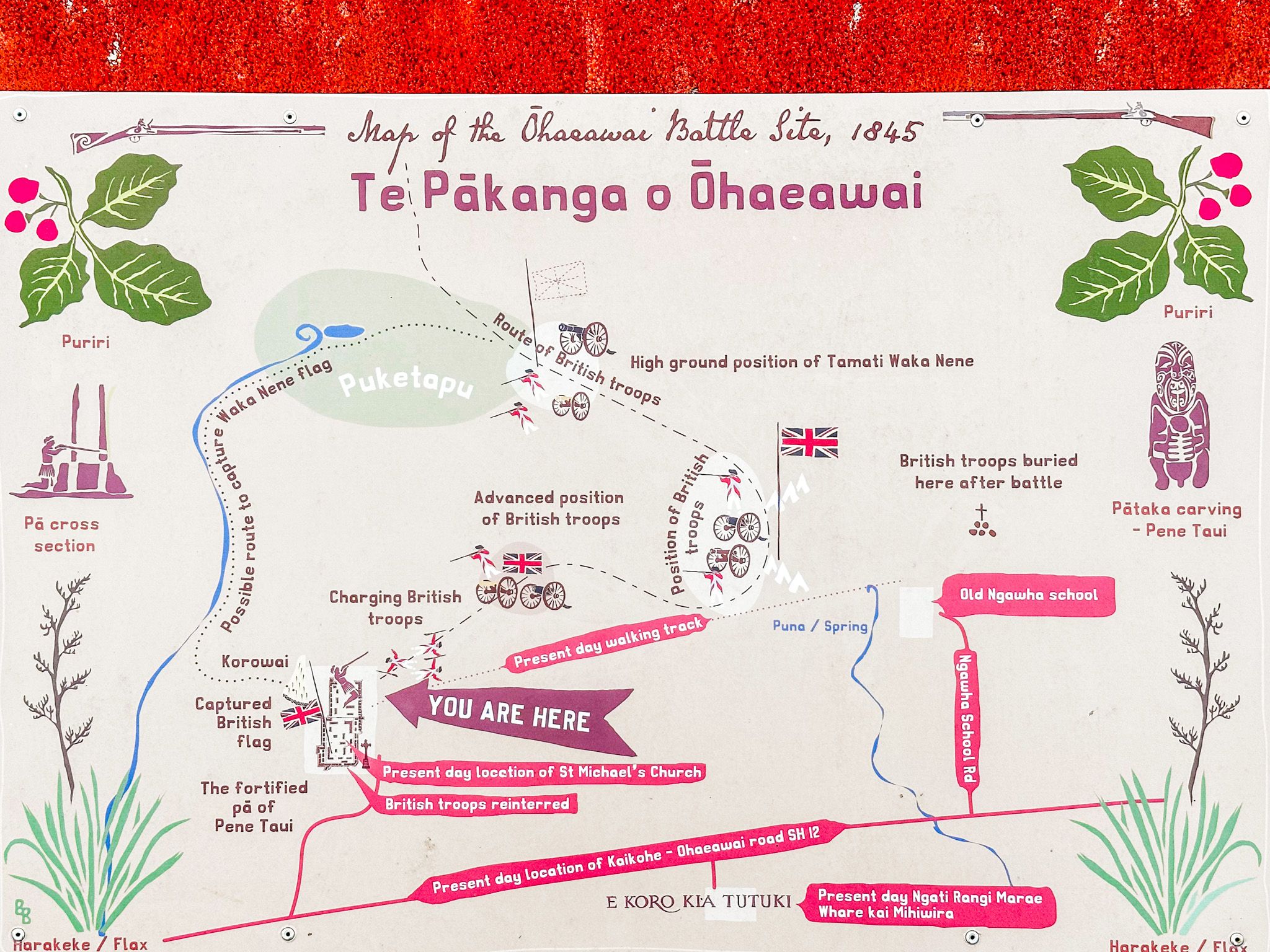
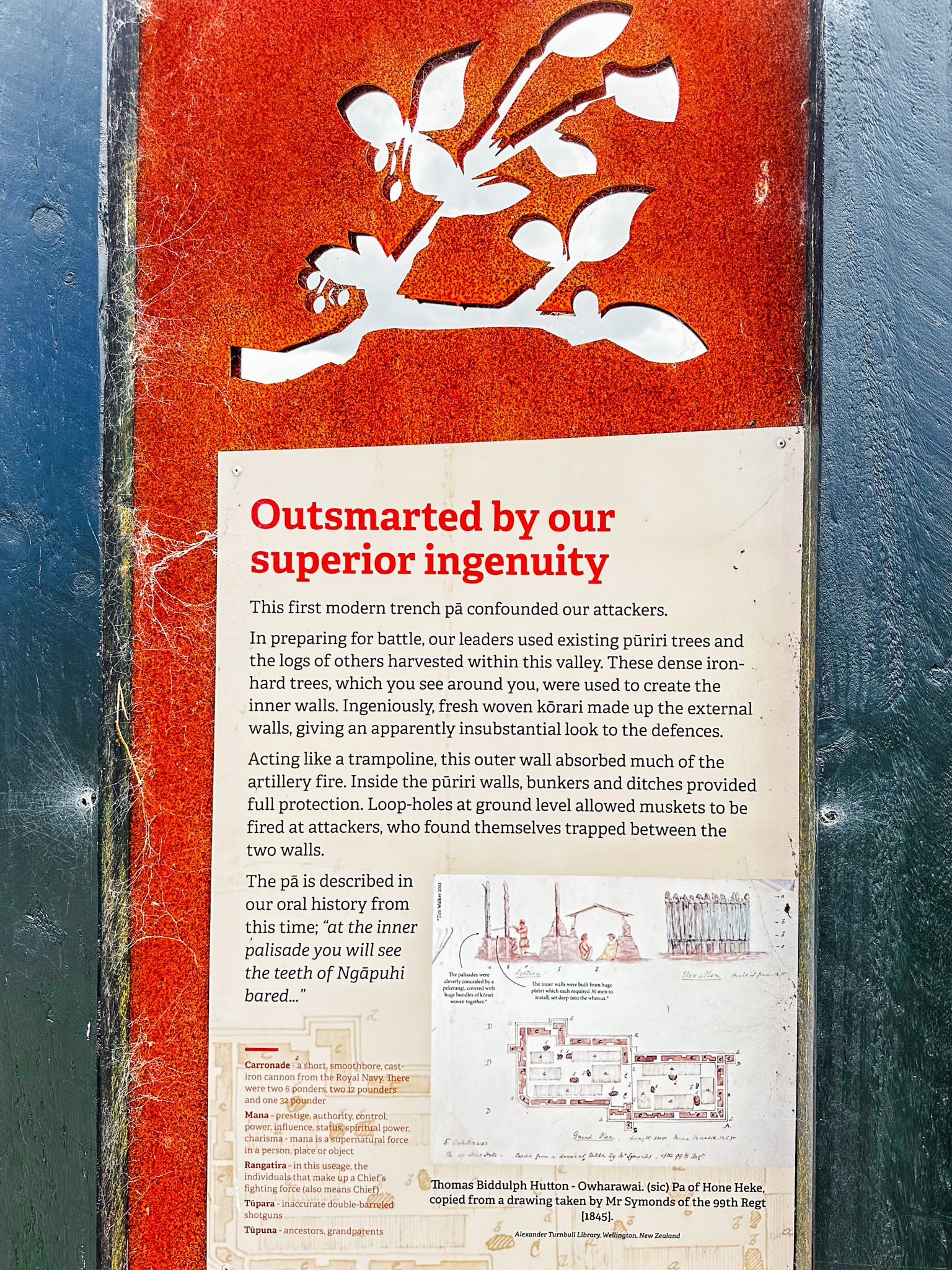
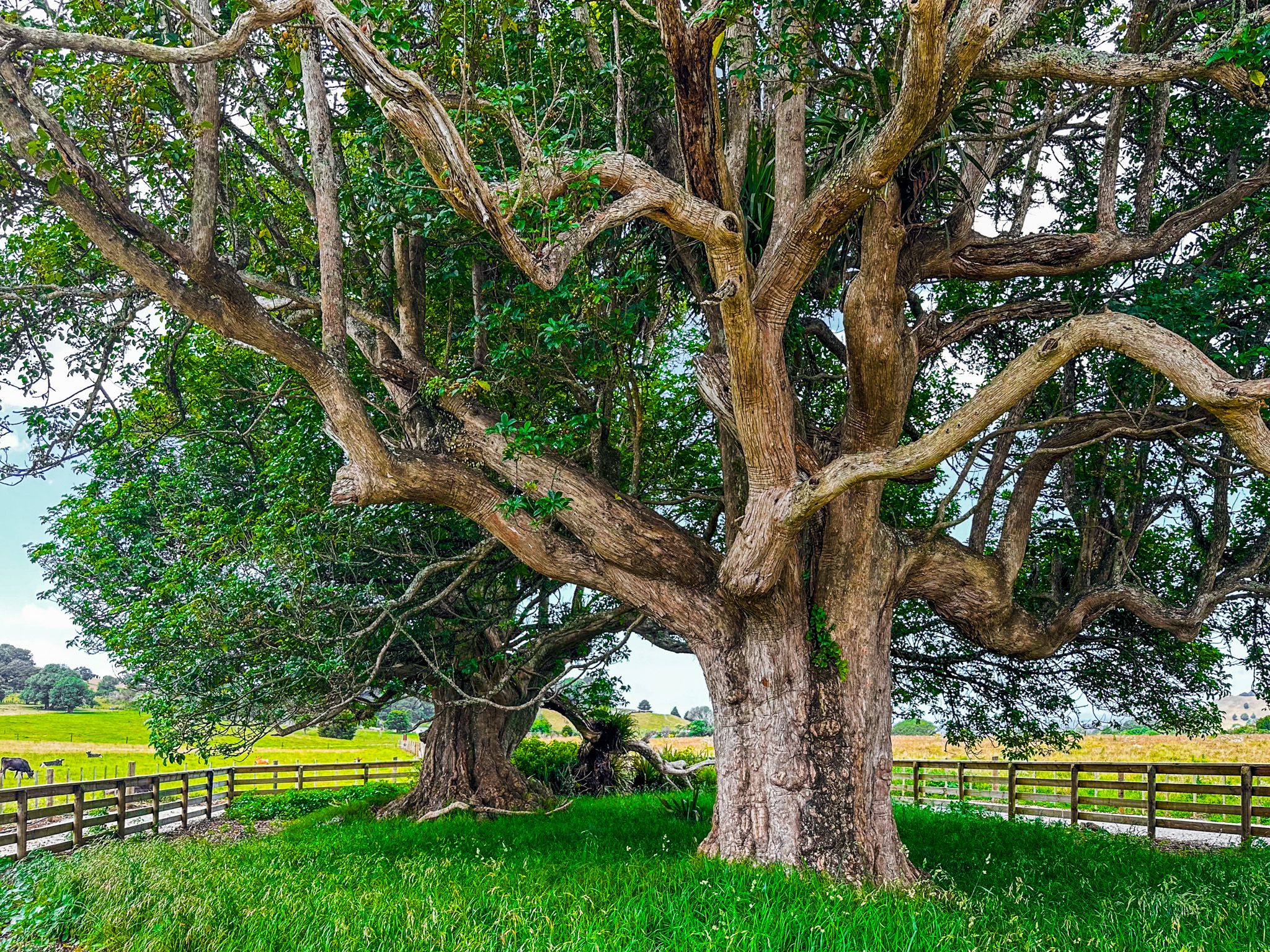
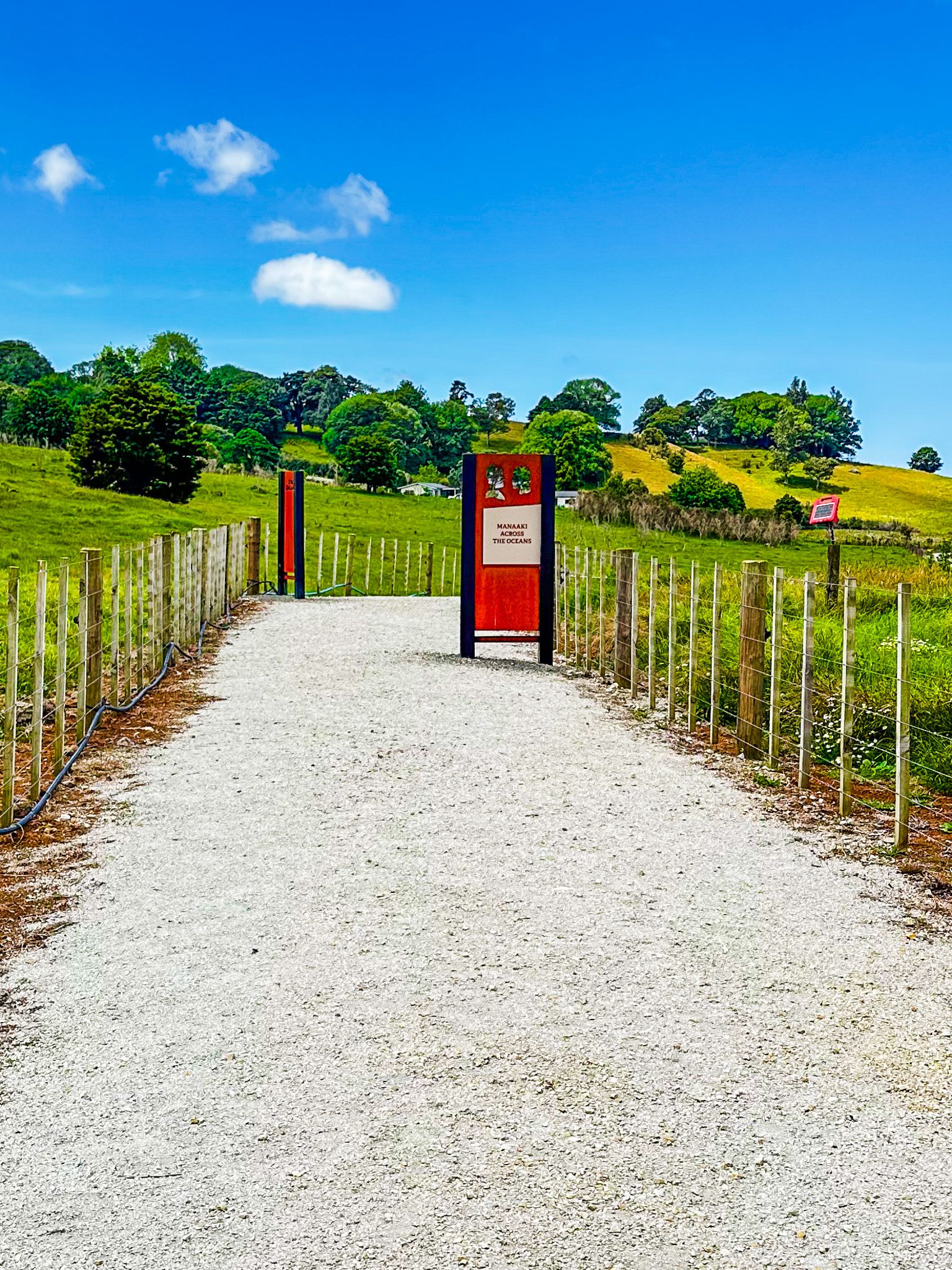
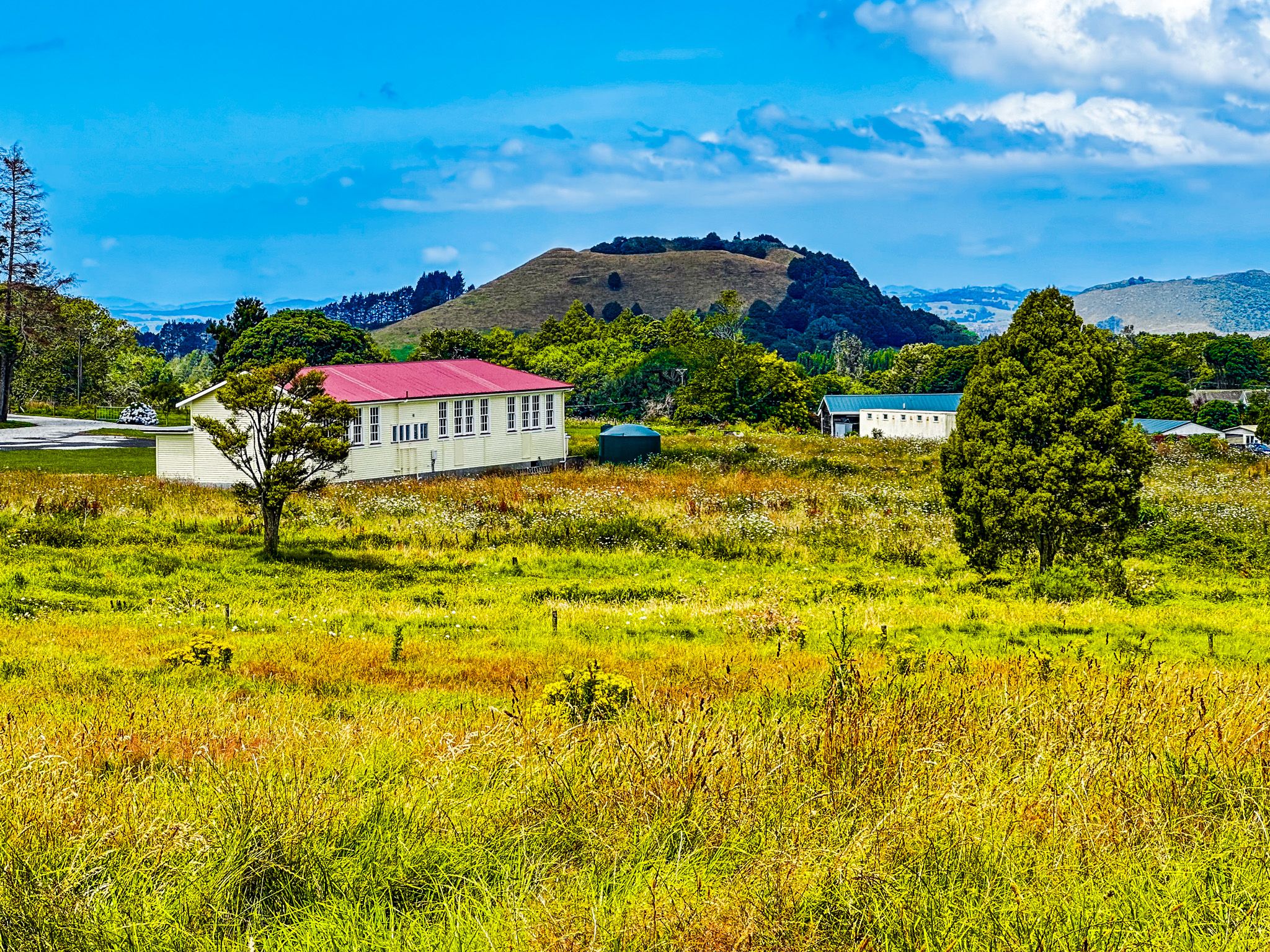
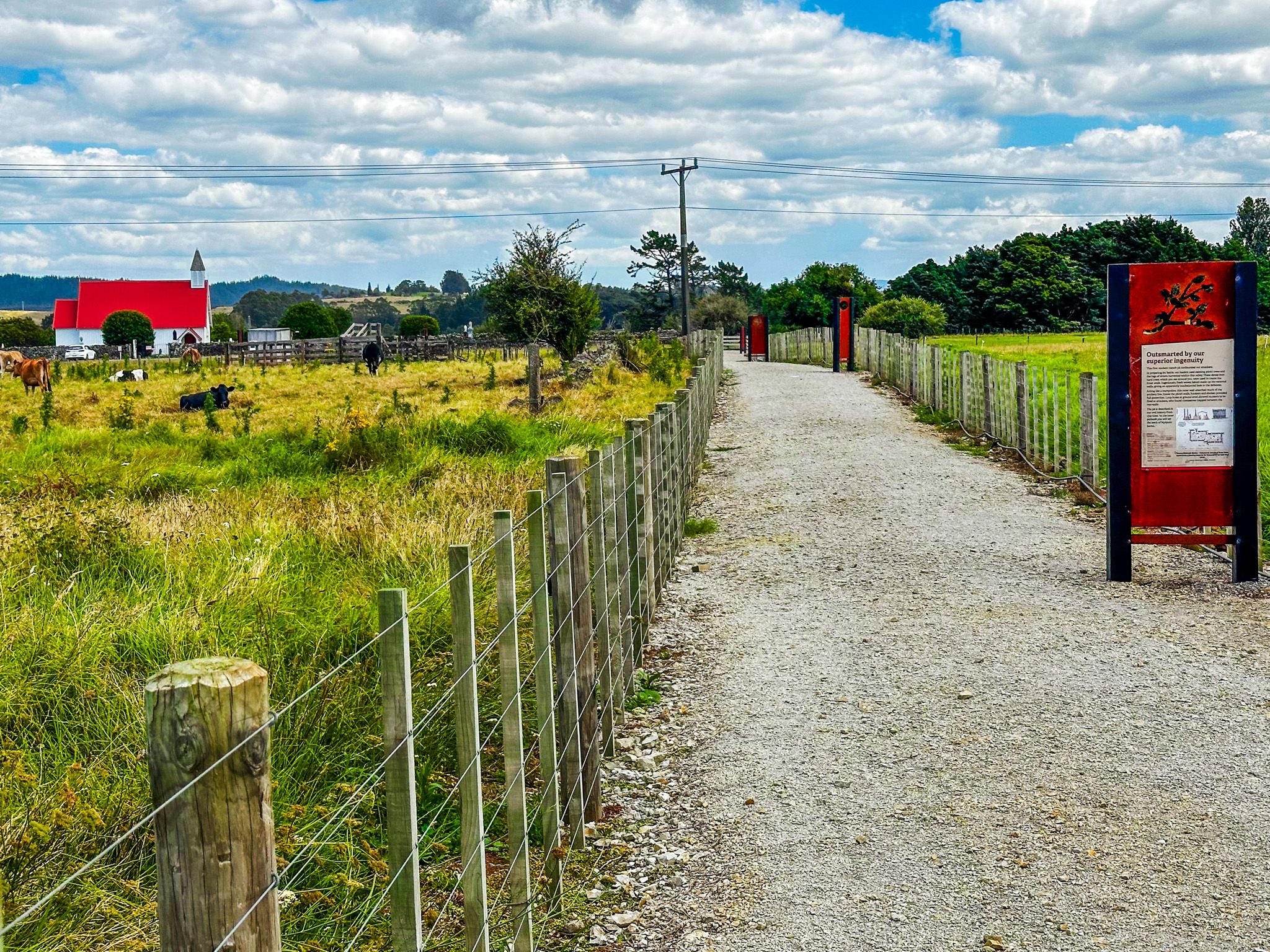
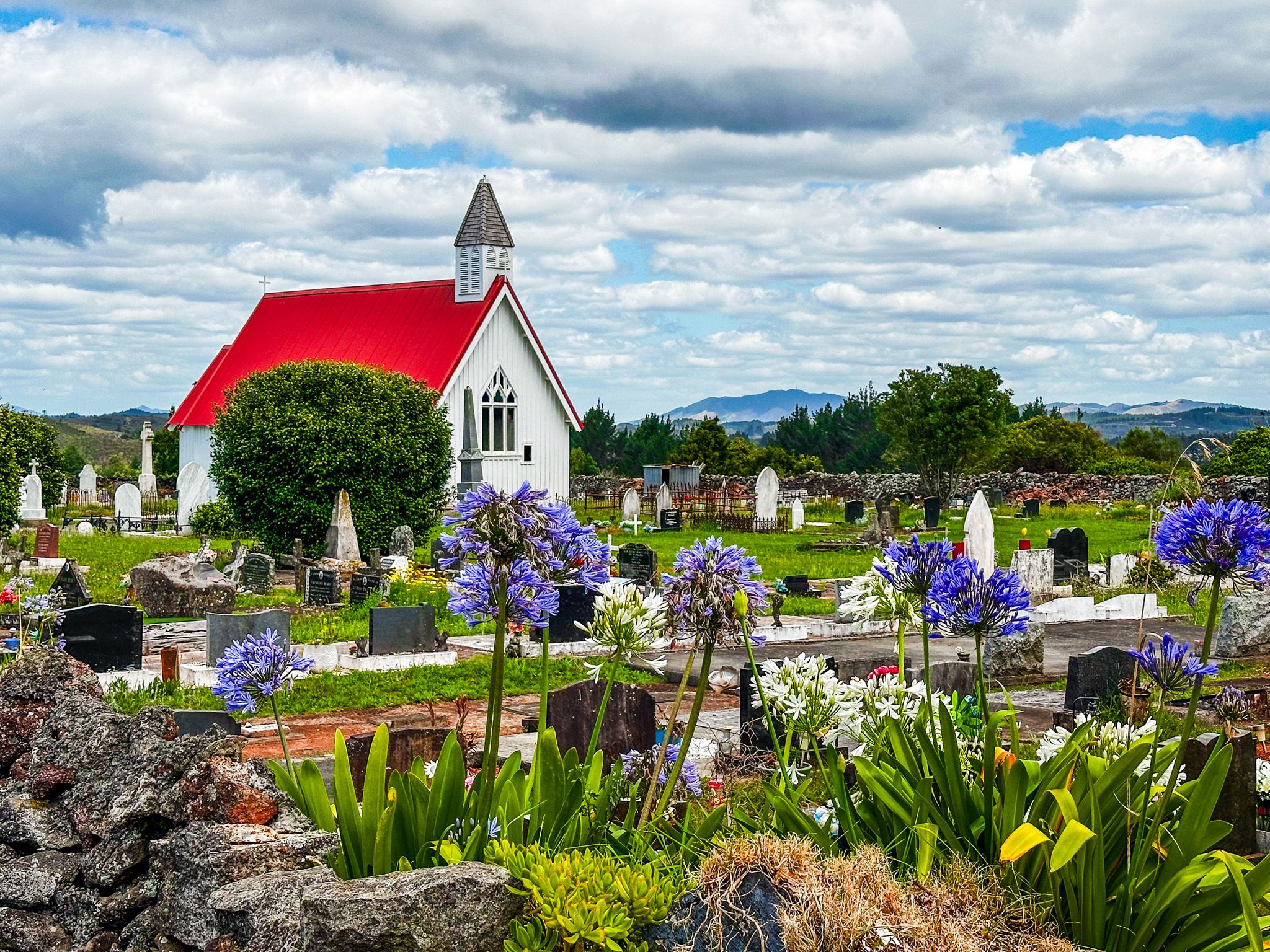
Located between the Bay of Islands and the Hokianga Harbour, the site of the historic Battle of Ōhaeawai is a glimpse into New Zealand's past. Accessed via a gated road off State Highway 12, between Ngawha and the turnoff to Ngawha Springs, the site is marked by a signpost for Te Whare Karakia O Mikaera / Saint Michael’s Anglican Church. This church stands on the pā site central to the battle. Here, you can explore a path lined with information boards detailing the battle's historical context and events. The path leads to two ancient puriri trees, significant for their role in the pā’s resistance to cannon fire.
The Flagstaff War and the Battle of Ōhaeawai
The Battle of Ōhaeawai was the fourth of five major battles in the Flagstaff War, also known as the Northern War, which took place from March 1845 to January 1846. This conflict involved Māori rebels and the New Zealand government, with support from Māori loyalists. Both factions were part of Ngāpuhi iwi. The war stemmed from breaches of the Treaty of Waitangi and other grievances, prompting some Ngāpuhi, led by Hōne Heke and Te Ruki Kawiti, to rebel. Tāmati Wāka Nene led the loyalists.
The war began with an attack on Kororāreka (Russell) and moved west as rebel forces retreated to their stronghold near Lake Ōmāpere. Although the rebels were outgunned, they had become skilled at constructing fortified pā to withstand gun and cannon fire during the Musket Wars. By the time of the Battle of Ōhaeawai, the rebels would strategically choose locations to build fortifications, tempting their enemies to attack. Kawiti and Ngātirangi chief Pene Taui selected Taui's pā at Ōhaeawai for this purpose. Hōne Heke, wounded in the Battle of Te Ahuahu, did not participate.
The Siege and Assault
During Winter, the Government army, led by Lieutenant Colonel Despard, marched from Kerikeri to Te Waimate under difficult conditions. Wāka Nene joined with 250 Māori loyalists, unaware that Despard had referred to them as savages. The combined forces reached Ōhaeawai pā on 23 June, occupying high ground overlooking the pā. Despite three days of cannon bombardment, the pā remained unaffected. Despard, eager for a frontal assault, was persuaded by Wāka Nene to wait for a larger cannon. However, the defenders launched a surprise attack, capturing a Union Jack and hoisting it upside down on a pole beneath their Kākahu (Māori cloak).
Enraged by this insult, Despard ordered a frontal assault, resulting in 33 of his men dead and 66 injured within minutes. The siege continued until the night of 7 July when the pā was secretly abandoned. British officers, impressed by the pā's advanced construction, sent a model to England.
Hōne Heke recovered from his injuries, and an even more formidable pā was constructed at Ruapekapeka for the war's final battle. These pā designs later influenced the "gunfighter pā" used in the New Zealand Land Wars in Waikato and Taranaki.
Legacy and Memorial
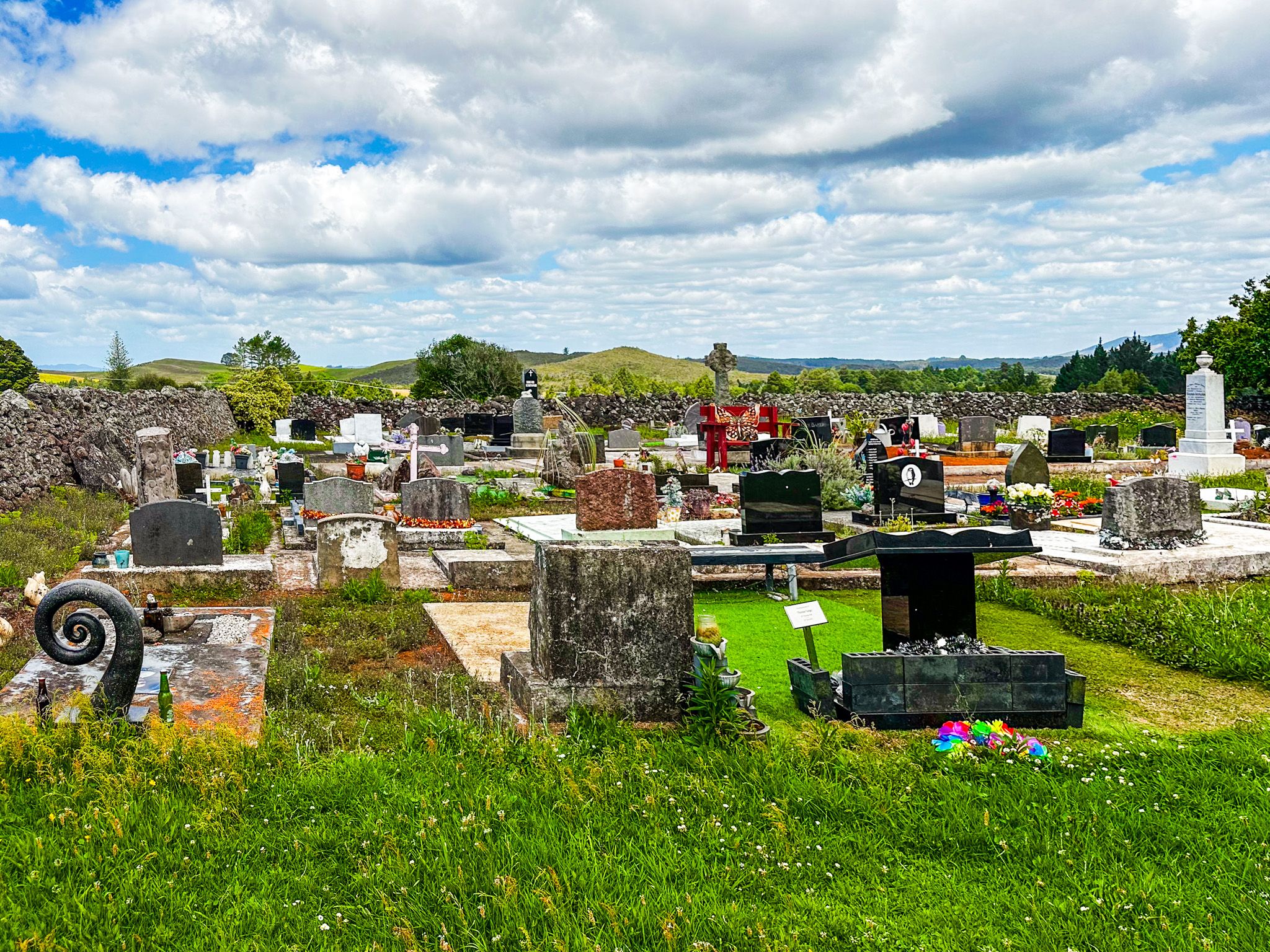
The original pā was demolished, and the church was built on the site years later. A memorial in Māori honours the Government soldiers who died, translating to: “This is a sacred memorial to the soldiers and sailors of the Queen who fell in battle here at Ōhaeawai in the year of Our Lord 1845. This burying place was laid out by the Māori after the making of peace.”
How to Get There
To visit the Battle of Ōhaeawai site, take State Highway 12 between Ngawha and the turnoff to Ngawha Springs. Look for the signpost for Te Whare Karakia O Mikaera / Saint Michael’s Anglican Church. Enter through the gate and drive to the church, which stands on the historic pā site.
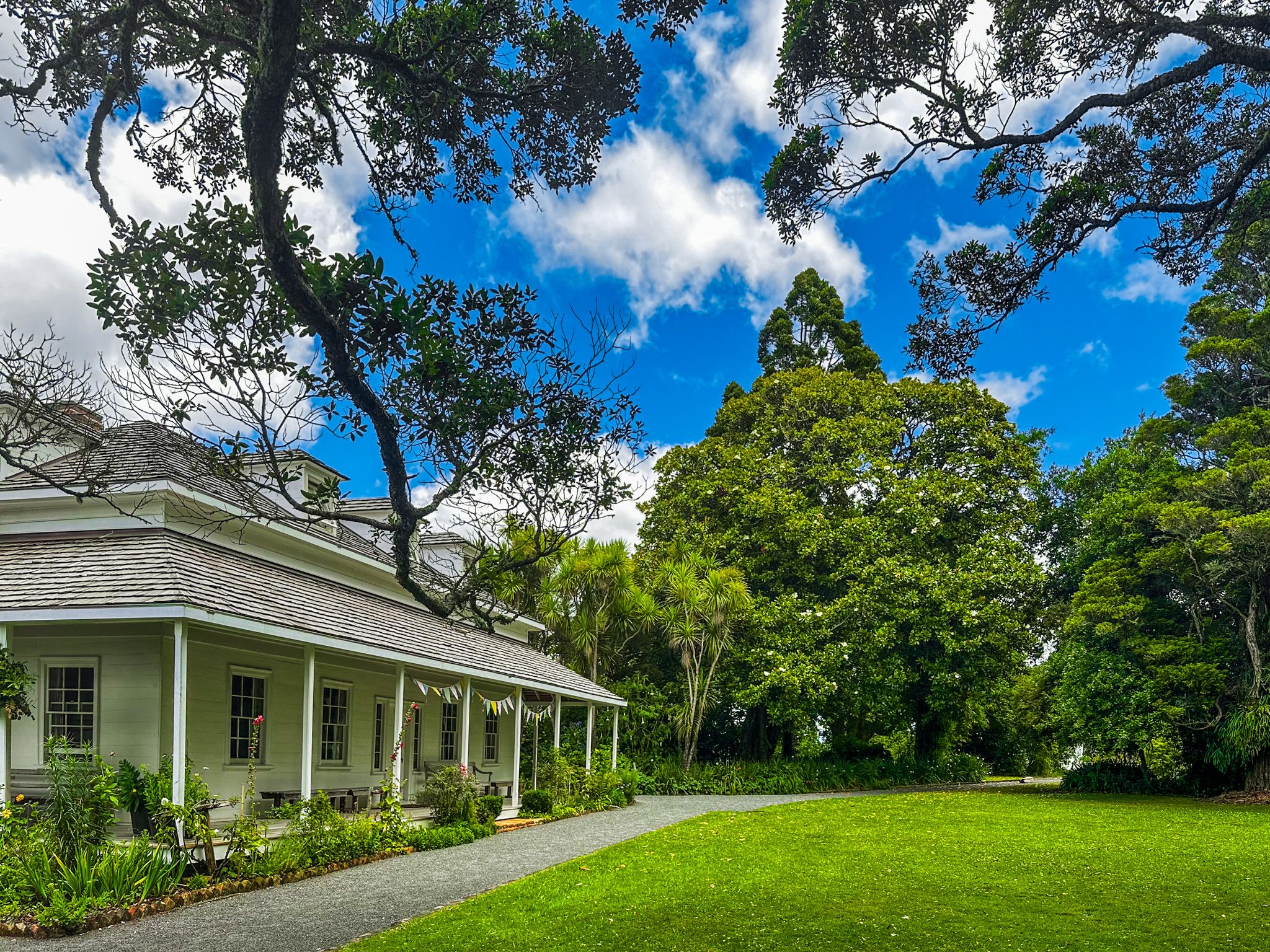
Other historic places to visit in the area include Horeke, Mangungu Mission House, Rawene and Kohukohu.