The Heart of Southland
Winton sits on State Highway 6, between Invercargill and Queenstown on the eastern edge of the Ōreti River plain. Although it has only 3.500 people, it is Southland's third-largest centre and carries the self-described title of "The Heart of Southland". It is a genuine historic rural service town whose main street is lined with well-maintained heritage buildings with stunning mural artwork, flowering gardens, and the kind of independent businesses that have largely disappeared from many New Zealand towns. Take the time to stop rather than just drive through: the pies at the Winton Bakery are a very good reason to do so!
Gold Rush to Rural Hub
Winton is probably the oldest inland town in Southland. It takes its name from Thomas Winton, a boundary rider who camped by the banks of a small stream in the 1850s while searching for stray stock. The settlement came to prominence during the gold rushes of the early 1860s as a stop on the route north to the Otago fields. By 1862, a police barracks had been established, and the Great North Road cut through. The first surveys were completed in 1863, with the streets named after nobility from a medieval jousting tournament, Arden, Percy, Goodall and Foveaux, lending an incongruously chivalric note to this practical farming town.
A railway line from Invercargill reached Winton in 1871, making it briefly the terminus of the Southland standard-gauge network. The line was extended north in 1875, ultimately reaching Kingston at the south end of Lake Wakatipu, and Winton became a junction. Sheep and fat-lamb farming drove the district's growth through the early twentieth century, with dairy farming becoming the dominant economy more recently. All around, the town is surrounded by impossibly green pasture.
The Heritage Main Street
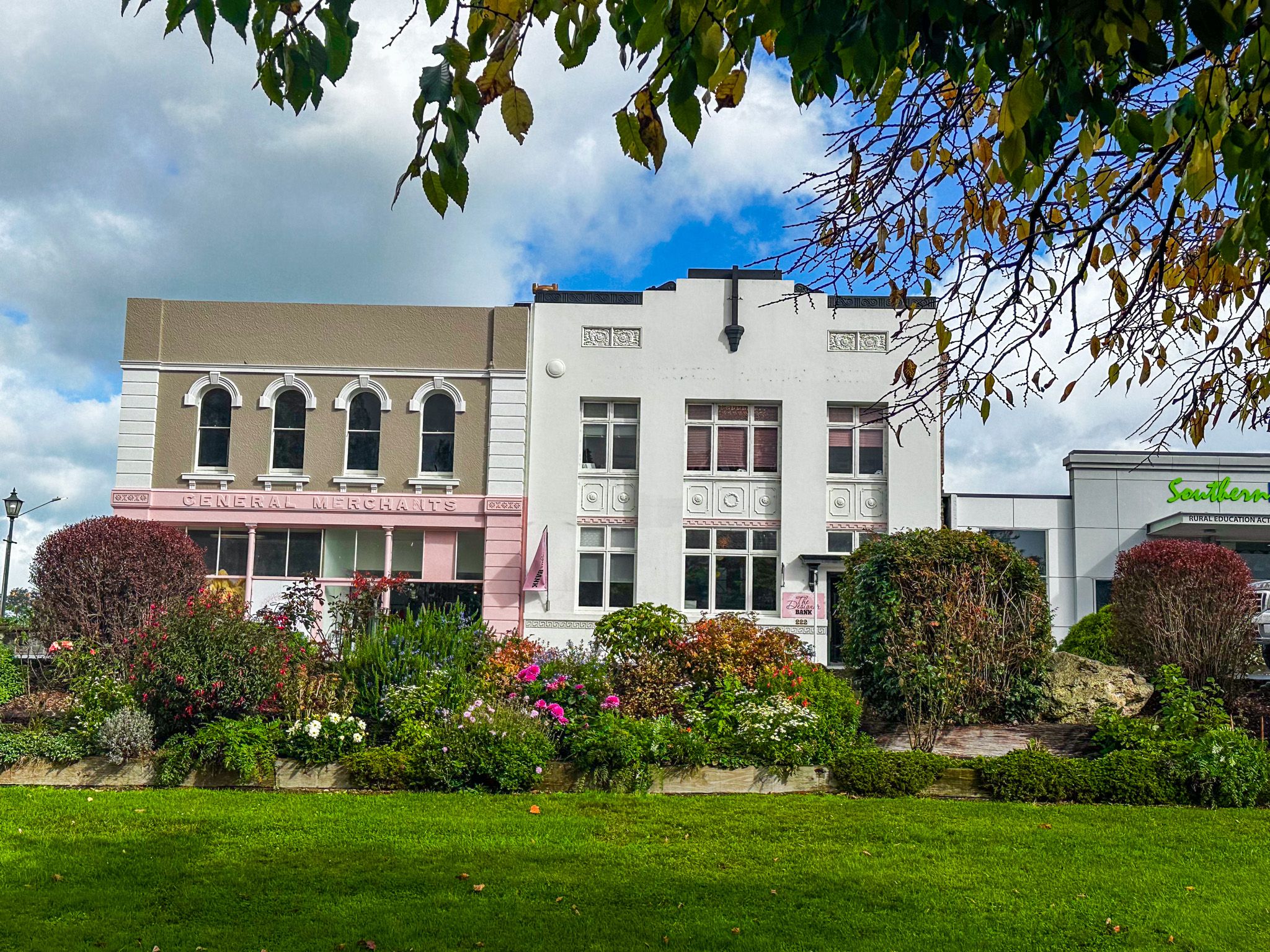
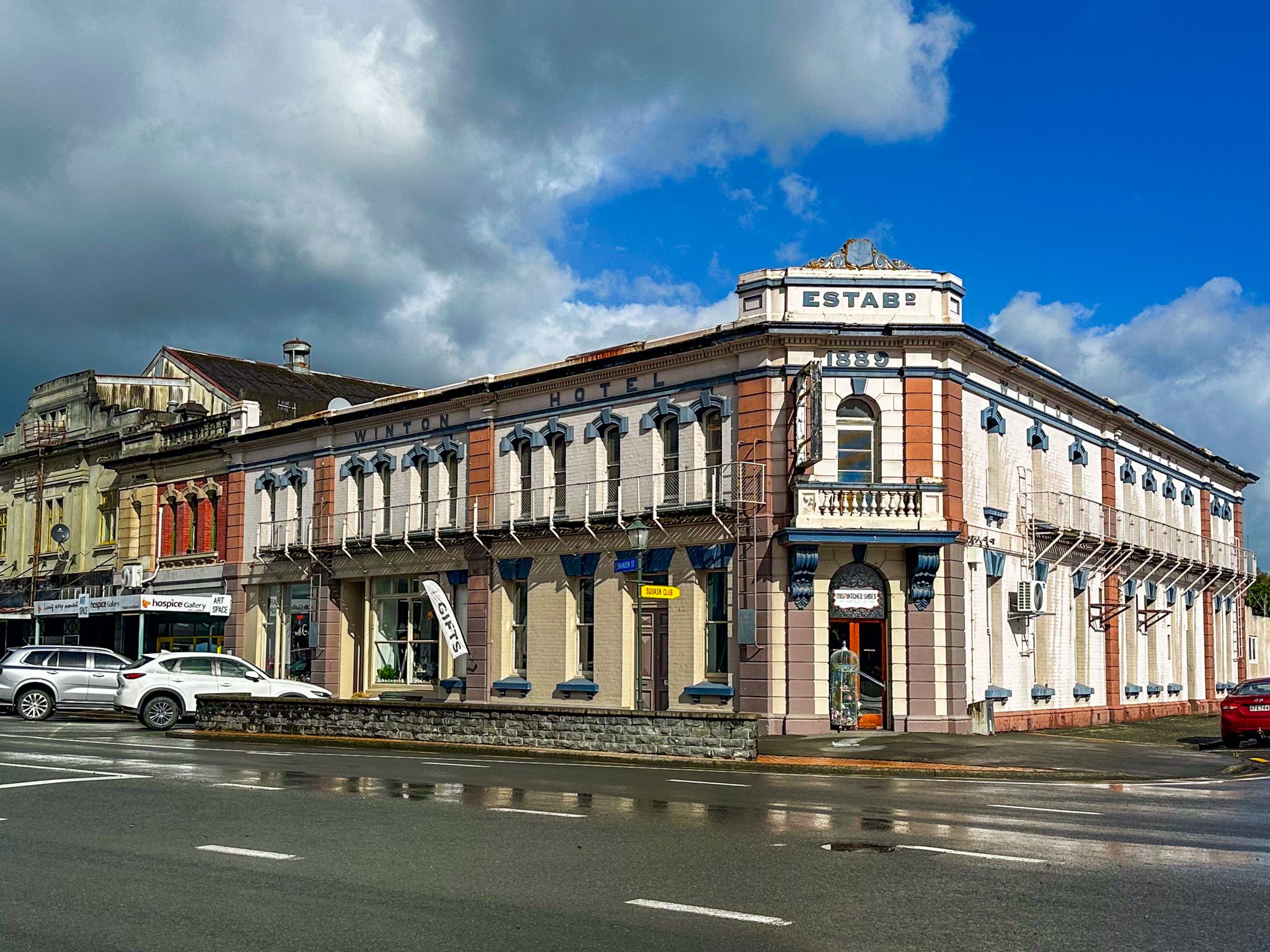
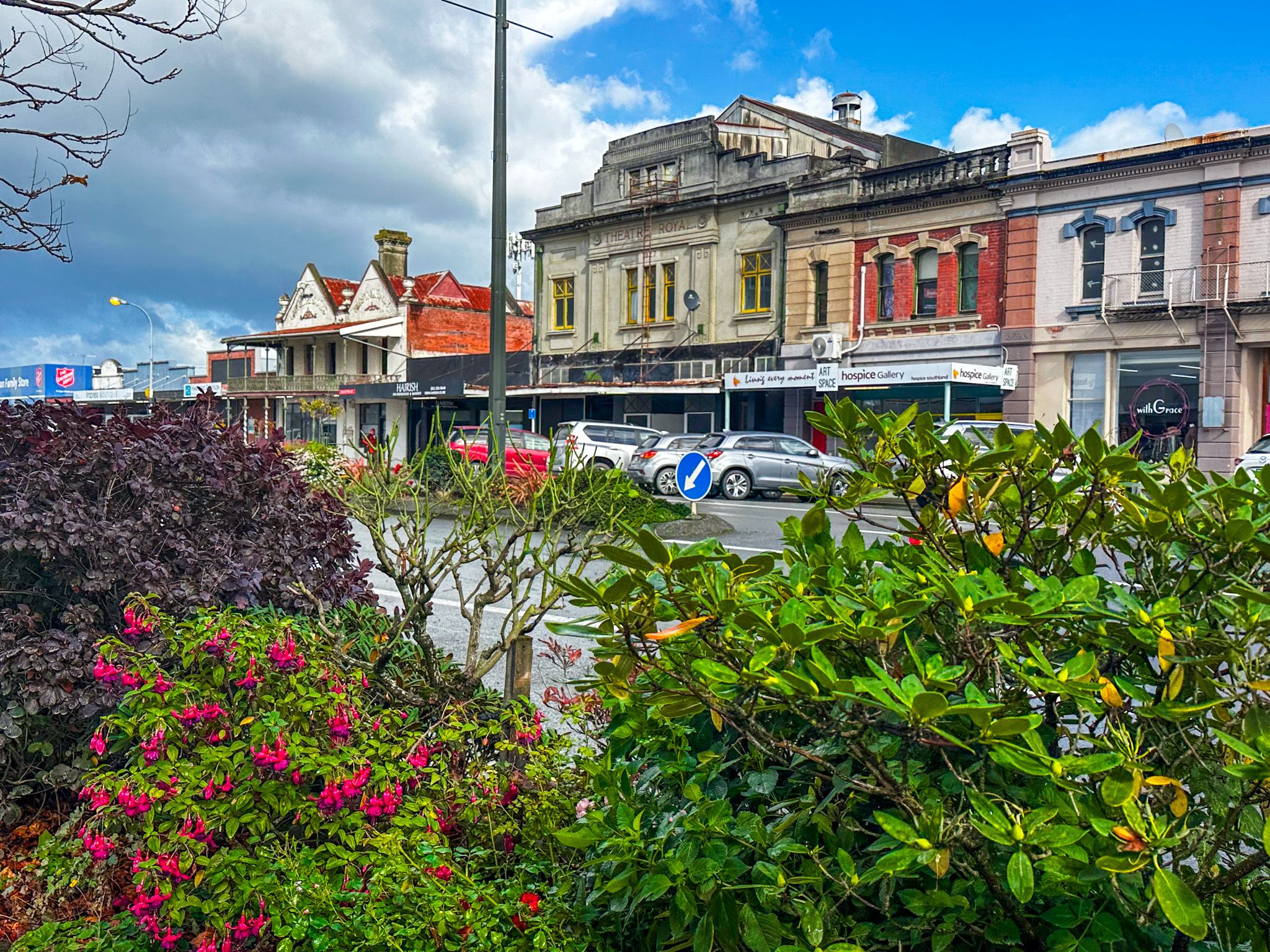
Winton's main street, along Great North Road, is the most attractive in rural Southland. The town's 14-stop heritage trail includes buildings dating from the 1870s through to the early twentieth century and still in active use. Commercial buildings, hotels, and civic structures have all been maintained rather than left to deteriorate.
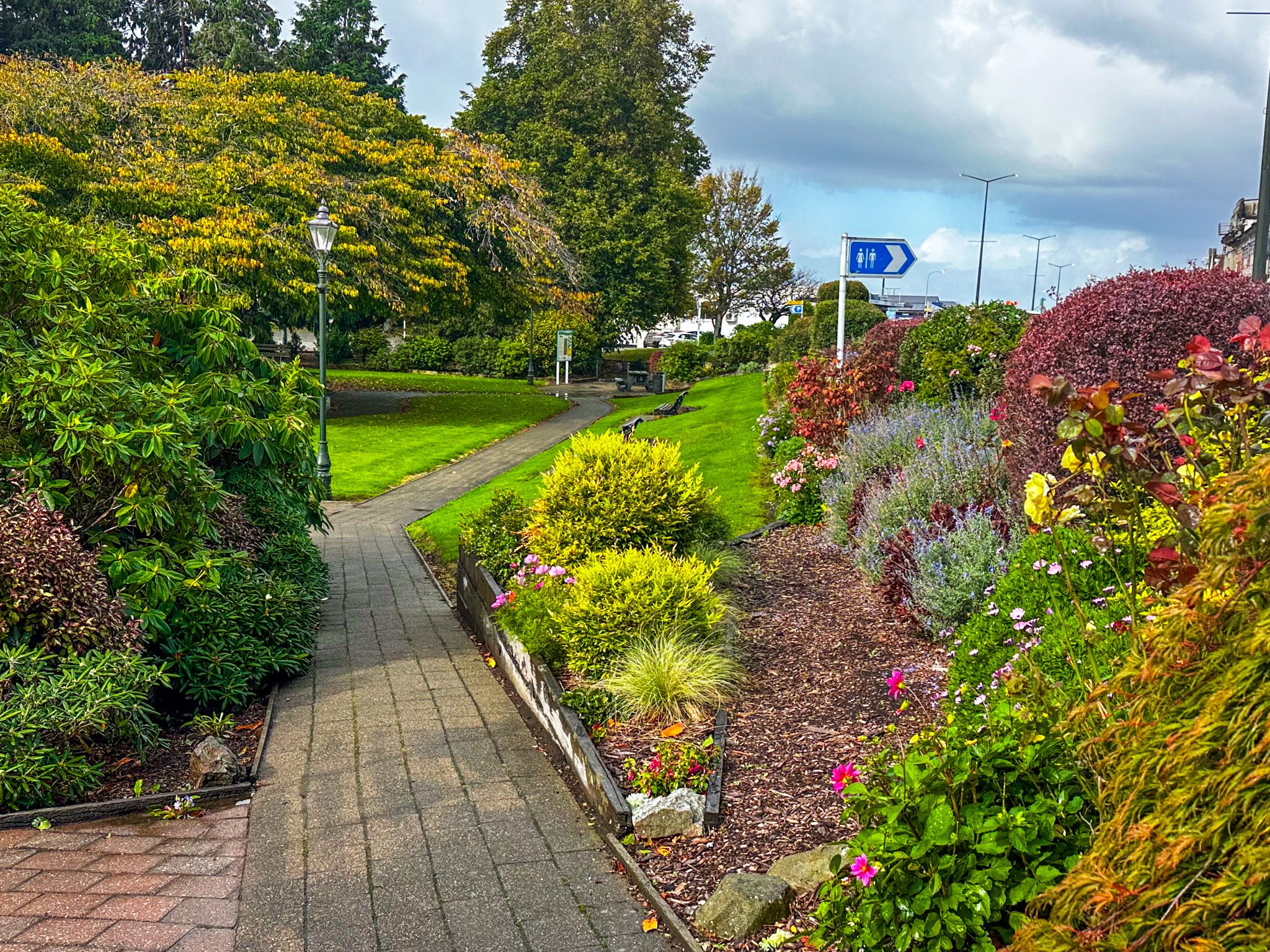
The "top pub" and "bottom pub", a Southland convention for distinguishing the two ends of a main street, both retain their original character. The Anzac Oval, a small park midway along the main street, provides a shaded rest point amid the street's commercial activity. Flower beds maintained by the local community line the footpaths, giving the street a composed, cared-for quality that is immediately noticeable.
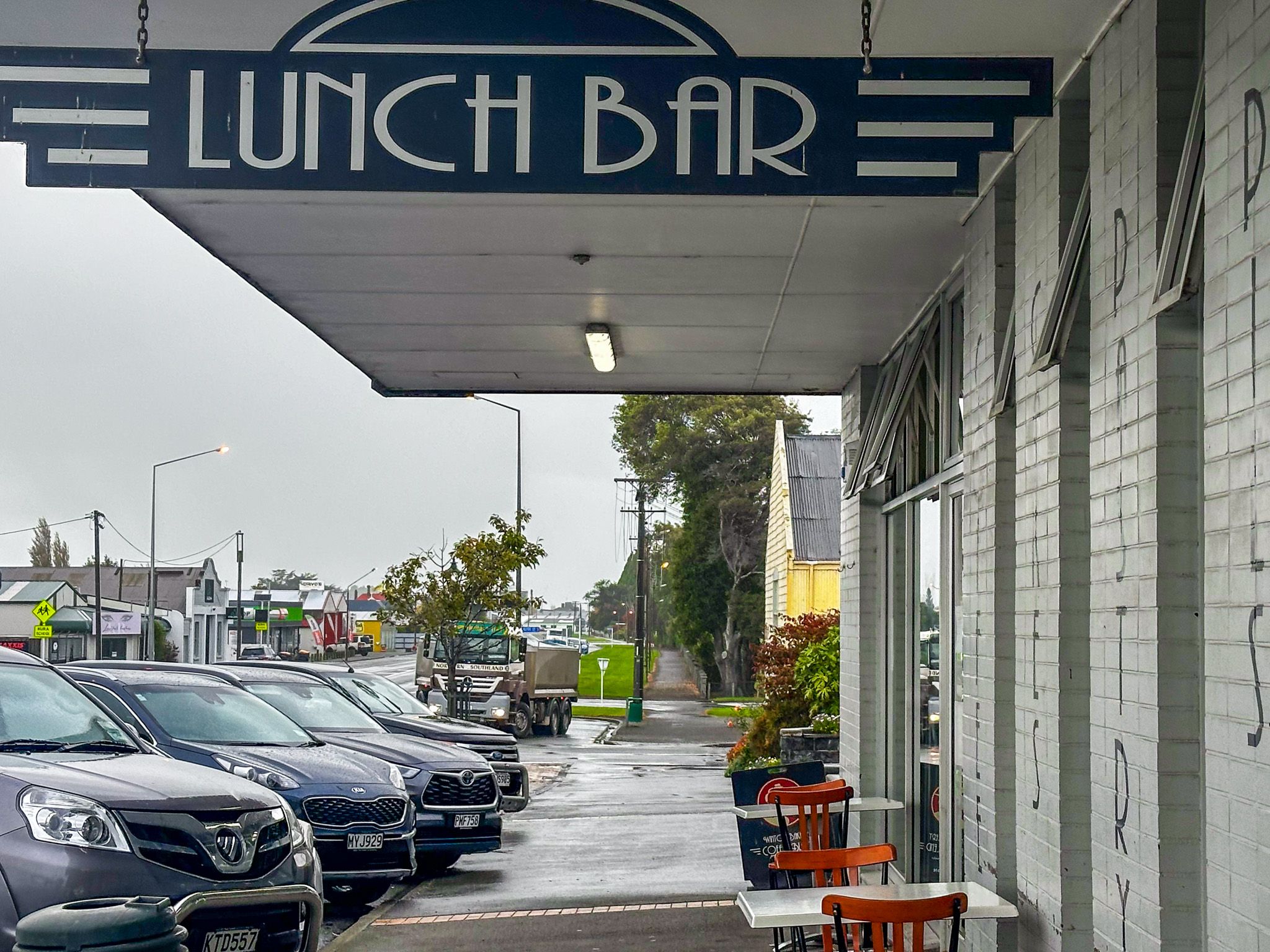
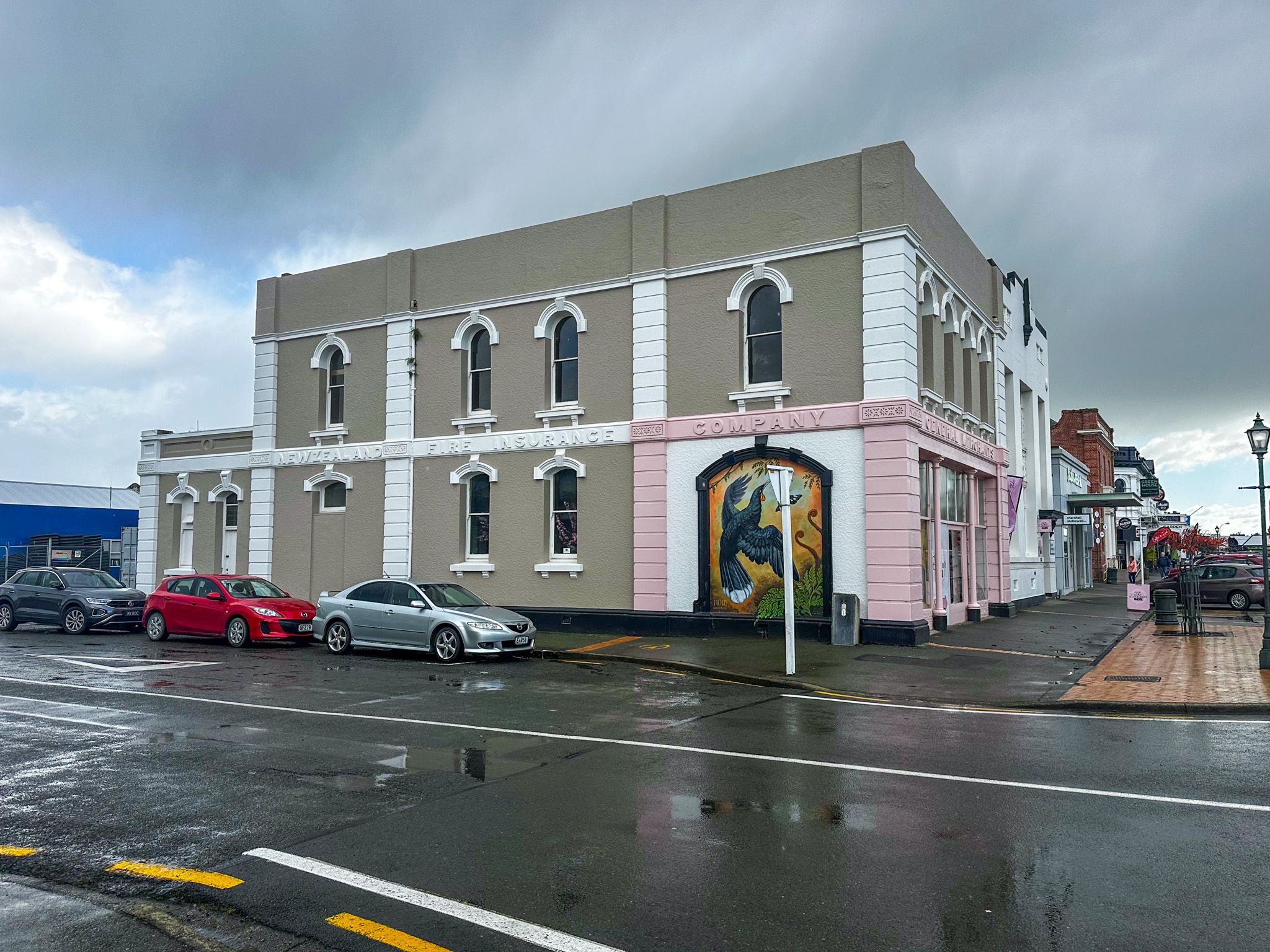
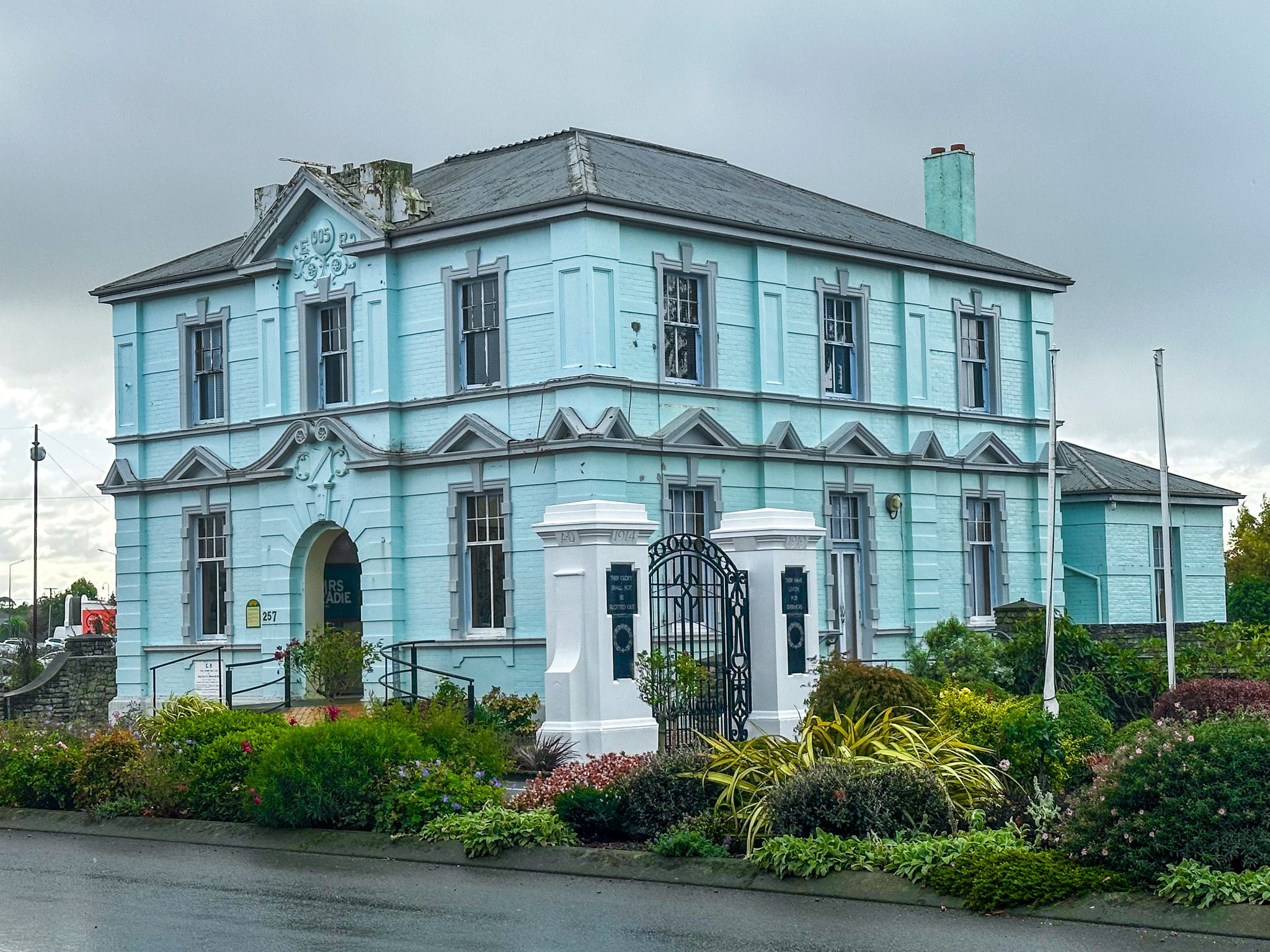
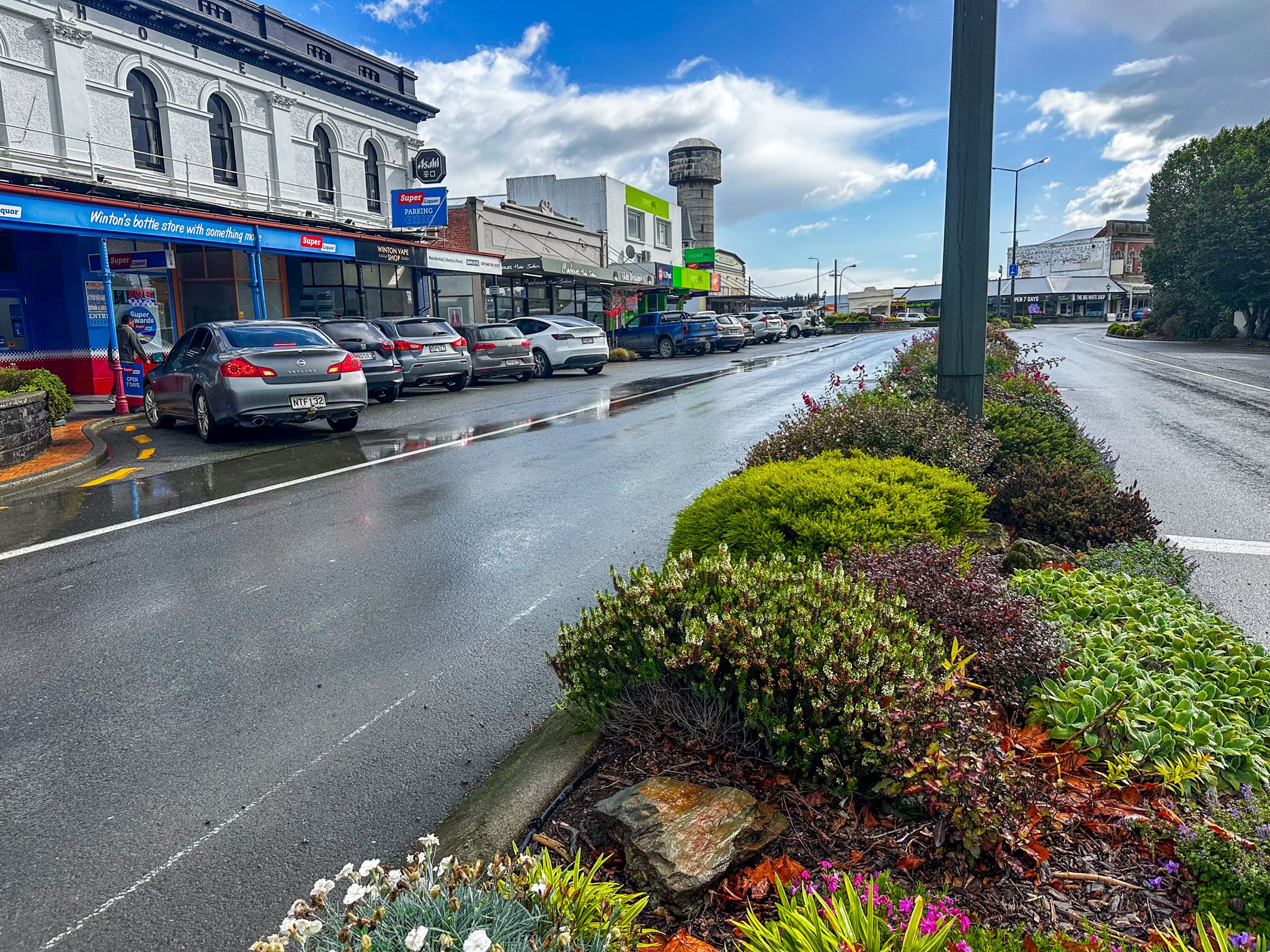
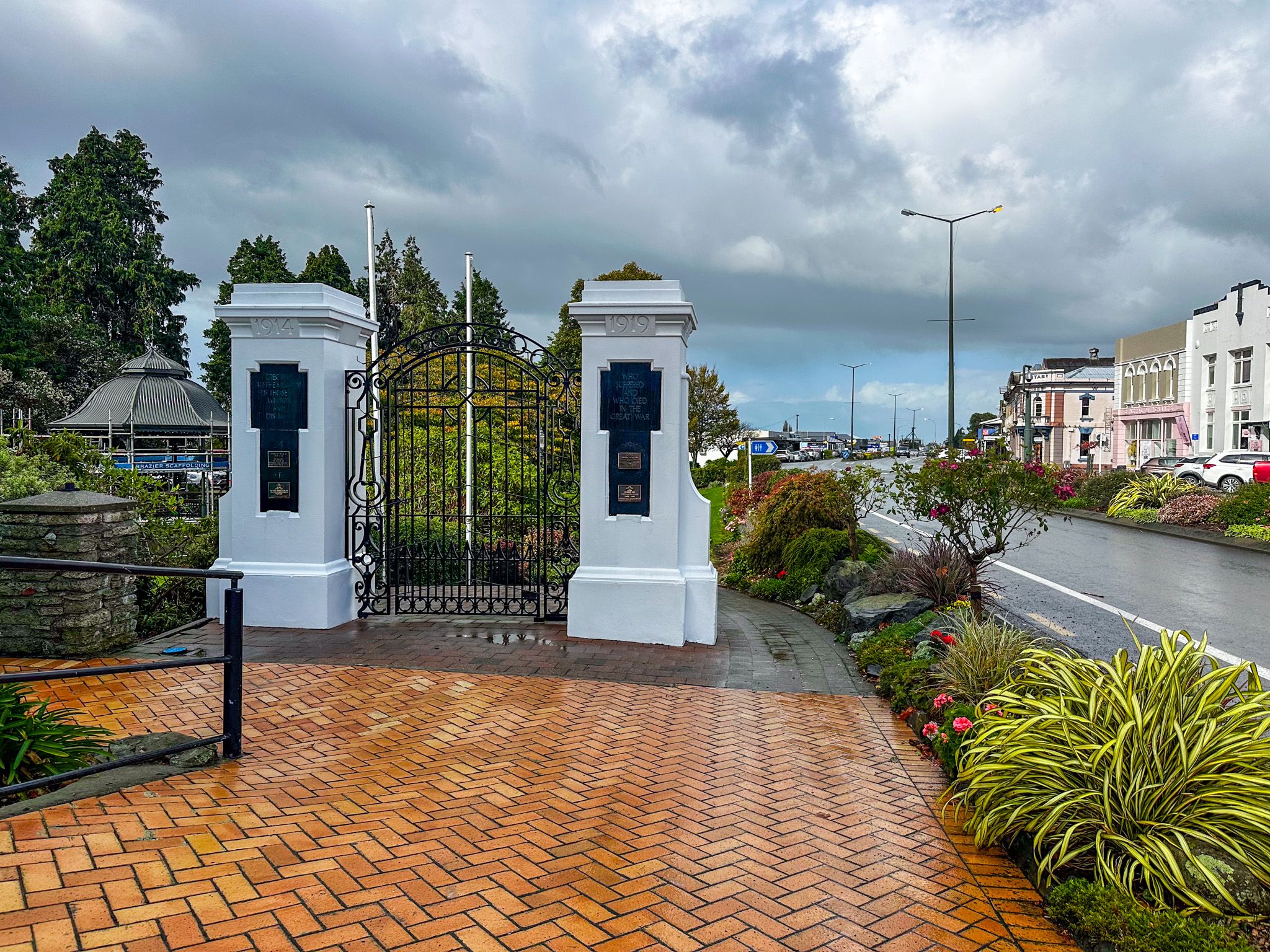
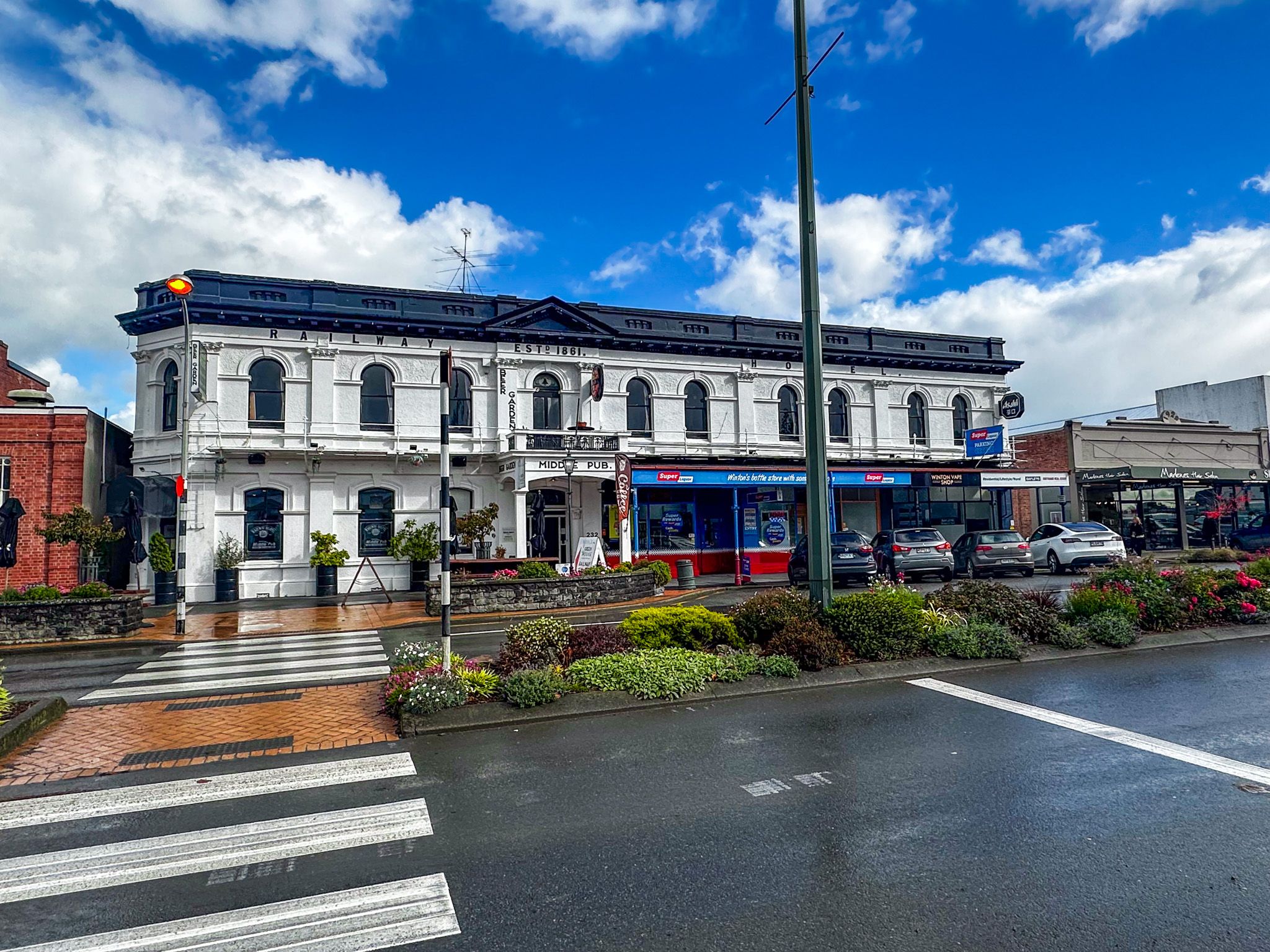
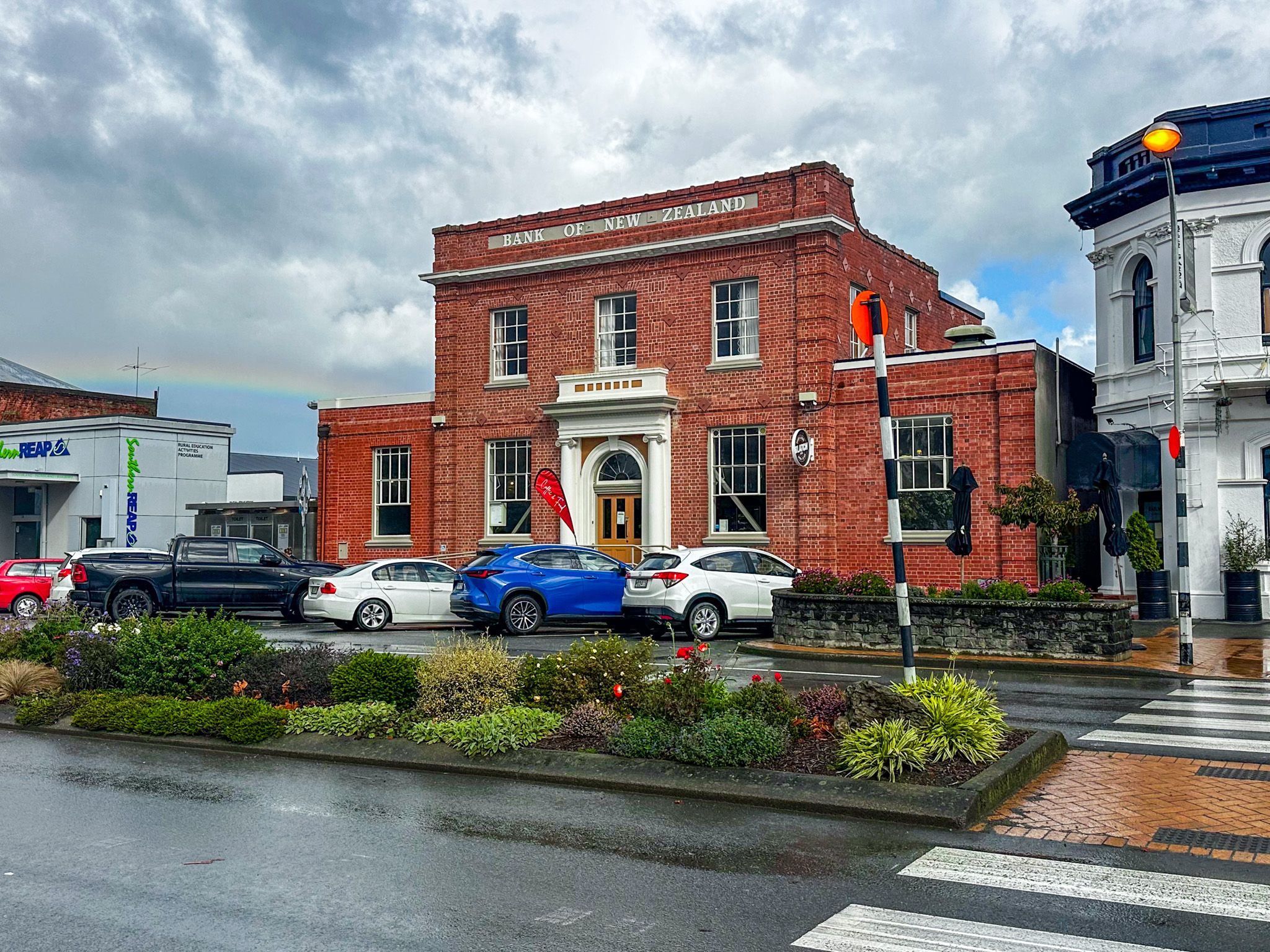
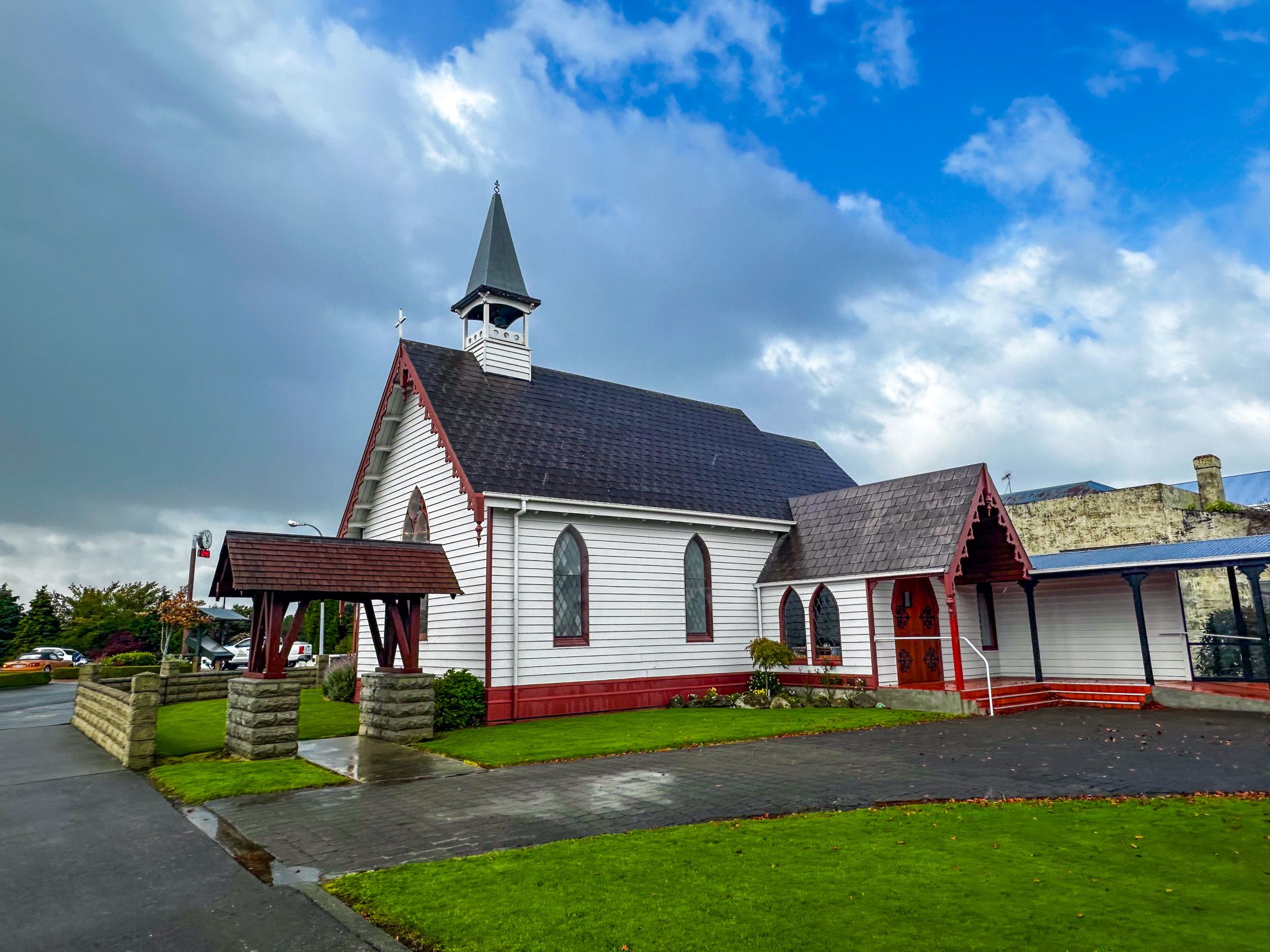
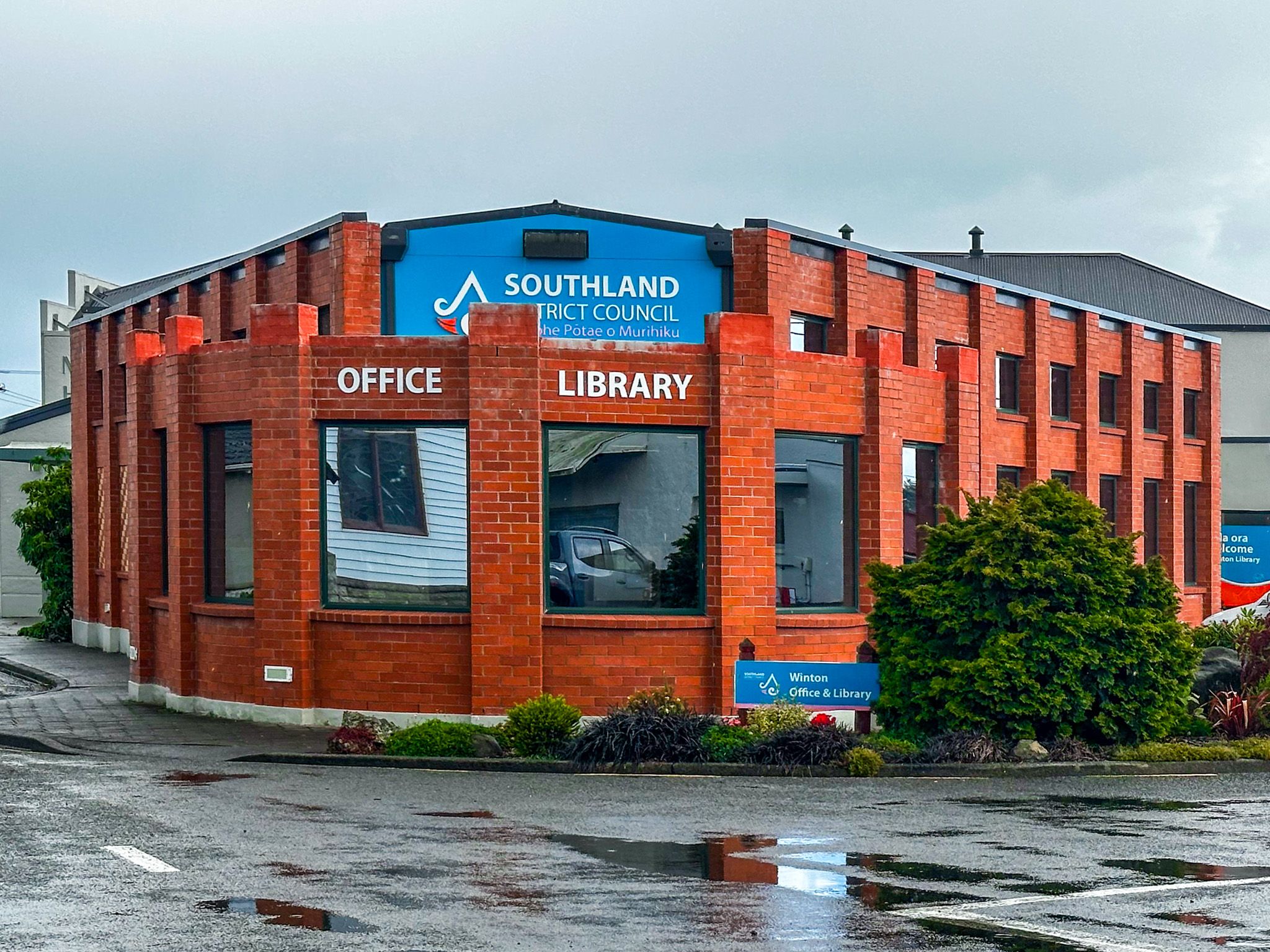
You will also find the photogenic Holy Trinity Church, where the main street swings northwest. To the east of the church is the local public library, in an attractive Art Deco brick building.
On a more sobering note, Minnie Dean, the only woman executed in New Zealand, was convicted in 1895 of murdering babies in her care in the town and is buried in the Winton Cemetery, which forms one of the heritage trail stops.
Street Art and Murals
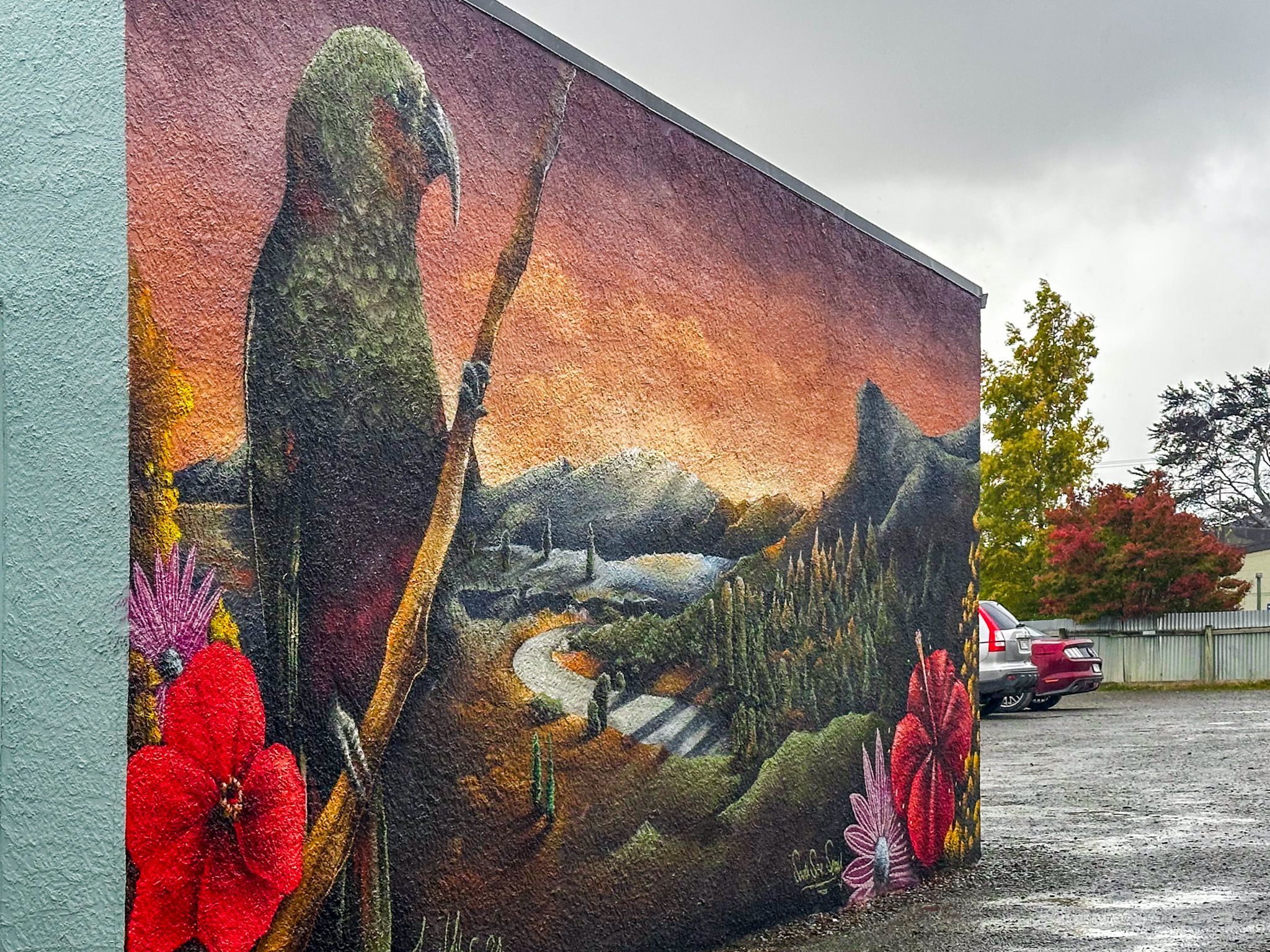
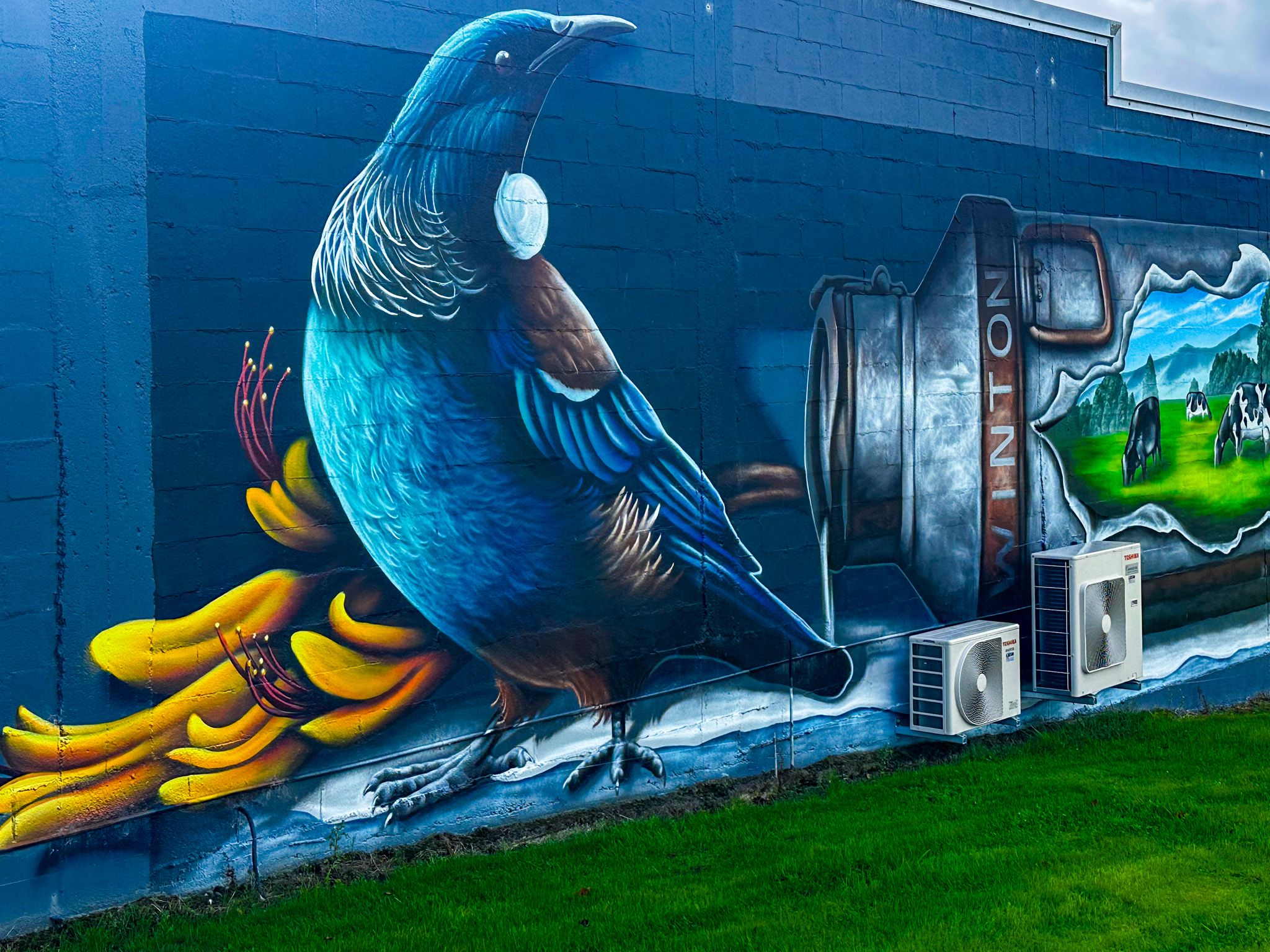
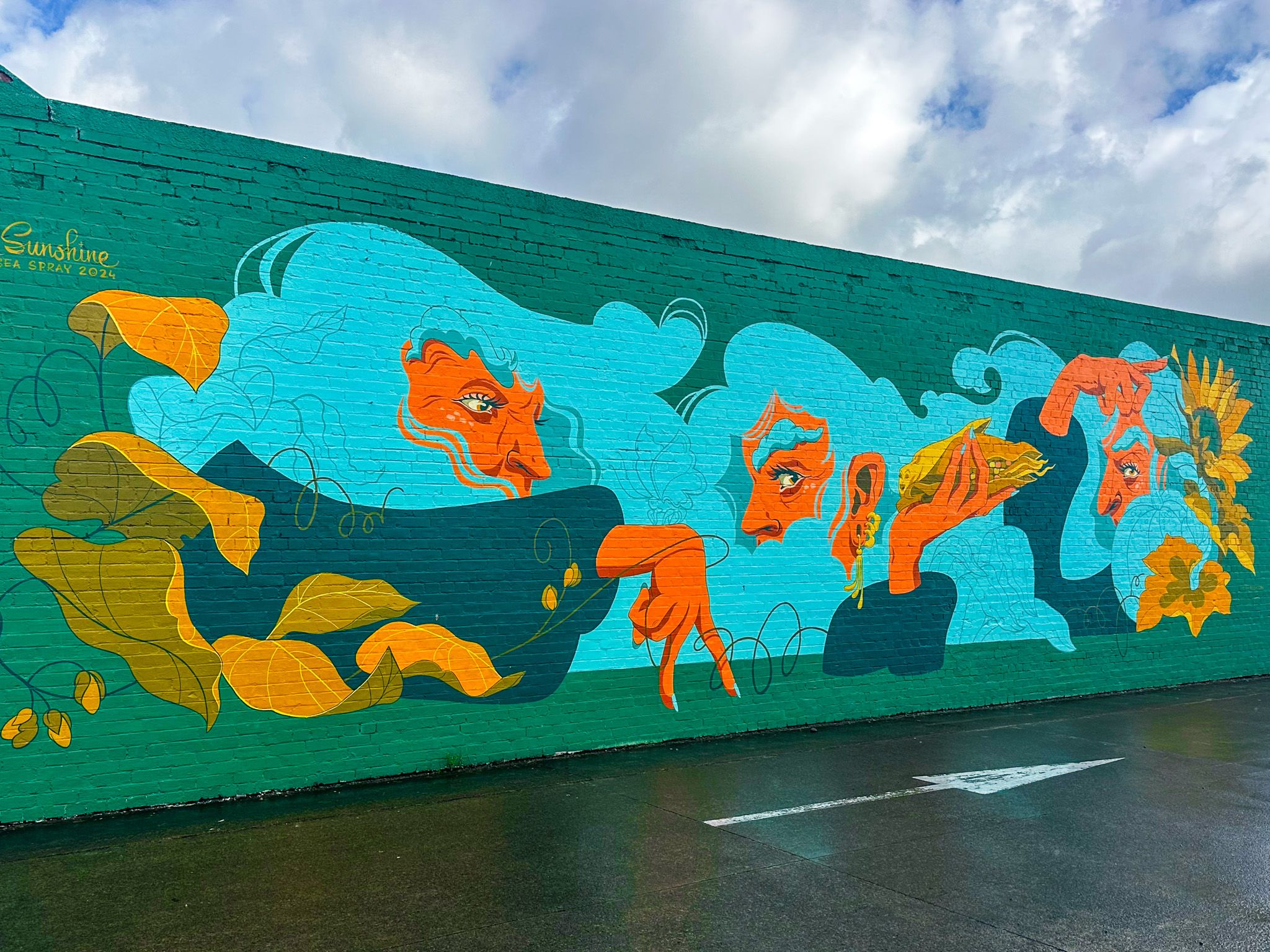
Winton is one of several places in Southland that has attracted the attention of South Sea Spray. Many of the building walls are adorned with large-scale colourful murals across a range of themes. The artwork is a more than sufficient reason to stop and walk the town, even if heritage architecture is not your thing. Look out for the particularly striking rooster mural!
South Sea Spray’s work can also be found in central Invercargill, Aparima / Riverton, Gore, and Te Anau.
Ivy Russell Reserve and the Rotary Walkway
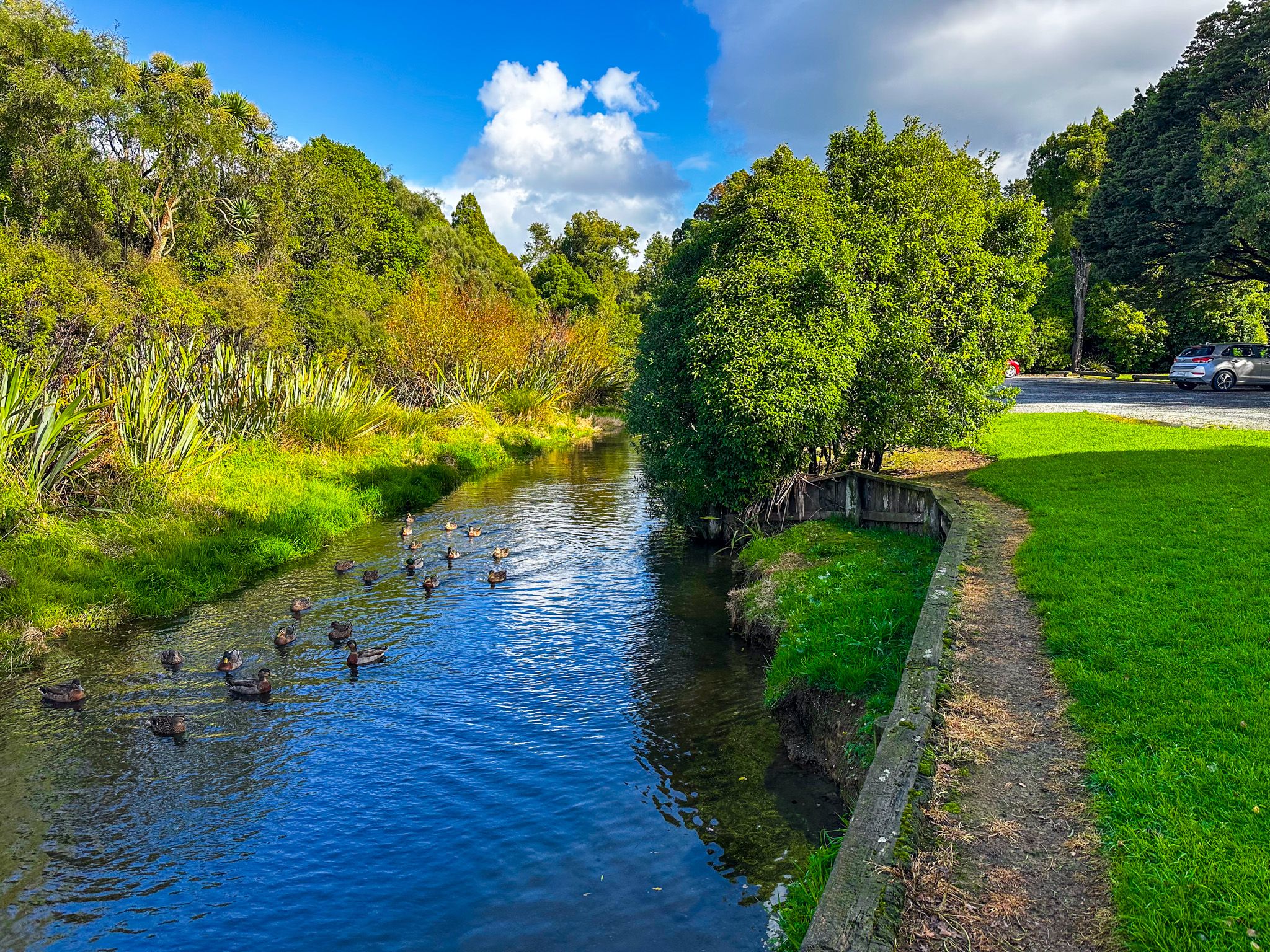
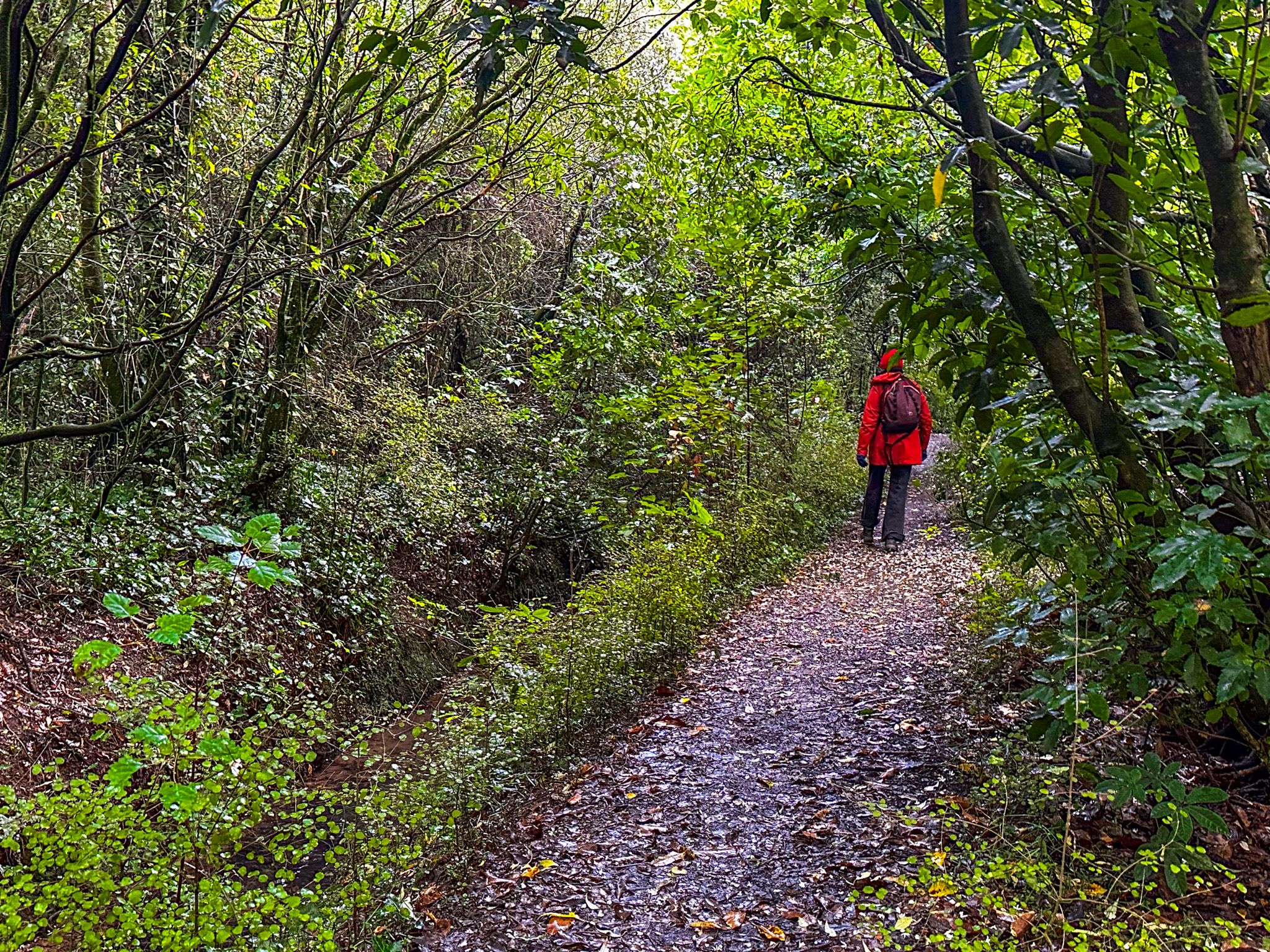
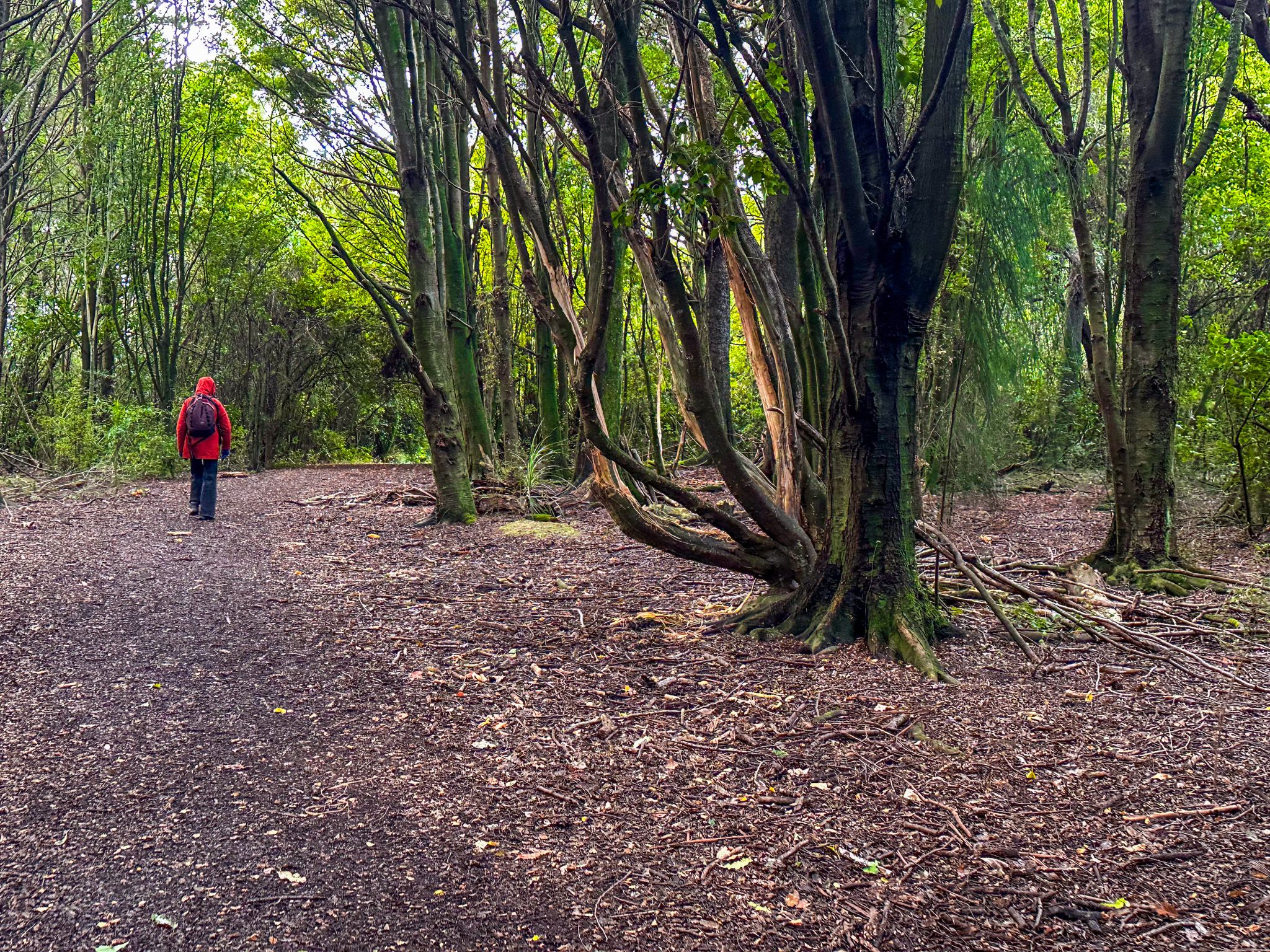
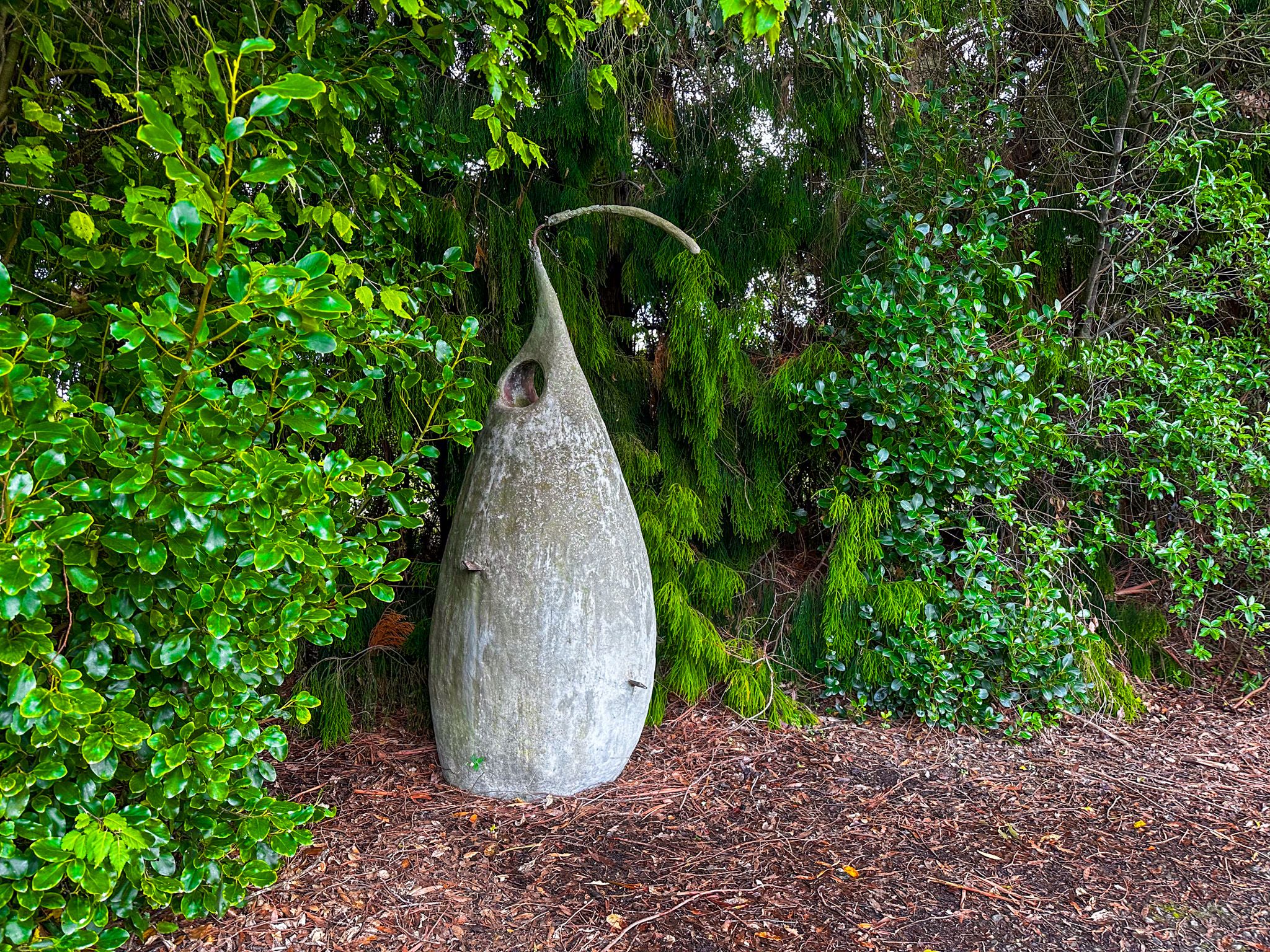
On the edge of town, Ivy Russell Reserve is the highlight of the 9 km Winton Rotary Trail, a community-built loop around the township that takes in the Winton Stream, open farmland and Moores Reserve. Ivy Russell Reserve was named for Ivy Russell, who in 1919 became the first woman Town Clerk in New Zealand and held the position for 35 years.
The Rotary Trail can be walked in sections or in full and takes around two hours at a relaxed pace. The small mature native forest section at Moores Reserve, with its tall rīmu, mataī, and kahikatea and birdlife, is a genuine surprise on the edge of an agricultural plains town.

How to Get There
Winton is on State Highway 6, 30 km north of Invercargill and 50 km south of Lumsden. The drive from Invercargill takes around 25 minutes. The town centre is on Great North Road, with free parking available. The Winton Rotary Trail starts from several points around the town; the Moores Reserve entrance is on the western edge of the township.
Nearby places to visit include Forest Hill Reserve to the south and Lumsden to the north on State Highway 6.