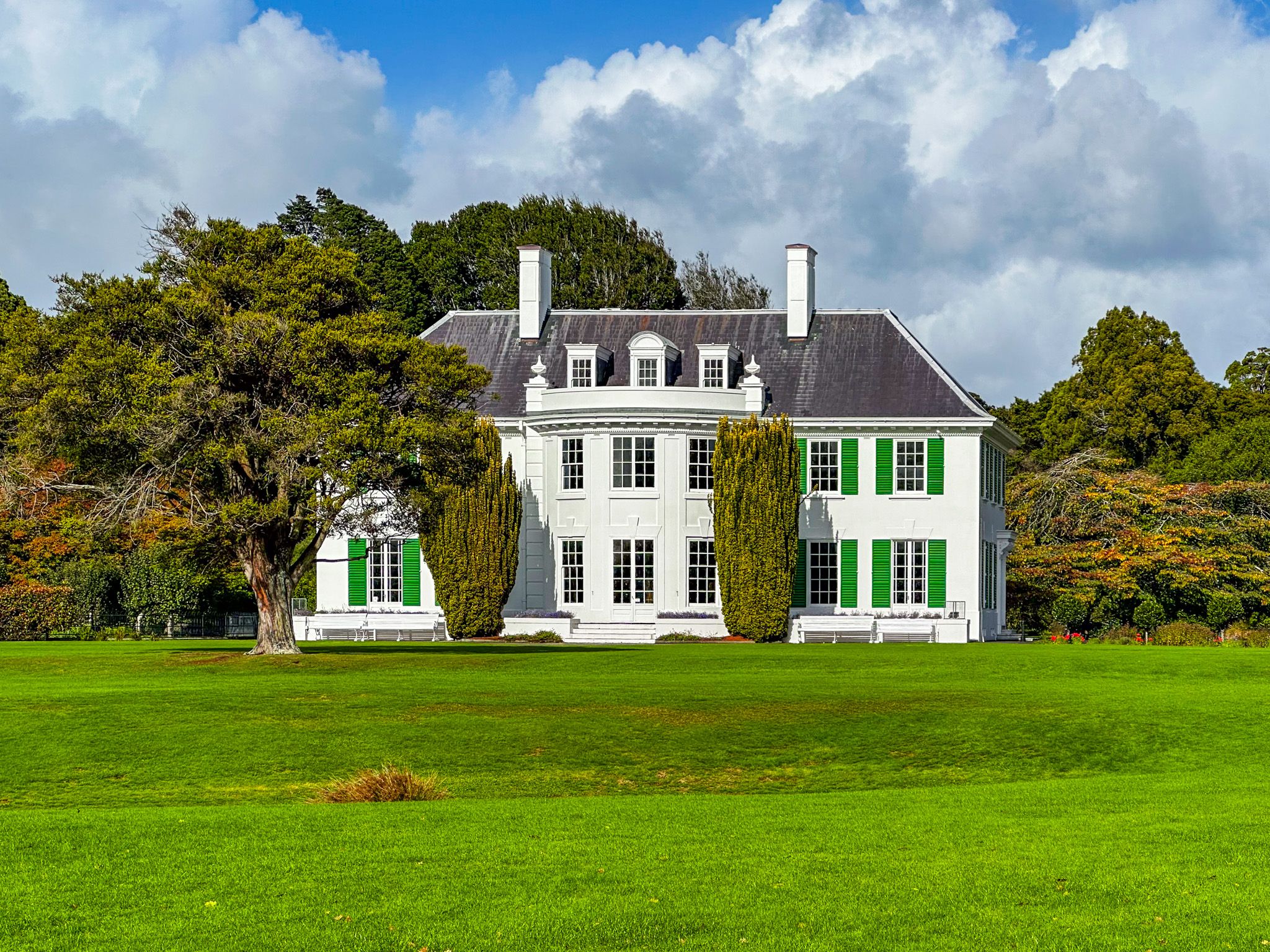
A Georgian Estate in a Southern Garden
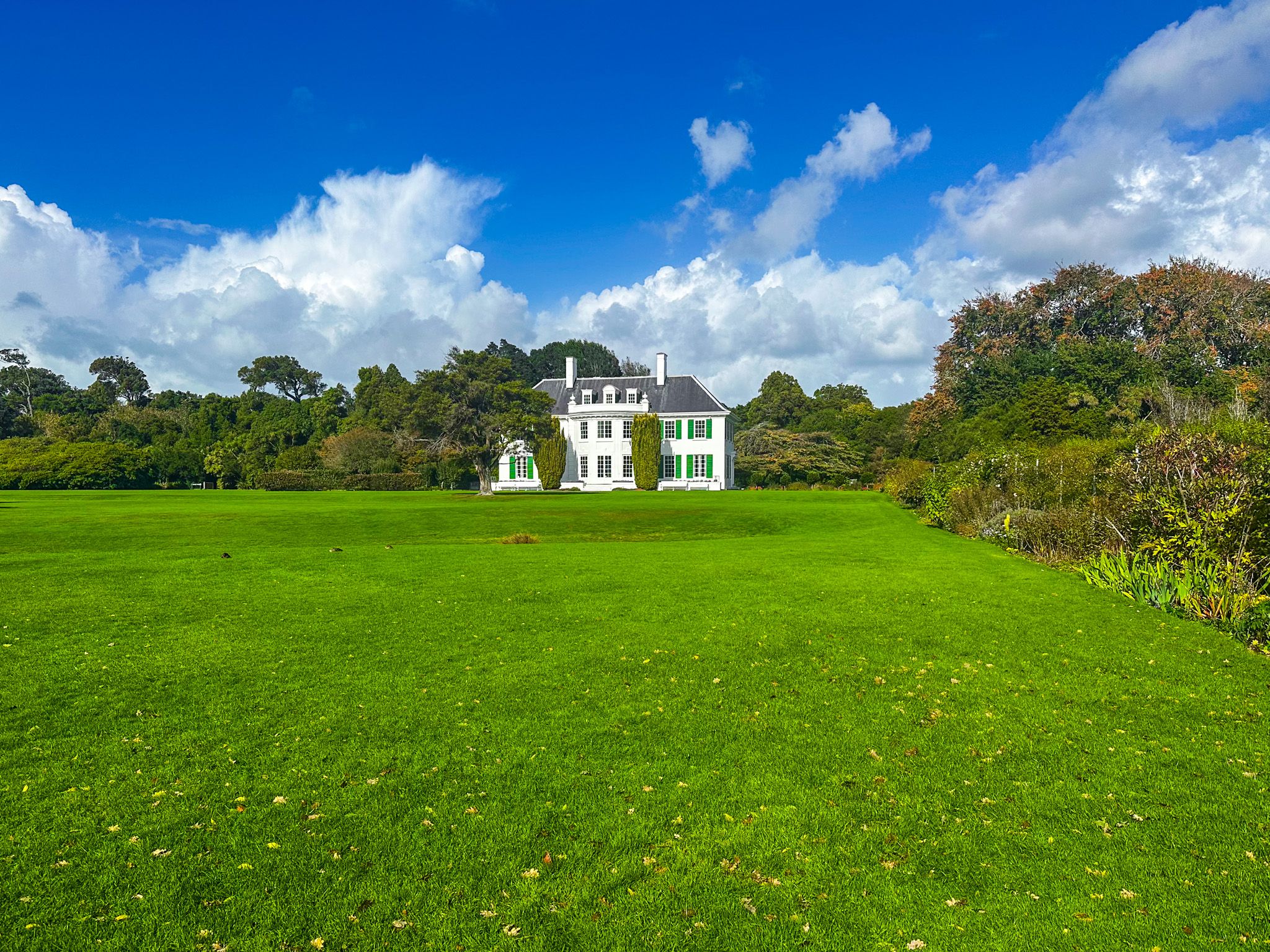
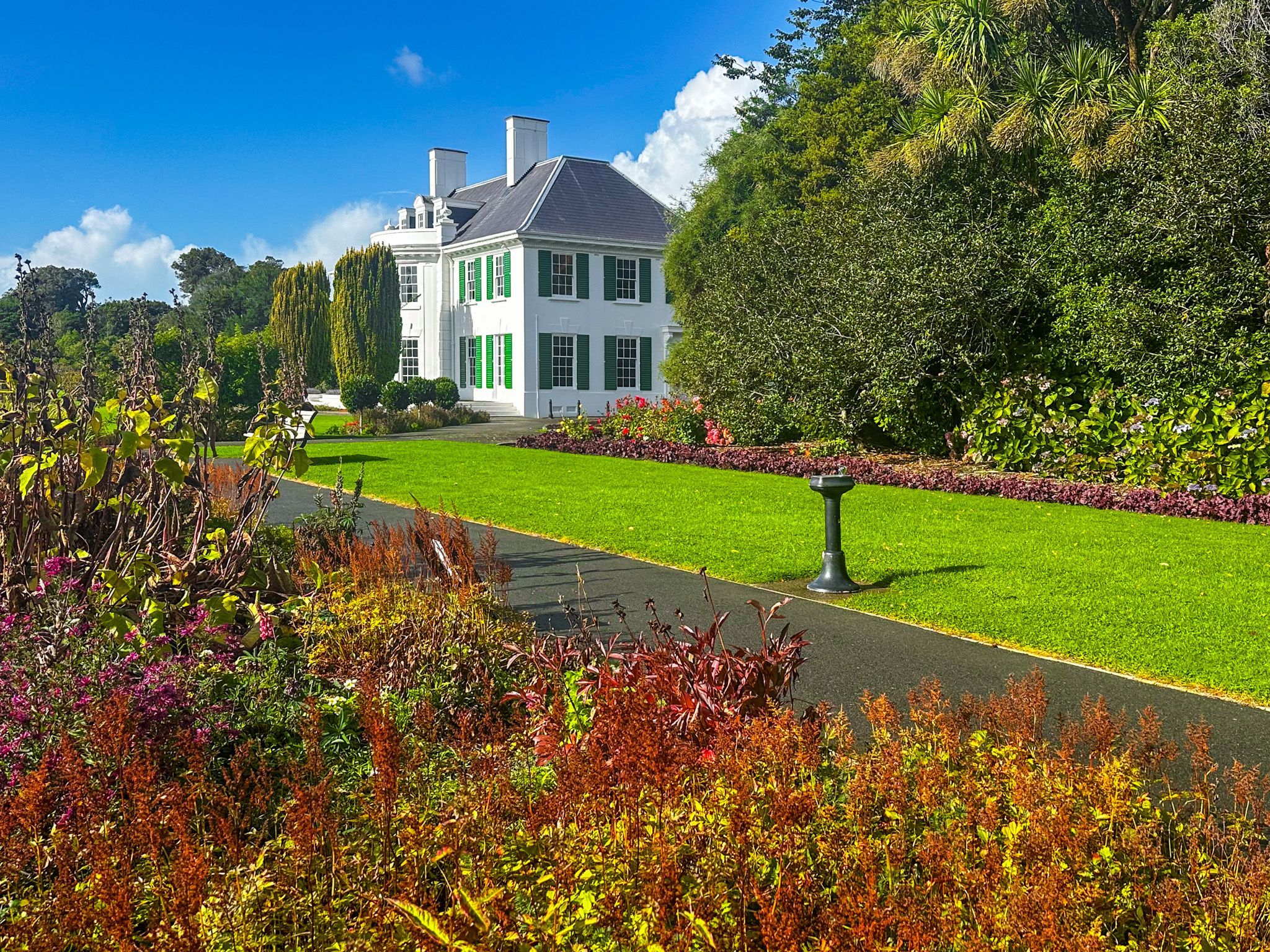
Anderson Park sits on McIvor Road, about 7 km north of central Invercargill via State Highway 6. The park centres on a substantial 1925 Neo-Georgian homestead set within 24 hectares of landscaped grounds, gardens and native forest. The grounds are open to the public free of charge, and the combination of formal gardens, forest walks, a duck pond, and expansive lawns makes it one of the most peaceful escapes in the region.
Sir Robert Anderson and His Vision
The house and grounds were created by Sir Robert Anderson, a notable Invercargill businessman, who commissioned Christchurch architect Cecil Wood to design the residence. Wood was a leading figure in New Zealand architecture of the period, and the Neo-Georgian house he completed in 1925 has a broad, symmetrical facade with double bay doors opening onto the garden.
Sir Robert filled the interior with his collection of artworks. After his death in 1942 and that of his wife in 1951, the house and grounds were gifted to the city of Invercargill and are now managed by a trust. The house is not presently open to the general public.
The Gardens and Grounds
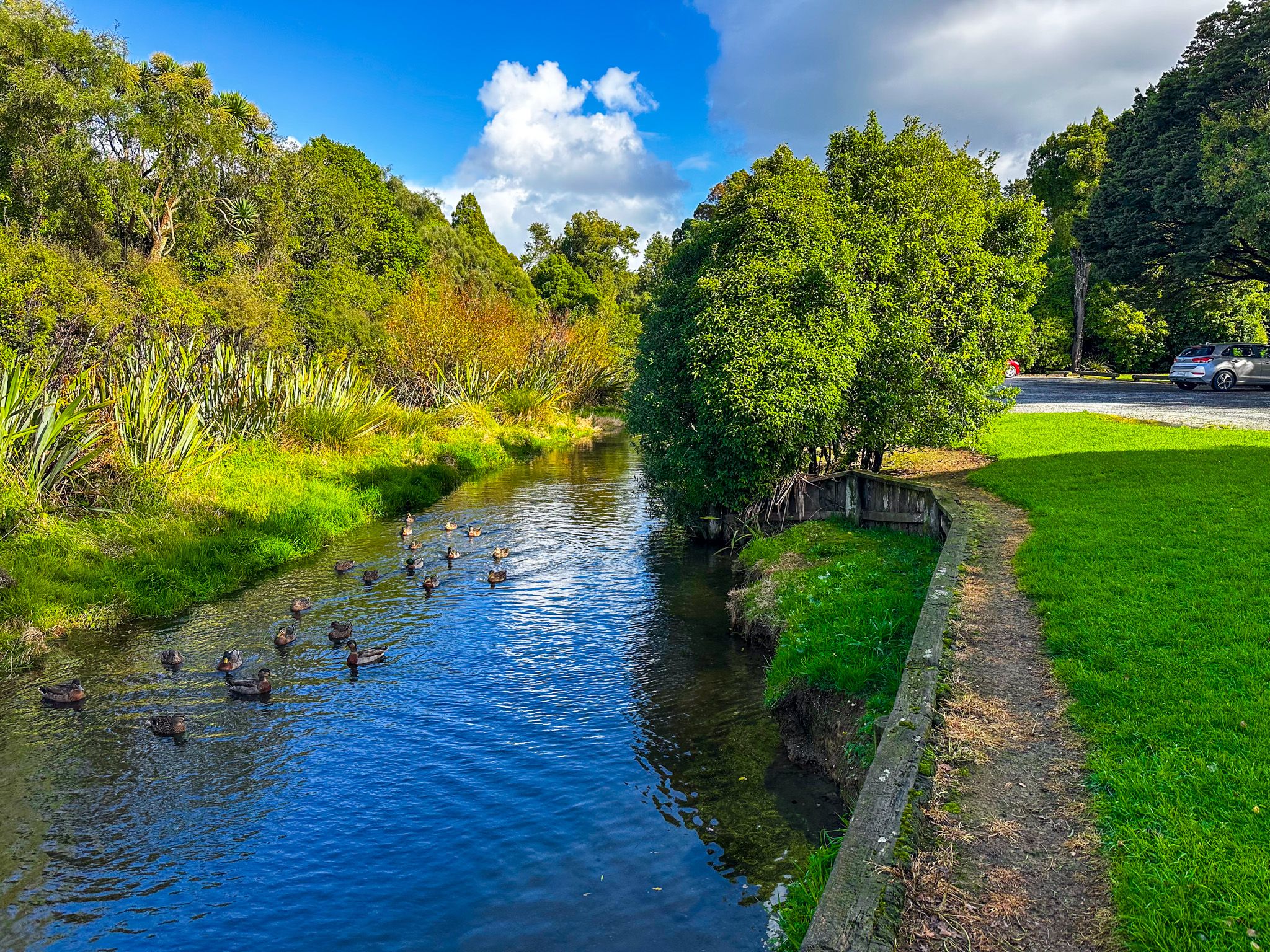
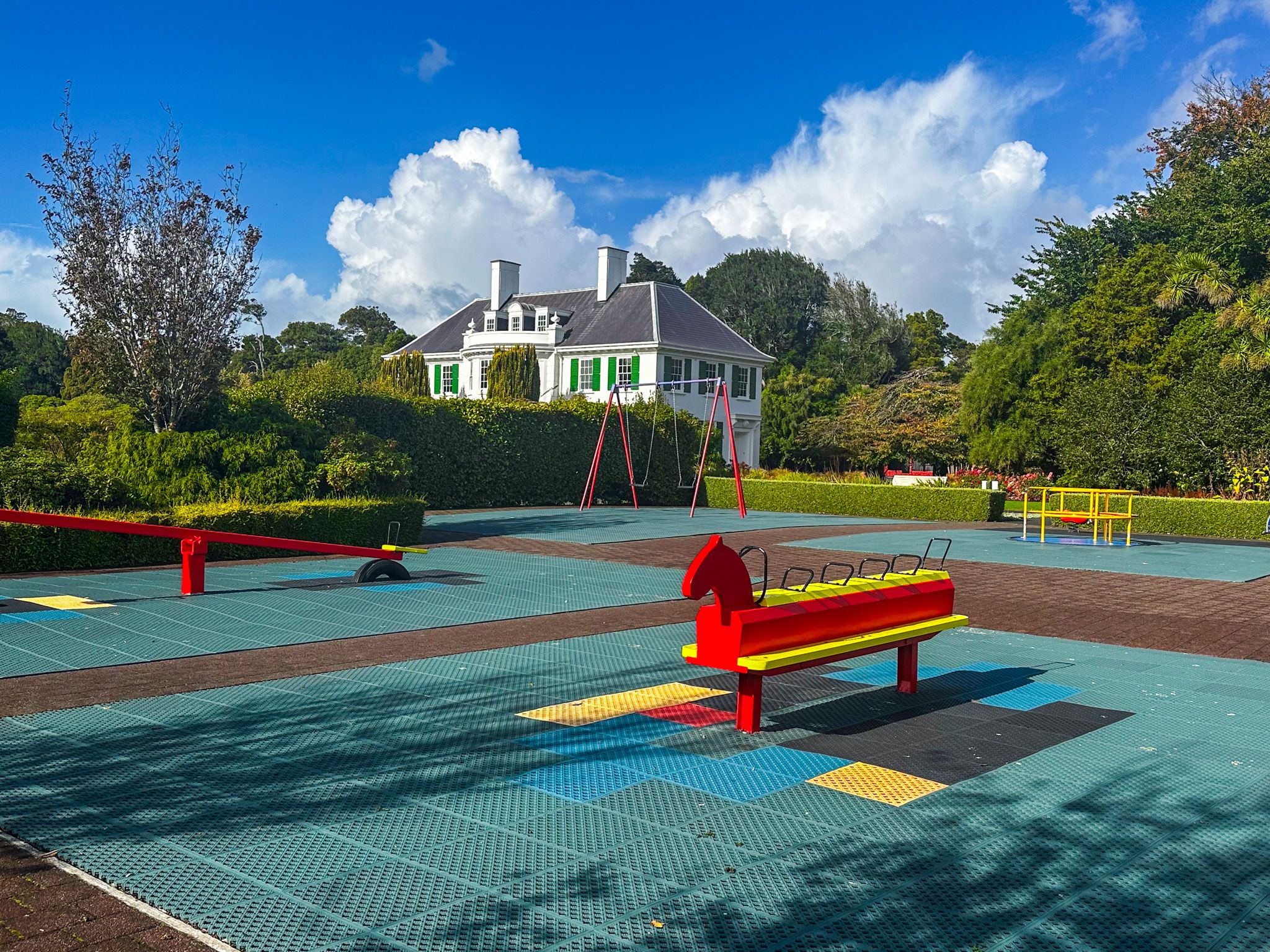
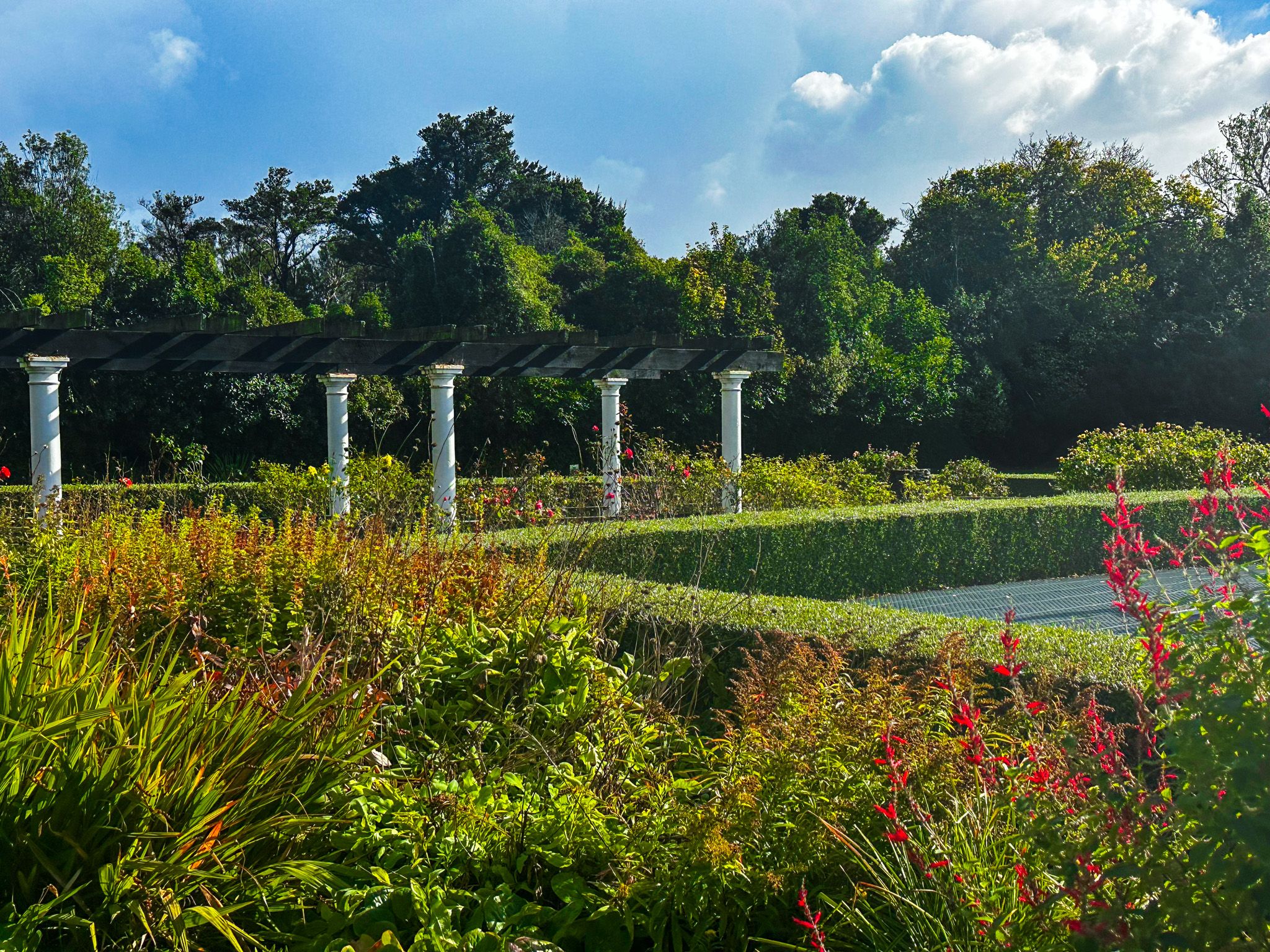
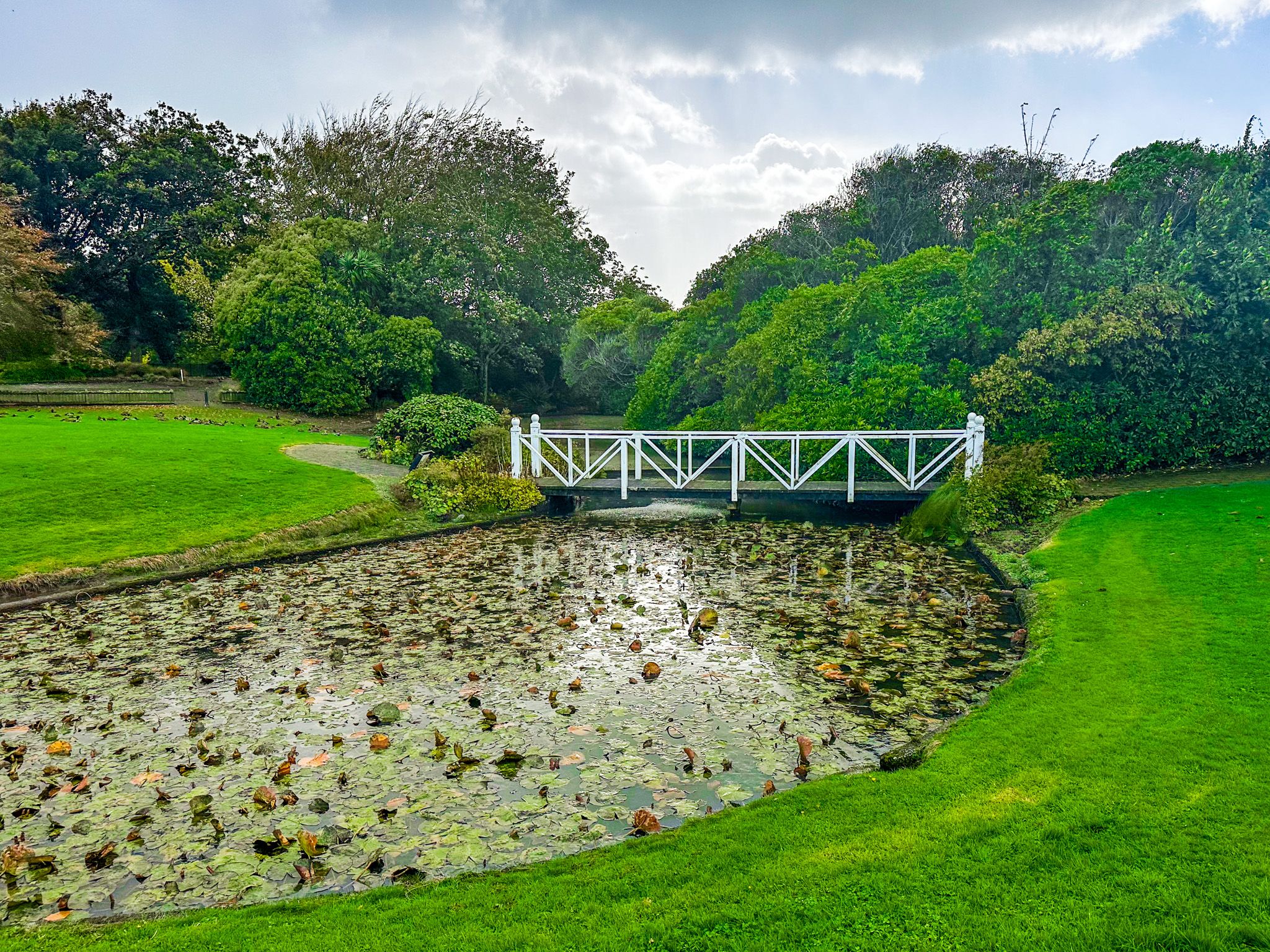
The 24 hectares include formal gardens, areas of native bush, a duck pond crossed by a small bridge, open lawns, and a children's playground. The gardens are maintained by the Invercargill City Council and are at their best in spring and early summer, when flowering plants provide colour against the open lawn.
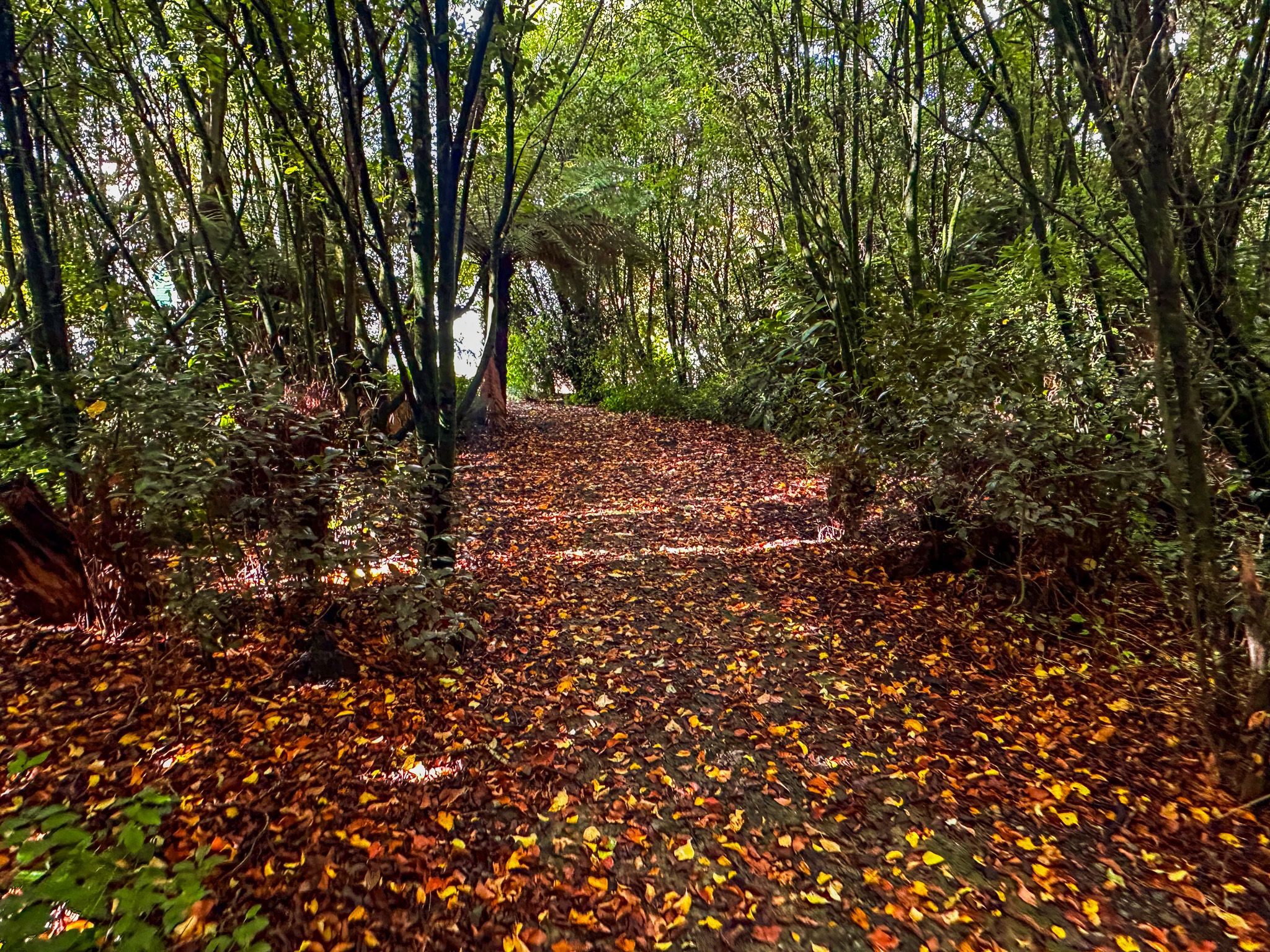
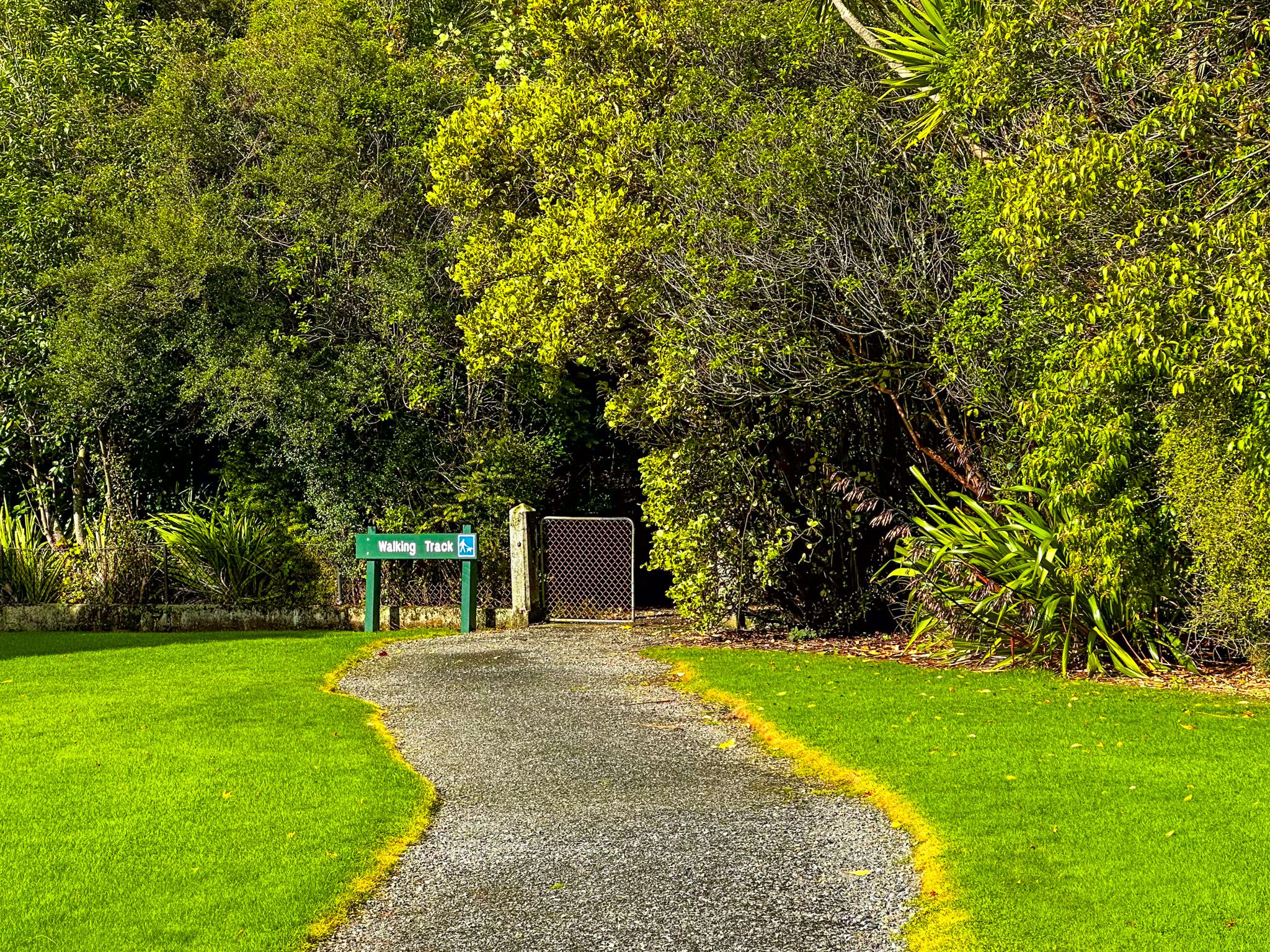
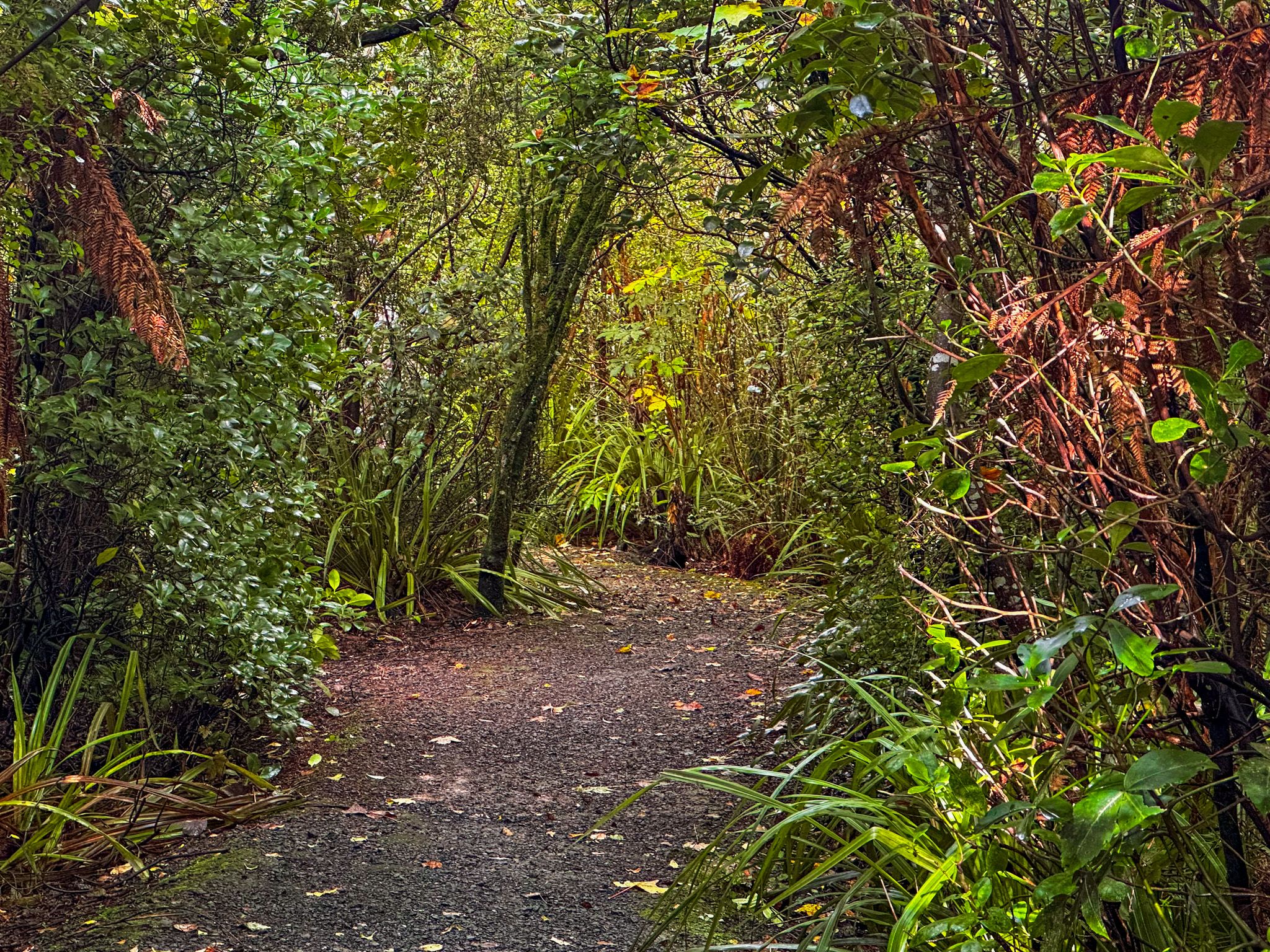
A short forest walk winds through native trees at the rear of the property, with access behind the house, taking around 15 minutes and a quiet contrast to the formality of the house. Free-roaming ducks occupy the pond, and kererū are regular visitors to the native trees. Picnicking on the lawns is popular with families.
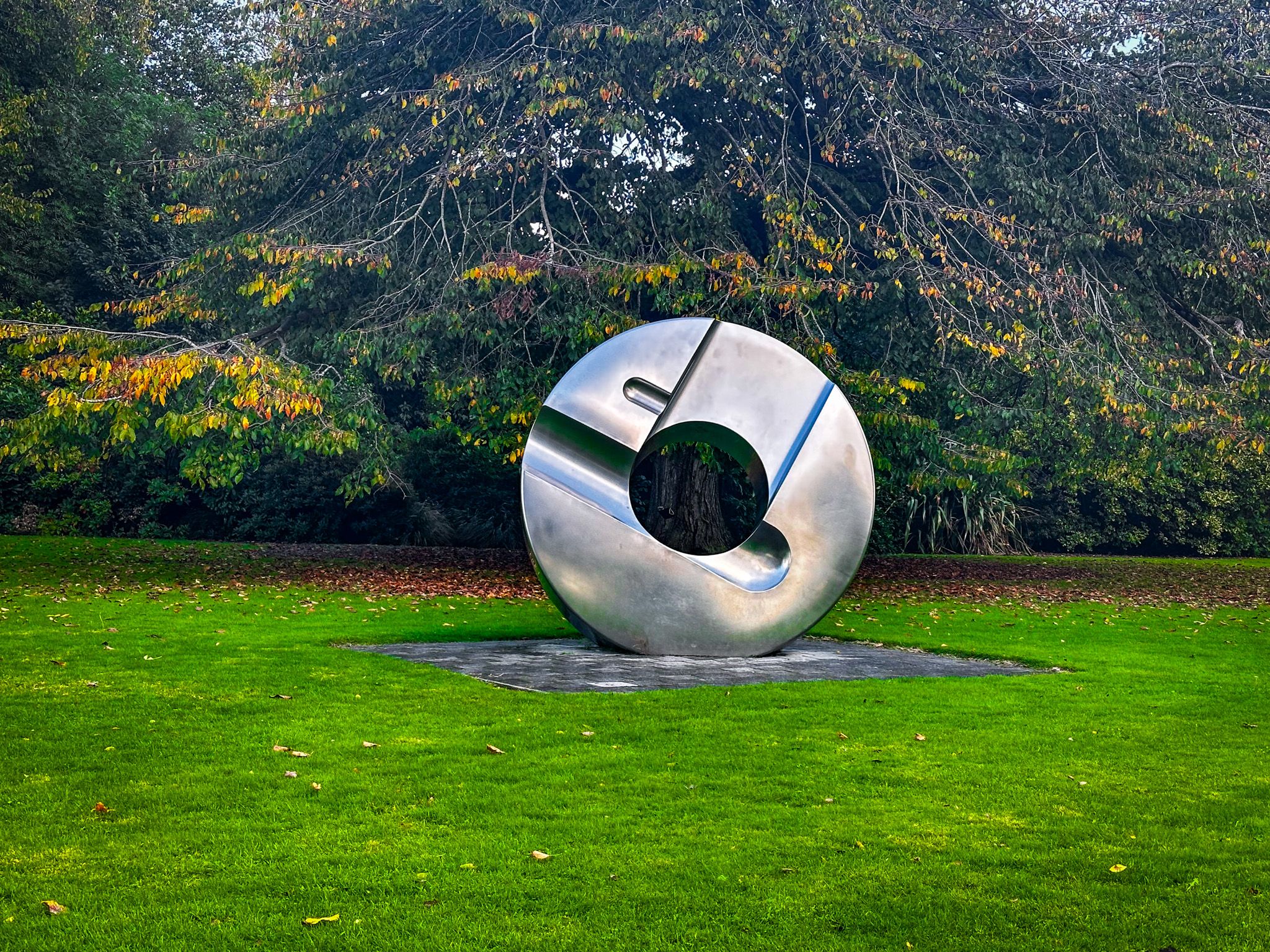
Near the main car park, there is also a large round metal sculpture, Confluence. This sculpture, designed by Russell Beck, was presented on Invercargill’s 150th Anniversary. Beck also designed the Cube of Learning on Tay Street, the Umbrella sculpture in the Doon Street reserve, and the anchor chains at Stirling Point in Bluff and on Rakiura / Stewart Island.
The Wharepuni and Cultural Connections
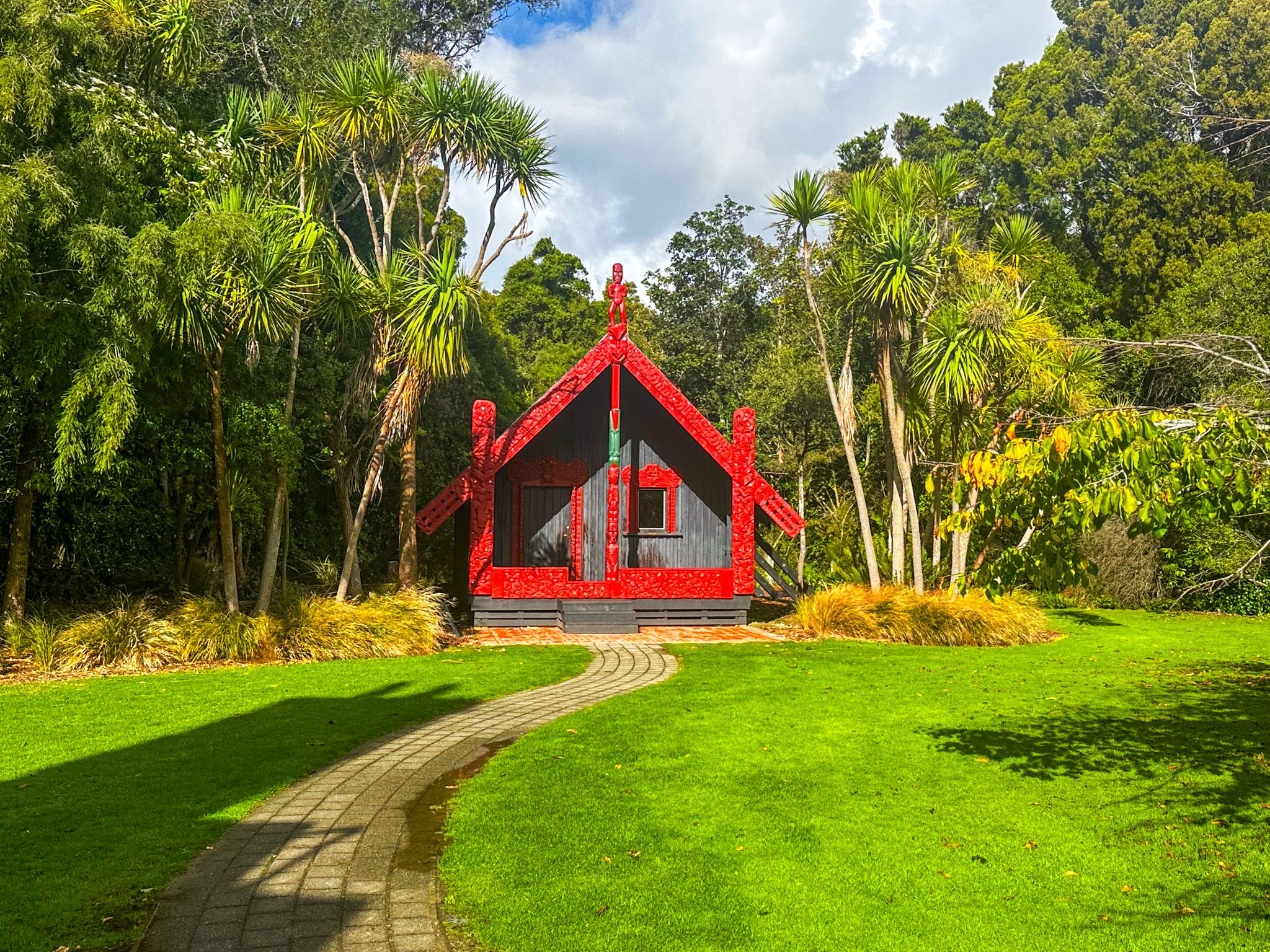
Behind the main house stands Te Wharepuni o Anehana, a Māori wharepuni (sleeping house) with traditional carvings sourced from Rotorua. It was originally constructed for a family occasion and has remained on the property as part of its cultural fabric. The pairing of a Georgian homestead with a carved Māori wharepuni on the same grounds is an unusual historical detail.
How to Get There
Anderson Park is on McIvor Road, approximately 7 km north of central Invercargill, accessible from State Highway 6. From the city centre, take the highway north, then turn west onto McIvor Road and follow it to the access driveway and car park. The drive takes about 11 minutes. The grounds are open during daylight hours every day. Entry is free.
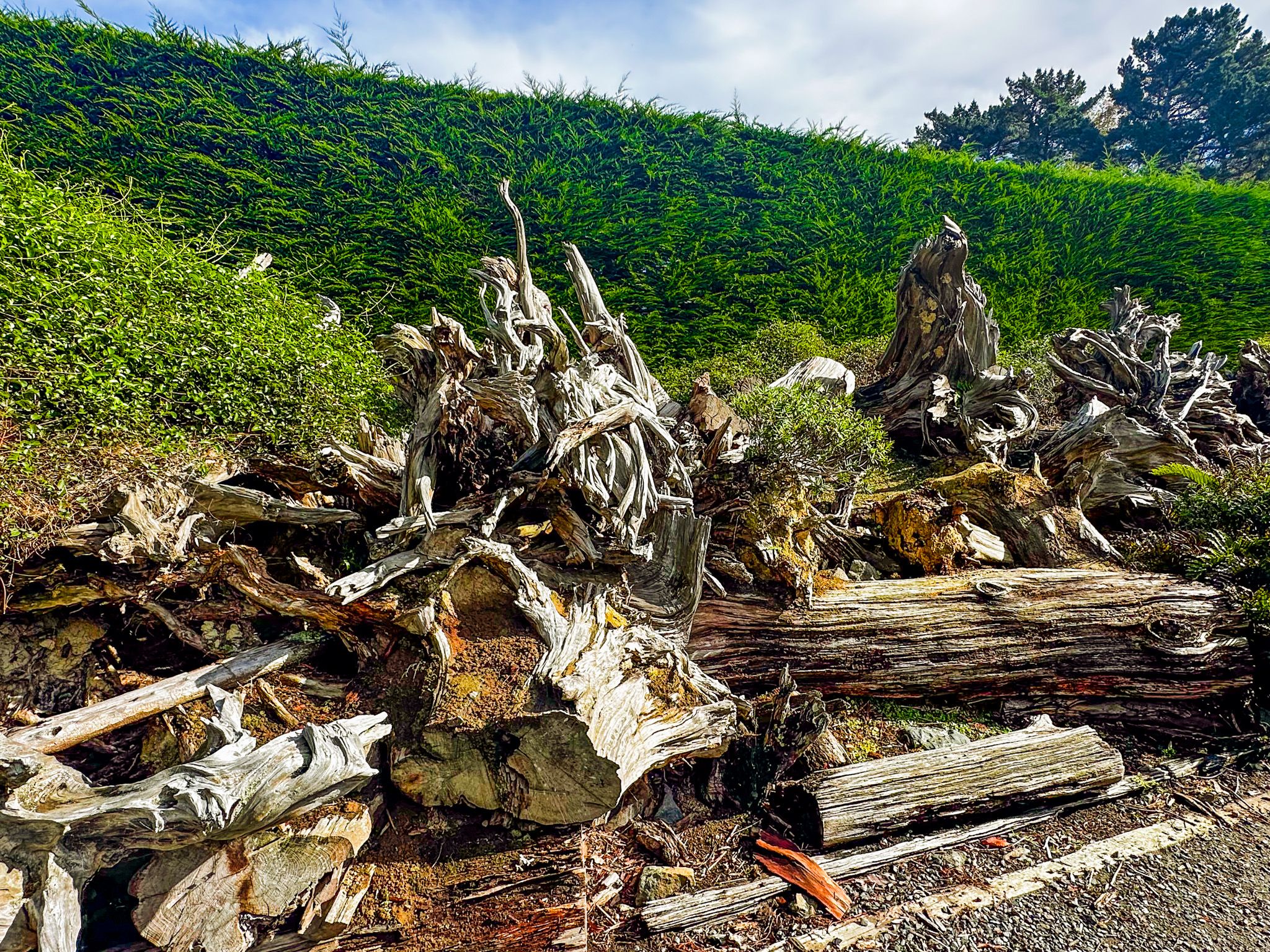
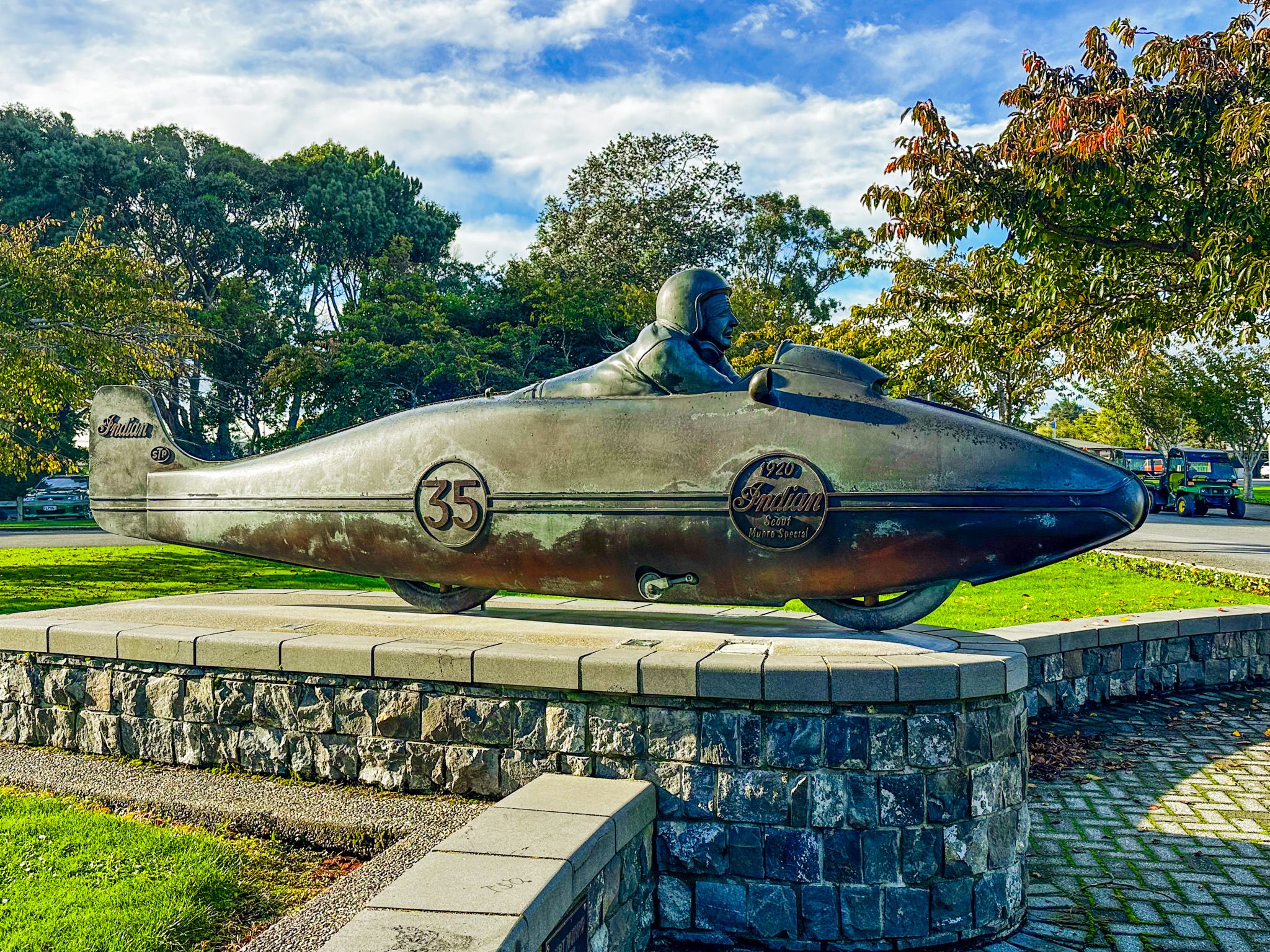
Nearby places to visit include Thomsons Bush on Queens Drive, Queens Park, the Queens Park Stumpery and the Bill Richardson Transport World. You can also explore the city centre's outdoor murals and artworks and follow the greenbelt walk. Oreti Beach is a bit further away.