A Victorian Oddity In Queens Park
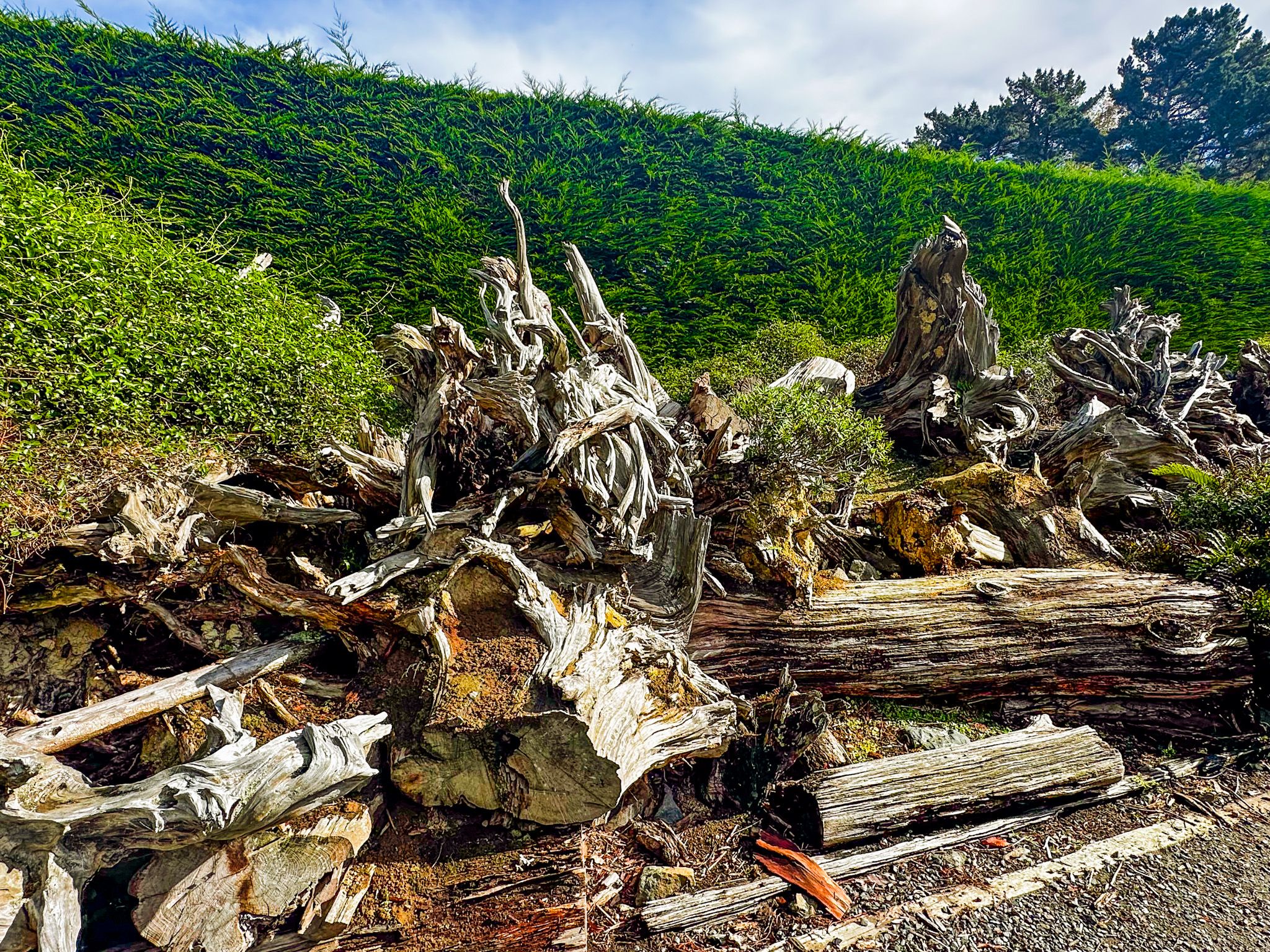
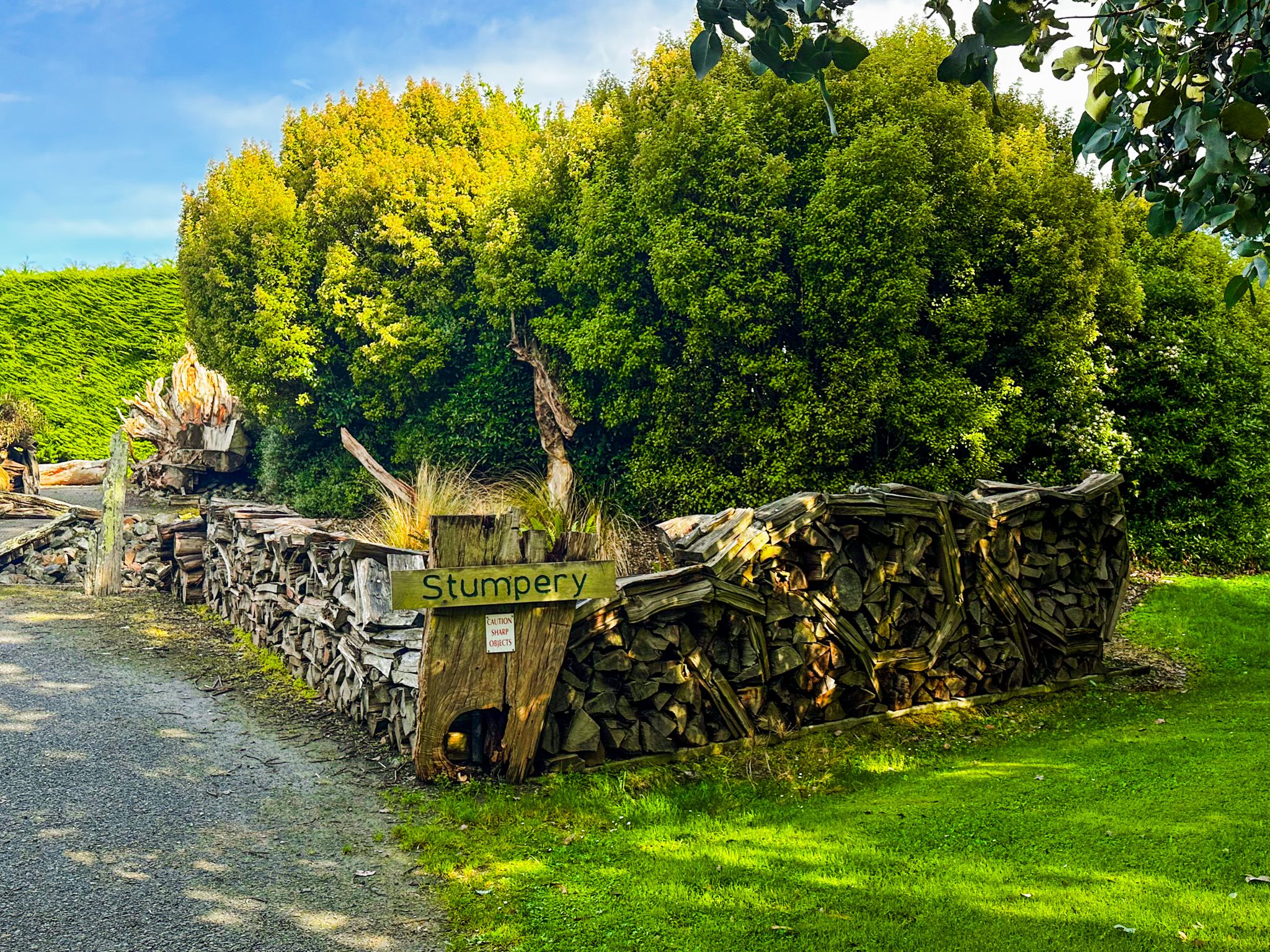
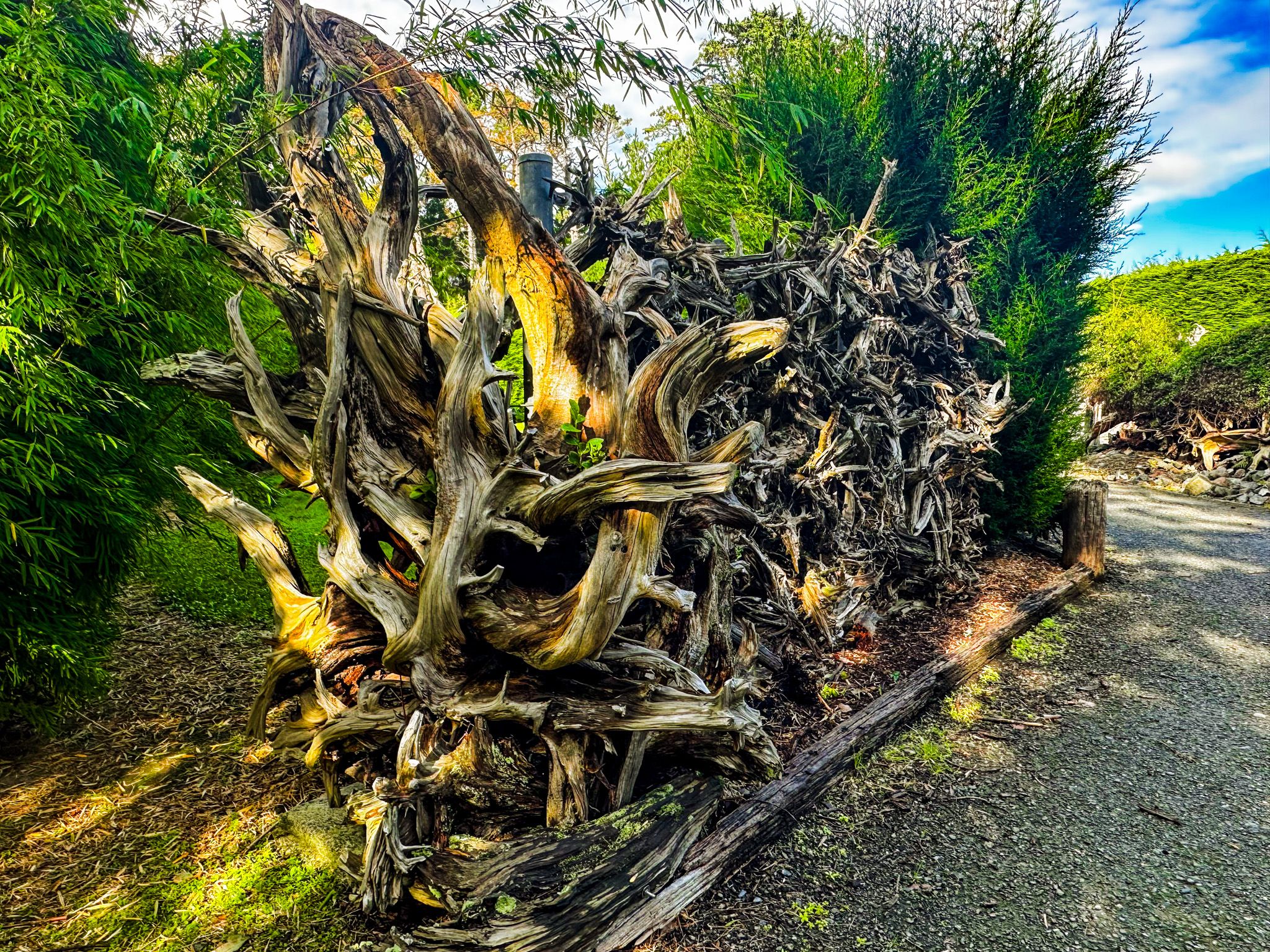
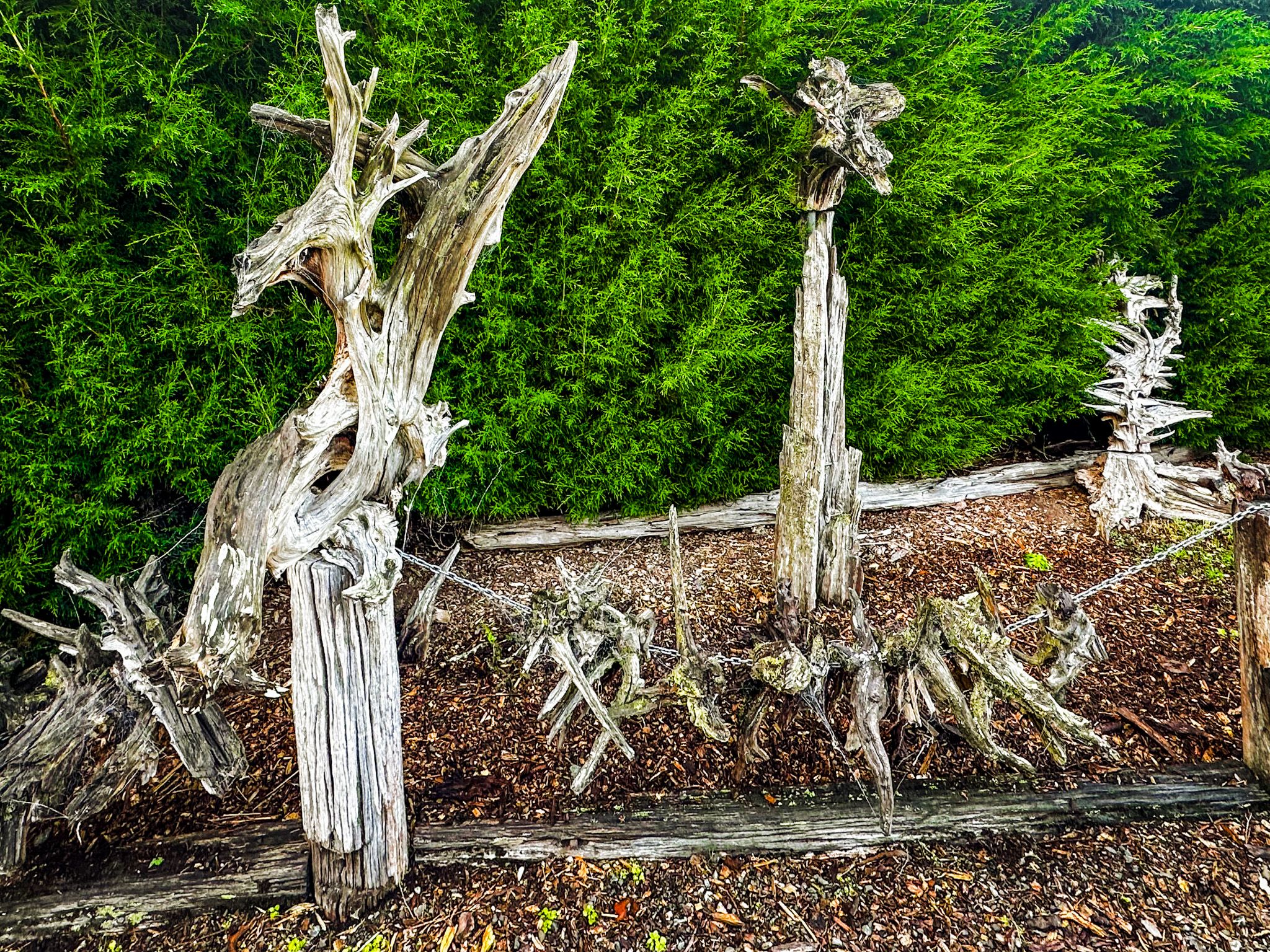
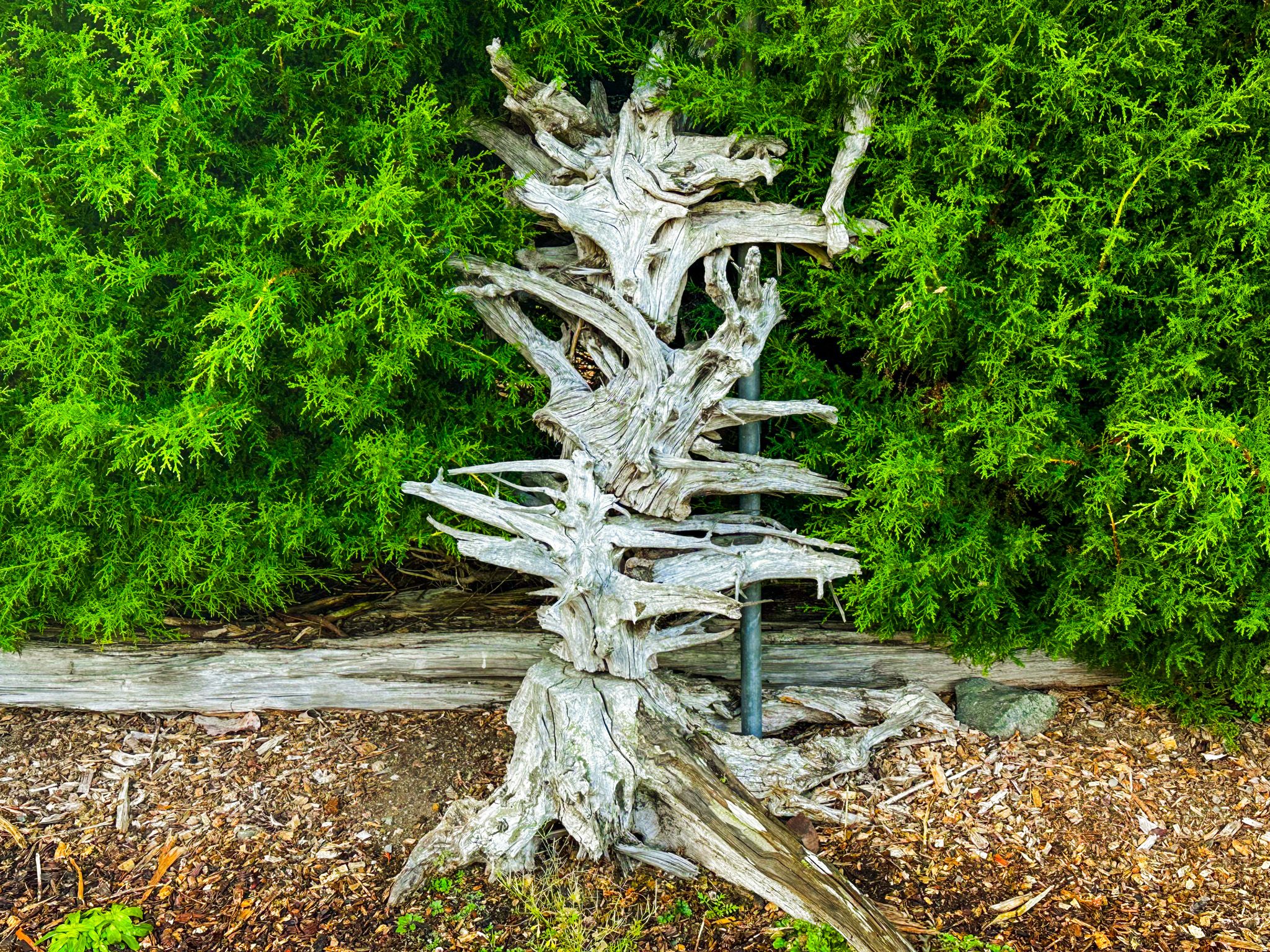
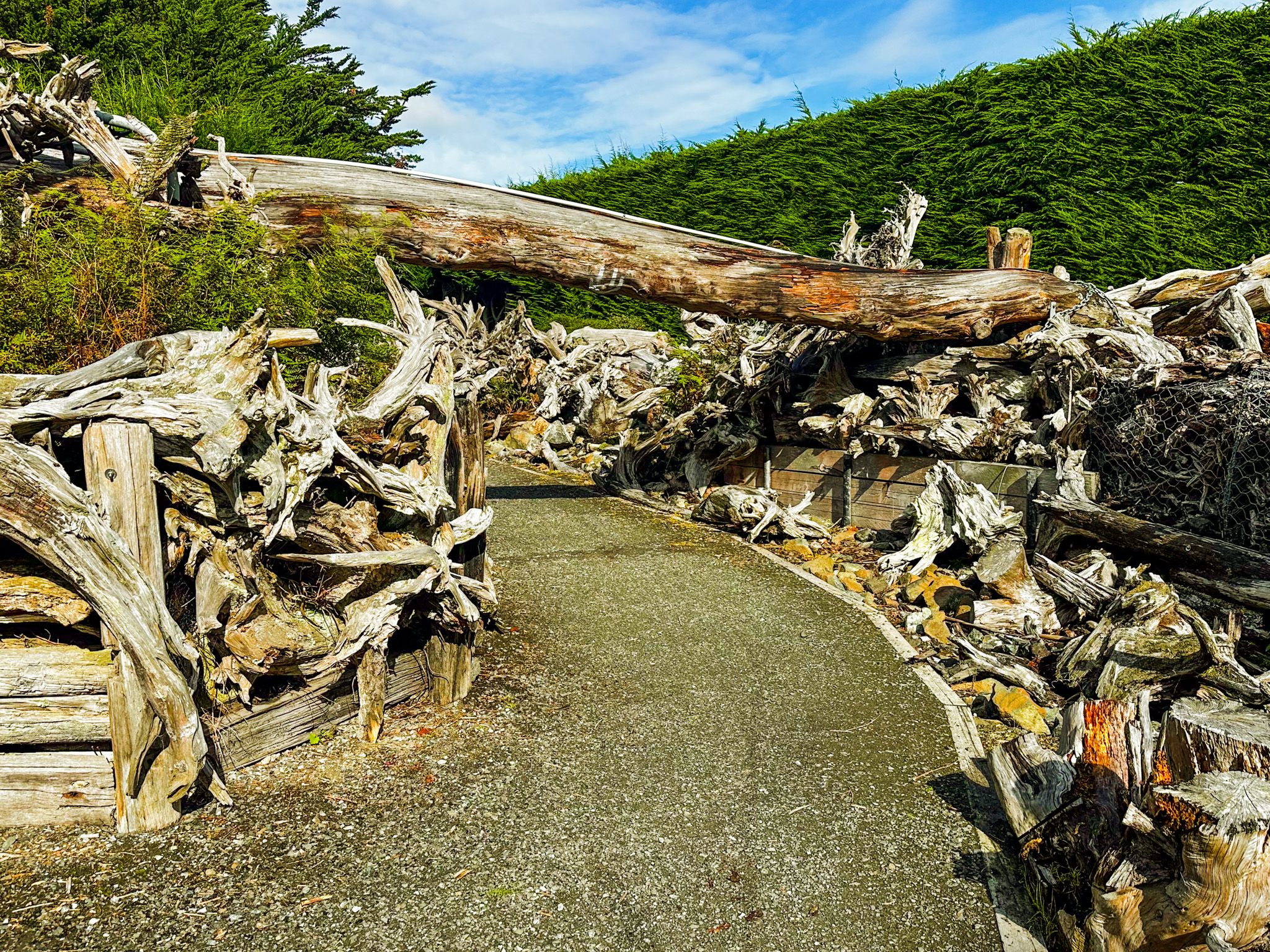
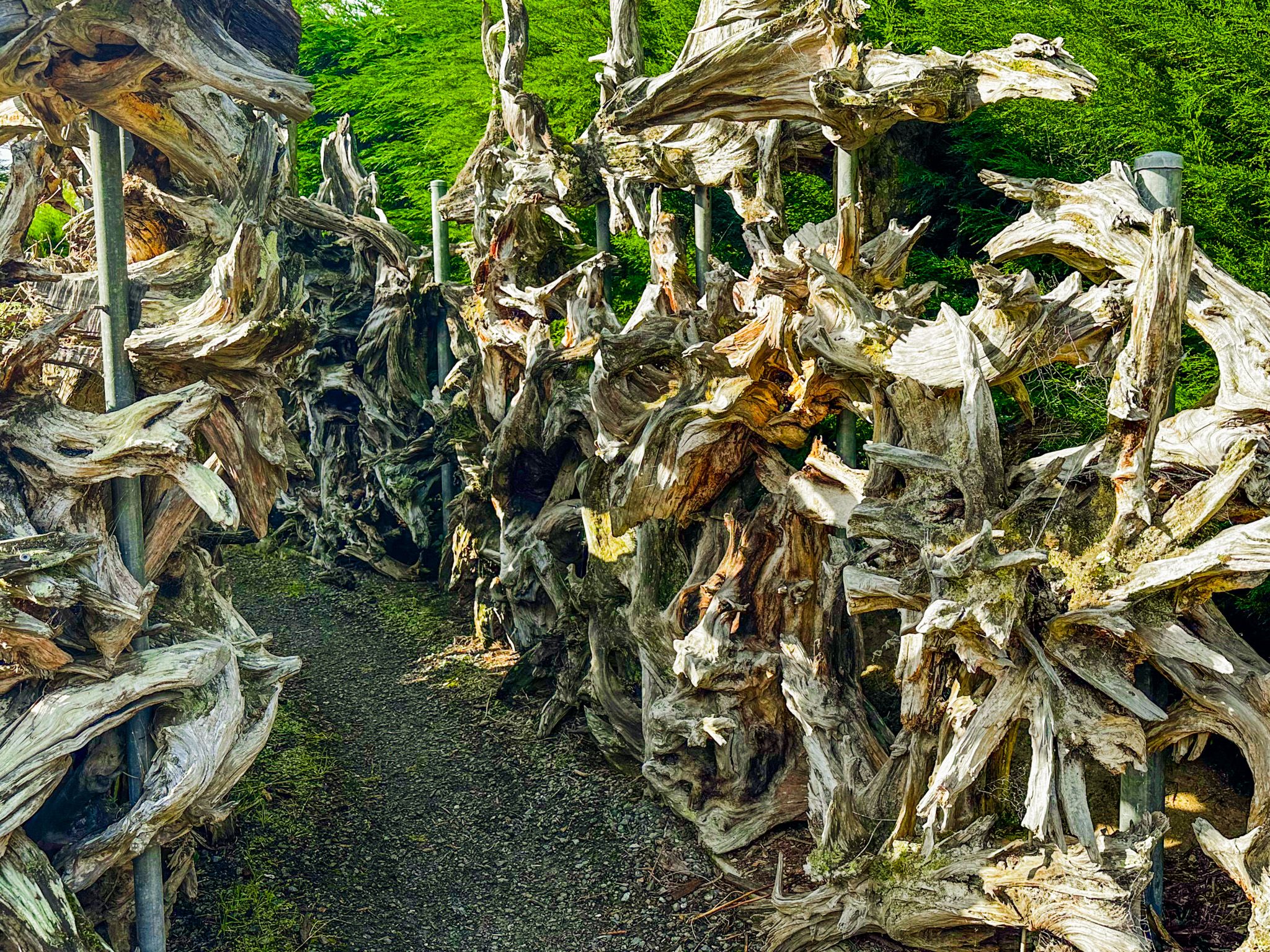
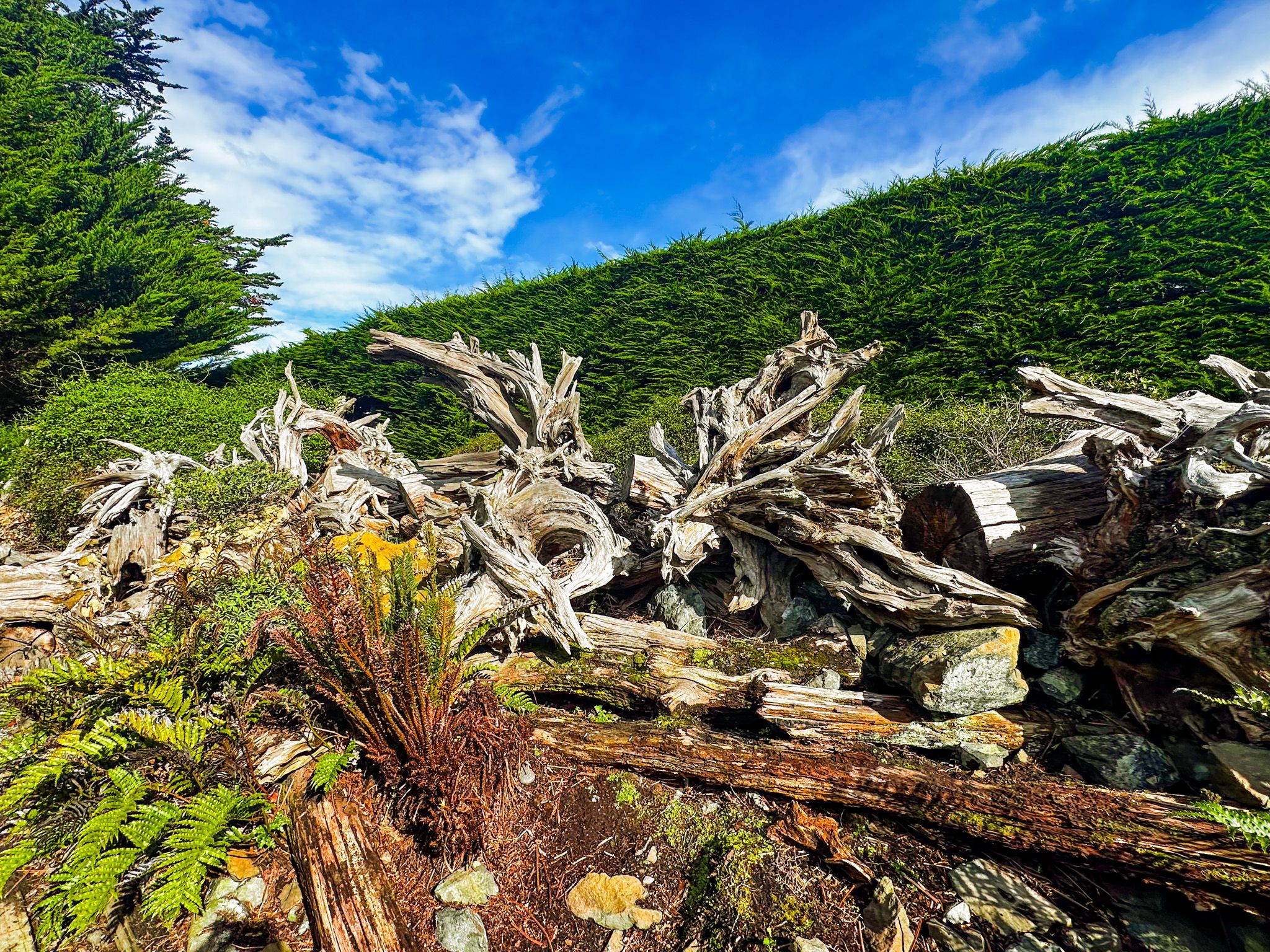
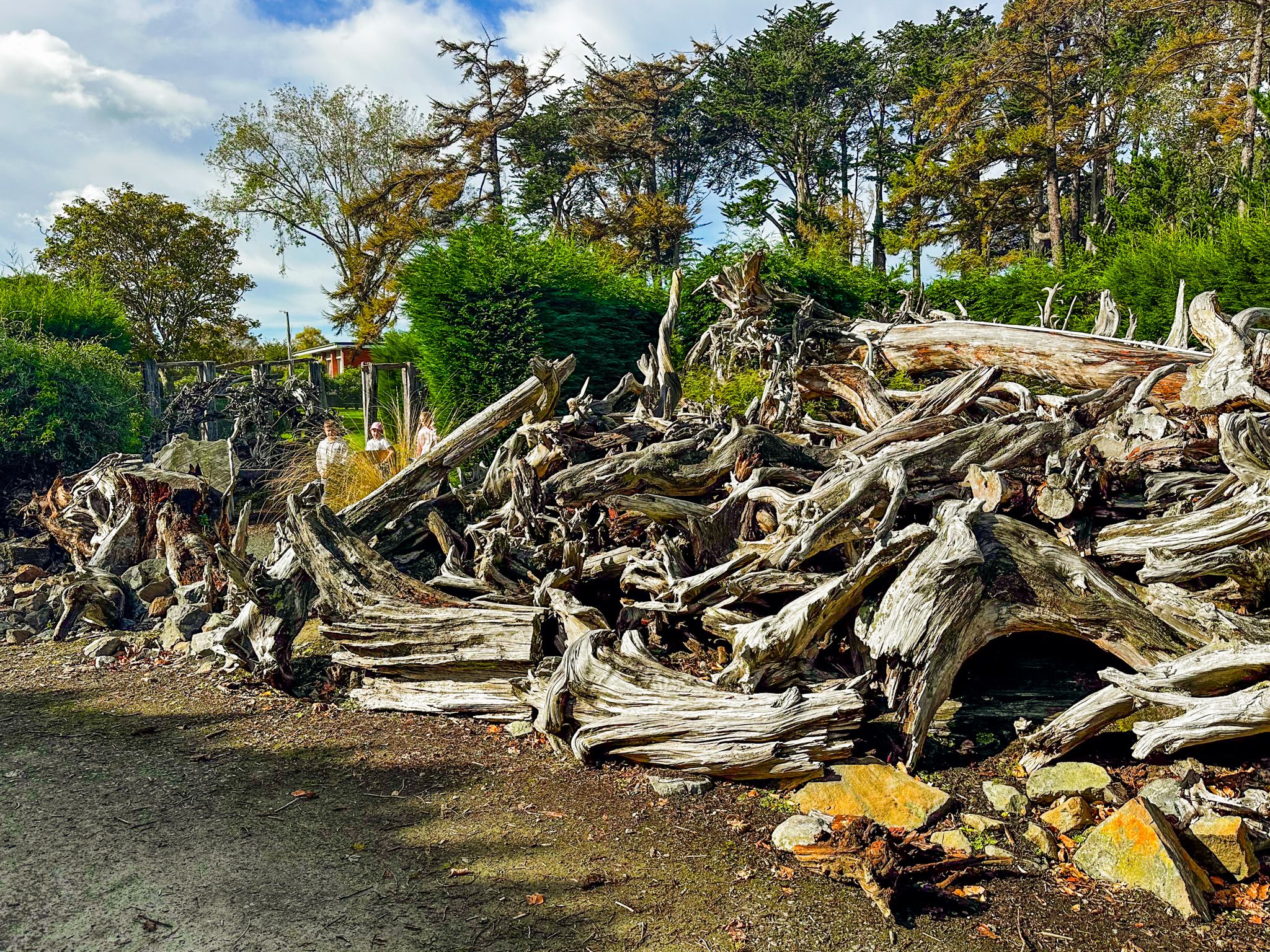
South of the aviary in Queens Park in Invercargill, on the southeastern side of the park, twisted trunks and upended root masses rise from the path, stopping most visitors in their tracks. This is the Queens Park Stumpery, established in 2014: a large assemblage of old stumps and broken tree branches collected from various locations, including the peat bogs of the Awarua Plain, arranged together by Invercargill artist Frank Wells into a deliberate composition of decaying wood. It is one of the more unexpected features in any New Zealand public park, and its origins lie in the eccentric garden traditions of Victorian England.
The First Stumpery: Biddulph Grange
A stumpery is a garden feature constructed from the stumps and root masses of dead trees, arranged upside-down or on their sides to expose the root structure, and planted with ferns, mosses, lichens, and other shade-loving species. The form was invented, or at least first formally named, in 1856 at Biddulph Grange in Staffordshire, England, by the horticulturist James Bateman and his collaborator, Edward William Cooke. Biddulph Grange was itself an extraordinary creation: an eccentric Victorian garden divided into themed landscapes representing Egypt, China, the Himalayas, and other corners of the world, all contained within a relatively small estate.
The Gardeners' Chronicle first described it in October 1856 as a "rustic root garden," and by December had coined the word "stumpery." The National Trust now holds Biddulph Grange as a listed garden, with the oldest stumpery in Britain and the inspiration for many others.
Pteridomania: The Victorian Fern Craze
The stumpery did not emerge in isolation. It was a product of one of the most consuming plant obsessions of the Victorian era: pteridomania, or the fern craze. From the 1840s through to the end of the century, collecting, cultivating, and displaying ferns became a widespread passion across British society. Hundreds of new fern species, including many from New Zealand, were introduced to Britain from around the world, and stumperies, with their varied pockets of shade, moisture, and well-drained crevices, were a near-perfect planting location.
The stumps themselves provided the structure, and the ferns provided the living surface. Together, they are a unique blend of the deliberately constructed and convincingly wild, which suited the Victorian taste for landscapes valued for their irregularity, drama, and hint of untamed nature. Stumperies spread through the gardens of the Victorian wealthy, then declined in popularity as the fern craze faded, and by the mid 1900s, the form was largely forgotten.
Highgrove and the Return of the Stumpery
The stumpery's return to prominence is owed to King Charles III, who created a stumpery at Highgrove in Gloucestershire. Working with designers Julian and Isabel Bannerman, he assembled approximately 180 stumps of sweet chestnut into the largest stumpery in Britain. The Highgrove stumpery brought the form back into public consciousness, and a number of notable British gardens, such as Arley Hall, Burnby Hall, RHS Rosemoor, and Trebah in Cornwall, have since created their own. The Royal Botanic Garden Edinburgh incorporated a stumpery into its Lower Woodland Garden as part of a recent restoration.
Peat Bogs and Southland Timber
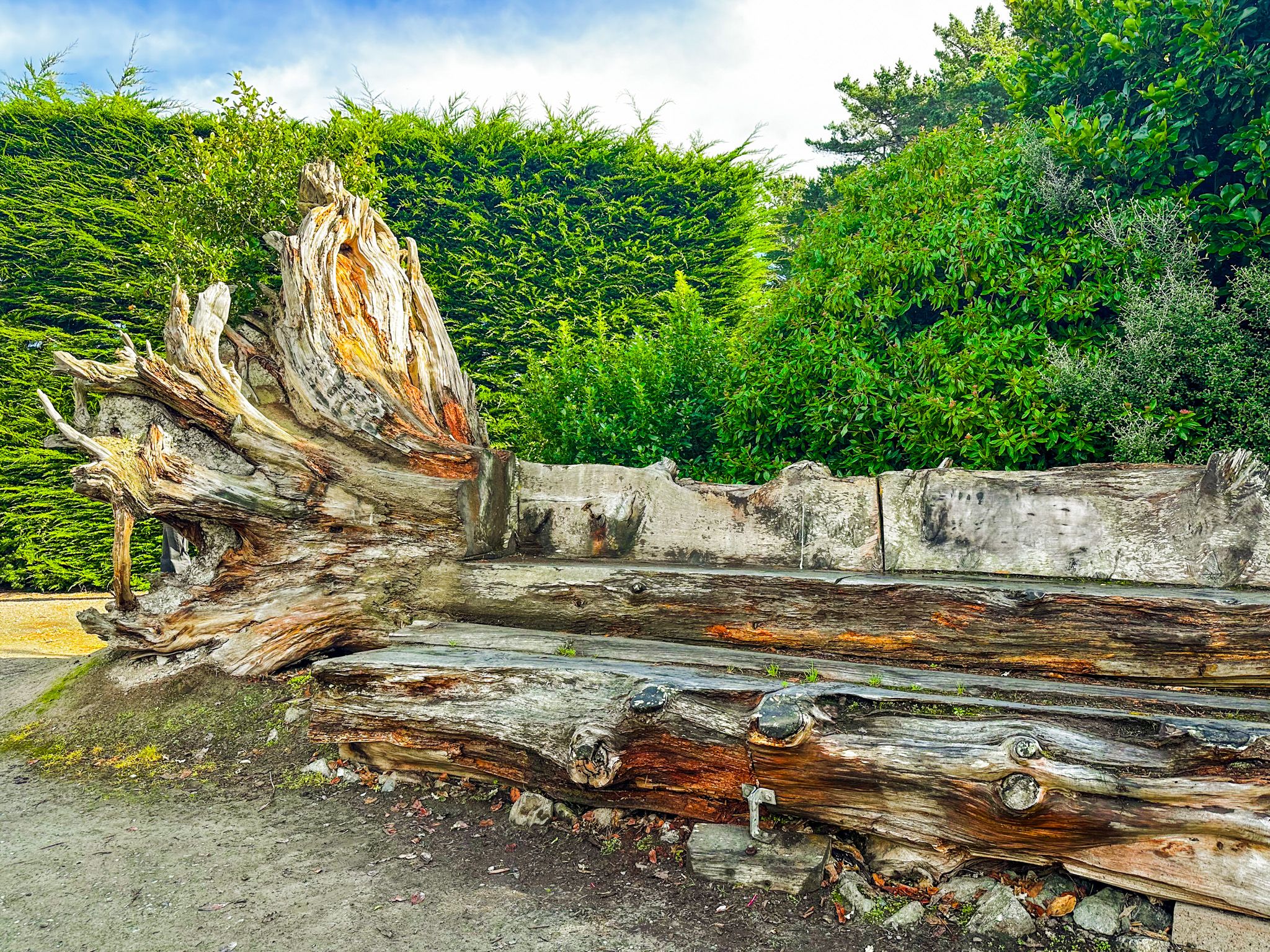
The Queens Park Stumpery was created by Invercargill artist Frank Wells, who also made several of the park's other sculptural features, including the macrocarpa seat installations and the large carved works throughout the park. Wells sourced the preserved ancient kahikatea and other podocarp roots from peat bogs on the Awarua Plain, southeast of Invercargill. The stumps, old railway sleepers and other timbers from around the region were bound together with steel rods and chains.
What the Stumpery Does
Beyond its visual and historical interest, the stumpery functions as an ecological feature. The dense, slow-rotting timber provides a succession of habitats as it gradually breaks down. The early stages support the colonisation of mosses and lichens on the wood surface. Later, fungi and the invertebrates that feed on them move in, and finally, the decomposing heartwood provides nesting and foraging habitat for small birds and insects. The older and more weathered it becomes, the more layered and alive its surfaces are.
How to Get There
The Stumpery is in the southeastern section of Queens Park, near the aviary and the animal reserve. It is most easily reached from the southern Queens Drive entrance, heading west towards the cricket fields, then north to the Stumpery. From the southern Gala Street (Feldwick Gates) entrance, walk north, then east past cricket fields for around ten minutes. Queens Park is open at all times; entry is free.
There are many other features to explore in Queens Park, including woodland walks, themed gardens, a playground, and Te Moutere - Tuatara Island. Other nearby places to visit include Anderson Park, Thomsons Bush, the greenbelt walk and central Invercargill with its murals and heritage buildings. Further afield are Oretii Beach and Bluff.