Exploring the Alice Eaves Scenic Reserve
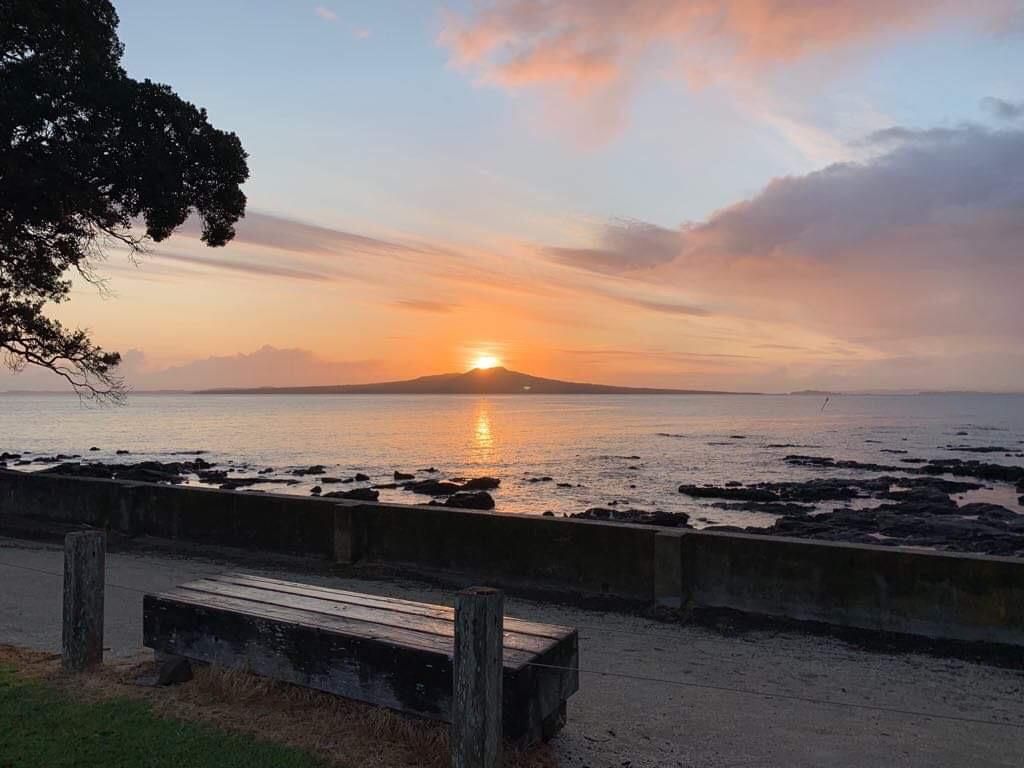
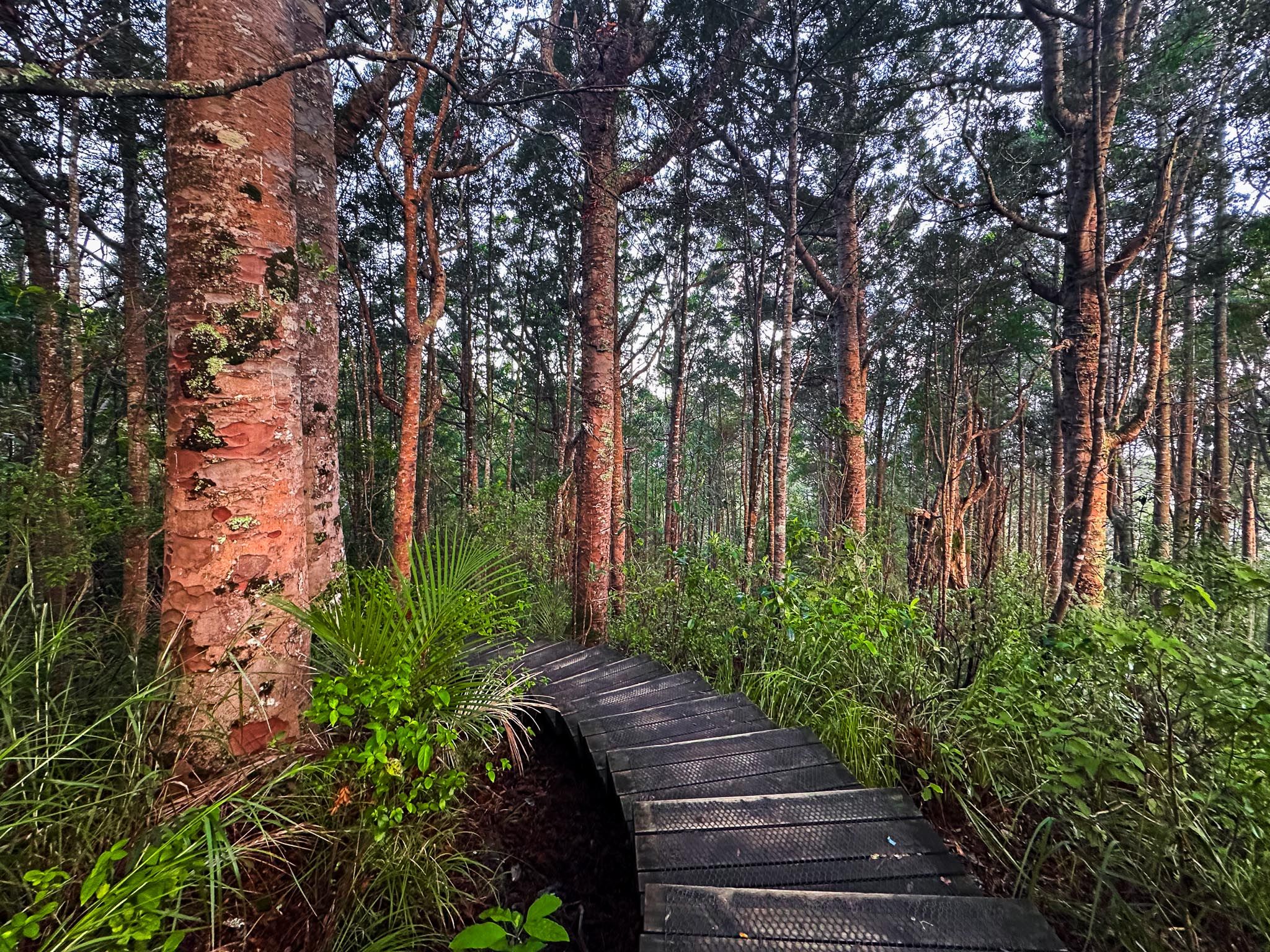
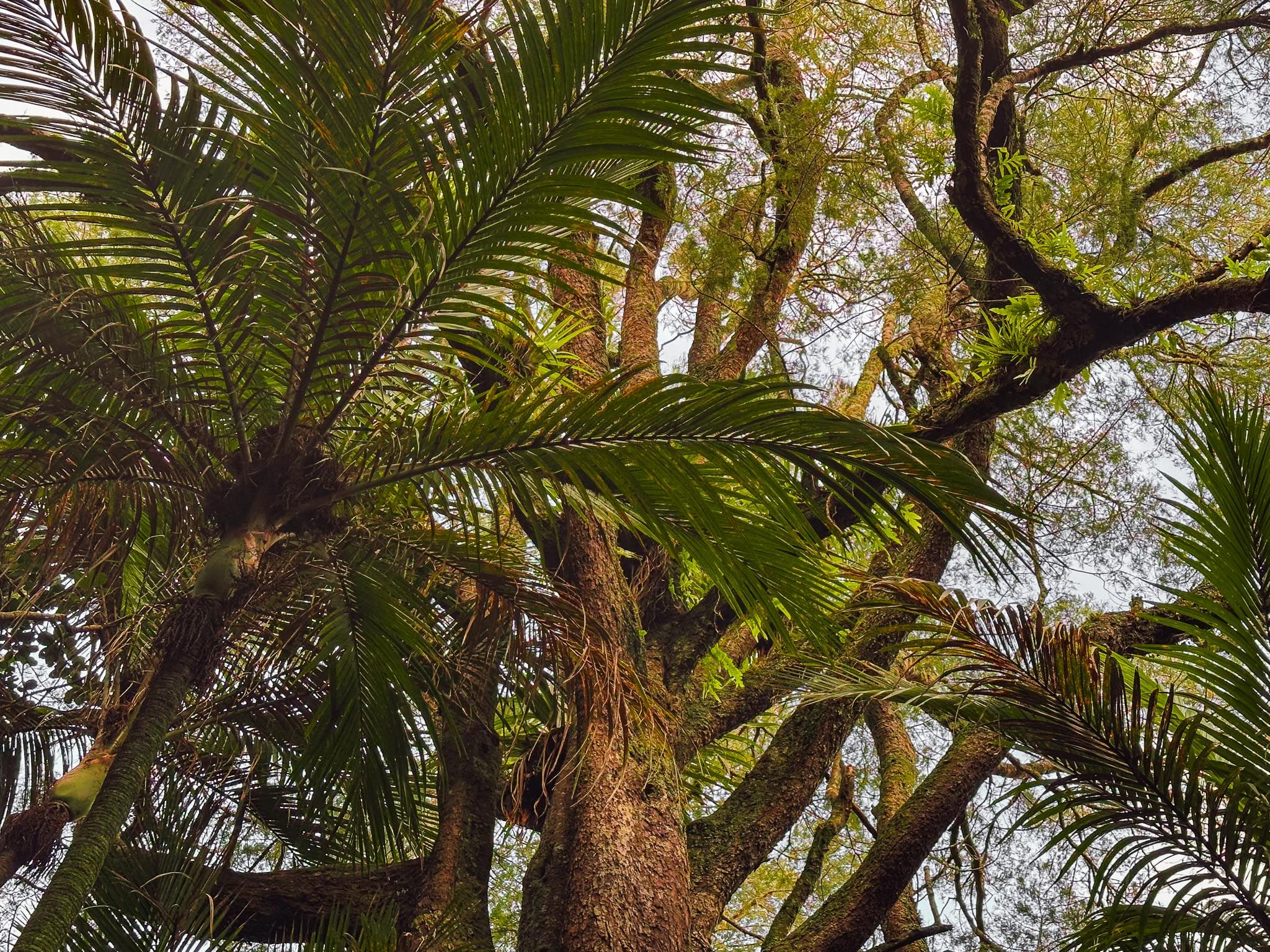
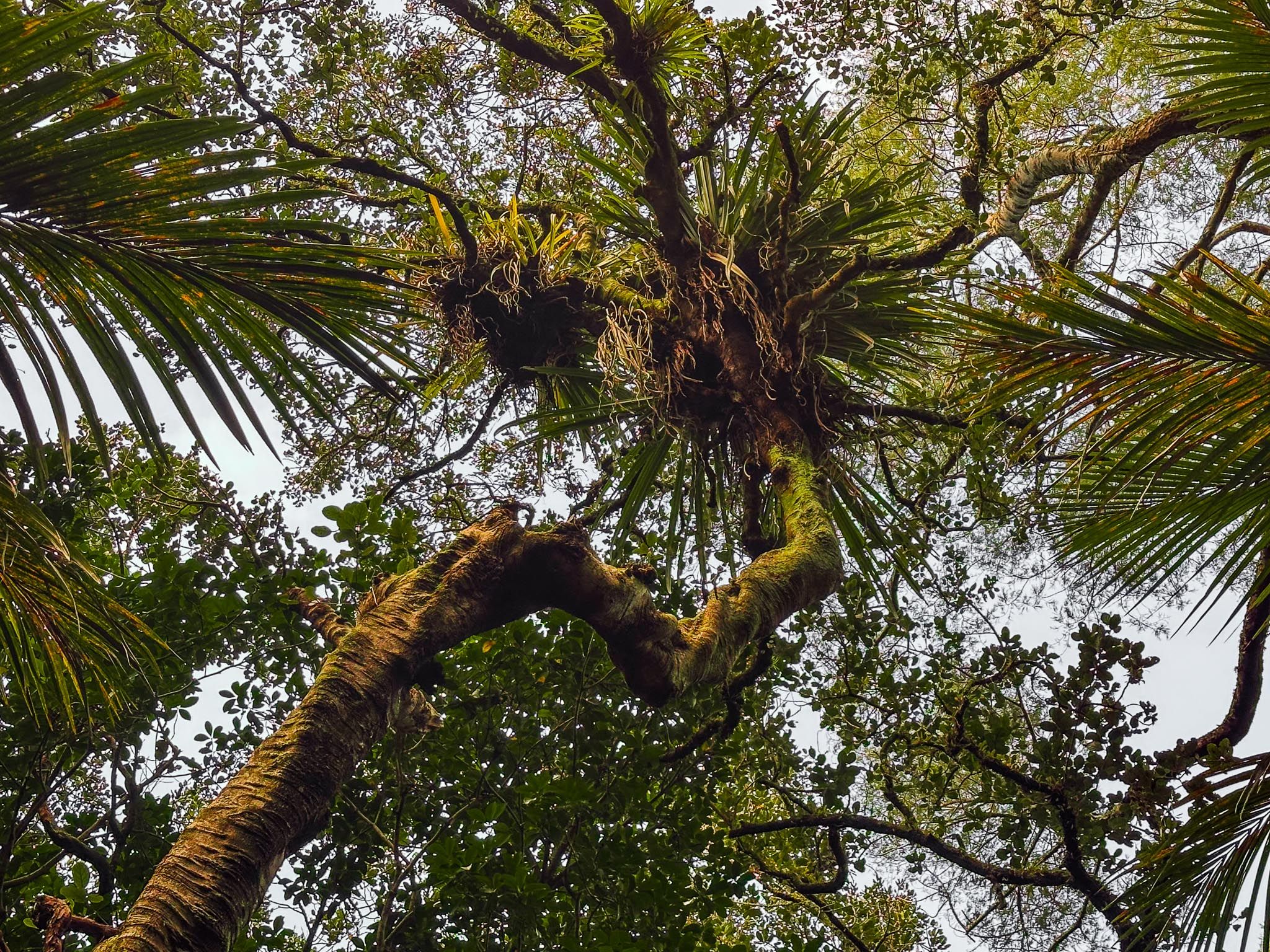
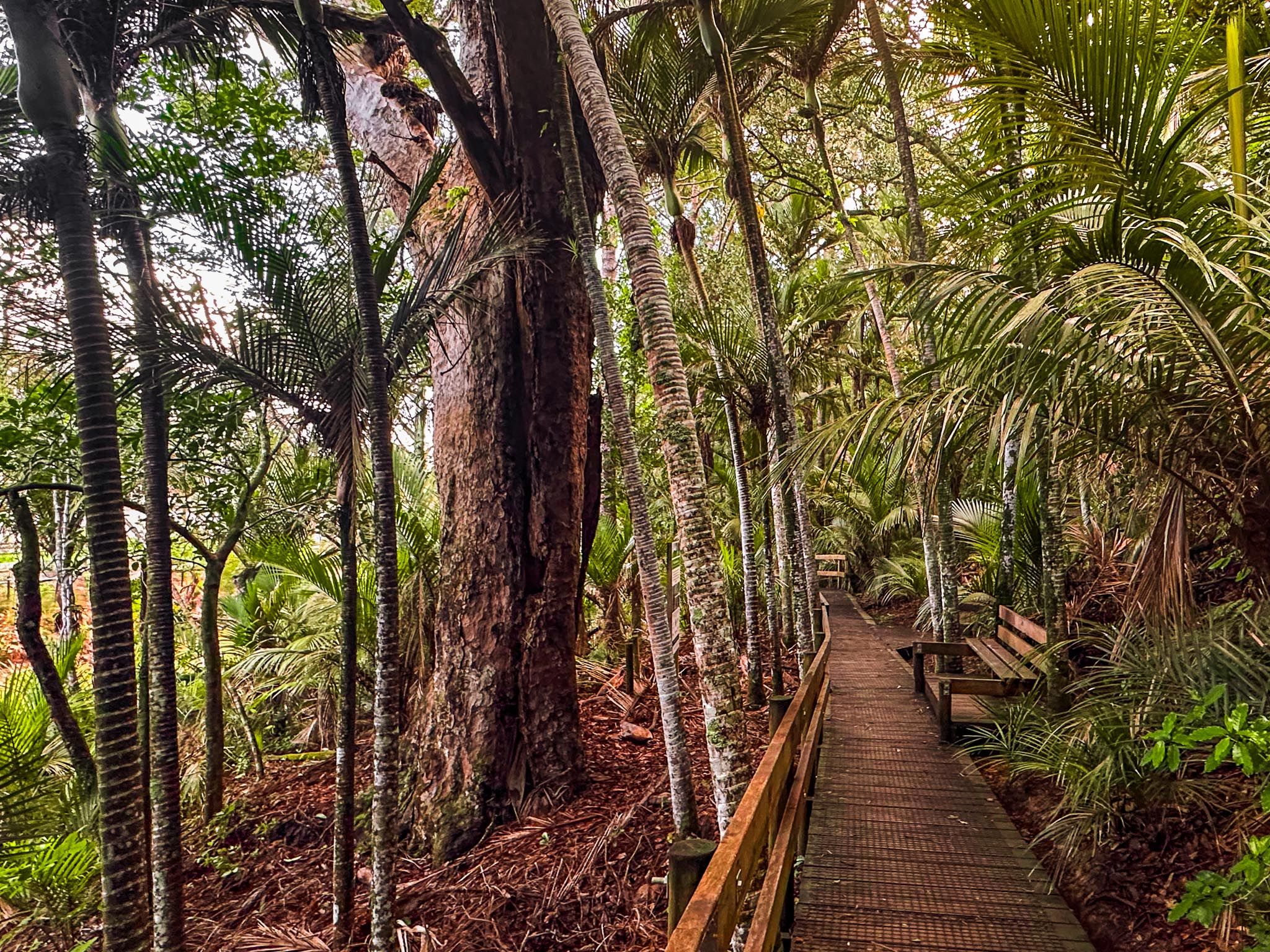
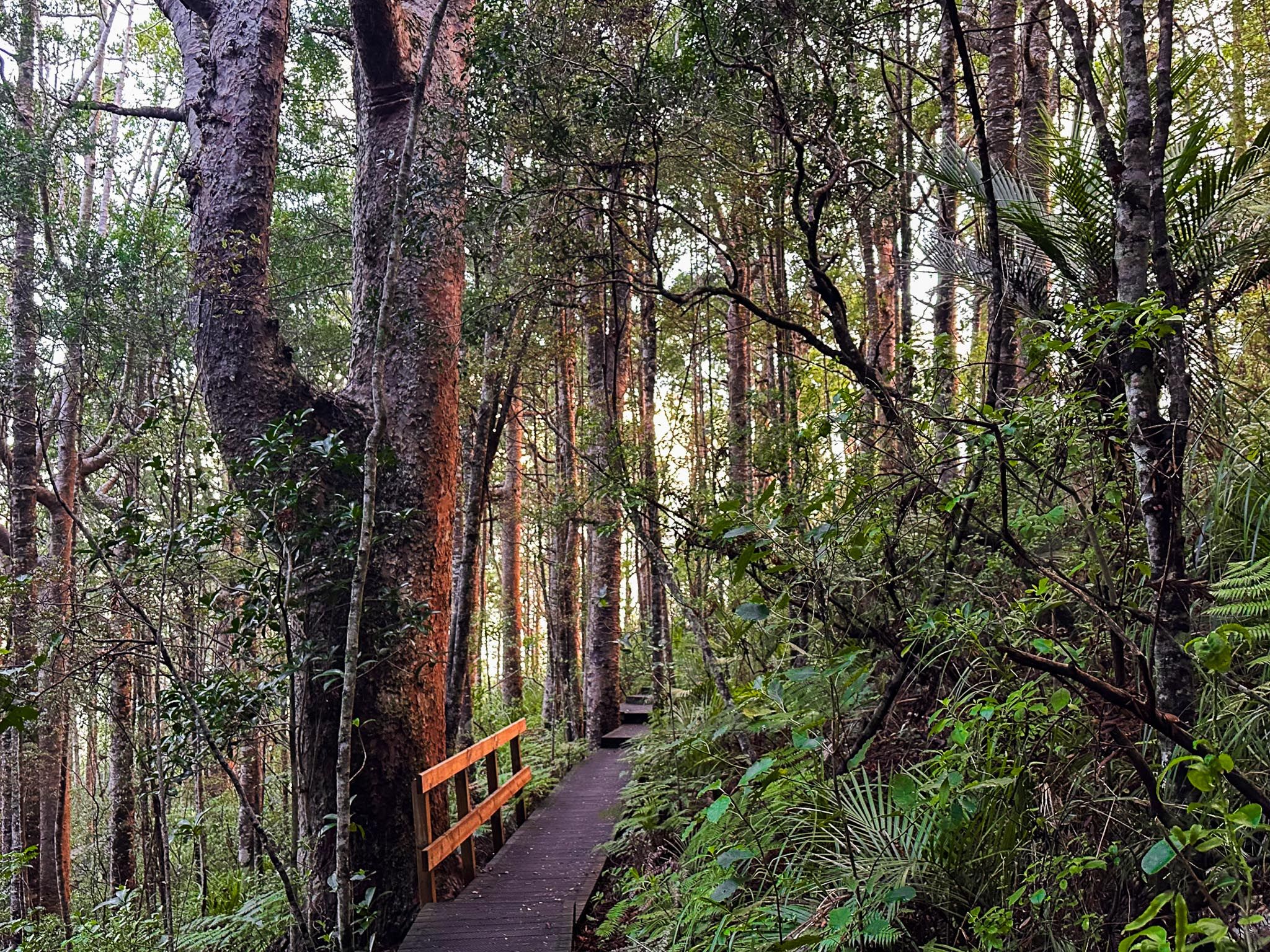
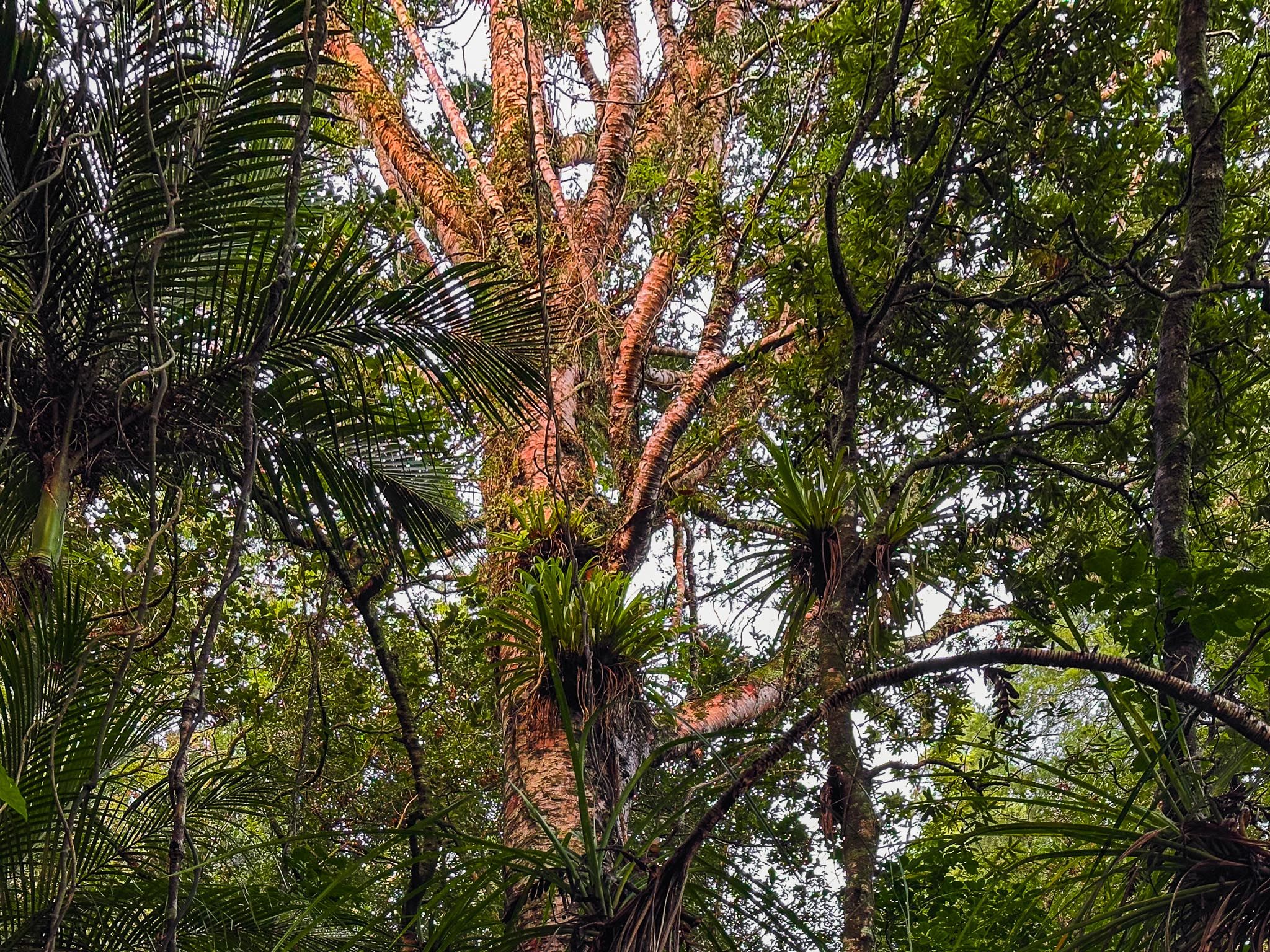
Located on the northern side of Ōrewa on the Hibiscus Coast, the Alice Eaves Scenic Reserve spans 16 hectares of coastal kauri, podocarp, and broadleaf forest. This lovely spot is a stark contrast to bustling Auckland. The reserve is home to mature trees, including kauri and kahikatea, some over 300 years old. You will also find numerous nīkau palms and an understorey filled with birdsong. While Ōrewa is known for its expansive beach, the reserve provides a peaceful alternative with several interconnected trails, each taking just 10 to 20 minutes to explore.
Walking the Trails
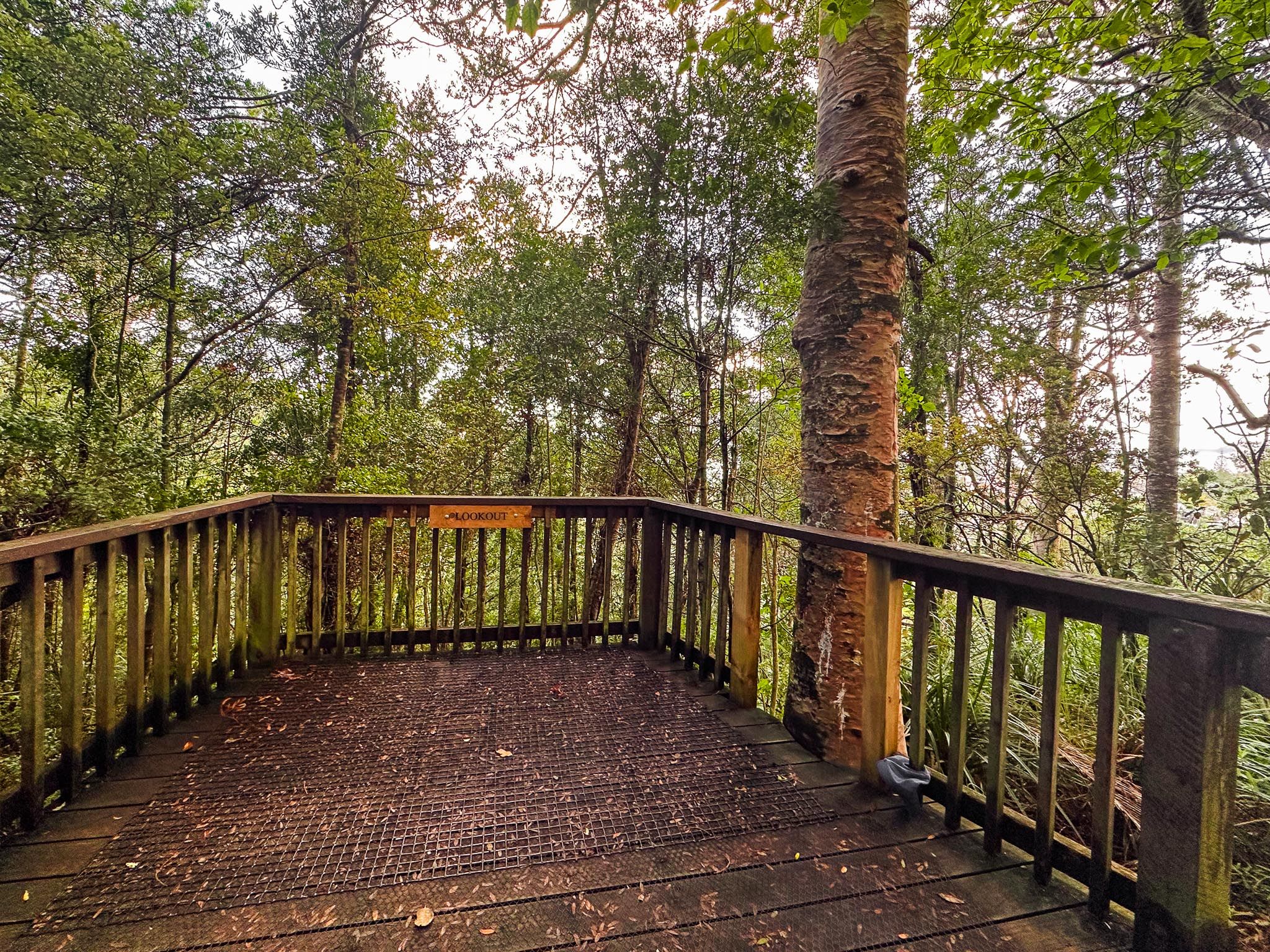
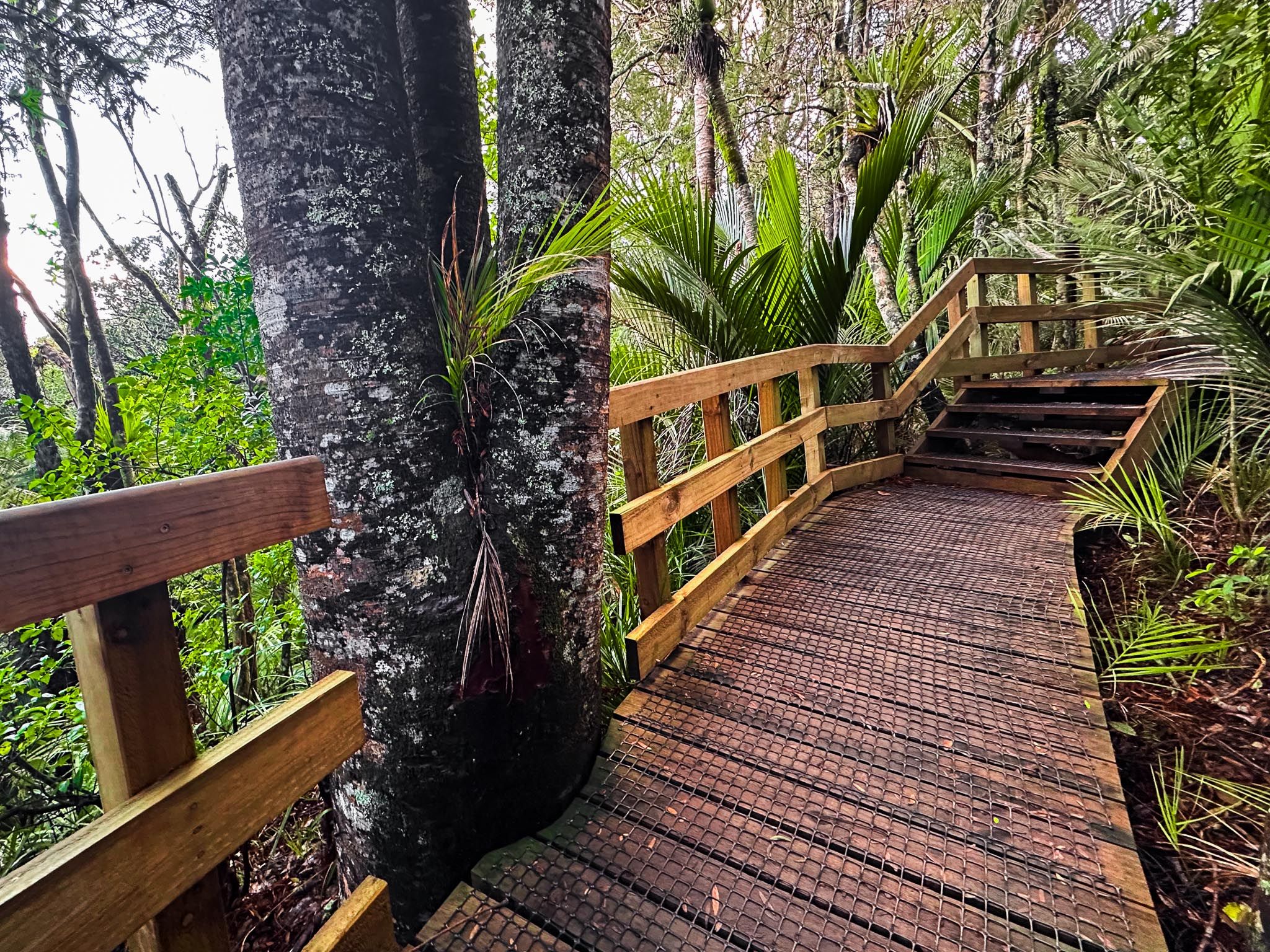
The main entrance on Old North Road leads to a network of gravel and boardwalk paths. These trails wind through groves of kauri, kahikatea, karaka, kōwhai, mataī, pūriri, rewarewa, supplejack, taraire, and many nīkau. The track to the kauri lookout has many steps, but provides a close-up view of towering trees, some reaching up to 50 metres. Keep an eye out for kererū and tūī in the canopy.
Beyond the lookout, a higher track leads to the Hillcrest Road entrance and the site of a former pā, once inhabited by a Te Kawerau hapū until 1827.
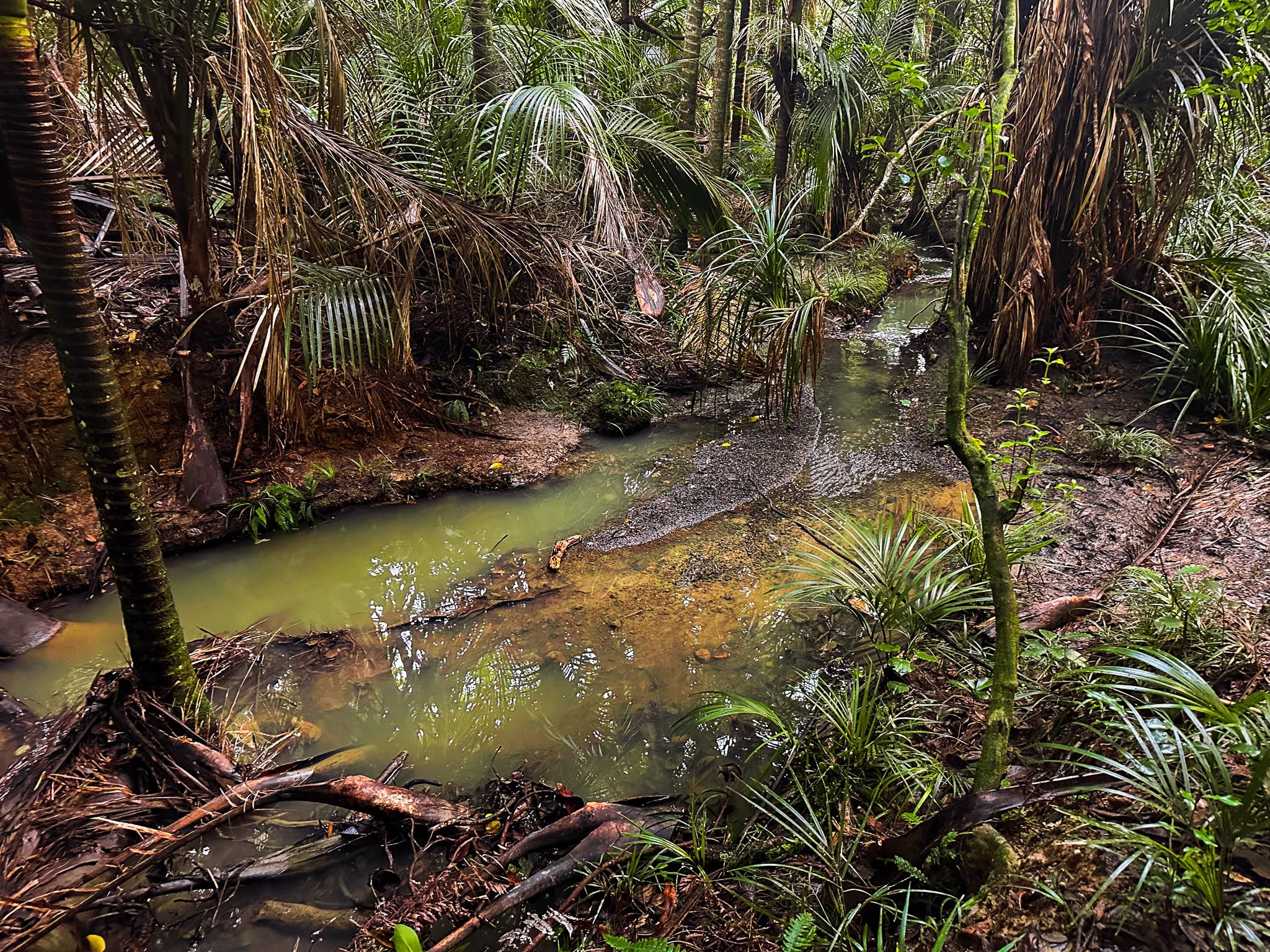
Alternatively, the Nukumea Stream Track follows the stream towards Kensington Park. Along this path, you will encounter the forest’s most famous tree, an 800-year-old hollow kauri that has withstood storms, lightning, human interference, and fire. This remarkable tree remains alive despite these challenges. This track also features impressive kahikatea and pūriri trees.
Historical Significance
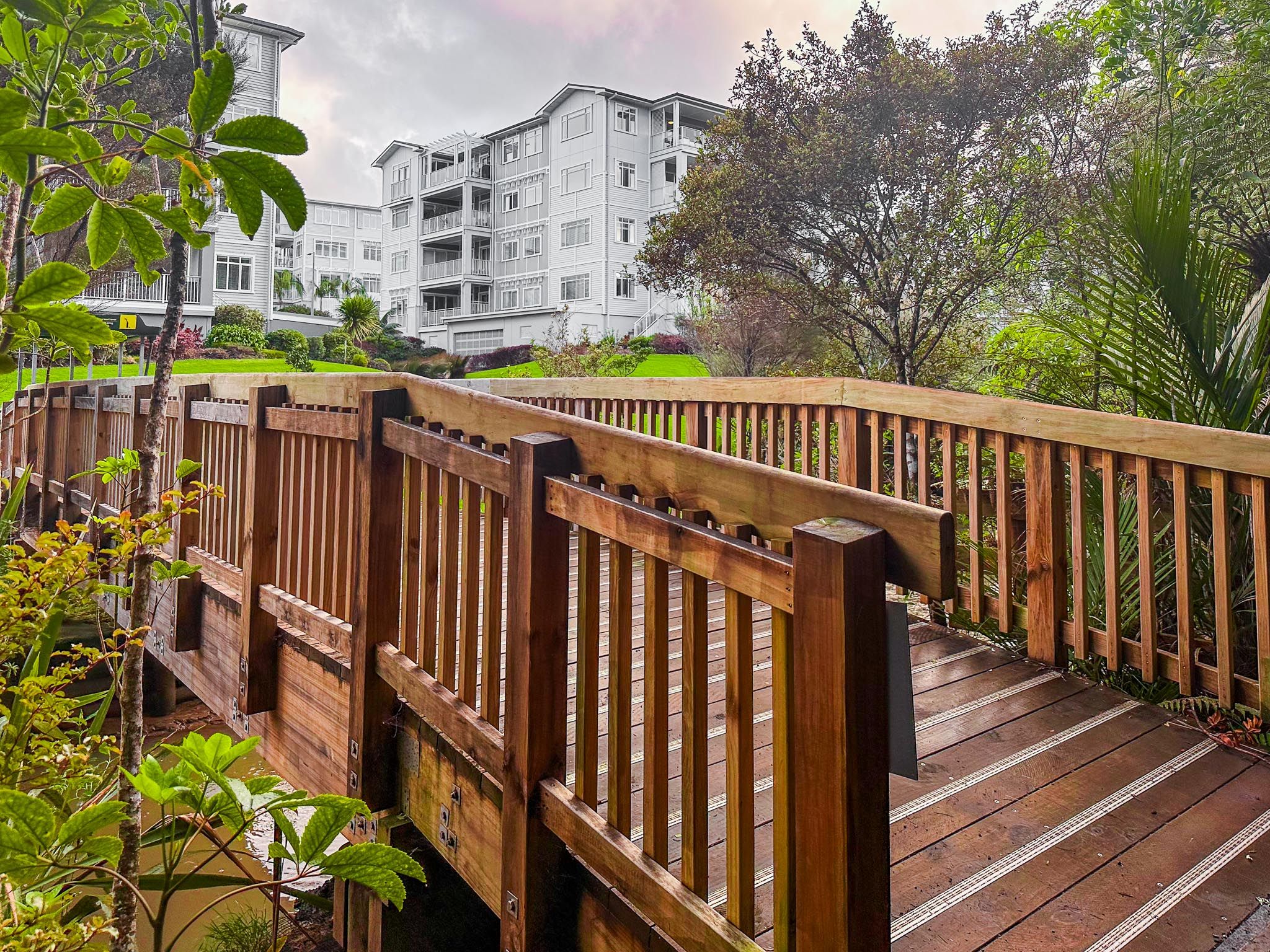
The reserve has a rich history, being part of the vast Mahurangi Purchase in the early 1840s. In the late 1850s, Captain Martin Krippner owned the land before founding the Bohemian settlement of Puhoi. Captain Isaac Cooper later acquired it and built the first Ōrewa House. Around 1868, the land and house were sold to the De Grut family, who eventually sold it to Alice and Edward Eaves in 1919.
By the time the Eaves acquired the land, the forest was a small, damaged remnant of the once-dominant regional forests of the 1830s. Alice Eaves, an avid gardener, was committed to preserving and nurturing the forest. The surviving larger trees aided in reseeding, with a mass of young kauri among the older trees in the higher areas.
After Alice Eaves passed away in 1955, the land was gifted to the community. The local Lions Club developed tracks and bridges, cleared invasive weeds, and officially opened the reserve in 1960, alongside Alice and Edward Eaves' daughters.
How to Get There
From Downtown Auckland, the reserve is about a 35-minute drive (42 km) via the northern motorway to the Ōrewa / Grand Road exit. From there, it's just a few minutes through the township to reach Old North Road or Hillcrest Road. Parking near the entrances is limited, so walking from Arundel Reserve at the north end of the beach to Old North Road, which takes only a few minutes, might be more convenient. For those walking Te Araroa, it's a short detour up Old North Road.
Nearby, you can explore more recovering forests at Wenderholm Regional Park and Shakespear Regional Park. Other places to visit include Hatfields Beach, Waiwera, Red Beach and Stanmore Bay.