Burt Munro's 26 km Test Track
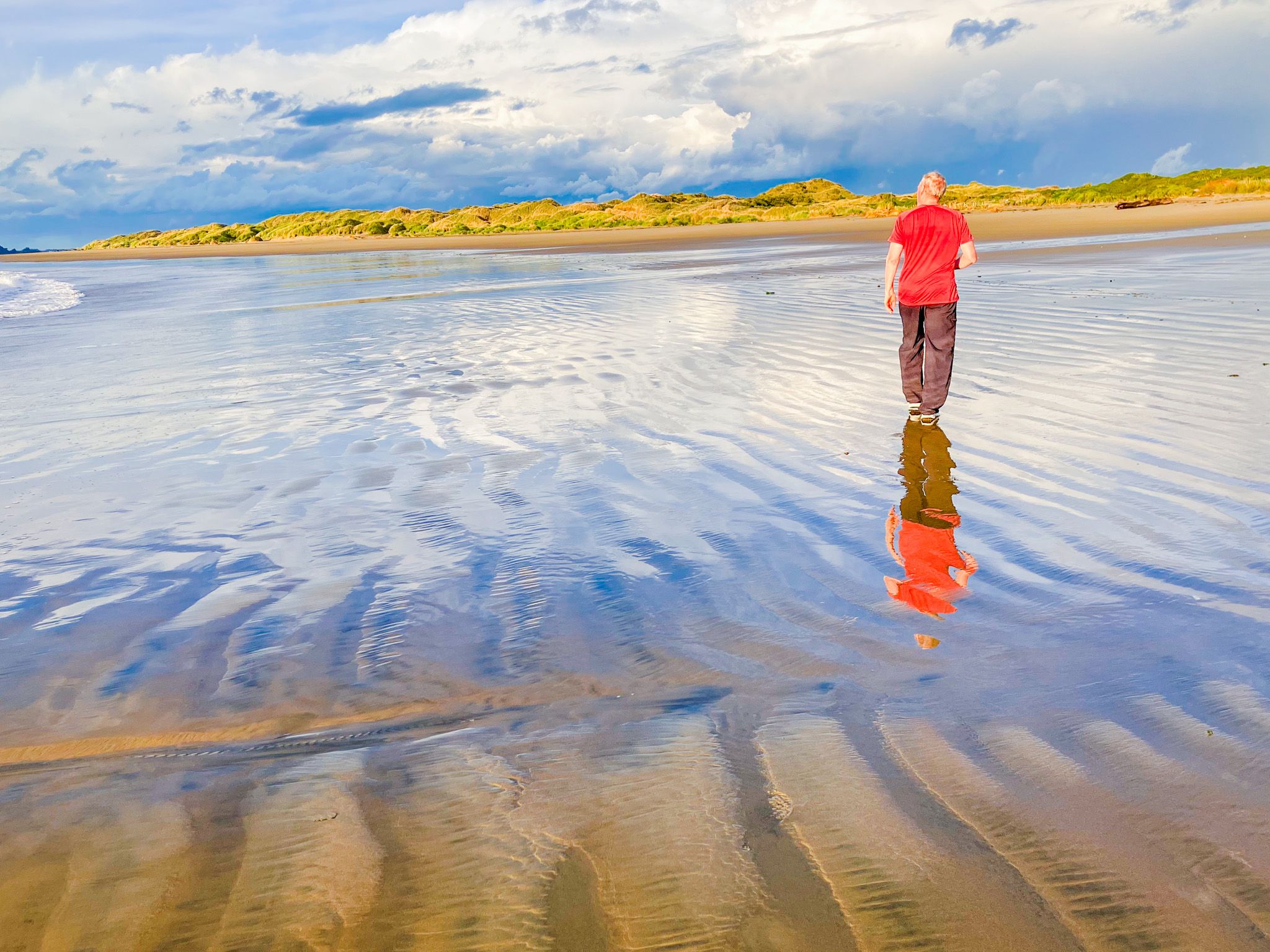
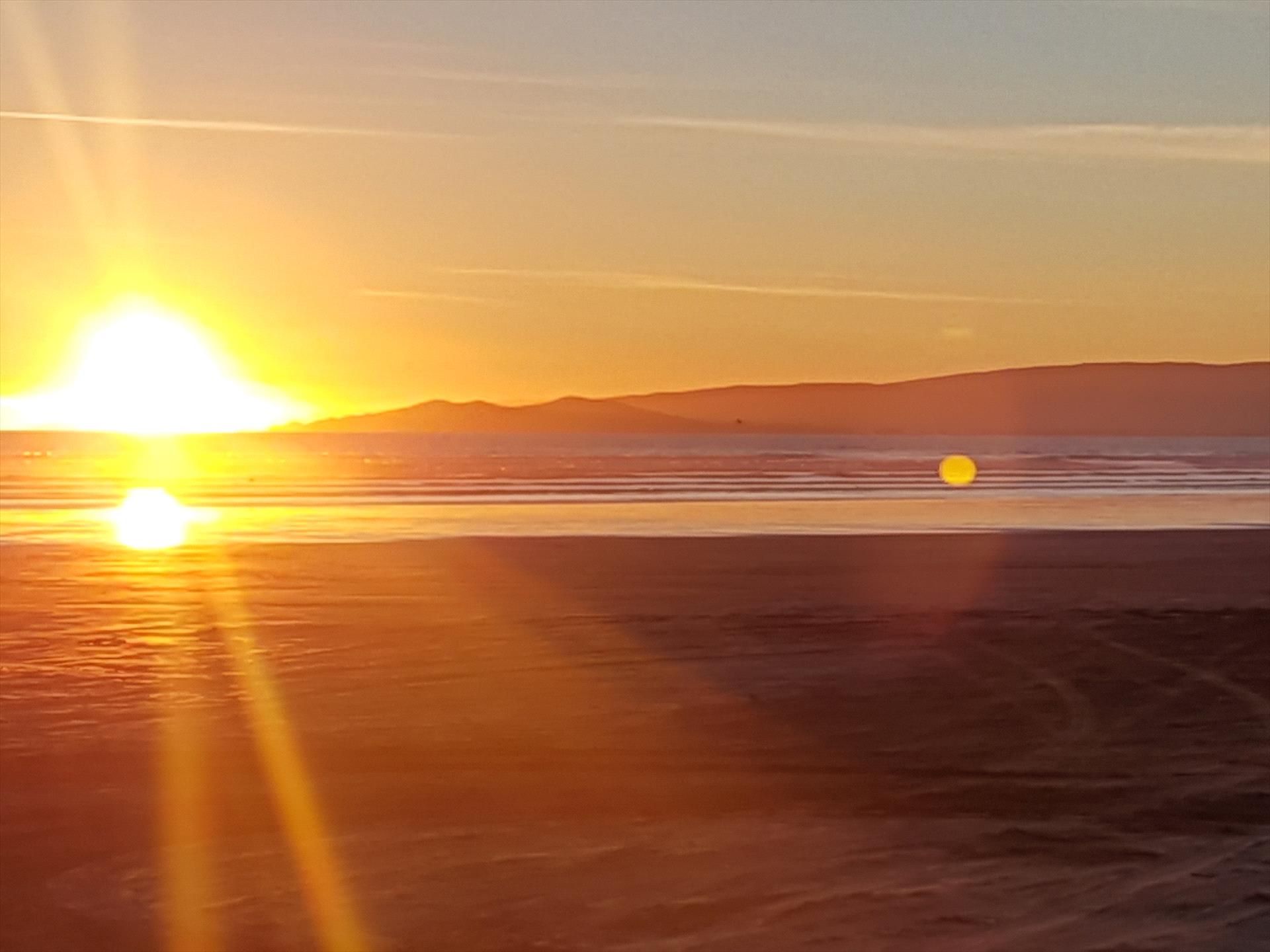
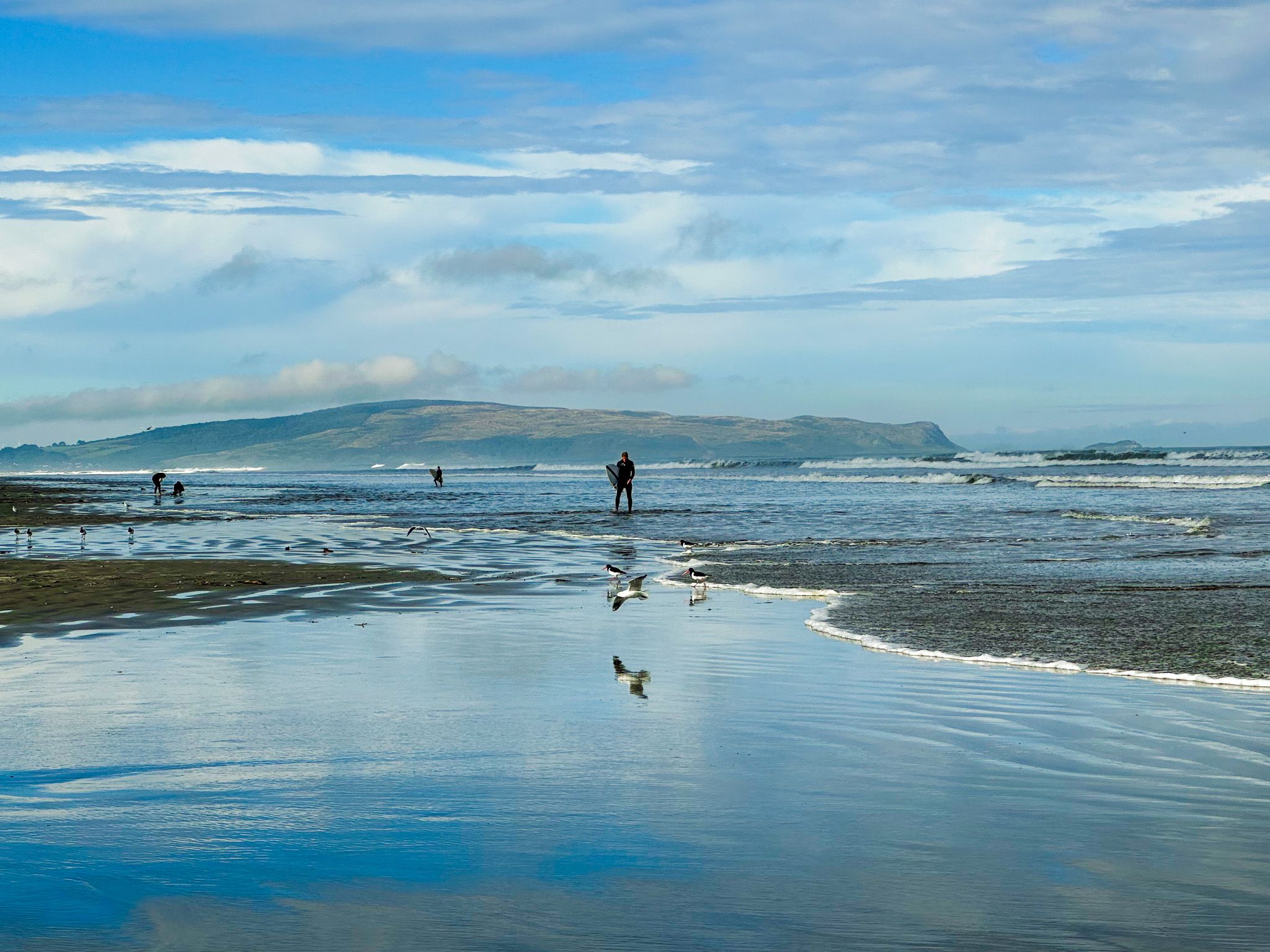
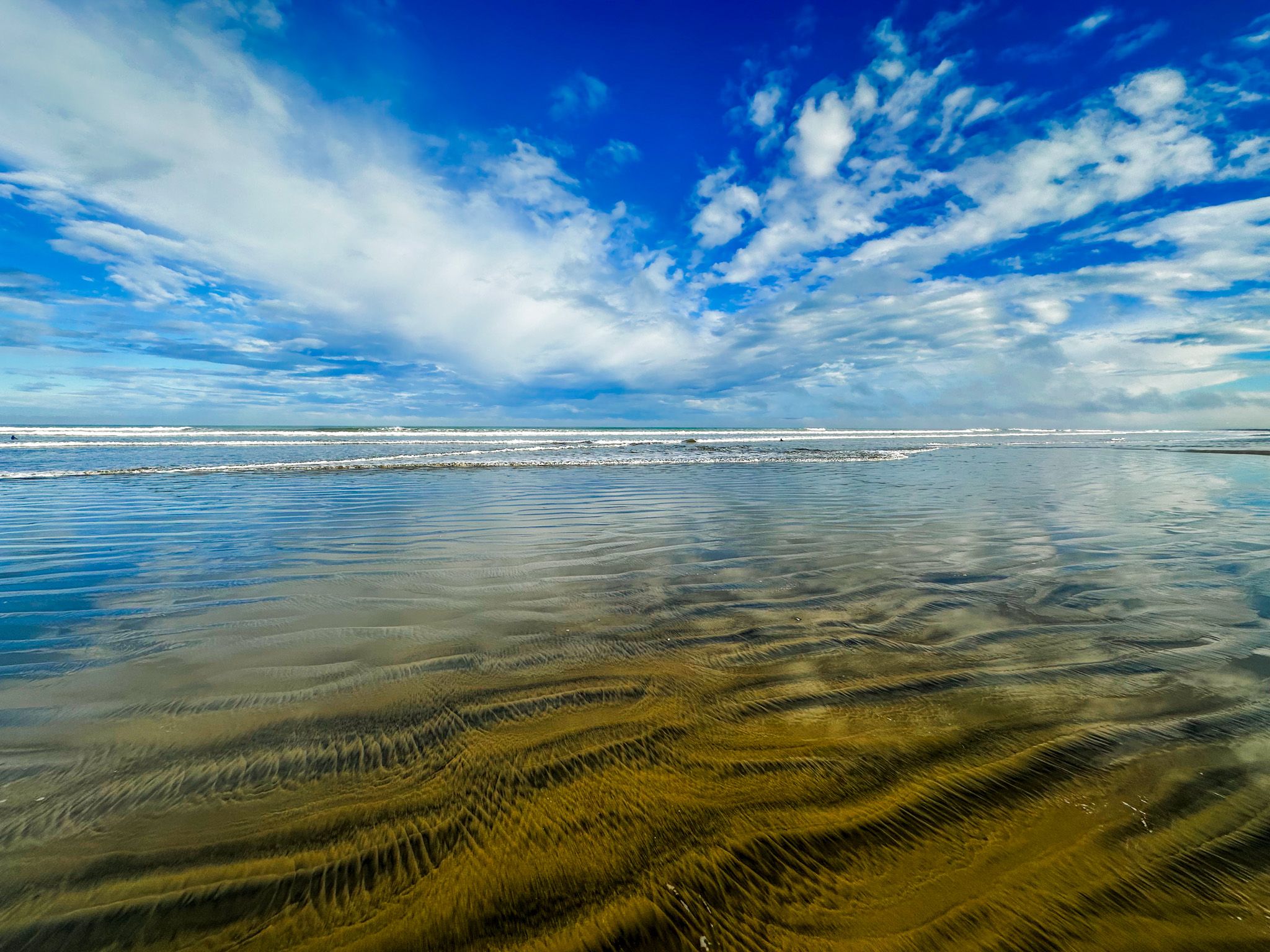
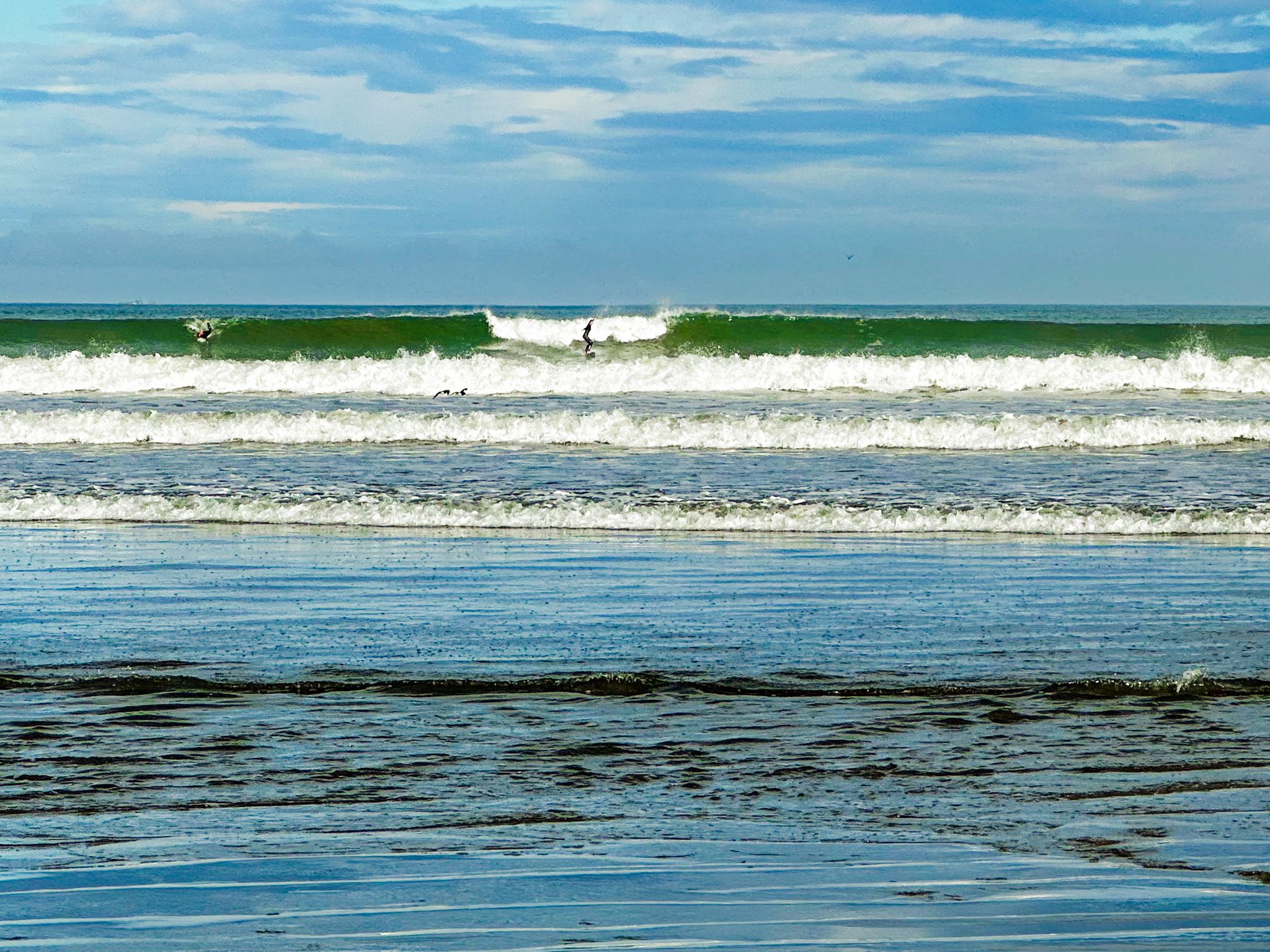
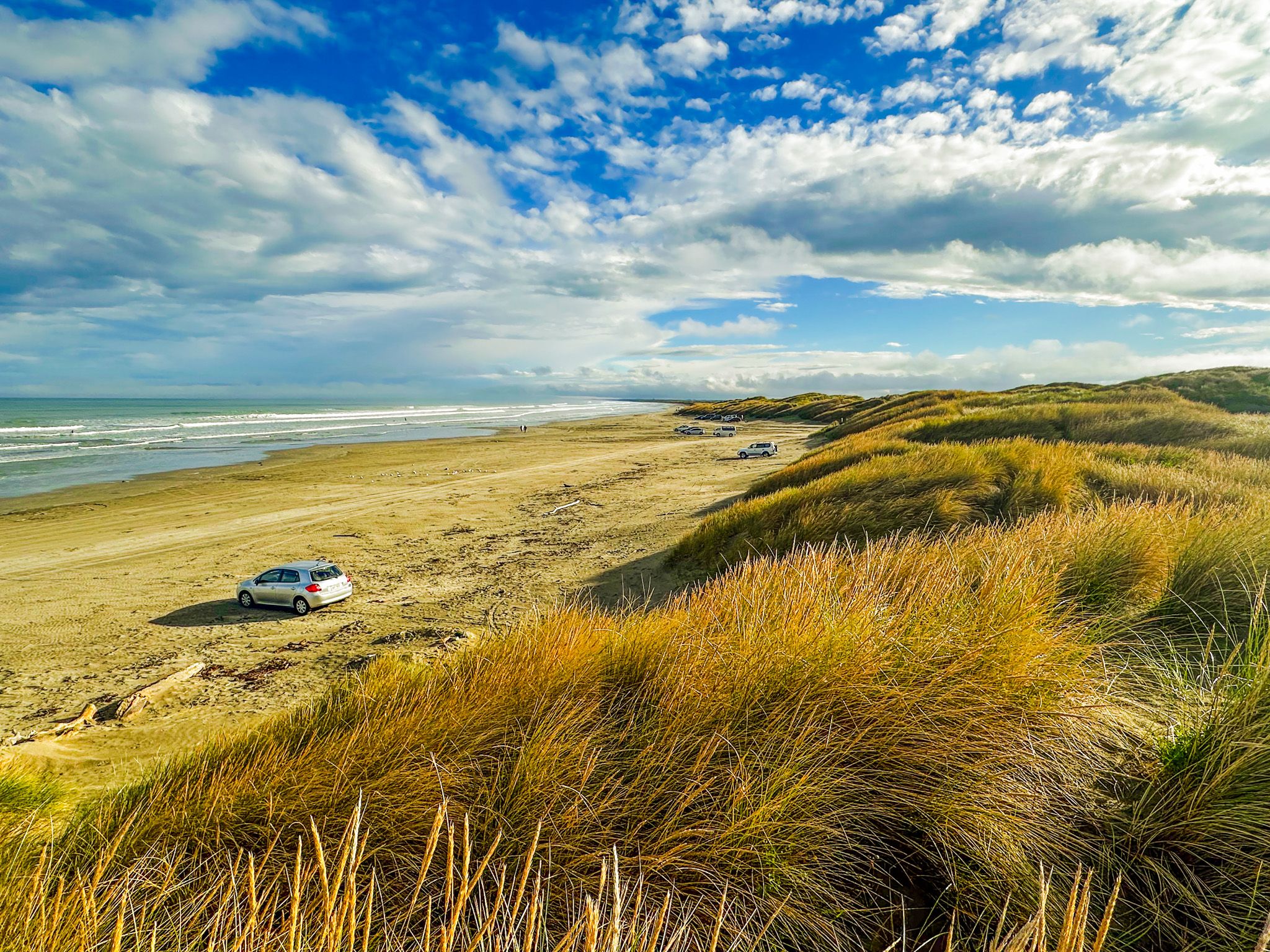
Oreti Beach faces southwest and stretches for 26 km along Foveaux Strait on the Southland coast, from Sandy Point to Riverton / Aparima. The main access is 9 km west of central Invercargill, and for most of the year, it is largely empty: a wide, straight run of dark iron sand under the wide sky of Southland. The beach is best known internationally as the place where Burt Munro tested and refined his modified Indian Scout in preparation for his world record runs at the Bonneville Salt Flats in Utah: watch the biopic movie The World's Fastest Indian.
Meaning of the Name
In the case of the beach, Oreti poetically refers to "the bay that catches the south wind". For the Oreti River, which feeds the nearby New River Estuary, it is more pragmatic, meaning the "place of the snare", indicating its importance to Māori as a food source.
Discovering the Beach
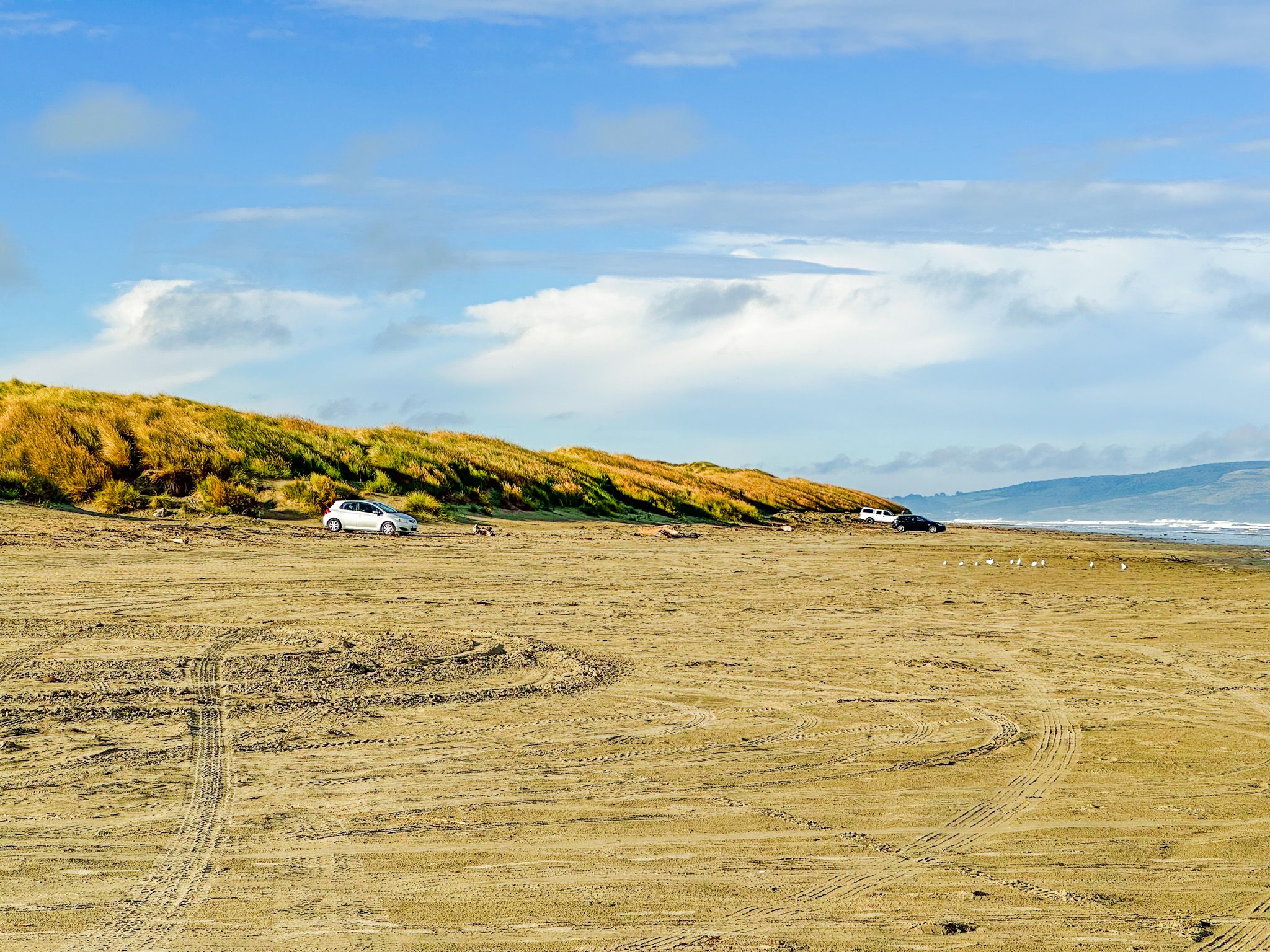
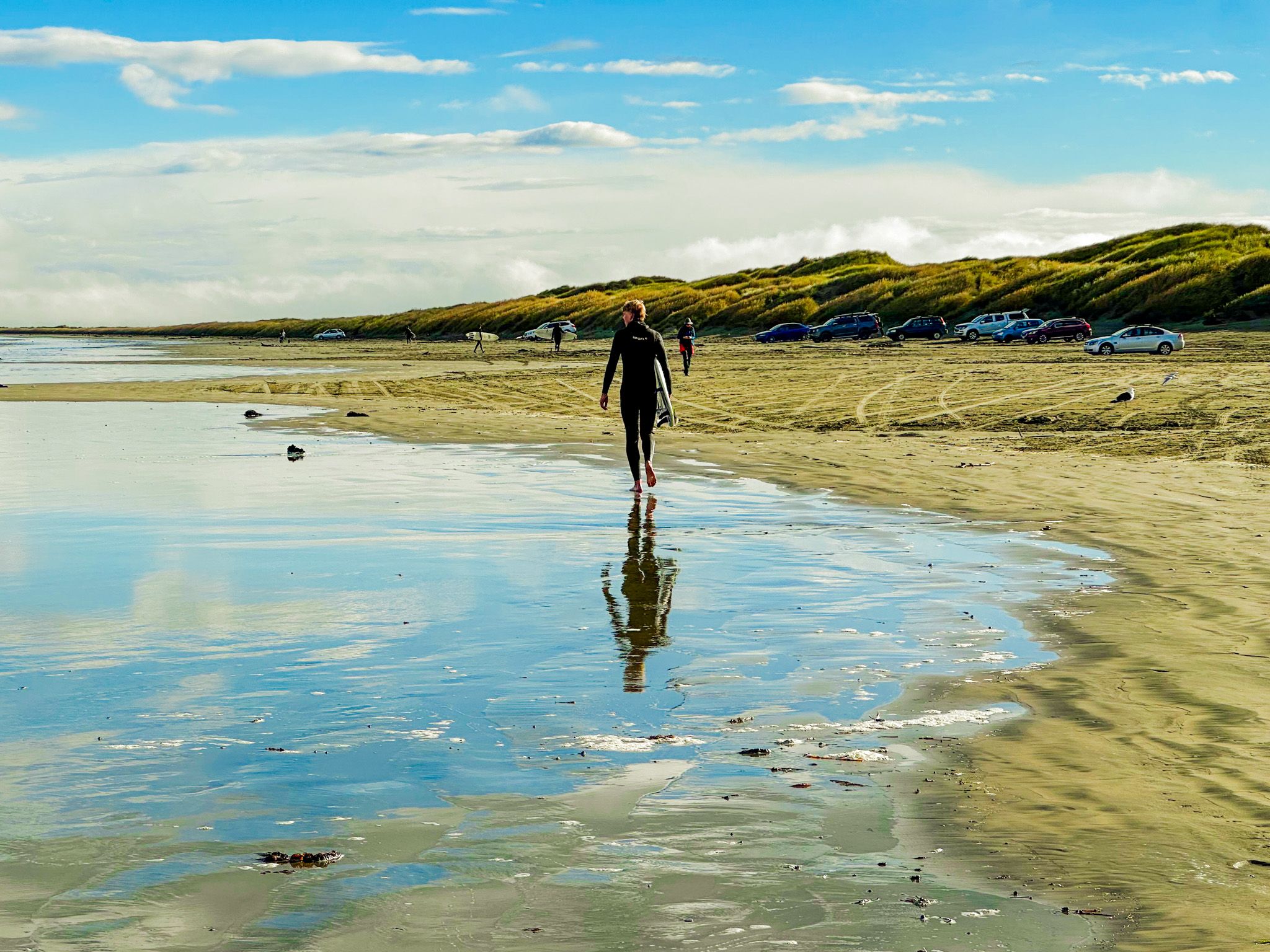
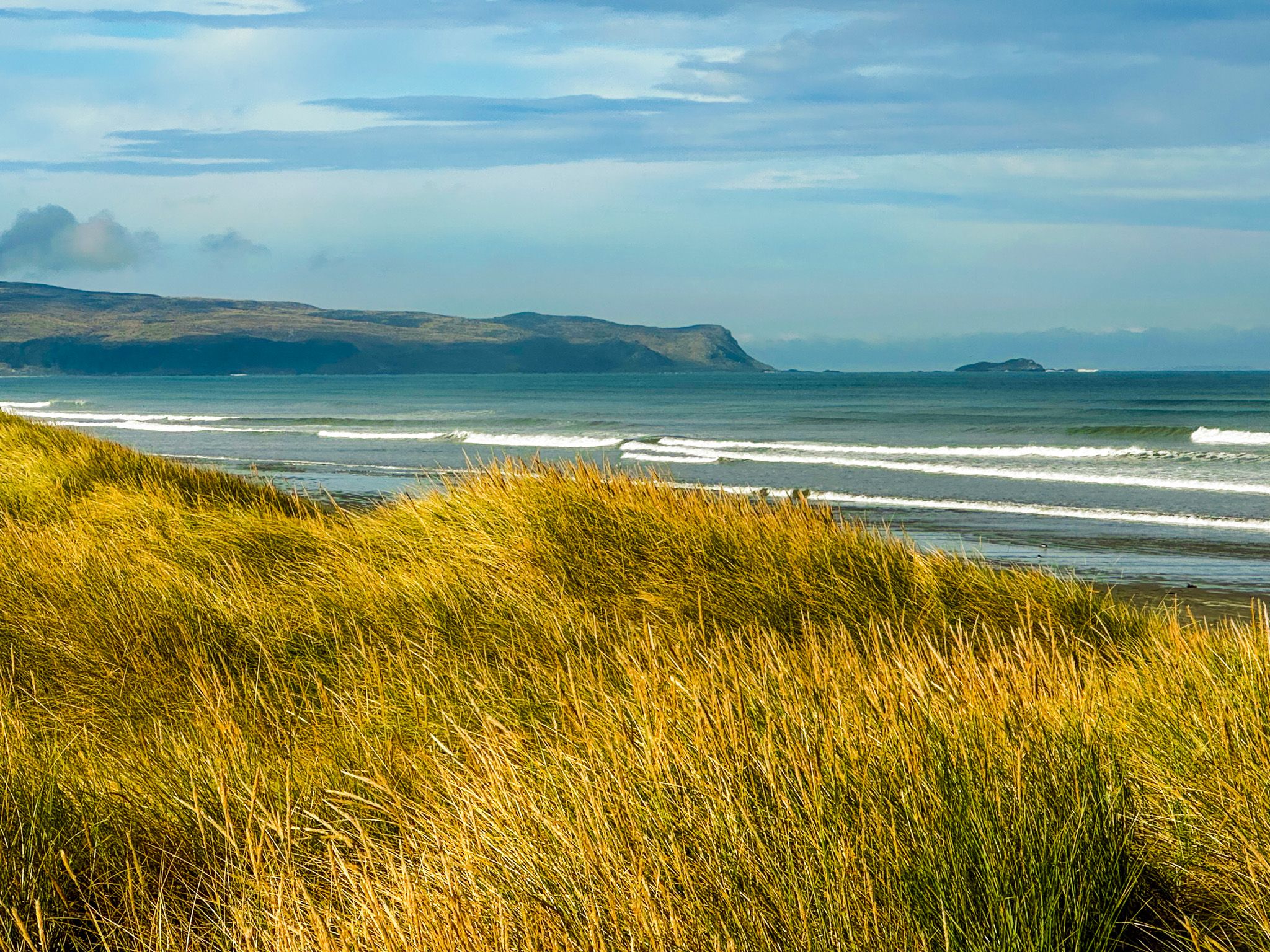
Oreti Beach is accessible to vehicles on its hard-packed lower sand, so you can drive onto the beach as the tide retreats and pick your spot. Behind the beach, it is mostly dunes covered in long dune grass. Some of the dunes are a good height, so you can scramble up for the view. Further to the west, there is a section of exotic forest, while pastureland crowds up to the beach closer to Aparima, where it is known as North Beach.
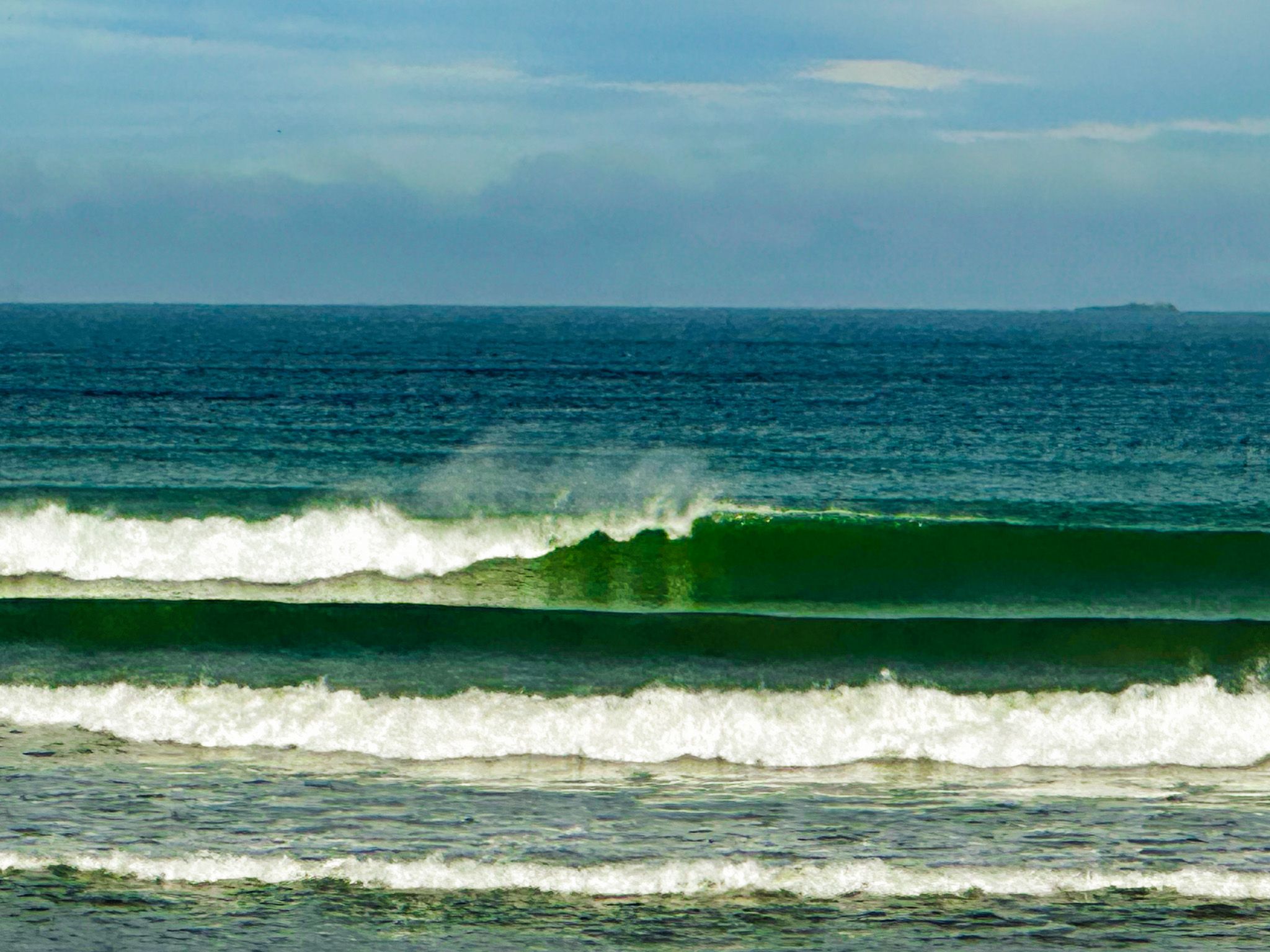
There are no surf clubs or facilities on the main beach, with toilets further back on the access road. Surfing is popular, and swimming is possible, but the sea is cold. The beach is popular with local walkers, horse riders, and kite-flyers. Te Araroa runs along the beach to the main access road from Invercargill.
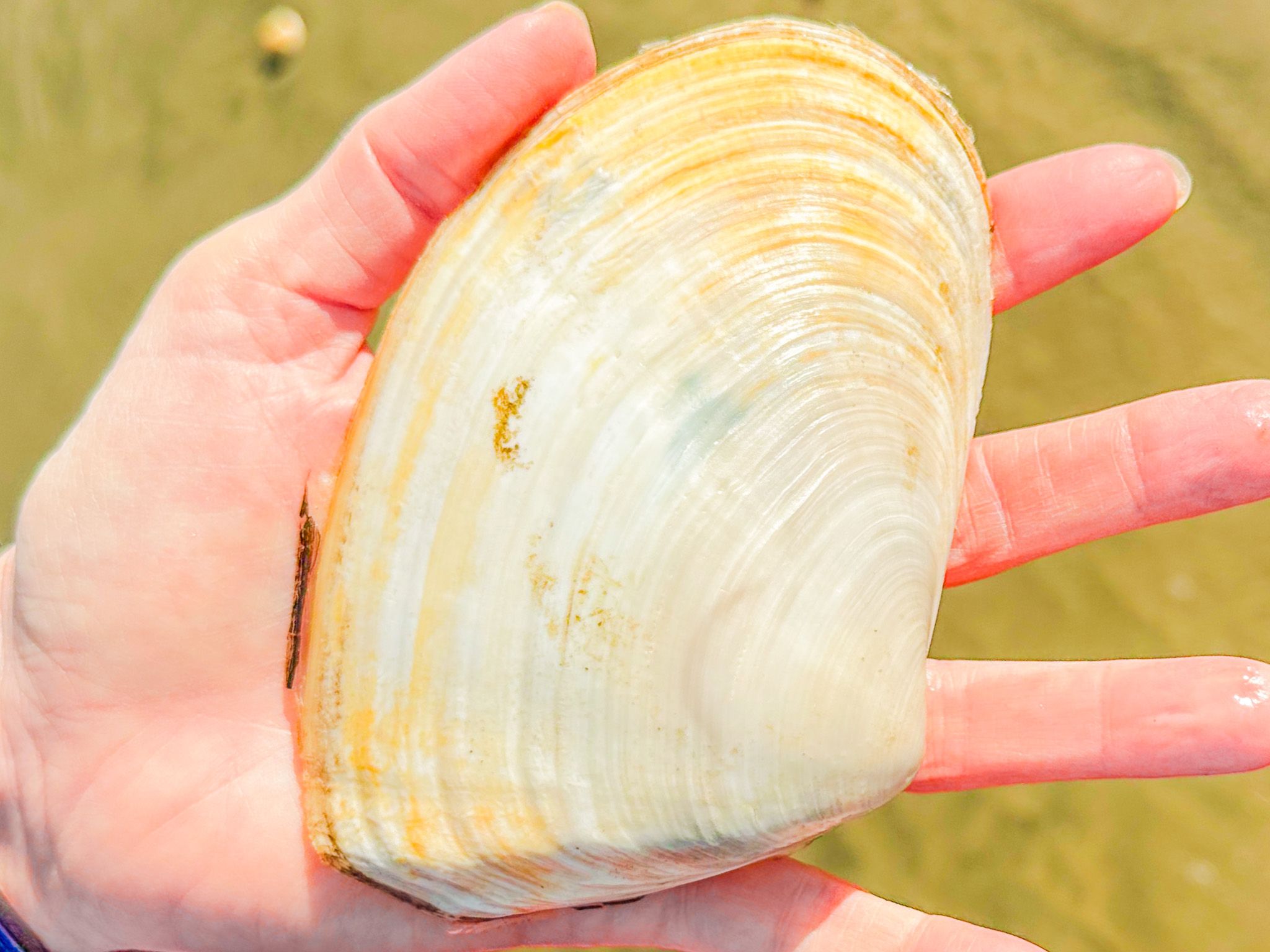
It used to be a beach for toheroa, but taking this shellfish has been banned for many years. However, you can find palm-sized shells on the beach, with a similar shape and colour to the more common pipi.
Burt Munro and the Record Runs
Burt Munro was born at Edendale, 30 km south of Invercargill, in 1899. He bought a 1920 Indian Scout motorcycle and spent the next two decades hand-building custom parts in his shed in Invercargill, steadily increasing the machine's speed.
Oreti Beach was his proving ground, its firm, flat surface giving him the room he needed to go flat out. In February 1957, he set a New Zealand Open Beach speed record of 131.38 mph at Oreti. By 1975, he had raised this to 136 mph. He first competed at Bonneville in 1962 at the age of 63, and set a world record in the 1000cc Streamliner Modified Fuel class in 1967 at 183.58 mph. He was 68, and the motorcycle was 47 years old. That record still stands. The Invercargill Motorcycle Club has held the annual Burt Munro Challenge event since 2006, with beach racing at Oreti a central feature in February.
Exploring Sandy Point and the Natural Setting
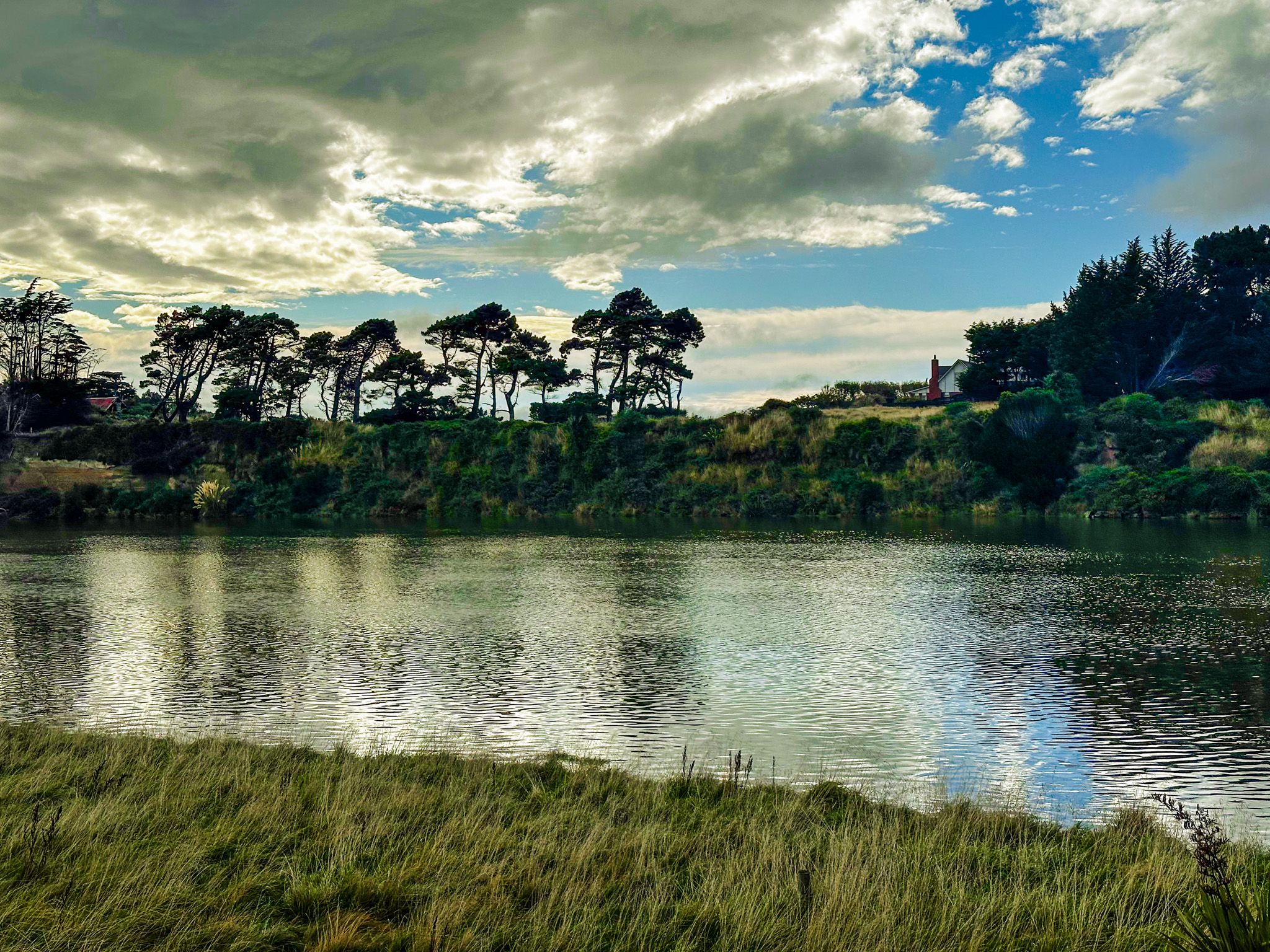
At the southern end of Oreti Beach lies Sandy Point, a peninsula of sand, gravel, and river-borne silt that probably emerged some 4,000 to 5,000 years ago as sea levels fell following the last glacial period. The area at the river mouth was a significant Māori settlement, Oue, and valued for its kaimoana: paua, mussels, kina, and the fish of the estuary. Sandy Point Domain now has one of the finest remaining examples of tōtara and tōtara-mataī dune forest in New Zealand, with a network of picnic areas and walking, mountain-biking, and horse trails.
How to Get There
From central Invercargill, drive west on Tweed Street, then Stead Street, which crosses over the Waihōpai River where it enters the New River Estuary, and finally Dunns Road. This takes you directly to the beach access, with toilets shortly before the end of the road. The drive takes around 10 minutes and is 9 km. Sandy Point Domain is reached by following Sandy Point Road from Dunns Road. There are plenty of parking options at the domain.
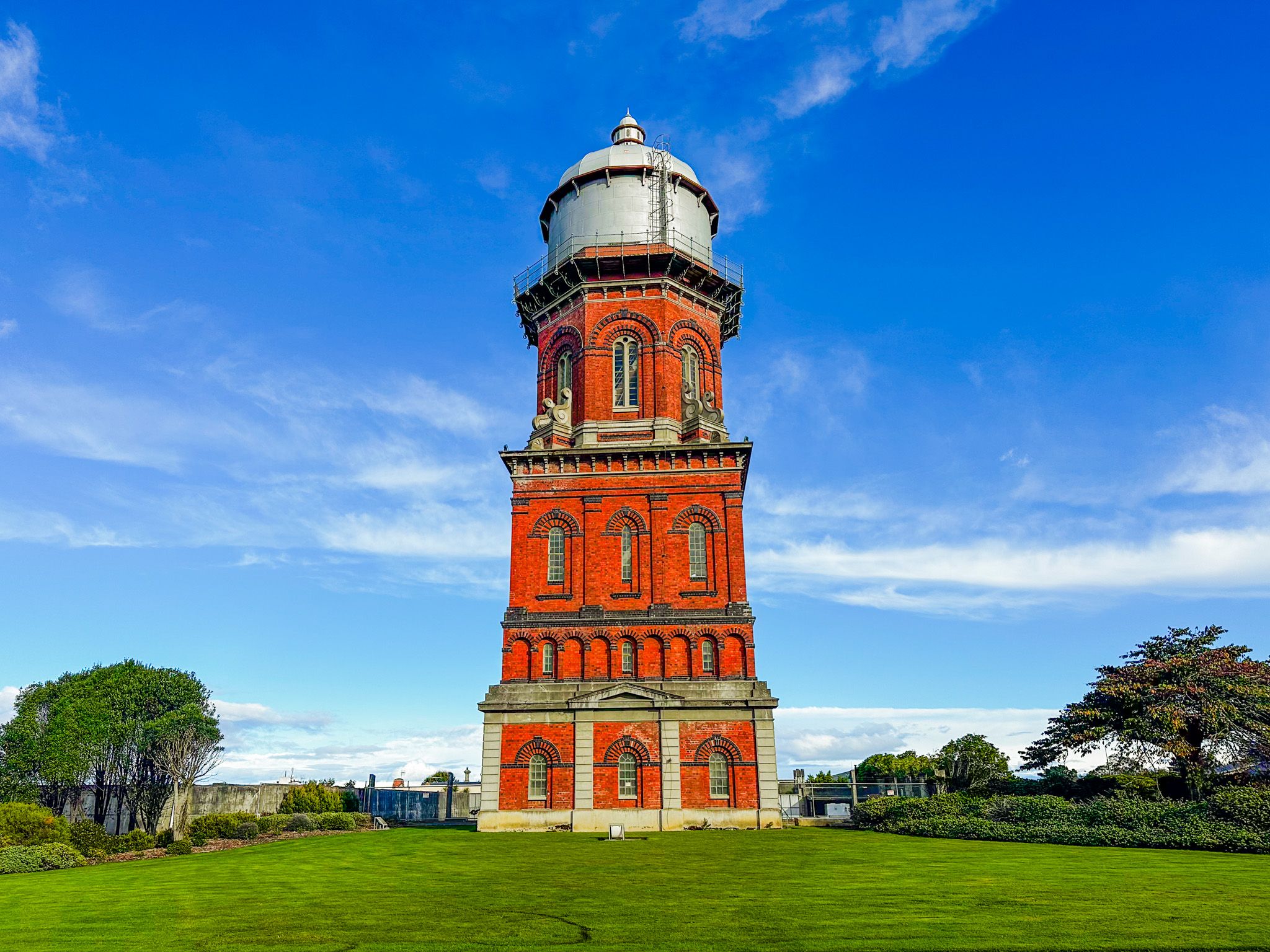
Nearby places to visit include the Bill Richardson Transport World, Queens Park, the Stumpery in Queens Park, Thomsons Bush and Anderson Park. You can also take the greenbelt walk and explore the central city’s outdoor murals and artworks.