A City That Wears Its Art on Its Walls
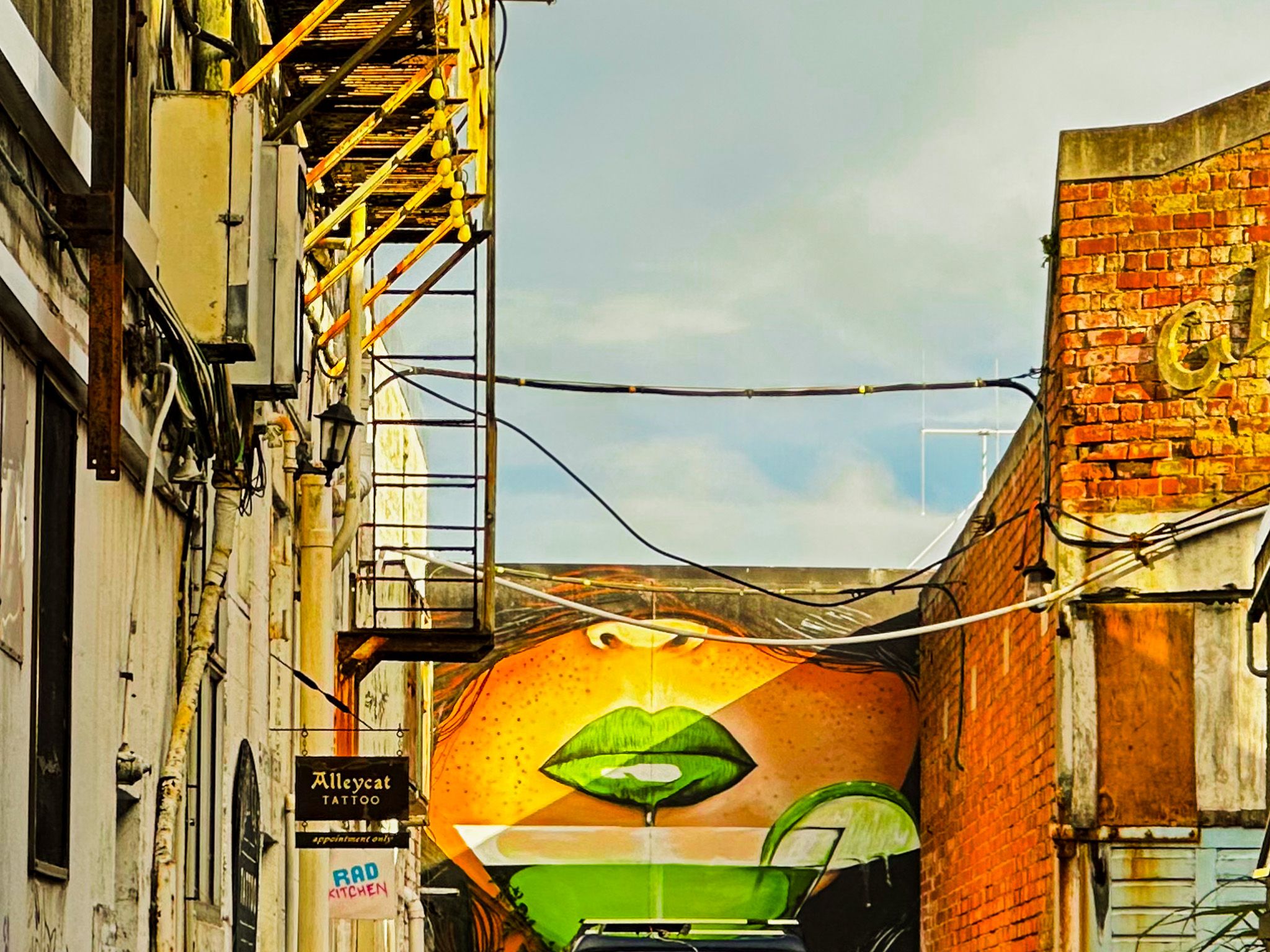
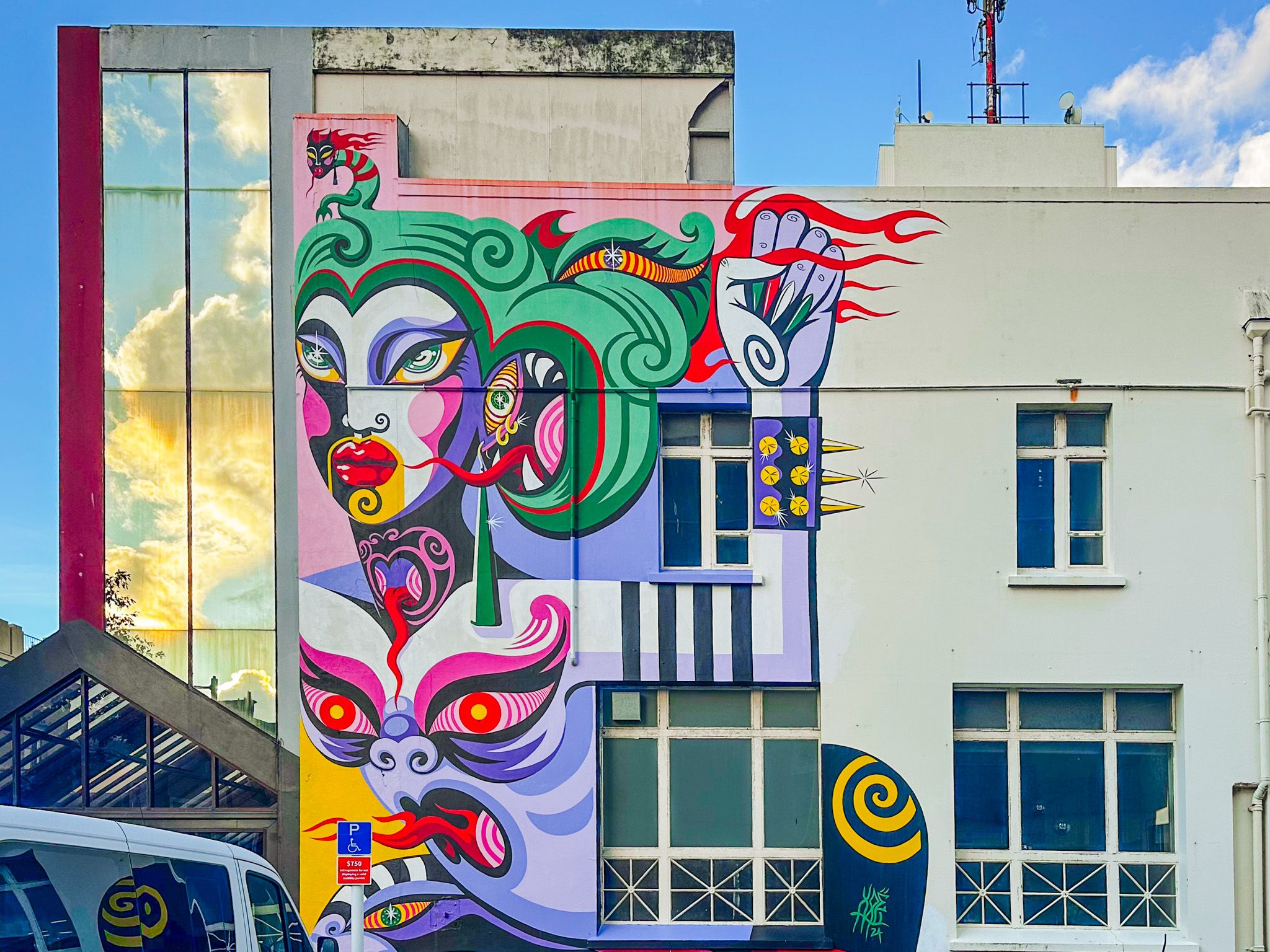
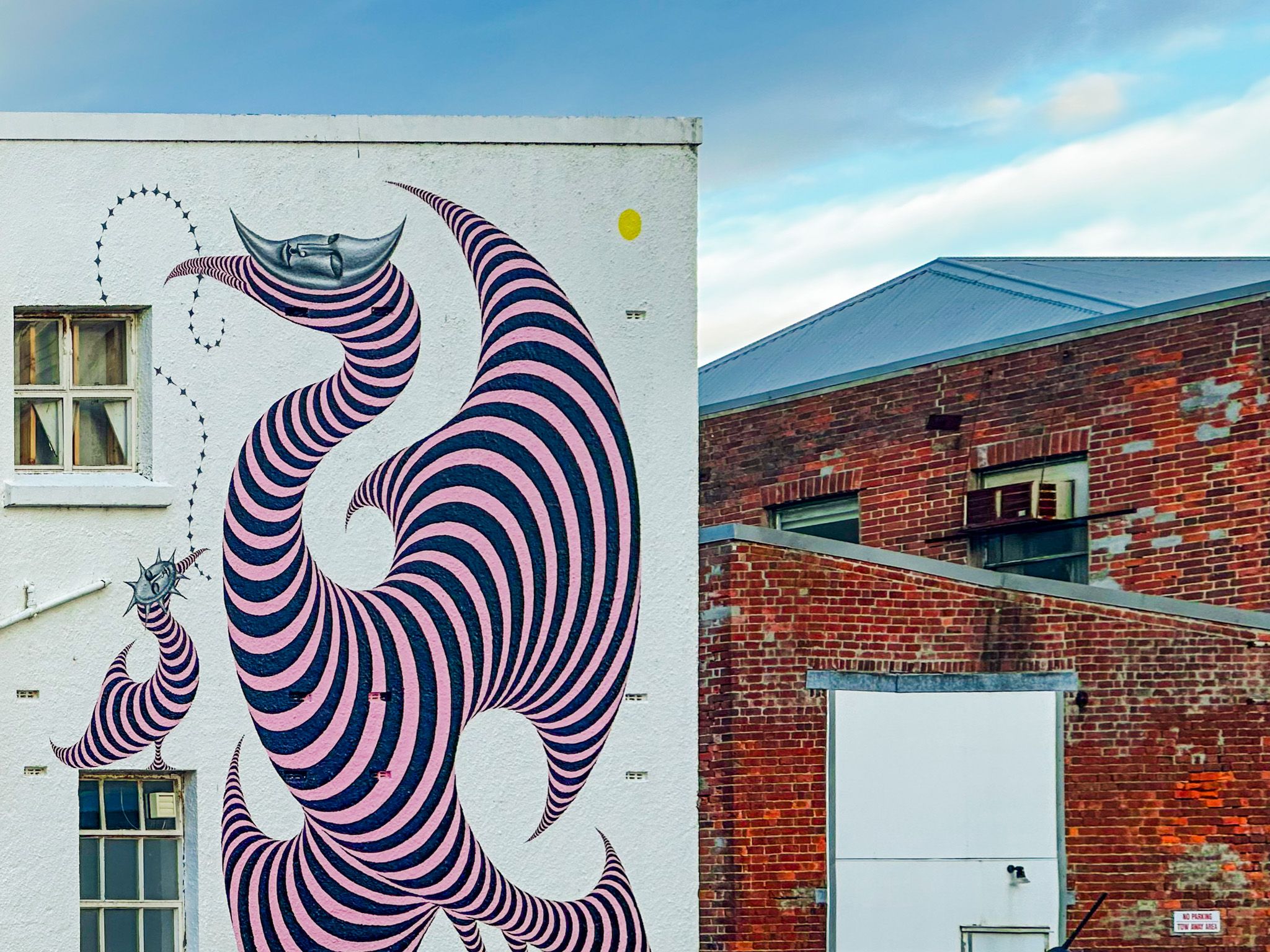
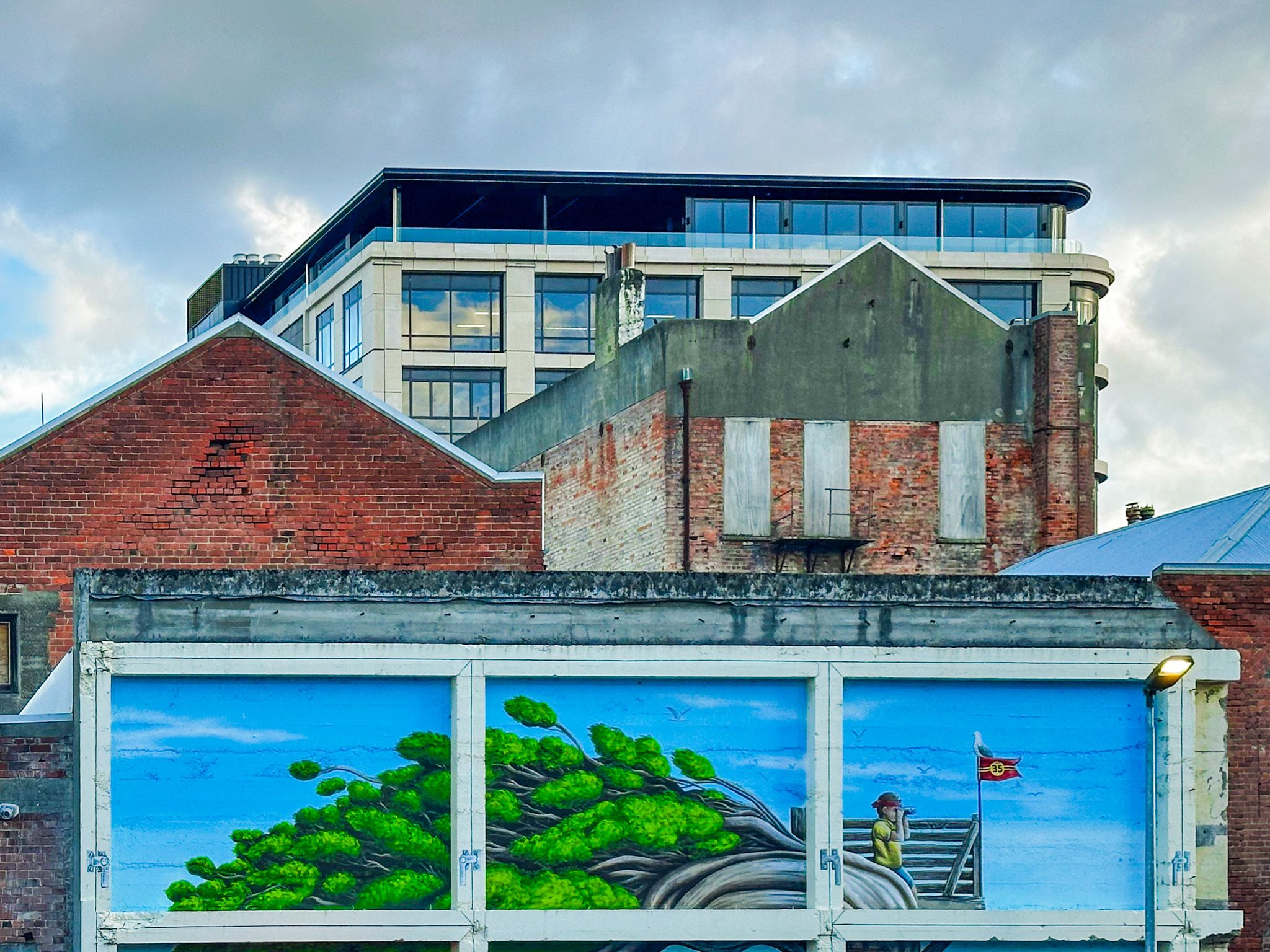
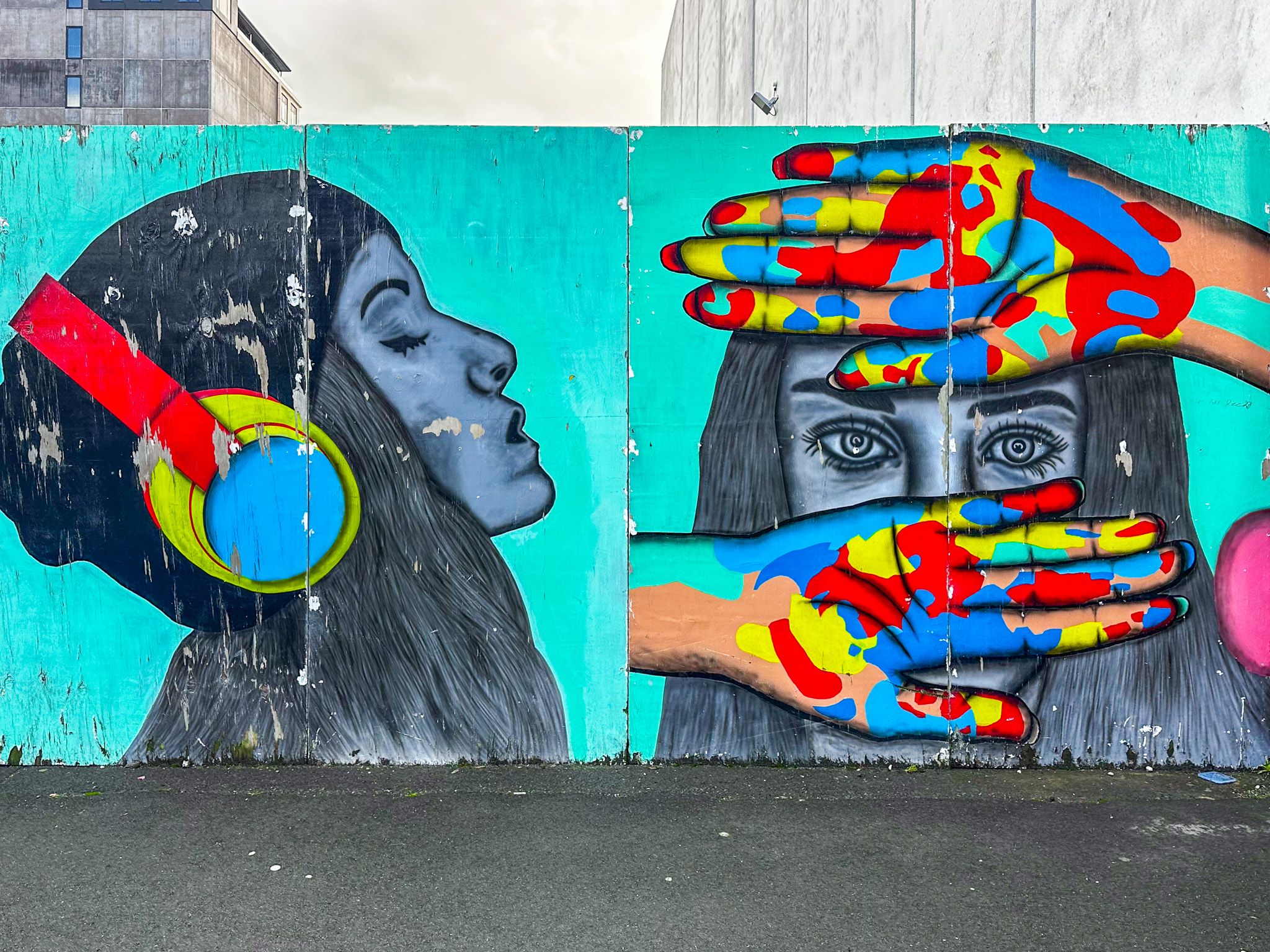
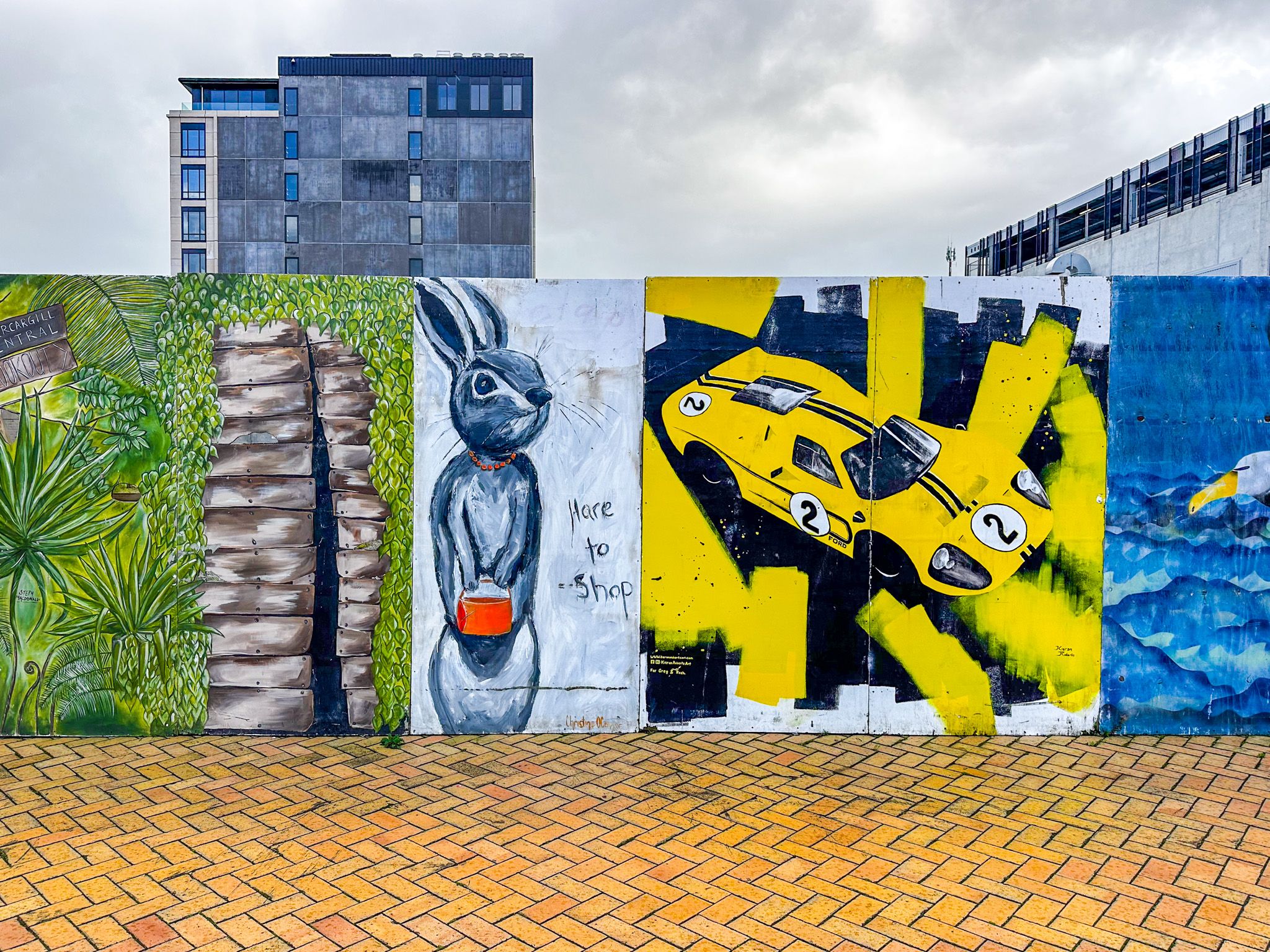
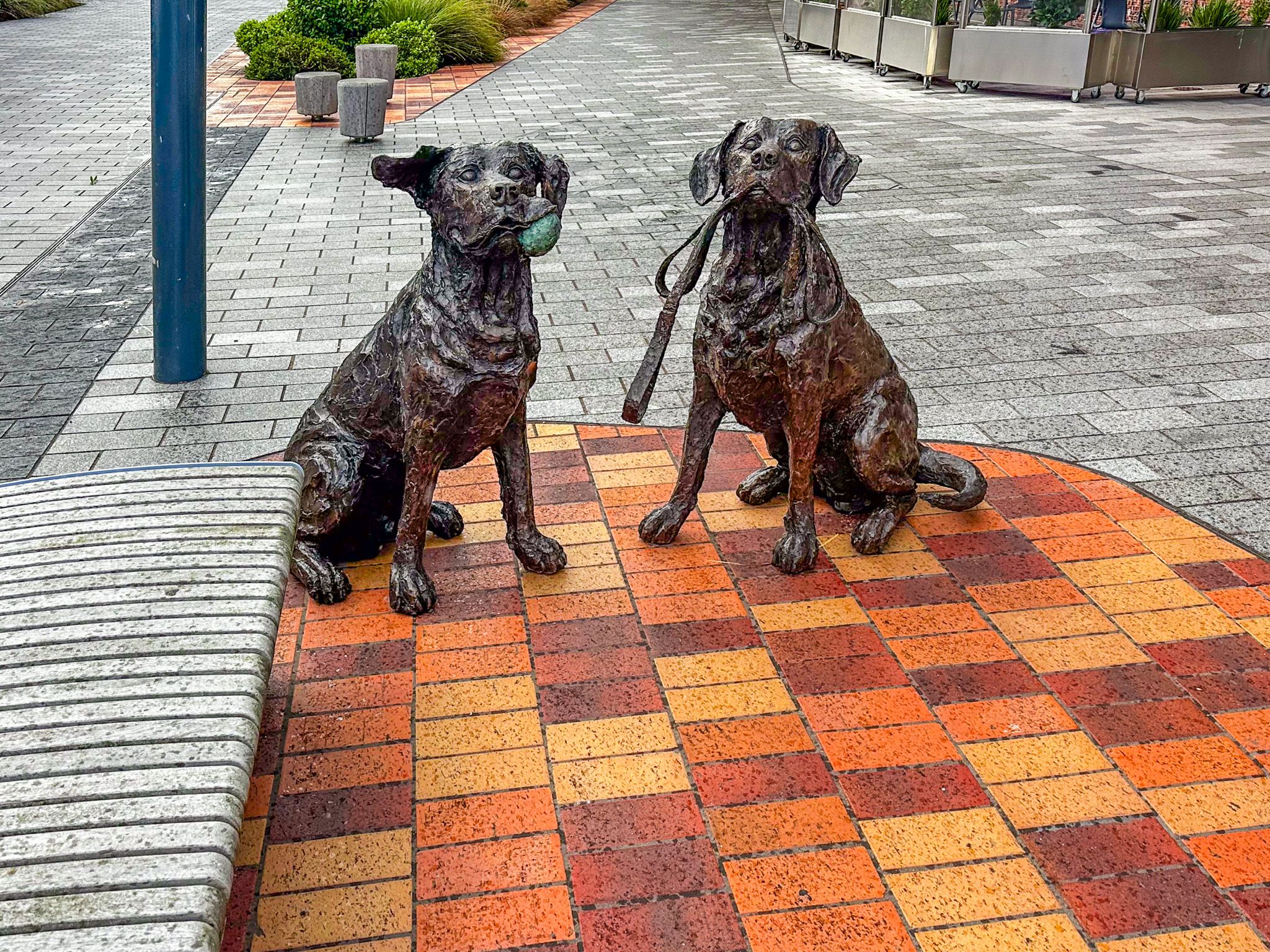
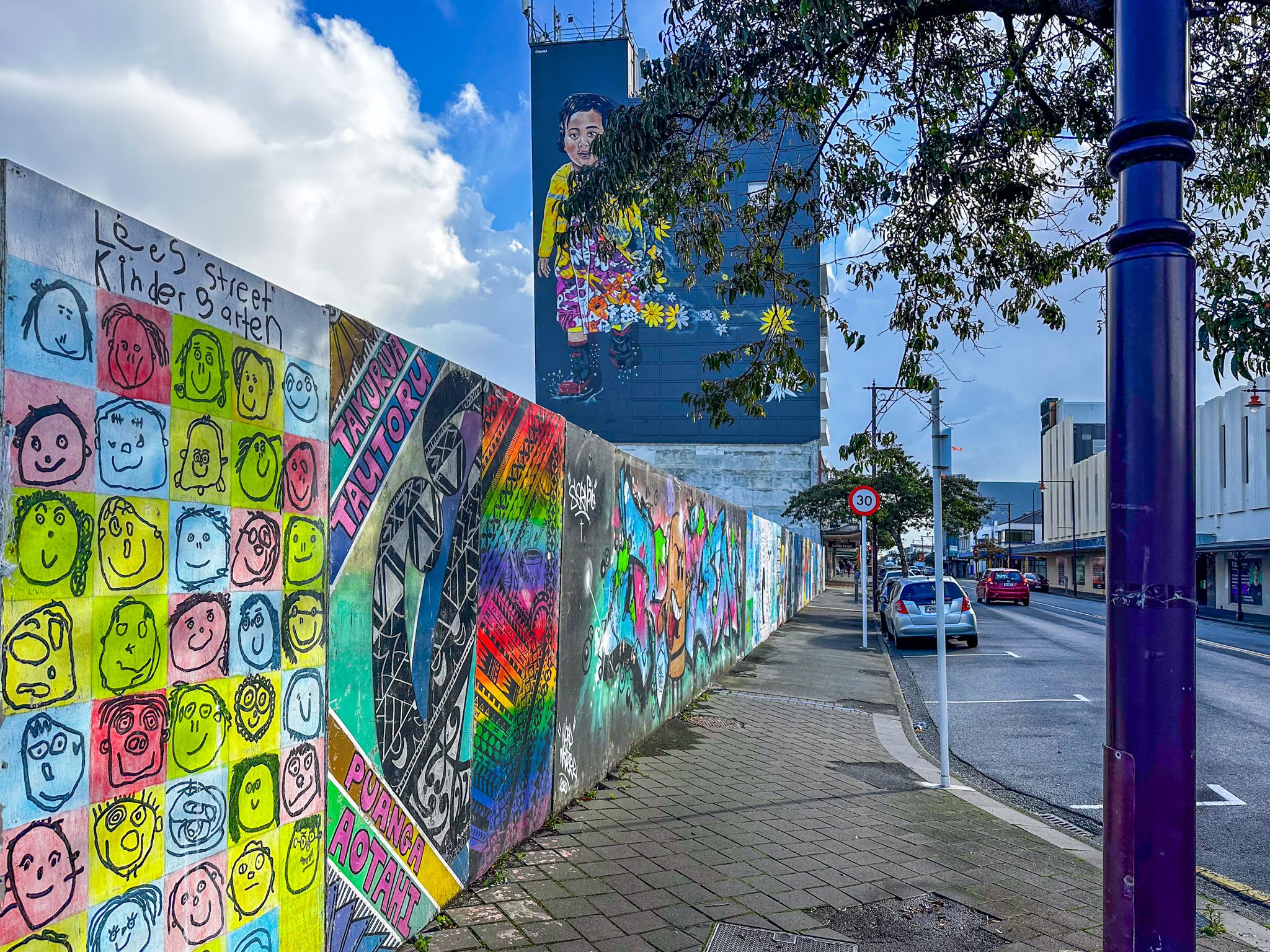
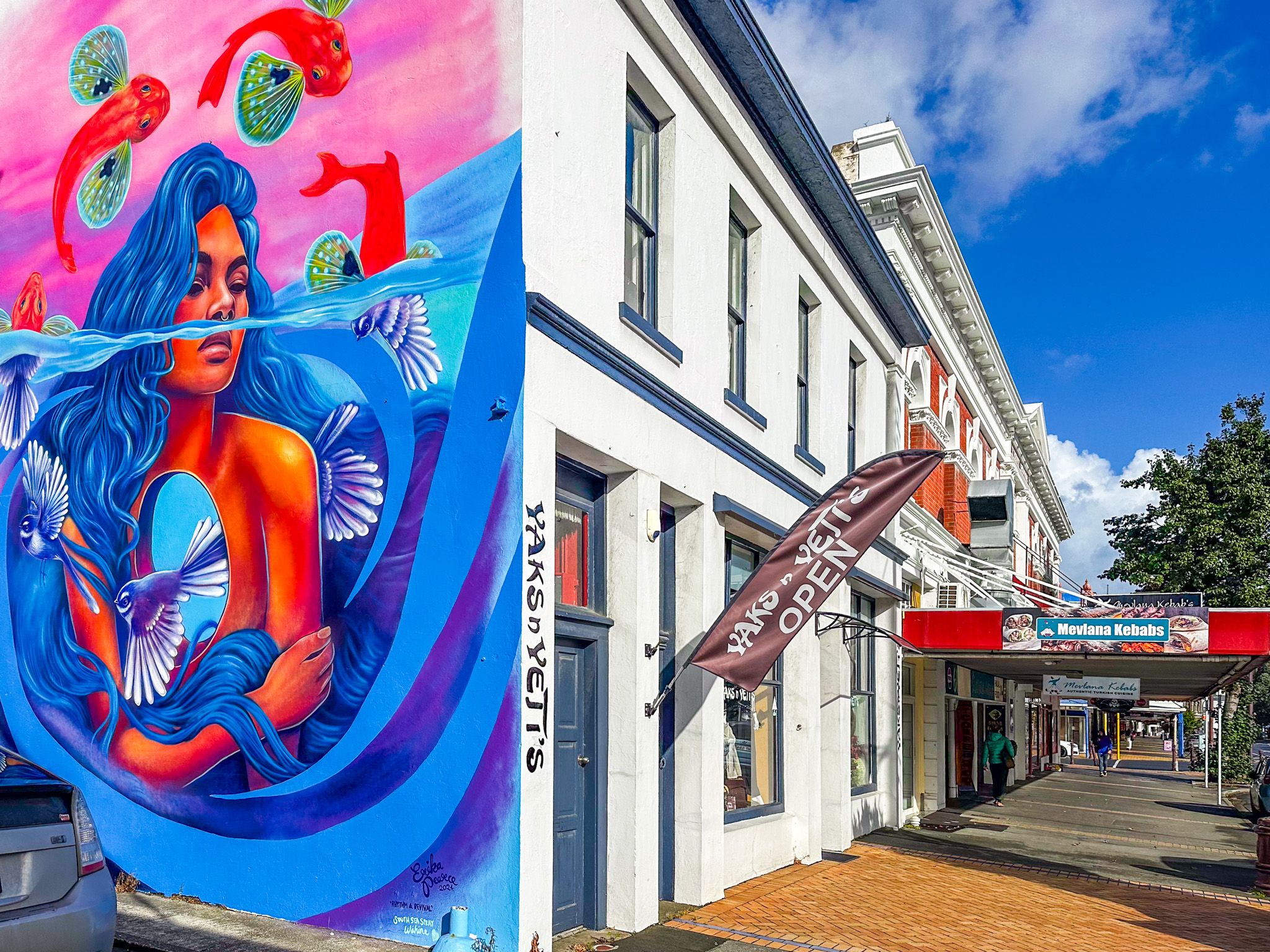
Walking through central Invercargill, you encounter street art at a rate that surprises most visitors, with a scale similar to Dunedin and Whanganui in the North Island. Large-scale murals are present, mostly on Dee, Tay, Esk, and Spey Streets. A high concrete wall fuses Māori and Celtic motifs at one of the city's busiest corners. Two Labrador dogs are waiting with a ball and a lead for their walk on Esk Street. The Cube of Learning, a large metal sculpture by Russell Beck, marks the SIT campus on Tay Street. The collection is diverse, occasionally contentious, but consistent with the city’s investment in its public spaces for three decades.
South Sea Spray: The Mural Programme
The largest single contributor to Invercargill's current mural landscape is South Sea Spray, a Southland-based trust founded by street artist Danny Owen (DEOW) that brings New Zealand and international artists to Southland towns to create large-scale works on building walls. Extensive collections can also be seen in Te Anau, Bluff, Aparima / Riverton, Winton and Gore.
In December 2022, South Sea Spray Waihōpai brought 23 artists to the city over seven days, producing around 30 murals on the walls of commercial buildings and building site boardings throughout the centre. The resulting works range from photorealist portraiture to abstract colour fields to figurative compositions drawing on Southland history and landscape. South Sea Spray publishes a downloadable map of current mural locations on its website, as the collection continues to grow and evolve. An hour's walk through the city centre covers most of them.
The Māori/Celtic Wall
At the corner of Dee and Tay Streets, Bank Corner, on the site of the former Bank of New South Wales, where Invercargill's commercial life began in 1856, stands the Māori/Celtic Wall, a concrete structure created by sculptor John McCulloch in 1999. The wall rises to around 15 metres and weaves together motifs from both of the cultures that have most shaped Southland: the tāniko patterns and forms of Ngāi Tahu on one face, interlaced with Celtic knotwork, a Celtic cross, and hill figure imagery referencing the Scottish settlers who arrived from the mid-1800s.
The inscription on the work reads: "After first arriving in Southland about 1100 AD, the Māori developed a sophisticated culture. The Scottish settlers began to arrive in the mid-1800s. This wall symbolises the merging of these cultures in Southland." It is one of the most prominent pieces of permanent public art in the city, visible from across the intersection and a decisive summary of Southland's dual founding story.
The Four Celtic Columns
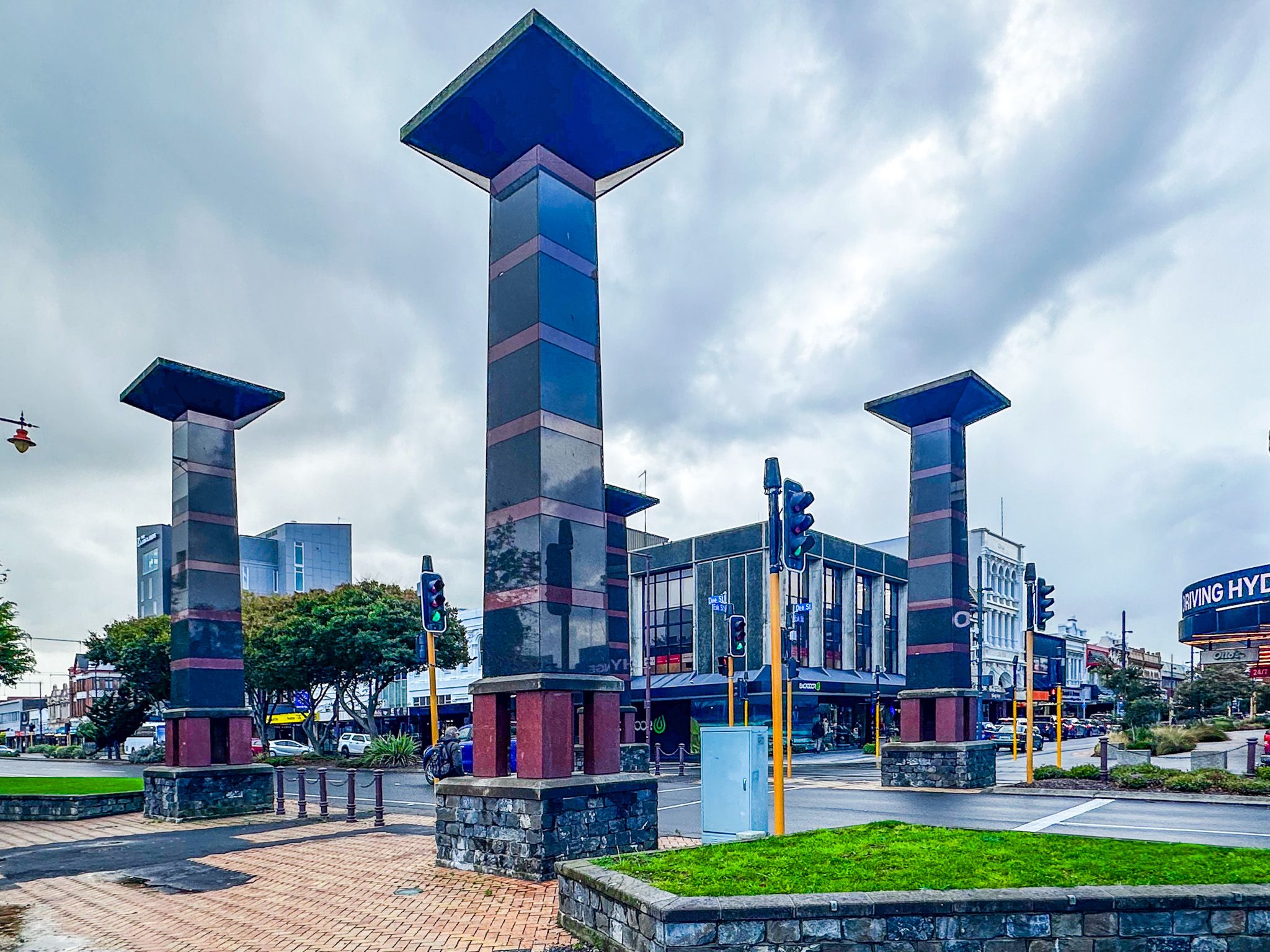
At the intersection of Esk Street West and Dee Street, the four striking, tall Celtic columns stand at the corners of the pedestrian crossing, framing the approach to the Esk Street mall. These were designed by McCulloch Architects as part of the Vibrant City Invercargill project of the 1990s, where four architectural firms collaborated on proposals to revitalise the city centre. This led to a range of streetscape improvements, including the pedestrianisation of part of Esk Street. The columns function as a gateway marker between Dee Street and the pedestrian precinct.
Their future is sometimes debated, most recently over purported earthquake safety. However, this proved untrue, and they remain a key design element in the central city.
The Two Dogs
On lower Esk Street, a bronze sculpture of two Labrador dogs waiting patiently to walk and play was installed in 2025, gifted to the city by the Invercargill Public Art Trail Charitable Trust. The work is cheerful and approachable, and it quickly became a popular stop for children, but it was not without controversy.
The city council narrowly voted for the sculptures after Reverend Evelyn Cook of Waihōpai Rūnanga pointed out that Esk Street had been selected as a space to tell Ngāi Tahu's cultural story, which had no connection to the Labradors. A reminder that public art choices in shared urban spaces carry weight beyond aesthetics.
The Cube of Learning
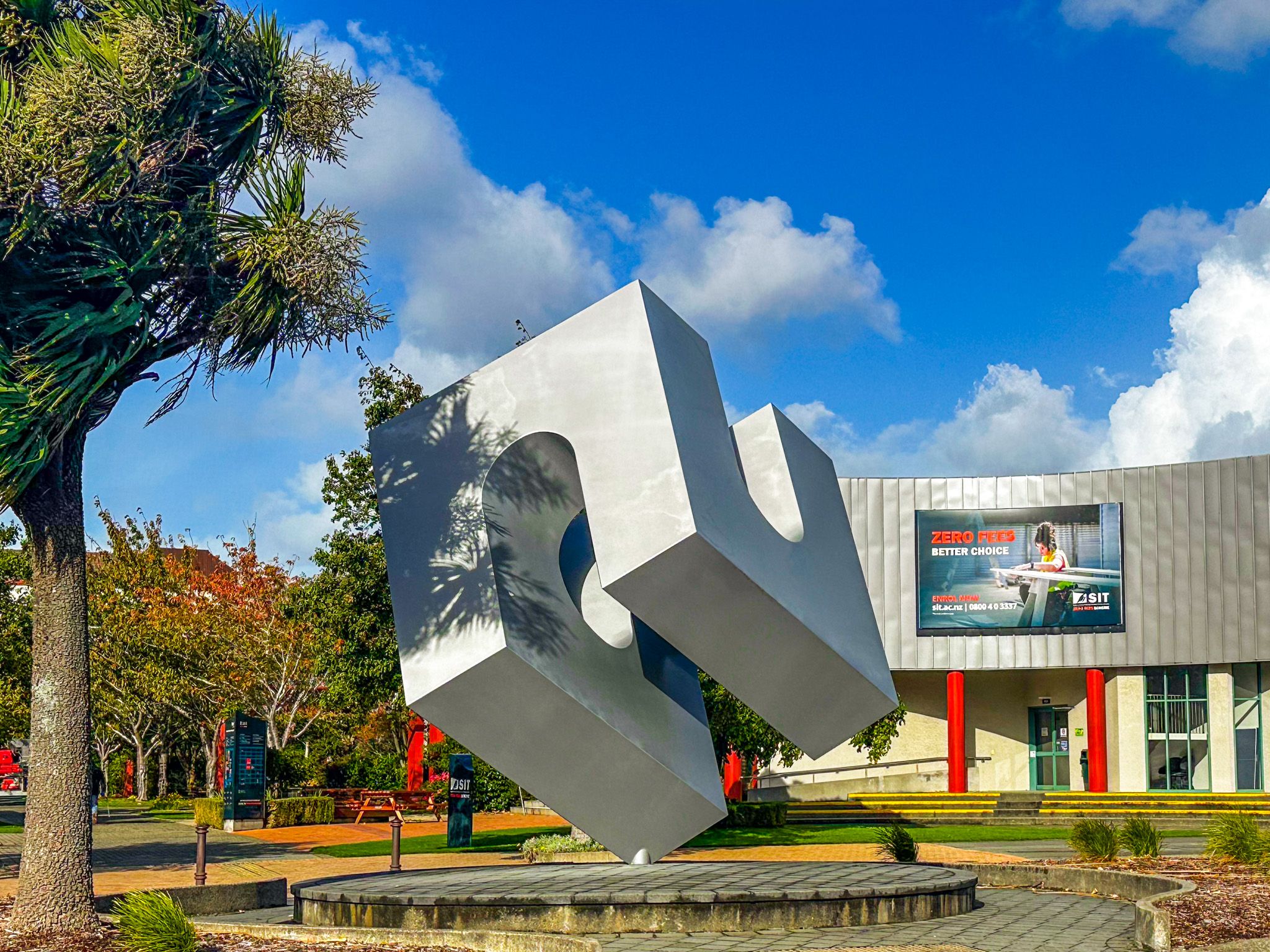
In the road median on Tay Street outside the Southern Institute of Technology campus stands the Cube of Learning, a large metal sculpture by Russell Beck. The form derives from Beck's fascination with the calcite rhombohedron, a crystalline geometric form that appears cube-like when viewed from certain angles.
In 2017, Beck described the rhombohedron as one of his most absorbing sculptural themes. He created 10 works based on the form, with the Tay Street piece the largest. Fabricated in metal with the assistance of his son Andrew, a mechanical engineer, the sculpture sits at the boundary of the campus and the street, its rotated angular geometry catching the light differently at different times of day. The Southern Institute of Technology / Te Whare Wānanga o Murihiku is known for its Zero Fees Scheme, and the Cube of Learning is a more profound mark of its presence than a conventional sign.
Russell Beck is a connecting thread through several of the most significant works in Invercargill: the Cube of Learning, the Umbrella sculpture in the Doon Street reserve, the anchor chain at Stirling Point and on Rakiura, making him one of the most consequential contributors to the city's public art.
How to Get There
Central Invercargill is compact and easily walkable. The Maori/Celtic Wall is on the northwest corner of Dee and Tay Streets; the four columns are at the Esk Street West and Dee Street intersection, one block north. South Sea Spray murals are concentrated along Dee, Tay, Esk, and Spey Streets throughout the centre. The Cube of Learning is in the centre median of Tay Street, east of the city centre, next to the SIT campus.
Central Invercargill is also notable for its many heritage buildings. The Invercargill greenbelt walk, beginning at Otepuni Gardens, can be connected to a city walk, a short distance south on Forth Street.
Other nearby places to visit include Bill Richardsons Transport World, Queens Park, the Stumpery in Queens Park, Anderson Park and Thomsons Bush. Further afield is Oretii Beach.