The Best Seabird Viewing in New Zealand
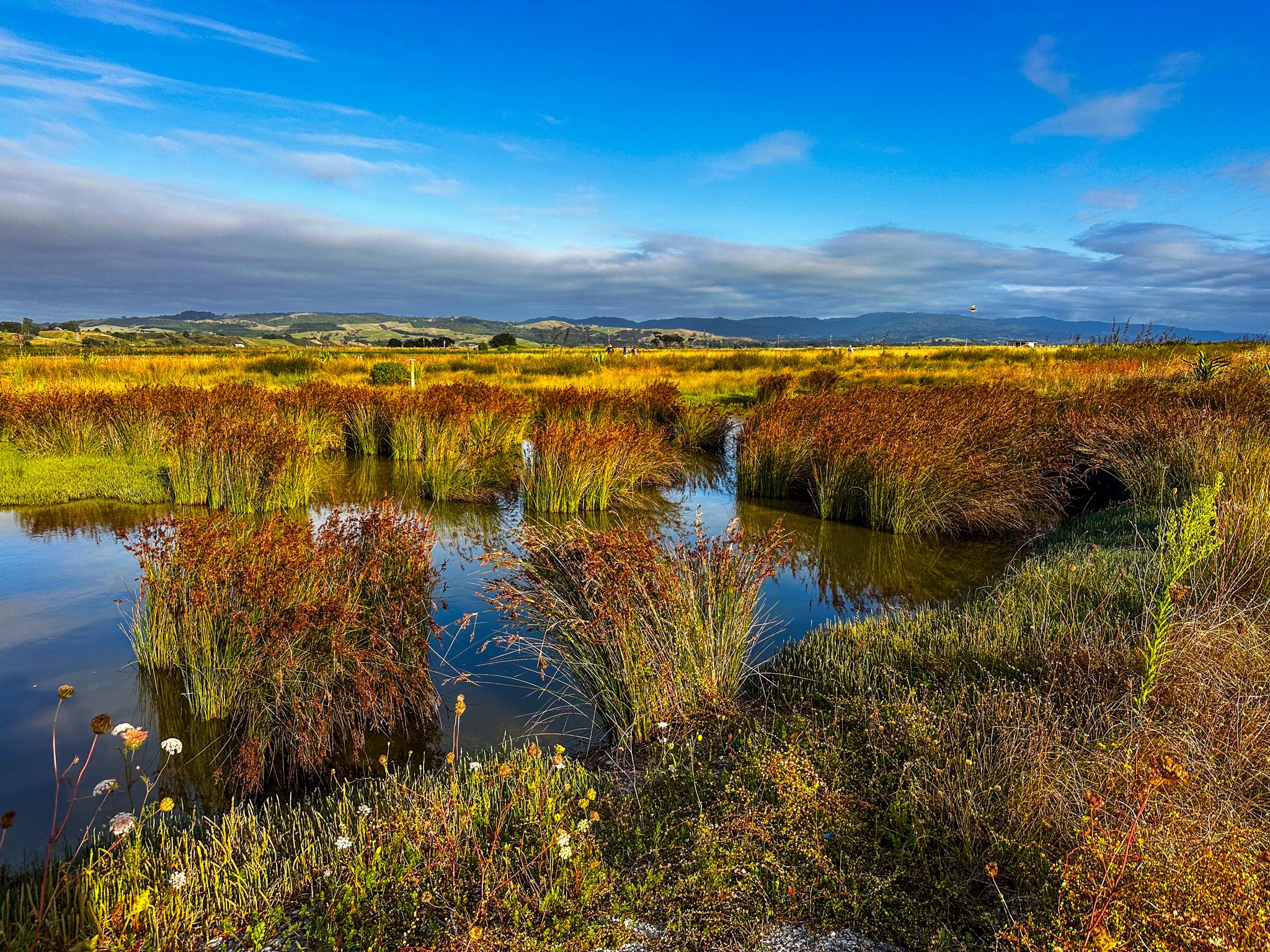
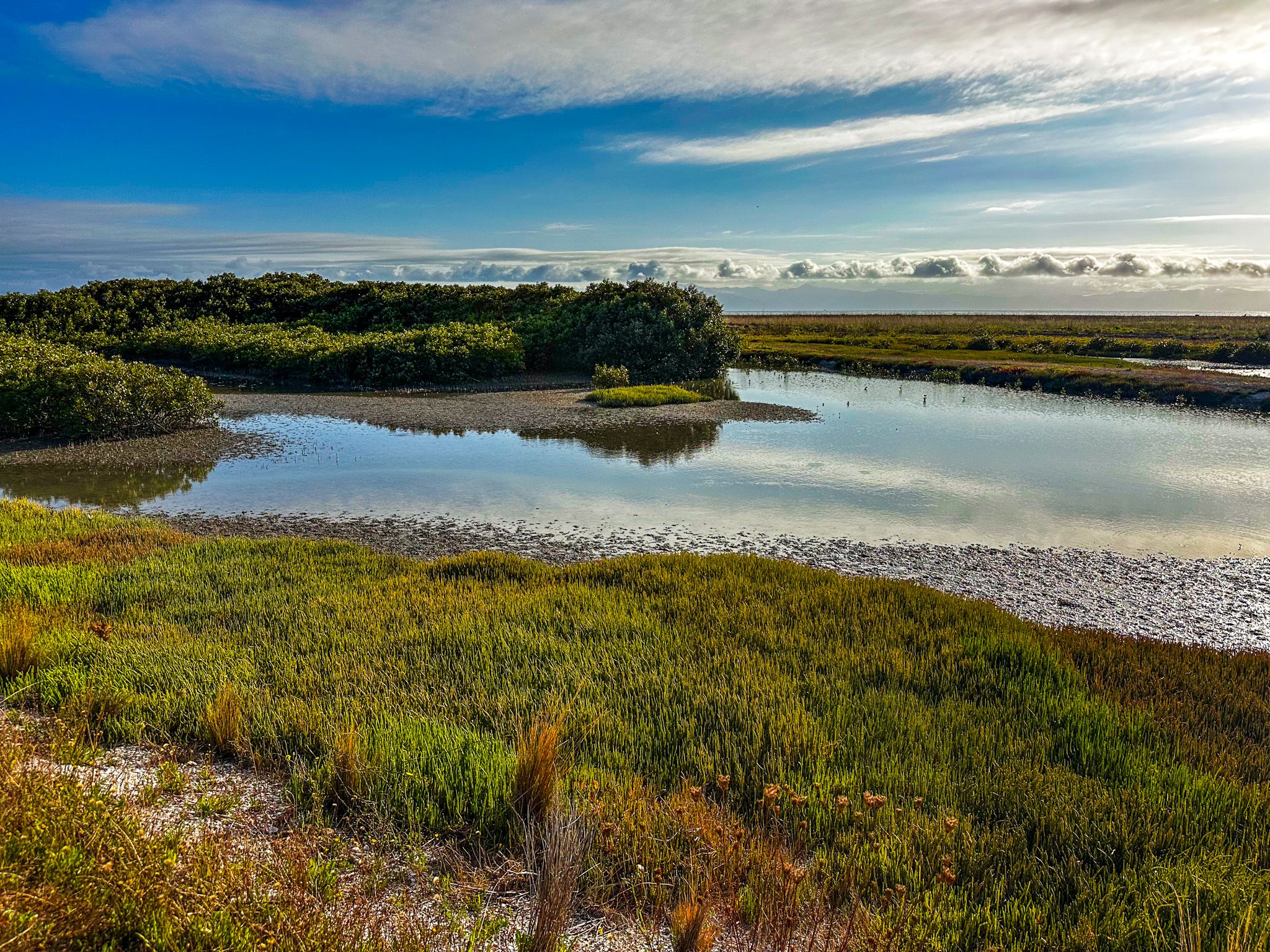
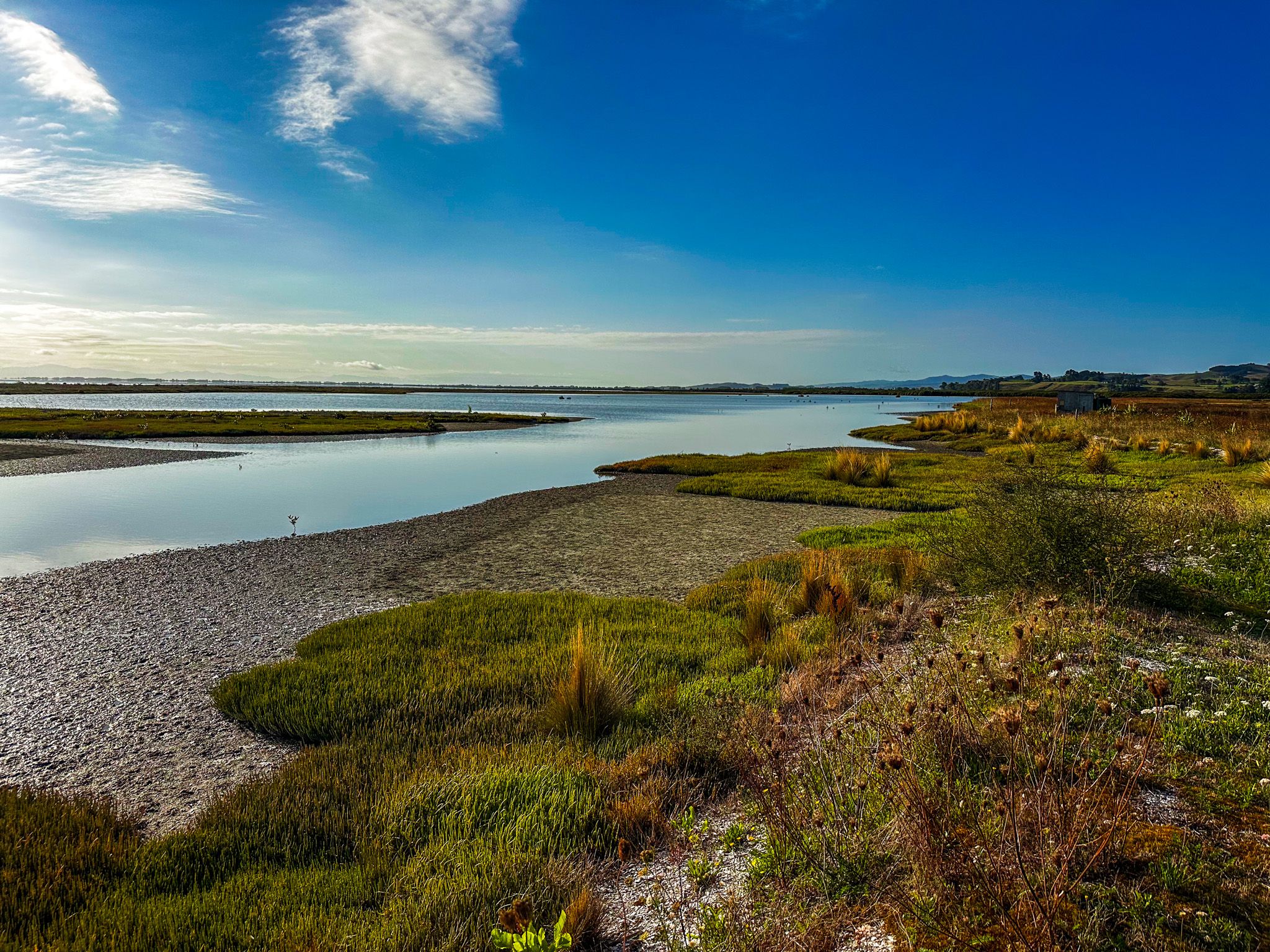
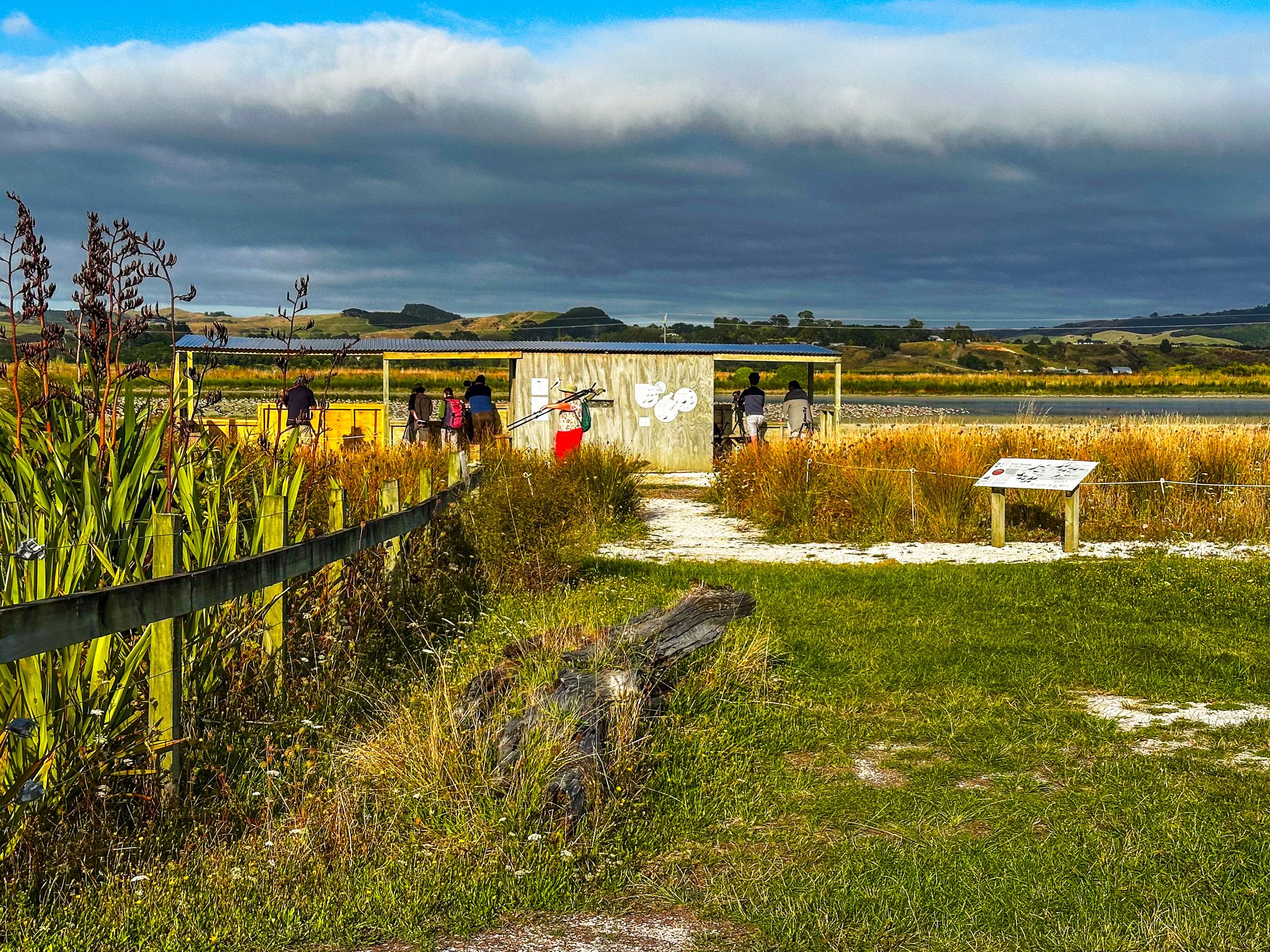
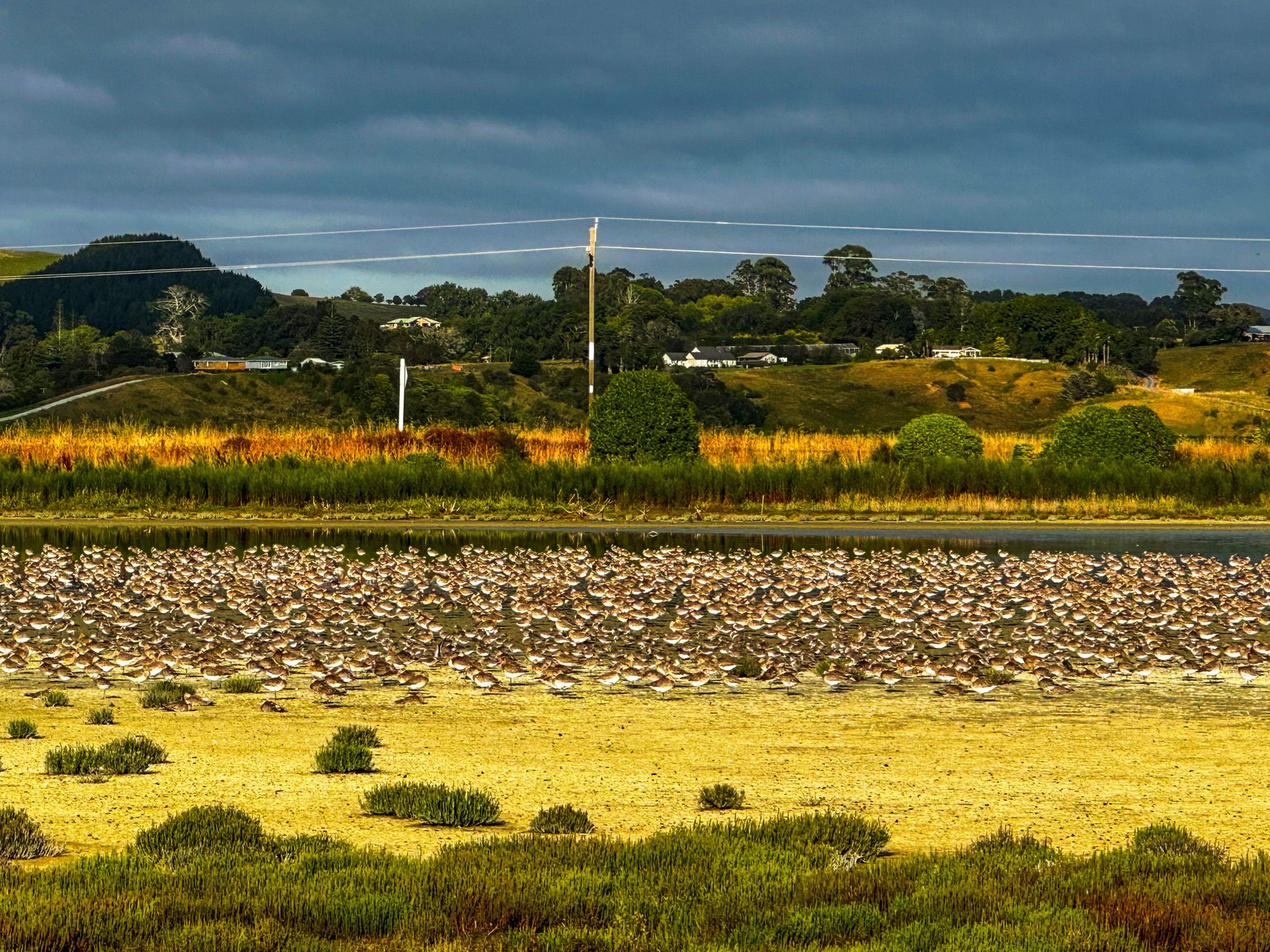
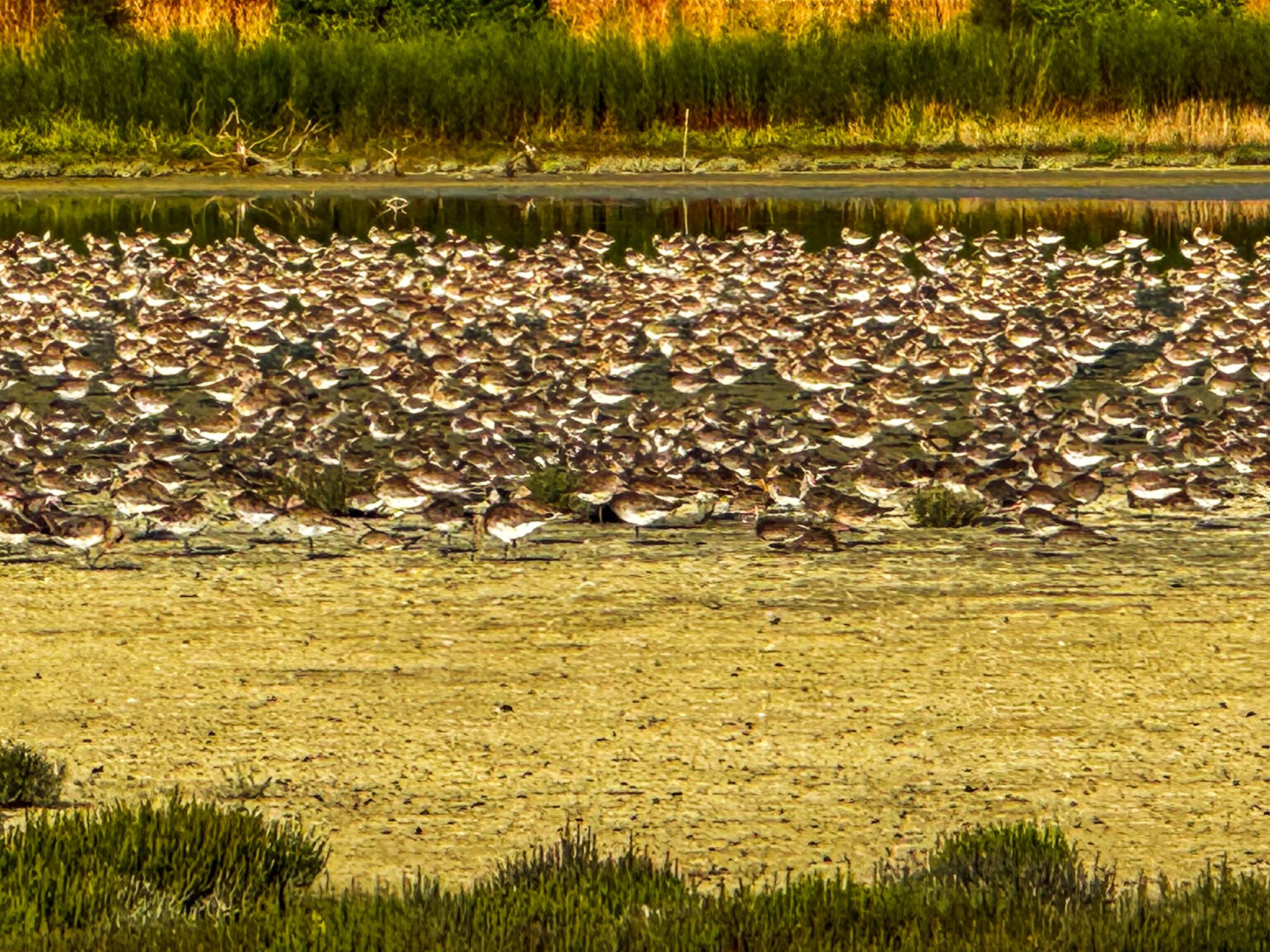
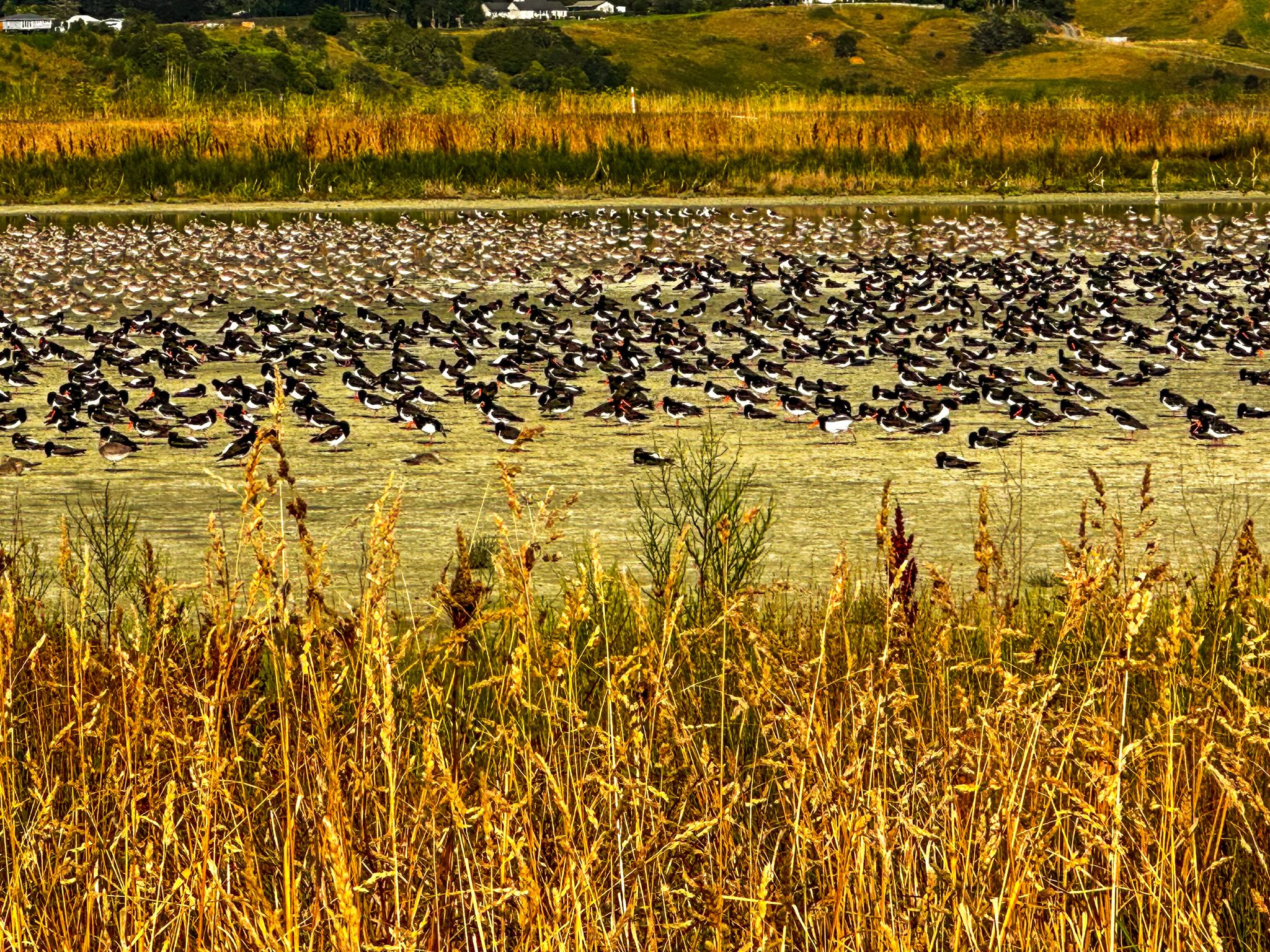
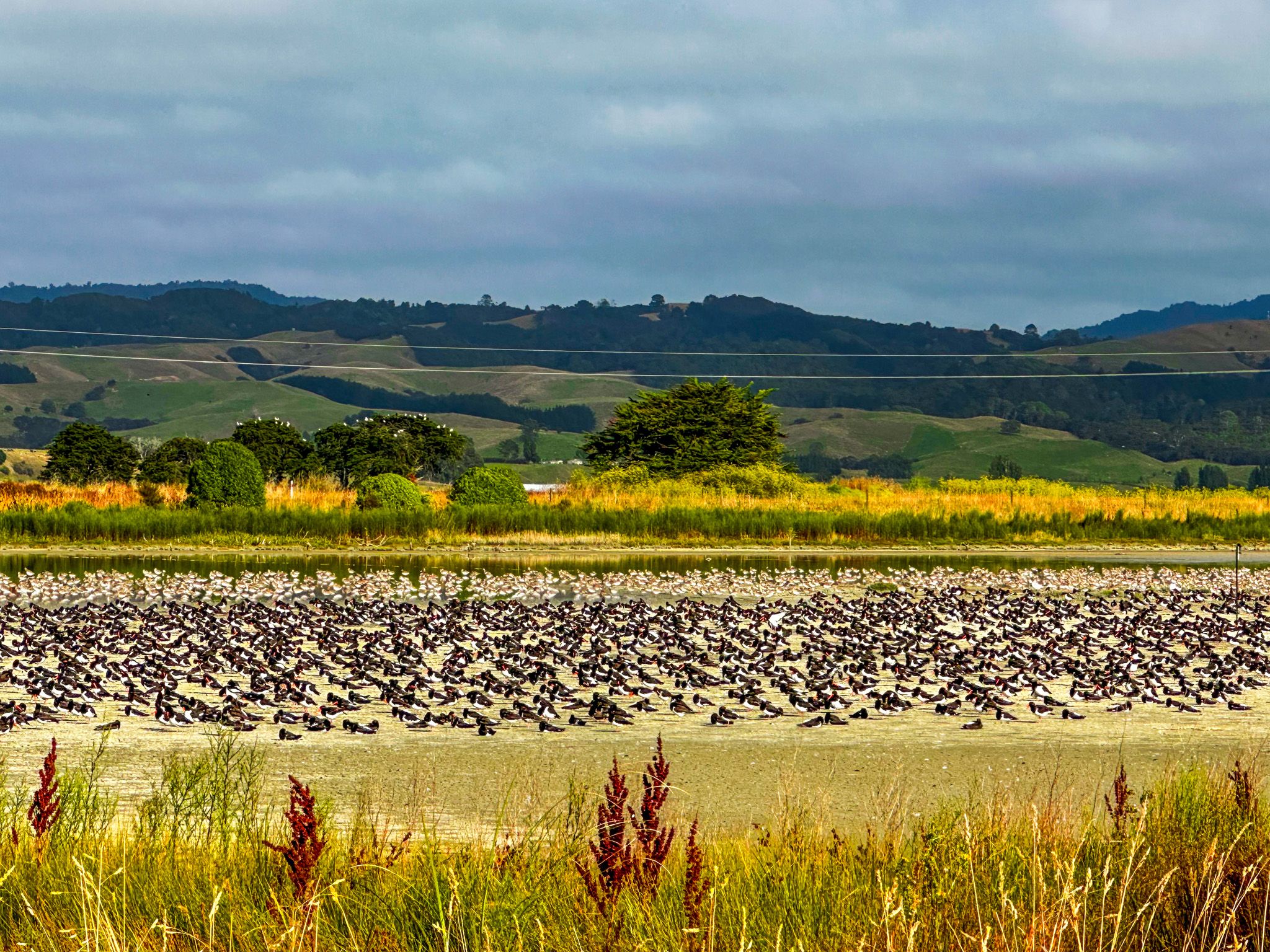
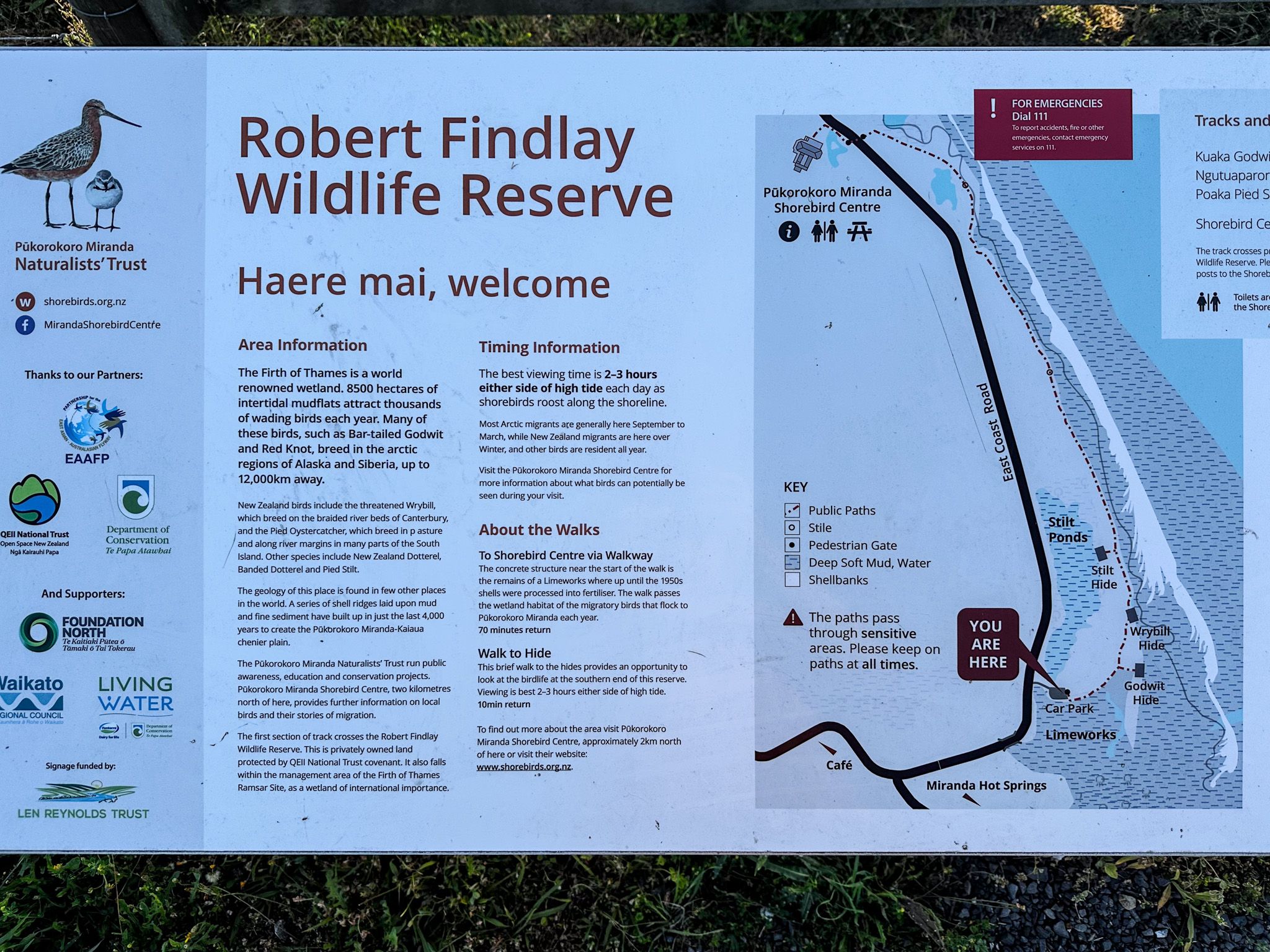
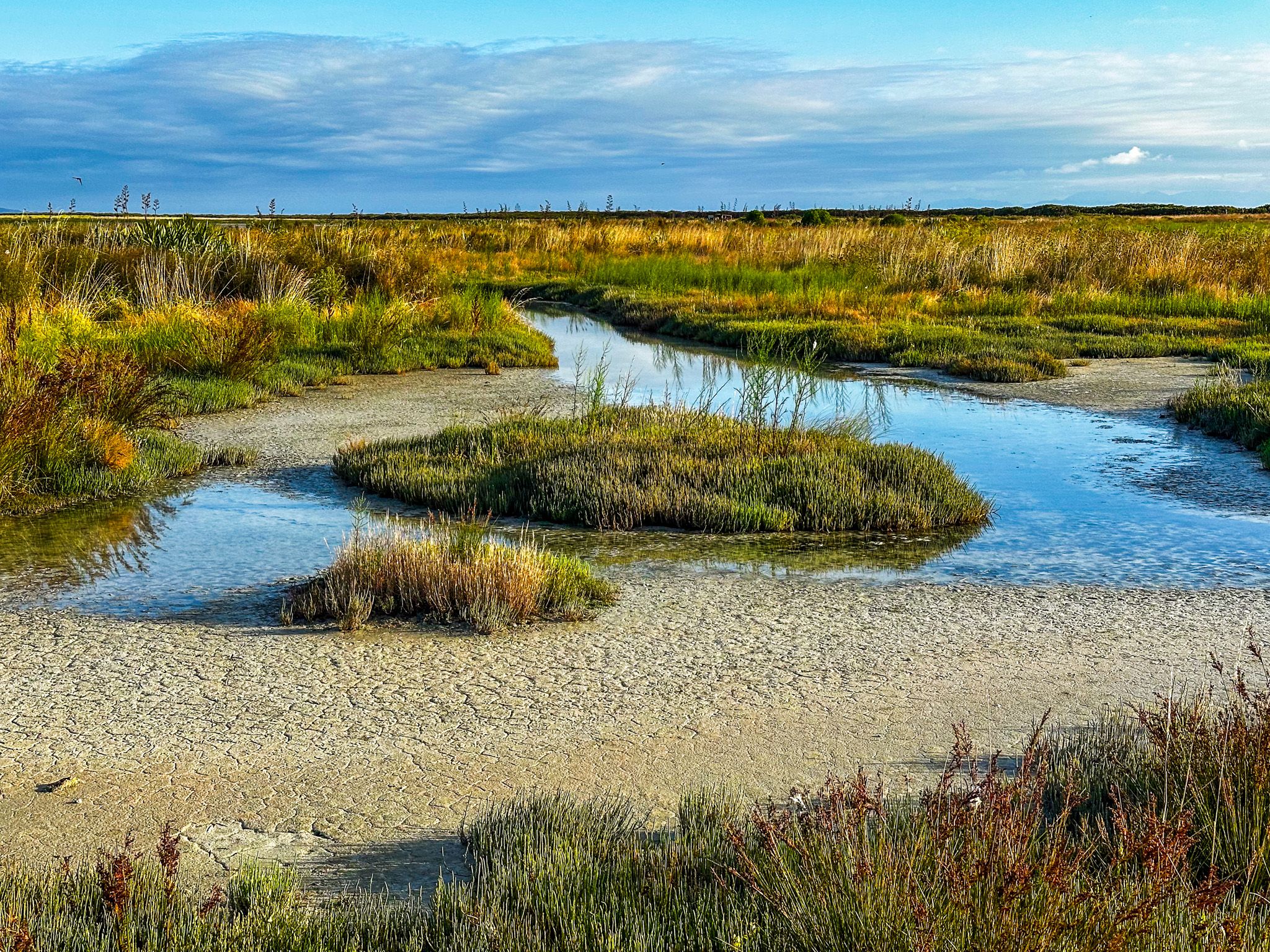
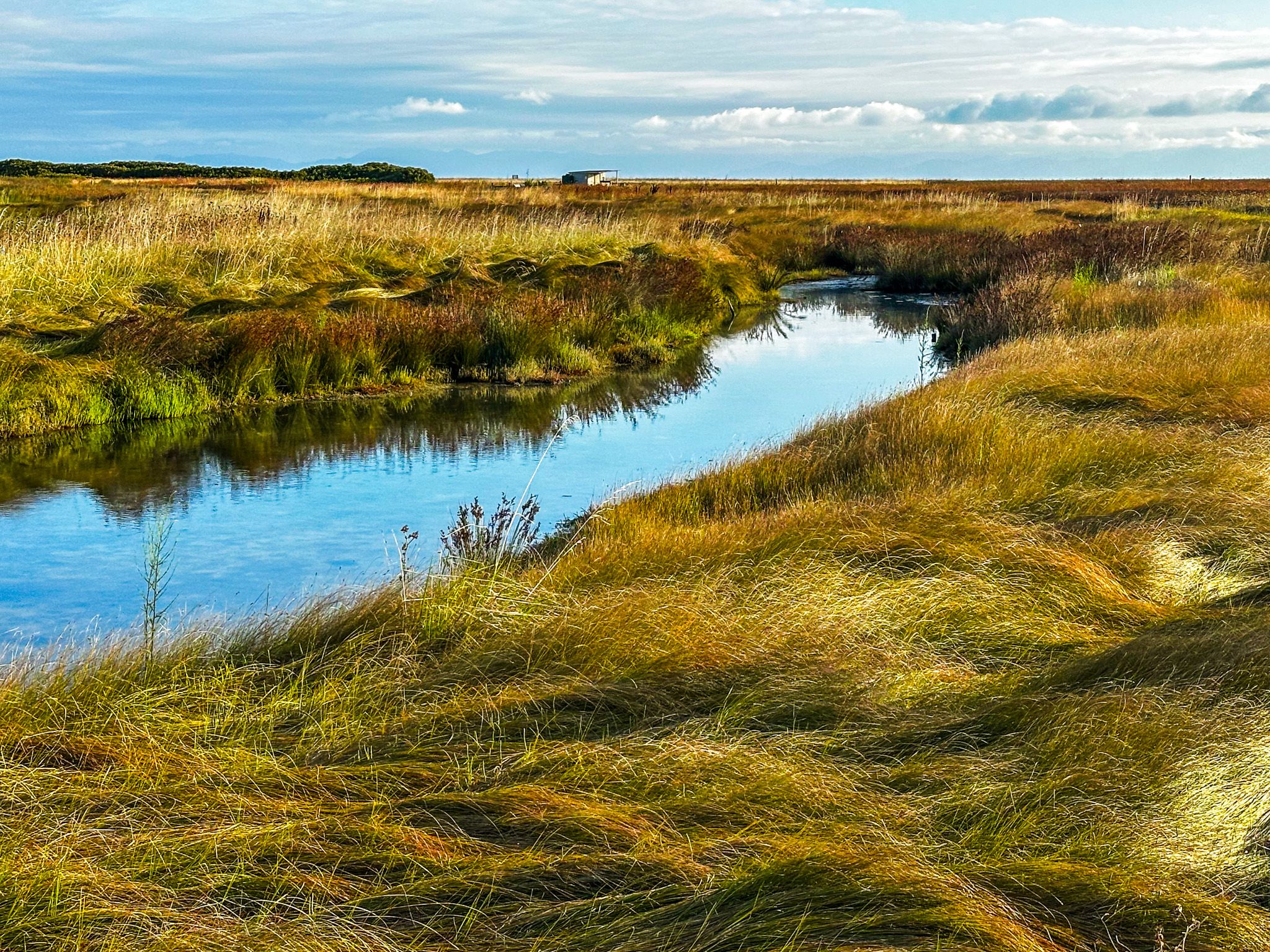
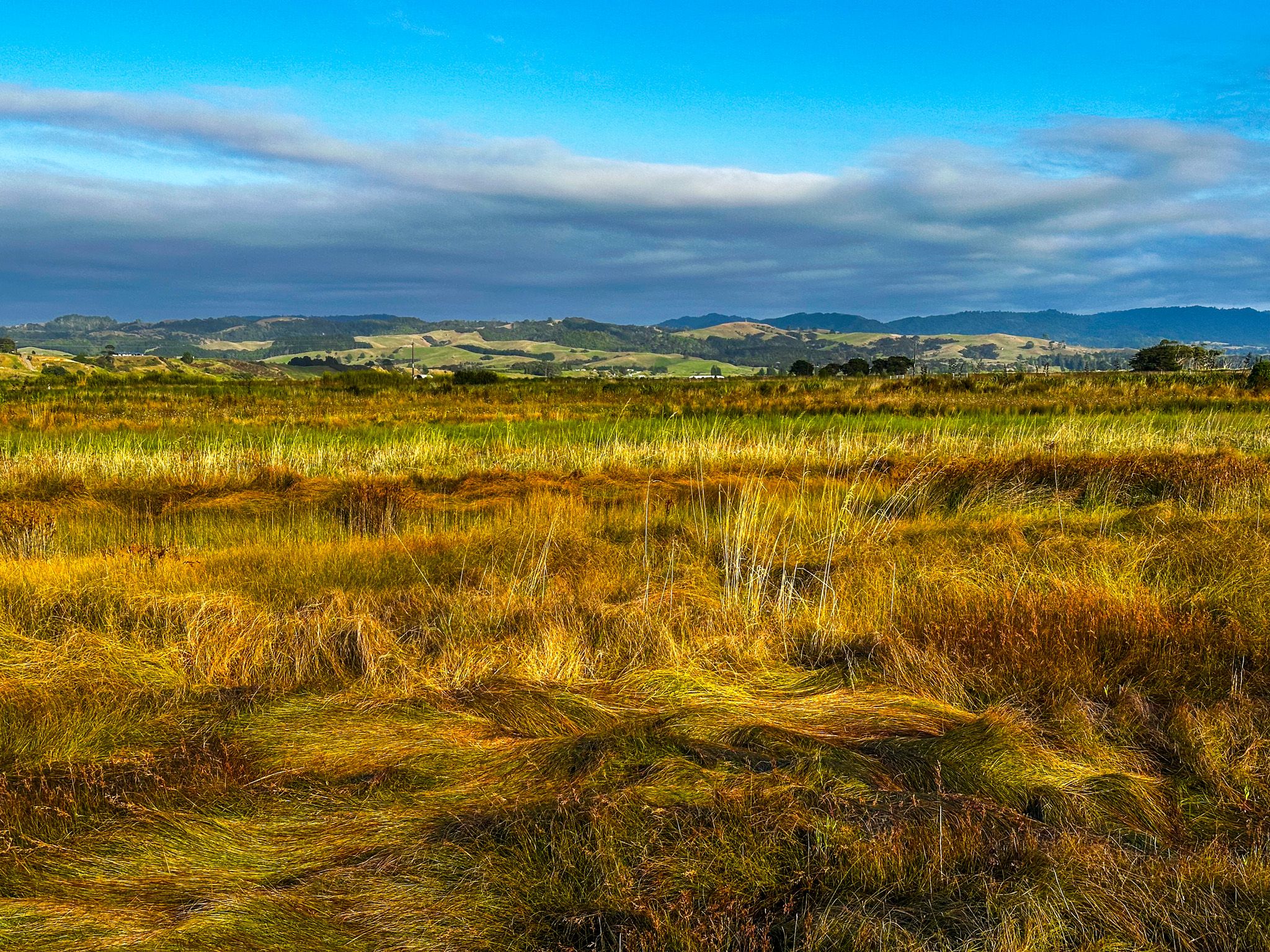
The Robert Findlay Wildlife Reserve lies 2 kilometres south of the Pūkorokoro Miranda Shorebird Centre on East Coast Road (part of the Pacific Coast Highway) in Pūkorokoro / Miranda in North Waikato. It is the place to come for the closest views of seabirds along this coast. The reserve occupies approximately 25 hectares of salt marsh, ponds and tidal mudflats on the chenier plain, and is protected under a QEII National Trust Covenant as well as being part of the Ramsar-listed Firth of Thames wetland. Two bird hides on the mudflat edge give sheltered views over the shell banks where thousands of waders roost at high tide. The reserve is open to the public at all times.
The Reserve and the Hides
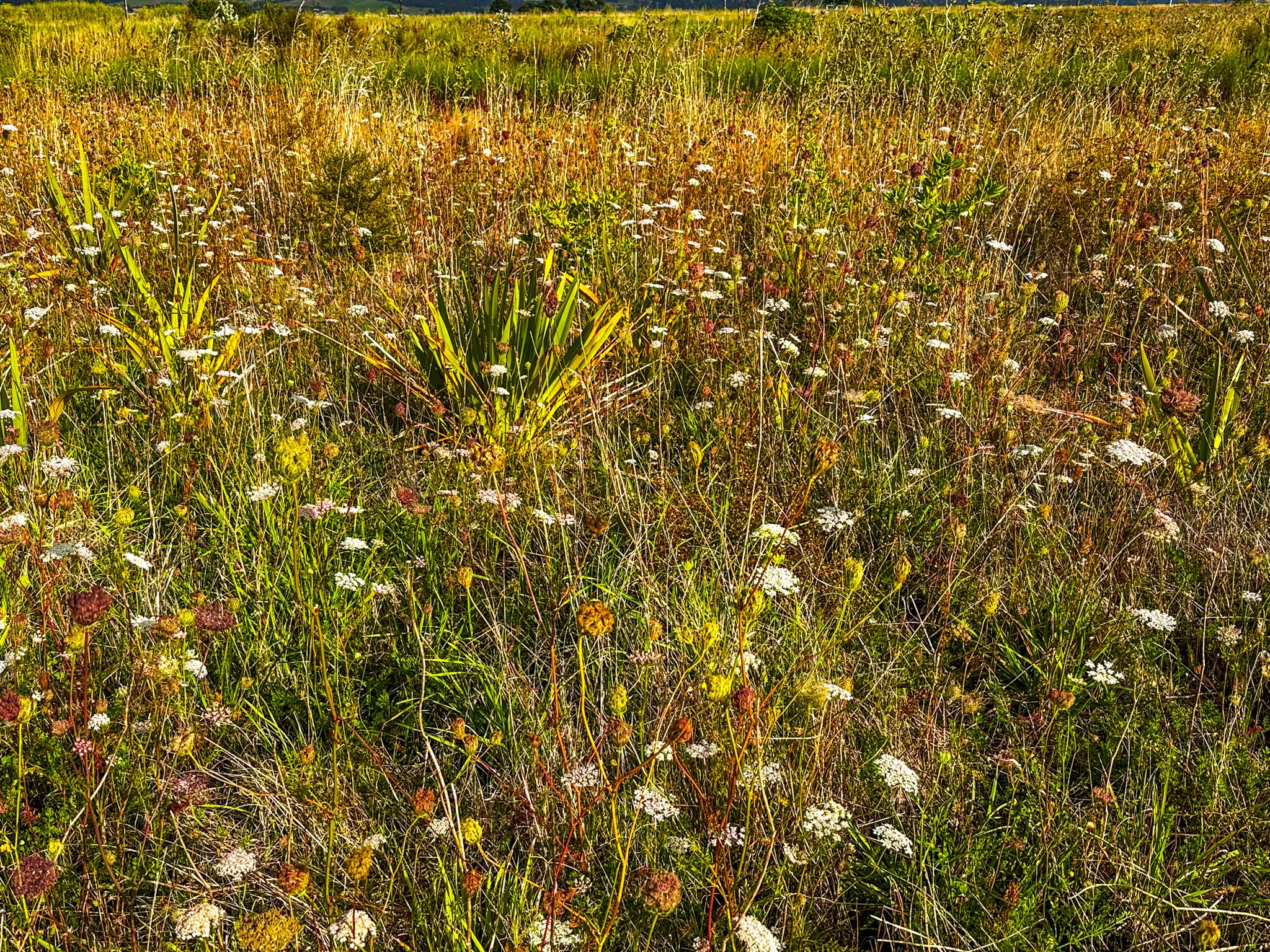
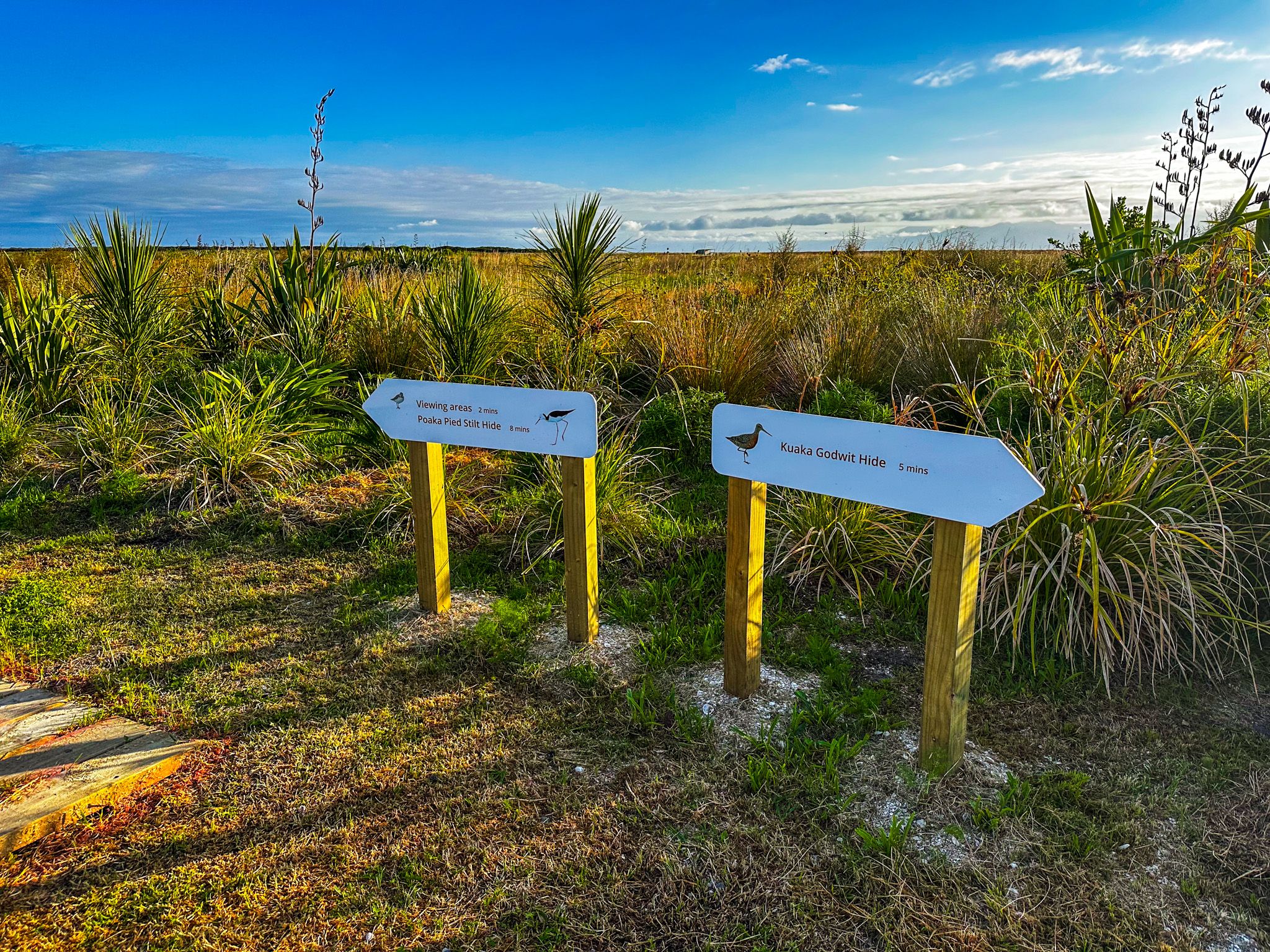
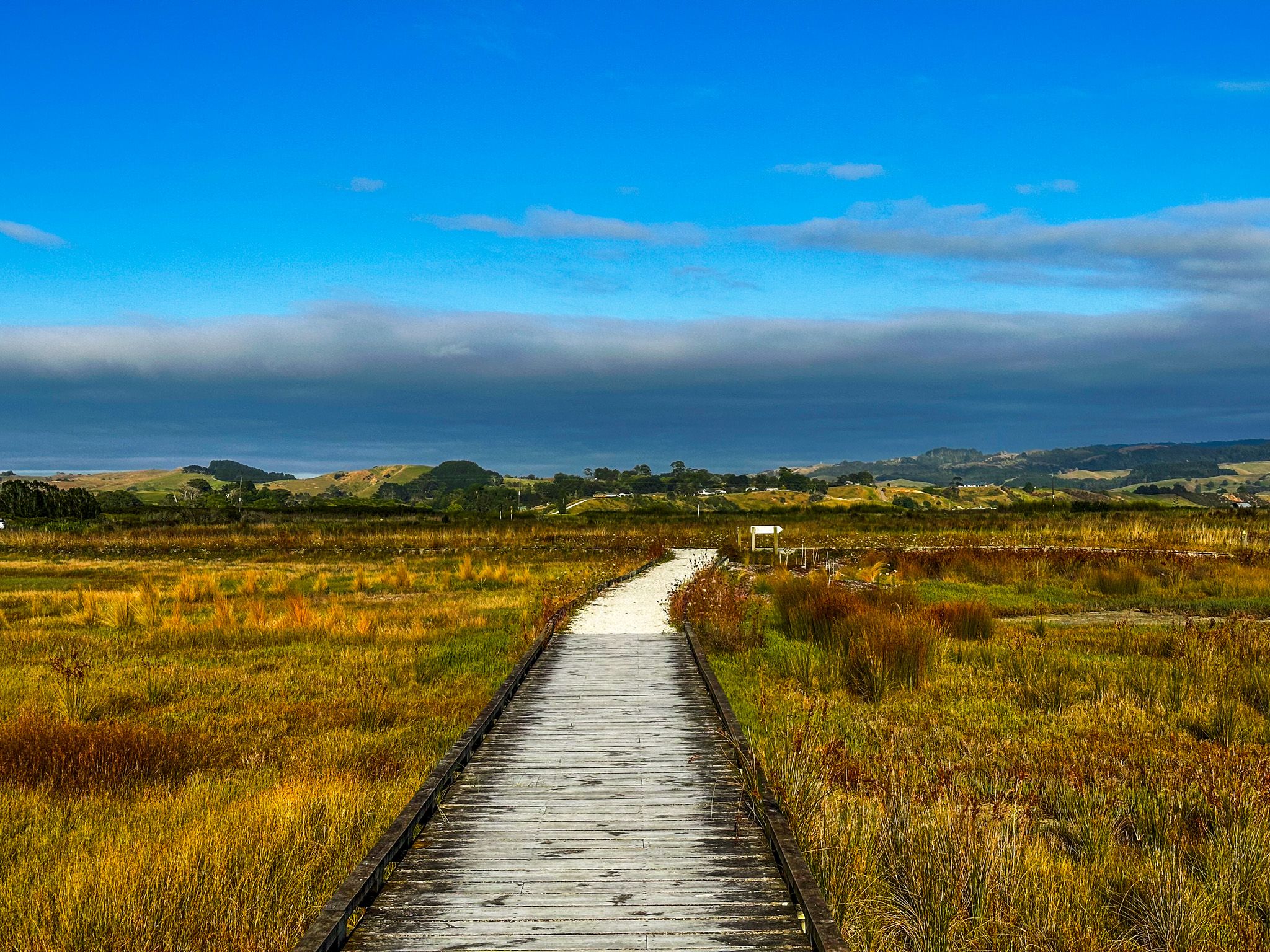
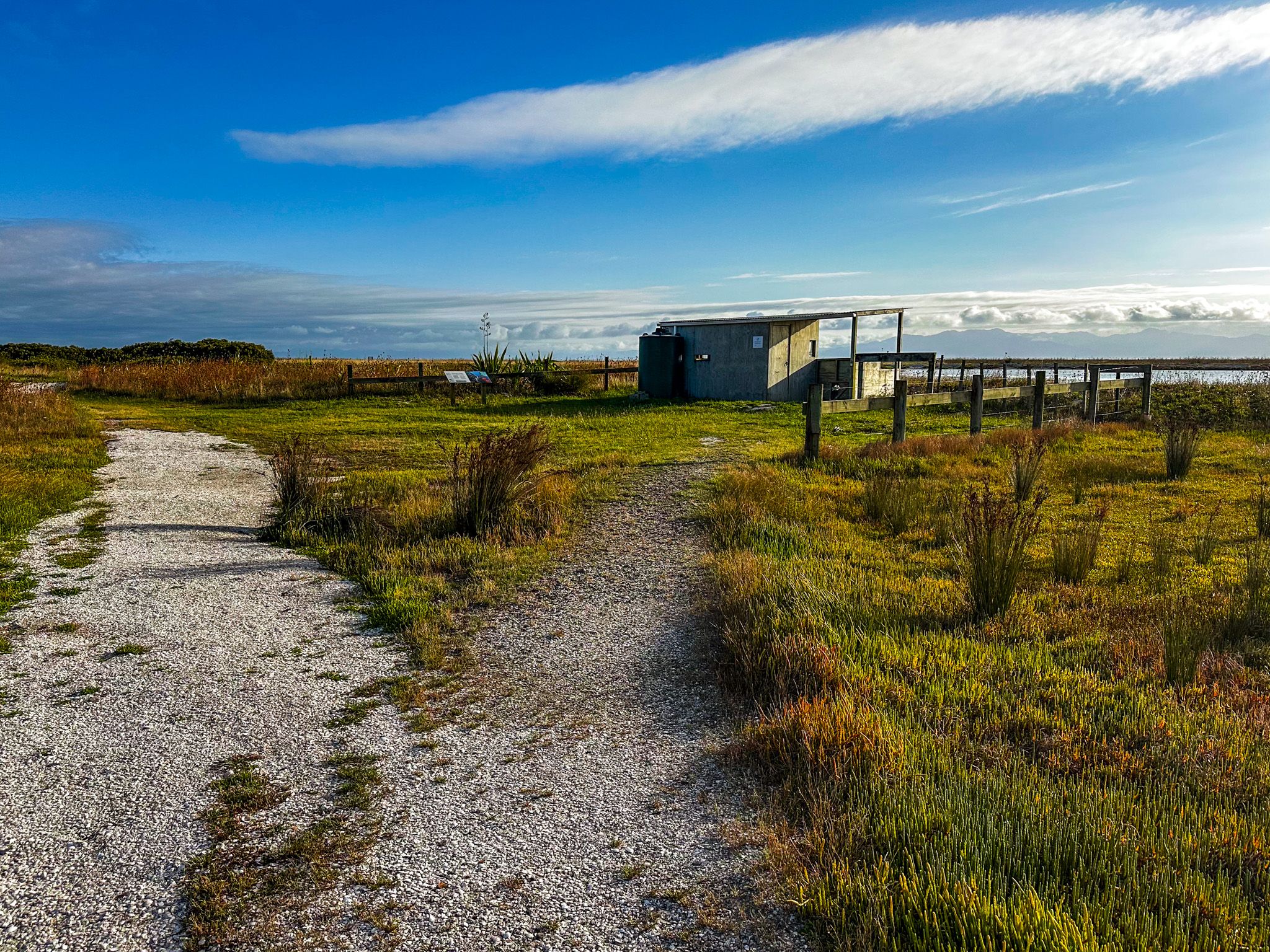
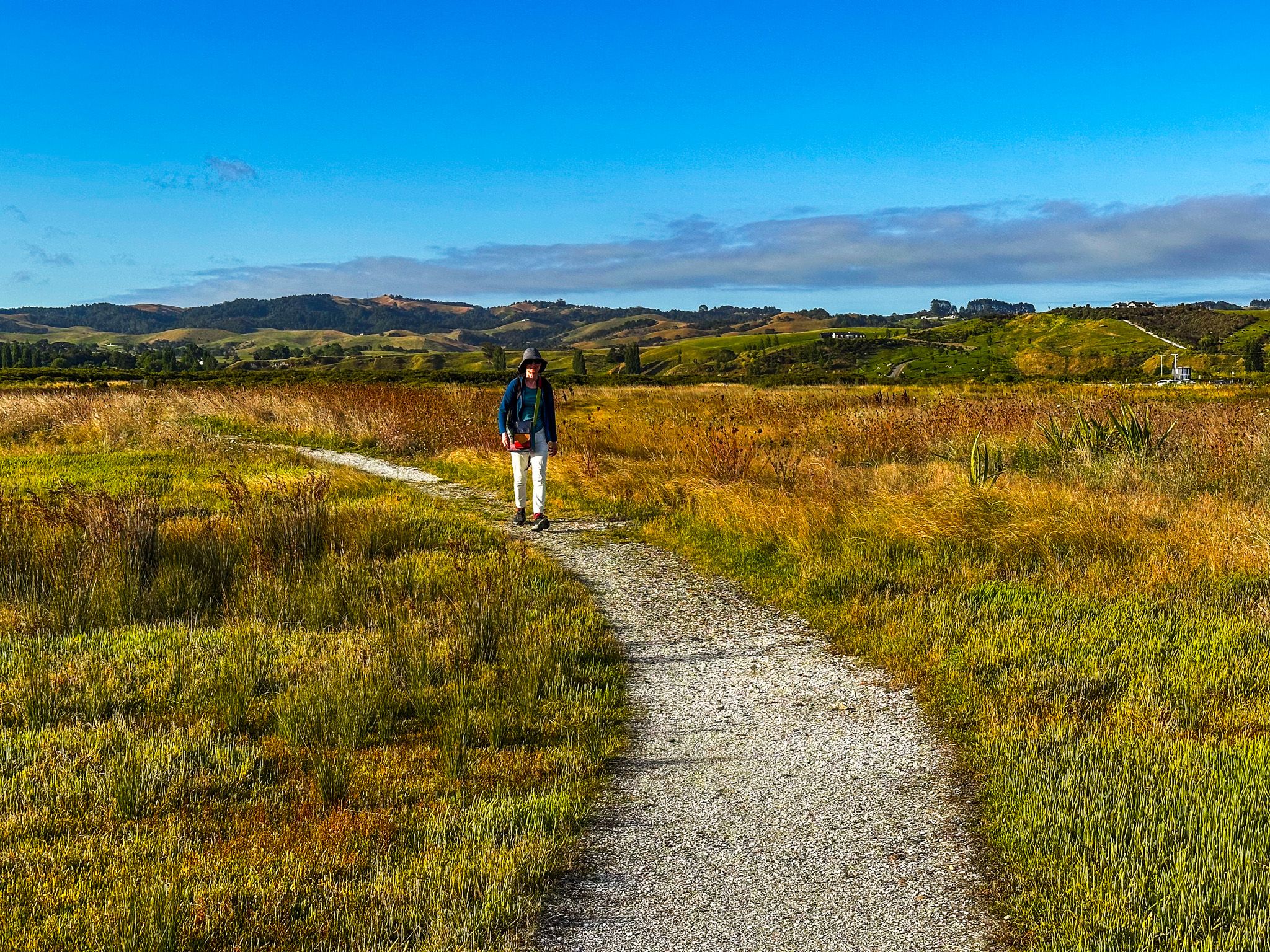
From the car park, reached through a gate that opens from the road, it is a 30-minute, easy loop walk to the hides along a flat path through the salt marsh. The marsh is mostly covered in a mix of native coastal rushes, sedges, and grasses planted to restore the wetland habitat. It is very photogenic in early morning and evening light. The first hide is close to the shore, looking out at the mudflats, while the second overlooks a major roosting area when they return from feeding.
The best time to visit is within two hours either side of high tide, when the birds are closest to shore. At low tide, the vast majority of waders are dispersed across the mudflats at distances that make identification difficult without a telescope.
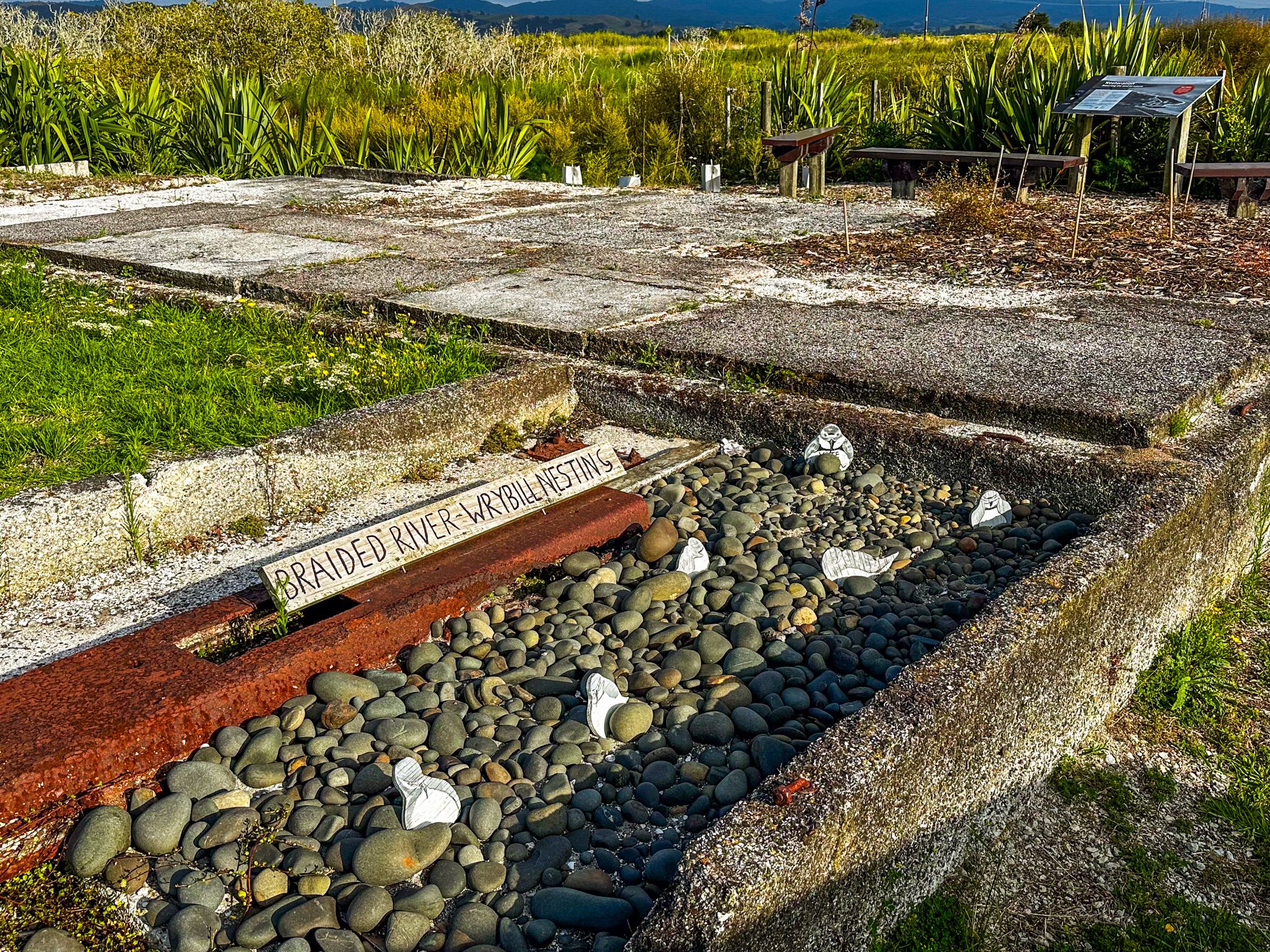
Viewing is most spectacular from October through March, when godwits and red knots are present, but the reserve is worthwhile at any time of year. In Winter, thousands of wrybills (ngutuparore) and South Island pied oystercatchers feed on the flats, having arrived from breeding grounds on the southern braided rivers. The wrybill is a plover endemic to New Zealand and the only bird with a beak that is always bent to the right. This sideways bend enables it to easily reach under stones in the river bed to catch bugs.
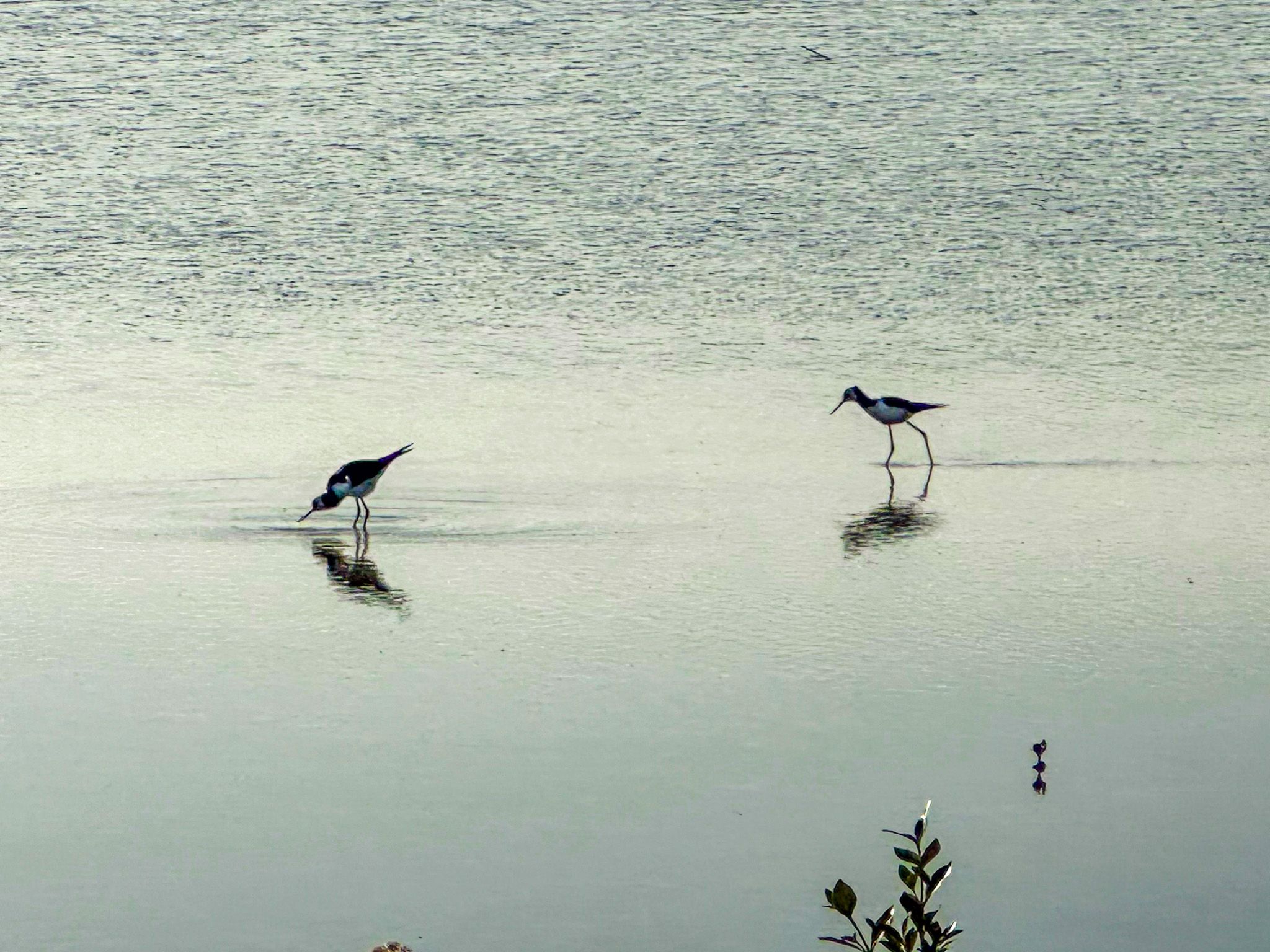
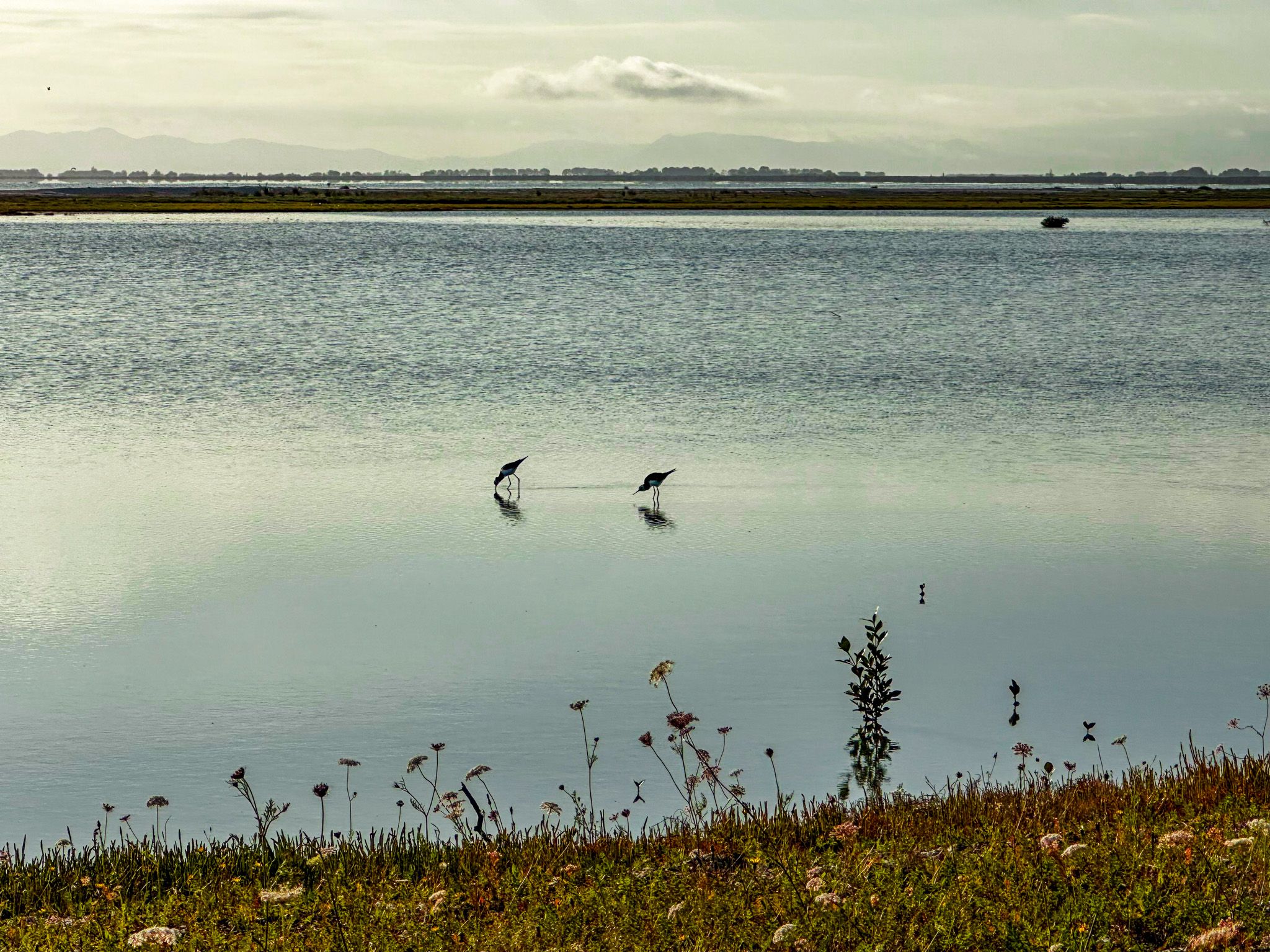
Before reaching the hides, a freshwater pond holds black swans, grey teal, pied stilts and New Zealand dabchick, along with occasional Australasian bittern in the reeds.
History of the Reserve
Robert Findlay first purchased the land in 1869, and the family always allowed birdwatchers unimpeded access. There was a lime works at the entrance, but this was eventually closed, and in 1993, the area was brought under a QEII National Trust Covenant, formalising its protection. The Pūkorokoro Miranda Naturalists' Trust has managed banding and research operations at the site for decades, and much of what the world now knows about the godwit migration, including the discovery of the longest non-stop flight ever recorded for a land bird, has come from research carried out here.
How to Get There
The reserve is on East Coast Road. From Auckland, the most direct route heads south on the southern motorway, State Highway 1, turning east onto State Highway 2 once over the Bombay Hills. From there, take Mangatawhiri Road, which becomes Mangatāngi Road, to Miranda Road to the coast. There, turn north, and the access to the reserve is on your right. The drive takes around 60 minutes and is 80 km. The Hauraki Rail Trail also passes by the reserve.
Nearby places to visit include Kaiaua, the Mangatangi Reservoir and Waharau Regional Park.