Exploring Rotoroa Island
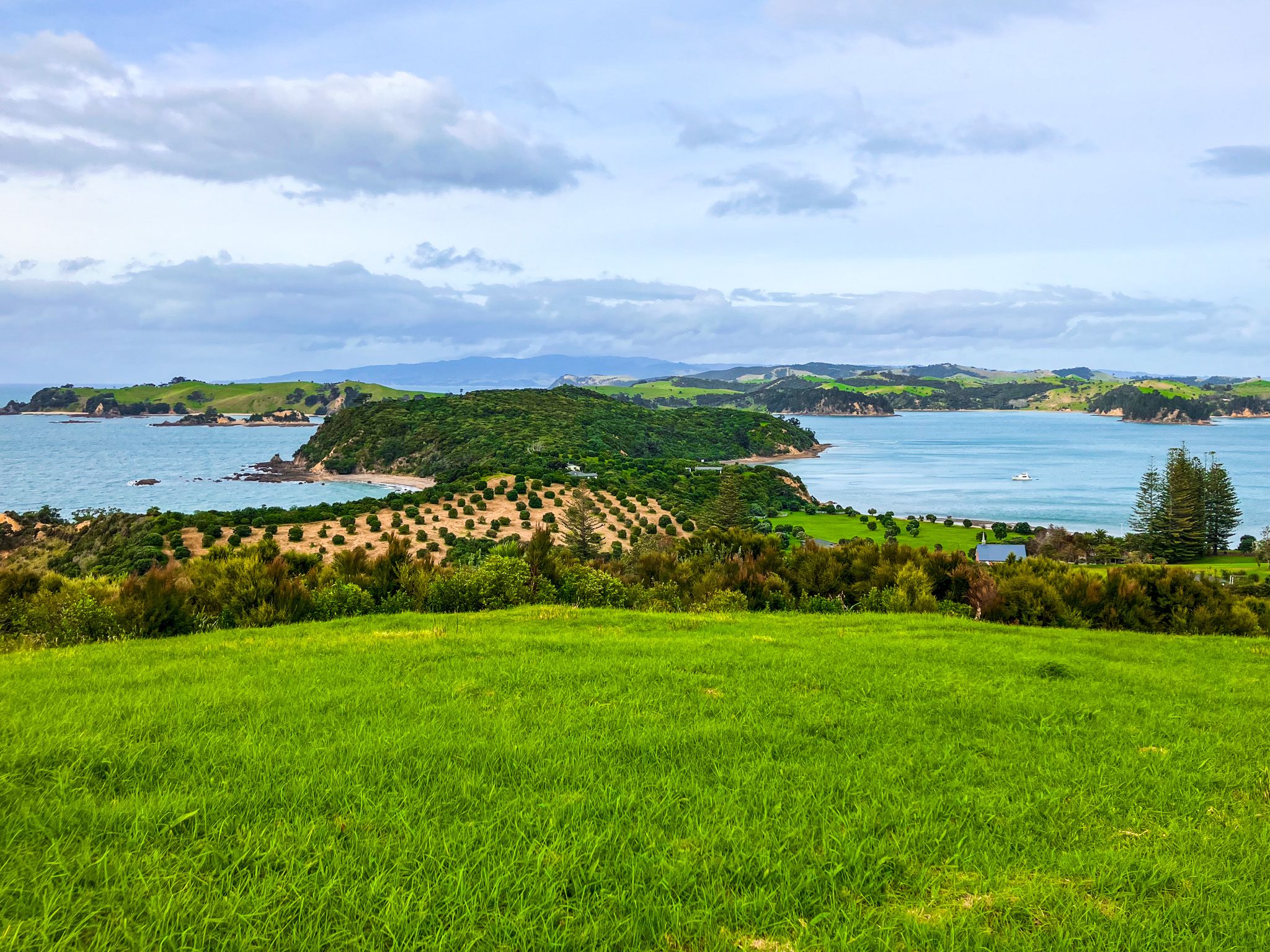
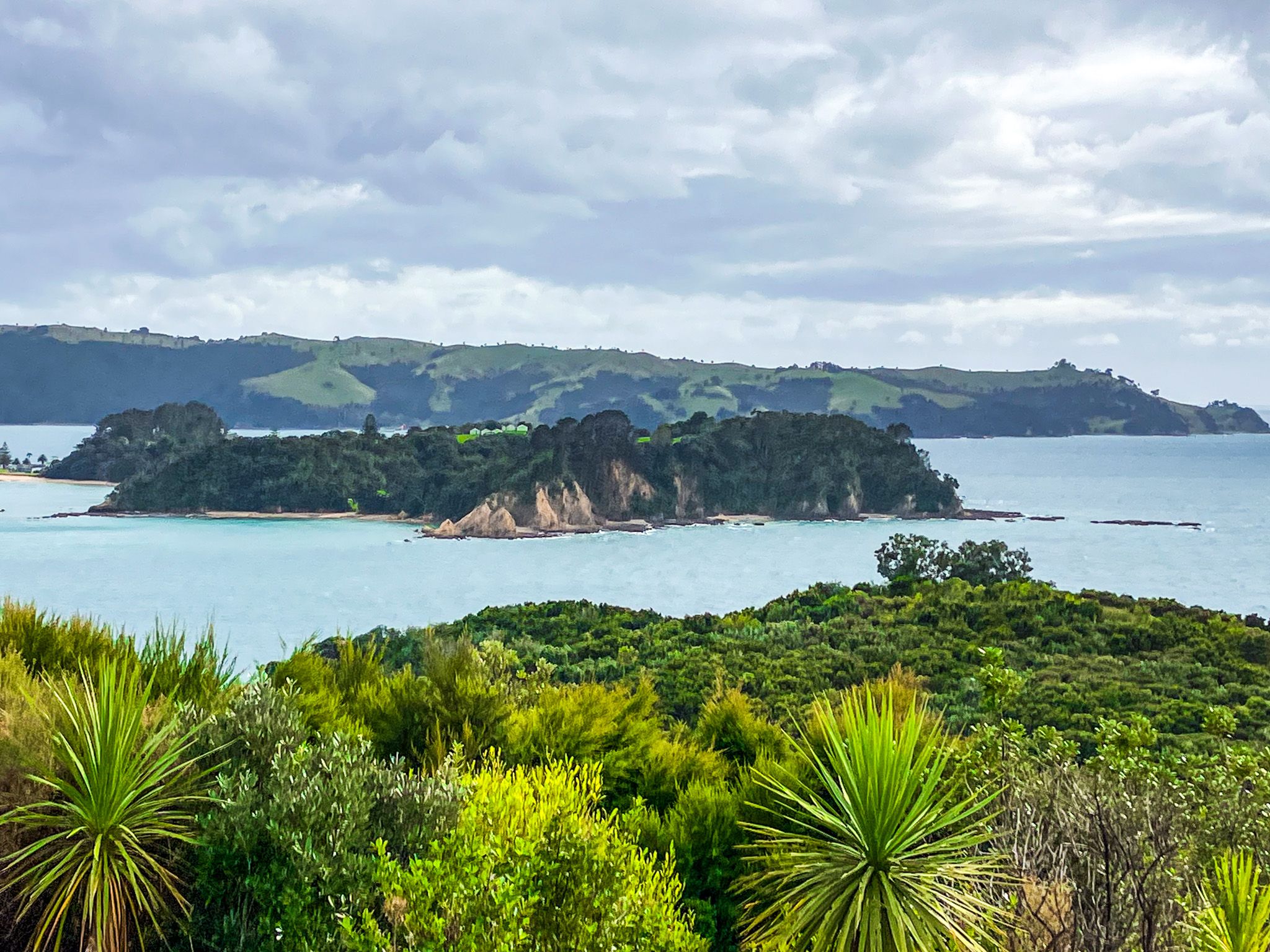
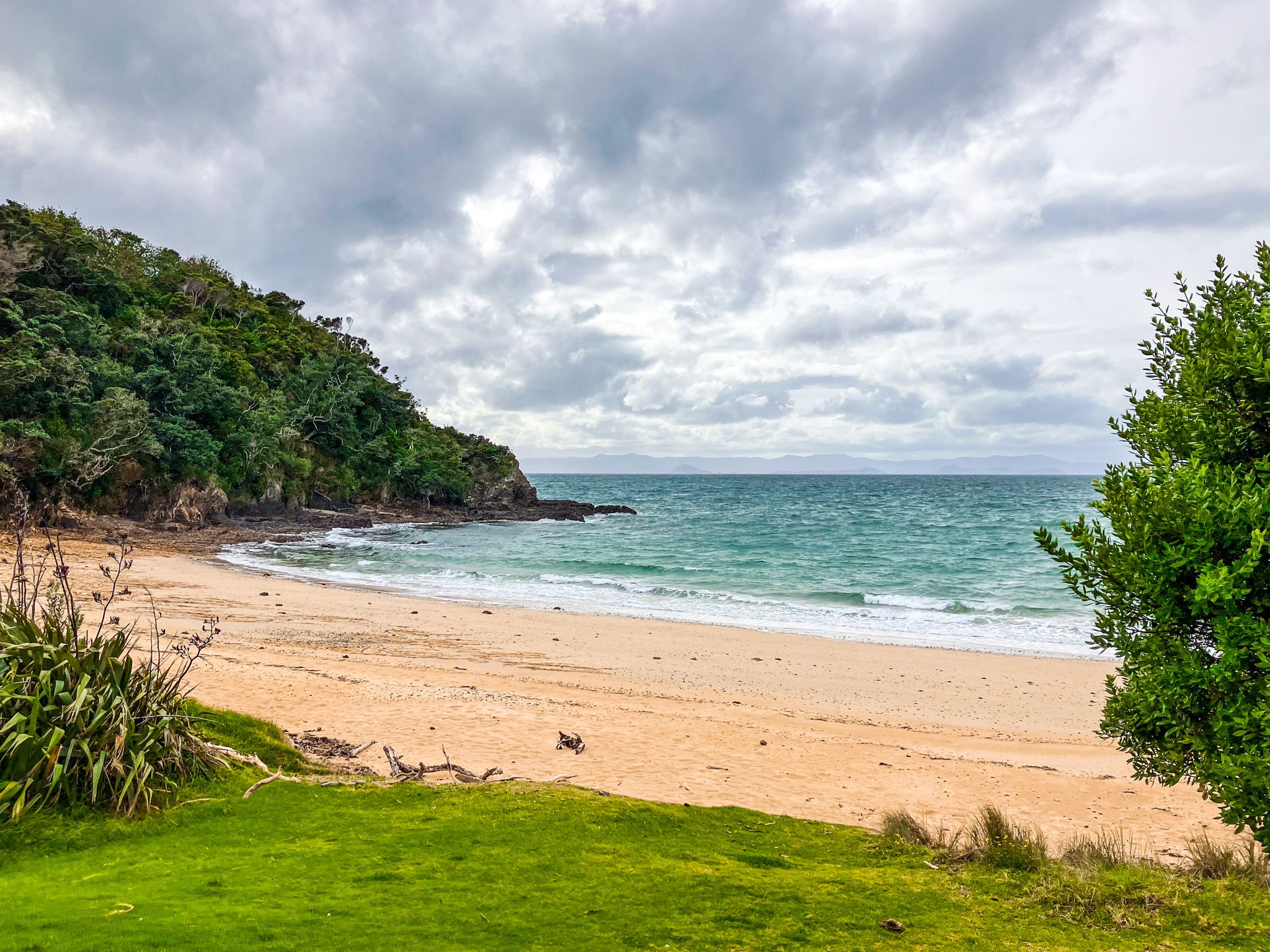
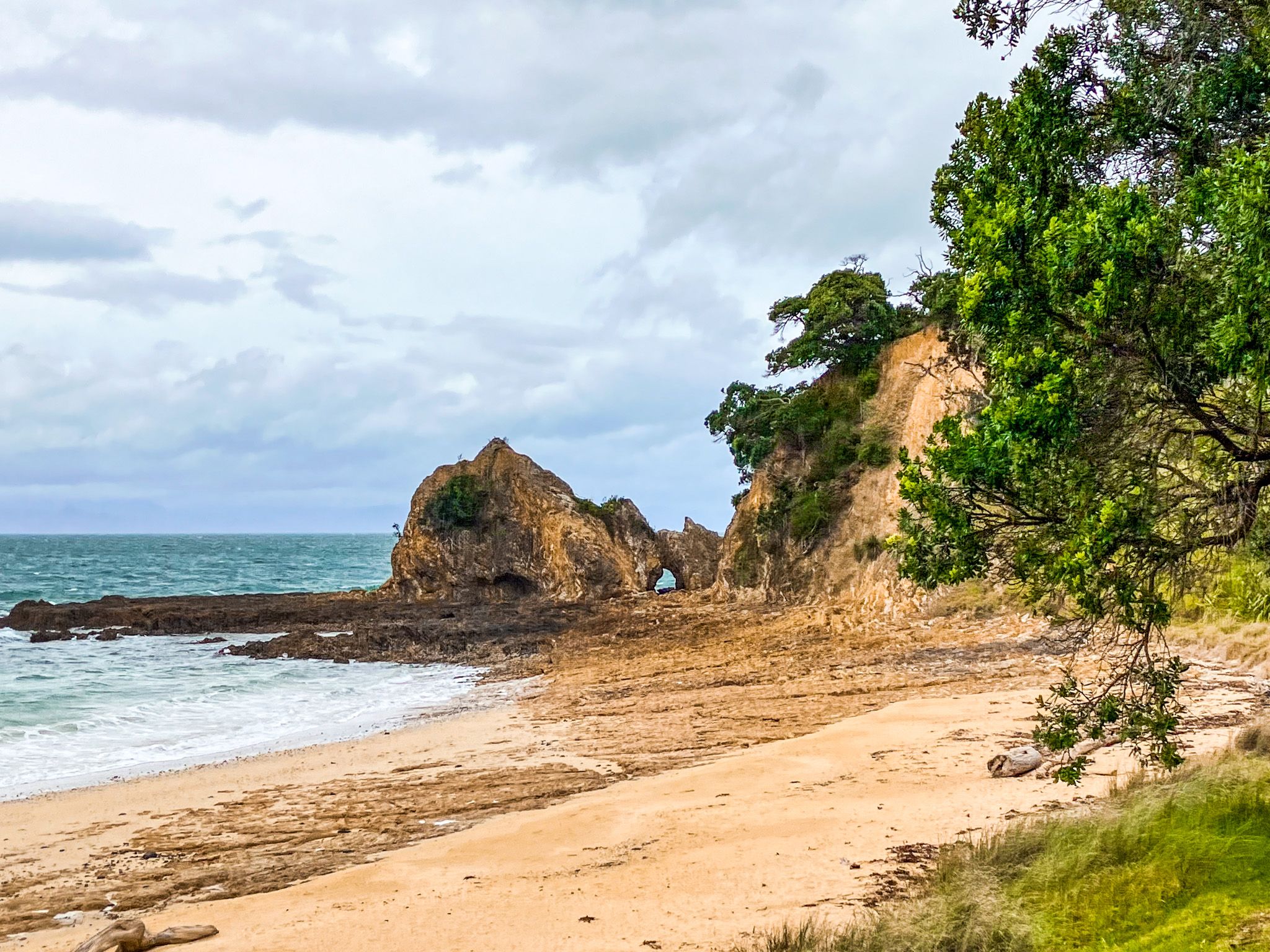
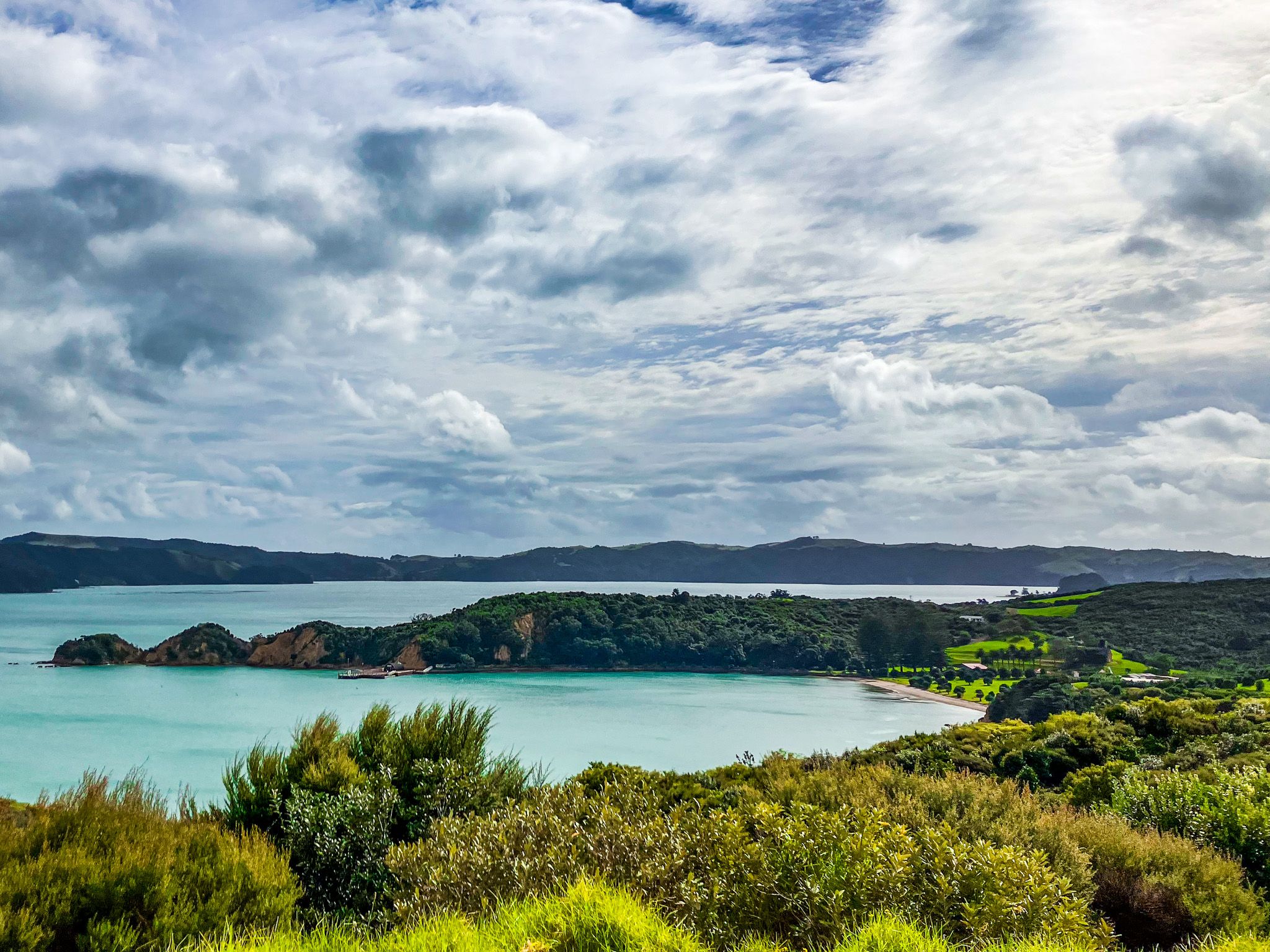
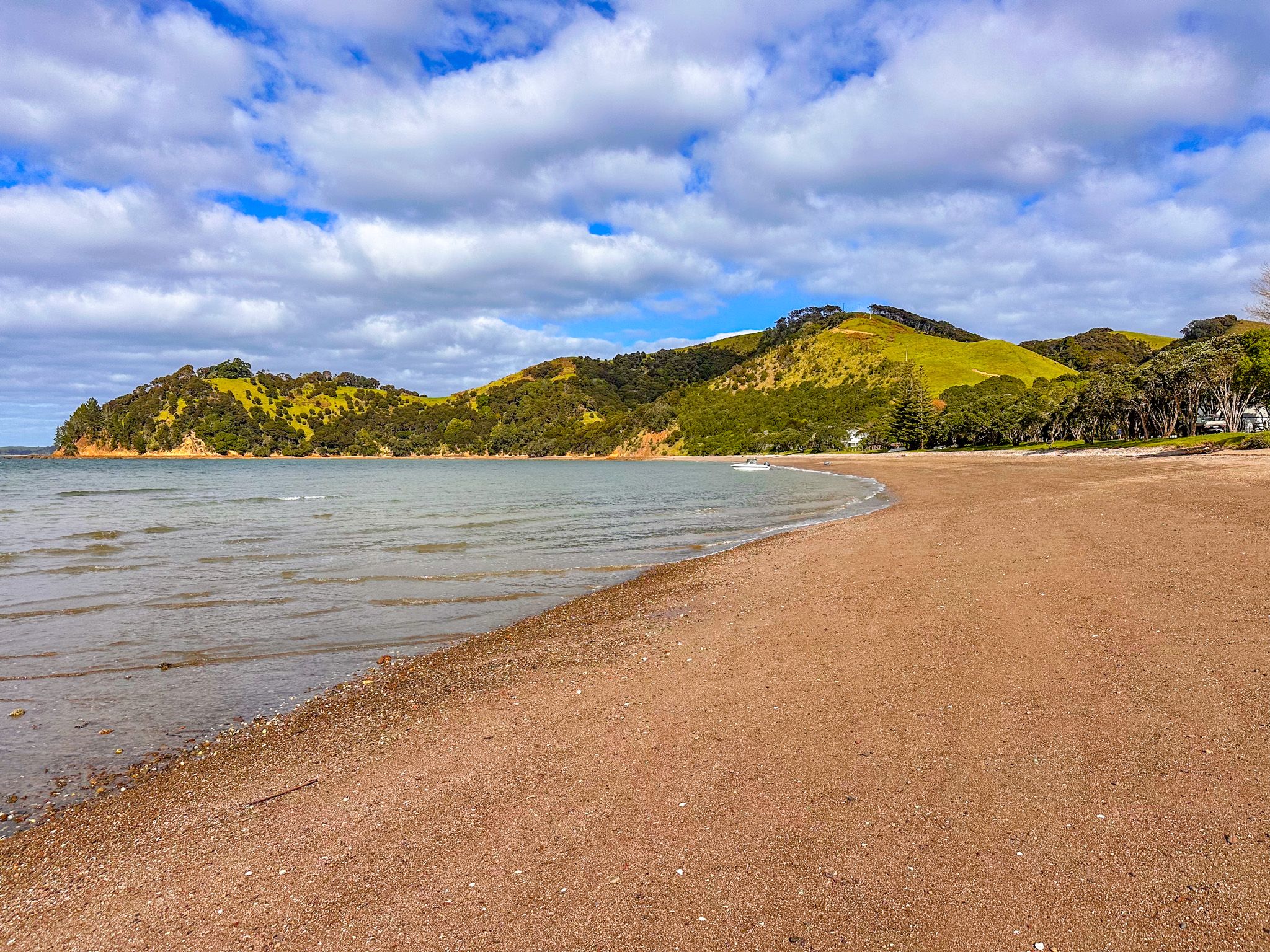
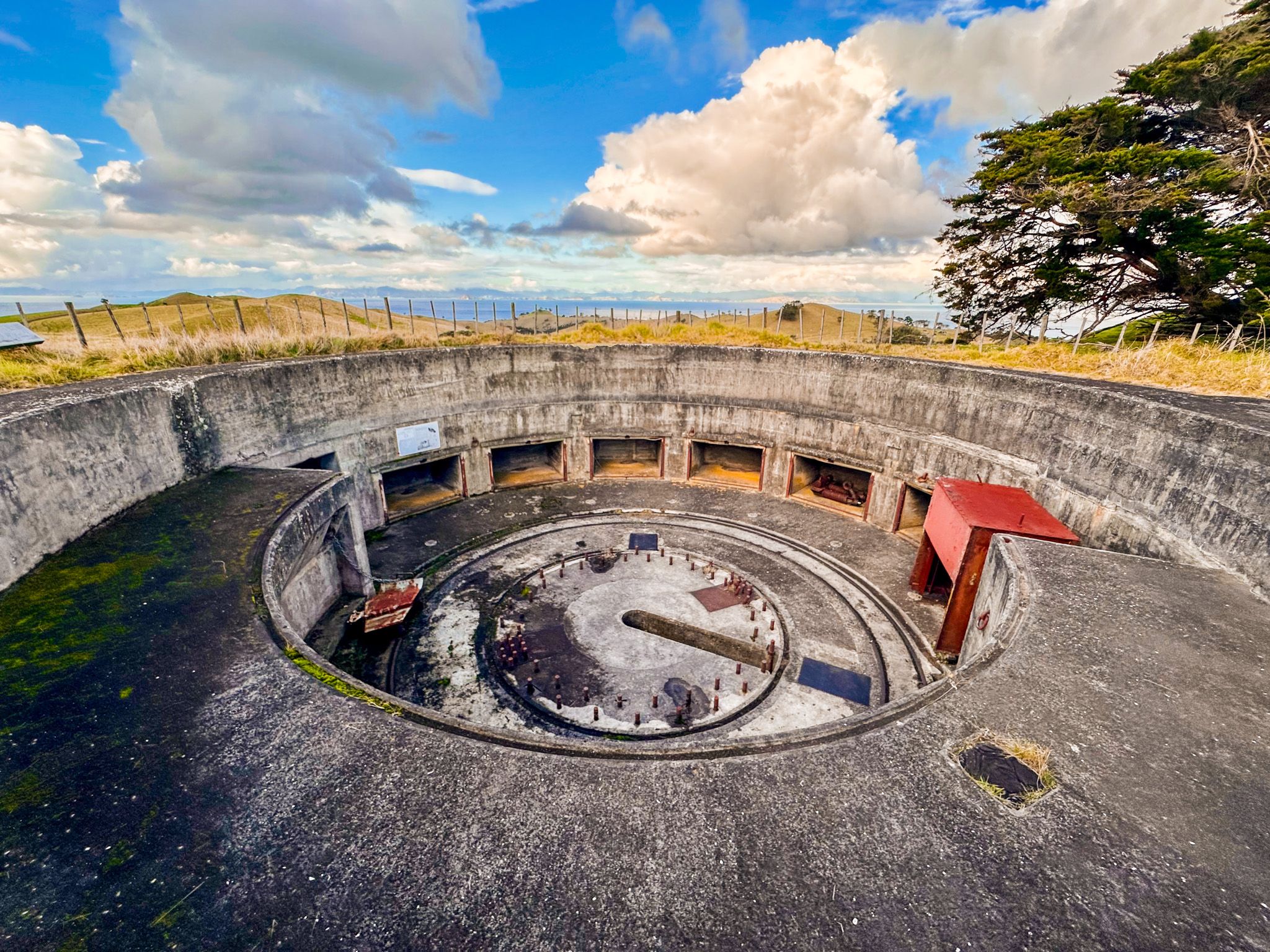
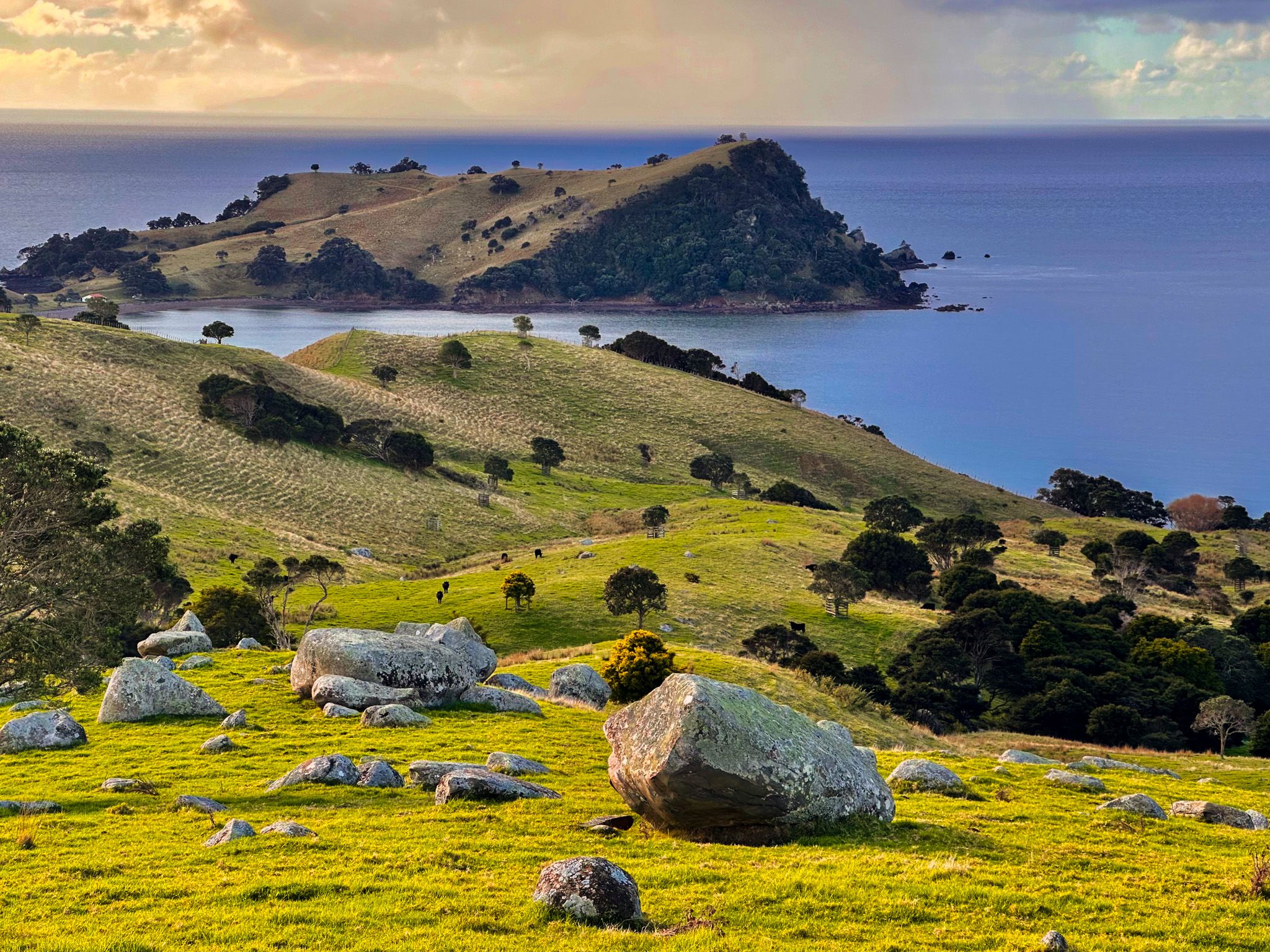
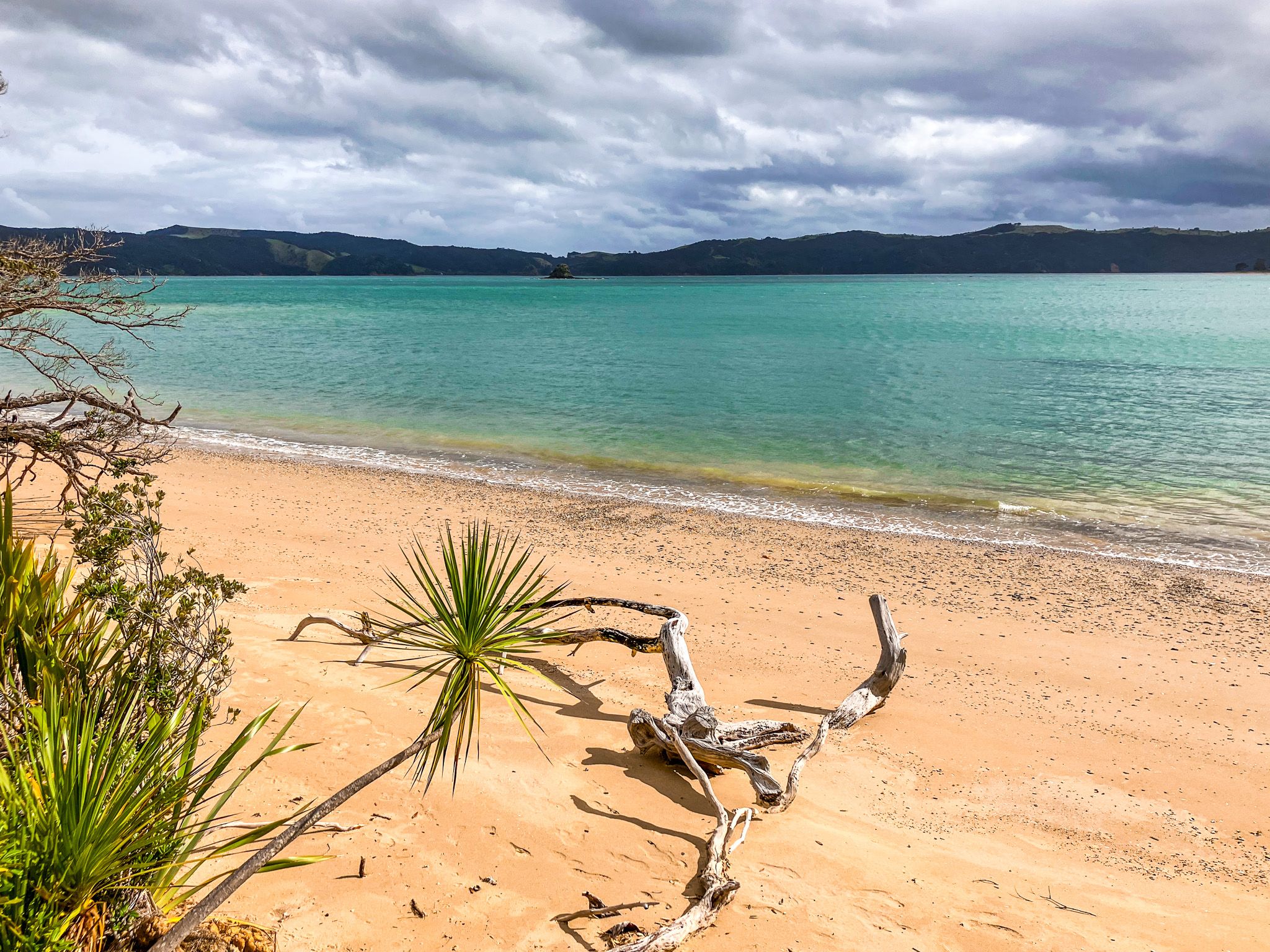
Rotoroa Island, situated east of Waiheke Island in the Hauraki Gulf of Auckland, spans 82 hectares and is ideal for a day trip or overnight stay. The island features several short looped walking tracks, inviting swimming beaches, scenic viewpoints, a historical precinct, and a contemporary museum. It uniquely combines a century-long history of drug rehabilitation with a modern habitat and species restoration project.
A Historical Journey
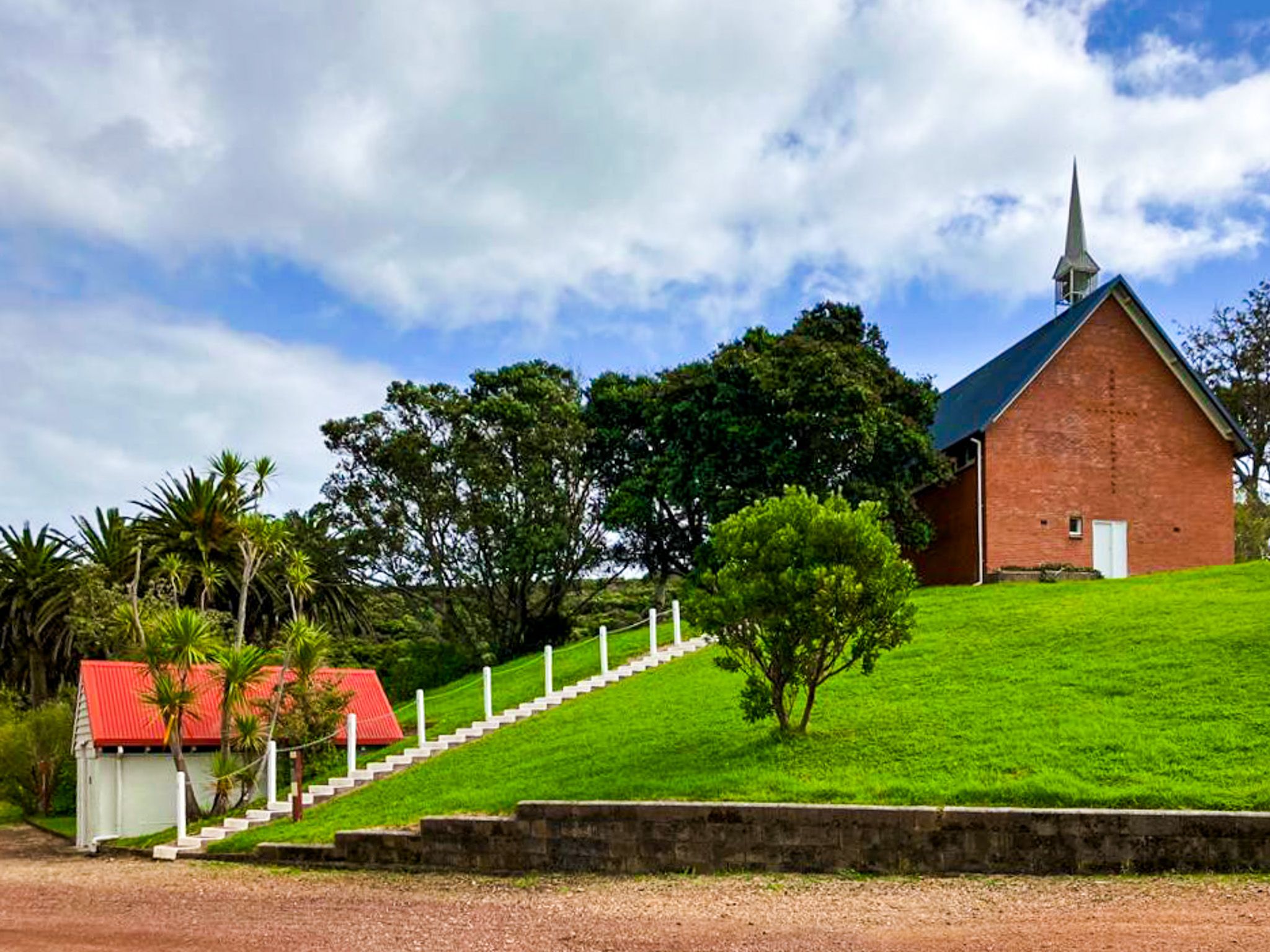
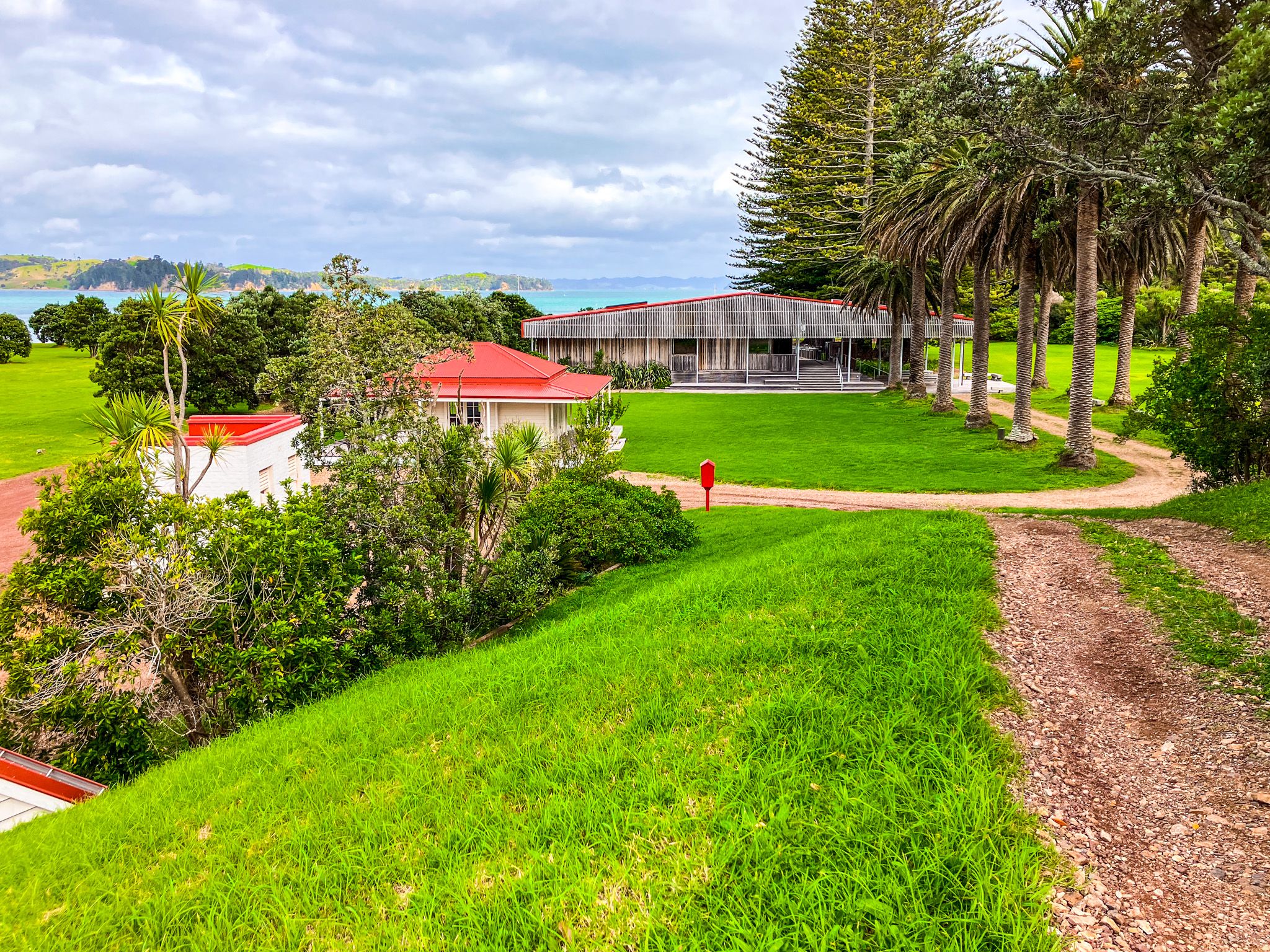
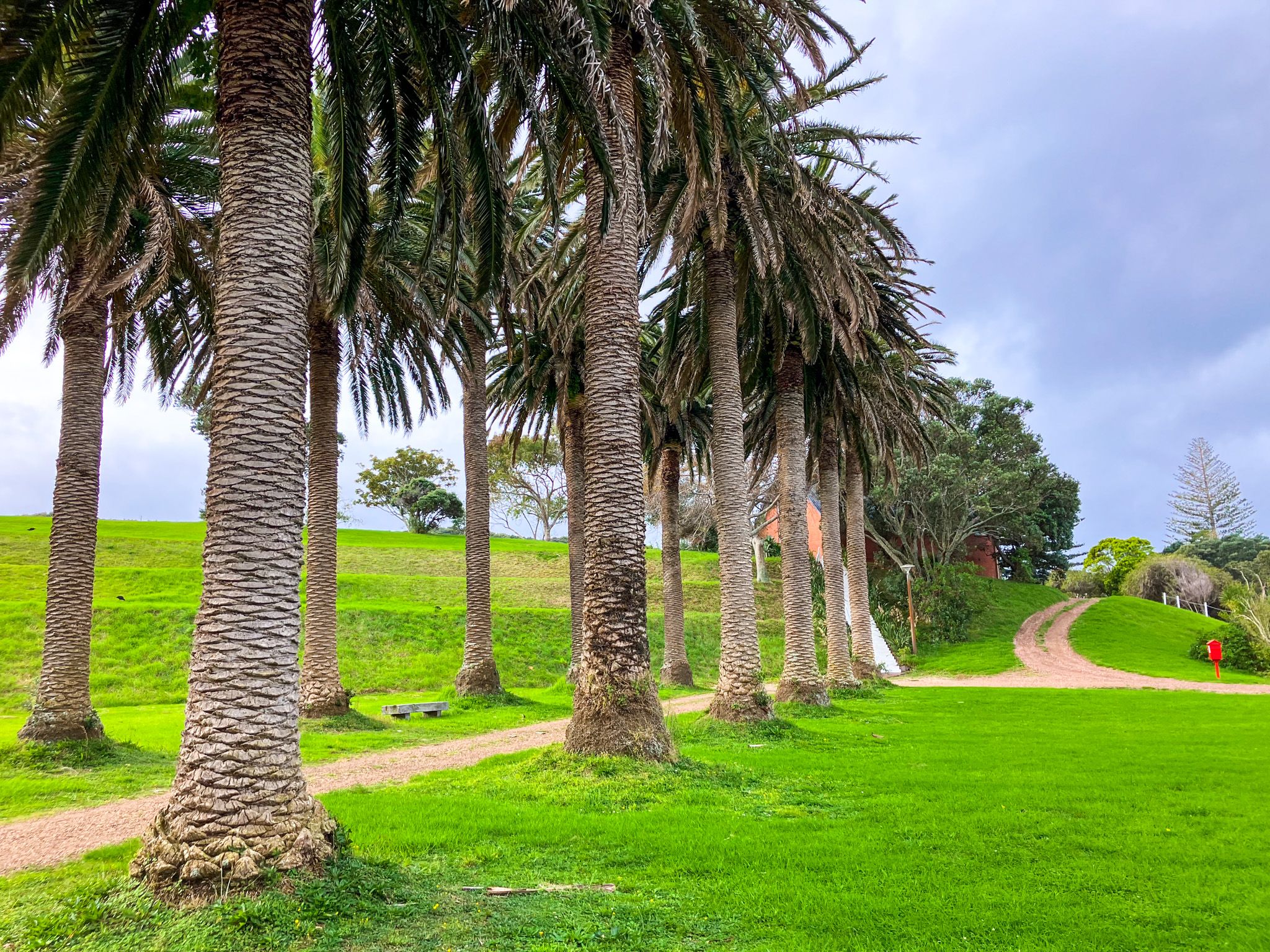
Following European settlement, Rotoroa Island was cleared of forest and used for farming. In 1908, the Salvation Army acquired the island to extend its alcohol and drug rehabilitation services from nearby Pakatoa Island. Men received treatment at Home Bay on Rotoroa, while women were treated on Pakatoa. The rehabilitation facility operated until its closure in 2005.
Revitalisation and Restoration
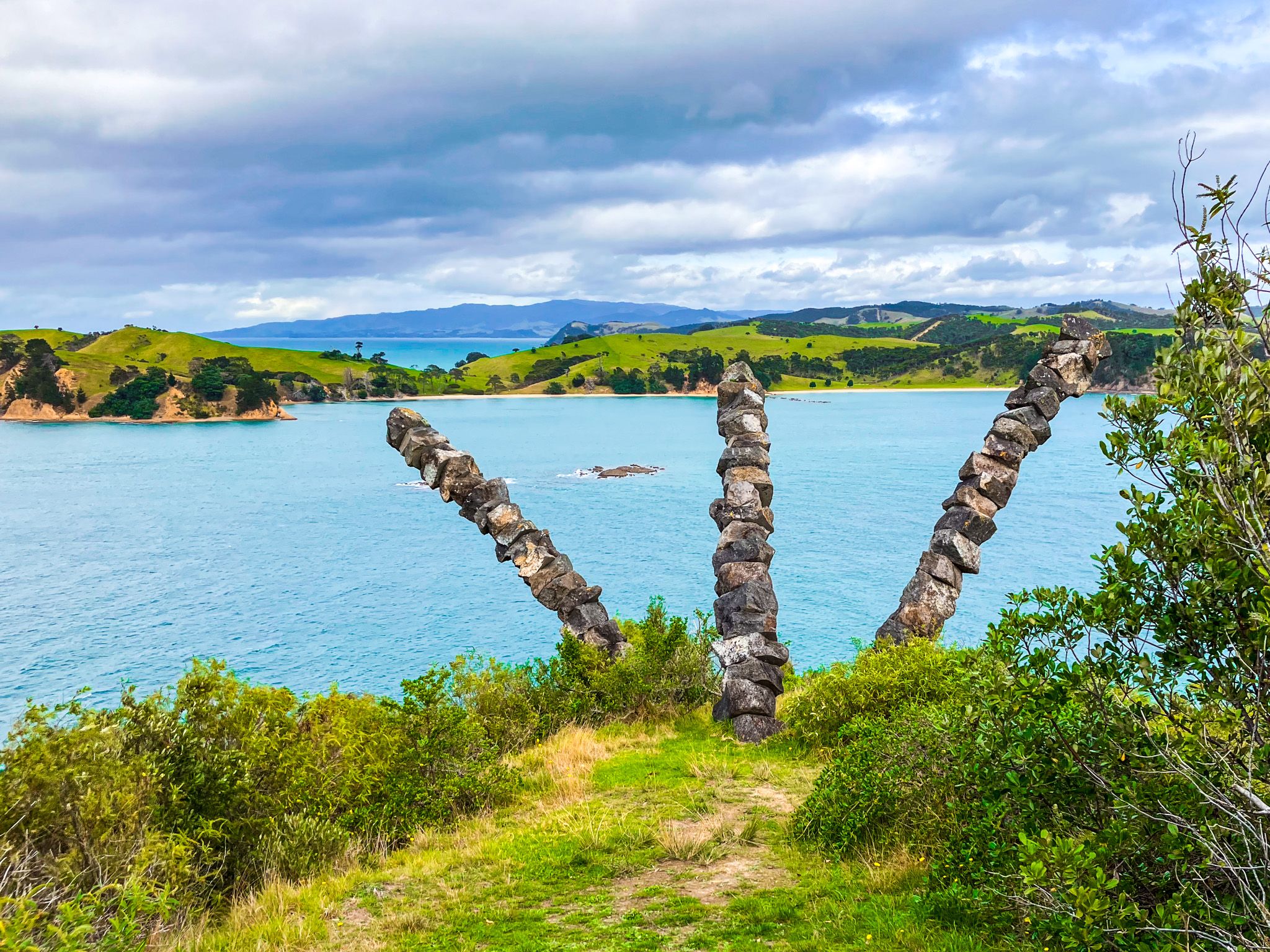
In 2008, philanthropists Neal and Annette Plowman secured a 99-year lease from the Salvation Army to restore and redevelop Rotoroa Island. The island opened to the public in 2011, featuring restored accommodation in three houses and a lodge, alongside a new museum showcasing the island's history. A sculpture by Chris Booth was installed at the southern point of the island.
Efforts to restore the natural environment led to the island becoming predator-free by 2014. Native bird species, including takahē, pāteke, tīeke, and North Island brown kiwi, were introduced to the island. The replanting initiative involved removing 22,000 pine trees and planting over 400,000 native trees, including 30,000 pōhutukawa and kauri seedlings.
How to Get There
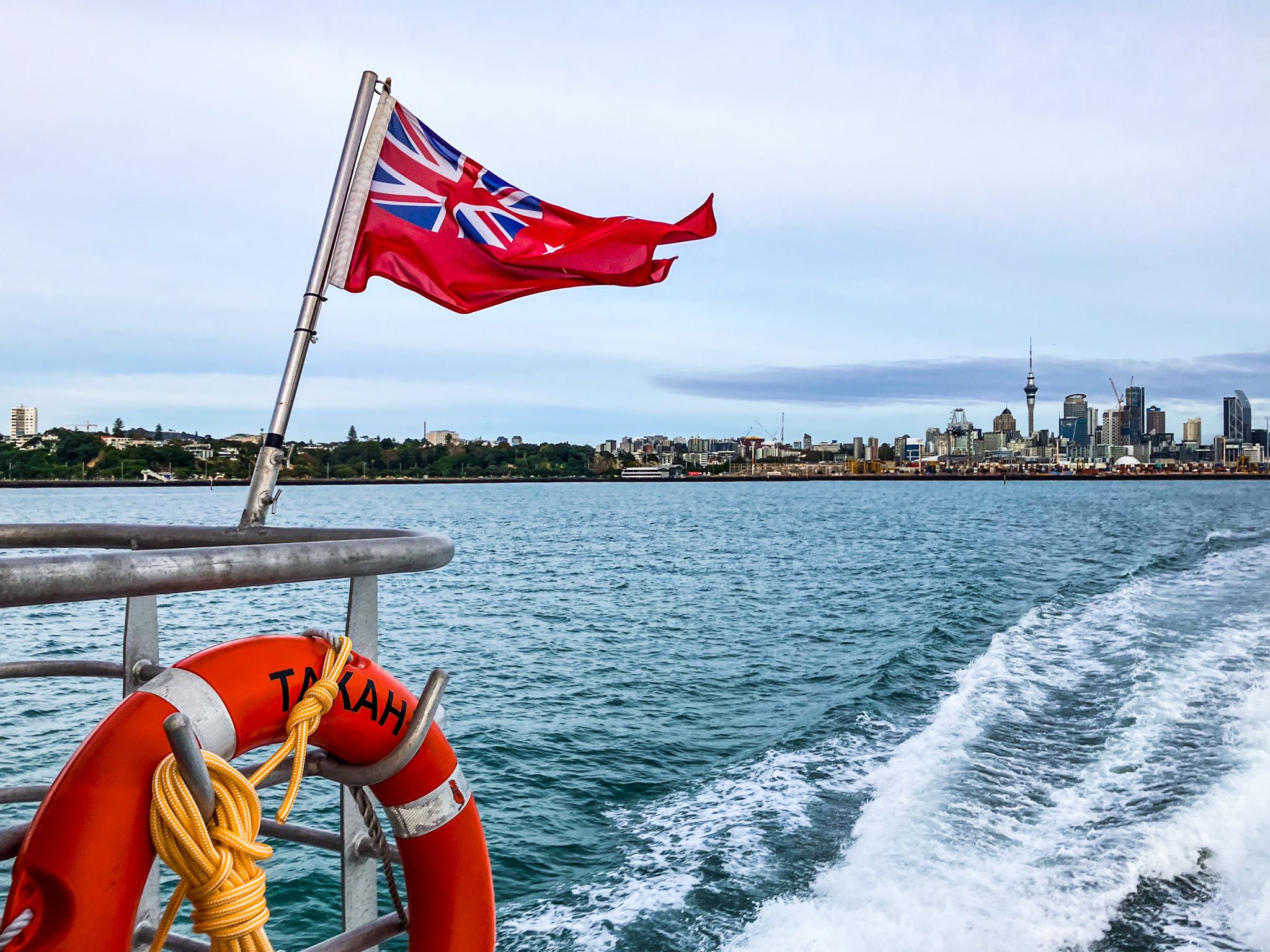
You can reach Rotoroa Island by taking a 75-minute ferry ride from Downtown Auckland. Ferries operate from Wednesday to Sunday and on public holidays.
Other sanctuary islands to visit include Rangitoto and Tiritiri Matangi, while Waiheke Island combines the attractions of Oneroa, a significant town, a local wine industry and beautiful beaches such as Big Oneroa Beach, Palm Beach and Onetangi.