Gateway to Auckland’s Southeast Coast
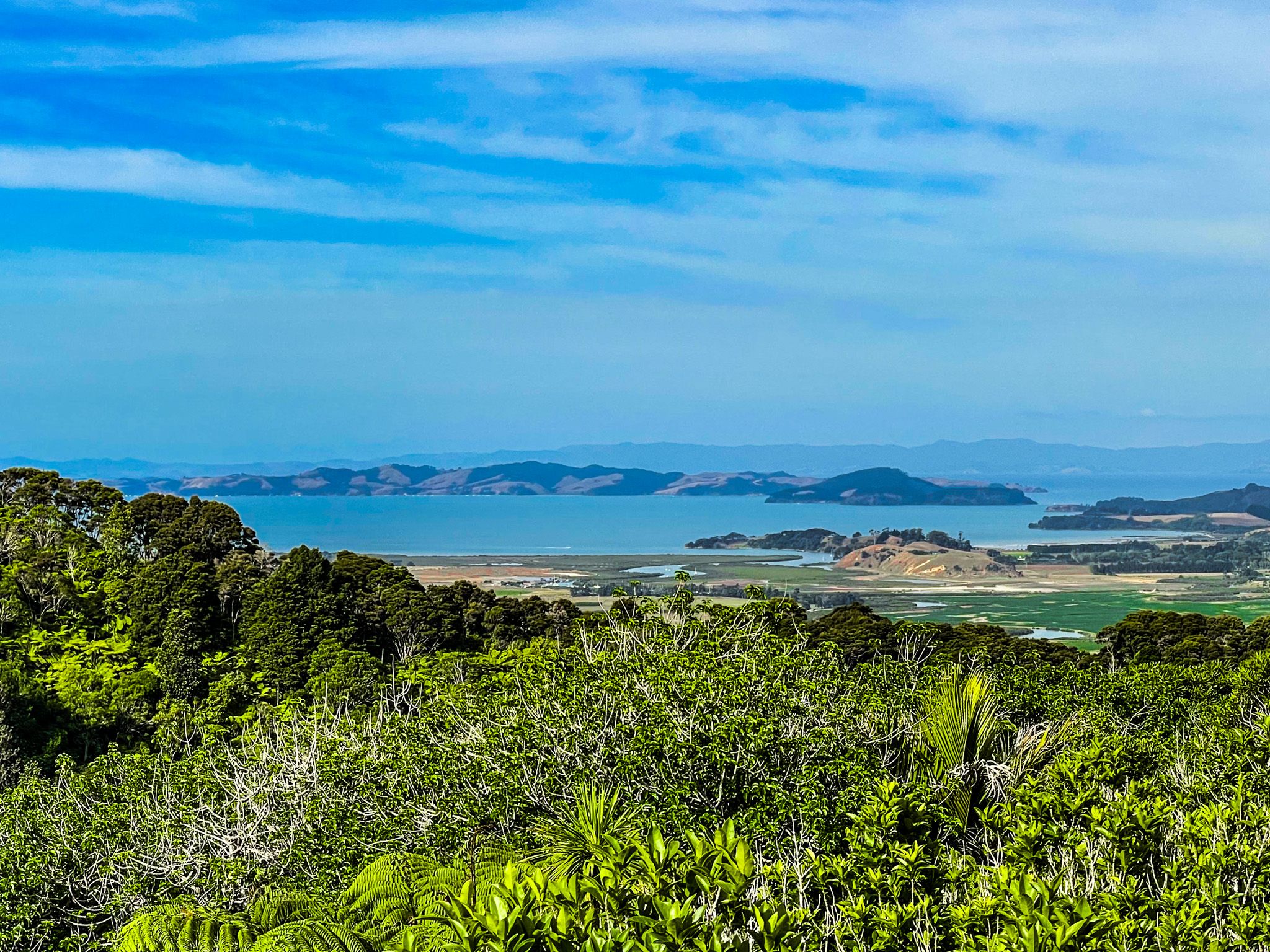
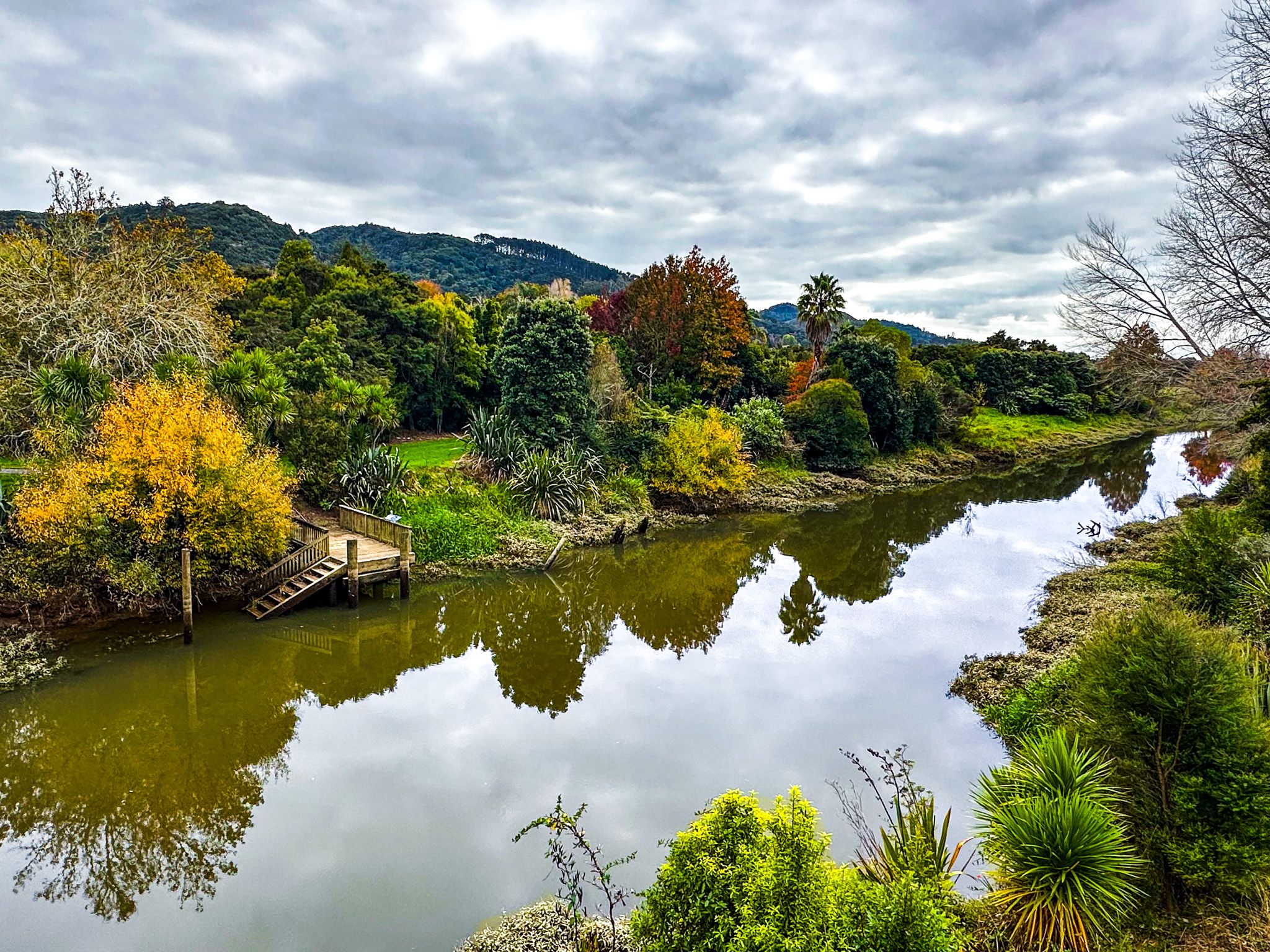
Clevedon (Te Wairoa) is a small rural village in south-east Auckland, sitting at the tidal head of the Wairoa River where the valley opens out toward the Hauraki Gulf. The town also serves as a natural starting point for scenic coastal drives on the Pacific Coast Highway, north to the Pōhutukawa Coast, and northeast toward Kaiaua and the Seabird Coast. Behind the town is an exceptional Auckland regional park, the Te Nikau Pā / Clevedon Scenic Reserve. On Sundays, Clevedon is also one of the most popular short excursions from Auckland, drawing visitors to its two markets and cafes for fresh produce and artisan food, arts, crafts and jewellery.
Māori History
The Wairoa Valley, Hāpua o Te Wairoa in Māori, has been home to Ngāi Tai ki Tāmaki for hundreds of years. The Tainui waka is said to have made landfall at the river mouth around 1400, and the river is very significant for the iwi. The valley's name, Te Wairoa, meaning “the long waters,” was given by early Ngāi Tai ancestors and also refers to a river on Rarotonga.
European Settlement and Development
European settlement began with the McNicol and Hoye families, who purchased land on either side of the Wairoa River around 1852. The settlement was known as Te Wairoa or Wairoa South. In 1865, around 150 Scottish immigrants arrived in Auckland on the Viola and were transferred to Wairoa Landing. They were part of a government migrant settlement programme to create a buffer zone between Auckland and the Waikato, following the government’s invasion of the region during the New Zealand Wars. Life was very difficult for these early migrants. The Wairoa was largely wilderness, and they reputedly were given sufficient stores for 15 days while they carved out a basic house on the plot of land they had been allocated.
The settlement took the name Clevedon in 1866, chosen by residents C.W. Stephens and Le Gally, the latter a native of Clevedon in Somerset, England. The name change was to avoid confusion with Wairoa in Hawke Bay.
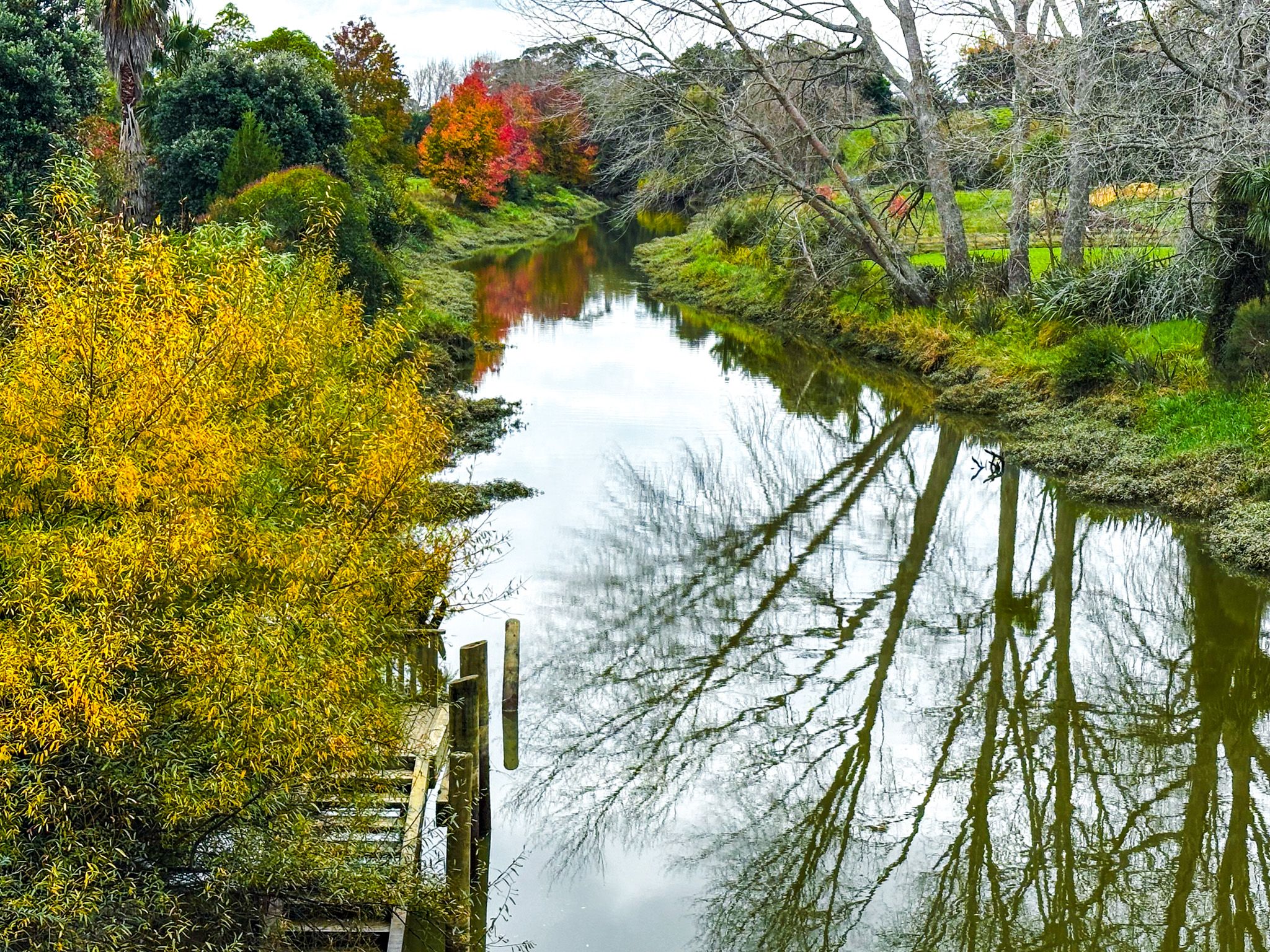
The village was located at the end of the tidal navigable stretch of the Wairoa River. Before road access improved in the 1920s, the river was Clevedon's connection to the world, with a ferry service to Auckland operated from the Wairoa Landing Place from the 1860s until 1928, when improved roads made it uneconomical. There is a small wharf today and, on the east side of the river, a cairn and signage commemorate the first European settlers.
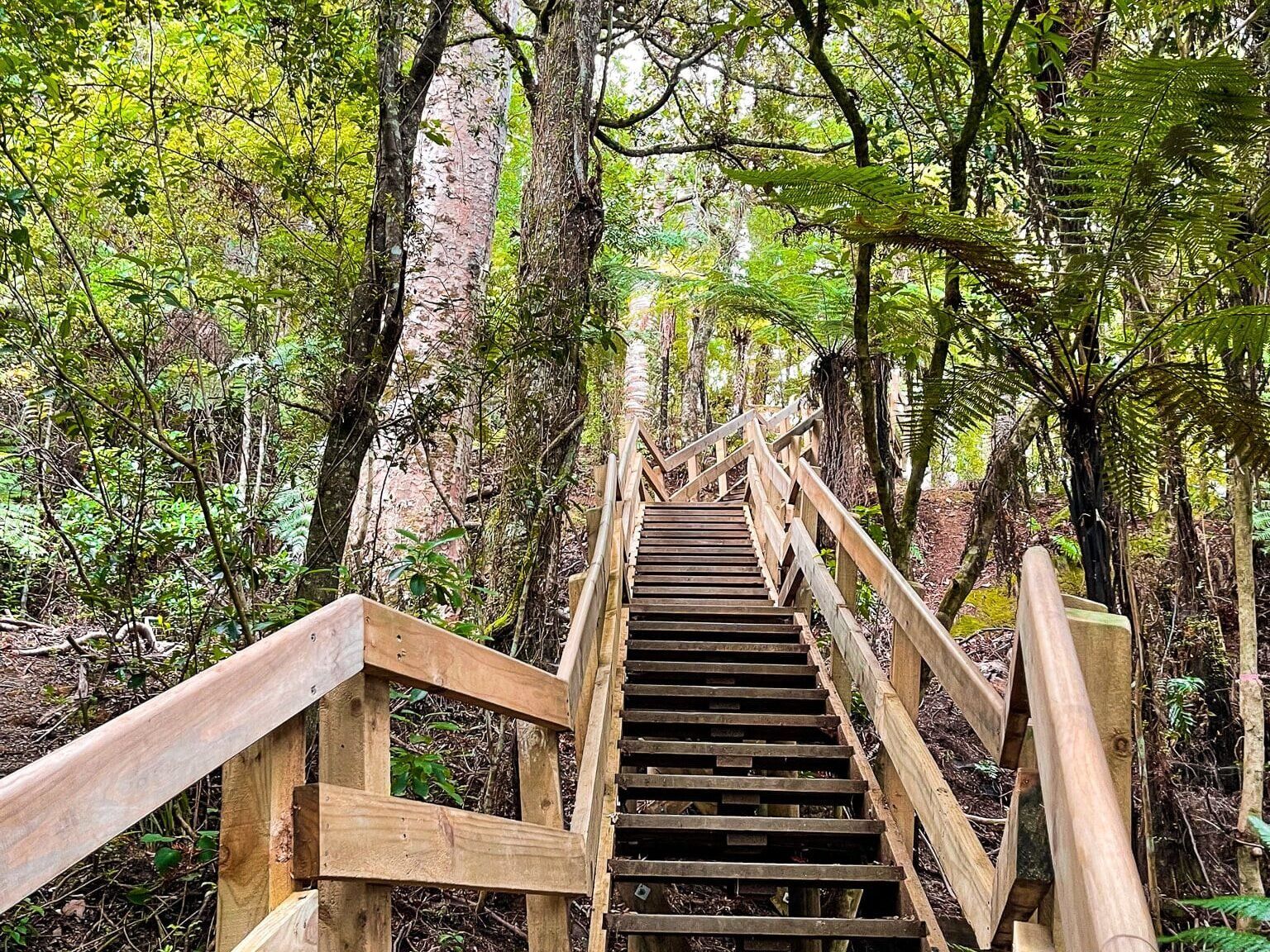
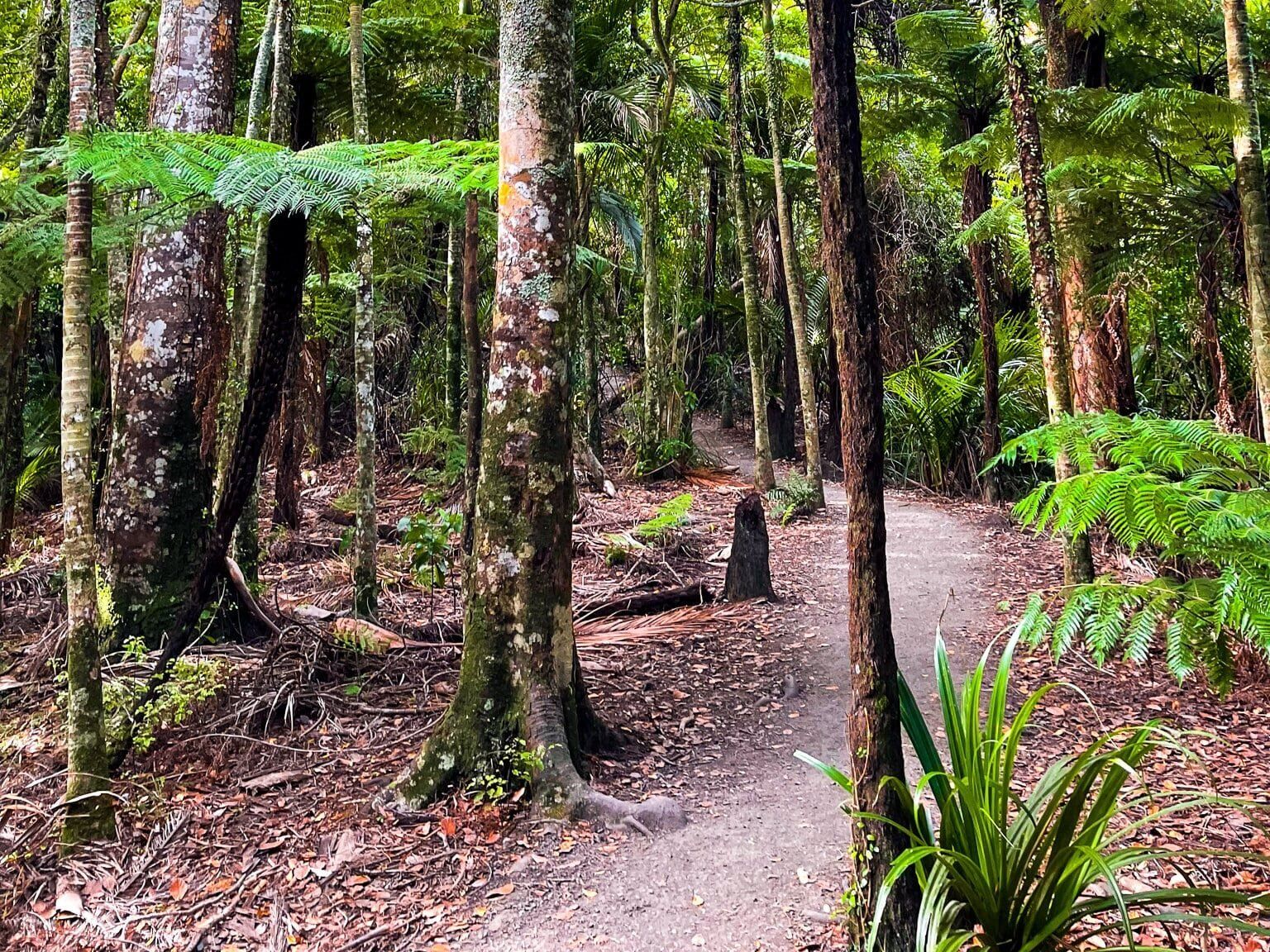
With European settlement, the area's substantial forests were quickly felled, and dairy farming became the valley's main industry and has remained so. Today, the Wairoa River valley retains its pastoral character, flanked by the Hunua Ranges to the south-east, whose forested ridges (exotic and recovering native) are visible from the village. Clevedon Scenic Reserve is on the northwest side of the village, a 220-metre hill clad in recovering native forest.
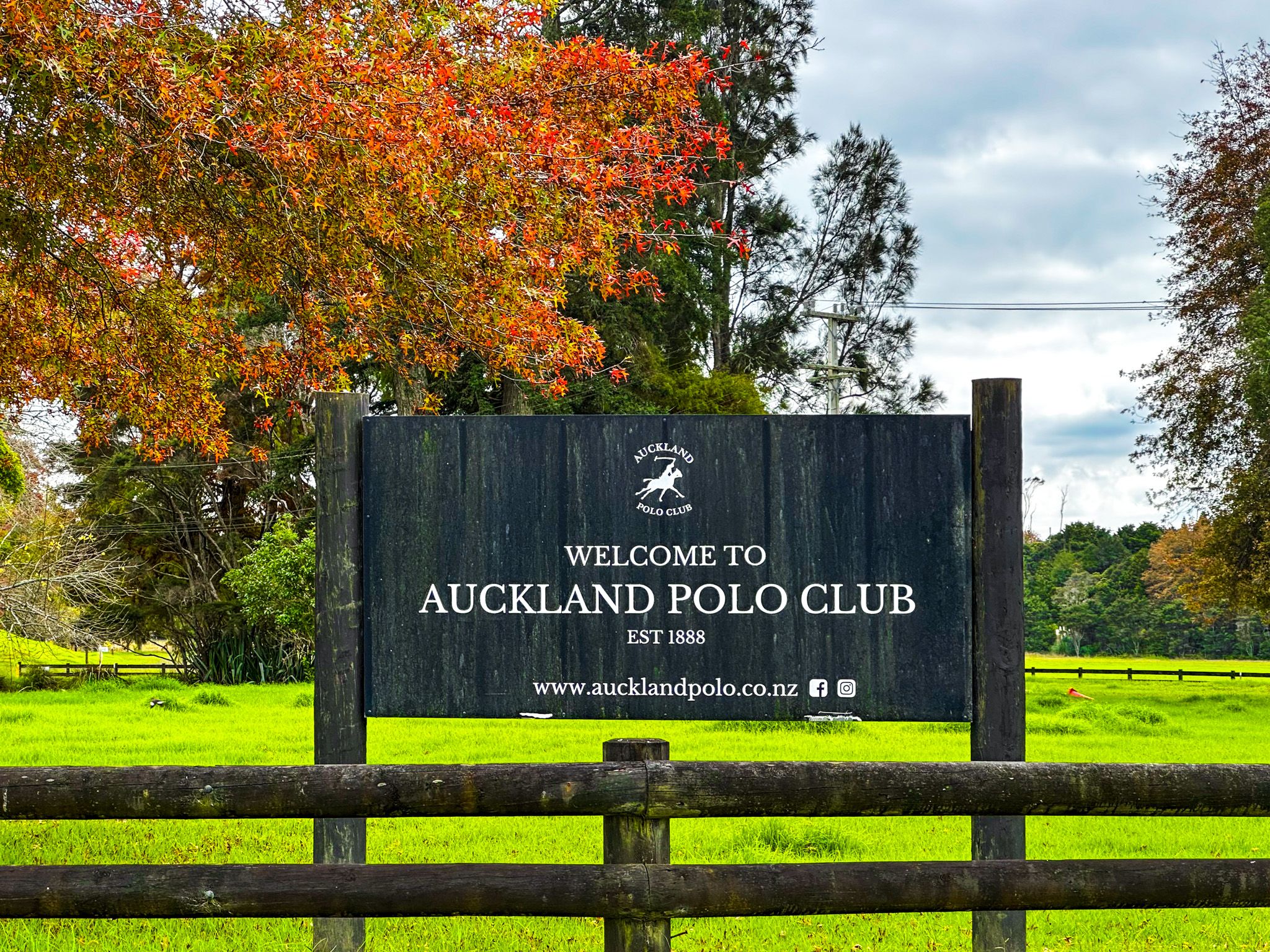
Equestrian activity is also a strong local identity, and Clevedon is home to the New Zealand Polo Open. The saddle shop in the centre of the village reflects the community’s connection to horses.
Markets and Food
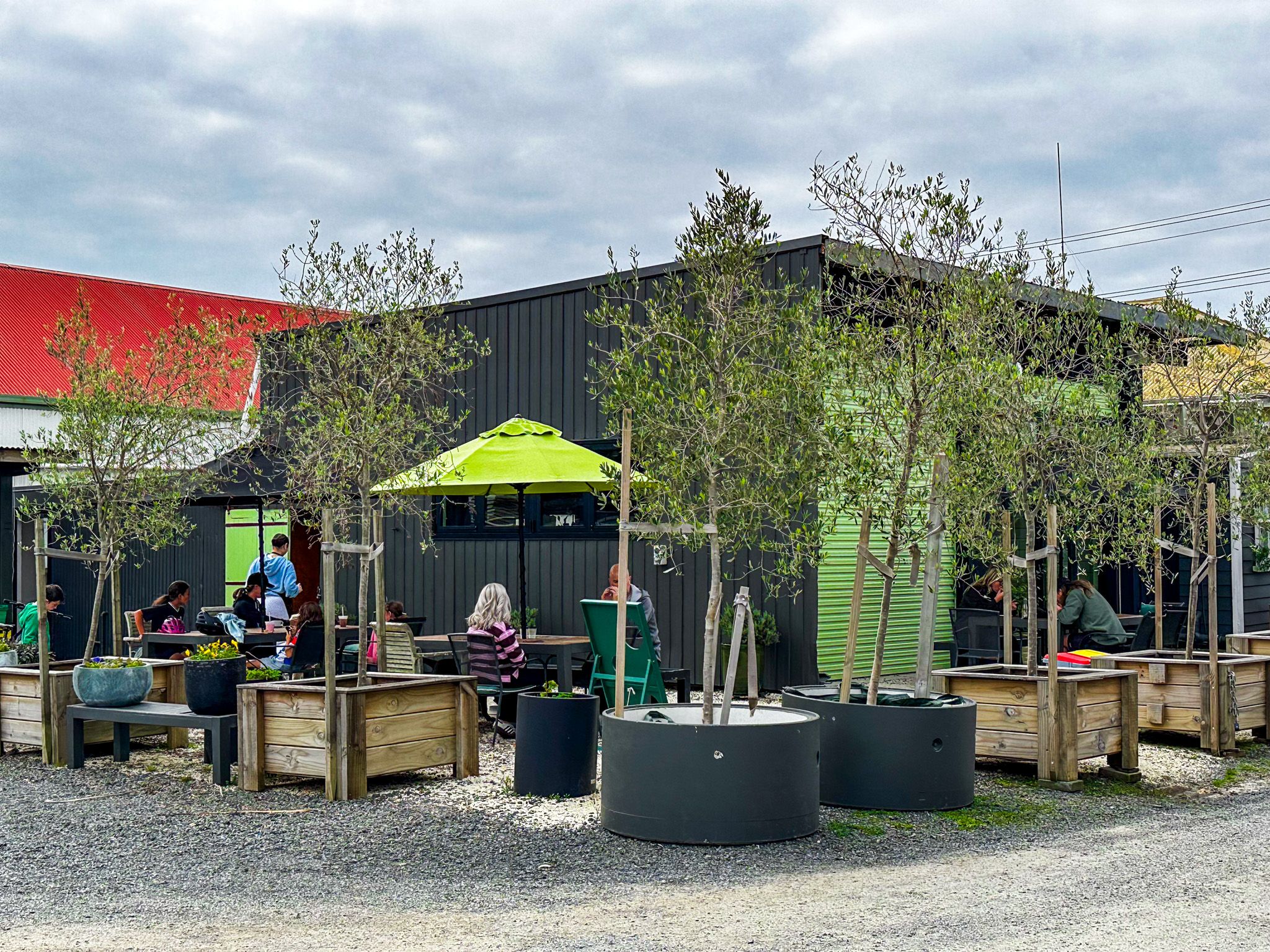
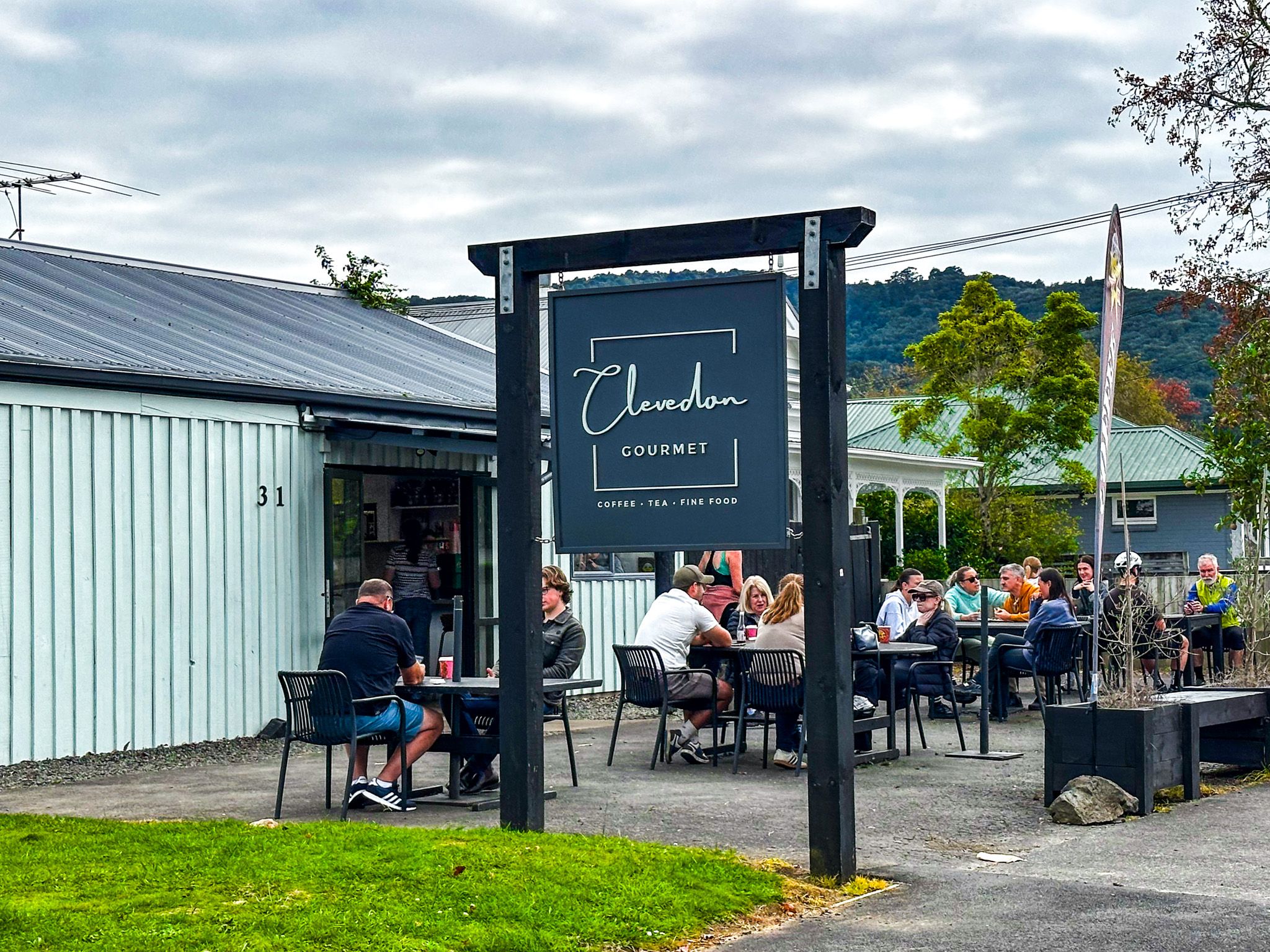
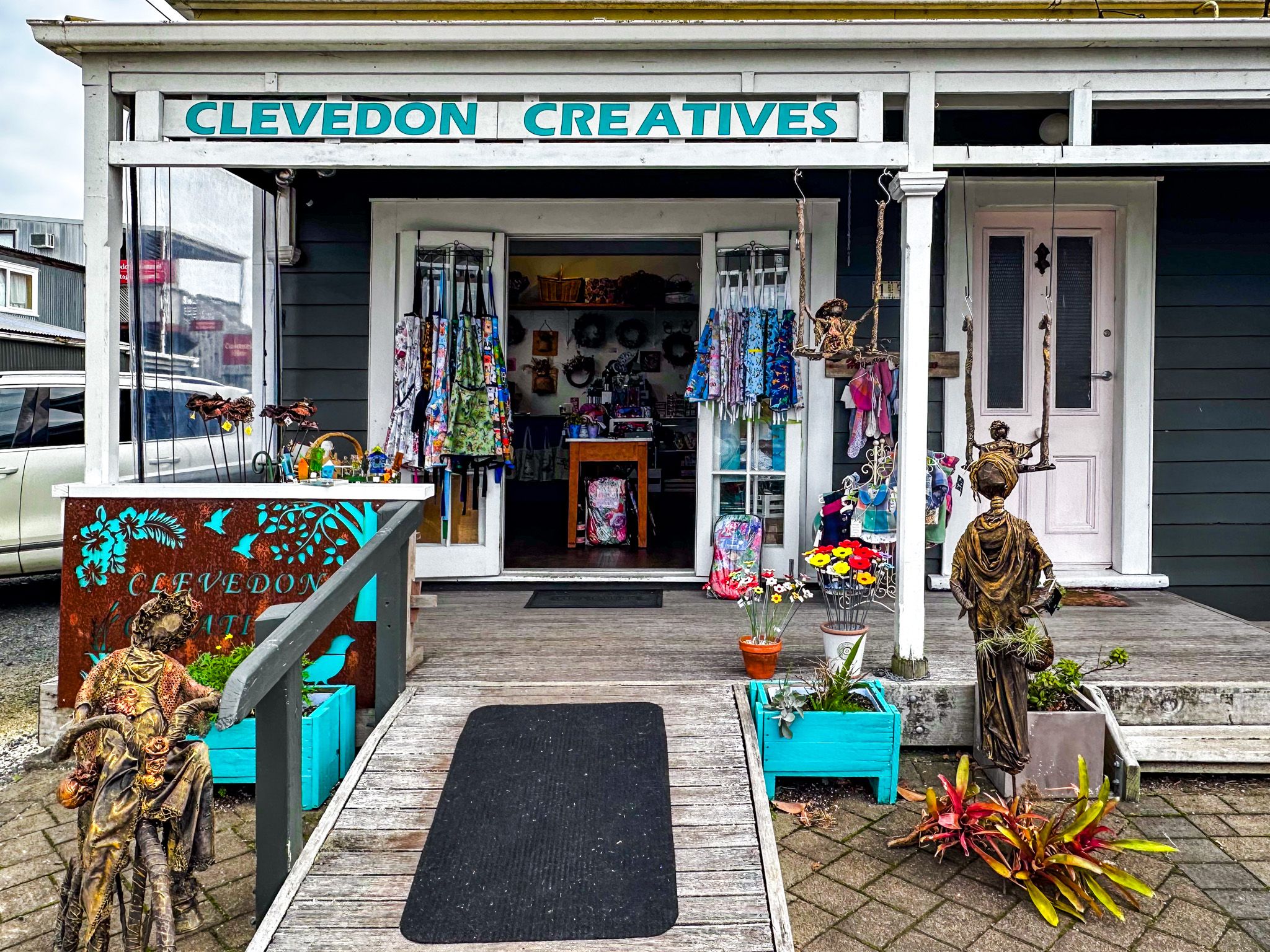
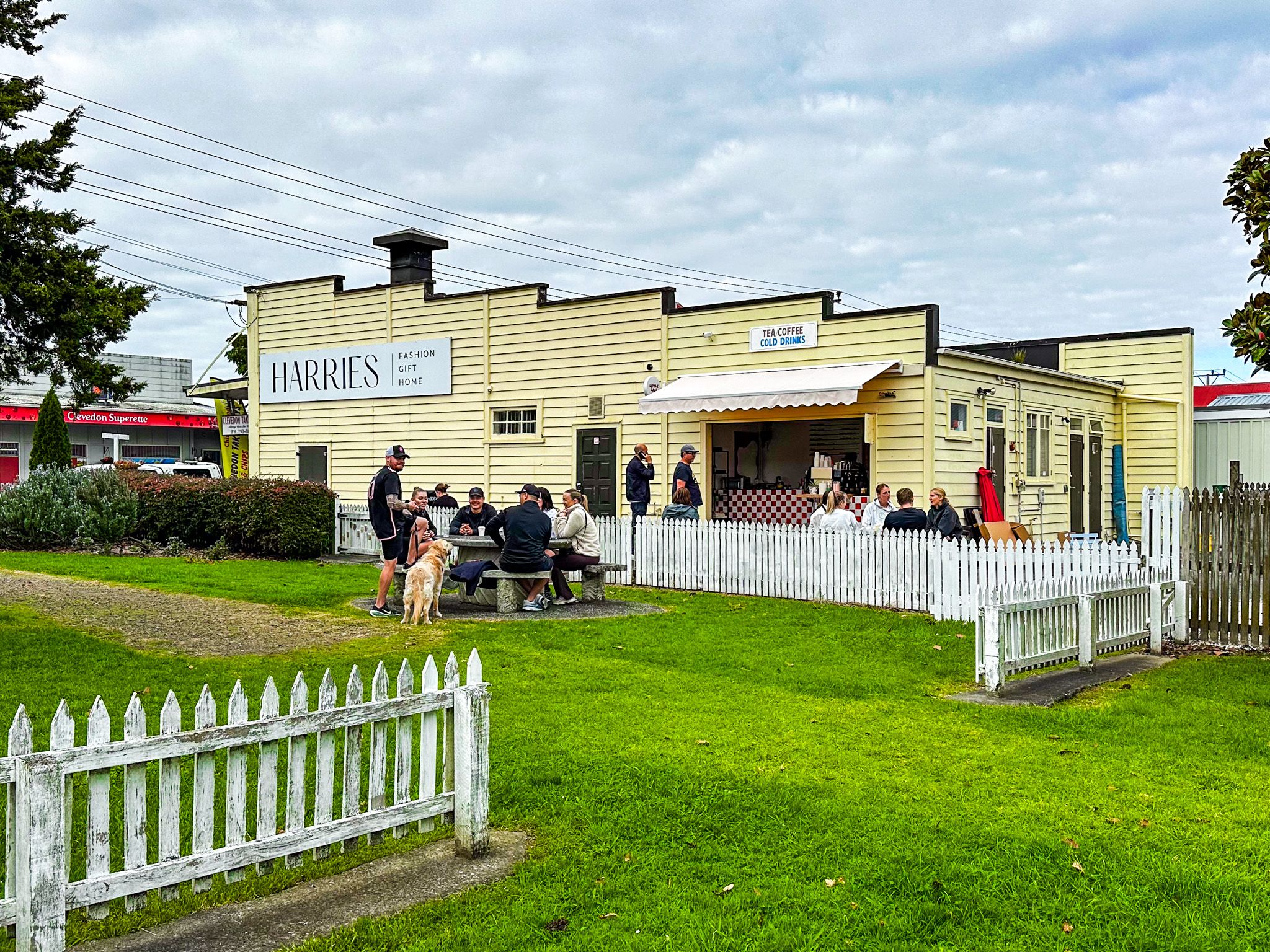
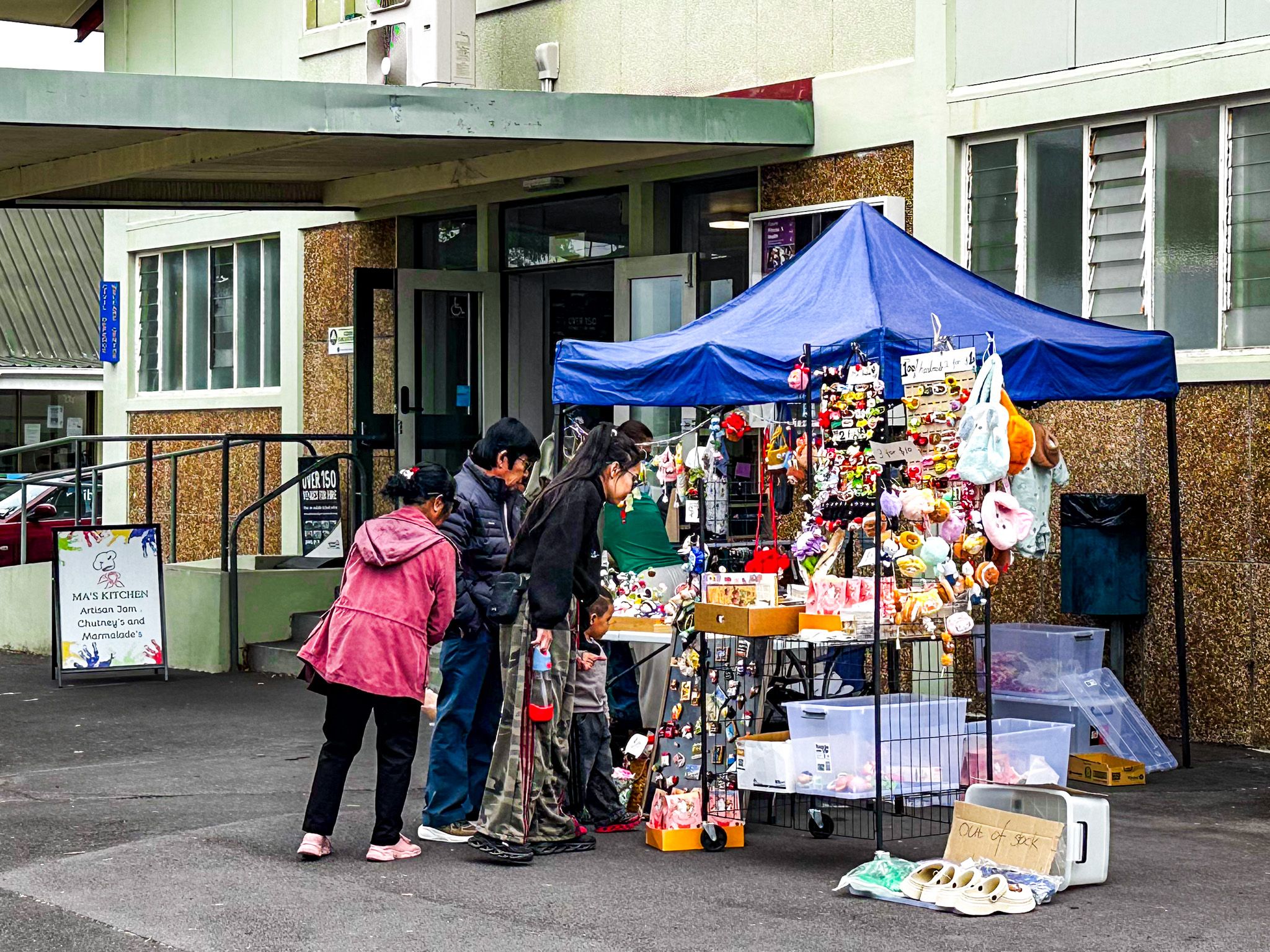
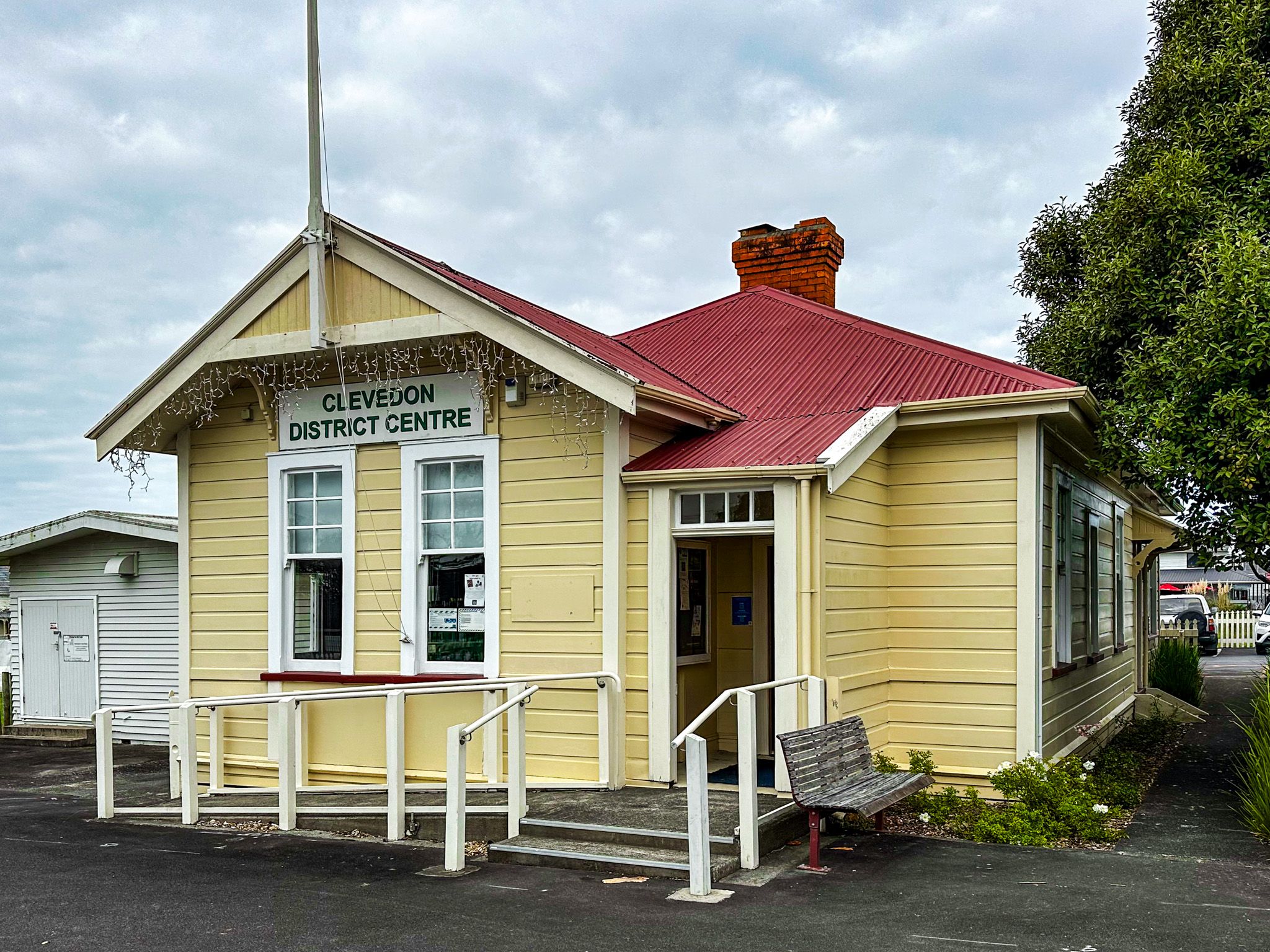
Two Sunday markets run in Clevedon, making it a popular single-day destination. The Clevedon Village Farmers' Market, on Monument Road in the Showgrounds, has fresh produce, artisan cheeses, including buffalo mozzarella from a local producer, baked goods, smoked meats and other regional specialties. In the town centre, the Clevedon Village Market focuses on arts, crafts, jewellery and gifts. They both run from around 8 am to 1 pm on Sundays. They are popular, and the village can get very busy, especially when the weather is good.
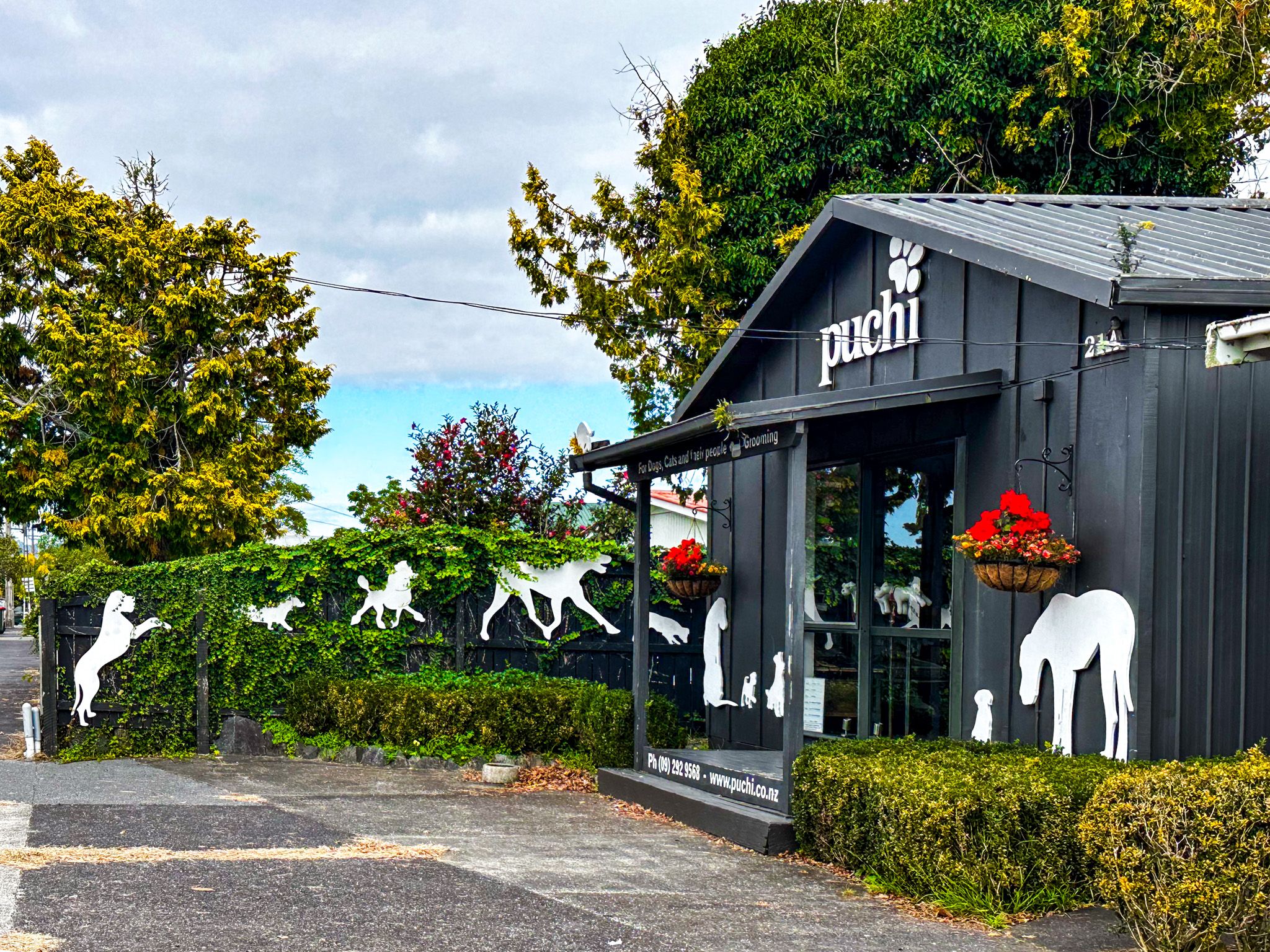
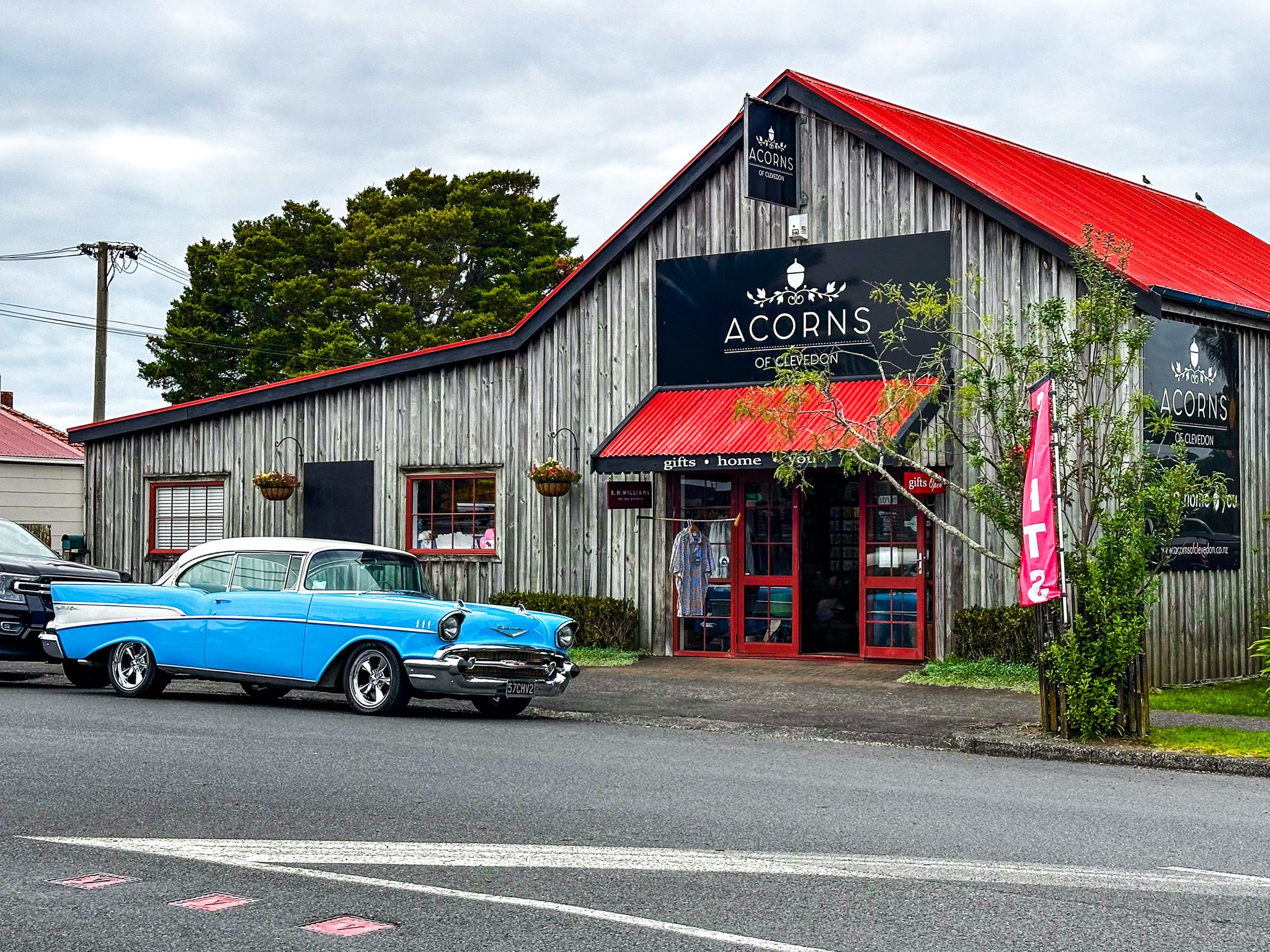
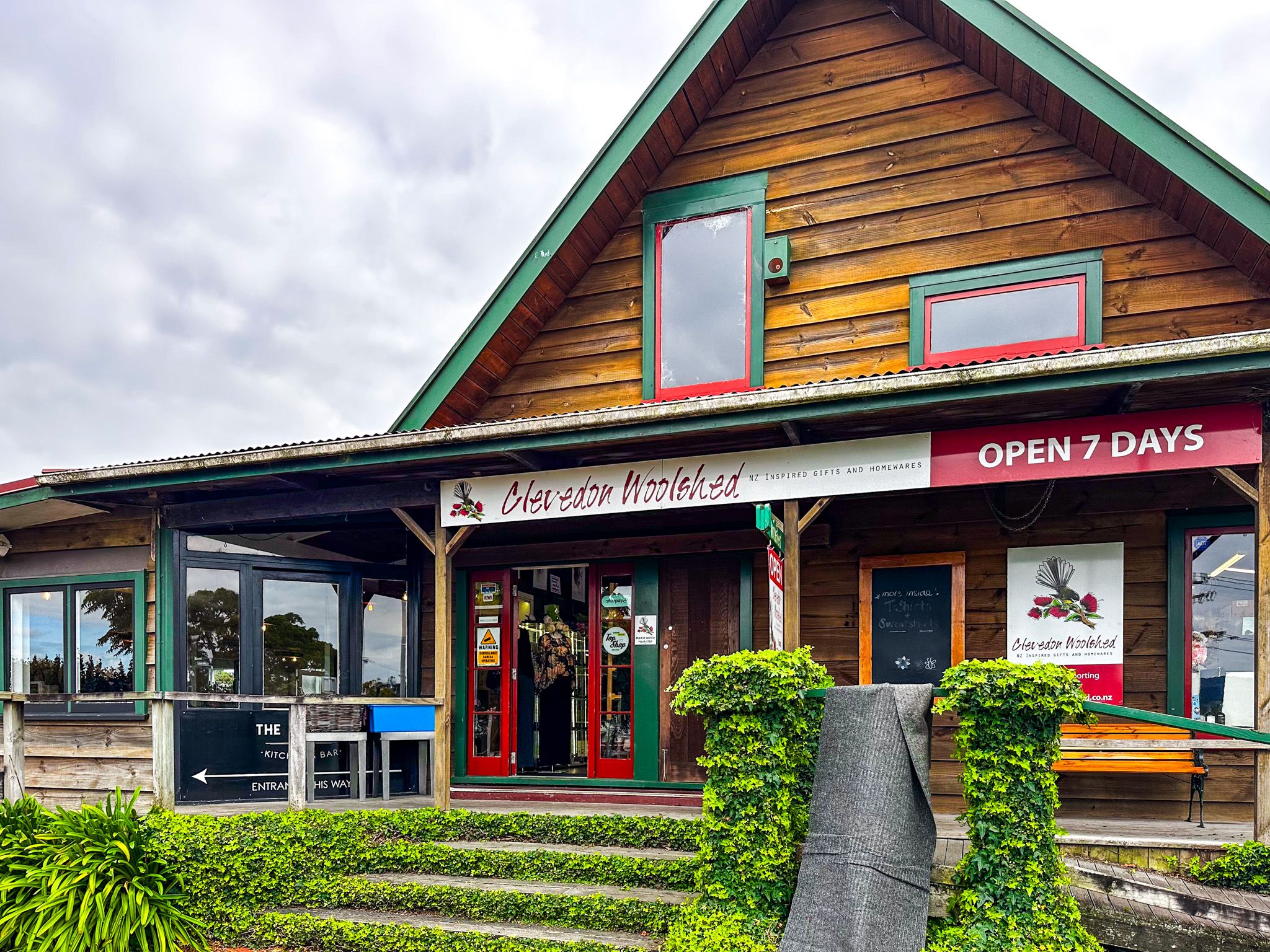
Clevedon has also developed a reputation as a food and wine destination beyond market day. Small wineries operate in the surrounding hills, and the Hallertau craft brewery on Kawakawa Road has a garden bar popular with cyclists and day trippers. Despite its compact size, the village has a good range of shops and a high ratio of cafes per capita.
Cycling the Hunua Traverse
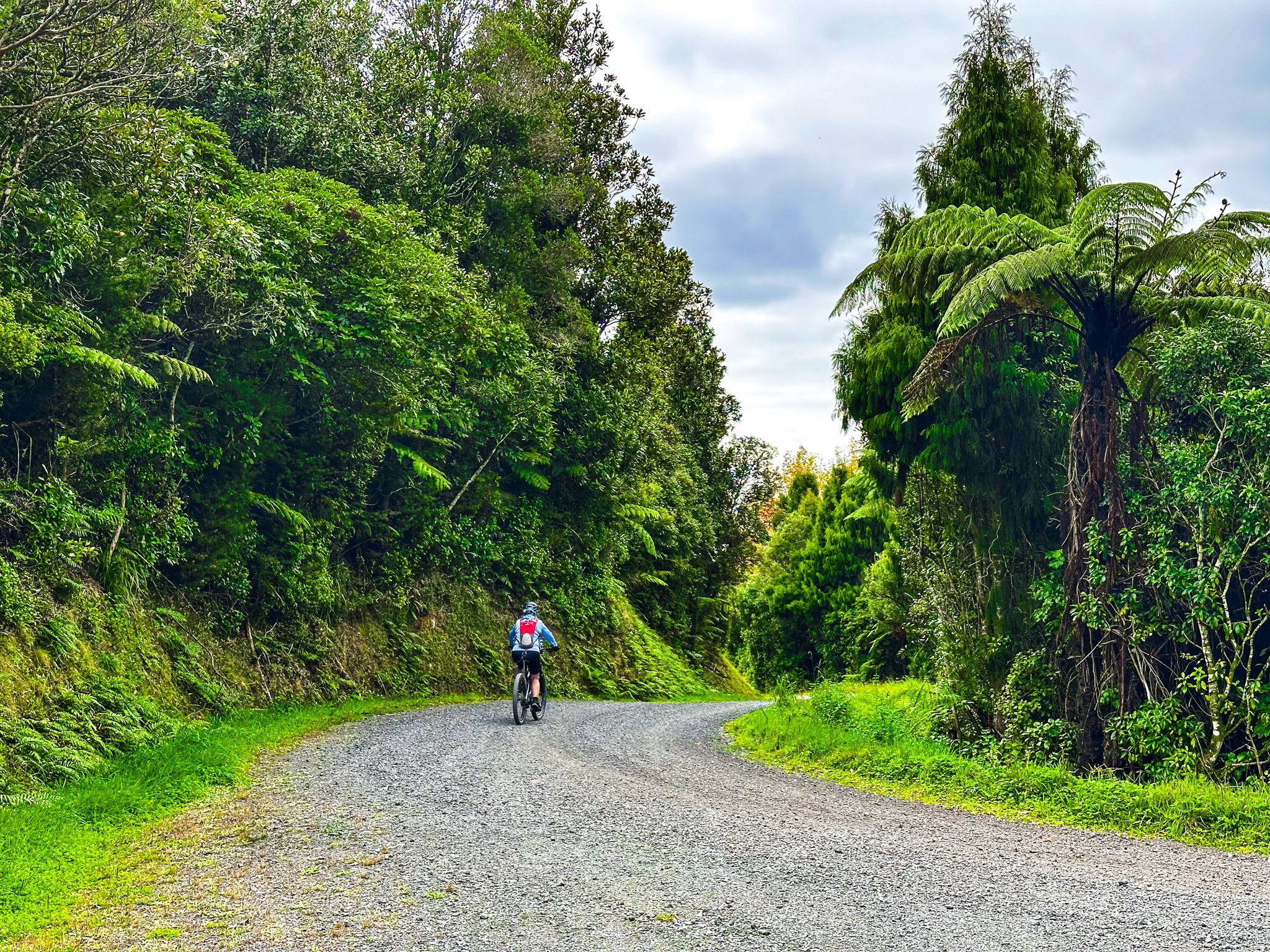
Clevedon is also one end of the Hunua Traverse, a cycling trail that follows gated work roads, mainly Auckland Watercare, across the Hunua Ranges to Kaiaua. The trail also links with the Hauraki Rail Trail in Kaiaua. The traverse is 44.5 km long and is reasonably strenuous in places. The access roads are sealed, but turn to gravel as they cross the ranges. Along the way, you will see a mix of exotic plantation forests, native forest regrowth, including kauri, two scenic reservoirs and two campsites.
Road access is affected by logging operations, so check the website before you go.
McNicol Homestead Museum
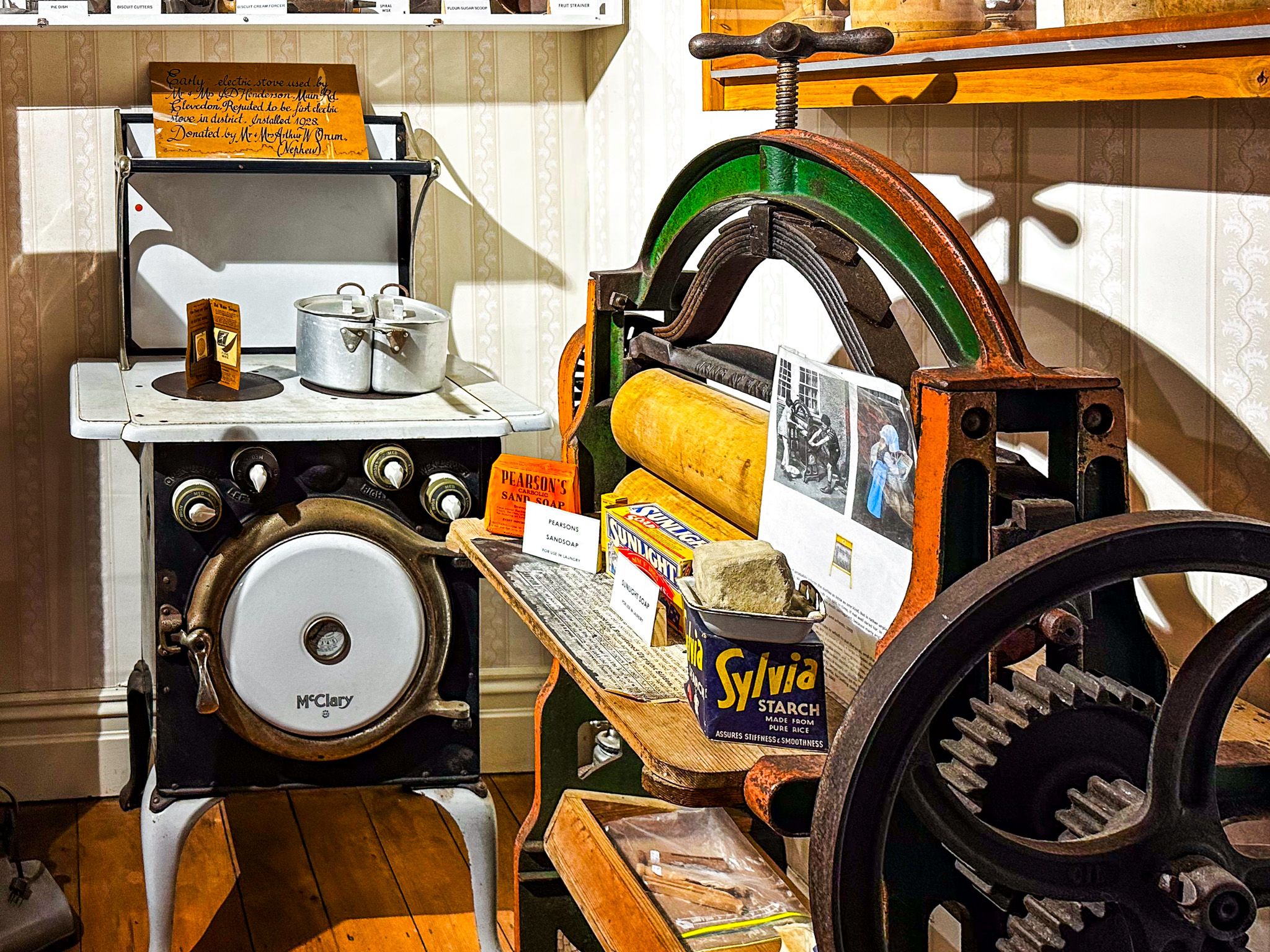
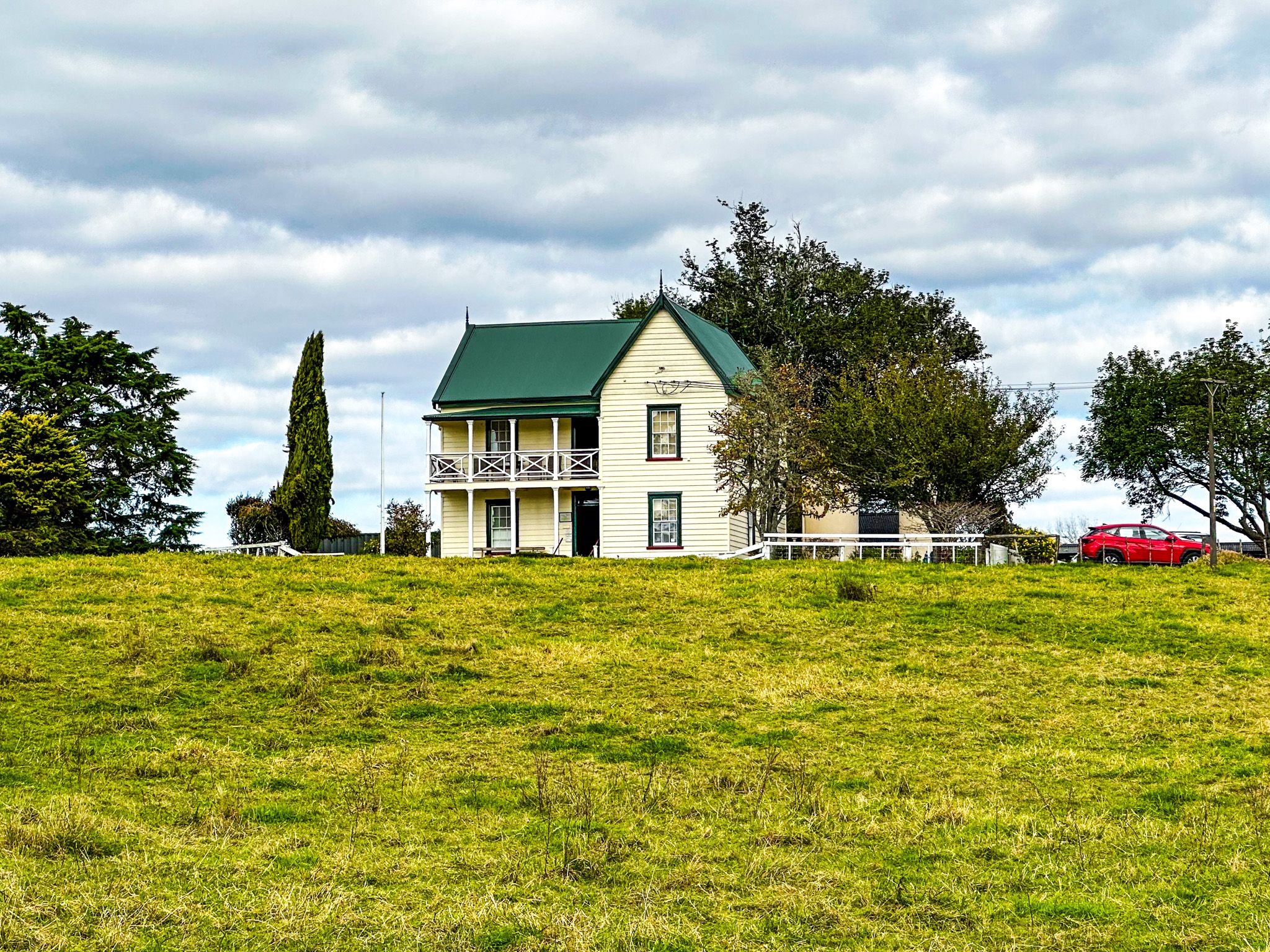
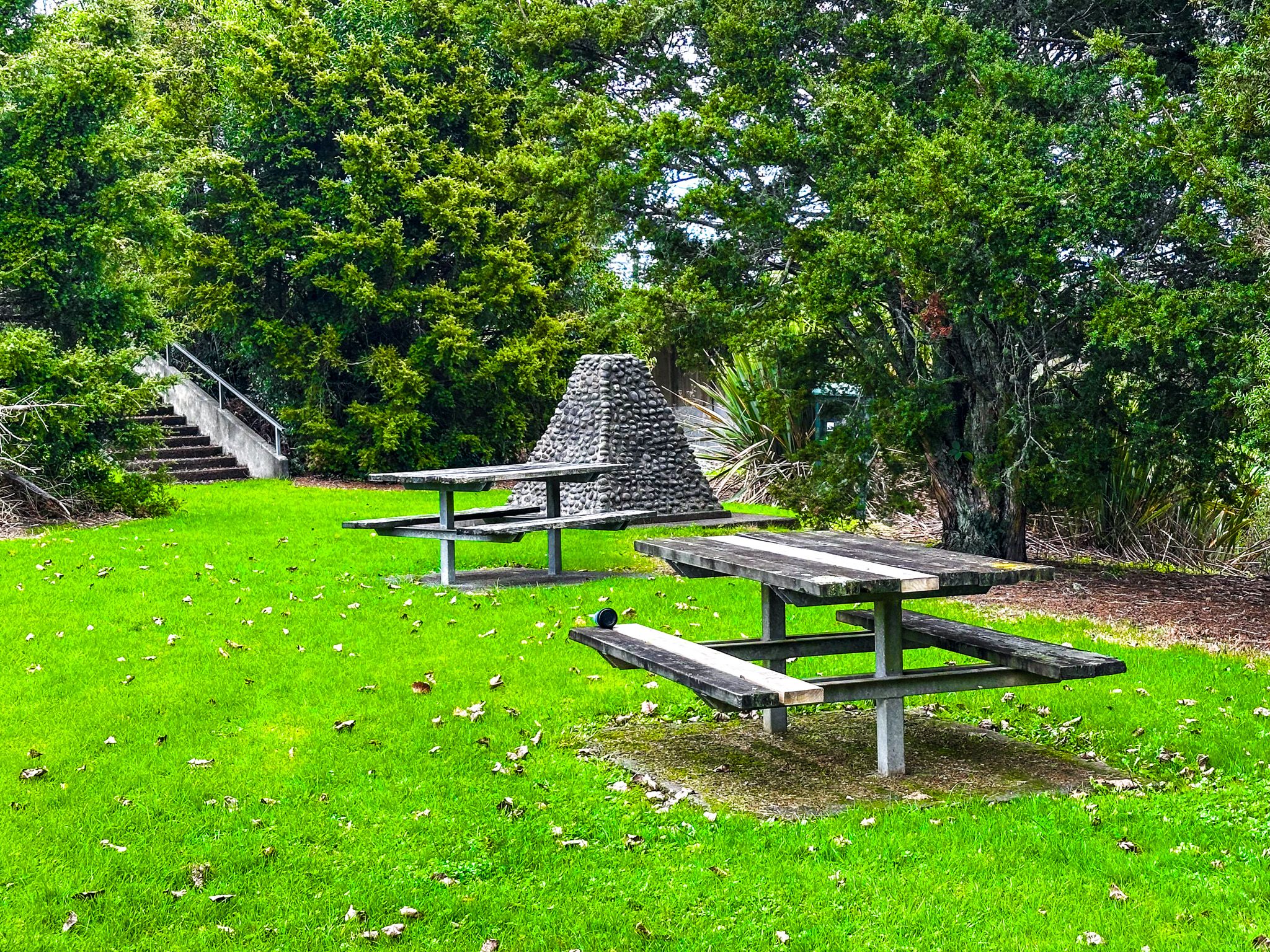
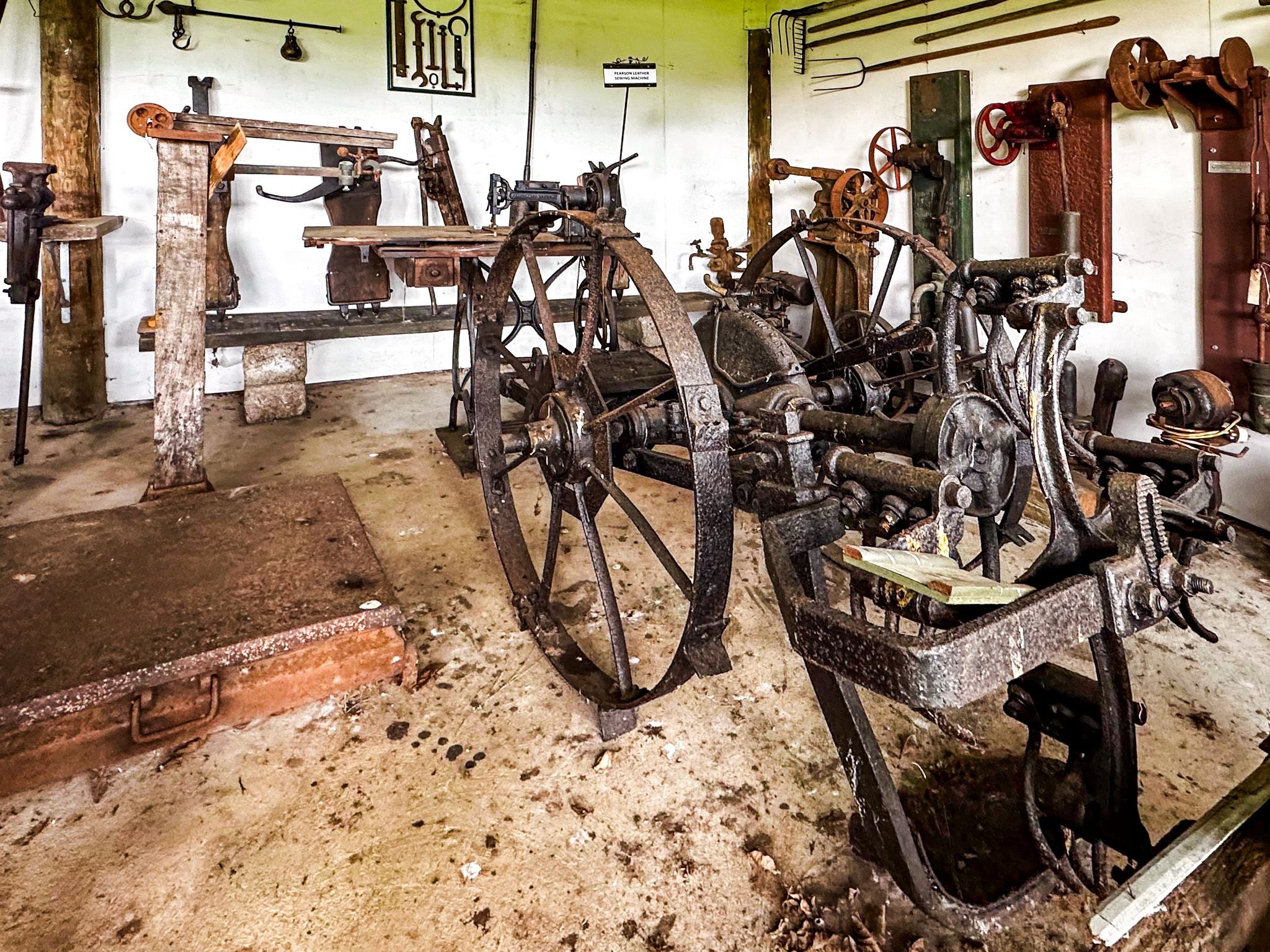
The McNicol Homestead on Papakura-Clevedon Road is one of the district's most tangible links to its settler past. Built in solid kauri in 1878 by the McNicol family, the valley's founding European family, it is managed by the Clevedon and Districts Historical Society as a museum. Display rooms give a sense of life in the 1800s, and the gardens provide a pleasant setting for a picnic. The museum opens on weekend afternoons, from 1 pm to 4 pm.
How to get there
From Downtown Auckland, take the southern motorway to the Hill Road off-ramp, then head east-northeast via Hill Road, Stratford Road, Alfriston Road, Alfriston-Ardmore Road, Clevedon-Takakani Road, and Clevedon-Papakura Road to Clevedon. The drive to Clevedon takes 37 minutes and is 39 km.
Nearby places to visit include the Clevedon Scenic Reserve, an excellent loop comprising the Tōtara Track and the Puriri Track through beautiful regrowth forests, including a significant kauri grove. Clevedon is also a gateway to beaches and regional parks on the Pōhutukawa Coast, including Beachlands, Ōmana Regional Park, Maraetai and Duder Regional Park, and to Waitawa Regional Park, Kawakawa Bay, Tawhitokino Beach, Ōrere Point, Tapapakanga Regional Park, Waharau Regional Park and the seabird reserve at Pūkorokoro / Miranda.